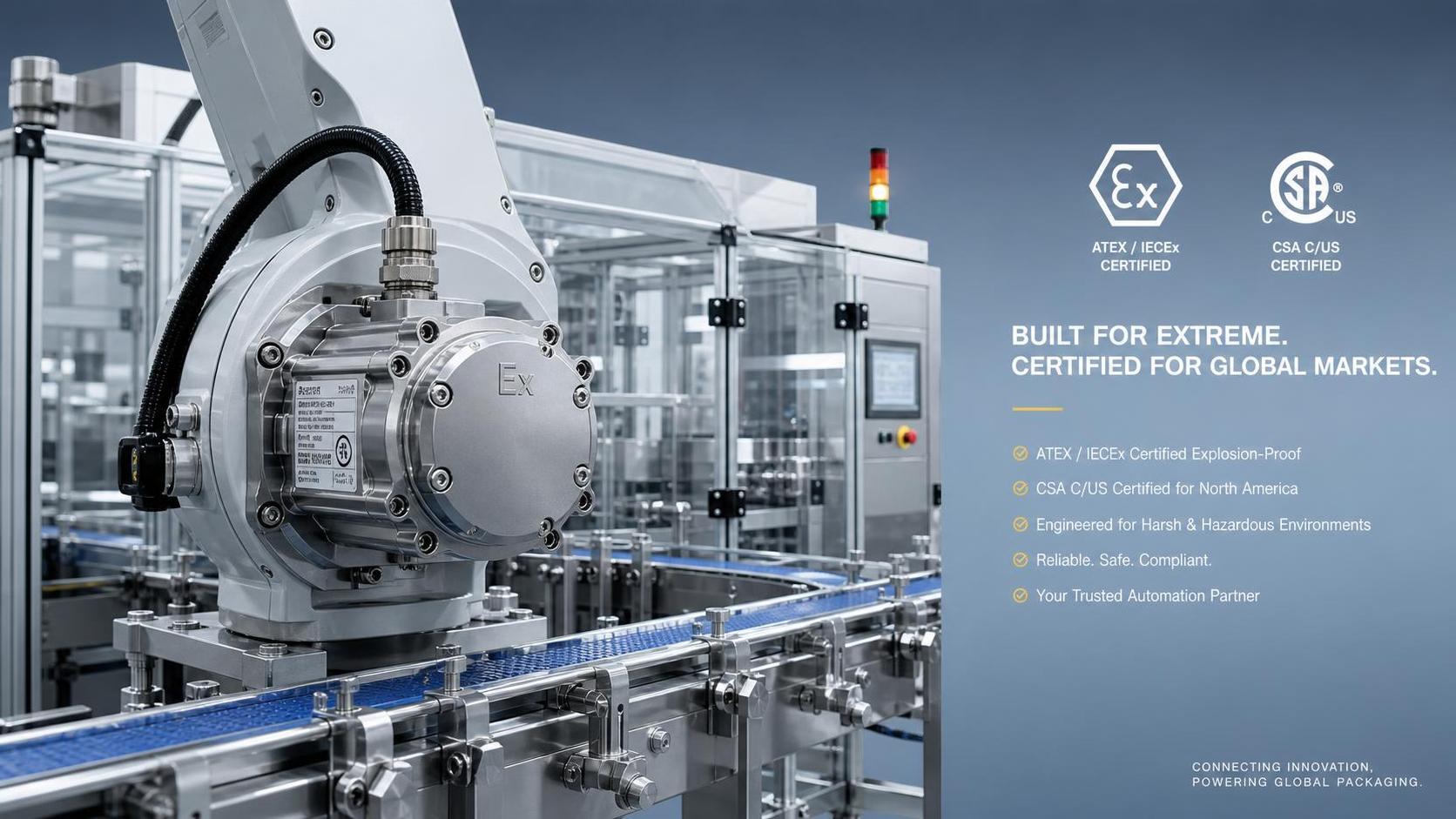









HONPINE Gains UL 1604 Certification for North America
The timing of the broader market impact is not explicitly stated in the source material, but the announced certification event is clear: on August 4, 2026, HONPINE said its HPJM series high-precision harmonic robot joint motors had obtained UL 1604 Class I Div 2 certification. For suppliers, distributors, system integrators, and industrial buyers serving hazardous or tightly controlled production environments, this is worth watching because certification status can directly affect market entry, supplier qualification, procurement review, and delivery arrangements in North American automation projects.
What Has Been Confirmed So Far
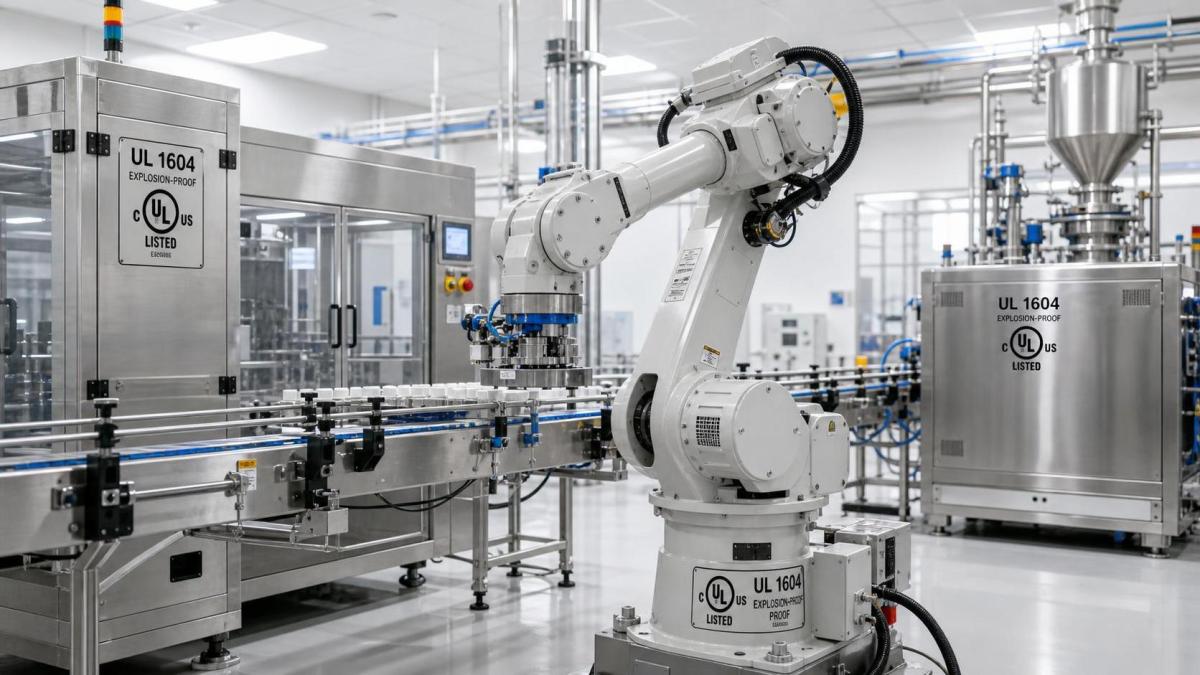
According to the provided information, HONPINE, a Chinese supplier of harmonic robot joint motors, announced on August 4, 2026 that it had passed UL 1604 Class I Div 2 explosion-proof certification for its HPJM series.
The certification is described as enabling these products to enter automation production lines in demanding environments such as petrochemical, pharmaceutical, and food processing applications in North America.
The same information states that the certification removes the need for end customers to bear secondary certification costs and significantly improves distributor product selection efficiency and channel access speed in the North American market.
Why This Matters Across the Supply Chain
A clearer procurement path for industrial buyers
Analysis shows that for buyers operating in sensitive production environments, certified components can move more quickly through internal qualification and specification review. The practical effect is likely to be felt in supplier screening, technical documentation review, and project purchasing decisions. What deserves closer attention is whether procurement teams begin treating this type of certification as a stronger prerequisite in applicable automation tenders and equipment replacement plans.
Faster specification alignment for distributors and channel partners
From an industry perspective, distributors may be among the first to feel the effect of this change because certification can reduce uncertainty during product selection and channel onboarding. The impact is likely to appear in catalog inclusion, technical bid alignment, and discussions with downstream industrial users. Channel participants should pay close attention to how certification claims are presented in product materials, qualification files, and sales documentation.
Implications for manufacturers and integrators serving harsh environments
Observably, manufacturers and automation integrators working with petrochemical, pharmaceutical, or food processing lines may view certified joint motors as easier to deploy in projects where compliance review is strict. The likely influence is not only technical but procedural, touching equipment matching, documentation preparation, and delivery approval. Companies in this position should closely review certification scope, supporting technical files, and any customer-side compliance requirements tied to the intended operating environment.
A more explicit compliance checkpoint for certification and testing workflows
For businesses involved in product qualification, testing support, or compliance services, this development signals that component-level certification can shape commercial access conditions. The key operational effect may fall on document checks, evidence packages, and customer verification steps. It is more appropriate to understand this as a compliance signal that may affect how supporting reports and qualification materials are prepared for North American industrial automation business.
What Companies Should Watch Next
Check the exact certification scope before quoting or sourcing
Analysis shows that companies should focus first on the stated certification coverage of the HPJM series and how that aligns with actual project requirements. For procurement teams and distributors, the immediate issue is whether product scope, application scope, and supporting compliance statements fully match bid documents or plant entry requirements.
Prepare documentation packages around certification claims
What deserves closer attention is the completeness of technical and trade documentation. In practice, companies involved in sourcing, resale, or project delivery should be ready to review certification-related descriptions, test references, model information, and product files used in customer qualification and tender submissions. The provided information does not specify these execution details, so this remains an area for continued checking rather than assumption.
Monitor whether customer-side approval processes actually shorten
Observably, the removal of secondary certification cost is commercially relevant, but companies should still verify how end users and project owners implement that benefit in real purchasing workflows. The point to watch is whether internal approval cycles, vendor onboarding, or project acceptance procedures are materially simplified in execution, not only in principle.
Keep an eye on delivery, after-sales, and traceability expectations
From an industry perspective, once certification becomes part of the sales proposition, downstream buyers may also expect tighter consistency in labeling, product traceability, and after-sales documentation. Exporters, distributors, and service teams should therefore pay attention to how certified status is referenced throughout delivery records and customer support materials.
How This Signal Should Be Read
Analysis shows that this development is better understood as an execution-level market access signal than as a broad policy shift on its own. The immediate change reflected in the announcement is practical: a certified product may face fewer barriers in entering certain North American industrial automation settings. At the same time, the information provided does not establish how widely this will alter procurement standards across the market, so continued observation is still necessary.
Observably, the most relevant follow-up indicators will be whether certification language appears more frequently in technical specifications, qualification reviews, distributor listings, and customer-side acceptance conditions. That is where the commercial meaning of this certification is likely to become clearer.
What the Announcement Suggests at This Stage
At this stage, the announcement can reasonably be read as a concrete compliance milestone with direct implications for market access, distributor efficiency, and customer-side qualification costs in applicable industrial environments. It would be premature to treat it as proof of a wider market-wide rule change, but it is also too specific to dismiss as routine product news.
More appropriately, this should be understood as a confirmed certification event that may influence procurement behavior, channel access, and compliance review in North American industrial robotics applications, while the full execution effect still needs to be observed through subsequent market practice.
Basis of This Report
This article is generated from the user-provided news title, event timing, and event summary. The input does not provide a specific official source link, so the official source path still requires further verification.
For this type of development, commonly relevant source categories may include company announcements, regulator releases, trade or customs authority information, industry association materials, standards organization documents, and reporting by established industry media. Further observation is still needed on certification interpretation in practice, tender document changes, customer-side qualification standards, market feedback, and actual execution by participating companies.
Read More
Learn more about the story of HONPINE and industry trends related to precision transmission.
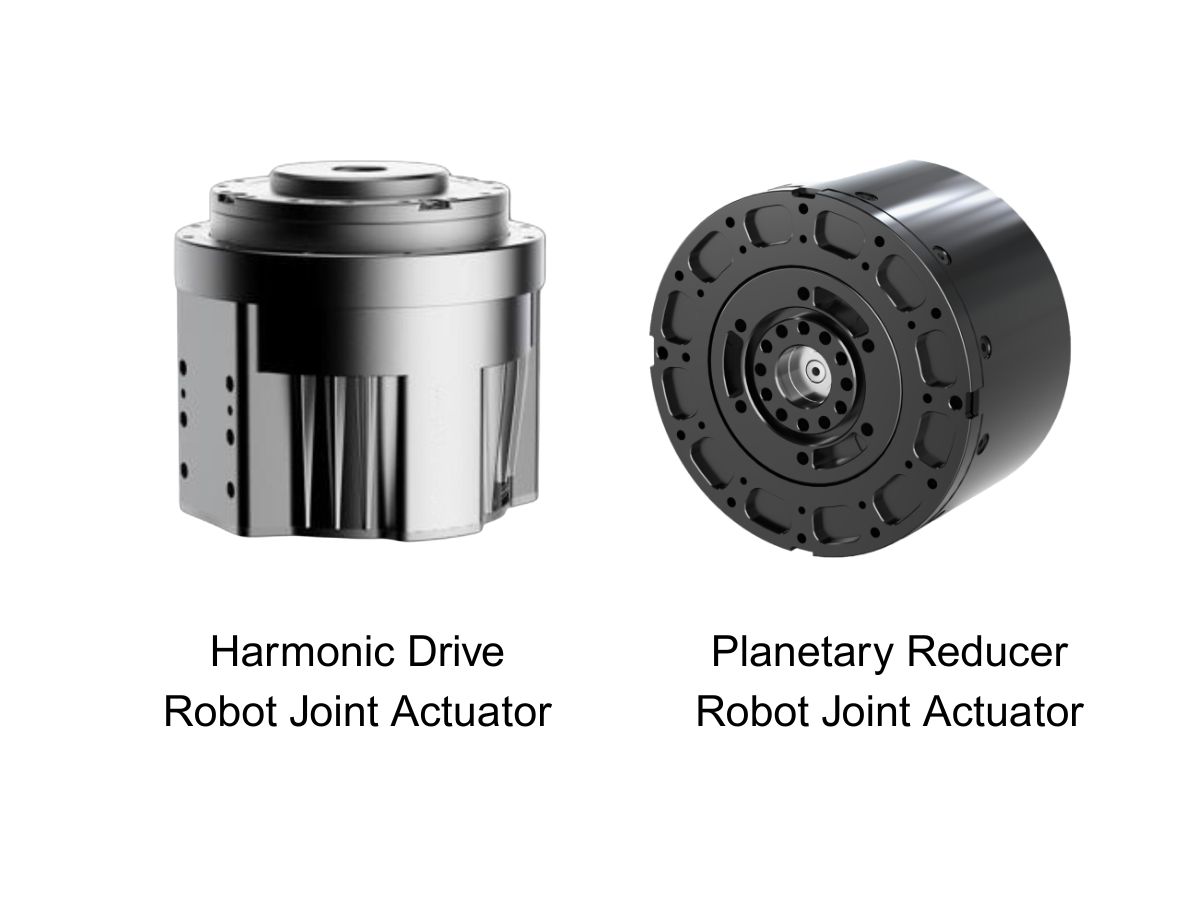
 What is robot joint actuator?How to Choose the Best Robot Rotary Joint Actuator?In core robot joint transmission solutions, planetary and harmonic rotary actuators each have their own strengths. Choosing the right type based on application requirements is essential to achieve the optimal balance between performance and cost.
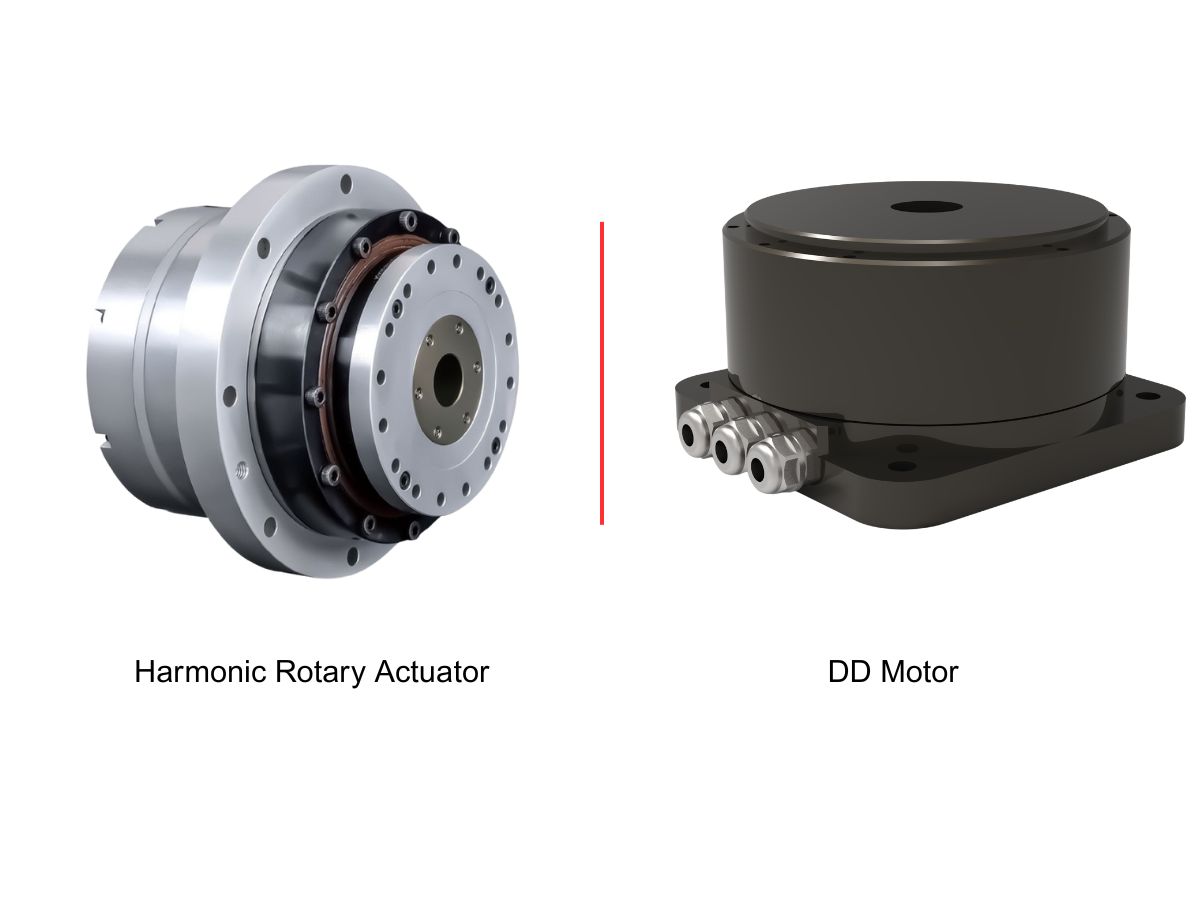
 DD Motors VS Harmonic Rotary ActuatorsThis article provides an in-depth comparison between Direct Drive (DD) motors and harmonic rotary actuators, covering their transmission principles, advantages and disadvantages, and typical application fields.
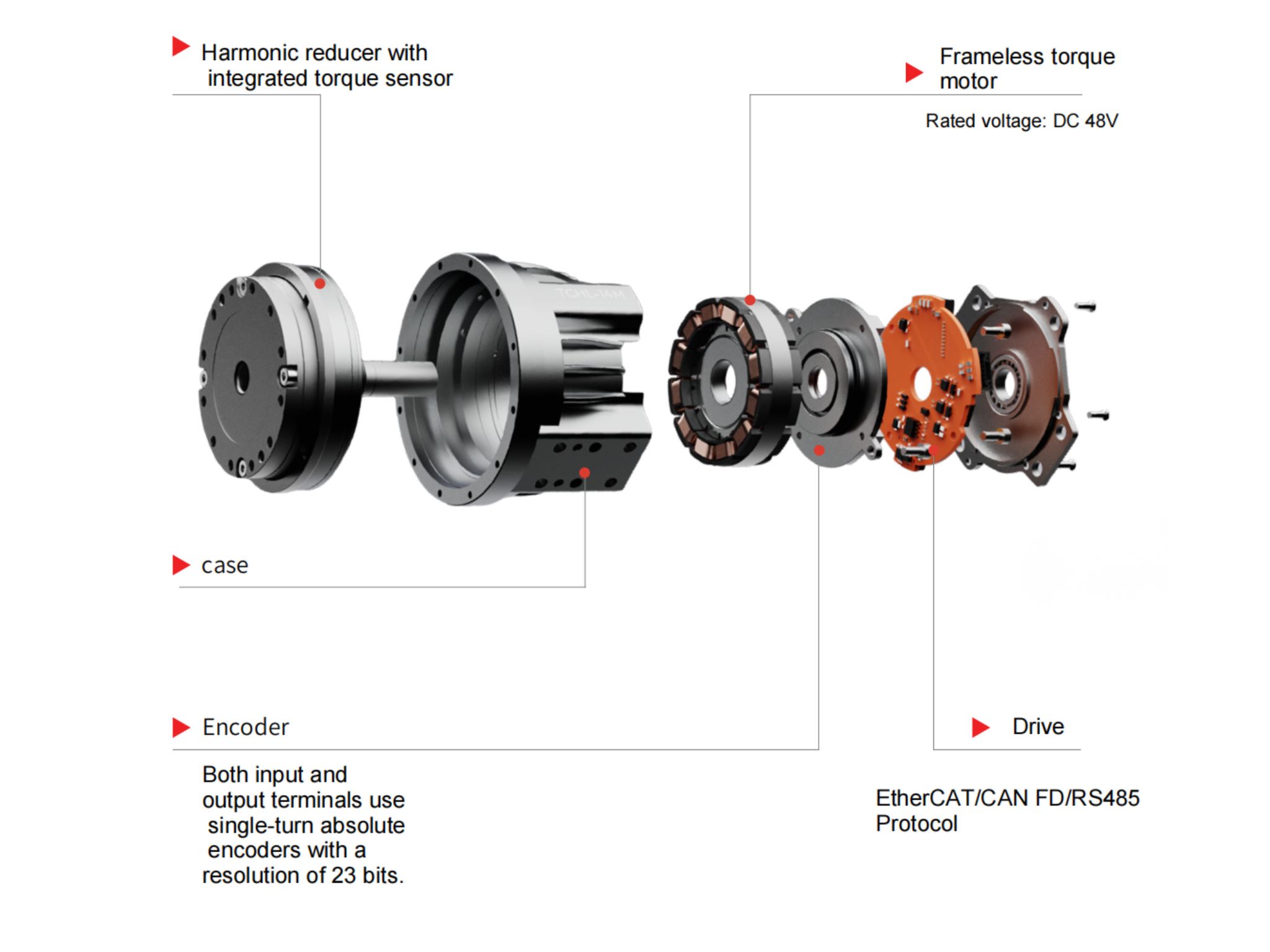
 OMG Ultra Compact Harmonic Drive Joint Module with Built-in Torque SensorHONPINE TCHL series harmonic drive joint module is a game-changing product that achieves disruptive improvements in multiple aspects such as lightweight design, integration level, and connection convenience. This article will analyze its revolutionary enhancements with you.
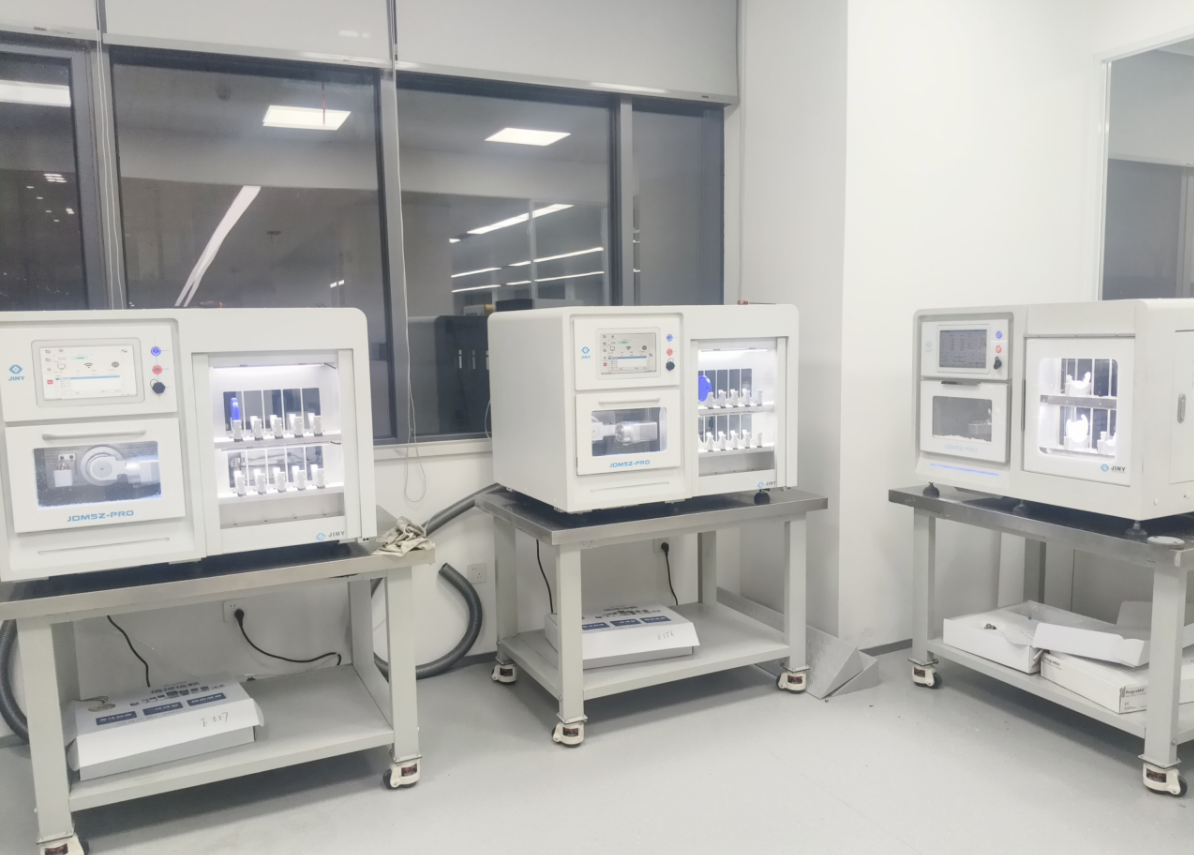
 The Role of Harmonic Drive Gears in Achieving 5–10 μm Accuracy in Dental Milling MachinesA dental milling machine is a CNC machining system used to directly process digital dental models into restorations such as crowns, bridges, veneers, inlays, and implant abutments. Dental milling machines require far higher operational accuracy and motion stability than ordinary equipment. This article explains how harmonic drive gear help dental milling machines achieve stable, continuous, and controllable operation.
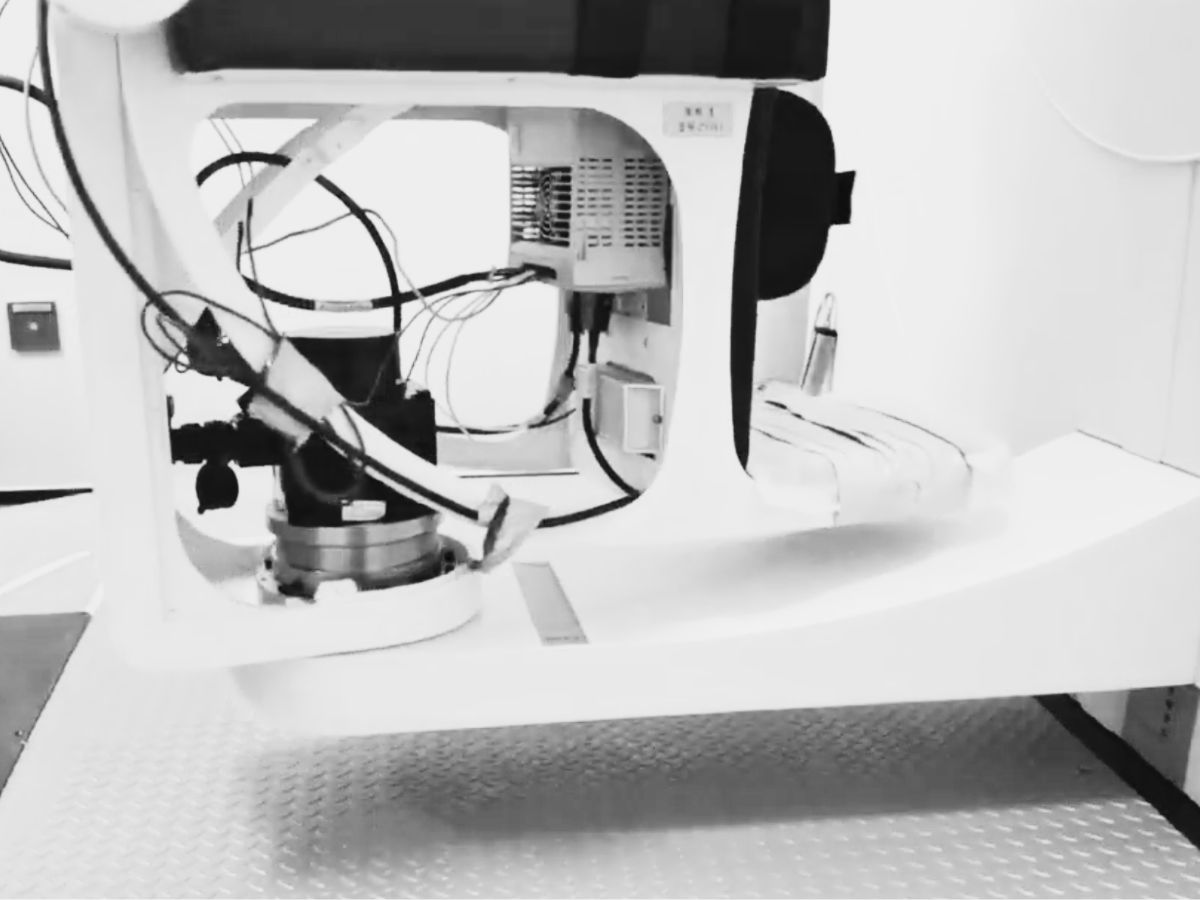
 Why Are Harmonic Rotary Actuators Perfect for Medical Equipment?Harmonic rotary actuators (typically integrated systems consisting of a harmonic drive reducer, frameless torque motor, encoder, and optional brake) are regarded as key components in medical equipment. The core reason is that they simultaneously meet the most stringent medical requirements for precision, compact size, safety, and controllability. The following explanation is structured from three perspectives: technical characteristics, application scenarios, and medical value.
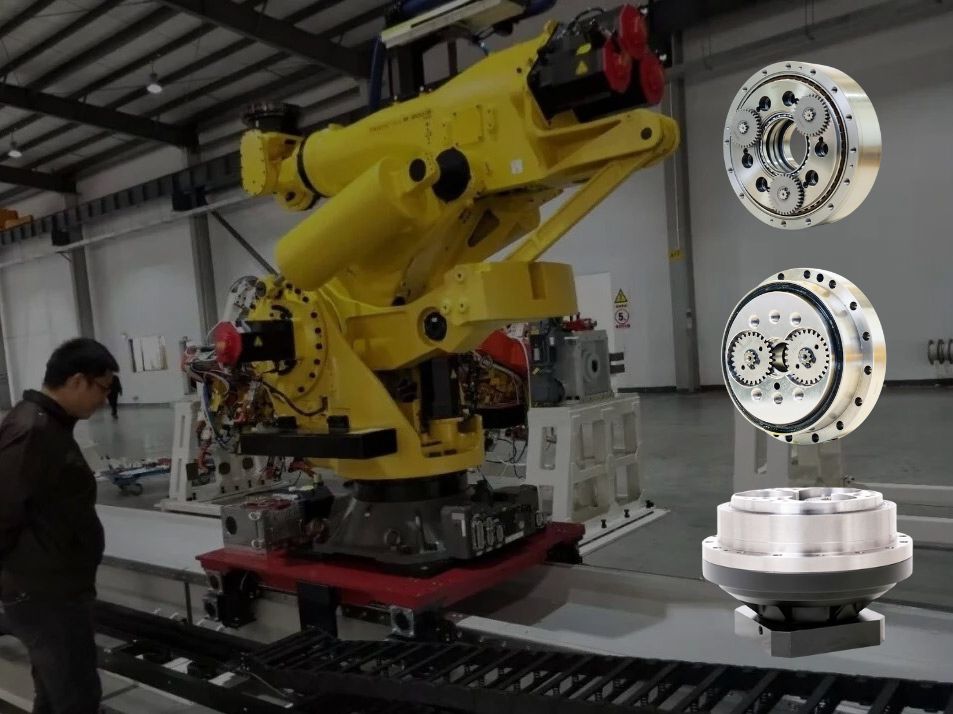
 High-Precision RV Reducers Perfectly Matched for Walking RobotsThe walking axis of a robot is a core component for power transmission and support. RV reducers provide extremely high rigidity, precision, and torque while maintaining a compact size and exceptional reliability, making them an ideal match for the demanding requirements of walking robot joints in terms of load capacity, impact resistance, and precision.
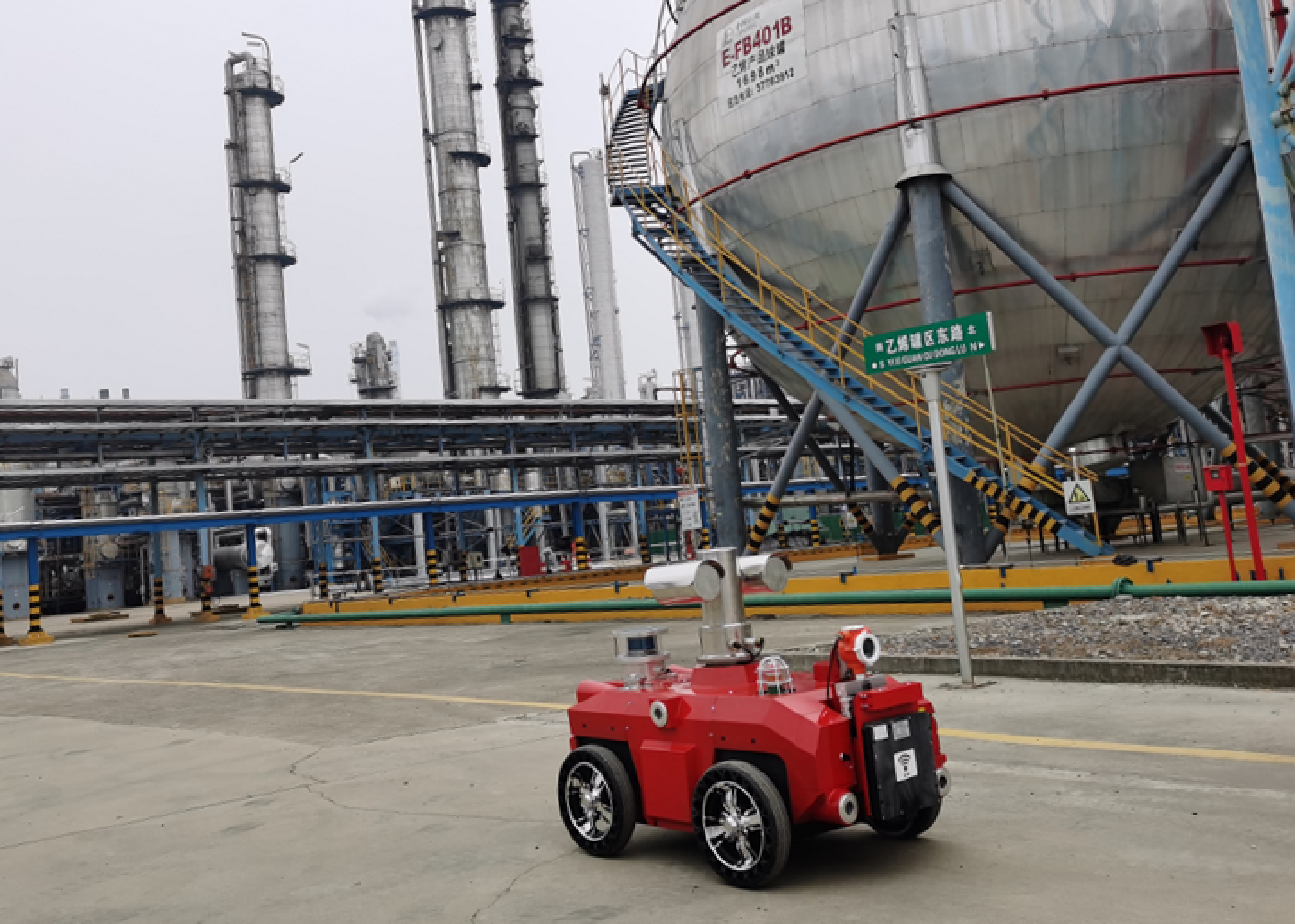
 Inspection Robot Applications: Why Harmonic Gear Motors Are the Preferred Motion Solution?Inspection robots have become essential across modern industries, helping companies automate equipment inspection, improve worker safety, and collect high-quality operational data. From manufacturing plants and power stations to oil & gas facilities, warehouses, railways, and smart cities, autonomous inspection robots are transforming maintenance and asset management.
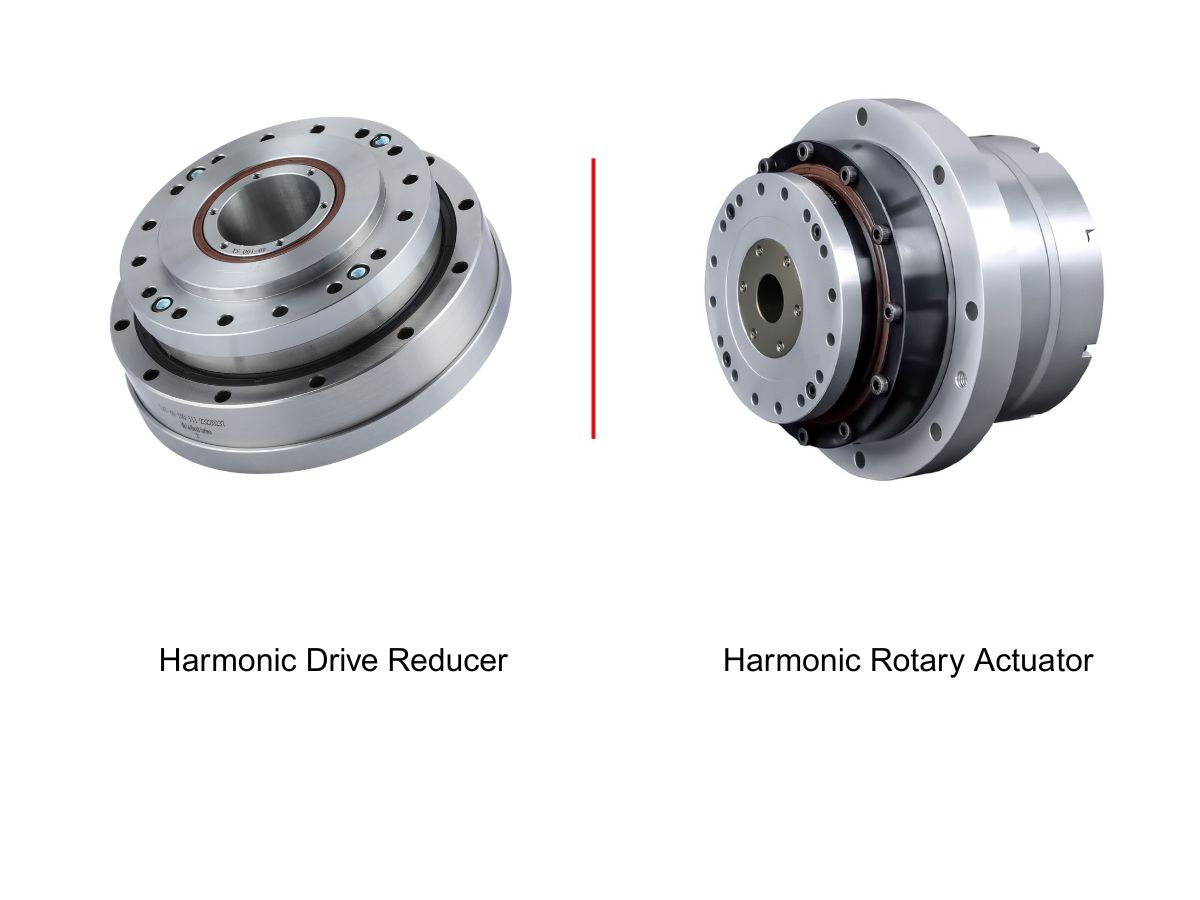
Every movement of an inspection robot—from rotating a thermal camera to positioning a LiDAR scanner or operating an inspection arm—depends on the accuracy of its motion system. HONPINE Harmonic Gear Motors combine near-zero backlash, compact size, high torque density, and exceptional positioning accuracy, making them an ideal solution for next-generation inspection robots. What Is the Difference Between a Harmonic Drive Reducer and a Harmonic Rotary Actuator?A Harmonic Drive Reducer is a precision transmission component that provides high reduction ratios, near-zero backlash, and exceptional torsional stiffness. It is one of the core mechanical elements used in industrial robots, semiconductor equipment, medical devices, and precision automation systems.
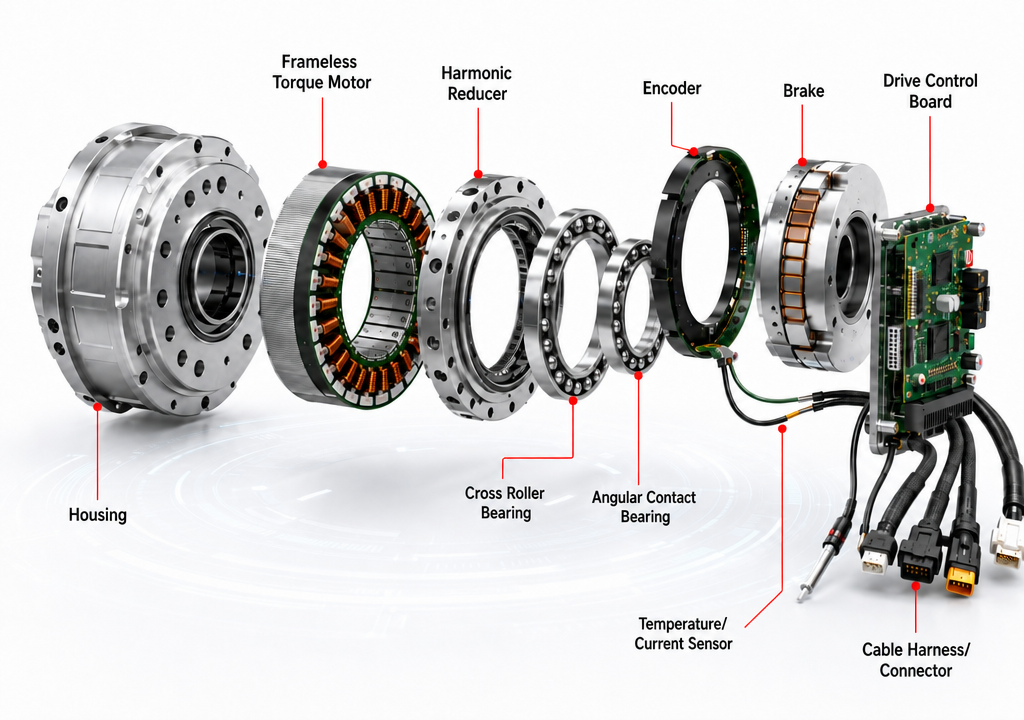
A Harmonic Rotary Actuator is a complete rotary motion solution that integrates a frameless torque motor, harmonic drive reducer, encoder, brake, bearings, and servo electronics into a compact module. Rather than being a single transmission component, it is a fully integrated actuator designed for precise motion control and simplified machine integration.
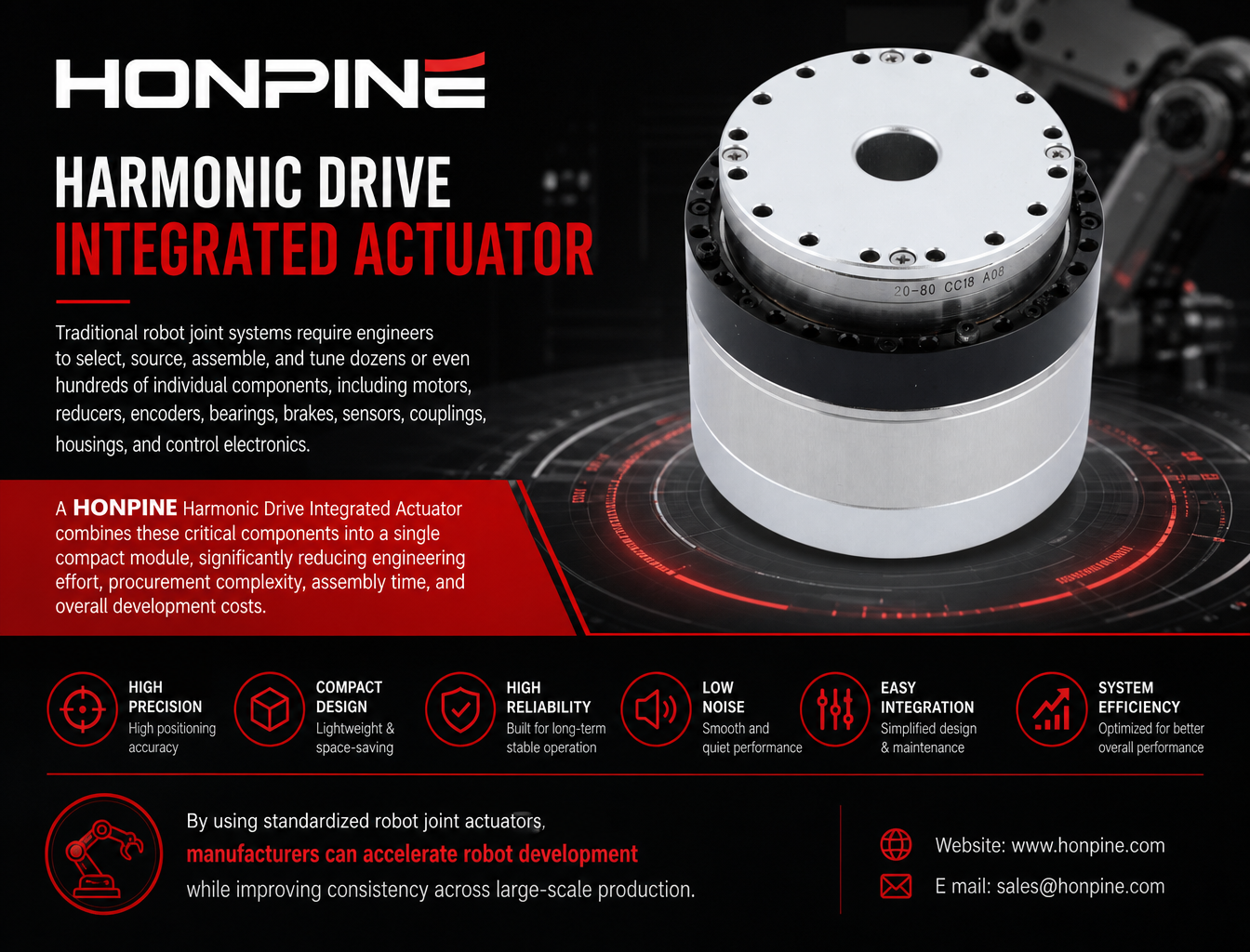
In short, a harmonic drive reducer provides precision transmission, while a harmonic rotary actuator delivers complete rotary motion. Why Choose an Integrated Harmonic Drive Actuator? Benefits, Features and ApplicationsTraditional robot joint systems require engineers to select, source, assemble, and tune dozens or even hundreds of individual components, including motors, reducers, encoders, bearings, brakes, sensors, couplings, housings, and control electronics. A HONPINE Harmonic Drive Integrated Actuator combines these critical components into a single compact module, significantly reducing engineering effort, procurement complexity, assembly time, and overall development costs. The integrated design also provides lightweight construction, high positioning accuracy, compact dimensions, simplified maintenance, improved reliability, low noise, and optimized system efficiency. By using standardized robot joint actuators, manufacturers can accelerate robot development while improving consistency across large-scale production.
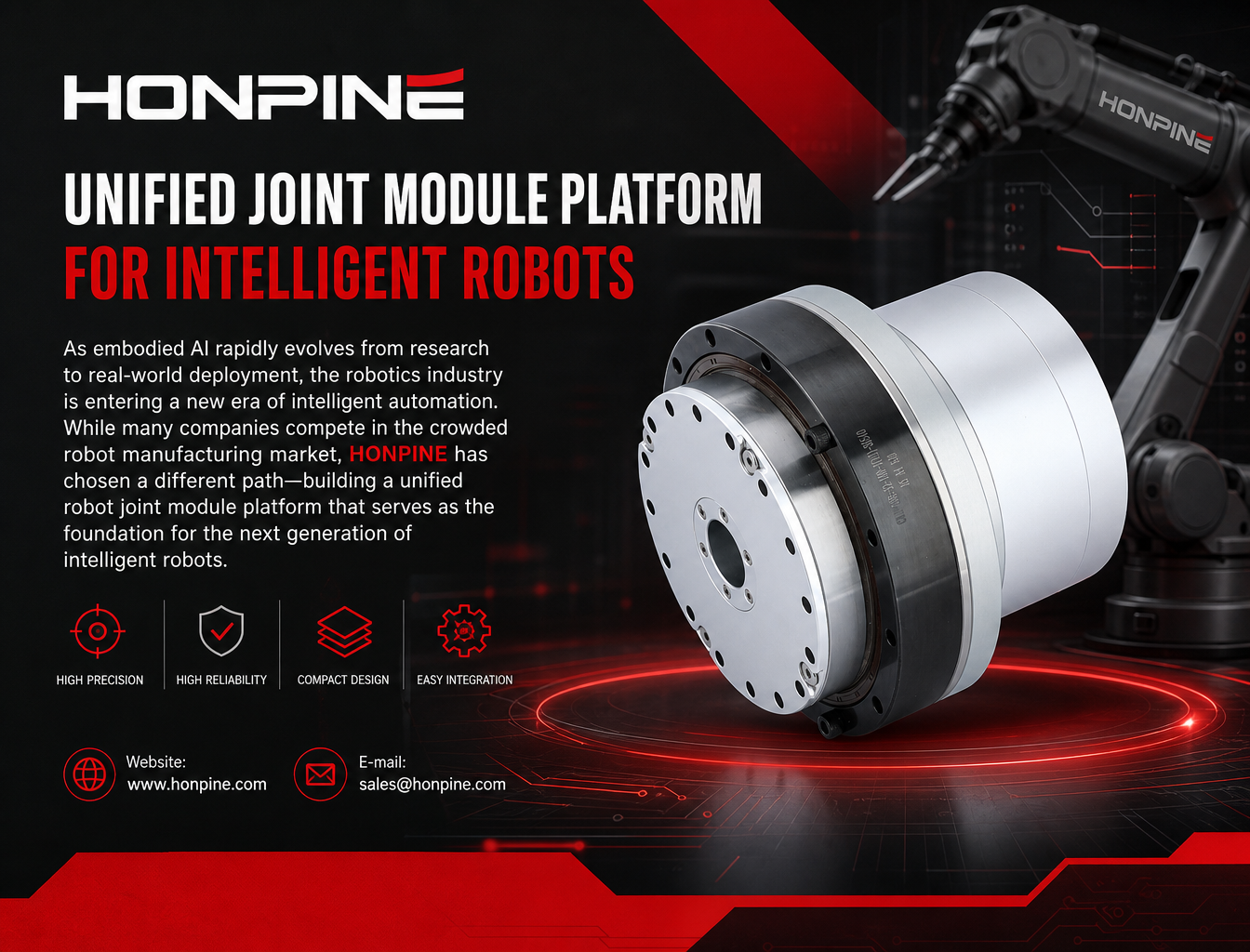
 Why HONPINE Is Building a Unified Robot Joint Module Platform to Accelerate Embodied AI?As embodied AI rapidly evolves from research to real-world deployment, the robotics industry is entering a new era of intelligent automation. While many companies compete in the crowded robot manufacturing market, HONPINE has chosen a different path—building a unified robot joint module platform that serves as the foundation for the next generation of intelligent robots.
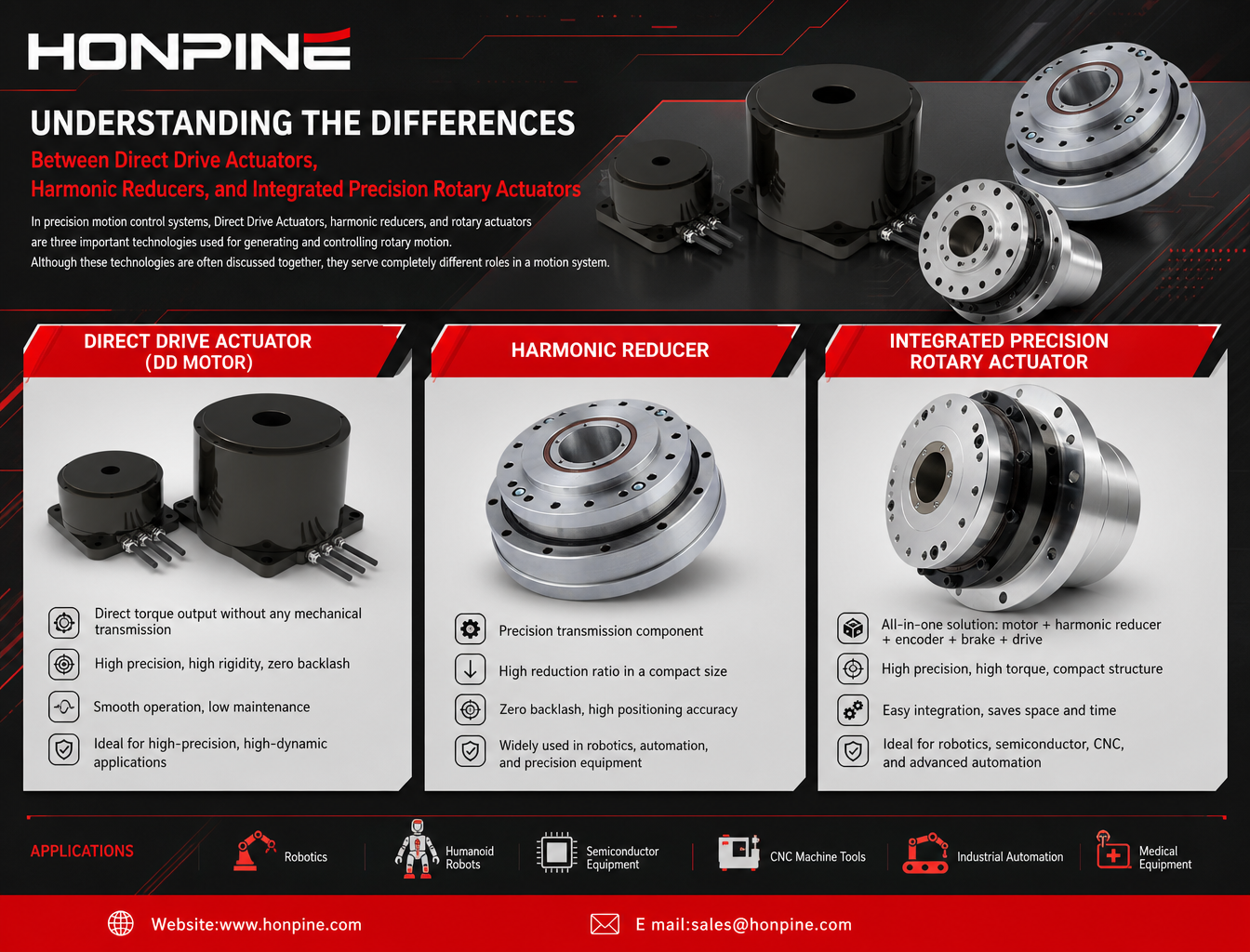
According to HONPINE Founder, the company's long-term vision is clear: to become the "power heart" and hardware foundation of the robotics era. Direct Drive Actuator vs Precision Rotary Actuator vs Harmonic Reducer: Complete Comparison GuideUnderstanding the Differences Between Direct Drive Actuators, Harmonic Reducers, and Integrated Precision Rotary Actuators
In precision motion control systems, Direct Drive Actuators, harmonic reducers, and rotary actuators are three important technologies used for generating and controlling rotary motion.
Although these technologies are often discussed together, they serve completely different roles in a motion system. Top 7 Robot Joint Motor Manufacturers: The Ultimate Guide for Robot EngineersThe production of a robot joint motor integrates multiple advanced technologies, including electric motor design, precision reduction systems, encoder technology, servo control, torque sensing, mechanical structure design, communication protocol development, and reliability testing. As a result, the technical barrier for developing a high-performance robot joint actuator is significantly higher than that of a conventional servo motor or standalone gearbox.
This article introduces several companies that have entered the market with commercially available robot joint motors and integrated joint actuator solutions.
Double Click
We provide harmonic drive reducer,planetary reducer,robot joint motor,robot rotary actuators,RV gear reducer,robot end effector,dexterous robot hand
 What is robot joint actuator?How to Choose the Best Robot Rotary Joint Actuator?In core robot joint transmission solutions, planetary and harmonic rotary actuators each have their own strengths. Choosing the right type based on application requirements is essential to achieve the optimal balance between performance and cost.
 OMG Ultra Compact Harmonic Drive Joint Module with Built-in Torque SensorHONPINE TCHL series harmonic drive joint module is a game-changing product that achieves disruptive improvements in multiple aspects such as lightweight design, integration level, and connection convenience. This article will analyze its revolutionary enhancements with you.
 HONPINE Gains UL 1604 Certification for North AmericaHONPINE Gains UL 1604 Certification for North America, boosting market access for HPJM robot joint motors in hazardous automation environments. See what it means for buyers and distributors.
 Why Choose an Integrated Harmonic Drive Actuator? Benefits, Features and ApplicationsTraditional robot joint systems require engineers to select, source, assemble, and tune dozens or even hundreds of individual components, including motors, reducers, encoders, bearings, brakes, sensors, couplings, housings, and control electronics. A HONPINE Harmonic Drive Integrated Actuator combines these critical components into a single compact module, significantly reducing engineering effort, procurement complexity, assembly time, and overall development costs. The integrated design also provides lightweight construction, high positioning accuracy, compact dimensions, simplified maintenance, improved reliability, low noise, and optimized system efficiency. By using standardized robot joint actuators, manufacturers can accelerate robot development while improving consistency across large-scale production.
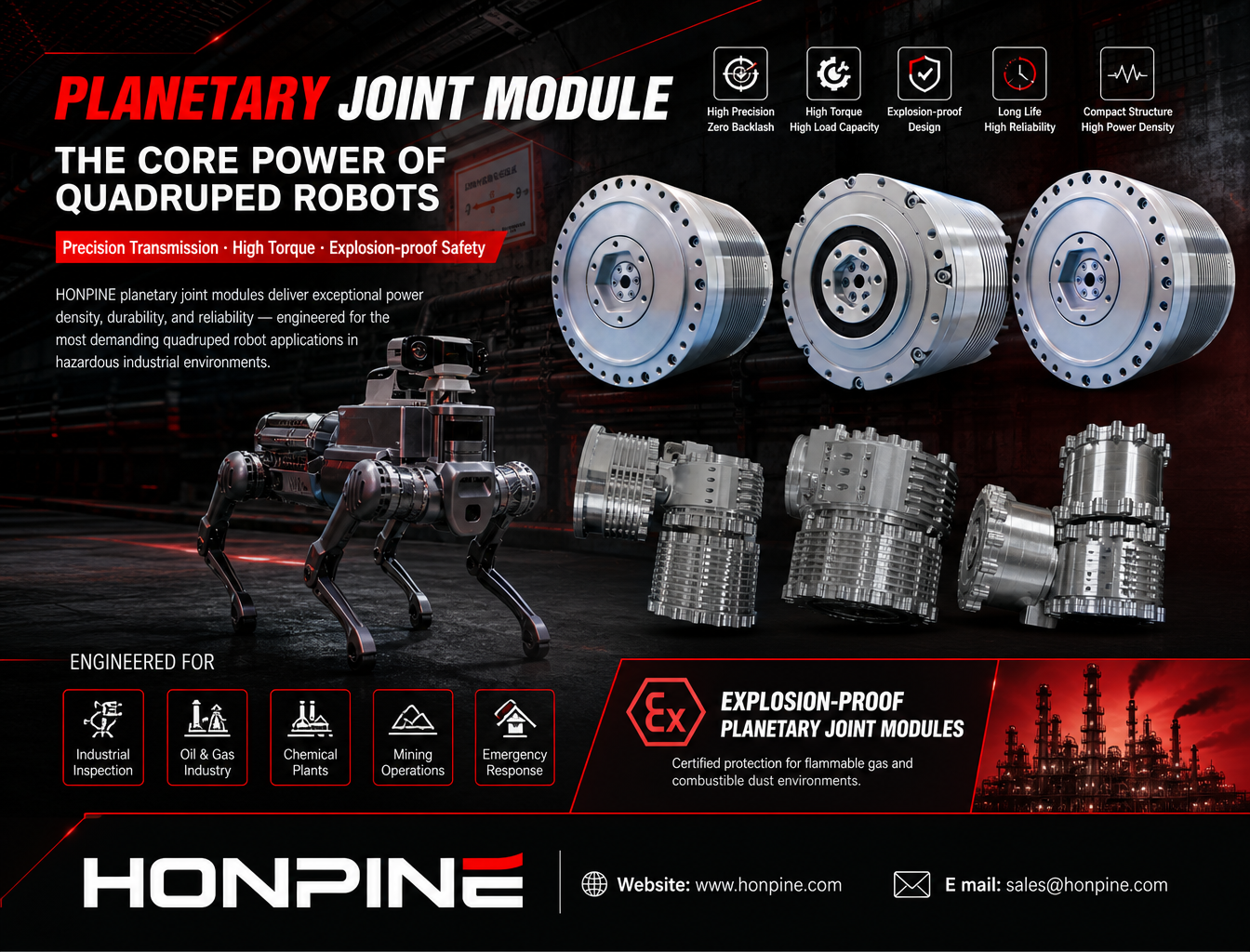
 Why Do Quadruped Robots Need Planetary Joint Modules, Especially Explosion-Proof Models?Discover how explosion-proof planetary joint modules improve stability, payload capacity, reliability and safety for quadruped robots used in industrial inspection, mining, oil & gas and hazardous environments.
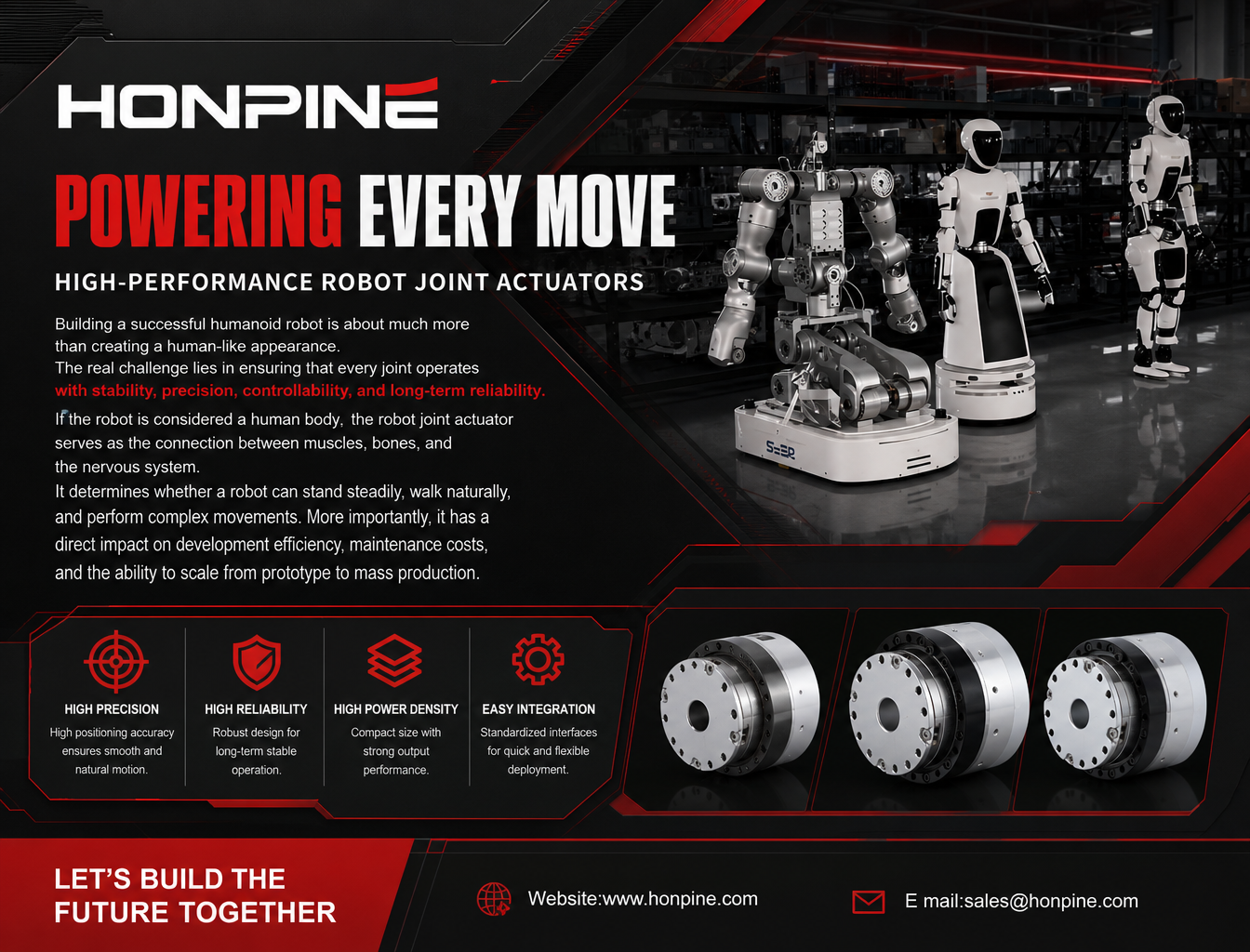
 Building Humanoid Robots with Robot Joint Actuators: A Systematic Approach from Prototype to Mass ProductionBuilding a successful humanoid robot is about much more than creating a human-like appearance. The real challenge lies in ensuring that every joint operates with stability, precision, controllability, and long-term reliability.
If the robot is considered a human body, the robot joint actuator serves as the connection between muscles, bones, and the nervous system.
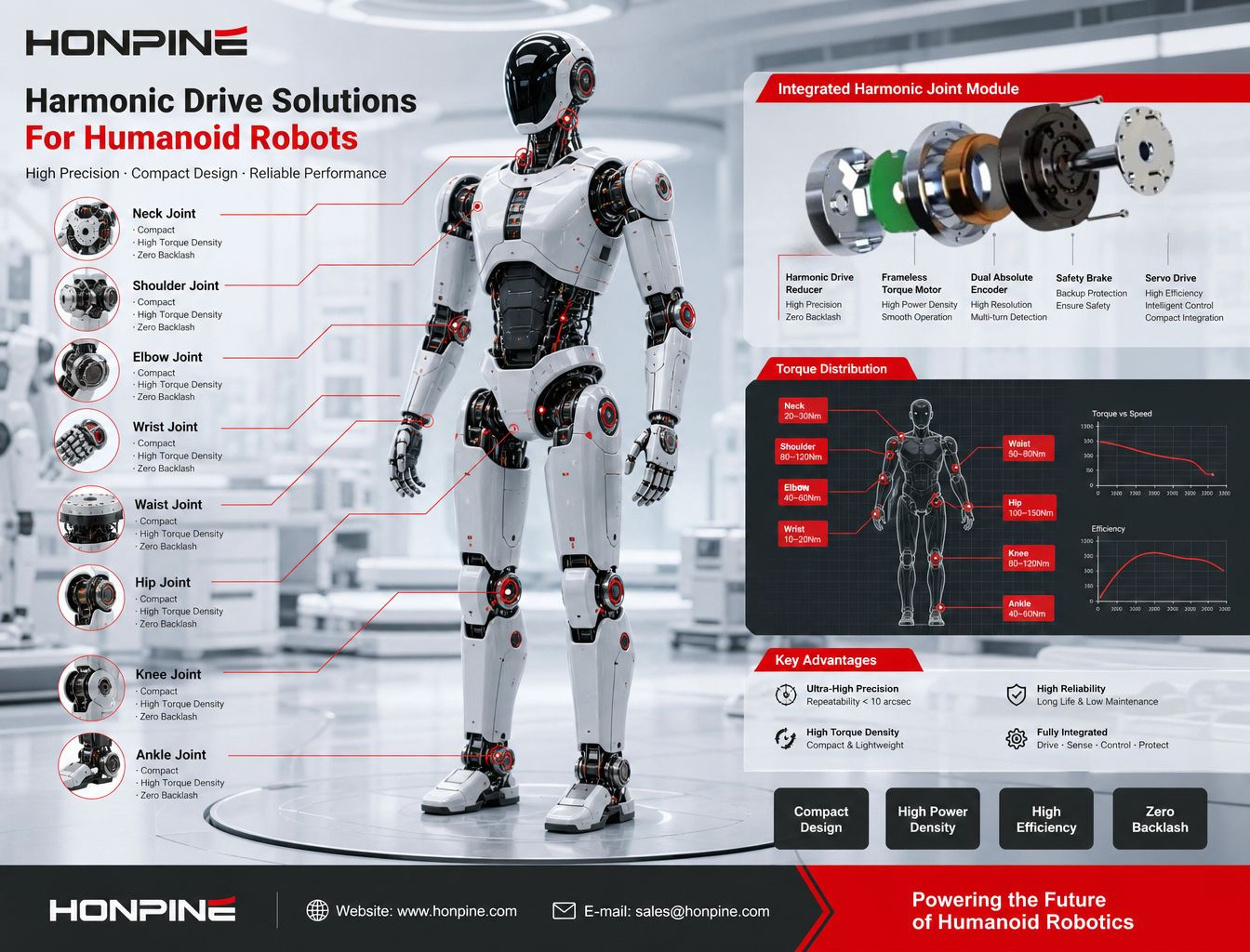
It determines whether a robot can stand steadily, walk naturally, and perform complex movements. More importantly, it has a direct impact on development efficiency, maintenance costs, and the ability to scale from prototype to mass production. Humanoid Robot Joint Module Selection Guide: Choosing the Right Harmonic Joint Module for Every Robot JointSelecting the right joint module is one of the most important decisions in humanoid robot design.
Different robot joints require different levels of torque, speed, stiffness, and payload capacity. Using the same actuator throughout the robot often increases weight, reduces efficiency, and limits motion performance.
The Honpine HPJM-PRO Series Harmonic Joint Modules provide a complete range of integrated joint actuators for humanoid robots, enabling engineers to optimize every joint from the head to the lower body. How to Choose a Harmonic Joint Actuator: A Complete Guide to Robot Joint Actuator Technology, Selection, and Future TrendsAs humanoid robots, collaborative robots, exoskeletons, and intelligent automation systems continue to evolve, the harmonic robot joint actuator has become one of the most important components in modern robotics. It determines not only how a robot moves, but also its precision, load capacity, reliability, and overall performance.
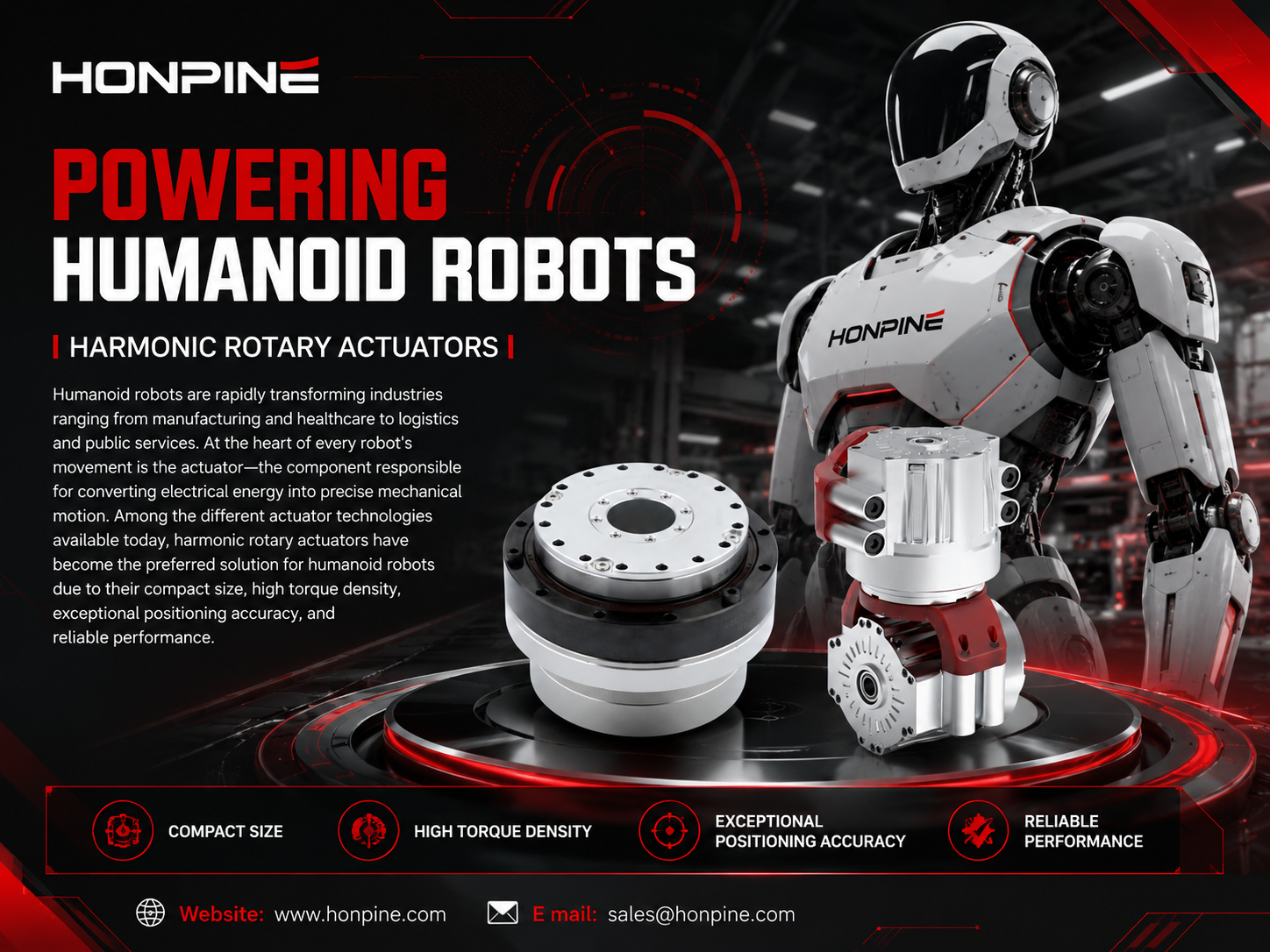
 Harmonic Rotary Actuators for Humanoid Robots: Technology, Applications, and Future DevelopmentHumanoid robots are rapidly transforming industries ranging from manufacturing and healthcare to logistics and public services. At the heart of every robot's movement is the actuator—the component responsible for converting electrical energy into precise mechanical motion. Among the different actuator technologies available today, harmonic rotary actuators have become the preferred solution for humanoid robots due to their compact size, high torque density, exceptional positioning accuracy, and reliable performance.
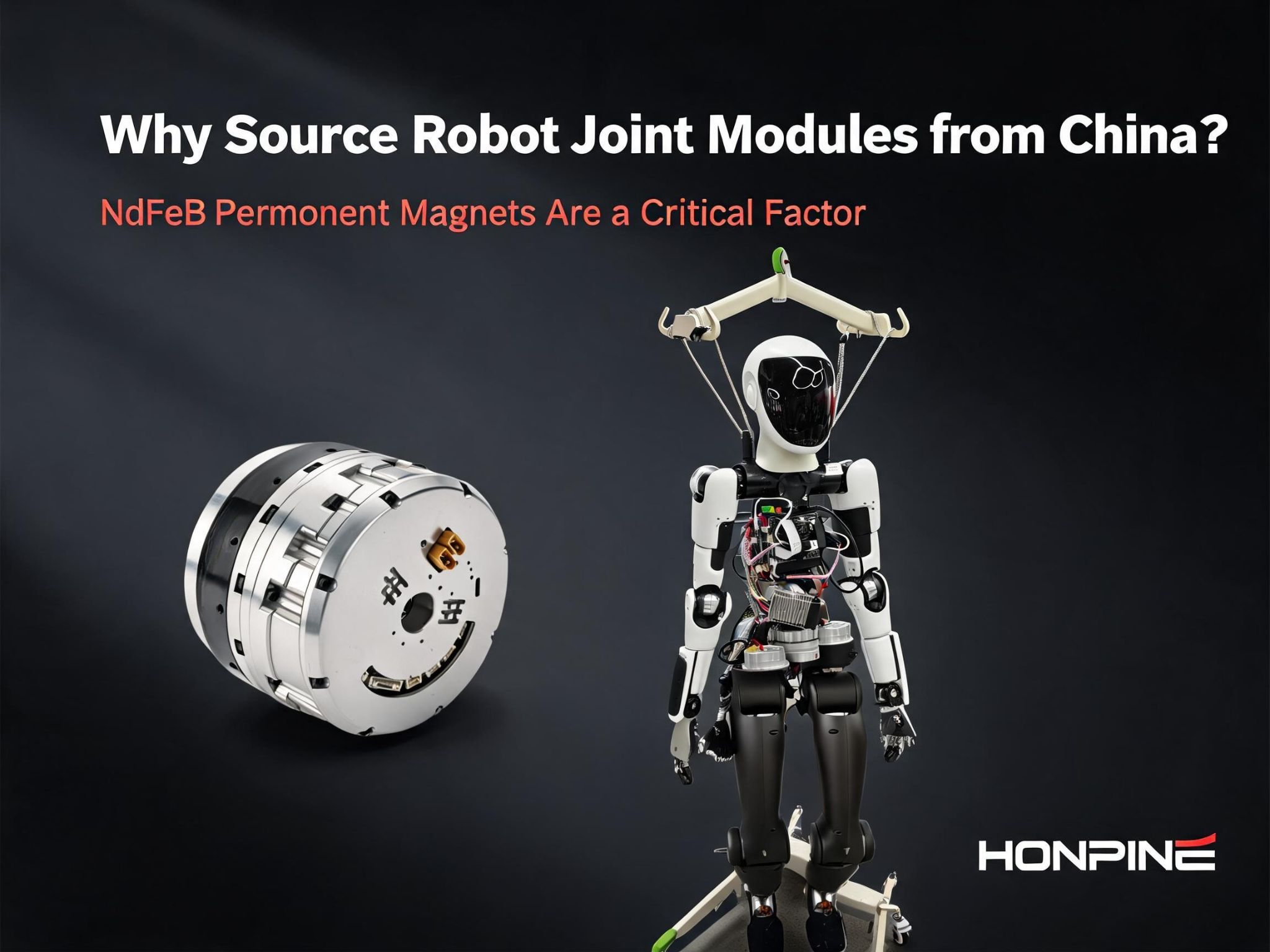
 Why Source Robot Joint Modules from China? NdFeB Permanent Magnets Are a Critical Factor?Humanoid robotics is often described as a software race, but the real constraint on scaling production to millions of units lies in the physical layer. Robot joints require high-torque, high-efficiency actuators, and actuators depend on high-energy-density NdFeB permanent magnets. The true bottleneck is not simply “rare earths” in general, but the much narrower NdPr-to-magnet supply chain corridor. China dominates the midstream processing and magnet manufacturing sectors, giving it significant influence over the pace, cost curve, and industrial geography of embodied AI.
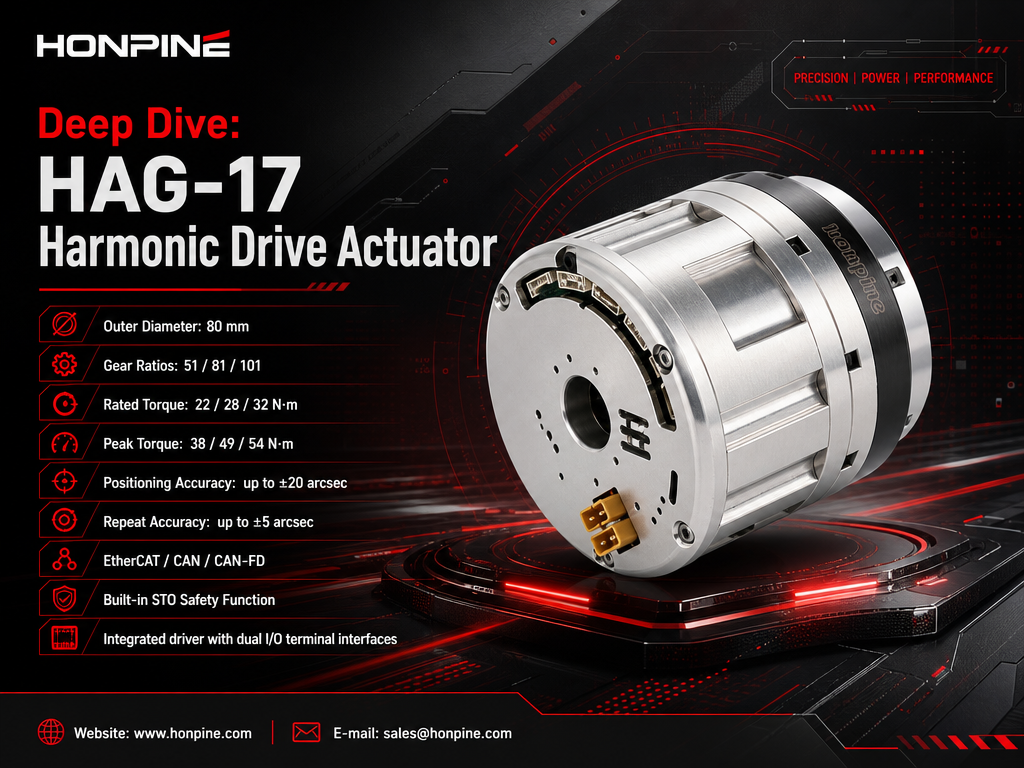
 What Makes HONPINE HAG Harmonic Actuators Different from Traditional Robot Joints?HONPINE has successfully developed seven HAG series harmonic reducer robotic servo actuators, including sizes 11, 14, 17, 20, 25, 32, and 40. These products can cover humanoid robot applications such as neck joints, upper limbs, waist joints, hip joints, and knee joints, with a torque range from 4.6 N·m to 556 N·m.
 What Is the Revolving Joint of a Robot?Structure, Components, and Working Principles Explained?This article will provide you with a comprehensive analysis of a robot's rotary joint, including its integrated components, the role of each component, and how precise control is achieved.