

High-Precision Hollow Rotary Platform with Planetary Transmission
The high-precision hollow rotary platform with planetary transmission is a compact rotary solution that integrates precision planetary transmission, high rigidity, and high-precision positioning. Its central hollow design allows cables, pneumatic tubes, and other utilities to pass directly through the platform, effectively preventing cable entanglement and simplifying equipment layout.The platform features a precision crossed roller bearing capable of handling radial loads, axial loads, and overturning moments, while achieving repeatability of up to ±5 arcsec. It is compatible with a wide range of servo motors and stepper motors from different brands and supports customized flange configurations and shaft bores.The hollow rotary platform is widely used in industrial automation, robotics, CNC equipment, semiconductor manufacturing, medical equipment, and laser processing. It provides a high-performance alternative to direct drive motors (DD motors) and cam indexers, offering a compact, flexible, and precision-oriented solution for demanding rotary positioning applications.
Hollow Rotating Table
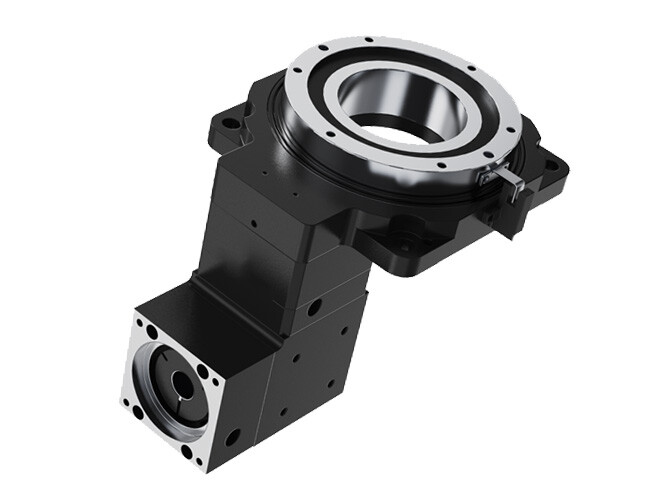
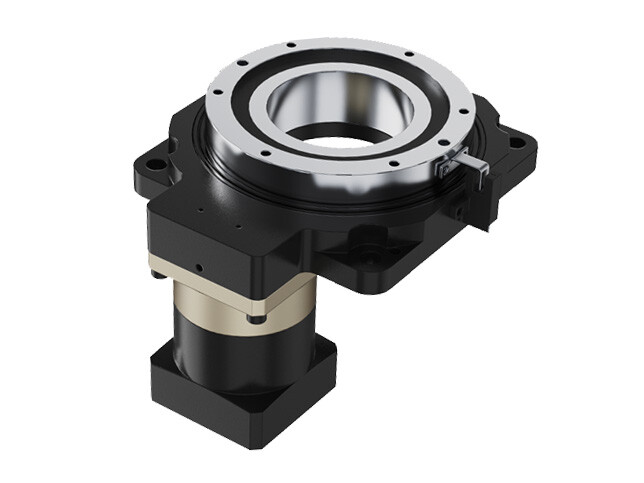
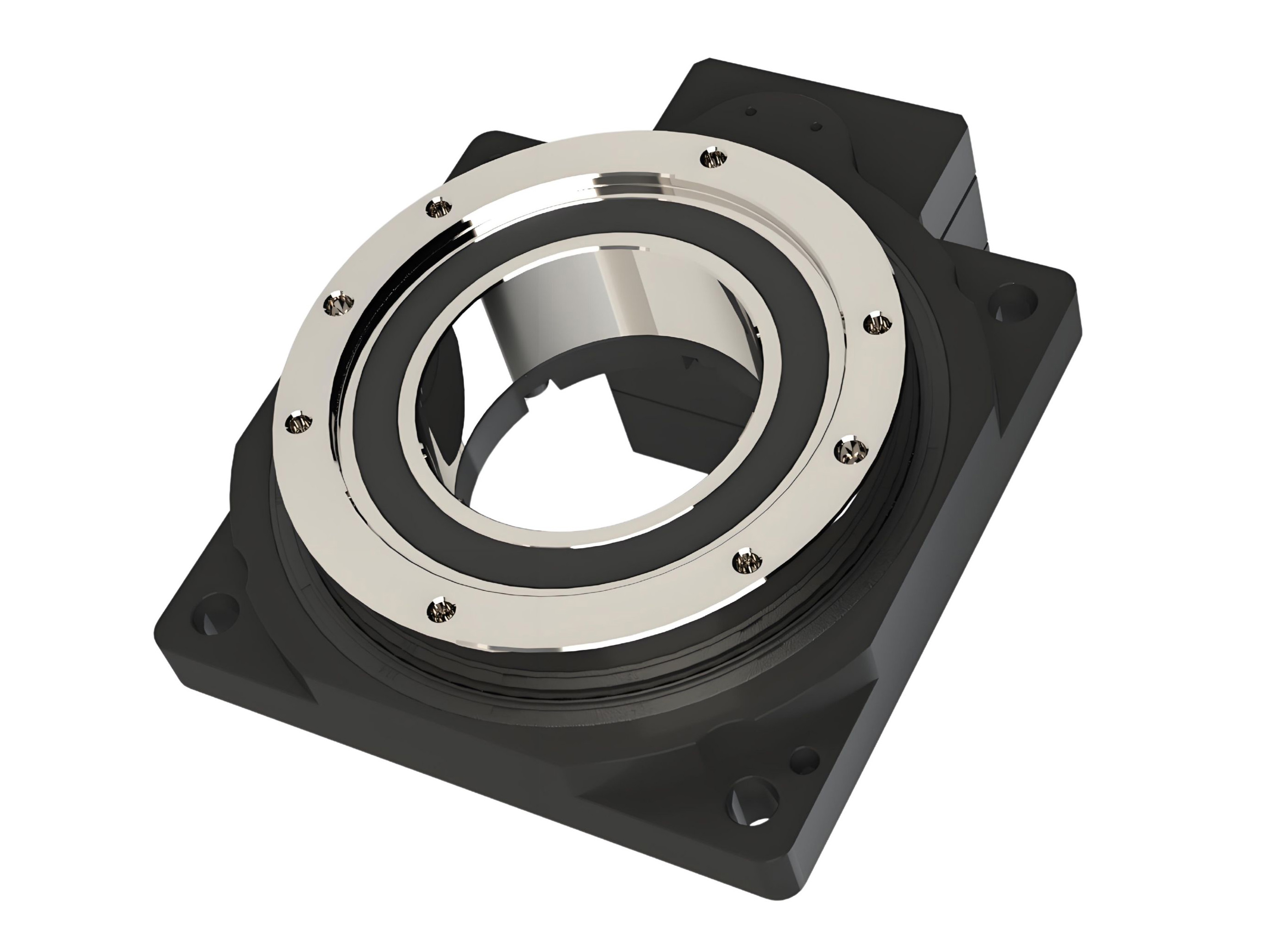
The hollow rotary table is an integrated device combining precision transmission and positioning capabilities. Its core design features a hollow structure, allowing pipelines (e.g., air tubes, electrical cables) to pass through the center of the turntable, resolving cable entanglement issues common in traditional rotary mechanisms. Driven by a servo motor, the platform achieves high-precision angular control through gear reduction or worm gear transmission, delivering high rigidity and repeat positioning accuracy. It serves as a high-performance alternative to direct-drive (DD) motors and cam indexers. Based on structural configurations, hollow rotary tables are categorized into:Standard Hollow Rotary Table,Planetary Hollow Rotary Table,Right-Angle Hollow Rotary Table.Through structural optimization and precision manufacturing, hollow rotary tables significantly enhance efficiency and accuracy in automated equipment upgrades, making them a core solution for precision rotary positioning in modern industries. They are widely used in industrial automation, robotics, medical equipment, and related fields.
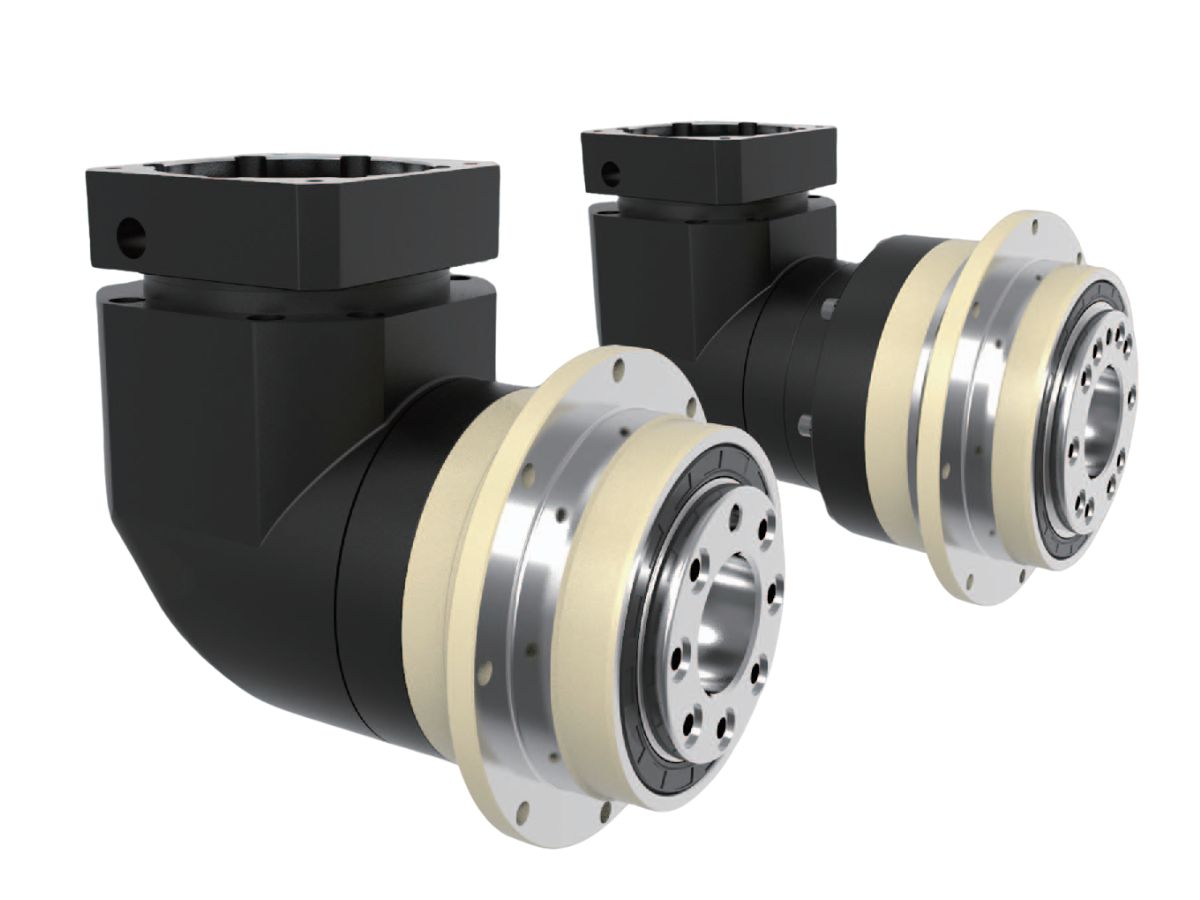
 Right Angle High Repeat Positioning Accuracy Hollow Rotary ActuatorThe right-angle hollow rotary actuator is an enhanced version of the standard hollow rotary table, incorporating an integrated right-angle bevel gear set to redirect the input orientation for space optimization. Its core hollow structure allows pipelines (e.g., air tubes, electrical cables) to pass through the turntable’s center, resolving cable entanglement issues common in traditional rotary mechanisms. Driven by a servo motor, the platform utilizes gear reduction or worm gear transmission to achieve high-precision angular control, while delivering exceptional rigidity and repeat positioning accuracy.Details
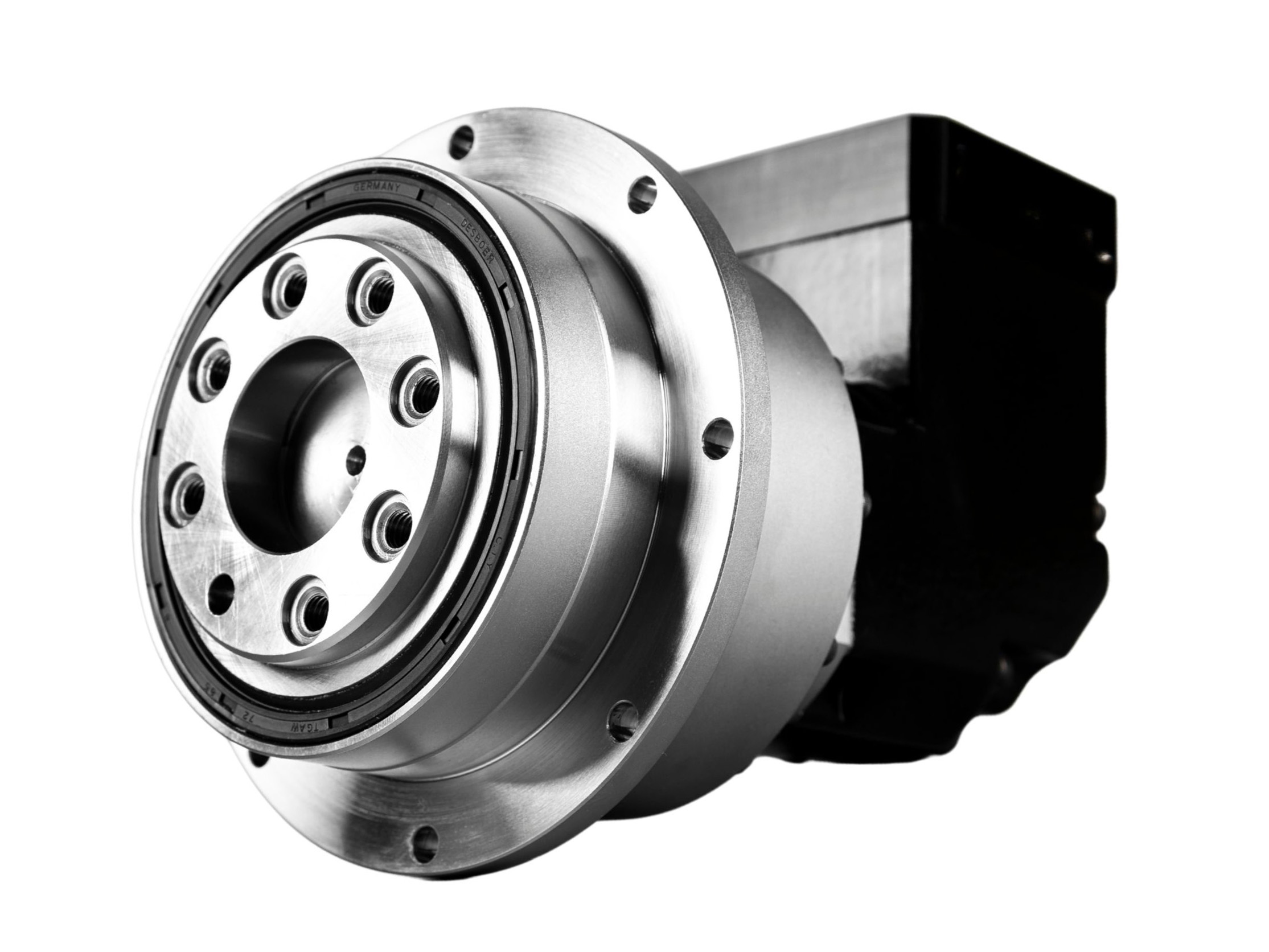
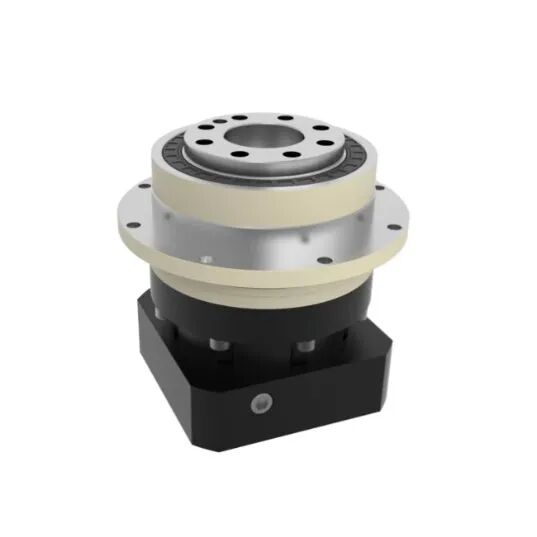
 High Precision Accuracy Planetary Transmission Hollow Rotary TableA planetary hollow rotary table is an integrated system combining a planetary gear reducer with a hollow rotary platform, offering a wider range of gear ratios tailored to specific applications. Its core design features a hollow structure, allowing pipelines (e.g., air tubes, electrical cables) to pass through the center of the turntable, eliminating the cable entanglement issues common in traditional rotary mechanisms. Driven by a servo motor, the platform achieves high-precision angular control through gear reduction or worm gear transmission, delivering exceptional rigidity and repeat positioning accuracy.Details
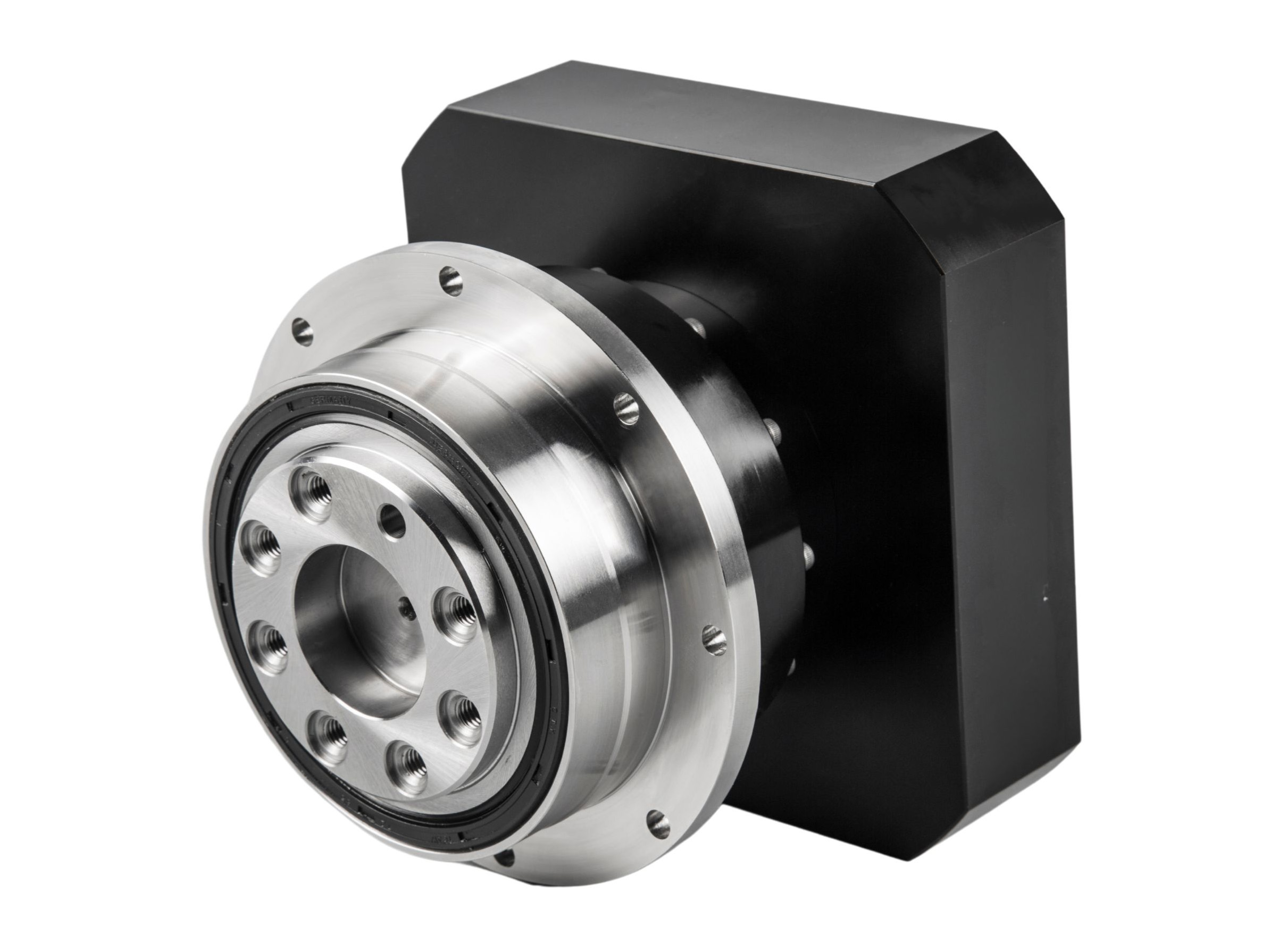
 Servo Motor Drive High Precision Standard Hollow Rotary PlatformThe standard hollow rotary platform is an integrated device combining precision transmission and positioning functions. Its core design features a hollow structure, allowing pipelines (such as tubes and wires) to pass through the center of the rotating table. It can be directly connected to a servo motor. Driven by a servo motor and utilizing gear reduction, this platform achieves high-precision angular control and boasts characteristics such as high rigidity and high repetitive positioning accuracy. It can serve as a replacement for DD motors and cam dividers.Details
High Torque High Precision Planetary Reducer
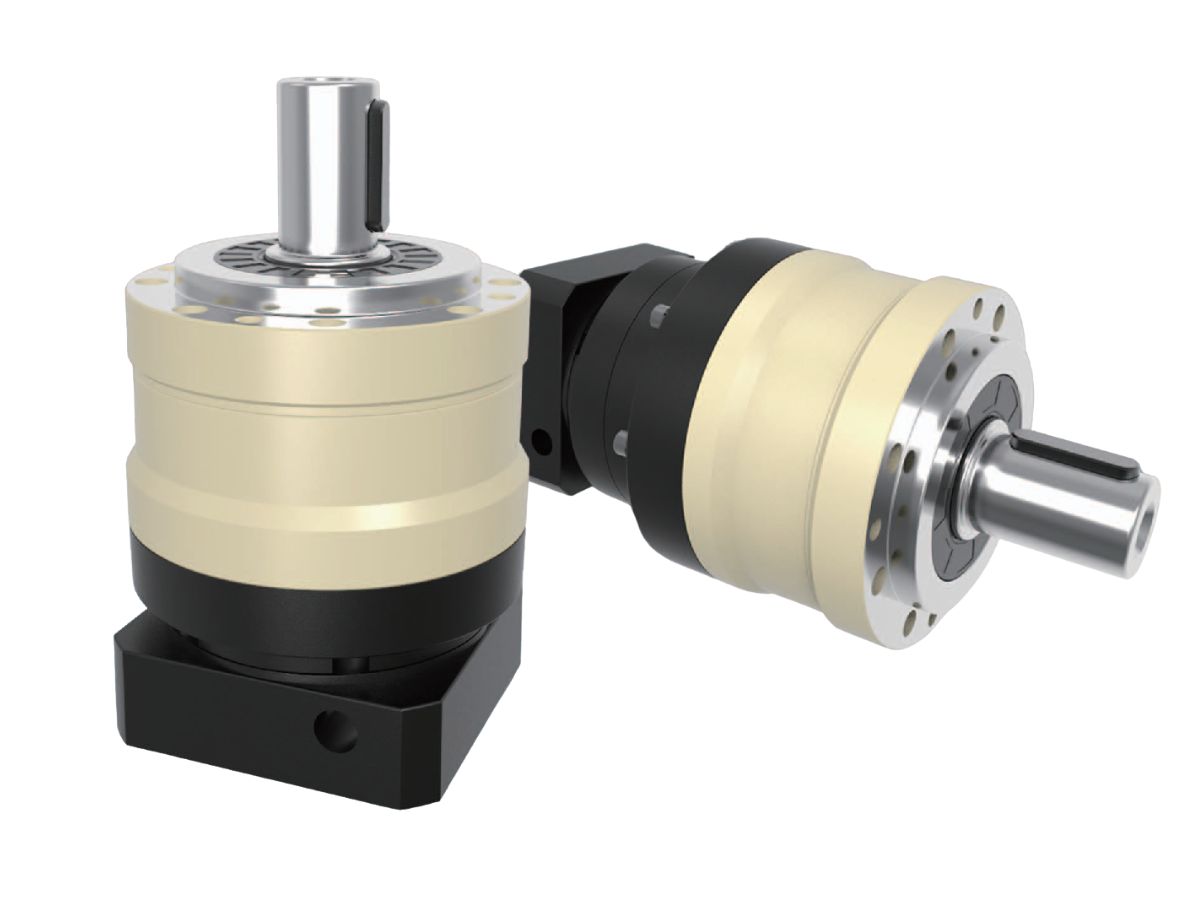
A high torque planetary gearbox primarily consists of a sun gear, planetary gears, an internal ring gear, and a planetary carrier. The input power drives the sun gear, causing the planetary gears to both revolve around the sun gear and rotate on their own axes, ultimately transmitting power through the planetary carrier. Multi-stage reduction is achieved by cascading multiple planetary gear sets, which meets the demand for higher transmission ratios while introducing slight variations in size and efficiency. Power is transferred via gear engagement, leveraging the power-splitting characteristic of planetary systems. Simultaneous multi-tooth engagement distributes loads, enhancing load-bearing capacity.Planetary gearboxes are further categorized by their output configurations and structural designs:shaft-output planetary gearbox,flange-output planetary gearbox,right-angle planetary gearbox.
HONPINE High-Precision Planetary Gearboxes are engineered for demanding motion control applications where exceptional positioning accuracy, high torsional rigidity, low backlash, and long-term reliability are essential. They are widely used in industrial robots, collaborative robots (cobots), CNC machine tools, semiconductor manufacturing equipment, laser cutting and processing systems, automated production lines, precision assembly machines, lithium battery manufacturing equipment, optical inspection systems, medical devices, aerospace manufacturing, and other high-end automation equipment. By delivering stable torque transmission, superior positioning accuracy, and outstanding dynamic performance, HONPINE planetary gearboxes help manufacturers improve machine precision, production efficiency, and overall system reliability in advanced industrial automation environments.
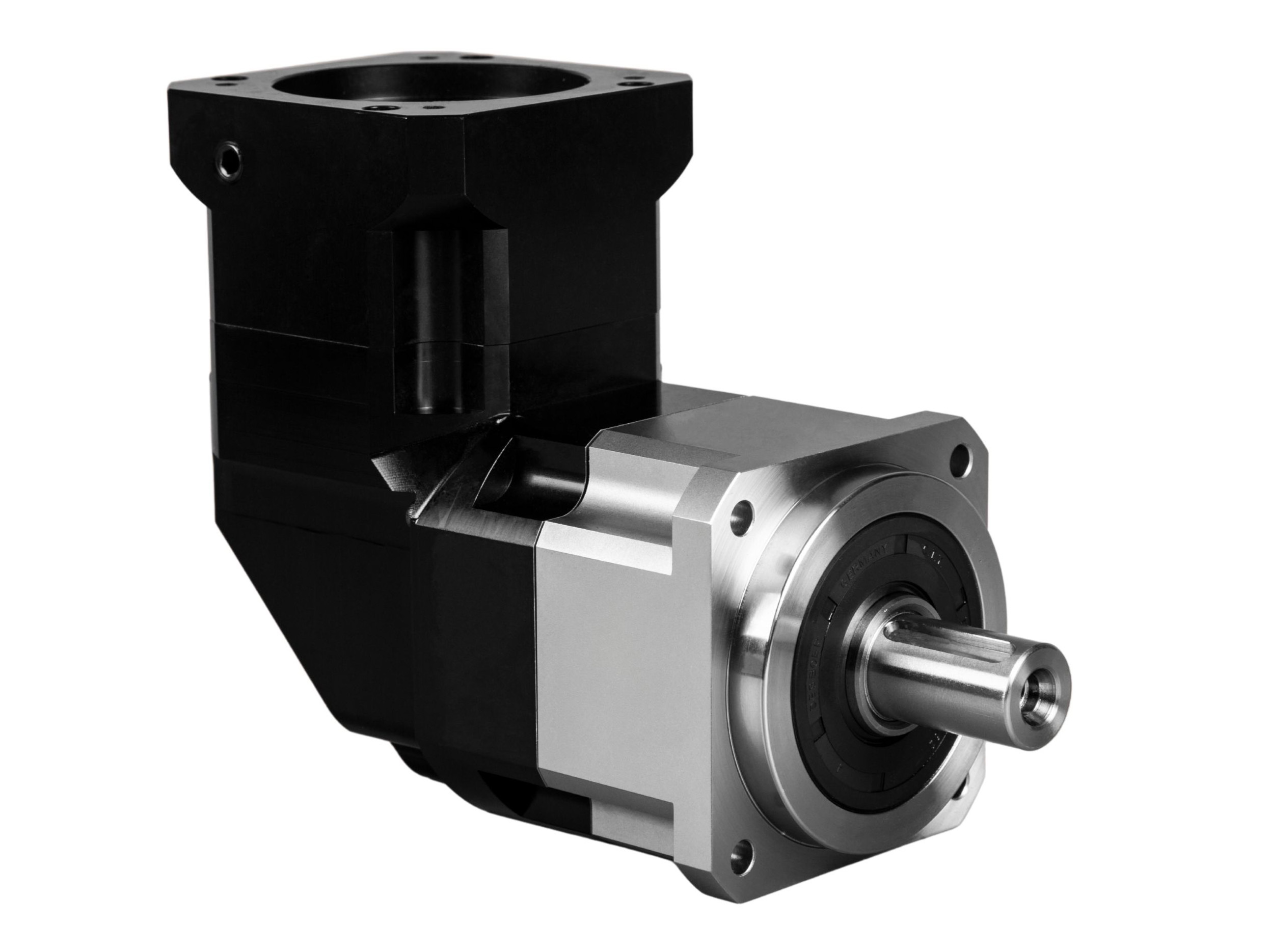
 Bevel Transmission Gear Drive Shaft Mounted Planetary GearboxThe Shaft-Output High-Load-Capacity Planetary Gear Drive is a compact transmission system with a vertical 90° input-output shaft configuration, both aligned on the same plane. The output end incorporates high-load tapered roller bearings to withstand extreme radial forces and overturning moments. Power transfer and speed reduction are achieved through multi-stage gear meshing, making it ideal for space-constrained industrial applications requiring vertical torque redirection, especially in machine tools with high overturning moment demands.Details
 Circular Flange high precision Reduction Planetary GearboxThe Shaft-Output Circular-Flange Planetary Gearbox is a planetary gear transmission system with a vertical 90-degree layout between the input and output shafts, both positioned on the same plane. The gearbox features a circular housing and a circular output flange. Power transmission and speed reduction are achieved through multi-stage gear meshing. Its compact and space-efficient design makes it ideal for general industrial applications with spatial constraints or requiring vertical input-output orientation.Details
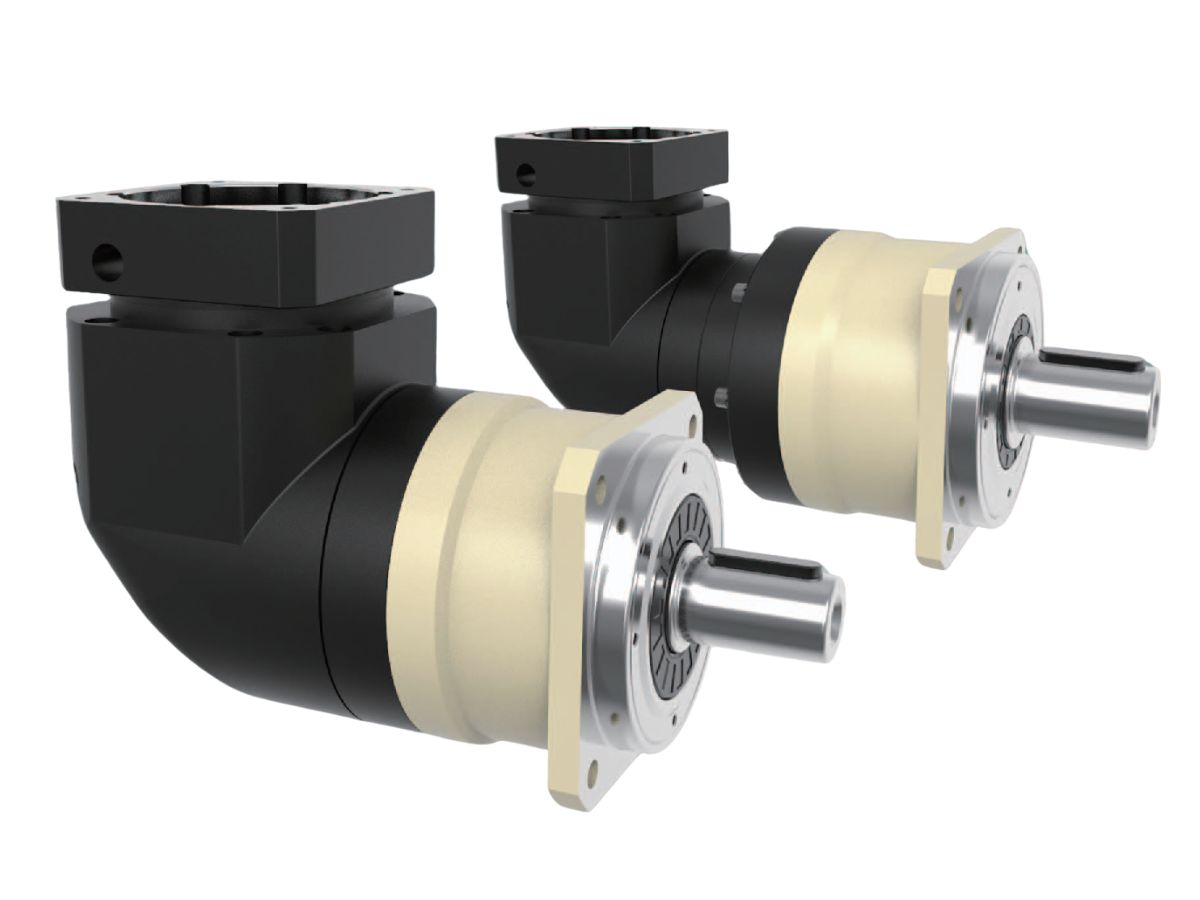
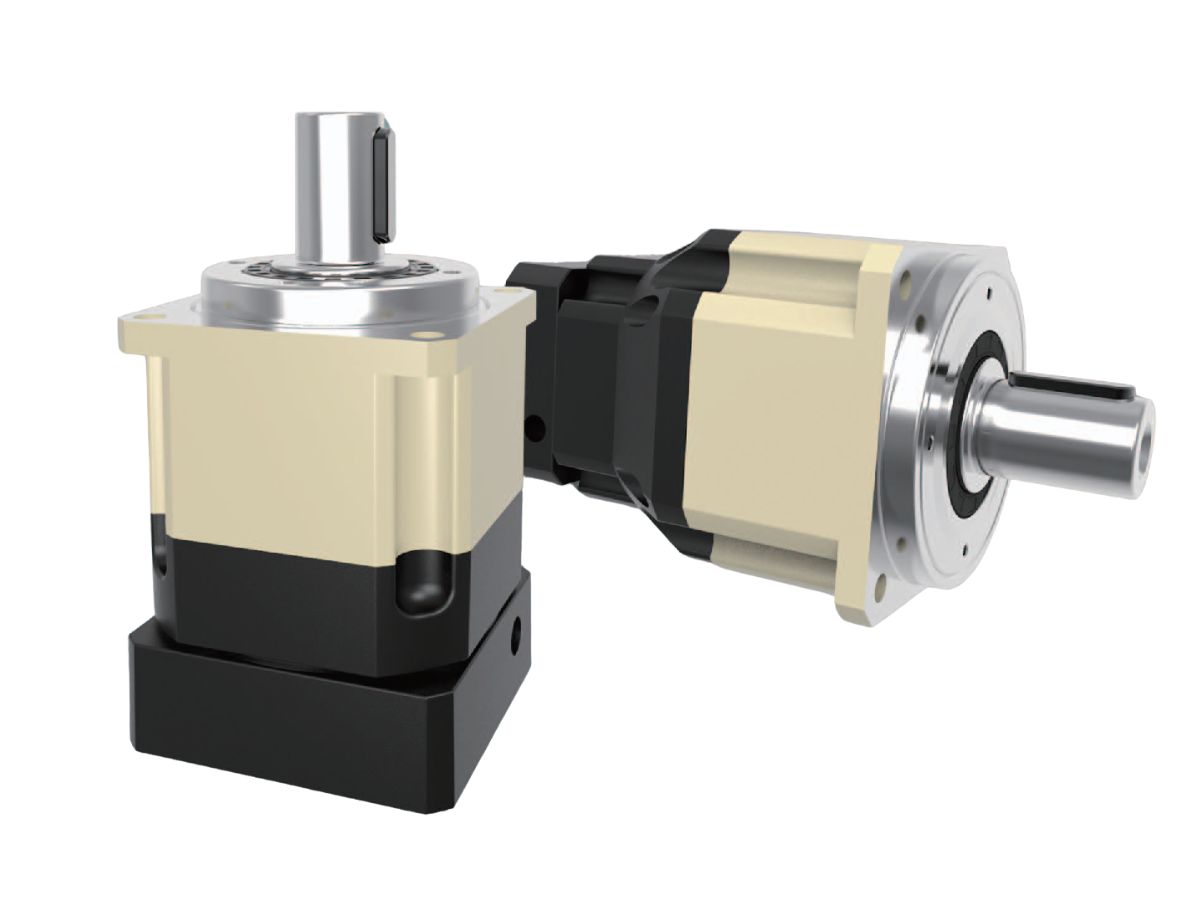
 Square Flange Speed Reduction Planetary Gear Transmisson SystemThe Shaft Output Square Flange Planetary Gearbox is a planetary gear transmission system with a vertical 90-degree layout between the input and output shafts, both positioned on the same plane. The gearbox features a square housing and a square output flange. Power transmission and speed reduction are achieved through multi-stage gear meshing. Its compact and space-efficient design makes it ideal for general industrial applications with spatial constraints or requiring vertical input-output orientation.Details
 90 Degree Input Output Roller Bearing Planetary GearboxThe Right Angle High Load Capacity Planetary Gearbox is a planetary gear transmission system with a vertical 90-degree layout between the input and output shafts, both positioned on the same plane. The output end is reinforced with high-load tapered roller bearings, enabling it to withstand greater radial forces and overturning moments. Power transmission and speed reduction are achieved through multi-stage gear meshing. Its compact and space-efficient design makes it ideal for general industrial applications with spatial constraints or requiring vertical input-output orientation, particularly suited for machine tools demanding high resistance to overturning moments.Details
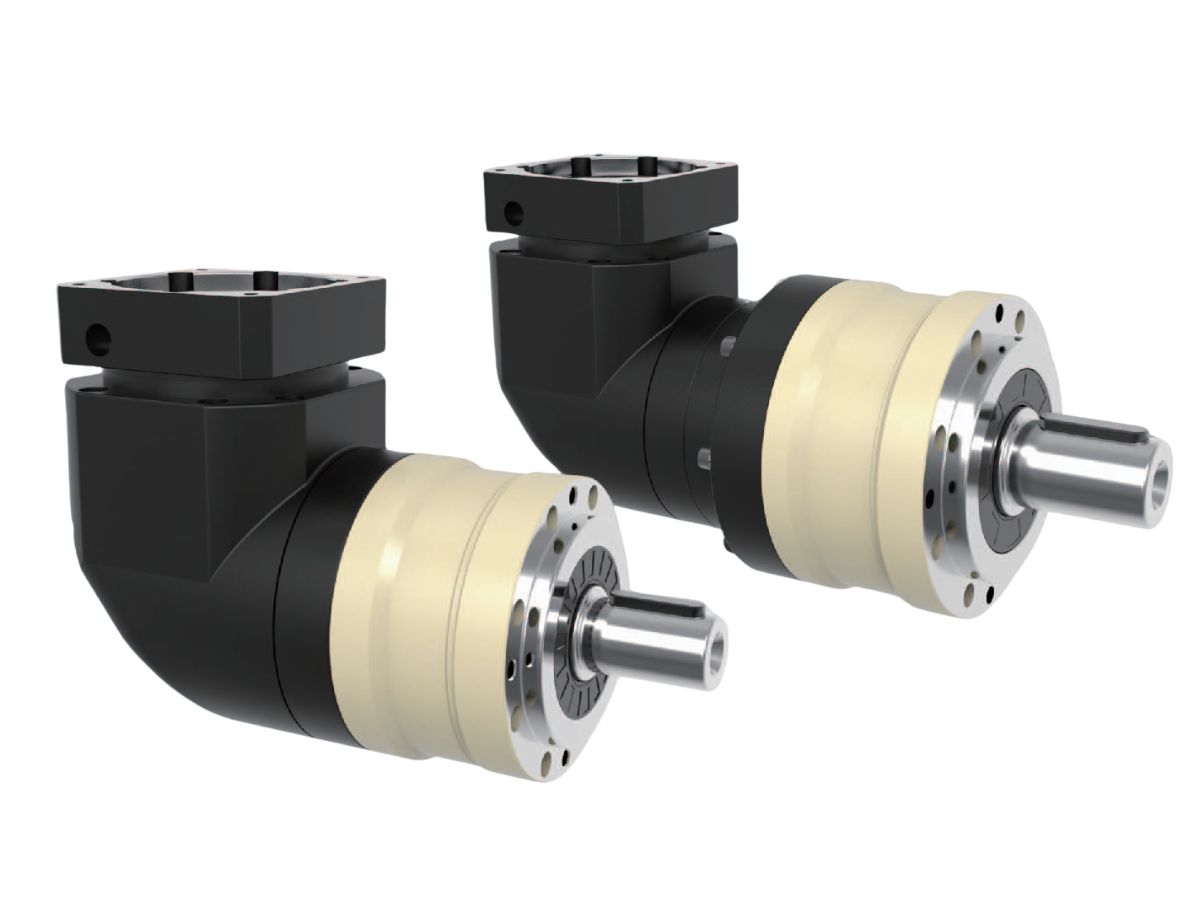
 Right Angle Round Frame Helical Bevel Planetary GearboxThe Right Angle Round Frame Planetary Gearbox is a planetary gear transmission system with a vertical 90-degree layout between the input and output shafts, both positioned on the same plane. The planetary gearbox features a circular housing and a circular output flange. Power transmission and speed reduction are achieved through multi-stage gear meshing. Its compact and space-efficient design makes it ideal for general industrial applications with spatial constraints or requiring vertical input-output orientation.Details
 Right Angle High Load Capacity Planetary GearboxThe Right Angle High Load Capacity Planetary Gearbox is a planetary gear transmission system with a vertical 90-degree layout between the input and output shafts, both positioned on the same plane. The output end is equipped with a flange plate. Power transmission and speed reduction are achieved through multi-stage gear meshing. Its small and space-efficient design makes it ideal for general industrial applications with spatial constraints or requiring vertical input-output orientation, particularly suited for machine tools demanding high resistance to overturning moments.Details
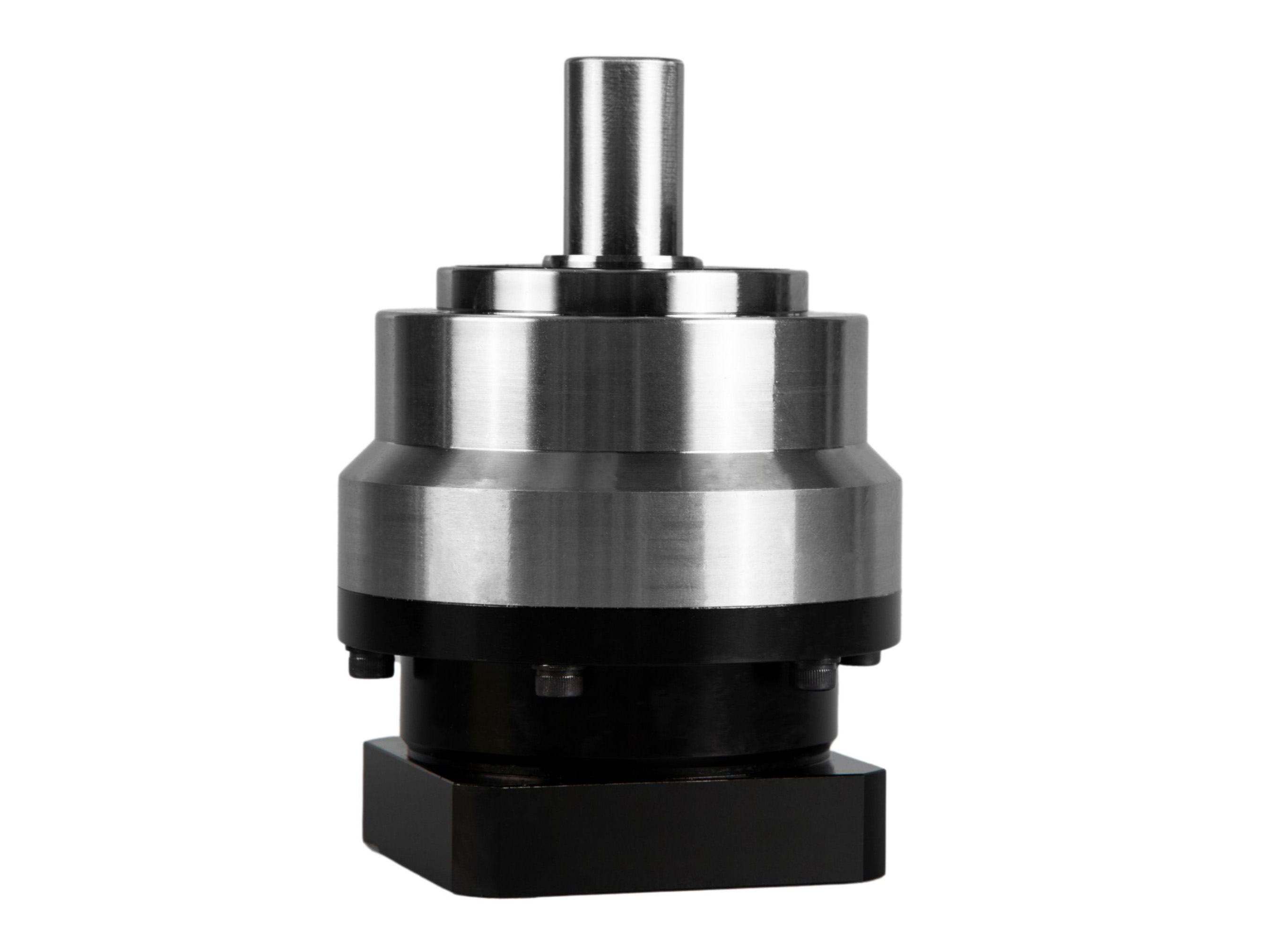
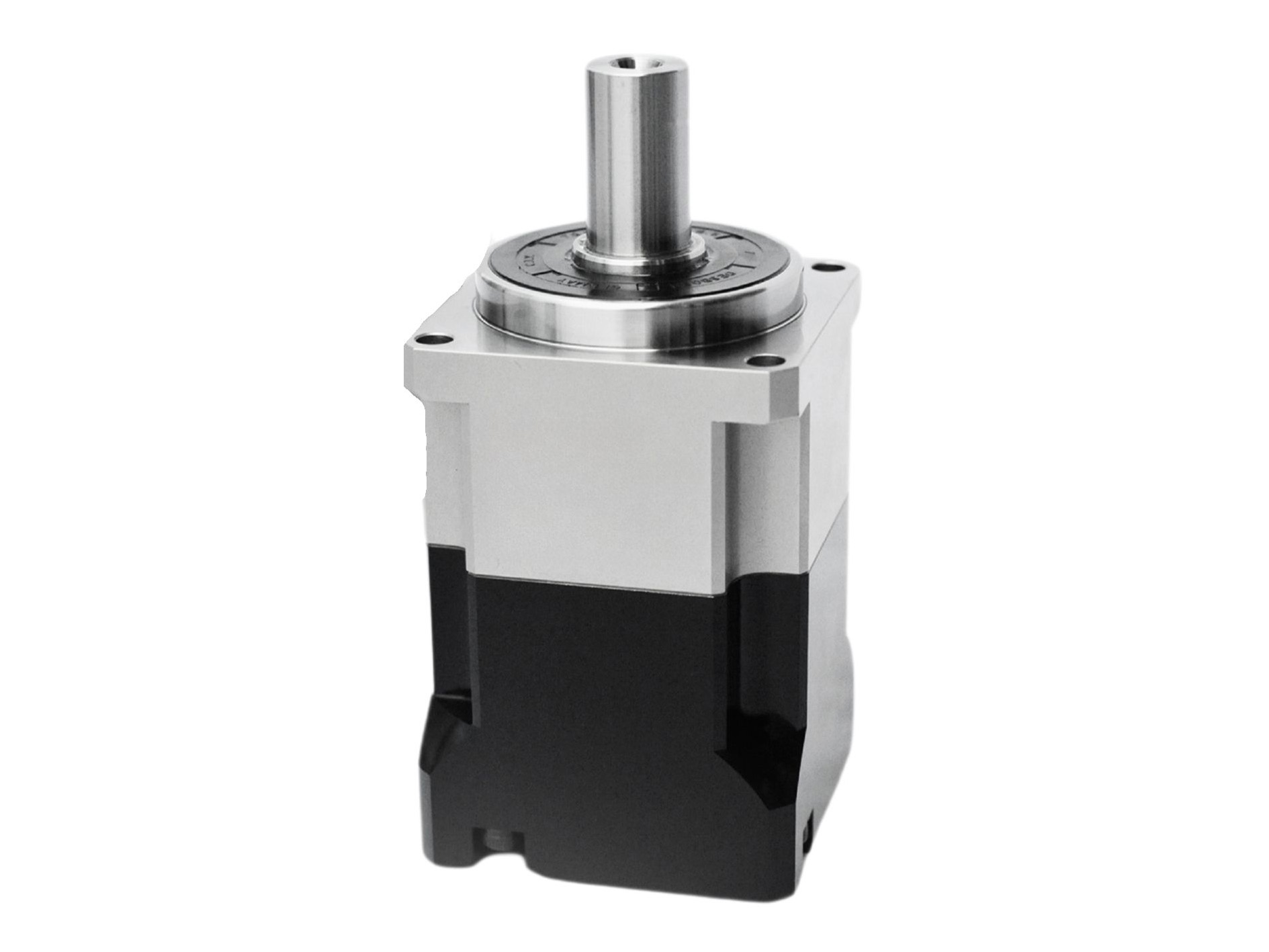
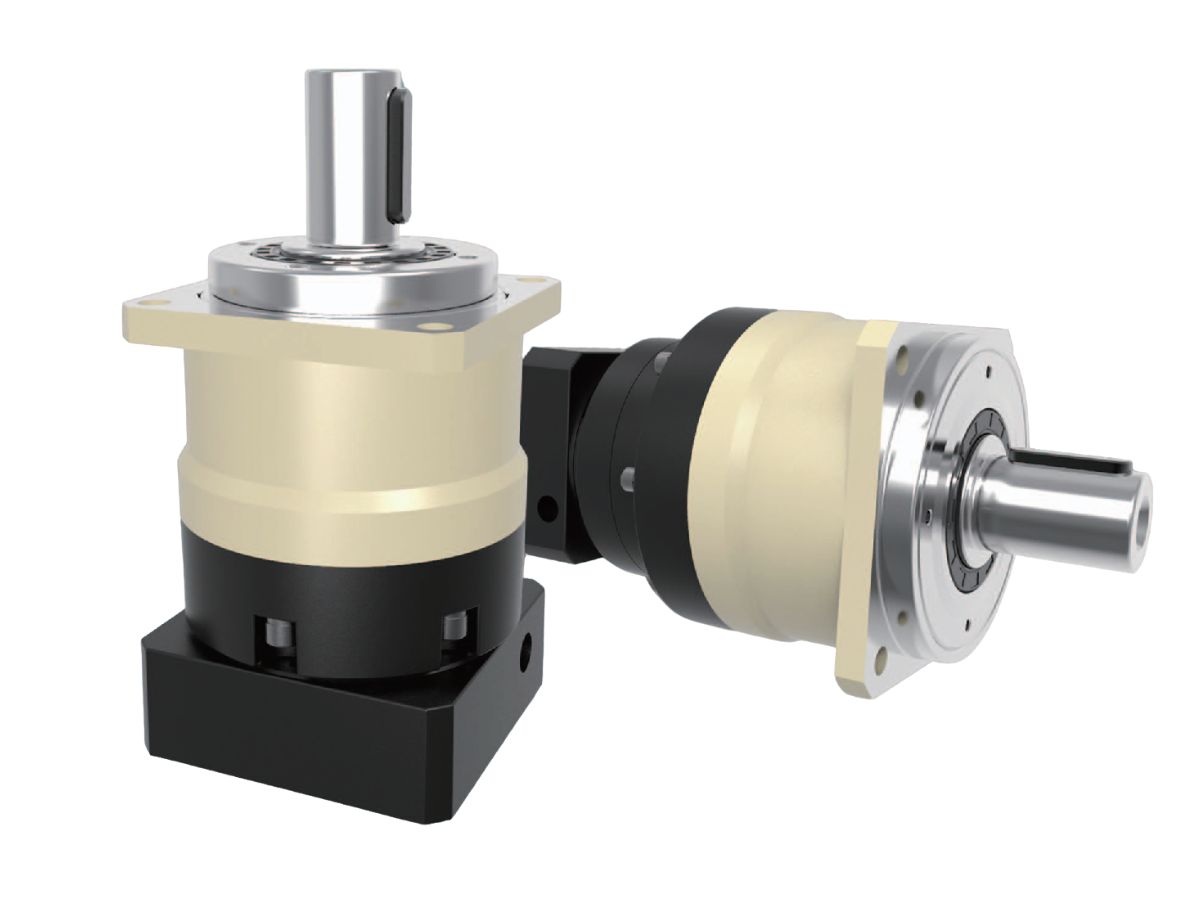
 High Precision Flange Output Planetary Gear ReducerThe flange output planetary gear reducer is a precision transmission device that combines a planetary gear transmission system with a flange output structure. Its core components consist of a sun gear, planet gears, and an internal ring gear, achieving power transmission through single-stage or multi-stage gear meshing. The flange, serving as a critical connection component, features a circular design with integrated high-precision bearings, providing enhanced contact area and stable mounting support. Compatible with power sources such as servo motors and stepper motors, this reducer is widely employed in precision equipment across CNC machine tools, industrial robots, automated production lines, and aerospace applications.Details
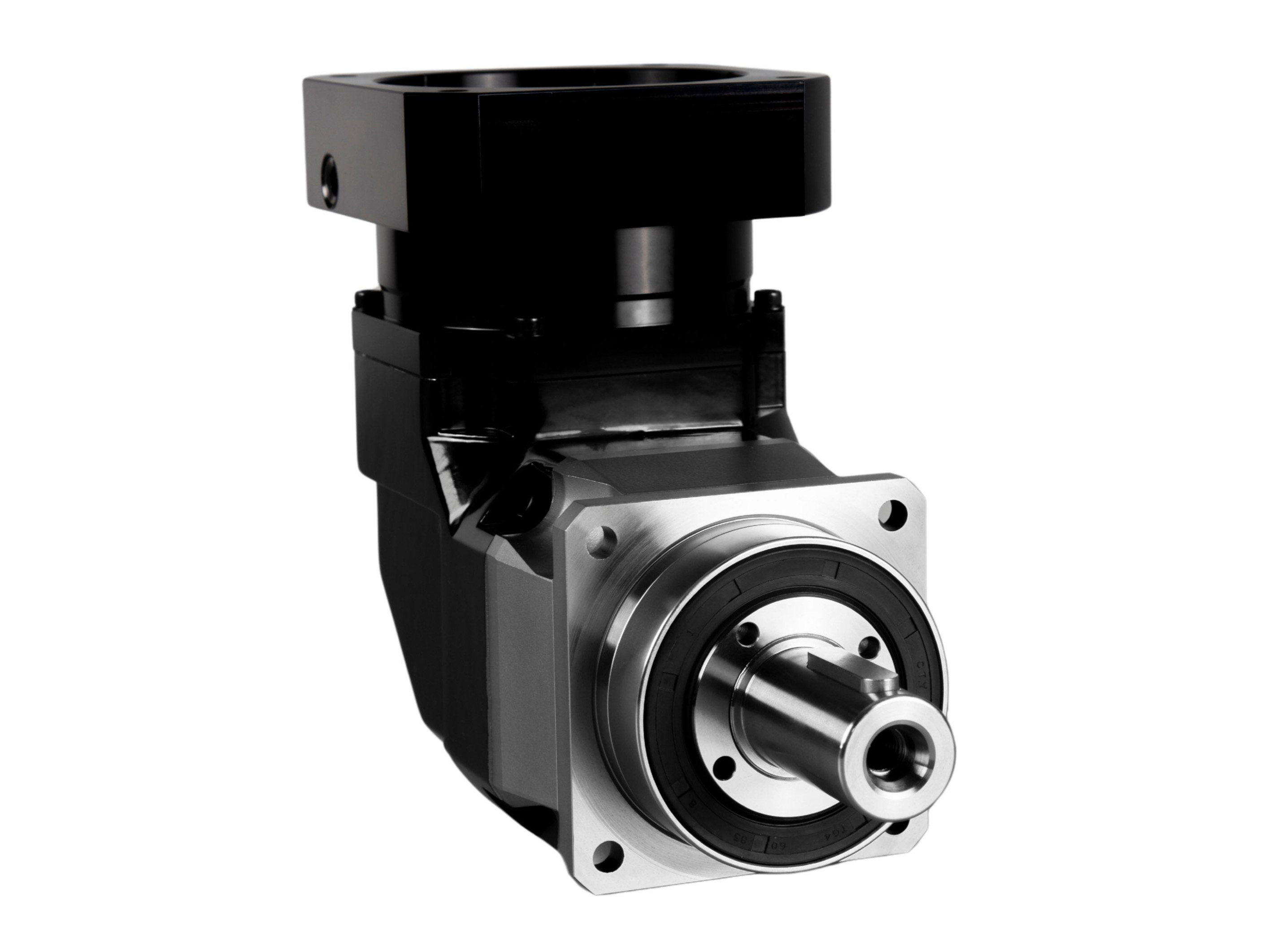
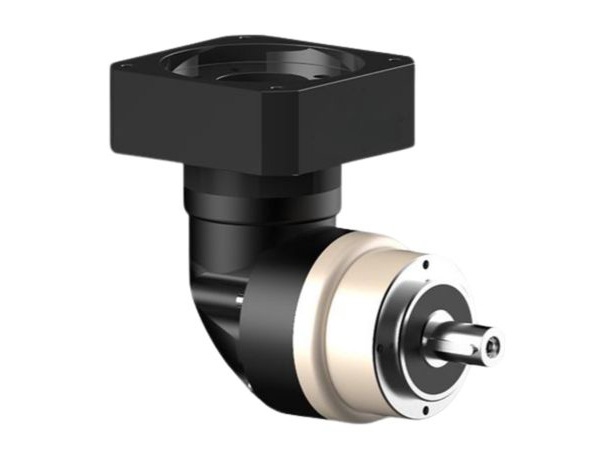
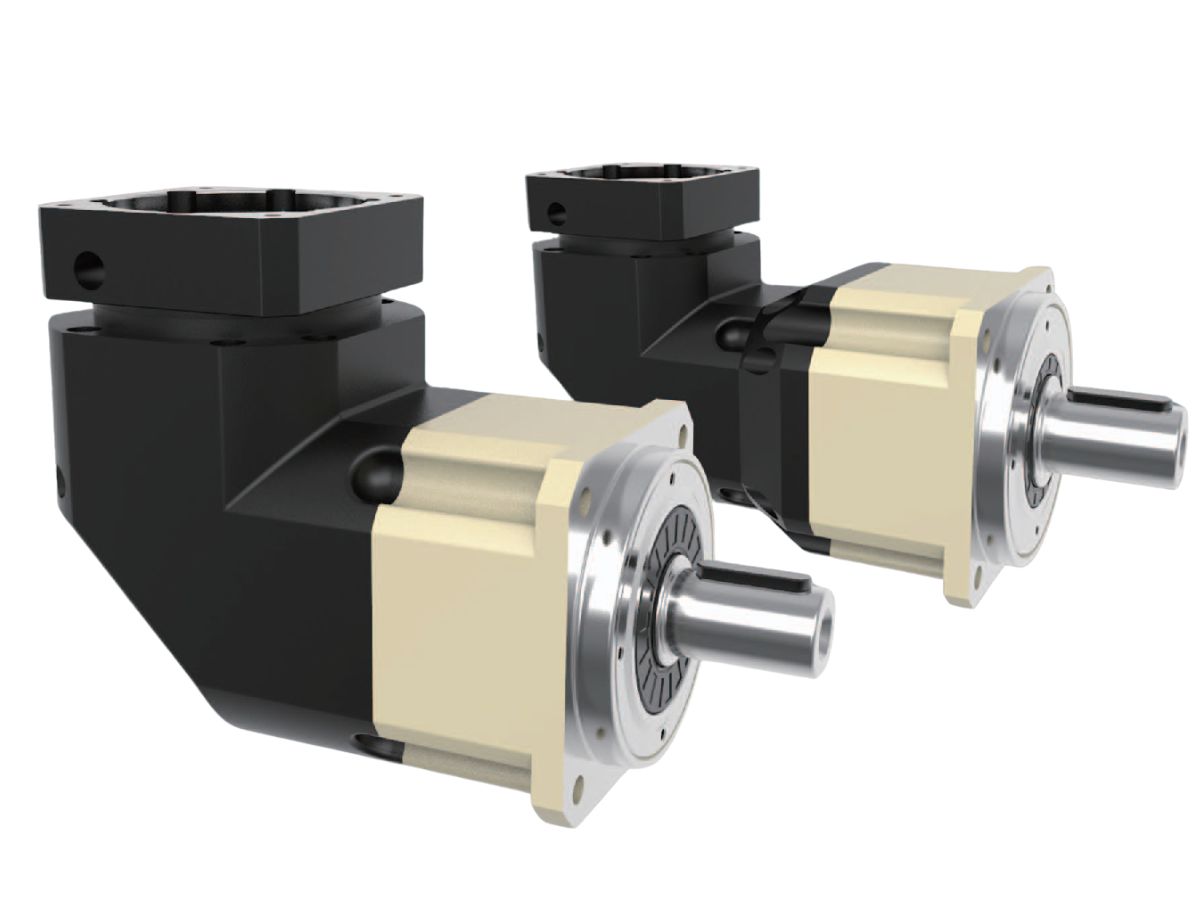
 Right Angle Square Housing Output Flange Planetary ReducerThe right angle square frame output planetary reducer is a planetary gear transmission device featuring a vertical 90 degree layout between input and output shafts, with both shafts lying on the same plane. Characterized by its square housing and square output flange, this reducer achieves power transmission and speed reduction through multi-stage gear meshing. It offers a compact structure and space-saving advantages, making it particularly suitable for general industrial applications requiring spatial constraints compliance or vertical input-output orientation arrangements.Details
Economy Planetary Gearbox
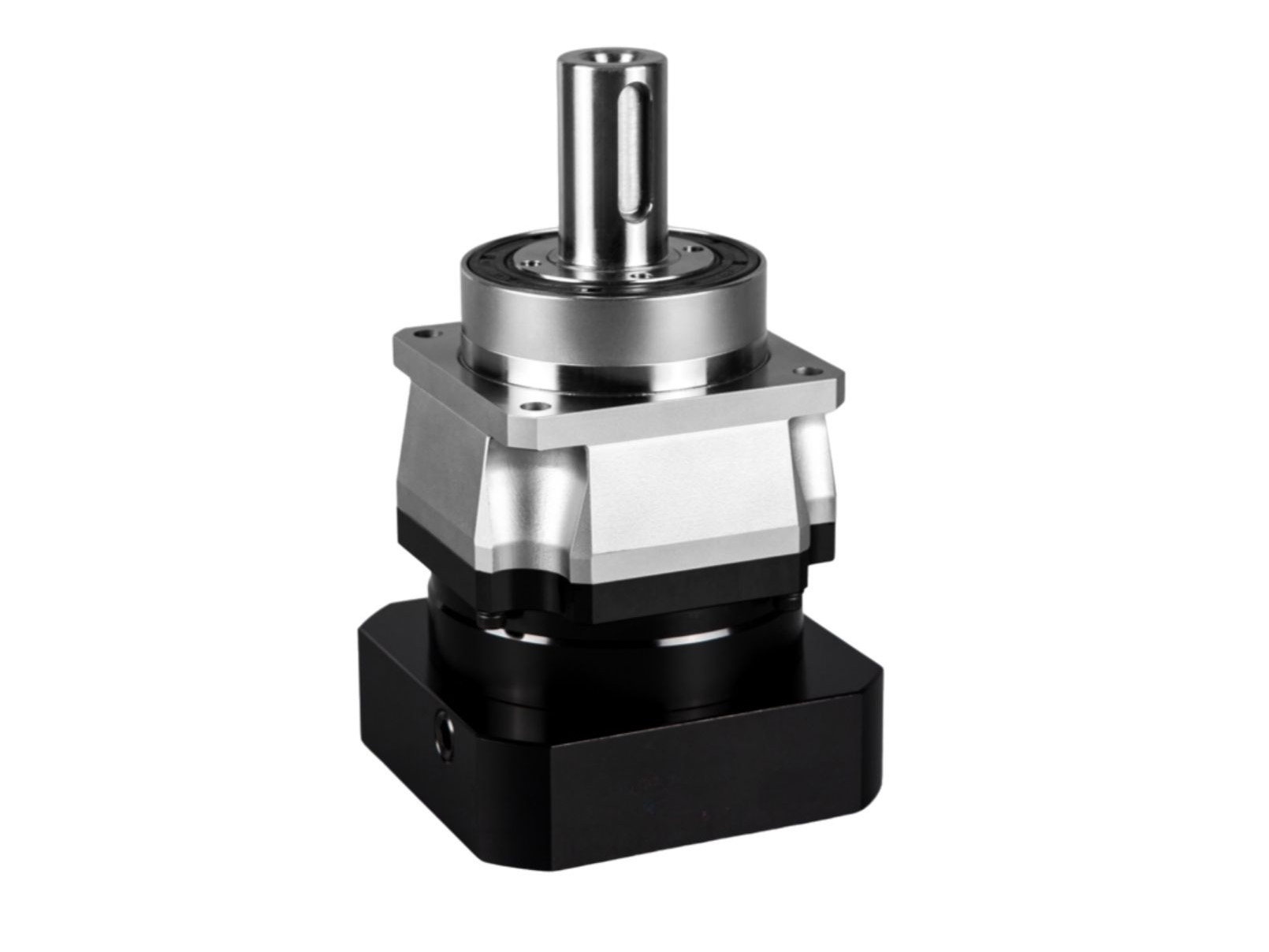
HONPINE Economic Planetary Gearboxes are designed to deliver the optimal balance between performance, reliability, and cost-effectiveness for a wide range of industrial motion control applications. By selecting the appropriate gearbox based on reduction ratio, output torque, speed, load capacity, backlash, torsional rigidity, installation requirements, and operating conditions, manufacturers can achieve reliable power transmission while avoiding unnecessary equipment costs. Compatible with servo motor systems, HONPINE planetary gearboxes are widely used in industrial automation, packaging machinery, CNC machines, material handling equipment, textile and printing machinery, food processing, automotive manufacturing, warehouse logistics, environmental engineering, medical equipment, electronics manufacturing, industrial robots, and other general automation applications, providing an economical and dependable planetary gearbox solution for OEMs and machine builders worldwide.
HONPINE Cost-Effective Planetary Gearboxes integrate advanced transmission technology with a robust mechanical design to provide an ideal balance of precision, performance, and affordability for industrial motion control applications. Featuring low noise operation below 65 dB, low backlash down to ≤1 arcmin for single-stage models and ≤3 arcmin for two-stage models, high transmission efficiency exceeding 95% for single-stage and 92% for two-stage configurations, and high input speeds up to 8,000 RPM, HONPINE planetary gearboxes deliver reliable and stable performance for servo motor systems. With high torque density, hardened alloy steel gears, enhanced durability, and a modular design supporting reduction ratios up to 1000:1, these economical planetary reducers are widely used in industrial automation, CNC machines, packaging equipment, robotics, semiconductor equipment, medical devices, automotive manufacturing, textile machinery, printing machinery, food processing equipment, and material handling systems, providing a reliable and cost-effective gearbox solution for OEM machine builders worldwide.
 Wide Reduction Ratio High Torque Capacity Precision Planetary GearboxThe HONPINE MYDR Series Precision Planetary Gearbox features a high-rigidity flange output design, combining a wide reduction ratio range, high torque capacity, and reliable transmission performance for industrial motion control applications. Available in seven frame sizes from 47 mm to 255 mm, it offers reduction ratios from 4:1 to 200:1 and rated output torque from 14 Nm to 2000 Nm, making it suitable for a wide range of servo motor systems.
With backlash of ≤2 arcmin for single-stage models and ≤4 arcmin for two-stage models, the MYDR Series delivers excellent positioning accuracy, high transmission efficiency, and long-term durability. Ideal for industrial automation, packaging machinery, assembly systems, conveyor equipment, and other OEM applications, it provides flexible, reliable power transmission for demanding motion control systems.Details High Rigidity Flange Output Design Precision Planetary GearboxThe HONPINE MYD Series Precision Planetary Gearbox features a high-rigidity flange output design for demanding motion control applications requiring exceptional positioning accuracy, high torque transmission, and long-term reliability. Available in seven frame sizes from 47 mm to 255 mm, it offers reduction ratios from 4:1 to 100:1 and rated output torque from 14 Nm to 2000 Nm, making it ideal for industrial robots, CNC machine tools, automated production lines, laser processing equipment, and other precision machinery.
With ultra-low backlash of ≤1 arcmin for single-stage models and ≤3 arcmin for two-stage models, the MYD Series delivers outstanding repeatability, high torsional rigidity, and smooth, accurate motion. As a precision planetary gearbox for servo motors and robotics, it provides reliable, high-performance power transmission for precision industrial automation applications.Details High Torque Output Right Angle Planetary Gearbox for Industrial MachineryThe HONPINE MYBR-E Series Right Angle Planetary Gearbox is designed for medium and large industrial machinery requiring high torque, flexible speed reduction, and compact installation. Available in six frame sizes from 70 mm to 155 mm, it offers reduction ratios from 3:1 to 200:1 and rated output torque from 40 Nm to 2000 Nm, making it suitable for both light-duty and heavy-duty servo motor applications.
Its compact 90° right angle design maximizes installation flexibility while delivering high transmission efficiency, excellent load capacity, and reliable long-term performance. With backlash of ≤6 arcmin for single-stage models and ≤9 arcmin for two-stage models, the MYBR-E Series ensures smooth motion and accurate positioning. Ideal for packaging machinery, conveyor systems, woodworking equipment, material handling, and industrial automation, it provides dependable, high-performance right angle power transmission.Details Single Stage Two Stage Precision Right Angle Planetary GearboxThe HONPINE MYBR Series Precision Right Angle Planetary Gearbox is designed for industrial automation applications requiring compact installation, flexible transmission, and cost-effective performance. Available in five frame sizes from 60 mm to 180 mm, it offers reduction ratios from 3:1 to 200:1 and rated output torque from 40 Nm to 650 Nm, making it suitable for a wide range of servo motor systems.
Featuring a compact 90° right angle design, the MYBR Series provides high transmission efficiency and reliable power delivery while maximizing installation flexibility in space-limited equipment. Standard backlash is ≤6 arcmin for single-stage models and ≤9 arcmin for two-stage models, ensuring smooth motion and stable positioning. Ideal for packaging machinery, conveyor systems, assembly equipment, material handling, and other industrial automation applications, the MYBR Series delivers efficient and dependable right angle power transmission.Details High Torque Precision Planetary Gearbox for Heavy-duty ApplicationsThe HONPINE MYB-E Series Precision Planetary Gearbox is built for medium and large industrial machinery requiring high torque, excellent load capacity, and reliable performance. Available in six frame sizes from 70 mm to 235 mm, it offers reduction ratios from 3:1 to 100:1 and rated output torque from 40 Nm to 2000 Nm. Its robust design provides high torsional rigidity, shock resistance, and efficient power transmission.
With backlash of ≤5 arcmin for single-stage models and ≤7 arcmin for two-stage models, the MYB-E Series delivers smooth motion and accurate positioning. Ideal for servo motor systems, it is widely used in packaging machinery, conveyor systems, woodworking equipment, material handling, and industrial automation applications, providing dependable and cost-effective motion control.Details Cost Efficiency Planetary Gearbox for Servo Motor SystemsThe HONPINE MYB Series Planetary Gearbox is a cost-effective solution for general industrial automation, combining reliable performance, competitive pricing, and fast delivery. Available in seven frame sizes from 42 mm to 220 mm, it provides rated output torque up to 2000 Nm and a wide range of reduction ratios, making it compatible with various servo motor systems and power transmission applications.
With backlash of ≤5 arcmin for single-stage models and ≤7 arcmin for two-stage models, the MYB Series delivers stable positioning accuracy for most automation equipment while simplifying model selection. Its compact structure, high transmission efficiency, and durable construction make it an ideal alternative to conventional belt drives, standard gearboxes, and chain transmission systems. Widely used in conveyors, packaging machines, assembly equipment, and printing machinery, the MYB Series offers dependable, economical motion control for a broad range of industrial applications.Details High Transmission Efficiency Precision Planetary Gear ReducerThe HONPINE MYAR Series Precision Planetary Gearbox is designed to deliver an excellent balance of precision, performance, and cost efficiency for industrial motion control applications. Available in seven frame sizes from 42 mm to 220 mm, it offers single-stage reduction ratios from 3:1 to 20:1 and two-stage ratios up to 200:1, making it ideal for servo motors, industrial automation, CNC machines, packaging equipment, conveyor systems, printing machinery, and OEM applications.
With rated output torque from 14 Nm to 2,000 Nm, the MYAR Series provides reliable performance for both light-duty and heavy-duty applications. Standard backlash is controlled within ≤2 arcmin for single-stage models and ≤4 arcmin for two-stage models, ensuring accurate positioning, smooth operation, high transmission efficiency, and long service life.Details Low Backlash High Rigidity Precision Planetary Gearbox for Industrial AutomationThe HONPINE MYA Series Precision Planetary Gearbox is designed for high rigidity, low backlash, and reliable power transmission in demanding motion control applications. Available in seven frame sizes from 42 mm to 220 mm, it offers single-stage ratios from 3:1 to 10:1 and two-stage ratios up to 100:1, making it ideal for servo motors, industrial automation, robotics, CNC machines, packaging equipment, and precision positioning systems.
Delivering rated output torque up to 2,000 Nm, the MYA Series combines high torsional rigidity with excellent positioning accuracy and long service life. With backlash as low as ≤1 arcmin for single-stage models and ≤3 arcmin for two-stage models, it is an ideal low backlash planetary gearbox for high-precision servo applications.Details
Planetary Gearbox - FAQ
The following FAQs are based on real-world customer applications and engineering experience with Honpine Planetary Gearboxes. They cover common questions about selection, precision, torque, service life, and maintenance. If you need additional technical information or application support, feel free to contact our engineering team.
Yes.
Harsh environments can significantly reduce gearbox lifespan and precision retention.
Examples include:
High temperatures that accelerate lubricant degradation
Dust contamination that damages seals and gears
Frequent start-stop cycles that increase shock loading and backlash growth
For demanding applications, also confirm:
Appropriate sealing performance (IP protection level where applicable)
High-temperature lubrication options
Reinforced structural design for shock loads
Providing the manufacturer with detailed operating conditions before selection helps ensure the gearbox is properly matched to the application.
With the inherent advantages of planetary gear reducers, HONPINE planetary reducer motors are widely used across various robotic fields.
In quadruped robots, they meet the requirements of 12 degrees of freedom, providing stable and powerful drive for movement across complex terrain.
In robotic arms, the high-precision planetary reducer ensures accurate positioning, enabling complex tasks such as welding and cutting.
In humanoid robots, planetary reducers help achieve more natural and fluid movements, significantly improving coordination and stability in actions such as walking, arm lifting, and posture transitions.
Rigidity focuses on deformation.
Under load, how much does the shaft bend? How much does the gear meshing clearance increase? Rigidity directly determines a machine’s positioning accuracy and dynamic response.
If rigidity is insufficient, a robot performing precision movements will behave like it has “Parkinson’s disease” — shaking, vibrating, and never accurately reaching its target.
Strength, on the other hand, concerns whether the gearbox will fail.
It relates to the maximum stress the material can withstand and whether components may crack, deform, or collapse. Strength defines the service life and safety margin of the equipment.
Insufficient strength leads to a classic “brute force failure,” where internal components catastrophically break apart.
When selecting a planetary gearbox, focusing only on reduction ratio and price is far from enough. You must also evaluate:
Rated torque – continuous operating capability
Peak torque – ability to withstand shock loads
Service factor – compensation for harsh working conditions
For intelligent equipment with frequent start-stop cycles, peak torque is especially critical.
We can provide professional selection guidance and complete technical documentation. Ultimately, system-level reliability matters more than any single outstanding parameter. True performance depends on design, materials, manufacturing processes, and—most importantly—how well the gearbox matches real operating conditions.
The advantage lies in its structure.
Planetary gearboxes use a planetary gear system consisting of a central sun gear, surrounding planet gears, and an outer ring gear. This configuration enables power splitting and multi-tooth meshing, resulting in:Compact size,Lightweight design,High load capacity,Excellent rigidity.These characteristics make planetary gearboxes particularly suitable for automation equipment with strict space and performance requirements.
Three practical checks can help:Gear material and machining accuracy – ground gears are superior to hobbed gears.No-load backlash and noise – lower backlash and smoother operation indicate better quality.Temperature rise – excessive temperature increase after long-term operation (e.g., above 45°C) may indicate design or manufacturing defects.
Planetary gearboxes offer higher precision and efficiency, making them ideal for reciprocating and high-accuracy motion.Worm gear reducers provide large reduction ratios and self-locking capability, suitable for high-ratio and intermittent load applications, but typically suffer from lower efficiency.
HONPINE planetary gearboxes have been widely applied and market-validated in industries such as:CNC machine tools,Mobile robots,New energy vehicles,Aerospace,Construction machinery,Photovoltaic equipment,3C electronics,Smart home systems,Medical devices.Driven by application demands, HONPINE continues to innovate toward higher precision, lighter weight, and higher power density, steadily positioning itself as an industry leader.
Yes. HONPINE has achieved full in-house R&D and manufacturing of planetary gearboxes.
Key processes—including gear machining, planetary carrier manufacturing, internal ring gear processing, and planet gear production—are all completed within HONPINE’s factory.
By integrating refined gear design, high-precision manufacturing processes, advanced load-sharing technology, and scientifically optimized lubrication, HONPINE systematically improves transmission efficiency and meets the stringent requirements of modern high-end equipment for energy efficiency, reliability, and long service life.
Take robot joints as an example. Servo motors typically operate at 3000–6000 rpm, while robot joints require speeds of only tens of rpm, along with significantly higher torque to drive robotic arms.
Planetary gearboxes convert the motor’s high speed into the low speed required by the joint while multiplying torque dozens of times, ensuring precise positioning and sufficient load capacity.
Similarly, in CNC machine spindle drives and conveyor power transmission systems, planetary gearboxes play a vital role. Their high transmission efficiency (typically 90%–97%) helps reduce energy consumption and enhance overall system stability.
1. Basic Definition
The reduction ratio is the ratio between input speed and output speed:
i = n₁ / n₂
Where:
n₁ = input speed
n₂ = output speed
Example:
If the input speed is 1500 rpm and the output speed is 25 rpm:
i = 1500 / 25 = 60:1
2. Gear Train Calculation Method
For multi-stage gear reducers, divide the number of teeth on the driven gear by that of the driving gear for each meshing pair, then multiply all results together.
Example (Planetary Gear System):
If:
Sun gear teeth = z₁
Planet gear teeth = z₂
Ring gear teeth = z₃
Then the reduction ratio can be expressed as:
i = (z₃ / z₁) × (z₂ / z₁)
Yes. HONPINE has achieved full in-house R&D and manufacturing of planetary gearboxes.
Key processes—including gear machining, planetary carrier manufacturing, internal ring gear processing, and planet gear production—are all completed within HONPINE’s factory.
By integrating refined gear design, high-precision manufacturing processes, advanced load-sharing technology, and scientifically optimized lubrication, HONPINE systematically improves transmission efficiency and meets the stringent requirements of modern high-end equipment for energy efficiency, reliability, and long service life.
HONPINE planetary gearboxes have been widely applied and market-validated in industries such as:CNC machine tools,Mobile robots,New energy vehicles,Aerospace,Construction machinery,Photovoltaic equipment,3C electronics,Smart home systems,Medical devices.Driven by application demands, HONPINE continues to innovate toward higher precision, lighter weight, and higher power density, steadily positioning itself as an industry leader.
The core principle is based on gear transmission. A planetary gearbox uses a combination of a sun gear, planet gears, and a ring gear to convert the motor's high-speed rotation into lower-speed output.
According to the principle of power conservation (allowing for normal transmission losses), reducing output speed proportionally increases output torque. For example, with a 10:1 gear ratio, the output speed is reduced by approximately ten times while the output torque is increased by approximately ten times. This allows the system to deliver greater torque at lower rotational speed.
The main reasons are space efficiency and cost-effectiveness.
A planetary gearbox enables a compact motor to produce torque comparable to that of a much larger motor, making it ideal for space-constrained applications such as robotics and industrial automation.
Compared with oversized motors, a small motor paired with a planetary gearbox offers:
Smaller installation footprint
Lower overall system cost
Faster motor response
More precise speed control
Higher system flexibility
Before purchasing, confirm the following three key factors with your supplier:
1. Precision (Backlash)
Ask for the actual backlash specification.
Standard grade: 5–10 arcmin
Precision grade: 1–3 arcmin
Select the appropriate level according to your application's positioning accuracy requirements.
2. Gear Material
Gear material has a significant impact on service life.
Compared with ordinary steel, alloy steels such as 20CrMnTi offer higher hardness (typically HRC 58–62) and can provide 2–3 times longer wear life. Request material certificates whenever possible.
3. Factory Testing
Reliable manufacturers should provide test reports rather than verbal assurances.
Typical factory tests include:
No-load running test
Load test
Noise measurement
Vibration analysis
A properly operating planetary gearbox typically produces 60–70 dB of noise.
If the noise exceeds 75 dB (similar to an electric drill), possible causes include:
Excessive gear backlash
Bearing damage
Improper installation
Gear wear
The gearbox should be inspected promptly if abnormal noise develops.
Under normal operating conditions, the typical service life is approximately 2–3 years, depending on application, duty cycle, maintenance, and operating environment.
To maximize service life:
Replace lubricant approximately every 5,000 operating hours (or according to manufacturer recommendations).
Avoid continuous overload. The operating load should preferably remain within the gearbox's rated torque.
Avoid selecting products based solely on the lowest purchase price.
Low-cost gearboxes often have significantly higher maintenance and repair costs over their lifetime. For applications requiring high precision and long-term reliability, buyers should focus on:
Transmission efficiency
Long-term cost of ownership
Precision retention
Technical support
After-sales service
The lowest purchase price rarely represents the lowest lifetime cost.
Precision Life refers to a gearbox's ability to maintain its transmission accuracy over long-term operation.
Initial precision only reflects performance at the time of delivery. Precision Life determines whether your equipment can continue producing stable, high-quality results after 1,000, 3,000, or even 5,000 operating hours.
A truly reliable gearbox is measured not by how impressive its factory specifications look, but by how consistently it performs during continuous production.
No.
High initial precision does not necessarily guarantee long-term precision retention.
Some gearboxes advertised with ≤2 arcmin backlash may deteriorate to over 5 arcmin after 1,500 operating hours, while other models starting at ≤4 arcmin but featuring reinforced bearings and hardened gear surfaces can still maintain 4.5–5 arcmin after 3,000 hours.
The key is not simply how precise the gearbox is when new—but how well it maintains that precision over time.
A practical approach is to evaluate three key areas:
Anti-Loosening
Does the gearbox use:
High-rigidity locking mechanisms?
Dual-bearing support?
These features help prevent backlash growth caused by long-term vibration.
Anti-Wear
Ask whether the gears receive:
Deep carburizing
Nitriding
Other advanced surface hardening treatments
Material quality and heat treatment are among the most important factors affecting gearbox durability.
Thermal Management
Confirm whether the gearbox features:
Effective lubrication
Proper heat dissipation
Lower operating temperatures help preserve lubricant performance and reduce wear.
Instead of asking:
"What is the initial backlash?"
Ask:
"After 2,000 hours of continuous operation under rated conditions, what backlash can the gearbox still maintain? Can you provide third-party durability or accelerated life test reports?"
Manufacturers that openly provide long-term performance data generally inspire greater confidence than those focusing only on initial specifications.
For ultra-precision applications, high initial precision is essential—but long-term precision stability is even more critical.
Once backlash exceeds the allowable tolerance, production accuracy may decline dramatically, potentially resulting in expensive downtime or equipment recalibration.
Choose suppliers that provide both:
High initial precision
Verified Precision Life supported by materials, heat treatment, and durability testing
One major reason is Precision Life.
Maintaining long-term accuracy requires investment in:
Premium gear materials
Advanced heat treatment
High-quality bearings
Anti-loosening structural design
Strict manufacturing quality control
Like high-performance automotive tires, premium gearboxes may cost more initially but continue delivering reliable performance long after lower-cost alternatives have deteriorated.
Follow this simple three-step evaluation process:
Verify Qualifications
Check whether the manufacturer has:
Independent R&D capabilities
ISO certifications
Patented technologies
Verify Test Data
Request:
Factory inspection reports
Durability testing
Long-term performance data
Real performance should be supported by measurable results.
Verify Customer Experience
Whenever possible, speak with customers who have used the gearbox for several years to understand its long-term performance in actual production environments.
Precision Life is a widely recognized concept in precision power transmission.
Industries such as robotics, aerospace, automotive manufacturing, and precision automation routinely evaluate components based on long-term reliability rather than initial specifications alone.
Although many suppliers emphasize initial precision because it is easier to market, long-term precision retention is often the more meaningful indicator of gearbox quality and overall value.
Why Choose HONPINE Precision Planetary Reducer Gearbox
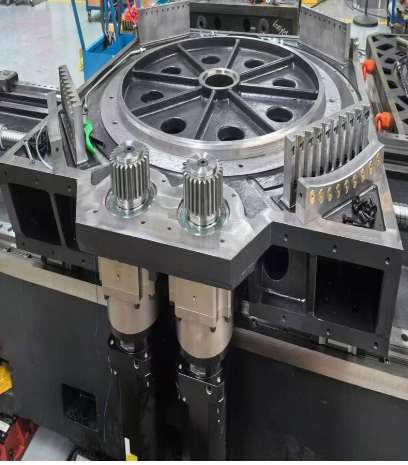
● HONPINE's precision planetary reducer gearbox features a monolithic housing design with the internal ring gear integrated into the front housing, structurally optimizing connection points to ensure precision during high-speed operation. The housing surface is nickel-plated for enhanced corrosion resistance in harsh operating conditions.
● The integrated planetary carrier and output shaft frame design eliminates precision loss from secondary connections. Through single clamping and machining, perfect coaxiality of the planetary carrier is achieved, ensuring smooth and efficient operation of the planetary gear system.
● The integrated sun gear and input shaft design reduces mechanical connection points, improving torque transmission performance while maintaining the overall precision of the reducer.
● HONPINE emphasizes material selection for its precision planetary reducer gearbox. The gears are manufactured from custom-made Japanese Cr-Mn-Ti (chromium-manganese-titanium) alloy steel.
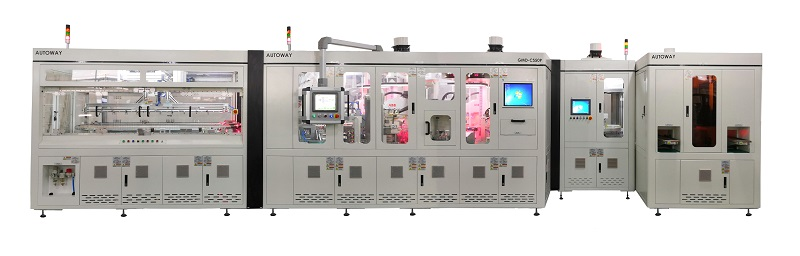
Application of Precision Planetary Reducer Gearbox
Planetary gearboxes deliver high torque, exceptional rigidity, and efficient power transmission in a compact design. Based on a planetary gear structure, they offer excellent load distribution and reliability for a wide range of motion control applications.
We provide two series to meet diverse needs: the Precision Series for high-accuracy scenarios requiring minimal backlash and superior positioning performance, and the Economic Series for cost-sensitive applications.
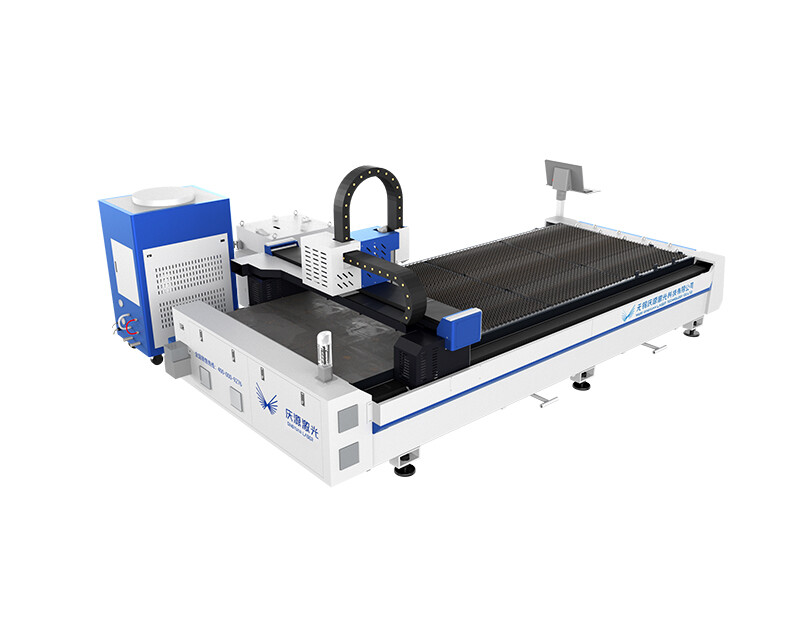
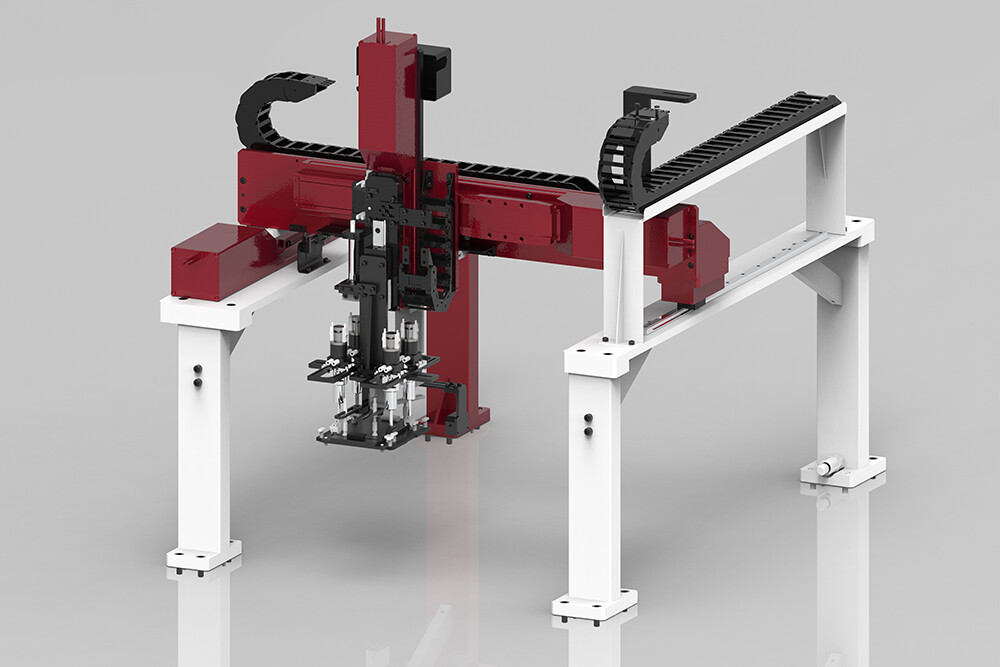
Ideal for use in robotics, automation, CNC machinery, material handling, and automotive systems, our planetary gearboxes ensure smooth operation and long service life across various industries.
Choose from standard or customized solutions to fit your specific requirements.
‹
›
Key Parameters for Selecting a Precision Planetary Gearbox
Choosing the right precision planetary gearbox requires a balance between application requirements and cost efficiency. An appropriate planetary reducer should not only meet the performance requirements of the equipment but also avoid unnecessary oversizing that increases system costs. The selection process should consider key technical parameters such as reduction ratio, rated input speed, output speed, number of reduction stages, transmission efficiency, backlash, positioning accuracy, torsional stiffness, inertia ratio, noise level, and service life.
Reduction Ratio and Output Speed
The reduction ratio is one of the most important parameters when selecting a planetary gearbox. It determines the relationship between motor speed and gearbox output speed. The output speed can be calculated by dividing the input speed by the reduction ratio:
Output Speed = Input Speed / Reduction Ratio
Higher reduction ratios are achieved by increasing the number of planetary gear stages. Single-stage planetary gearboxes provide high efficiency and compact size, while two-stage or multi-stage designs offer higher reduction ratios with slightly reduced efficiency due to additional gear sets.
Number of Reduction Stages
The number of stages refers to the quantity of planetary gear sets inside the precision planetary gearbox. A single-stage planetary reducer is suitable for lower reduction ratios, while two-stage or three-stage configurations are used when higher reduction ratios are required.
Increasing the number of stages allows the gearbox to achieve higher reduction ratios, but it may also increase the overall length and slightly reduce transmission efficiency. Therefore, selecting the optimal number of stages helps achieve the best balance between performance, size, and cost.
Transmission Efficiency
Transmission efficiency refers to the ability of the planetary gearbox to transfer input power to output power under rated load conditions. HONPINE precision planetary reducers feature high-efficiency gear transmission, with efficiency exceeding 95% for single-stage models and maintaining excellent performance for multi-stage configurations.
High transmission efficiency helps reduce energy loss, improve system response, and enhance the overall performance of servo motor applications.
Backlash and Positioning Accuracy
Backlash is the angular clearance between the input shaft and output shaft when the direction of rotation changes. It is a critical factor affecting the positioning accuracy of precision motion control systems.
For high-speed reciprocating movements and precision positioning applications, minimizing angular deviation is essential. Backlash, torsional stiffness, and control synchronization directly influence the repeatability and positioning performance of the entire servo system.
HONPINE precision planetary gearboxes provide low backlash performance, with precision models achieving up to ≤1 arcmin backlash, making them ideal for CNC machines, industrial robots, automation equipment, and high-precision motion systems.
Torsional Stiffness and Hysteresis Performance
Torsional stiffness represents the gearbox’s ability to resist deformation under applied torque. Higher torsional stiffness improves system rigidity, response speed, and positioning stability.
The torsional stiffness of a planetary gearbox is evaluated through hysteresis curve testing, which measures the relationship between torque and angular displacement. This parameter is especially important for applications requiring frequent acceleration, deceleration, and precise dynamic control.
Inertia and Inertia Ratio
Rotational inertia refers to the resistance of an object to changes in its rotational motion. In servo drive systems, the inertia ratio between the load and the motor-gearbox system directly affects controllability and dynamic response.
A lower inertia ratio enables faster acceleration, smoother operation, and more accurate positioning. A precision planetary gearbox can reduce the reflected load inertia by the square of the reduction ratio, helping servo systems achieve higher dynamic performance.
Noise Level
Noise performance is an important consideration for automation equipment requiring quiet operation. The noise level of a planetary gearbox is typically measured in decibels (dB) under specific operating conditions.
HONPINE precision planetary reducers adopt optimized gear design and high-strength materials to achieve low-noise operation, making them suitable for industrial automation, medical equipment, semiconductor manufacturing, and other noise-
sensitive applications.
Operating Conditions and Installation Requirements
When selecting a planetary reducer, environmental conditions and installation requirements should also be considered. Important factors include operating temperature, protection rating, lubrication method, and mounting orientation.
HONPINE precision planetary gearboxes support:
- Protection rating: IP54 / IP65
- Lubrication: Lifetime lubrication, no additional grease required during normal service life
- Installation position: Flexible mounting orientation
- Operating temperature: -10°C to +90°C
These features allow HONPINE planetary reducers to operate reliably in demanding industrial environments.
HONPINE NEWS
- 00
0000-00
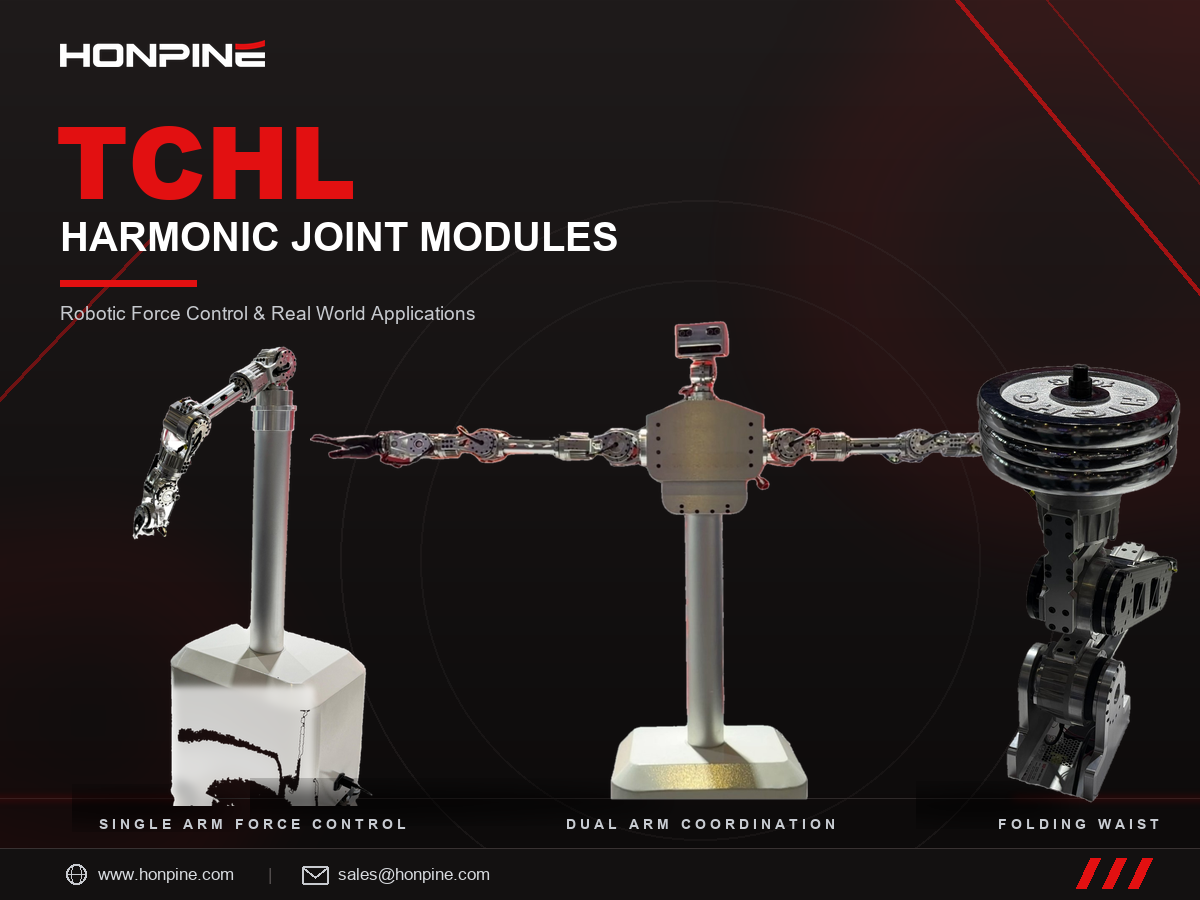
HONPINE TCHL Harmonic Joint Modules: Robotic Force Control and Real-World Applications
- 00
0000-00
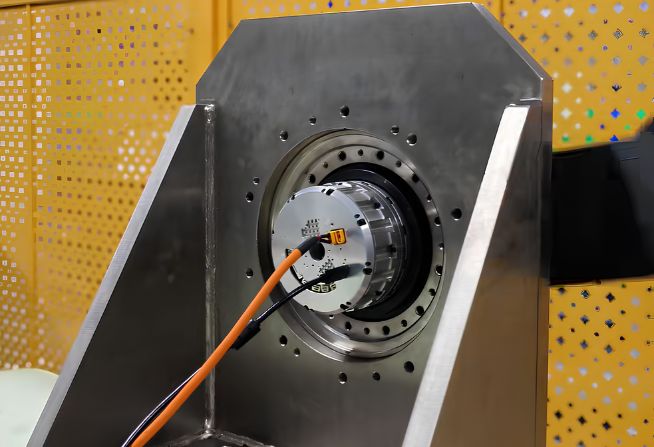
HONPINE HAG Robot Joint Module Undergoing Pre-Shipment Inspection
- 00
0000-00
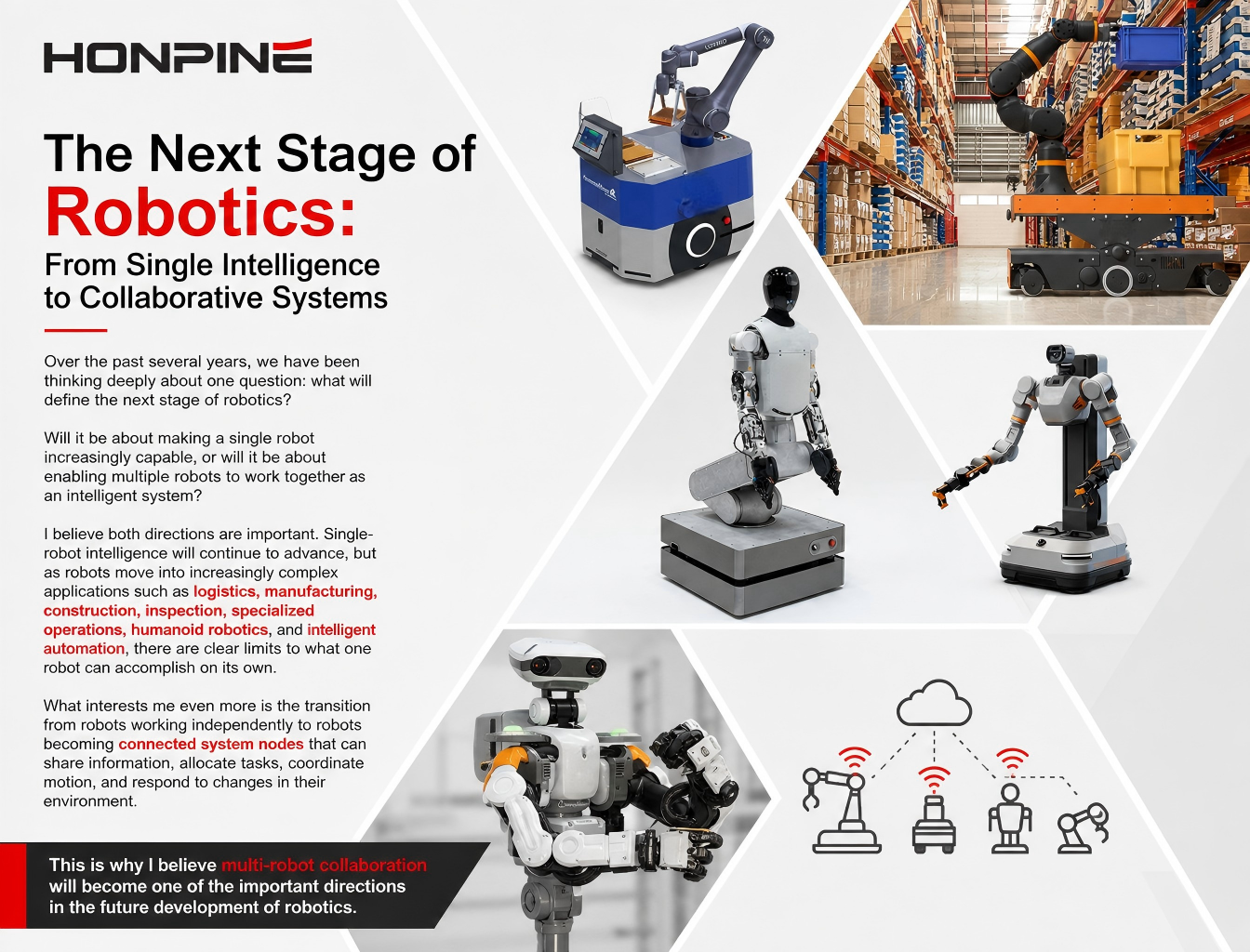
Multi-Robot Collaboration: From Single-Robot Intelligence to System Intelligence
- 00
0000-00
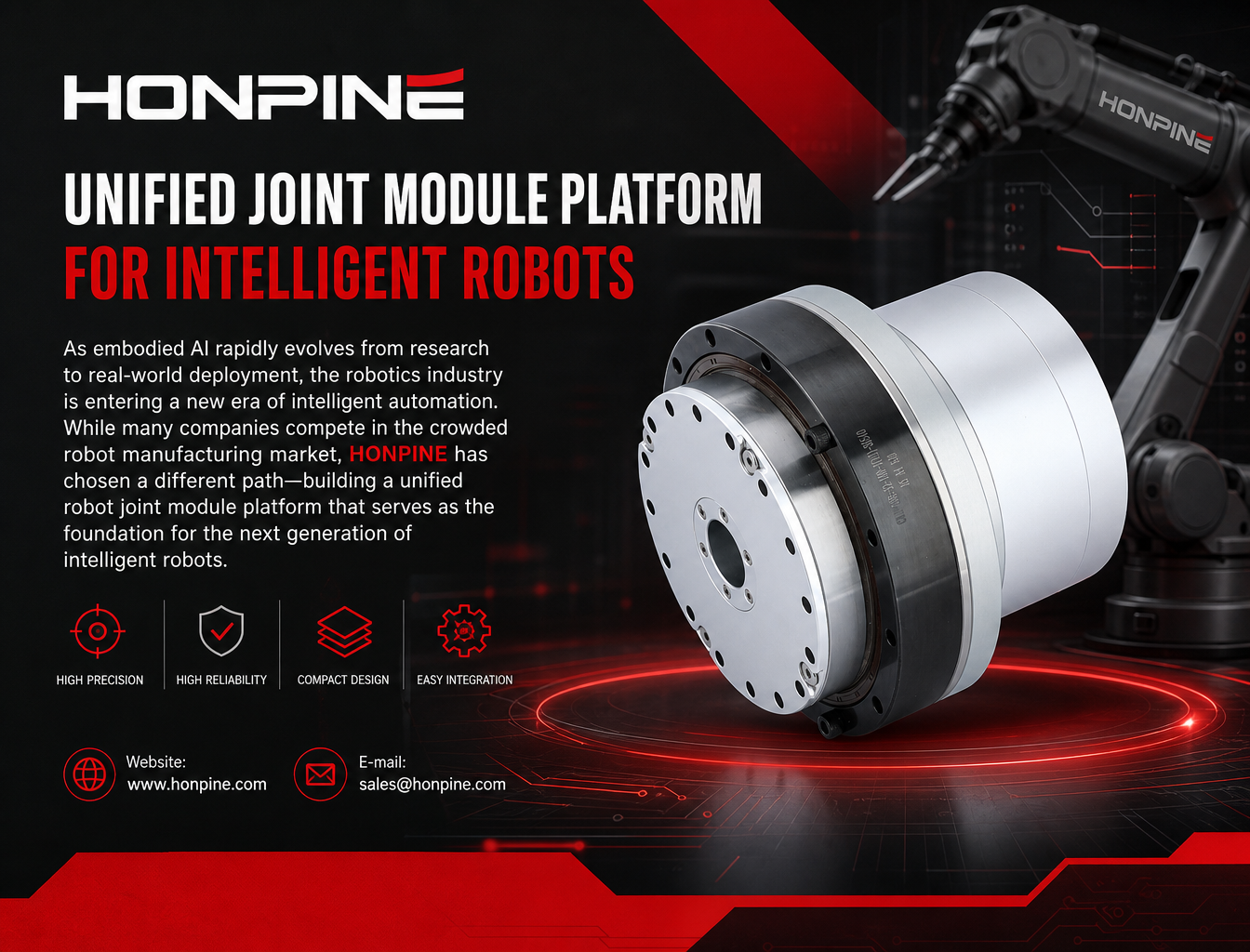
Why HONPINE Is Building a Unified Robot Joint Module Platform to Accelerate Embodied AI?
- 00
0000-00
Automate 2026 Sends a New Signal: Humanoid Robots Enter the Era of Accountability