








Current tag:robot joint motors
 Thailand Industrial Show Opens With Smart Manufacturing FocusAutomation production line insights from the Thailand Industrial Show: explore smart manufacturing trends, energy storage EOL testing, and automotive module assembly opportunities in Southeast Asia.
 Top 6 Harmonic Planetary Robot Joint Motor ManufacturerIn recent years, robot joint motors have evolved from emerging products to fully selectable components. Both Harmonic and Planetary joint motors now have a variety of manufacturers. This article introduces how to choose a robot joint motor manufacturer.
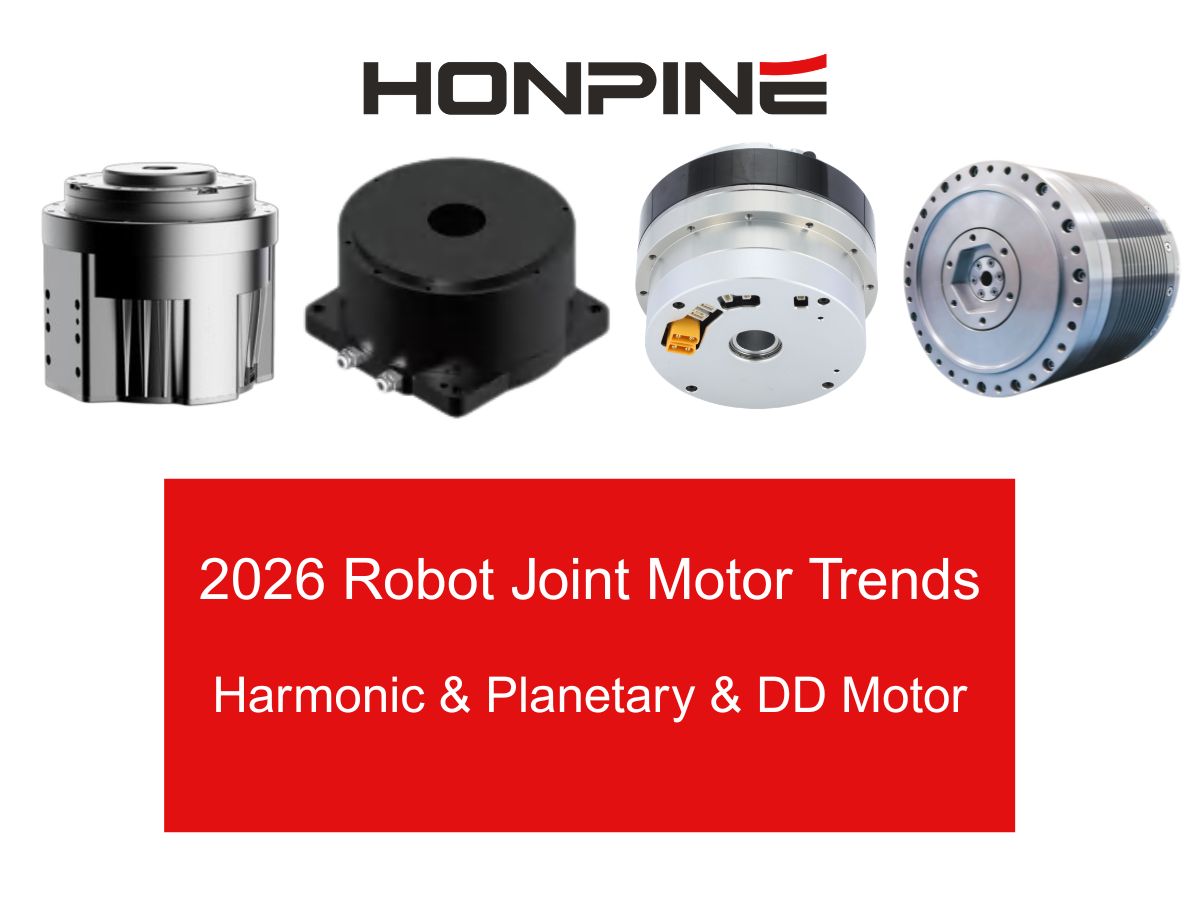
- Robot Joint Motor Trends 2026: Harmonic & Planetary Market Changes You Need to KnowWhen humanoid robots can precisely replicate human movements, and when specialized robots can operate nimbly in high-risk environments, there is one core component making it all possible — the robot joint motor. It is the "kinetic soul" bridging AI algorithms and the physical world, directly determining a robot's agility, precision, and endurance. As 2026 marks a pivotal year for mass-production deployment of humanoid robots, robot joint motors are becoming the central lever driving the explosion of the entire robotics industry, through technological breakthroughs and cost optimization.
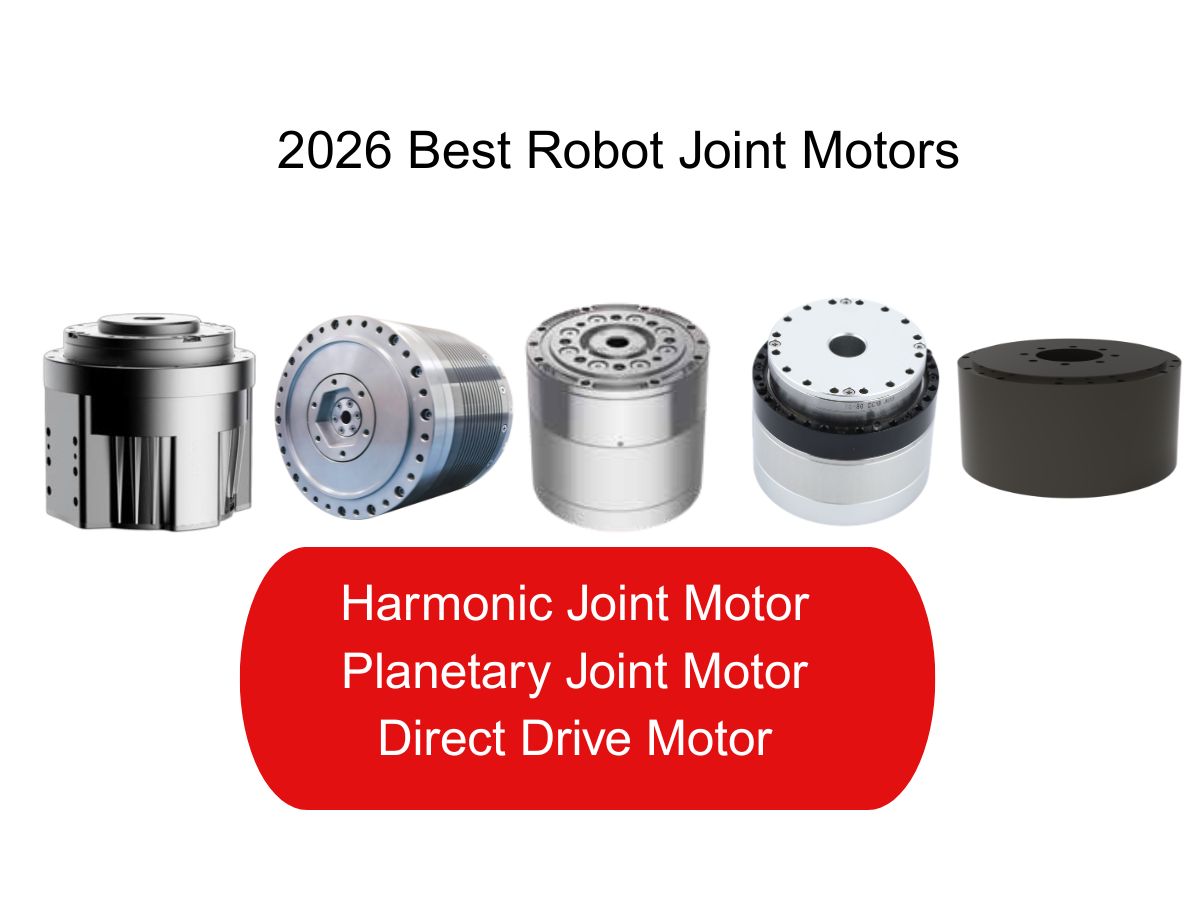
- Robot Joint Motors: The Key to Mass Production of Humanoid Robots in 2026When humanoid robots can accurately replicate human limb movements, and when specialized robots can operate flexibly in high-risk environments, a core component underpins it all — the Robot Joint Motor.