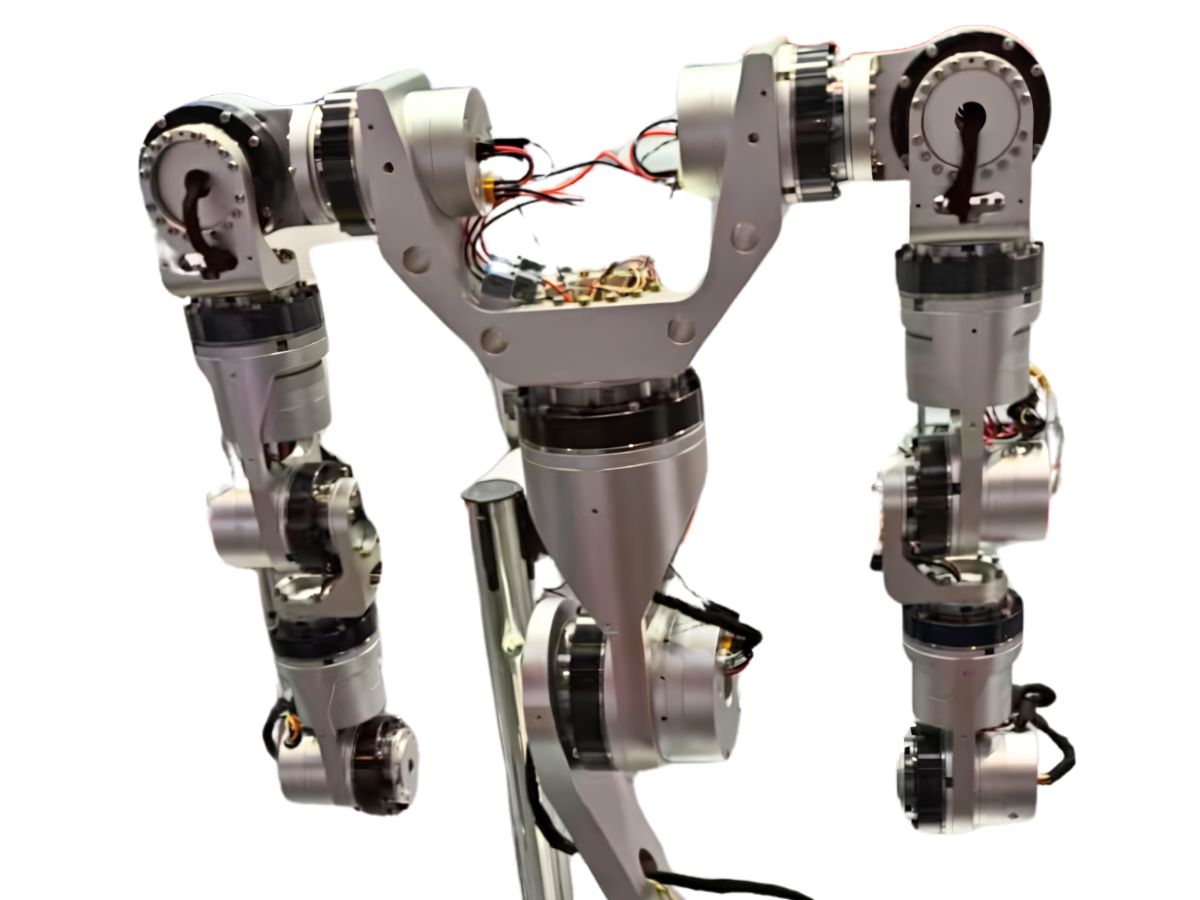









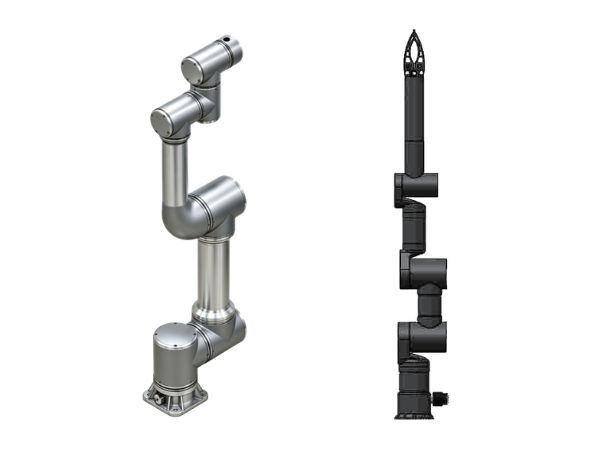
Collaborative Robotic Arm
A collaborative robotic arm (cobot) is an industrial robot designed to work safely alongside humans in a shared workspace without requiring traditional safety fencing. Built around modular joint actuators, a typical 6-axis collaborative robot combines joint modules, links, a base, and an end-effector to provide flexible and precise motion for modern automation tasks. Depending on the application, cobots can be configured as standard industrial models or deep-sea waterproof robotic arms. Our company supplies the robot arm mechanical body only, excluding proprietary controllers and software, while providing open communication interfaces, standardized electrical protocols, and complete mechanical integration specifications to help customers rapidly develop and deploy customized robotic systems.
Standard Collaborative Robotic Arm
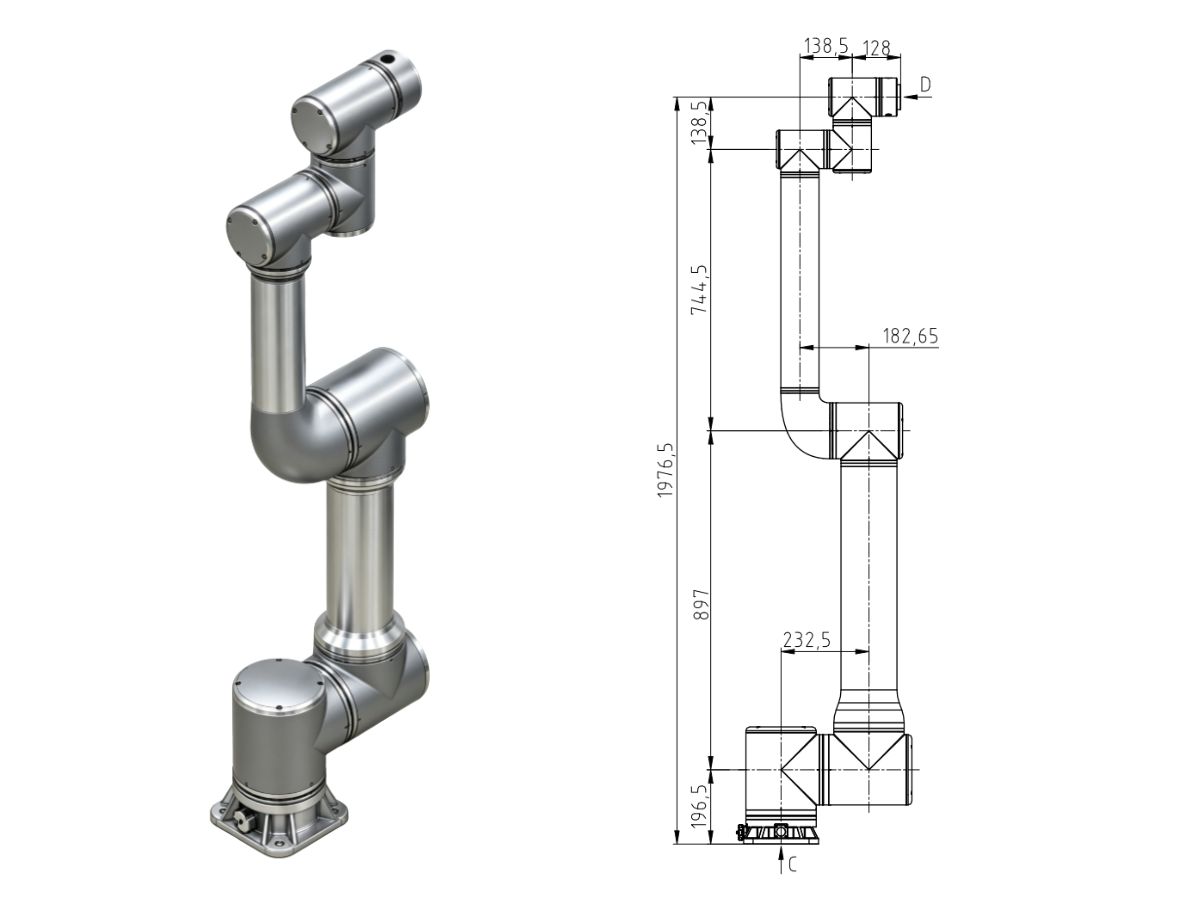
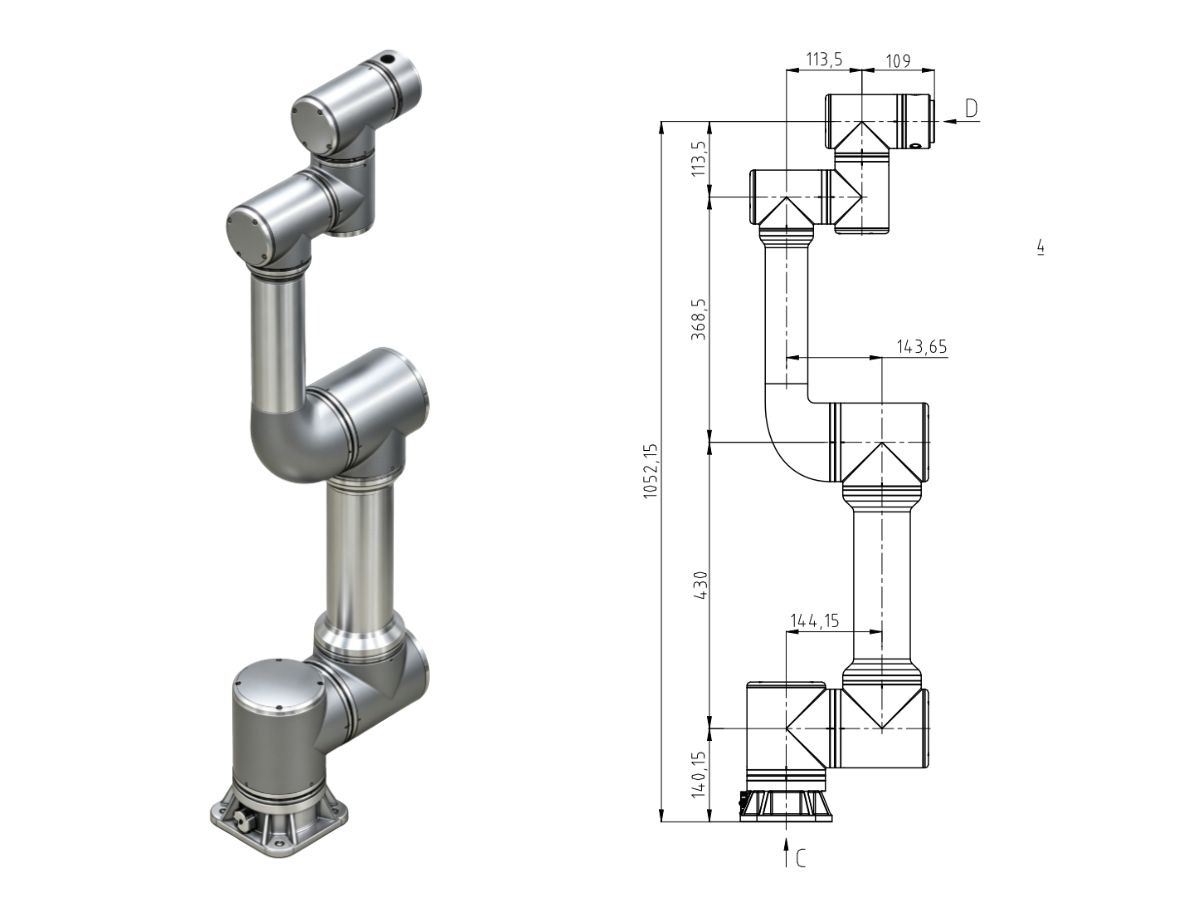
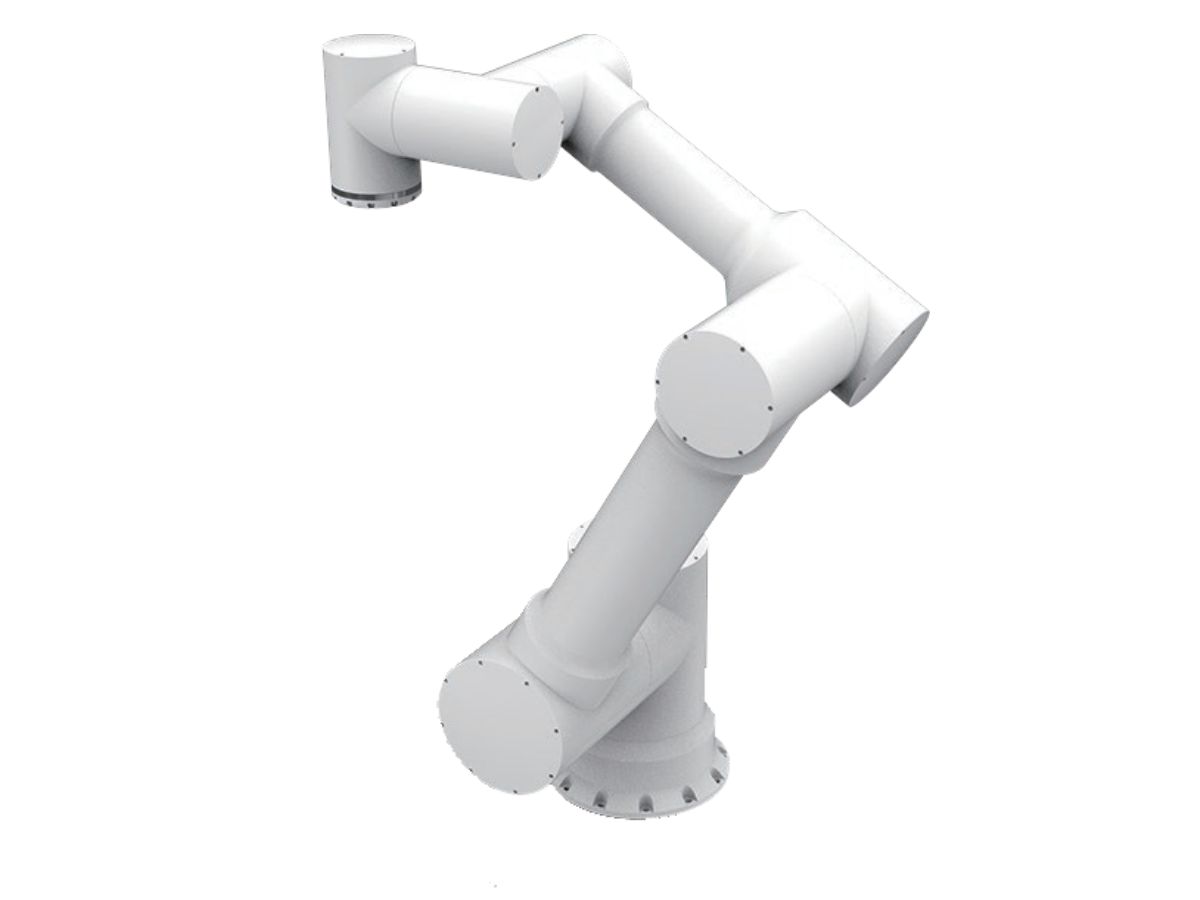
 CR-20E-C00 Heavy-Duty 6-Axis Collaborative Robot ArmThe CR-20E-C00 is a high-payload six-axis collaborative robot (cobot) with a 20 kg capacity and a lightweight 65 kg body. It offers a maximum reach of 1641.5 mm, making it suitable for large-part handling, heavy assembly, and palletizing applications.
With ±0.1 mm repeatability, it delivers stable precision within its class. The joint design supports ±175° rotation on J1/J2 and continuous ±360° on J6, enabling flexible motion in compact industrial environments.
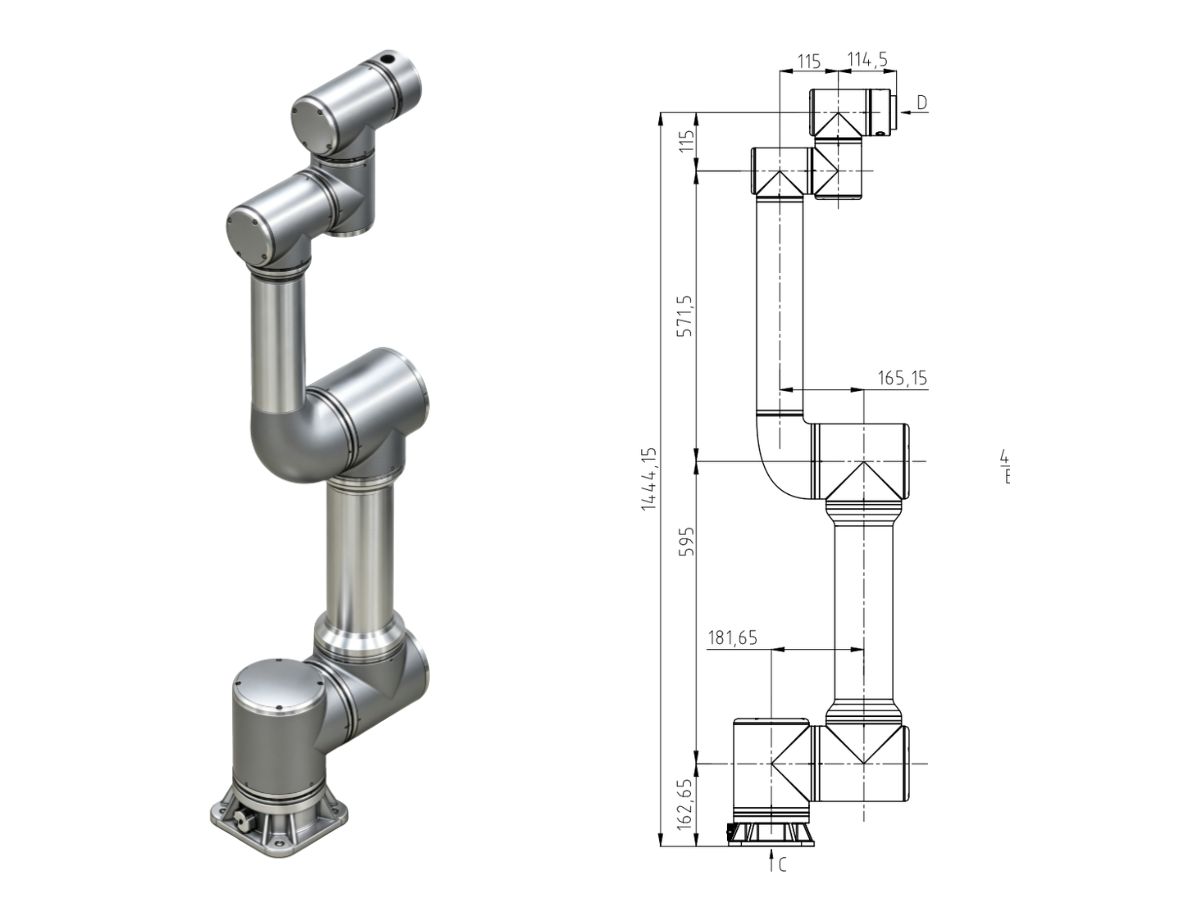
Built for harsh conditions, it features IP54 protection and operates from 0°C to 60°C, ensuring reliable performance in dusty and oil-mist environments such as automotive and metal processing. With a payload-to-weight ratio of about 1:3.25, it combines strength with easy deployment for flexible production lines.Details") CR-12E-C00 6-Axis Collaborative Robot (Cobot)The CR-12E-C00 is a 6-axis collaborative robot (cobot) with a 12 kg payload and a lightweight body weighing only 36 kg. Featuring a 1281.5 mm working radius, it provides a larger workspace coverage for industrial automation applications such as material handling, assembly, and palletizing. With a repeatability of ±0.1 mm, the robot meets the accuracy requirements of most general industrial tasks. Its IP54 protection rating and wide operating temperature range of 0°C to 60°C ensure stable and reliable operation in harsh environments such as dust, humidity, and complex production conditions.Details
CR-12E-C00 6-Axis Collaborative Robot (Cobot)The CR-12E-C00 is a 6-axis collaborative robot (cobot) with a 12 kg payload and a lightweight body weighing only 36 kg. Featuring a 1281.5 mm working radius, it provides a larger workspace coverage for industrial automation applications such as material handling, assembly, and palletizing. With a repeatability of ±0.1 mm, the robot meets the accuracy requirements of most general industrial tasks. Its IP54 protection rating and wide operating temperature range of 0°C to 60°C ensure stable and reliable operation in harsh environments such as dust, humidity, and complex production conditions.Details CR-05E-C00 6-Axis Collaborative Robotic ArmThe CR-05E-C00 is a 6-axis collaborative robotic arm (Cobot) with a 5 kg payload and a lightweight body weighing only 24 kg. Featuring a 912 mm working radius and ±0.05 mm repeatability, it provides an excellent balance of precision and flexibility for applications such as precision assembly, machine tending, material handling, and quality inspection. With an IP54 protection rating and an operating temperature range of 0°C to 60°C, the robot ensures reliable performance in demanding industrial environments.Details
Deep Sea Waterproof Robotic Arm
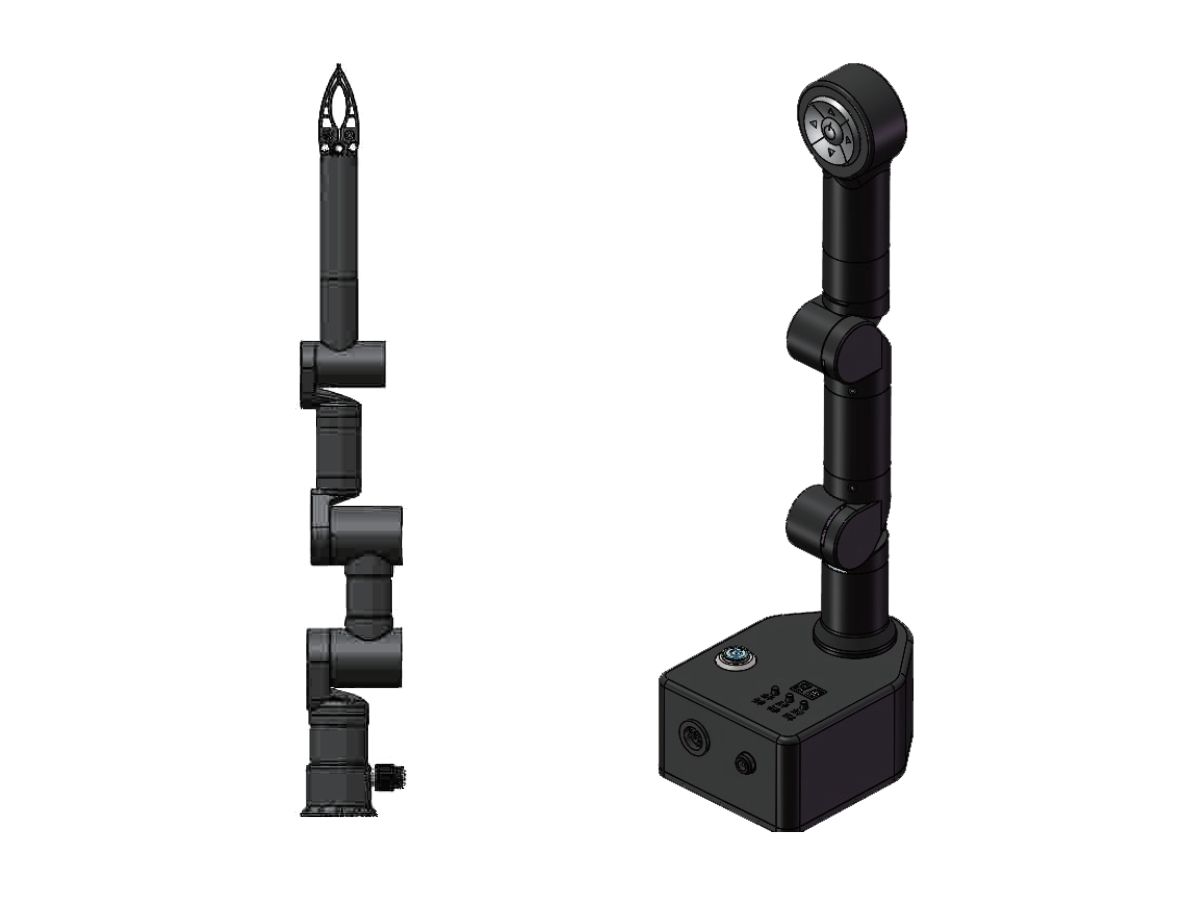
 HONPINE X Series High-Precision Underwater Robotic ManipulatorThe HONPINE X Series underwater robotic system is a flagship solution for high-precision subsea operations, offering four models—X5, X10, X18, and X25—with 6 DOF (excluding gripper). It covers a 5–25 kg payload range and 750–1500 mm working radius for precision and heavy-duty underwater tasks.
The system achieves up to ±0.05 mm repeatability (X5/X10) and ±0.2 mm (X18/X25), placing it among the most precise heavy-duty underwater robotic arms. Rated for 300 m depth, it uses servo motors, supports position control, and enables master-slave teleoperation with flexible control interfaces.
Built from lightweight high-strength materials, it weighs 23–82 kg in air and as low as 9 kg underwater (X5), significantly reducing ROV load. It combines precision, reach, and payload capacity for offshore applications such as pipeline alignment, valve operation, cable installation, and structural maintenance.Details HONPINE S Series Underwater Collaborative RobotThe HONPINE S Series underwater collaborative robot is designed for a wide range of subsea operations, covering tasks from flexible cooperation to precision manipulation with a scalable 2+1 to 6+1 DOF architecture. Built from AL6061 hard anodized aluminum alloy, it supports up to 300 m waterproof depth while maintaining very low underwater weight of 1.9–3.3 kg and a 3 kg payload capacity for stable compact deployment.
The S3 offers a balanced weight-to-performance design for installation and cutting assistance. The S5 is optimized for grasping and non-destructive testing with underwater payload exceeding its dry weight. The S7 delivers ≤0.1 mm repeatability, ROS support, and flexible mounting for high-precision control. Together, the S Series covers cooperative handling to advanced subsea manipulation.
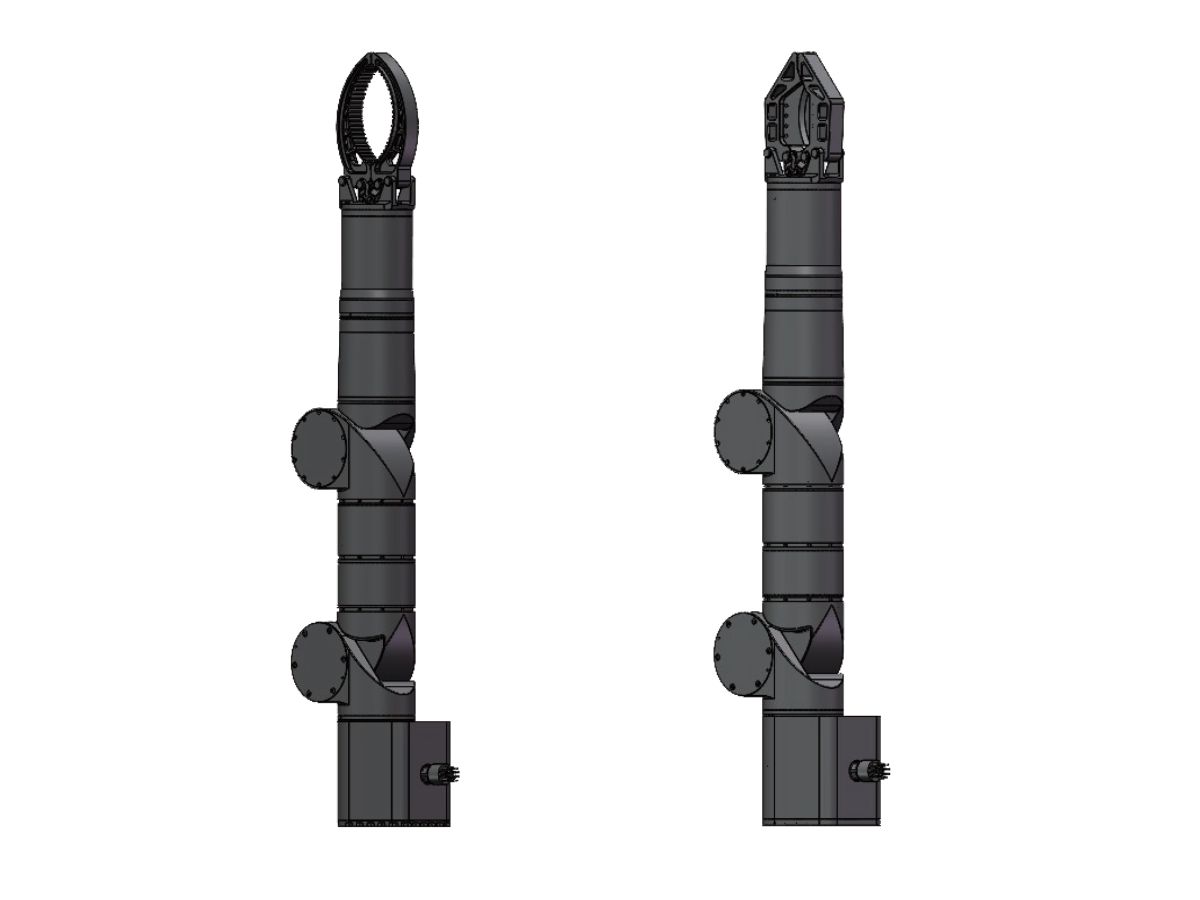
This underwater collaborative robotic system is designed for marine engineering, research, and underwater maintenance applications requiring flexibility and precision.Details HONPINE M Series Heavy-Duty Underwater Collaborative RobotThe HONPINE M Series underwater collaborative robot is a heavy-duty subsea system for offshore operations, featuring a 4+1 DOF design for high-load tasks such as component handling, installation, and subsea cutting.
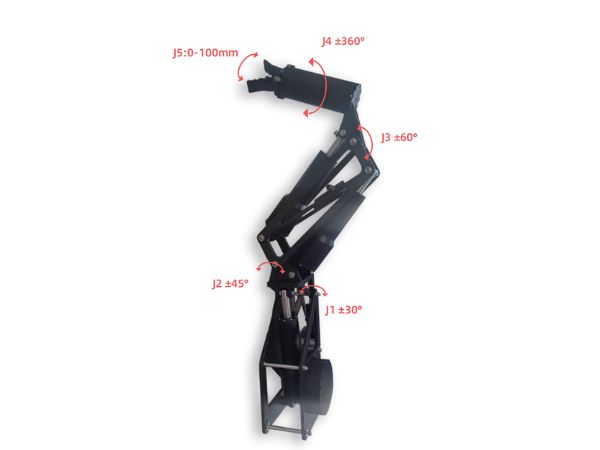
Made from AL6061 aerospace-grade aluminum with hard anodized treatment, it offers strong corrosion resistance. The system weighs 15 kg in air and 8 kg underwater, reducing ROV load, while delivering 12 kg payload, 1000 N gripping force, 1500 N cutting force, and 30 N·m wrist torque. The J5 joint provides a 0–200 mm range, and it operates at depths up to 300 m.
It uses servo motors, supports position control and ROS integration, and is compatible with master-slave teleoperation for intuitive remote operation. This underwater robotic arm system is designed for high-intensity offshore applications requiring strength, precision, and flexible control.Details HONPINE L Series Underwater Robotic ManipulatorThe HONPINE L Series is a light-duty underwater robotic manipulator for subsea operations, available in L10, L20, and L40 models with 5-DOF design. It covers 10–40 kg payloads and 800–1200 mm reach options for flexible deployment.
Rated for 300 m depth, it uses servo drive and supports point-to-point and trajectory control, with teach, offline, and drag programming modes.
Built from lightweight materials, it weighs 24–45 kg in air and as low as 16 kg underwater (L10), reducing ROV load. It provides up to 10 N·m wrist torque and 2500 N gripping force (L40) for stable operation.
With an X86 controller supporting EtherCAT and CANopen, it enables dual-robot control and open API integration for inspection, assembly, cleaning, and cutting tasks.Details
Collaborative Robotic Arm for Integrate and Deploy Robotic Systems
A collaborative robotic arm (also known as a cobot or collaborative robot) is an industrial robot designed to safely interact and work directly with humans in a shared workspace. Unlike traditional industrial robots that require physical safety fencing for isolation, cobots enable direct human-robot collaboration and have become one of the key enabling technologies for flexible manufacturing and smart factory upgrades.
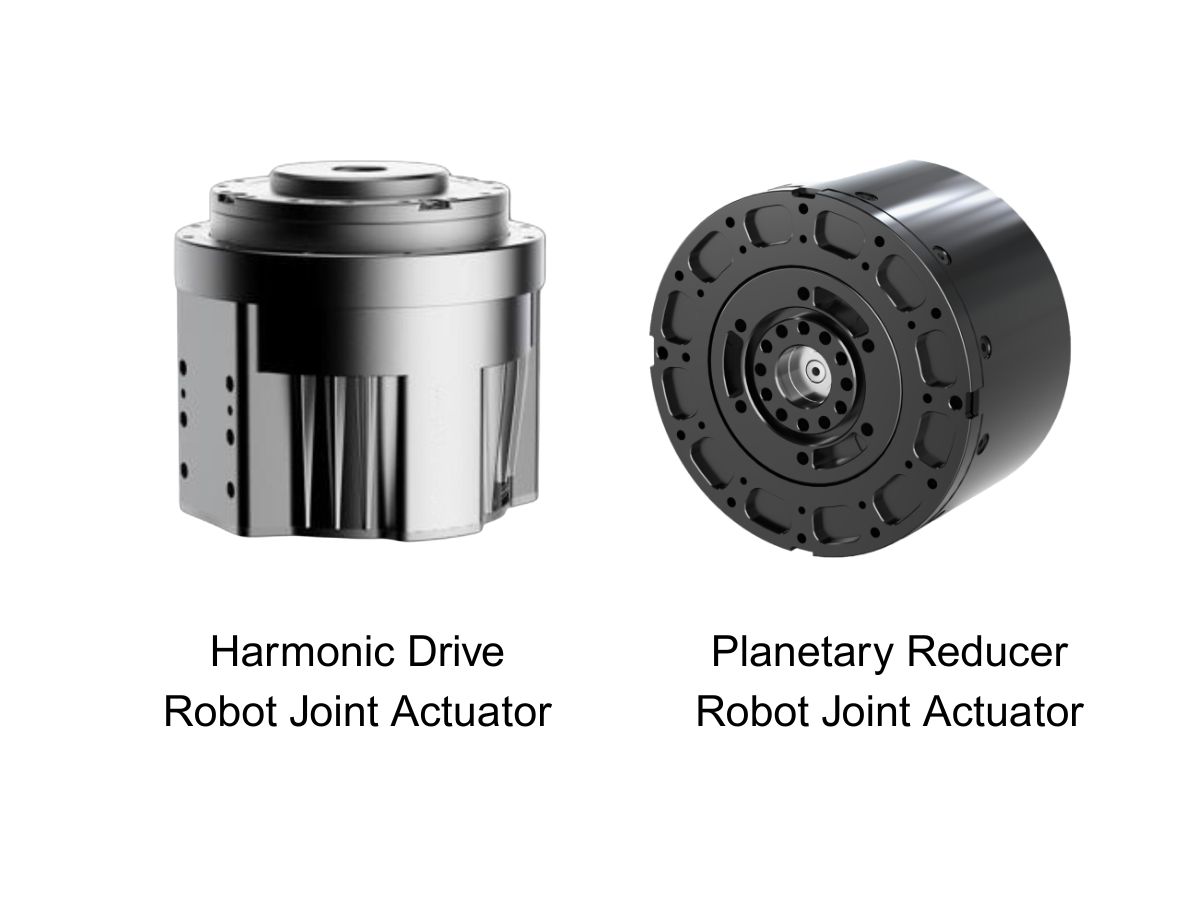
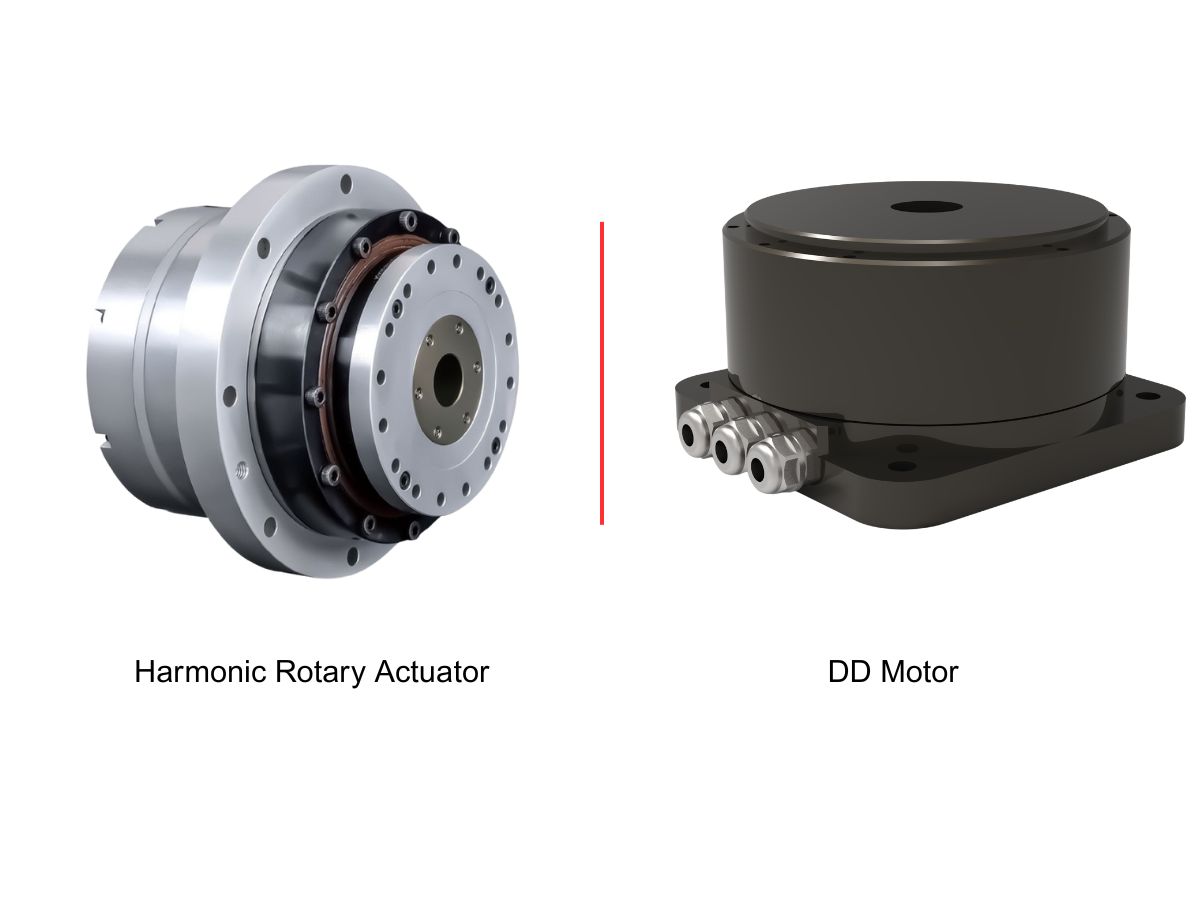
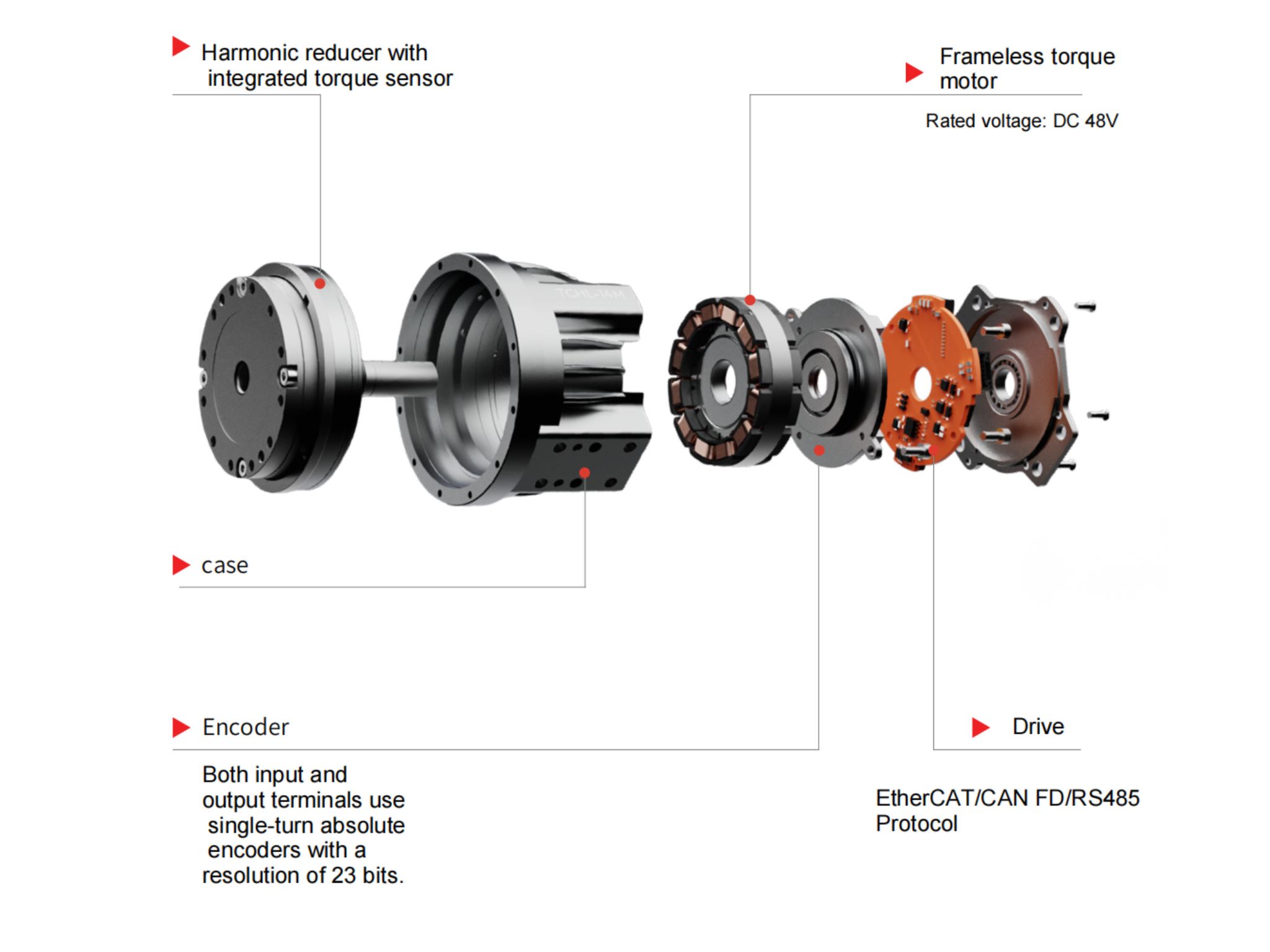
The core functional unit of a collaborative robotic arm is the joint module. Taking a typical 6-axis collaborative robotic arm as an example, the robot body is composed of six modular joint units combined with connecting links, a base, and an end-effector. These joint modules form the fundamental hardware foundation that enables all motion capabilities of the robotic arm.
Depending on application requirements and environmental conditions such as waterproofing, collaborative robotic arms can be categorized into standard industrial cobots and deep-sea waterproof robotic arms. Our company supplies only the robot arm mechanical body hardware, excluding proprietary controllers and control software systems. By relying on fully open native communication interfaces, standardized electrical protocols, and complete mechanical installation specifications, we enable customers to rapidly integrate and deploy robotic systems from the hardware level.
Core Structure of Collaborative Robotic Arm
Robot Joint Modules
Collaborative robotic arms are typically available in 4-axis, 6-axis, and 7-axis configurations. The 6-axis version is the most widely used as it enables full human-arm-like motion, while the 7-axis version adds redundant degrees of freedom for improved obstacle avoidance and flexibility. The robot structure is usually made of lightweight alloy materials, and some advanced models adopt fully integrated joint designs that require only power and communication connections to operate.
Perception Modules
The system may integrate six-axis force/torque sensors, and high-end models can be equipped with electronic skin technology capable of detecting external forces and obstacles within milliseconds, significantly improving safety and interaction performance.
End Effectors
The robotic arm can be equipped with different end-of-arm tools such as grippers, robotic hands, or dexterous manipulators, allowing it to adapt to a wide range of application scenarios.
Application Areas of Collaborative Robotic Arm
Industrial Manufacturing
Collaborative robotic arms are widely used in automotive parts manufacturing, 3C electronics, and new energy industries. Applications include precision assembly, surface polishing, material handling, screw fastening, and inspection tasks. They are especially suitable for flexible production environments with small batch sizes and multiple product variants.
Medical & Healthcare
In the medical field, cobots can serve as surgical assistance systems for high-precision minimally invasive procedures and can also be used in rehabilitation therapy to assist patients in controlled limb training.
Research & Education
With open development platforms, collaborative robotic arms support secondary development and are widely used in university robotics education, AI vision research, motion control experiments, and related academic studies.
Commercial Services
Cobots are increasingly applied in emerging commercial scenarios such as smart retail and cultural tourism, where they perform tasks like intelligent sorting, interactive guidance, and lightweight service automation.
- 00
0000-00
What is robot joint actuator?How to Choose the Best Robot Rotary Joint Actuator?
- 00
0000-00
DD Motors VS Harmonic Rotary Actuators
- 00
0000-00
OMG Ultra Compact Harmonic Drive Joint Module with Built-in Torque Sensor
- 00
0000-00
Force-Controlled Harmonic Joint Modules: A Key Solution for Robot Commercialization
- 00
0000-00
Robot Joint Module Solutions for Humanoid Robot Arms and Legs