









Precision Integrated Linear Motor Module
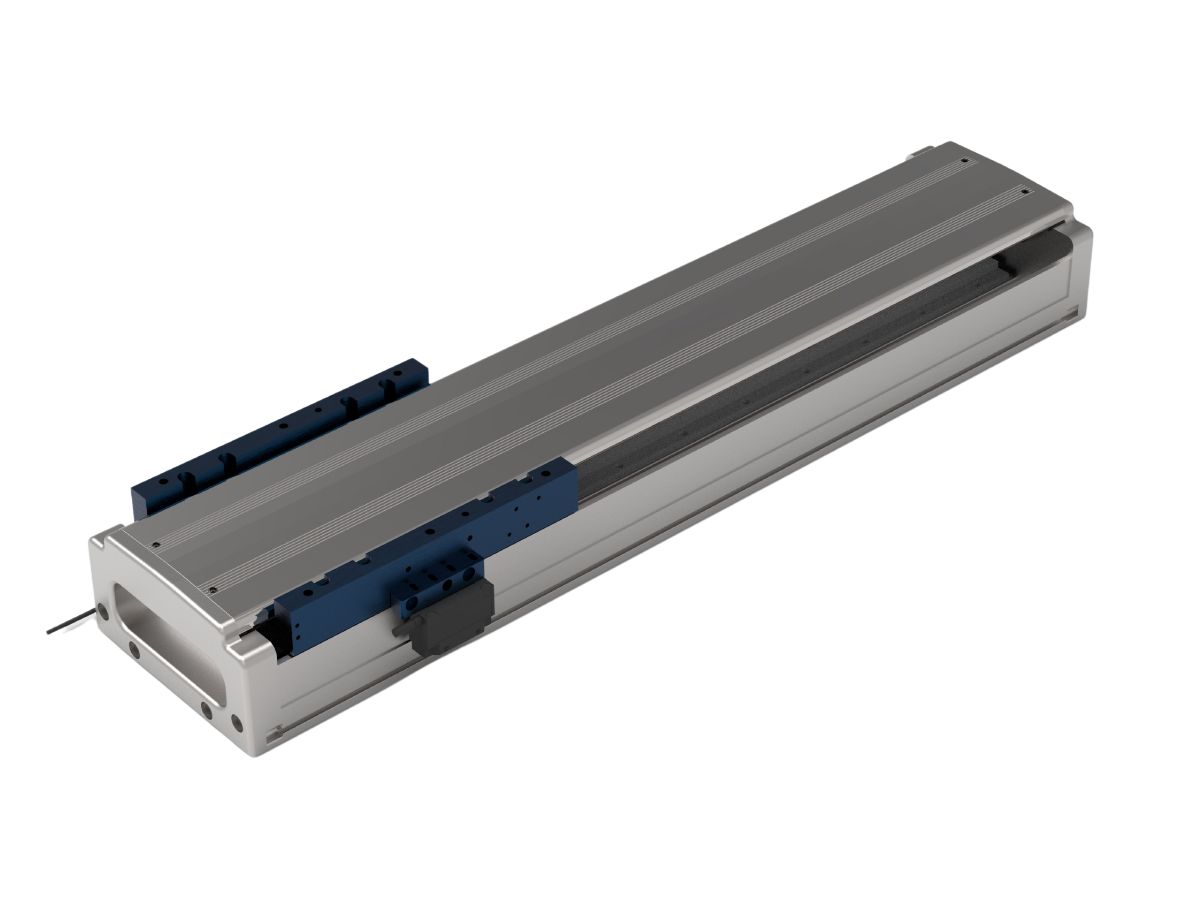
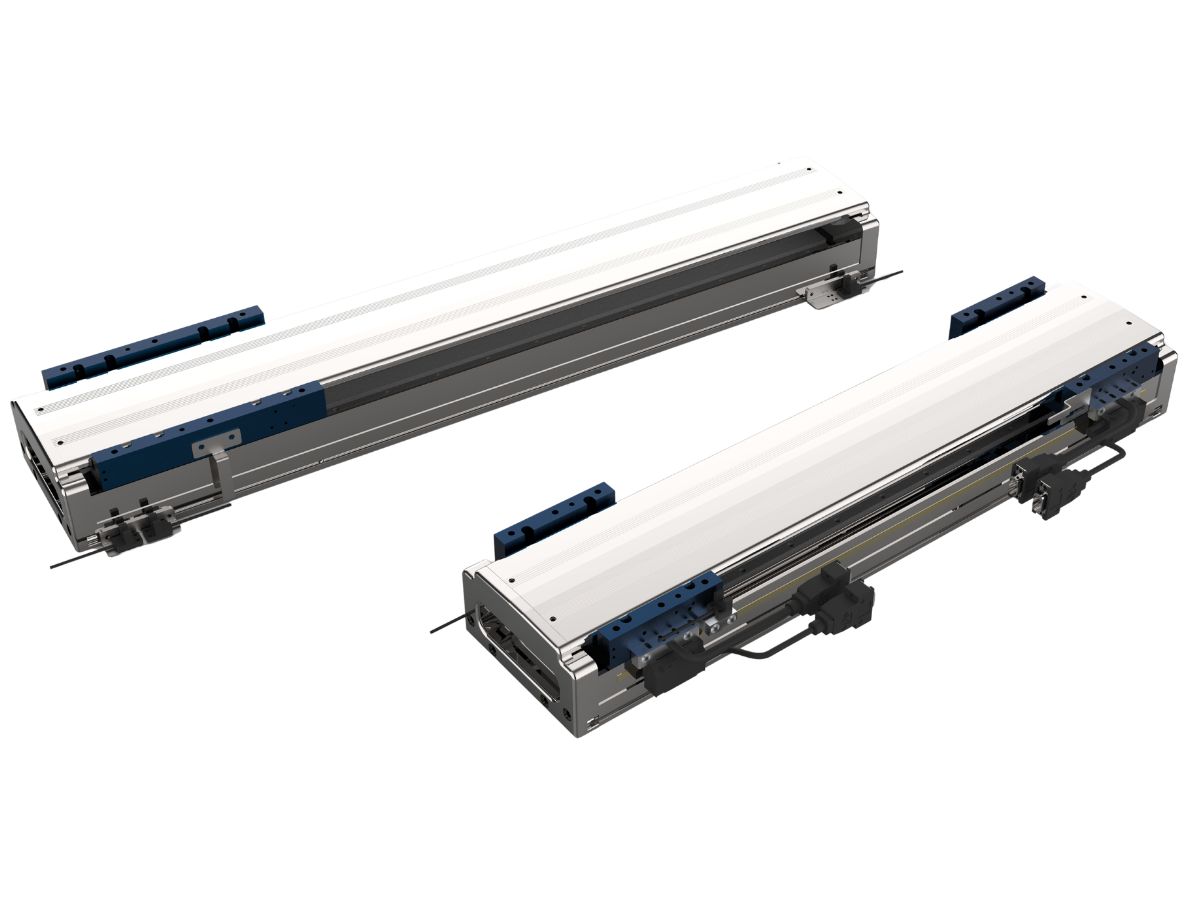
The embedded linear motor module adopts an integrated design of motor and slider, resulting in a compact overall structure. Eliminating the lead screw, it can replace existing lead screw-slider modules on the market, offering lower costs compared to precision linear motors. It features high speed, high precision, high stability, high efficiency, and high reliability. Installation and maintenance are relatively easy, and it offers good dustproof performance. It is commonly used in high-precision industries, semiconductor industries, medical automation industries, FPD panel handling, testing, and experimental environments.
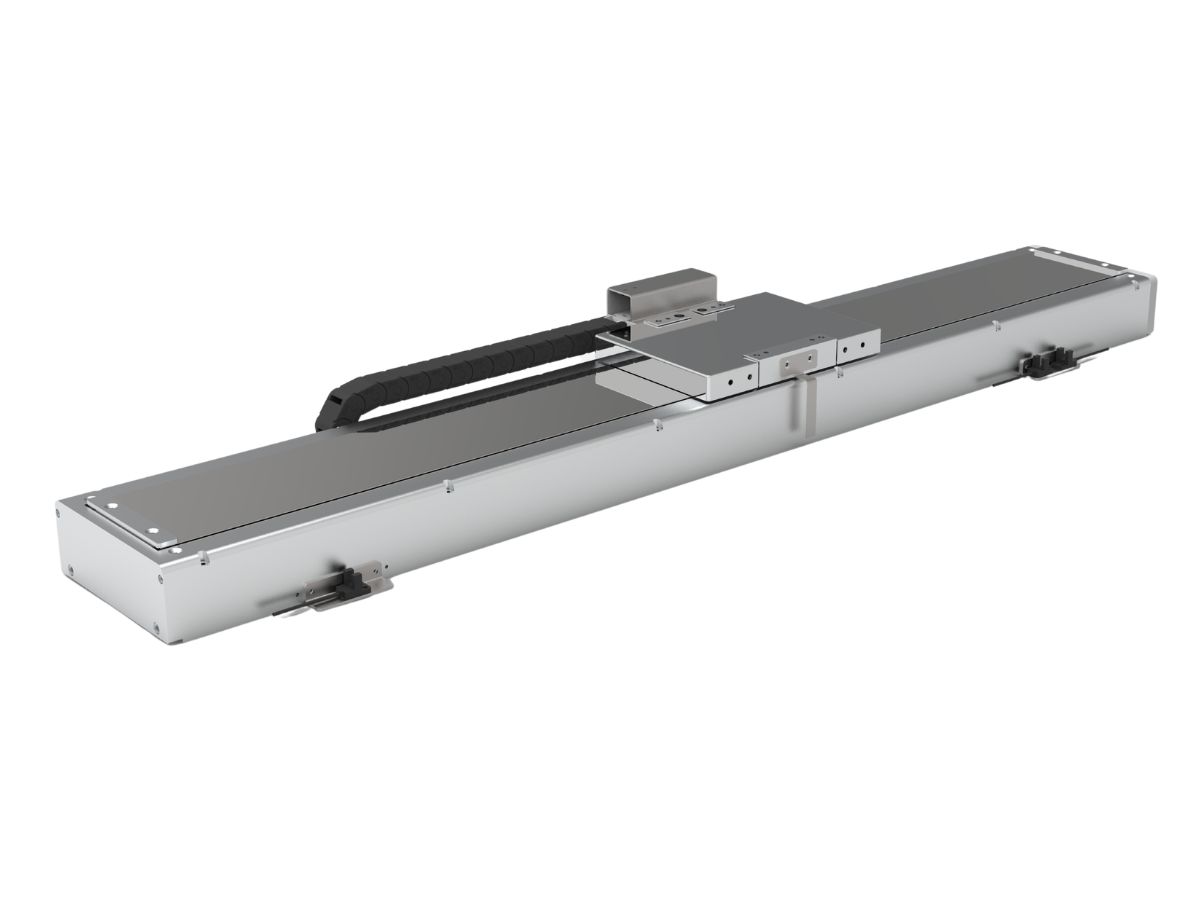
 Fully Enclosed Direct Drive Linear Motor Actuator for High Hygiene Standards DevicesA fully enclosed direct drive linear motor actuator features a structure entirely sealed within a housing, effectively preventing dust, water vapor, and other contaminants from entering the internal mechanisms, thereby extending its service life. Typically manufactured from stainless steel, these modules offer excellent corrosion resistance and durability. They are ideal for industries with high hygiene standards, such as food processing, pharmaceuticals, and medical devices.Details
- Single-Axis Mechanical Motion Linear Motor Slide ActuatorThe TLSA-120-C1 Single-Axis Linear Motor Module, also known as a linear motor slide, linear actuator, or precision positioning stage, converts electrical energy directly into linear mechanical motion. By eliminating intermediate transmission mechanisms, it offers a simplified structure, long stroke, high acceleration, rapid response, and exceptional precision. Consequently, it is widely utilized in the semiconductor industry, new energy battery manufacturing, 3C electronics production, precision machining, inspection equipment, laser cutting and welding, dispensing and coating machines, CNC machine tools, and engraving machines.Details
- Customizable High Precision Linear Motor ModuleThe TLSA-140-C1 series is a high-precision, high-rigidity linear motor module with customizable lengths, suitable for precision automation, semiconductor equipment, industrial handling, and linear motion platforms. As a key transmission component in high-precision automation equipment, linear modules play an increasingly important role in the industrial automation field, helping companies achieve automated production, improve efficiency and quality, and reduce costs and error rates.Details
How to Selection Linear Motor Module
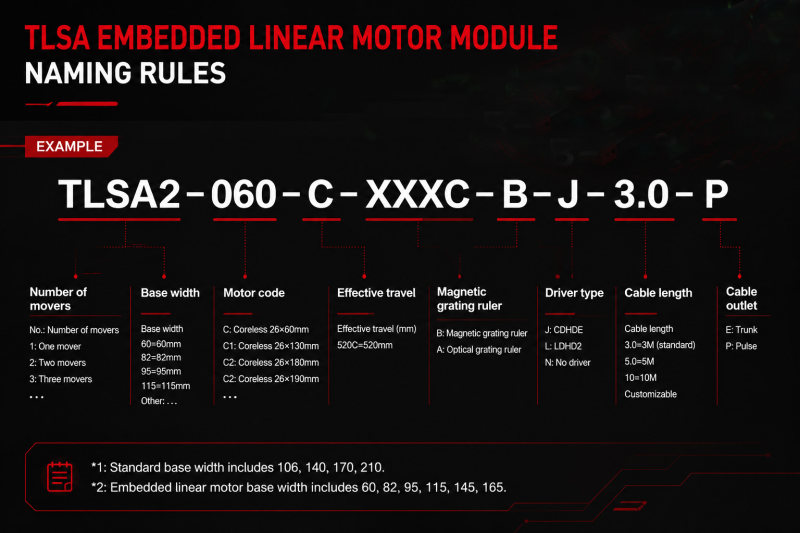
The following images show the selection options of linear motors; the length can be customized according to customer needs.
Linear Motor Module VS Screw Modules
Linear motor modules and lead screw modules each have their own technological positioning. The former emphasizes high speed, high precision, long lifespan, and low maintenance, making it suitable for high-end automation equipment; the latter, on the other hand, boasts mature structure, low cost, and easy installation as its main advantages, and is widely used in general industrial automation equipment. When selecting a module, multiple factors must be considered, including actual operating conditions, load characteristics, and budget constraints.
Principle Comparison of Linear Module
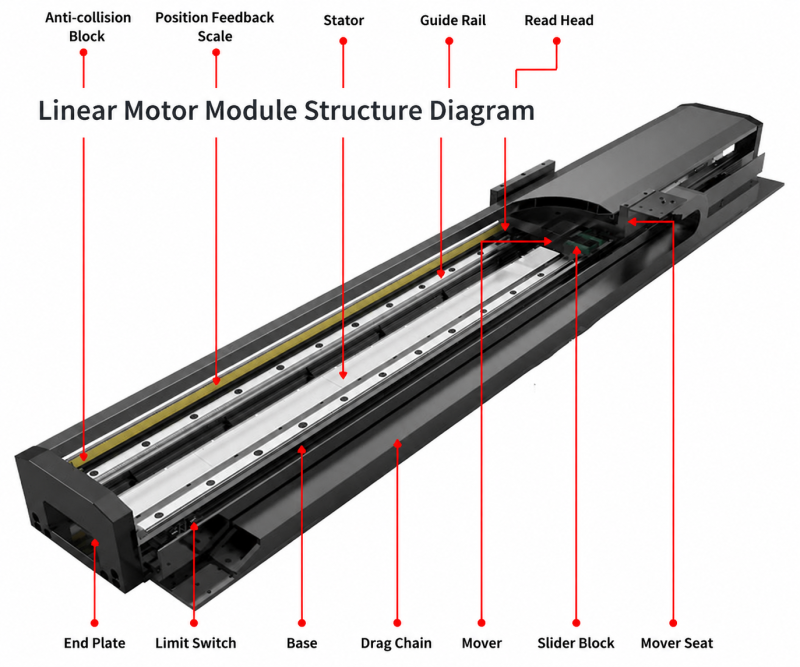
A linear motor module converts electrical energy directly into linear motion through electromagnetic force, eliminating the need for ball screws, belts, or gear transmissions. Combined with precision guide rails and a closed-loop feedback system using an optical or magnetic encoder, it delivers high-speed motion, micron-level positioning accuracy, zero backlash, and long-term reliability. This direct drive technology is widely used in semiconductor equipment, precision inspection, laser processing, and industrial automation.
The ball screw module uses a motor to drive the ball screw through a coupling, which in turn drives the slide table to move linearly along the guide rail. Its power transmission relies on the helical structure, resulting in some mechanical wear and backlash.
The linear motor module, on the other hand, is a contactless drive device consisting of a stator (usually a permanent magnet) and a mover (coil). The mover directly outputs thrust in a linear direction, requiring no intermediate mechanical structure; this is a "direct drive system."
Application of Linear Motor Actuator
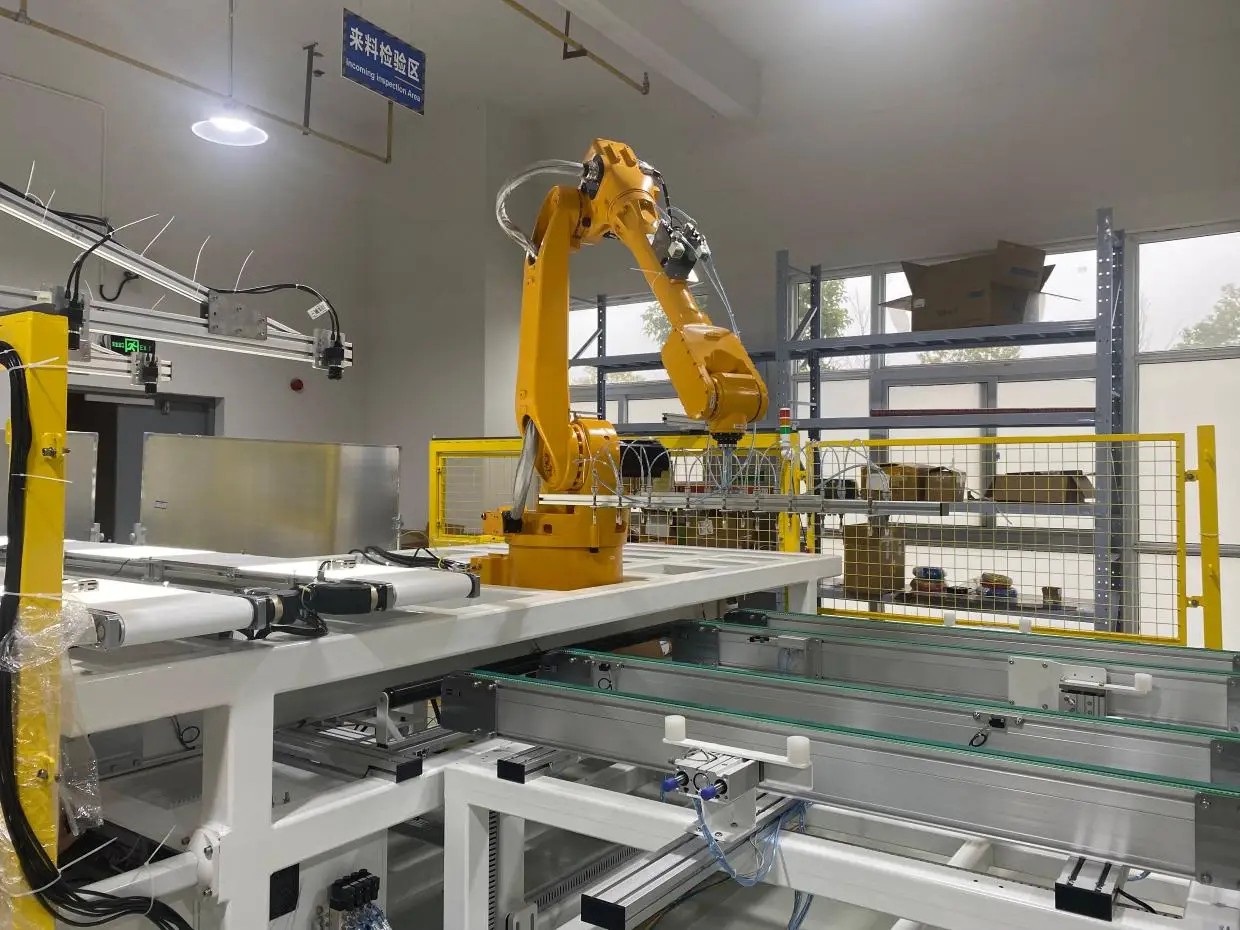
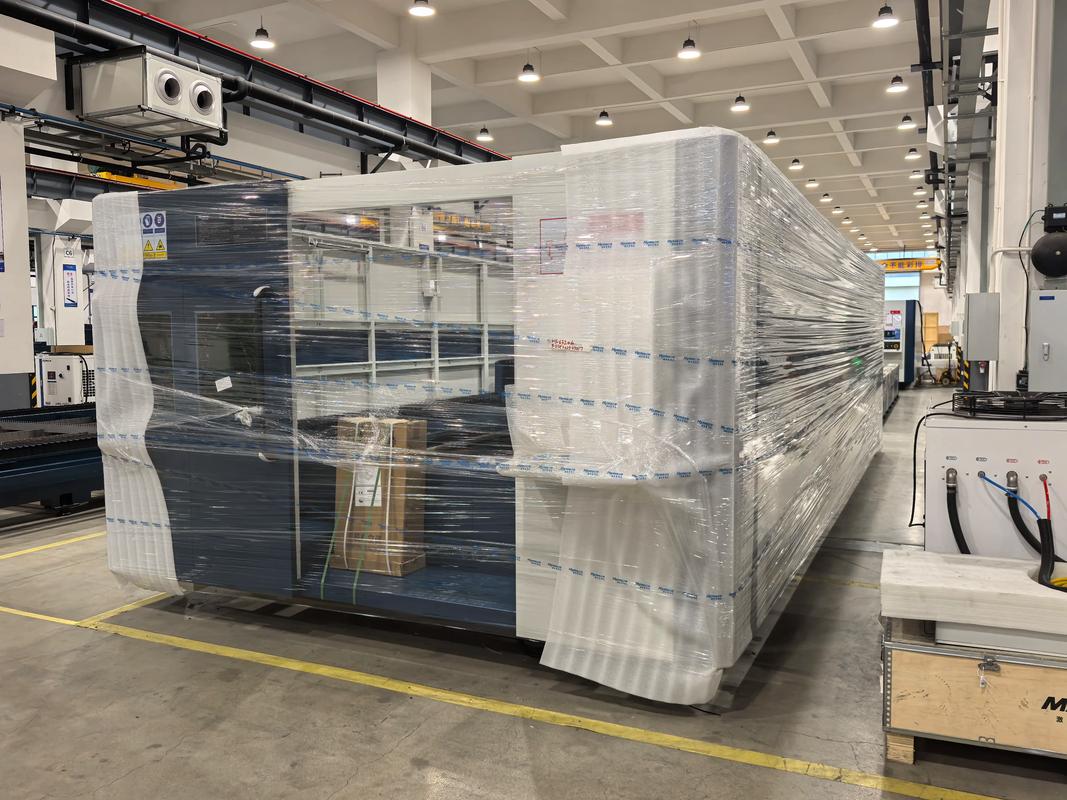
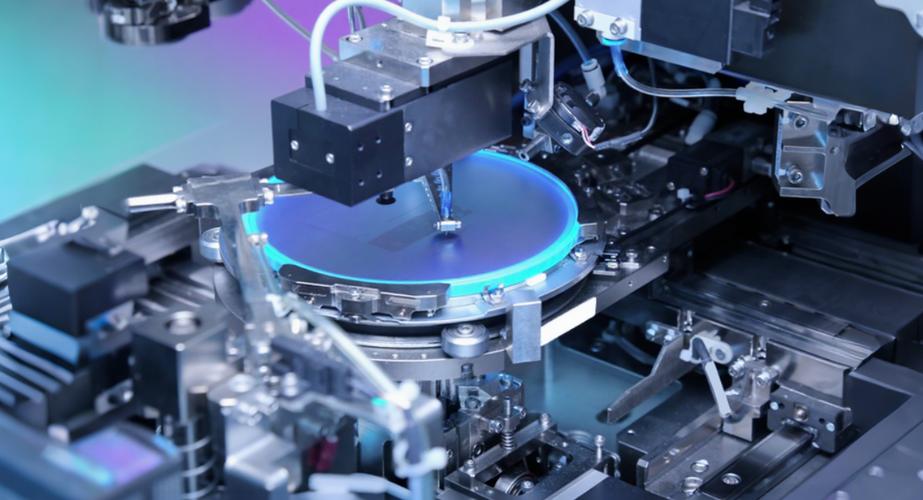
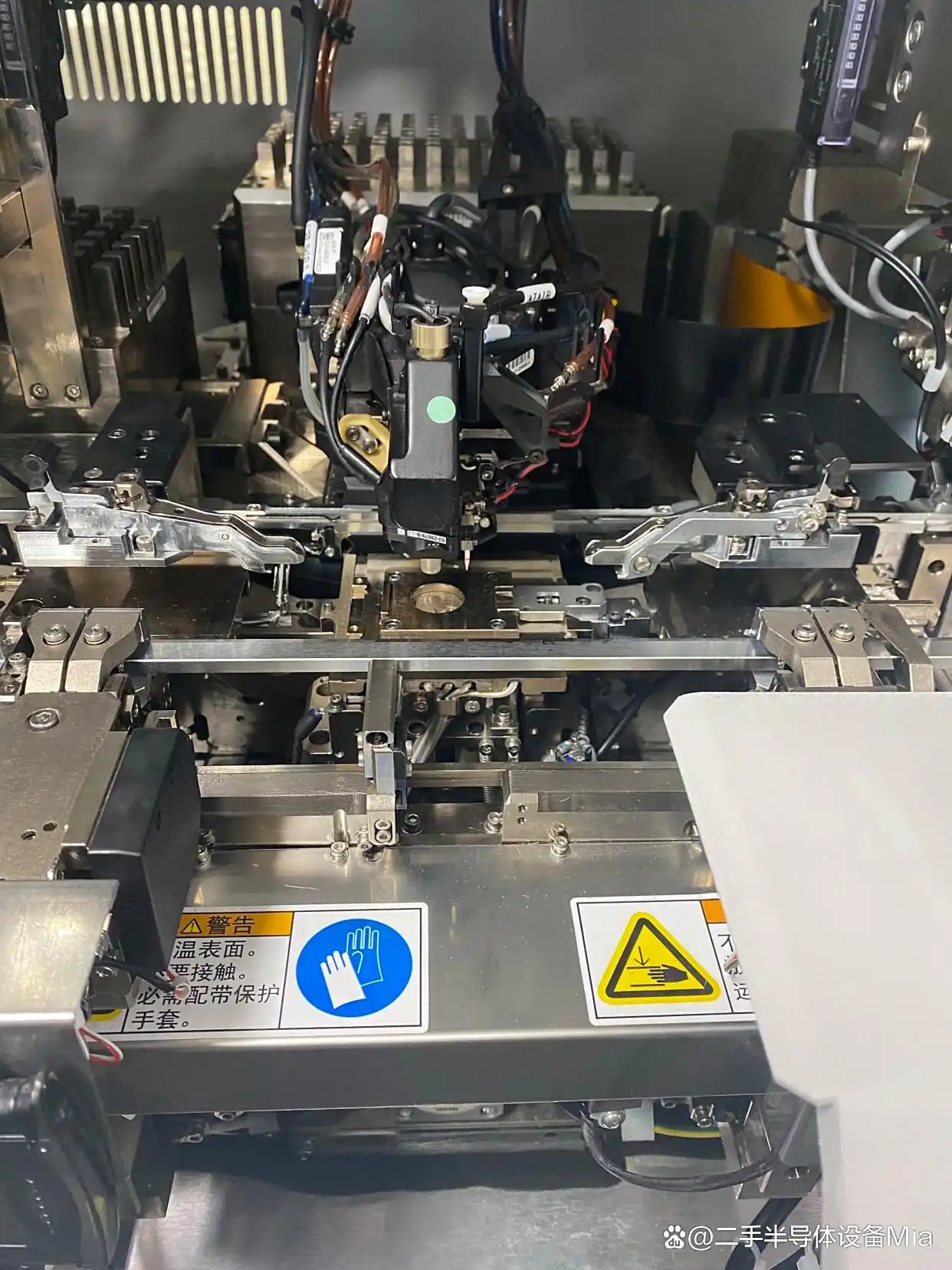
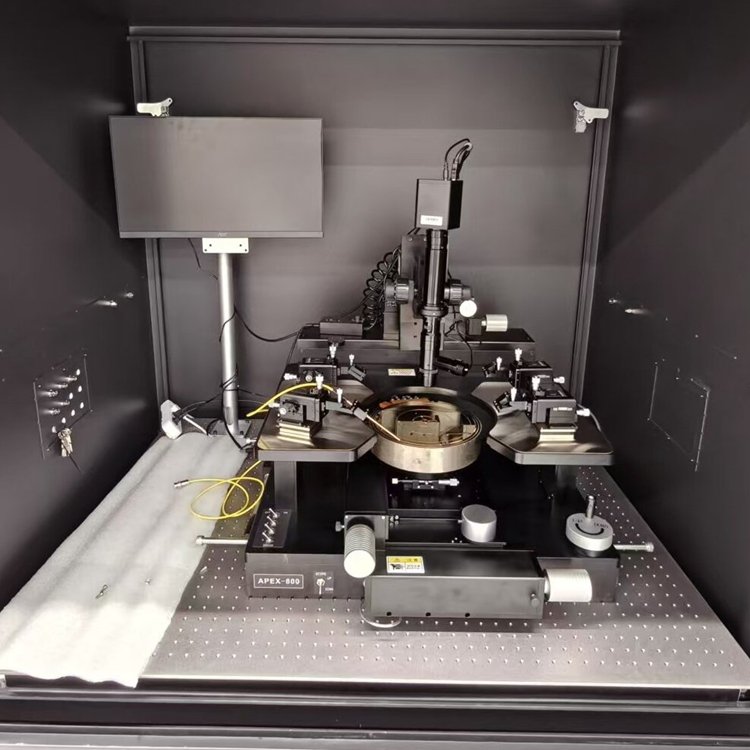
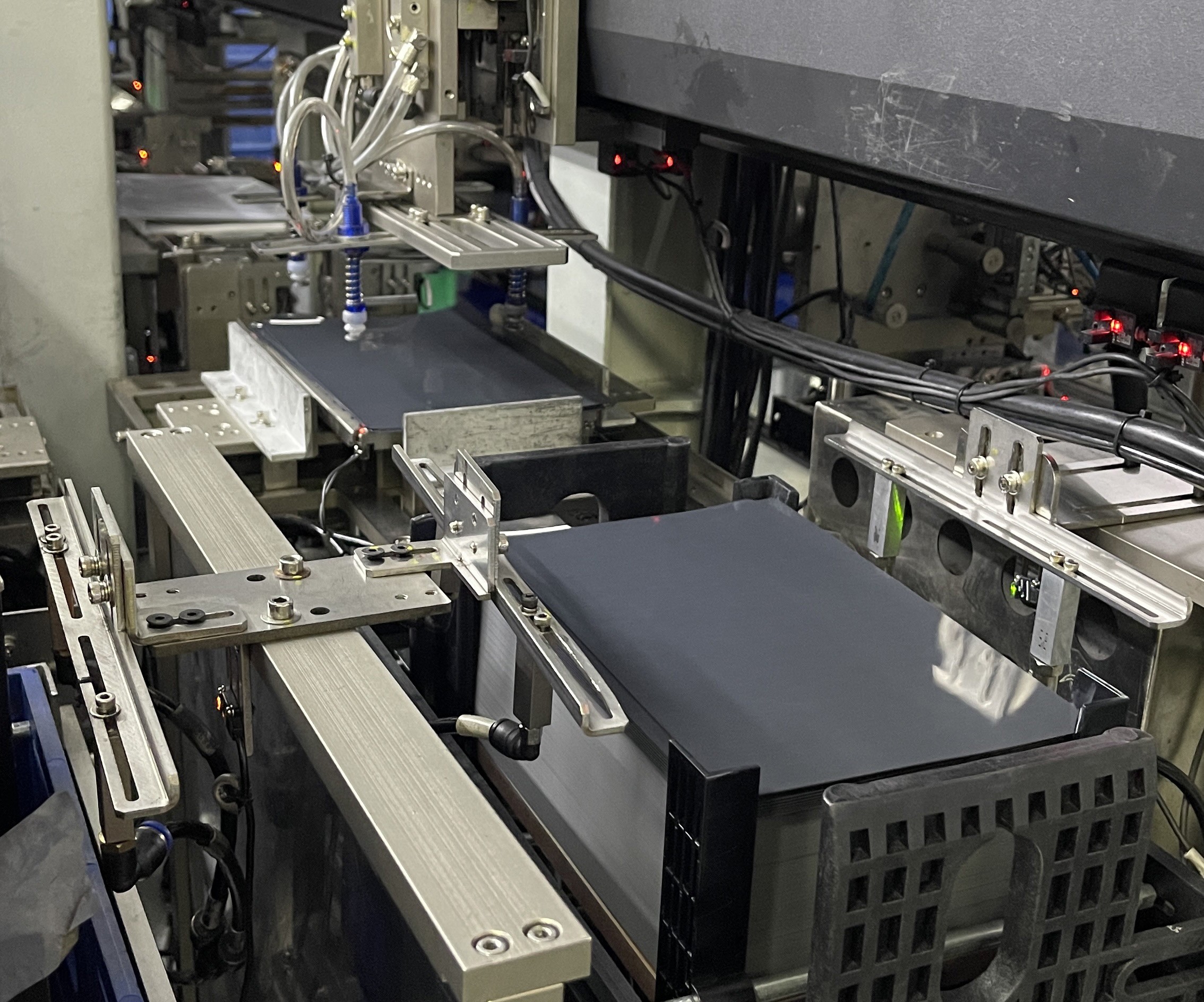
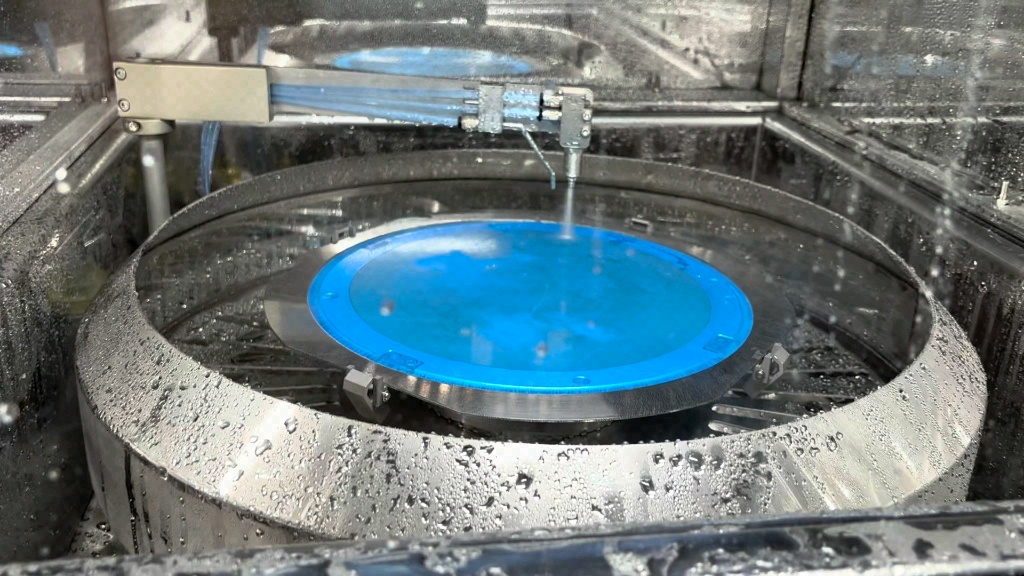
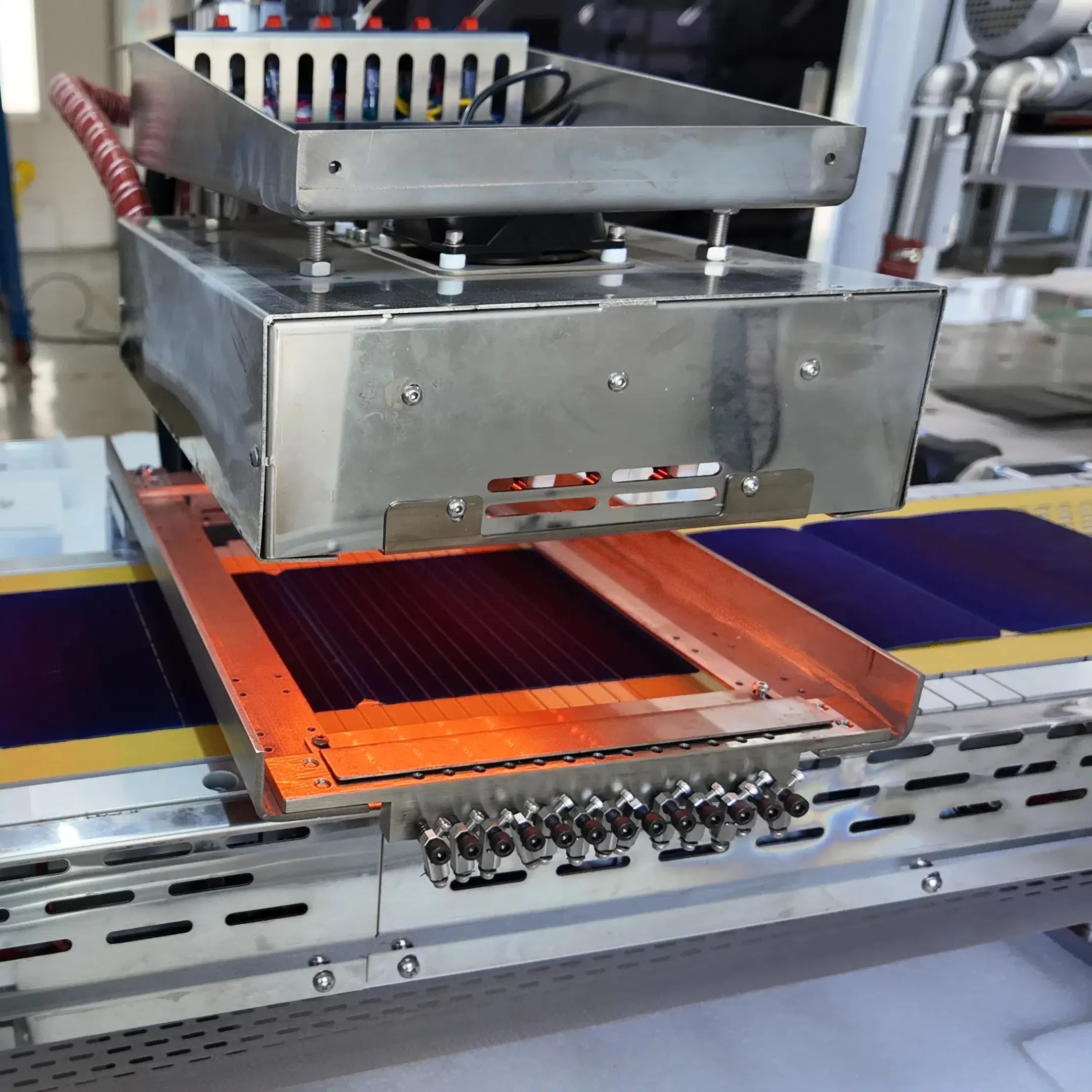
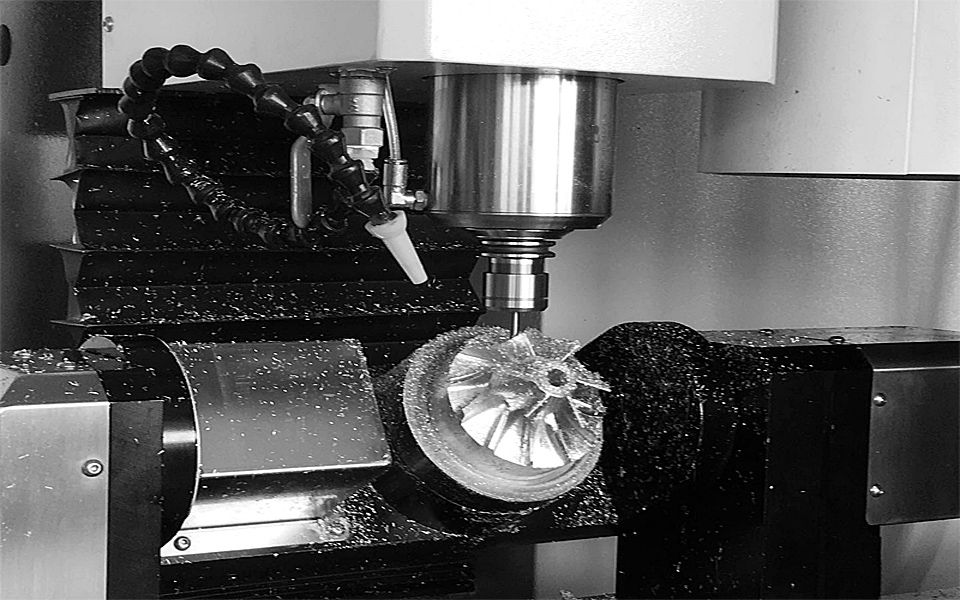
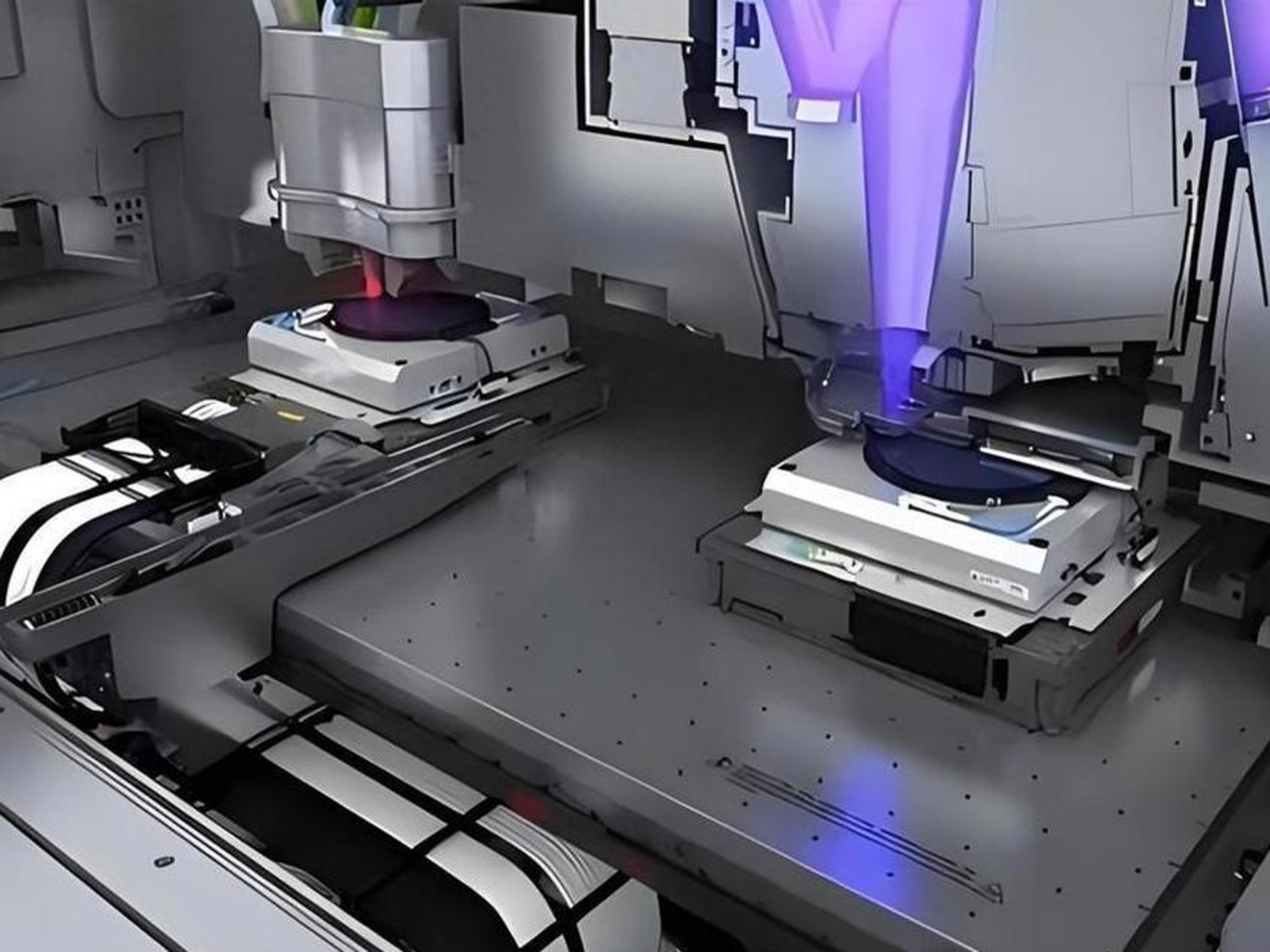
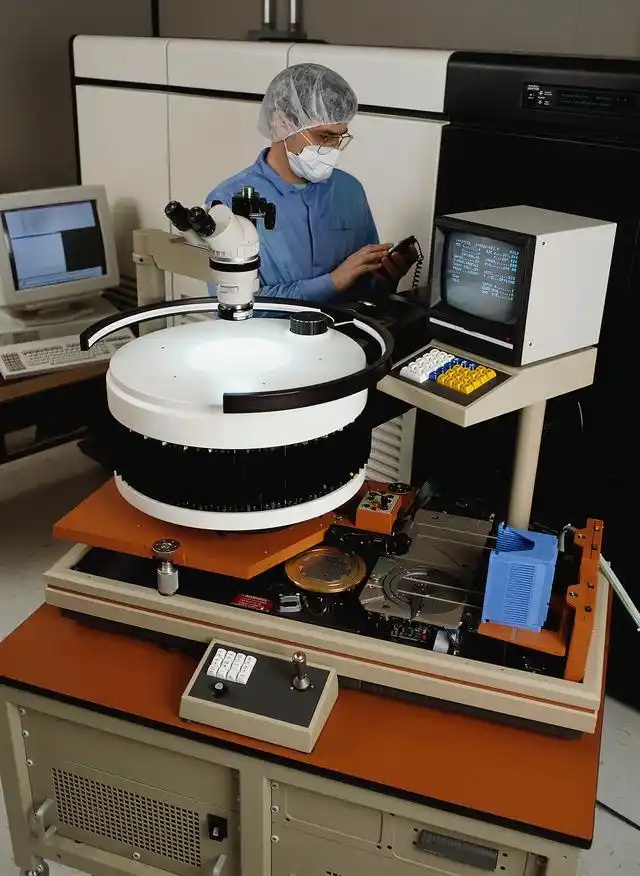
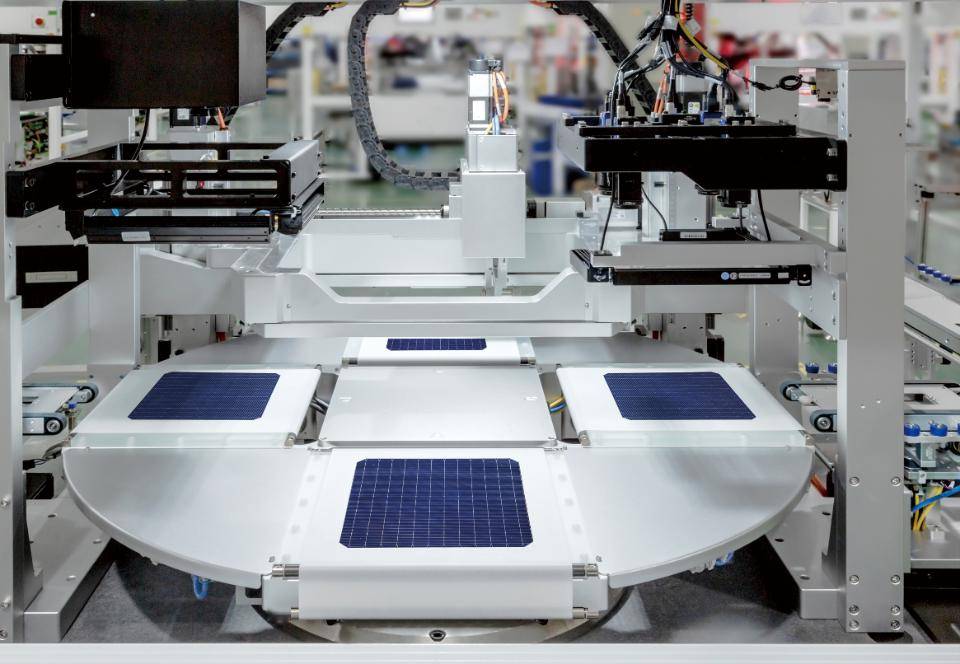
Honpine Linear Motor Modules power high-precision motion systems across semiconductor equipment, battery manufacturing, photovoltaic production, precision inspection, laser processing, medical devices, and industrial automation. Direct drive technology delivers higher speed, micron-level positioning accuracy, long service life, and low maintenance.
‹
›
Lead screw modules are suitable for the following scenarios:
Applications requiring moderate precision but sensitive to cost
Vertical motion or heavy-duty handling
Low-to-medium speed repetitive positioning, such as dispensing, simple assembly, and conveyor systems
Situations where strict requirements are placed on the overall module size in confined space structures.
Linear motor modules are suitable for the following scenarios
High-speed handling and high-frequency start-stop applications, such as laser processing and SMT placement
High-precision detection and micro-displacement control, such as optical equipment and semiconductor processes
Continuous operation systems with extremely high requirements for equipment response speed and lifespan
High-cleanliness applications, such as medical equipment and biological experimental platforms.