





Harmonic Rotary Actuators for Humanoid Robots: Technology, Applications, and Future Development
Humanoid robots are rapidly transforming industries ranging from manufacturing and healthcare to logistics and public services. At the heart of every robot's movement is the actuator—the component responsible for converting electrical energy into precise mechanical motion. Among the different actuator technologies available today, harmonic rotary actuators have become the preferred solution for humanoid robots due to their compact size, high torque density, exceptional positioning accuracy, and reliable performance.
This article explains what harmonic rotary actuators are, why integrated manufacturing is essential, where they are used, and how the technology is evolving to meet the growing demands of next-generation robotics.
What Is a Harmonic Rotary Actuator?
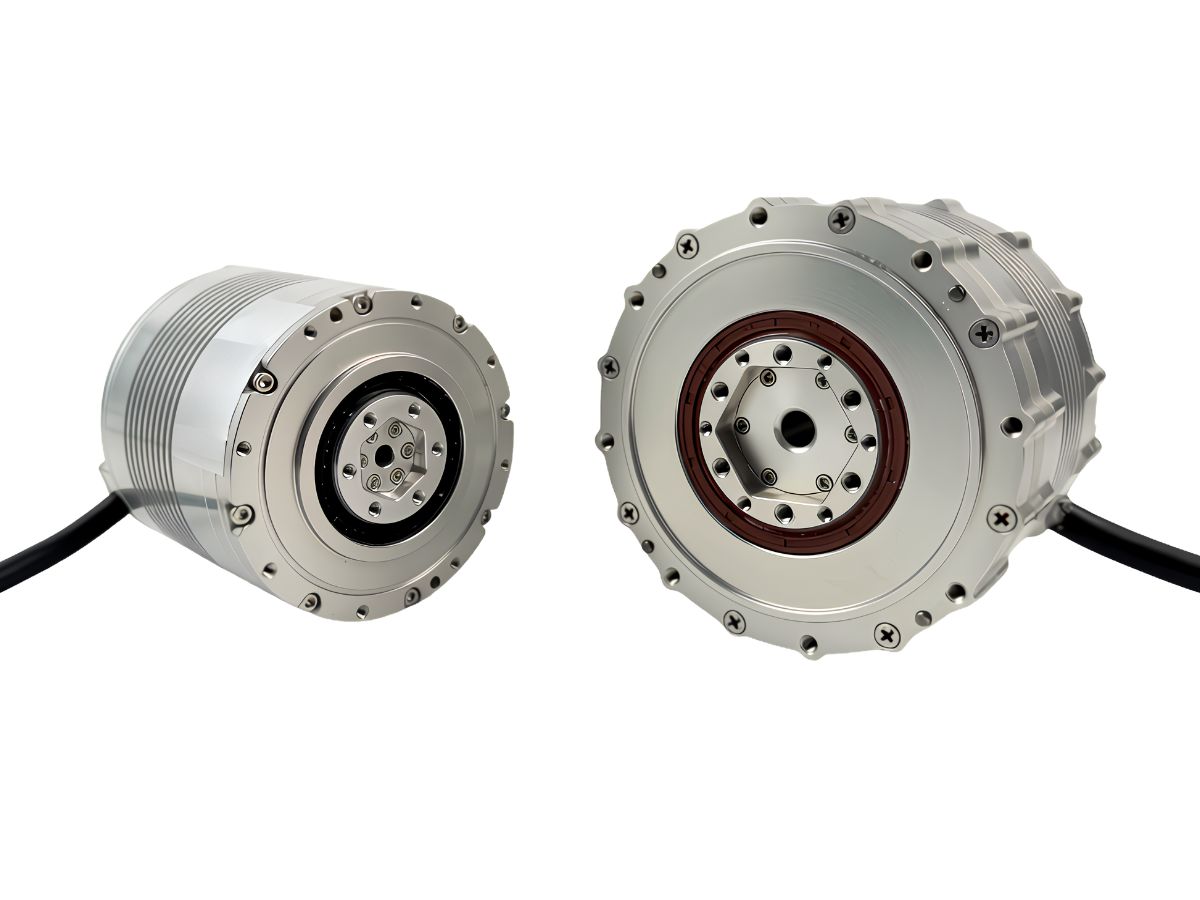
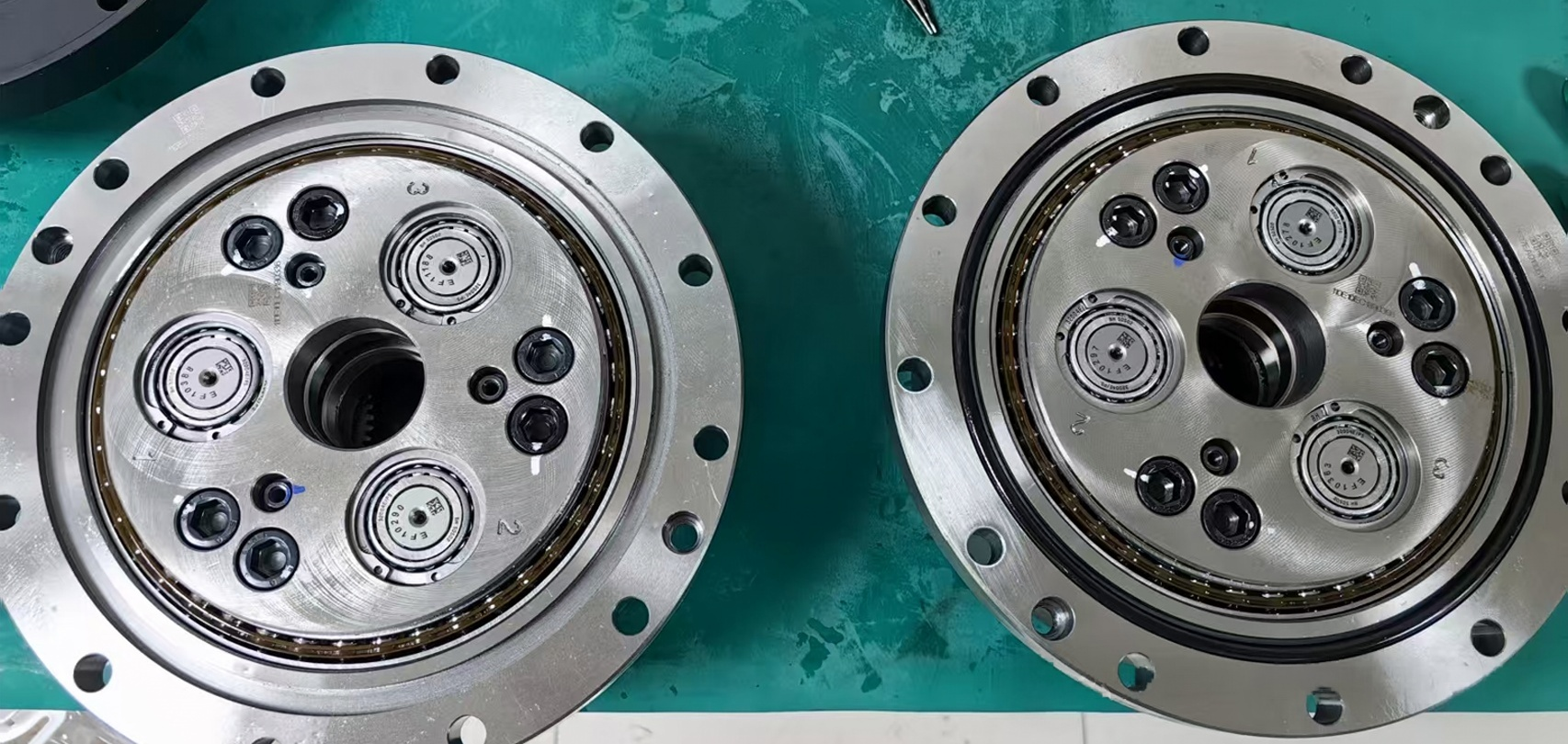
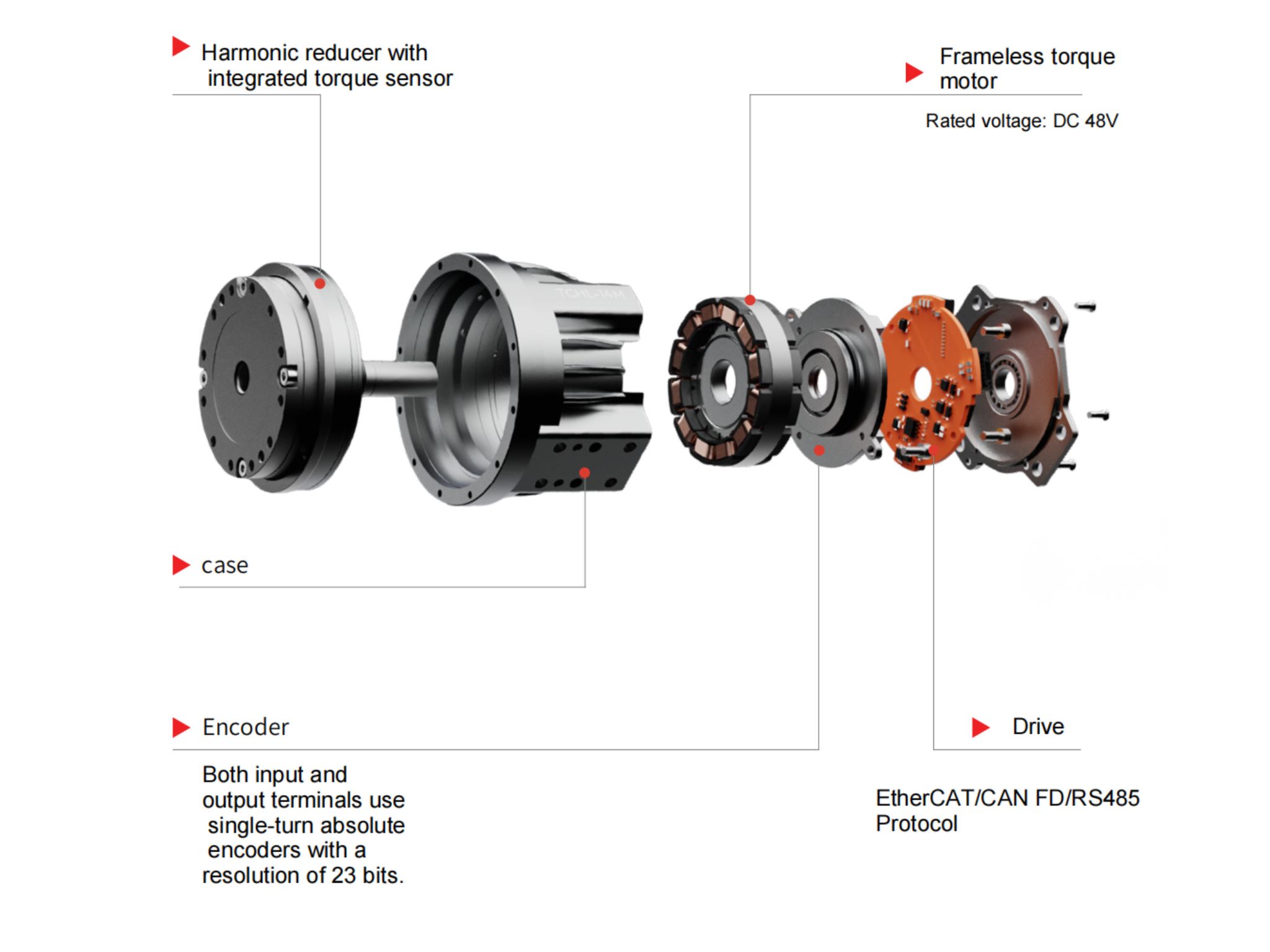
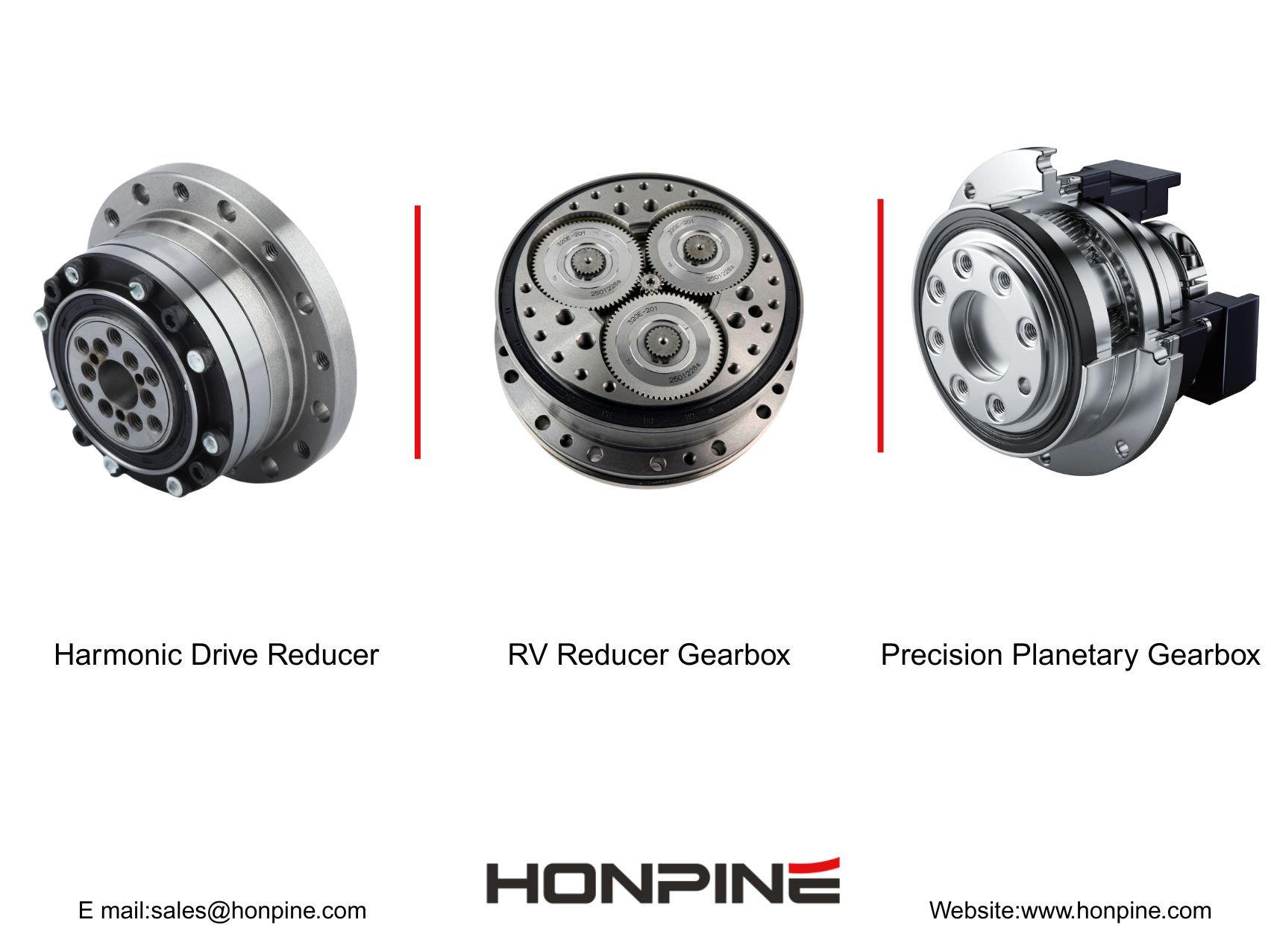
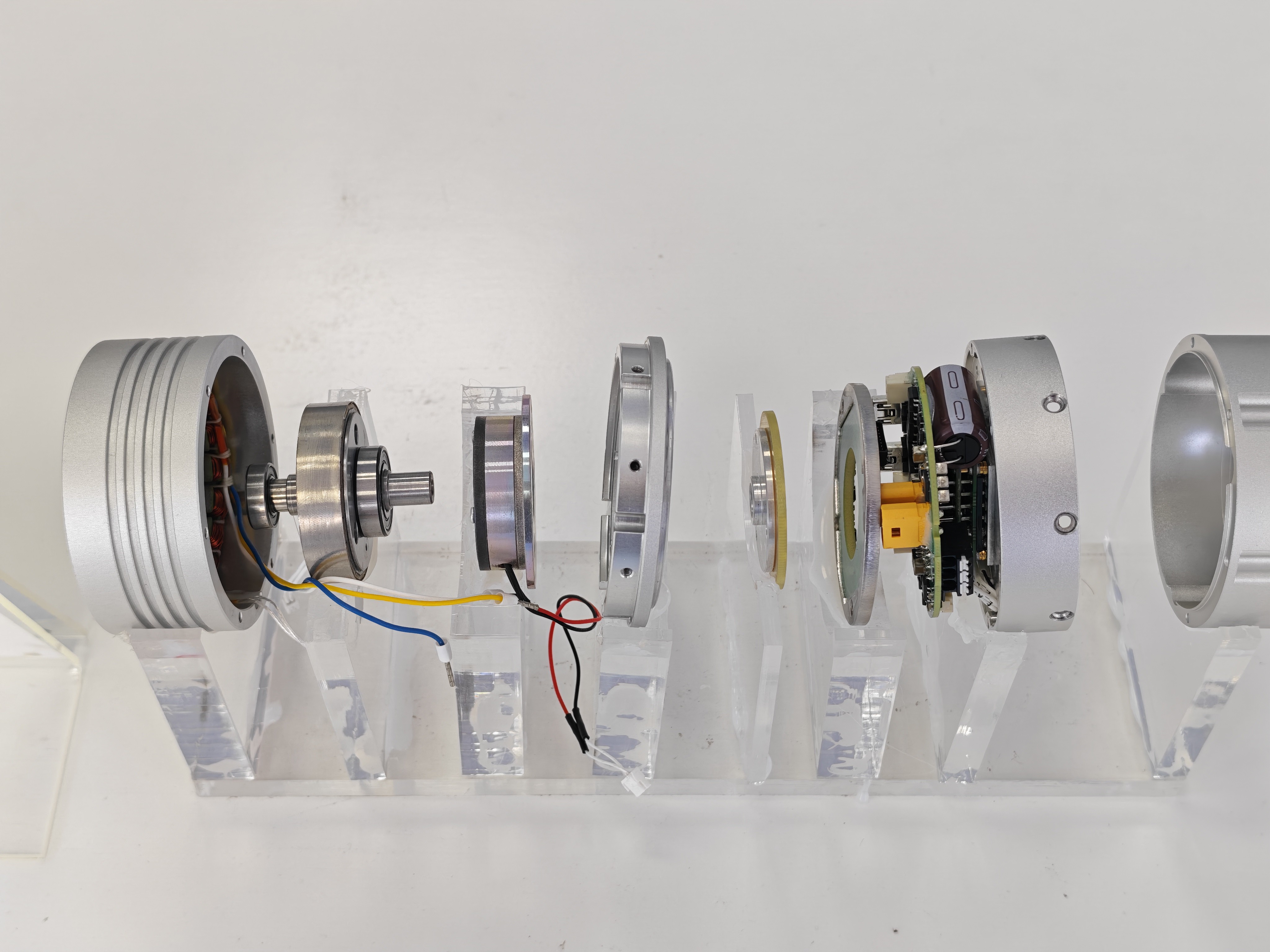
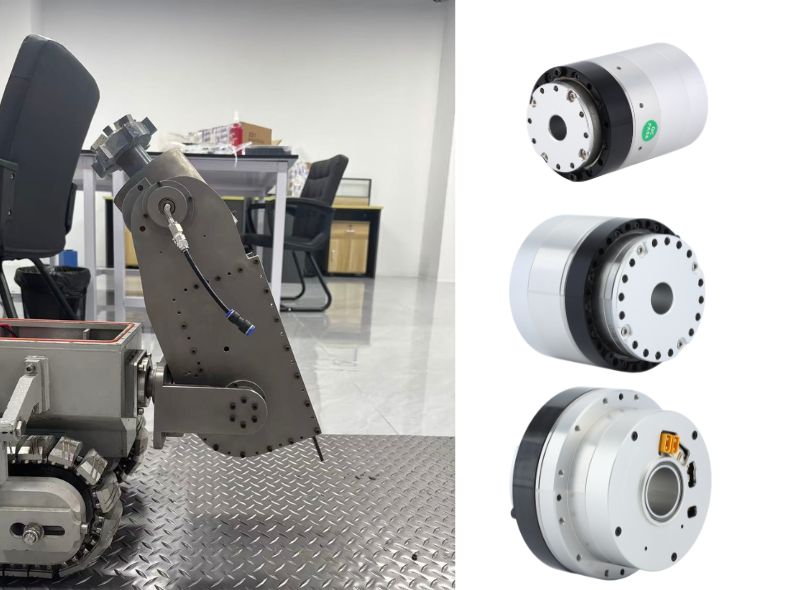
A harmonic rotary actuator generates rotary motion by combining a frameless torque motor, a harmonic drive reducer, precision bearings, sensors, and an integrated control system into a compact drive unit. The harmonic drive converts the motor's high-speed, low-torque output into low-speed, high-torque rotational motion while maintaining excellent positioning accuracy and repeatability.
As one of the most important motion transmission components in robotic systems, actuators convert electrical energy into mechanical movement. Depending on the type of motion they produce, robot actuators are generally classified into rotary actuators and linear actuators.
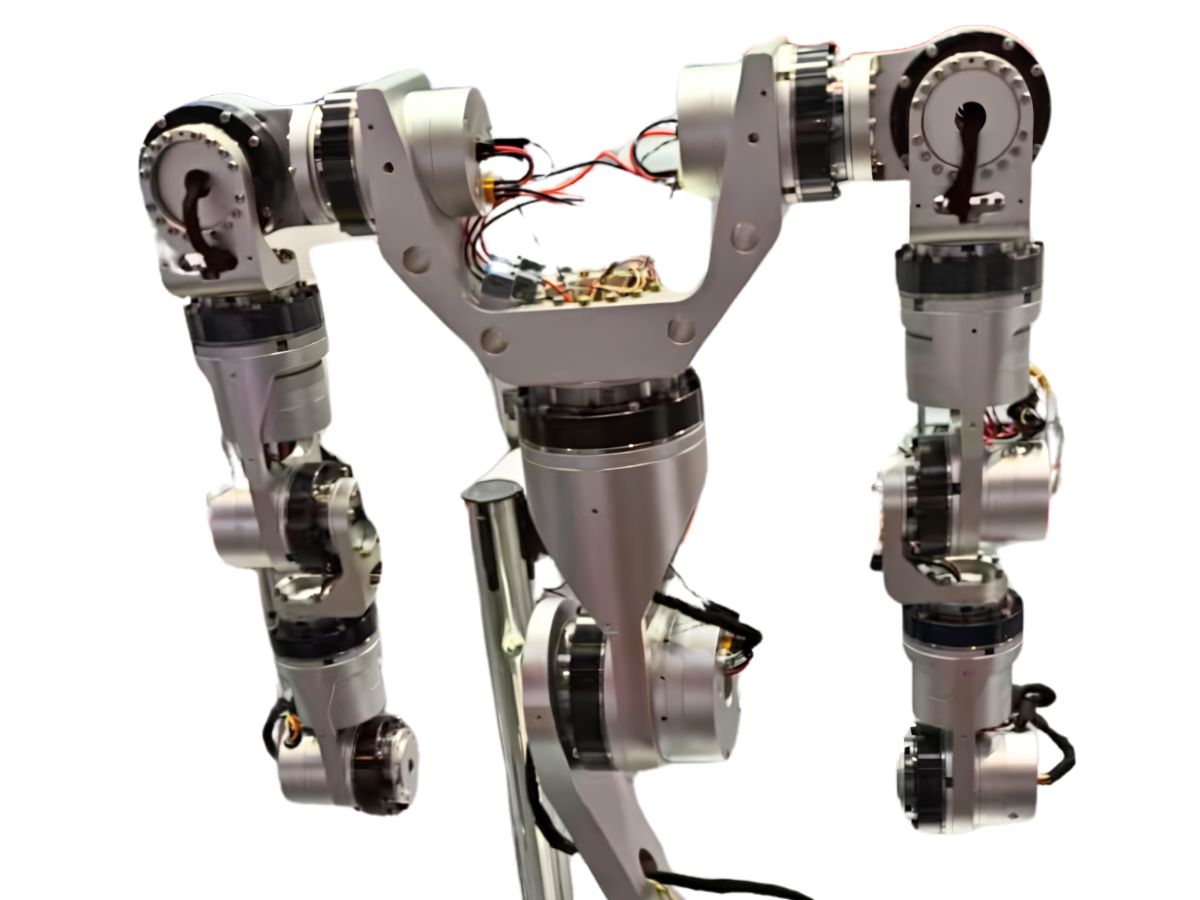
Rotary actuators serve as the foundation of electrically driven robotic joints and are widely used in humanoid robots, collaborative robots (cobots), industrial robots, service robots, medical robots, and research platforms.
Why Is Integrated Manufacturing Critical for Harmonic Rotary Actuators?
A harmonic rotary actuator is far more than a simple combination of individual components. Its overall performance depends on the precise integration of several high-precision technologies, including:
Frameless torque motors
High-resolution encoders
Torque and position sensors
Precision bearings
Servo drive electronics
Each component presents its own engineering challenges, but the real value lies in integrating them into a highly coordinated motion system.
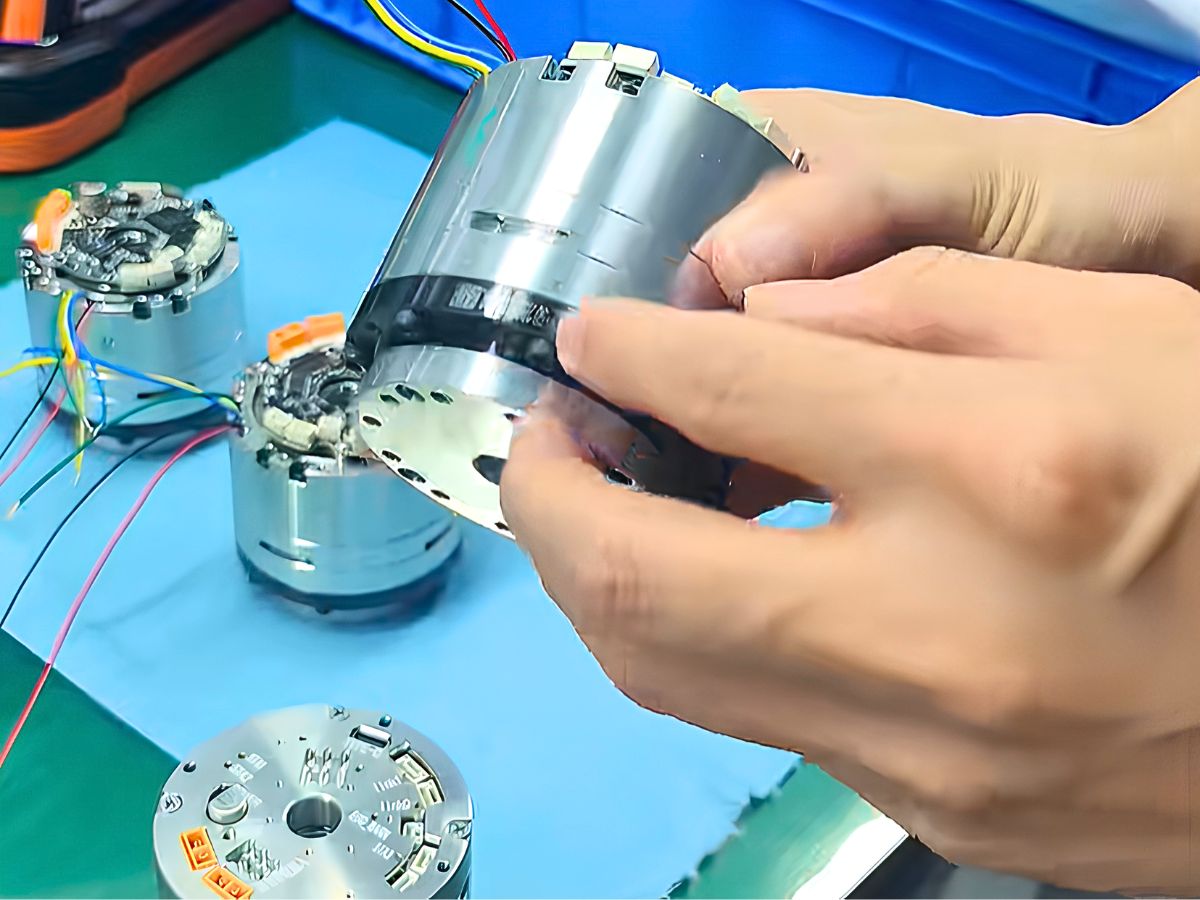
During manufacturing, critical processes—including motor winding, magnetic circuit optimization, precision machining, gear meshing, and assembly—must be tightly controlled to ensure torque output, positioning accuracy, efficiency, and long-term reliability.
Integrated manufacturing also enables customized actuator solutions for different robotic applications. Depending on system requirements, manufacturers can integrate sensors directly into the actuator for real-time feedback, or combine multiple actuators into modular joint assemblies that simplify robot design, improve installation efficiency, and reduce maintenance time.
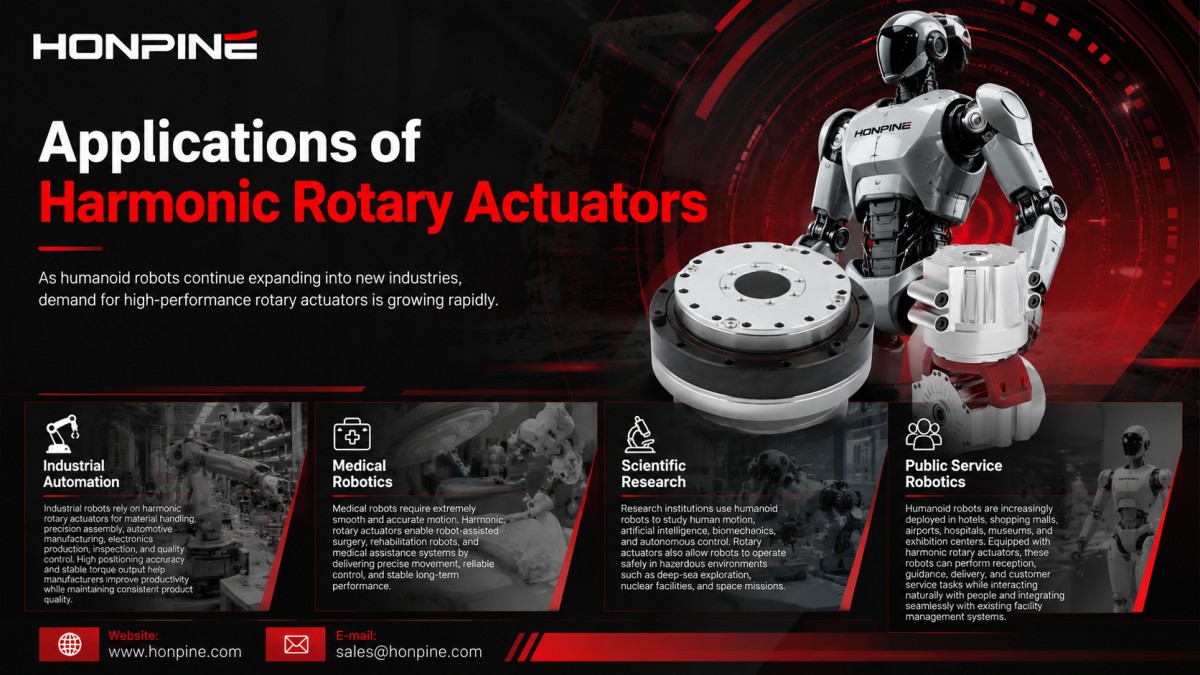
Applications of Harmonic Rotary Actuators
As humanoid robots continue expanding into new industries, demand for high-performance rotary actuators is growing rapidly.
Industrial Automation
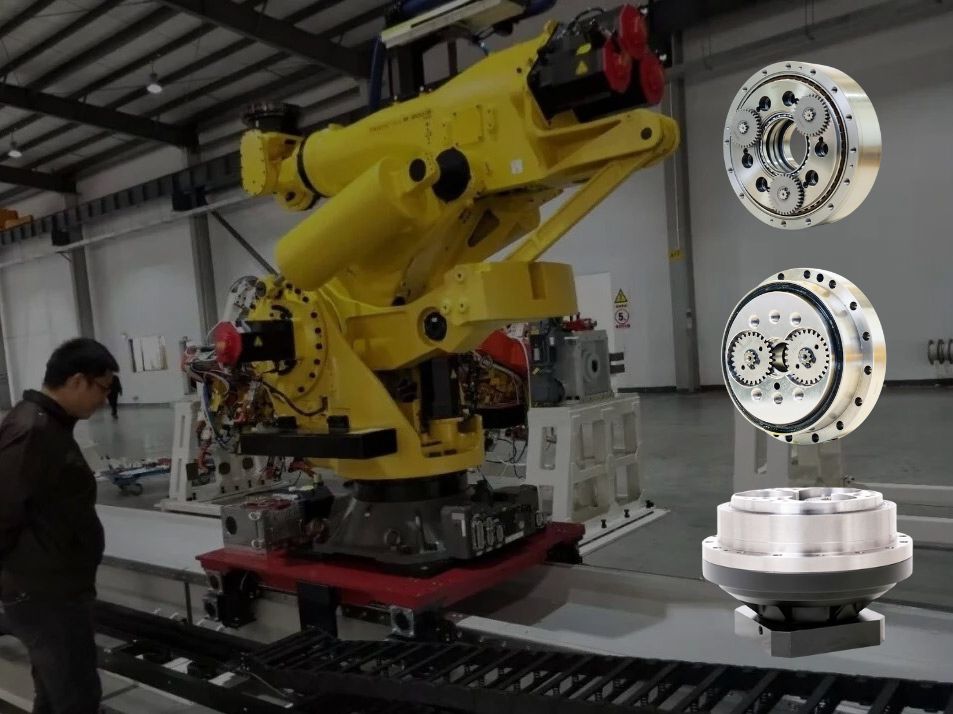
Industrial robots rely on harmonic rotary actuators for material handling, precision assembly, automotive manufacturing, electronics production, inspection, and quality control. High positioning accuracy and stable torque output help manufacturers improve productivity while maintaining consistent product quality.
Medical Robotics
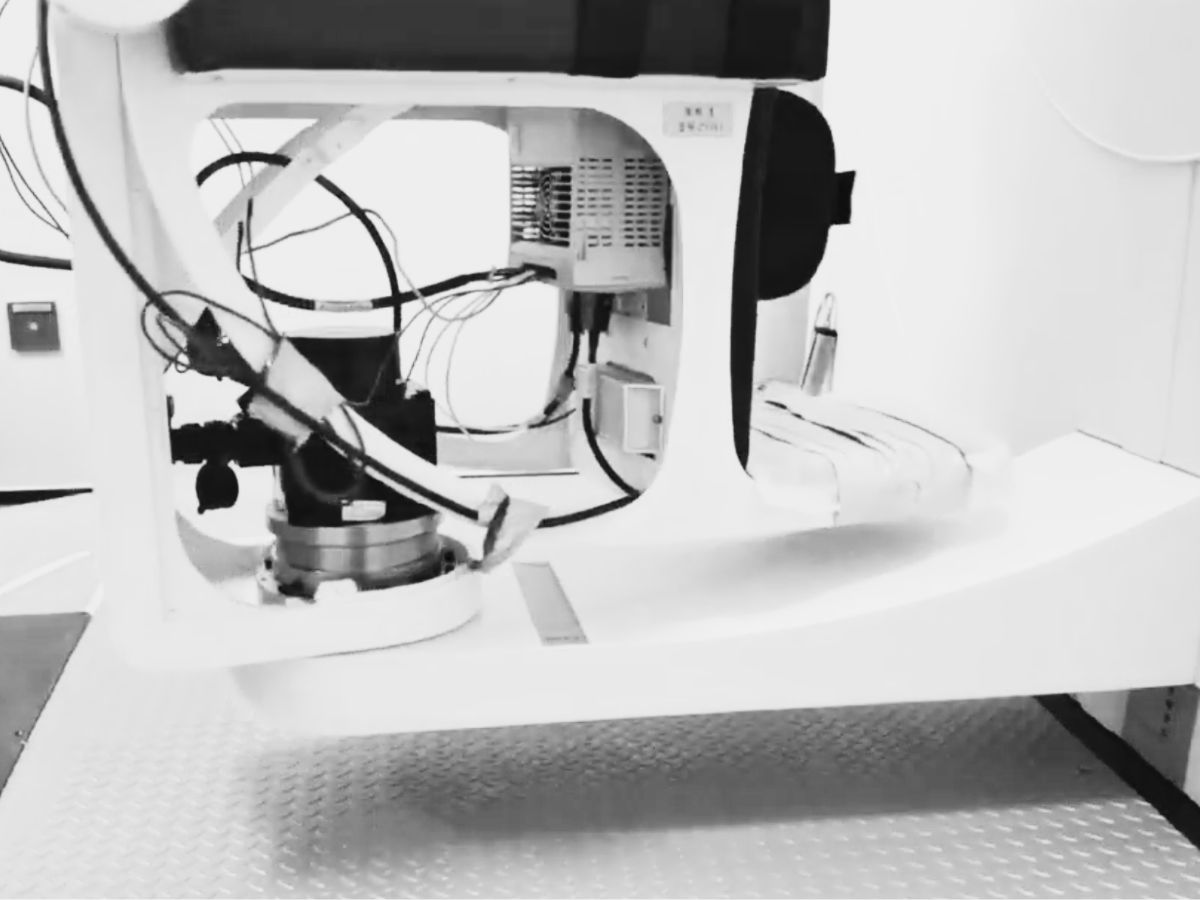
Medical robots require extremely smooth and accurate motion. Harmonic rotary actuators enable robot-assisted surgery, rehabilitation robots, and medical assistance systems by delivering precise movement, reliable control, and stable long-term performance.
Scientific Research
Research institutions use humanoid robots to study human motion, artificial intelligence, biomechanics, and autonomous control. Rotary actuators also allow robots to operate safely in hazardous environments such as deep-sea exploration, nuclear facilities, and space missions.
Public Service Robotics
Humanoid robots are increasingly deployed in hotels, shopping malls, airports, hospitals, museums, and exhibition centers. Equipped with harmonic rotary actuators, these robots can perform reception, guidance, delivery, and customer service tasks while interacting naturally with people and integrating seamlessly with existing facility management systems.
Future Trends in Harmonic Rotary Actuators
The rapid advancement of embodied AI and humanoid robotics is driving actuator technology toward higher performance, greater intelligence, and improved energy efficiency.
Compared with traditional industrial robots, humanoid robots operate in dynamic human environments, placing much higher demands on joint actuators.
Future harmonic rotary actuators are expected to focus on the following key developments:
High Torque Density
Humanoid robots require dozens of compact joints within limited installation space. Actuators must generate higher torque without increasing size or weight, enabling robots to walk, climb, lift, and manipulate objects more efficiently.
Faster Dynamic Response
Maintaining balance and executing agile movements require extremely fast control response. Low inertia, rapid acceleration, and precise servo control allow robots to react instantly to changing environments and human interaction.
Compact and Lightweight Design
Reducing actuator size and weight directly improves robot mobility, battery life, payload capacity, and overall system efficiency. Compact integrated designs also simplify robot assembly and reduce manufacturing costs.
Higher Energy Efficiency
Improving motor efficiency minimizes heat generation and power loss, allowing actuators to operate continuously at higher performance levels while extending service life and reducing thermal management requirements.
Smarter Integrated Systems
Future rotary actuators will integrate high-resolution encoders, torque sensing, temperature monitoring, predictive diagnostics, and intelligent communication interfaces into a single compact module. These smart actuators will simplify robot development while enabling higher levels of autonomy and motion control.
Conclusion
As humanoid robots move from research laboratories into large-scale commercial deployment, harmonic rotary actuators have become one of the most critical technologies enabling precise, reliable, and efficient motion.
Through advances in integrated manufacturing, intelligent sensing, compact design, and high-performance motion control, harmonic rotary actuators will continue driving innovation across industrial automation, healthcare, scientific research, logistics, and service robotics.
Whether developing next-generation humanoid robots or advanced automation systems, selecting a high-quality integrated harmonic rotary actuator is essential for achieving superior motion performance and long-term reliability.
Contact us today to learn more about our harmonic rotary actuator solutions and discover how our integrated motion technologies can support your next robotics project.
Read More
Learn more about the story of HONPINE and industry trends related to precision transmission.
 What is robot joint actuator?How to Choose the Best Robot Rotary Joint Actuator?In core robot joint transmission solutions, planetary and harmonic rotary actuators each have their own strengths. Choosing the right type based on application requirements is essential to achieve the optimal balance between performance and cost.
 DD Motors VS Harmonic Rotary ActuatorsThis article provides an in-depth comparison between Direct Drive (DD) motors and harmonic rotary actuators, covering their transmission principles, advantages and disadvantages, and typical application fields.
 OMG Ultra Compact Harmonic Drive Joint Module with Built-in Torque SensorHONPINE TCHL series harmonic drive joint module is a game-changing product that achieves disruptive improvements in multiple aspects such as lightweight design, integration level, and connection convenience. This article will analyze its revolutionary enhancements with you.
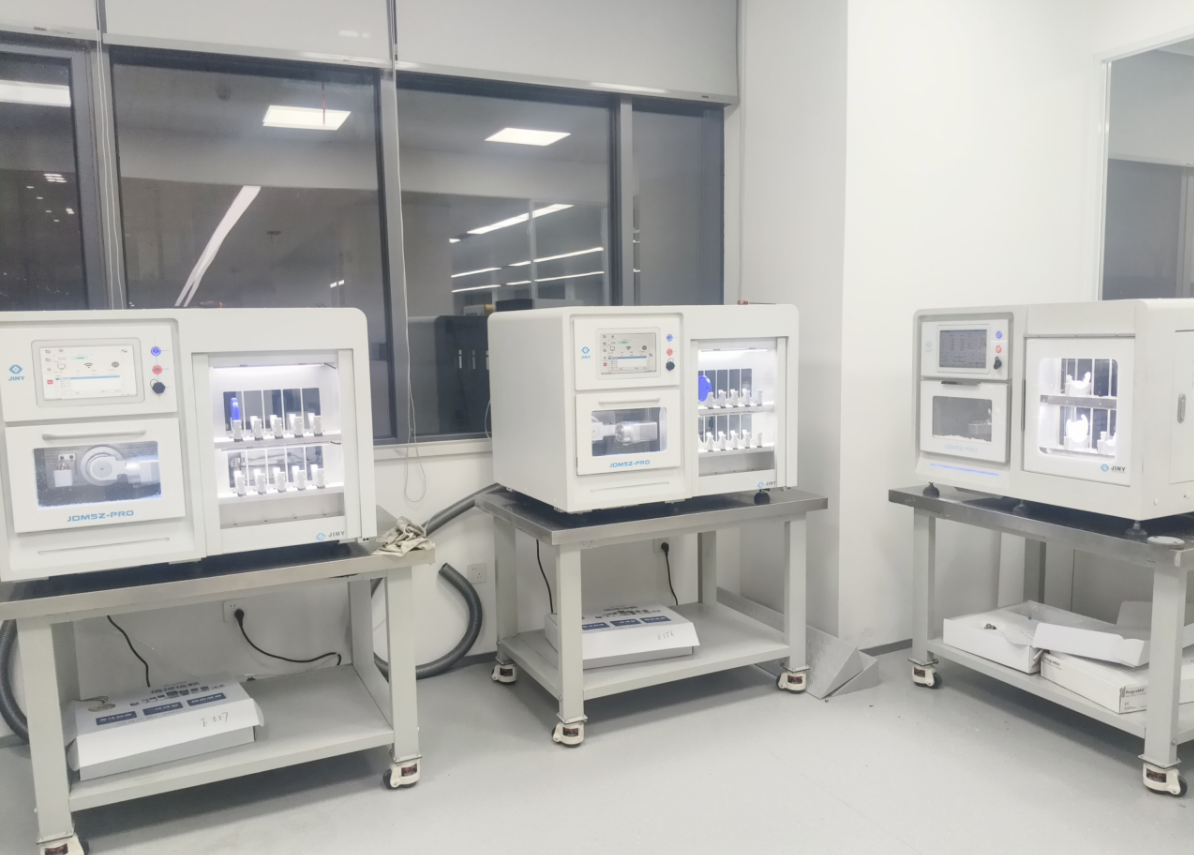
 The Role of Harmonic Drive Gears in Achieving 5–10 μm Accuracy in Dental Milling MachinesA dental milling machine is a CNC machining system used to directly process digital dental models into restorations such as crowns, bridges, veneers, inlays, and implant abutments. Dental milling machines require far higher operational accuracy and motion stability than ordinary equipment. This article explains how harmonic drive gear help dental milling machines achieve stable, continuous, and controllable operation.
 Why Are Harmonic Rotary Actuators Perfect for Medical Equipment?Harmonic rotary actuators (typically integrated systems consisting of a harmonic drive reducer, frameless torque motor, encoder, and optional brake) are regarded as key components in medical equipment. The core reason is that they simultaneously meet the most stringent medical requirements for precision, compact size, safety, and controllability. The following explanation is structured from three perspectives: technical characteristics, application scenarios, and medical value.
 High-Precision RV Reducers Perfectly Matched for Walking RobotsThe walking axis of a robot is a core component for power transmission and support. RV reducers provide extremely high rigidity, precision, and torque while maintaining a compact size and exceptional reliability, making them an ideal match for the demanding requirements of walking robot joints in terms of load capacity, impact resistance, and precision.
 Does a Higher Gearbox Ratio Mean More Torque? Planetary, Harmonic, and RV Gearboxes ExplainedDoes a higher gearbox ratio mean more torque? This engineering guide explains the relationship between gearbox ratio, output torque, and output speed, and compares planetary gearboxes, harmonic gearboxes, and RV gearboxes. Learn why reduction ratio alone cannot determine gearbox torque capacity, efficiency, dynamic response, precision, or service life, and what engineers should consider when selecting a gearbox for robotics, CNC machines, servo systems, and industrial motion control.
 High-Precision Hollow Harmonic Rotary Actuator for CNC Machines and Heavy-Duty Rotary AxesHONPINE 58 Series Hollow Harmonic Rotary Actuator is designed for CNC rotary tables, precision rotary axes, laser processing equipment, and heavy-duty rotary positioning applications. With a 50 mm hollow bore, up to 2,722 N·m peak torque, integrated crossed roller bearing, multi-turn absolute encoder options, positioning accuracy below 30 arcsec, and repeat positioning accuracy below 5 arcsec, it combines high torque capacity with precision rotary motion and flexible mechanical integration.
 How Does the HONPINE JRM Planetary Robot Joint Module Address Temperature Rise in Continuous Operation?HONPINE JRM planetary robot joint modules are designed for long-duration and high-load robotic operation. This article examines how motor electromagnetic optimization, high-efficiency planetary transmission, GaN-based drive technology, and system-level low-loss design help control temperature rise. Using the C6345 planetary robot joint module as a test example, HONPINE also presents full-load thermal validation under continuous operation, including motor efficiency up to 92%, planetary gearbox efficiency up to 97%, and a final equilibrium temperature of 61.42°C at a 25°C ambient temperature.
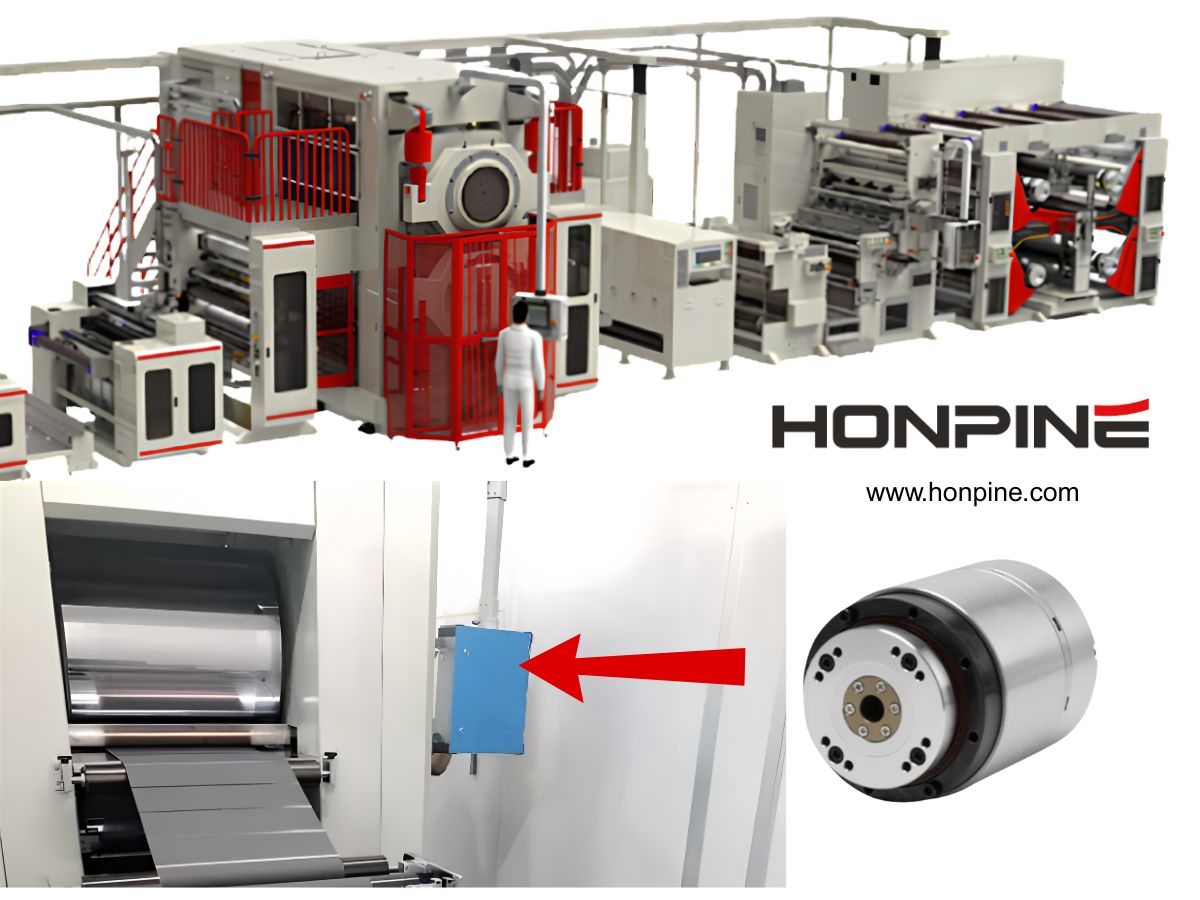
 Harmonic Rotary Actuator for Lithium Battery Roller Press EquipmentLithium battery manufacturing equipment requires higher precision, stability, and integration efficiency as production processes continue to evolve. In roller press equipment, accurate roller positioning, pressure control, and dynamic response are critical for ensuring electrode quality and consistency.
HONPINE harmonic rotary actuators provide high precision, high rigidity, fast response, and compact integration for lithium battery roller press equipment. With near-zero backlash, high torque density, and reliable motion control performance, they help improve equipment accuracy and production stability. Harmonic Robot Joint Actuators for Pipeline Robots and Other Special-Purpose EquipmentPipeline robots operate in narrow and complex environments where limited installation space, high load requirements, cable routing, and precise motion control are critical challenges. A reliable joint actuator must provide high torque output, compact dimensions, and stable performance while adapting to demanding operating conditions. Harmonic robot joint actuators integrate precision transmission, motor drive, and sensing capabilities into a compact motion unit, making them suitable for pipeline robots and other special-purpose robotic systems. This article explores the key design requirements of pipeline robots and explains how HONPINE HPJM harmonic robot joint modules help achieve compact, high-performance, and reliable robotic solutions.
 How Integrated Robot Joint Modules Are Reshaping Robot Wiring and Control Architecture?Integrated robot joint modules are changing how robots are designed by combining the motor, reducer, drive, encoder, and sensing components into a compact motion unit. Compared with traditional distributed architectures, this integrated approach can reduce cable complexity, simplify power and communication connections, and support more compact robot structures. As humanoid robots demand higher levels of motion coordination, response speed, precision, and integration, robot joint modules are becoming an increasingly important interface between intelligent control systems and physical movement. This article explains how integrated robot joint modules reshape robot wiring and control architecture, using the HONPINE TCHL harmonic drive robot joint module as an example.
Double Click
We provide harmonic drive reducer,planetary reducer,robot joint motor,robot rotary actuators,RV gear reducer,robot end effector,dexterous robot hand
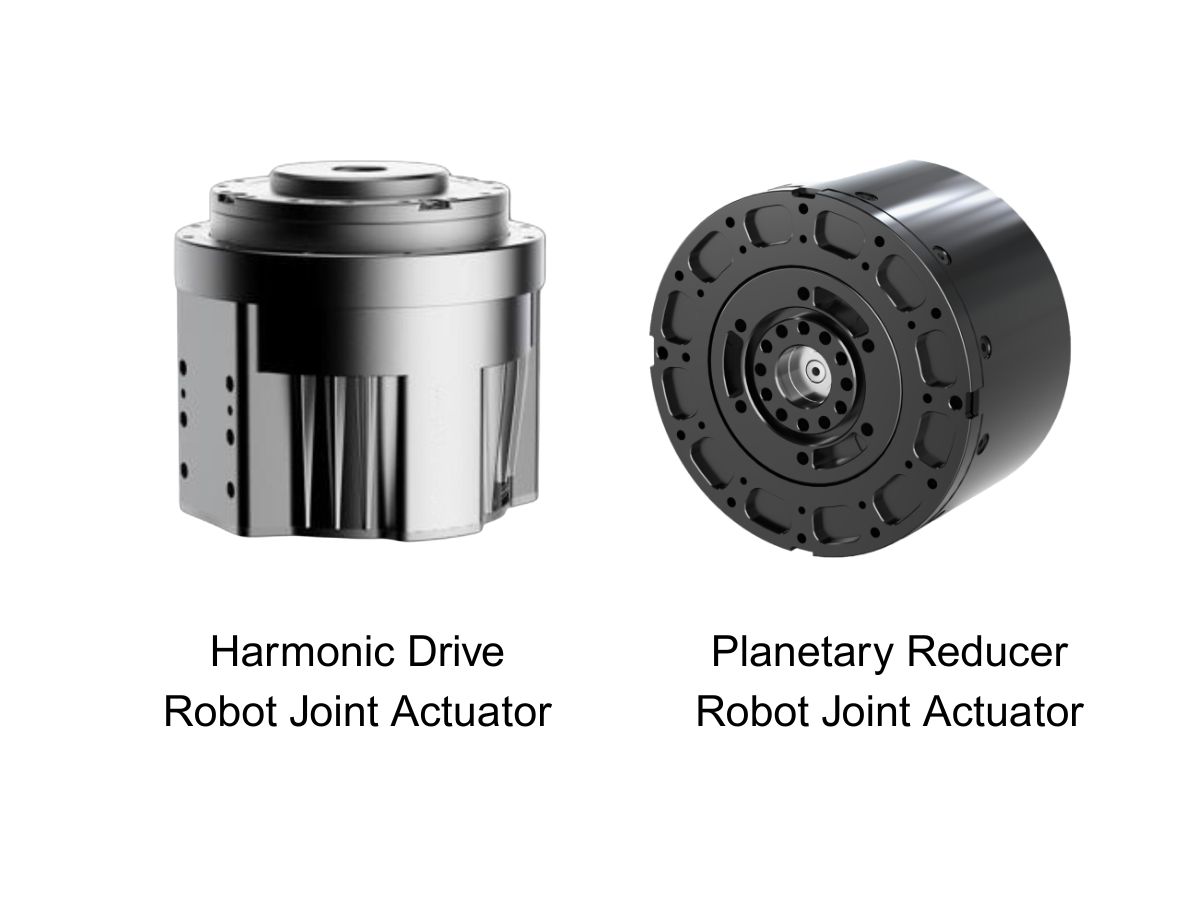
 What is robot joint actuator?How to Choose the Best Robot Rotary Joint Actuator?In core robot joint transmission solutions, planetary and harmonic rotary actuators each have their own strengths. Choosing the right type based on application requirements is essential to achieve the optimal balance between performance and cost.
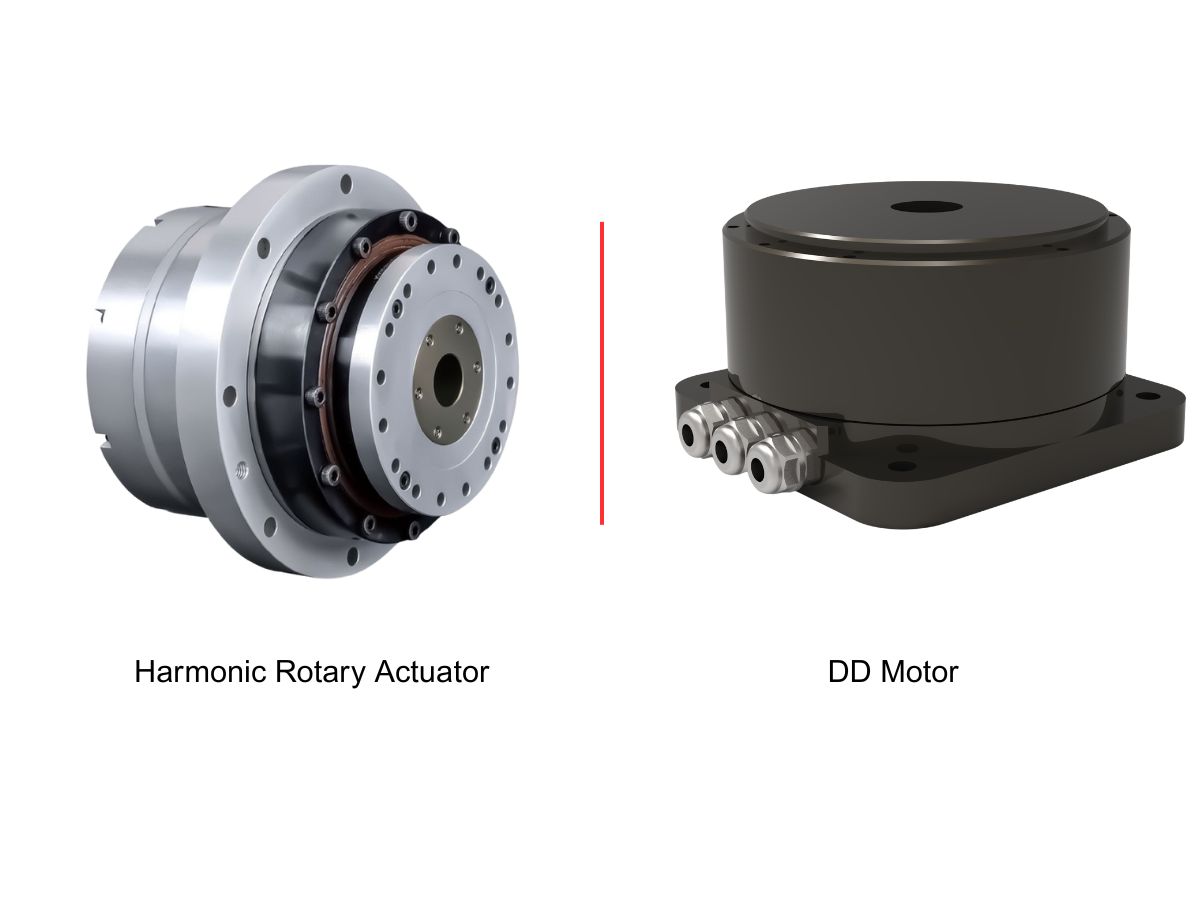
 DD Motors VS Harmonic Rotary ActuatorsThis article provides an in-depth comparison between Direct Drive (DD) motors and harmonic rotary actuators, covering their transmission principles, advantages and disadvantages, and typical application fields.
 OMG Ultra Compact Harmonic Drive Joint Module with Built-in Torque SensorHONPINE TCHL series harmonic drive joint module is a game-changing product that achieves disruptive improvements in multiple aspects such as lightweight design, integration level, and connection convenience. This article will analyze its revolutionary enhancements with you.
 Does a Higher Gearbox Ratio Mean More Torque? Planetary, Harmonic, and RV Gearboxes ExplainedDoes a higher gearbox ratio mean more torque? This engineering guide explains the relationship between gearbox ratio, output torque, and output speed, and compares planetary gearboxes, harmonic gearboxes, and RV gearboxes. Learn why reduction ratio alone cannot determine gearbox torque capacity, efficiency, dynamic response, precision, or service life, and what engineers should consider when selecting a gearbox for robotics, CNC machines, servo systems, and industrial motion control.
 High-Precision Hollow Harmonic Rotary Actuator for CNC Machines and Heavy-Duty Rotary AxesHONPINE 58 Series Hollow Harmonic Rotary Actuator is designed for CNC rotary tables, precision rotary axes, laser processing equipment, and heavy-duty rotary positioning applications. With a 50 mm hollow bore, up to 2,722 N·m peak torque, integrated crossed roller bearing, multi-turn absolute encoder options, positioning accuracy below 30 arcsec, and repeat positioning accuracy below 5 arcsec, it combines high torque capacity with precision rotary motion and flexible mechanical integration.
 How Does the HONPINE JRM Planetary Robot Joint Module Address Temperature Rise in Continuous Operation?HONPINE JRM planetary robot joint modules are designed for long-duration and high-load robotic operation. This article examines how motor electromagnetic optimization, high-efficiency planetary transmission, GaN-based drive technology, and system-level low-loss design help control temperature rise. Using the C6345 planetary robot joint module as a test example, HONPINE also presents full-load thermal validation under continuous operation, including motor efficiency up to 92%, planetary gearbox efficiency up to 97%, and a final equilibrium temperature of 61.42°C at a 25°C ambient temperature.
 How Integrated Robot Joint Modules Are Reshaping Robot Wiring and Control Architecture?Integrated robot joint modules are changing how robots are designed by combining the motor, reducer, drive, encoder, and sensing components into a compact motion unit. Compared with traditional distributed architectures, this integrated approach can reduce cable complexity, simplify power and communication connections, and support more compact robot structures. As humanoid robots demand higher levels of motion coordination, response speed, precision, and integration, robot joint modules are becoming an increasingly important interface between intelligent control systems and physical movement. This article explains how integrated robot joint modules reshape robot wiring and control architecture, using the HONPINE TCHL harmonic drive robot joint module as an example.
 Force-Controlled Harmonic Joint Modules: A Key Solution for Robot CommercializationAs robots move from precise positioning toward physical interaction, joint-level torque feedback is becoming increasingly important. A force-controlled robot joint module allows the robot to sense changes in output torque and respond more appropriately to external loads, supporting compliant motion, contact detection, and force-controlled applications. HONPINE HAG and HAU harmonic joint modules integrate torque sensing directly into the joint, enabling torque closed-loop control, 360° continuous output rotation, less than 1% torque control accuracy, and a 50 Hz torque bandwidth. This integrated design also maintains consistent dimensions between force-controlled and non-force-controlled configurations, providing a flexible joint platform for robot manufacturers.
 6 Key Advantages of the HONPINE JRM Planetary Joint ModuleHigh-performance quadruped robots require joint modules that can respond quickly, maintain precise positioning, withstand repeated impacts, and deliver stable torque under demanding operating conditions. The HONPINE JRM planetary joint module combines high positioning accuracy, low backlash, fast three-loop response, high static rigidity, strong overload capability, and a wide operating temperature range. With clearly defined continuous and overload operating limits, the JRM is designed to balance dynamic performance with long-term reliability. This article introduces six key advantages of the HONPINE JRM planetary joint module and explains why it is suitable for industrial inspection quadrupeds, specialized inspection robots, explosion-proof quadruped robots, and other high-performance robotic platforms.
 Robot Joint Module Solutions for Humanoid Robot Arms and LegsHumanoid robots require different joint characteristics across the shoulder, elbow, wrist, hip, knee, and ankle. Smaller joints prioritize low weight and fast response, while larger joints require higher torque density, load capacity, and reliability. A suitable robot joint module should therefore be matched to the specific torque, weight, range of motion, and control requirements of each joint. In this article, HONPINE uses the HPJM harmonic joint module series as an example to present a joint configuration solution for humanoid robot upper and lower limbs, covering torque requirements from small wrist and finger joints to high-load hip joints.
 Why Does an RV Reducer Need Profile Modification? How to Further Reduce Backlash and Transmission Error?An RV Reducer is designed to deliver high torque, high stiffness, and precise motion for demanding applications such as robotic joints, industrial rotary tables, and precision machinery. However, achieving low backlash and stable transmission accuracy requires more than high-precision machining. Cycloidal profile modification must also account for manufacturing tolerances, assembly errors, load-induced deformation, thermal expansion, and lubrication conditions. In this article, we examine why RV reducers require profile modification, how different modification methods affect meshing, and how engineers can further control backlash and transmission error through profile design, error budgeting, structural analysis, precision manufacturing, and validation testing.
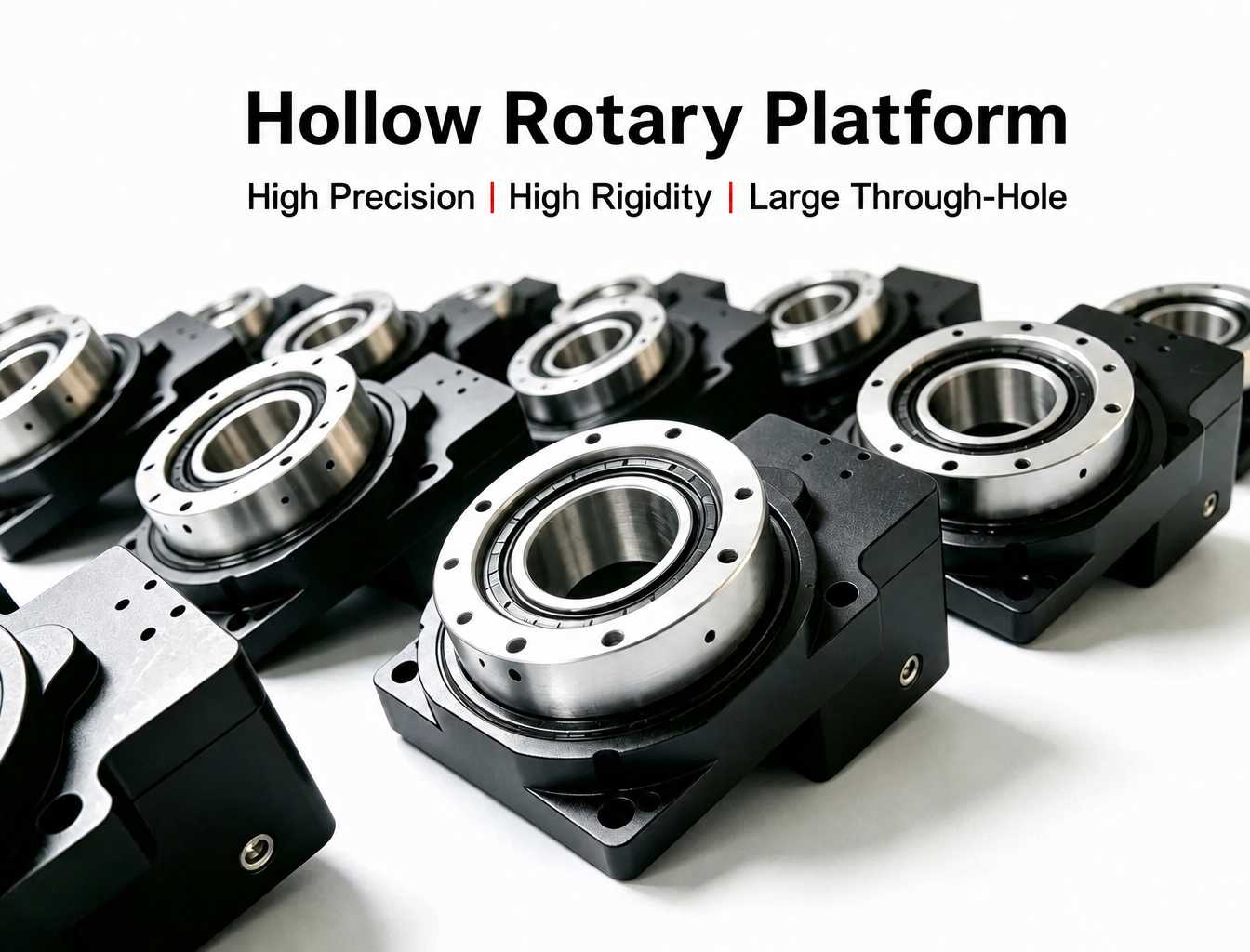
 How to Choose a Hollow Rotary Platform: A Complete Selection Guide?A hollow rotary platform is widely used in precision automation where rotary positioning, compact integration, and cable routing through the rotation axis are required. However, choosing the right platform involves more than comparing rated torque or maximum speed. Load, eccentricity, overturning moment, inertia, positioning accuracy, hollow bore, acceleration, duty cycle, and installation conditions all affect the actual performance of the rotary system. This guide explains the key parameters engineers should consider when selecting a hollow rotary platform for CNC indexing, wafer handling, vision inspection, laser processing, dispensing, and other precision rotary applications.