

Repeatability vs. Absolute Positioning Accuracy in Harmonic Joint Modules: Differences and Industrial Applications
Harmonic joint modules are widely used in high-end manufacturing industries, including industrial robotics, precision automation equipment, optical inspection instruments, semiconductor equipment, and advanced medical devices. Their compact design, high reduction ratios, zero transmission backlash, and high torque density make them an ideal choice for demanding motion control applications.
Among the key performance parameters of harmonic joint modules, repeatability and absolute positioning accuracy are two fundamental indicators used to evaluate positioning performance. Although both relate to positioning precision, they differ significantly in their definitions, error sources, and suitable operating conditions. Understanding these differences is essential for equipment selection, precision calibration, and application matching.
In practical applications, harmonic joint modules generally exhibit excellent repeatability but comparatively lower absolute positioning accuracy. Furthermore, most manufacturers primarily specify repeatability in their product catalogs, which can lead to misunderstandings during equipment selection. This may result in positioning performance mismatches and unsuitable actuator configurations.
This article explains the fundamental differences between repeatability and absolute positioning accuracy, examines their respective error sources and compensation characteristics, and explores how to select suitable harmonic joint modules for different industrial applications.
1. Fundamental Definitions and Differences Between Repeatability and Absolute Positioning Accuracy
1.1 Repeatability: Measuring Motion Consistency and Positioning Stability
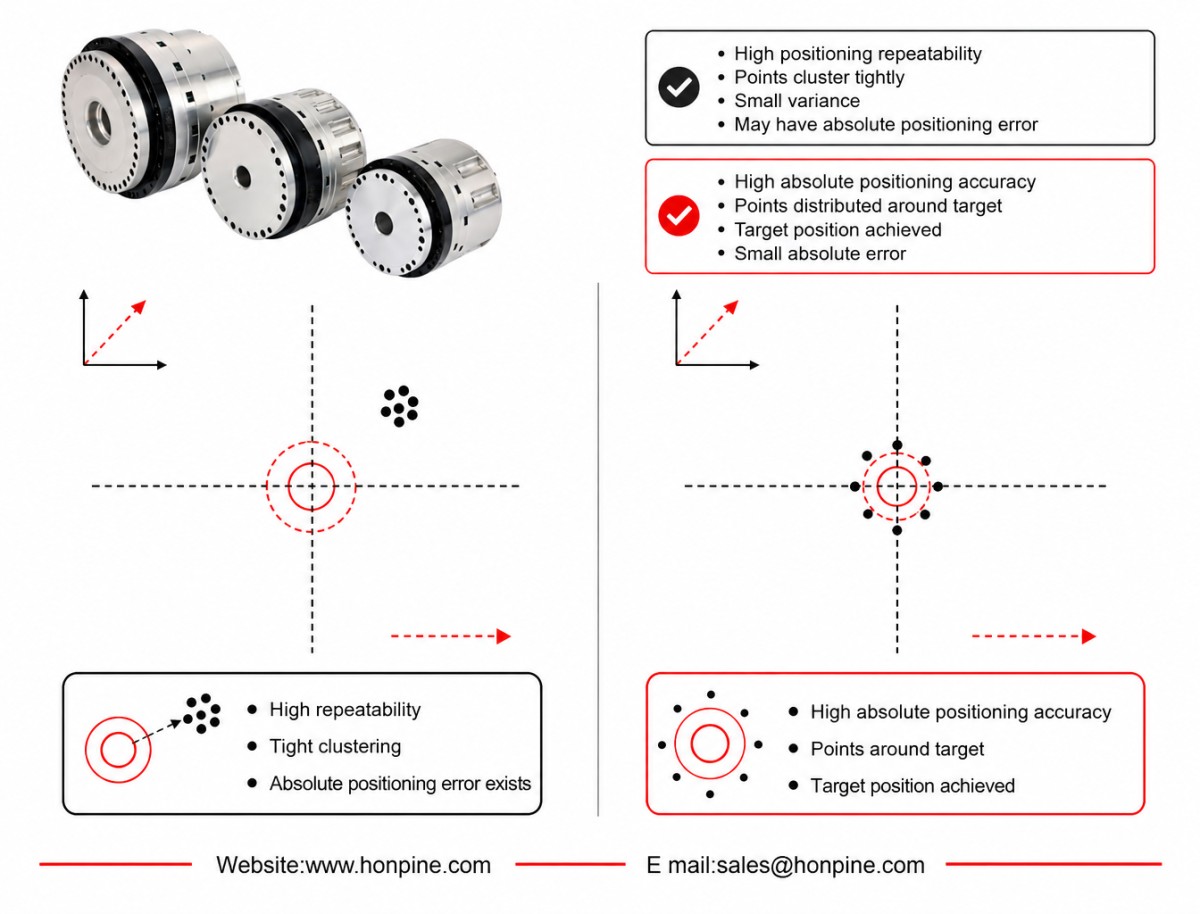
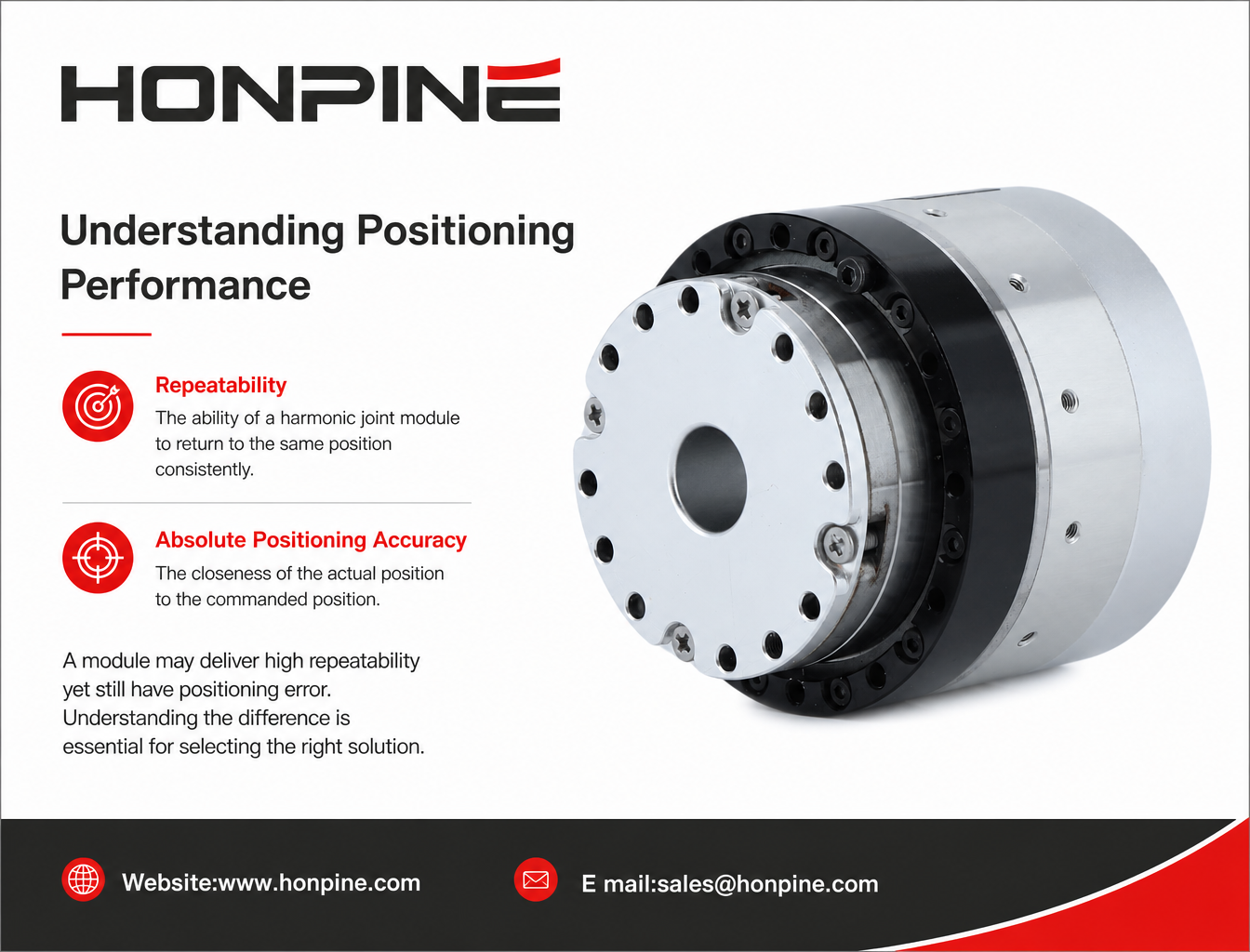
Repeatability refers to the range of deviations observed when a harmonic joint module repeatedly approaches the same target position from the same direction and executes the same positioning command.
It primarily measures the consistency and stability of repeated positioning movements. In simple terms, it determines whether a device can reliably return to the same commanded position over multiple operating cycles.
Repeatability focuses on the variation between repeated positioning results rather than the fixed systematic offset of the entire system.
Even if a module has a constant position offset, its repeatability can still be excellent as long as the offset remains nearly identical during each positioning operation.
Thanks to their backlash-free flexible transmission architecture, harmonic joint modules naturally offer excellent repeatability. Typical industrial models can achieve repeatability ranging from ±2 to ±10 arcsec.
1.2 Absolute Positioning Accuracy: Measuring Actual Positioning Accuracy
Absolute positioning accuracy refers to the actual deviation between the physical output position of a module and its theoretically commanded position throughout its entire operating range.
It measures how accurately the actual mechanical position corresponds to the programmed coordinate.
In simple terms, when a controller commands the module to move to a specific coordinate, absolute positioning accuracy determines how closely the module reaches that actual physical position.
Unlike repeatability, absolute positioning accuracy considers positioning errors across the entire travel range, including fixed systematic errors, periodic transmission errors, and installation or assembly deviations.
Due to factors such as flexspline elastic deformation, assembly eccentricity, and gear tooth profile manufacturing errors, conventional harmonic joint modules equipped with only a motor-side encoder generally exhibit relatively limited absolute positioning accuracy.
Typical industrial specifications range from ±10 to ±60 arcsec, which can differ considerably from their excellent repeatability performance.
2. Error Sources and Compensation Characteristics
2.1 Main Error Sources Affecting Repeatability
Repeatability errors are primarily associated with random variations and uncertainties during equipment operation.
Typical sources include:
Minor fluctuations in transmission friction.
Small encoder signal noise.
Slight environmental vibrations.
Minor hysteresis during motion reversal.
Variations in operating conditions.
These errors are relatively random and do not always follow a consistent pattern. Therefore, they are difficult to eliminate completely through software calibration or algorithmic compensation.
Instead, repeatability can be improved by optimizing mechanical assembly processes, improving operating environments, and maintaining consistent working conditions.
Motion reversal hysteresis is a particular limitation in harmonic transmission systems. It can directly affect bidirectional repeatability.
However, when a module performs positioning movements consistently from a single direction, the influence of reversal-related hysteresis is significantly reduced. As a result, unidirectional repeatability is generally more stable.
2.2 Main Error Sources Affecting Absolute Positioning Accuracy
Absolute positioning errors mainly consist of systematic errors and periodic transmission errors. These errors generally follow identifiable patterns and can therefore be measured and compensated.
Common sources include:
Gear tooth profile manufacturing errors.
Torsional deformation of the flexspline under load.
Shaft misalignment and assembly eccentricity.
Mechanical zero-position calibration errors.
Temperature-related positioning drift.
Position deviations between the motor encoder and the reducer output shaft.
Because these errors are relatively predictable, they can be corrected through several technical approaches, including:
Full-range positioning error calibration.
Feedforward compensation algorithm optimization.
Closed-loop control using an output-side optical encoder or optical scale.
Multi-point error mapping and compensation.
These methods can significantly improve absolute positioning accuracy.
An important limitation of conventional single-encoder harmonic joint modules is that the motor-side encoder only measures the rotational position of the motor shaft.
It cannot directly detect the actual output-side position deviations caused by flexspline deformation and transmission errors.
This is one of the main reasons why conventional single-encoder harmonic joint modules generally have lower absolute positioning accuracy.
Therefore, a dual-encoder configuration with output-side optical encoder feedback is one of the most effective approaches to improving absolute positioning accuracy in harmonic joint modules.
3. Industrial Application Scenarios: How to Select the Right Positioning Accuracy?
There is a clear selection principle when choosing harmonic joint modules for industrial applications:
For applications involving repetitive movements between fixed positions, repeatability should be the primary consideration.
For applications requiring accurate positioning at arbitrary coordinates throughout the operating range, absolute positioning accuracy must be carefully evaluated.
By matching positioning performance to actual operating requirements, engineers can avoid product defects caused by insufficient accuracy while preventing unnecessary costs associated with excessive performance.
3.1 Applications That Prioritize High Repeatability
These applications are generally characterized by teach-and-repeat programming, fixed working positions, and frequent repetitive movements.
The equipment only needs to ensure that it consistently reaches the same position during each operating cycle.
Any fixed systematic positioning offset can usually be compensated for during initial teaching and calibration. Therefore, extremely high absolute coordinate accuracy is not always necessary.
For many of these applications, conventional single-encoder harmonic joint modules can meet the positioning requirements.
Typical applications include:
3C electronics and automation equipment:
Fixed-position dispensing.
Automatic screw fastening.
Electronic component assembly.
Automated material loading and unloading.
General industrial robotics and automation:
Collaborative robot joints.
Humanoid robot joints.
Production line transfer mechanisms.
Small-scale grinding and polishing equipment.
Conventional indexing rotary tables.
These applications share several characteristics: motion trajectories are generally fixed, repetitive operating cycles are frequent, and the equipment does not need to respond continuously to arbitrary positioning commands.
In such cases, operational consistency and repeatability are often more important than absolute coordinate accuracy.
3.2 Applications That Prioritize High Absolute Positioning Accuracy
These applications typically rely on offline programming, machine vision, or random-coordinate positioning technologies.
They require the equipment to achieve accurate positioning at arbitrary points throughout its entire operating range, with the actual mechanical coordinates closely matching the programmed coordinates.
Because the commanded positions are not fixed, systematic positioning errors cannot simply be eliminated through initial teach-and-repeat calibration.
Therefore, these applications have more demanding absolute positioning accuracy requirements.
A dual-encoder closed-loop system combined with full-range positioning error calibration and compensation is generally recommended.
Typical applications include:
Semiconductor manufacturing and inspection equipment:
Wafer handling modules.
Semiconductor probe stations.
Lithography machine stages.
Precision machining and optical equipment:
High-end laser processing equipment.
Five-axis CNC rotary tables.
Precision optical inspection instruments.
Medical and advanced robotics:
Surgical robots.
CT scanners and medical imaging rotary gantries.
Optoelectronic and observation systems:
Electro-optical pods.
Radar observation rotary platforms.
Vision-guided intelligent assembly equipment.
These applications generally do not rely on fixed motion trajectories. Instead, they must respond to dynamically generated positioning commands.
The accuracy of coordinate matching directly affects machining precision, inspection reliability, surgical operation safety, and the positioning accuracy of observation equipment.
3.3 Applications Requiring Both High Repeatability and High Absolute Positioning Accuracy
Some high-end precision equipment requires exceptional performance in both positioning consistency and absolute positioning accuracy.
These applications represent important markets for high-performance harmonic joint modules.
Typical examples include:
Advanced semiconductor inspection equipment.
Precision metrology instruments.
Aerospace attitude adjustment systems.
Minimally invasive surgical robots.
Meeting these demanding positioning requirements cannot rely on a single optimization method.
Instead, multiple technologies need to work together, including:
High-precision mechanical manufacturing and precision assembly.
Full-range multi-point positioning error calibration.
Real-time compensation for operating temperature drift.
Dual-loop closed-loop positioning control.
By combining these approaches, engineers can improve both repeatability and absolute positioning accuracy, ensuring stable and accurate motion performance under demanding operating conditions.
4. Conclusion: Repeatability and Absolute Accuracy Must Both Be Considered During Selection
Repeatability and absolute positioning accuracy describe two different aspects of harmonic joint module performance.
Repeatability determines how consistently a module returns to the same position, while absolute positioning accuracy determines how closely its actual position matches the commanded coordinate.
For fixed-point repetitive operations, high repeatability may be sufficient. For applications involving arbitrary coordinate positioning, visual guidance, or offline programming, absolute positioning accuracy becomes particularly important.
For advanced precision equipment requiring both capabilities, engineers should consider dual-encoder feedback, full-range error calibration, temperature compensation, and high-precision mechanical assembly.
Understanding these differences helps engineers select harmonic joint modules more accurately and match actuator performance to actual application requirements.
Read More
Learn more about the story of HONPINE and industry trends related to precision transmission.
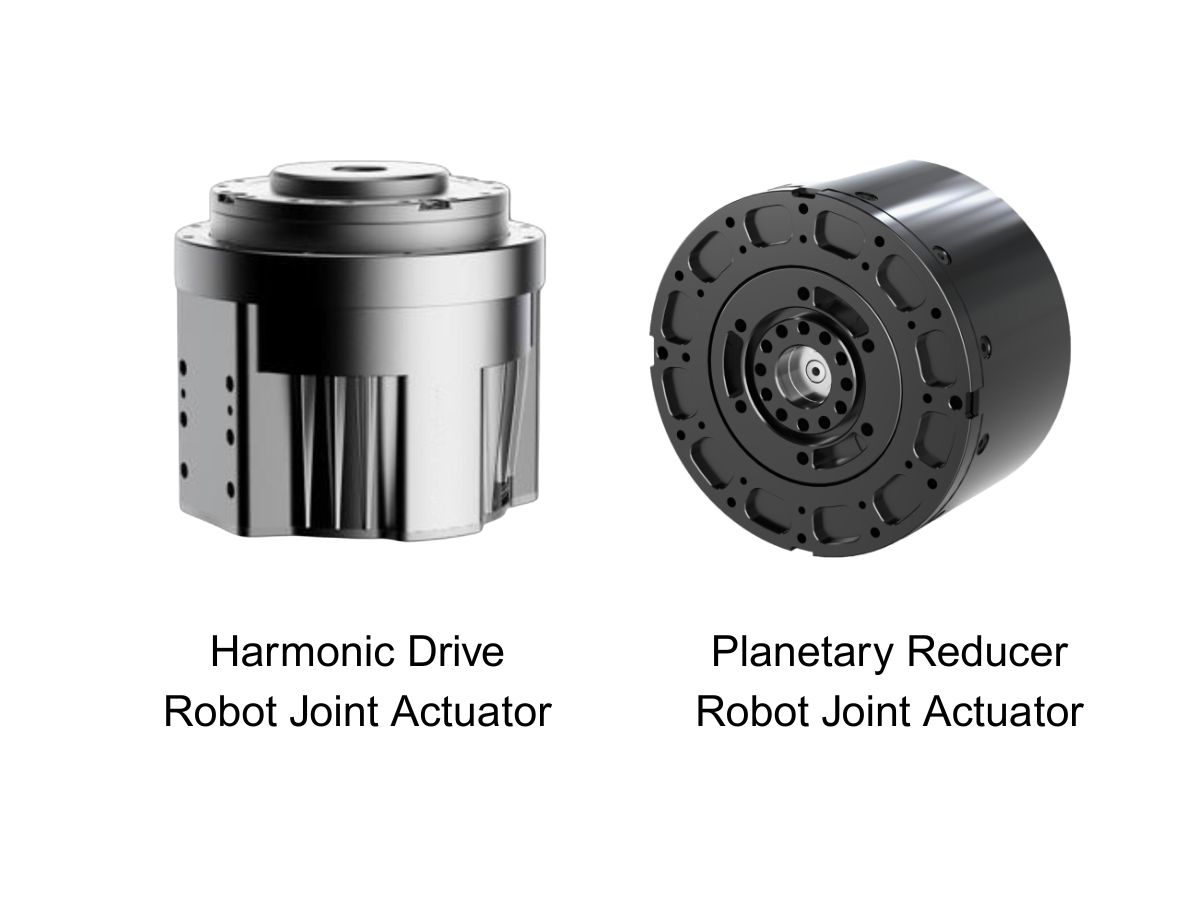
 What is robot joint actuator?How to Choose the Best Robot Rotary Joint Actuator?In core robot joint transmission solutions, planetary and harmonic rotary actuators each have their own strengths. Choosing the right type based on application requirements is essential to achieve the optimal balance between performance and cost.
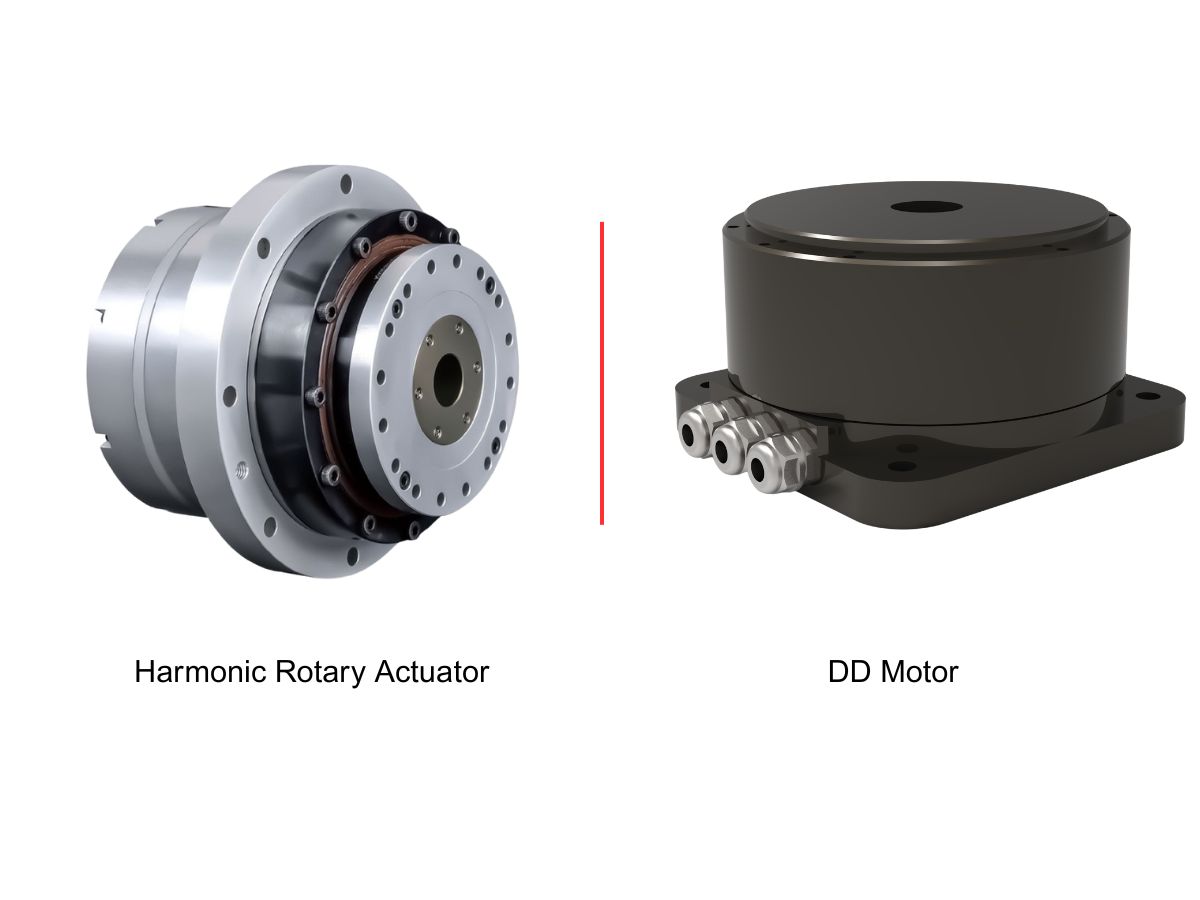
 DD Motors VS Harmonic Rotary ActuatorsThis article provides an in-depth comparison between Direct Drive (DD) motors and harmonic rotary actuators, covering their transmission principles, advantages and disadvantages, and typical application fields.
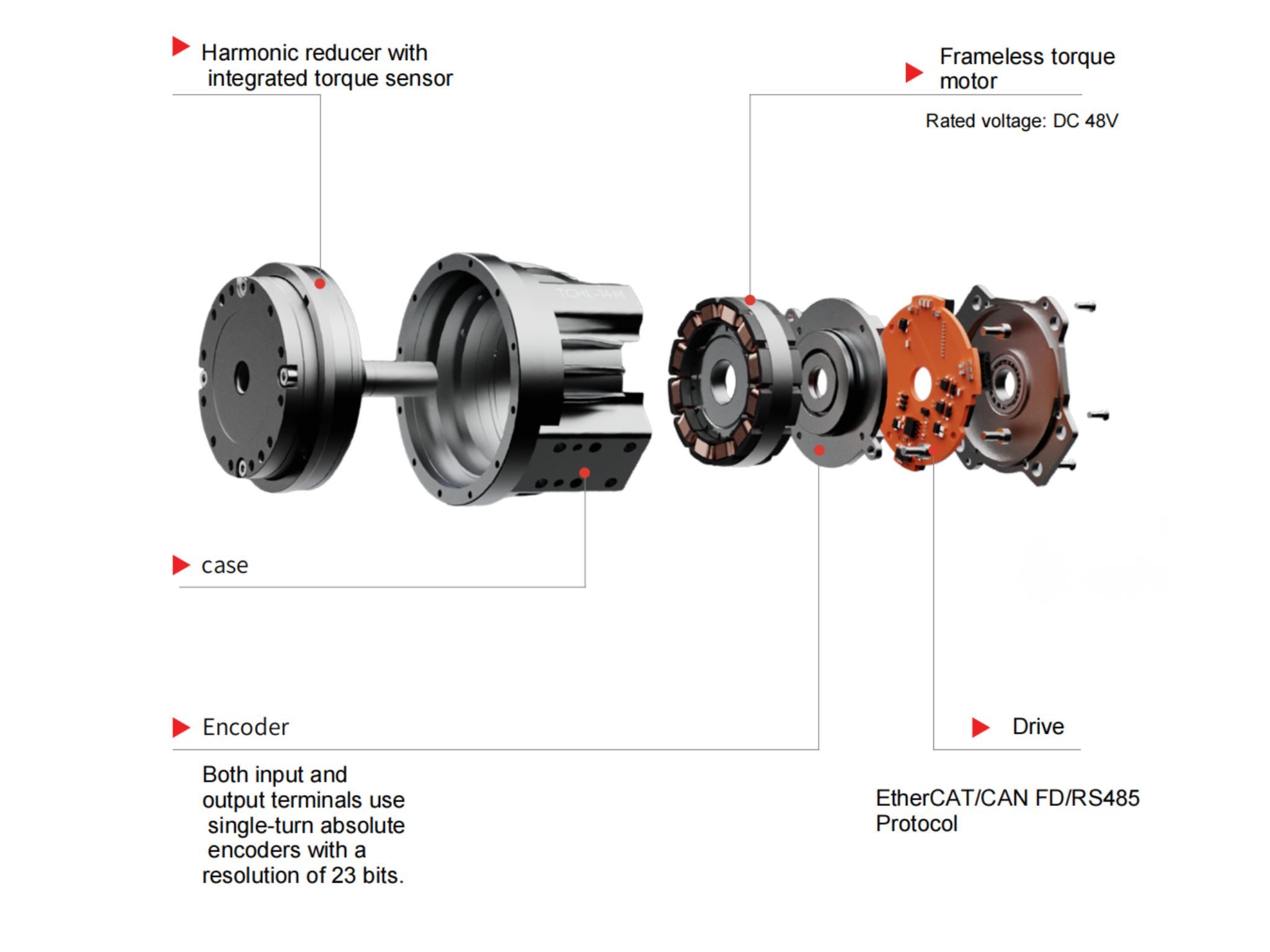
 OMG Ultra Compact Harmonic Drive Joint Module with Built-in Torque SensorHONPINE TCHL series harmonic drive joint module is a game-changing product that achieves disruptive improvements in multiple aspects such as lightweight design, integration level, and connection convenience. This article will analyze its revolutionary enhancements with you.
 The Role of Harmonic Drive Gears in Achieving 5–10 μm Accuracy in Dental Milling MachinesA dental milling machine is a CNC machining system used to directly process digital dental models into restorations such as crowns, bridges, veneers, inlays, and implant abutments. Dental milling machines require far higher operational accuracy and motion stability than ordinary equipment. This article explains how harmonic drive gear help dental milling machines achieve stable, continuous, and controllable operation.
 Why Are Harmonic Rotary Actuators Perfect for Medical Equipment?Harmonic rotary actuators (typically integrated systems consisting of a harmonic drive reducer, frameless torque motor, encoder, and optional brake) are regarded as key components in medical equipment. The core reason is that they simultaneously meet the most stringent medical requirements for precision, compact size, safety, and controllability. The following explanation is structured from three perspectives: technical characteristics, application scenarios, and medical value.
 High-Precision RV Reducers Perfectly Matched for Walking RobotsThe walking axis of a robot is a core component for power transmission and support. RV reducers provide extremely high rigidity, precision, and torque while maintaining a compact size and exceptional reliability, making them an ideal match for the demanding requirements of walking robot joints in terms of load capacity, impact resistance, and precision.
 Repeatability vs. Absolute Positioning Accuracy in Harmonic Joint Modules: Differences and Industrial ApplicationsWhen evaluating the positioning performance of a harmonic joint module, repeatability and absolute positioning accuracy are two important but often misunderstood specifications. A module may repeatedly reach the same position with high consistency while still having a noticeable deviation from the commanded position. Understanding this distinction is essential when selecting motion components for robotics, semiconductor equipment, precision machining, and medical devices. This article explains how the two specifications differ, what factors affect them, and which positioning performance should take priority in different industrial applications.
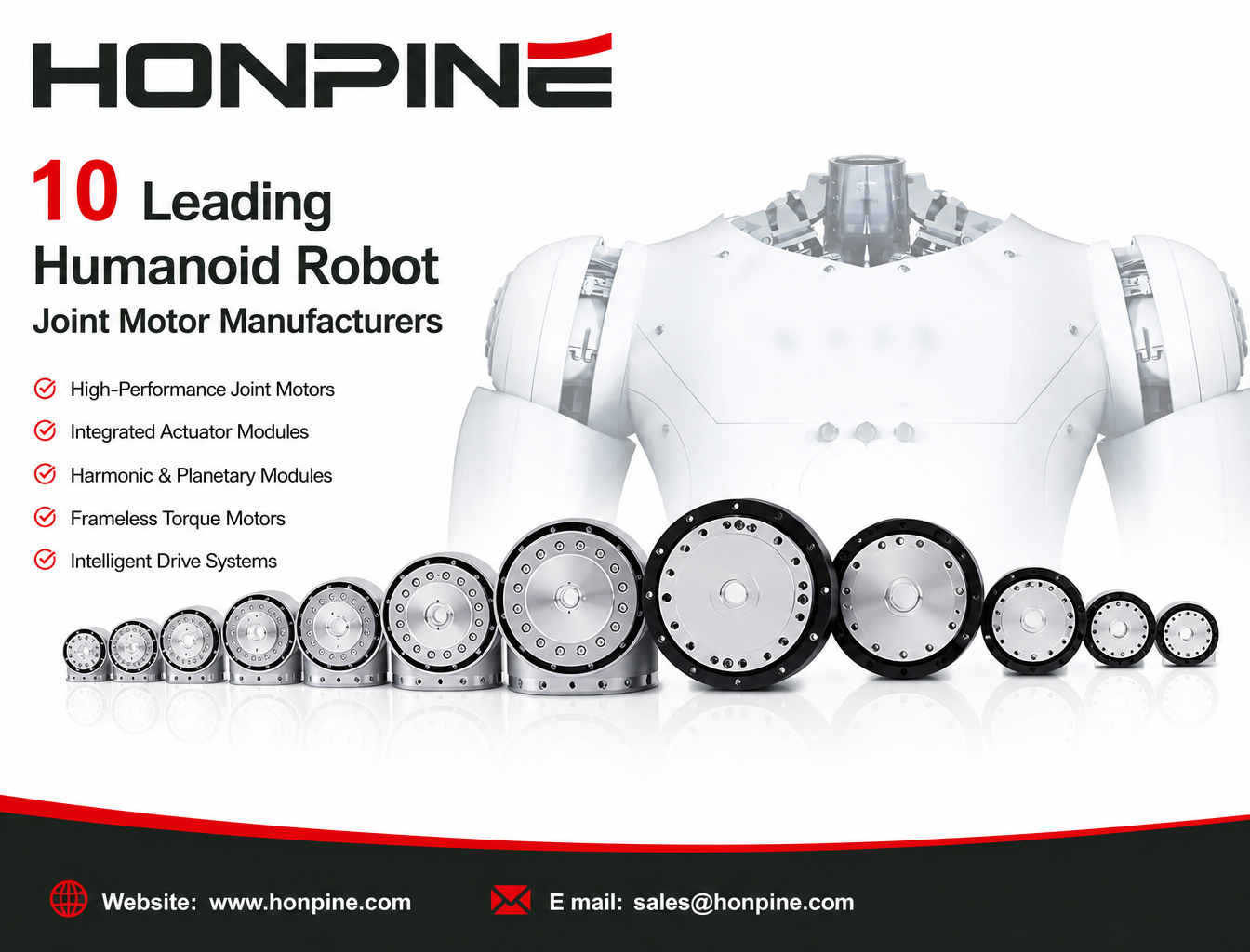
 Top 10 Humanoid Robot Joint Motor ManufacturersThe rapid development of humanoid robotics is driving demand for high-performance joint motors and integrated actuator modules. From harmonic and planetary joint modules to frameless torque motors and intelligent drive systems, manufacturers are developing different solutions to meet the requirements of humanoid robot joints. But which supplier should you choose? In this article, we introduce 10 humanoid robot joint motor manufacturers from China and Japan, comparing their product portfolios, technical features, torque capabilities, and application areas to help robotics developers and manufacturers make more informed sourcing decisions.
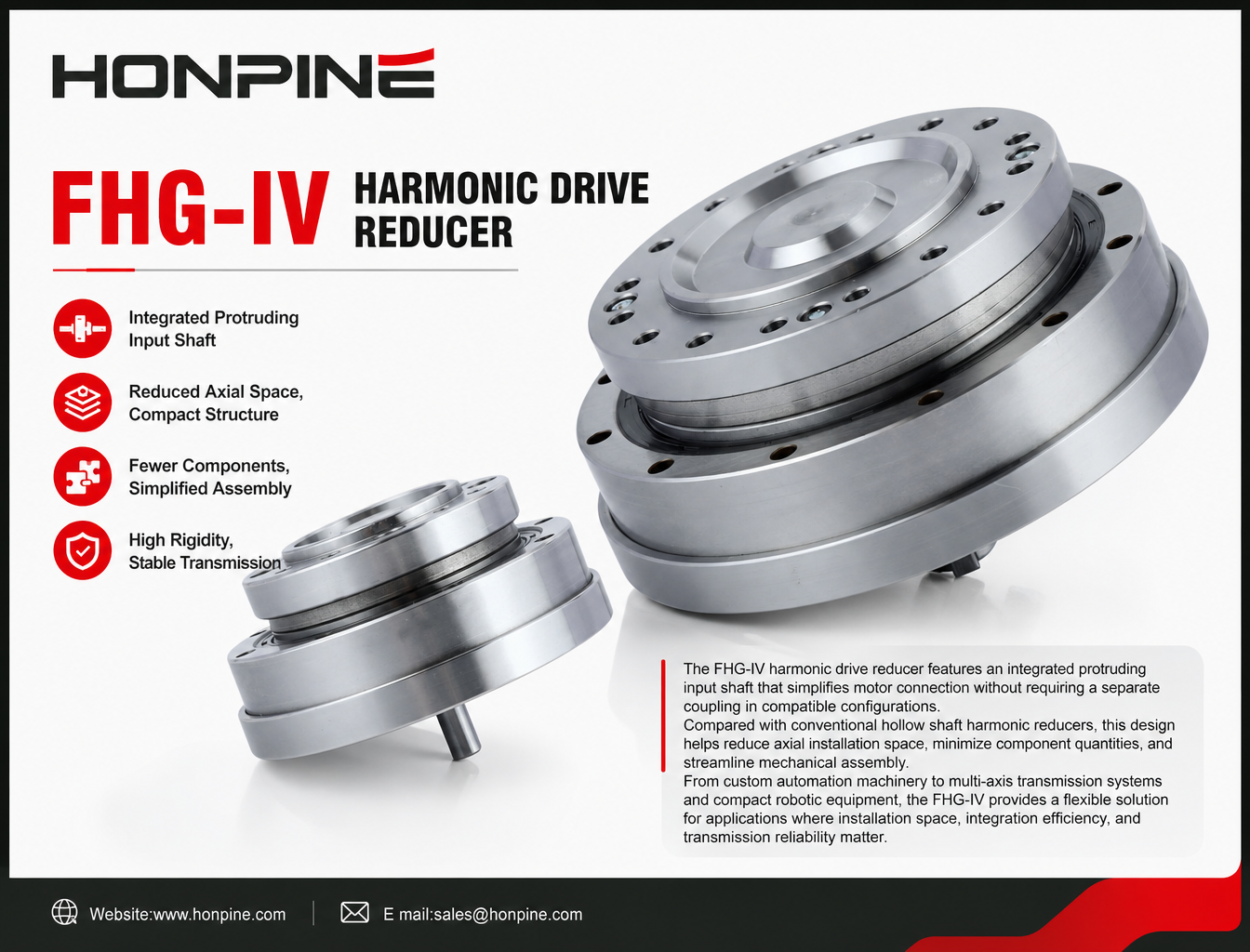
 FHG-IV Harmonic Drive Reducer: Eliminate the Coupling for a More Compact DesignThe FHG-IV harmonic drive reducer features an integrated protruding input shaft that simplifies motor connection without requiring a separate coupling in compatible configurations. Compared with conventional hollow shaft harmonic reducers, this design helps reduce axial installation space, minimize component quantities, and streamline mechanical assembly. From custom automation machinery to multi-axis transmission systems and compact robotic equipment, the FHG-IV provides a flexible solution for applications where installation space, integration efficiency, and transmission reliability matter.
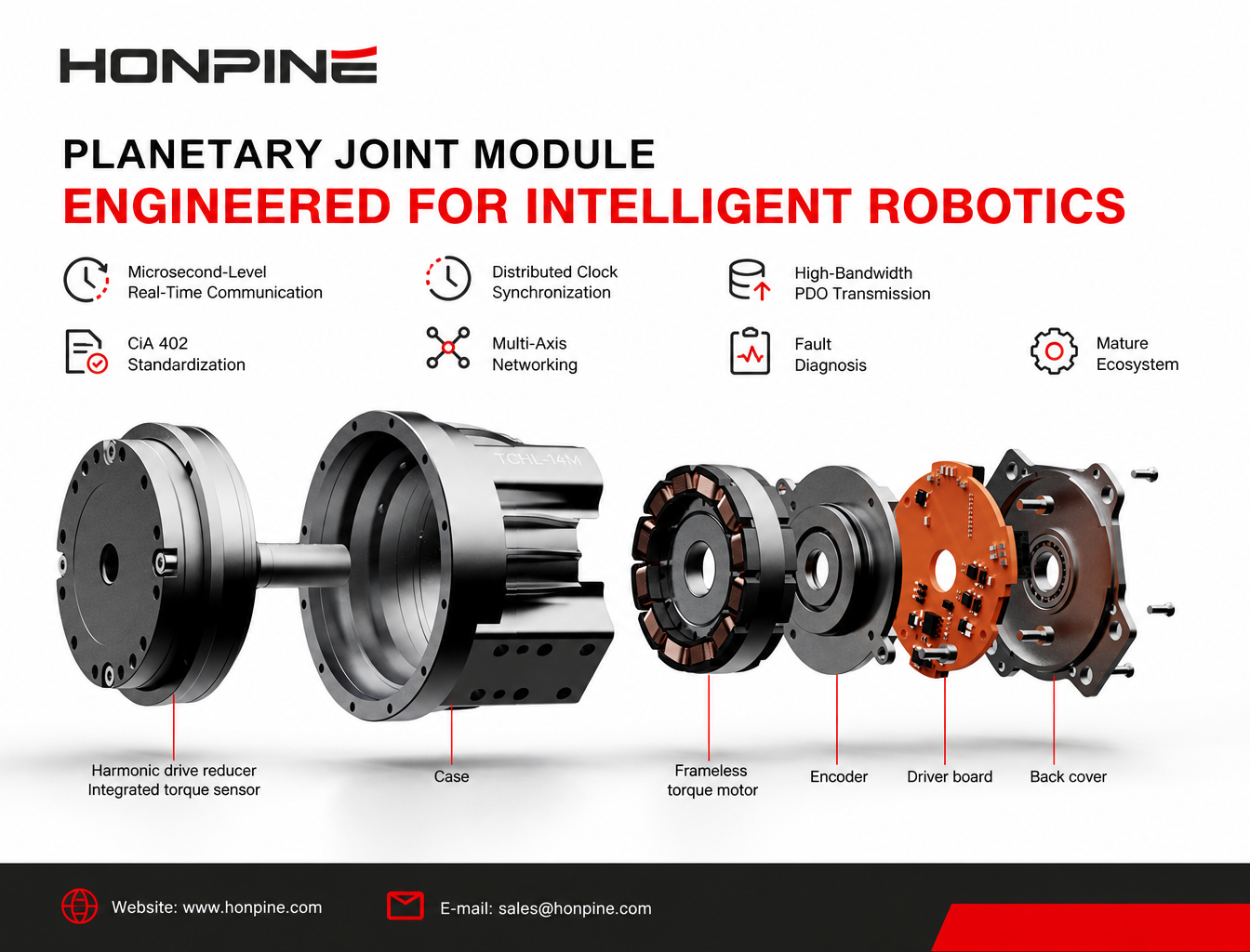
 Why Is EtherCAT Becoming the Mainstream Communication Bus for Robotic Joint Modules?Why is EtherCAT becoming the mainstream communication solution for intelligent robotic joint modules? This article explores seven key advantages, including microsecond-level real-time communication, Distributed Clock synchronization, CiA 402 standardization, high-bandwidth PDO transmission, multi-axis networking, fault diagnosis, and a mature development ecosystem. Learn how EtherCAT supports the advanced control requirements of humanoid robots, collaborative robots, and high-precision automation equipment.
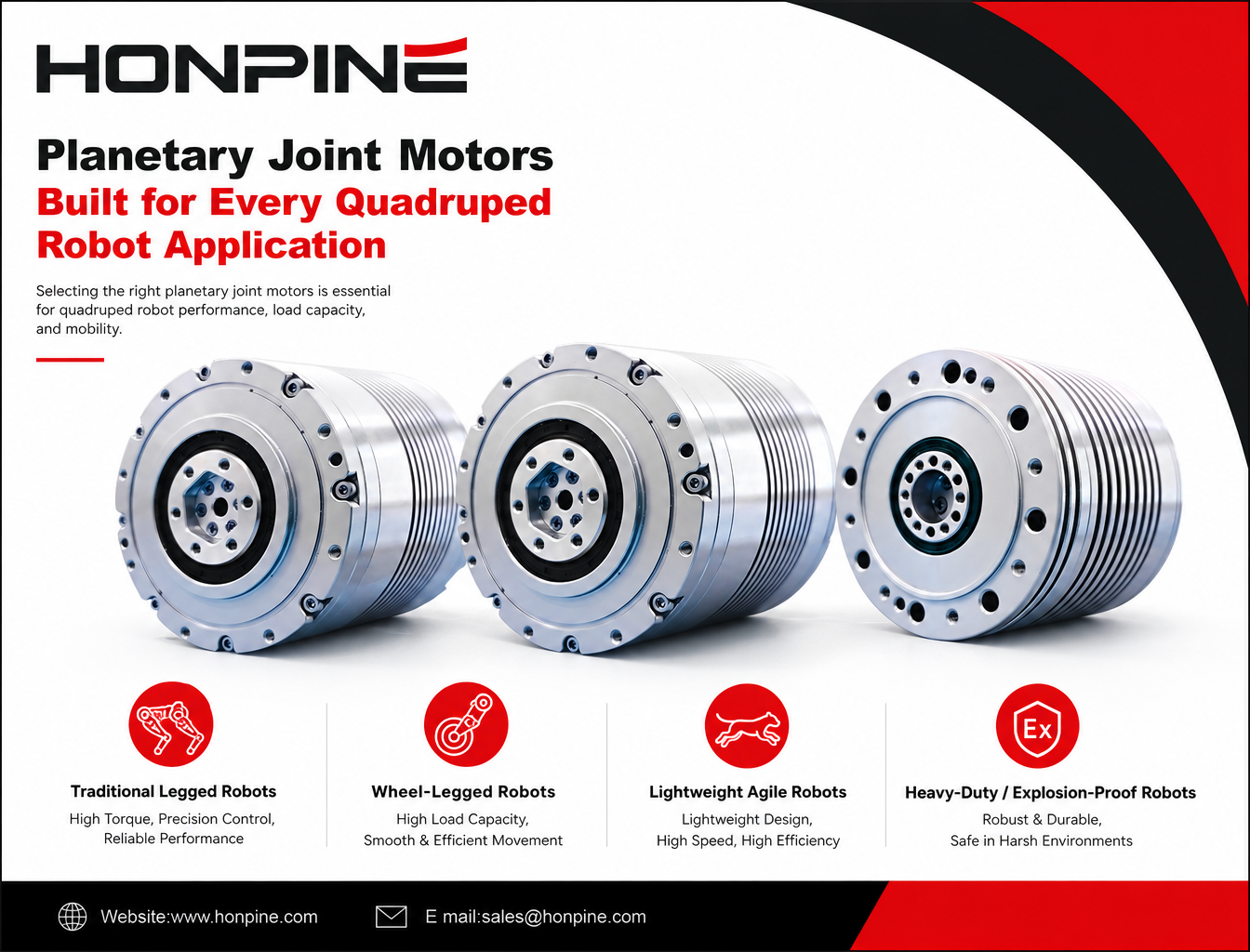
 How to Select Planetary Joint Motors for Quadruped Robots?Selecting the right planetary joint motors is essential for quadruped robot performance, load capacity, and mobility. This guide explores motor selection for traditional legged robots, wheel-legged robots, lightweight agile robots, and heavy-duty or explosion-proof quadruped robots. Learn how to match HONPINE JRM planetary joint modules to different joint positions based on rated torque, peak torque, rotational speed, voltage, and weight requirements.
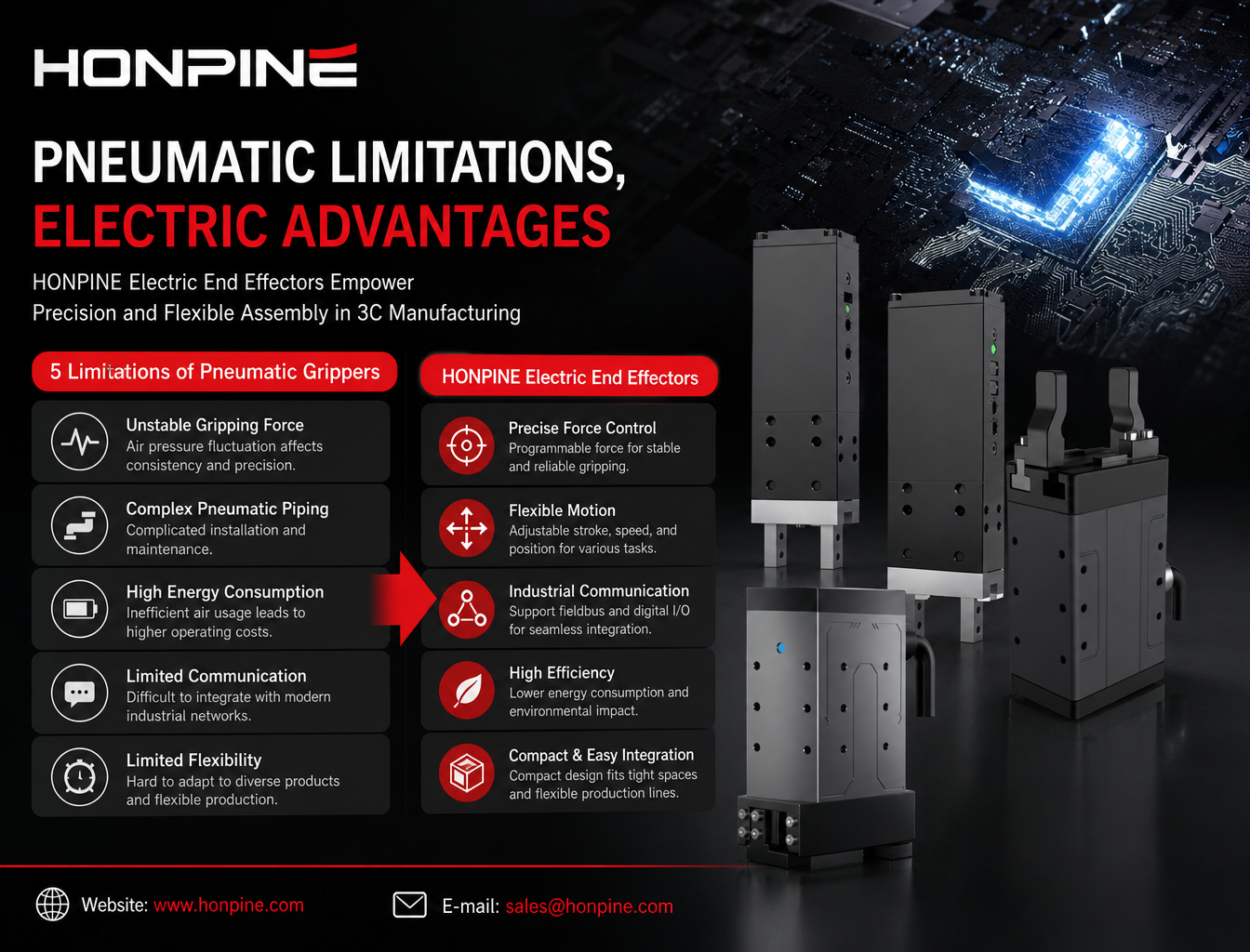
 Why Are End Effectors in 3C Automation Shifting from Pneumatic Grippers to Electric Grippers?As 3C manufacturing evolves toward thinner components, higher assembly precision, and more flexible production lines, traditional pneumatic grippers are facing increasing limitations. Fluctuating gripping force, complex pneumatic piping, high energy consumption, and limited communication capabilities make them less suitable for modern precision assembly. Electric grippers offer programmable force control, flexible motion, and industrial communication capabilities, making them an increasingly attractive alternative. In this article, we explore five major limitations of pneumatic grippers and explain how HONPINE electric end effectors support precision assembly, flexible automation, and digital manufacturing in the 3C industry.
Double Click
We provide harmonic drive reducer,planetary reducer,robot joint motor,robot rotary actuators,RV gear reducer,robot end effector,dexterous robot hand
 What is robot joint actuator?How to Choose the Best Robot Rotary Joint Actuator?In core robot joint transmission solutions, planetary and harmonic rotary actuators each have their own strengths. Choosing the right type based on application requirements is essential to achieve the optimal balance between performance and cost.
 DD Motors VS Harmonic Rotary ActuatorsThis article provides an in-depth comparison between Direct Drive (DD) motors and harmonic rotary actuators, covering their transmission principles, advantages and disadvantages, and typical application fields.
 OMG Ultra Compact Harmonic Drive Joint Module with Built-in Torque SensorHONPINE TCHL series harmonic drive joint module is a game-changing product that achieves disruptive improvements in multiple aspects such as lightweight design, integration level, and connection convenience. This article will analyze its revolutionary enhancements with you.
 Repeatability vs. Absolute Positioning Accuracy in Harmonic Joint Modules: Differences and Industrial ApplicationsWhen evaluating the positioning performance of a harmonic joint module, repeatability and absolute positioning accuracy are two important but often misunderstood specifications. A module may repeatedly reach the same position with high consistency while still having a noticeable deviation from the commanded position. Understanding this distinction is essential when selecting motion components for robotics, semiconductor equipment, precision machining, and medical devices. This article explains how the two specifications differ, what factors affect them, and which positioning performance should take priority in different industrial applications.
 Top 10 Humanoid Robot Joint Motor ManufacturersThe rapid development of humanoid robotics is driving demand for high-performance joint motors and integrated actuator modules. From harmonic and planetary joint modules to frameless torque motors and intelligent drive systems, manufacturers are developing different solutions to meet the requirements of humanoid robot joints. But which supplier should you choose? In this article, we introduce 10 humanoid robot joint motor manufacturers from China and Japan, comparing their product portfolios, technical features, torque capabilities, and application areas to help robotics developers and manufacturers make more informed sourcing decisions.
 FHG-IV Harmonic Drive Reducer: Eliminate the Coupling for a More Compact DesignThe FHG-IV harmonic drive reducer features an integrated protruding input shaft that simplifies motor connection without requiring a separate coupling in compatible configurations. Compared with conventional hollow shaft harmonic reducers, this design helps reduce axial installation space, minimize component quantities, and streamline mechanical assembly. From custom automation machinery to multi-axis transmission systems and compact robotic equipment, the FHG-IV provides a flexible solution for applications where installation space, integration efficiency, and transmission reliability matter.
 Why Is EtherCAT Becoming the Mainstream Communication Bus for Robotic Joint Modules?Why is EtherCAT becoming the mainstream communication solution for intelligent robotic joint modules? This article explores seven key advantages, including microsecond-level real-time communication, Distributed Clock synchronization, CiA 402 standardization, high-bandwidth PDO transmission, multi-axis networking, fault diagnosis, and a mature development ecosystem. Learn how EtherCAT supports the advanced control requirements of humanoid robots, collaborative robots, and high-precision automation equipment.
 How to Select Planetary Joint Motors for Quadruped Robots?Selecting the right planetary joint motors is essential for quadruped robot performance, load capacity, and mobility. This guide explores motor selection for traditional legged robots, wheel-legged robots, lightweight agile robots, and heavy-duty or explosion-proof quadruped robots. Learn how to match HONPINE JRM planetary joint modules to different joint positions based on rated torque, peak torque, rotational speed, voltage, and weight requirements.
 Why Are End Effectors in 3C Automation Shifting from Pneumatic Grippers to Electric Grippers?As 3C manufacturing evolves toward thinner components, higher assembly precision, and more flexible production lines, traditional pneumatic grippers are facing increasing limitations. Fluctuating gripping force, complex pneumatic piping, high energy consumption, and limited communication capabilities make them less suitable for modern precision assembly. Electric grippers offer programmable force control, flexible motion, and industrial communication capabilities, making them an increasingly attractive alternative. In this article, we explore five major limitations of pneumatic grippers and explain how HONPINE electric end effectors support precision assembly, flexible automation, and digital manufacturing in the 3C industry.
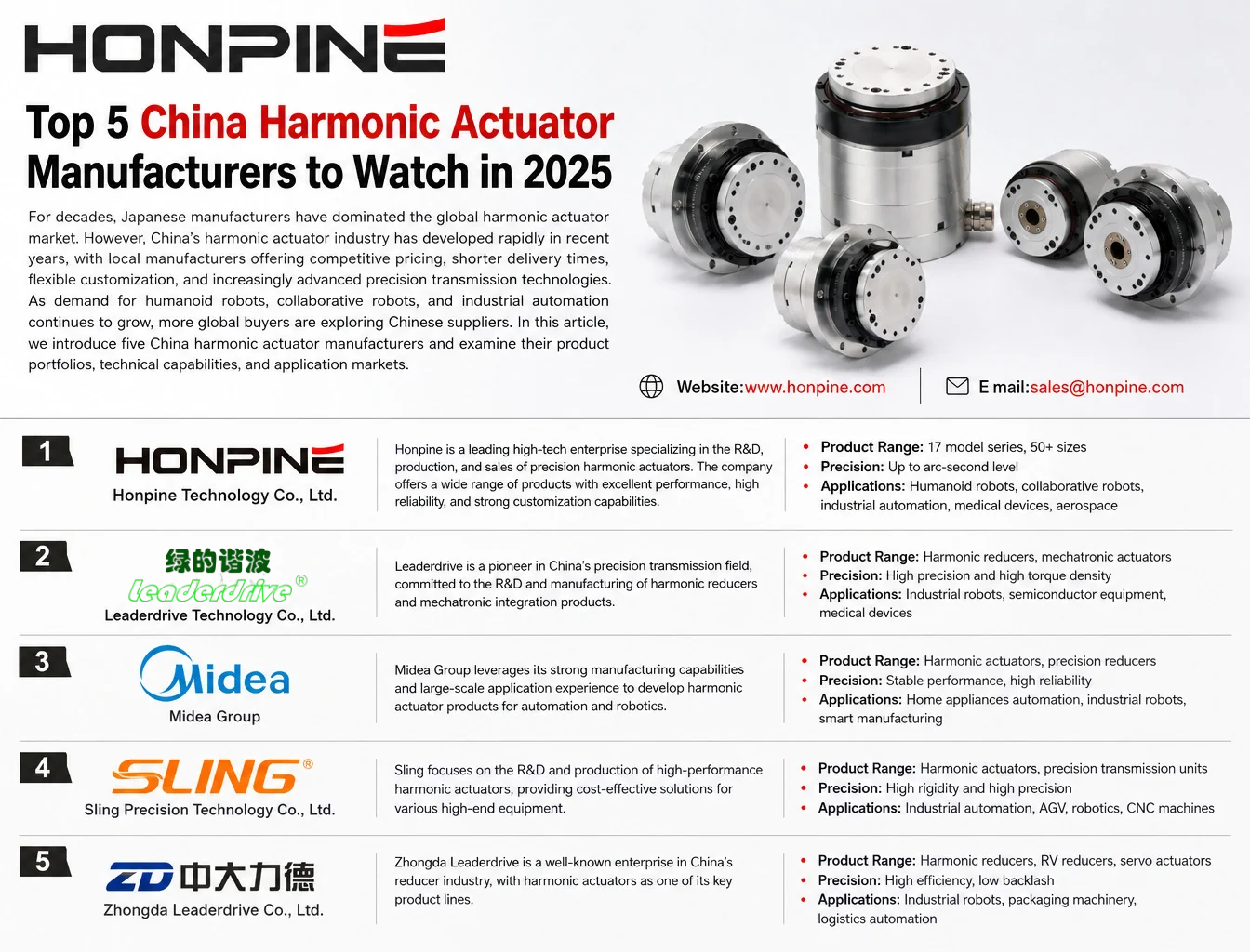
 Top 5 China Harmonic Actuator Manufacturers in 2026For decades, Japanese manufacturers have been well known in the global harmonic actuator market. However, China's harmonic actuator industry has developed rapidly in recent years, with local manufacturers offering competitive pricing, shorter delivery times, and increasingly advanced precision transmission technologies. As demand for humanoid robots, collaborative robots, and industrial automation continues to grow, more global buyers are exploring Chinese suppliers. In this article, we introduce five China harmonic actuator manufacturers and examine their products, technical capabilities, and application markets.
 Robot Joint Module Selection Guide: How to Choose the Right Joint Module Based on Load, Precision, Force Control, and Motion RequirementsRobot Joint Module Selection Guide covering torque, speed, reducers, encoders, torque sensors, drive systems, and thermal management for collaborative and humanoid robots.
 How to Choose a High-Precision Rotary Actuator for Industrial Applications?Choosing the right precision rotary actuator requires more than checking rated torque. This guide explains how to calculate load torque, select the appropriate gear ratio, and evaluate structural configurations, mounting flanges, electromagnetic brakes, encoder resolution, and cable exit directions. Discover how HONPINE HAS, HAT, HAM, and HPG rotary actuator series meet different industrial motion control and precision positioning requirements.