


Current tag:torque motor
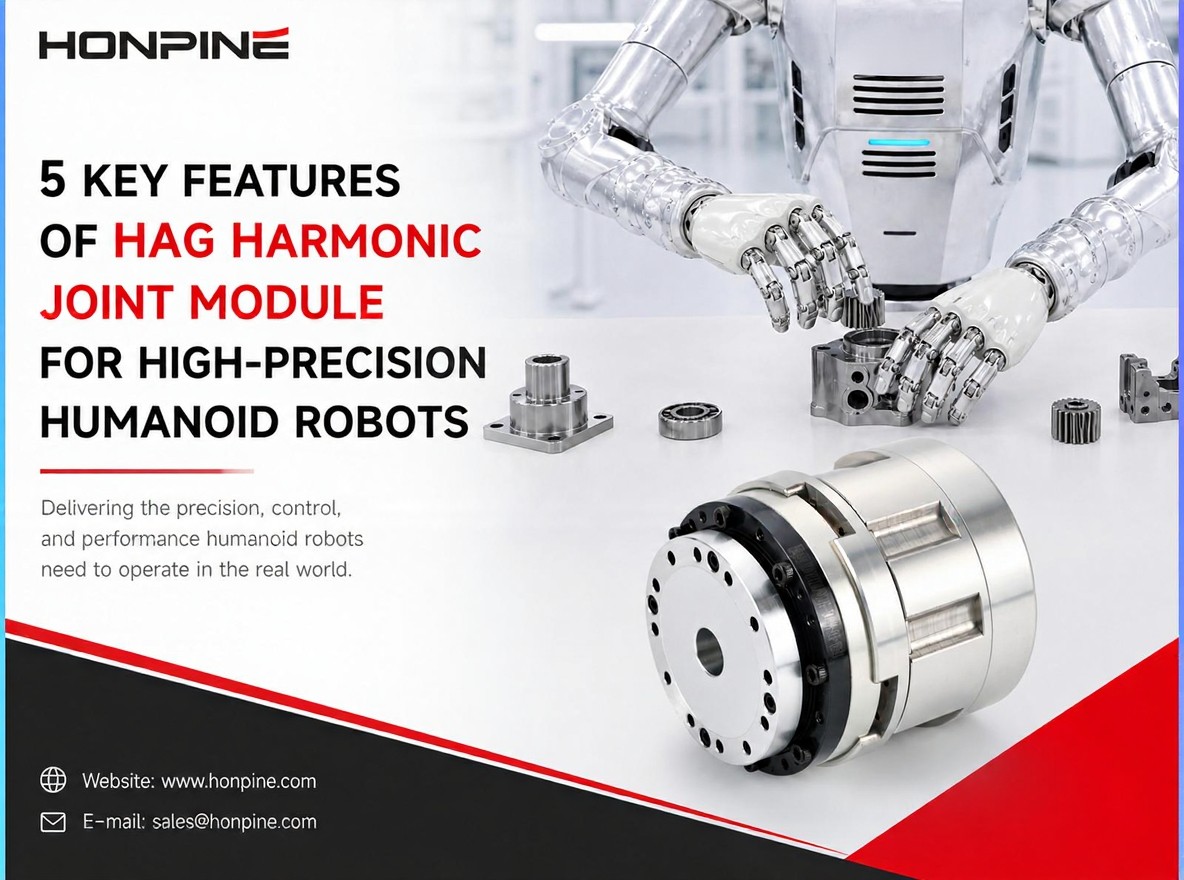
 What Kind of Robot Joint Module Should You Choose for High-Precision Humanoid Robot Control?As humanoid robots move beyond basic walking and demonstration tasks toward complex real-world applications, their joint modules must deliver more than just high torque. Precise positioning, accurate torque control, structural stiffness, and dynamic response all play important roles in performing delicate operations. So, what kind of joint module should you choose for a humanoid robot designed to handle high-precision tasks? In this article, Theodore Li, Technical Director at HONPINE, introduces the HAG Harmonic Joint Module and explains five key features that make it suitable for demanding humanoid robot applications.
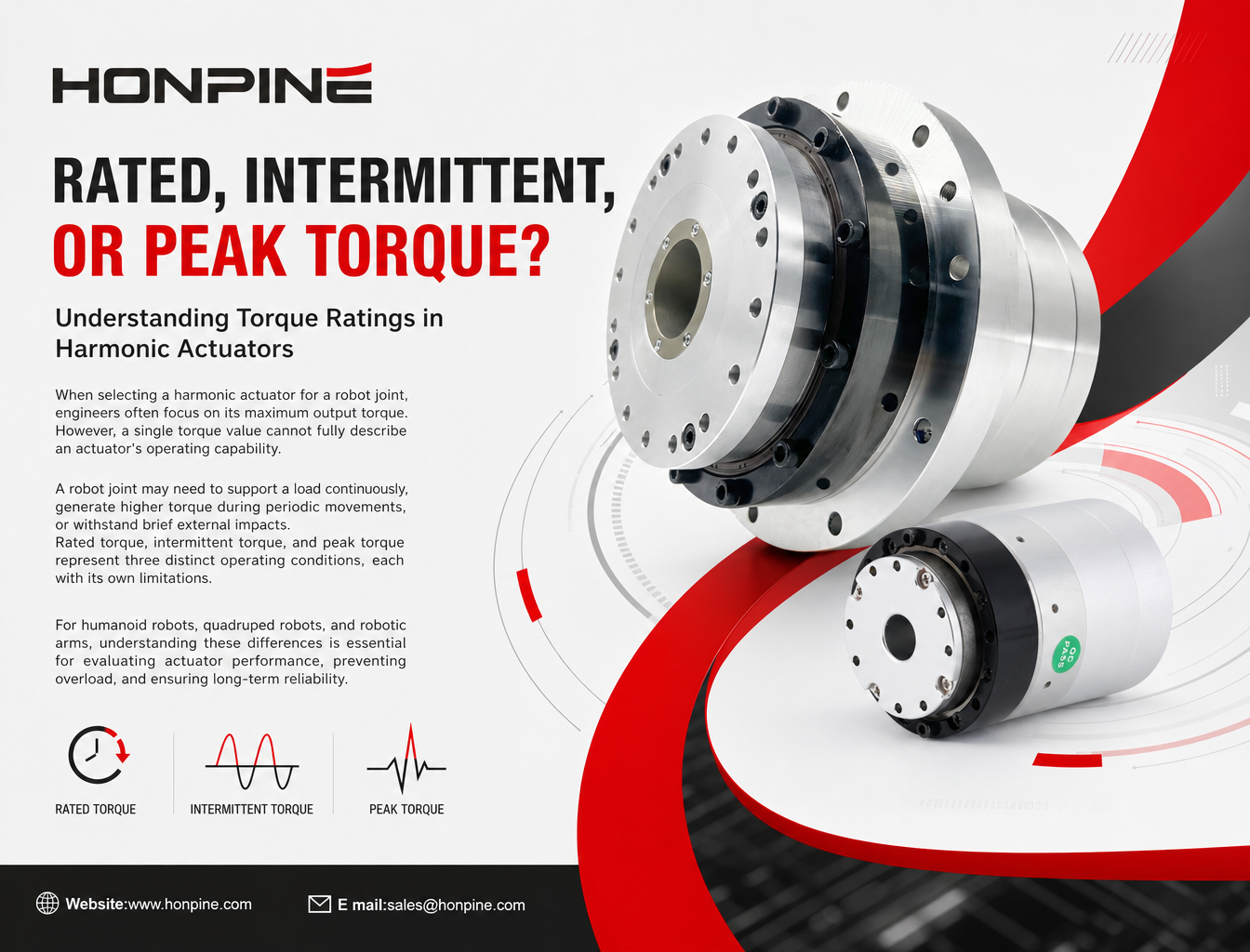
 What Are Rated, Intermittent, and Peak Torque in a Harmonic Actuator?When selecting a harmonic actuator for a robot joint, engineers often focus on its maximum output torque. However, a single torque value cannot fully describe an actuator's operating capability. A robot joint may need to support a load continuously, generate higher torque during periodic movements, or withstand brief external impacts. Rated torque, intermittent torque, and peak torque represent three distinct operating conditions, each with its own limitations. For humanoid robots, quadruped robots, and robotic arms, understanding these differences is essential for evaluating actuator performance, preventing overload, and ensuring long-term reliability.
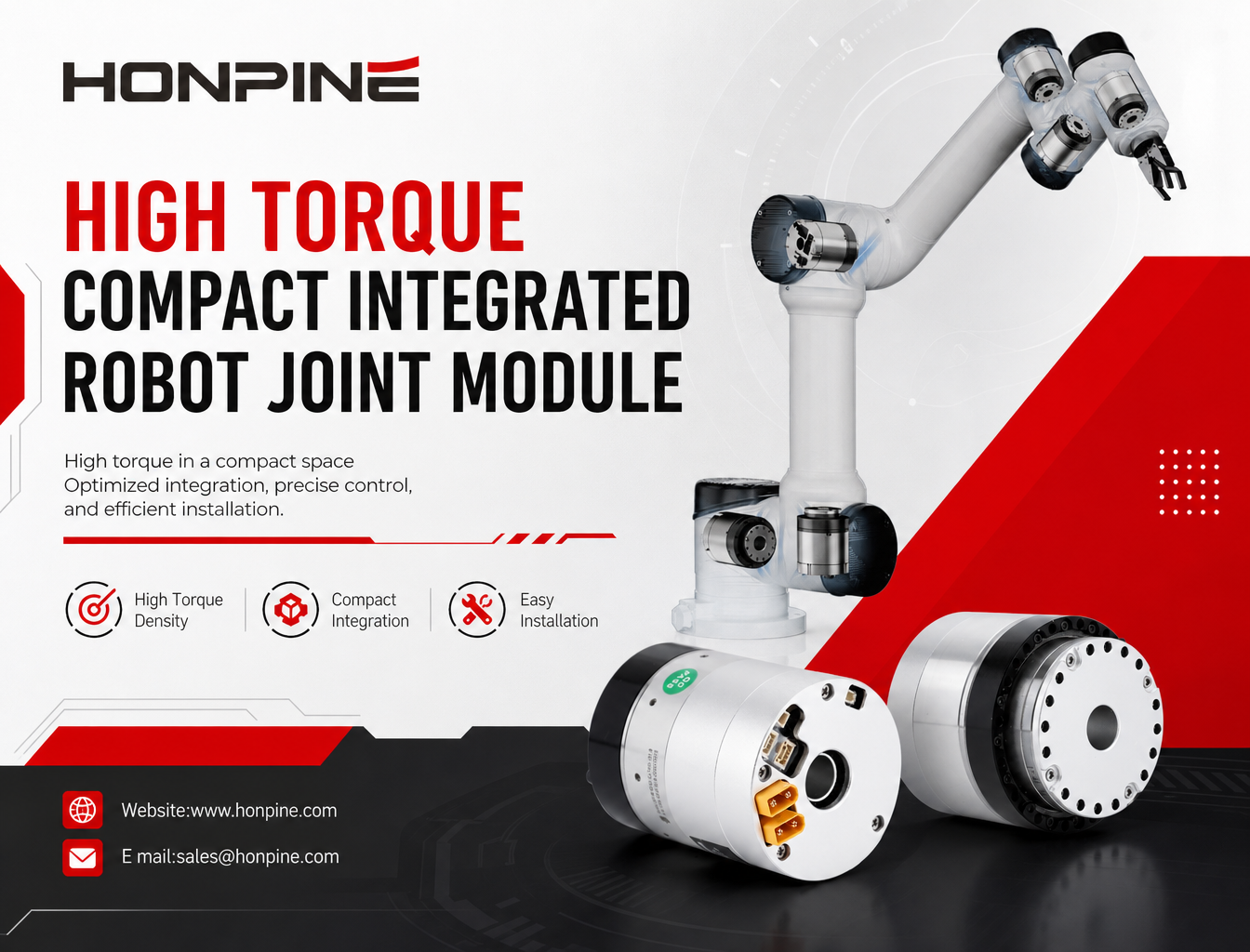
- How Does the HONPINE HPJM Integrated Robot Joint Module Deliver High Torque in a Compact Space?Learn how to optimize installation space while achieving high torque density in robotic joints. This article explores how the HONPINE HPJM integrated robot joint module uses integrated components, hollow-shaft cable routing, compact electrical connectors, and optimized mechanical mounting structures to reduce unnecessary space in humanoid robots and robotic arms.
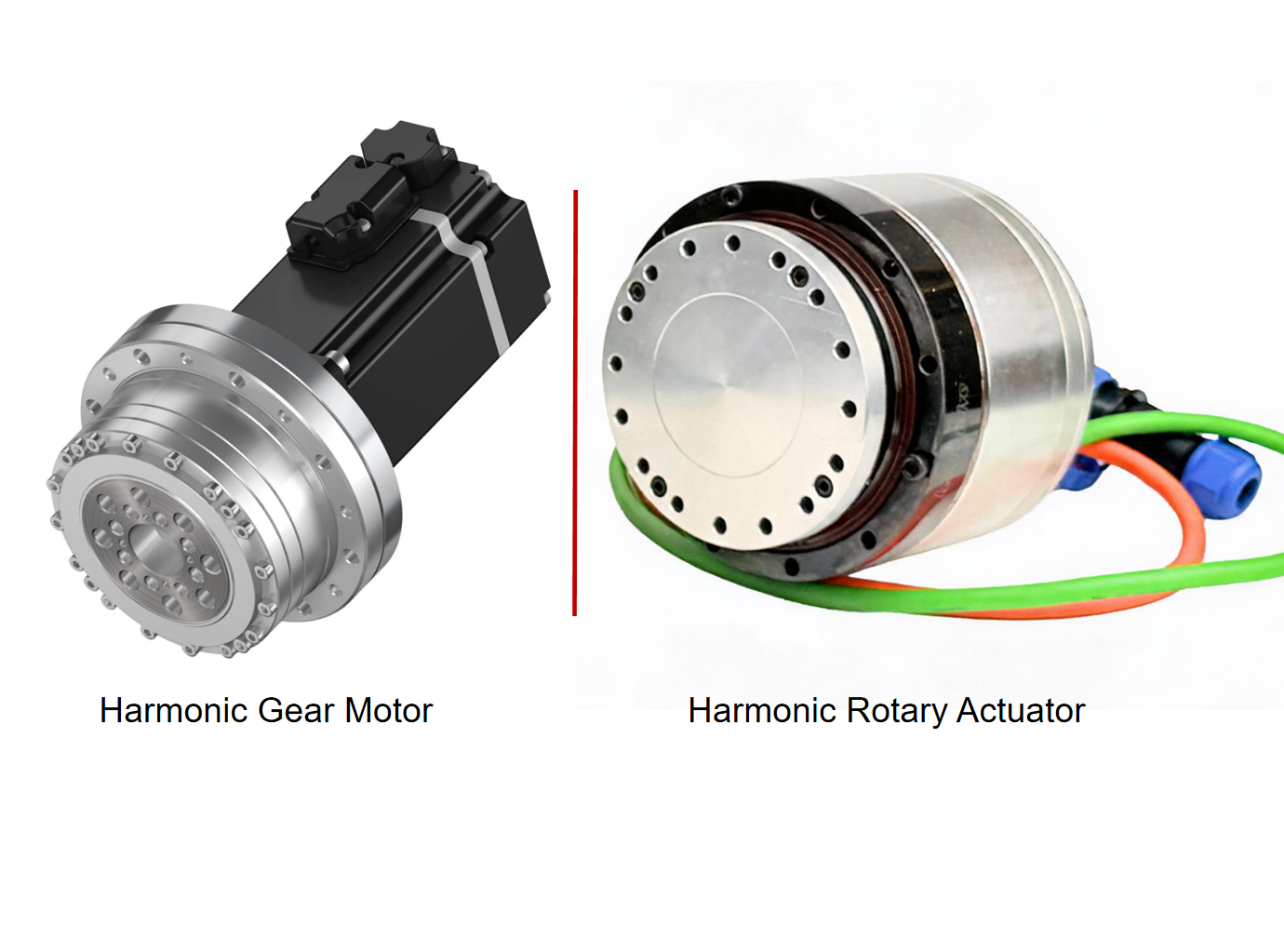
 Harmonic Gear Motor vs. Harmonic Actuator: What Are the Differences?This article explains the differences between harmonic gear motors and harmonic actuators from the perspectives of product design, system integration, feedback and control functions, installation, and application requirements. Since manufacturers may use these product names differently, it also explores how to evaluate their actual configurations and select the right precision motion solution for robotics and industrial automation.

{item.title}
{item.description}