





How to Choose a Harmonic Joint Actuator: A Complete Guide to Robot Joint Actuator Technology, Selection, and Future Trends
As humanoid robots, collaborative robots, exoskeletons, and intelligent automation systems continue to evolve, the robot joint actuator has become one of the most important components in modern robotics. It determines not only how a robot moves, but also its precision, load capacity, reliability, and overall performance.
Many robotics companies initially focus on AI algorithms, perception systems, and motion planning. However, during prototype development, engineers quickly discover that the performance of the robot joint actuator has a far greater impact on the final product than almost any other mechanical component.
So how do you choose the right harmonic joint actuator? What are the differences between harmonic and planetary actuators? Why are integrated joint actuators becoming the preferred solution for humanoid robots?
This guide answers these questions and explains the key technologies behind today's advanced robot joint actuators.
What Is a Robot Joint Actuator?
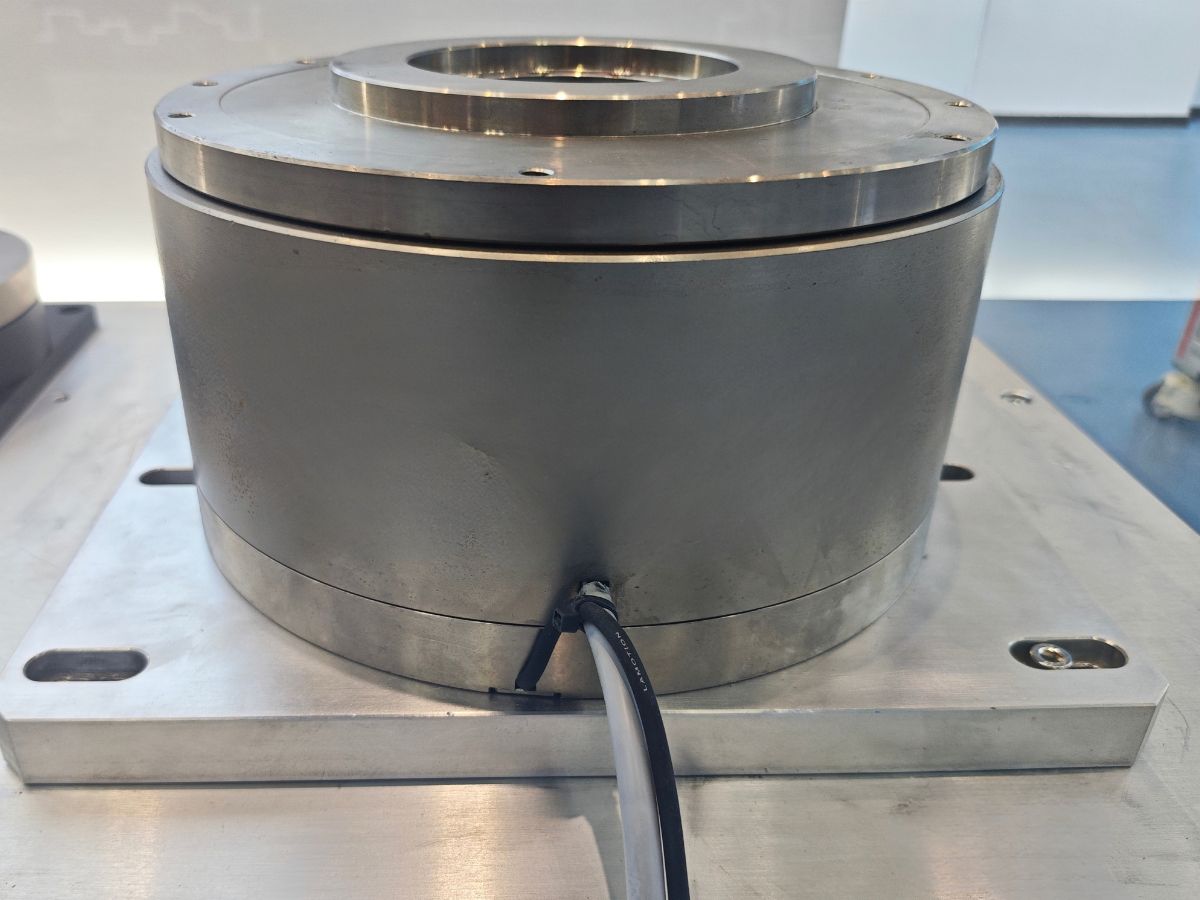
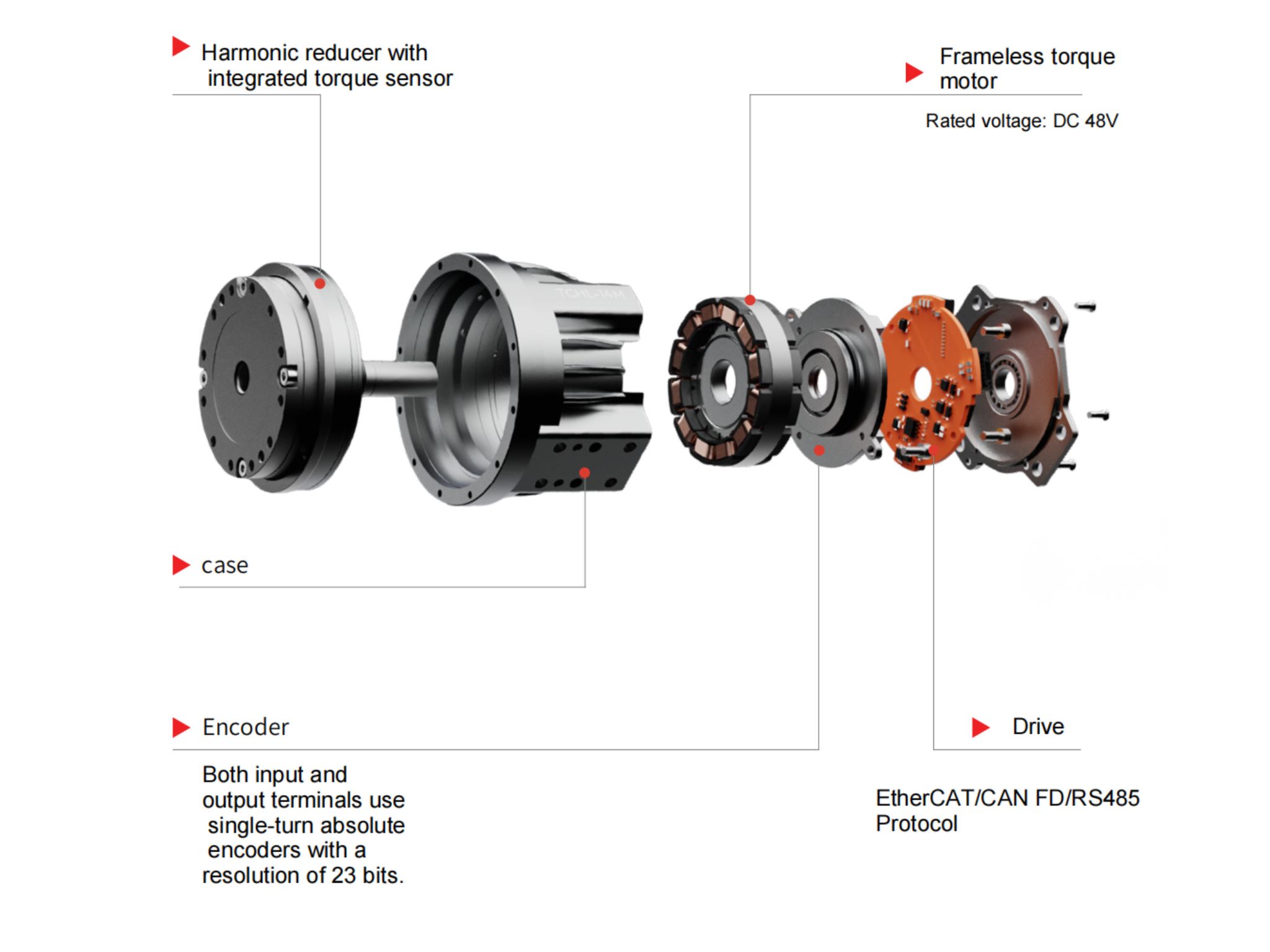
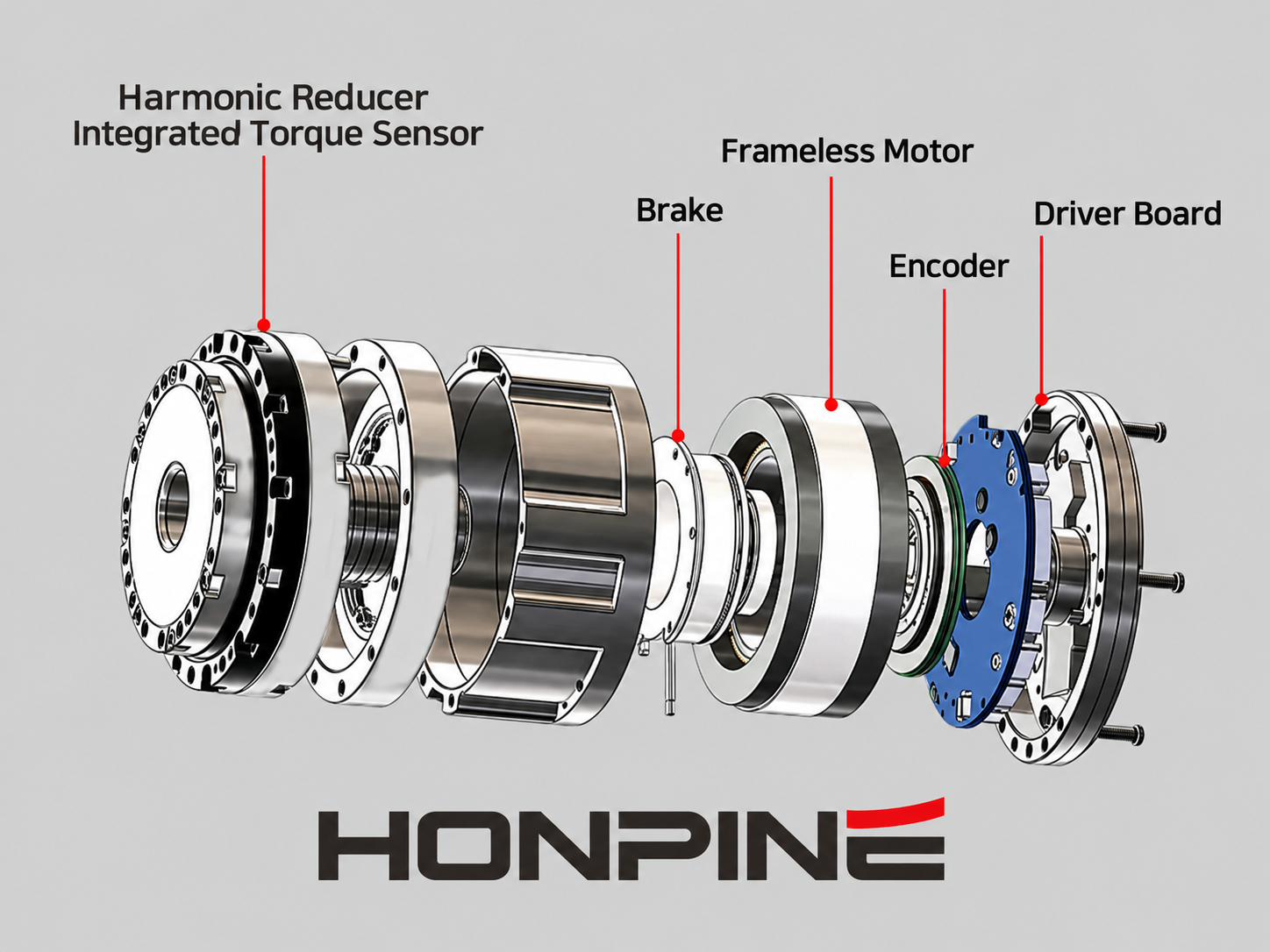
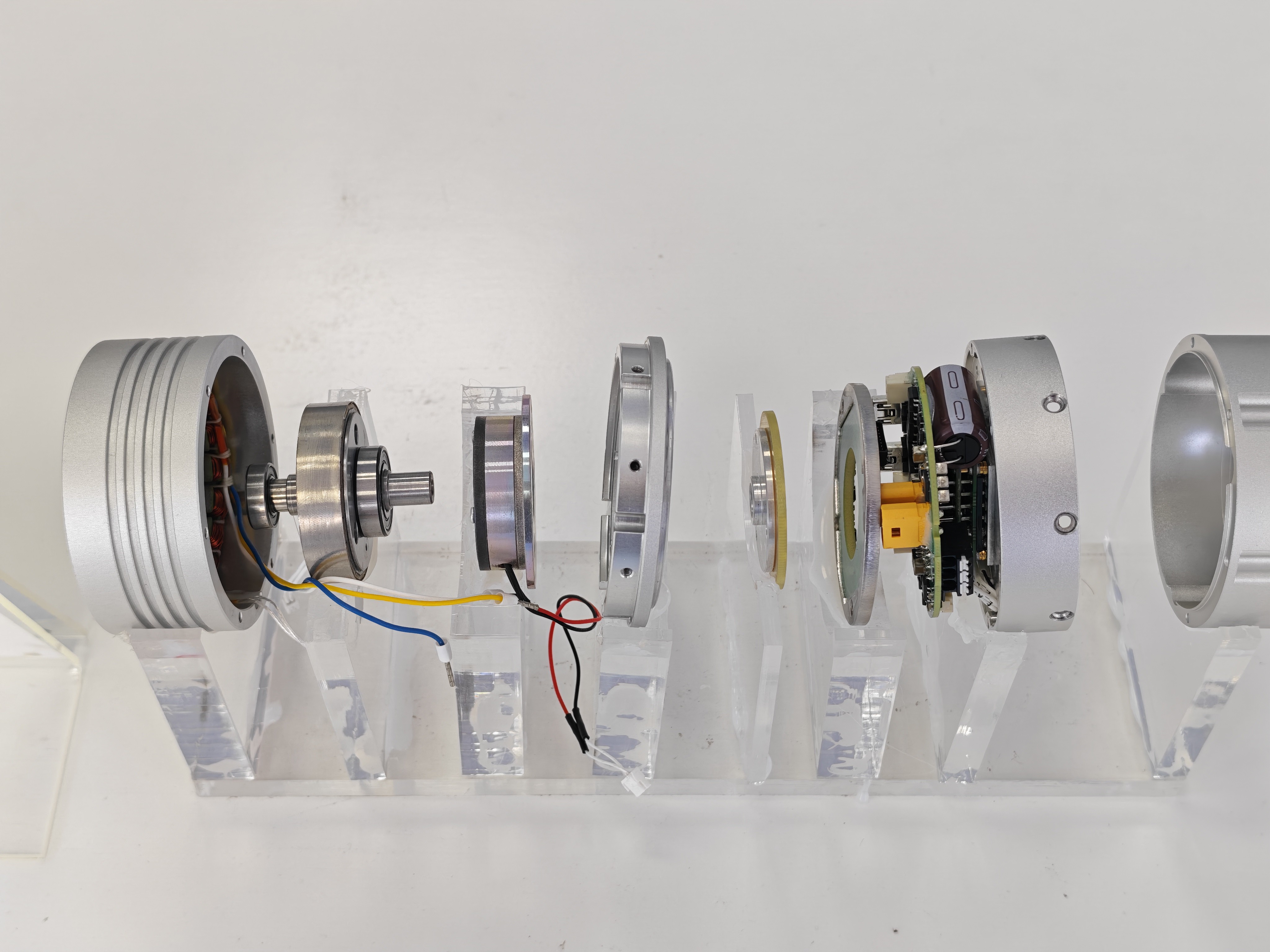
A robot joint actuator is a highly integrated electromechanical unit that combines multiple core components into a compact package. A typical harmonic joint actuator includes:
High-resolution encoder
Servo drive
Brake
Bearings
Integrated sensors
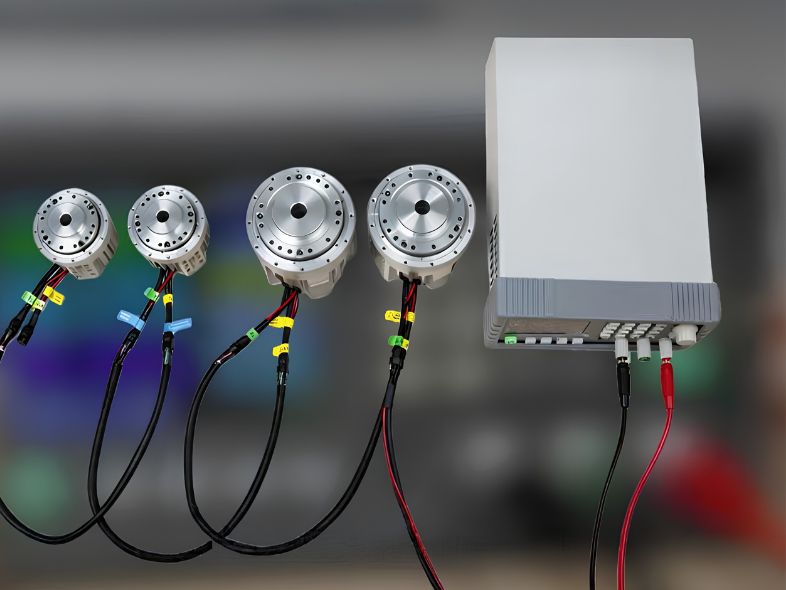
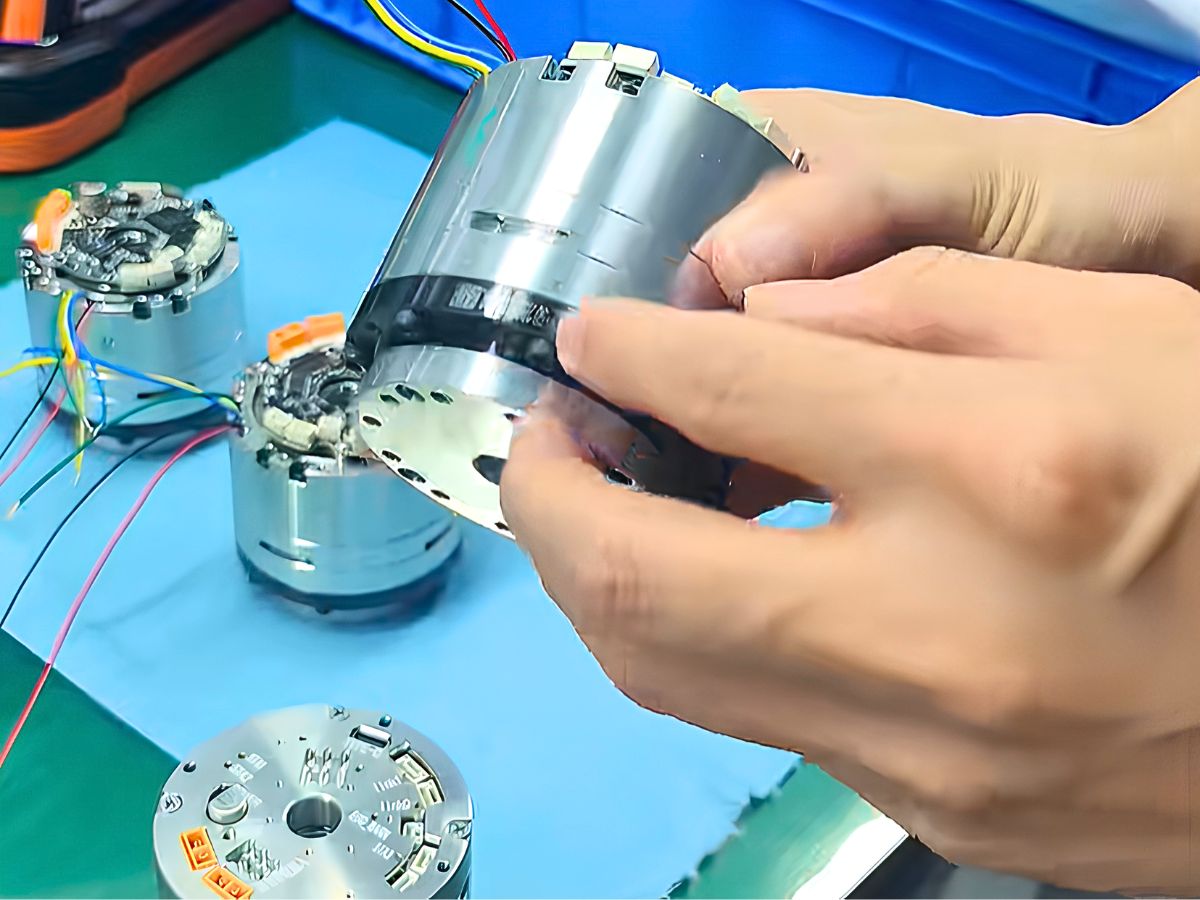
Unlike traditional systems that require separate motors, gearboxes, encoders, and controllers, an integrated robot joint actuator is factory assembled, calibrated, and ready for installation.
This integrated architecture reduces mechanical complexity, shortens development cycles, improves reliability, and simplifies maintenance.
Today, robot joint actuators are widely used in humanoid robots, collaborative robotic arms, medical robots, semiconductor equipment, inspection robots, autonomous mobile robots (AMRs), and industrial automation systems.
Why Is the Robot Joint Actuator So Important?
For a humanoid robot, the robot joint actuator is often the single most valuable subsystem, accounting for a significant portion of the total hardware cost.
More importantly, it directly determines the robot's motion quality, positioning accuracy, energy efficiency, and long-term reliability.
A high-performance harmonic joint actuator should deliver:
High torque density
Low backlash
High repeatability
Fast dynamic response
High rigidity
Long service life
Low operating temperature
Stable continuous output
The better the actuator performs, the more capable the robot becomes in precision assembly, object manipulation, inspection, medical applications, and dynamic locomotion.
Advantages of an Integrated Harmonic Joint Actuator
1. Highly Integrated Design
Traditional robotic joints require engineers to source motors, gearboxes, encoders, brakes, and servo drives separately before completing mechanical assembly and control tuning.
An integrated harmonic joint actuator combines all these components into a single compact unit that has already been calibrated at the factory.
This significantly reduces engineering complexity, minimizes commissioning time, and accelerates product development.
2. Hollow Shaft Cable Routing
Cable management is one of the biggest reliability challenges in robotic joints.
A modern robot joint actuator features a hollow shaft design that routes power cables, encoder cables, and communication cables directly through the center of the actuator.
Compared with external cable routing, this design offers several advantages:
Unlimited continuous rotation
Reduced cable wear
Cleaner robot appearance
Lower maintenance costs
Improved long-term reliability
For humanoid robots with multiple rotating joints, hollow shaft cable routing has become a standard design feature.
3. Integrated Thermal Management
Heat directly affects actuator lifespan and continuous operating performance.
An integrated harmonic joint actuator optimizes the thermal path between the frameless motor, harmonic gearbox, and servo electronics, reducing thermal resistance and improving heat dissipation.
Lower operating temperatures provide several important benefits:
Longer insulation life
Reduced lubricant degradation
Higher continuous torque output
Improved system reliability
Lower risk of thermal shutdown
For industrial robots operating around the clock, efficient thermal management is essential.
Harmonic Joint Actuator vs. Planetary Joint Actuator
One of the most common questions in robotics is whether to choose a harmonic joint actuator or a planetary joint actuator.
The answer depends entirely on the application.
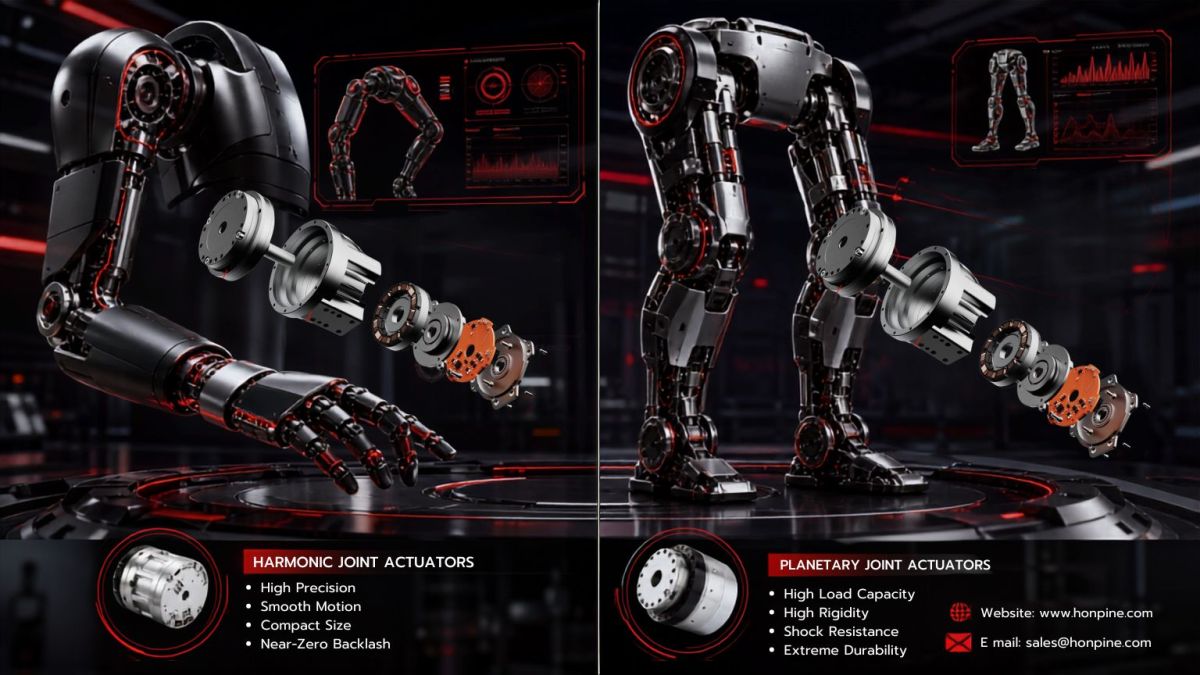
Harmonic Joint Actuator
A harmonic joint actuator is ideal for applications requiring exceptional precision and lightweight design, including:
Humanoid robot arms
Elbow joints
Wrist joints
Neck joints
Medical robots
Semiconductor automation
Precision assembly equipment
Its advantages include:
Near-zero backlash
High positioning accuracy
Smooth motion
High torque density
Compact size
Lightweight construction
Planetary Joint Actuator
A planetary joint actuator is better suited for applications requiring higher impact resistance and load capacity, such as:
Hip joints
Waist joints
Leg joints
Heavy-duty industrial robots
Exoskeletons
Mobile robotic platforms
Its strengths include:
High rigidity
Excellent shock resistance
Greater load capacity
Lower manufacturing cost
Better durability under high-impact conditions
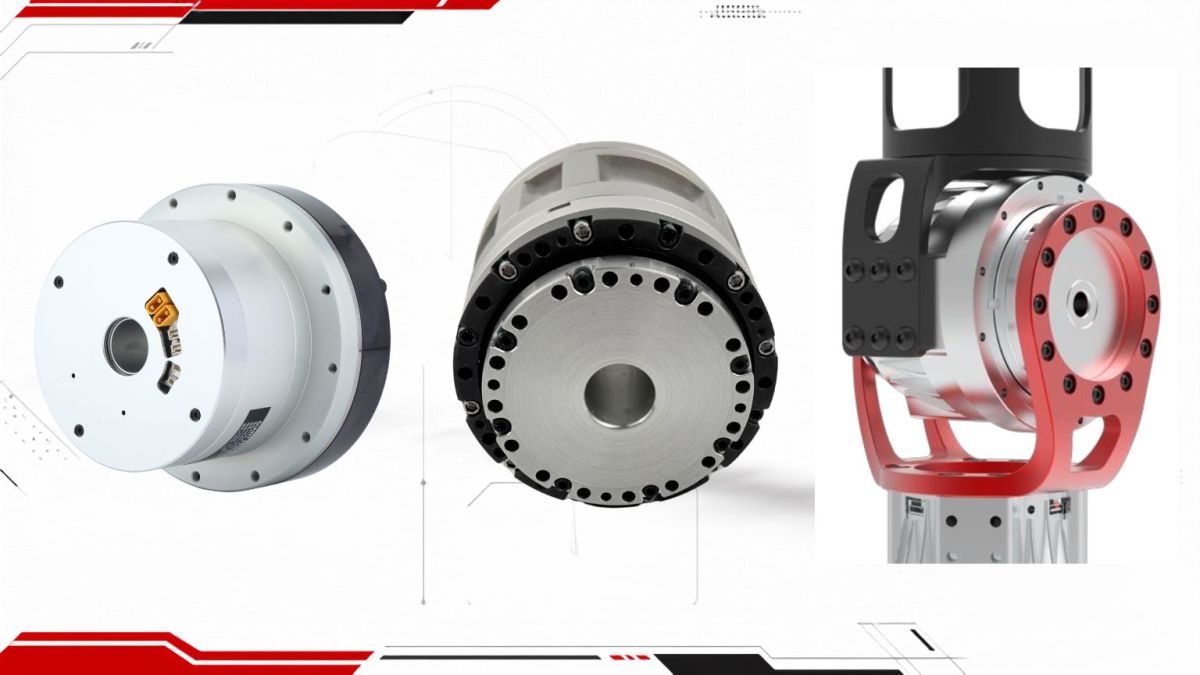
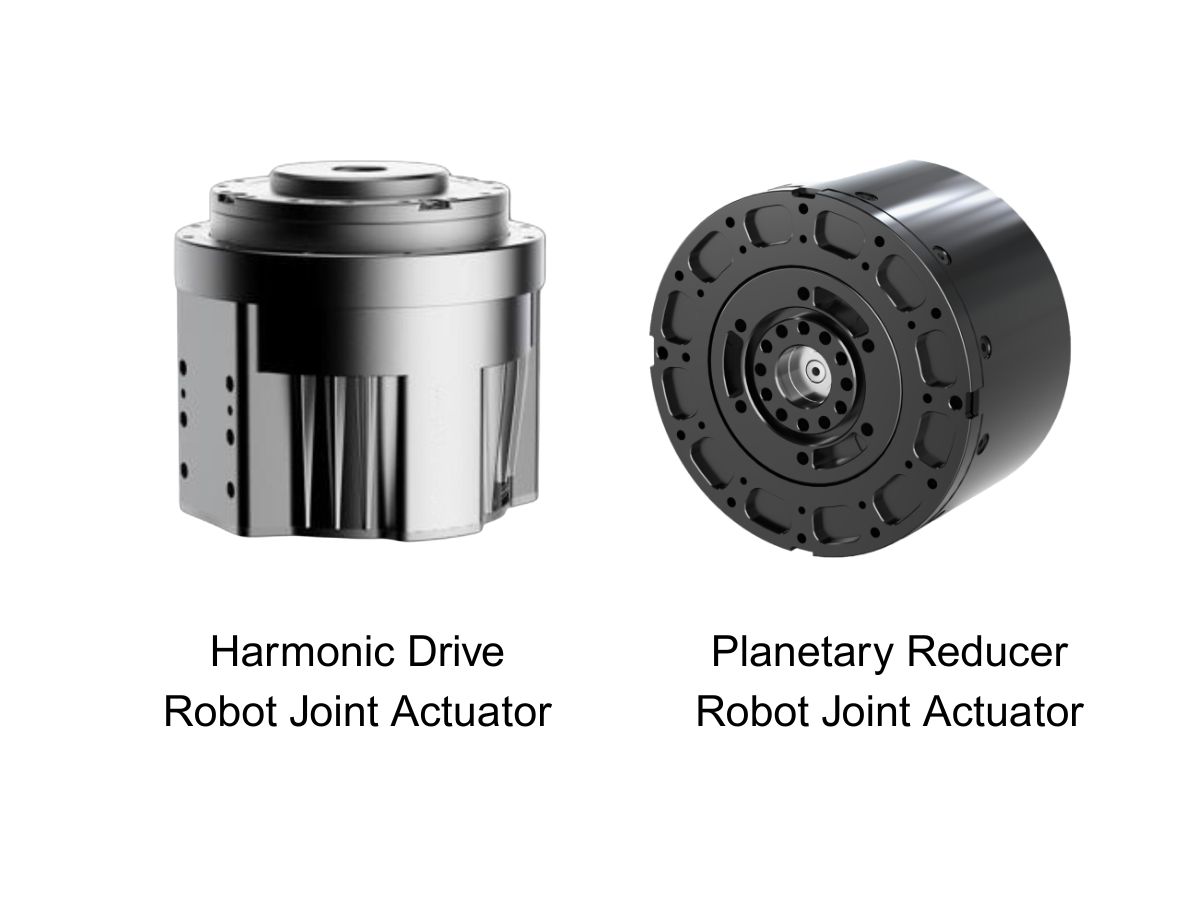
For this reason, many humanoid robots combine both technologies, using harmonic joint actuators for precision joints and planetary actuators for high-load joints.
Why Are Harmonic Joint Actuators Becoming the Preferred Choice?
Humanoid robots require lightweight, compact, and highly efficient actuation systems.
A heavier actuator increases energy consumption, reduces mobility, and places greater demands on the motors.
Modern harmonic joint actuators deliver high output torque within a compact package, enabling robots to walk, climb stairs, balance dynamically, and perform complex manipulation tasks.
High torque density also allows engineers to reduce overall robot weight without sacrificing performance.
As a result, harmonic joint actuators have become one of the most important enabling technologies for next-generation humanoid robots.
How to Choose the Right Robot Joint Actuator?
Selecting the correct robot joint actuator requires evaluating several key factors.
Select According to the Application
Different robot joints require different performance characteristics.
Shoulders, elbows, wrists, hips, knees, and ankles all have different requirements for torque, speed, precision, stiffness, and weight.
Using the same actuator for every joint rarely produces optimal performance.
Evaluate Critical Specifications
Key specifications include:
Torque density
Repeatability
Backlash
Continuous torque
Peak torque
Temperature rise
Service life
Protection rating (IP)
Communication protocol
Together, these parameters determine the long-term performance and reliability of the robot joint actuator.
Consider Communication and System Integration
Modern robot joint actuators should support industrial communication protocols such as EtherCAT, CAN, and CANopen.
Standardized communication simplifies controller integration, reduces software development time, and improves system compatibility.
The Rise of High-Performance Domestic Robot Joint Actuators
For many years, premium robot joint actuators relied heavily on imported harmonic drives and servo technologies.
Today, continuous advances in precision manufacturing, frameless torque motors, harmonic gearboxes, encoders, and servo control have significantly improved the performance of domestically manufactured harmonic joint actuators.
Modern domestic solutions provide excellent precision, reliability, production consistency, and shorter delivery times while offering a more competitive total cost of ownership.
For robotics manufacturers, this means greater supply chain flexibility and faster commercialization.
Why More Robotics Companies Are Choosing Integrated Robot Joint Actuators?
Integrated robot joint actuators simplify every stage of robot development.
During engineering, they reduce component sourcing and eliminate compatibility issues between suppliers.
During manufacturing, standardized interfaces improve assembly efficiency and production consistency.
During operation, integrated thermal management, hollow shaft cable routing, and factory calibration reduce maintenance costs and improve long-term reliability.
For companies developing next-generation humanoid robots, collaborative robots, and industrial automation equipment, integrated harmonic joint actuators have become the preferred solution.
Conclusion
As robotics continues to advance, competition is no longer based solely on motion performance. Reliability, manufacturability, development speed, and lifecycle cost have become equally important.
The robot joint actuator is the foundation of every robot's motion system. Whether developing humanoid robots, collaborative robots, medical robots, or industrial automation equipment, selecting the right harmonic joint actuator is essential for achieving high precision, efficient motion, and long-term reliability.
If you are developing a robotic platform or evaluating actuator solutions for your next project, contact us for our complete Robot Joint Actuator Selection Guide, detailed product specifications, and engineering support. Our experts can help you select the ideal harmonic joint actuator for your application, shorten development time, and accelerate your product's path to market.
Read More
Learn more about the story of HONPINE and industry trends related to precision transmission.
 What is robot joint actuator?How to Choose the Best Robot Rotary Joint Actuator?In core robot joint transmission solutions, planetary and harmonic rotary actuators each have their own strengths. Choosing the right type based on application requirements is essential to achieve the optimal balance between performance and cost.
 DD Motors VS Harmonic Rotary ActuatorsThis article provides an in-depth comparison between Direct Drive (DD) motors and harmonic rotary actuators, covering their transmission principles, advantages and disadvantages, and typical application fields.
 OMG Ultra Compact Harmonic Drive Joint Module with Built-in Torque SensorHONPINE TCHL series harmonic drive joint module is a game-changing product that achieves disruptive improvements in multiple aspects such as lightweight design, integration level, and connection convenience. This article will analyze its revolutionary enhancements with you.
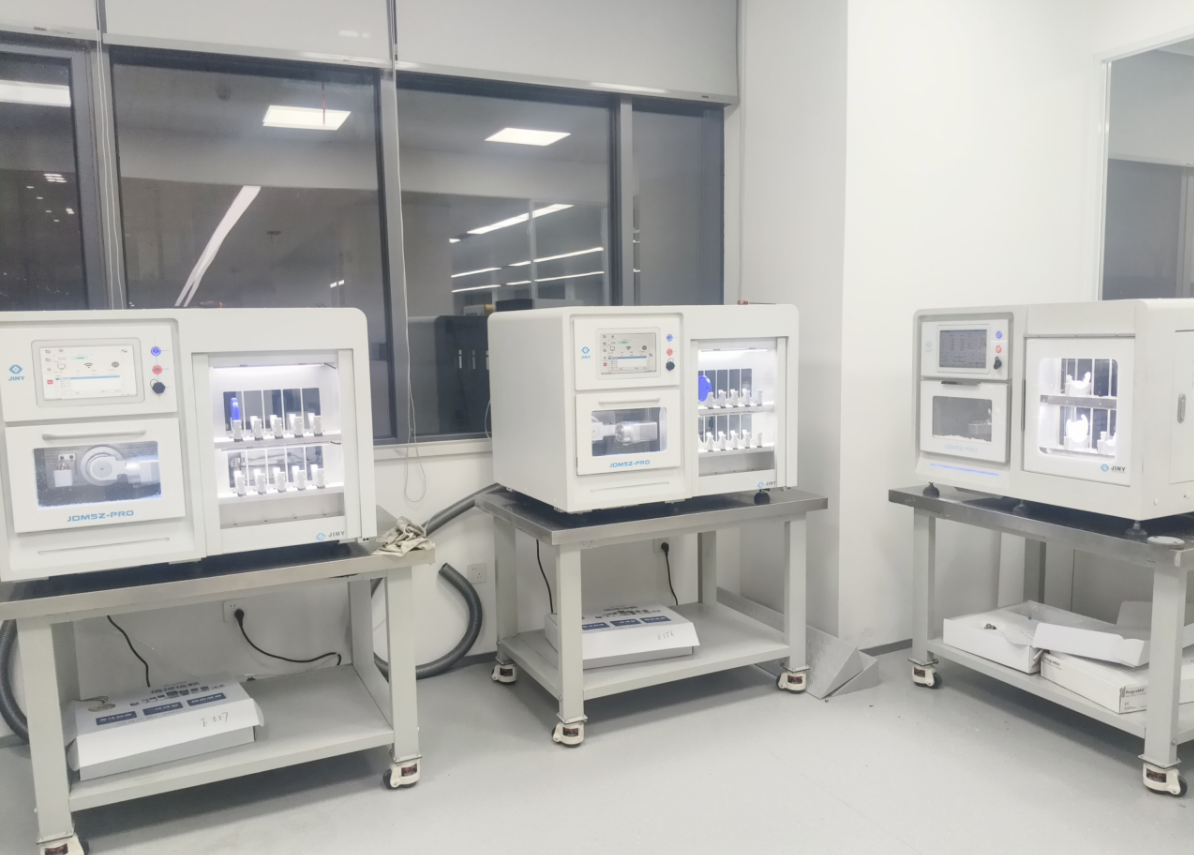
 The Role of Harmonic Drive Gears in Achieving 5–10 μm Accuracy in Dental Milling MachinesA dental milling machine is a CNC machining system used to directly process digital dental models into restorations such as crowns, bridges, veneers, inlays, and implant abutments. Dental milling machines require far higher operational accuracy and motion stability than ordinary equipment. This article explains how harmonic drive gear help dental milling machines achieve stable, continuous, and controllable operation.
 Why Are Harmonic Rotary Actuators Perfect for Medical Equipment?Harmonic rotary actuators (typically integrated systems consisting of a harmonic drive reducer, frameless torque motor, encoder, and optional brake) are regarded as key components in medical equipment. The core reason is that they simultaneously meet the most stringent medical requirements for precision, compact size, safety, and controllability. The following explanation is structured from three perspectives: technical characteristics, application scenarios, and medical value.
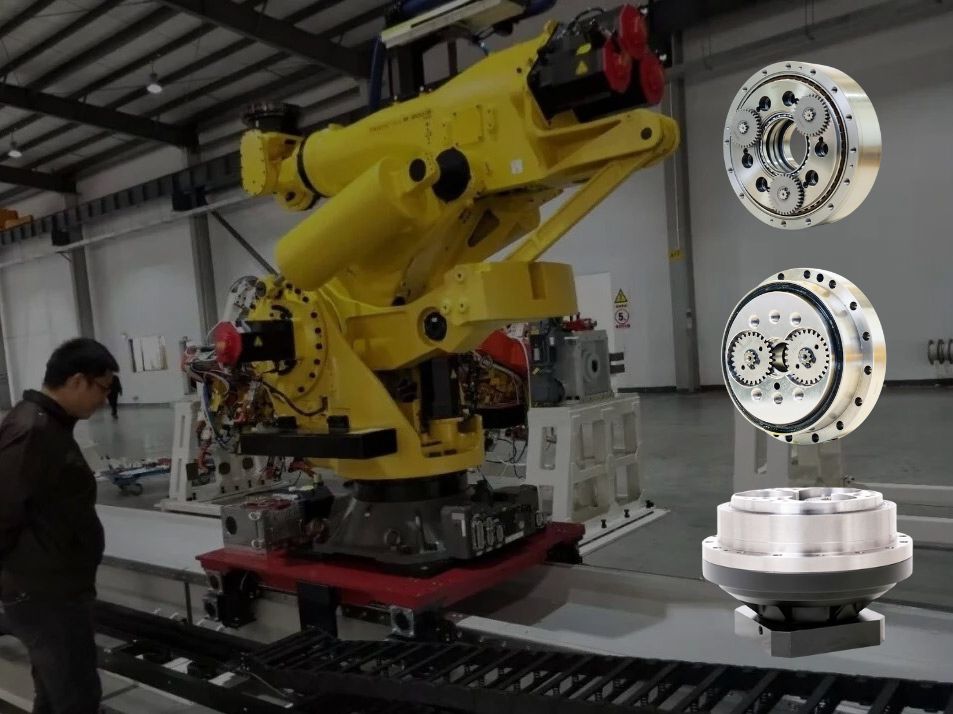
 High-Precision RV Reducers Perfectly Matched for Walking RobotsThe walking axis of a robot is a core component for power transmission and support. RV reducers provide extremely high rigidity, precision, and torque while maintaining a compact size and exceptional reliability, making them an ideal match for the demanding requirements of walking robot joints in terms of load capacity, impact resistance, and precision.
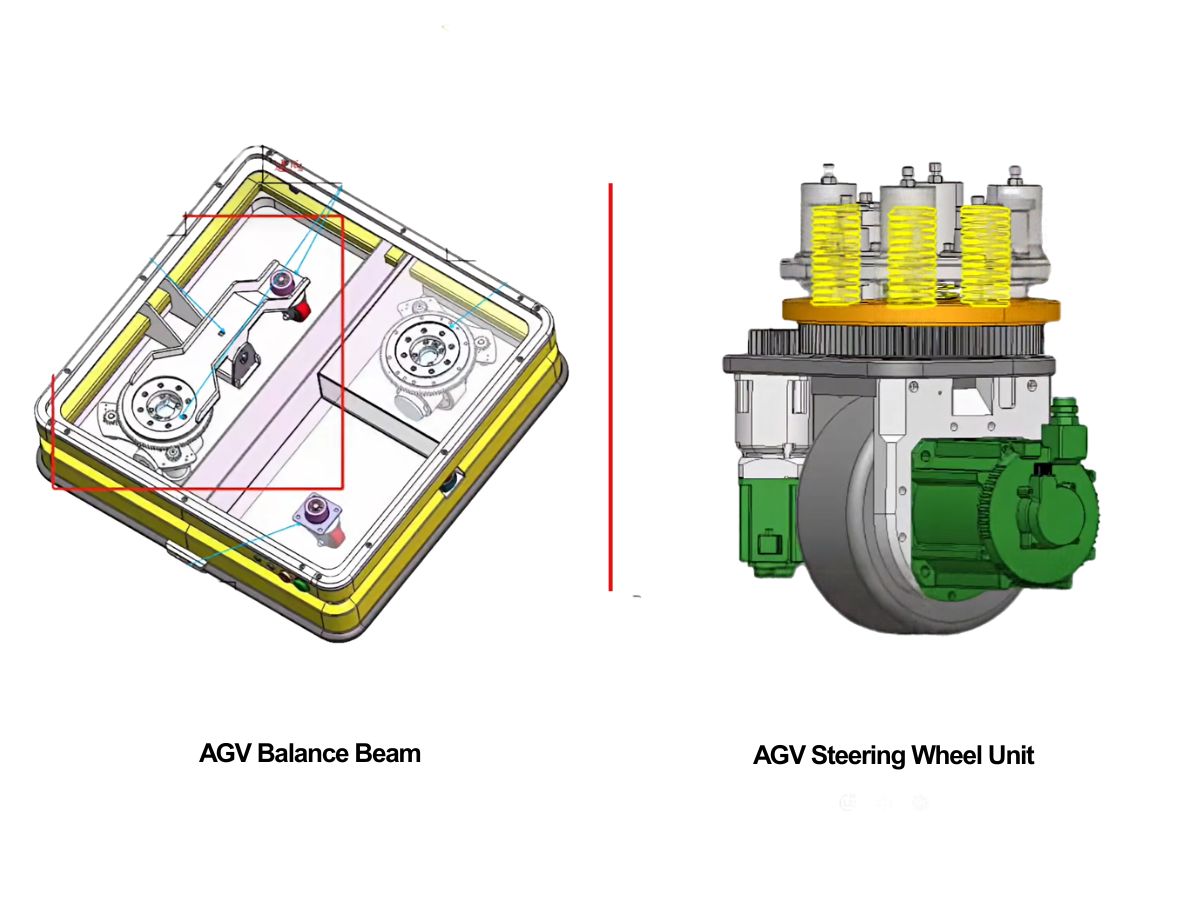
 AGV Suspension: Should You Choose a Balance Beam or a Spring-Loaded Steering Drive Unit?Choosing an AGV suspension system starts with the vehicle’s load range and floor conditions. Balance beams and spring-loaded steering drive units offer different approaches to maintaining wheel contact and managing wheel loads. This HONPINE guide compares both options and explains how to evaluate traction, suspension travel, installation space, and maintenance before choosing a configuration.
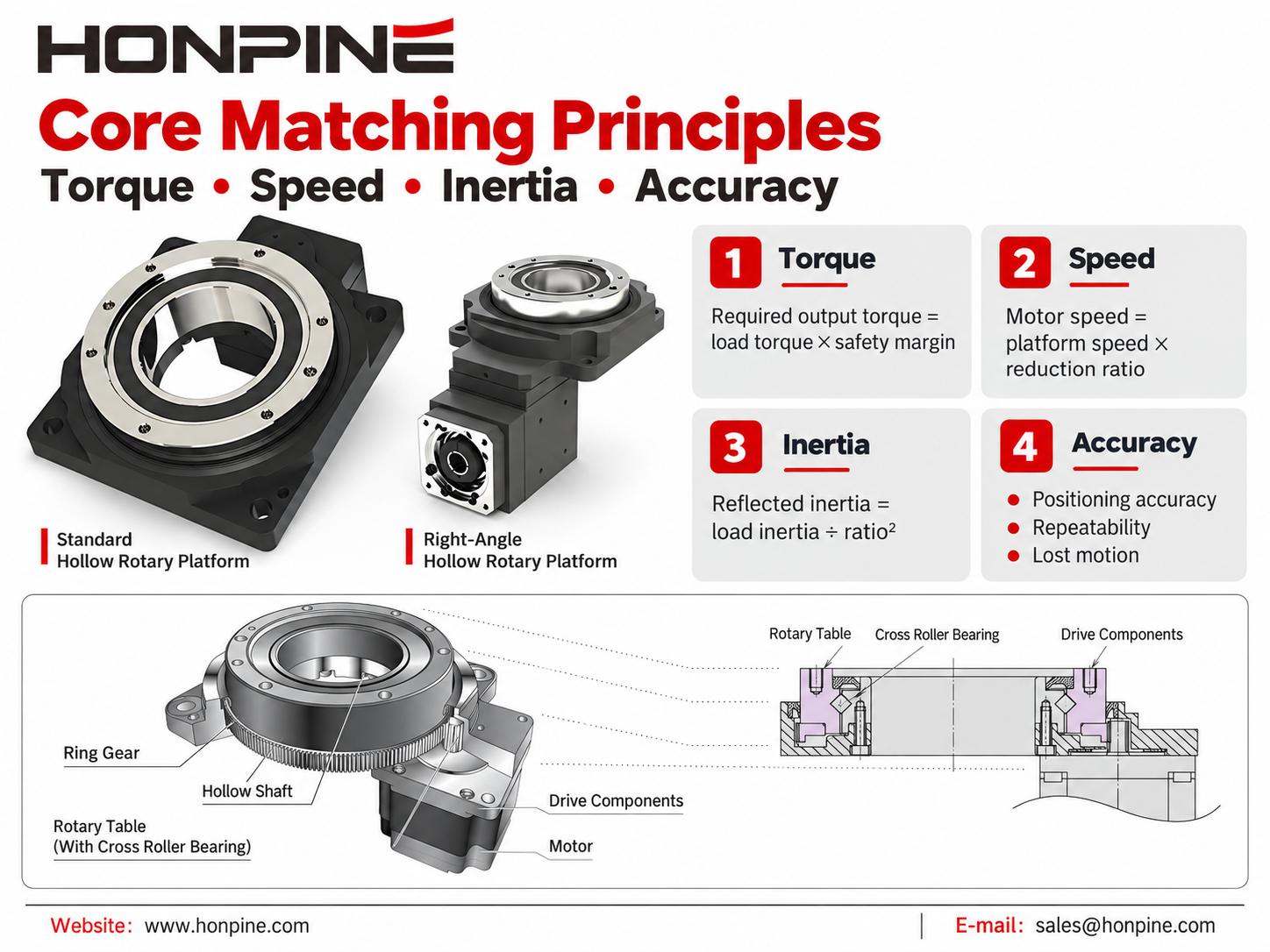
 Hollow Rotary Platform Motor Matching: A Complete GuideSelecting the right motor for a hollow rotary platform is essential for achieving precise positioning, stable operation, and efficient automation. This guide explains how to match servo motors, stepper motors, and brushless DC motors with hollow rotary platforms based on torque, speed, inertia, accuracy, and installation requirements. Explore practical motor selection guidelines, typical application combinations, and space-saving mounting solutions to find the right configuration for your automation project.
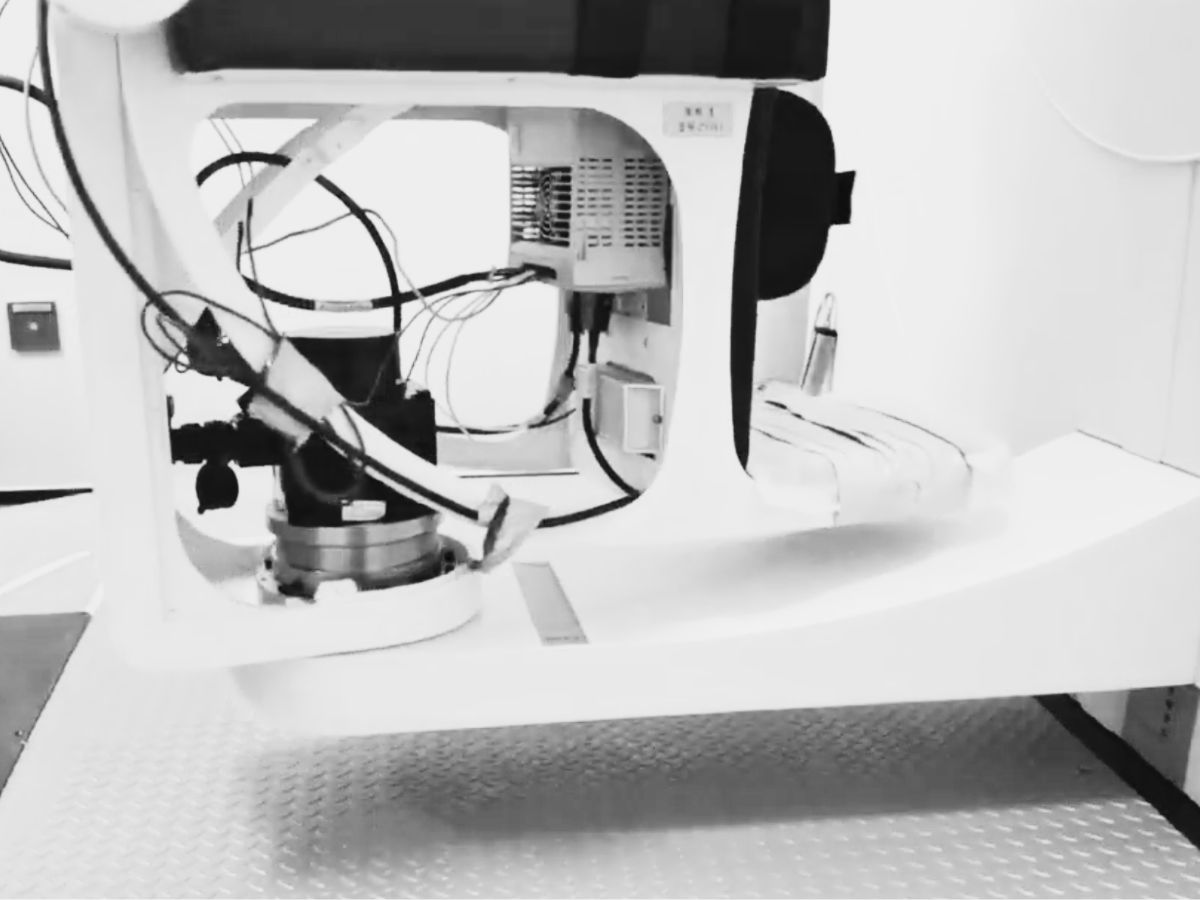
 Can Robots Feel Touch? HONPINE HAG Force-Controlled Harmonic Robot Joint MotorsCan robots respond to a gentle touch? The HONPINE HAG robot joint motor with torque sensor combines a harmonic reducer, integrated torque sensing, and closed-loop control to detect external forces and support smooth, compliant motion. In this article, HONPINE founder Allen Li demonstrates the module's response to light contact and hand-guided movement, explains its key force-control technologies, and shares the vision behind joint modules designed for practical industrial robotics.
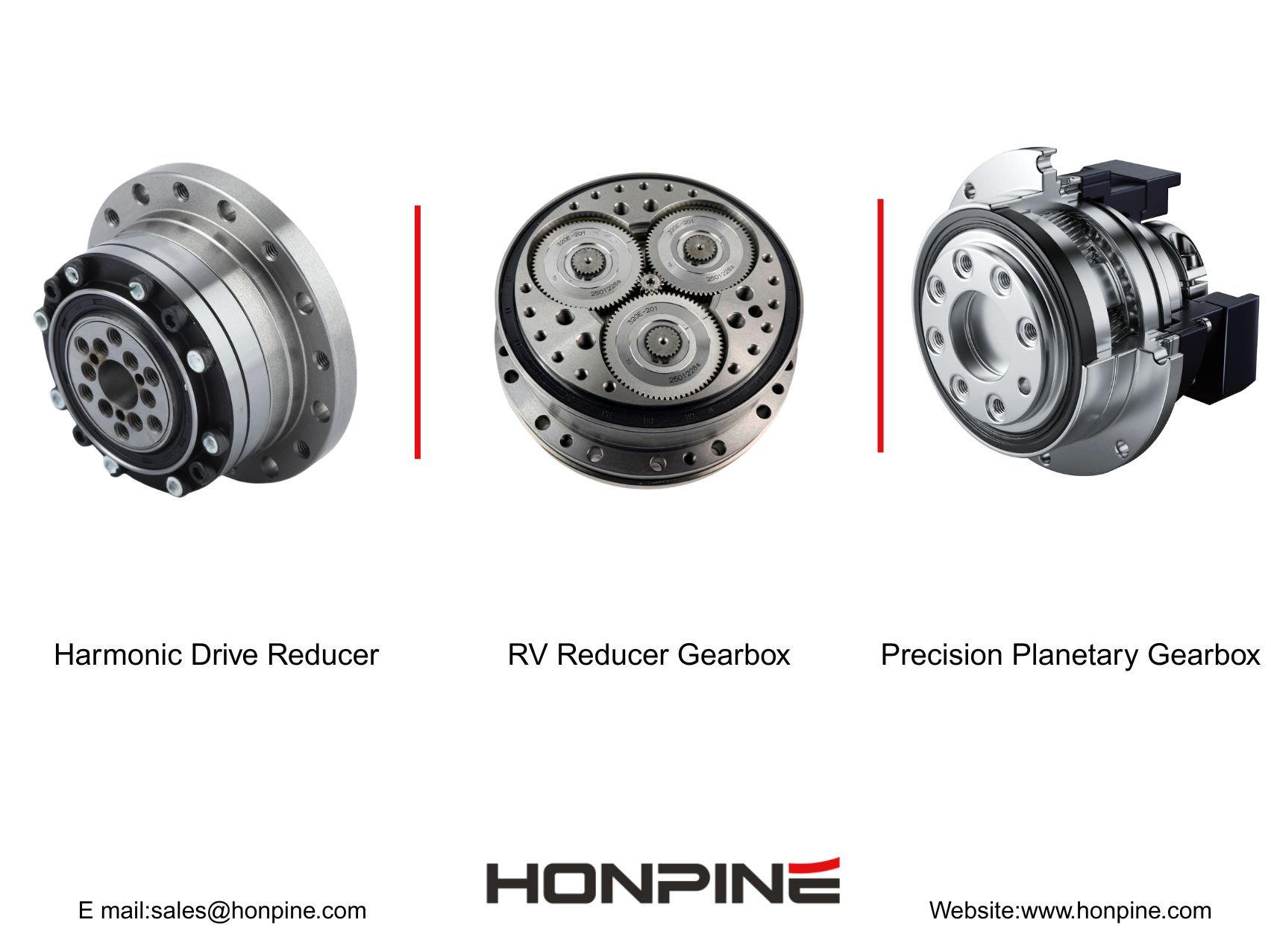
 Does a Higher Gearbox Ratio Mean More Torque? Planetary, Harmonic, and RV Gearboxes ExplainedDoes a higher gearbox ratio mean more torque? This engineering guide explains the relationship between gearbox ratio, output torque, and output speed, and compares planetary gearboxes, harmonic gearboxes, and RV gearboxes. Learn why reduction ratio alone cannot determine gearbox torque capacity, efficiency, dynamic response, precision, or service life, and what engineers should consider when selecting a gearbox for robotics, CNC machines, servo systems, and industrial motion control.
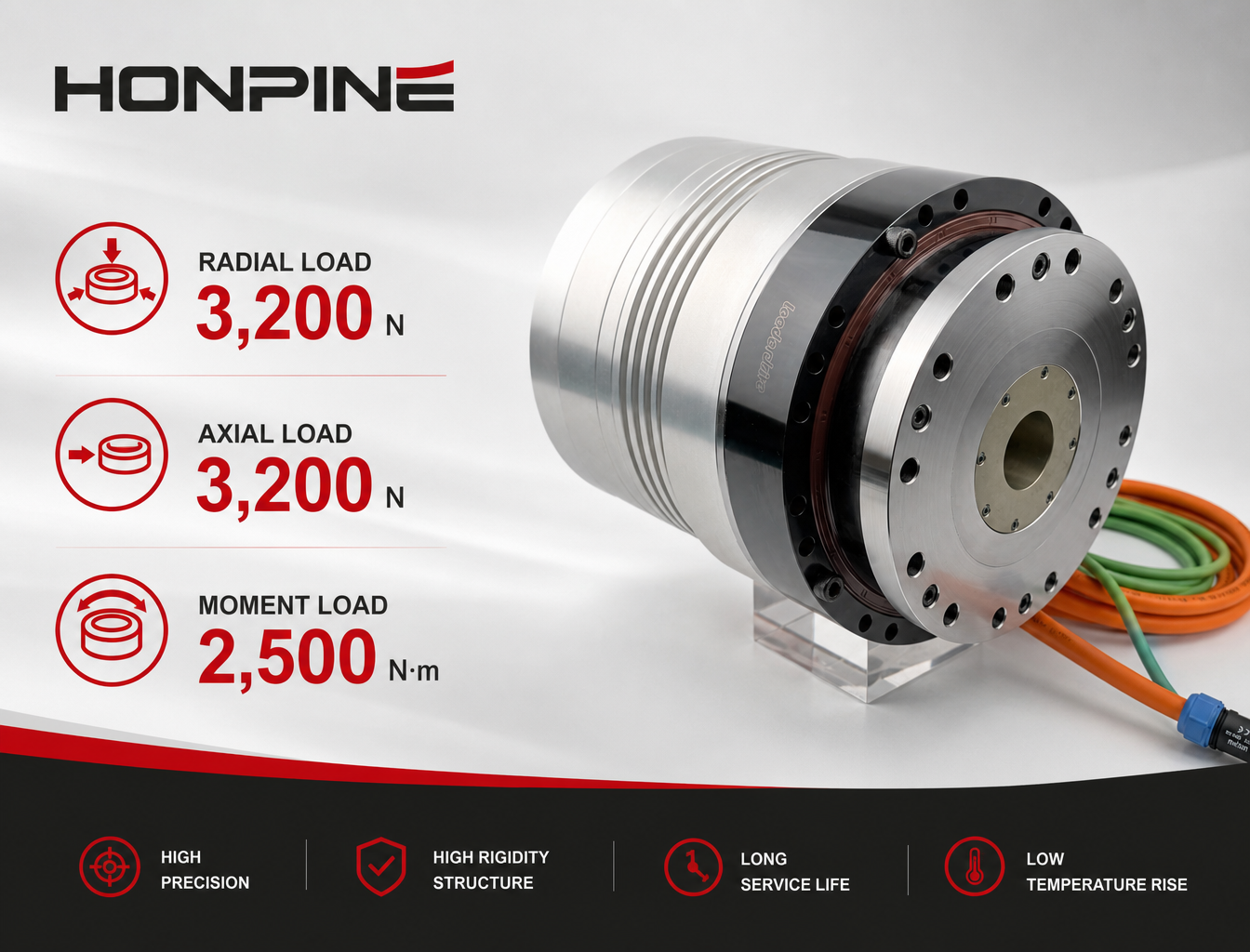
 High-Precision Hollow Harmonic Rotary Actuator for CNC Machines and Heavy-Duty Rotary AxesHONPINE 58 Series Hollow Harmonic Rotary Actuator is designed for CNC rotary tables, precision rotary axes, laser processing equipment, and heavy-duty rotary positioning applications. With a 50 mm hollow bore, up to 2,722 N·m peak torque, integrated crossed roller bearing, multi-turn absolute encoder options, positioning accuracy below 30 arcsec, and repeat positioning accuracy below 5 arcsec, it combines high torque capacity with precision rotary motion and flexible mechanical integration.
 How Does the HONPINE JRM Planetary Robot Joint Module Address Temperature Rise in Continuous Operation?HONPINE JRM planetary robot joint modules are designed for long-duration and high-load robotic operation. This article examines how motor electromagnetic optimization, high-efficiency planetary transmission, GaN-based drive technology, and system-level low-loss design help control temperature rise. Using the C6345 planetary robot joint module as a test example, HONPINE also presents full-load thermal validation under continuous operation, including motor efficiency up to 92%, planetary gearbox efficiency up to 97%, and a final equilibrium temperature of 61.42°C at a 25°C ambient temperature.
Double Click
We provide harmonic drive reducer,planetary reducer,robot joint motor,robot rotary actuators,RV gear reducer,robot end effector,dexterous robot hand
 What is robot joint actuator?How to Choose the Best Robot Rotary Joint Actuator?In core robot joint transmission solutions, planetary and harmonic rotary actuators each have their own strengths. Choosing the right type based on application requirements is essential to achieve the optimal balance between performance and cost.
 DD Motors VS Harmonic Rotary ActuatorsThis article provides an in-depth comparison between Direct Drive (DD) motors and harmonic rotary actuators, covering their transmission principles, advantages and disadvantages, and typical application fields.
 OMG Ultra Compact Harmonic Drive Joint Module with Built-in Torque SensorHONPINE TCHL series harmonic drive joint module is a game-changing product that achieves disruptive improvements in multiple aspects such as lightweight design, integration level, and connection convenience. This article will analyze its revolutionary enhancements with you.
 AGV Suspension: Should You Choose a Balance Beam or a Spring-Loaded Steering Drive Unit?Choosing an AGV suspension system starts with the vehicle’s load range and floor conditions. Balance beams and spring-loaded steering drive units offer different approaches to maintaining wheel contact and managing wheel loads. This HONPINE guide compares both options and explains how to evaluate traction, suspension travel, installation space, and maintenance before choosing a configuration.
 Hollow Rotary Platform Motor Matching: A Complete GuideSelecting the right motor for a hollow rotary platform is essential for achieving precise positioning, stable operation, and efficient automation. This guide explains how to match servo motors, stepper motors, and brushless DC motors with hollow rotary platforms based on torque, speed, inertia, accuracy, and installation requirements. Explore practical motor selection guidelines, typical application combinations, and space-saving mounting solutions to find the right configuration for your automation project.
 Can Robots Feel Touch? HONPINE HAG Force-Controlled Harmonic Robot Joint MotorsCan robots respond to a gentle touch? The HONPINE HAG robot joint motor with torque sensor combines a harmonic reducer, integrated torque sensing, and closed-loop control to detect external forces and support smooth, compliant motion. In this article, HONPINE founder Allen Li demonstrates the module's response to light contact and hand-guided movement, explains its key force-control technologies, and shares the vision behind joint modules designed for practical industrial robotics.
 Does a Higher Gearbox Ratio Mean More Torque? Planetary, Harmonic, and RV Gearboxes ExplainedDoes a higher gearbox ratio mean more torque? This engineering guide explains the relationship between gearbox ratio, output torque, and output speed, and compares planetary gearboxes, harmonic gearboxes, and RV gearboxes. Learn why reduction ratio alone cannot determine gearbox torque capacity, efficiency, dynamic response, precision, or service life, and what engineers should consider when selecting a gearbox for robotics, CNC machines, servo systems, and industrial motion control.
 High-Precision Hollow Harmonic Rotary Actuator for CNC Machines and Heavy-Duty Rotary AxesHONPINE 58 Series Hollow Harmonic Rotary Actuator is designed for CNC rotary tables, precision rotary axes, laser processing equipment, and heavy-duty rotary positioning applications. With a 50 mm hollow bore, up to 2,722 N·m peak torque, integrated crossed roller bearing, multi-turn absolute encoder options, positioning accuracy below 30 arcsec, and repeat positioning accuracy below 5 arcsec, it combines high torque capacity with precision rotary motion and flexible mechanical integration.
 How Does the HONPINE JRM Planetary Robot Joint Module Address Temperature Rise in Continuous Operation?HONPINE JRM planetary robot joint modules are designed for long-duration and high-load robotic operation. This article examines how motor electromagnetic optimization, high-efficiency planetary transmission, GaN-based drive technology, and system-level low-loss design help control temperature rise. Using the C6345 planetary robot joint module as a test example, HONPINE also presents full-load thermal validation under continuous operation, including motor efficiency up to 92%, planetary gearbox efficiency up to 97%, and a final equilibrium temperature of 61.42°C at a 25°C ambient temperature.
 Direct Drive Motor Sizing: A Complete Guide to Torque Calculation and SelectionSelecting a direct drive motor for a precision rotary system requires more than matching motor torque to the equipment weight. Engineers need to evaluate gravity torque, inertial torque, wind torque, friction, rotational inertia, speed, acceleration, duty cycle, and positioning requirements. In this guide, Theodore Li, Technical Director at HONPINE, explains a practical approach to direct drive motor sizing and torque calculation using an azimuth and elevation turntable as an engineering example. The article covers continuous and peak torque calculation, motor selection criteria, and the application of frameless direct drive motors in integrated rotary systems.
 How Integrated Robot Joint Modules Are Reshaping Robot Wiring and Control Architecture?Integrated robot joint modules are changing how robots are designed by combining the motor, reducer, drive, encoder, and sensing components into a compact motion unit. Compared with traditional distributed architectures, this integrated approach can reduce cable complexity, simplify power and communication connections, and support more compact robot structures. As humanoid robots demand higher levels of motion coordination, response speed, precision, and integration, robot joint modules are becoming an increasingly important interface between intelligent control systems and physical movement. This article explains how integrated robot joint modules reshape robot wiring and control architecture, using the HONPINE TCHL harmonic drive robot joint module as an example.
 Force-Controlled Harmonic Joint Modules: A Key Solution for Robot CommercializationAs robots move from precise positioning toward physical interaction, joint-level torque feedback is becoming increasingly important. A force-controlled robot joint module allows the robot to sense changes in output torque and respond more appropriately to external loads, supporting compliant motion, contact detection, and force-controlled applications. HONPINE HAG and HAU harmonic joint modules integrate torque sensing directly into the joint, enabling torque closed-loop control, 360° continuous output rotation, less than 1% torque control accuracy, and a 50 Hz torque bandwidth. This integrated design also maintains consistent dimensions between force-controlled and non-force-controlled configurations, providing a flexible joint platform for robot manufacturers.