

Why Source Robot Joint Modules from China? NdFeB Permanent Magnets Are a Critical Factor?
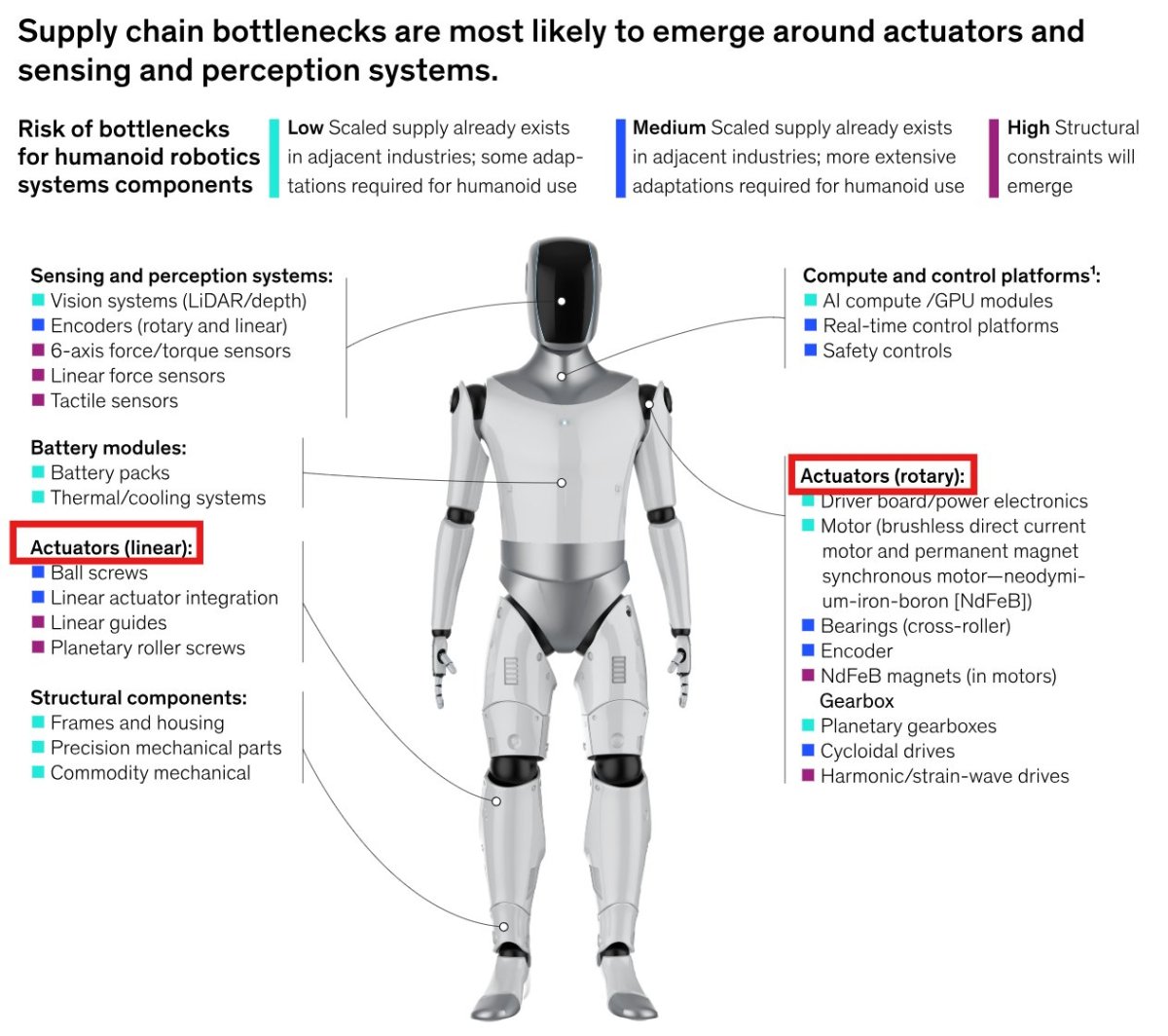
Humanoid robotics is often described as a software race, but the real constraint on scaling production to millions of units lies in the physical layer. Robot joints require high-torque, high-efficiency actuators, and actuators depend on high-energy-density NdFeB permanent magnets. The true bottleneck is not simply “rare earths” in general, but the much narrower NdPr-to-magnet supply chain corridor. China dominates the midstream processing and magnet manufacturing sectors, giving it significant influence over the pace, cost curve, and industrial geography of embodied AI.
What Is NdFeB?
NdFeB (Neodymium-Iron-Boron) is a rare-earth permanent magnet material composed of neodymium, iron, and boron. Known as the “King of Magnets,” it offers an exceptionally high magnetic energy product (BHmax), often exceeding 50 MGOe, while remaining compact and lightweight. These characteristics make it indispensable in applications such ashumanoid robot joint servo motorsand electric vehicle drive motors.
Why Is NdFeB Irreplaceable in Robot Joints?
The powerful magnetic properties of NdFeB originate primarily from the electronic structure of neodymium, which generates an exceptionally strong internal magnetic field. Iron enhances the overall magnetic strength, while boron stabilizes the crystal structure and reduces magnetic performance degradation over time.
One of the most important performance metrics for permanent magnets is the Maximum Energy Product (BHmax), which measures a magnet's ability to store magnetic energy. NdFeB magnets typically achieve BHmax values between 30 and 52 MGOe, more than ten times that of conventional ferrite magnets. This extraordinary energy density is a key reason why NdFeB is recognized as the world's strongest commercially available permanent magnet material.
Why Are Humanoid Robot Actuators So Important?
A humanoid robot is far more than a mobile AI-enabled device. It is a highly integrated electromechanical system. Every movement—raising an arm, walking, grasping an object, or maintaining balance—depends on joint actuators delivering precise torque output.
A typical actuator consists of:
l An electric motor
l A gearbox or ball screw mechanism
l An encoder
l Bearings
l Structural components
AI determines how a robot wants to move, but actuators determine whether it can move, how smoothly it moves, and whether it can operate continuously and reliably.
What Are the Key Requirements for Humanoid Robot Actuators, and Why Does NdFeB Matter?
1. Power Density
Joint modules must be compact enough to match human body proportions. If actuators become too large or heavy, the robot's own weight significantly reduces mobility and efficiency.
2. Energy Efficiency
Motor efficiency directly affects battery life, heat generation, and overall system weight. Higher efficiency translates into longer operating times and lower thermal management requirements.
3. Manufacturing Consistency
In mass production, every joint must perform within strict specifications. Manufacturers cannot rely on manual tuning by engineers for each individual unit.
NdFeB magnets play a critical role in these requirements. Within electric motors, they serve as permanent magnets that generate strong magnetic fields, enabling high efficiency, high speed, and high torque output. In robotic sensors, NdFeB magnets are also used as core components in magnetic sensing systems for detecting and measuring environmental magnetic fields.
How Much NdFeB Does a Humanoid Robot Require?
A typical humanoid robot contains approximately 30–40 joints and requires roughly 2–4 kilograms of NdFeB magnets.
For example:
A single Tesla Optimus robot is estimated to use approximately 3.5 kilograms of high-performance NdFeB magnets.
If global humanoid robot shipments reach 500,000 units annually, the additional demand for NdFeB magnets would be approximately 1,250 tons per year, representing a meaningful share of the world's annual high-performance NdFeB production capacity of roughly 100,000 tons.
China's Dominance in the NdFeB Supply Chain
China controls approximately 90% of global rare-earth processing capacity. In the permanent magnet manufacturing sector, China's position is even more dominant, accounting for approximately 92% of global NdFeB magnet production.
As a result, China occupies a strategic position in the production of robot joints and other critical humanoid robot hardware components. The robot joint industry today resembles the electric vehicle industry in its early high-growth phase—rapidly expanding and poised for significant long-term development.
Partner with HONPINE
HONPINE is one of China's leading manufacturers of robot joint modules and precision actuator solutions for humanoid robots and advanced automation systems.
Contact HONPINE today to learn how our high-performance robot joint technologies can support your next-generation robotics projects.
Read More
Learn more about the story of HONPINE and industry trends related to precision transmission.
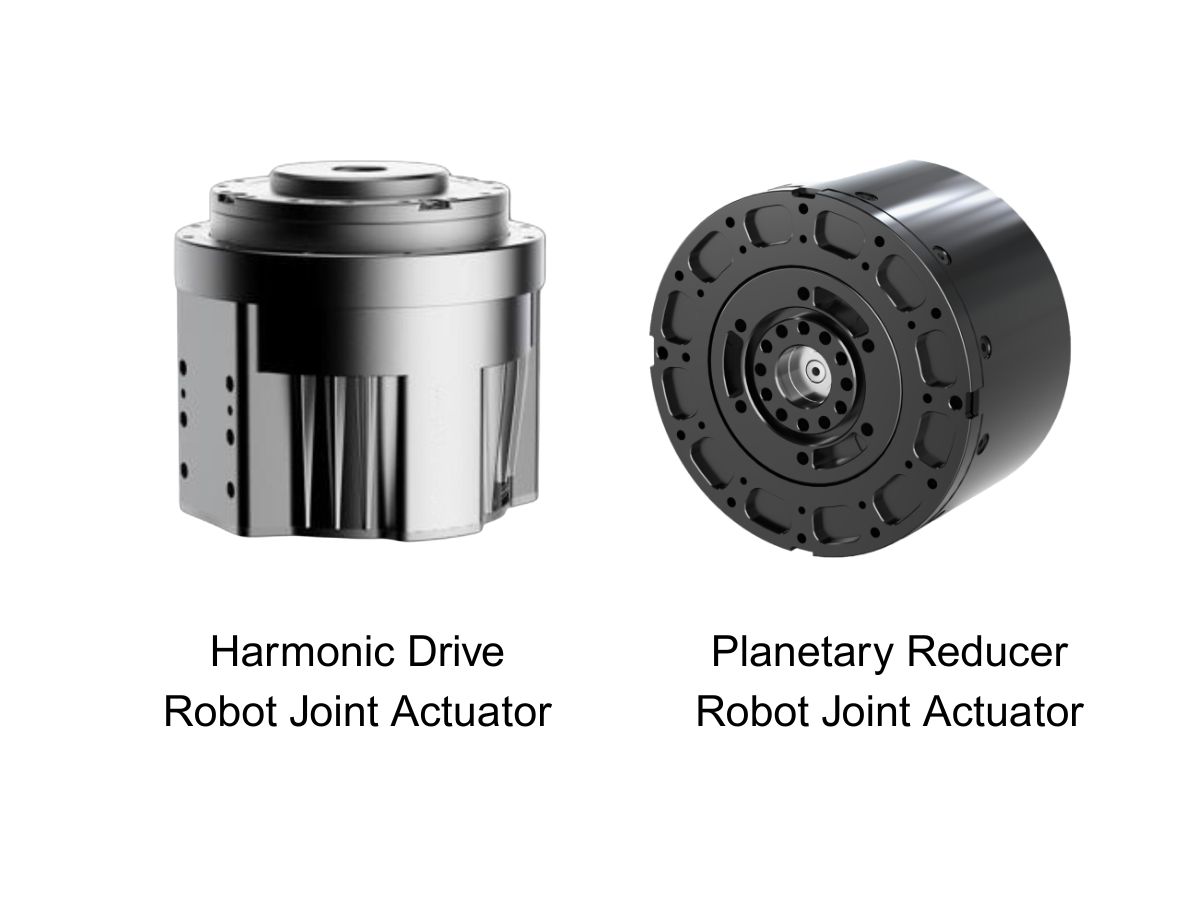
 What is robot joint actuator?How to Choose the Best Robot Rotary Joint Actuator?In core robot joint transmission solutions, planetary and harmonic rotary actuators each have their own strengths. Choosing the right type based on application requirements is essential to achieve the optimal balance between performance and cost.
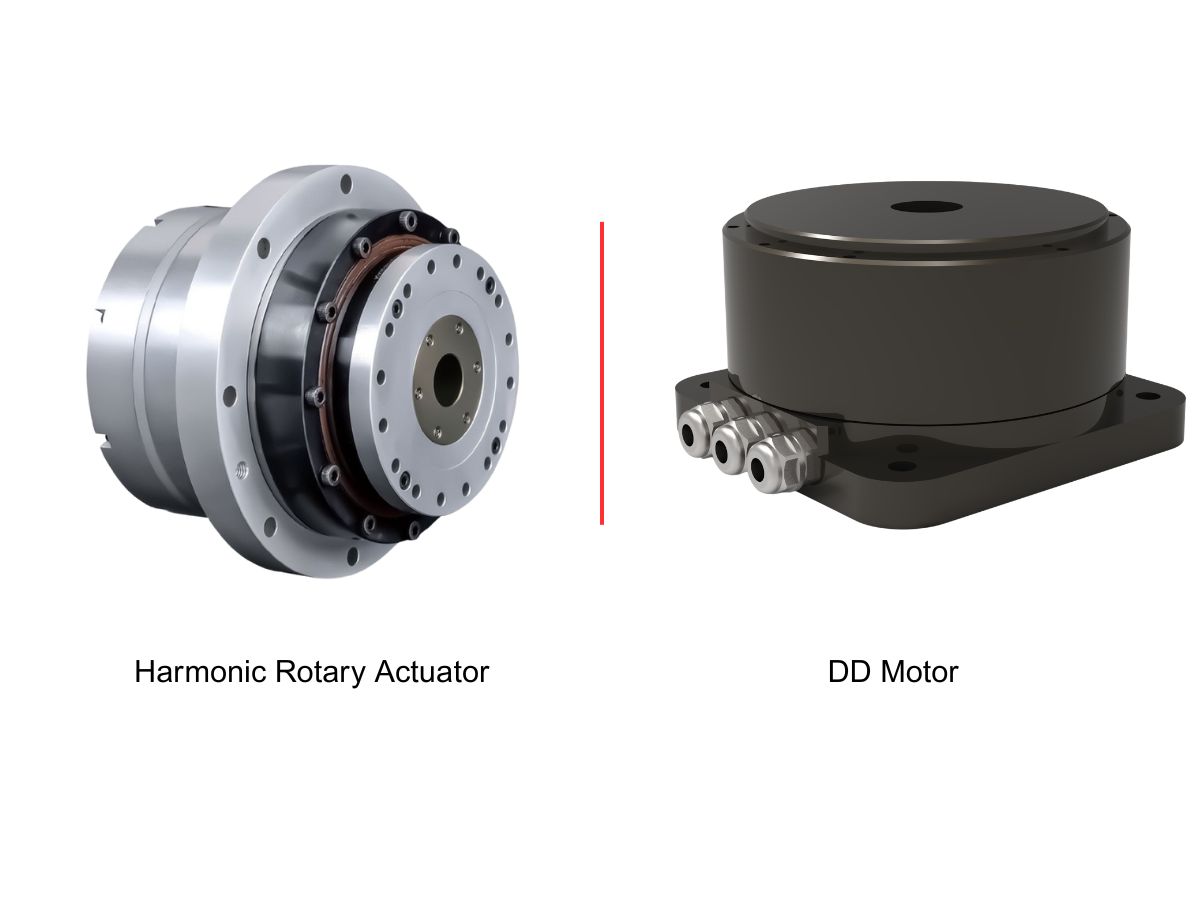
 DD Motors VS Harmonic Rotary ActuatorsThis article provides an in-depth comparison between Direct Drive (DD) motors and harmonic rotary actuators, covering their transmission principles, advantages and disadvantages, and typical application fields.
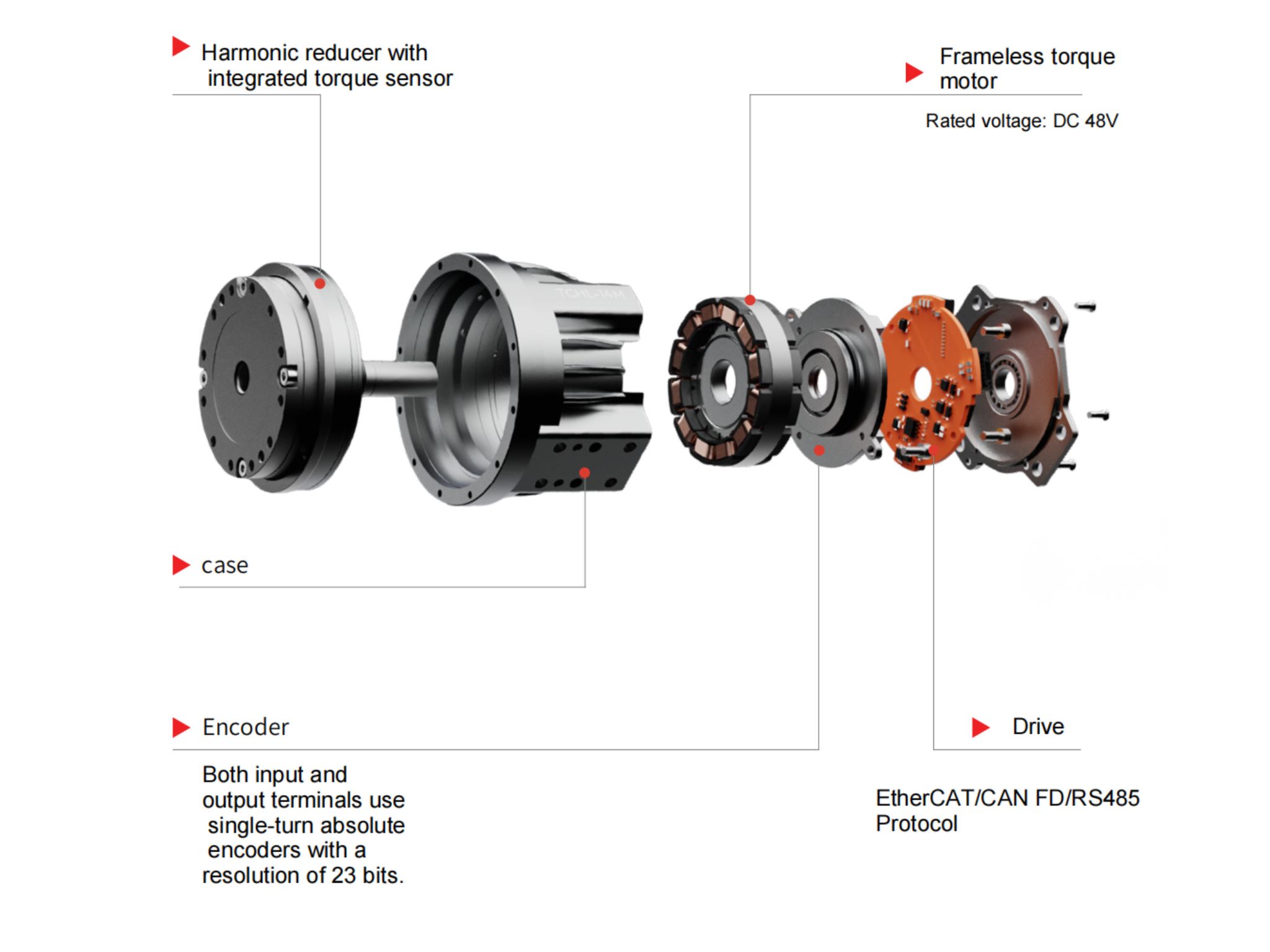
 OMG Ultra Compact Harmonic Drive Joint Module with Built-in Torque SensorHONPINE TCHL series harmonic drive joint module is a game-changing product that achieves disruptive improvements in multiple aspects such as lightweight design, integration level, and connection convenience. This article will analyze its revolutionary enhancements with you.
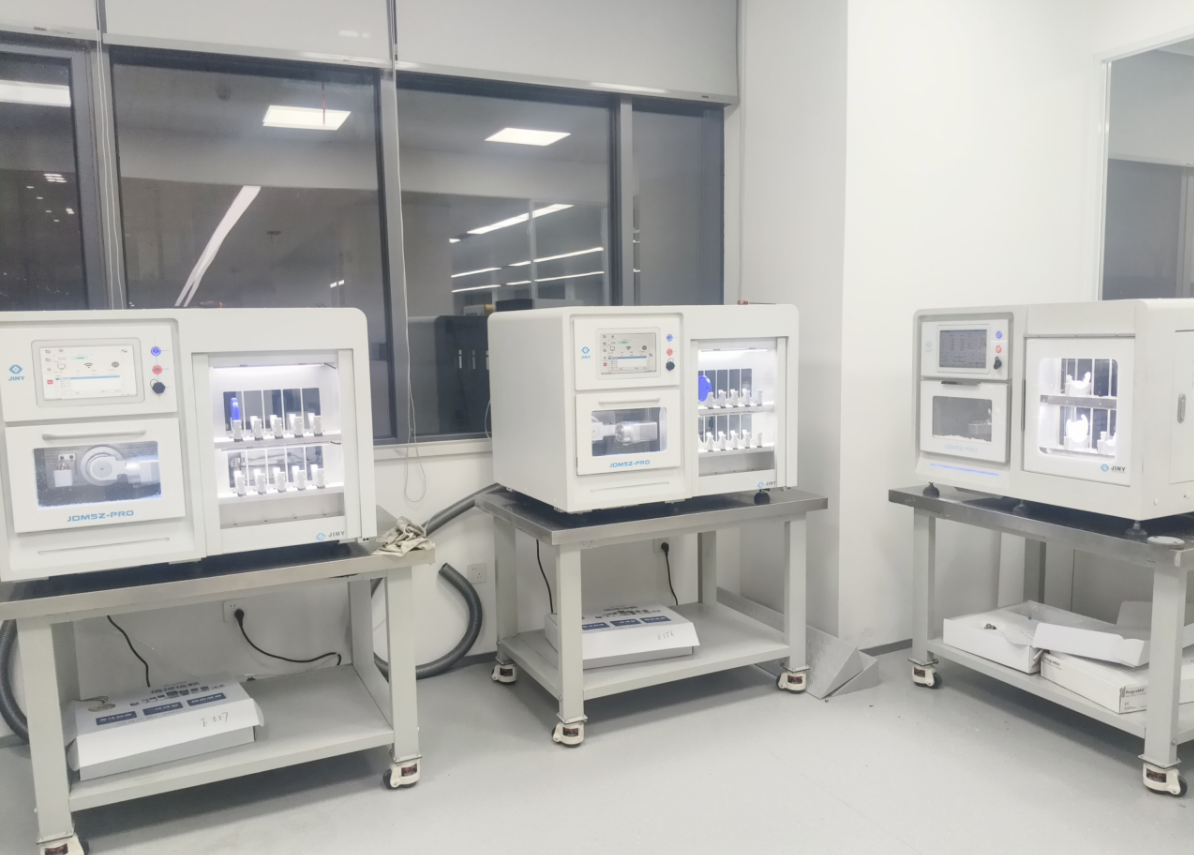
 The Role of Harmonic Drive Gears in Achieving 5–10 μm Accuracy in Dental Milling MachinesA dental milling machine is a CNC machining system used to directly process digital dental models into restorations such as crowns, bridges, veneers, inlays, and implant abutments. Dental milling machines require far higher operational accuracy and motion stability than ordinary equipment. This article explains how harmonic drive gear help dental milling machines achieve stable, continuous, and controllable operation.
 Why Are Harmonic Rotary Actuators Perfect for Medical Equipment?Harmonic rotary actuators (typically integrated systems consisting of a harmonic drive reducer, frameless torque motor, encoder, and optional brake) are regarded as key components in medical equipment. The core reason is that they simultaneously meet the most stringent medical requirements for precision, compact size, safety, and controllability. The following explanation is structured from three perspectives: technical characteristics, application scenarios, and medical value.
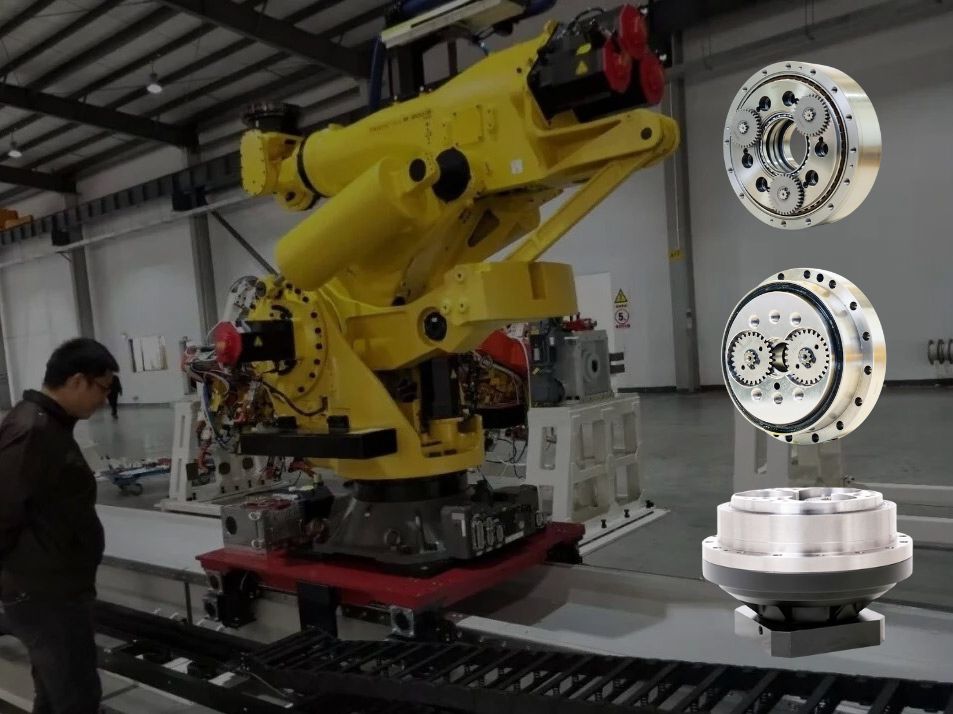
 High-Precision RV Reducers Perfectly Matched for Walking RobotsThe walking axis of a robot is a core component for power transmission and support. RV reducers provide extremely high rigidity, precision, and torque while maintaining a compact size and exceptional reliability, making them an ideal match for the demanding requirements of walking robot joints in terms of load capacity, impact resistance, and precision.
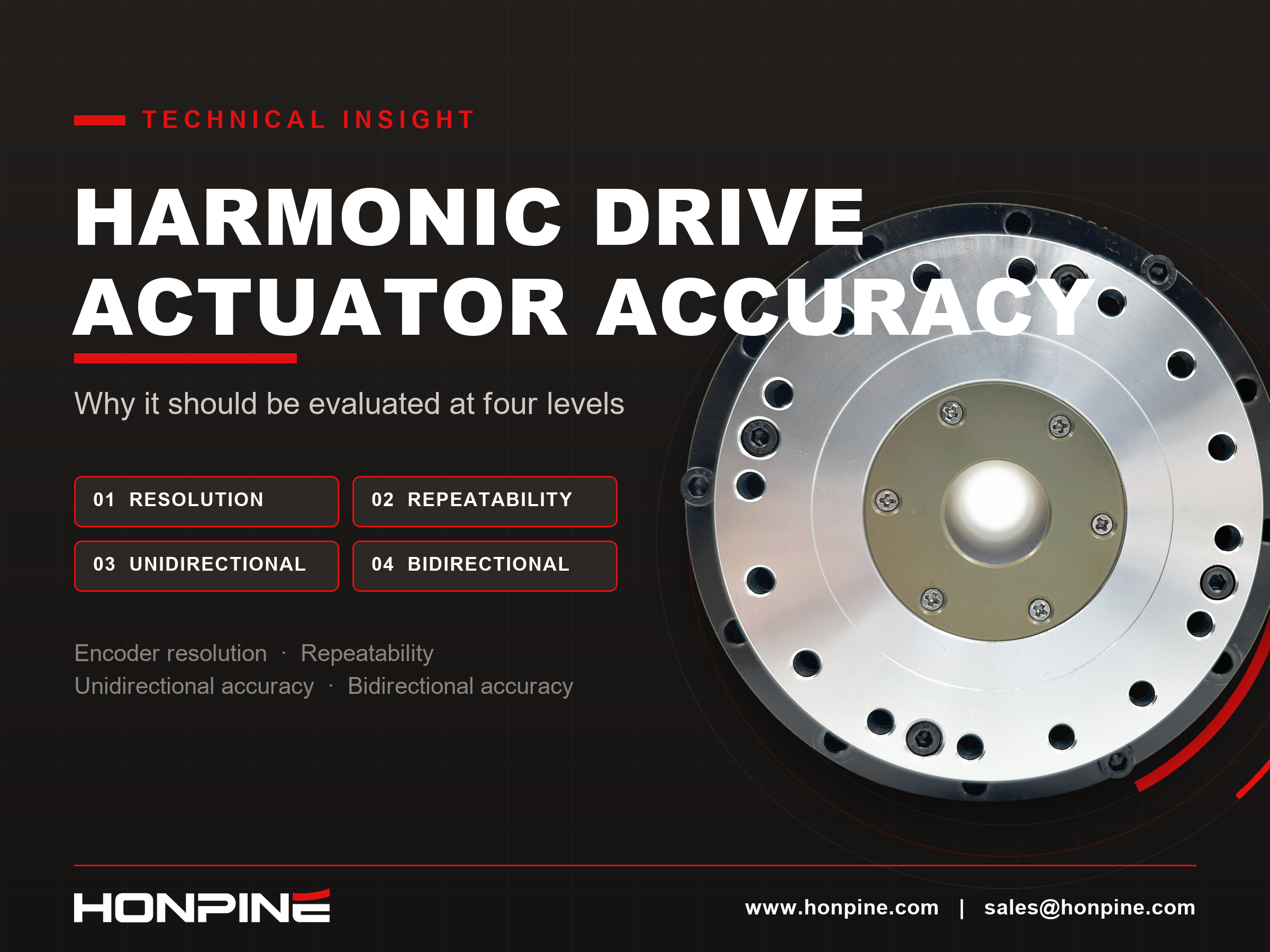
 Harmonic Drive Actuator Accuracy: Why It Should Be Evaluated at Four LevelsHarmonic drive actuator accuracy involves more than encoder resolution. Why should engineers evaluate it at four levels? Resolution, repeatability, unidirectional positioning accuracy, and bidirectional positioning accuracy describe different aspects of motion performance. Understanding these differences helps engineers select harmonic rotary actuators for semiconductor equipment, EFEM systems, and 3C automation without confusing theoretical encoder increments with actual positioning performance.
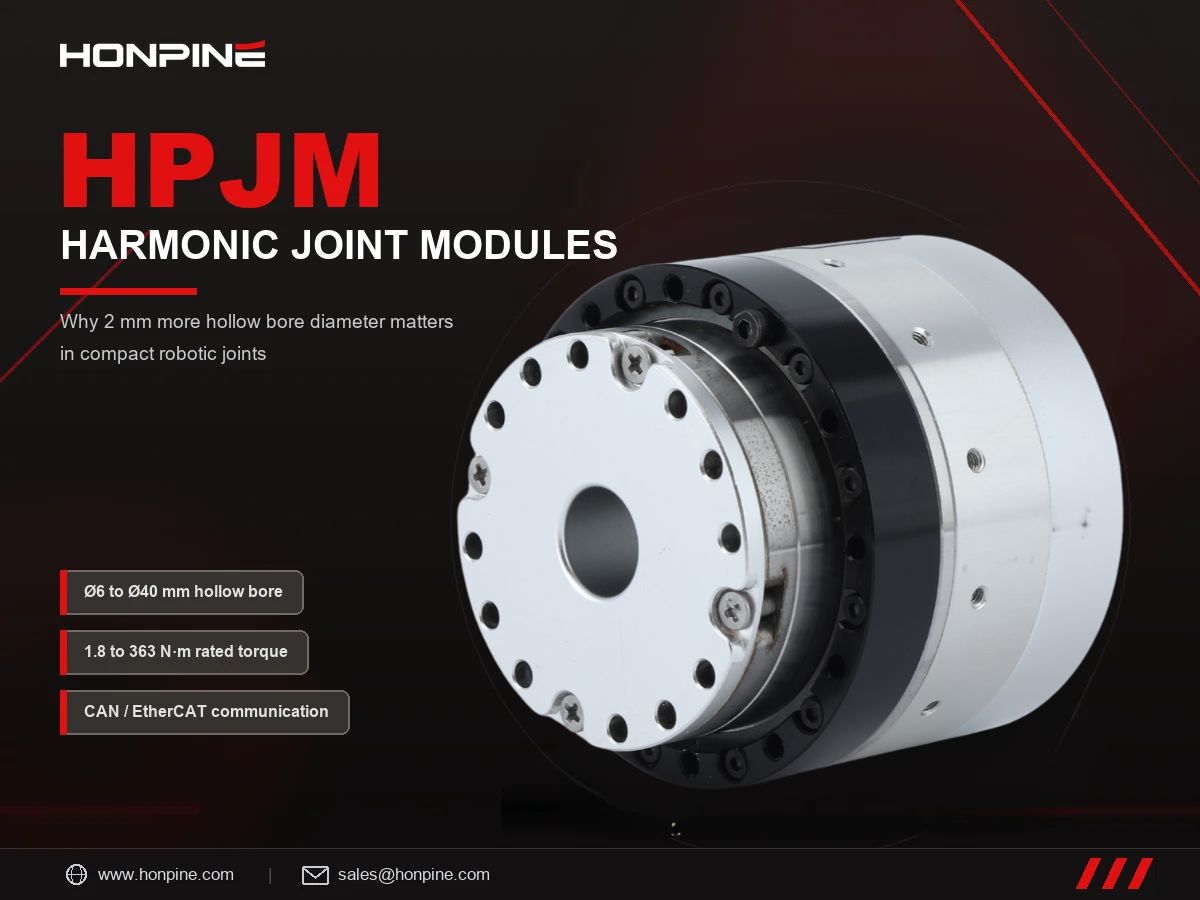
 Why Do Many Customers Choose HONPINE HPJM Harmonic Joint Modules for Just 2 mm More Hollow Bore Diameter?Why do many customers choose HONPINE HPJM harmonic joint modules for just 2 mm more hollow bore diameter? In compact robotic joints, this small dimensional difference can create a surprisingly large increase in available space. Because the cross-sectional area of a circular bore increases with the square of its diameter, an extra 2 mm can significantly improve internal cable routing and simplify system integration. This article examines the impact of hollow bore diameter, compares selected HONPINE HPJM models with comparable harmonic joint modules, and explains why bore size matters in humanoid robots, collaborative robots, and industrial automation.
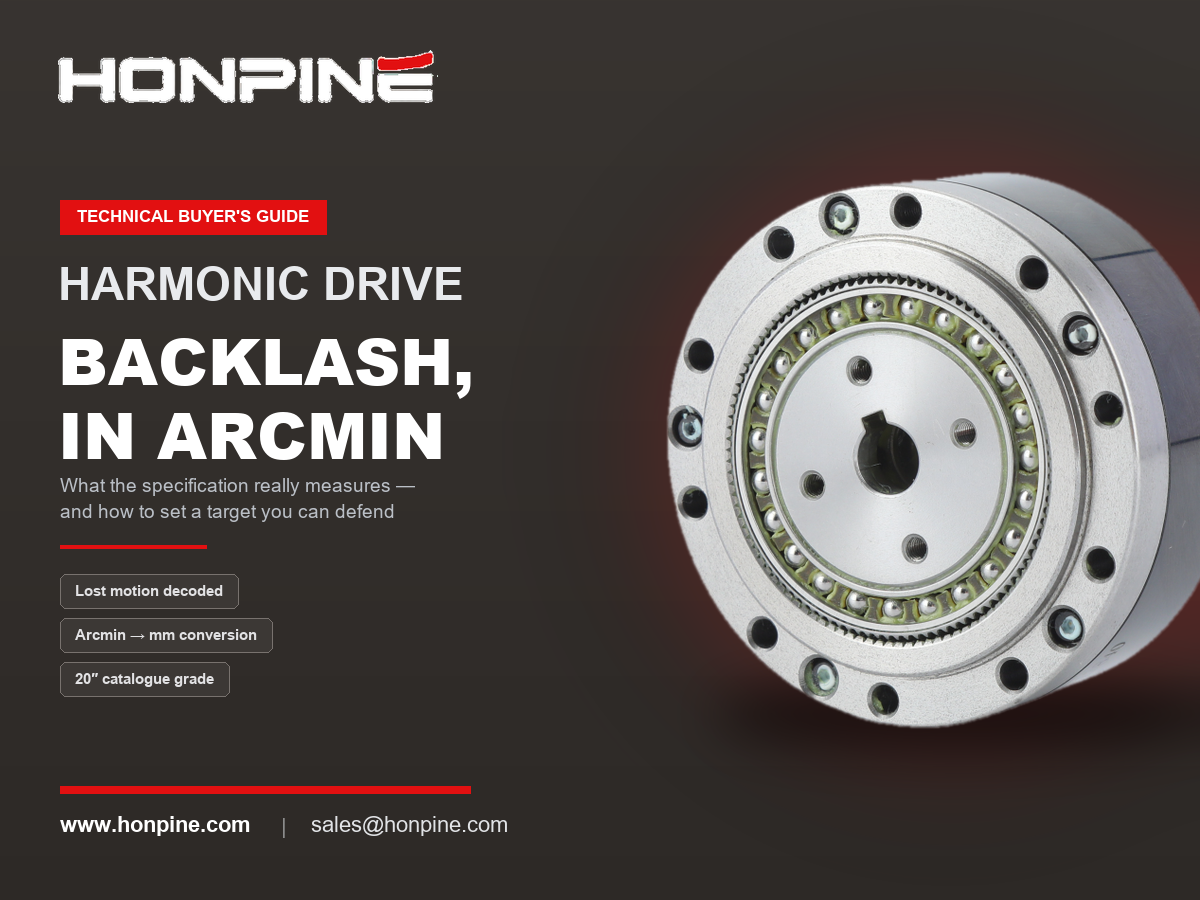
 Harmonic Drive Backlash in Arcmin: What the Specification Really Tells YouChoosing the right force control harmonic joint actuator involves more than comparing torque and dimensions. Torque sensor specifications, encoder feedback, communication protocols, functional safety, and hollow-shaft size can all affect system integration and control performance. In this guide, HONPINE Technical Director compares the TCHL and HAG harmonic joint actuator series, explaining their key differences and providing a practical selection framework for humanoid robots, collaborative manipulators, precision assembly, polishing, and other force-controlled applications.
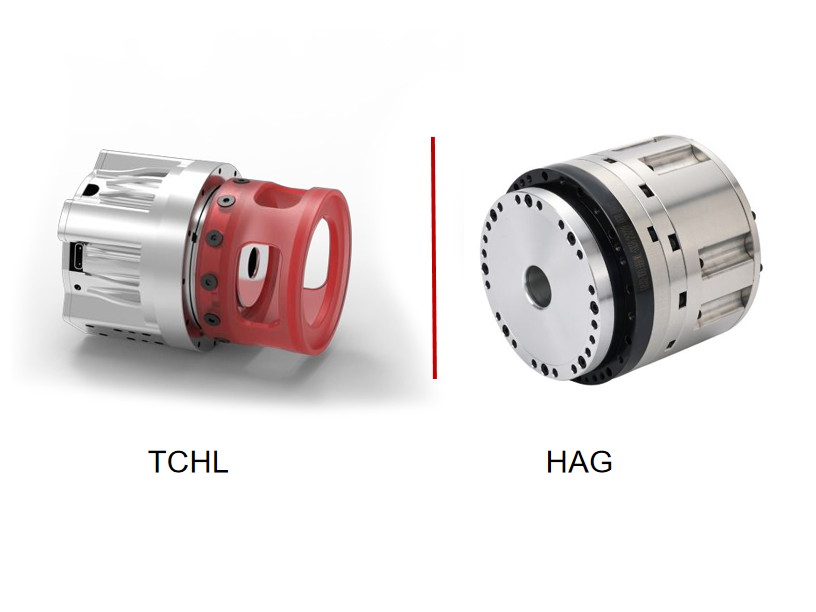
 How to Choose a Force Control Harmonic Joint Actuator? An In-Depth Comparison of HONPINE TCHL and HAGChoosing the right force control harmonic joint actuator involves more than comparing torque and dimensions. Torque sensor specifications, encoder feedback, communication protocols, functional safety, and hollow-shaft size can all affect system integration and control performance. In this guide, HONPINE Technical Director compares the TCHL and HAG harmonic joint actuator series, explaining their key differences and providing a practical selection framework for humanoid robots, collaborative manipulators, precision assembly, polishing, and other force-controlled applications.
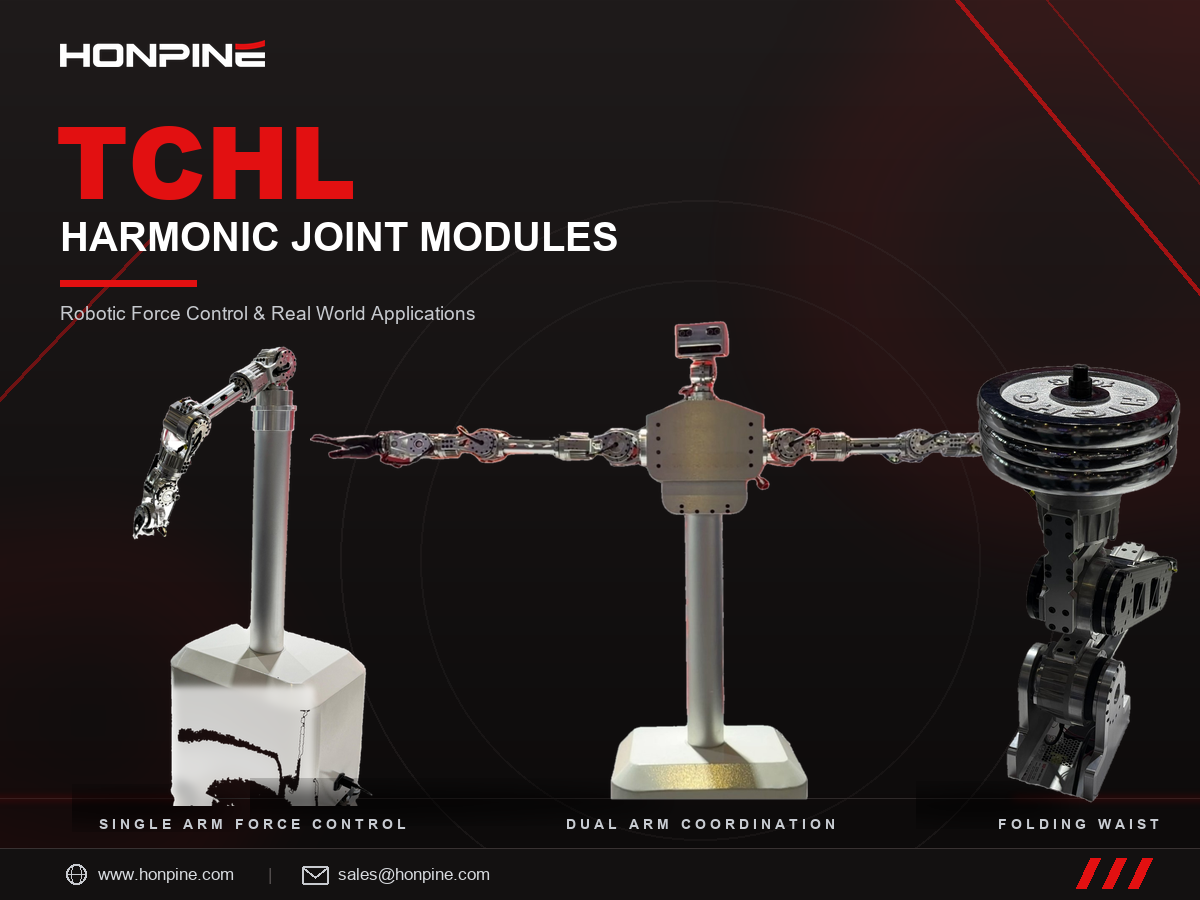
 HONPINE TCHL Harmonic Joint Modules: Robotic Force Control and Real-World ApplicationsHello everyone, I’m Theodore Li, Technical Director at HONPINE.
HONPINE TCHL harmonic joint modules have been deployed in a range of robotic motion-control applications, including dual-arm humanoid robots, single-arm compliant force control, and folding waist mechanisms for wheeled humanoid robots. As integrated motion components, they support a wide range of applications in robotics, intelligent manufacturing, and industrial automation.
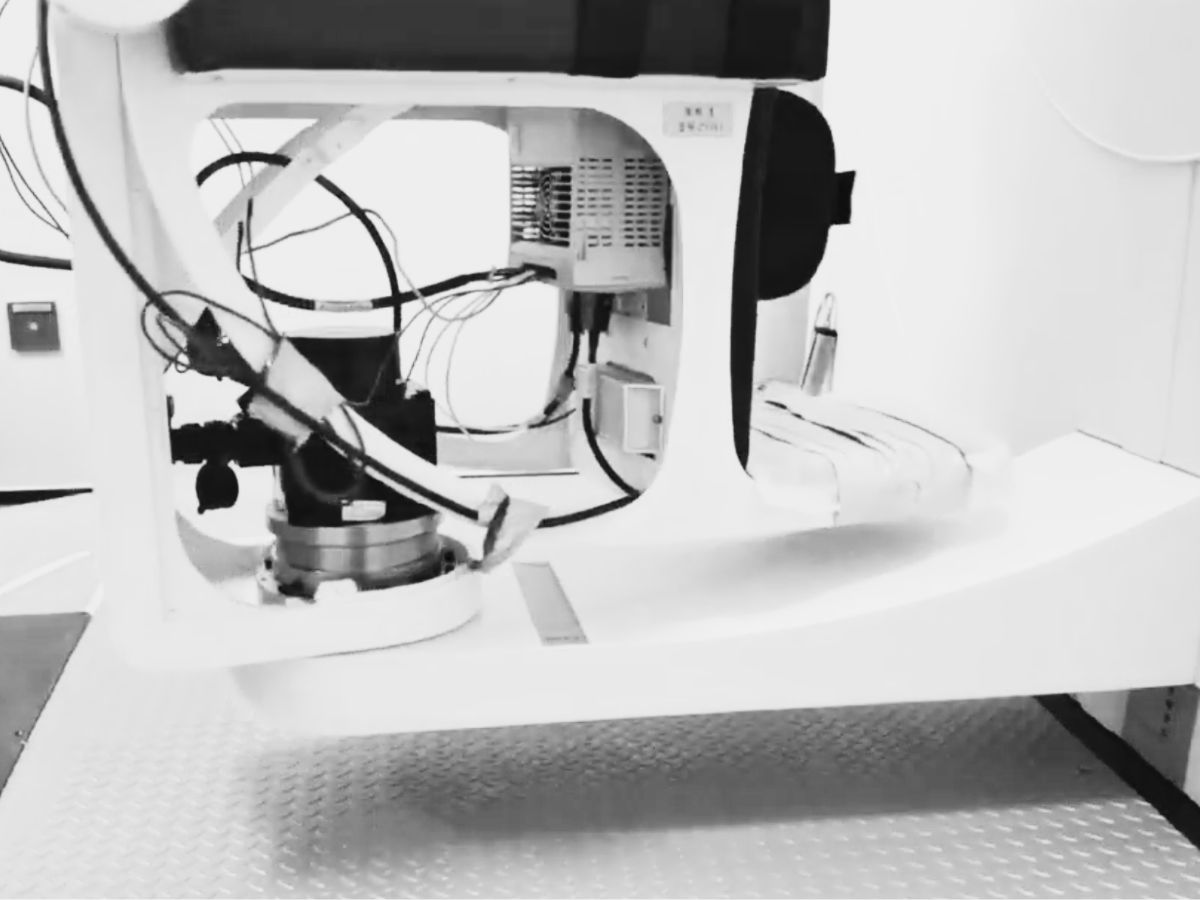
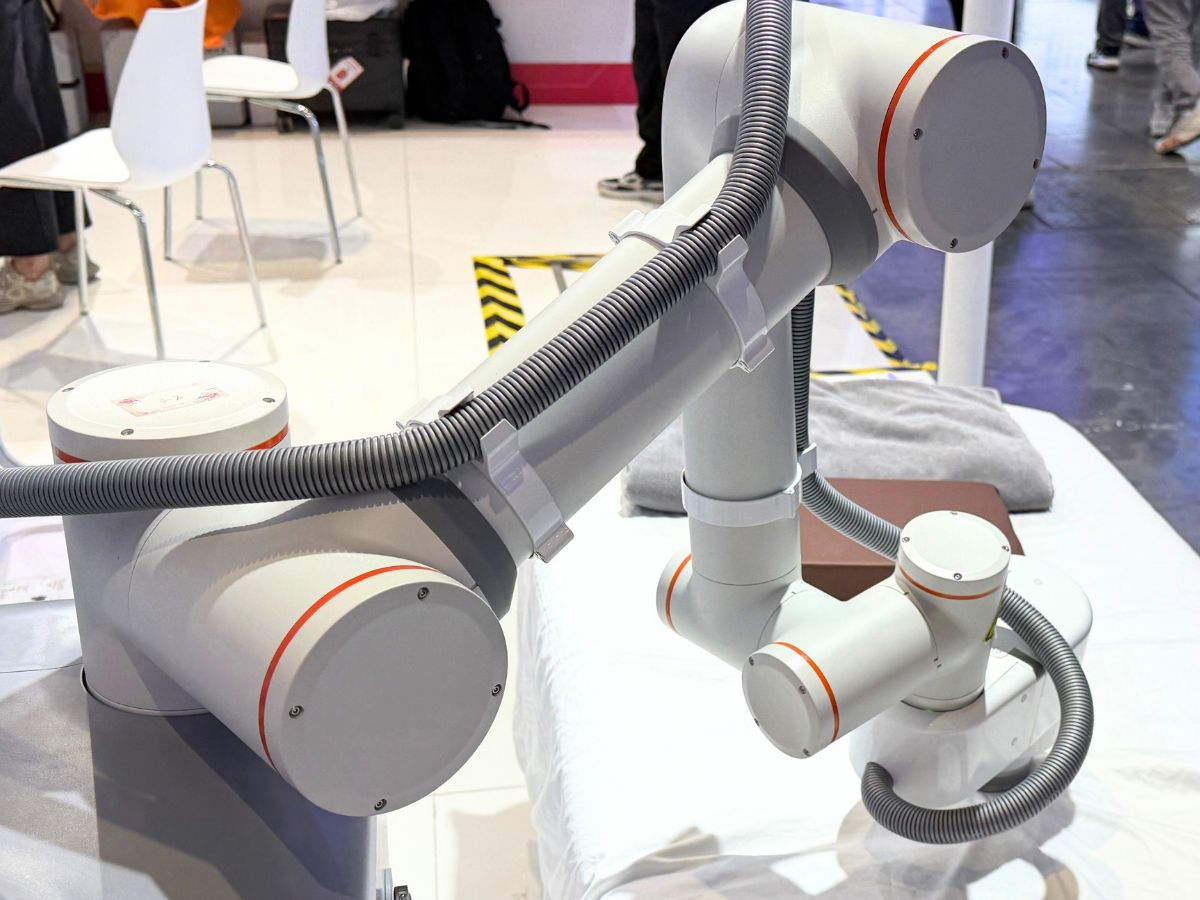
From core components to integrated motion units, HONPINE showcases the possibilities of precision transmission technology across different robotic applications through a diverse product portfolio and practical motion demonstrations. Why Bedside Physical Therapy Robots Need Force-Controlled Joint Modules?A therapy robot does not sell a robot arm; it sells a force applied to a human body. Pressure, rhythm and depth are the prescription, and position control cannot deliver them: soft tissue is compliant and time-varying, so one position command yields contact forces that differ several-fold between muscle and bone. Force-controlled harmonic joint modules turn contact force into a closed-loop variable - the only way to make dose repeatable, human contact safe and a therapist's technique teachable. Starting from one site photo of a bedside therapy robot, this article reads the configuration, sets out five reasons force control is unavoidable, settles HONPINE's TCHL-versus-HAG choice criterion by criterion, and gives the torque sensor resolution budget that picks the frame sizes.
Double Click
We provide harmonic drive reducer,planetary reducer,robot joint motor,robot rotary actuators,RV gear reducer,robot end effector,dexterous robot hand
 What is robot joint actuator?How to Choose the Best Robot Rotary Joint Actuator?In core robot joint transmission solutions, planetary and harmonic rotary actuators each have their own strengths. Choosing the right type based on application requirements is essential to achieve the optimal balance between performance and cost.
 DD Motors VS Harmonic Rotary ActuatorsThis article provides an in-depth comparison between Direct Drive (DD) motors and harmonic rotary actuators, covering their transmission principles, advantages and disadvantages, and typical application fields.
 OMG Ultra Compact Harmonic Drive Joint Module with Built-in Torque SensorHONPINE TCHL series harmonic drive joint module is a game-changing product that achieves disruptive improvements in multiple aspects such as lightweight design, integration level, and connection convenience. This article will analyze its revolutionary enhancements with you.
 Harmonic Drive Actuator Accuracy: Why It Should Be Evaluated at Four LevelsHarmonic drive actuator accuracy involves more than encoder resolution. Why should engineers evaluate it at four levels? Resolution, repeatability, unidirectional positioning accuracy, and bidirectional positioning accuracy describe different aspects of motion performance. Understanding these differences helps engineers select harmonic rotary actuators for semiconductor equipment, EFEM systems, and 3C automation without confusing theoretical encoder increments with actual positioning performance.
 Why Do Many Customers Choose HONPINE HPJM Harmonic Joint Modules for Just 2 mm More Hollow Bore Diameter?Why do many customers choose HONPINE HPJM harmonic joint modules for just 2 mm more hollow bore diameter? In compact robotic joints, this small dimensional difference can create a surprisingly large increase in available space. Because the cross-sectional area of a circular bore increases with the square of its diameter, an extra 2 mm can significantly improve internal cable routing and simplify system integration. This article examines the impact of hollow bore diameter, compares selected HONPINE HPJM models with comparable harmonic joint modules, and explains why bore size matters in humanoid robots, collaborative robots, and industrial automation.
 Harmonic Drive Backlash in Arcmin: What the Specification Really Tells YouChoosing the right force control harmonic joint actuator involves more than comparing torque and dimensions. Torque sensor specifications, encoder feedback, communication protocols, functional safety, and hollow-shaft size can all affect system integration and control performance. In this guide, HONPINE Technical Director compares the TCHL and HAG harmonic joint actuator series, explaining their key differences and providing a practical selection framework for humanoid robots, collaborative manipulators, precision assembly, polishing, and other force-controlled applications.
 How to Choose a Force Control Harmonic Joint Actuator? An In-Depth Comparison of HONPINE TCHL and HAGChoosing the right force control harmonic joint actuator involves more than comparing torque and dimensions. Torque sensor specifications, encoder feedback, communication protocols, functional safety, and hollow-shaft size can all affect system integration and control performance. In this guide, HONPINE Technical Director compares the TCHL and HAG harmonic joint actuator series, explaining their key differences and providing a practical selection framework for humanoid robots, collaborative manipulators, precision assembly, polishing, and other force-controlled applications.
 HONPINE TCHL Harmonic Joint Modules: Robotic Force Control and Real-World ApplicationsHello everyone, I’m Theodore Li, Technical Director at HONPINE.
HONPINE TCHL harmonic joint modules have been deployed in a range of robotic motion-control applications, including dual-arm humanoid robots, single-arm compliant force control, and folding waist mechanisms for wheeled humanoid robots. As integrated motion components, they support a wide range of applications in robotics, intelligent manufacturing, and industrial automation.
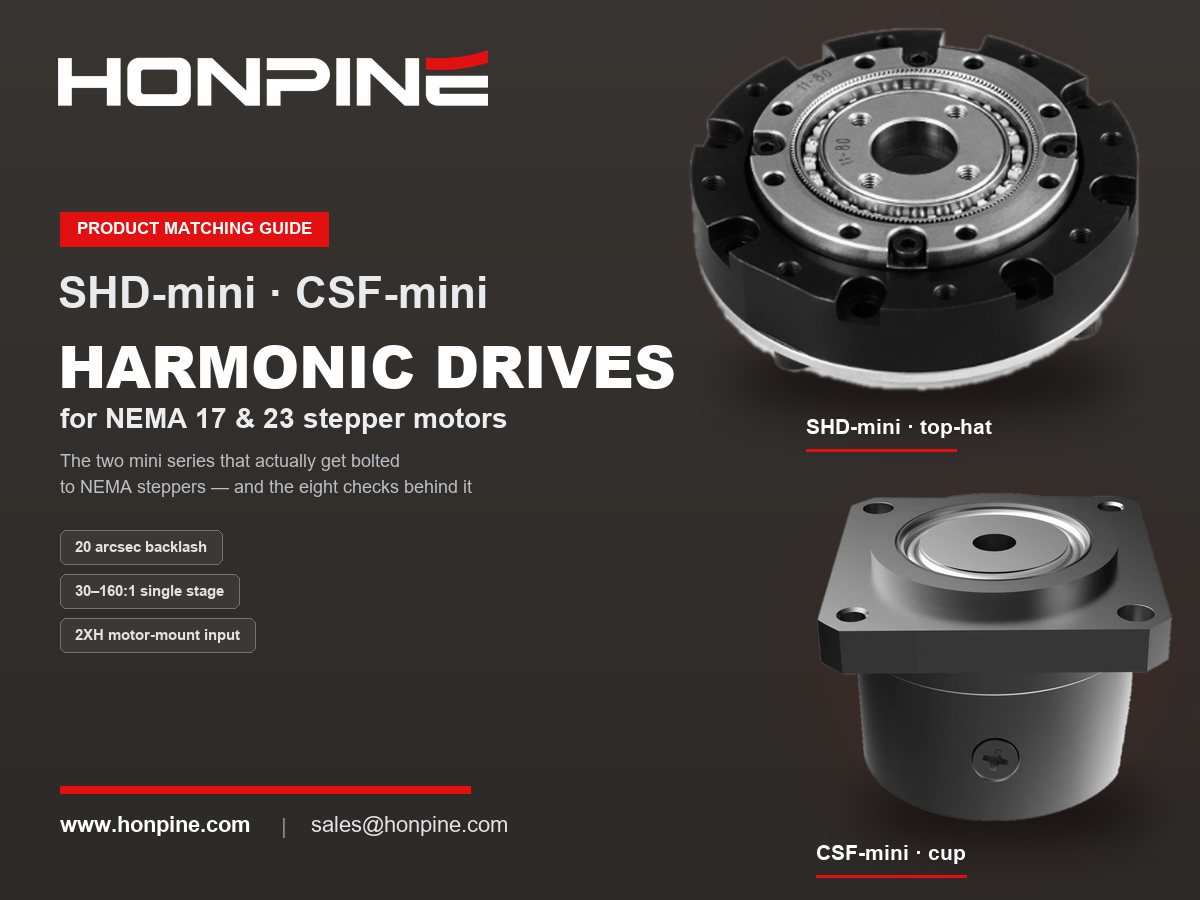
From core components to integrated motion units, HONPINE showcases the possibilities of precision transmission technology across different robotic applications through a diverse product portfolio and practical motion demonstrations. NEMA 17 & NEMA 23 Harmonic Drive Matching Guide: Pairing Stepper Motors with Harmonic ReducersPairing a stepper motor with a harmonic drive is not a budget compromise. A stepper's weak points — the coarse step angle, torque collapse above roughly 400 rpm, and the lack of a precision transmission — are exactly what a harmonic drive fixes: it pulls the operating point into the low-speed, high-torque sweet spot, refines a 1.8° step angle into arc-second resolution, and delivers near-zero backlash. This guide explains what NEMA frame sizes mean at the mounting interface, which harmonic frames match NEMA 17 and NEMA 23, the eight checks to run in order — including the input-side no-load starting torque most often missed — and the pairing's real weakness: silent failure. Includes HONPINE SHD and CSF specifications.
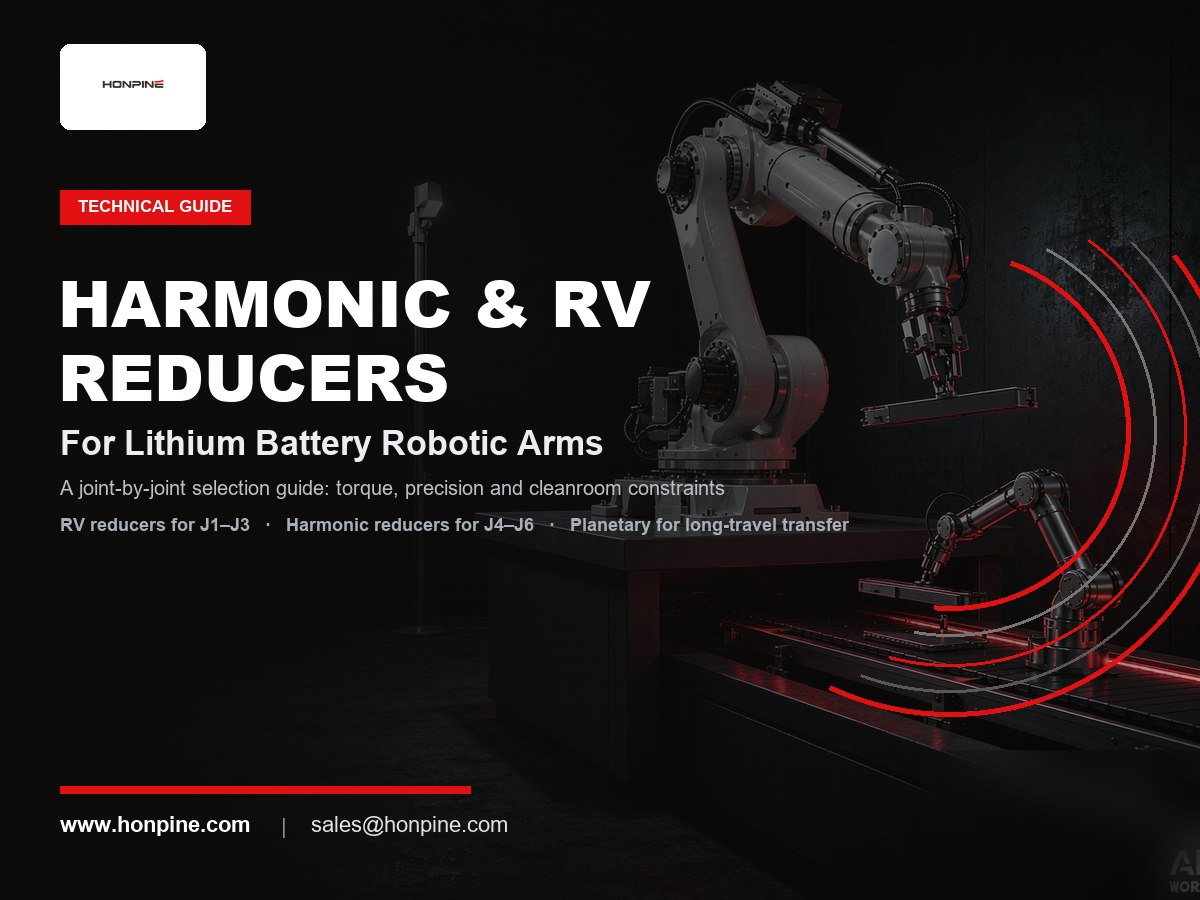
 Harmonic vs. RV Reducers for Lithium Battery Robotic Arms: A Joint-by-Joint Selection GuideIn lithium battery plants, reducer selection for a robotic arm is not about finding one "best" gearbox — it is about dividing work by joint. RV reducers take the shoulder and elbow (J1–J3), where stiffness, shock resistance, and long life matter most; harmonic reducers take the wrist (J4–J6), where near-zero backlash, high torque density, and low weight decide positioning accuracy. Planetary gearboxes cover long-travel Cartesian transfer at lower cost. Lithium battery production then adds three stricter filters: extreme repeatability (±0.02–0.05 mm), 24/7 high-duty cycles, and zero tolerance for metal particle contamination. This guide explains the logic behind joint-by-joint selection, compares the three reducer types, and maps typical configurations for every station.
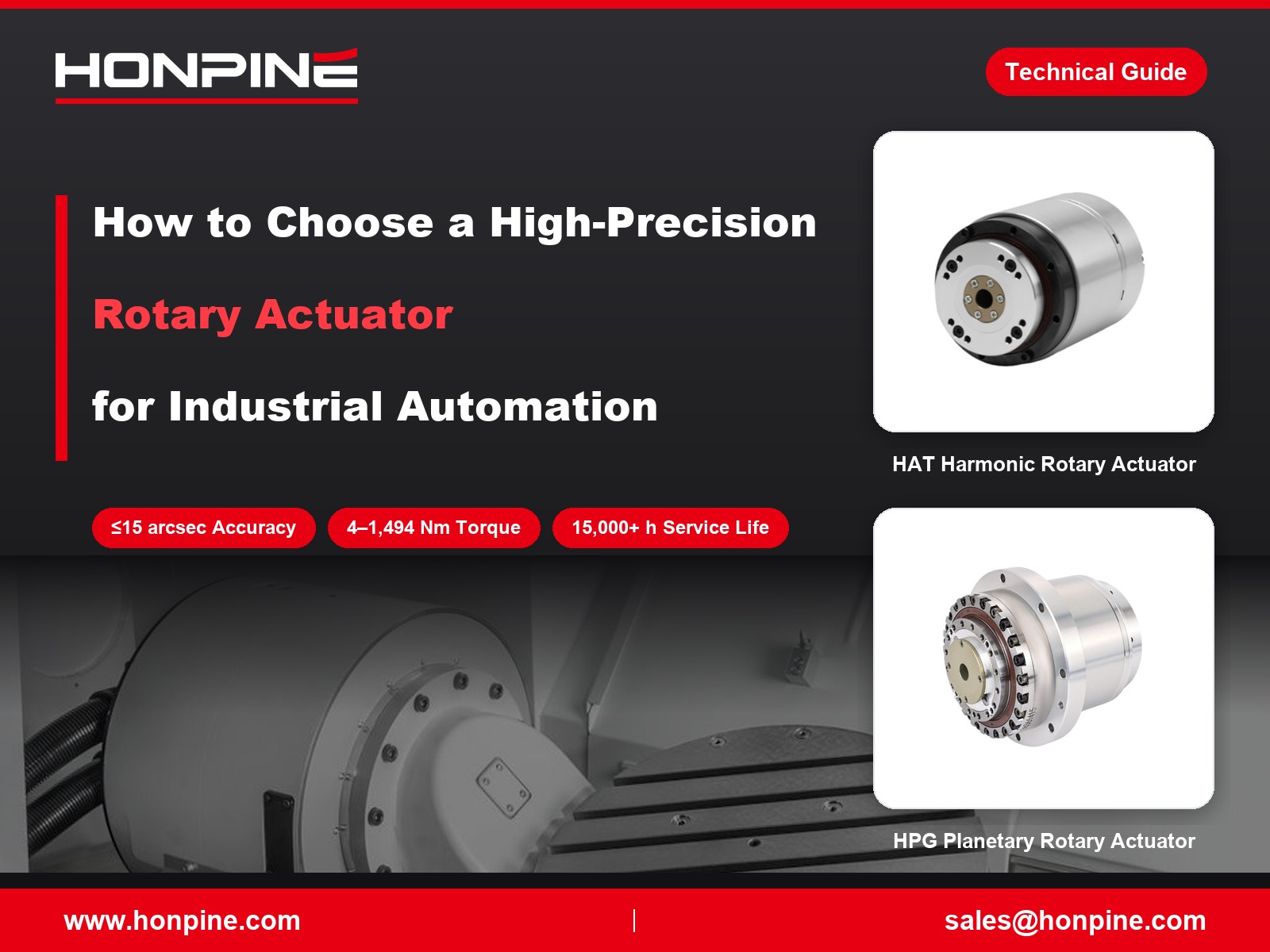
 How to Choose High-Precision Rotary Actuators for Industrial Automation?High-precision rotary actuators play an important role in industrial automation, where positioning accuracy, repeatability, durability and installation flexibility directly affect equipment performance. HONPINE offers four main series of precision rotary actuators, including HAT, HAM and HAS harmonic rotary actuators and HPG low-backlash planetary actuators. With torque ratings ranging from 4 to 1,494 Nm across the product range, these solutions are designed for applications in semiconductor manufacturing, 3C automation, laser processing and CNC machine tools. Learn how to identify the right rotary actuator based on operating conditions, precision requirements and mechanical integration needs.
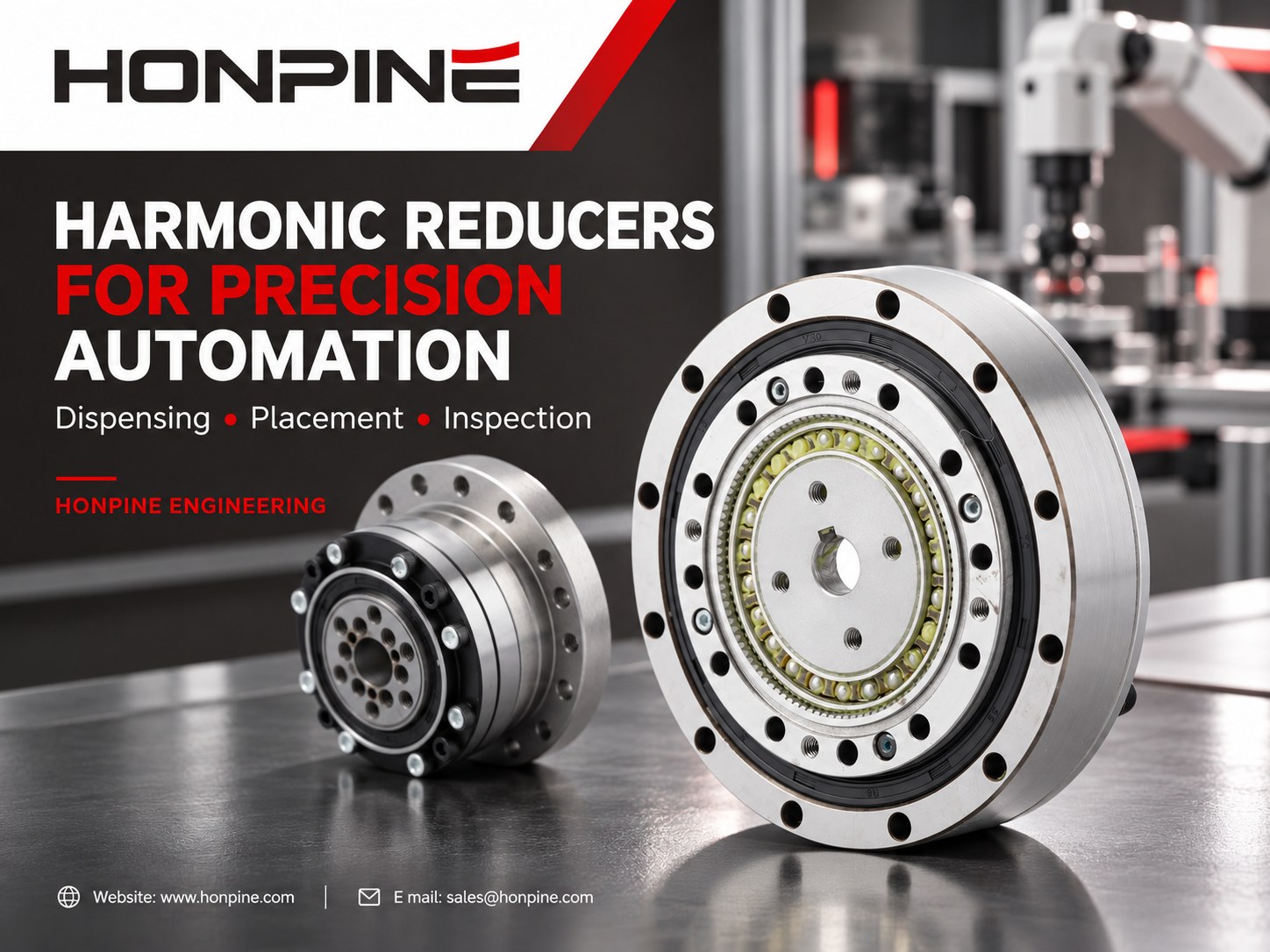
 Why Are Harmonic Reducers Suitable for High-Precision Automation Equipment?Precision automation equipment depends on consistent rotary motion, reliable positioning and compact transmission design. From dispensing head orientation and component angular alignment to automated inspection indexing, harmonic reducers offer a practical solution for applications requiring low backlash and high reduction ratios in limited installation space. This article explains how harmonic reducers support repeatable motion, compares key design configurations, and outlines how to select a suitable reduction ratio and reducer structure based on load, speed, accuracy and machine cycle-time requirements.