








India Tops China Machine Tool Exports, Up 41.2%
Image Placement Plan
No image placeholders are allocated for this article, in line with the required image count of zero.
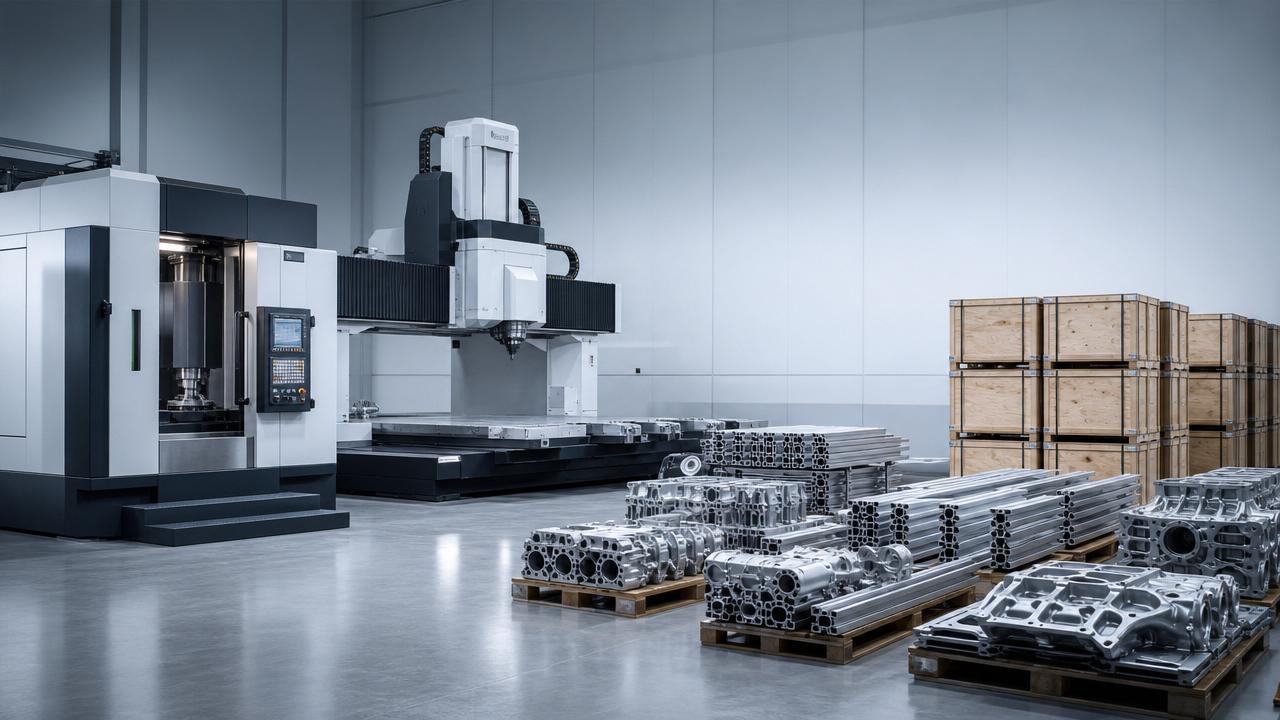
On June 1, 2026, a customs statistical update showed that India became the largest export destination for Chinese machine tools in the first quarter of 2026, a shift affecting machine tool exporters, manufacturing buyers, component suppliers, and supply chain service providers as India's national manufacturing plan accelerated and centralized tenders for automotive parts and solar mounting production lines released larger orders for Chinese vertical machining centers and gantry milling machines.
Customs Data Confirms a New Export Ranking
According to a statistical update released by the General Administration of Customs of China on June 1, 2026, China's machine tool exports to India reached US$582 million in the first quarter of 2026, up 41.2% year on year.
The same update showed that India surpassed Vietnam, with US$537 million, and the United States, with US$491 million, to become the top destination for Chinese machine tool exports for the first time.
The reported drivers of the increase were the faster implementation of India's national manufacturing plan, centralized bidding for automotive parts and solar mounting production lines, and batch order releases for Chinese-made vertical machining centers and gantry milling machines.
How the Shift May Affect Market Participants
Exporters handling direct machine tool trade
Direct trading companies are affected because India's move to the top export destination changes order concentration and customer priority. The impact may appear in quotation management, export documentation, delivery scheduling, payment risk review, and after-sales coordination. Companies may need to monitor whether future tender documents place more emphasis on equipment performance, compliance evidence, warranty terms, and technical documentation.
Raw material and component procurement teams
Procurement enterprises may feel pressure because batch orders for vertical machining centers and gantry milling machines can raise demand for castings, guide rails, spindles, control systems, tool magazines, electrical components, and other key inputs. From an industry perspective, purchasing teams may need to watch supplier lead times, quality consistency, substitute sourcing options, and the ability to support export-oriented production schedules.
Machining and equipment manufacturing plants
Processing and manufacturing enterprises are affected through production planning and specification alignment. Larger export orders linked to automotive parts and solar mounting production lines may require tighter control over machining accuracy, assembly quality, factory acceptance procedures, testing records, and technical manuals. Manufacturers may also need to prepare for more structured tender requirements and customer audits tied to delivery capability and quality traceability.
Supply chain and trade service providers
Logistics, customs brokerage, inspection, financing, and overseas service partners may see higher operational requirements because machine tool exports involve heavy equipment, delivery coordination, installation support, and documentation management. What deserves closer attention is whether faster order release leads to tighter shipment windows, more complex export declarations, or higher demand for local service coordination after delivery.
Practical Priorities for Companies Serving India-Bound Orders
Align tender specifications before production is locked in
Because the growth is linked to centralized bidding for automotive parts and solar mounting production lines, exporters should review technical bid alignment early. Key points may include spindle configuration, table size, travel range, accuracy requirements, control system preferences, automation interfaces, installation conditions, and acceptance criteria. Analysis shows that early specification alignment can reduce rework risk when orders are released in batches.
Review certification, compliance, and document packages
Although the input does not provide specific certification rules, companies exporting machine tools should prepare complete technical files, inspection reports, quality records, operation manuals, maintenance instructions, and traceability documents. It is more appropriate to understand this as a documentation and compliance readiness issue rather than a purely sales-driven opportunity.
Secure key materials and components for batch delivery
The release of batch orders for vertical machining centers and gantry milling machines may put pressure on upstream procurement. Companies should assess whether critical parts, machining capacity, assembly lines, and testing benches can support confirmed delivery plans. Procurement teams should also review supplier qualification management to avoid delays caused by inconsistent component quality or limited capacity.
Strengthen after-sales service and quality traceability
Machine tools used in automotive parts and solar mounting production lines are closely tied to production continuity. Exporters may need to prepare clearer warranty procedures, spare parts plans, remote support processes, installation records, and fault traceability mechanisms. From an industry perspective, after-sales capability may become a more visible factor in future bidding and customer retention.
Industry View: A Demand Surge With Rule-Based Implications
Analysis shows that India's rise to the top destination for Chinese machine tool exports should not be viewed only as a short-term shipment increase. It also reflects how manufacturing policy implementation, production-line tenders, and equipment specification requirements can reshape export competition.
From an industry perspective, machine tool suppliers may face a more rule-driven purchasing environment if centralized tenders continue to influence order allocation. This could make technical bid alignment, compliance documents, lifecycle support, and delivery credibility more important in commercial negotiations.
Observably, the demand drivers mentioned in the customs update are concentrated in manufacturing applications rather than general inventory replenishment. This suggests that suppliers serving India-bound orders may need to connect equipment sales more closely with end-use production scenarios, such as automotive parts manufacturing and solar mounting line construction. This remains an analytical judgment based on the provided information, not a confirmed forecast.
Measured Conclusion
India becoming the largest destination for Chinese machine tool exports in the first quarter of 2026 is an important signal for the machine tool supply chain. The confirmed customs data points to a significant change in export ranking, while the reported demand drivers highlight the role of manufacturing policy implementation and centralized production-line procurement.
For enterprises, the key issue is not only whether export volume continues to rise, but whether they can match tender specifications, compliance expectations, delivery cycles, and after-sales requirements. The impact should be watched carefully without assuming that the current growth rate will automatically continue.
Source Note and Items to Watch
This article is based on the provided news title, event date, and event summary. The cited facts refer to the customs statistical update dated June 1, 2026, as described in the input.
Specific official source links were not provided in the input and should be verified continuously.
Further monitoring is needed on policy implementation details, certification enforcement practices, changes in tender documents, technical specification requirements, delivery conditions, after-sales expectations, and industry feedback from exporters and downstream manufacturing users.
HONPINE Industry Insight
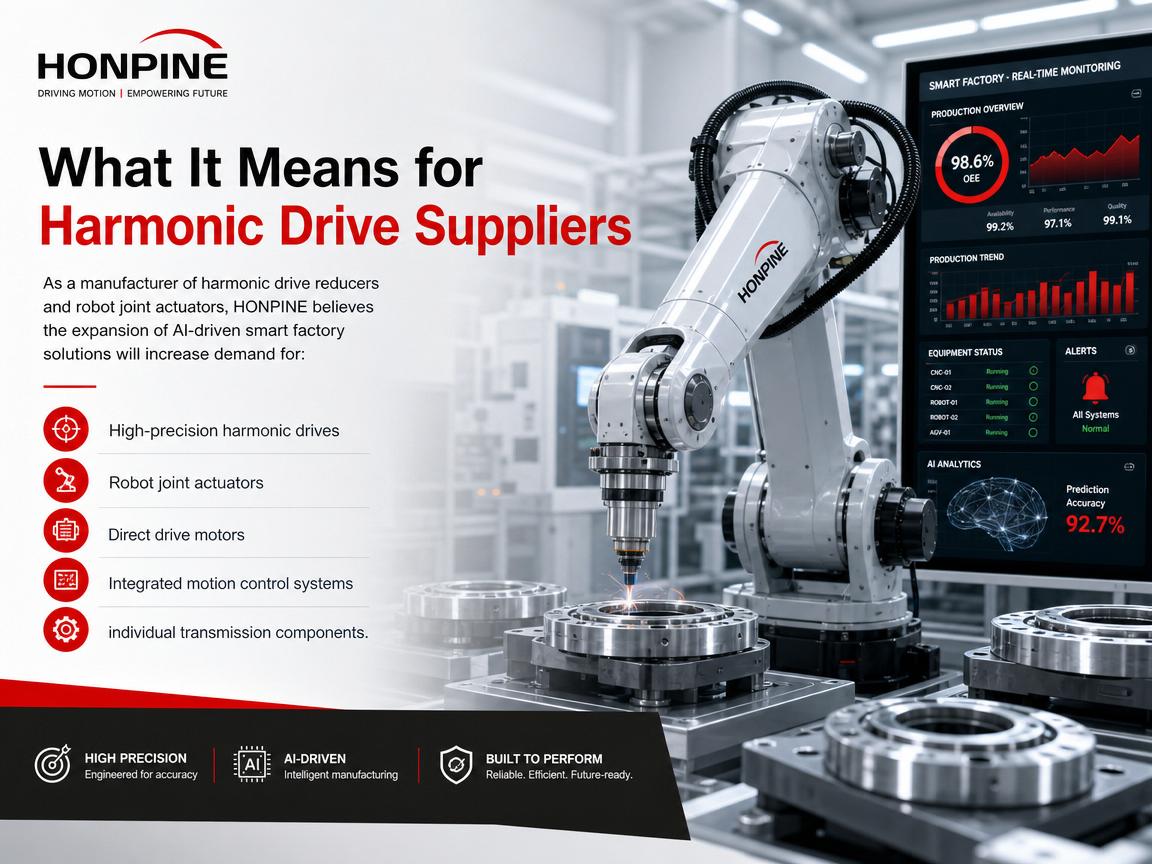
As India's manufacturing sector accelerates investment in CNC machine tools, automated production lines, and smart factory projects, the demand for high-precision motion control and power transmission components is expected to grow accordingly. Beyond machine tools themselves, modern production systems increasingly rely on precision harmonic drive reducers, robot joint actuators, RV reducers, planetary gearboxes, and direct drive motors to improve positioning accuracy, operational efficiency, and long-term equipment reliability.
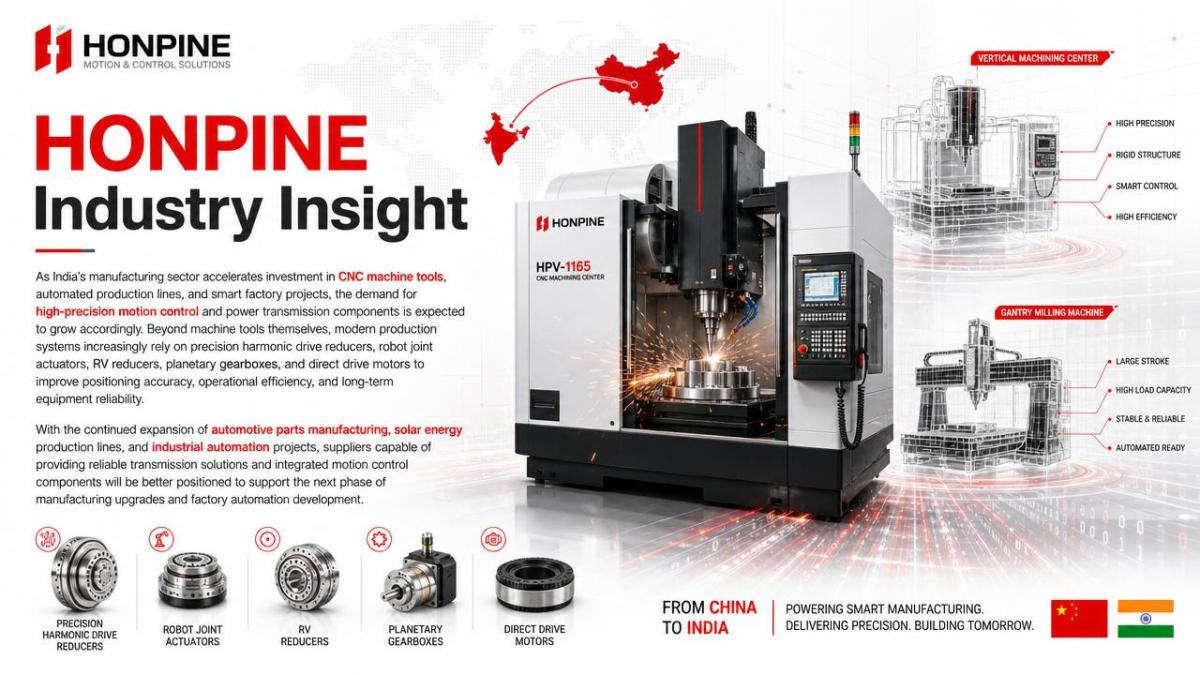
With the continued expansion of automotive parts manufacturing, solar energy production lines, and industrial automation projects, suppliers capable of providing reliable transmission solutions and integrated motion control components will be better positioned to support the next phase of manufacturing upgrades and factory automation development.
Read More
Learn more about the story of HONPINE and industry trends related to precision transmission.
 What is robot joint actuator?How to Choose the Best Robot Rotary Joint Actuator?In core robot joint transmission solutions, planetary and harmonic rotary actuators each have their own strengths. Choosing the right type based on application requirements is essential to achieve the optimal balance between performance and cost.
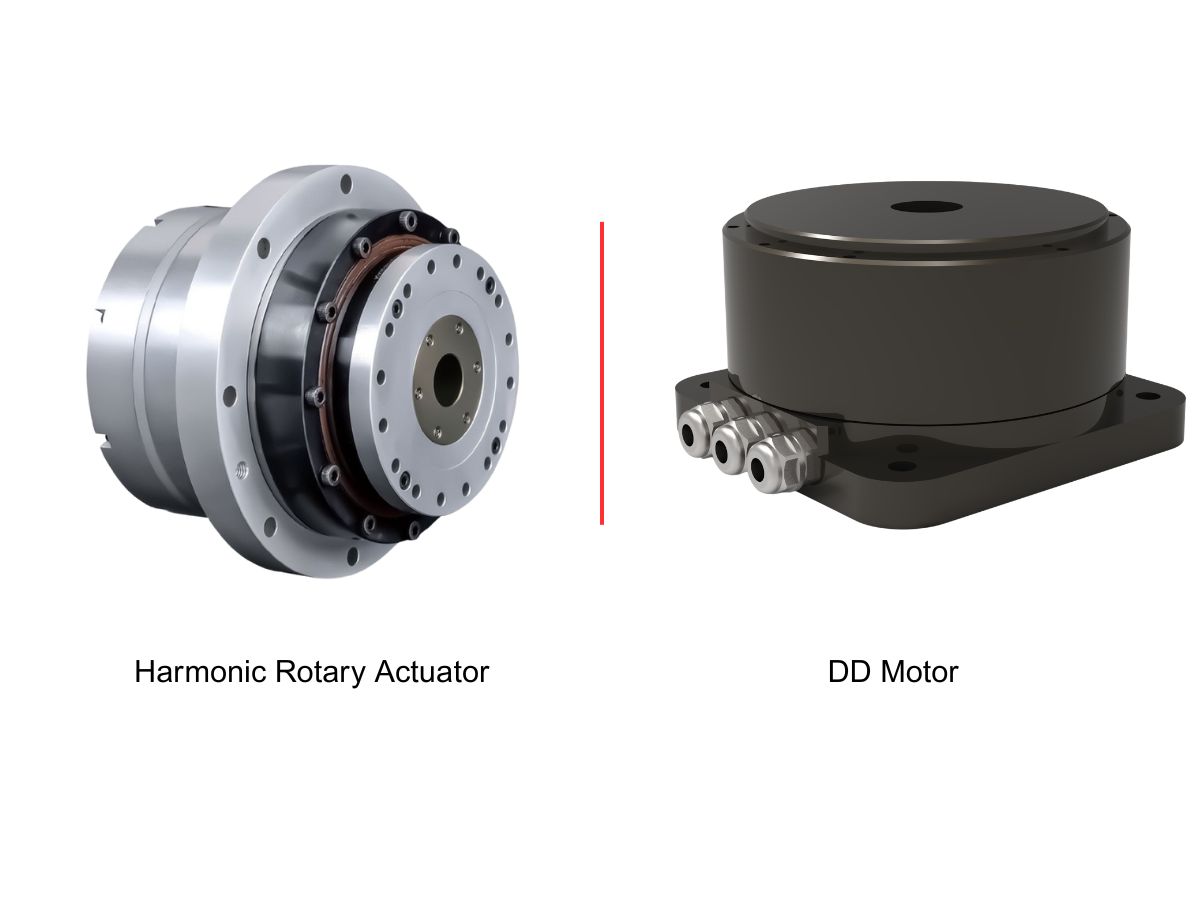
 DD Motors VS Harmonic Rotary ActuatorsThis article provides an in-depth comparison between Direct Drive (DD) motors and harmonic rotary actuators, covering their transmission principles, advantages and disadvantages, and typical application fields.
 OMG Ultra Compact Harmonic Drive Joint Module with Built-in Torque SensorHONPINE TCHL series harmonic drive joint module is a game-changing product that achieves disruptive improvements in multiple aspects such as lightweight design, integration level, and connection convenience. This article will analyze its revolutionary enhancements with you.
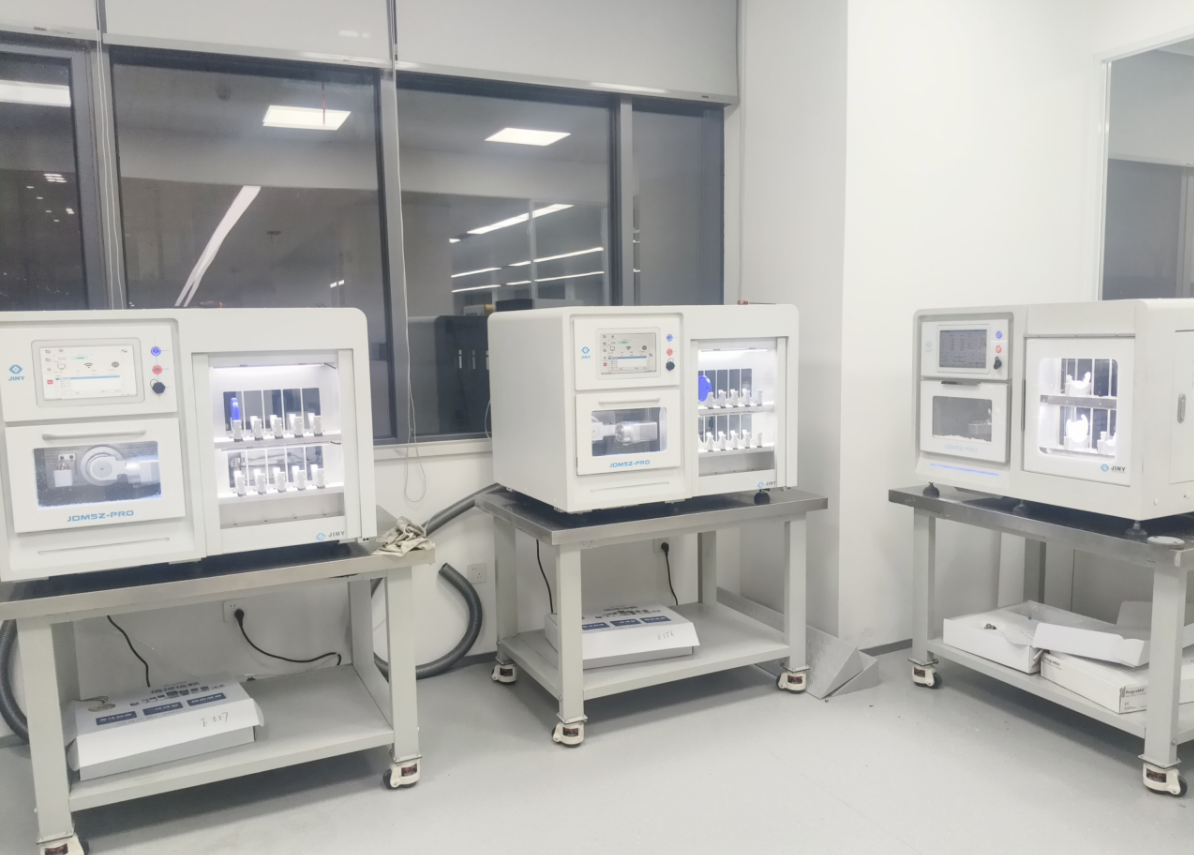
 The Role of Harmonic Drive Gears in Achieving 5–10 μm Accuracy in Dental Milling MachinesA dental milling machine is a CNC machining system used to directly process digital dental models into restorations such as crowns, bridges, veneers, inlays, and implant abutments. Dental milling machines require far higher operational accuracy and motion stability than ordinary equipment. This article explains how harmonic drive gear help dental milling machines achieve stable, continuous, and controllable operation.
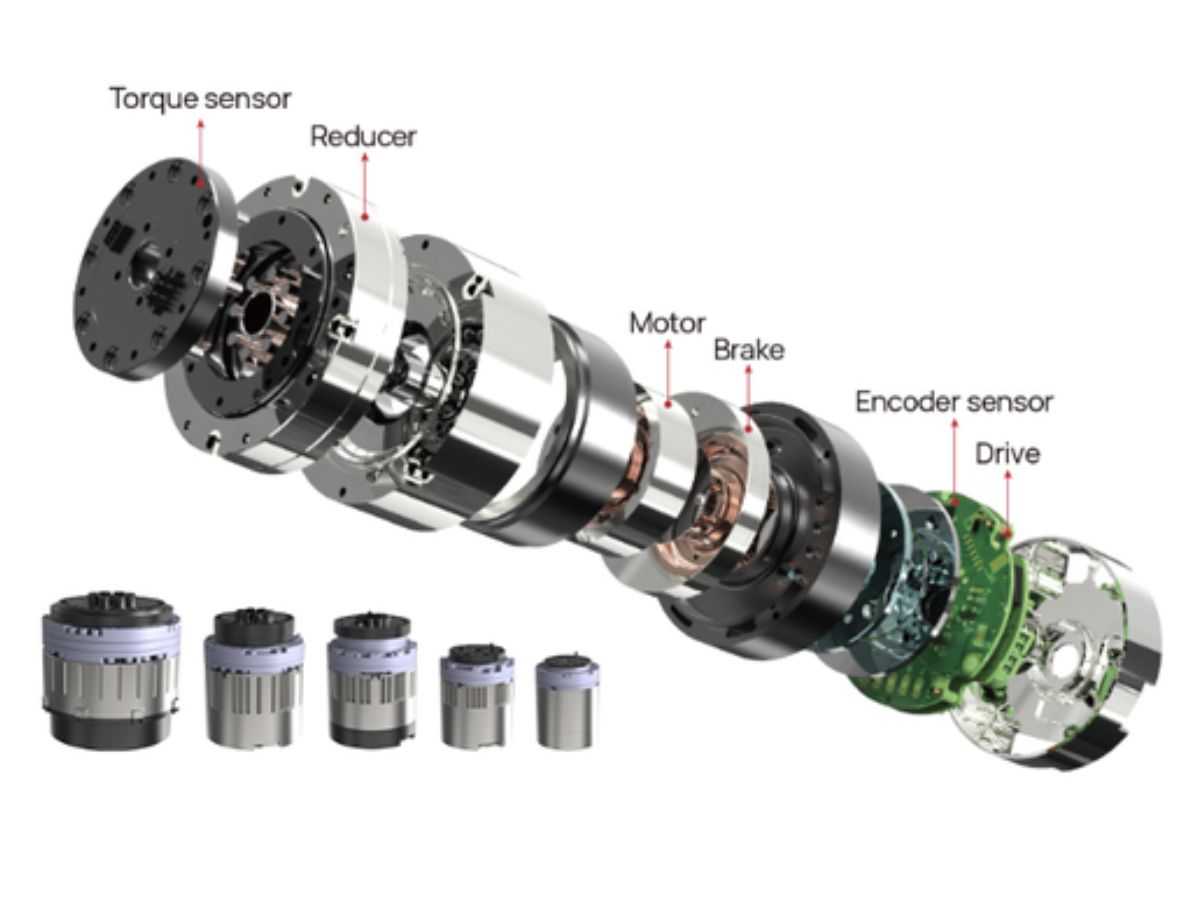
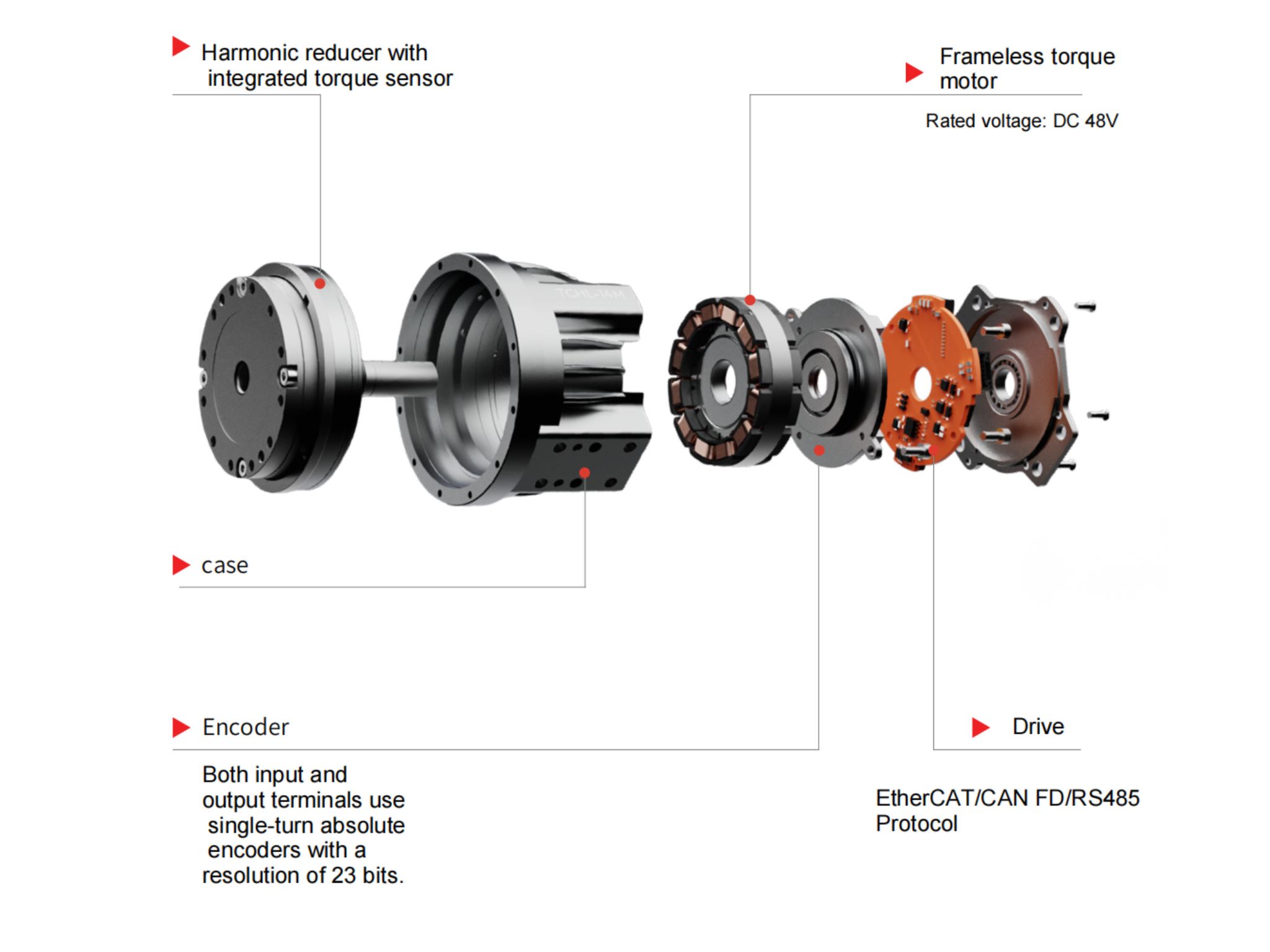
 Why Are Harmonic Rotary Actuators Perfect for Medical Equipment?Harmonic rotary actuators (typically integrated systems consisting of a harmonic drive reducer, frameless torque motor, encoder, and optional brake) are regarded as key components in medical equipment. The core reason is that they simultaneously meet the most stringent medical requirements for precision, compact size, safety, and controllability. The following explanation is structured from three perspectives: technical characteristics, application scenarios, and medical value.
 High-Precision RV Reducers Perfectly Matched for Walking RobotsThe walking axis of a robot is a core component for power transmission and support. RV reducers provide extremely high rigidity, precision, and torque while maintaining a compact size and exceptional reliability, making them an ideal match for the demanding requirements of walking robot joints in terms of load capacity, impact resistance, and precision.
 Why Are Servo Motors and Gear Reducers an Ideal Match?Servo motors provide fast, precise motion control, while gear reducers adapt their speed and torque to the load. This guide explains how servo motors and gear reducers work together through torque multiplication, reflected inertia reduction and finer theoretical position resolution. Learn how inertia matching, backlash, torsional stiffness and reduction ratio influence performance in robotics and industrial automation.
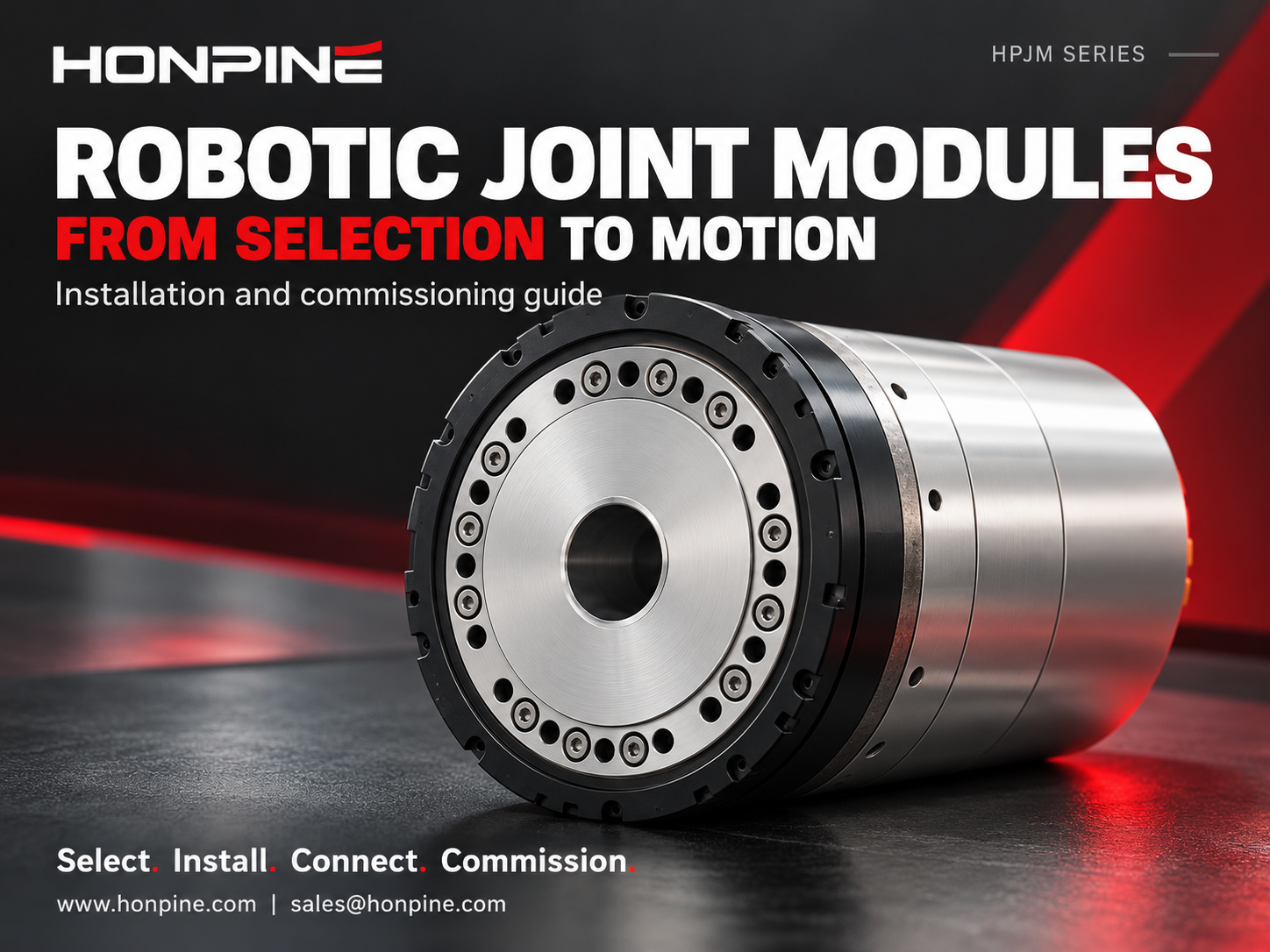
 How to Select and Use Robotic Joint Modules?How do you take robotic joint modules from selection to controlled motion? Using the HONPINE HPJM harmonic joint module as an example, Technical Director Theodore Li explains the key steps in mechanical installation, electrical wiring, CAN and EtherCAT configuration, and control commissioning. Learn what to confirm before integration and how to approach setup so each joint can respond correctly to your controller.
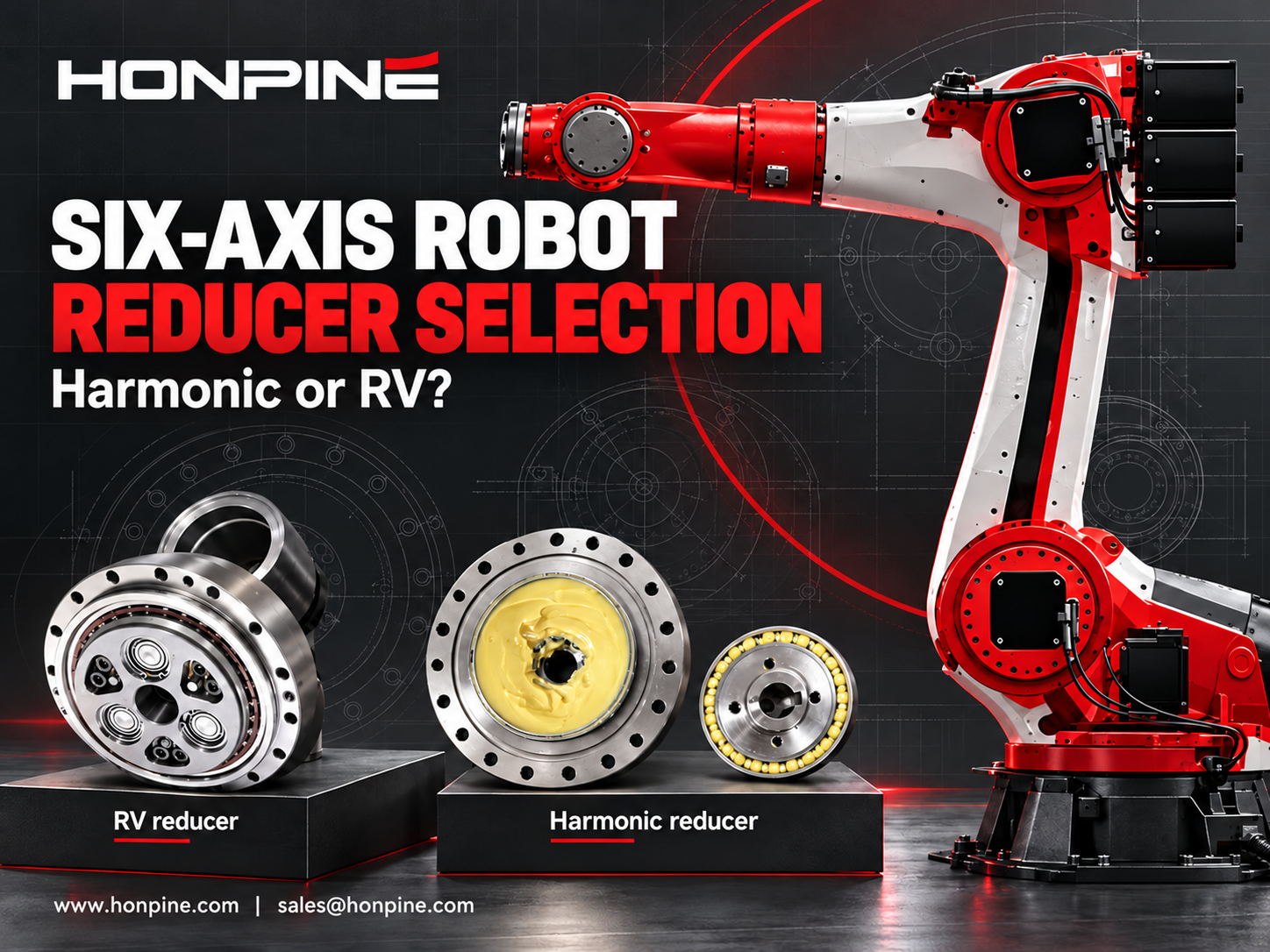
 How to Select Harmonic and RV Reducers for Each Axis of a Six-Axis Robot?What determines whether a six-axis robot joint needs a harmonic reducer or an RV reducer? The answer depends on torque, inertia, impact loads, bearing loads and installation space. This guide explains how to evaluate harmonic and RV reducers for the base, shoulder, elbow and wrist, with practical checks for stiffness, backlash and service life. Use the requirements of each axis to select a suitable reducer configuration.
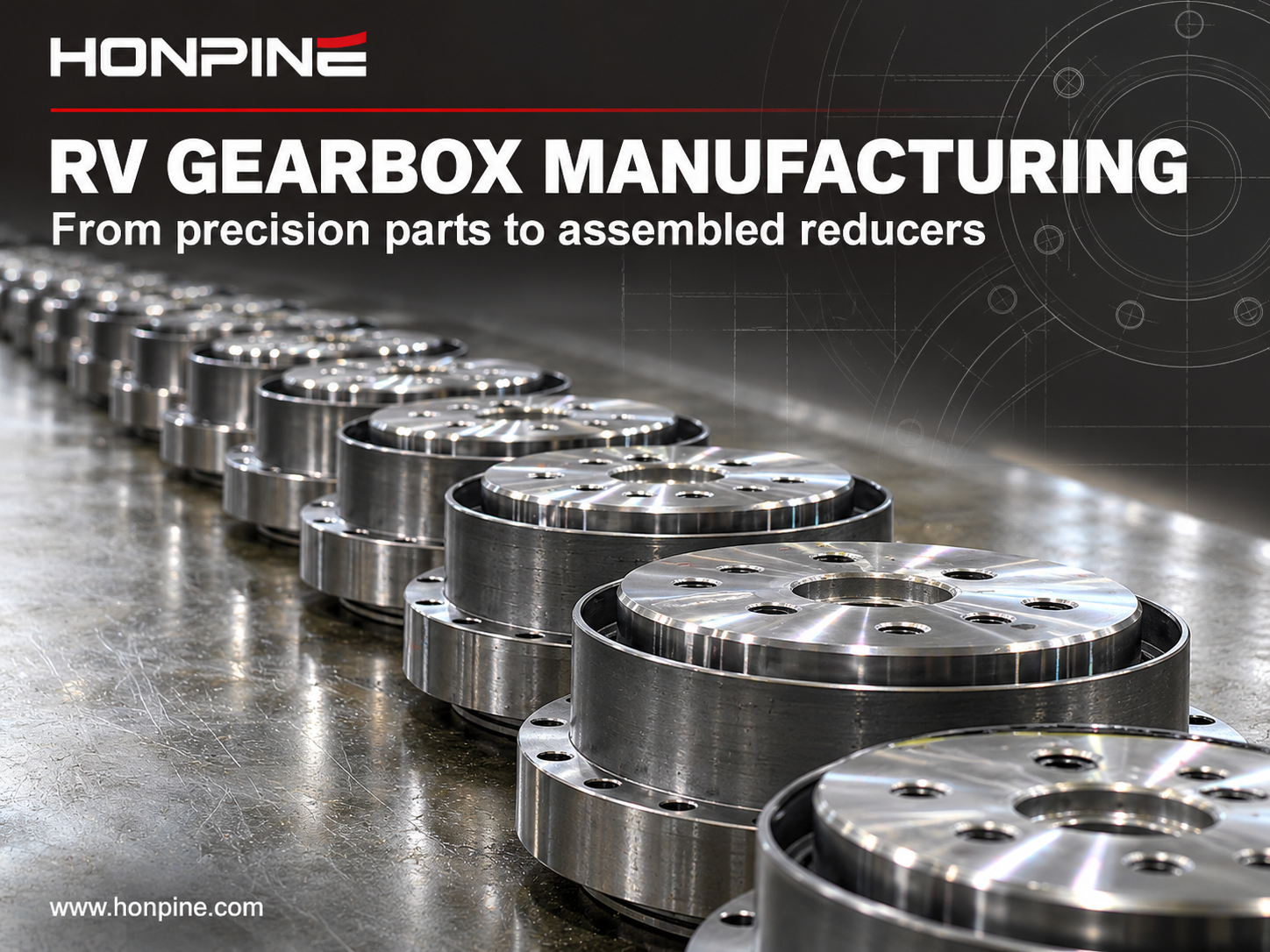
 Top 7 RV Reducer Gearbox Manufacturers: Why Does Nabtesco Still Dominate?What sets RV reducer gearbox manufacturers apart, and why does Nabtesco remain a benchmark in this market? RV reducer production demands precise component machining, careful assembly and extensive engineering know-how. This article introduces seven manufacturers across RV reducers and related transmission technologies, examines the strengths behind Nabtesco's position, and explores HONPINE's development capabilities to help you understand the supplier landscape.
 How to Calculate Torque for a Harmonic Rotary Actuator in a Flipping Mechanism?How much torque does a harmonic rotary actuator need to flip a 10 kg load through 180 degrees? The answer depends on more than weight. Center-of-gravity offset, load inertia, acceleration and operating frequency all affect actuator selection. In this guide, Theodore Li, Technical Director at HONPINE, explains the calculation process using a horizontal-axis flipping example and outlines the checks needed for peak torque, continuous operation, output speed and bearing loads.
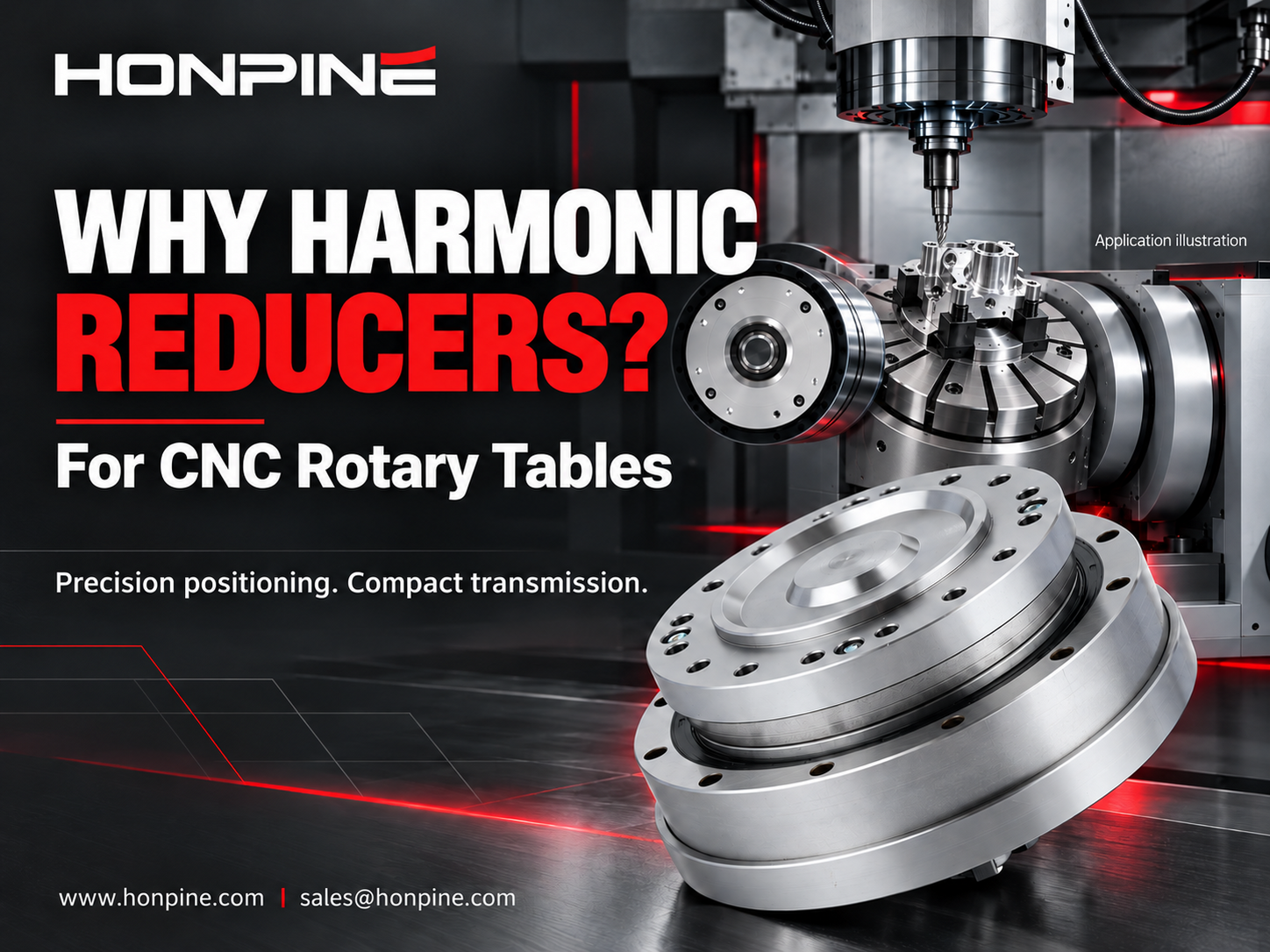
 Why Are Harmonic Reducers Suitable for CNC Machine Tool Rotary Tables?Why choose harmonic reducers for CNC rotary tables? Accurate indexing depends on more than the motor: backlash, torsional stiffness and torque capacity all affect how reliably a rotary table holds its position during machining. This guide explains the key transmission requirements of fourth and fifth axis rotary tables, explores common machine tool applications, and introduces HONPINE harmonic reducer configurations for different installation and load requirements.

Double Click
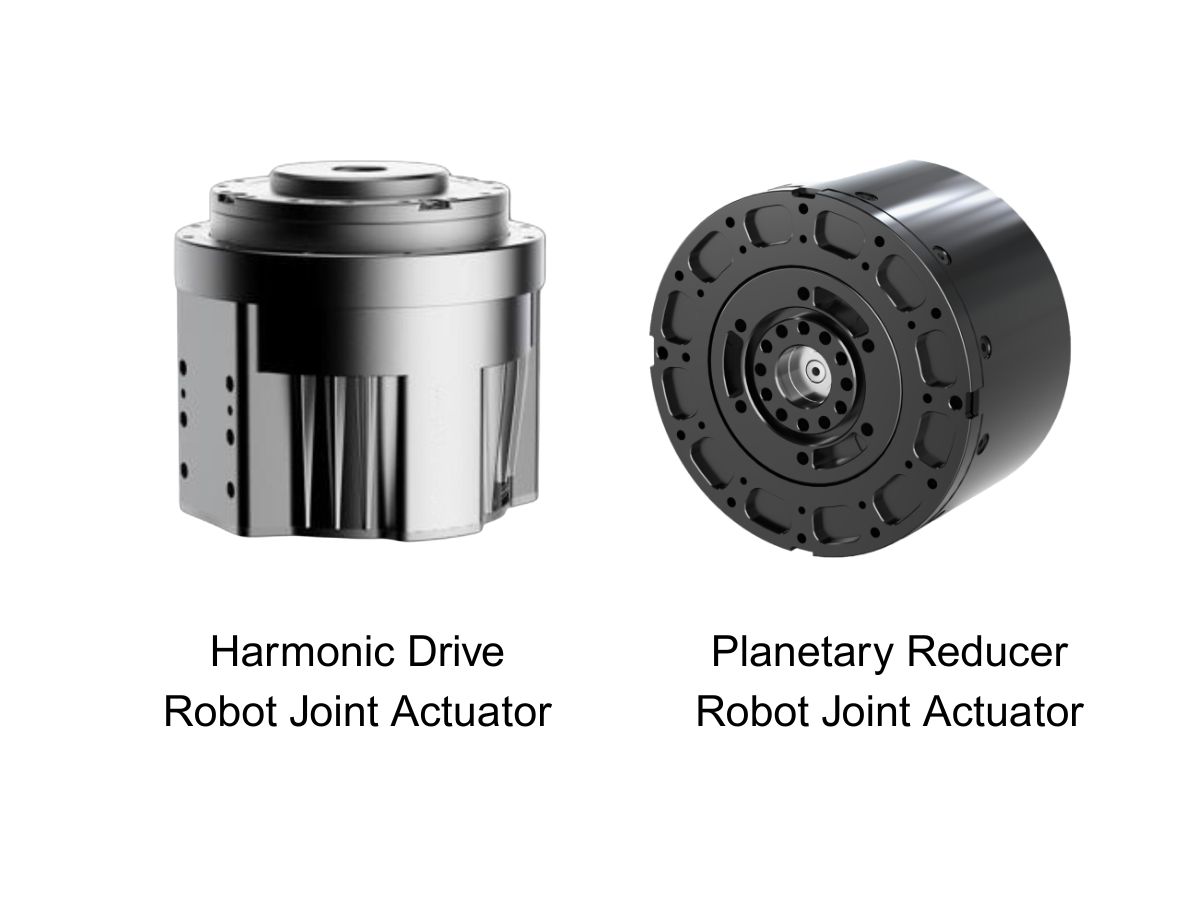
We provide harmonic drive reducer,planetary reducer,robot joint motor,robot rotary actuators,RV gear reducer,robot end effector,dexterous robot hand
 Multi-Robot Collaboration: From Single-Robot Intelligence to System IntelligenceHello, I’m Allen Li, Founder of HONPINE. As robotics continues to evolve, I believe the next major step will not come only from making individual robots more intelligent, but from enabling multiple robots to work together as coordinated systems. Multi-robot collaboration introduces new requirements for communication, task allocation, motion coordination, state awareness, and safety. This evolution also changes the role of the robot joint. A future intelligent robot joint will need to do more than generate precise motion. With technologies such as dual encoders, torque sensing, integrated drives, real-time communication, and safety functions, the robot joint can become an intelligent motion node connecting robot intelligence with physical movement. In this article, I would like to share how I see the relationship between multi-robot collaboration, system intelligence, and the next generation of HONPINE robot joint modules.
 Automate 2026 Sends a New Signal: Humanoid Robots Enter the Era of AccountabilityAUTOMATE is the leading industrial automation and robotics exhibition in North America. Organized by the Association for Advancing Automation (A3), it is widely recognized as a global benchmark event in the automation industry.
 Thailand Industrial Show Opens With Smart Manufacturing FocusAutomation production line insights from the Thailand Industrial Show: explore smart manufacturing trends, energy storage EOL testing, and automotive module assembly opportunities in Southeast Asia.
 EU CE Rule Makes PL Certification MandatoryEU CE Rule Makes PL Certification Mandatory: learn how new EU requirements affect harmonic reducers, ISO 13849-1 PLd compliance, customs clearance, and market access.
 China Pavilion at INNOPROM 2026 Expands by 50%China Pavilion at INNOPROM 2026 expands by 50%, spotlighting AI smart factory solutions, CNC machine tools, robotics, and new opportunities for Russia-CIS industrial markets.
 India Tops China Machine Tool Exports, Up 41.2%India tops China machine tool exports as Q1 shipments rise 41.2%. See what this shift means for CNC suppliers, tenders, delivery risks, and after-sales strategy.
 Embedded vs. External Torque Sensors in Robotic Joints Module: Engineering Trade-offs and Future TrendsIn recent years, with the rapid growth of humanoid robots and collaborative robots, high-precision force control has become a core capability for achieving compliant and safe interaction. At the heart of this capability lies a critical component inside the robotic joint module: the torque sensor, responsible for perceiving force.
However, the installation method of torque sensors directly determines joint performance, reliability, and cost. Today, two main technical approaches dominate the market: embedded (integrated) and external (add-on) torque sensors.
This distinction goes beyond simply “built-in” versus “attached.” The fundamental difference lies in whether the torque sensing structure is an intrinsic part of the mechanical transmission chain and integrated within the joint itself. A Complete Guide to Choosing Single-Encoder vs. Dual-Encoder Robot Joint ActuatorsIn a robot joint, encoders play a role similar to human vision and proprioception. They continuously measure the position and speed of both the motor rotor and the output shaft, feeding this information back to the controller to form a precise closed-loop control system.
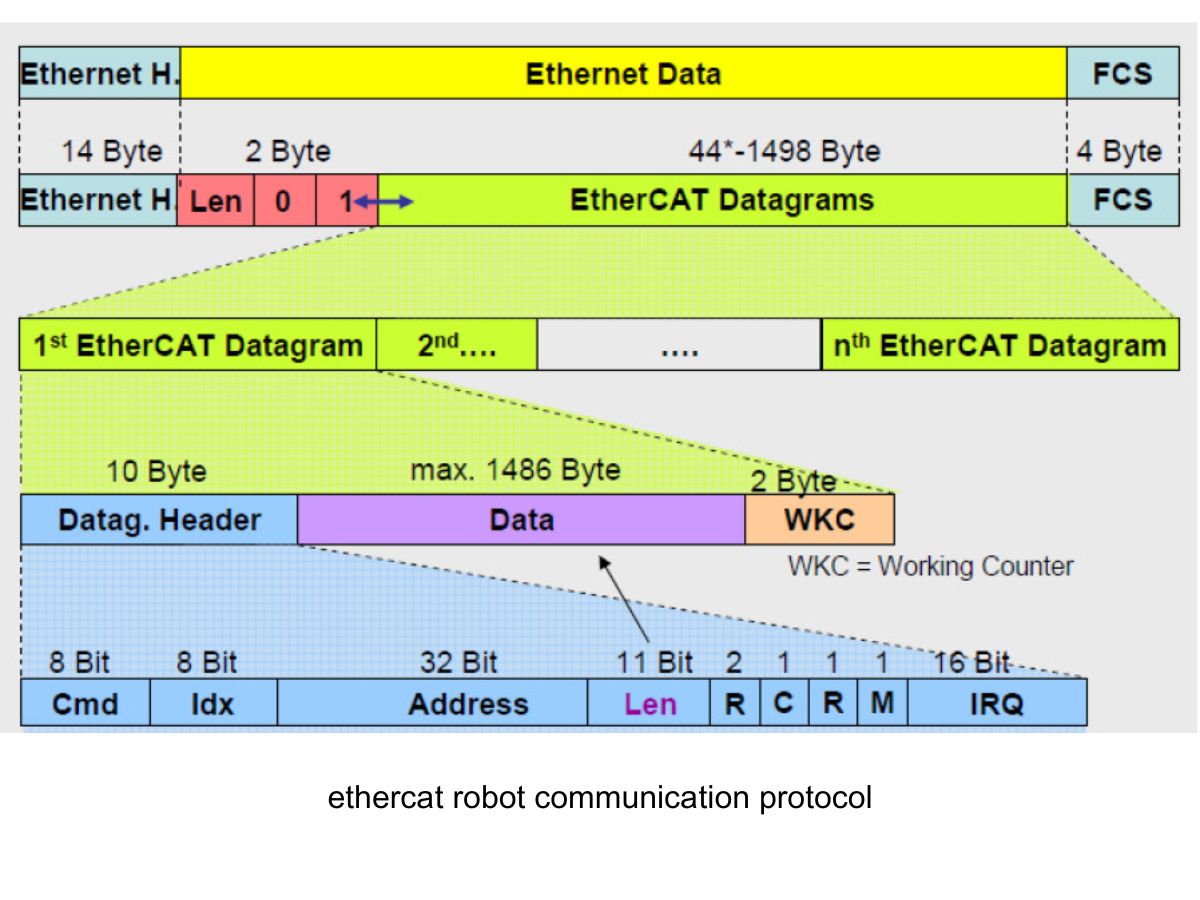
Encoders are also one of the core components of HONPINE joint actuators, directly determining motion accuracy, stability, and safety. Robot Communication Protocols: Why EtherCAT and CAN Are the FutureAccording to statistics released by the EtherCAT Technology Group (ETG) in 2024, EtherCAT has captured 39.2% of the global industrial robot communication protocol market, with an annual growth rate of 12.7%, significantly outperforming other competing protocols. Its advantages are particularly evident in key application scenarios: from multi-joint real-time coordinated control in humanoid robots, to multi-sensor fusion in autonomous driving, and human–machine collaboration in Industry 4.0. EtherCAT is redefining how intelligent systems interact with the physical world.
 Why Is It So Difficult for the Price of High-Performance Humanoid Robots to Decrease?And Why Are Harmonic Joint Modules Still Irreplaceable?The core reason lies in one unavoidable requirement: high degrees of freedom.
High DOF is essential for humanoid robots, and this directly leads to harmonic joint modules accounting for a consistently high proportion of total system value. Harmonic Drive Systems VS Nabtesco VS HONPINE Harmonic Drive MotorThe integrated harmonic joint motor is a highly integrated, high-performance robotic joint solution that combines the motor, reducer, encoder, sensors, and other key components into one unit. It provides powerful drive capability and precise motion control for robots. Regarded as the “heart” of humanoid robot motion, it is installed at various joints to control their movement and directly determines the robot’s overall performance. Therefore, choosing a reliable harmonic joint motor is crucial for humanoid robot development.
 How to Find a Reliable Supplier Amid Soaring Demand for Harmonic Drives and Harmonic Actuators?Under the driving forces of AI, embodied intelligence, and other key technologies, the humanoid robot industry is experiencing explosive growth. The demand for harmonic drives and harmonic actuators has surged accordingly, making it increasingly difficult for machinery companies to find reliable suppliers. So, how is HONPINE responding to this surge in demand?