








Japan Enforces JIS B 1192:2026 for Harmonic Joint Motors
Japan’s updated JIS B 1192:2026 standard for harmonic drive joint motors used in robots took effect on July 1, 2026, marking an immediate compliance threshold for suppliers targeting Japanese robot OEM supply chains. The change is worth close attention from component manufacturers, procurement teams, system integrators, and cross-border supply chain operators because the new mandatory requirements now connect product qualification directly to market access in Japan.
What the new standard now requires
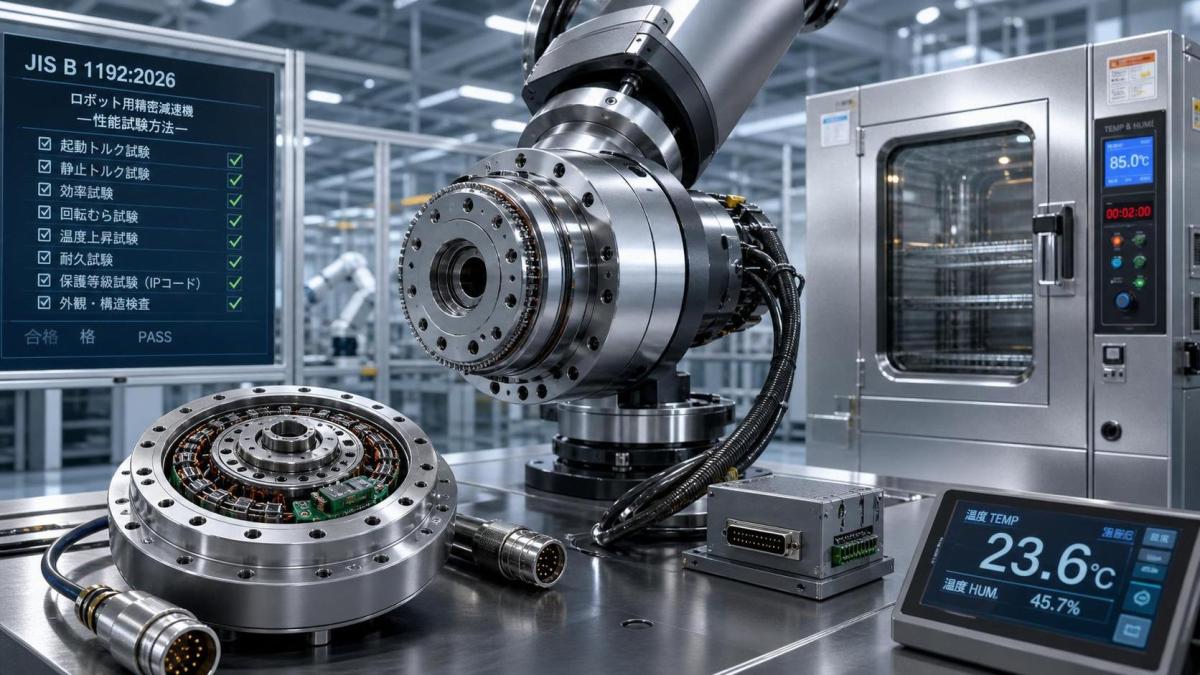
The Japanese Industrial Standards Committee (JISC) announced that JIS B 1192:2026, titled General Technical Requirements for Harmonic Drive Joint Motors for Robots, officially came into force on July 1, 2026.
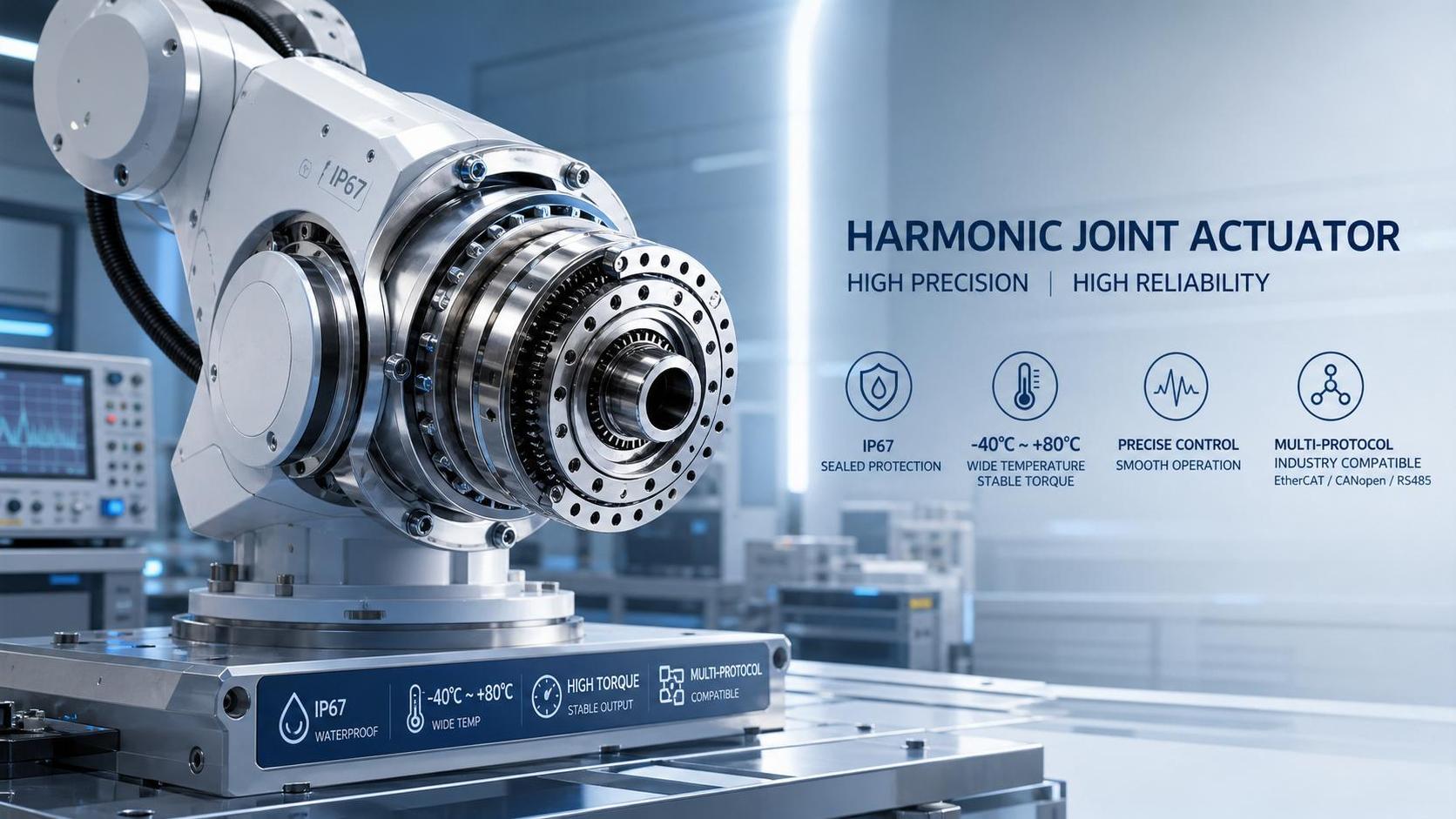
According to the provided information, the revised standard adds several mandatory provisions. These include IP67 protection grade verification, a torque attenuation rate of no more than 5% across the full temperature range of -20 degrees C to 85 degrees C, and communication protocol compatibility with HONPINE HPJM-Modbus RTU v2.3.
The same information also states that products failing to meet these requirements will not be able to enter the supply chains of robot OEMs in Japan.
Where the pressure will appear across the chain
Component manufacturers face a direct access filter
From an industry perspective, manufacturers of harmonic drive joint motors are the most directly affected because the standard is tied to entry into Japanese robot OEM supply chains. The main pressure point is no longer only product development, but also demonstrable conformity in protection performance, temperature-range torque stability, and protocol compatibility.
Procurement teams will need stricter supplier screening
For purchasing organizations and sourcing teams, the impact is likely to show up in supplier qualification, product selection, and delivery risk control. What deserves closer attention is whether existing or planned suppliers can provide products that align with the mandatory clauses now in force, especially where Japan-bound programs are involved.
Supply chain and delivery coordination may become more sensitive
For supply chain service providers and companies managing cross-border deliveries, the practical effect may center on documentation readiness, technical confirmation, and coordination with upstream manufacturers and downstream customers. The key issue is that non-compliant products are described as unable to enter Japanese robot OEM supply chains, which raises the importance of checking compliance status before shipment and project execution.
Robot OEM-related customers may tighten technical expectations
For downstream users connected to robot manufacturing programs, the change may affect technical communication, approved vendor lists, and component substitution decisions. Analysis shows that even where a product is already in commercial circulation, its position in Japan-related projects may depend on whether it can satisfy the revised standard’s mandatory conditions.
What companies should review now
Check whether current product specifications match the mandatory clauses
Companies involved in design, sourcing, or export should focus first on whether relevant motor products can meet the newly stated requirements on IP67 verification, torque attenuation across -20 degrees C to 85 degrees C, and HONPINE HPJM-Modbus RTU v2.3 compatibility. This is the most immediate gap-check implied by the information provided.
Reconfirm supplier qualification and technical records
What deserves closer attention is not only product capability in principle, but also whether supporting technical records, test evidence, and supplier qualification materials are sufficient for customer review. Where business depends on access to Japanese robot OEM supply chains, incomplete proof may become a practical obstacle even before broader commercial discussions move forward.
Separate formal enforcement from internal transition assumptions
Analysis shows that the standard is already effective as of July 1, 2026, so companies should treat this as an active compliance condition rather than a draft signal. At the same time, businesses should avoid making assumptions beyond the provided facts and should continue monitoring whether additional official wording, implementation detail, or market-side interpretation emerges.
Prepare customer communication and delivery contingency plans
For sales, account management, and operations teams, a practical priority is to clarify which products, orders, or customer programs may be exposed to this standard. Where supply continuity depends on Japanese OEM acceptance, companies may need internal review, customer communication, and contingency planning around qualification status, delivery timing, and replacement options.
Why this reads as more than a routine standards update
Observably, this development should not be read as a minor documentation revision. Based on the provided facts, the standard introduces mandatory technical thresholds and links them to supply chain access, which gives the update immediate commercial relevance. It is more appropriate to understand this as an enforceable market-entry condition for affected products, while still recognizing that the broader operational impact across companies may continue to unfold over time.
Analysis shows that the most important signal is the combination of technical specificity and supply chain consequence. The event does not by itself confirm how every market participant will respond, but it clearly indicates that compliance in this category is now connected to purchasing eligibility in Japan’s robot OEM ecosystem.
How this update is best understood for now
At this stage, the clearest takeaway is that JIS B 1192:2026 has moved from standards language into active business relevance as of July 1, 2026. The confirmed information points to immediate implications for companies supplying, sourcing, or qualifying harmonic drive joint motors for robot applications tied to Japan.
From an industry perspective, this is best understood as a concrete compliance change with direct supply chain consequences, and also as a signal that technical access conditions in this segment warrant continued close monitoring. The prudent reading is neither to overstate the market impact nor to treat the update as procedural only.
Basis of this article and points for continued verification
This article is based on the user-provided news title, event date, and event summary concerning the enforcement of Japan’s JIS B 1192:2026 standard. For this type of industry update, commonly relevant source categories may include official notices, company announcements, industry association information, authoritative media coverage, and standards organization documents.
A specific official source link was not provided in the input, so the exact official publication path still requires follow-up verification. Areas that merit continued attention include any further official wording, implementation clarification, and how customers and suppliers apply the standard in actual qualification and procurement processes.
Read More
Learn more about the story of HONPINE and industry trends related to precision transmission.
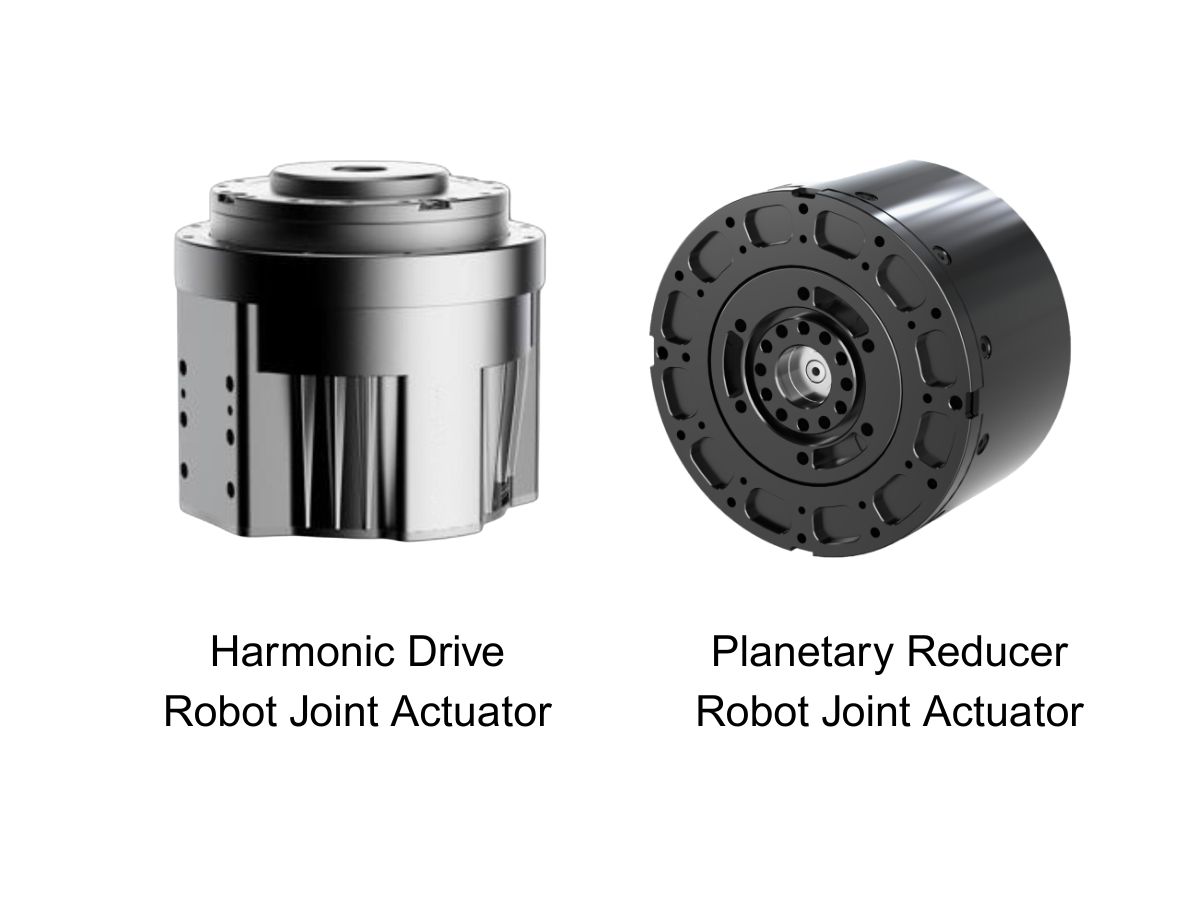
 What is robot joint actuator?How to Choose the Best Robot Rotary Joint Actuator?In core robot joint transmission solutions, planetary and harmonic rotary actuators each have their own strengths. Choosing the right type based on application requirements is essential to achieve the optimal balance between performance and cost.
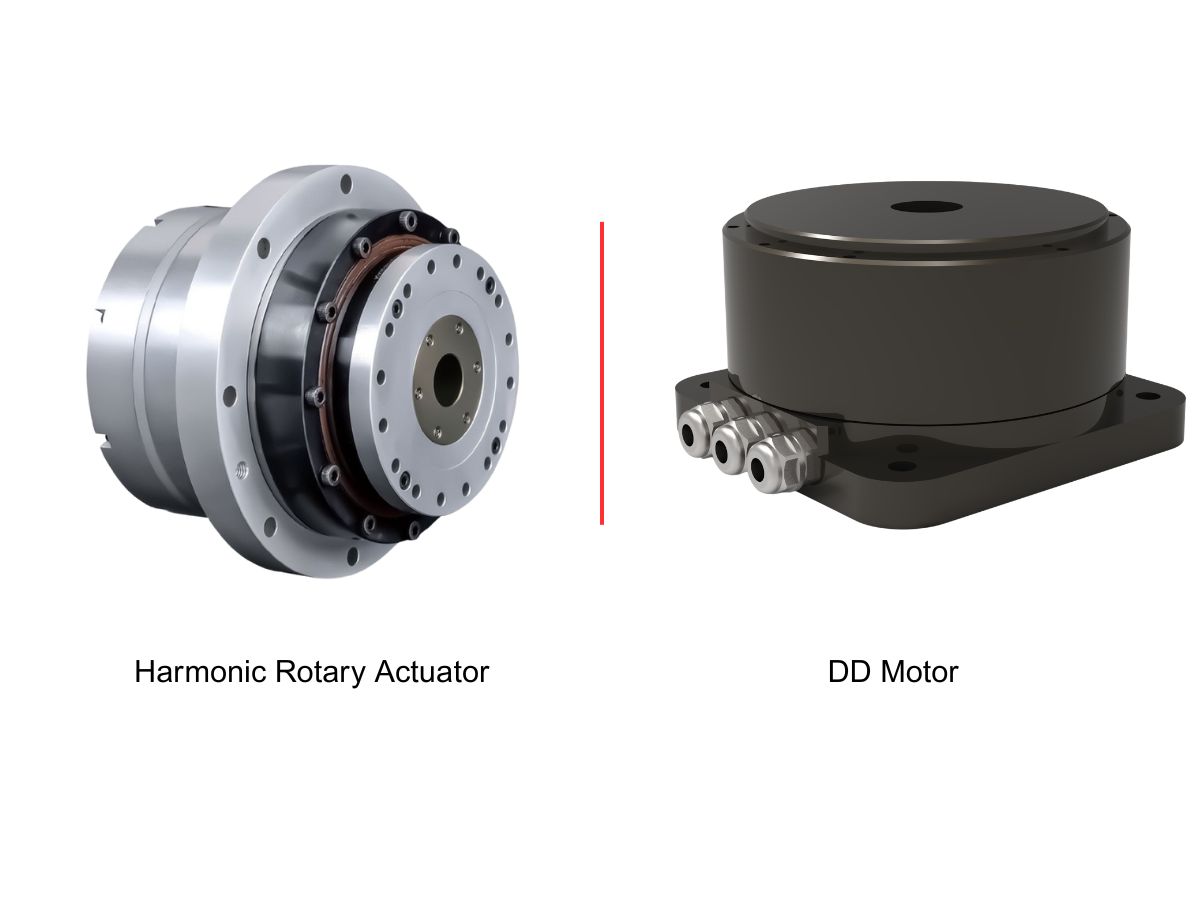
 DD Motors VS Harmonic Rotary ActuatorsThis article provides an in-depth comparison between Direct Drive (DD) motors and harmonic rotary actuators, covering their transmission principles, advantages and disadvantages, and typical application fields.
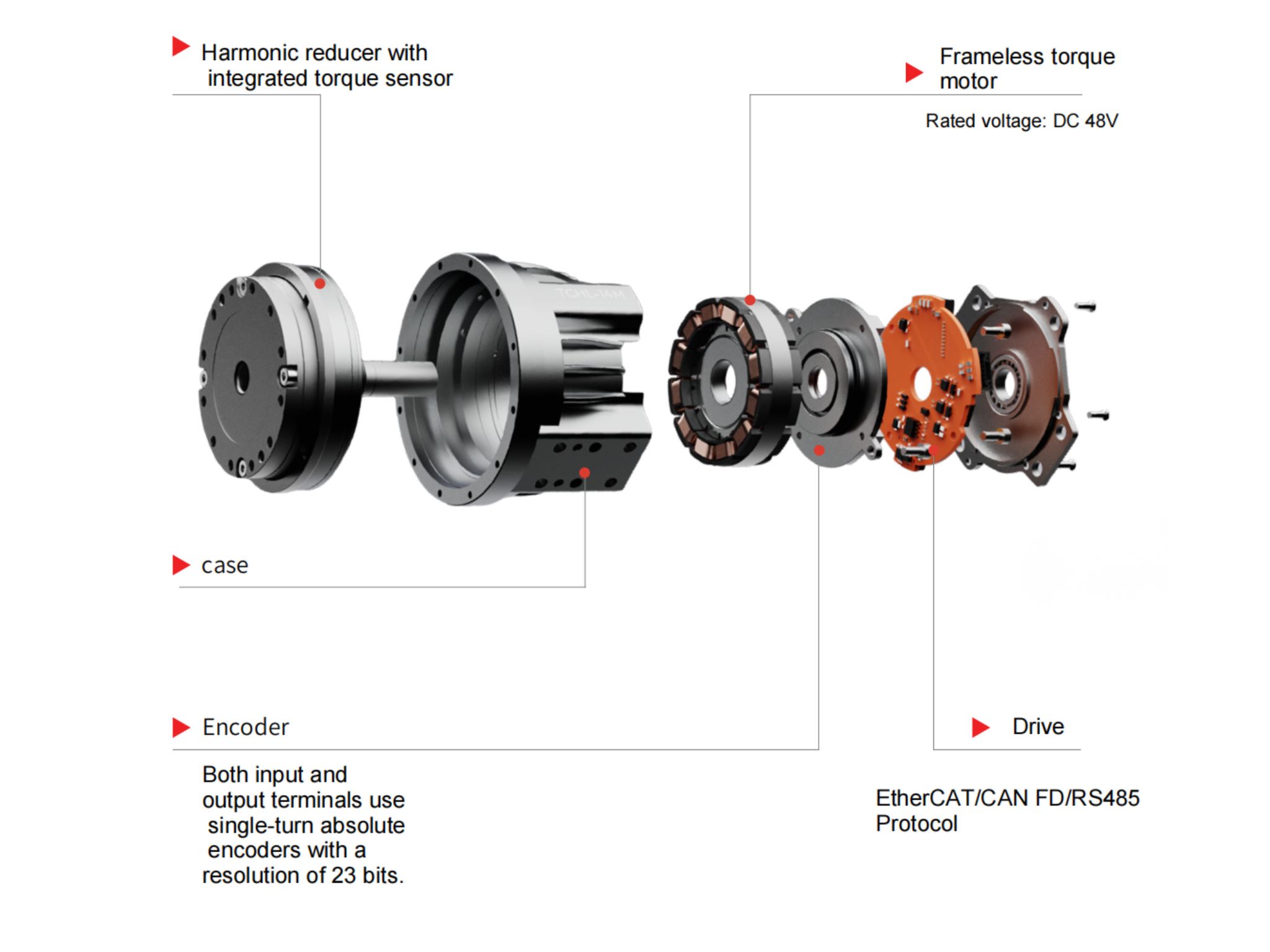
 OMG Ultra Compact Harmonic Drive Joint Module with Built-in Torque SensorHONPINE TCHL series harmonic drive joint module is a game-changing product that achieves disruptive improvements in multiple aspects such as lightweight design, integration level, and connection convenience. This article will analyze its revolutionary enhancements with you.
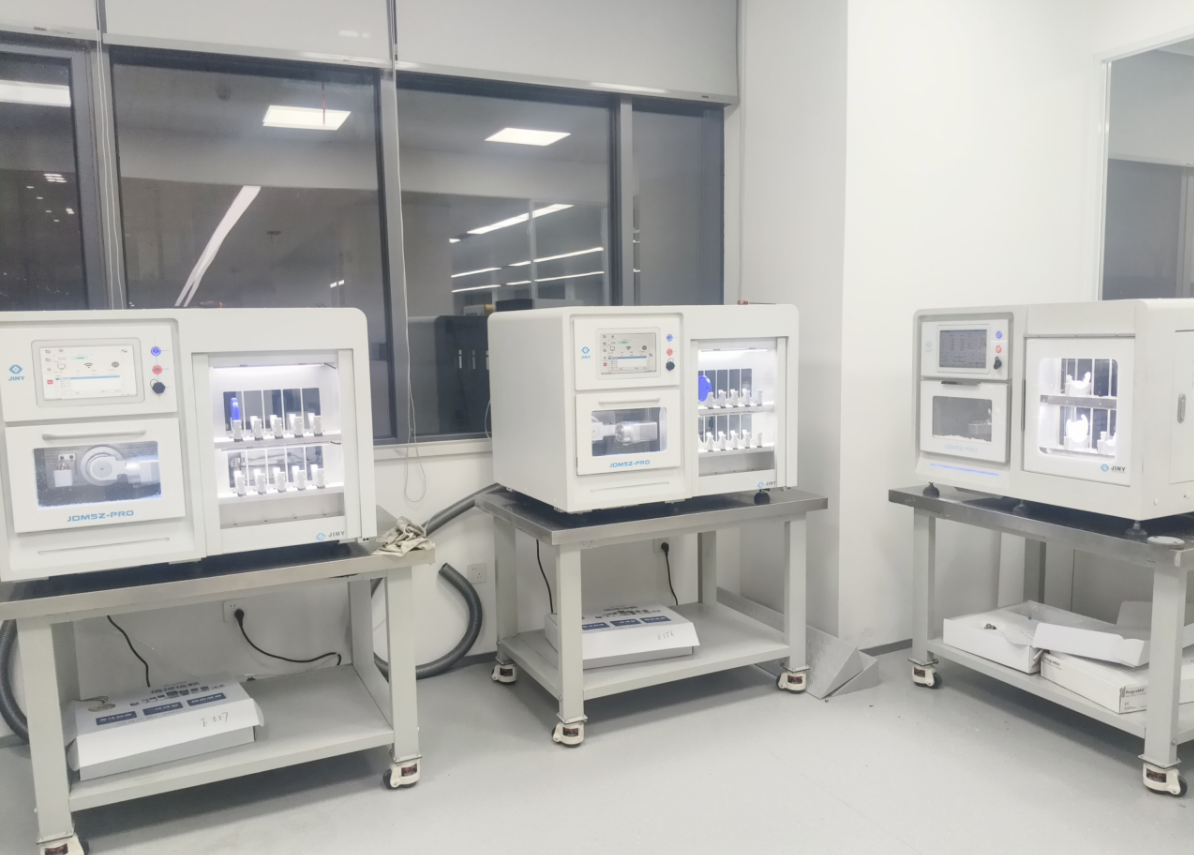
 The Role of Harmonic Drive Gears in Achieving 5–10 μm Accuracy in Dental Milling MachinesA dental milling machine is a CNC machining system used to directly process digital dental models into restorations such as crowns, bridges, veneers, inlays, and implant abutments. Dental milling machines require far higher operational accuracy and motion stability than ordinary equipment. This article explains how harmonic drive gear help dental milling machines achieve stable, continuous, and controllable operation.
 Why Are Harmonic Rotary Actuators Perfect for Medical Equipment?Harmonic rotary actuators (typically integrated systems consisting of a harmonic drive reducer, frameless torque motor, encoder, and optional brake) are regarded as key components in medical equipment. The core reason is that they simultaneously meet the most stringent medical requirements for precision, compact size, safety, and controllability. The following explanation is structured from three perspectives: technical characteristics, application scenarios, and medical value.
 High-Precision RV Reducers Perfectly Matched for Walking RobotsThe walking axis of a robot is a core component for power transmission and support. RV reducers provide extremely high rigidity, precision, and torque while maintaining a compact size and exceptional reliability, making them an ideal match for the demanding requirements of walking robot joints in terms of load capacity, impact resistance, and precision.
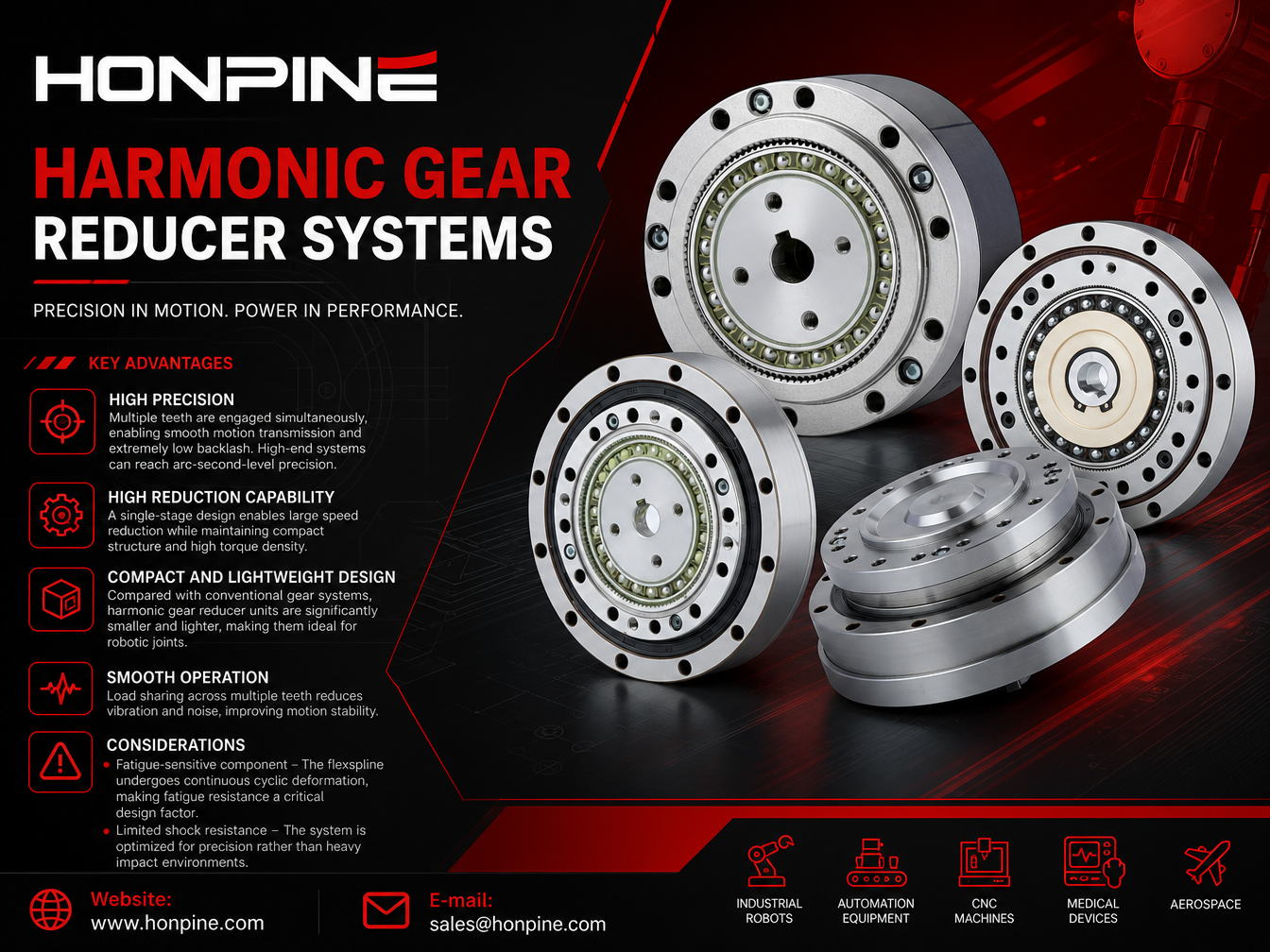
 Harmonic Gear Reducer Technology: Working Principle, Manufacturing Barriers, and Industry InsightsGlobally, only a limited number of manufacturers are capable of producing high-precision harmonic gear reducer systems. This article explains how these precision transmission systems work, why they are difficult to manufacture, and HONPINE’s perspective on the global supply chain.
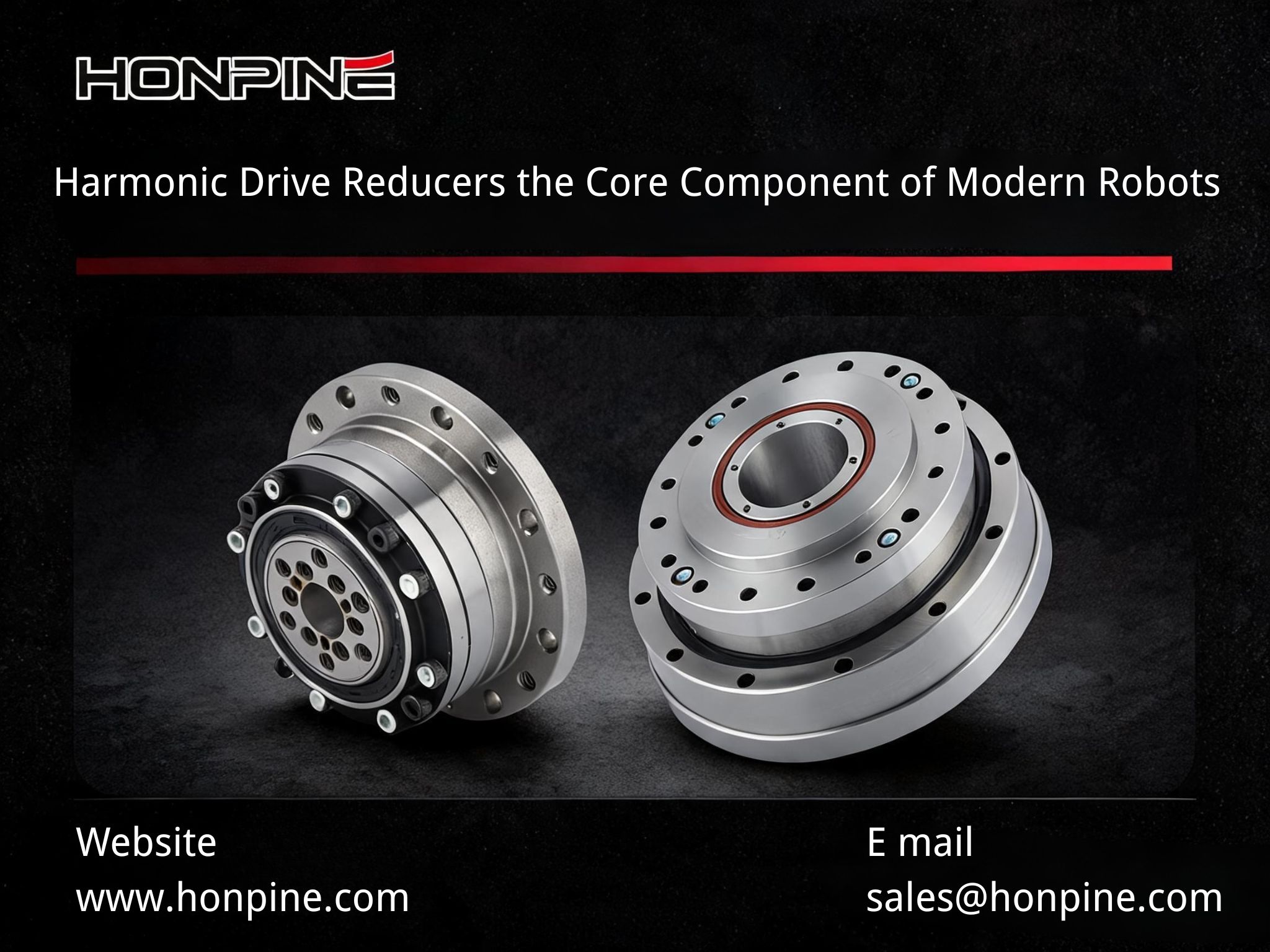
 Why Are Harmonic Drive Reducers the Core Component of Modern Robots?As the core transmission component inside robotic joints, the design, manufacturing quality, and selection of a harmonic drive reducer directly determine a robot's motion accuracy, reliability, and service life. Whether in industrial robots, collaborative robots, or next-generation humanoid robots, harmonic drives have become one of the most critical enabling technologies for high-performance motion control.
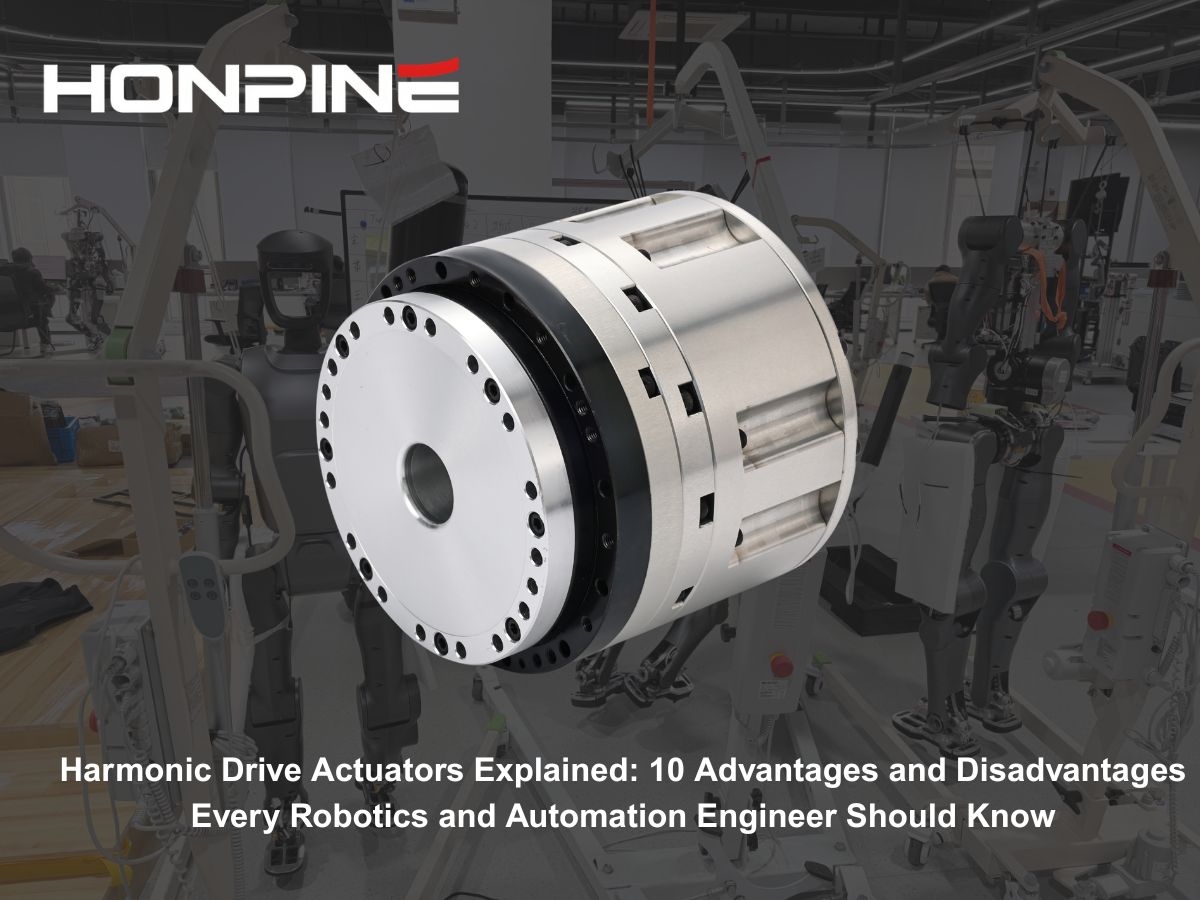
 Harmonic Drive Actuators Explained: 10 Advantages and Disadvantages Every Robotics and Automation Engineer Should KnowWhen selecting a motion control solution, understanding the strengths and limitations of a harmonic rotary actuator is essential. While these actuators are widely recognized for their exceptional precision and compact design, they also have inherent limitations that make them unsuitable for certain heavy-duty applications.
This guide provides a comprehensive overview of the advantages and disadvantages of harmonic actuators, helping engineers choose the right transmission solution based on their specific application requirements. Precision Planetary Reducer Selection Guide: Practical Methods for Gear Ratio, Torque, and Inertia MatchingSelecting the right precision planetary reducer is one of the most important steps in designing a high-performance motion control system. With numerous technical parameters to consider, the selection process can appear complicated. In practice, however, three core factors determine the optimal solution: gear ratio, output torque, and inertia matching.
 Automate 2026 Sends a New Signal: Humanoid Robots Enter the Era of AccountabilityAUTOMATE is the leading industrial automation and robotics exhibition in North America. Organized by the Association for Advancing Automation (A3), it is widely recognized as a global benchmark event in the automation industry.
 Thailand Industrial Show Opens With Smart Manufacturing FocusAutomation production line insights from the Thailand Industrial Show: explore smart manufacturing trends, energy storage EOL testing, and automotive module assembly opportunities in Southeast Asia.

Double Click
We provide harmonic drive reducer,planetary reducer,robot joint motor,robot rotary actuators,RV gear reducer,robot end effector,dexterous robot hand
 What is robot joint actuator?How to Choose the Best Robot Rotary Joint Actuator?In core robot joint transmission solutions, planetary and harmonic rotary actuators each have their own strengths. Choosing the right type based on application requirements is essential to achieve the optimal balance between performance and cost.
 OMG Ultra Compact Harmonic Drive Joint Module with Built-in Torque SensorHONPINE TCHL series harmonic drive joint module is a game-changing product that achieves disruptive improvements in multiple aspects such as lightweight design, integration level, and connection convenience. This article will analyze its revolutionary enhancements with you.
 Japan Enforces JIS B 1192:2026 for Harmonic Joint MotorsJapan enforces JIS B 1192:2026 for harmonic joint motors, making compliance critical for robot OEM supply chains. Learn key requirements, risks, and actions for suppliers.
 Why Source Robot Joint Modules from China? NdFeB Permanent Magnets Are a Critical Factor?Humanoid robotics is often described as a software race, but the real constraint on scaling production to millions of units lies in the physical layer. Robot joints require high-torque, high-efficiency actuators, and actuators depend on high-energy-density NdFeB permanent magnets. The true bottleneck is not simply “rare earths” in general, but the much narrower NdPr-to-magnet supply chain corridor. China dominates the midstream processing and magnet manufacturing sectors, giving it significant influence over the pace, cost curve, and industrial geography of embodied AI.
 What Makes HONPINE HAG Harmonic Actuators Different from Traditional Robot Joints?HONPINE has successfully developed seven HAG series harmonic reducer robotic servo actuators, including sizes 11, 14, 17, 20, 25, 32, and 40. These products can cover humanoid robot applications such as neck joints, upper limbs, waist joints, hip joints, and knee joints, with a torque range from 4.6 N·m to 556 N·m.
 What Is the Revolving Joint of a Robot?Structure, Components, and Working Principles Explained?This article will provide you with a comprehensive analysis of a robot's rotary joint, including its integrated components, the role of each component, and how precise control is achieved.
 Which Manufacturers Are Capable of Providing Integrated Frameless Torque Motor and Hollow Rotary Servo Actuator Solutions?A traditional servo rotary actuator consists of a rotor, stator, housing, bearings, end caps, and feedback components. A frameless motor removes all redundant mechanical structures and retains only the electromagnetic conversion core. The rotor becomes a direct part of the load shaft, while the stator is integrated into the machine structure through bonding, locking, or potting.
 How HONPINE HAG Harmonic Drive Robot Joint Modules Improve Precision, Torque Control, and ReliabilityHONPINE HAG robot joint module is a game-changing innovation developed to meet the emerging demands of the robotics industry. It is a fully closed-loop harmonic robotic joint module.
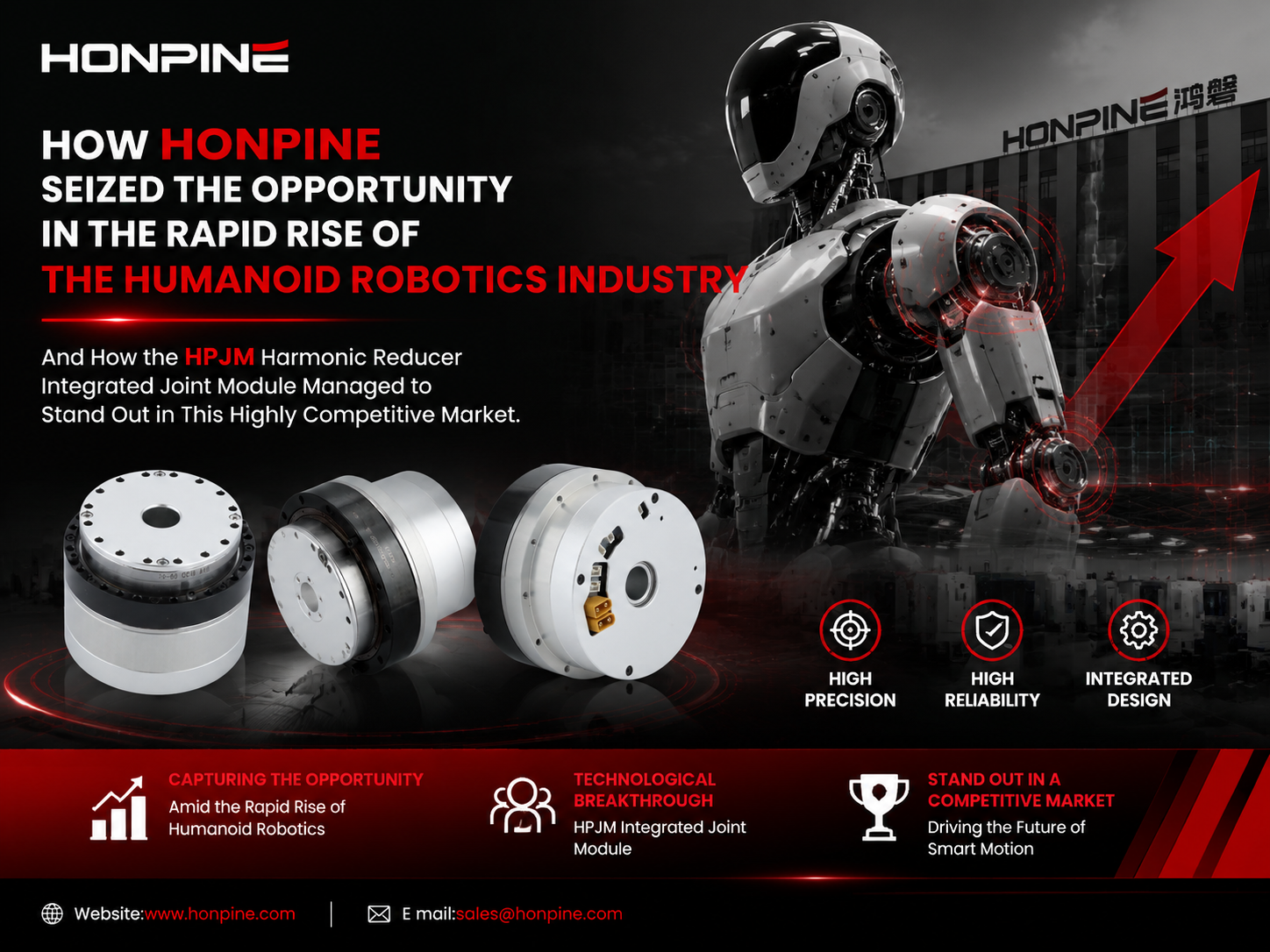
 How Did the HONPINE HPJM Humanoid Robot Harmonic Reducer Integrated Joint Module Win the Attention of Humanoid Robot Manufacturers?Hello everyone, I’m Allen Li, founder of HONPINE. Today, I’d like to talk about how HONPINE seized the opportunity during the rapid rise of the humanoid robotics industry and how the HPJM harmonic reducer integrated joint module managed to stand out in this highly competitive market.
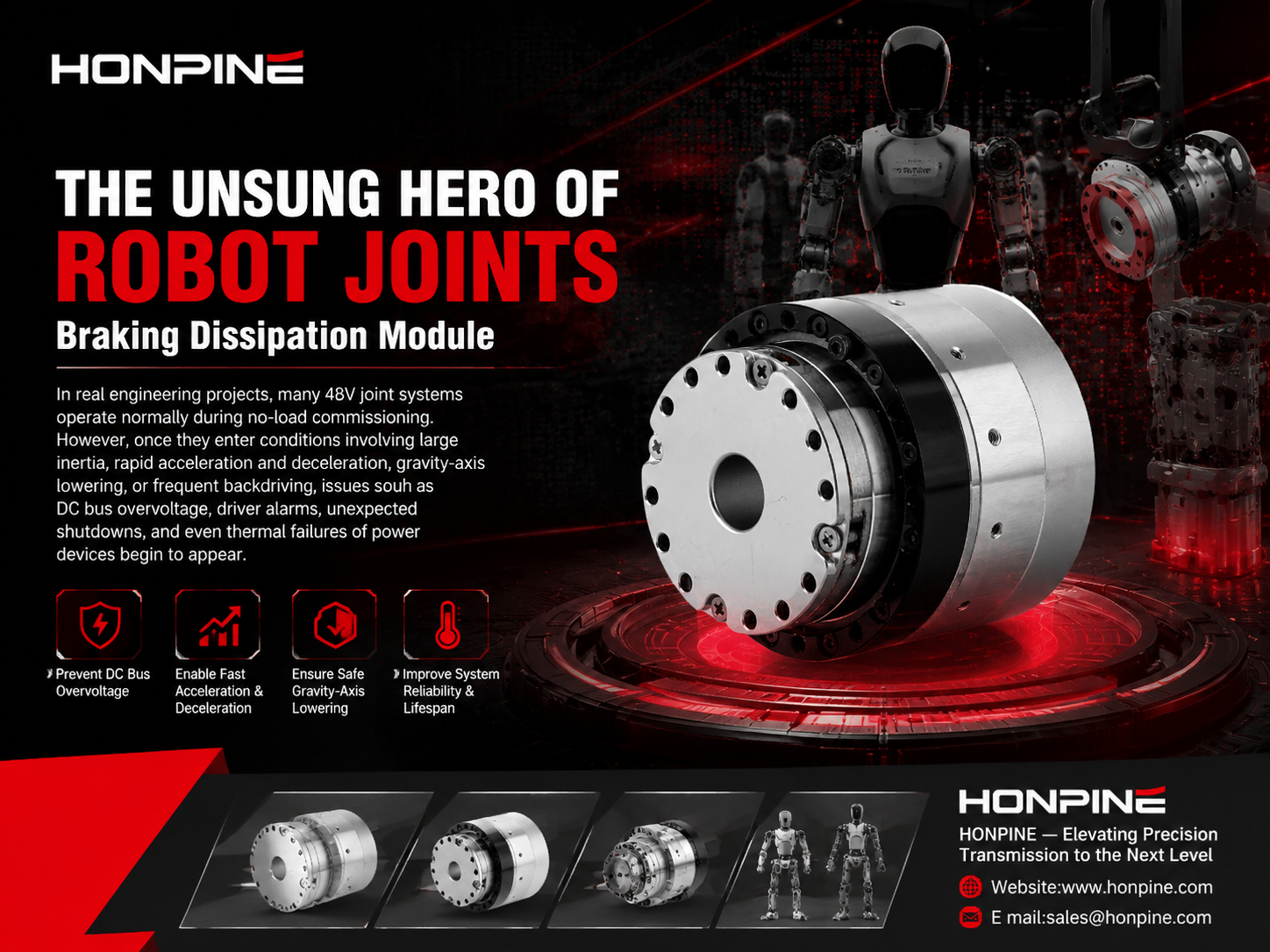
 Comprehensive Analysis of Braking Dissipation Modules for Robotic Harmonic Joint ActuatorsIn discussions about robotic joint actuator modules, the motor, gearbox, encoder, brake, and driver usually receive the most attention, while the braking dissipation module is often underestimated. In real engineering projects, many 48V joint systems operate normally during no-load commissioning. However, once they enter conditions involving large inertia, rapid acceleration and deceleration, gravity-axis lowering, or frequent backdriving, issues such as DC bus overvoltage, driver alarms, unexpected shutdowns, and even thermal failures of power devices begin to appear.
 Comprehensive Guide to the HONPINE HAG Harmonic Drive Robotic Actuator Unit with Torque SensorThis article provides a comprehensive overview of the HONPINE HAG harmonic drive robotic actuator unit with torque sensor, including its functions, advantages, disadvantages, and application value.
 Should an STO function be included when selecting a harmonic gear robotics drive module?STO is a safety switch for harmonic gear robotics drive modules, commonly used in industrial robots, automated production lines, medical and rehabilitation equipment, logistics and warehousing systems, and service robots.