









Harmonic Drive Actuators Explained: 10 Advantages and Disadvantages Every Robotics and Automation Engineer Should Know
When selecting a motion control solution, understanding the strengths and limitations of a harmonic rotary actuatoris essential. While these actuators are widely recognized for their exceptional precision and compact design, they also have inherent limitations that make them unsuitable for certain heavy-duty applications.
This guide provides a comprehensive overview of the advantages and disadvantages of harmonic actuators, helping engineers choose the right transmission solution based on their specific application requirements.
Core Advantages of Harmonic Rotary Actuators
1. Exceptional Precision and Near-Zero Backlash
The biggest advantage of a harmonic drive actuator lies in its unique flexible gear meshing principle. By utilizing controlled elastic deformation of the flexspline, it achieves extremely high transmission accuracy with virtually zero backlash.
This makes harmonic rotary actuators ideal for applications requiring ultra-precise positioning, including:
Collaborative robots (Cobots)
Semiconductor manufacturing equipment
Aerospace servo systems
Medical automation
Optical inspection systems
With proper backlash compensation, repeat positioning accuracy can reach arc-second levels even under load, making harmonic drive servo motor systems the preferred choice for precision motion control.
2. High Reduction Ratios with an Extremely Compact Structure
Unlike conventional gearboxes, a single-stage harmonic actuator can achieve reduction ratios between 50:1 and 300:1, far exceeding most planetary gearboxes.
Key advantages include:
Fewer mechanical components
Compact mechanical layout
Lightweight construction
Smaller installation space
Compared with traditional multi-stage reducers offering the same ratio, a harmonic rotary actuator can reduce overall size by more than one-third while significantly lowering system weight.
This makes it especially suitable for robotic joints, mobile robots, AGVs, and space-constrained automation equipment.
3. Smooth Operation and Low Noise
A harmonic drive actuator simultaneously engages more than 30% of its gear teeth during operation, distributing the load over multiple teeth.
Benefits include:
Smooth torque transmission
Low vibration
Minimal gear noise
Excellent motion stability
These characteristics are particularly valuable in collaborative robotics and laboratory automation where quiet operation improves the working environment.
4. Motion Transmission into Sealed Environments
One unique feature of harmonic gear technology is its ability to transmit motion into completely sealed environments without compromising the integrity of the enclosure.
This makes harmonic rotary actuators particularly valuable for:
Vacuum chambers
Semiconductor processing equipment
Aerospace sealed systems
Chemical processing equipment
Hazardous gas environments
Few rigid transmission systems can provide the same capability.
5. Excellent Coaxial Design and Compact Integration
The input and output shafts of a harmonic actuator are naturally coaxial, simplifying machine design and improving structural symmetry.
Many harmonic drive servo motor systems also feature hollow shafts, allowing cables, pneumatic tubing, fiber optics, or laser beams to pass through the center.
Advantages include:
Cleaner cable routing
Reduced cable wear
Easier robotic joint integration
Higher overall system reliability
6. Long Precision Retention Life
Although flexspline fatigue is the primary wear mechanism, premium harmonic drive actuators can maintain outstanding positioning accuracy for extended operating periods under proper lubrication and load conditions.
Some high-end products maintain absolute positioning accuracy within 10 arc-seconds after more than 20,000 operating hours, meeting the long-term reliability requirements of industrial automation.
7. Maintenance-Free Design with High Protection Ratings
Modern integrated harmonic rotary actuators are commonly designed with:
IP67 protection
Factory-sealed lubrication
Maintenance-free operation
Without periodic grease replacement or mechanical adjustment, they significantly reduce maintenance costs throughout the product lifecycle.
Limitations of Harmonic Rotary Actuators
1. Limited Shock Resistance and Overload Capacity
The greatest weakness of a harmonic actuator is its relatively poor resistance to impact loads.
Because torque transmission relies on continuous elastic deformation of the thin-walled flexspline, sudden impacts and severe vibration can accelerate fatigue damage.
Applications such as:
Humanoid robot legs
Heavy material handling
Forging equipment
Impact machinery
may exceed the fatigue limits of the flexspline.
2. Lower Torsional Rigidity
The elastic deformation responsible for zero backlash also reduces torsional stiffness.
Compared with:
Planetary gearboxes
RV reducers
a harmonic drive actuator exhibits noticeably greater torsional compliance.
This elastic behavior can reduce:
Servo bandwidth
Dynamic response
High-speed positioning stability
especially in applications requiring extremely rigid mechanical transmission.
3. Lower Efficiency and Heat Generation
Unlike planetary gearboxes, a harmonic rotary actuator continuously consumes energy deforming the flexspline.
As a result:
Transmission efficiency is generally lower.
Internal friction generates more heat.
High-speed continuous operation requires careful thermal management.
Insufficient cooling or improper lubrication can reduce both load capacity and service life.
4. High Manufacturing Complexity and Cost
Producing high-quality harmonic drive actuators requires extremely advanced manufacturing technology.
Critical components such as:
Flexsplines
Flexible bearings
Tooth profiles
must withstand millions of cyclic stress cycles.
This demands:
Ultra-clean alloy materials
Precision heat treatment
Micron-level machining
High-performance lubricants
These manufacturing requirements contribute to the relatively high cost of harmonic drive servo motor systems.
5. Extremely High Manufacturing Barriers
Manufacturing a reliable harmonic actuator involves several highly specialized processes:
Precision heat treatment
Micron-level machining
Manual precision assembly
Premium grease filling
High-accuracy inspection and testing
Many core production technologies, proprietary lubricants, and specialized equipment remain concentrated among a limited number of global manufacturers.
As a result, consistency and long-term reliability continue to present challenges for newer manufacturers entering the market.
6. Significant Torsional Deflection
The elastic nature of the flexspline creates measurable torsional deformation under load.
Studies indicate that torsional deflection may reach 20 to 30 arc-minutes or even more, depending on operating conditions.
For applications requiring maximum rigidity, such as:
High-speed machining
Heavy-duty positioning
Precision machine tools
this compliance can reduce positioning stability and servo performance.
7. Lower Transmission Efficiency Compared with Planetary and RV Reducers
Typical harmonic rotary actuator efficiency generally remains below that of planetary reducers.
Approximate efficiencies are:
Harmonic drive: 70–85% (depending on ratio and load)
Planetary gearbox: 95% or higher
RV reducer: typically higher than harmonic drives
Most energy loss results from repeated elastic deformation of the flexspline and internal friction.
Poor thermal design can further reduce efficiency under continuous operation.
8. High Starting Torque
A harmonic drive actuator requires additional torque during startup because the flexspline must first establish elastic deformation before transmitting load.
This characteristic becomes more pronounced at lower reduction ratios.
Applications involving:
Frequent start-stop cycles
Low-speed high-torque operation
may require larger servo motors and increased starting current.
9. No Self-Locking Capability
Like most gear transmission systems, a harmonic actuator does not provide self-locking.
Vertical axes or gravity-loaded robotic joints require additional holding brakes to prevent unintended movement after power loss.
This increases overall system complexity and cost.
10. Limited Backdrivability
Due to the friction and elastic deformation within the flexspline, reverse driving efficiency is relatively poor.
Compared with planetary gearboxes, harmonic drive actuators exhibit greater nonlinear resistance when external forces attempt to back-drive the output shaft.
Consequently, they are generally less suitable for regenerative energy recovery applications.
Conclusion
The strengths of a harmonic rotary actuator are concentrated in four key areas:
Ultra-high precision
Lightweight construction
Compact installation
Excellent sealing capability
Its limitations are equally clear:
Lower torsional rigidity
Reduced shock resistance
Limited fatigue life
Higher manufacturing complexity
Lower transmission efficiency
For this reason, a harmonic drive actuator is not intended as a universal transmission solution. Instead, it is specifically optimized for applications requiring exceptional positioning accuracy, compact dimensions, and light to moderate loads, such as collaborative robots, semiconductor equipment, medical devices, aerospace mechanisms, and precision automation.
When selecting a harmonic drive servo motor or harmonic rotary actuator, engineers should carefully evaluate impact loads, operating torque, positioning accuracy, environmental conditions, service life expectations, and thermal performance. A balanced assessment of these factors will ensure the most appropriate solution for long-term reliability and optimal system performance.
Read More
Learn more about the story of HONPINE and industry trends related to precision transmission.
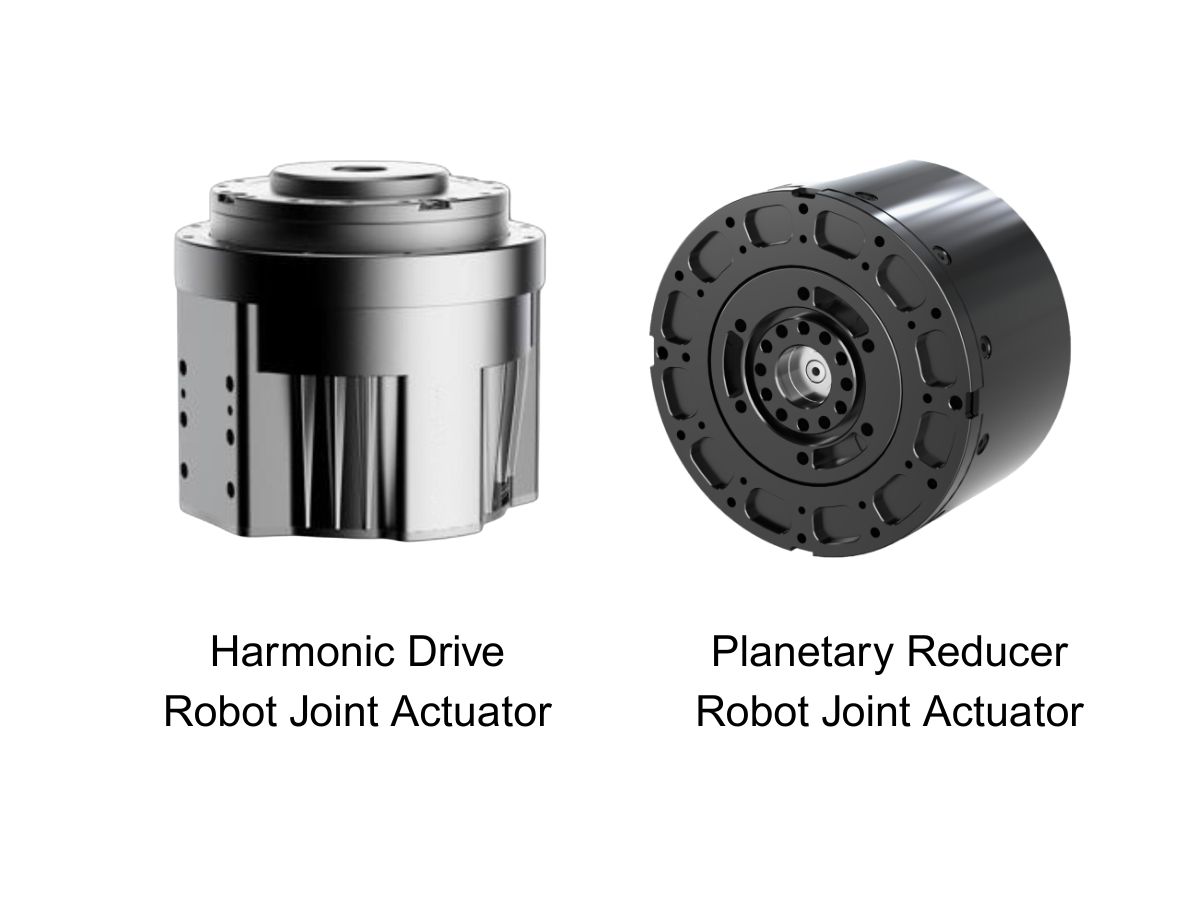
 What is robot joint actuator?How to Choose the Best Robot Rotary Joint Actuator?In core robot joint transmission solutions, planetary and harmonic rotary actuators each have their own strengths. Choosing the right type based on application requirements is essential to achieve the optimal balance between performance and cost.
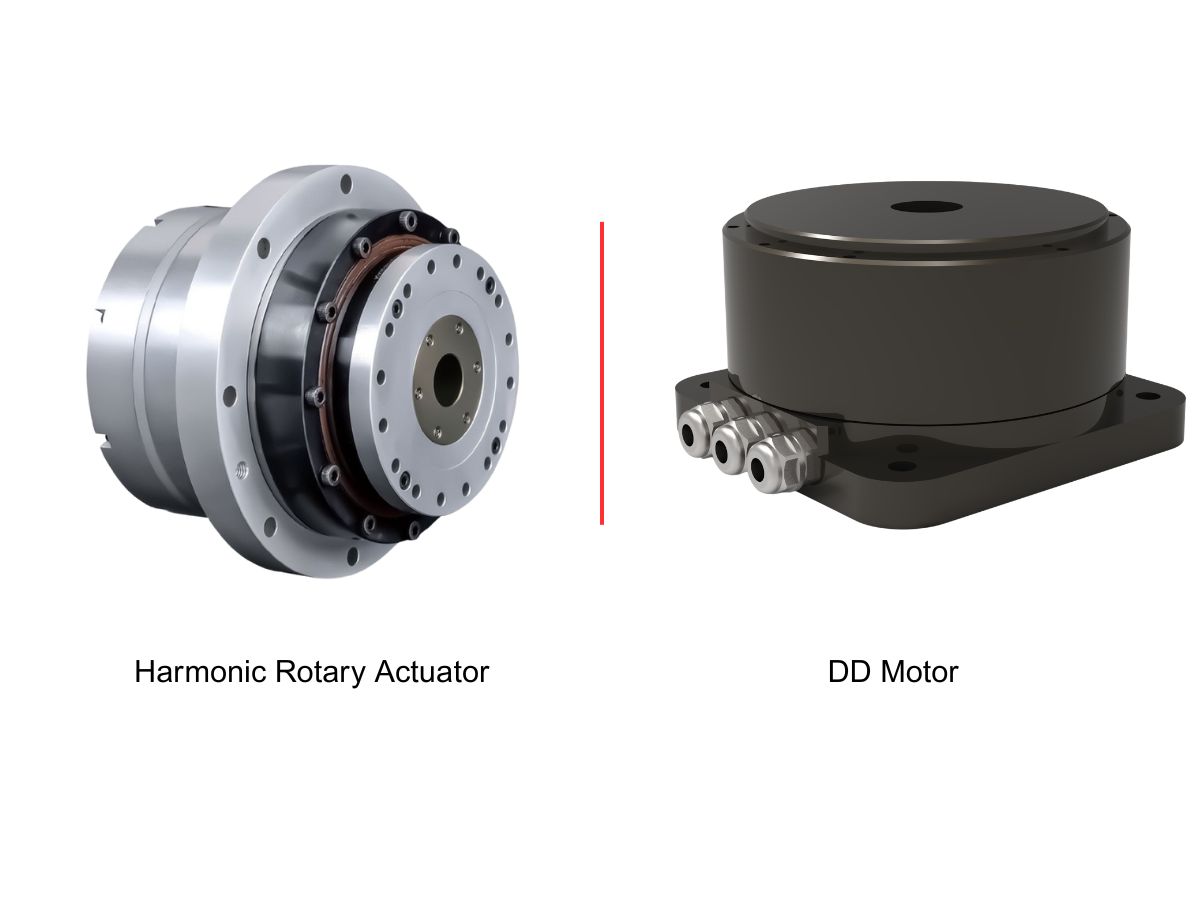
 DD Motors VS Harmonic Rotary ActuatorsThis article provides an in-depth comparison between Direct Drive (DD) motors and harmonic rotary actuators, covering their transmission principles, advantages and disadvantages, and typical application fields.
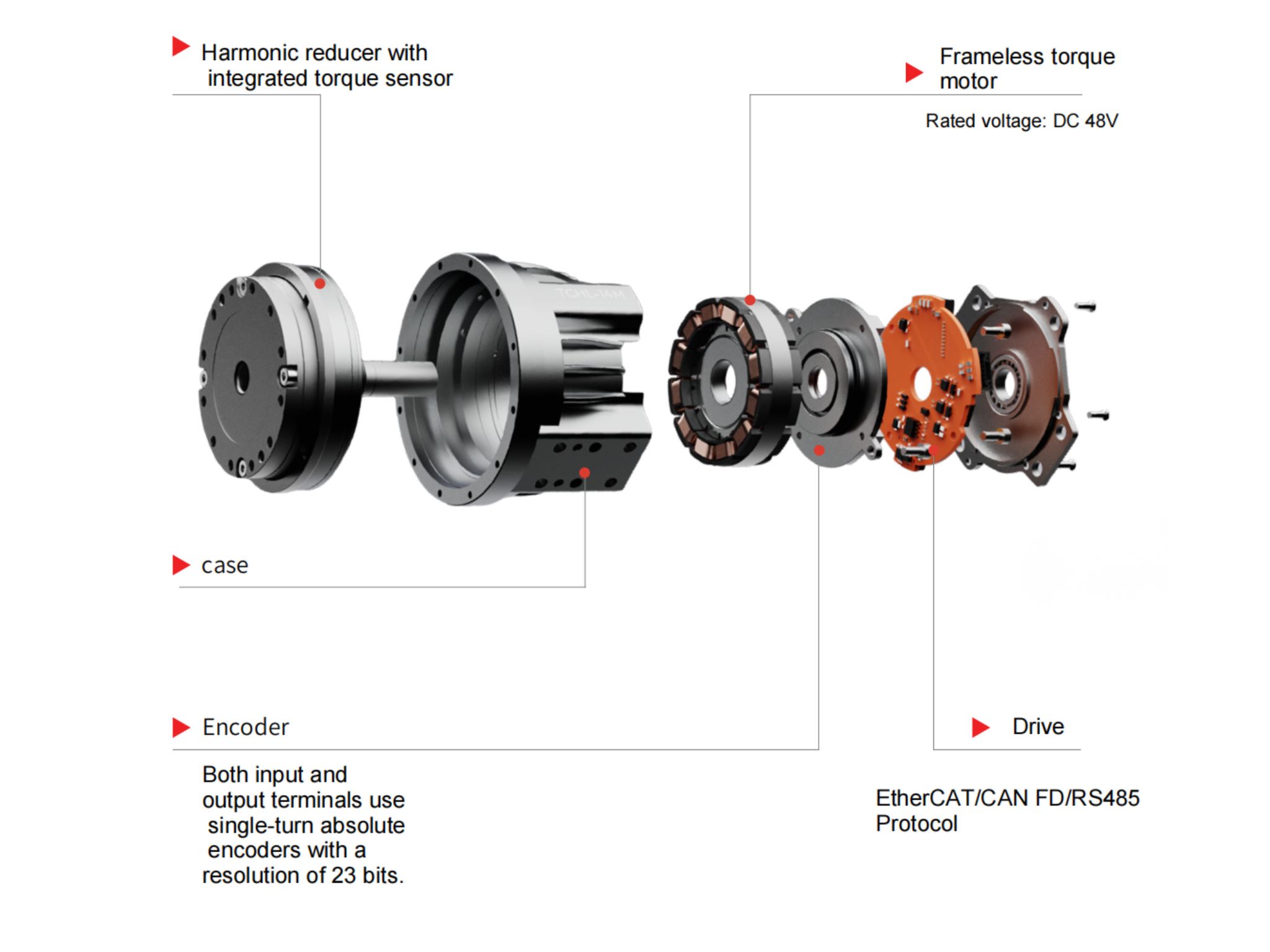
 OMG Ultra Compact Harmonic Drive Joint Module with Built-in Torque SensorHONPINE TCHL series harmonic drive joint module is a game-changing product that achieves disruptive improvements in multiple aspects such as lightweight design, integration level, and connection convenience. This article will analyze its revolutionary enhancements with you.
 The Role of Harmonic Drive Gears in Achieving 5–10 μm Accuracy in Dental Milling MachinesA dental milling machine is a CNC machining system used to directly process digital dental models into restorations such as crowns, bridges, veneers, inlays, and implant abutments. Dental milling machines require far higher operational accuracy and motion stability than ordinary equipment. This article explains how harmonic drive gear help dental milling machines achieve stable, continuous, and controllable operation.
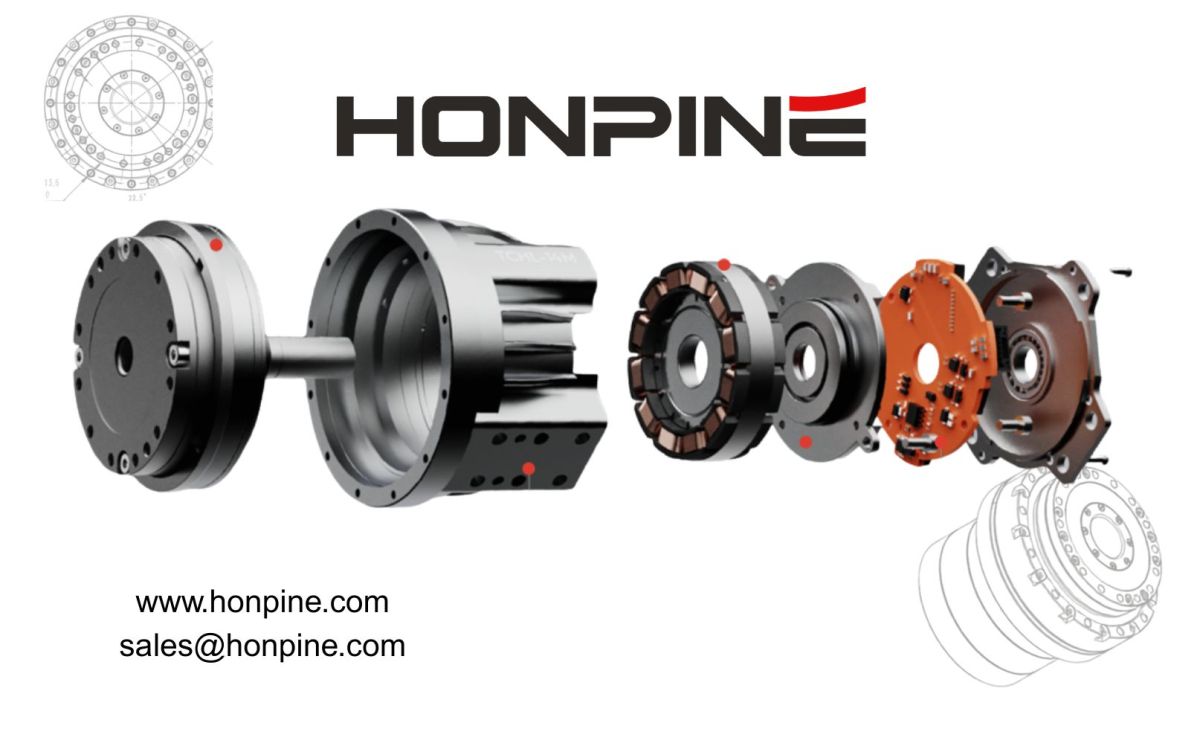
 Why Are Harmonic Rotary Actuators Perfect for Medical Equipment?Harmonic rotary actuators (typically integrated systems consisting of a harmonic drive reducer, frameless torque motor, encoder, and optional brake) are regarded as key components in medical equipment. The core reason is that they simultaneously meet the most stringent medical requirements for precision, compact size, safety, and controllability. The following explanation is structured from three perspectives: technical characteristics, application scenarios, and medical value.
 High-Precision RV Reducers Perfectly Matched for Walking RobotsThe walking axis of a robot is a core component for power transmission and support. RV reducers provide extremely high rigidity, precision, and torque while maintaining a compact size and exceptional reliability, making them an ideal match for the demanding requirements of walking robot joints in terms of load capacity, impact resistance, and precision.
 Force-Controlled Harmonic Joint Modules: A Key Solution for Robot CommercializationAs robots move from precise positioning toward physical interaction, joint-level torque feedback is becoming increasingly important. A force-controlled robot joint module allows the robot to sense changes in output torque and respond more appropriately to external loads, supporting compliant motion, contact detection, and force-controlled applications. HONPINE HAG and HAU harmonic joint modules integrate torque sensing directly into the joint, enabling torque closed-loop control, 360° continuous output rotation, less than 1% torque control accuracy, and a 50 Hz torque bandwidth. This integrated design also maintains consistent dimensions between force-controlled and non-force-controlled configurations, providing a flexible joint platform for robot manufacturers.
 6 Key Advantages of the HONPINE JRM Planetary Joint ModuleHigh-performance quadruped robots require joint modules that can respond quickly, maintain precise positioning, withstand repeated impacts, and deliver stable torque under demanding operating conditions. The HONPINE JRM planetary joint module combines high positioning accuracy, low backlash, fast three-loop response, high static rigidity, strong overload capability, and a wide operating temperature range. With clearly defined continuous and overload operating limits, the JRM is designed to balance dynamic performance with long-term reliability. This article introduces six key advantages of the HONPINE JRM planetary joint module and explains why it is suitable for industrial inspection quadrupeds, specialized inspection robots, explosion-proof quadruped robots, and other high-performance robotic platforms.
 Robot Joint Module Solutions for Humanoid Robot Arms and LegsHumanoid robots require different joint characteristics across the shoulder, elbow, wrist, hip, knee, and ankle. Smaller joints prioritize low weight and fast response, while larger joints require higher torque density, load capacity, and reliability. A suitable robot joint module should therefore be matched to the specific torque, weight, range of motion, and control requirements of each joint. In this article, HONPINE uses the HPJM harmonic joint module series as an example to present a joint configuration solution for humanoid robot upper and lower limbs, covering torque requirements from small wrist and finger joints to high-load hip joints.
 Why Does an RV Reducer Need Profile Modification? How to Further Reduce Backlash and Transmission Error?An RV Reducer is designed to deliver high torque, high stiffness, and precise motion for demanding applications such as robotic joints, industrial rotary tables, and precision machinery. However, achieving low backlash and stable transmission accuracy requires more than high-precision machining. Cycloidal profile modification must also account for manufacturing tolerances, assembly errors, load-induced deformation, thermal expansion, and lubrication conditions. In this article, we examine why RV reducers require profile modification, how different modification methods affect meshing, and how engineers can further control backlash and transmission error through profile design, error budgeting, structural analysis, precision manufacturing, and validation testing.
 How to Choose a Hollow Rotary Platform: A Complete Selection Guide?A hollow rotary platform is widely used in precision automation where rotary positioning, compact integration, and cable routing through the rotation axis are required. However, choosing the right platform involves more than comparing rated torque or maximum speed. Load, eccentricity, overturning moment, inertia, positioning accuracy, hollow bore, acceleration, duty cycle, and installation conditions all affect the actual performance of the rotary system. This guide explains the key parameters engineers should consider when selecting a hollow rotary platform for CNC indexing, wafer handling, vision inspection, laser processing, dispensing, and other precision rotary applications.
 Hollow Robot Joint Module: Why Cable Routing Matters in Robotic Joints?A hollow robot joint module provides an internal passage for power cables, signal lines, pneumatic tubes, and other end-effector connections. Compared with external cable routing, a hollow joint module can help reduce cable exposure, improve system integration, and create a cleaner motion path for robotic arms. This article explains why internal cable routing matters in robotic joints and what to consider when selecting a hollow joint module for robotic applications.
Double Click
We provide harmonic drive reducer,planetary reducer,robot joint motor,robot rotary actuators,RV gear reducer,robot end effector,dexterous robot hand
 What is robot joint actuator?How to Choose the Best Robot Rotary Joint Actuator?In core robot joint transmission solutions, planetary and harmonic rotary actuators each have their own strengths. Choosing the right type based on application requirements is essential to achieve the optimal balance between performance and cost.
 DD Motors VS Harmonic Rotary ActuatorsThis article provides an in-depth comparison between Direct Drive (DD) motors and harmonic rotary actuators, covering their transmission principles, advantages and disadvantages, and typical application fields.
 OMG Ultra Compact Harmonic Drive Joint Module with Built-in Torque SensorHONPINE TCHL series harmonic drive joint module is a game-changing product that achieves disruptive improvements in multiple aspects such as lightweight design, integration level, and connection convenience. This article will analyze its revolutionary enhancements with you.
 Force-Controlled Harmonic Joint Modules: A Key Solution for Robot CommercializationAs robots move from precise positioning toward physical interaction, joint-level torque feedback is becoming increasingly important. A force-controlled robot joint module allows the robot to sense changes in output torque and respond more appropriately to external loads, supporting compliant motion, contact detection, and force-controlled applications. HONPINE HAG and HAU harmonic joint modules integrate torque sensing directly into the joint, enabling torque closed-loop control, 360° continuous output rotation, less than 1% torque control accuracy, and a 50 Hz torque bandwidth. This integrated design also maintains consistent dimensions between force-controlled and non-force-controlled configurations, providing a flexible joint platform for robot manufacturers.
 6 Key Advantages of the HONPINE JRM Planetary Joint ModuleHigh-performance quadruped robots require joint modules that can respond quickly, maintain precise positioning, withstand repeated impacts, and deliver stable torque under demanding operating conditions. The HONPINE JRM planetary joint module combines high positioning accuracy, low backlash, fast three-loop response, high static rigidity, strong overload capability, and a wide operating temperature range. With clearly defined continuous and overload operating limits, the JRM is designed to balance dynamic performance with long-term reliability. This article introduces six key advantages of the HONPINE JRM planetary joint module and explains why it is suitable for industrial inspection quadrupeds, specialized inspection robots, explosion-proof quadruped robots, and other high-performance robotic platforms.
 Robot Joint Module Solutions for Humanoid Robot Arms and LegsHumanoid robots require different joint characteristics across the shoulder, elbow, wrist, hip, knee, and ankle. Smaller joints prioritize low weight and fast response, while larger joints require higher torque density, load capacity, and reliability. A suitable robot joint module should therefore be matched to the specific torque, weight, range of motion, and control requirements of each joint. In this article, HONPINE uses the HPJM harmonic joint module series as an example to present a joint configuration solution for humanoid robot upper and lower limbs, covering torque requirements from small wrist and finger joints to high-load hip joints.
 Why Does an RV Reducer Need Profile Modification? How to Further Reduce Backlash and Transmission Error?An RV Reducer is designed to deliver high torque, high stiffness, and precise motion for demanding applications such as robotic joints, industrial rotary tables, and precision machinery. However, achieving low backlash and stable transmission accuracy requires more than high-precision machining. Cycloidal profile modification must also account for manufacturing tolerances, assembly errors, load-induced deformation, thermal expansion, and lubrication conditions. In this article, we examine why RV reducers require profile modification, how different modification methods affect meshing, and how engineers can further control backlash and transmission error through profile design, error budgeting, structural analysis, precision manufacturing, and validation testing.
 How to Choose a Hollow Rotary Platform: A Complete Selection Guide?A hollow rotary platform is widely used in precision automation where rotary positioning, compact integration, and cable routing through the rotation axis are required. However, choosing the right platform involves more than comparing rated torque or maximum speed. Load, eccentricity, overturning moment, inertia, positioning accuracy, hollow bore, acceleration, duty cycle, and installation conditions all affect the actual performance of the rotary system. This guide explains the key parameters engineers should consider when selecting a hollow rotary platform for CNC indexing, wafer handling, vision inspection, laser processing, dispensing, and other precision rotary applications.
 Hollow Robot Joint Module: Why Cable Routing Matters in Robotic Joints?A hollow robot joint module provides an internal passage for power cables, signal lines, pneumatic tubes, and other end-effector connections. Compared with external cable routing, a hollow joint module can help reduce cable exposure, improve system integration, and create a cleaner motion path for robotic arms. This article explains why internal cable routing matters in robotic joints and what to consider when selecting a hollow joint module for robotic applications.
 Precision Reducers for Industrial Robots: From Conventional Transmission to Self-Compensating Backlash TechnologyHello everyone, I’m Theodore Li, Technical Director at HONPINE. Today, I would like to discuss precision reducers for industrial robots and the challenges of maintaining transmission accuracy over long-term operation. Harmonic, RV, cycloidal, and planetary transmissions each offer different combinations of precision, rigidity, torque density, and compactness, making reducer selection highly dependent on robot architecture and joint requirements. However, initial backlash is only part of the problem. As transmission components wear, changes in mechanical clearance can gradually affect positioning performance. This article examines the major precision transmission technologies used in industrial robots and introduces HONPINE’s self-compensating backlash technology, which is designed to address precision retention throughout the operating life of a transmission.
 Large-Bore Harmonic Joint Actuator for Humanoid Robot Waist Joints: A Practical Selection GuideThe humanoid robot waist joint is one of the most demanding motion joints in a humanoid robot. Unlike conventional robotic arm joints, it supports the upper body while handling bending, twisting, posture transitions, and continuously changing dynamic loads. At the same time, the limited internal space must accommodate power cables, signal lines, sensors, and structural components. These requirements make a large-bore harmonic joint actuator an important option for humanoid robot waist joints. This article explains how to select a suitable harmonic joint actuator by considering hollow bore size, dynamic torque, reduction ratio, mechanical rigidity, integration, and service life.
 Nabtesco RV vs Harmonic Drive vs WITTENSTEIN: Why Backlash-Free Planetary Actuators Are EmergingNabtesco RV, Harmonic Drive, and WITTENSTEIN have each established proven transmission solutions for robotics, machine tools, automation, and precision motion control. However, applications requiring both arc-second-level positioning and high mechanical rigidity can expose different trade-offs between backlash, torsional stiffness, load capacity, and transmission accuracy. This has created growing interest in a backlash-free planetary actuator that combines the rigidity and torque density of planetary transmission with advanced backlash compensation. In this article, we compare the characteristics of Nabtesco RV, Harmonic Drive, and WITTENSTEIN precision planetary gearboxes, and examine where a backlash-free planetary actuator can provide an alternative solution.
- harmonic drive
- harmonic gear
- planetary gearbox
- planetary gearboxes
- harmonic drive servo motor
- harmonic drive servo
- harmonic actuator
- RV reducer
- harmonic drive actuators
- harmonic rotary actuator
- harmonic drive actuator
- harmonic drives
- rotary actuator
- harmonic
- precision
- planetary
- robotic joint
- humanoid robot
- servo
- actuator
- rv reducers
- harmonic rotary actuators