








Precision Planetary Reducer Selection Guide: Practical Methods for Gear Ratio, Torque, and Inertia Matching
Selecting the right precision planetary reducer is one of the most important steps in designing a high-performance motion control system. With numerous technical parameters to consider, the selection process can appear complicated. In practice, however, three core factors determine the optimal solution: gear ratio, output torque, and inertia matching.
By accurately calculating these three parameters, engineers can efficiently identify the most suitable precision planetary reducers for servo systems, CNC machinery, industrial equipment, and robotic automation applications.
This guide summarizes the essential formulas and practical engineering considerations to simplify the selection process.
1. Gear Ratio Calculation: Determining the Required Speed Reduction
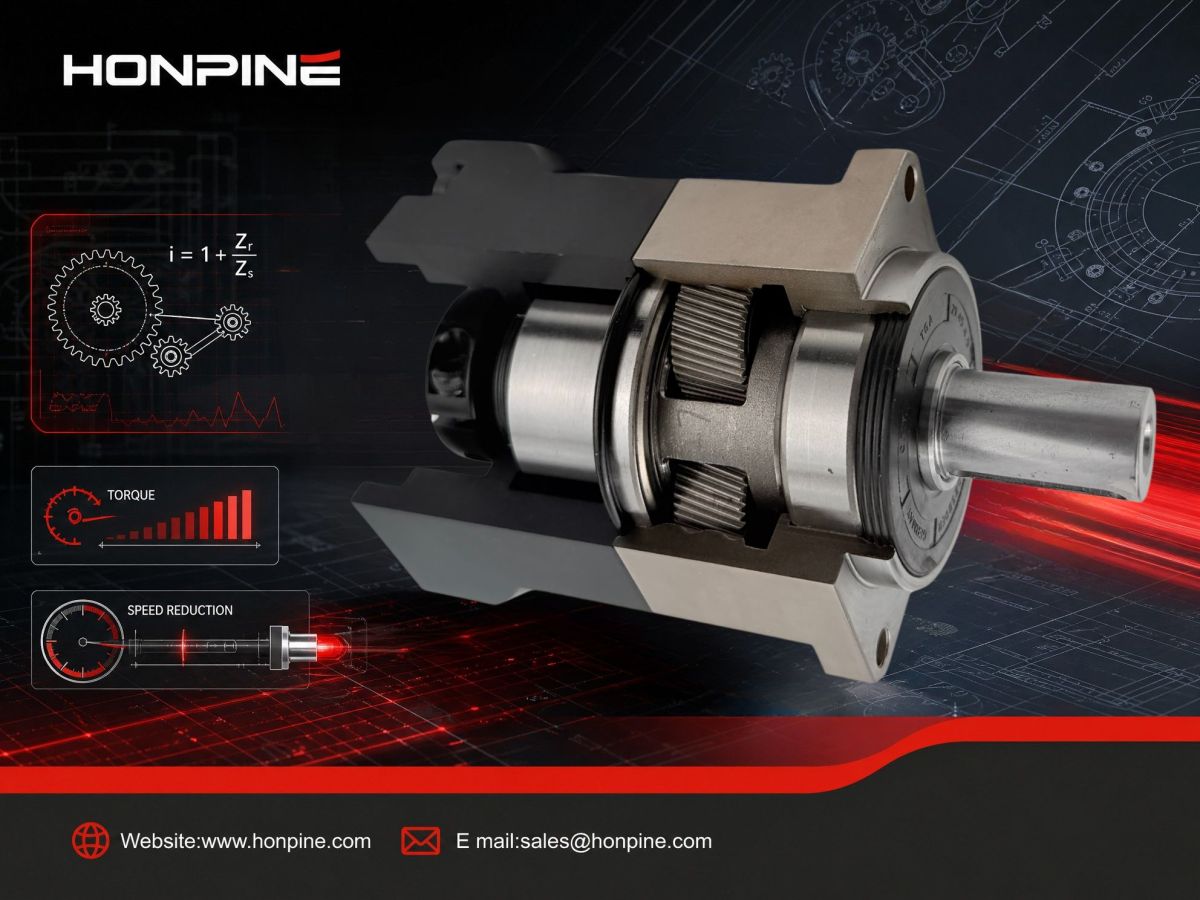
The gear ratio defines how much the precision planetary reducer decreases the motor speed while proportionally increasing the output torque.
Formula:
Gear Ratio = Motor Rated Speed ÷ Required Output Speed
Example
Servo motor rated speed: 3000 rpm
Required output speed: 60 rpm
Gear Ratio = 3000 ÷ 60 = 50:1
When selecting a planetary gearbox robotic automation reducer, the calculated ratio should be compared with the manufacturer's available standard ratios, such as 40:1, 50:1, or 70:1.
If the exact ratio is unavailable, choose the closest standard ratio and verify that the actual output speed still satisfies the application requirements.
Typical ratio ranges include:
Single-stage precision planetary reducer: 3:1–10:1
Two-stage reducers: up to several dozen
Three-stage reducers: several hundred to over one thousand
Higher reduction ratios generally require additional gear stages, resulting in larger dimensions, increased weight, and higher manufacturing costs. Therefore, engineers should balance performance and cost during selection.
2. Torque Calculation: Ensuring Safe Load Capacity
Torque verification is one of the most critical steps when selecting a planetary reducer manufacturer solution. It determines whether the gearbox can reliably withstand actual operating loads.
Formula:
Required Output Torque = Maximum Motor Torque × Gear Ratio × Transmission Efficiency × Service Factor
Parameter Selection
Maximum Motor Torque
Always use the motor's peak (maximum) torque, including overload capability, rather than only the rated torque. This ensures sufficient capacity during acceleration, impact loading, or sudden load changes.
Transmission Efficiency
Most precision planetary reducers operate with efficiencies between 90% and 97%.
Single-stage: typically higher efficiency
Multi-stage: slightly lower efficiency
For conservative calculations, 90% is commonly used.
Service Factor
The service factor depends on operating conditions.
Smooth operation
Examples: conveyor systems, continuous conveying
Recommended factor:
1.2–1.5
Moderate shock loads
Examples: packaging machinery, cutting equipment
Recommended factor:
1.5–2.0
Heavy shock or frequent start-stop operation
Examples: stamping presses, crushers, heavy-duty automation equipment
Recommended factor:
2.5 or higher
Example
Maximum motor torque: 5 Nm
Gear ratio: 50
Efficiency: 93%
Service factor: 1.8
Required Output Torque
= 5 × 50 × 0.93 × 1.8
≈ 418.5 Nm
The selected precision planetary reducer should have a rated output torque exceeding 418.5 Nm, with additional safety margin for long-term reliability.
3. Inertia Matching: Achieving Stable Servo Performance
Inertia matching is essential for servo control accuracy, positioning precision, and dynamic response. It is especially important when selecting a planetary gearbox robotic automation reducer for high-speed automation systems and robot planetary applications.
Formula:
Reflected Load Inertia = Actual Load Inertia ÷ (Gear Ratio)²
The inertia ratio is calculated as:
Inertia Ratio = Reflected Load Inertia ÷ Motor Rotor Inertia
General recommendations:
Standard servo applications:
≤ 5:1
High-speed, high-precision positioning:
≤ 3:1
Example
Load inertia: 0.5 kg·m²
Gear ratio: 10
Reflected Load Inertia
= 0.5 ÷ 10²
= 0.005 kg·m²
If the motor rotor inertia is 0.001 kg·m², then:
Inertia Ratio
= 0.005 ÷ 0.001
= 5
This falls within the generally acceptable range.
If the inertia ratio exceeds the recommended limit, engineers should either:
increase the gear ratio, or
select a motor with higher rotor inertia.
Proper inertia matching significantly improves servo stability, acceleration performance, and positioning accuracy in robotic automation reducer systems.
Recommended Planetary Reducer Selection Procedure
For efficient engineering design, the following sequence is recommended:
Step 1: Determine the Gear Ratio
Calculate the required reduction ratio from the motor speed and desired output speed to narrow down suitable precision planetary reducer models.
Step 2: Verify Output Torque
Calculate the required output torque using the motor peak torque, gear ratio, efficiency, and service factor. Eliminate models that cannot provide sufficient torque capacity.
Step 3: Check Inertia Matching
Reflect the load inertia to the motor shaft using the square of the gear ratio and verify that the inertia ratio meets servo design recommendations.
If inertia matching is unsatisfactory, adjust the gear ratio and repeat the torque verification.
Following these three calculations helps ensure that the selected precision planetary reducers provide optimal performance, reliability, and service life.
Professional Precision Planetary Reducer Selection Support
Real-world applications often involve complex operating conditions that make service factor selection, inertia estimation, and torque calculation more challenging. Choosing the right planetary reducer robotic automation reducer requires not only theoretical calculations but also practical engineering experience.
As an experienced planetary reducer manufacturer, Honpine specializes in the design and production of high-performance precision planetary reducers for servo systems, industrial automation, CNC machinery, and robot planetary applications.
Simply provide:
Motor specifications
Required output speed
Load type
Operating conditions
Our engineering team will perform complete gear ratio, torque, and inertia matching calculations and recommend the most suitable precision planetary reducer or planetary gearbox robotic automation reducer for your application.
Contact Honpine today to receive expert selection assistance, technical documentation, and detailed information about our full range of precision planetary reducers for robotic automation and industrial motion control.
Read More
Learn more about the story of HONPINE and industry trends related to precision transmission.
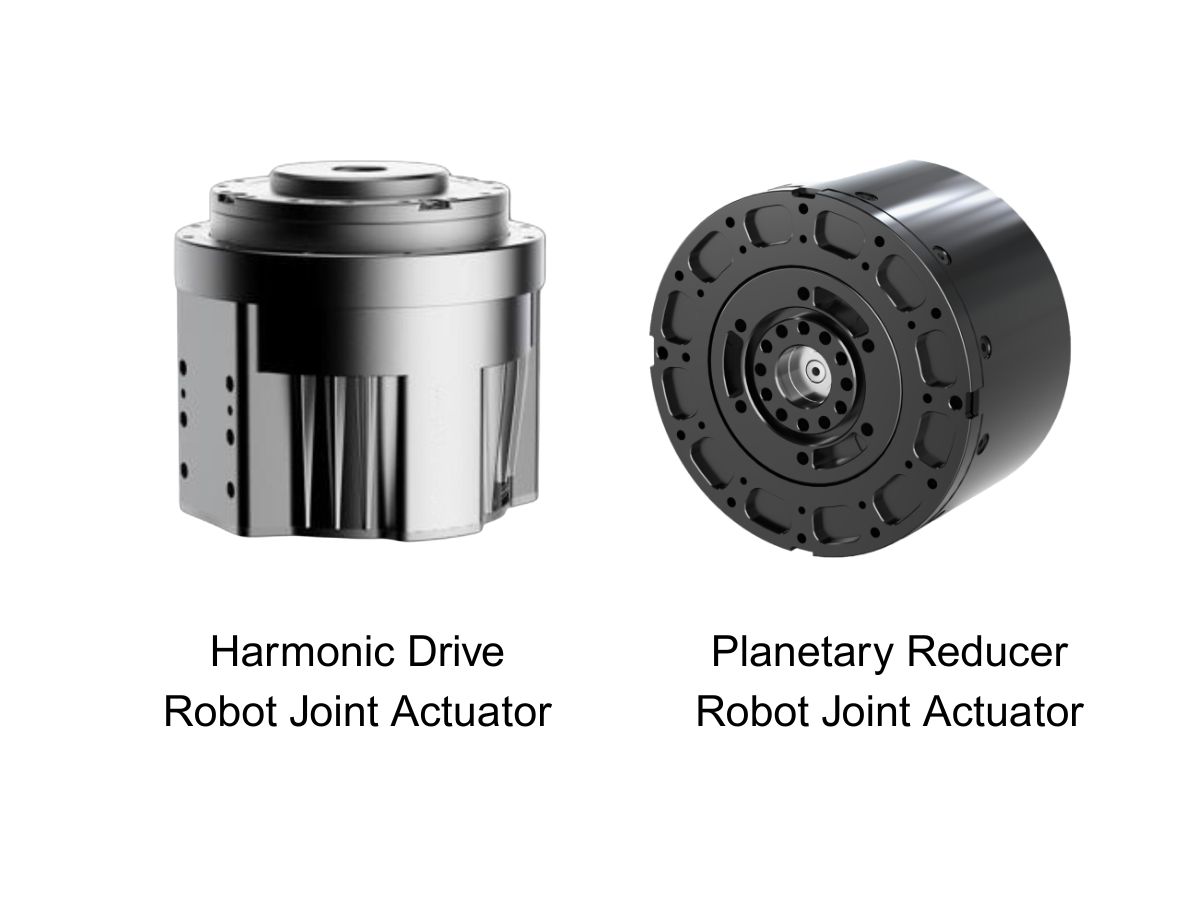
 What is robot joint actuator?How to Choose the Best Robot Rotary Joint Actuator?In core robot joint transmission solutions, planetary and harmonic rotary actuators each have their own strengths. Choosing the right type based on application requirements is essential to achieve the optimal balance between performance and cost.
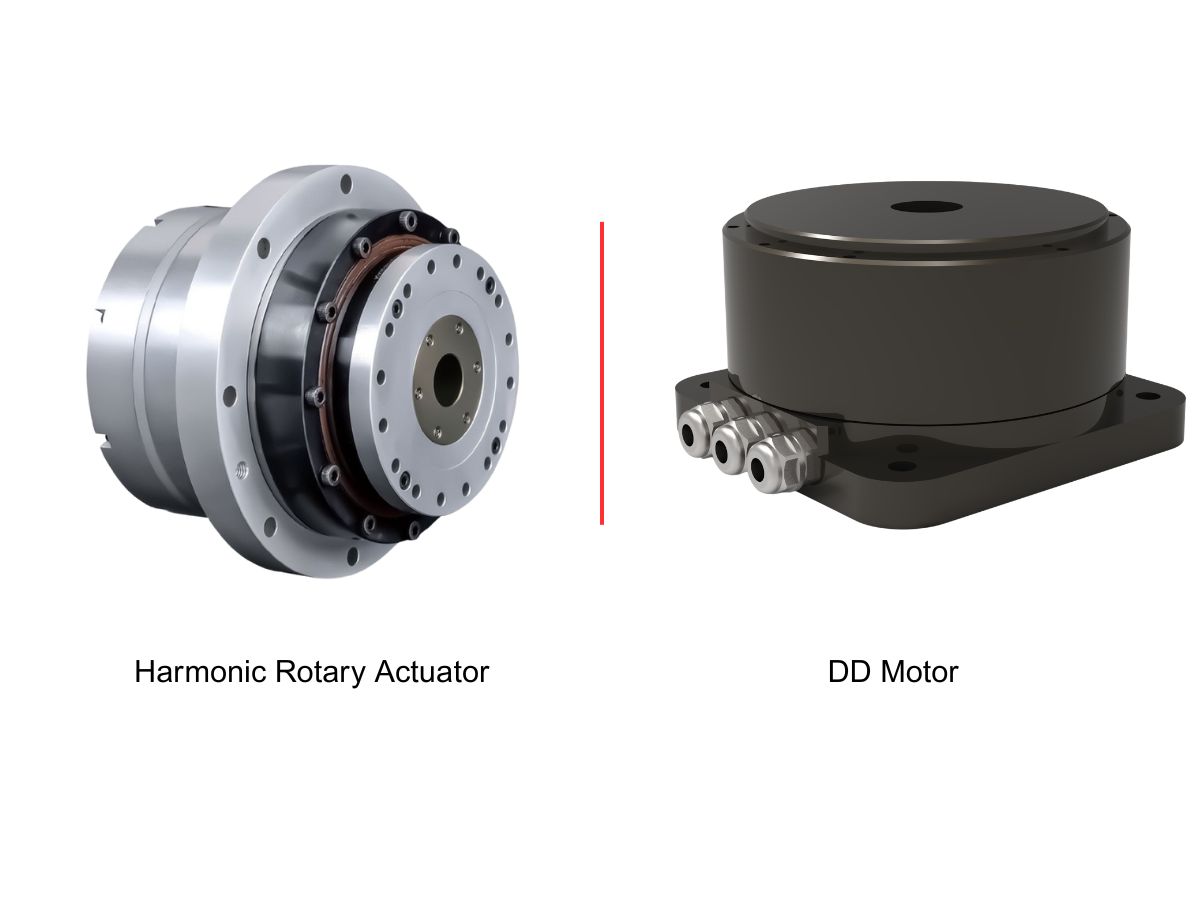
 DD Motors VS Harmonic Rotary ActuatorsThis article provides an in-depth comparison between Direct Drive (DD) motors and harmonic rotary actuators, covering their transmission principles, advantages and disadvantages, and typical application fields.
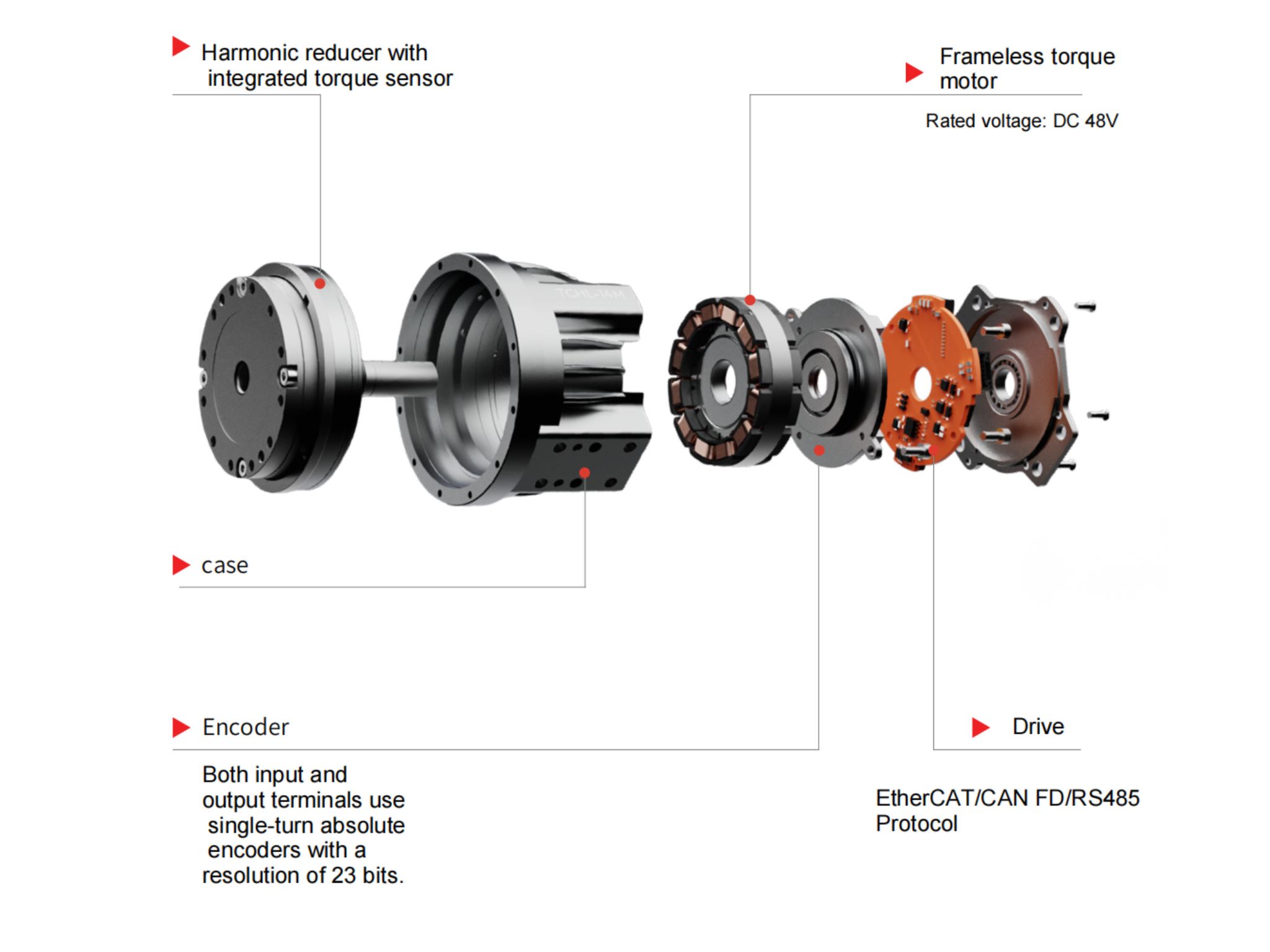
 OMG Ultra Compact Harmonic Drive Joint Module with Built-in Torque SensorHONPINE TCHL series harmonic drive joint module is a game-changing product that achieves disruptive improvements in multiple aspects such as lightweight design, integration level, and connection convenience. This article will analyze its revolutionary enhancements with you.
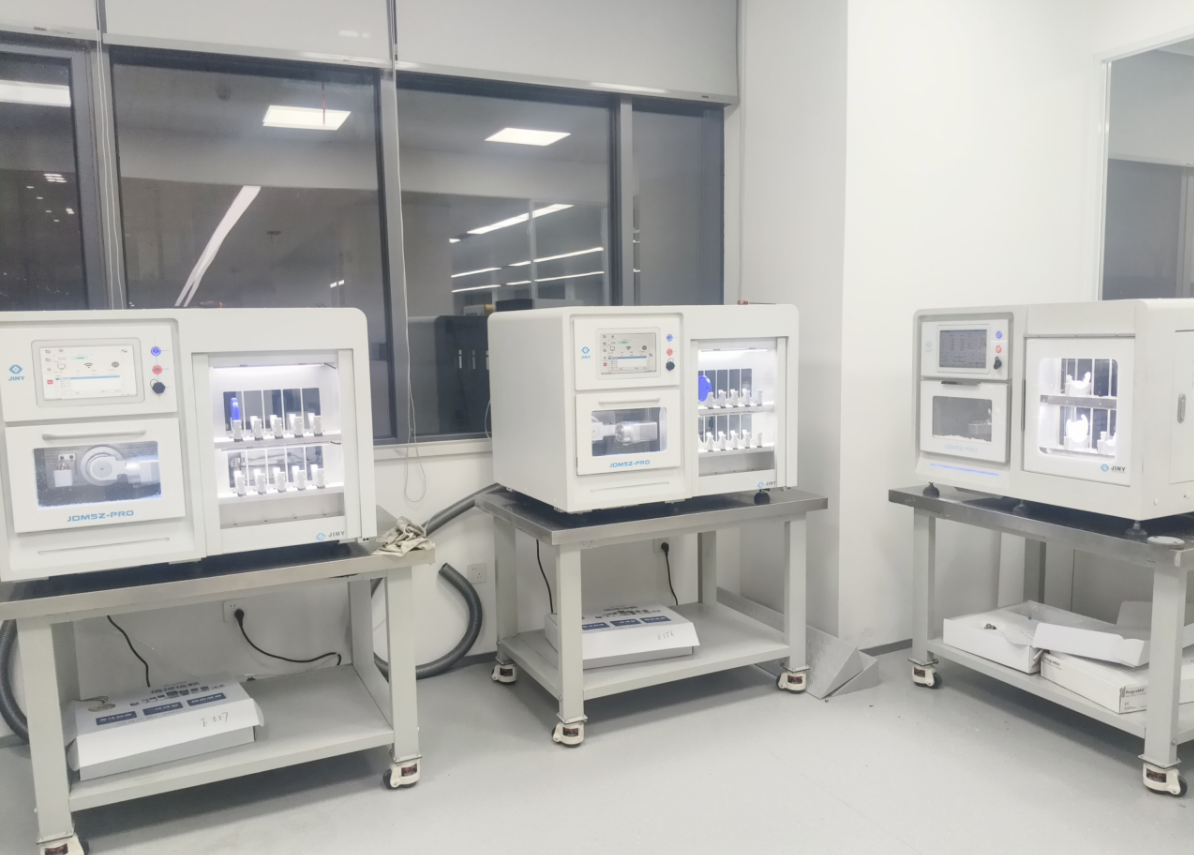
 The Role of Harmonic Drive Gears in Achieving 5–10 μm Accuracy in Dental Milling MachinesA dental milling machine is a CNC machining system used to directly process digital dental models into restorations such as crowns, bridges, veneers, inlays, and implant abutments. Dental milling machines require far higher operational accuracy and motion stability than ordinary equipment. This article explains how harmonic drive gear help dental milling machines achieve stable, continuous, and controllable operation.
 Why Are Harmonic Rotary Actuators Perfect for Medical Equipment?Harmonic rotary actuators (typically integrated systems consisting of a harmonic drive reducer, frameless torque motor, encoder, and optional brake) are regarded as key components in medical equipment. The core reason is that they simultaneously meet the most stringent medical requirements for precision, compact size, safety, and controllability. The following explanation is structured from three perspectives: technical characteristics, application scenarios, and medical value.
 High-Precision RV Reducers Perfectly Matched for Walking RobotsThe walking axis of a robot is a core component for power transmission and support. RV reducers provide extremely high rigidity, precision, and torque while maintaining a compact size and exceptional reliability, making them an ideal match for the demanding requirements of walking robot joints in terms of load capacity, impact resistance, and precision.
 Why Does an RV Reducer Need Profile Modification? How to Further Reduce Backlash and Transmission Error?An RV Reducer is designed to deliver high torque, high stiffness, and precise motion for demanding applications such as robotic joints, industrial rotary tables, and precision machinery. However, achieving low backlash and stable transmission accuracy requires more than high-precision machining. Cycloidal profile modification must also account for manufacturing tolerances, assembly errors, load-induced deformation, thermal expansion, and lubrication conditions. In this article, we examine why RV reducers require profile modification, how different modification methods affect meshing, and how engineers can further control backlash and transmission error through profile design, error budgeting, structural analysis, precision manufacturing, and validation testing.
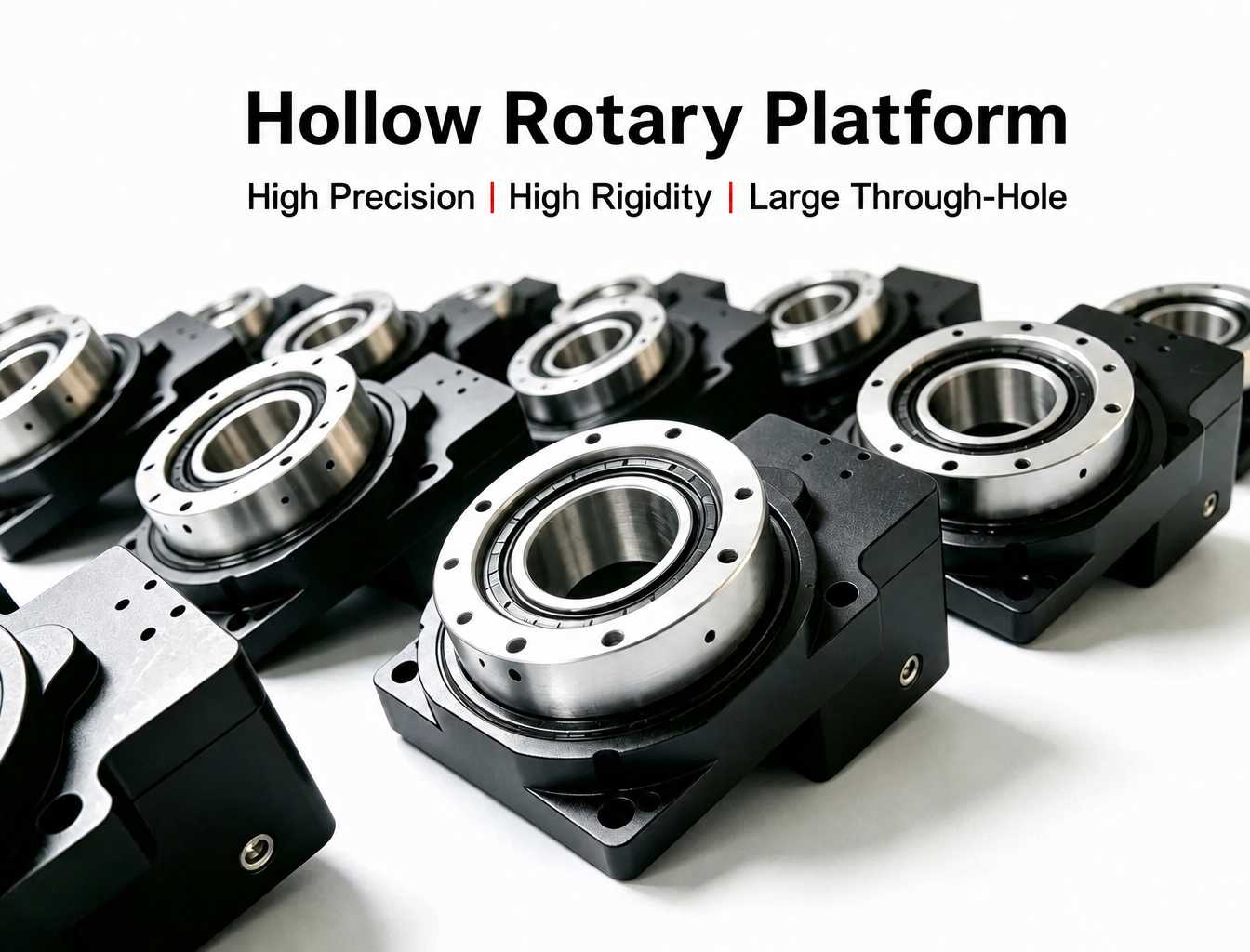
 How to Choose a Hollow Rotary Platform: A Complete Selection Guide?A hollow rotary platform is widely used in precision automation where rotary positioning, compact integration, and cable routing through the rotation axis are required. However, choosing the right platform involves more than comparing rated torque or maximum speed. Load, eccentricity, overturning moment, inertia, positioning accuracy, hollow bore, acceleration, duty cycle, and installation conditions all affect the actual performance of the rotary system. This guide explains the key parameters engineers should consider when selecting a hollow rotary platform for CNC indexing, wafer handling, vision inspection, laser processing, dispensing, and other precision rotary applications.
 Hollow Robot Joint Module: Why Cable Routing Matters in Robotic Joints?A hollow robot joint module provides an internal passage for power cables, signal lines, pneumatic tubes, and other end-effector connections. Compared with external cable routing, a hollow joint module can help reduce cable exposure, improve system integration, and create a cleaner motion path for robotic arms. This article explains why internal cable routing matters in robotic joints and what to consider when selecting a hollow joint module for robotic applications.
 Precision Reducers for Industrial Robots: From Conventional Transmission to Self-Compensating Backlash TechnologyHello everyone, I’m Theodore Li, Technical Director at HONPINE. Today, I would like to discuss precision reducers for industrial robots and the challenges of maintaining transmission accuracy over long-term operation. Harmonic, RV, cycloidal, and planetary transmissions each offer different combinations of precision, rigidity, torque density, and compactness, making reducer selection highly dependent on robot architecture and joint requirements. However, initial backlash is only part of the problem. As transmission components wear, changes in mechanical clearance can gradually affect positioning performance. This article examines the major precision transmission technologies used in industrial robots and introduces HONPINE’s self-compensating backlash technology, which is designed to address precision retention throughout the operating life of a transmission.
 Large-Bore Harmonic Joint Actuator for Humanoid Robot Waist Joints: A Practical Selection GuideThe humanoid robot waist joint is one of the most demanding motion joints in a humanoid robot. Unlike conventional robotic arm joints, it supports the upper body while handling bending, twisting, posture transitions, and continuously changing dynamic loads. At the same time, the limited internal space must accommodate power cables, signal lines, sensors, and structural components. These requirements make a large-bore harmonic joint actuator an important option for humanoid robot waist joints. This article explains how to select a suitable harmonic joint actuator by considering hollow bore size, dynamic torque, reduction ratio, mechanical rigidity, integration, and service life.
 Nabtesco RV vs Harmonic Drive vs WITTENSTEIN: Why Backlash-Free Planetary Actuators Are EmergingNabtesco RV, Harmonic Drive, and WITTENSTEIN have each established proven transmission solutions for robotics, machine tools, automation, and precision motion control. However, applications requiring both arc-second-level positioning and high mechanical rigidity can expose different trade-offs between backlash, torsional stiffness, load capacity, and transmission accuracy. This has created growing interest in a backlash-free planetary actuator that combines the rigidity and torque density of planetary transmission with advanced backlash compensation. In this article, we compare the characteristics of Nabtesco RV, Harmonic Drive, and WITTENSTEIN precision planetary gearboxes, and examine where a backlash-free planetary actuator can provide an alternative solution.
Double Click
We provide harmonic drive reducer,planetary reducer,robot joint motor,robot rotary actuators,RV gear reducer,robot end effector,dexterous robot hand
 What is robot joint actuator?How to Choose the Best Robot Rotary Joint Actuator?In core robot joint transmission solutions, planetary and harmonic rotary actuators each have their own strengths. Choosing the right type based on application requirements is essential to achieve the optimal balance between performance and cost.
 DD Motors VS Harmonic Rotary ActuatorsThis article provides an in-depth comparison between Direct Drive (DD) motors and harmonic rotary actuators, covering their transmission principles, advantages and disadvantages, and typical application fields.
 OMG Ultra Compact Harmonic Drive Joint Module with Built-in Torque SensorHONPINE TCHL series harmonic drive joint module is a game-changing product that achieves disruptive improvements in multiple aspects such as lightweight design, integration level, and connection convenience. This article will analyze its revolutionary enhancements with you.
 Why Does an RV Reducer Need Profile Modification? How to Further Reduce Backlash and Transmission Error?An RV Reducer is designed to deliver high torque, high stiffness, and precise motion for demanding applications such as robotic joints, industrial rotary tables, and precision machinery. However, achieving low backlash and stable transmission accuracy requires more than high-precision machining. Cycloidal profile modification must also account for manufacturing tolerances, assembly errors, load-induced deformation, thermal expansion, and lubrication conditions. In this article, we examine why RV reducers require profile modification, how different modification methods affect meshing, and how engineers can further control backlash and transmission error through profile design, error budgeting, structural analysis, precision manufacturing, and validation testing.
 How to Choose a Hollow Rotary Platform: A Complete Selection Guide?A hollow rotary platform is widely used in precision automation where rotary positioning, compact integration, and cable routing through the rotation axis are required. However, choosing the right platform involves more than comparing rated torque or maximum speed. Load, eccentricity, overturning moment, inertia, positioning accuracy, hollow bore, acceleration, duty cycle, and installation conditions all affect the actual performance of the rotary system. This guide explains the key parameters engineers should consider when selecting a hollow rotary platform for CNC indexing, wafer handling, vision inspection, laser processing, dispensing, and other precision rotary applications.
 Hollow Robot Joint Module: Why Cable Routing Matters in Robotic Joints?A hollow robot joint module provides an internal passage for power cables, signal lines, pneumatic tubes, and other end-effector connections. Compared with external cable routing, a hollow joint module can help reduce cable exposure, improve system integration, and create a cleaner motion path for robotic arms. This article explains why internal cable routing matters in robotic joints and what to consider when selecting a hollow joint module for robotic applications.
 Precision Reducers for Industrial Robots: From Conventional Transmission to Self-Compensating Backlash TechnologyHello everyone, I’m Theodore Li, Technical Director at HONPINE. Today, I would like to discuss precision reducers for industrial robots and the challenges of maintaining transmission accuracy over long-term operation. Harmonic, RV, cycloidal, and planetary transmissions each offer different combinations of precision, rigidity, torque density, and compactness, making reducer selection highly dependent on robot architecture and joint requirements. However, initial backlash is only part of the problem. As transmission components wear, changes in mechanical clearance can gradually affect positioning performance. This article examines the major precision transmission technologies used in industrial robots and introduces HONPINE’s self-compensating backlash technology, which is designed to address precision retention throughout the operating life of a transmission.
 Large-Bore Harmonic Joint Actuator for Humanoid Robot Waist Joints: A Practical Selection GuideThe humanoid robot waist joint is one of the most demanding motion joints in a humanoid robot. Unlike conventional robotic arm joints, it supports the upper body while handling bending, twisting, posture transitions, and continuously changing dynamic loads. At the same time, the limited internal space must accommodate power cables, signal lines, sensors, and structural components. These requirements make a large-bore harmonic joint actuator an important option for humanoid robot waist joints. This article explains how to select a suitable harmonic joint actuator by considering hollow bore size, dynamic torque, reduction ratio, mechanical rigidity, integration, and service life.
 Nabtesco RV vs Harmonic Drive vs WITTENSTEIN: Why Backlash-Free Planetary Actuators Are EmergingNabtesco RV, Harmonic Drive, and WITTENSTEIN have each established proven transmission solutions for robotics, machine tools, automation, and precision motion control. However, applications requiring both arc-second-level positioning and high mechanical rigidity can expose different trade-offs between backlash, torsional stiffness, load capacity, and transmission accuracy. This has created growing interest in a backlash-free planetary actuator that combines the rigidity and torque density of planetary transmission with advanced backlash compensation. In this article, we compare the characteristics of Nabtesco RV, Harmonic Drive, and WITTENSTEIN precision planetary gearboxes, and examine where a backlash-free planetary actuator can provide an alternative solution.
 Robot Joint Actuator Selection: From Inertia Matching to System-Level OptimizationSelecting a robot joint actuator is not simply a matter of matching motor torque or achieving a suitable inertia ratio. In a real robotic system, reduction ratio, load spectrum, thermal performance, mechanical stiffness, transmission nonlinearity, encoder architecture, control bandwidth, and service life all interact to determine the final result. A joint may meet its peak torque requirement and still experience vibration, overheating, positioning errors, or premature wear in real operation. This article examines the engineering logic behind robot joint actuator selection and explains why moving from single-parameter matching to system-level optimization can lead to more reliable and predictable robotic joint performance.
 How to Choose a Small Harmonic Actuator?HONPINE Series 11 small harmonic actuators provide a compact, high-performance rotary motion solution for precision automation applications. Available with hollow or solid shafts, 48V or 220V options, optional brakes, absolute encoders, and different reduction ratios, the Series 11 is designed for applications requiring compact dimensions, controlled torque, and precise positioning.
 How to Choose a Wheel Motor for a Heavy-Duty AGV? Key Challenges from Dynamic Loads to 120-Ton AGV Drive Wheel SystemsSelecting a Heavy-Duty AGV Wheel Motor is more than matching motor power or rated torque to the vehicle's payload. As AGVs move from conventional material handling to multi-ton and even 120-ton-class applications, the drive wheel system must handle dynamic loads, acceleration, braking, turning forces, traction, and long-term mechanical stress. The actual challenge lies in matching wheel load capacity, wheel-end torque, gearbox performance, steering architecture, suspension, and chassis design under real operating conditions. This article examines the key challenges of Heavy-Duty AGV Wheel Motor selection and explains how Steering Drive Wheels and Differential Drive Wheels can be evaluated for different heavy-duty AGV applications.