

Why Do Five-Axis CNC Rotary Tables Use Different Reducers for the A-Axis and C-Axis?
A five-axis CNC rotary table, also known as a trunnion table or cradle-type rotary table, uses coordinated A-axis and C-axis movements to position a workpiece at different machining angles. The transmission systems of these two rotary axes must meet different mechanical requirements, particularly in terms of load capacity, torsional stiffness, backlash, and positioning accuracy.
The A-axis rotates the cradle assembly and workpiece around a horizontal axis. It must support the combined weight of these components while resisting overturning moments, cutting forces, and dynamic loads. The C-axis rotates the workpiece around a vertical axis and generally places greater emphasis on angular positioning accuracy, low backlash, and responsive rotary indexing.
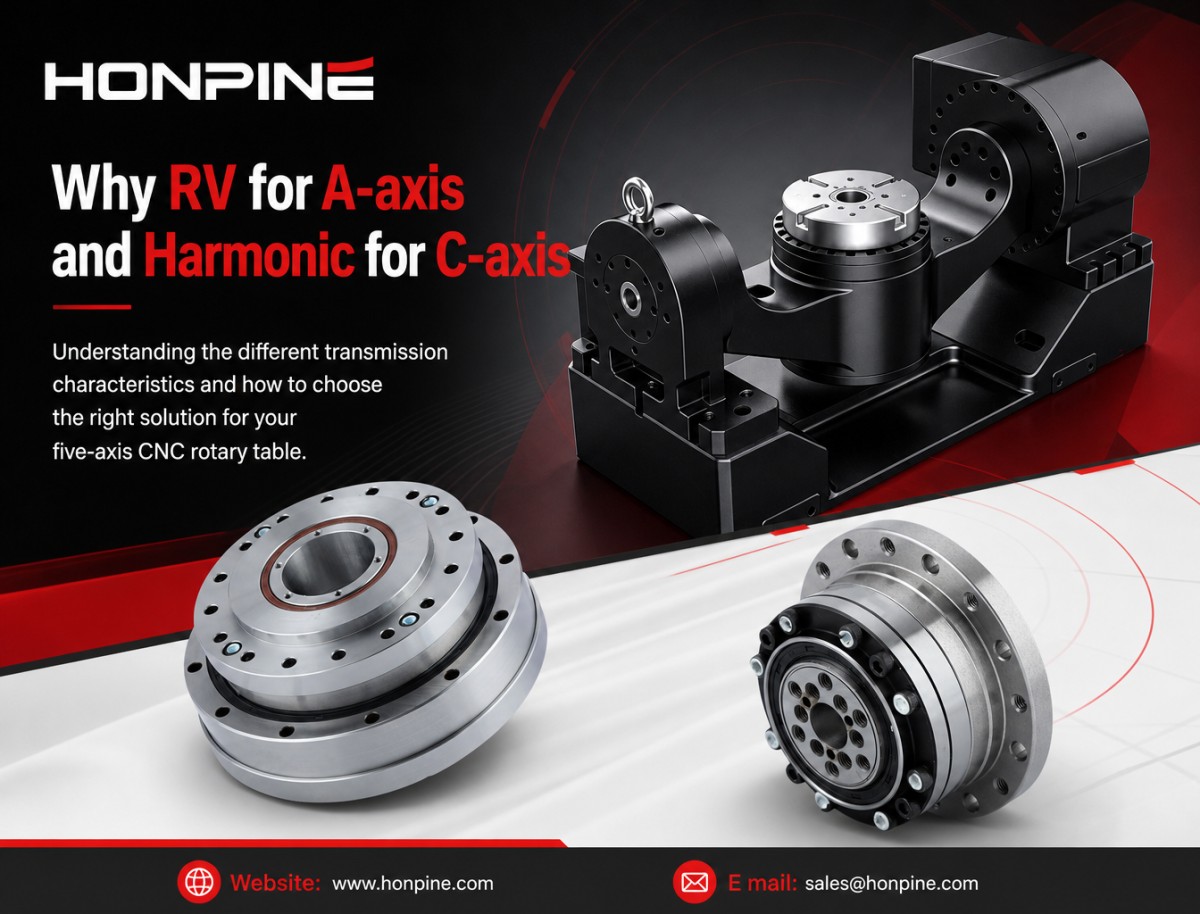
Because of these different operating conditions, some five-axis CNC rotary table designs use an RV reducer for the A-axisand a harmonic reducer for the C-axis. This configuration allows each transmission system to be selected according to the mechanical demands of its respective axis.
Why is this combination suitable for certain five-axis CNC applications?
How do the A-axis and C-axis differ in their load requirements?
And what should machine tool manufacturers consider when selecting reducers for a rotary table?
This article examines these questions from a mechanical design and motion control perspective.
1. Why Do the A-Axis and C-Axis Have Different Transmission Requirements?
Although both axes are responsible for rotary motion, their load conditions and functions are not the same. Understanding these differences is the starting point for selecting an appropriate transmission solution.
1.1 What Mechanical Loads Does the A-Axis Need to Handle?
The A-axis rotates the cradle assembly and workpiece around a horizontal axis. Its transmission system must not only generate rotary motion but also support the weight of the entire rotating structure.
When the workpiece center of gravity is offset from the rotation axis, gravity creates a continuous overturning moment. During milling, intermittent cutting forces, vibration, and acceleration or deceleration can introduce additional dynamic loads. These conditions place significant demands on torsional stiffness, bearing support, structural rigidity, and resistance to impact.
For heavy-duty five-axis rotary tables, particularly those handling large or eccentric workpieces, the A-axis transmission system must maintain stable positioning under changing loads. Excessive elastic deformation may affect machining accuracy and surface quality, making load capacity and stiffness important selection criteria.
1.2 What Performance Requirements Does the C-Axis Need to Meet?
The C-axis rotates the workpiece around the vertical axis and is responsible for rotary indexing and coordinated interpolation with other machine axes.
Compared with the A-axis, the C-axis may have different load distribution and support conditions, depending on the rotary table structure. Its key performance requirements often include low backlash, accurate angular positioning, repeatability, and responsive acceleration and deceleration.
In precision machining and multi-face machining applications, the C-axis must position the workpiece accurately and maintain stable rotary motion during coordinated machining operations. Compact dimensions and low rotational inertia may also be important, particularly in small and medium-sized rotary tables.
2. Why Are RV Reducers Often Considered for the A-Axis of Five-Axis CNC Rotary Tables?
The A-axis is generally exposed to greater structural loads and overturning moments than the C-axis in many cradle-type rotary table designs. An RV reducer can be a suitable option when high torsional stiffness and load-bearing capacity are priorities.
2.1 How Does an RV Reducer Support Heavy-Duty Rotary Motion?
An RV reducer typically adopts a two-stage transmission structure consisting of a planetary gear stage and a cycloidal pin-wheel stage.
In the first stage, the input shaft drives the planetary gear mechanism to achieve preliminary speed reduction. The resulting motion drives an eccentric shaft, which causes the cycloidal discs to rotate relative to the pin housing. Multiple teeth on the cycloidal discs engage simultaneously with the corresponding pins, distributing the transmitted load across multiple contact points. The output mechanism then transfers the reduced-speed motion and increased torque to the output flange.
This multi-point engagement structure helps distribute contact forces and provides high load-bearing capacity. Combined with its rigid transmission components and supporting bearing arrangement, an RV reducer can provide high torsional stiffness and good resistance to external loads.
2.2 How Does RV Reducer Stiffness Benefit A-Axis Positioning?
During machining, the A-axis must maintain its angular position while supporting the cradle assembly and resisting external forces. If the transmission system undergoes excessive torsional deformation, the actual workpiece position may deviate from the commanded position.
The high torsional stiffness of an RV reducer helps limit angular deformation under load. Its structural design can also provide support for radial loads, axial loads, and overturning moments, depending on the reducer model and bearing configuration.
These characteristics make RV reducers suitable for many heavy-duty rotary positioning applications. For five-axis CNC rotary tables that handle large workpieces or operate under demanding cutting conditions, an RV reducer can provide a stable mechanical foundation for the A-axis.
3. Why Can Harmonic Reducers Be Suitable for the C-Axis of Five-Axis CNC Rotary Tables?
The C-axis often places greater emphasis on angular positioning, low backlash, and dynamic response. Harmonic reducers offer several characteristics that can meet these requirements, particularly in compact rotary table designs.
3.1 How Does a Harmonic Reducer Achieve Low-Backlash Transmission?
A harmonic reducer mainly consists of three components: a wave generator, a flexspline, and a circular spline.
The wave generator deforms the thin-walled flexspline into an elliptical shape. As a result, the teeth near the two ends of the major axis engage with the circular spline, while the teeth near the minor axis are disengaged.
The flexspline and circular spline typically have a tooth-count difference of two teeth. As the wave generator rotates, the engagement positions move around the circumference, causing the flexspline to rotate slowly relative to the circular spline. For example, when a flexspline has 200 teeth and the tooth-count difference is two, the resulting single-stage reduction ratio is 100:1.
Multiple teeth engage simultaneously during transmission, helping minimize tooth clearance and achieve very low backlash. Depending on the design and precision grade, harmonic reducers can provide reduction ratios commonly ranging from approximately 30:1 to 300:1, with certain models achieving backlash within 20 arcseconds or less.
3.2 What Advantages Do Harmonic Reducers Offer for C-Axis Indexing?
The compact structure, high reduction ratio, and low backlash of harmonic reducers make them suitable for precision rotary positioning applications.
For the C-axis, these characteristics can help improve angular positioning and repeatability while reducing the space required for the transmission system. Their relatively low rotational inertia can also be beneficial in applications involving frequent indexing and acceleration or deceleration.
However, harmonic reducers use a flexible transmission element that undergoes repeated deformation during operation. Their torsional stiffness and allowable load must therefore be evaluated carefully. The selected model should meet the required output torque, peak load, acceleration, duty cycle, and service life requirements of the C-axis.
4. Why Do Some Five-Axis CNC Rotary Tables Combine an RV Reducer on the A-Axis with a Harmonic Reducer on the C-Axis?
The use of different reducers on the A-axis and C-axis is based on the mechanical requirements of each rotary axis rather than a fixed industry configuration.
The A-axis typically supports the weight of the cradle assembly and workpiece while resisting overturning moments and cutting forces. The high torsional stiffness and load capacity of an RV reducer can therefore be advantageous.
The C-axis, on the other hand, may place greater emphasis on angular positioning, low backlash, compact dimensions, and dynamic response. A harmonic reducer can be an appropriate choice when its rated torque, stiffness, and service life meet the actual operating requirements.
This combination allows machine tool manufacturers to balance load-bearing capacity, positioning performance, installation space, and overall system design. However, it should not be regarded as a universal solution. The final configuration depends on the rotary table structure, workpiece specifications, machining loads, accuracy requirements, and available installation space.
Recent developments in multi-wave harmonic transmission designs have also expanded the potential application range of harmonic reducers. By increasing the number of simultaneously engaged teeth, certain designs can improve torque transmission and torsional stiffness while retaining a relatively compact structure. This may create additional possibilities for medium-sized C-axis applications or selected light-duty rotary axes, subject to verification against the manufacturer's performance data.
5. How Can Output-Side Feedback Improve Five-Axis Rotary Table Accuracy?
Selecting a low-backlash harmonic reducer or a high-stiffness RV reducer does not automatically guarantee the final positioning accuracy of a five-axis CNC rotary table.
The complete transmission system may still experience elastic deformation, thermal expansion, assembly deviations, bearing clearance, and mechanical hysteresis. These factors can affect the actual angular position of the workpiece, particularly during continuous rotary interpolation or machining under changing loads.
5.1 Why Is an Output-Side Encoder Important?
One effective approach is to install a high-precision angular encoder on the output side of the rotary axis to establish a full closed-loop position control system.
In a conventional motor-side feedback arrangement, the encoder measures the motor shaft position. However, this measurement does not directly represent the actual angular position of the workpiece after the reducer and other transmission components.
With output-side feedback, the control system can measure the actual rotary position more directly. The servo controller can then compensate for positioning deviations within the capabilities and bandwidth of the control system.
This approach is particularly valuable in five-axis CNC applications that require high angular positioning accuracy and coordinated multi-axis movement. The reducer provides the mechanical transmission foundation, while the output-side encoder and servo control system help improve the accuracy of the complete rotary axis.
5.2 How Do Mechanical Stiffness and Closed-Loop Control Work Together?
A high-performance five-axis rotary table requires both suitable mechanical transmission components and an appropriate feedback control architecture.
The reducer influences backlash, torsional stiffness, load capacity, and mechanical deformation. The encoder and control system determine how accurately the actual output position can be measured and corrected.
For this reason, reducer selection and servo control design should be considered together. A suitable reducer helps establish the mechanical performance of the system, while a properly configured closed-loop control system helps achieve the required positioning performance under actual operating conditions.
6. What Factors Should Machine Tool Manufacturers Consider When Selecting A-Axis and C-Axis Reducers?
The selection process should begin with the mechanical loads and operating requirements of each rotary axis. Instead of choosing a reducer based only on its reduction ratio or nominal backlash, equipment designers should evaluate the complete operating conditions.
6.1 How Should A-Axis Load Capacity and Overturning Moments Be Evaluated?
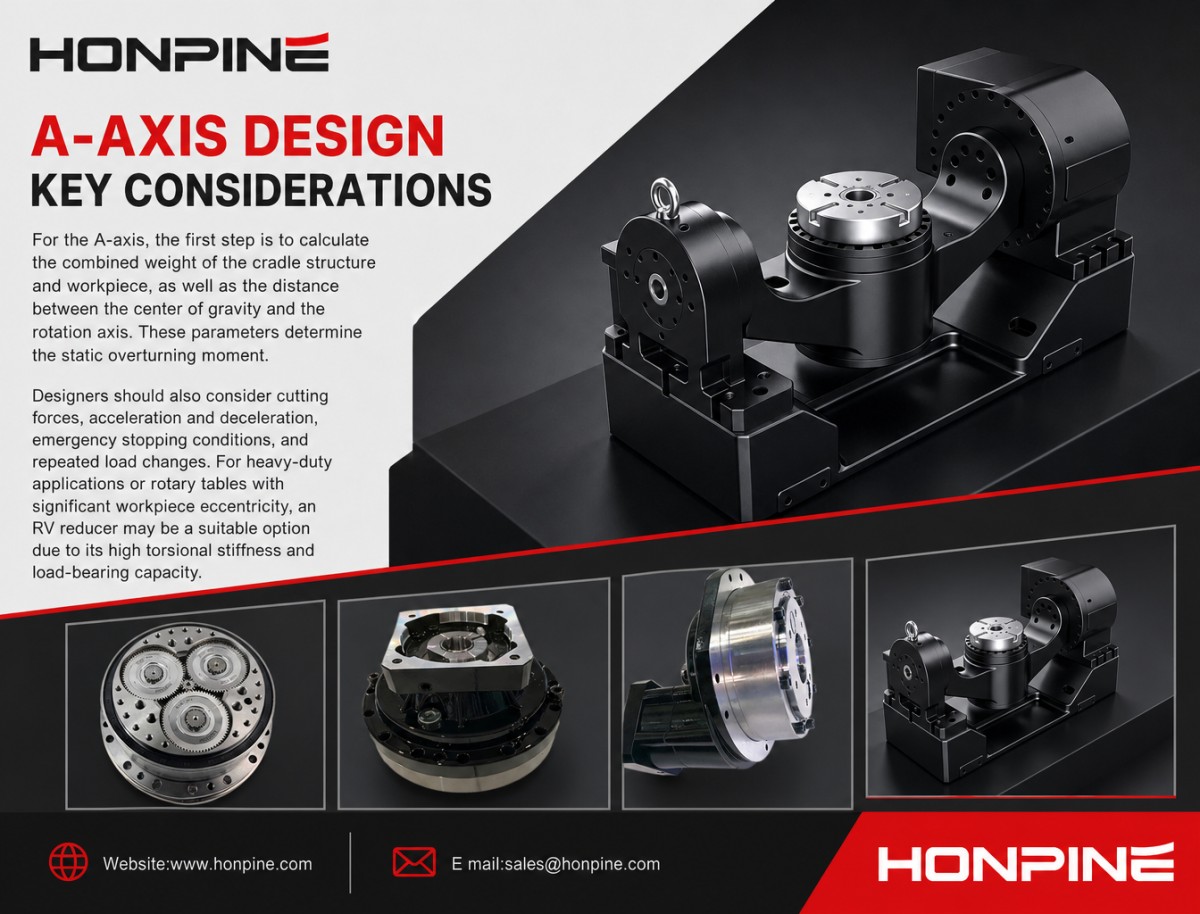
For the A-axis, the first step is to calculate the combined weight of the cradle structure and workpiece, as well as the distance between the center of gravity and the rotation axis. These parameters determine the static overturning moment.
Designers should also consider cutting forces, acceleration and deceleration, emergency stopping conditions, and repeated load changes. For heavy-duty applications or rotary tables with significant workpiece eccentricity, an RV reducer may be a suitable option due to its high torsional stiffness and load-bearing capacity.
6.2 Which Parameters Matter Most When Selecting a C-Axis Reducer?
For the C-axis, important parameters include workpiece inertia, required indexing time, maximum rotational speed, acceleration, positioning accuracy, and repeatability.
If the application emphasizes frequent rotary indexing, low backlash, and compact installation dimensions, a harmonic reducer may be worth considering. However, its rated torque, allowable peak torque, torsional stiffness, and thermal performance must also satisfy the actual operating requirements.
6.3 How Do Installation Space and Total System Cost Affect Reducer Selection?
The dimensions and weight of the reducer affect the overall structure of the rotary table. A larger and heavier transmission unit may increase the load on the supporting structure and influence the dynamic performance of the rotary axis.
Harmonic reducers generally offer advantages in compactness and high reduction ratios, while RV reducers may provide greater stiffness and load capacity in demanding applications. The final selection should balance mechanical performance, structural dimensions, manufacturing costs, maintenance requirements, and expected service life.
7. How Can the Right Transmission Configuration Improve Five-Axis CNC Rotary Table Performance?
The A-axis and C-axis of a five-axis CNC rotary table have different mechanical responsibilities, so their transmission systems should be selected according to their respective operating conditions.
For the A-axis, which often needs to support heavier loads and resist overturning moments, an RV reducer can provide the required torsional stiffness and load-bearing capacity. For the C-axis, where low backlash, accurate angular positioning, and responsive indexing are important, a harmonic reducer can be a suitable solution when its mechanical specifications meet the application requirements.
In certain five-axis rotary table designs, combining an RV reducer for the A-axiswith a harmonic reducer for the C-axis provides a practical way to balance structural rigidity and positioning performance. Nevertheless, the final transmission configuration should be determined through load calculations, machining condition analysis, positioning requirements, and verification of the selected reducer specifications.
For CNC machine tool manufacturers, understanding the different operating requirements of the A-axis and C-axis is essential to developing rotary tables with suitable positioning accuracy, structural rigidity, and long-term operating stability.
Read More
Learn more about the story of HONPINE and industry trends related to precision transmission.
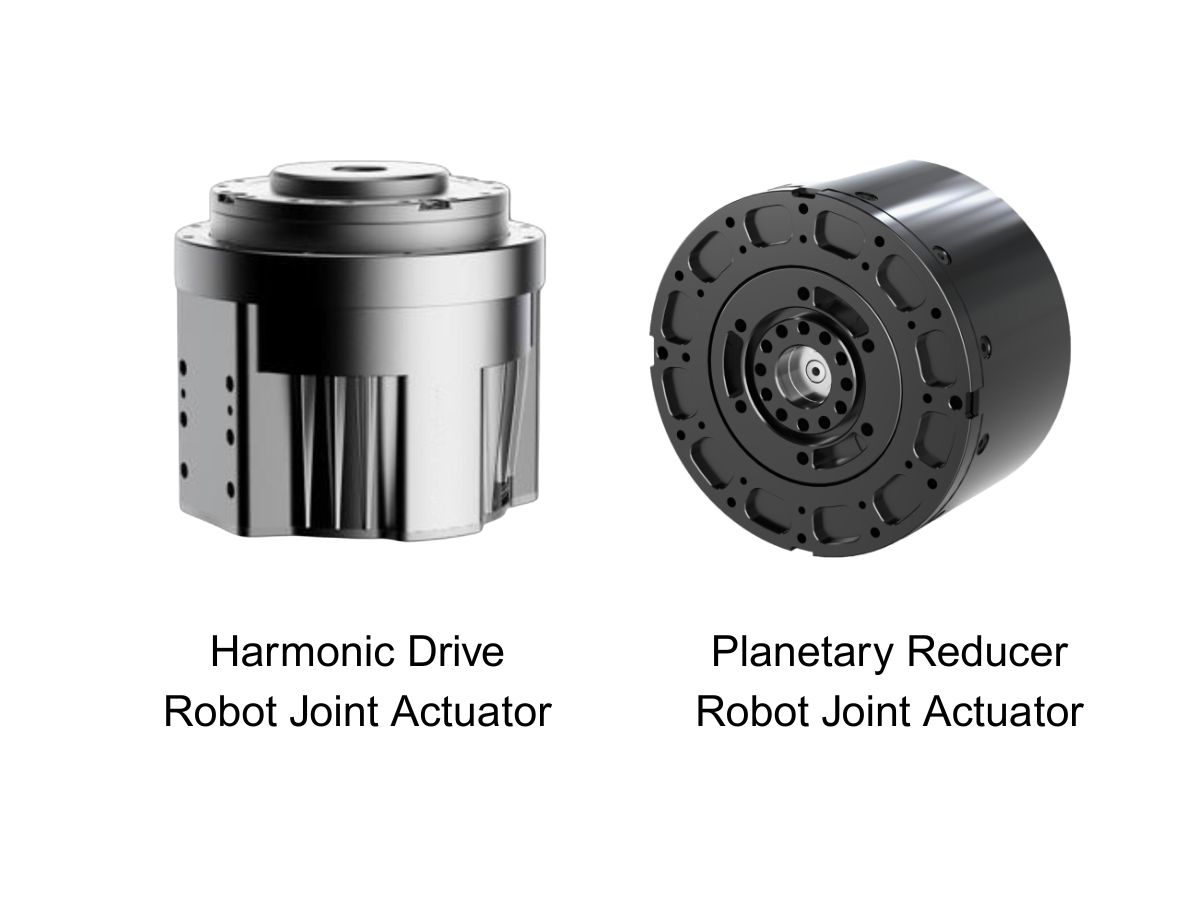
 What is robot joint actuator?How to Choose the Best Robot Rotary Joint Actuator?In core robot joint transmission solutions, planetary and harmonic rotary actuators each have their own strengths. Choosing the right type based on application requirements is essential to achieve the optimal balance between performance and cost.
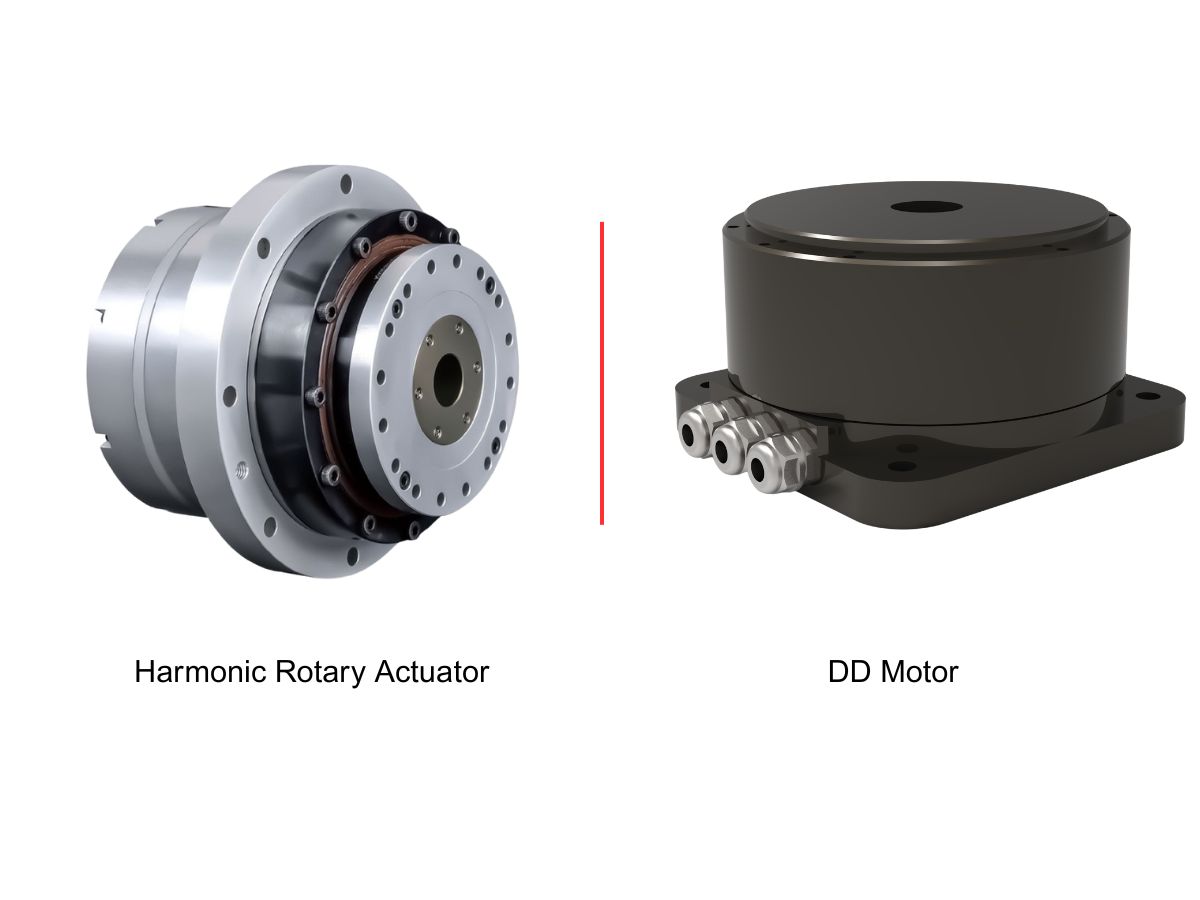
 DD Motors VS Harmonic Rotary ActuatorsThis article provides an in-depth comparison between Direct Drive (DD) motors and harmonic rotary actuators, covering their transmission principles, advantages and disadvantages, and typical application fields.
 OMG Ultra Compact Harmonic Drive Joint Module with Built-in Torque SensorHONPINE TCHL series harmonic drive joint module is a game-changing product that achieves disruptive improvements in multiple aspects such as lightweight design, integration level, and connection convenience. This article will analyze its revolutionary enhancements with you.
 The Role of Harmonic Drive Gears in Achieving 5–10 μm Accuracy in Dental Milling MachinesA dental milling machine is a CNC machining system used to directly process digital dental models into restorations such as crowns, bridges, veneers, inlays, and implant abutments. Dental milling machines require far higher operational accuracy and motion stability than ordinary equipment. This article explains how harmonic drive gear help dental milling machines achieve stable, continuous, and controllable operation.
 Why Are Harmonic Rotary Actuators Perfect for Medical Equipment?Harmonic rotary actuators (typically integrated systems consisting of a harmonic drive reducer, frameless torque motor, encoder, and optional brake) are regarded as key components in medical equipment. The core reason is that they simultaneously meet the most stringent medical requirements for precision, compact size, safety, and controllability. The following explanation is structured from three perspectives: technical characteristics, application scenarios, and medical value.
 High-Precision RV Reducers Perfectly Matched for Walking RobotsThe walking axis of a robot is a core component for power transmission and support. RV reducers provide extremely high rigidity, precision, and torque while maintaining a compact size and exceptional reliability, making them an ideal match for the demanding requirements of walking robot joints in terms of load capacity, impact resistance, and precision.
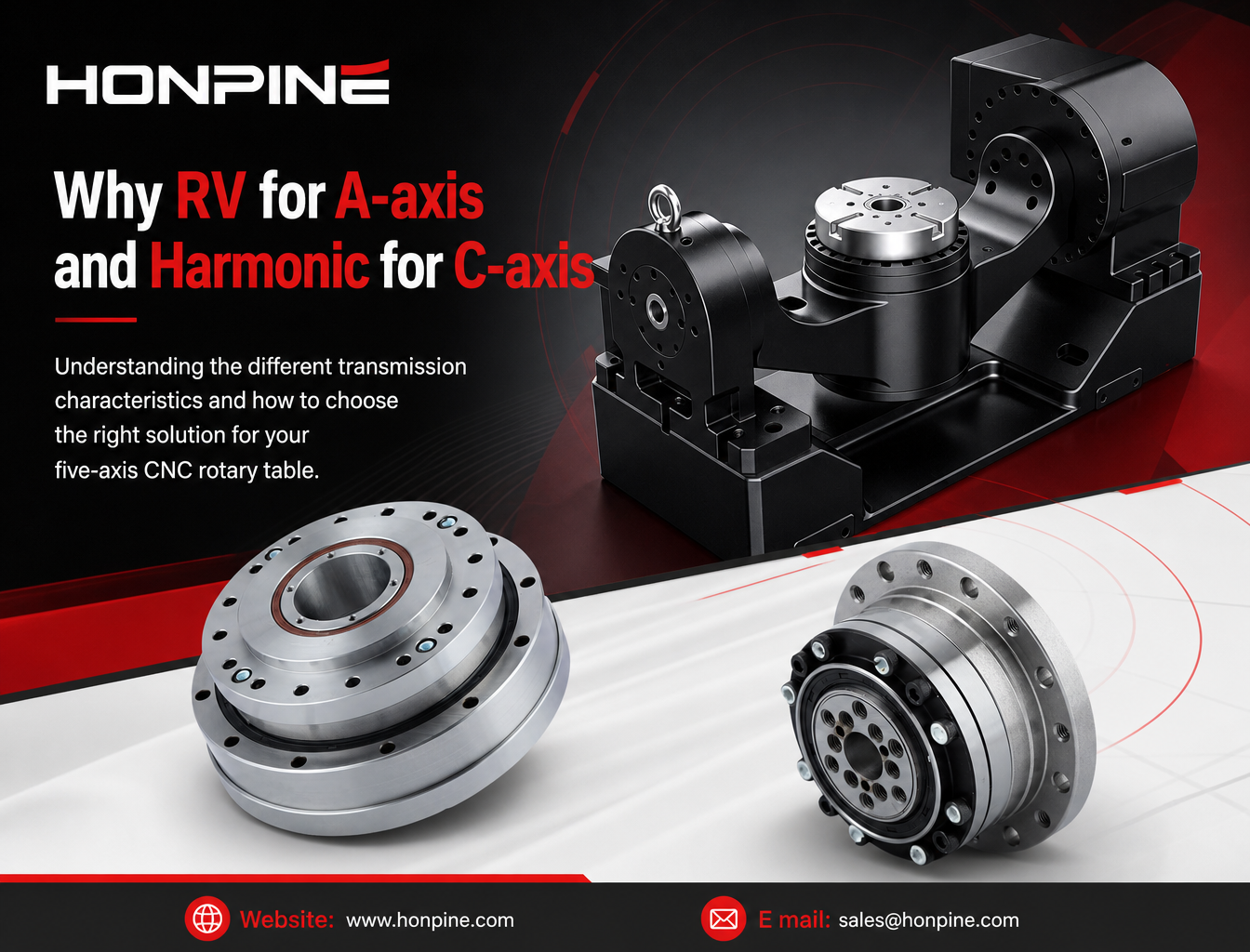
 Why Do Five-Axis CNC Rotary Tables Use Different Reducers for the A-Axis and C-Axis?Five-axis CNC rotary tables require different transmission characteristics for the A-axis and C-axis. While the A-axis often needs high torsional stiffness and load-bearing capacity to support the cradle assembly and workpiece, the C-axis places greater emphasis on low backlash, angular positioning accuracy, and dynamic response. This article explains why RV reducers are often considered for A-axis applications and harmonic reducers for C-axis applications, covering their working principles, mechanical advantages, output-side feedback, and key selection criteria for CNC machine tool manufacturers.
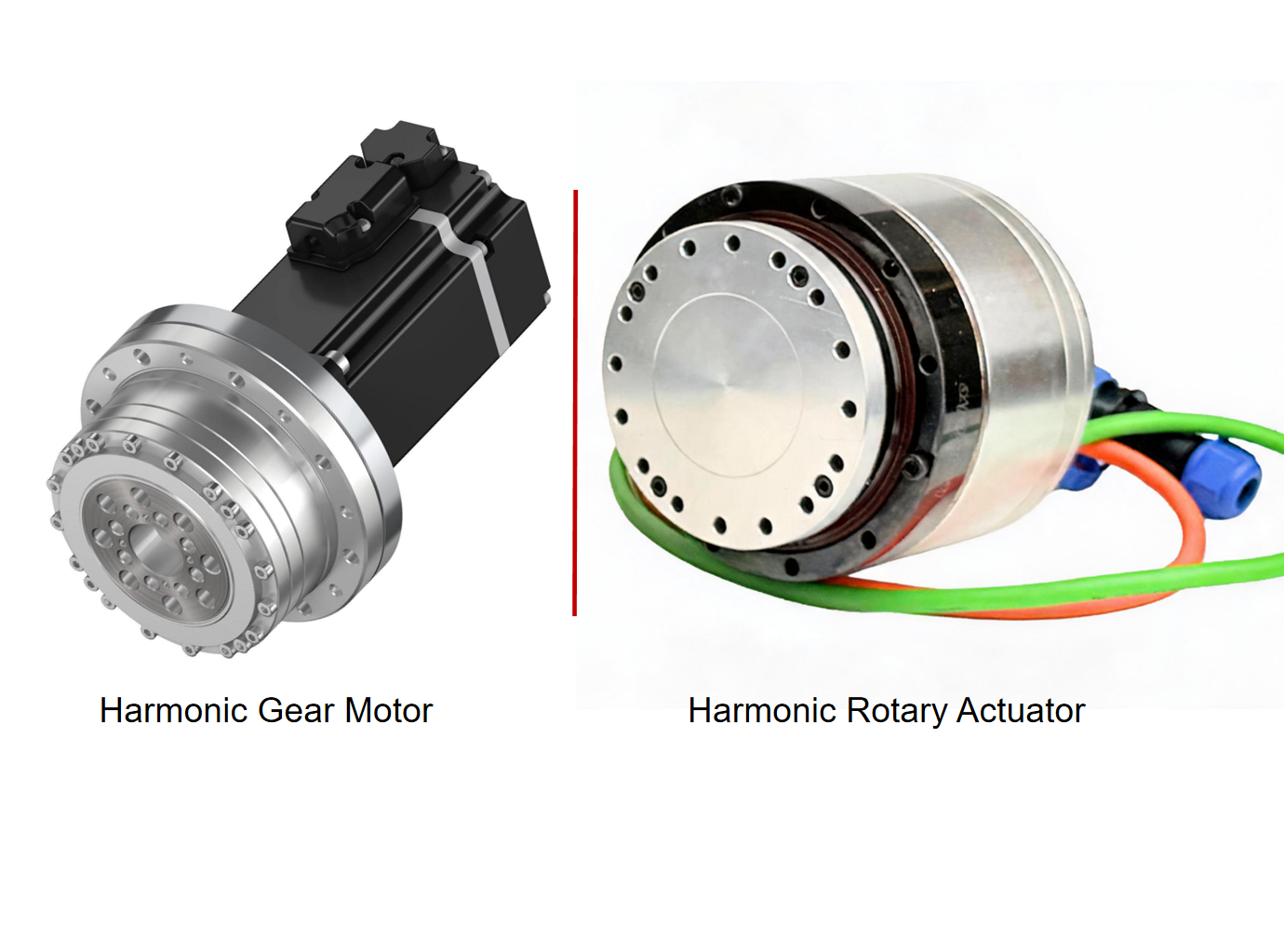
 Harmonic Gear Motor vs. Harmonic Actuator: What Are the Differences?This article explains the differences between harmonic gear motors and harmonic actuators from the perspectives of product design, system integration, feedback and control functions, installation, and application requirements. Since manufacturers may use these product names differently, it also explores how to evaluate their actual configurations and select the right precision motion solution for robotics and industrial automation.
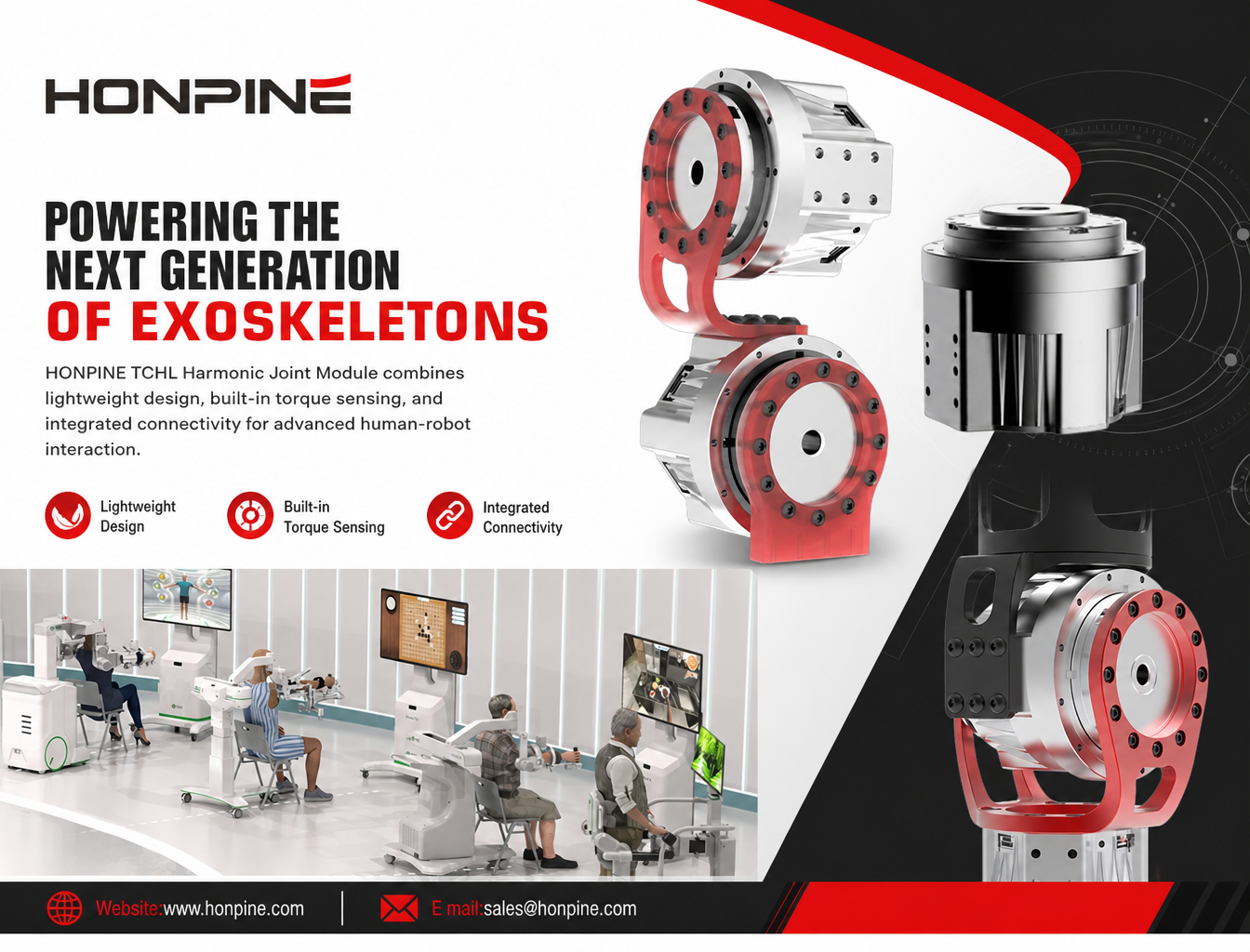
 Why Is the HONPINE TCHL Harmonic Joint Module Suitable for Exoskeleton Robots?The HONPINE TCHL Harmonic Joint Module is designed for exoskeleton robots that require lightweight construction, compact mechanical integration, and responsive human-robot interaction. Featuring a built-in output-side torque sensor, a highly integrated structure, and flexible connection configurations, the TCHL provides a joint drive solution for lower-limb exoskeletons, upper-limb assistive robots, rehabilitation equipment, and industrial wearable robots.
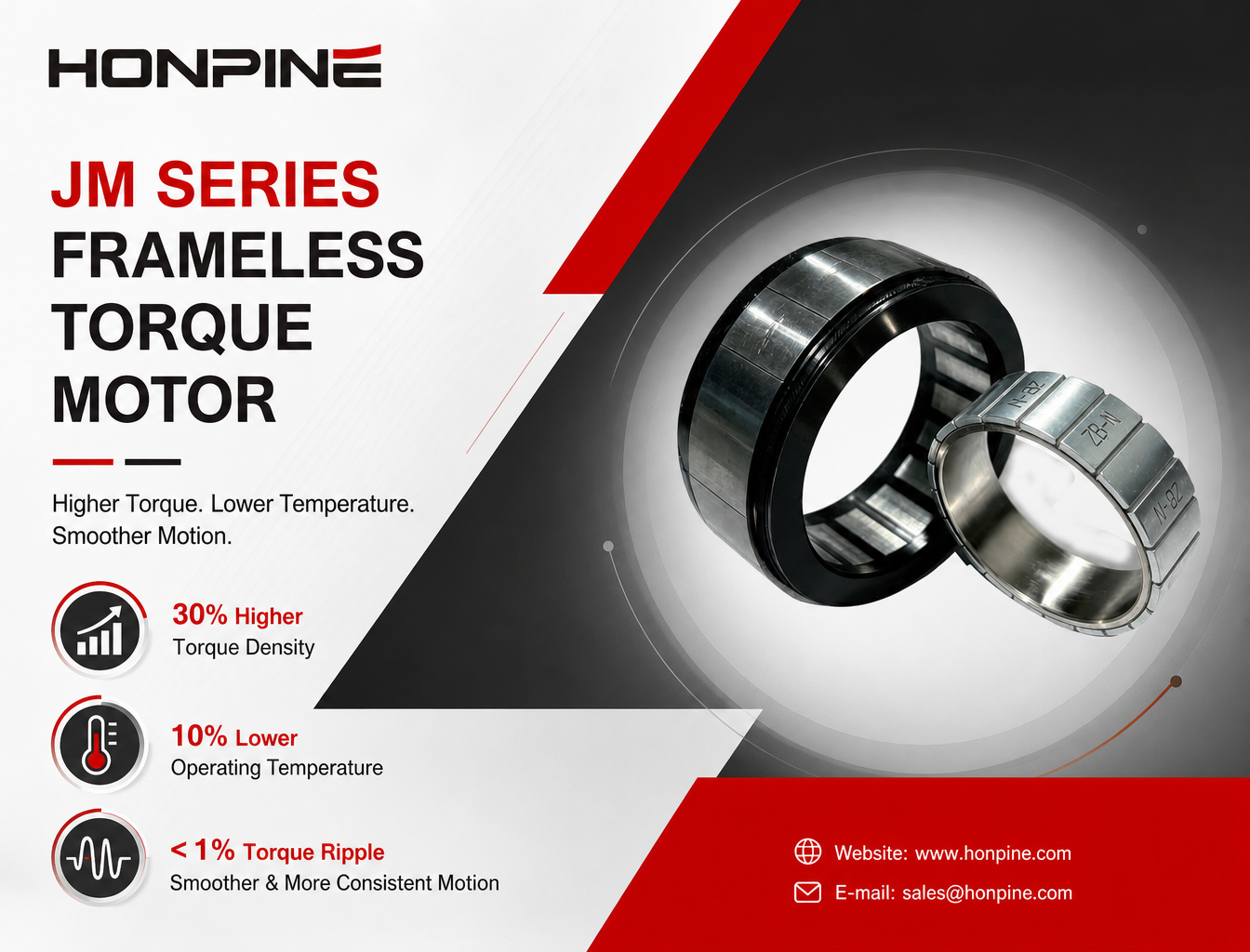
 HONPINE JM Fourth-Generation Frameless Torque Motor: 30% Higher Torque Density and 10% Lower Operating TemperatureAs robotics technology advances, frameless torque motors are facing increasingly demanding requirements for torque density, motion stability, and thermal management. The HONPINE JM fourth-generation frameless torque motor achieves 30% higher torque density and 10% lower operating temperature through improvements in electromagnetic design, core materials, and winding technology. With torque ripple controlled below 1%, it delivers smoother low-speed operation and improved motion consistency, making it suitable for demanding applications such as surgical robots, humanoid robots, and precision automation equipment. How does HONPINE achieve these performance improvements? Let's take a closer look.
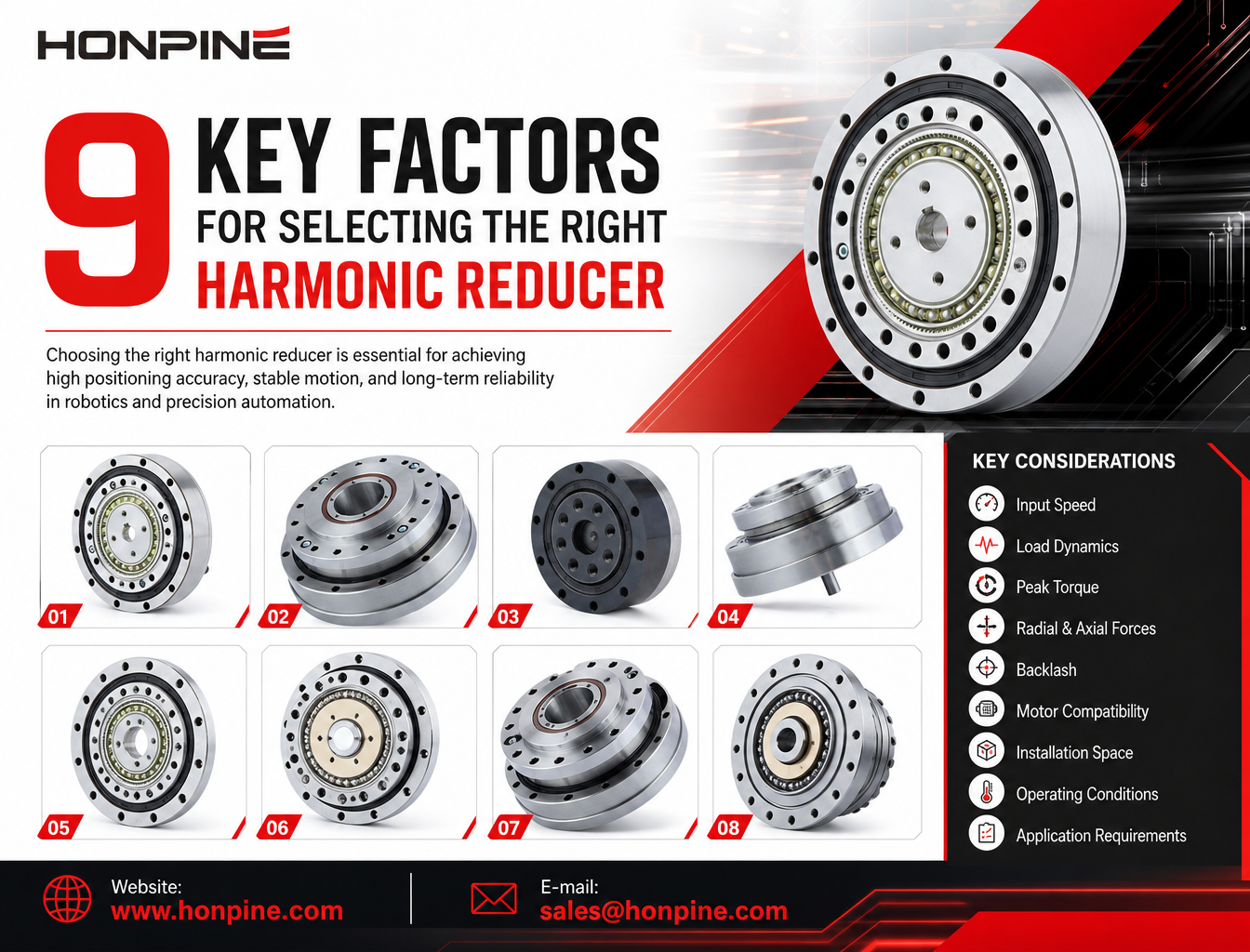
 How to Select a Harmonic Reducer: 9 Key Factors You Need to KnowWhy are more robotics companies choosing integrated robot joint modules instead of traditional distributed drive systems? As humanoid robots, collaborative robots, and rehabilitation exoskeletons continue to evolve, manufacturers are looking for more compact, lightweight, and easier-to-integrate motion solutions. An integrated robot joint module combines essential components such as a frameless torque motor, harmonic reducer, servo drive, encoders, and output bearing into a single assembly. This architecture can reduce mechanical complexity, simplify wiring, improve motion control integration, and shorten robot development cycles. In this article, Theodore Li, Technical Director at HONPINE, explains six key advantages of integrated robot joint modules and compares them with conventional distributed drive configurations.
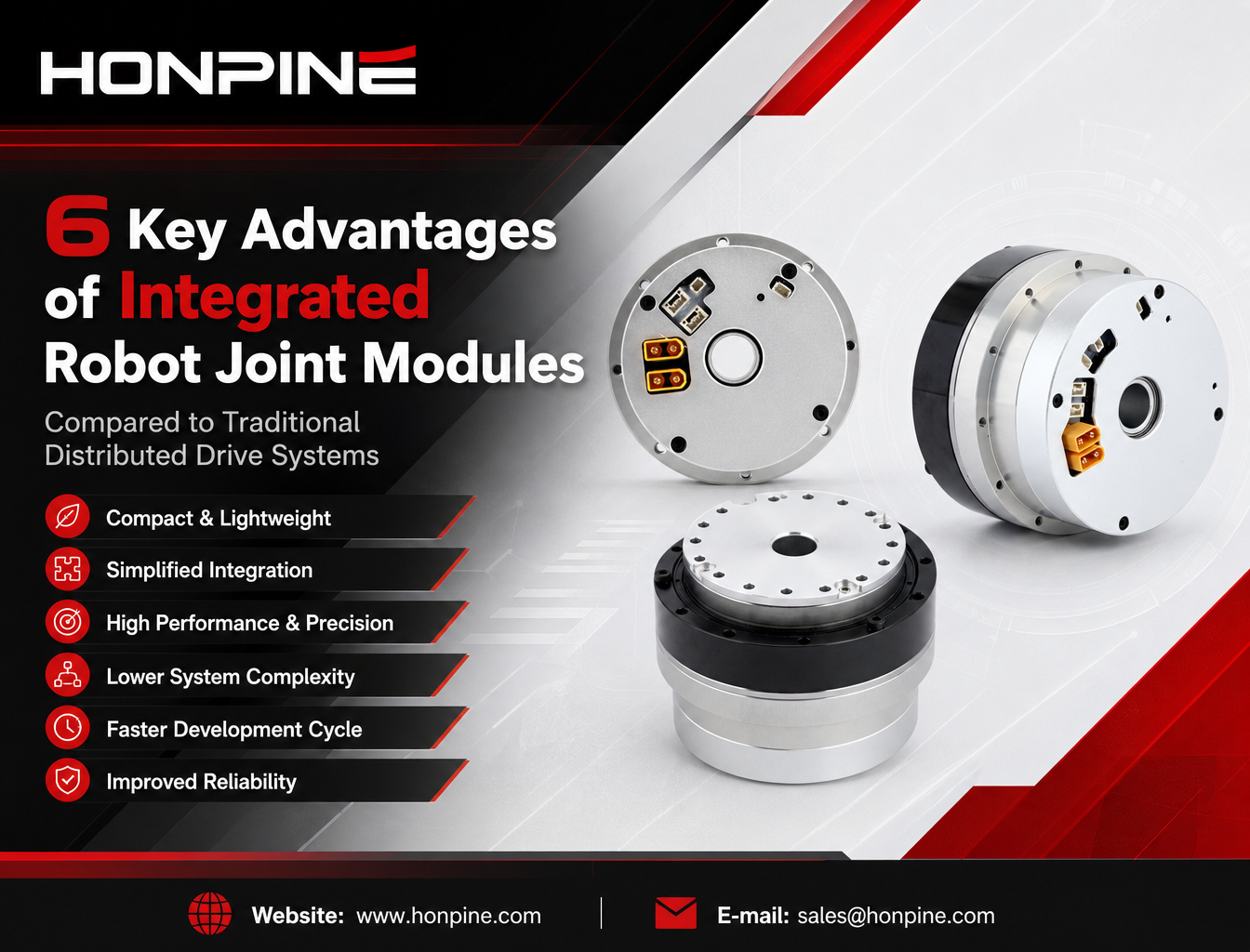
 Why Are More Companies Choosing Integrated Robot Joint Modules?Integrated robot joint modules combine motors, harmonic reducers, servo drives, encoders, and output bearings into compact units. This article compares integrated and distributed drive architectures, exploring their differences in torque density, mechanical reliability, motion control, development efficiency, and practical robotic applications.
Double Click
We provide harmonic drive reducer,planetary reducer,robot joint motor,robot rotary actuators,RV gear reducer,robot end effector,dexterous robot hand
 What is robot joint actuator?How to Choose the Best Robot Rotary Joint Actuator?In core robot joint transmission solutions, planetary and harmonic rotary actuators each have their own strengths. Choosing the right type based on application requirements is essential to achieve the optimal balance between performance and cost.
 DD Motors VS Harmonic Rotary ActuatorsThis article provides an in-depth comparison between Direct Drive (DD) motors and harmonic rotary actuators, covering their transmission principles, advantages and disadvantages, and typical application fields.
 OMG Ultra Compact Harmonic Drive Joint Module with Built-in Torque SensorHONPINE TCHL series harmonic drive joint module is a game-changing product that achieves disruptive improvements in multiple aspects such as lightweight design, integration level, and connection convenience. This article will analyze its revolutionary enhancements with you.
 Why Do Five-Axis CNC Rotary Tables Use Different Reducers for the A-Axis and C-Axis?Five-axis CNC rotary tables require different transmission characteristics for the A-axis and C-axis. While the A-axis often needs high torsional stiffness and load-bearing capacity to support the cradle assembly and workpiece, the C-axis places greater emphasis on low backlash, angular positioning accuracy, and dynamic response. This article explains why RV reducers are often considered for A-axis applications and harmonic reducers for C-axis applications, covering their working principles, mechanical advantages, output-side feedback, and key selection criteria for CNC machine tool manufacturers.
 Harmonic Gear Motor vs. Harmonic Actuator: What Are the Differences?This article explains the differences between harmonic gear motors and harmonic actuators from the perspectives of product design, system integration, feedback and control functions, installation, and application requirements. Since manufacturers may use these product names differently, it also explores how to evaluate their actual configurations and select the right precision motion solution for robotics and industrial automation.
 HONPINE JM Fourth-Generation Frameless Torque Motor: 30% Higher Torque Density and 10% Lower Operating TemperatureAs robotics technology advances, frameless torque motors are facing increasingly demanding requirements for torque density, motion stability, and thermal management. The HONPINE JM fourth-generation frameless torque motor achieves 30% higher torque density and 10% lower operating temperature through improvements in electromagnetic design, core materials, and winding technology. With torque ripple controlled below 1%, it delivers smoother low-speed operation and improved motion consistency, making it suitable for demanding applications such as surgical robots, humanoid robots, and precision automation equipment. How does HONPINE achieve these performance improvements? Let's take a closer look.
 How to Select a Harmonic Reducer: 9 Key Factors You Need to KnowWhy are more robotics companies choosing integrated robot joint modules instead of traditional distributed drive systems? As humanoid robots, collaborative robots, and rehabilitation exoskeletons continue to evolve, manufacturers are looking for more compact, lightweight, and easier-to-integrate motion solutions. An integrated robot joint module combines essential components such as a frameless torque motor, harmonic reducer, servo drive, encoders, and output bearing into a single assembly. This architecture can reduce mechanical complexity, simplify wiring, improve motion control integration, and shorten robot development cycles. In this article, Theodore Li, Technical Director at HONPINE, explains six key advantages of integrated robot joint modules and compares them with conventional distributed drive configurations.
 Why Are More Companies Choosing Integrated Robot Joint Modules?Integrated robot joint modules combine motors, harmonic reducers, servo drives, encoders, and output bearings into compact units. This article compares integrated and distributed drive architectures, exploring their differences in torque density, mechanical reliability, motion control, development efficiency, and practical robotic applications.
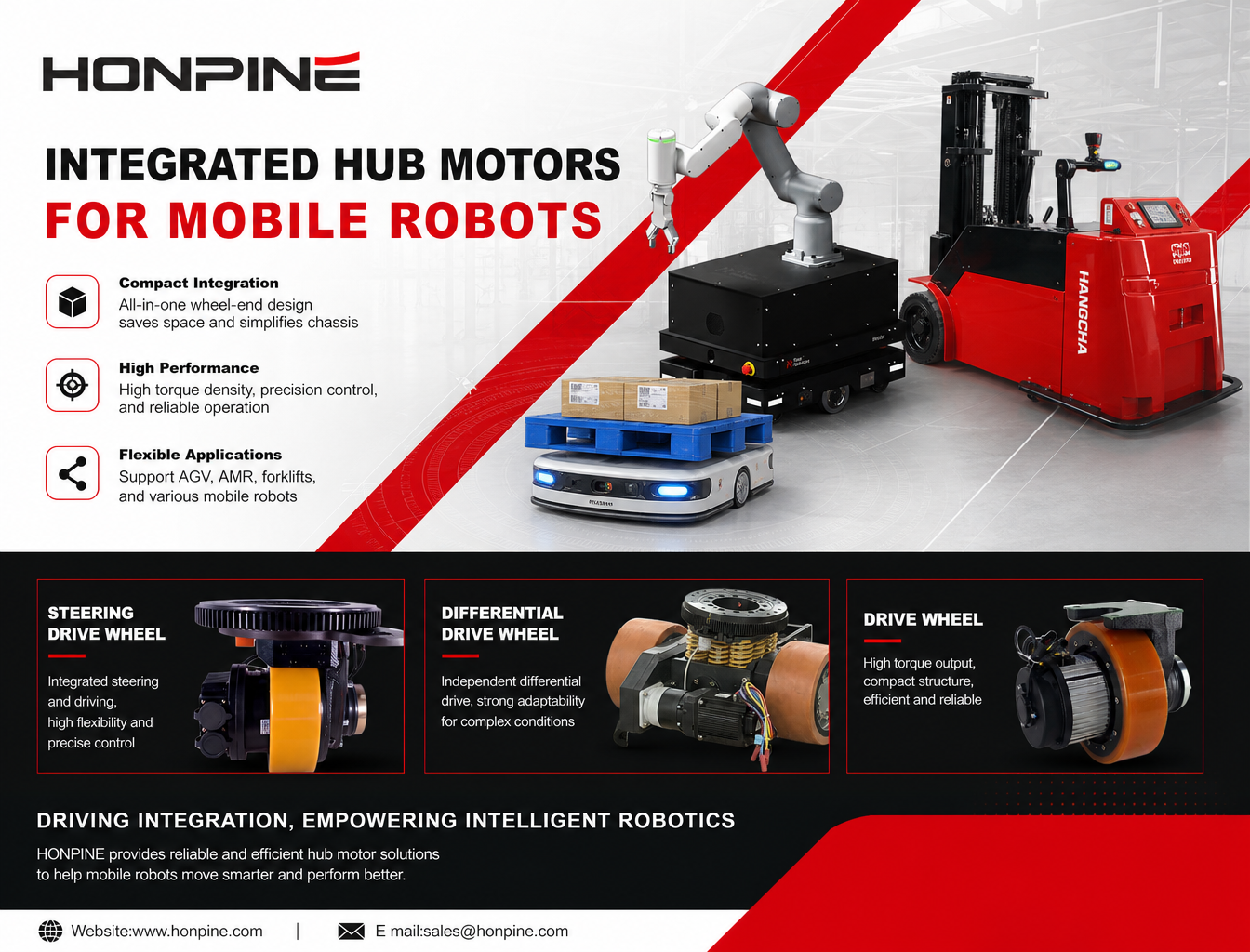
 Why Are More Robots Moving Away from Traditional Drive Systems to Integrated Hub Servo Motors?As mobile robots evolve toward autonomous navigation, flexible operation, and increasingly complex working environments, traditional distributed drive systems are facing new challenges. Separate motors, gearboxes, couplings, and transmission components can increase chassis complexity and limit available installation space. This is why more robot manufacturers are turning to integrated hub servo motors. By combining key drive components within a compact wheel-end unit, hub motors offer new possibilities for improving drive integration, motion control, and chassis design. In this article, we explore the key performance requirements of mobile robots, explain the advantages of integrated hub motors, and examine how HONPINE's Drive Wheels, Steering Drive Wheels, and Differential Drive Wheels support different AGV and AMR applications.
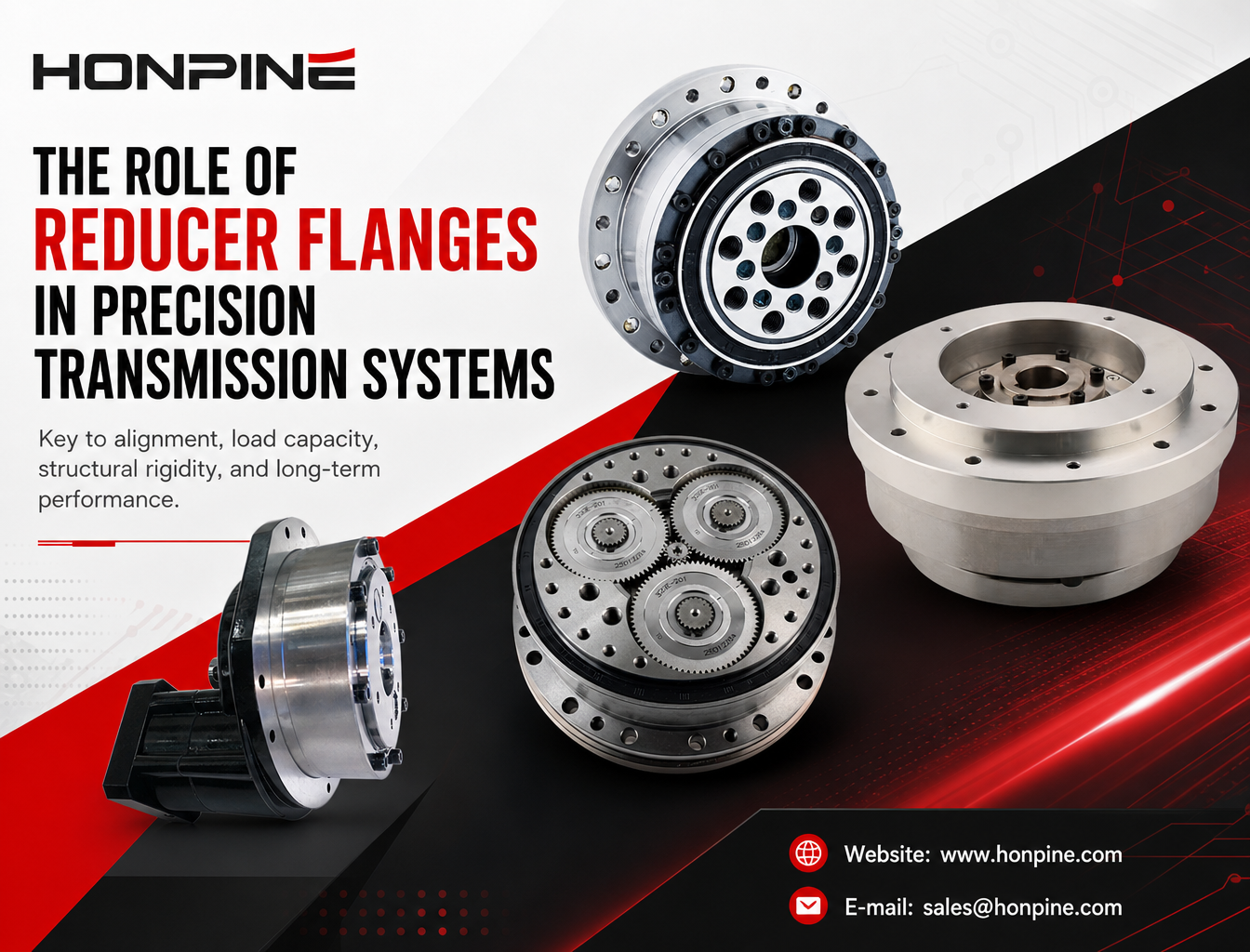
 Why Are Flanges on Harmonic and RV Reducers More Than Just Mechanical Mounting Components?A flange on a harmonic reducer or RV reducer is more than a mounting interface. It plays a critical role in alignment accuracy, load transmission, structural stiffness, and sealing performance. Even minor errors in flange design or installation can affect gear meshing, bearing life, and the overall reliability of a precision motion system. In this article, Theodore Li, Technical Director at HONPINE, explains the key engineering functions of reducer flanges and why they deserve careful consideration when designing and installing precision transmission systems.
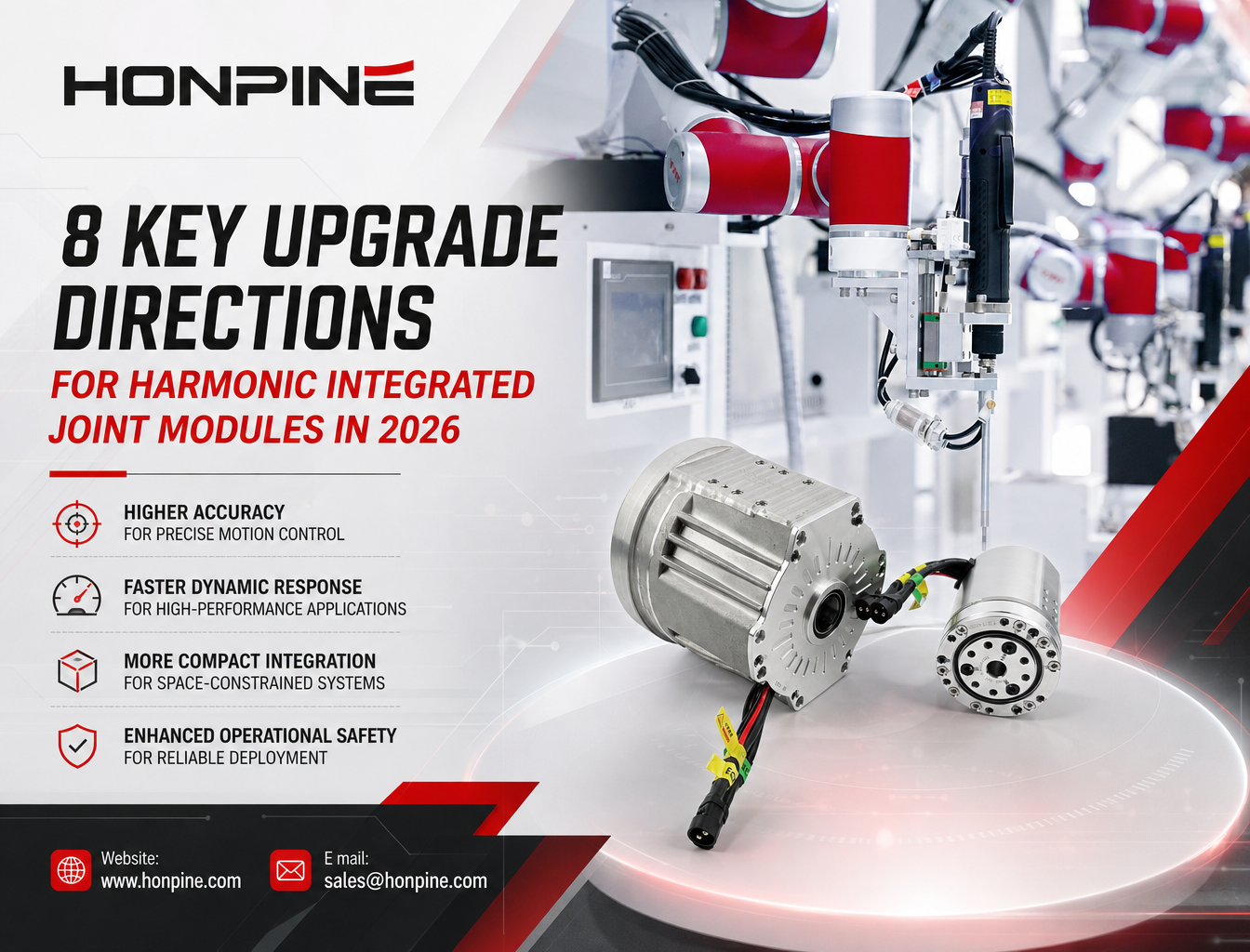
 How Should Manufacturers Upgrade Harmonic Joint Modules for Robotic Arms and Embodied AI in 2026?For engineers planning a robotic system upgrade, the right joint module depends on more than a single specification. EtherCAT synchronization, output-side position feedback, real-time torque measurement, continuous torque capability, and integrated safety functions must work together to meet the demands of the application. By evaluating these factors as a complete electromechanical system, manufacturers can make more informed decisions about joint module selection, integration, and long-term performance.
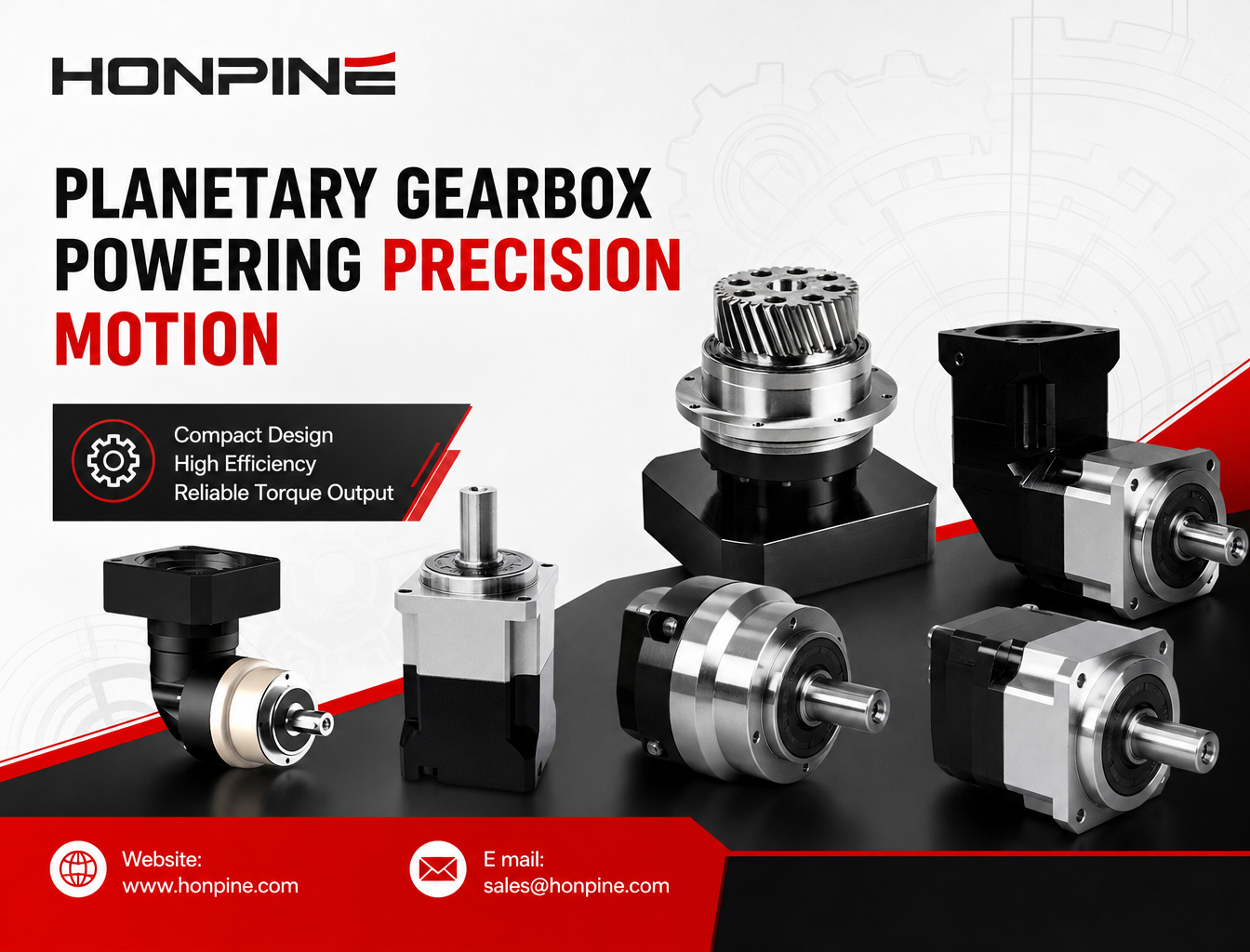
 How Do Planetary Gearboxes Reduce Speed and Increase Torque in High-Precision Automation Equipment?How does a planetary gearbox reduce speed while increasing torque in high-precision automation equipment? By combining a sun gear, multiple planet gears, and an internal ring gear, a planetary gearbox delivers compact, efficient power transmission for applications that require controlled motion and reliable torque output. From industrial robots and CNC machinery to automated assembly systems, selecting the right gearbox involves more than choosing a reduction ratio. This guide explains how planetary gearboxes work, their key advantages, common applications, and practical selection considerations to help engineers identify a suitable transmission solution.