








What does Harmonic Drive Company do?
If you’ve ever wondered, “What does Harmonic Drive Company do?”, the answer lies at the heart of modern precision motion technology. Widely used in machine tools and advanced automation systems, Harmonic Drive Company specializes in high-accuracy gear solutions that improve positioning, efficiency, and compact design. This article explores its core products, industry applications, and why its technology matters in high-performance manufacturing.
For buyers, design engineers, and production managers in the machine tool sector, that question is rarely theoretical. It directly affects axis accuracy, machine footprint, repeatability, maintenance intervals, and the ability to hold tight tolerances over long production cycles.
In practical terms, Harmonic Drive technology is closely tied to servo-driven motion systems where compact size, low backlash, and precise transmission matter. In machine tools, this can influence rotary tables, tool changers, articulated loading units, indexing systems, and auxiliary automation built around CNC equipment.
Core Business: Precision Motion and Gear Technology for Machine Tools
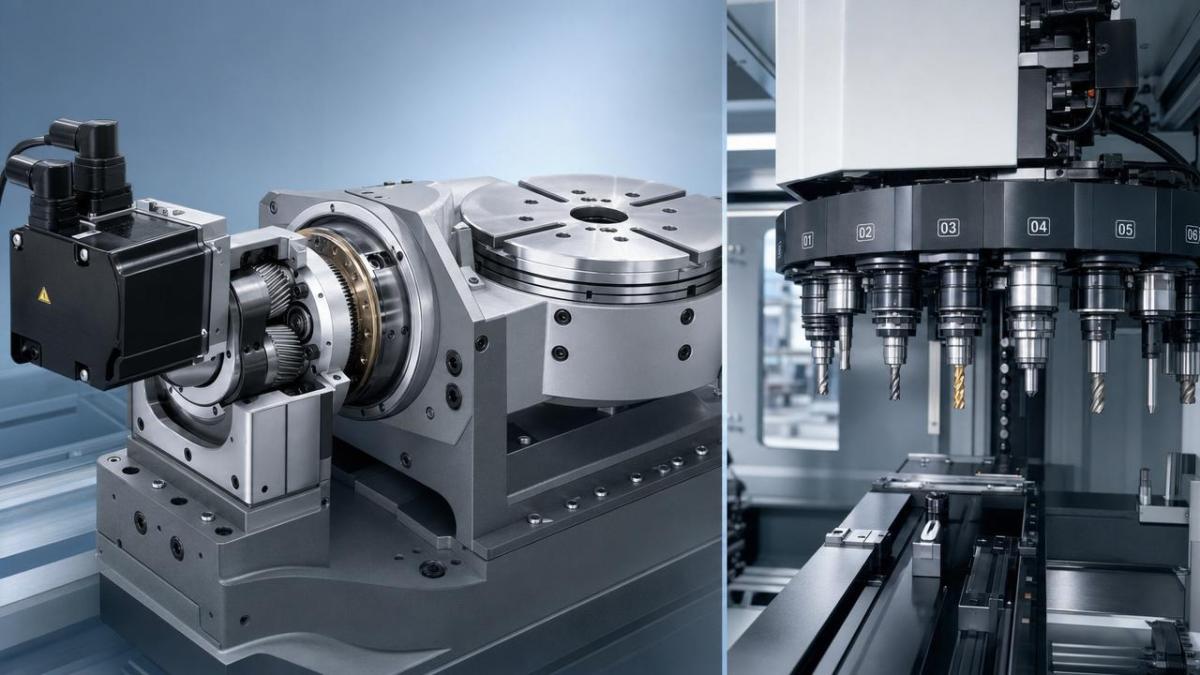
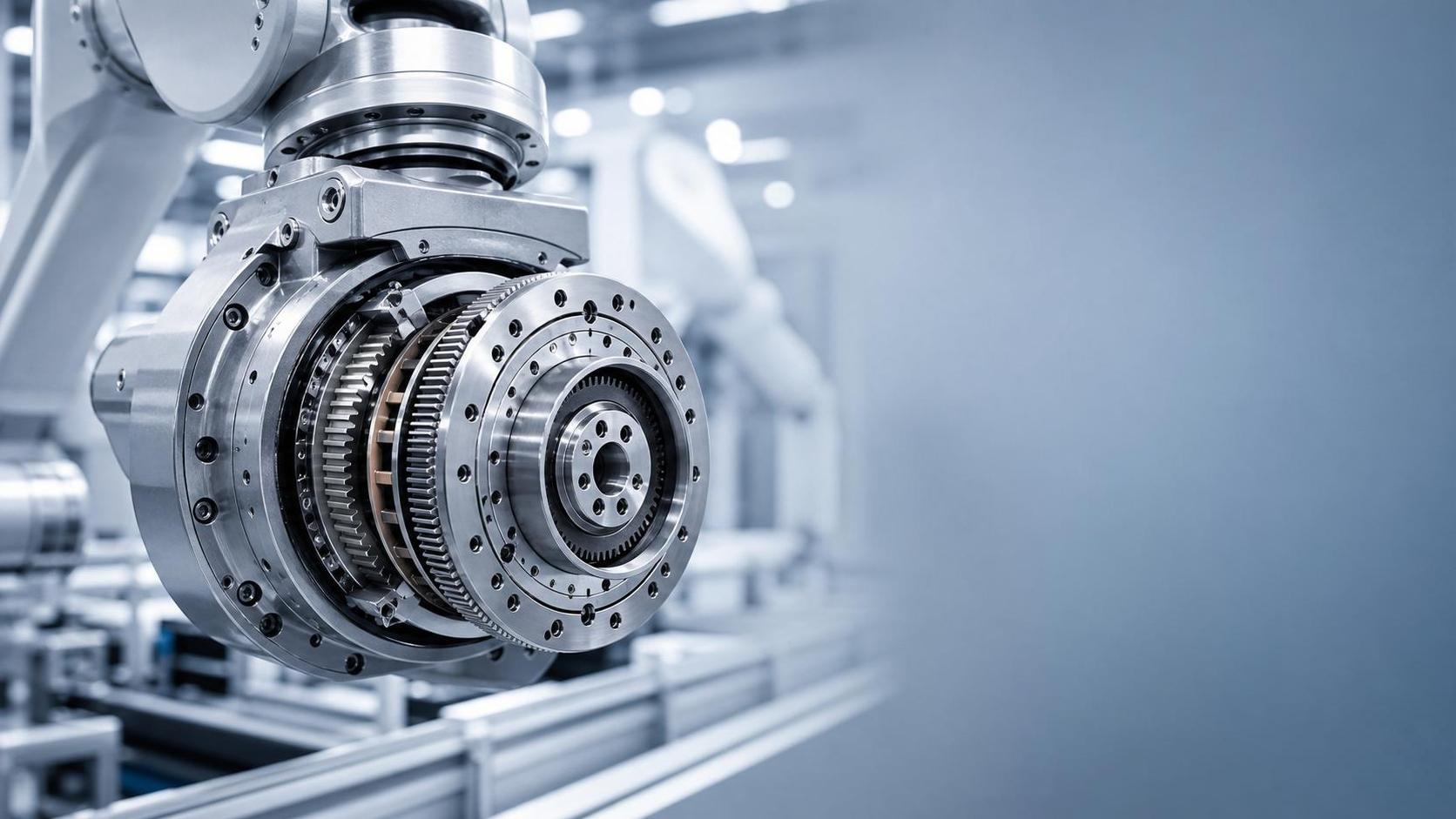
At its core, Harmonic Drive Company develops and supplies precision gear components and motion control products designed for applications that need accurate rotational positioning in a compact package. The best-known product family is the strain wave gear, often selected where backlash must be extremely low and transmission ratios need to remain high within limited installation space.
For machine tool equipment, this matters because many subsystems operate under demanding conditions: continuous indexing, frequent start-stop cycles, servo synchronization, and repeat positioning often within arc-minutes or better. A standard spur or planetary arrangement may be suitable in some cases, but not always when installation volume is tight and accuracy drift must be controlled.
What products are typically associated with Harmonic Drive solutions?
The portfolio generally includes precision gearheads, actuator modules, servo components, rotary units, and integrated motion assemblies. In machine tool environments, these products are often paired with servo motors from 200 W to several kW, depending on axis load, duty cycle, and acceleration requirements.
One major advantage is the ability to achieve high reduction ratios, often in a single compact stage. Ratios such as 30:1, 50:1, 80:1, or 100:1 can support fine motion control without requiring a large multi-stage gearbox, which helps designers reduce mechanical complexity and save installation space.
Why low backlash matters in machine tools
In CNC machining and related automation, backlash affects contouring quality, indexing precision, and repeatable tool or workpiece positioning. Even small transmission errors can become visible in surface finish, circular interpolation, or angular indexing tasks. For many applications, keeping backlash near the lowest practical range helps preserve consistency across 8-hour, 16-hour, or 24-hour production schedules.
- Rotary axis positioning for compact 4th or 5th axis units
- Automatic tool changer mechanisms with repeated indexing cycles
- Gantry or articulated loading systems integrated with CNC cells
- Inspection stations requiring precise angular movement
- Auxiliary automation in high-mix, low-volume production lines
The table below outlines how Harmonic Drive-style precision transmission compares with other common gearbox approaches in machine tool-related motion design.
The key takeaway is not that one gearbox type replaces all others. Rather, Harmonic Drive solutions are especially relevant when a machine builder needs 3 things at once: compact packaging, precise positioning, and stable servo behavior over repeated cycles.
Where Harmonic Drive Technology Is Used in Machine Tool Equipment
The machine tool industry increasingly blends cutting equipment with automation, flexible fixturing, and compact multi-axis systems. In this environment, Harmonic Drive technology is not limited to one isolated component. It often supports several motion points across the same production cell.
Typical application scenarios
A common use case is rotary positioning. On indexing tables, trunnions, or compact tilting units, precision reduction improves angular control and helps the servo motor operate within a more favorable speed-torque range. This is especially useful when workpieces require repeat angular movement over 90°, 180°, or full 360° cycles.
Another application is automated loading and unloading. Robotic arms and articulated handling devices attached to machine tools often need lightweight joints with high reduction ratios. Compact gear units help reduce inertia, which can improve acceleration and shorten non-cutting time by a few seconds per cycle across hundreds of shifts.
Why compact motion matters
Floor space is expensive, and machine enclosures leave limited room for added mechanisms. A smaller transmission package can simplify cable routing, guarding, and maintenance access. For OEMs building modular machine platforms, saving even 50 mm to 120 mm in one axis envelope can improve overall layout flexibility.
The following table shows common machine tool application areas and the reason a Harmonic Drive-style solution may be selected.
These applications show why Harmonic Drive Company is relevant not only to robotics, but also to machine tool builders upgrading precision, automation density, and system compactness at the same time.
How Buyers Should Evaluate Harmonic Drive Solutions
When specifying a precision drive for machine tools, buyers should avoid selecting by ratio alone. A gearbox that looks correct on paper may perform poorly if torque peaks, duty cycle, stiffness, lubrication demands, and mounting accuracy are not reviewed together.
Four key evaluation factors
- Required positioning accuracy and acceptable backlash range
- Peak torque, continuous torque, and shock load profile
- Available installation space, shaft orientation, and motor interface
- Expected service life, maintenance interval, and operating cycle frequency
For example, a high-speed indexing task running 20 cycles per minute creates different thermal and fatigue demands than a slow tilting axis moving only a few times per hour. Likewise, an enclosed machine tool exposed to coolant mist, metal particles, and vibration requires careful sealing and lubrication decisions.
Common specification mistakes
A frequent mistake is undersizing torque based on average load instead of acceleration peaks. Another is overlooking system stiffness, which affects servo tuning and dynamic performance. Buyers also sometimes assume all precision reducers behave similarly, even though response, wear characteristics, and mounting tolerances can vary significantly by design.
In many projects, the best practice is to validate at least 6 items before purchase: reduction ratio, allowable radial load, axial load, torsional rigidity, lubrication method, and alignment tolerance. This reduces redesign risk during assembly or commissioning.
The table below provides a practical checklist for machine tool procurement and engineering teams.
A disciplined evaluation process can shorten implementation time by 2 to 4 weeks, especially when the gearbox, servo motor, couplings, and control parameters are reviewed together early in the design phase.
Implementation, Maintenance, and Long-Term Value
Understanding what Harmonic Drive Company does also means understanding how its products create value after installation. In machine tools, performance is judged not just by initial accuracy, but by consistency, uptime, service access, and the ability to keep production stable over months or years.
Implementation steps for machine builders
- Define axis duty cycle, speed range, and torque peaks
- Match the reducer to motor size, feedback system, and inertia ratio
- Review mounting precision, shaft support, and enclosure conditions
- Tune the servo system under real load and validate positioning repeatability
- Set maintenance inspection intervals based on cycle count and environment
Commissioning should include thermal observation during repeated operation, especially for axes that perform dense indexing or continuous reversing. A 2-hour to 4-hour run test under representative load often reveals alignment or tuning issues that a short trial may miss.
Maintenance considerations
Precision motion components benefit from routine inspection rather than reactive repair. In many machine tool installations, a practical review interval is every 3 to 6 months, depending on contamination level, duty cycle, and operating hours. Critical lines running multiple shifts may require more frequent checks.
Maintenance teams should monitor noise changes, temperature rise, vibration patterns, fastener integrity, and lubrication condition. Small deviations can indicate mounting stress, misalignment, overload, or wear progression before they become production-stopping failures.
Long-term benefits for B2B users
When correctly selected, Harmonic Drive-based systems can help machine tool OEMs and end users reduce footprint, improve indexing quality, and simplify compact multi-axis design. This can translate into faster machine development, better repeatability, and more efficient use of enclosure space.
For end users, the value often appears in reduced setup variation, more stable automation performance, and fewer motion-related accuracy issues during long runs. For OEMs, it can support platform standardization across several machine sizes instead of redesigning every rotary module from scratch.
Frequently asked questions
Is Harmonic Drive only used in robots?
No. Robotics is a major application area, but machine tools, indexing systems, semiconductor equipment, inspection systems, and compact automation modules also use this type of precision transmission where low backlash and compact design are important.
Does a harmonic gear replace every other gearbox in machine tools?
Not necessarily. Selection depends on torque, speed, stiffness, cost target, duty cycle, and installation envelope. In some feed systems or heavy-load axes, other transmission types may still be more appropriate.
What should buyers ask suppliers first?
Start with application data: axis function, required ratio, peak and continuous torque, motion profile, target accuracy, working environment, and expected service interval. Clear inputs reduce the risk of oversizing, undersizing, or difficult commissioning later.
Harmonic Drive Company plays an important role in precision motion by supplying compact, high-accuracy gear technology used across machine tool equipment and integrated automation. Its relevance is strongest where low backlash, high reduction, limited space, and repeatable angular control must coexist in one design.
If you are comparing drive options for rotary axes, tool changers, loading units, or precision indexing systems, a careful review of Harmonic Drive solutions can clarify performance limits, integration requirements, and long-term maintenance value. Contact us to discuss your machine tool application, get a tailored recommendation, or learn more about precision motion solutions for high-performance manufacturing.
Read More
Learn more about the story of HONPINE and industry trends related to precision transmission.
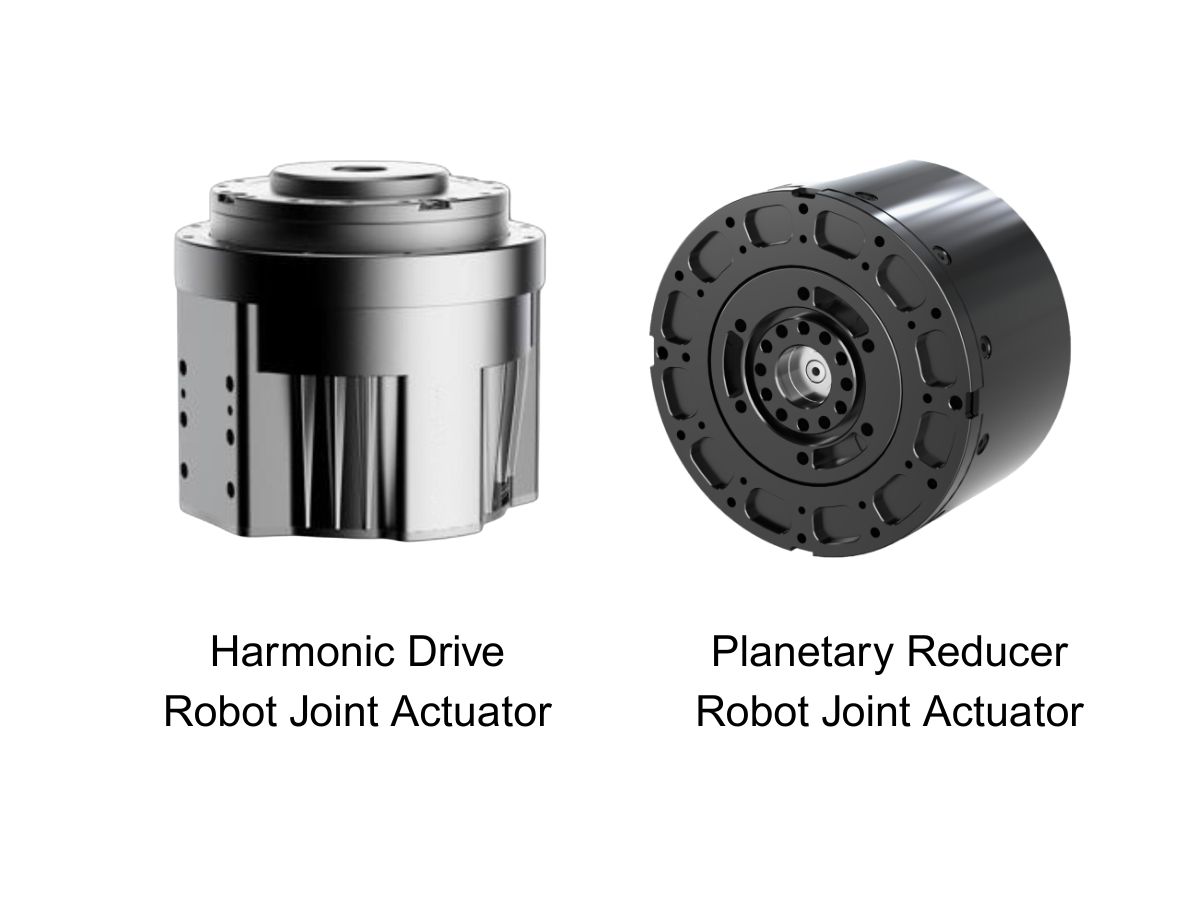
 What is robot joint actuator?How to Choose the Best Robot Rotary Joint Actuator?In core robot joint transmission solutions, planetary and harmonic rotary actuators each have their own strengths. Choosing the right type based on application requirements is essential to achieve the optimal balance between performance and cost.
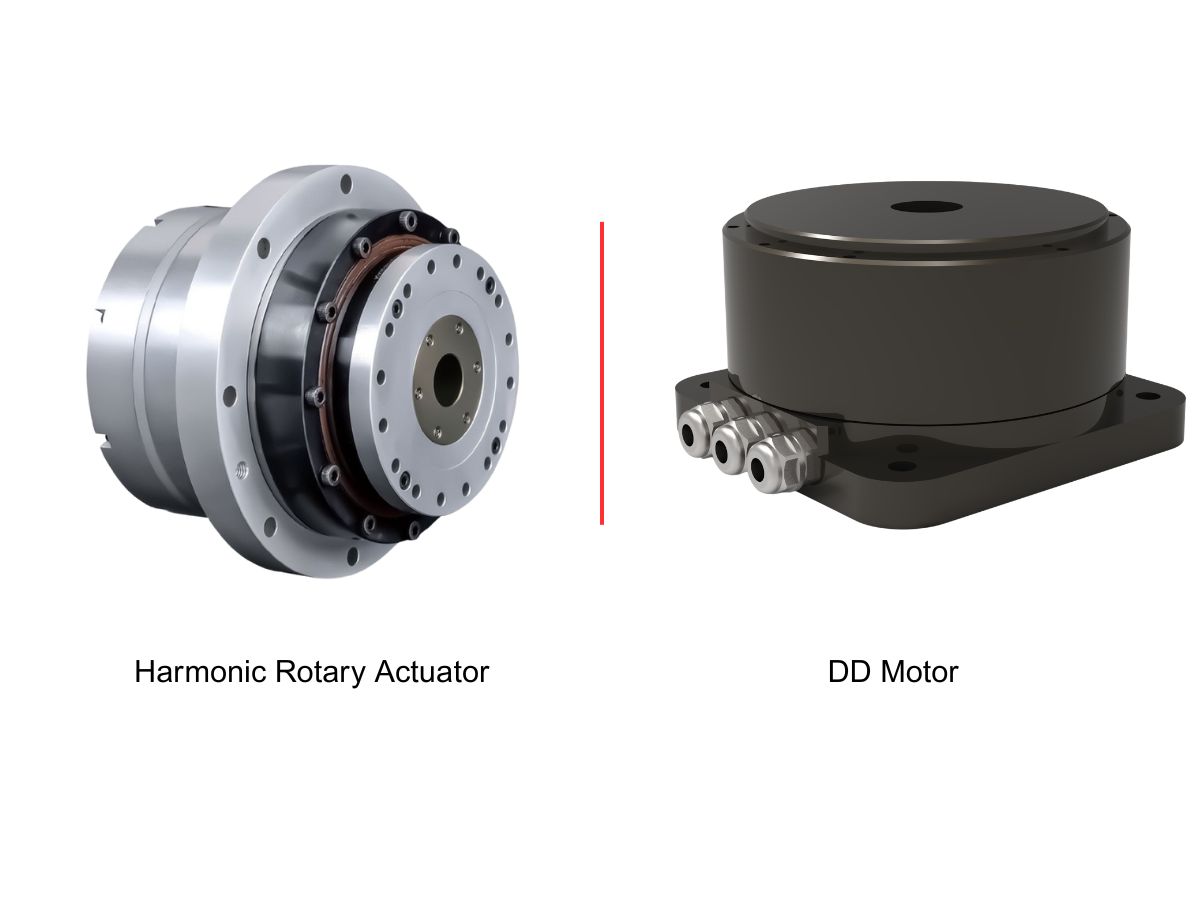
 DD Motors VS Harmonic Rotary ActuatorsThis article provides an in-depth comparison between Direct Drive (DD) motors and harmonic rotary actuators, covering their transmission principles, advantages and disadvantages, and typical application fields.
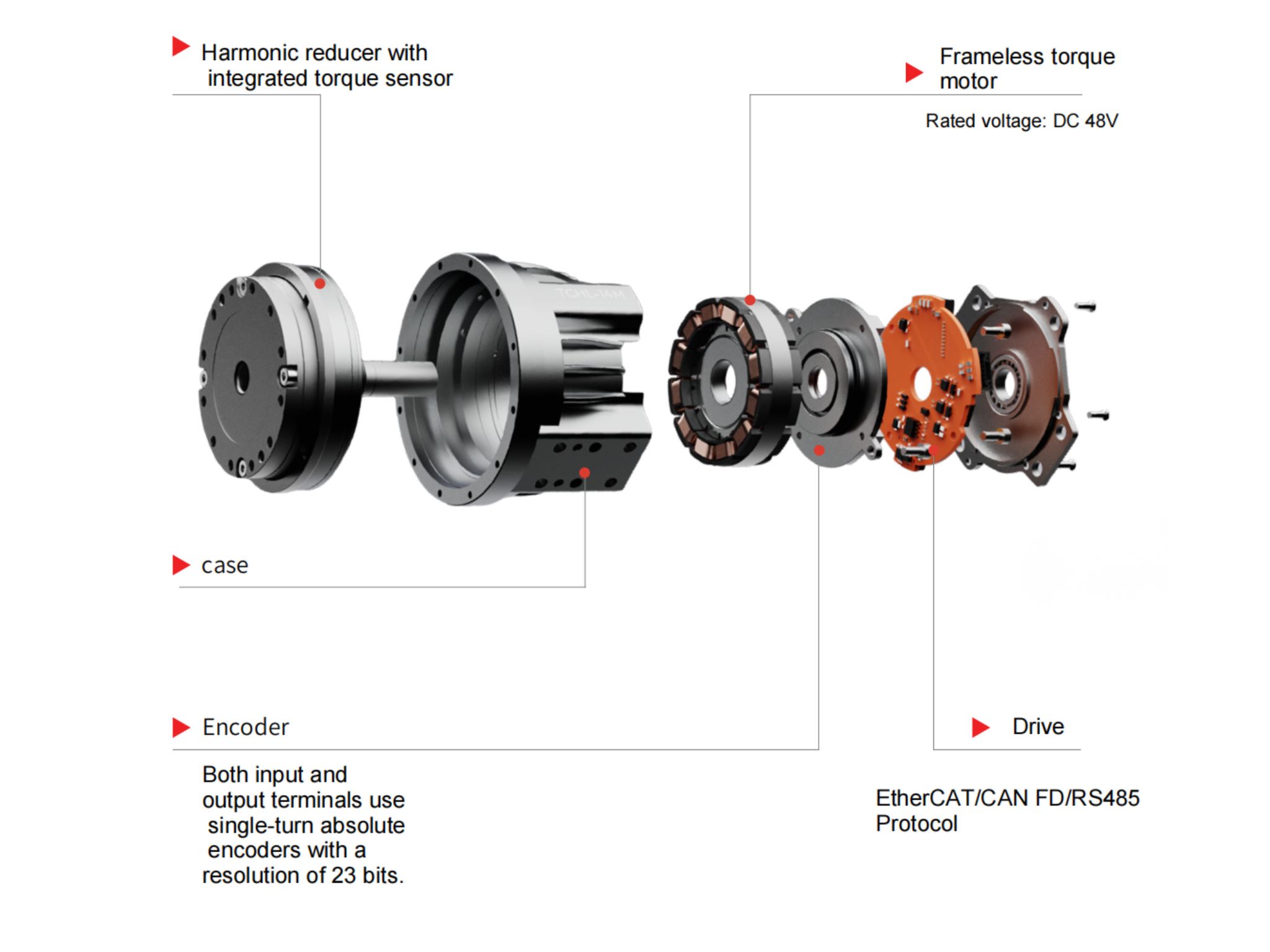
 OMG Ultra Compact Harmonic Drive Joint Module with Built-in Torque SensorHONPINE TCHL series harmonic drive joint module is a game-changing product that achieves disruptive improvements in multiple aspects such as lightweight design, integration level, and connection convenience. This article will analyze its revolutionary enhancements with you.
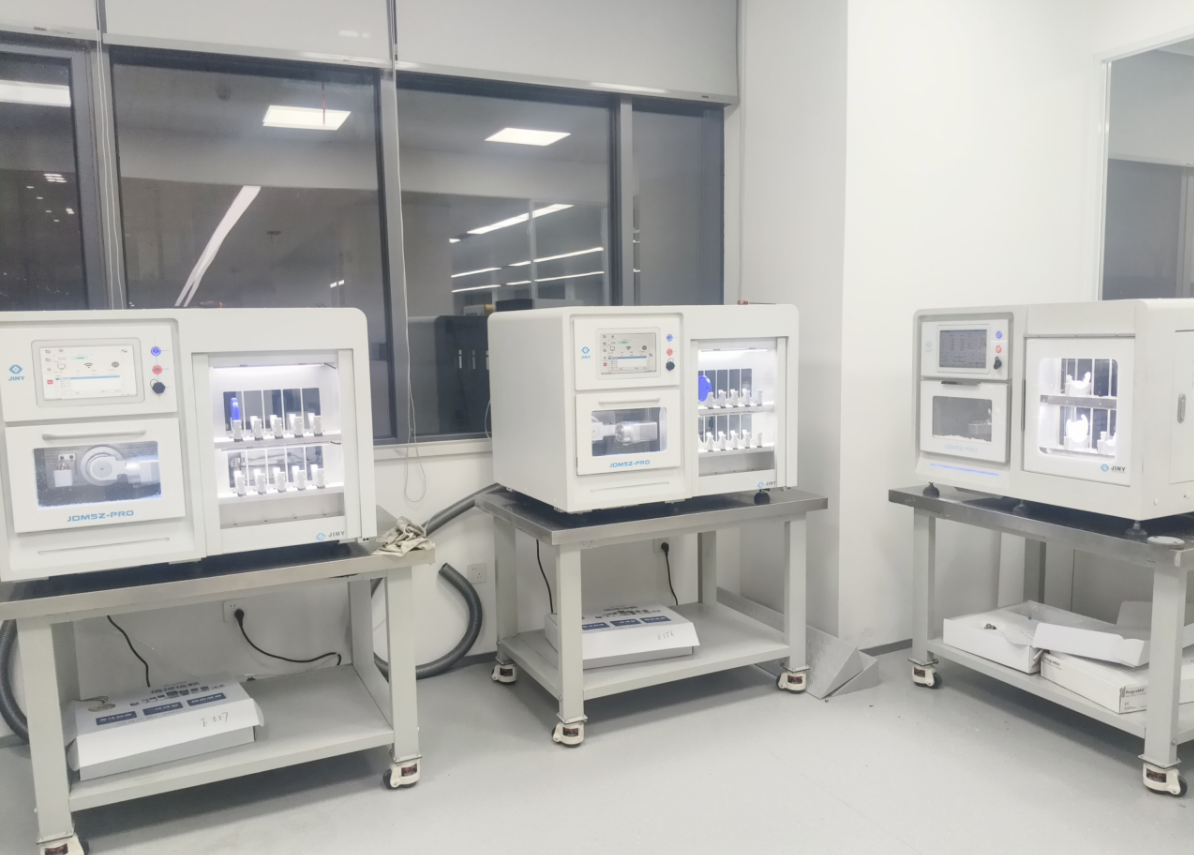
 The Role of Harmonic Drive Gears in Achieving 5–10 μm Accuracy in Dental Milling MachinesA dental milling machine is a CNC machining system used to directly process digital dental models into restorations such as crowns, bridges, veneers, inlays, and implant abutments. Dental milling machines require far higher operational accuracy and motion stability than ordinary equipment. This article explains how harmonic drive gear help dental milling machines achieve stable, continuous, and controllable operation.
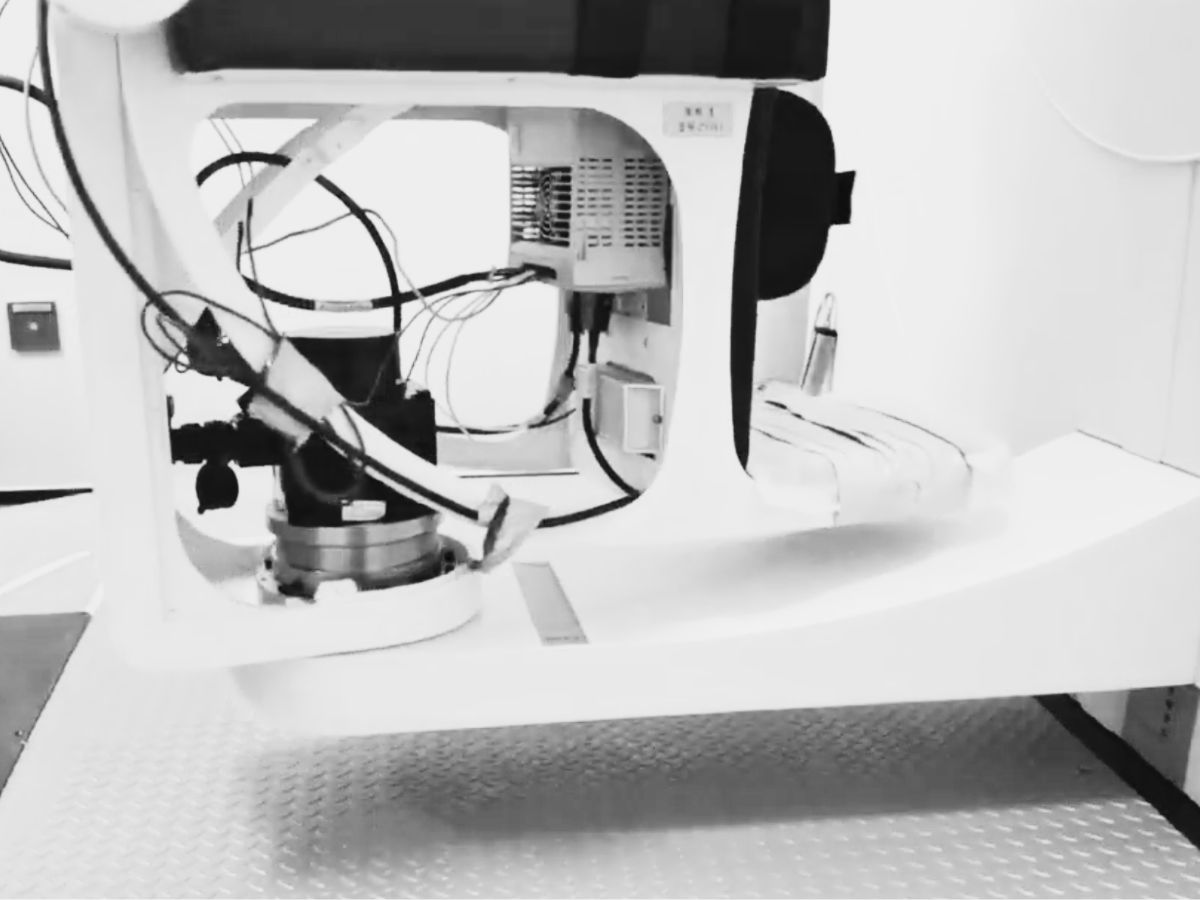
 Why Are Harmonic Rotary Actuators Perfect for Medical Equipment?Harmonic rotary actuators (typically integrated systems consisting of a harmonic drive reducer, frameless torque motor, encoder, and optional brake) are regarded as key components in medical equipment. The core reason is that they simultaneously meet the most stringent medical requirements for precision, compact size, safety, and controllability. The following explanation is structured from three perspectives: technical characteristics, application scenarios, and medical value.
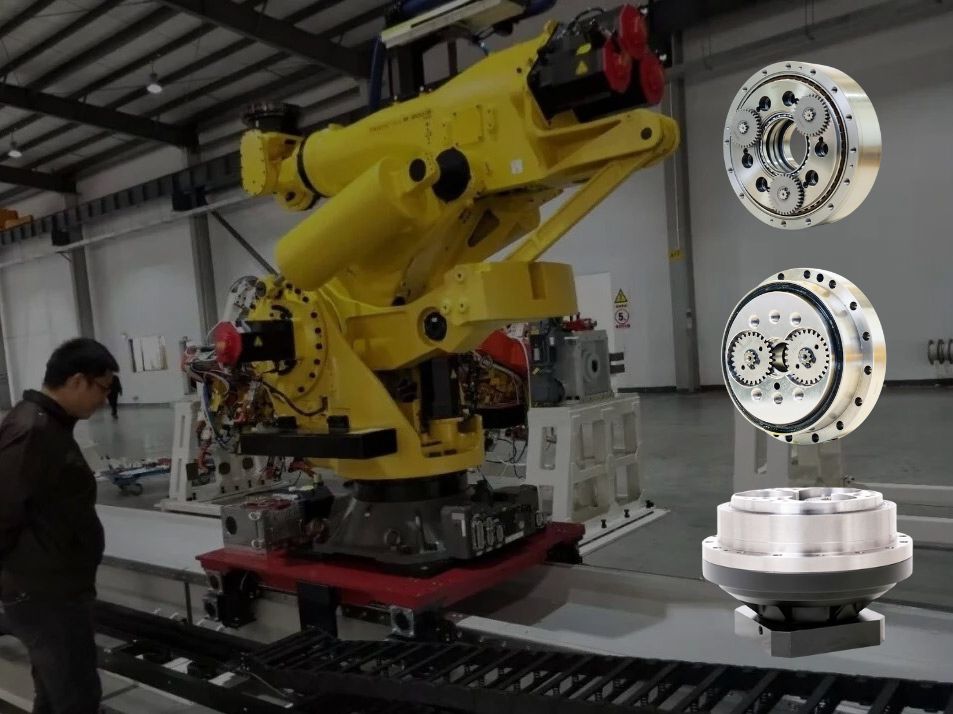
 High-Precision RV Reducers Perfectly Matched for Walking RobotsThe walking axis of a robot is a core component for power transmission and support. RV reducers provide extremely high rigidity, precision, and torque while maintaining a compact size and exceptional reliability, making them an ideal match for the demanding requirements of walking robot joints in terms of load capacity, impact resistance, and precision.
 H1: Harmonic Rotary Actuators for Semiconductor Equipment: Precision Motion, Hollow-Shaft Design and FOC ControlHello everyone, I’m Theodore Li, Technical Director at HONPINE. In semiconductor manufacturing equipment, rotary motion is not simply about making a mechanism rotate. Limited installation space, cable and tube routing, low-speed stability, precise positioning and continuously adjustable motion profiles can all influence the performance of the machine. This is why harmonic rotary actuators are becoming an important motion solution for semiconductor equipment. In this article, I will discuss how harmonic transmission, FOC-based motor control, encoder feedback, large hollow-shaft design and flexible mechanical interfaces work together to meet practical semiconductor motion requirements, based on our experience with developing equipment, overhead transport, wafer handling, cleaning and crystal-growth applications.
 Outdoor Robot Joint Solution: Harmonic Joint Module with Built-in Torque SensorHello everyone, I’m Theodore Li, Technical Director at HONPINE. As robots move beyond controlled factory environments, outdoor robotic applications are creating new requirements for robot joint design. Rain, dust, humidity, temperature fluctuations, low-temperature conditions, and unpredictable external loads can all affect how a robotic joint performs in the field. In these environments, a joint needs to provide more than precise rotation. It also needs reliable torque feedback, suitable environmental protection, stable operation under changing temperatures, and practical mechanical integration. In this article, I will explain the key engineering considerations behind our outdoor robot joint solution, including the harmonic joint module, built-in torque sensor, IP65 protection, low-temperature lubrication, cable outlet protection, and mechanical integration, based on our experience with outdoor robotic applications such as solar panel installation, construction, and cleaning robots.
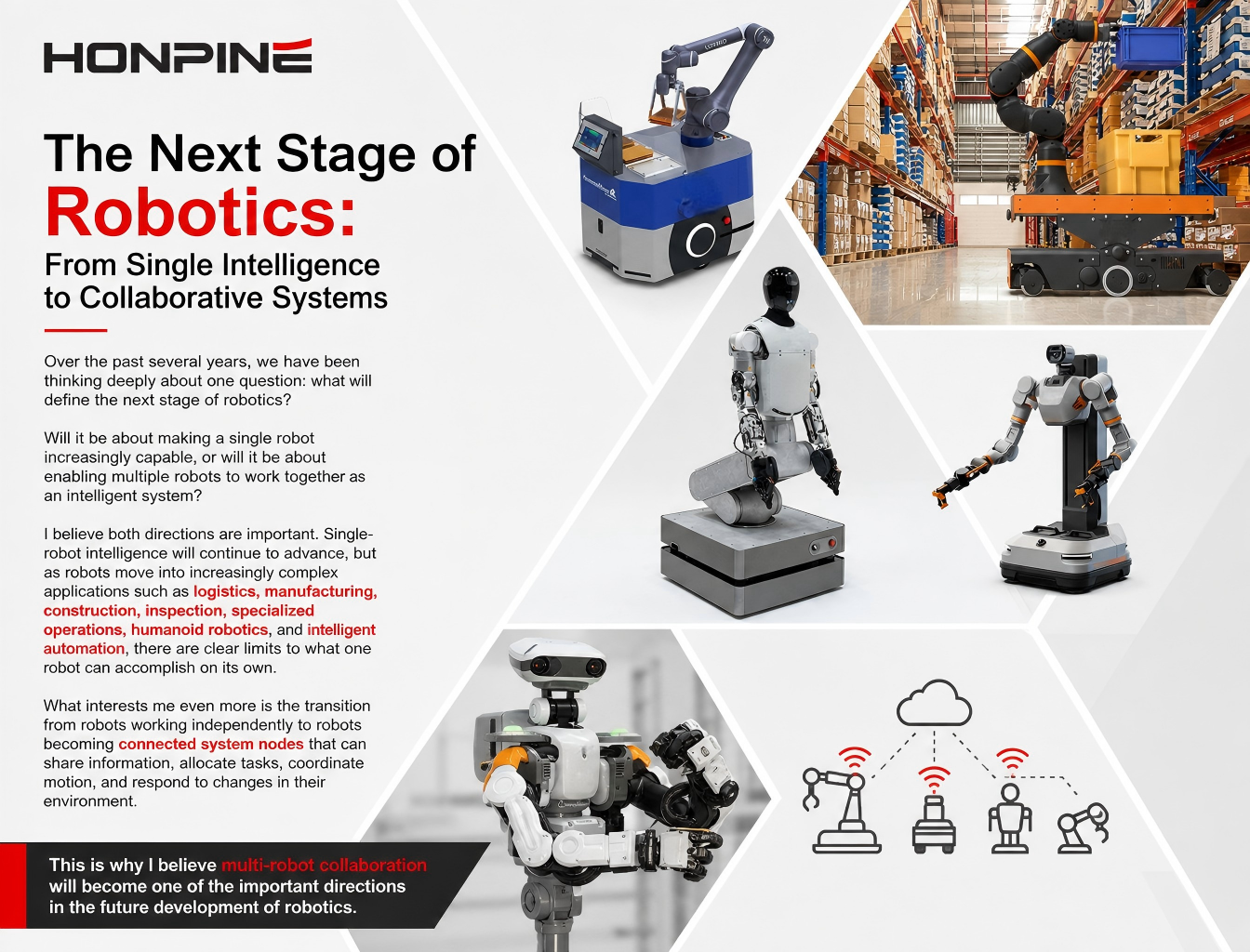
 Multi-Robot Collaboration: From Single-Robot Intelligence to System IntelligenceHello, I’m Allen Li, Founder of HONPINE. As robotics continues to evolve, I believe the next major step will not come only from making individual robots more intelligent, but from enabling multiple robots to work together as coordinated systems. Multi-robot collaboration introduces new requirements for communication, task allocation, motion coordination, state awareness, and safety. This evolution also changes the role of the robot joint. A future intelligent robot joint will need to do more than generate precise motion. With technologies such as dual encoders, torque sensing, integrated drives, real-time communication, and safety functions, the robot joint can become an intelligent motion node connecting robot intelligence with physical movement. In this article, I would like to share how I see the relationship between multi-robot collaboration, system intelligence, and the next generation of HONPINE robot joint modules.
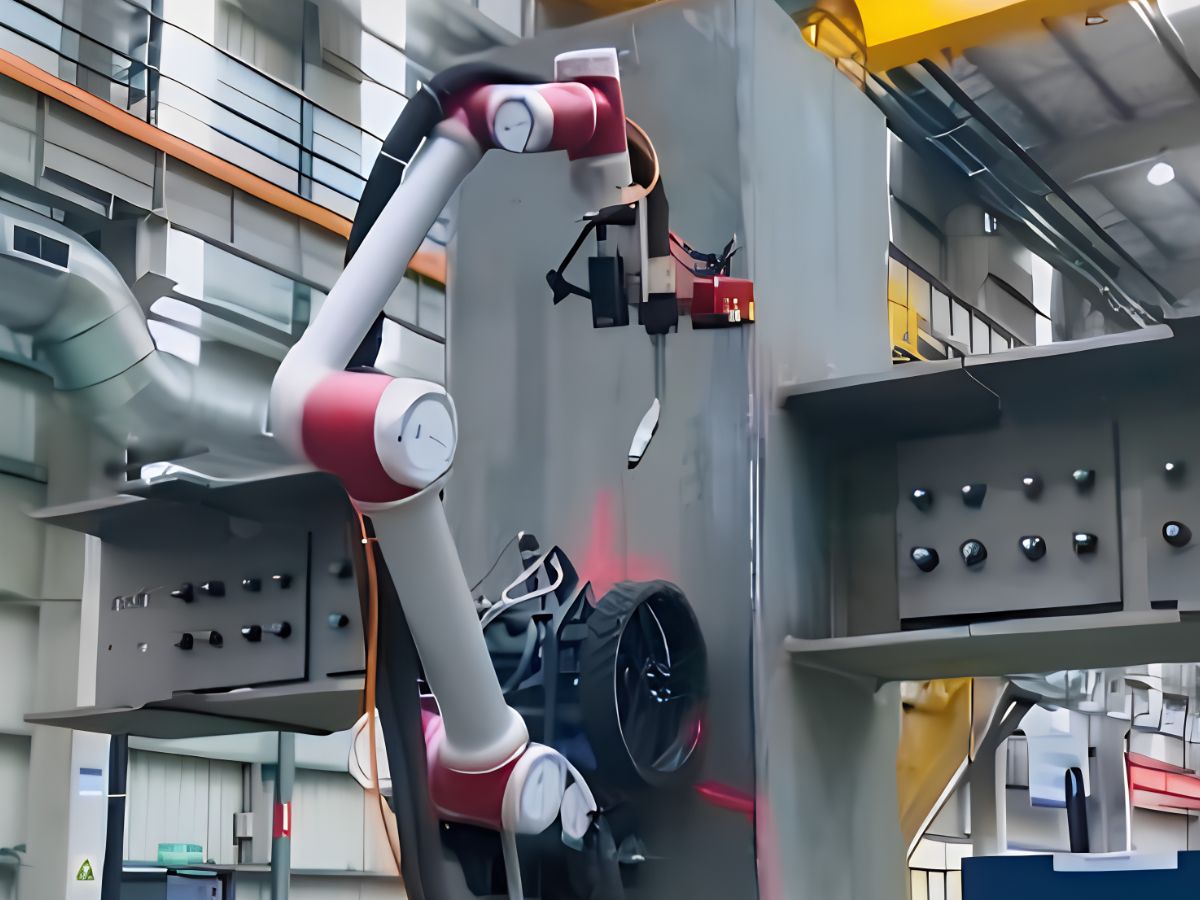
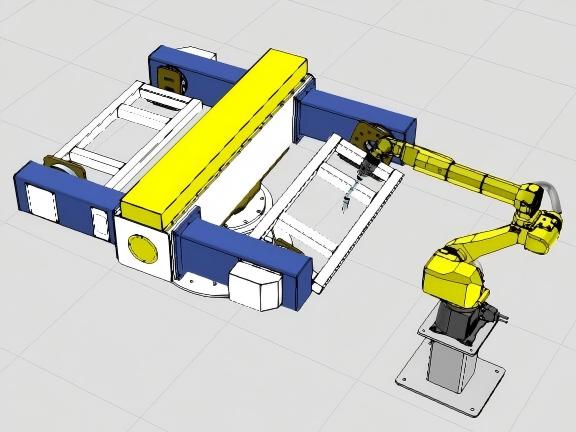
 RV Reducer for Welding Positioners: Selection and Torque Calculation for Heavy-Duty Welding ApplicationsSelecting the right RV reducer for a welding positioner requires more than simply matching the reducer to the workpiece weight. A heavy-duty welding positioner must provide sufficient output torque, high torsional rigidity, stable low-speed rotation, accurate positioning, and reliable performance during acceleration, deceleration, and reversing. In this article, we explain how to select an RV reducer and servo motor for a welding positioner by calculating output speed, reduction ratio, workpiece inertia, gravity load torque, acceleration torque, motor torque, and peak torque. A practical 500 kg welding positioner example is also used to show how these parameters affect RV reducer selection.
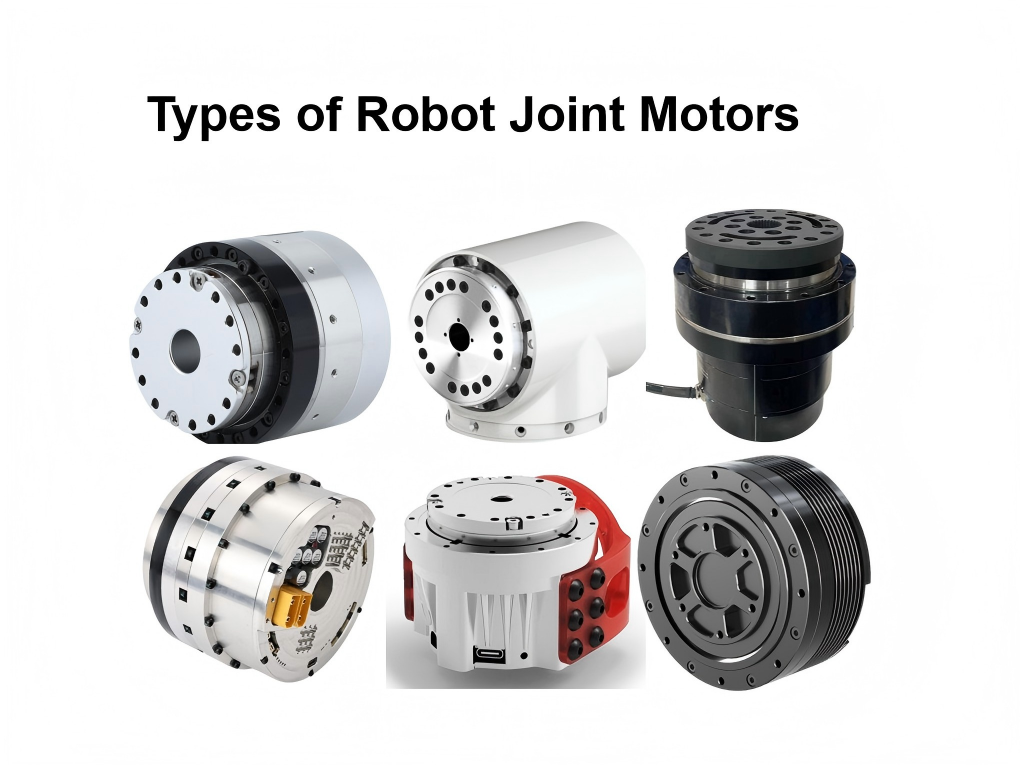
 Types of Robot Joint Motors: Model Selection, Advantages and DisadvantagesRobot joint motors are one of the key components that determine the performance, precision, efficiency, and load capacity of a robot. Depending on the application, robot joints can use electric, hydraulic, pneumatic, or other drive technologies. Among them, electric-drive solutions have become the mainstream choice for modern robots, especially humanoid robots, industrial robots, collaborative robots, and mobile robots. Electric robot joint motors can be further divided according to their transmission methods, including harmonic drive, planetary reducer, cycloidal reducer, ball screw, and direct drive solutions. Each type has its own advantages and disadvantages in terms of precision, torque density, efficiency, impact resistance, size, cost, and backdrivability. Understanding these differences is essential for selecting the right robot joint motor for a specific application.
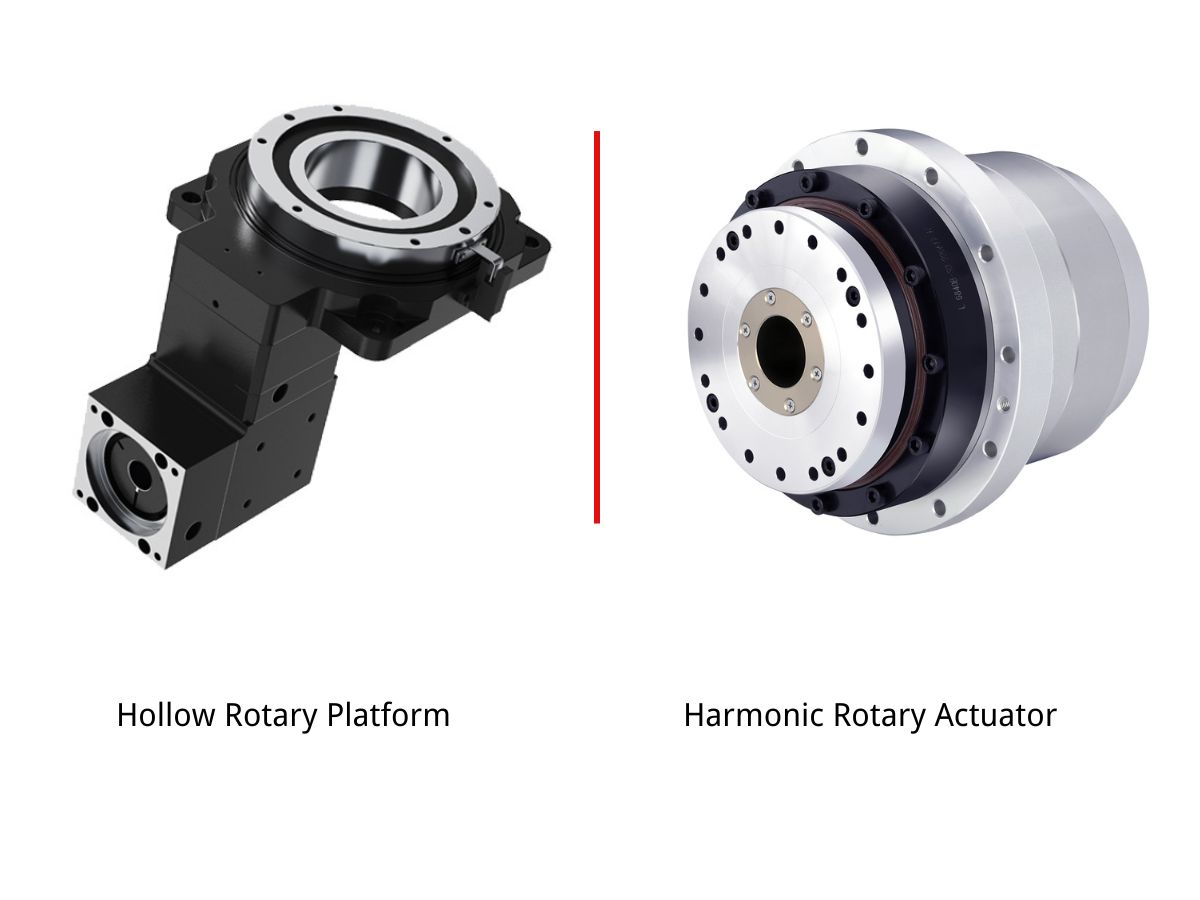
 Hollow Rotary Platform vs. Harmonic Rotary Actuator: Application Comparison and InterchangeabilityHello everyone, I’m Theodore Li, Technical Director at HONPINE. For engineers designing precision rotary stations for industrial automation, one question often comes up: when a machine requires high-precision rotation, indexing, or rotary positioning, should you choose a hollow rotary platform or a harmonic rotary actuator? Can they be used interchangeably? Although both are precision rotary motion solutions, their mechanical structures and application characteristics are quite different. In actual equipment, choosing the wrong solution can lead to insufficient load capacity, inadequate rigidity, vibration, speed limitations, or reduced service life. In this article, I’ll compare their application characteristics and explain where they can be used interchangeably, where one is more suitable than the other, and what engineers should check before making a replacement.

Double Click
We provide harmonic drive reducer,planetary reducer,robot joint motor,robot rotary actuators,RV gear reducer,robot end effector,dexterous robot hand
 China Tightens Export Filing for CNC Machine ToolsCNC machine tools exporters and buyers should prepare now: China tightens export filing for lathes, milling and grinding machines from June 30, 2026, raising compliance and customs demands.
 Japan Tightens Export Review for High-End Five-Axis Machine ToolsFive-axis CNC machine tools face stricter Japan export review from August 16, 2026. Learn how longer approvals may disrupt supply, procurement, and sourcing strategy.
 Japan Tightens Approvals for High-End Five-Axis ExportsFive-axis CNC machine tool exports from Japan face tighter approvals, longer lead times, and higher risk. Learn how this shift impacts buyers, distributors, and supply chains.
 China Curbs Dual-Use Exports to 14 EU EntitiesChina curbs dual-use exports to 14 EU entities, disrupting CNC machine tool supply chains, servo motor sourcing, and compliance planning. Learn the immediate risks and actions now.
 UL 1604:2026 Tightens Dust Rules for Robot Joint MotorsUL 1604:2026 Tightens Dust Rules for Robot Joint Motors with new dust-environment, temperature-group, and IP6X checks. Learn how this impacts OEM exports, sourcing, and certification planning.
 EU EN IEC 61800-3:2025 Takes Effect for Harmonic DrivesEN IEC 61800-3:2025 reshapes EU EMC compliance for harmonic drives. Learn how CE marking, Class A/B testing, certification, and delivery timelines may impact exporters and buyers.
 EU Mandates EMC Testing for Harmonic Drive ReducersHarmonic drive reducers face new EU EMC testing rules from Aug 1, 2026. Learn how the mandate impacts packaging machinery exports, compliance, customs clearance and market access.
 Top Motion Control Technologies for Humanoid Robots in 2026Top motion control technologies for humanoid robots in 2026: discover how MPC, torque control, sensor fusion, and real-time coordination improve machine tool automation, safety, and uptime.
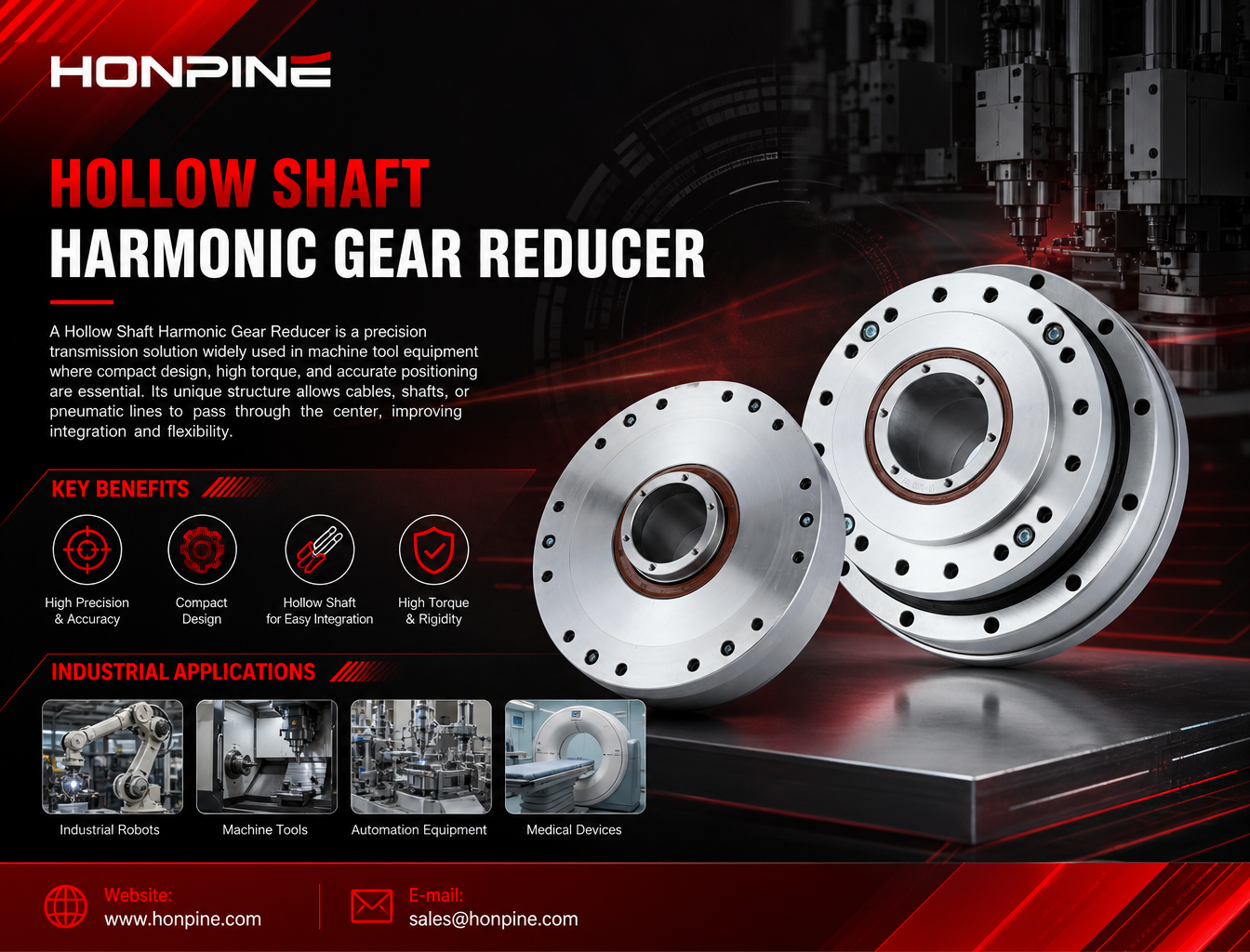
 Hollow Shaft Harmonic Gear Reducer Explained: Structure, Benefits & ApplicationsHollow Shaft Harmonic Gear Reducer explained for machine tool equipment—discover its structure, precision benefits, compact design advantages, and key applications for smarter motion control.
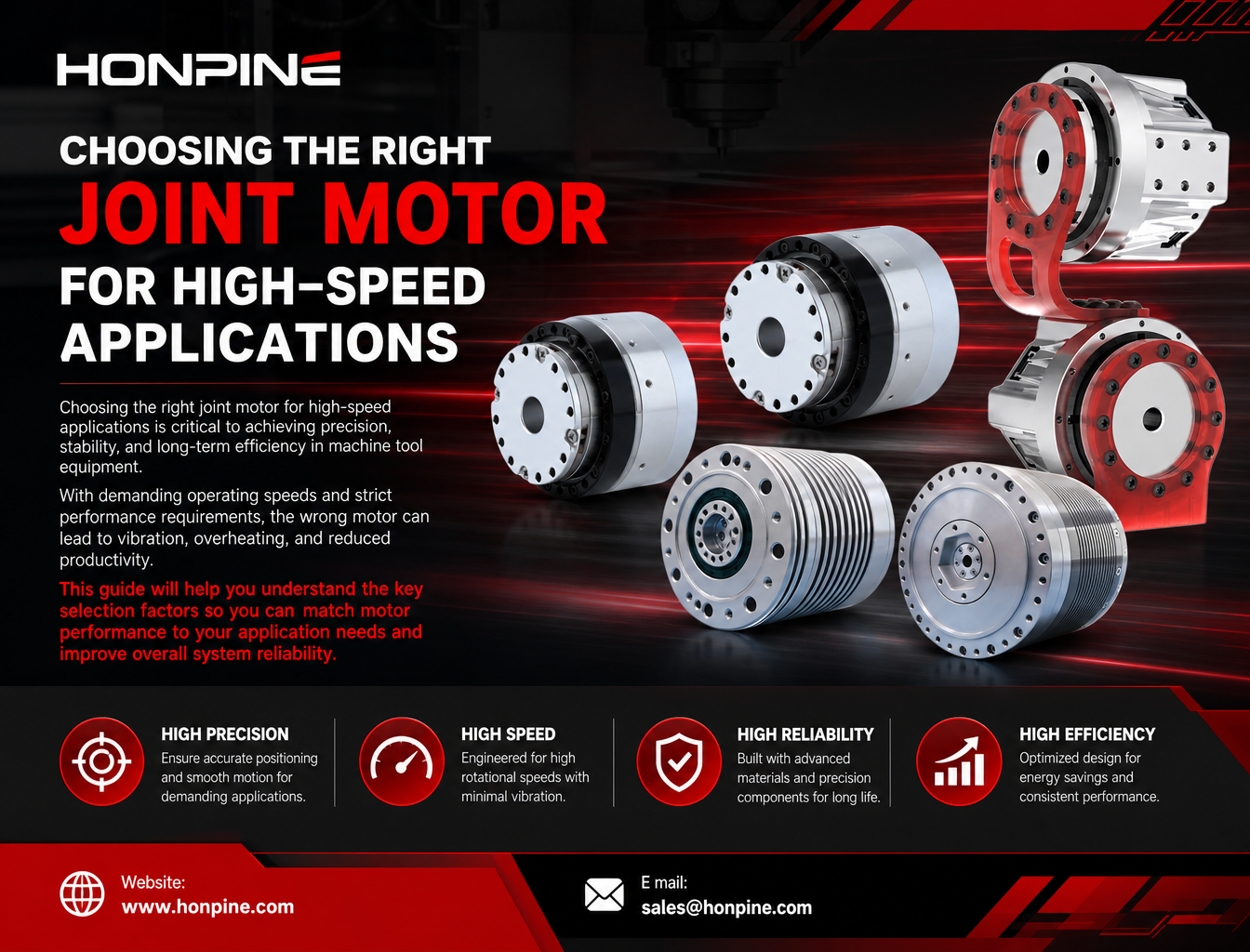
 How to Choose a Joint Motor for High-Speed ApplicationsJoint motor for high-speed applications: learn how to choose the right solution for machine tools with better precision, cooling, torque, and stability to boost performance.
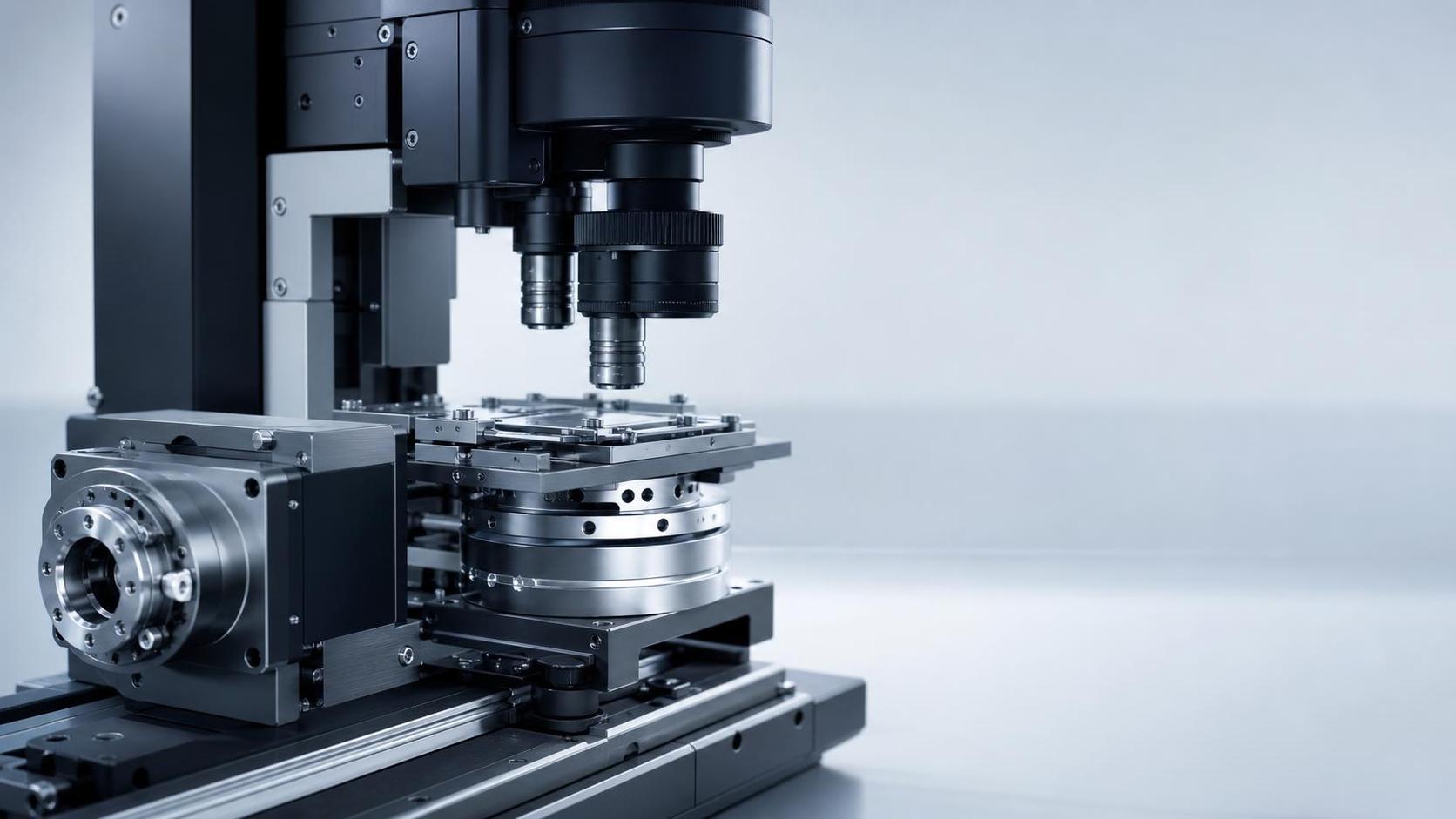
 Why Harmonic Drive Actuators Improve the Performance of Microscope Optical PlatformsHarmonic Drive Actuators improve microscope optical platforms with near-zero backlash, high precision, low vibration, and compact design—ideal for stable imaging and repeatable motion.
 METI Adds HAG Harmonic Drives to Export License ListHAG harmonic drives now face METI export license controls. Learn how the July 8 update affects OEM delivery, procurement timing, and shipments to China, Vietnam, and Mexico.