








US Opens AD/CVD Probe Into Chinese Harmonic Reducers
On July 5, 2026, the U.S. Department of Commerce formally opened anti-dumping and countervailing investigations into harmonic reducers originating in China, introducing a new trade-compliance variable for exporters, distributors, import-related supply chain providers, and procurement teams serving the U.S. market. For the industry, the immediate issue is not only the filing itself, but how this case may reshape customs handling, shipment planning, and inventory decisions before an initial determination is issued.

What has been formally announced so far
According to the announced information, the case was initiated by the U.S. Department of Commerce on July 5, 2026, following an application from the U.S. Harmonic Drive Manufacturers Alliance (US HDMA). The investigation covers harmonic reducers from China under HS code 8483.40.90.
The products identified in the case include NB, NBR, HAS, NDM, and NDR series harmonic drive reducers. Based on the provided information, the investigation includes both anti-dumping and countervailing components. An initial determination is expected before November 2026.
The disclosed summary also states that the investigation is expected to directly affect the U.S.-bound compliance path for Chinese suppliers, customs clearance costs, and inventory strategies used by distributors.
Where the commercial pressure is likely to appear first
Export transactions may face a narrower compliance path
From an industry perspective, Chinese exporters shipping the covered products to the United States are the first group likely to feel the impact. The reason is straightforward: once a dual-track trade remedy investigation is opened, export transactions often require closer attention to product classification, shipment documentation, and contract execution timing. What deserves closer attention is whether internal product mapping, model references, and export paperwork clearly align with the covered scope described in the case.
Importers and distributors may need to reassess inventory timing
U.S.-facing distributors and channel operators may be affected through stock planning and landed-cost uncertainty. Even before any initial determination is issued, the existence of an open investigation can change how buyers evaluate replenishment cycles, customs exposure, and short-term stocking decisions. In practical terms, businesses involved in distribution should pay close attention to product scope matching, declaration consistency, and the timing of orders tied to U.S. delivery commitments.
Procurement teams may review supplier exposure more closely
Procurement functions using these harmonic reducers in downstream manufacturing or assembly may face a different type of pressure: continuity risk. Analysis shows that the key issue is not an immediate confirmed supply disruption, but the possibility that trade compliance requirements, customs cost assumptions, or delivery schedules may need to be revisited. Supplier qualification files, product model lists, technical descriptions, and delivery terms therefore become more important in procurement review.
Trade and logistics service providers may see higher documentation sensitivity
Supply chain service providers handling customs, freight coordination, or trade documentation may also need tighter controls around declared product scope and shipment records. Observably, when an investigation targets specific series and an HS code, the accuracy and completeness of supporting documents become more material to daily execution. This does not establish a new confirmed operating rule by itself, but it raises the importance of documentation discipline in cross-border handling.
Practical issues companies should monitor now
Check whether product scope review is precise enough
Analysis shows that one of the most immediate tasks is confirming whether exported or procured items fall within the identified scope, including the listed harmonic reducer series and the referenced HS code 8483.40.90. Companies should focus on internal consistency across model naming, commercial invoices, technical documents, and customs-facing descriptions.
Track official wording through the initial determination stage
Because the initial determination is expected before November 2026, businesses should continue monitoring how the official language develops during the case process. It is more appropriate to understand this stage as an active rule-development signal rather than a fully settled outcome. Any change in wording, scope interpretation, or execution emphasis could affect compliance handling and commercial planning.
Revisit delivery commitments and cost assumptions
For contracts tied to U.S. delivery, companies should review whether current lead-time commitments, customs cost assumptions, and distributor stocking arrangements still reflect the new trade-risk environment. The provided information already points to customs clearance costs and distributor inventory strategy as directly affected areas, so those issues warrant immediate internal review even though final outcomes are not yet known.
Prepare supporting records for trade and quality traceability
What deserves closer attention is the readiness of supporting files, including product descriptions, technical materials, shipment records, and traceability documentation used in trade execution and after-sales support. The event summary does not provide detailed execution rules, so this should be treated as a compliance-preparedness step rather than a response to a confirmed new filing requirement.
Why this should be read as a trade-enforcement signal
Observably, this development is more than a routine market update because it places harmonic reducers within a formal U.S. trade-remedy process. At the same time, analysis shows it should not yet be read as a completed rule outcome. The investigation has started, the covered scope has been identified at a high level, and the initial determination is still pending. That makes this a concrete enforcement signal with practical business implications, while leaving the final operating impact subject to further official process.
From an industry perspective, the reason to keep watching is that trade cases of this kind often matter not only at the point of legal determination, but also in how buyers, distributors, customs-facing teams, and suppliers adjust behavior during the review window. The operational effect can begin with caution, rechecking, and slower decision cycles well before any final conclusion is reached.
How the market should interpret the case at this stage
At this stage, it is more appropriate to understand the July 5, 2026 filing as a live compliance and trade-execution development rather than a settled commercial outcome. The confirmed facts are limited but meaningful: the U.S. Department of Commerce has initiated anti-dumping and countervailing investigations into Chinese harmonic reducers, specific product series have been named, and an initial determination is expected before November 2026.
The industry significance lies in the combination of scope sensitivity, customs cost uncertainty, and inventory planning pressure. A measured reading is therefore necessary: this is already an actionable signal for exporters, distributors, procurement teams, and service providers to review exposure, but the full operational consequences still depend on subsequent official steps and market response.
Basis of this article and points that still require verification
This article is based on the user-provided title, event date, and event summary. For developments of this type, commonly relevant source categories include official announcements, releases from regulatory authorities, customs or trade-administration information, industry association statements, standard-setting documents, and reporting by authoritative media. A specific official source link was not provided in the input, so the exact official publication path still needs to be verified on an ongoing basis.
Further monitoring is still needed for later policy details, scope interpretation, compliance practice, procurement document changes, tender document wording, market feedback, and how affected companies implement their response during the investigation period.
Read More
Learn more about the story of HONPINE and industry trends related to precision transmission.
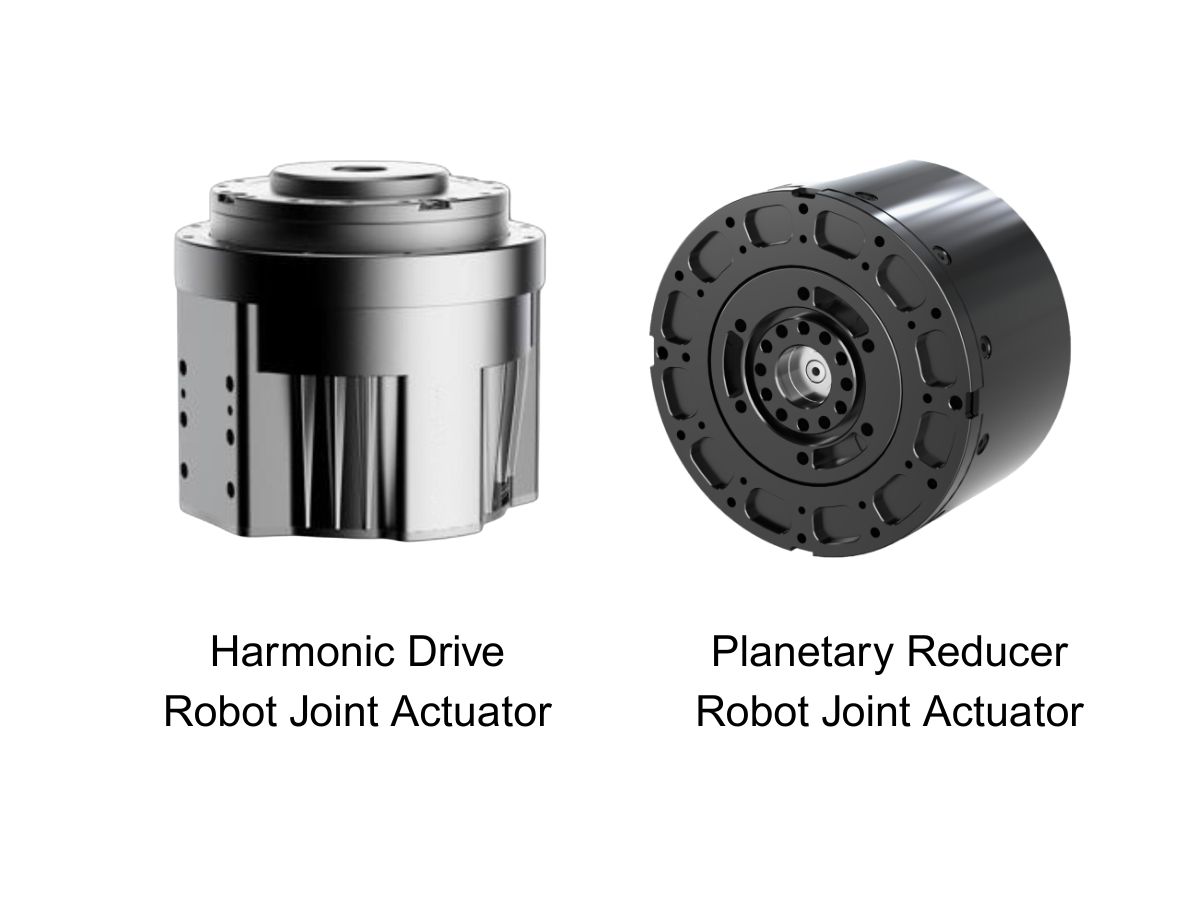
 What is robot joint actuator?How to Choose the Best Robot Rotary Joint Actuator?In core robot joint transmission solutions, planetary and harmonic rotary actuators each have their own strengths. Choosing the right type based on application requirements is essential to achieve the optimal balance between performance and cost.
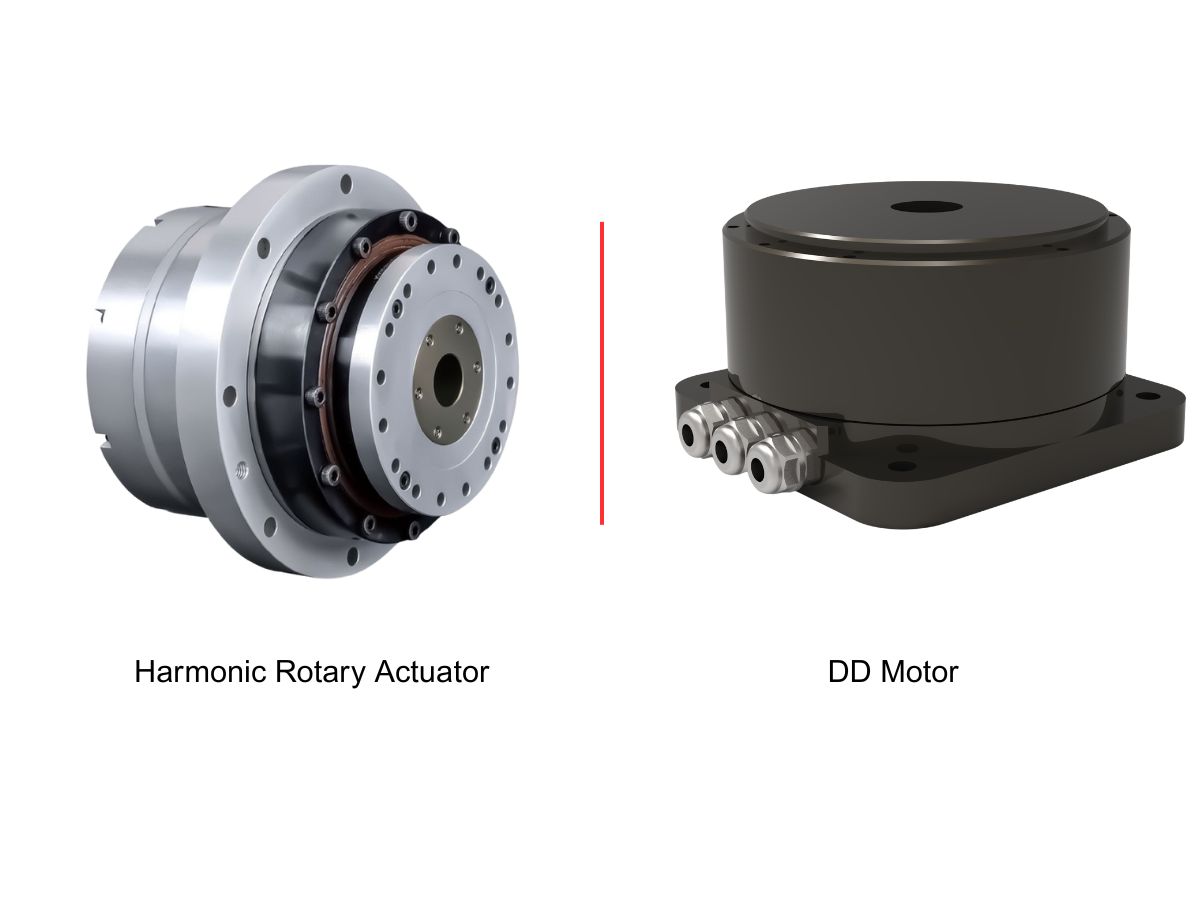
 DD Motors VS Harmonic Rotary ActuatorsThis article provides an in-depth comparison between Direct Drive (DD) motors and harmonic rotary actuators, covering their transmission principles, advantages and disadvantages, and typical application fields.
 OMG Ultra Compact Harmonic Drive Joint Module with Built-in Torque SensorHONPINE TCHL series harmonic drive joint module is a game-changing product that achieves disruptive improvements in multiple aspects such as lightweight design, integration level, and connection convenience. This article will analyze its revolutionary enhancements with you.
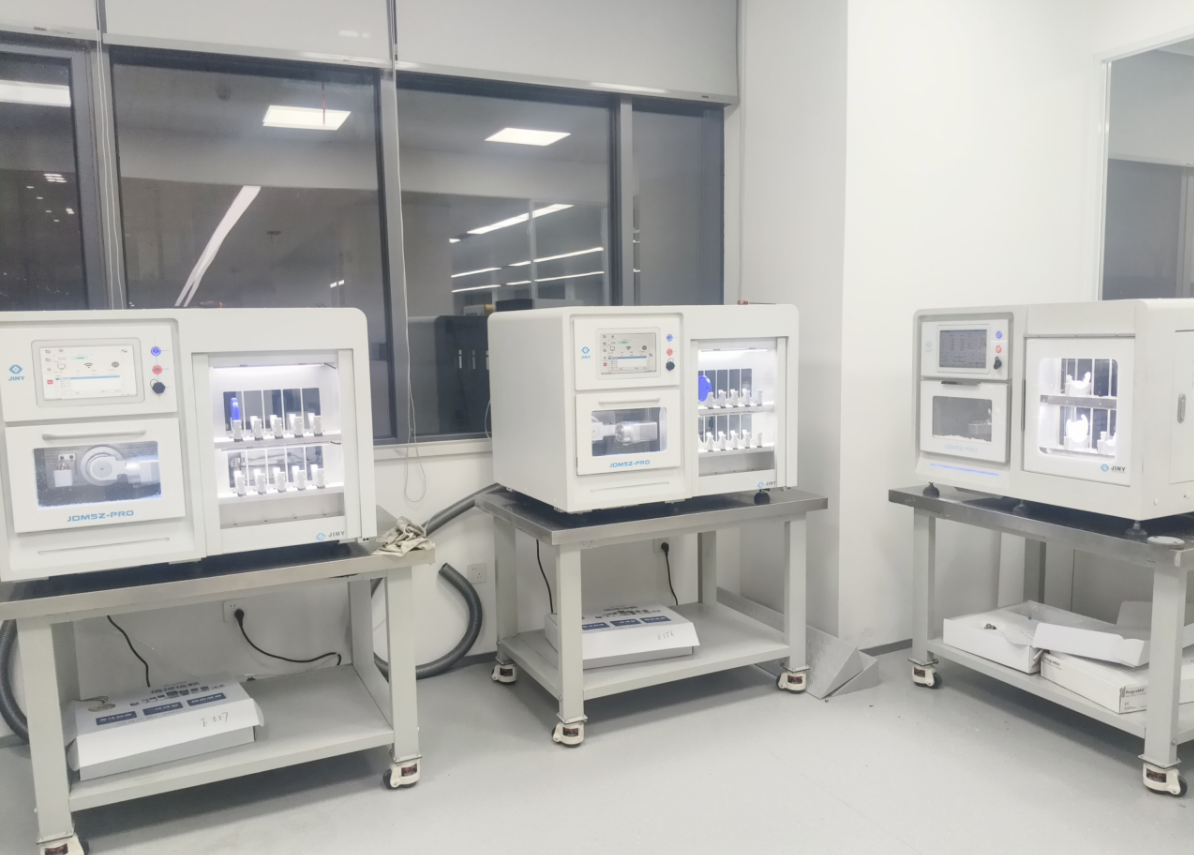
 The Role of Harmonic Drive Gears in Achieving 5–10 μm Accuracy in Dental Milling MachinesA dental milling machine is a CNC machining system used to directly process digital dental models into restorations such as crowns, bridges, veneers, inlays, and implant abutments. Dental milling machines require far higher operational accuracy and motion stability than ordinary equipment. This article explains how harmonic drive gear help dental milling machines achieve stable, continuous, and controllable operation.
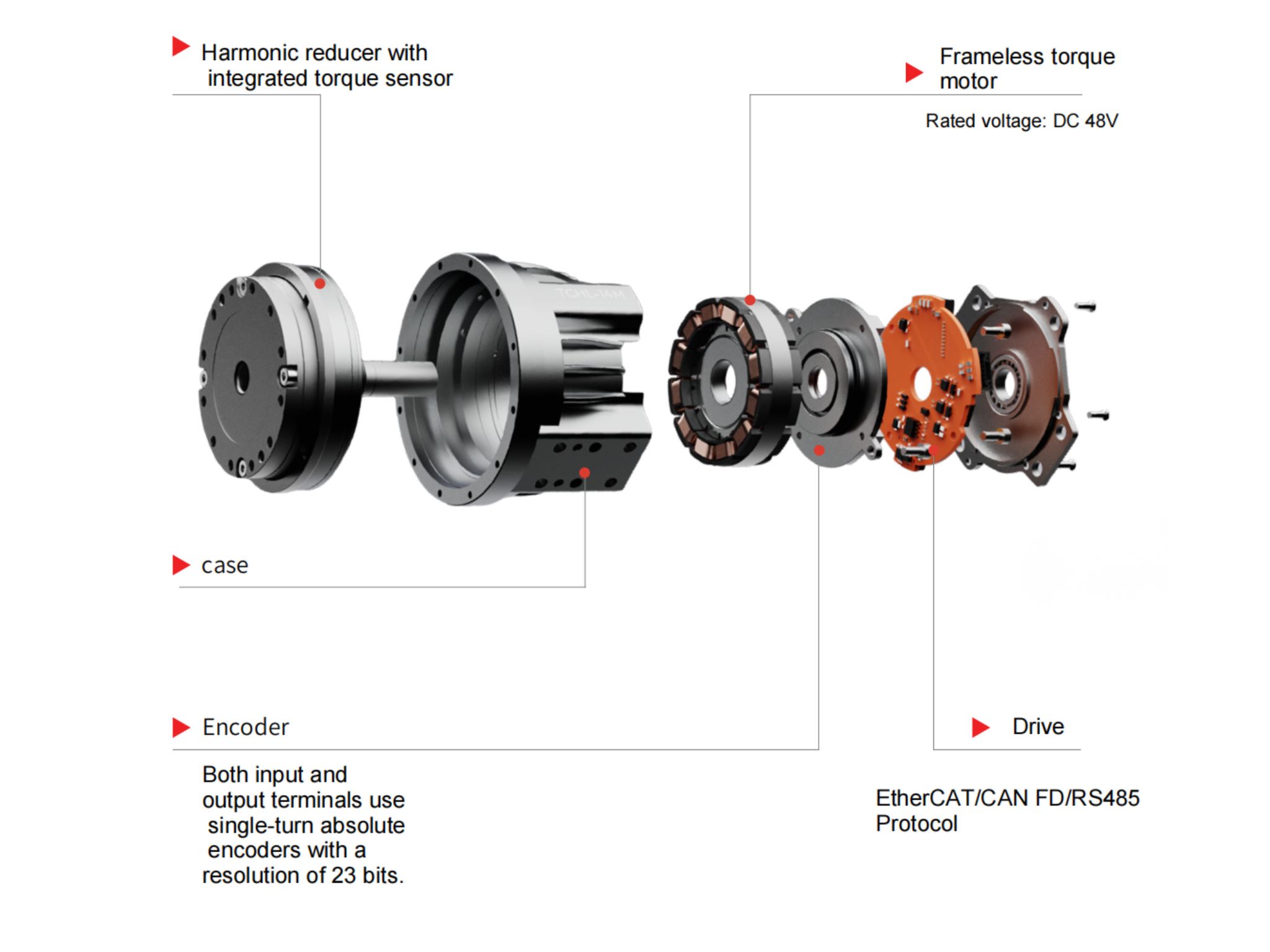
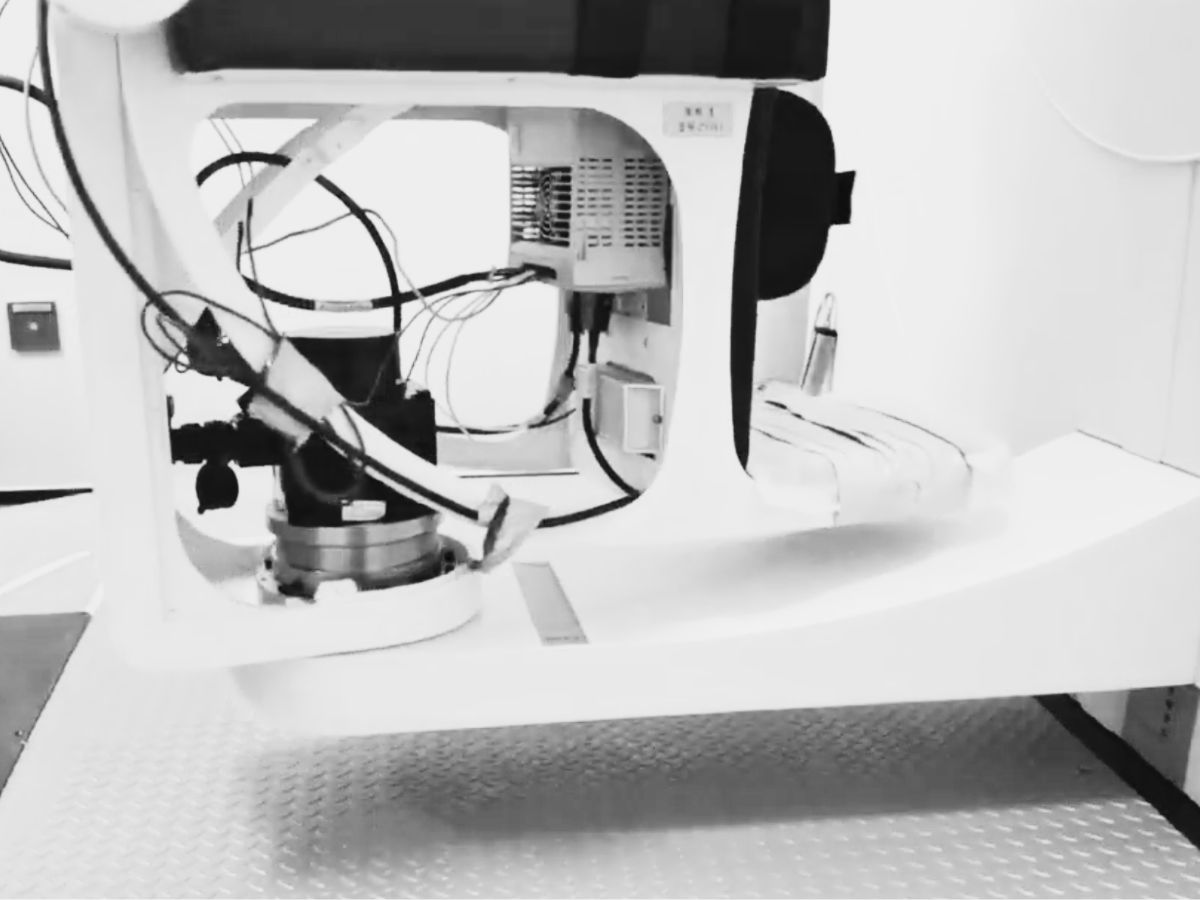
 Why Are Harmonic Rotary Actuators Perfect for Medical Equipment?Harmonic rotary actuators (typically integrated systems consisting of a harmonic drive reducer, frameless torque motor, encoder, and optional brake) are regarded as key components in medical equipment. The core reason is that they simultaneously meet the most stringent medical requirements for precision, compact size, safety, and controllability. The following explanation is structured from three perspectives: technical characteristics, application scenarios, and medical value.
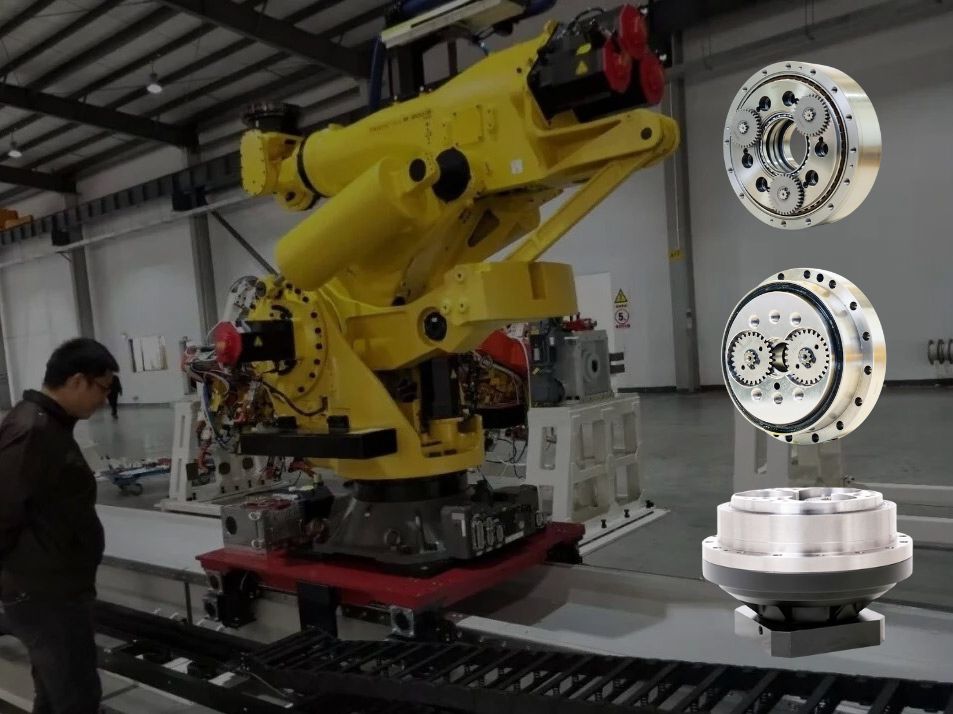
 High-Precision RV Reducers Perfectly Matched for Walking RobotsThe walking axis of a robot is a core component for power transmission and support. RV reducers provide extremely high rigidity, precision, and torque while maintaining a compact size and exceptional reliability, making them an ideal match for the demanding requirements of walking robot joints in terms of load capacity, impact resistance, and precision.
 How Does the HONPINE JRM Planetary Robot Joint Module Address Temperature Rise in Continuous Operation?HONPINE JRM planetary robot joint modules are designed for long-duration and high-load robotic operation. This article examines how motor electromagnetic optimization, high-efficiency planetary transmission, GaN-based drive technology, and system-level low-loss design help control temperature rise. Using the C6345 planetary robot joint module as a test example, HONPINE also presents full-load thermal validation under continuous operation, including motor efficiency up to 92%, planetary gearbox efficiency up to 97%, and a final equilibrium temperature of 61.42°C at a 25°C ambient temperature.
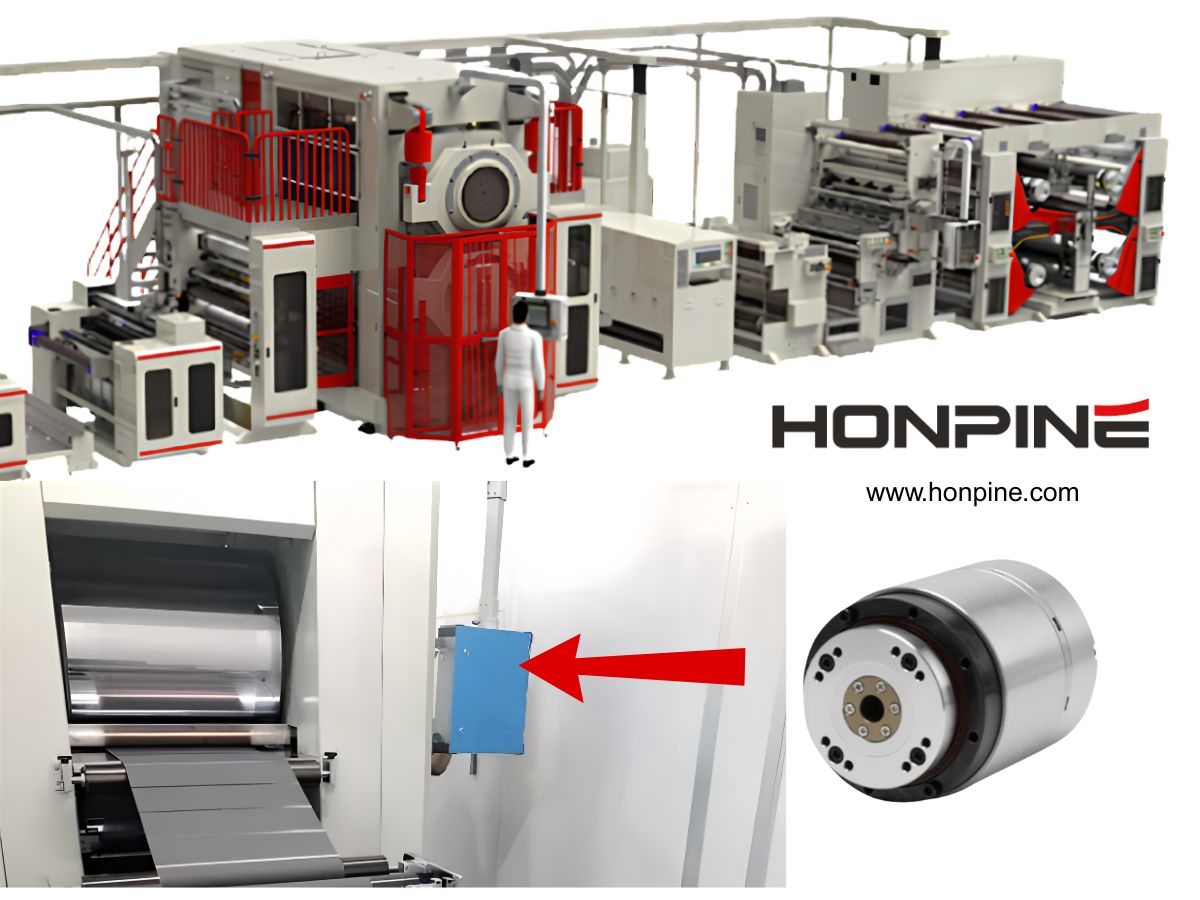
 Harmonic Rotary Actuator for Lithium Battery Roller Press EquipmentLithium battery manufacturing equipment requires higher precision, stability, and integration efficiency as production processes continue to evolve. In roller press equipment, accurate roller positioning, pressure control, and dynamic response are critical for ensuring electrode quality and consistency.
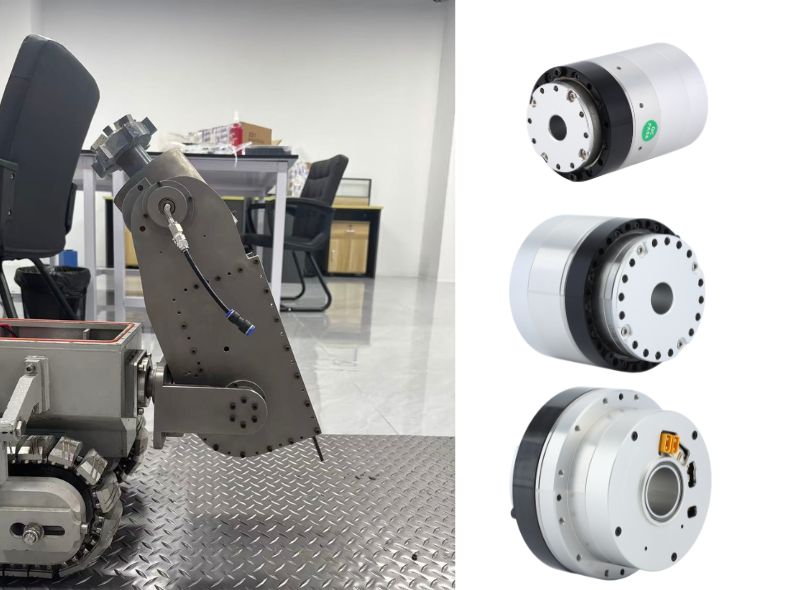
HONPINE harmonic rotary actuators provide high precision, high rigidity, fast response, and compact integration for lithium battery roller press equipment. With near-zero backlash, high torque density, and reliable motion control performance, they help improve equipment accuracy and production stability. Harmonic Robot Joint Actuators for Pipeline Robots and Other Special-Purpose EquipmentPipeline robots operate in narrow and complex environments where limited installation space, high load requirements, cable routing, and precise motion control are critical challenges. A reliable joint actuator must provide high torque output, compact dimensions, and stable performance while adapting to demanding operating conditions. Harmonic robot joint actuators integrate precision transmission, motor drive, and sensing capabilities into a compact motion unit, making them suitable for pipeline robots and other special-purpose robotic systems. This article explores the key design requirements of pipeline robots and explains how HONPINE HPJM harmonic robot joint modules help achieve compact, high-performance, and reliable robotic solutions.
 How Integrated Robot Joint Modules Are Reshaping Robot Wiring and Control Architecture?Integrated robot joint modules are changing how robots are designed by combining the motor, reducer, drive, encoder, and sensing components into a compact motion unit. Compared with traditional distributed architectures, this integrated approach can reduce cable complexity, simplify power and communication connections, and support more compact robot structures. As humanoid robots demand higher levels of motion coordination, response speed, precision, and integration, robot joint modules are becoming an increasingly important interface between intelligent control systems and physical movement. This article explains how integrated robot joint modules reshape robot wiring and control architecture, using the HONPINE TCHL harmonic drive robot joint module as an example.
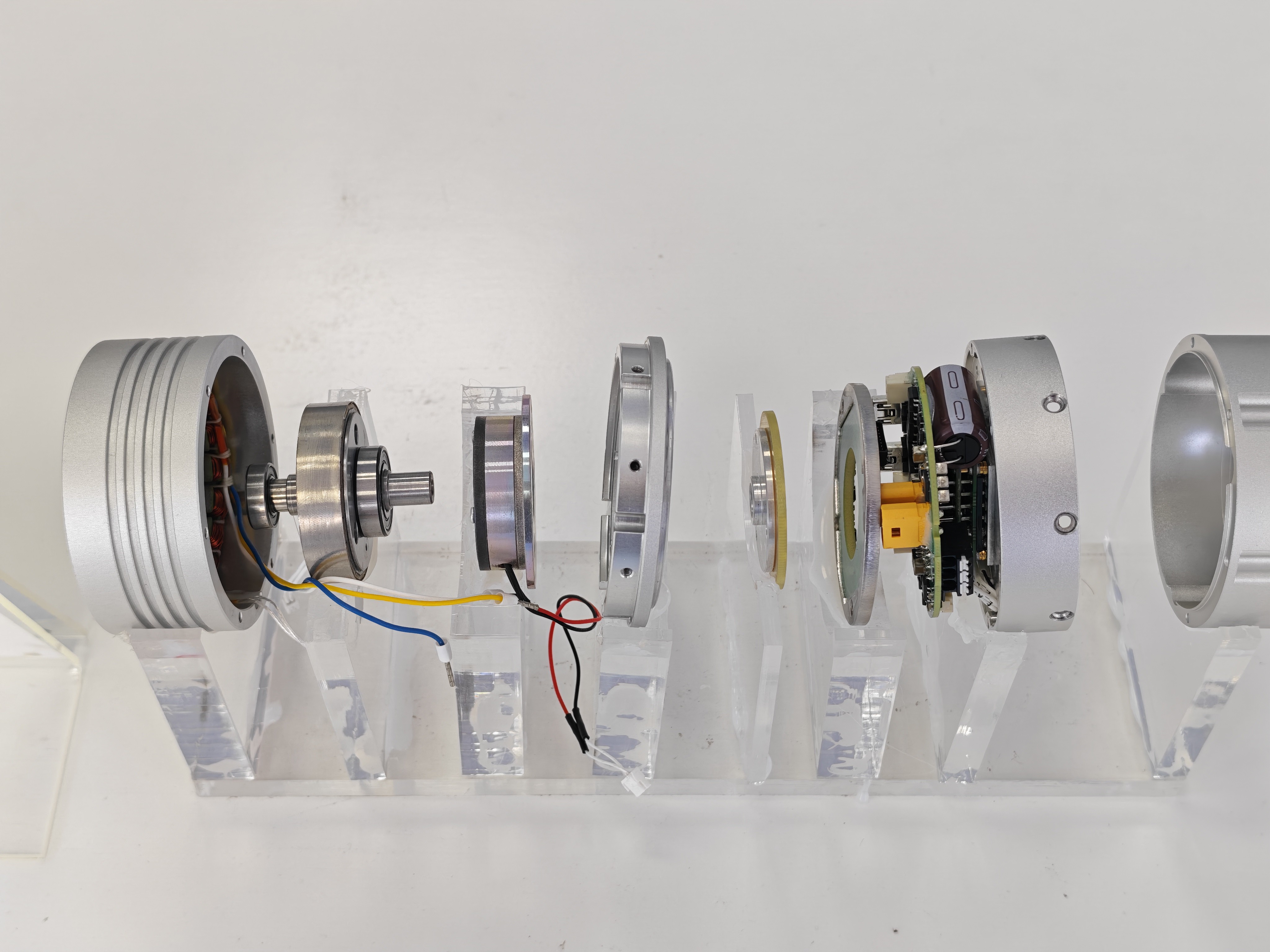
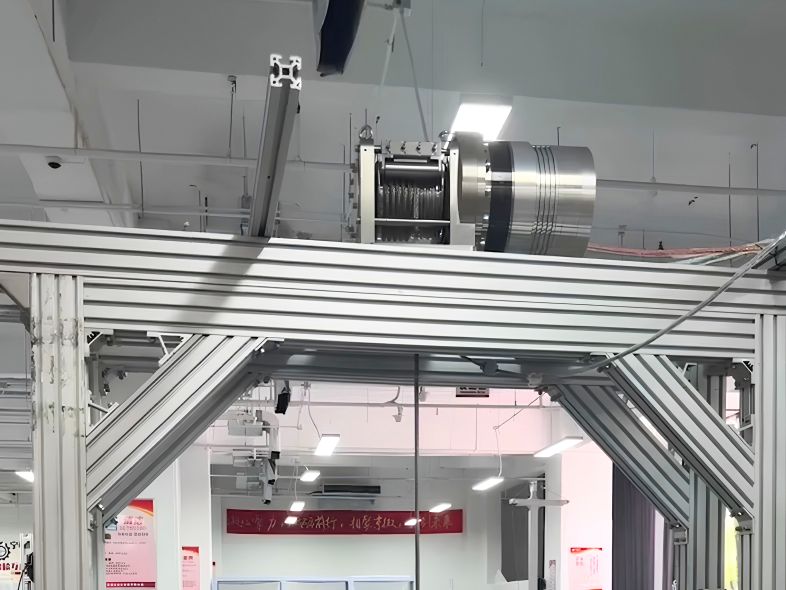
 Harmonic Actuator for Lift Equipment: Precision, Torque Density and Compact Motion Control IntroductionModern lifting equipment requires more than simply moving a load vertically. Robotic lift axes, AGV and AMR lift modules, semiconductor equipment, inspection platforms, and specialized winches increasingly demand high torque density, precise positioning, low backlash, high rigidity, and compact motion control. A harmonic actuator integrates a harmonic drive with a motor and, depending on the configuration, encoders, brakes, servo drives, and communication interfaces into a compact motion module. This article explores how harmonic actuators can be applied to different lifting systems and why their combination of precision, torque density, rigidity, and integration makes them suitable for automated lifting and positioning applications.
 Force-Controlled Harmonic Joint Modules: A Key Solution for Robot CommercializationAs robots move from precise positioning toward physical interaction, joint-level torque feedback is becoming increasingly important. A force-controlled robot joint module allows the robot to sense changes in output torque and respond more appropriately to external loads, supporting compliant motion, contact detection, and force-controlled applications. HONPINE HAG and HAU harmonic joint modules integrate torque sensing directly into the joint, enabling torque closed-loop control, 360° continuous output rotation, less than 1% torque control accuracy, and a 50 Hz torque bandwidth. This integrated design also maintains consistent dimensions between force-controlled and non-force-controlled configurations, providing a flexible joint platform for robot manufacturers.

Double Click
We provide harmonic drive reducer,planetary reducer,robot joint motor,robot rotary actuators,RV gear reducer,robot end effector,dexterous robot hand
 China Tightens Export Filing for CNC Machine ToolsCNC machine tools exporters and buyers should prepare now: China tightens export filing for lathes, milling and grinding machines from June 30, 2026, raising compliance and customs demands.
 Japan Tightens Export Review for High-End Five-Axis Machine ToolsFive-axis CNC machine tools face stricter Japan export review from August 16, 2026. Learn how longer approvals may disrupt supply, procurement, and sourcing strategy.
 Japan Tightens Approvals for High-End Five-Axis ExportsFive-axis CNC machine tool exports from Japan face tighter approvals, longer lead times, and higher risk. Learn how this shift impacts buyers, distributors, and supply chains.
 China Curbs Dual-Use Exports to 14 EU EntitiesChina curbs dual-use exports to 14 EU entities, disrupting CNC machine tool supply chains, servo motor sourcing, and compliance planning. Learn the immediate risks and actions now.
 UL 1604:2026 Tightens Dust Rules for Robot Joint MotorsUL 1604:2026 Tightens Dust Rules for Robot Joint Motors with new dust-environment, temperature-group, and IP6X checks. Learn how this impacts OEM exports, sourcing, and certification planning.
 EU EN IEC 61800-3:2025 Takes Effect for Harmonic DrivesEN IEC 61800-3:2025 reshapes EU EMC compliance for harmonic drives. Learn how CE marking, Class A/B testing, certification, and delivery timelines may impact exporters and buyers.
 EU Mandates EMC Testing for Harmonic Drive ReducersHarmonic drive reducers face new EU EMC testing rules from Aug 1, 2026. Learn how the mandate impacts packaging machinery exports, compliance, customs clearance and market access.
 Top Motion Control Technologies for Humanoid Robots in 2026Top motion control technologies for humanoid robots in 2026: discover how MPC, torque control, sensor fusion, and real-time coordination improve machine tool automation, safety, and uptime.
 Hollow Shaft Harmonic Gear Reducer Explained: Structure, Benefits & ApplicationsHollow Shaft Harmonic Gear Reducer explained for machine tool equipment—discover its structure, precision benefits, compact design advantages, and key applications for smarter motion control.
 How to Choose a Joint Motor for High-Speed ApplicationsJoint motor for high-speed applications: learn how to choose the right solution for machine tools with better precision, cooling, torque, and stability to boost performance.
 Why Harmonic Drive Actuators Improve the Performance of Microscope Optical PlatformsHarmonic Drive Actuators improve microscope optical platforms with near-zero backlash, high precision, low vibration, and compact design—ideal for stable imaging and repeatable motion.
 METI Adds HAG Harmonic Drives to Export License ListHAG harmonic drives now face METI export license controls. Learn how the July 8 update affects OEM delivery, procurement timing, and shipments to China, Vietnam, and Mexico.