








Why Harmonic Drive Actuators Improve the Performance of Microscope Optical Platforms
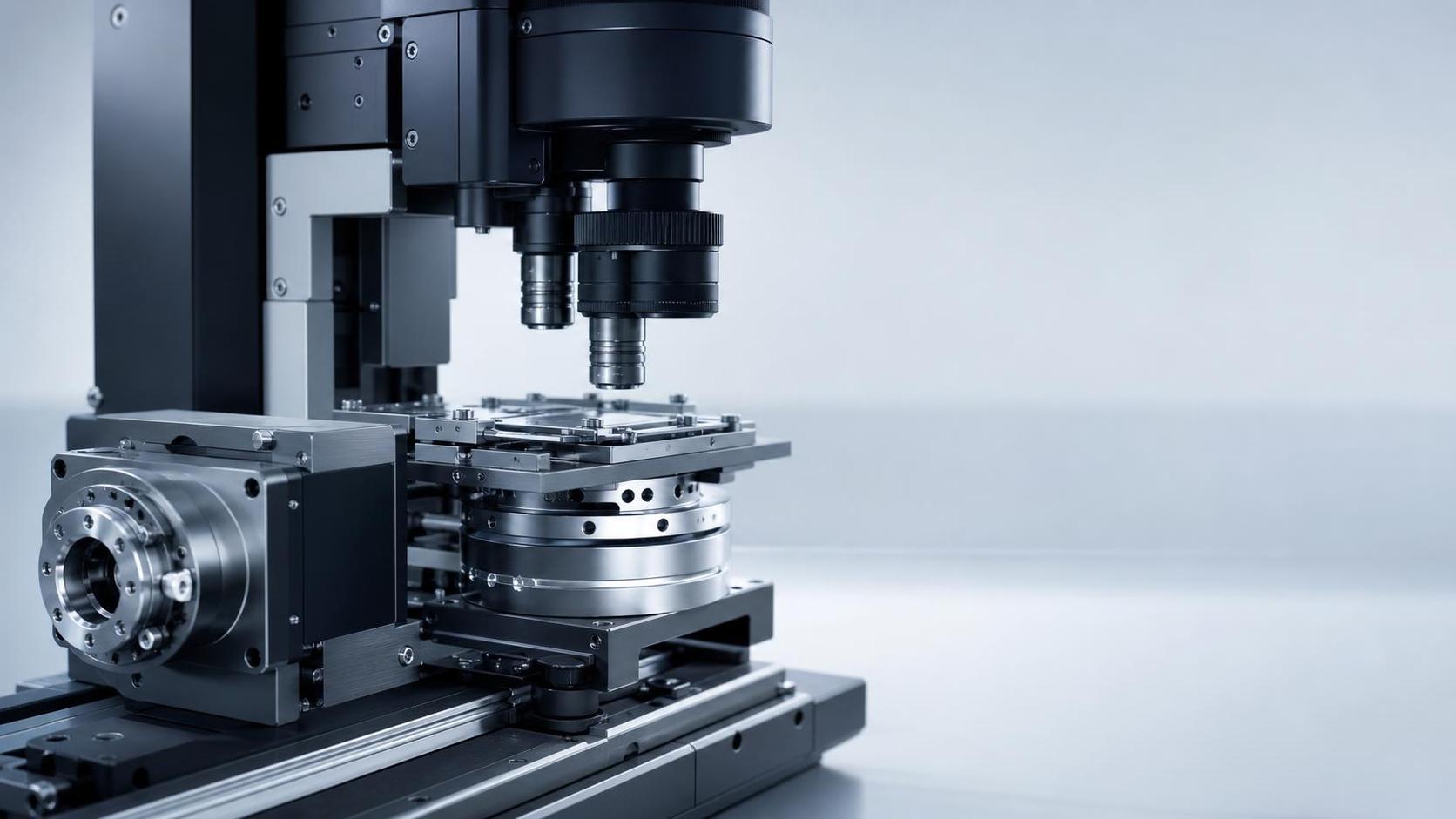
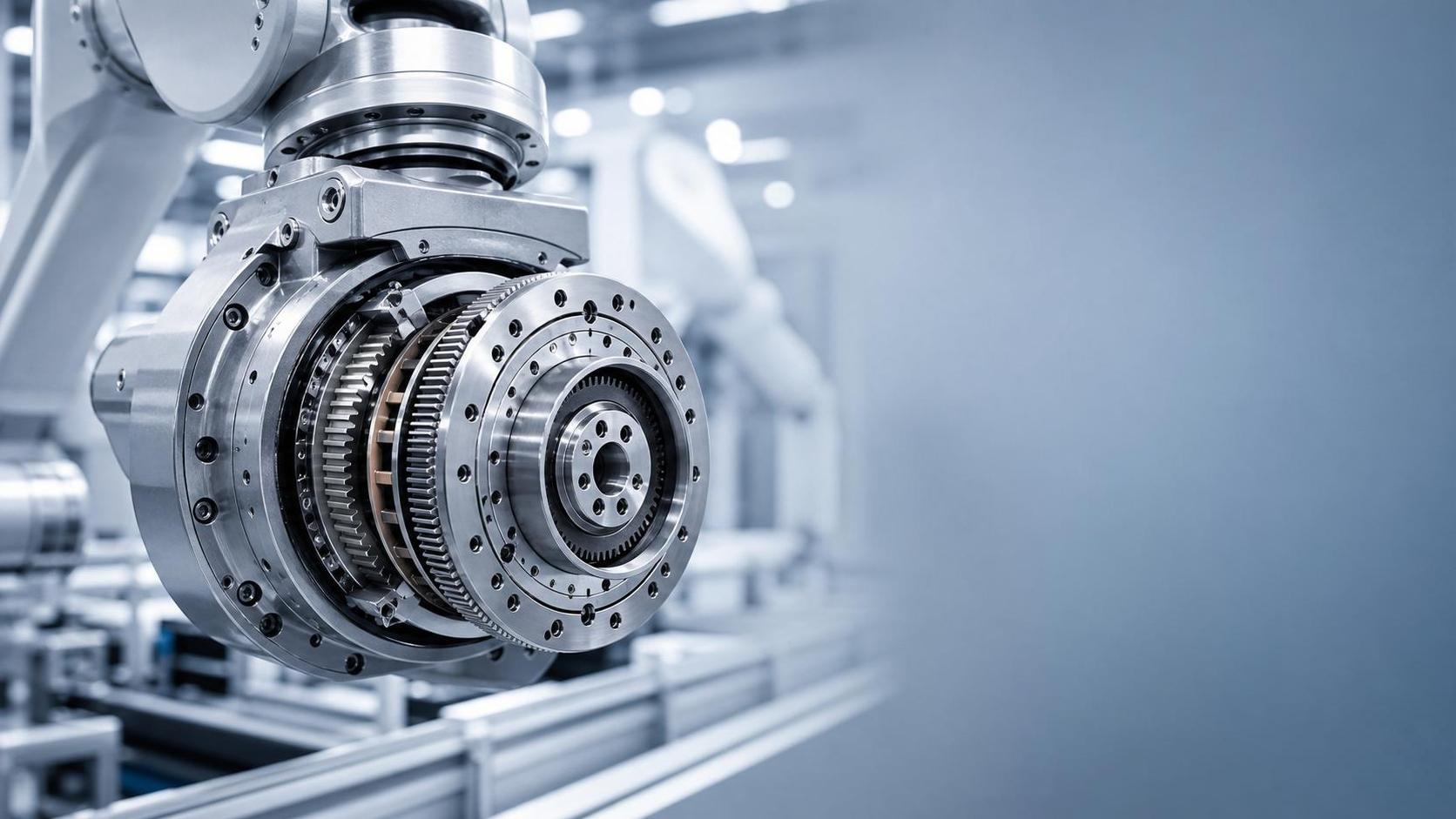
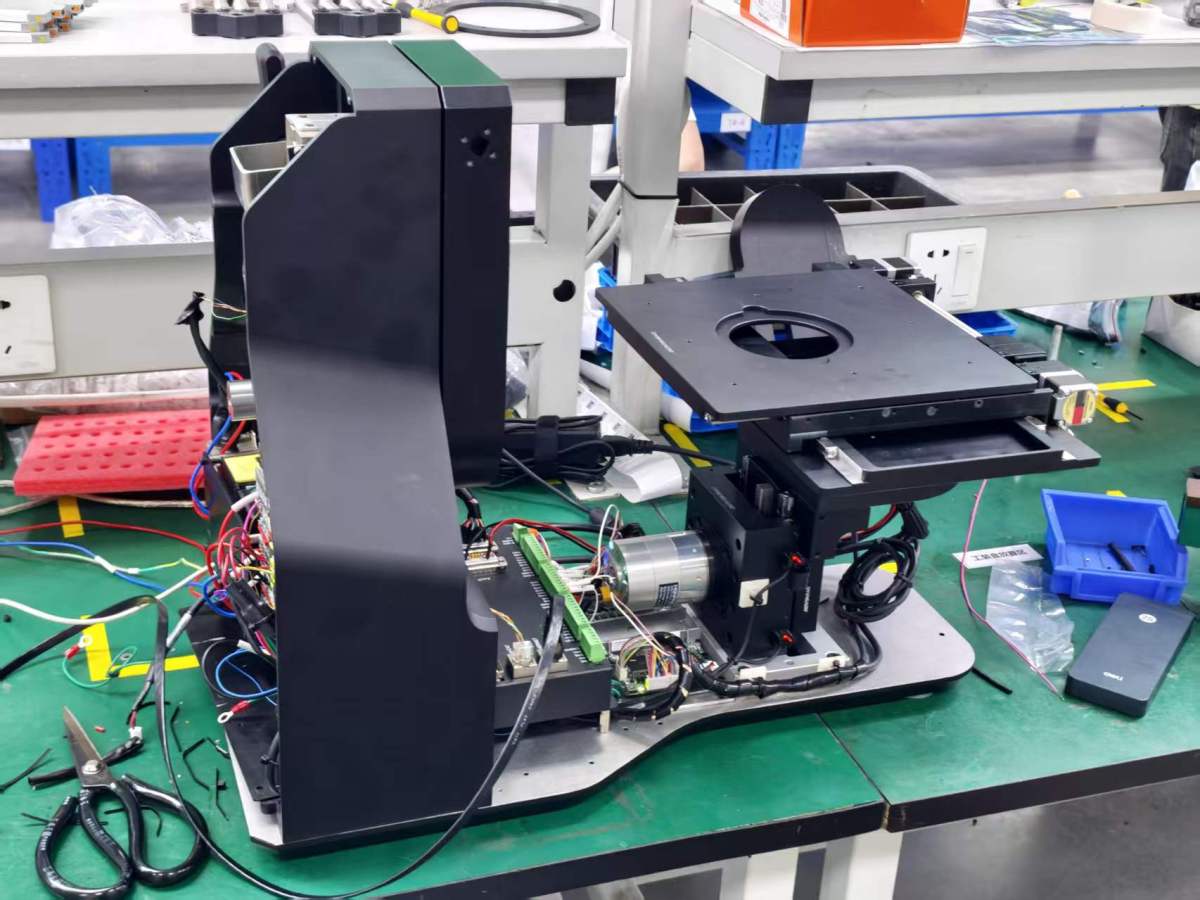
In precision machine tool equipment, Harmonic Drive Actuators are becoming a key solution for improving microscope optical platforms. Their compact design, high positioning accuracy, and near-zero backlash help enhance stability, reduce vibration, and support smoother motion control. For applications that demand reliable imaging and repeatable micro-adjustments, these actuators offer a clear performance advantage worth exploring.
Why this matters for microscope optical platforms
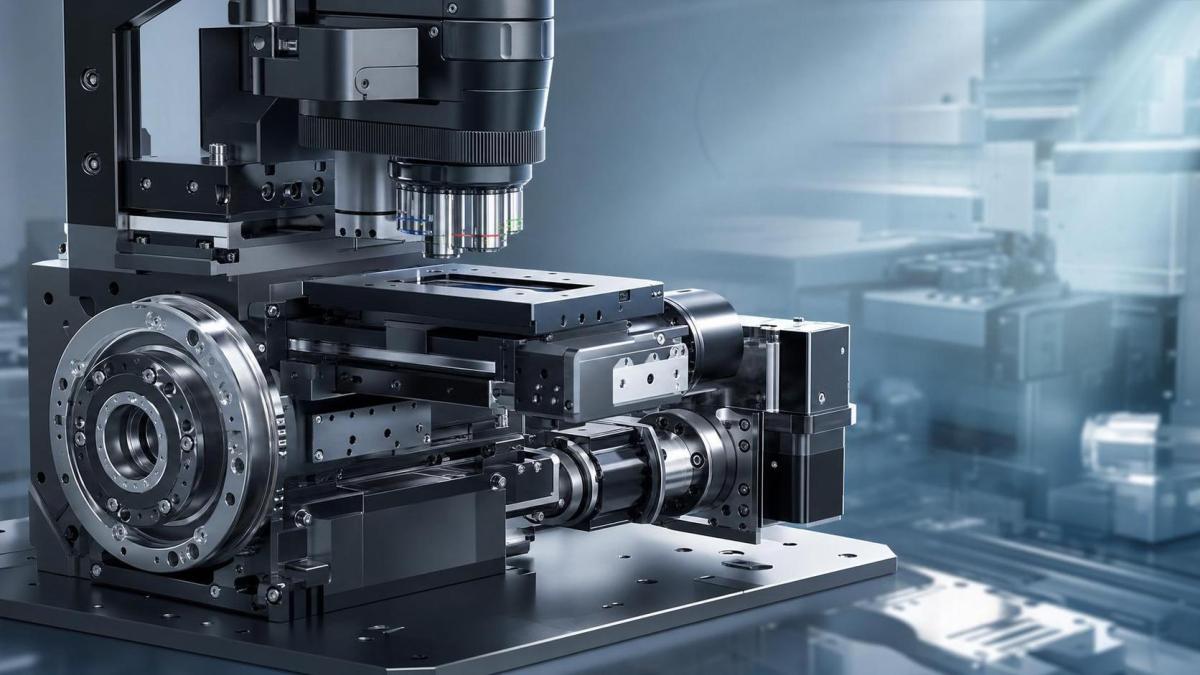
Users searching this topic usually want a practical answer first: do harmonic drive actuators measurably improve microscope optical platform performance, or are they simply another premium motion option?
The short answer is yes, especially when the platform must deliver repeatable positioning, low vibration, compact integration, and stable imaging under frequent micro-adjustment or automated scanning conditions.
Microscope optical platforms are highly sensitive to even minor transmission error, backlash, resonance, and inconsistent motion. Small mechanical weaknesses can quickly show up as blurred images, unstable focus, or unreliable measurement results.
That is why actuator selection matters so much in machine tool related optical systems. The drive is not just a motion component; it directly affects precision, throughput, and confidence in inspection quality.
What readers are really trying to evaluate
Most target readers are not looking for a textbook definition of harmonic drive technology. They are usually comparing motion solutions for a platform that already has strict performance constraints.
They want to know whether this actuator type can solve actual engineering problems: lost motion, limited installation space, unstable fine adjustment, higher maintenance, and inconsistent imaging during repeated movement cycles.
They also care about the business side of the decision. Better motion accuracy is important, but only if it leads to lower error rates, less downtime, easier integration, or better output quality.
So the useful discussion is not abstract. It should focus on how harmonic drive actuators affect positioning, structural design, optical stability, system reliability, and total equipment performance over time.
How harmonic drive actuators improve positioning accuracy
Positioning accuracy is one of the strongest reasons to use harmonic drive actuators in microscope optical platforms. Optical tasks often require movement in very small increments while keeping the target position highly repeatable.
Conventional transmission solutions may introduce cumulative error through backlash, elastic deformation, or inconsistent response when reversing direction. In microscope work, that error can become visible immediately in image alignment or focal repeatability.
Harmonic drive mechanisms are valued because they provide high reduction ratios in a compact form while maintaining extremely low backlash. This creates more predictable motion behavior during fine positioning and correction cycles.
For automated inspection, wafer observation, tool calibration, or laboratory imaging systems, that predictability helps the platform return to the same point with much higher consistency across repeated operations.
Better repeatability also reduces the need for frequent compensation in control software. Engineers can still use calibration routines, but the mechanical baseline is already more stable and easier to manage.
Why near-zero backlash matters more than many buyers expect
Backlash is often discussed as a specification line, but in microscope optical platforms it has direct operational consequences. Even tiny gaps in transmission response can interfere with micro-adjustments and image positioning.
When the platform changes direction, backlash creates a delay between motor input and actual stage response. That delay can cause overshoot, re-correction, and inconsistent positioning during fine focusing or scanning paths.
Near-zero backlash reduces that dead zone substantially. The operator or control system gets a more immediate and linear response, which improves both manual feel and automated trajectory control.
This matters in tasks such as edge detection, surface analysis, defect inspection, and multi-point image capture. A more responsive platform supports cleaner data acquisition and lowers the risk of cumulative alignment error.
In practical terms, near-zero backlash improves confidence. Engineers spend less time chasing motion anomalies that appear to be software or sensor issues but actually come from mechanical play.
Vibration control and imaging stability
Microscope optical platforms do not only need accurate movement; they need stable movement. Motion that reaches the correct position but excites vibration can still compromise imaging performance and measurement precision.
Harmonic drive actuators help here because their compact transmission structure can support smoother motion profiles and tighter mechanical packaging. This often contributes to lower vibration transfer through the platform assembly.
Reduced vibration is especially valuable at high magnification. At that level, small disturbances can produce image shake, focus fluctuation, or unstable measurement references that weaken the usefulness of the captured data.
In production environments, vibration control also affects throughput. If the system settles faster after each motion step, the microscope can move, stabilize, and capture images in less time.
That means the benefit is not only technical. Better damping and faster settling can support more efficient inspection cycles without sacrificing image quality, which is important in industrial machine tool workflows.
Compact design solves real integration problems
Another major advantage is packaging efficiency. Microscope optical platforms often have limited installation space because they must accommodate lenses, sensors, lighting modules, stages, cable routing, and protective structures.
A bulky transmission system can force compromises elsewhere in the design. It may enlarge the platform footprint, complicate the optical path, or increase structural overhang that hurts rigidity.
Harmonic drive actuators offer high torque density and reduction performance in a compact envelope. This gives designers more freedom to build precise motion systems without making the platform unnecessarily large.
Compact integration can also improve cable management and reduce interference between moving and fixed components. That is particularly useful in systems that combine optical motion with rotary tables, tilting axes, or hollow routing requirements.
In some cases, a product such as Easy Installation Large Hollow Shaft Structure Harmonic Drive is attractive because the hollow shaft layout can simplify routing for cables, air lines, or optical elements.
How these actuators support smoother motion control
Motion quality is not only about final position. The path toward that position matters too, especially in automated microscopy where scanning, indexing, and synchronized movement are part of normal operation.
Harmonic drive actuators help create smoother acceleration and deceleration behavior because they are well suited to high-precision servo control. That makes trajectory execution more stable and easier to tune.
Smoother control reduces sudden mechanical response, which helps protect delicate optical assemblies and improves consistency during repeated scan patterns. The result is often better image stitching and more reliable coordinate mapping.
It also benefits operators who work with semi-automatic systems. A platform that responds smoothly is easier to use, easier to trust, and less likely to produce correction-heavy workflows that slow down productivity.
For equipment builders, this can shorten commissioning time. A mechanically stable transmission usually makes controller tuning more straightforward than trying to compensate for irregular drive behavior later.
Where the performance gains show up in daily operation
The value of a harmonic drive actuator becomes clearer when viewed through daily use rather than theory. In actual operation, users notice gains in image consistency, focus repeatability, and motion smoothness first.
Maintenance teams may notice fewer complaints about drift, inconsistent platform response, or unexplained alignment deviations. Process engineers may see more stable inspection data across longer production runs.
Managers usually care about another layer of value: lower rework, less downtime for motion recalibration, and improved confidence that the optical platform can hold specification over time.
These benefits are particularly meaningful in environments where microscope platforms support tool inspection, micro-feature verification, precision component measurement, or quality control for high-value parts.
In those settings, better motion performance is not a luxury feature. It directly supports output quality, operational stability, and the ability to maintain repeatable standards across batches.
What to check before selecting one for your platform
Not every harmonic drive actuator automatically delivers the same result. Buyers should assess the full application context instead of choosing only by ratio, size, or catalog precision claims.
Start with load characteristics. Evaluate payload, off-center mass, duty cycle, motion frequency, acceleration profile, and any external forces that may affect platform rigidity or bearing life.
Then review required positioning performance. Define actual repeatability targets, allowable settling time, acceptable vibration level, and the precision needed for focusing, scanning, or measurement tasks.
Integration details matter as well. Mounting constraints, hollow shaft needs, cable routing, thermal conditions, encoder compatibility, and controller matching all influence real-world performance more than many teams expect.
Ease of installation can also matter in production equipment projects. Solutions such as Easy Installation Large Hollow Shaft Structure Harmonic Drive may reduce assembly complexity when internal routing and compact layout are priorities.
When harmonic drive actuators may be the best fit
They are especially effective when the optical platform must combine limited space, high reduction ratio, low backlash, and stable micro-motion in one integrated design.
They are also a strong choice when image quality depends on fast settling after movement, or when the application involves repeated directional changes that would expose backlash in conventional transmission systems.
For machine tool related microscope equipment, this often includes tool edge inspection, precision alignment systems, coordinate imaging stations, and automated optical measurement platforms.
However, the best choice still depends on system architecture. If the motion axis is lightly loaded and precision requirements are modest, a simpler solution may be sufficient and more economical.
The key is to match actuator performance to the cost of inaccuracy. In high-precision optical platforms, the cost of unstable motion is usually much higher than the cost difference between transmission options.
Conclusion
Harmonic drive actuators improve microscope optical platform performance because they address the issues that matter most: accuracy, backlash, vibration, compactness, and controllable motion behavior.
For readers evaluating whether the upgrade is worthwhile, the answer depends on application sensitivity. In systems where imaging reliability and repeatable micro-adjustment are critical, the performance advantage is substantial.
Instead of viewing the actuator as a basic mechanical part, it is better to treat it as a core contributor to optical stability and inspection quality. That perspective leads to better design decisions.
When chosen with clear attention to load, control, integration, and platform dynamics, harmonic drive actuators can deliver measurable gains in both technical performance and operational value.
Read More
Learn more about the story of HONPINE and industry trends related to precision transmission.
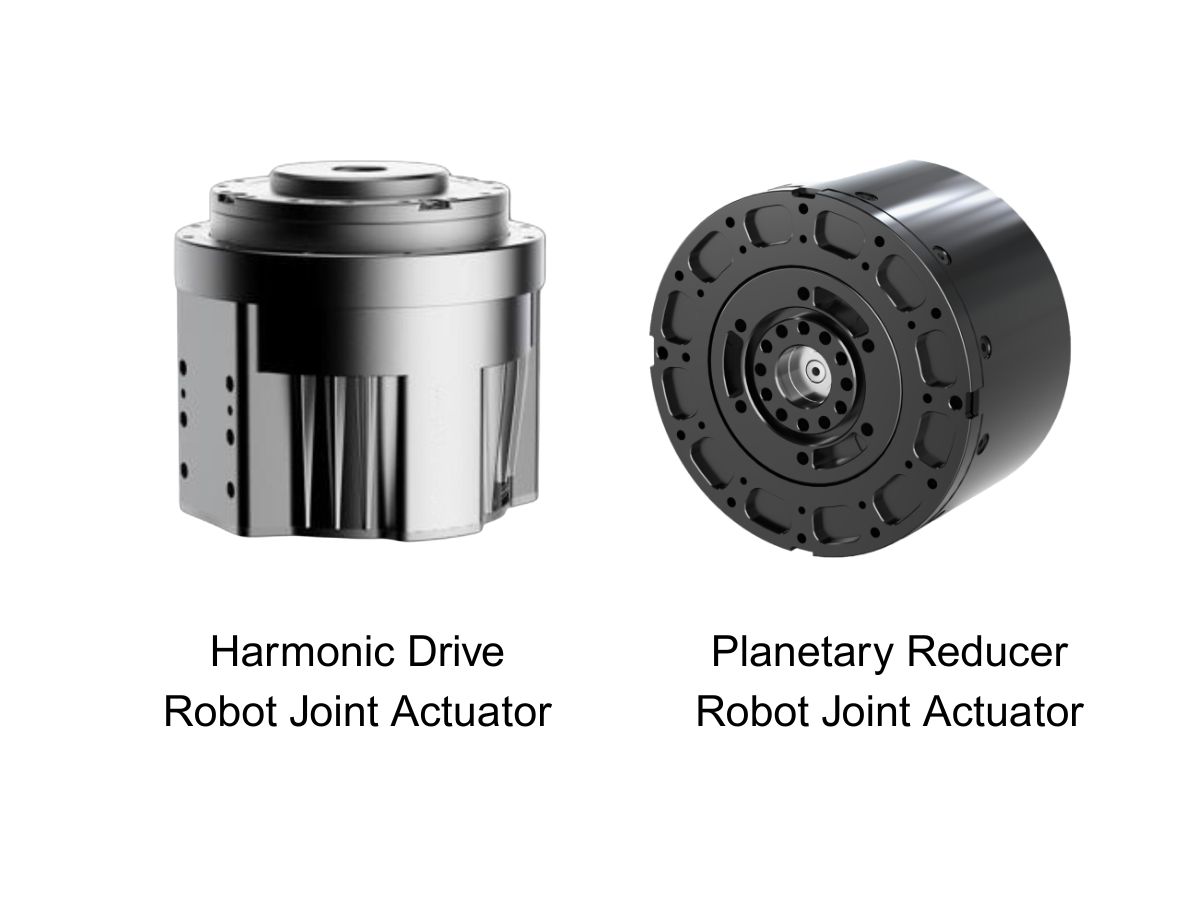
 What is robot joint actuator?How to Choose the Best Robot Rotary Joint Actuator?In core robot joint transmission solutions, planetary and harmonic rotary actuators each have their own strengths. Choosing the right type based on application requirements is essential to achieve the optimal balance between performance and cost.
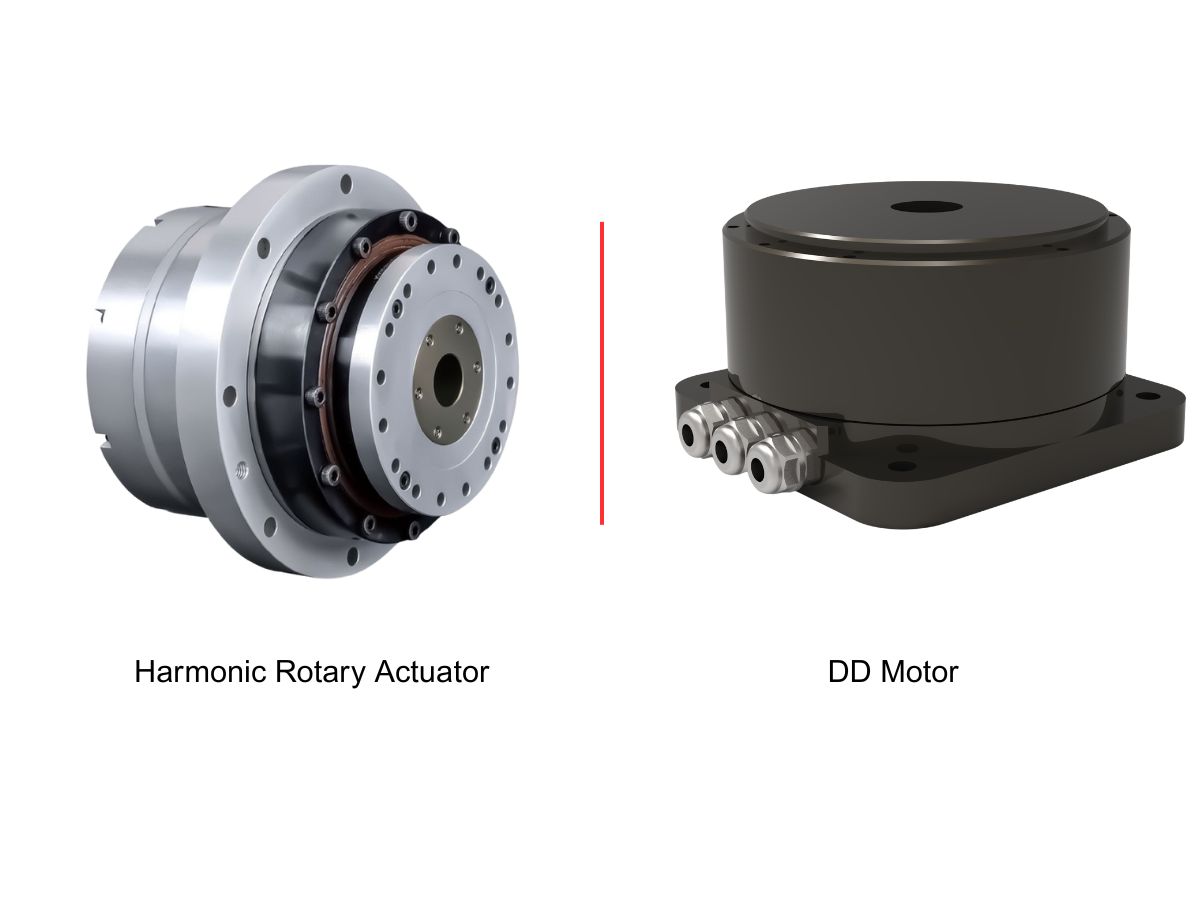
 DD Motors VS Harmonic Rotary ActuatorsThis article provides an in-depth comparison between Direct Drive (DD) motors and harmonic rotary actuators, covering their transmission principles, advantages and disadvantages, and typical application fields.
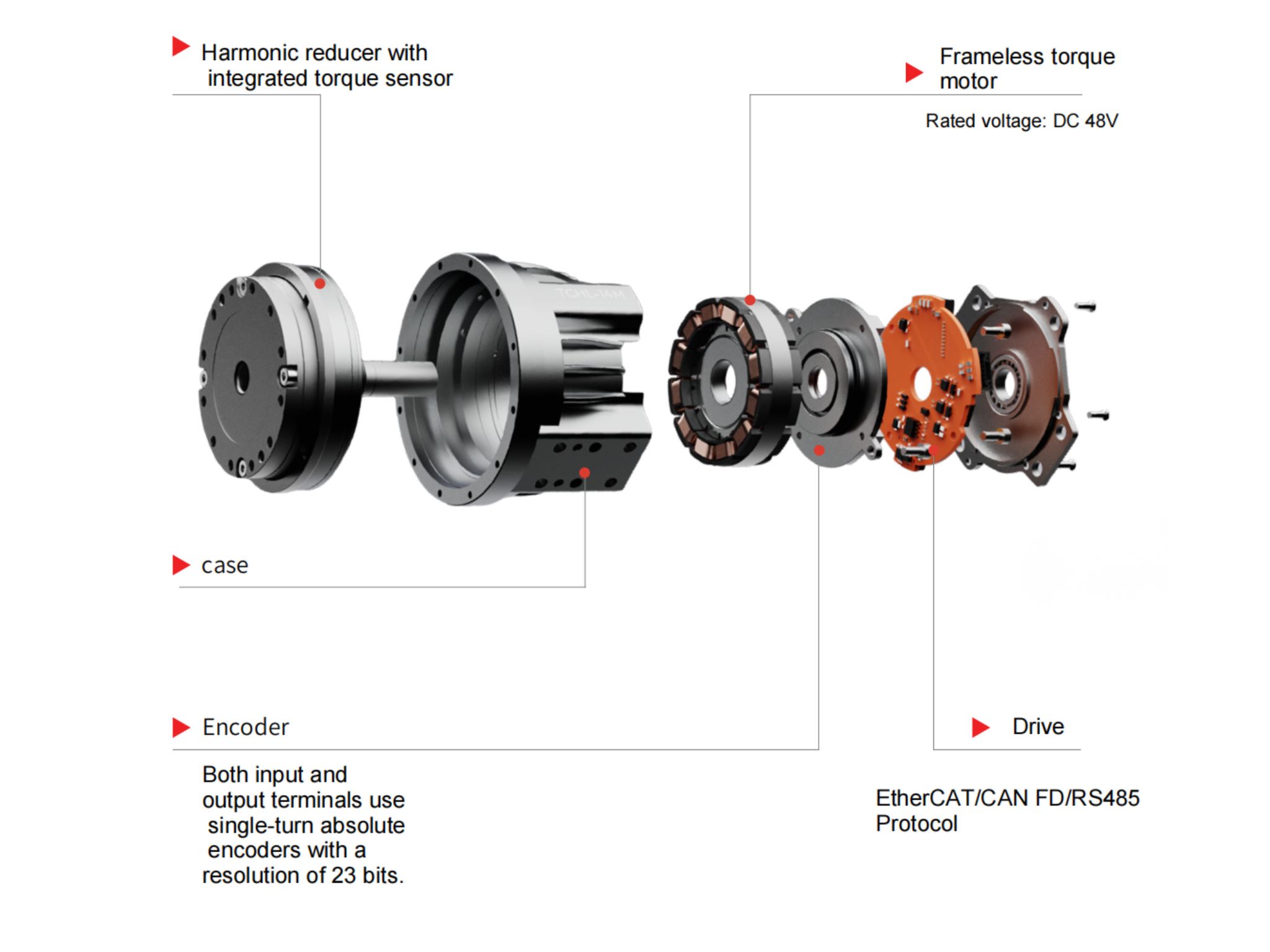
 OMG Ultra Compact Harmonic Drive Joint Module with Built-in Torque SensorHONPINE TCHL series harmonic drive joint module is a game-changing product that achieves disruptive improvements in multiple aspects such as lightweight design, integration level, and connection convenience. This article will analyze its revolutionary enhancements with you.
 The Role of Harmonic Drive Gears in Achieving 5–10 μm Accuracy in Dental Milling MachinesA dental milling machine is a CNC machining system used to directly process digital dental models into restorations such as crowns, bridges, veneers, inlays, and implant abutments. Dental milling machines require far higher operational accuracy and motion stability than ordinary equipment. This article explains how harmonic drive gear help dental milling machines achieve stable, continuous, and controllable operation.
 Why Are Harmonic Rotary Actuators Perfect for Medical Equipment?Harmonic rotary actuators (typically integrated systems consisting of a harmonic drive reducer, frameless torque motor, encoder, and optional brake) are regarded as key components in medical equipment. The core reason is that they simultaneously meet the most stringent medical requirements for precision, compact size, safety, and controllability. The following explanation is structured from three perspectives: technical characteristics, application scenarios, and medical value.
 High-Precision RV Reducers Perfectly Matched for Walking RobotsThe walking axis of a robot is a core component for power transmission and support. RV reducers provide extremely high rigidity, precision, and torque while maintaining a compact size and exceptional reliability, making them an ideal match for the demanding requirements of walking robot joints in terms of load capacity, impact resistance, and precision.
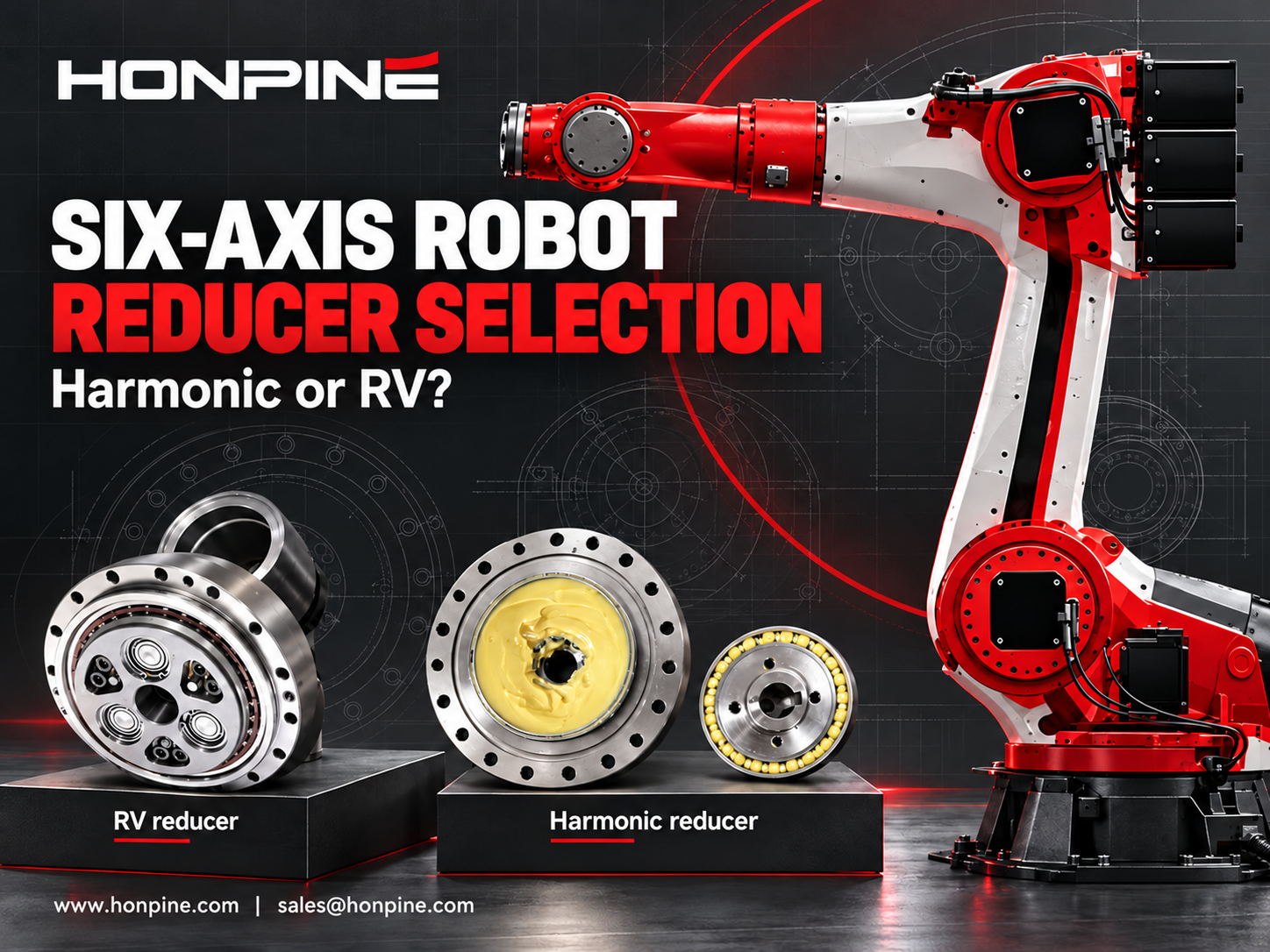
 How to Select Harmonic and RV Reducers for Each Axis of a Six-Axis Robot?What determines whether a six-axis robot joint needs a harmonic reducer or an RV reducer? The answer depends on torque, inertia, impact loads, bearing loads and installation space. This guide explains how to evaluate harmonic and RV reducers for the base, shoulder, elbow and wrist, with practical checks for stiffness, backlash and service life. Use the requirements of each axis to select a suitable reducer configuration.
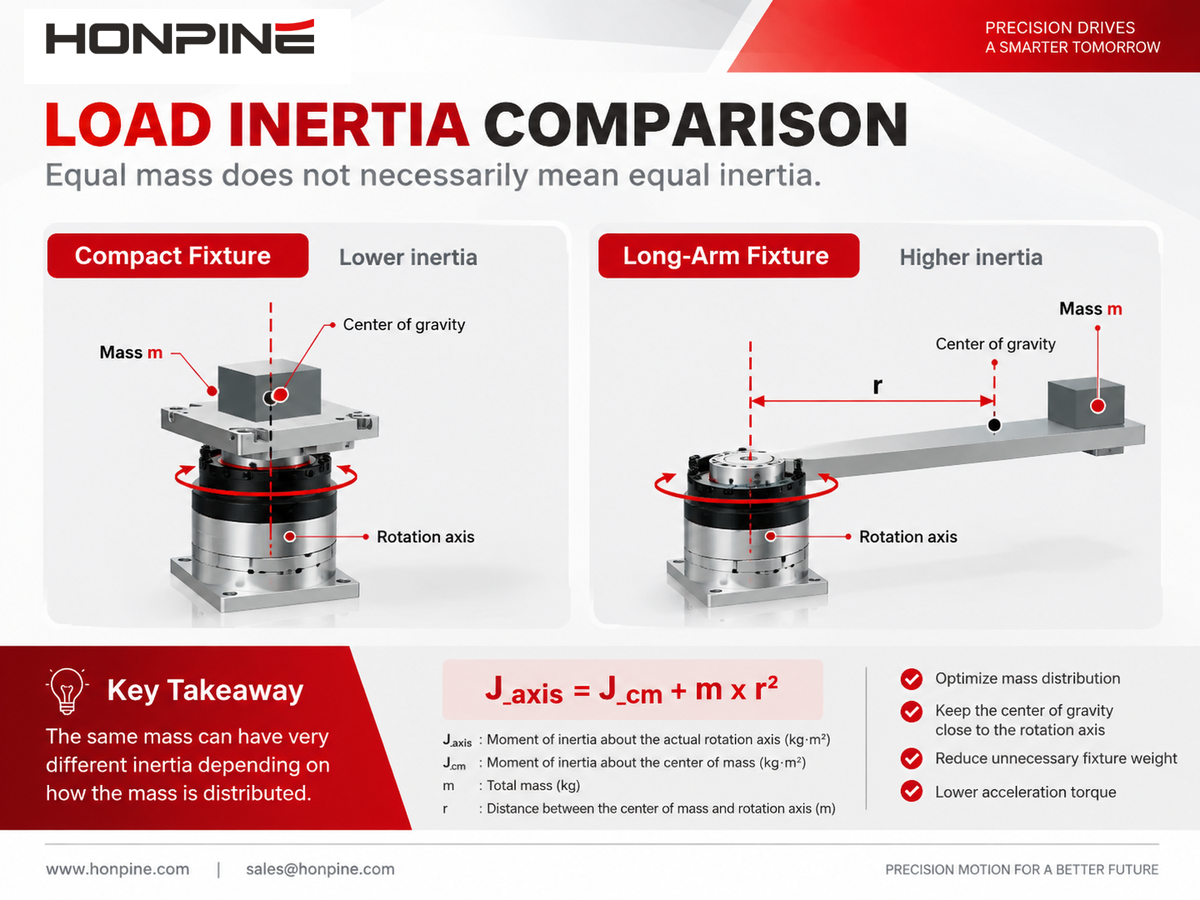
 How to Calculate Torque for a Harmonic Rotary Actuator in a Flipping Mechanism?How much torque does a harmonic rotary actuator need to flip a 10 kg load through 180 degrees? The answer depends on more than weight. Center-of-gravity offset, load inertia, acceleration and operating frequency all affect actuator selection. In this guide, Theodore Li, Technical Director at HONPINE, explains the calculation process using a horizontal-axis flipping example and outlines the checks needed for peak torque, continuous operation, output speed and bearing loads.
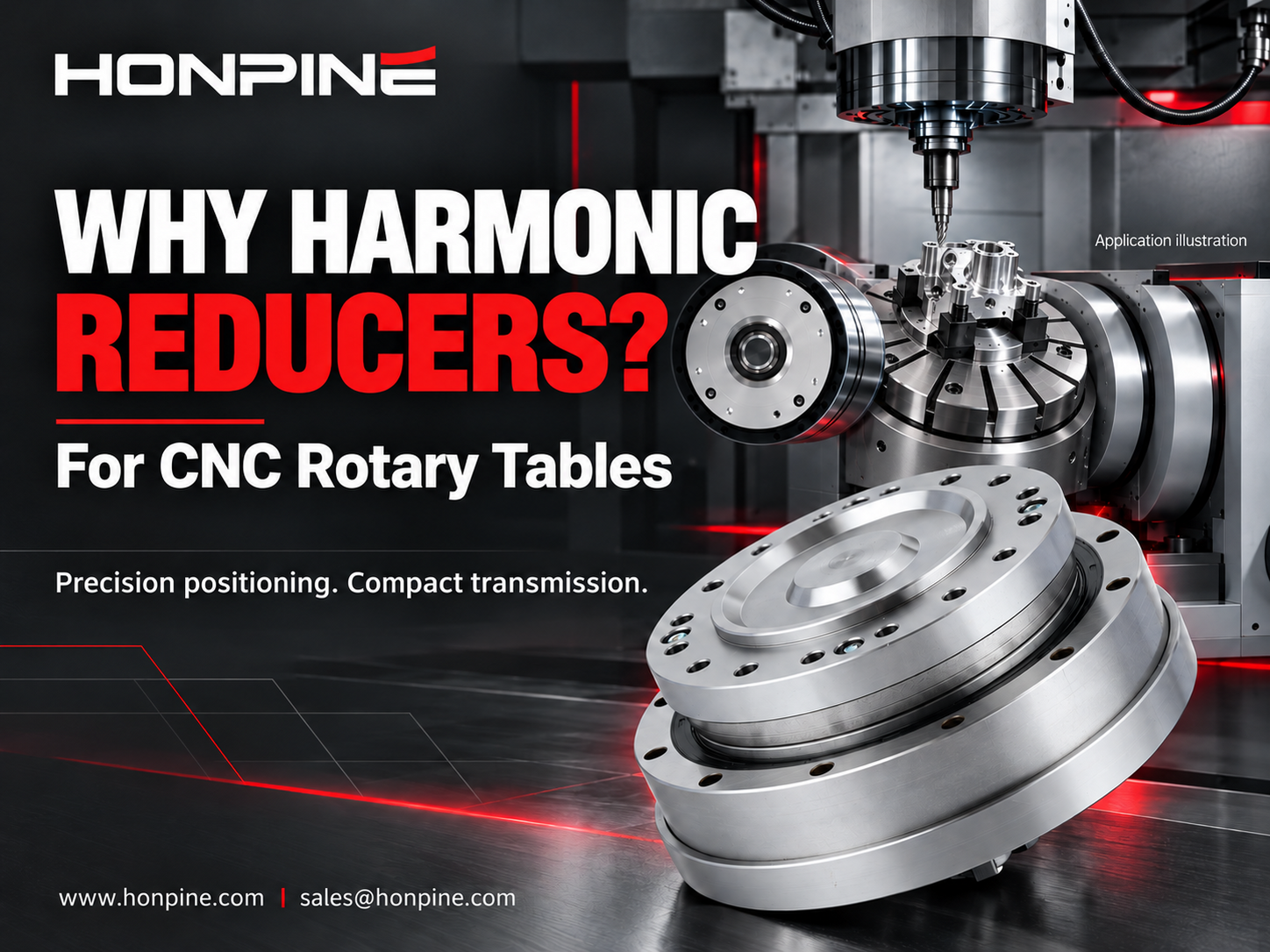
 Why Are Harmonic Reducers Suitable for CNC Machine Tool Rotary Tables?Why choose harmonic reducers for CNC rotary tables? Accurate indexing depends on more than the motor: backlash, torsional stiffness and torque capacity all affect how reliably a rotary table holds its position during machining. This guide explains the key transmission requirements of fourth and fifth axis rotary tables, explores common machine tool applications, and introduces HONPINE harmonic reducer configurations for different installation and load requirements.
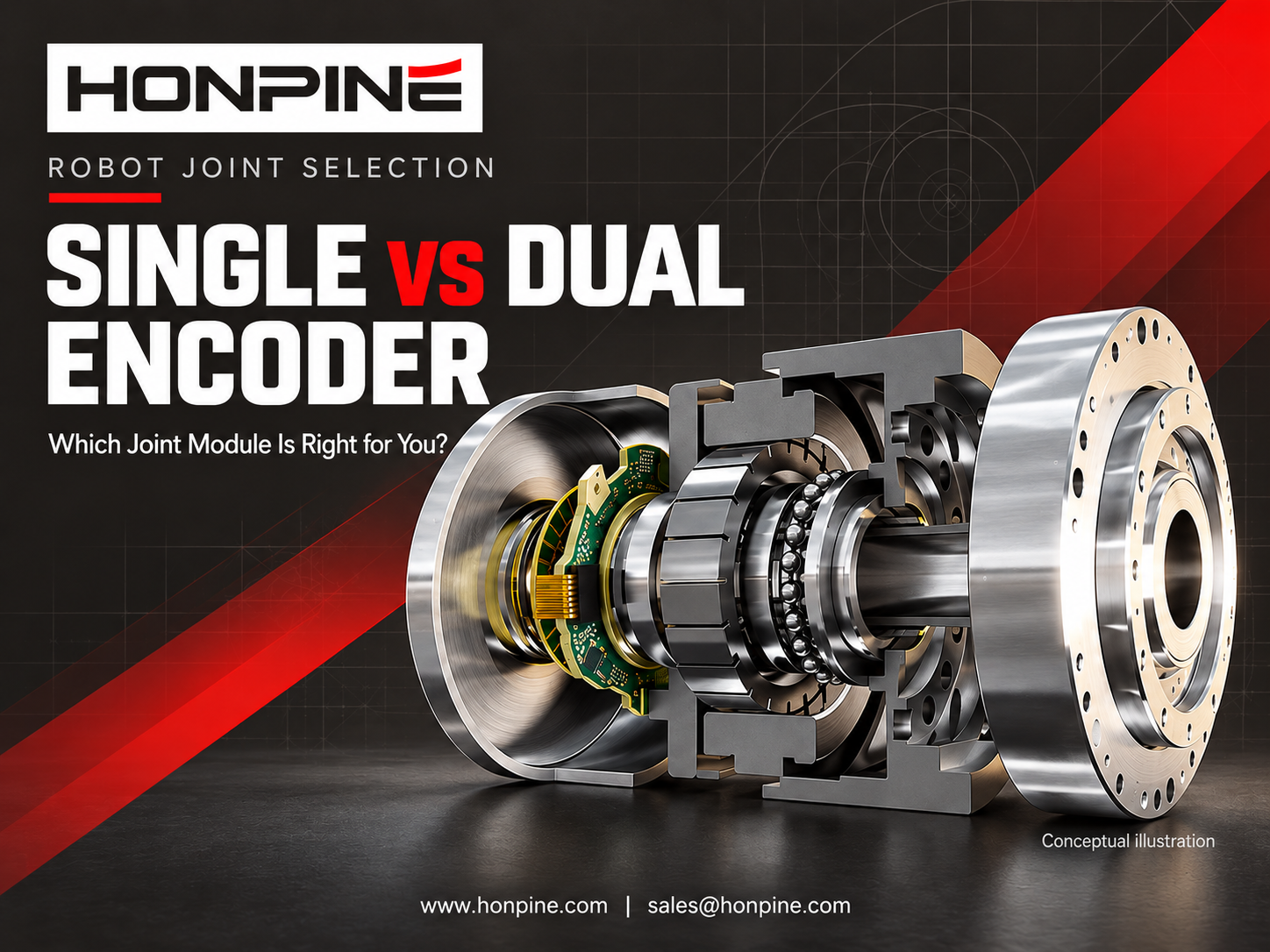
 What’s the Difference Between Single and Dual Encoder Robot Joint Modules?Does your robot need a dual encoder joint module, or is a single encoder enough? The answer depends on positioning requirements, transmission behavior, force control strategy and budget. This guide compares motor-side and output-side feedback, explains where dual encoders can improve control, and examines their costs and limitations. Learn when a single encoder can meet your needs and when additional output feedback is worth considering.
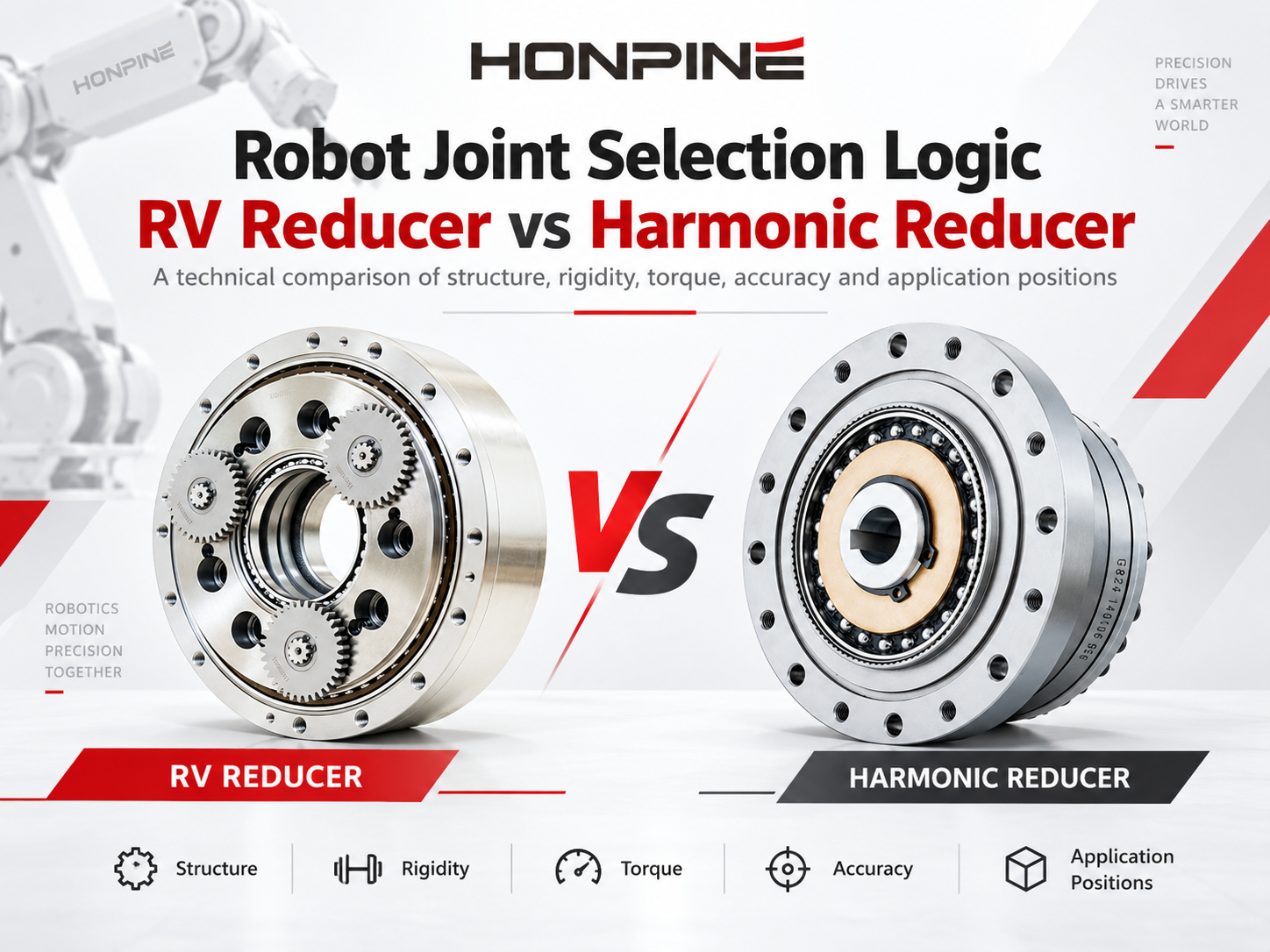
 RV vs Harmonic Reducer: How to Choose the Right Gearbox for Robot Joints?RV vs harmonic reducer: which gearbox is right for your robot joint? The answer depends on torque, rigidity, accuracy, installation space and operating conditions. This guide compares their working principles and five key performance factors, then explains how to evaluate joint loads, reducer life, temperature and lubrication. Whether you are designing a robot base, shoulder, elbow or wrist, use these considerations to match the reducer to the requirements of each joint.
 How to Find a Reliable Robotic Joint Actuator Supplier?Choosing the right robotic joint actuator supplier is essential for reliable performance, smooth integration and long-term project success. Beyond product specifications, you need to understand a supplier’s technical expertise, production capacity and after-sales support. In this guide, Allen Li, Founder of HONPINE, explains how to assess these three factors when sourcing harmonic and planetary joint actuators for robotics and industrial automation.
Double Click
We provide harmonic drive reducer,planetary reducer,robot joint motor,robot rotary actuators,RV gear reducer,robot end effector,dexterous robot hand
 China Tightens Export Filing for CNC Machine ToolsCNC machine tools exporters and buyers should prepare now: China tightens export filing for lathes, milling and grinding machines from June 30, 2026, raising compliance and customs demands.
 Japan Tightens Export Review for High-End Five-Axis Machine ToolsFive-axis CNC machine tools face stricter Japan export review from August 16, 2026. Learn how longer approvals may disrupt supply, procurement, and sourcing strategy.
 Japan Tightens Approvals for High-End Five-Axis ExportsFive-axis CNC machine tool exports from Japan face tighter approvals, longer lead times, and higher risk. Learn how this shift impacts buyers, distributors, and supply chains.
 China Curbs Dual-Use Exports to 14 EU EntitiesChina curbs dual-use exports to 14 EU entities, disrupting CNC machine tool supply chains, servo motor sourcing, and compliance planning. Learn the immediate risks and actions now.
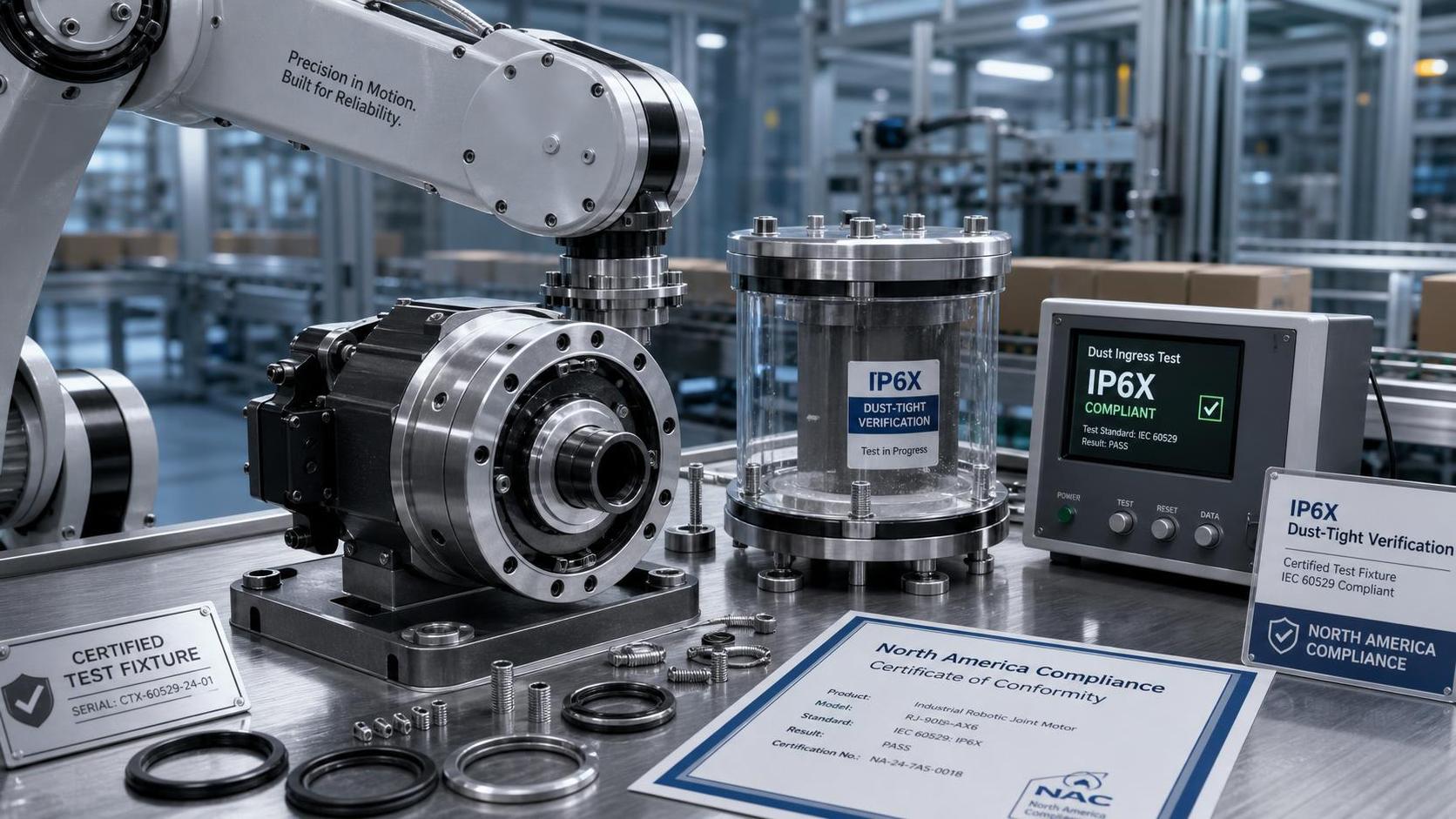
 UL 1604:2026 Tightens Dust Rules for Robot Joint MotorsUL 1604:2026 Tightens Dust Rules for Robot Joint Motors with new dust-environment, temperature-group, and IP6X checks. Learn how this impacts OEM exports, sourcing, and certification planning.
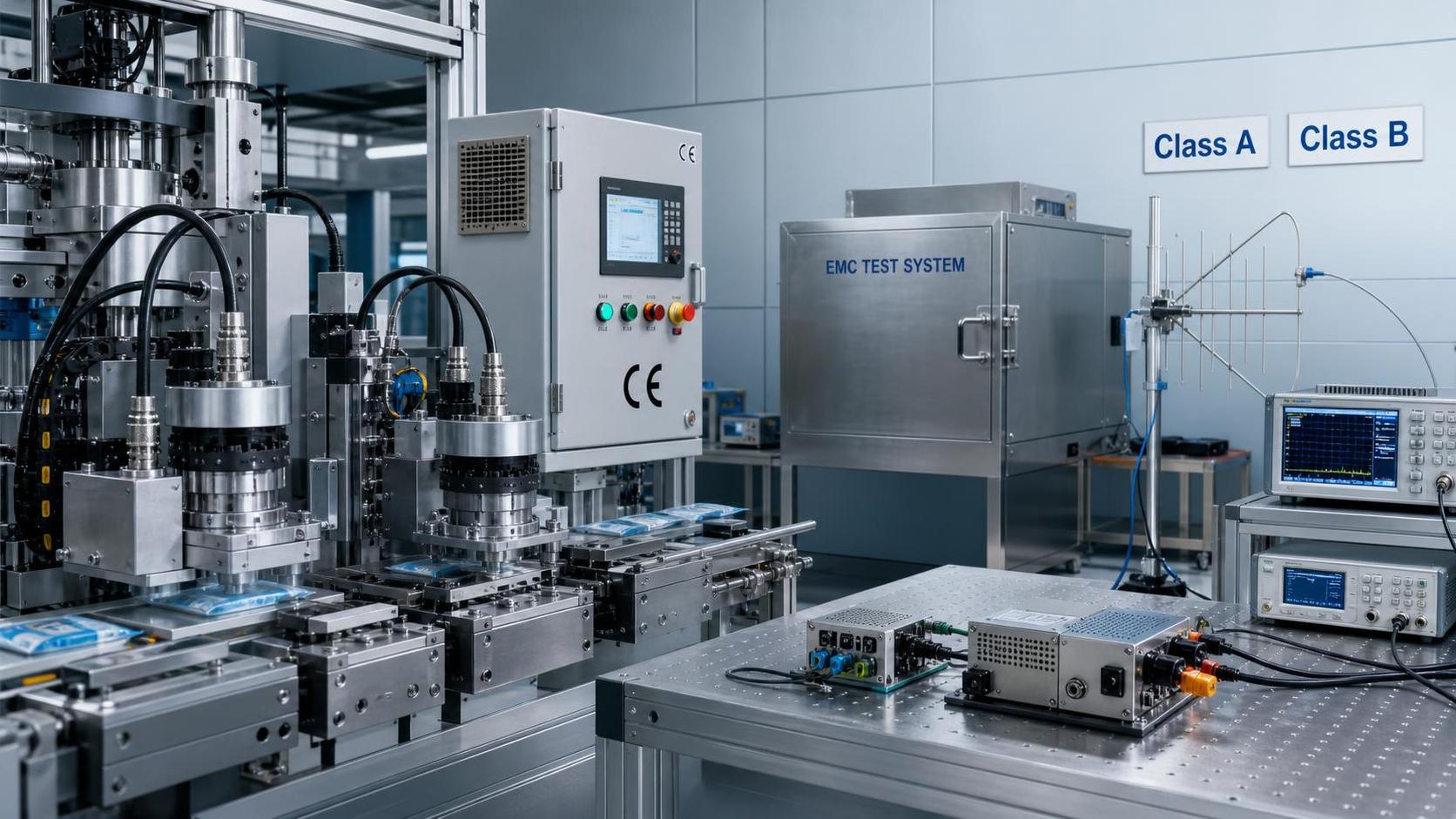
 EU EN IEC 61800-3:2025 Takes Effect for Harmonic DrivesEN IEC 61800-3:2025 reshapes EU EMC compliance for harmonic drives. Learn how CE marking, Class A/B testing, certification, and delivery timelines may impact exporters and buyers.
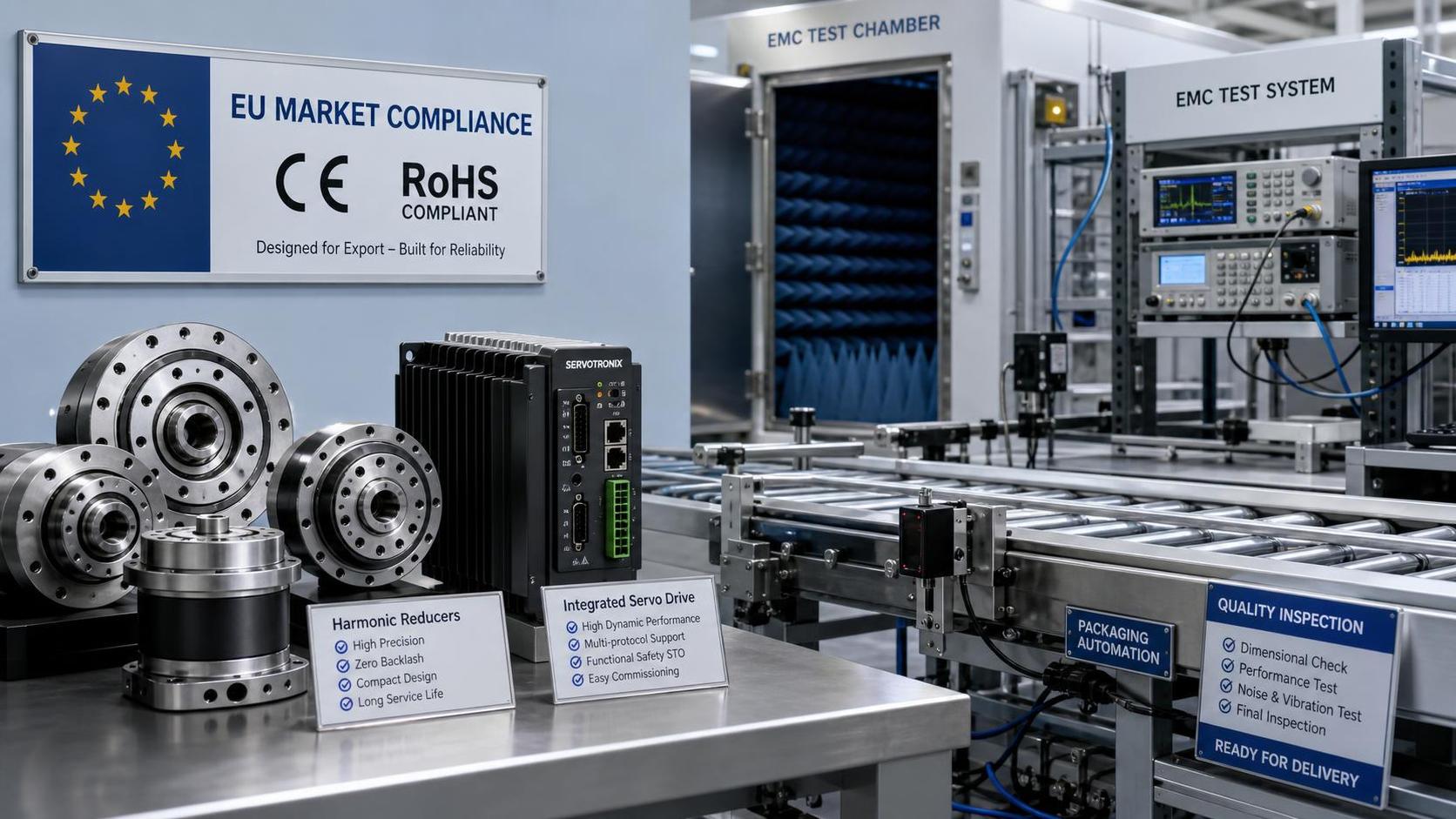
 EU Mandates EMC Testing for Harmonic Drive ReducersHarmonic drive reducers face new EU EMC testing rules from Aug 1, 2026. Learn how the mandate impacts packaging machinery exports, compliance, customs clearance and market access.
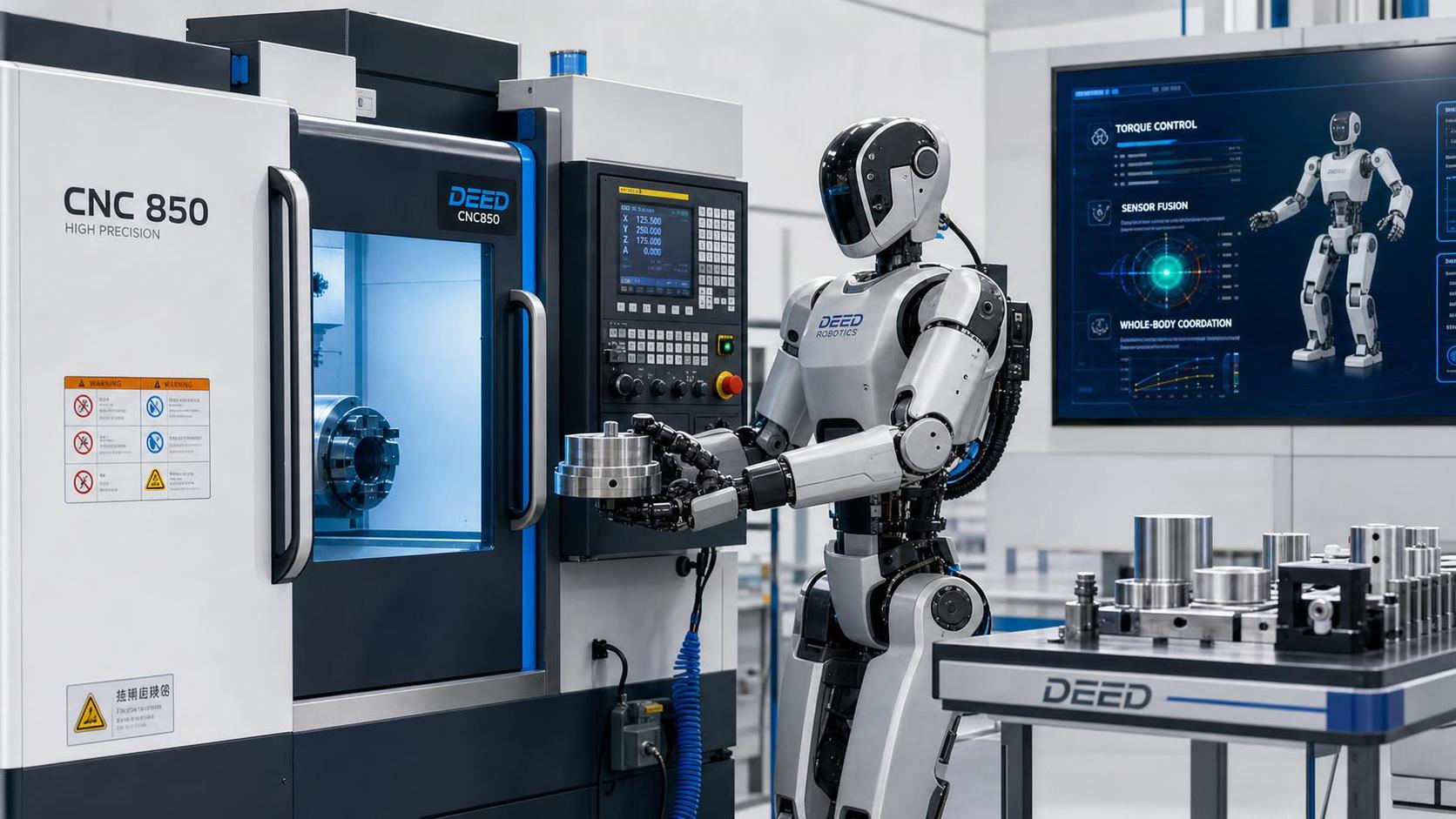
 Top Motion Control Technologies for Humanoid Robots in 2026Top motion control technologies for humanoid robots in 2026: discover how MPC, torque control, sensor fusion, and real-time coordination improve machine tool automation, safety, and uptime.
 Hollow Shaft Harmonic Gear Reducer Explained: Structure, Benefits & ApplicationsHollow Shaft Harmonic Gear Reducer explained for machine tool equipment—discover its structure, precision benefits, compact design advantages, and key applications for smarter motion control.
 How to Choose a Joint Motor for High-Speed ApplicationsJoint motor for high-speed applications: learn how to choose the right solution for machine tools with better precision, cooling, torque, and stability to boost performance.
 Why Harmonic Drive Actuators Improve the Performance of Microscope Optical PlatformsHarmonic Drive Actuators improve microscope optical platforms with near-zero backlash, high precision, low vibration, and compact design—ideal for stable imaging and repeatable motion.
 METI Adds HAG Harmonic Drives to Export License ListHAG harmonic drives now face METI export license controls. Learn how the July 8 update affects OEM delivery, procurement timing, and shipments to China, Vietnam, and Mexico.