


Top Motion Control Technologies for Humanoid Robots in 2026
Why motion control is the real bottleneck for humanoid robots in machine tool environments
As humanoid robots move from labs into real industrial environments, motion control is becoming the core technology that defines precision, safety, and adaptability. In 2026, the top motion control technologies for humanoid robots will shape how manufacturers in the machine tool equipment industry improve automation, coordination, and production efficiency. This article explores the key innovations, practical applications, and emerging trends that will influence next-generation robotic performance.
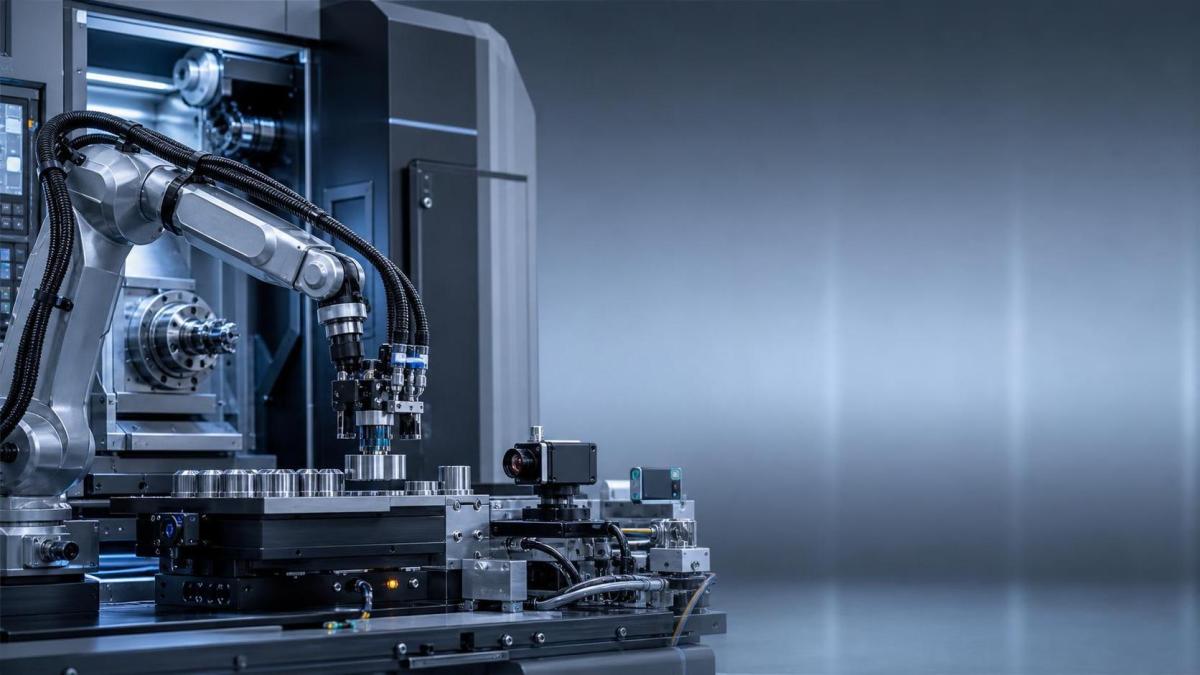
In machine tool workshops, the challenge is not just making a humanoid robot walk, pick, or imitate a human arm. The harder part is making it do those things near cutting fluids, chip buildup, guarded doors, variable workpiece positions, and cycle-time pressure. A humanoid that looks impressive in a demo can still fail on a shop floor if its joints cannot handle repeated micro-corrections, if its balance control reacts too slowly, or if its trajectory planning ignores the behavior of the machine it is serving.
That is why the conversation in 2026 is less about whether humanoids are possible and more about which motion control stack can actually survive industrial use. For machine tool equipment companies, the useful question is practical: which technologies help a robot load parts, open doors, align with fixtures, recover from contact, and keep operators safe without turning integration into a never-ending tuning exercise?
Full-body model predictive control is moving from research into deployment
One of the most important advances is full-body model predictive control, often shortened to MPC. In simple terms, it lets the robot calculate near-future body and joint behavior continuously instead of following a fixed path and hoping reality matches the plan. That matters a lot in front of CNC machines, grinders, and automation cells where the robot may need to adjust its stance while reaching into a confined space.
Traditional trajectory control works well in highly repeatable Cartesian systems. Humanoids are different. Their many degrees of freedom make them versatile, but they also create more opportunities for instability, singularities, and cumulative positioning error. MPC helps by considering balance, contact forces, joint limits, and motion objectives at the same time. In a machine tool scenario, that can mean the robot shifts its center of mass before pulling a heavy chuck door, instead of reacting after the disturbance has already started.
The tradeoff is computational demand. Integrators need to look beyond the control algorithm itself and check whether the edge compute hardware, servo loop timing, and network latency are good enough. A clever control strategy with inconsistent real-time performance usually creates more trouble than a simpler one running deterministically.
Torque control and force-aware actuation are becoming non-negotiable
Position control alone is rarely enough for humanoid robots working around machine tools. Loading a raw blank into a fixture, pushing a drawer, seating a part against a stop, or turning a handle all require controlled interaction. If the robot only knows where its joints should be, but not how much force it is applying, contact becomes crude and risky.
That is why high-quality torque control, series elastic actuation in some designs, and integrated force sensing are central technologies for 2026. The goal is not softness for its own sake. It is controlled compliance. In the machine tool industry, a robot often needs to be stiff enough to place a workpiece accurately, but compliant enough to avoid damaging a fixture or jamming when tolerances stack up in the real world.
A common mistake is assuming more rigid actuation always means better industrial performance. For fixed gantry systems, maybe. For humanoids, not necessarily. If the robot cannot detect and regulate contact smoothly, even a small misalignment during machine tending can trigger fault states, part drops, or repeated cycle interruptions.
Sensor fusion is what turns motion control into usable behavior
The next layer is sensor fusion. Humanoid robots do not control motion from encoders alone. They need to combine joint feedback, inertial measurement, vision, force data, foot contact sensing, and sometimes tactile feedback. In industrial settings, this matters because the environment is never as clean as a lab model suggests.
A machine tool door may stop a few millimeters short because of chips. A pallet may not sit exactly where the digital twin says it should. A bin of finished parts may present reflections or oily surfaces that confuse vision. Good sensor fusion allows the control system to correct motion before the error becomes a collision or a failed pick.
For buyers and engineering teams, this is worth evaluating carefully. It is easy to be distracted by AI perception claims, but in actual machine tending, the issue is often whether perception updates fast enough and integrates tightly enough with the motion loop. A robot that sees well but reacts slowly is still a problem.
Whole-body coordination is replacing isolated joint optimization
In 2026, better humanoid performance is coming from whole-body coordination rather than simply improving individual actuators. On a shop floor, an arm movement affects posture, foot loading, stability margin, and reachable workspace. That sounds obvious, but many deployments still treat these as separate control problems.
For example, when a humanoid reaches into a vertical machining center to remove a finished part, the wrist path is only one piece of the task. The robot may need to rotate its torso, compensate for asymmetric payload, maintain safe clearance around the spindle area, and prepare a stable retreat path while holding the part. Whole-body control handles these dependencies better than a stacked set of local corrections.
This is especially relevant in machine tool facilities where aisle width, guarding layout, and operator traffic may limit the robot’s approach angle. In those conditions, the best controller is often the one that can solve awkward movement constraints gracefully, not the one with the highest top speed on paper.
Learning-based motion adaptation is useful, but only with strict boundaries
Learning-based control is getting better, particularly for gait adaptation, grasp refinement, and contact-rich tasks. But in machine tool applications, it should be treated as a bounded enhancement, not a free pass to unpredictability. Shops care about repeatability, maintainability, and safety. They do not want a robot that “discovers” a new motion style every week.
The more realistic direction is hybrid control: physics-based motion control for safety-critical and deterministic behavior, plus learned policies for adaptation within a defined envelope. That can work well when handling part variation, recovering from slight fixture offsets, or adjusting gait over uneven floor transitions. It is less convincing when used as a substitute for proper task engineering.
If a supplier presents learning as the answer to every problem, it is worth asking how the system is validated, how behavior updates are controlled, and how rollback is handled after a bad tuning cycle. Those questions matter more than slick demo videos.
Real-time industrial communication is now part of the motion control discussion
For humanoid robots in machine tool equipment lines, motion control is no longer confined to drives and controllers. It depends heavily on communication quality with PLCs, safety systems, machine interfaces, and peripheral devices. When the robot must coordinate with door open signals, chuck status, spindle stop confirmation, or pallet transfer timing, network behavior becomes part of motion behavior.
This is where some projects become harder than expected. The robot may be mechanically capable, but if command timing, state synchronization, or safety handshakes are inconsistent, the result is hesitation and lost cycle efficiency. In practice, a humanoid serving a machine tool often needs a control architecture that respects both robotic dynamics and established industrial automation logic.
There is no single protocol answer for every plant. Existing machine platforms, controller ecosystems, and local safety requirements usually determine what is realistic. But the broader point holds: in 2026, motion control performance is increasingly tied to integration quality, not just robot hardware.
What really matters in machine tool applications
Not every motion control innovation deserves equal attention. For machine tool equipment users, a few criteria usually matter more than headline features.
That last point is easy to underestimate. A motion control system can be technically impressive and still be a poor fit if every process change requires deep vendor involvement. Machine tool production changes too often for that.
A likely 2026 direction: less showmanship, more task-specific maturity
The top motion control technologies for humanoid robots in 2026 are not just about faster movement or smoother walking. The stronger trend is convergence: predictive control, force regulation, sensor fusion, and real-time coordination are being combined into more reliable task execution. That is exactly what industrial users need.
In the machine tool sector, humanoids will not replace every dedicated automation system. In many high-volume lines, fixed robots and custom loaders will still make more sense. But where product mix changes frequently, floor layouts are constrained, or manual machine tending remains hard to staff, humanoids become more interesting. Motion control is the deciding layer that will separate useful deployments from expensive experiments.
If you are evaluating these systems, look past the walking demo. Ask how the robot manages contact, how it behaves when vision is imperfect, how quickly it recovers from slight disturbances, and how tightly it integrates with machine tool logic. Those are the details that usually decide whether a humanoid can earn its place beside real production equipment.
Read More
Learn more about the story of HONPINE and industry trends related to precision transmission.
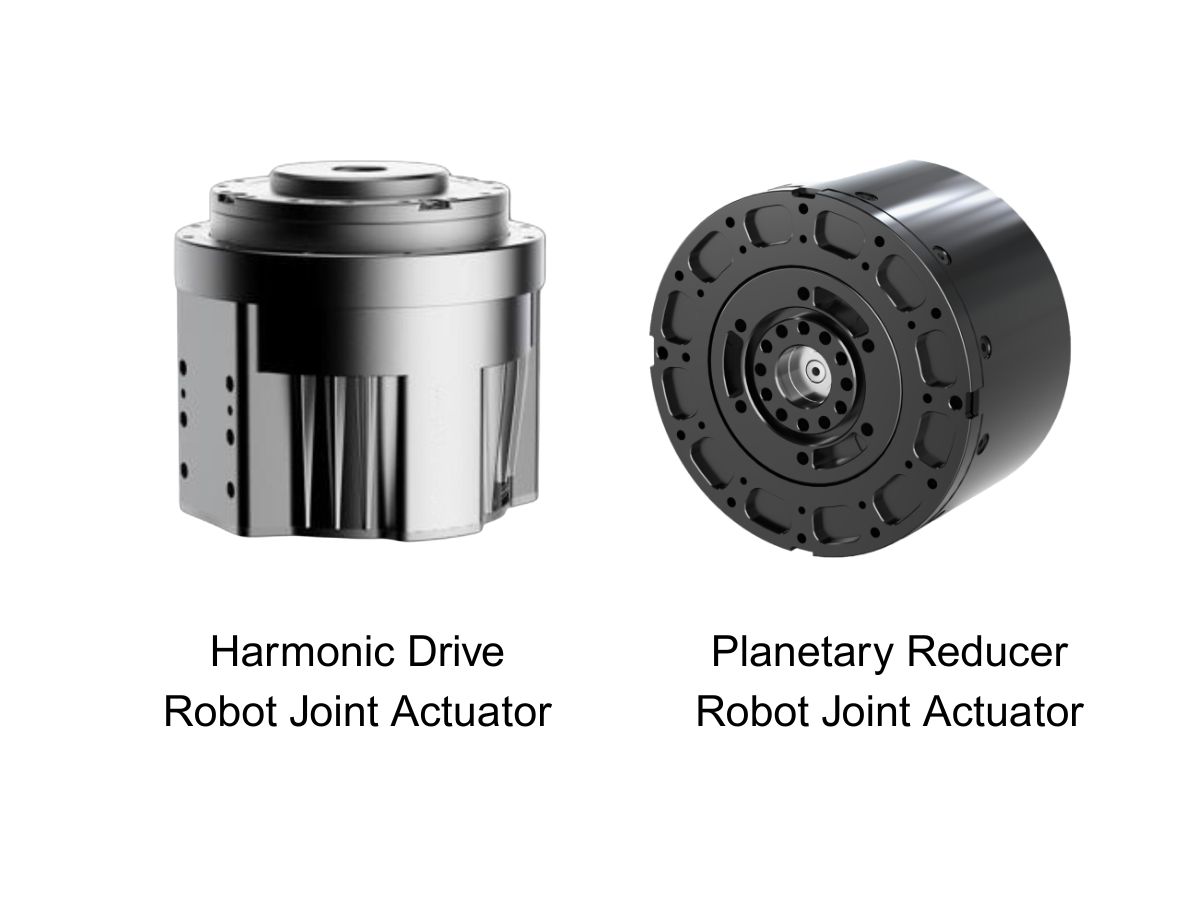
 What is robot joint actuator?How to Choose the Best Robot Rotary Joint Actuator?In core robot joint transmission solutions, planetary and harmonic rotary actuators each have their own strengths. Choosing the right type based on application requirements is essential to achieve the optimal balance between performance and cost.
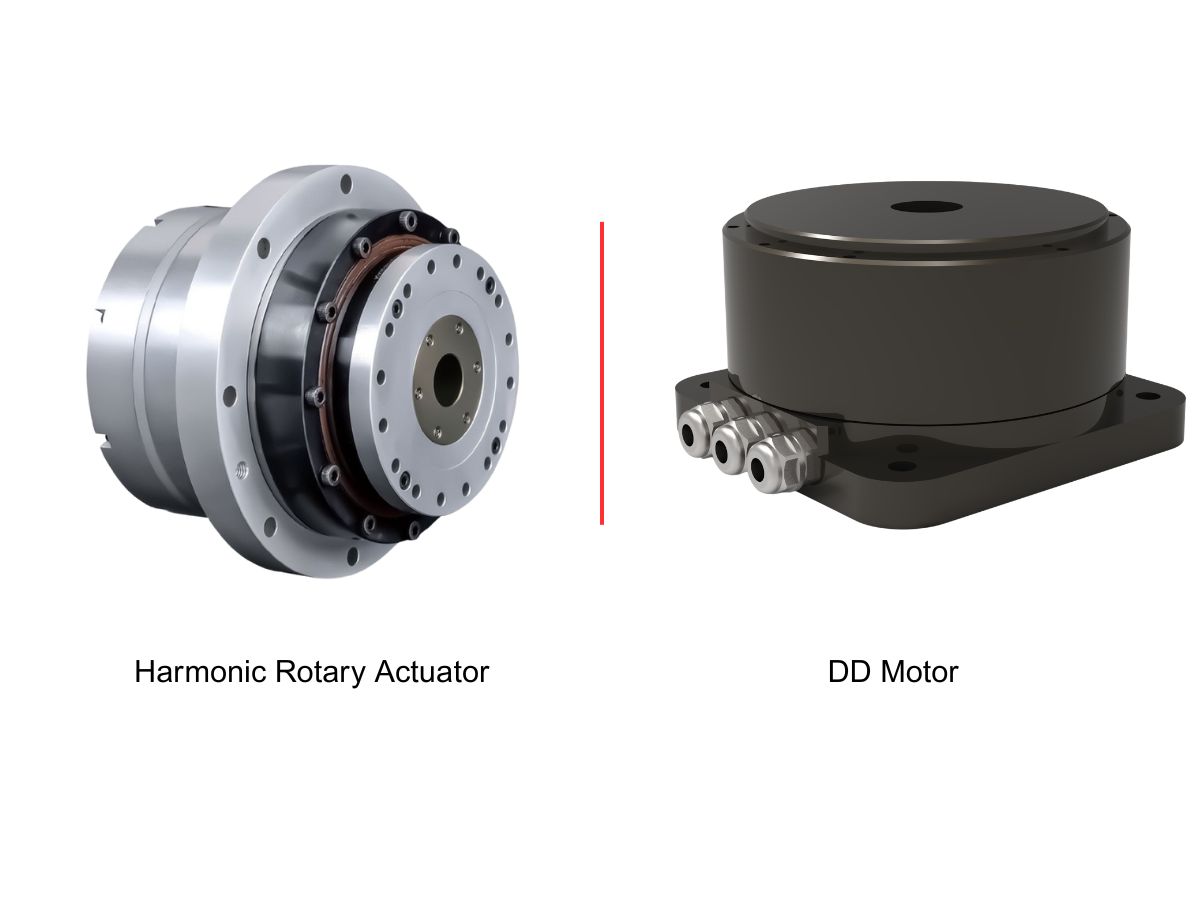
 DD Motors VS Harmonic Rotary ActuatorsThis article provides an in-depth comparison between Direct Drive (DD) motors and harmonic rotary actuators, covering their transmission principles, advantages and disadvantages, and typical application fields.
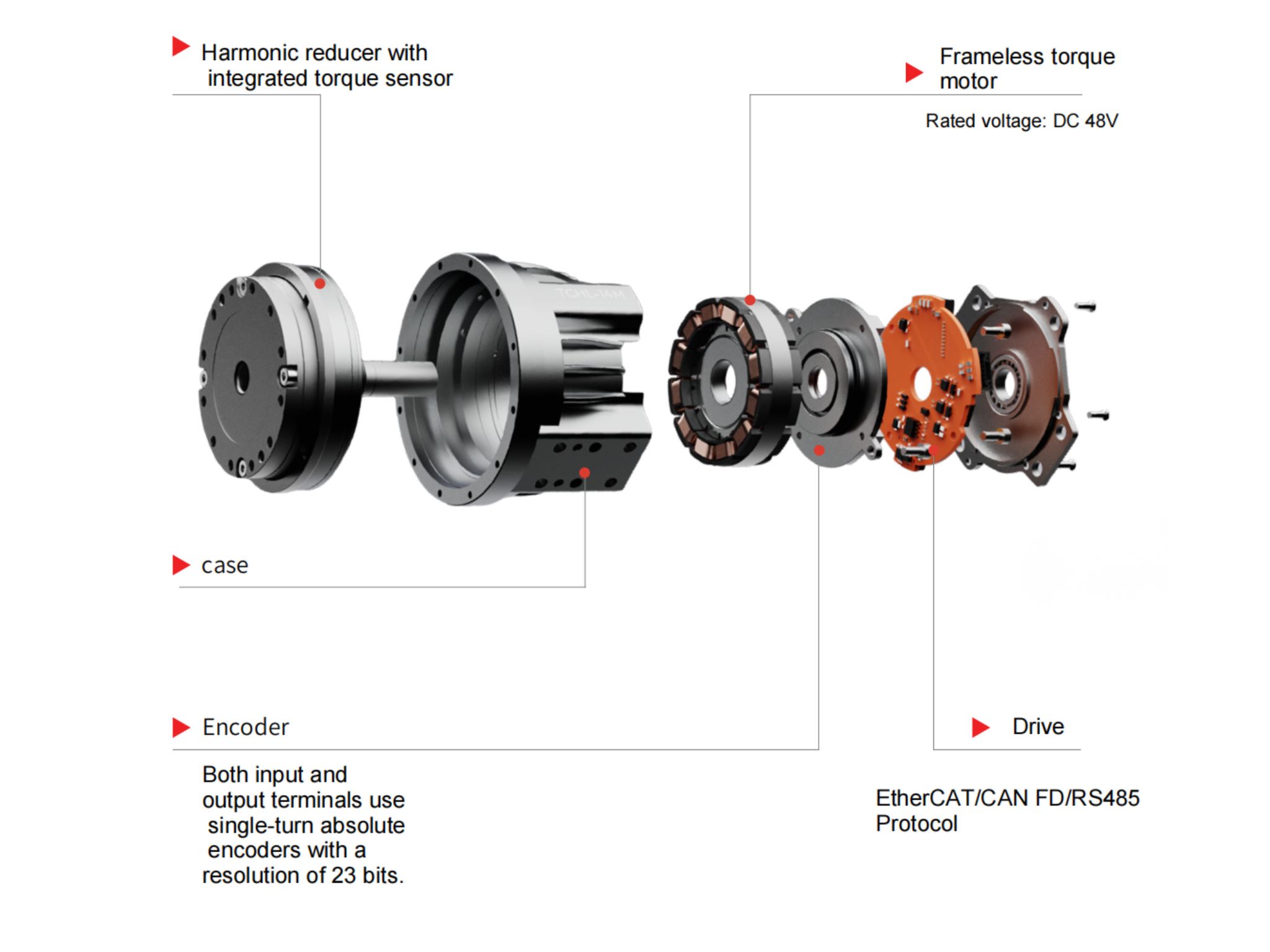
 OMG Ultra Compact Harmonic Drive Joint Module with Built-in Torque SensorHONPINE TCHL series harmonic drive joint module is a game-changing product that achieves disruptive improvements in multiple aspects such as lightweight design, integration level, and connection convenience. This article will analyze its revolutionary enhancements with you.
 The Role of Harmonic Drive Gears in Achieving 5–10 μm Accuracy in Dental Milling MachinesA dental milling machine is a CNC machining system used to directly process digital dental models into restorations such as crowns, bridges, veneers, inlays, and implant abutments. Dental milling machines require far higher operational accuracy and motion stability than ordinary equipment. This article explains how harmonic drive gear help dental milling machines achieve stable, continuous, and controllable operation.
 Why Are Harmonic Rotary Actuators Perfect for Medical Equipment?Harmonic rotary actuators (typically integrated systems consisting of a harmonic drive reducer, frameless torque motor, encoder, and optional brake) are regarded as key components in medical equipment. The core reason is that they simultaneously meet the most stringent medical requirements for precision, compact size, safety, and controllability. The following explanation is structured from three perspectives: technical characteristics, application scenarios, and medical value.
 High-Precision RV Reducers Perfectly Matched for Walking RobotsThe walking axis of a robot is a core component for power transmission and support. RV reducers provide extremely high rigidity, precision, and torque while maintaining a compact size and exceptional reliability, making them an ideal match for the demanding requirements of walking robot joints in terms of load capacity, impact resistance, and precision.
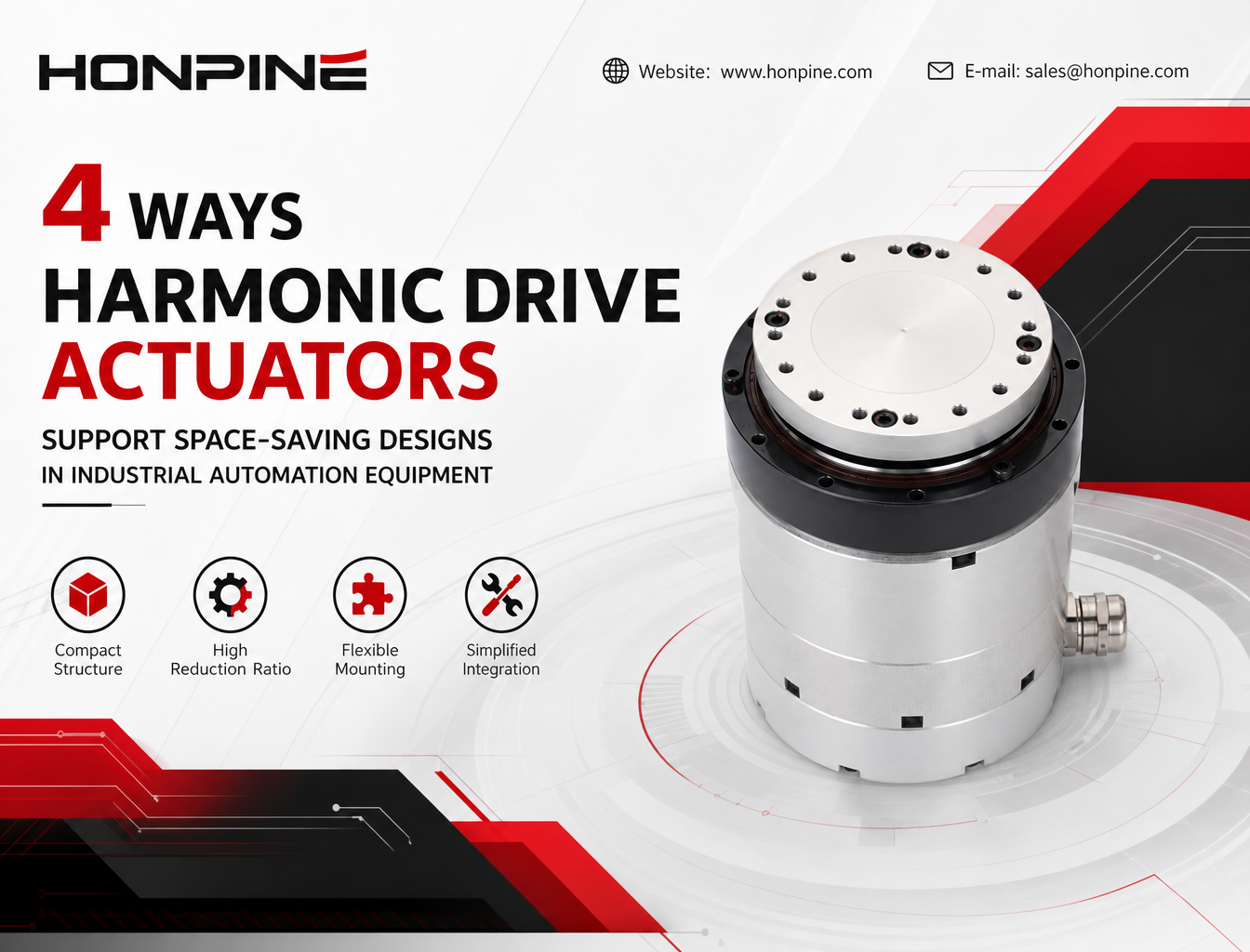
 Why Are Harmonic Drive Actuators Ideal for Space-Constrained Industrial Automation Equipment?In modern industrial automation, limited installation space often makes mechanical design more challenging. Harmonic drive actuators offer a compact motion-control solution by integrating key drive components into a single unit. Their high reduction ratios, streamlined mechanical structures, and flexible mounting options can help equipment manufacturers reduce space requirements, simplify assembly, and optimize internal layouts. This article explores four ways integrated harmonic drive actuators support space-saving designs in industrial automation equipment.
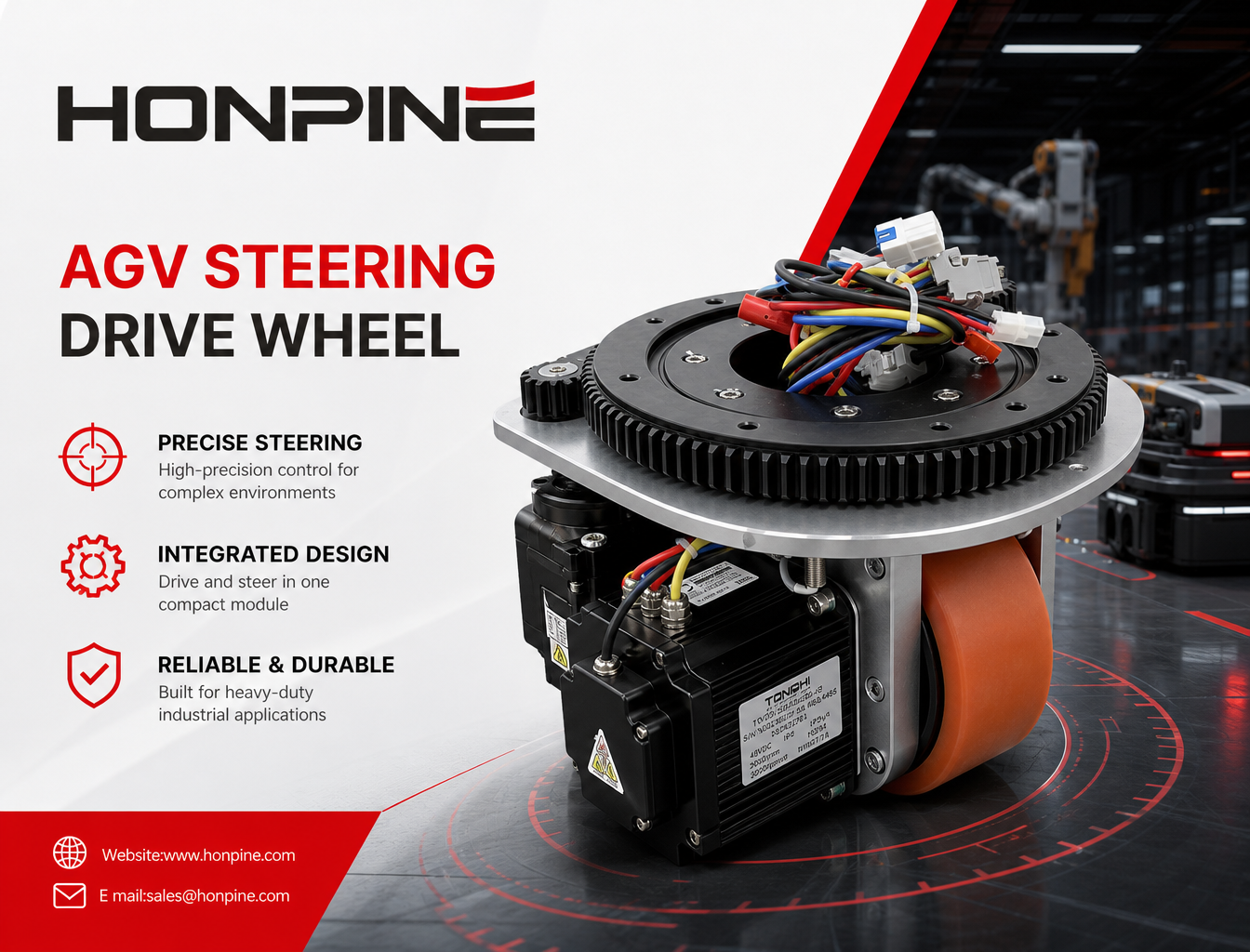
 AGV Robot Steering Drive Wheel: A Comprehensive Guide to Components, Applications, and SelectionAn AGV steering drive wheel integrates traction and active steering to support flexible movement in industrial mobile robots. This guide explains its main components, working principles, industrial applications, and key selection factors, including load capacity, traction torque, steering torque, wheel diameter, speed, and control interfaces. Discover how to choose a suitable steering drive module for AGVs, AMRs, autonomous forklifts, and heavy-duty material handling systems.
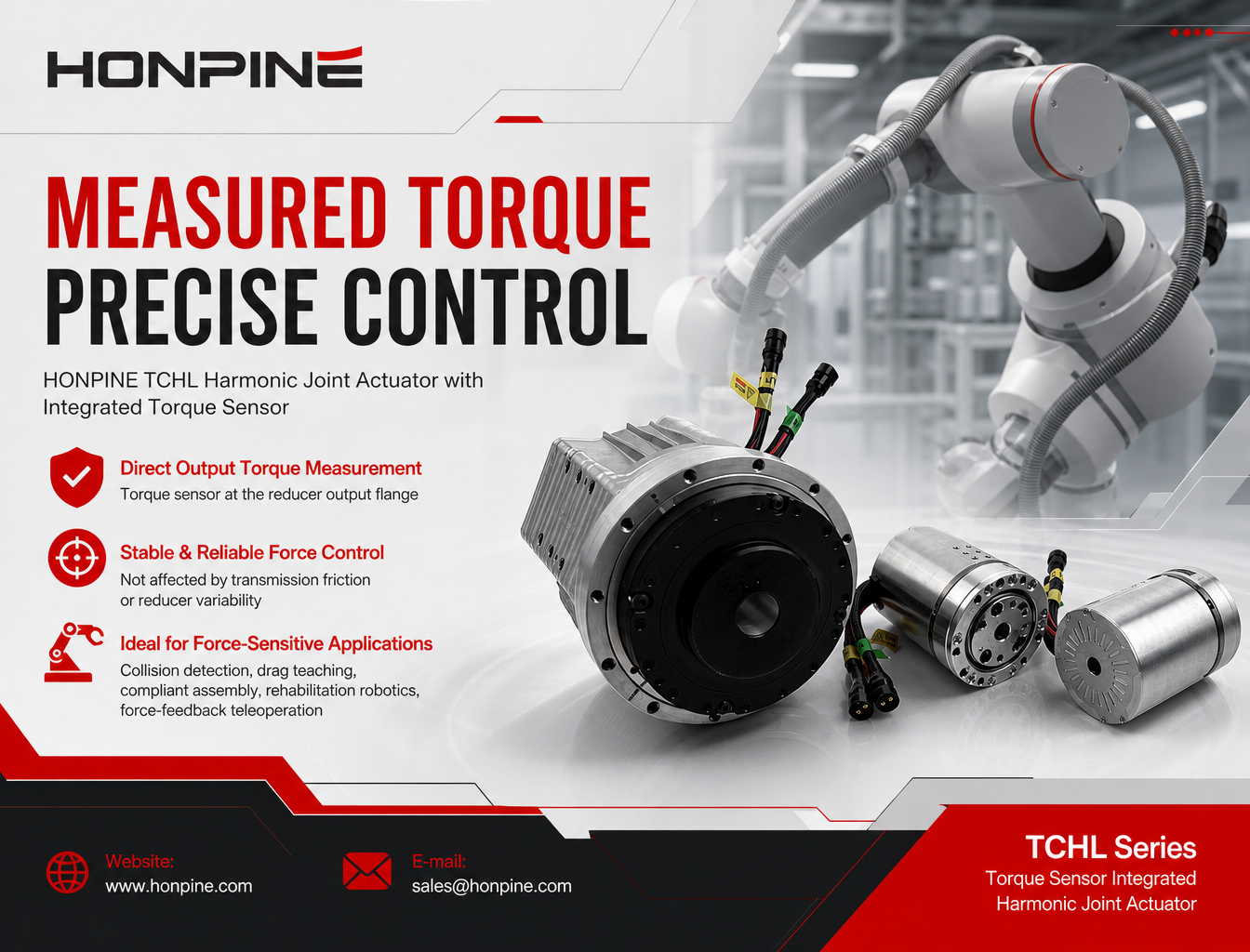
 How Does a Harmonic Joint Actuator with a Torque Sensor Improve Robot Force Control?Learn how the HONPINE TCHL harmonic joint actuator uses an integrated output torque sensor to support force feedback, collision detection, compliant assembly, rehabilitation robotics, and teleoperation.
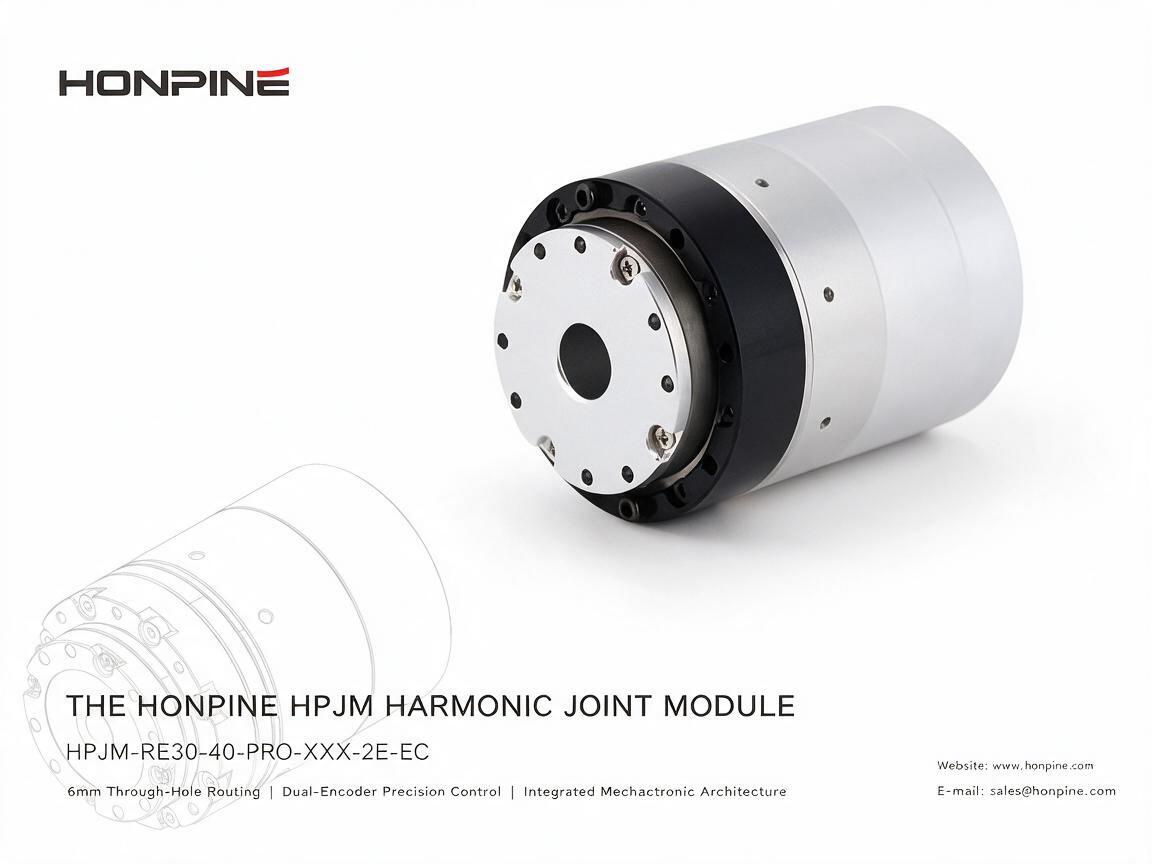
 Ultra-Compact Harmonic Joint Module with a 6 mm Hollow ShaftAs humanoid robots and compact robotic systems evolve, joint modules must deliver high torque density, precise motion control, and flexible cable routing within increasingly limited installation space. The HONPINE HPJM-RE30-40-PRO harmonic joint module addresses these challenges with a compact design, a 6 mm hollow shaft, dual-encoder feedback, and an integrated motor and FOC drive. In this article, we explore its key design features and explain how its hollow-shaft structure, EtherCAT connectivity, and flexible mounting options support the development of humanoid robots, drones, optical platforms, and precision automation equipment.
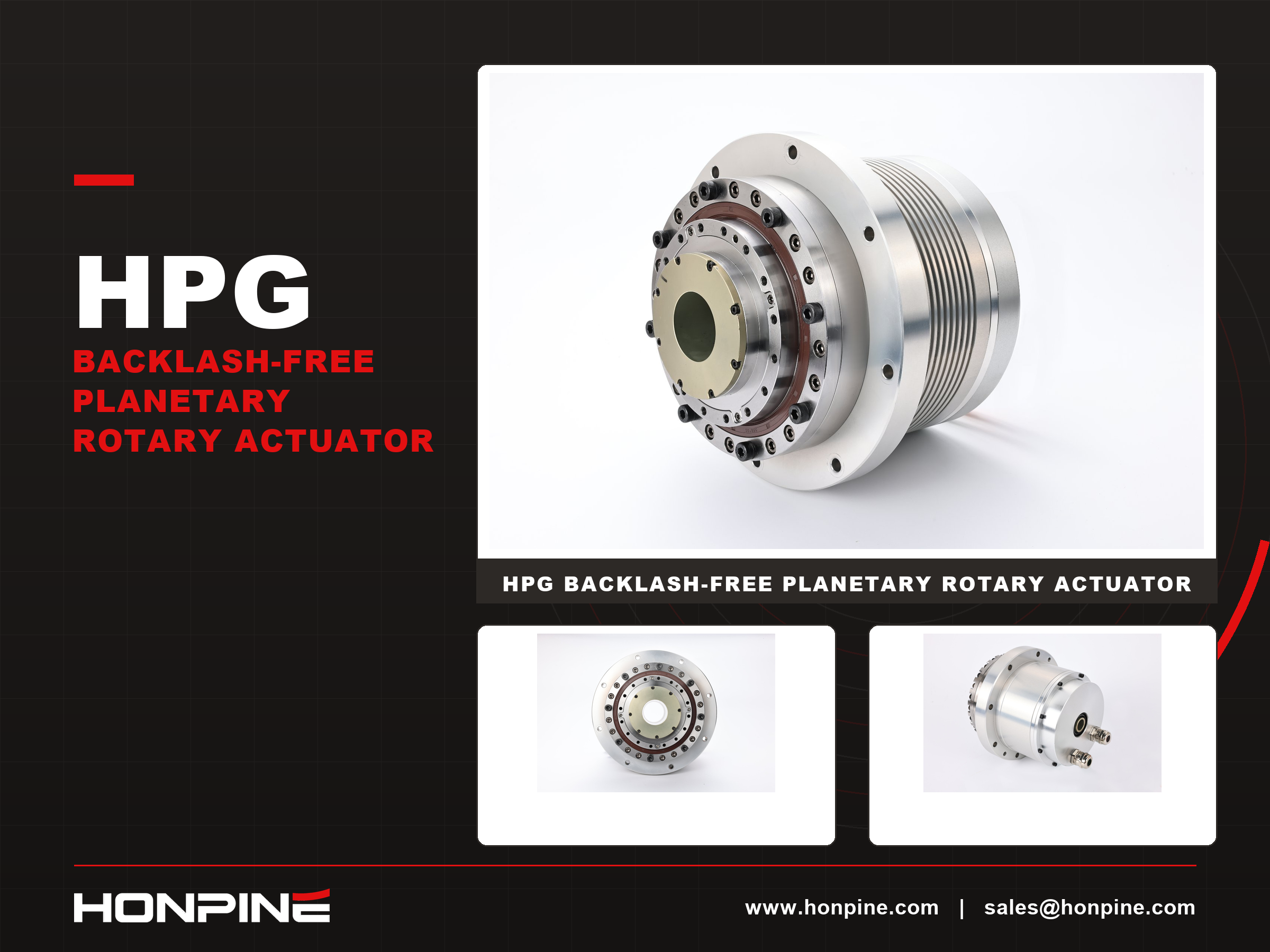
 How Does the HONPINE HPG Backlash-Free Planetary Rotary Actuator Balance CNC Accuracy and Rigidity?Discover the HONPINE HPG precision backlash-free planetary rotary actuator for CNC rotary tables. Explore positioning accuracy, torsional rigidity, low backlash, and drive selection.
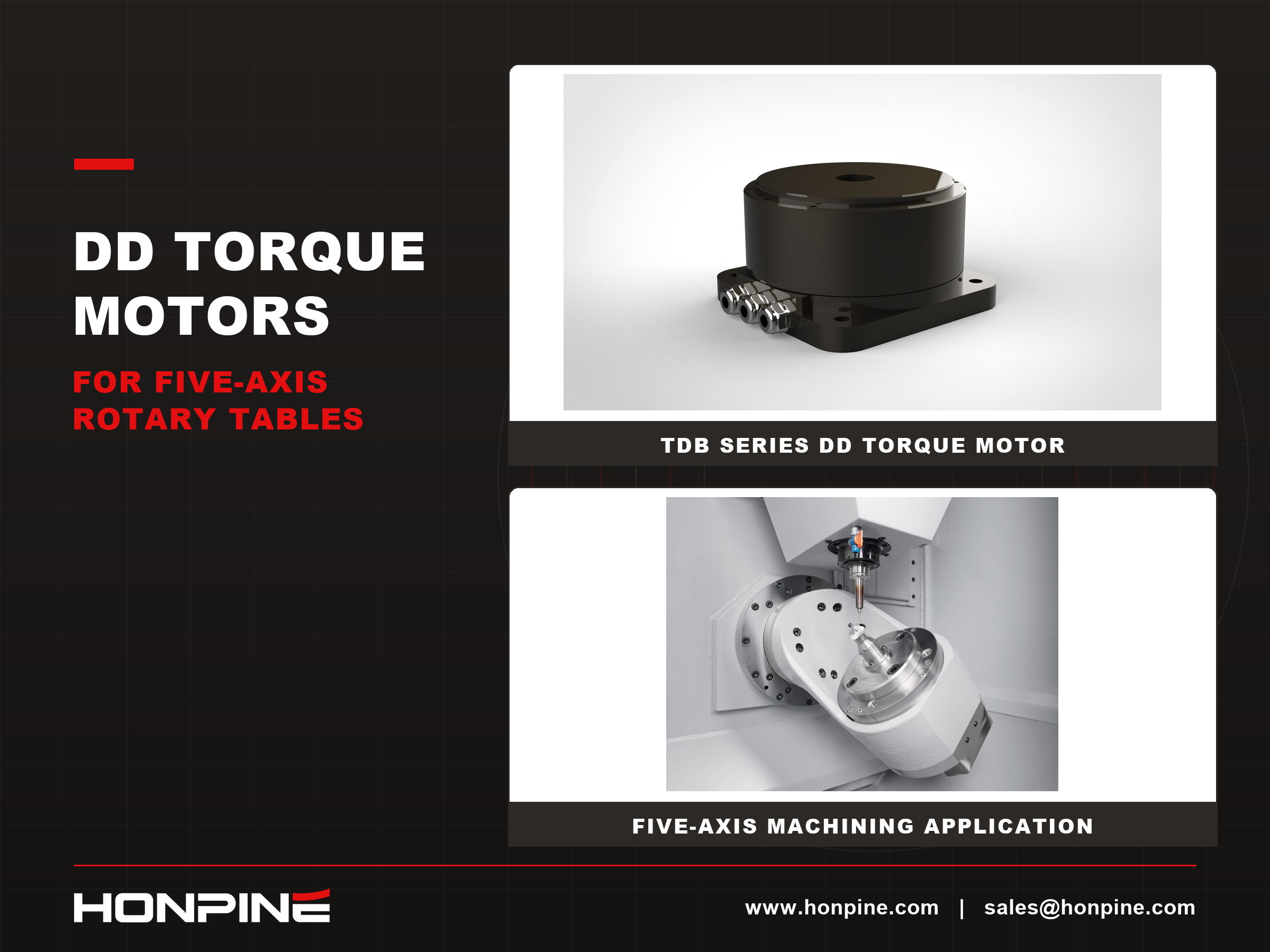
 Why Are DD Torque Motors Ideal for High-End Five-Axis Rotary Tables?Choosing the right drive mechanism is critical to the performance of a five-axis rotary table. Worm gears, cam roller drives, harmonic reducers, RV cycloidal reducers, and DD torque motors each offer different advantages in positioning accuracy, torsional stiffness, speed, and cost. For high-end CNC machining, the challenge is not simply achieving low backlash, but maintaining accuracy under cutting loads and during continuous multi-axis motion. This article compares five common drive technologies and explains why direct-drive torque motors are an attractive option for applications requiring high dynamic response, reduced transmission errors, and consistent machining performance.
Double Click
We provide harmonic drive reducer,planetary reducer,robot joint motor,robot rotary actuators,RV gear reducer,robot end effector,dexterous robot hand
![]() Hymson to Showcase Laser Cutting Solutions at JIMTOF 2026 in TokyoExplore Hymson laser cutting, intelligent welding and automation solutions at JIMTOF 2026 in Tokyo, October 26–31. Discover integrated manufacturing at booth S2030.
Hymson to Showcase Laser Cutting Solutions at JIMTOF 2026 in TokyoExplore Hymson laser cutting, intelligent welding and automation solutions at JIMTOF 2026 in Tokyo, October 26–31. Discover integrated manufacturing at booth S2030.![]() SENFENG Laser Secures BSE IPO Registration Approval; October 27 Online Roadshow SetExplore SENFENG Laser’s BSE IPO registration approval and October 27 online roadshow plans. See what laser cutting equipment buyers should watch in upcoming disclosures.
SENFENG Laser Secures BSE IPO Registration Approval; October 27 Online Roadshow SetExplore SENFENG Laser’s BSE IPO registration approval and October 27 online roadshow plans. See what laser cutting equipment buyers should watch in upcoming disclosures.![]() Kodali Mass-Produces Harmonic Reducers for Overseas Supply via Its Thailand Joint VentureKodali harmonic reducers enter mass production for overseas supply via its Thailand joint venture. Explore key buyer checks for supplier qualification, trade documents and delivery planning.
Kodali Mass-Produces Harmonic Reducers for Overseas Supply via Its Thailand Joint VentureKodali harmonic reducers enter mass production for overseas supply via its Thailand joint venture. Explore key buyer checks for supplier qualification, trade documents and delivery planning.![]() Harmonic Drive Shifts to Integrated Actuators to Counter Chinese CompetitionHarmonic Drive shifts to integrated actuators amid Chinese competition. Explore what motor-reducer modules could mean for laser cutting machine procurement, integration and supplier selection.
Harmonic Drive Shifts to Integrated Actuators to Counter Chinese CompetitionHarmonic Drive shifts to integrated actuators amid Chinese competition. Explore what motor-reducer modules could mean for laser cutting machine procurement, integration and supplier selection.![]() Han’s Laser Granted Design Patent for Laser Air CoolerHan’s Laser secures a design patent for its Laser Air Cooler. Explore what the grant covers and what laser equipment buyers should consider for cooling and integration.
Han’s Laser Granted Design Patent for Laser Air CoolerHan’s Laser secures a design patent for its Laser Air Cooler. Explore what the grant covers and what laser equipment buyers should consider for cooling and integration.![]() Han’s Laser Secures Patent for Equipment With Shorter Laser Emitter TravelExplore Han’s Laser’s patent for laser processing equipment with shorter emitter travel, a design aimed at streamlining motion and potentially improving processing efficiency.
Han’s Laser Secures Patent for Equipment With Shorter Laser Emitter TravelExplore Han’s Laser’s patent for laser processing equipment with shorter emitter travel, a design aimed at streamlining motion and potentially improving processing efficiency.![]() Laifu Harmonic Showcases Reducers and Joint Modules at CIIF 2026Laifu Harmonic highlights harmonic reducers and integrated joint modules at CIIF 2026. Explore precision transmission options for humanoid robots and industrial automation.
Laifu Harmonic Showcases Reducers and Joint Modules at CIIF 2026Laifu Harmonic highlights harmonic reducers and integrated joint modules at CIIF 2026. Explore precision transmission options for humanoid robots and industrial automation.![]() HSG Laser Brings Next-Generation Cutting and Automation to FABTECH 2026HSG Laser at FABTECH 2026: Explore the TS2 PRO tube laser cutting machine and AI CutPilot automation, plus key procurement checks to guide your next equipment investment.
HSG Laser Brings Next-Generation Cutting and Automation to FABTECH 2026HSG Laser at FABTECH 2026: Explore the TS2 PRO tube laser cutting machine and AI CutPilot automation, plus key procurement checks to guide your next equipment investment.![]() NexFabric Debuts NexCut AI Laser Cutting Diagnostics at EuroBLECH 2026NexCut AI laser cutting diagnostics debuts at EuroBLECH 2026. Discover how NexFabric aims to help workshops distinguish parameter issues from machine faults and streamline troubleshooting.
NexFabric Debuts NexCut AI Laser Cutting Diagnostics at EuroBLECH 2026NexCut AI laser cutting diagnostics debuts at EuroBLECH 2026. Discover how NexFabric aims to help workshops distinguish parameter issues from machine faults and streamline troubleshooting.![]() Bodor Laser Debuts Two Tube Laser Cutting Machines in Europe at EuroBLECH 2026Explore Bodor Laser’s two new tube laser cutting machines at EuroBLECH 2026 in Europe, including a four-chuck series with fully floating chuck technology. Discover the details.
Bodor Laser Debuts Two Tube Laser Cutting Machines in Europe at EuroBLECH 2026Explore Bodor Laser’s two new tube laser cutting machines at EuroBLECH 2026 in Europe, including a four-chuck series with fully floating chuck technology. Discover the details.![]() Japan’s WinTest Enters AMR Sales Business with China’s Youibot RoboticsWinTest’s entry into AMR sales with Youibot Robotics targets Japan’s industrial automation market. Explore what semiconductor factory buyers should verify before placing orders.
Japan’s WinTest Enters AMR Sales Business with China’s Youibot RoboticsWinTest’s entry into AMR sales with Youibot Robotics targets Japan’s industrial automation market. Explore what semiconductor factory buyers should verify before placing orders.![]() Chinese Forklift Leaders Expand into Smart Logistics and Robotics, Donghai SaysChinese forklift leaders Hangcha and Anhui Heli are expanding into smart logistics and robotics. Explore Donghai’s insights on investment plans and their potential impact on logistics automation.
Chinese Forklift Leaders Expand into Smart Logistics and Robotics, Donghai SaysChinese forklift leaders Hangcha and Anhui Heli are expanding into smart logistics and robotics. Explore Donghai’s insights on investment plans and their potential impact on logistics automation.