








Kawasaki RL030N and Dexterity Expand Logistics Robotics Deployment
The timing of the underlying project rollout is not clearly specified in the provided information, but on June 23, 2026, Kawasaki Robotics and Dexterity said they were expanding their cooperation around the RL030N robotic arm and the Mech robot platform for larger-scale use in real logistics operations such as trailer unloading. For warehouse automation providers, system integrators, and logistics operators, the development is worth watching because it combines a purpose-built arm configuration for constrained spaces with an open API structure that can connect with third-party AI orchestration systems, creating a new export-oriented equipment option for automation projects.
What the announcement confirms
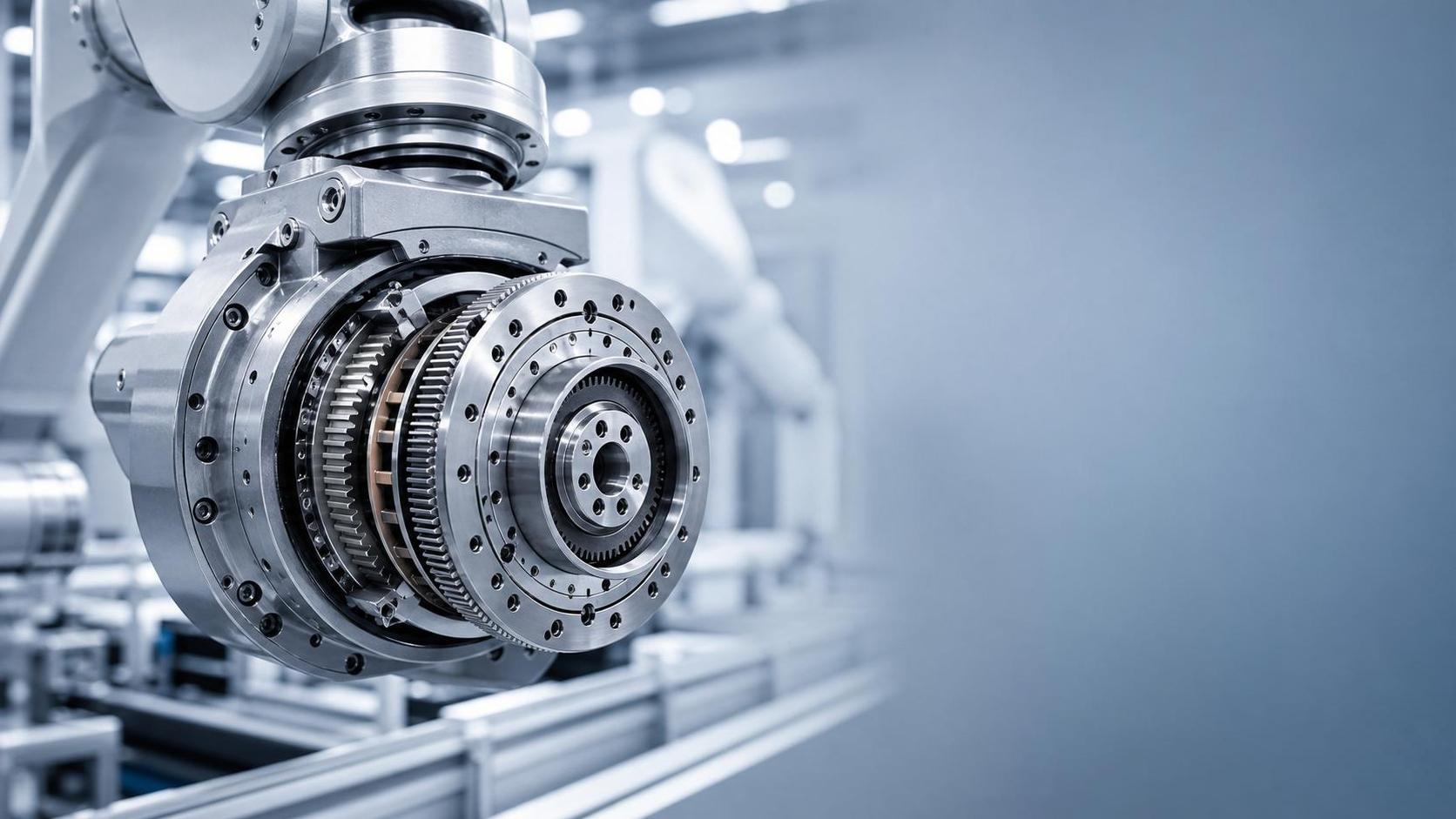
According to the provided information, Kawasaki Robotics and Dexterity announced an expanded partnership on June 23, 2026. The cooperation centers on the RL030N, an 8-axis robotic arm that includes an additional joint axis designed for narrow spaces, and its use within the Mech robot platform.
The stated deployment direction is scale implementation in real logistics scenarios, including trailer loading and unloading. The platform is also described as supporting the KRNX open API, allowing seamless connection with third-party AI scheduling systems.
The information further indicates that this combination provides Chinese automation integrators with a new export option for a highly compatible core execution unit.
Where the impact may be felt first
System integration work may shift toward software-hardware compatibility
Analysis shows that automation integrators are among the most directly affected participants. The reason is not only the robotic arm itself, but the fact that the platform is presented as compatible with third-party AI scheduling systems through the KRNX open API. In practical terms, the business impact may appear in solution design, interface integration, project delivery architecture, and customer proposals for overseas warehouse automation projects. What deserves closer attention is whether customers increasingly prioritize interoperable execution units over more closed hardware stacks.
Logistics operators may focus on real-scene deployability
From an industry perspective, warehouse and logistics operators may pay close attention to the stated use in trailer loading and unloading, because this points to deployment in demanding operational environments rather than a purely demonstrative setup. The relevant business concern is whether equipment designed for narrow spaces and complex movement paths can reduce adaptation work in constrained logistics sites. The key change to watch is how buyers assess deployability in real handling workflows, not only headline robot specifications.
Export-oriented equipment suppliers may see a new positioning option
Observably, the reference to a new export option for Chinese automation integrators matters for suppliers involved in outbound automation projects. The possible impact lies in product selection, partner matching, solution standardization, and cross-border project packaging. What deserves attention is whether highly compatible execution modules become more important in export bids where integration with local software or customer scheduling systems is required.
What companies should monitor now
How official follow-up language defines deployment scope
Analysis shows that companies should closely monitor future official wording around deployment scale, scenario boundaries, and integration methods. The current information confirms expansion and scale deployment direction, but further detail will matter for project qualification, proposal preparation, and customer communication.
Whether interoperability becomes a deciding procurement factor
For procurement teams and solution providers, the more practical issue is not simply arm performance, but whether open API compatibility changes purchasing criteria. If third-party AI scheduling connectivity becomes central, evaluation processes may increasingly emphasize interface readiness, integration workload, and long-term software coordination.
How to prepare delivery and partner coordination
For integrators and service providers, the immediate operational focus may include partner alignment, technical document review, delivery planning, and expectation setting with end users. Since the provided information highlights compatibility and export applicability, companies should be prepared to clarify how execution hardware fits into broader automation stacks without overstating confirmed capabilities.
How to separate confirmed facts from market expectations
What deserves closer attention is the gap between an announced cooperation expansion and the eventual pace of commercial adoption. Businesses engaging customers or suppliers around this topic should keep communications disciplined, distinguishing verified product and interface facts from broader assumptions about rollout speed or market uptake.
Why this reads as a structural signal, not a finished outcome
Observably, this update is better understood as a meaningful industry signal rather than a fully settled market result. The confirmed facts point to three notable directions: robotics tailored for constrained logistics environments, larger-scale movement from demonstration into real operating scenarios, and greater emphasis on open integration with external AI systems.
Analysis shows that these elements matter because they shift attention from standalone robot capability toward deployable, connectable automation units. At the same time, the available information does not establish final market share outcomes, adoption volume, or broad customer conversion. That is why the development still requires continued observation.
How to read the development at this stage
At this stage, the announcement is most appropriately understood as an indicator that logistics robotics competition is increasingly centered on real-scene usability and software compatibility, especially for warehouse automation projects with cross-border or export potential. It does not by itself prove a definitive market outcome, but it does highlight where integrators, logistics operators, and equipment partners may need to refine their technical and commercial priorities.
From an industry perspective, the most rational conclusion is that this is a development with practical signaling value: important enough to track closely, but still best assessed through subsequent deployment details, official updates, and project-level execution evidence.
Basis of this article and what still needs verification
This article is generated based on the user-provided news title, event timing note, and event summary. The specific official source link was not provided in the input, so further verification is still needed before treating any broader interpretation as confirmed background.
For this type of development, commonly relevant source categories include official company announcements, corporate statements, industry association updates, authoritative media reporting, and standard-related documentation where applicable. The main follow-up points to monitor are future official disclosures on deployment progress, scenario scope, integration details, and any further clarification related to export-oriented automation applications.
Read More
Learn more about the story of HONPINE and industry trends related to precision transmission.
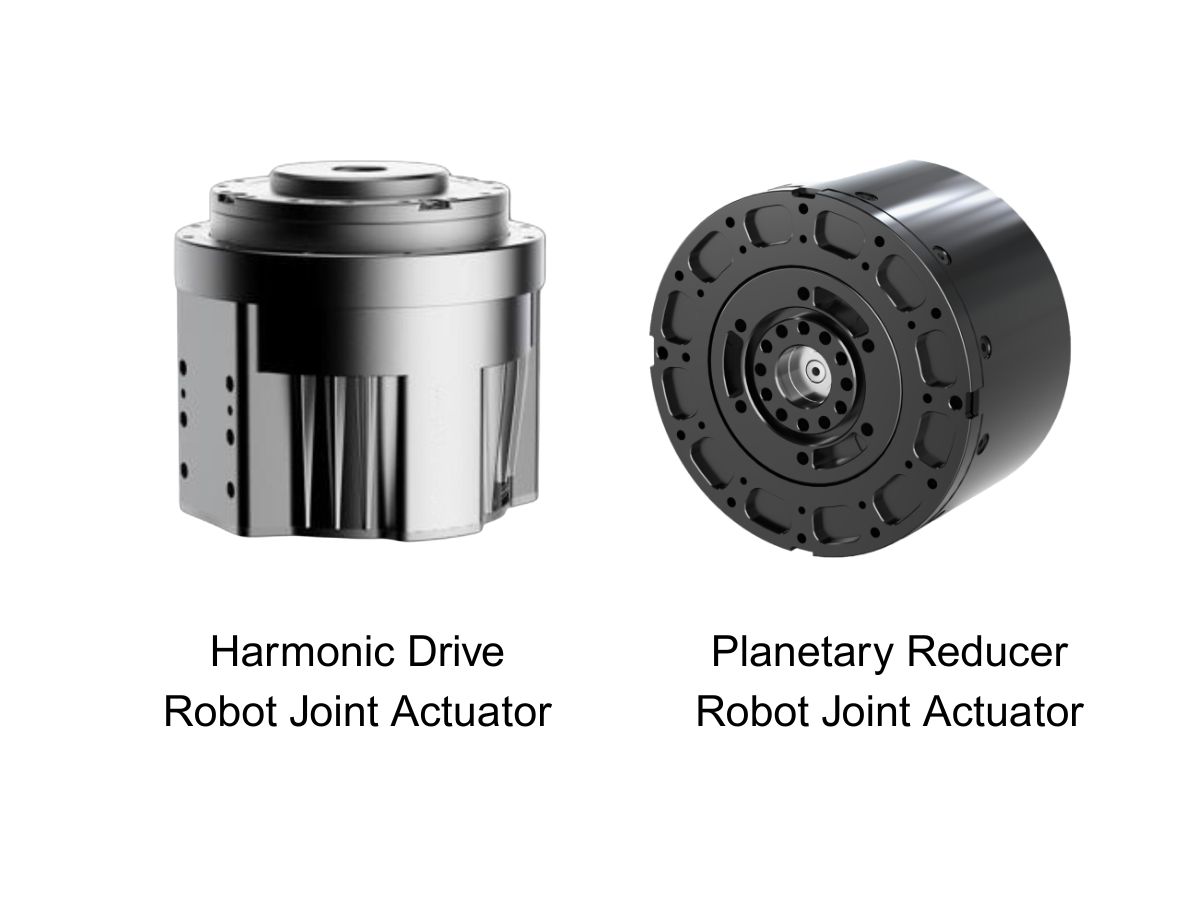
 What is robot joint actuator?How to Choose the Best Robot Rotary Joint Actuator?In core robot joint transmission solutions, planetary and harmonic rotary actuators each have their own strengths. Choosing the right type based on application requirements is essential to achieve the optimal balance between performance and cost.
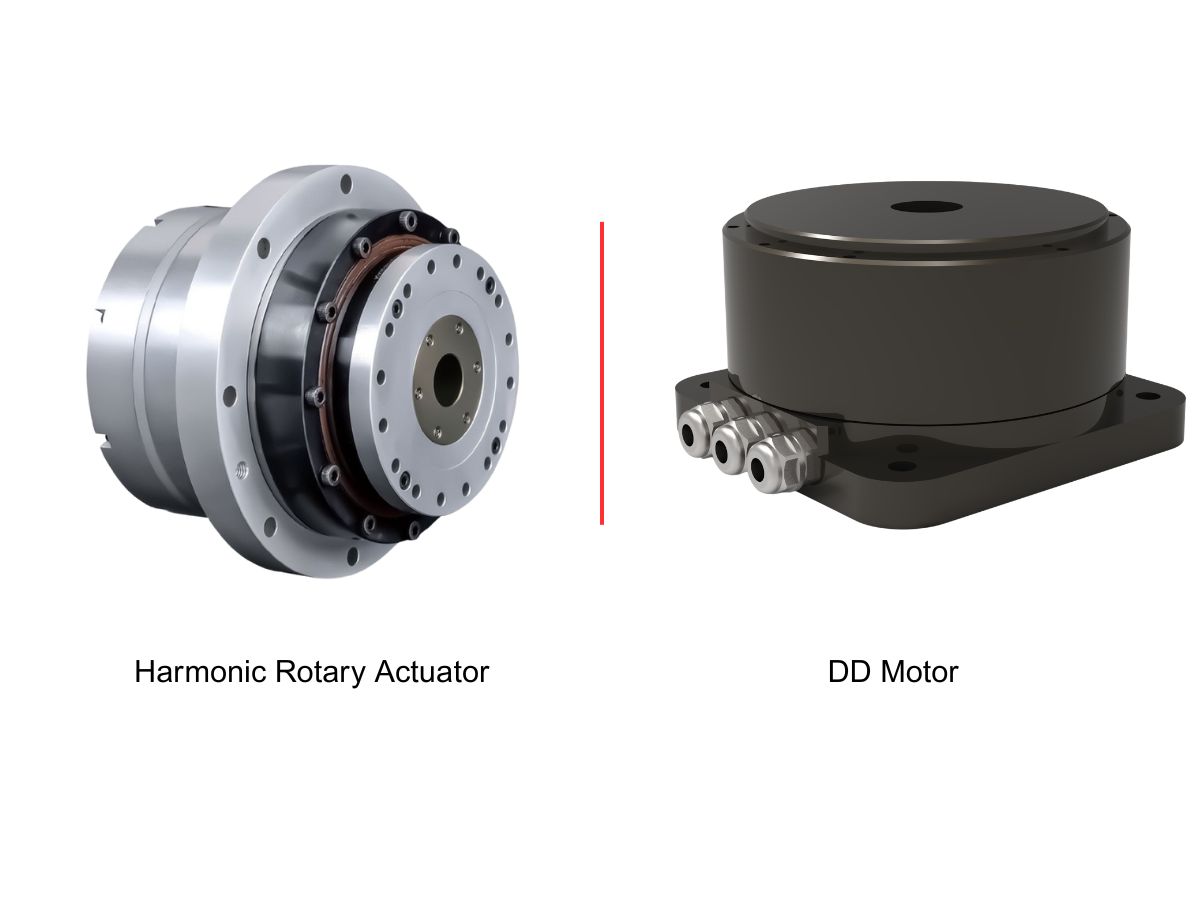
 DD Motors VS Harmonic Rotary ActuatorsThis article provides an in-depth comparison between Direct Drive (DD) motors and harmonic rotary actuators, covering their transmission principles, advantages and disadvantages, and typical application fields.
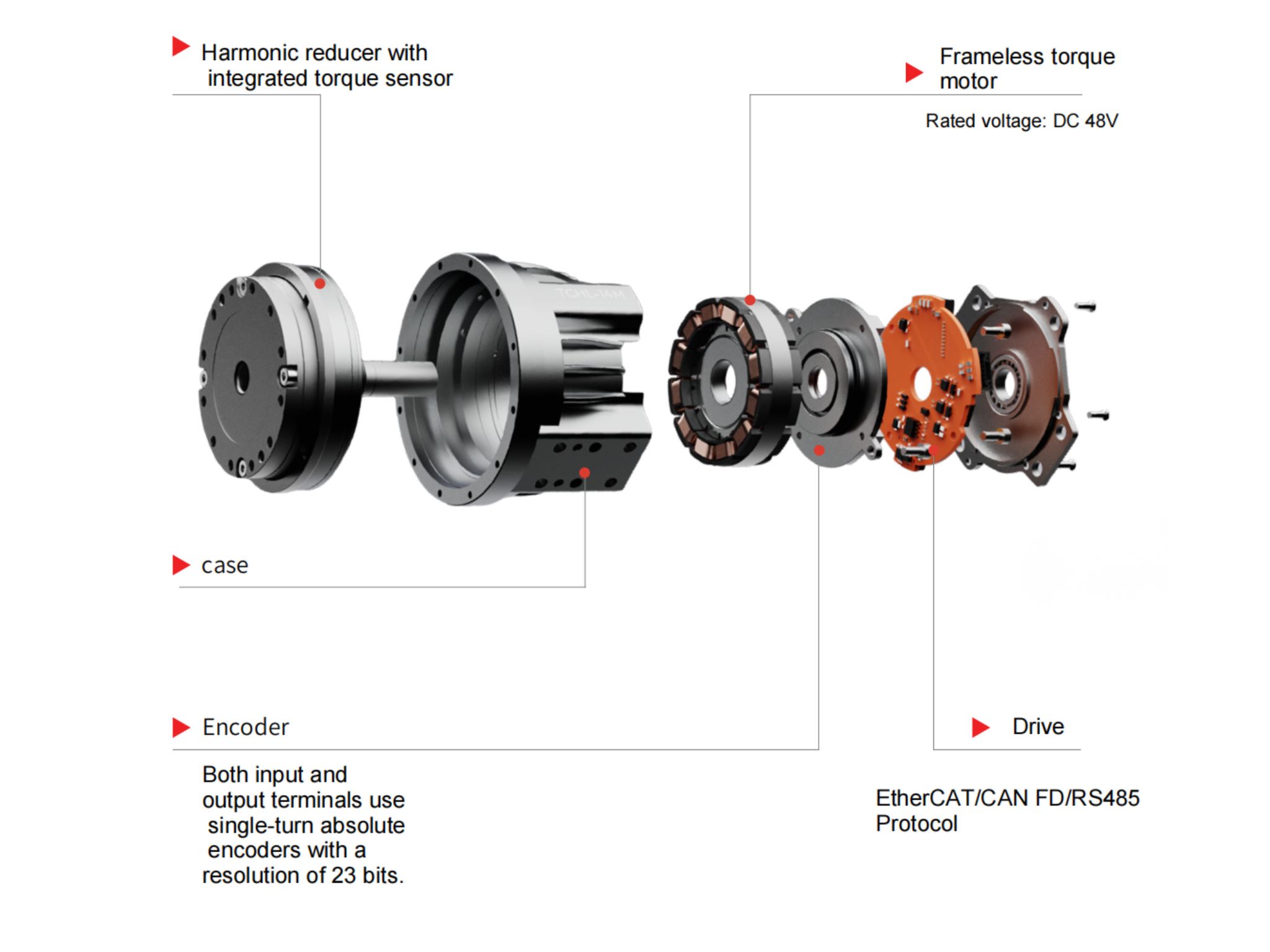
 OMG Ultra Compact Harmonic Drive Joint Module with Built-in Torque SensorHONPINE TCHL series harmonic drive joint module is a game-changing product that achieves disruptive improvements in multiple aspects such as lightweight design, integration level, and connection convenience. This article will analyze its revolutionary enhancements with you.
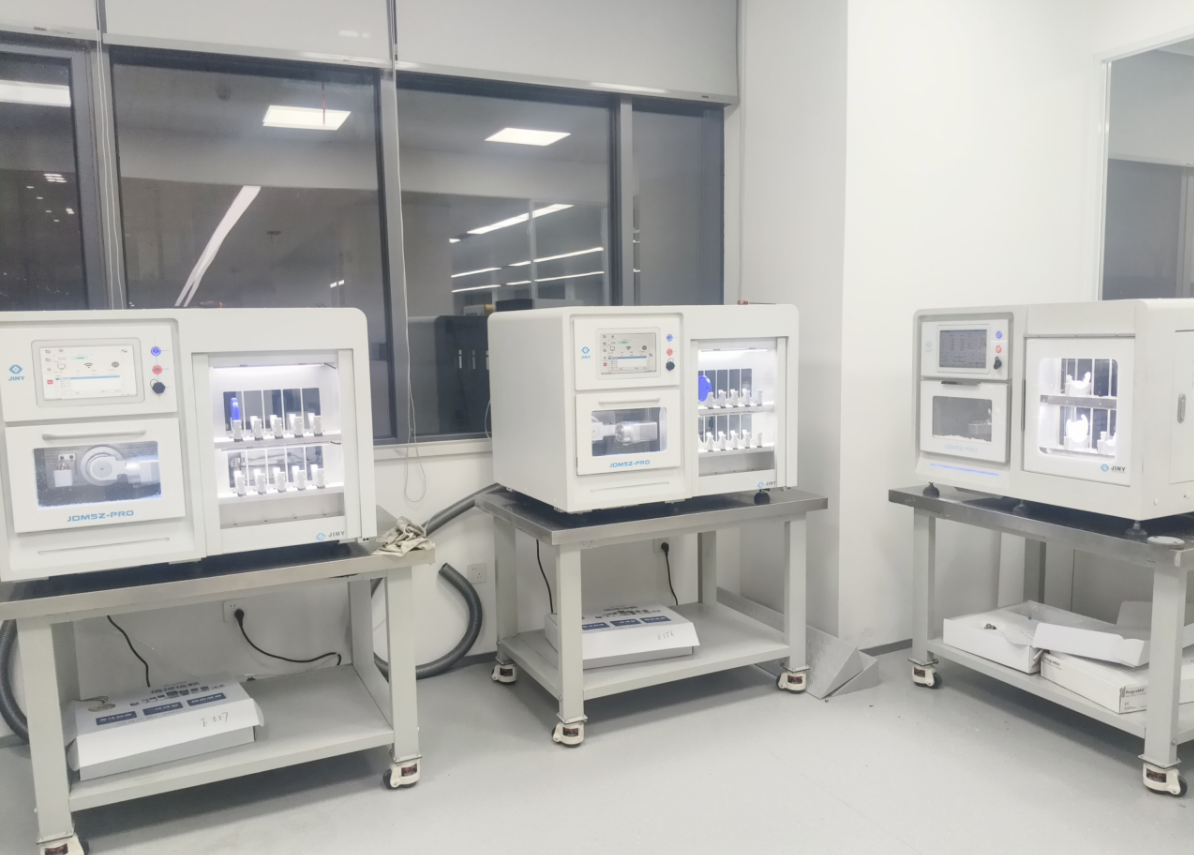
 The Role of Harmonic Drive Gears in Achieving 5–10 μm Accuracy in Dental Milling MachinesA dental milling machine is a CNC machining system used to directly process digital dental models into restorations such as crowns, bridges, veneers, inlays, and implant abutments. Dental milling machines require far higher operational accuracy and motion stability than ordinary equipment. This article explains how harmonic drive gear help dental milling machines achieve stable, continuous, and controllable operation.
 Why Are Harmonic Rotary Actuators Perfect for Medical Equipment?Harmonic rotary actuators (typically integrated systems consisting of a harmonic drive reducer, frameless torque motor, encoder, and optional brake) are regarded as key components in medical equipment. The core reason is that they simultaneously meet the most stringent medical requirements for precision, compact size, safety, and controllability. The following explanation is structured from three perspectives: technical characteristics, application scenarios, and medical value.
 High-Precision RV Reducers Perfectly Matched for Walking RobotsThe walking axis of a robot is a core component for power transmission and support. RV reducers provide extremely high rigidity, precision, and torque while maintaining a compact size and exceptional reliability, making them an ideal match for the demanding requirements of walking robot joints in terms of load capacity, impact resistance, and precision.
 Why Does an RV Reducer Need Profile Modification? How to Further Reduce Backlash and Transmission Error?An RV Reducer is designed to deliver high torque, high stiffness, and precise motion for demanding applications such as robotic joints, industrial rotary tables, and precision machinery. However, achieving low backlash and stable transmission accuracy requires more than high-precision machining. Cycloidal profile modification must also account for manufacturing tolerances, assembly errors, load-induced deformation, thermal expansion, and lubrication conditions. In this article, we examine why RV reducers require profile modification, how different modification methods affect meshing, and how engineers can further control backlash and transmission error through profile design, error budgeting, structural analysis, precision manufacturing, and validation testing.
 Hollow Robot Joint Module: Why Cable Routing Matters in Robotic Joints?A hollow robot joint module provides an internal passage for power cables, signal lines, pneumatic tubes, and other end-effector connections. Compared with external cable routing, a hollow joint module can help reduce cable exposure, improve system integration, and create a cleaner motion path for robotic arms. This article explains why internal cable routing matters in robotic joints and what to consider when selecting a hollow joint module for robotic applications.
 Robot Joint Actuator Selection: From Inertia Matching to System-Level OptimizationSelecting a robot joint actuator is not simply a matter of matching motor torque or achieving a suitable inertia ratio. In a real robotic system, reduction ratio, load spectrum, thermal performance, mechanical stiffness, transmission nonlinearity, encoder architecture, control bandwidth, and service life all interact to determine the final result. A joint may meet its peak torque requirement and still experience vibration, overheating, positioning errors, or premature wear in real operation. This article examines the engineering logic behind robot joint actuator selection and explains why moving from single-parameter matching to system-level optimization can lead to more reliable and predictable robotic joint performance.
 HONPINE HAG Robot Joint Module Undergoing Pre-Shipment InspectionThe HONPINE HAG Robot Joint Module is currently undergoing pre-shipment inspection before delivery.
 How to Choose a Small Harmonic Actuator?HONPINE Series 11 small harmonic actuators provide a compact, high-performance rotary motion solution for precision automation applications. Available with hollow or solid shafts, 48V or 220V options, optional brakes, absolute encoders, and different reduction ratios, the Series 11 is designed for applications requiring compact dimensions, controlled torque, and precise positioning.
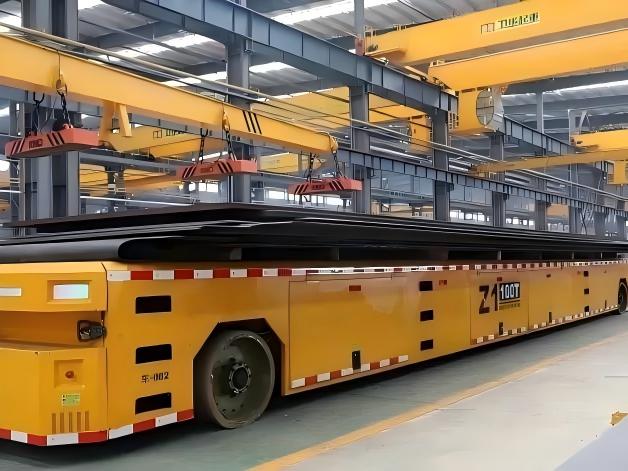
 How to Choose a Wheel Motor for a Heavy-Duty AGV? Key Challenges from Dynamic Loads to 120-Ton AGV Drive Wheel SystemsSelecting a Heavy-Duty AGV Wheel Motor is more than matching motor power or rated torque to the vehicle's payload. As AGVs move from conventional material handling to multi-ton and even 120-ton-class applications, the drive wheel system must handle dynamic loads, acceleration, braking, turning forces, traction, and long-term mechanical stress. The actual challenge lies in matching wheel load capacity, wheel-end torque, gearbox performance, steering architecture, suspension, and chassis design under real operating conditions. This article examines the key challenges of Heavy-Duty AGV Wheel Motor selection and explains how Steering Drive Wheels and Differential Drive Wheels can be evaluated for different heavy-duty AGV applications.
Double Click
We provide harmonic drive reducer,planetary reducer,robot joint motor,robot rotary actuators,RV gear reducer,robot end effector,dexterous robot hand
 China Tightens Export Filing for CNC Machine ToolsCNC machine tools exporters and buyers should prepare now: China tightens export filing for lathes, milling and grinding machines from June 30, 2026, raising compliance and customs demands.
 Japan Tightens Export Review for High-End Five-Axis Machine ToolsFive-axis CNC machine tools face stricter Japan export review from August 16, 2026. Learn how longer approvals may disrupt supply, procurement, and sourcing strategy.
 Japan Tightens Approvals for High-End Five-Axis ExportsFive-axis CNC machine tool exports from Japan face tighter approvals, longer lead times, and higher risk. Learn how this shift impacts buyers, distributors, and supply chains.
 China Curbs Dual-Use Exports to 14 EU EntitiesChina curbs dual-use exports to 14 EU entities, disrupting CNC machine tool supply chains, servo motor sourcing, and compliance planning. Learn the immediate risks and actions now.
 UL 1604:2026 Tightens Dust Rules for Robot Joint MotorsUL 1604:2026 Tightens Dust Rules for Robot Joint Motors with new dust-environment, temperature-group, and IP6X checks. Learn how this impacts OEM exports, sourcing, and certification planning.
 EU EN IEC 61800-3:2025 Takes Effect for Harmonic DrivesEN IEC 61800-3:2025 reshapes EU EMC compliance for harmonic drives. Learn how CE marking, Class A/B testing, certification, and delivery timelines may impact exporters and buyers.
 EU Mandates EMC Testing for Harmonic Drive ReducersHarmonic drive reducers face new EU EMC testing rules from Aug 1, 2026. Learn how the mandate impacts packaging machinery exports, compliance, customs clearance and market access.
 Top Motion Control Technologies for Humanoid Robots in 2026Top motion control technologies for humanoid robots in 2026: discover how MPC, torque control, sensor fusion, and real-time coordination improve machine tool automation, safety, and uptime.
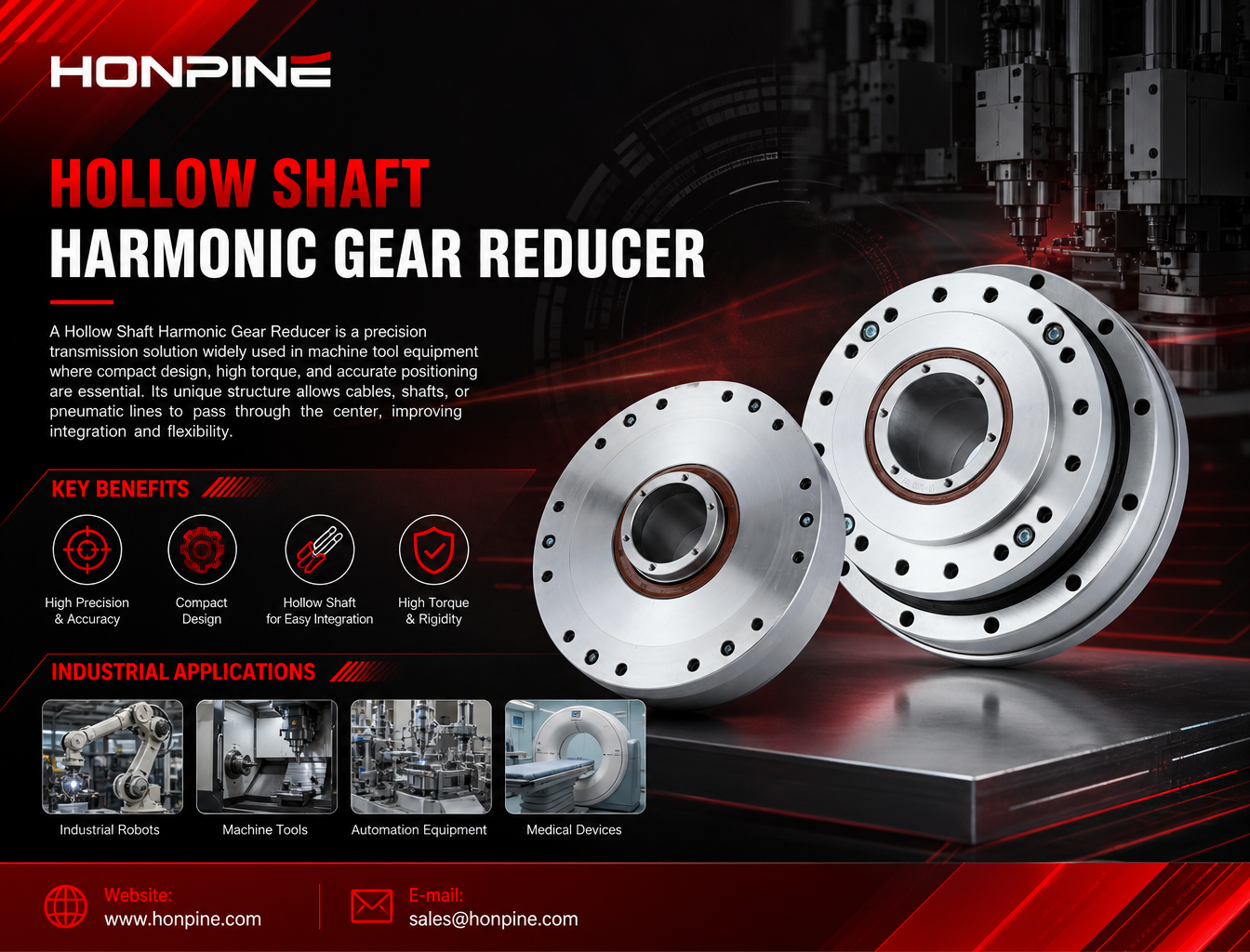
 Hollow Shaft Harmonic Gear Reducer Explained: Structure, Benefits & ApplicationsHollow Shaft Harmonic Gear Reducer explained for machine tool equipment—discover its structure, precision benefits, compact design advantages, and key applications for smarter motion control.
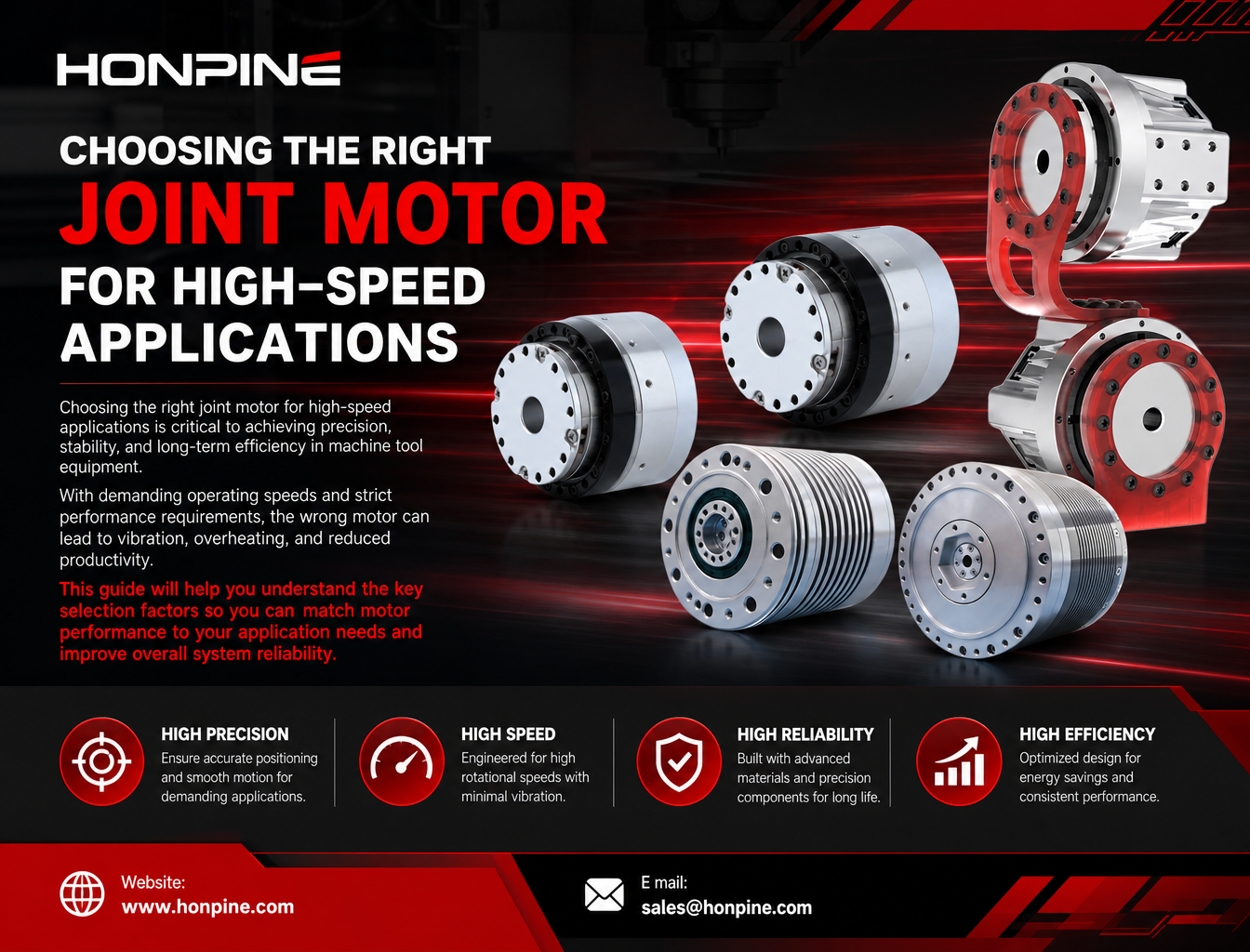
 How to Choose a Joint Motor for High-Speed ApplicationsJoint motor for high-speed applications: learn how to choose the right solution for machine tools with better precision, cooling, torque, and stability to boost performance.
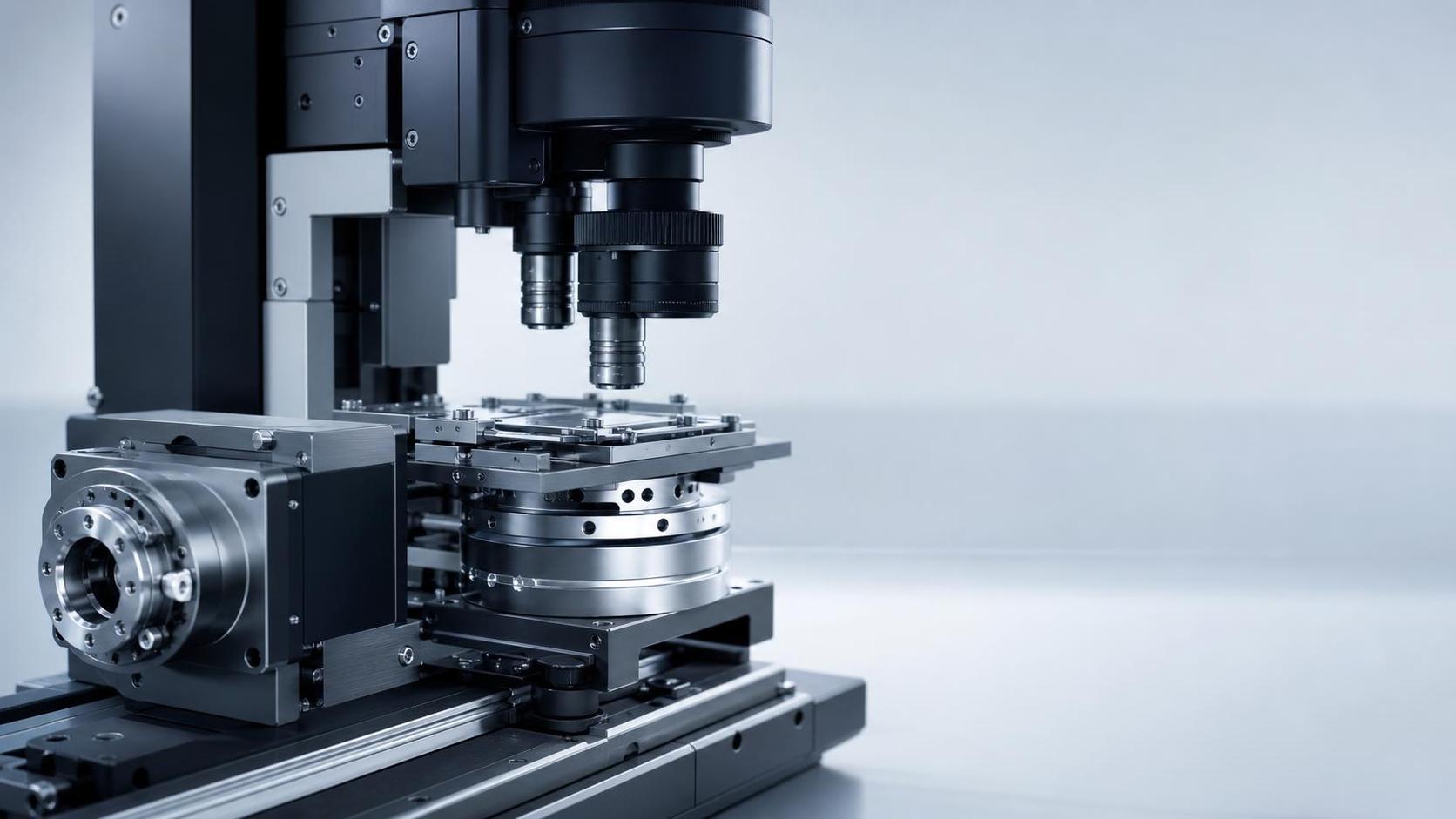
 Why Harmonic Drive Actuators Improve the Performance of Microscope Optical PlatformsHarmonic Drive Actuators improve microscope optical platforms with near-zero backlash, high precision, low vibration, and compact design—ideal for stable imaging and repeatable motion.
 METI Adds HAG Harmonic Drives to Export License ListHAG harmonic drives now face METI export license controls. Learn how the July 8 update affects OEM delivery, procurement timing, and shipments to China, Vietnam, and Mexico.