







EU Battery Label Rule Hits Automation Exports
On August 18, 2026, a new market-access requirement takes effect under the EU Battery Regulation (EU) 2023/1542: rechargeable industrial batteries with a capacity above 2 kWh must carry a carbon footprint performance class label. For companies shipping power storage units for automated production lines, AGV battery modules, and robot joint batteries into the EU, this is not just a technical labeling update. It directly affects export eligibility, importer checks, and the readiness of carbon data systems and digital battery passport documentation across the supply chain.
What changes on August 18
From August 18, 2026, the EU Battery Regulation (EU) 2023/1542 requires all rechargeable industrial batteries with a capacity greater than 2 kWh to bear a carbon footprint performance class label. The requirement is directly relevant to key battery applications used in automation lines, including energy storage power units, AGV propulsion modules, and robot joint batteries. Products that do not meet this requirement will not be allowed to enter the EU market. Importers are also required to verify supplier carbon data systems and preparation for the digital battery passport.
Where the pressure is likely to appear first
Export shipments tied to automation equipment
From an industry perspective, exporters of automation-related industrial batteries may face the most immediate impact because the rule is linked to market access rather than optional product positioning. The practical pressure point is whether battery packs or battery-based subassemblies destined for the EU can be documented and labeled in line with the new requirement before shipment and customs-facing delivery stages.
Importer due diligence and supplier screening
Analysis shows that EU importers may need to tighten supplier review processes, because the summary provided for this event already points to advance verification of supplier carbon data systems and digital battery passport readiness. In business terms, that can affect supplier onboarding, contract review, document collection, and delivery acceptance conditions for industrial battery products used in automated systems.
Procurement and component qualification
What deserves closer attention is the procurement side of the chain. Buyers sourcing battery-powered units for AGVs, robotic joints, or line-side storage applications may need to look beyond electrical performance and delivery timing. The new rule suggests that compliance evidence, traceable carbon data, and passport-related preparation could become part of qualification checks for battery components intended for the EU market.
Compliance and documentation service work
Observably, companies involved in compliance review, technical documentation, and related support services may also be affected, because the regulation creates a more document-driven access condition for covered industrial batteries. Even where the event summary does not provide detailed enforcement mechanics, the need to verify labeling status, carbon data systems, and digital passport preparation indicates a more demanding documentation path for cross-border supply.
What companies should review now
Check whether the product falls within scope
Analysis shows that the first practical question is product scope. Companies supplying battery systems for automation lines should identify which rechargeable industrial batteries exceed the 2 kWh threshold and whether those batteries are shipped independently or embedded in broader equipment packages intended for the EU market.
Review carbon data readiness before shipment planning
What deserves closer attention is not only the physical label itself, but the underlying carbon data system referenced in the event summary. Where export projects depend on batteries covered by the rule, companies may need to review whether supplier-side carbon data collection, retention, and handover processes are mature enough to support importer verification.
Prepare for document requests linked to the digital battery passport
Observably, the digital battery passport is another operational checkpoint. The input does not provide detailed execution requirements, so it would be inappropriate to treat current market practice as fully settled. Still, firms involved in export, sourcing, and delivery coordination should be ready for requests concerning passport preparation, technical files, and supporting compliance records.
Watch contract terms and delivery conditions
From an industry perspective, this rule may also affect commercial execution. Companies should pay attention to how compliance responsibility is allocated between supplier, exporter, and importer, especially where delivery schedules depend on battery availability and acceptance into the EU market. If documentation readiness becomes a precondition for dispatch or receipt, lead-time planning and supplier commitments may require adjustment.
Why this matters beyond labeling alone
Analysis shows that this development is better understood as an implementation signal rather than a simple packaging change. The rule connects labeling with admissibility to the EU market and links importer responsibility to upstream carbon data and digital passport preparation. That means the issue sits at the intersection of compliance, procurement, and trade execution, rather than in labeling operations alone.
Observably, it is still necessary to monitor how market participants apply the requirement in practice. The input confirms the obligation and its consequences for non-compliant products, but it does not provide detailed enforcement interpretations, document formats, or sector-specific procurement language. For that reason, ongoing attention to execution guidance, tender documentation changes, and feedback from import-side compliance checks remains important.
How this update is best understood now
At this stage, it is more appropriate to understand the August 18 development as a confirmed compliance threshold for covered industrial batteries entering the EU, especially those used in automation-related applications. The event does not by itself prove how quickly every market participant will adjust, but it clearly signals that carbon footprint labeling, supporting data systems, and digital battery passport preparation are moving into the core of export readiness for affected products.
Basis of this article
This article is generated from the user-provided news title, event date, and event summary. For developments of this kind, commonly relevant source types may include official announcements, regulator publications, customs or trade authority notices, industry association updates, standard-setting documents, and reporting by established industry media. No specific official source link was provided in the input, so the exact source chain still needs to be verified on an ongoing basis. Items that still merit follow-up include detailed implementation language, certification or compliance interpretation, changes in tender documents, market feedback, and how companies are executing the requirement in practice.
Read More
Learn more about the story of HONPINE and industry trends related to precision transmission.
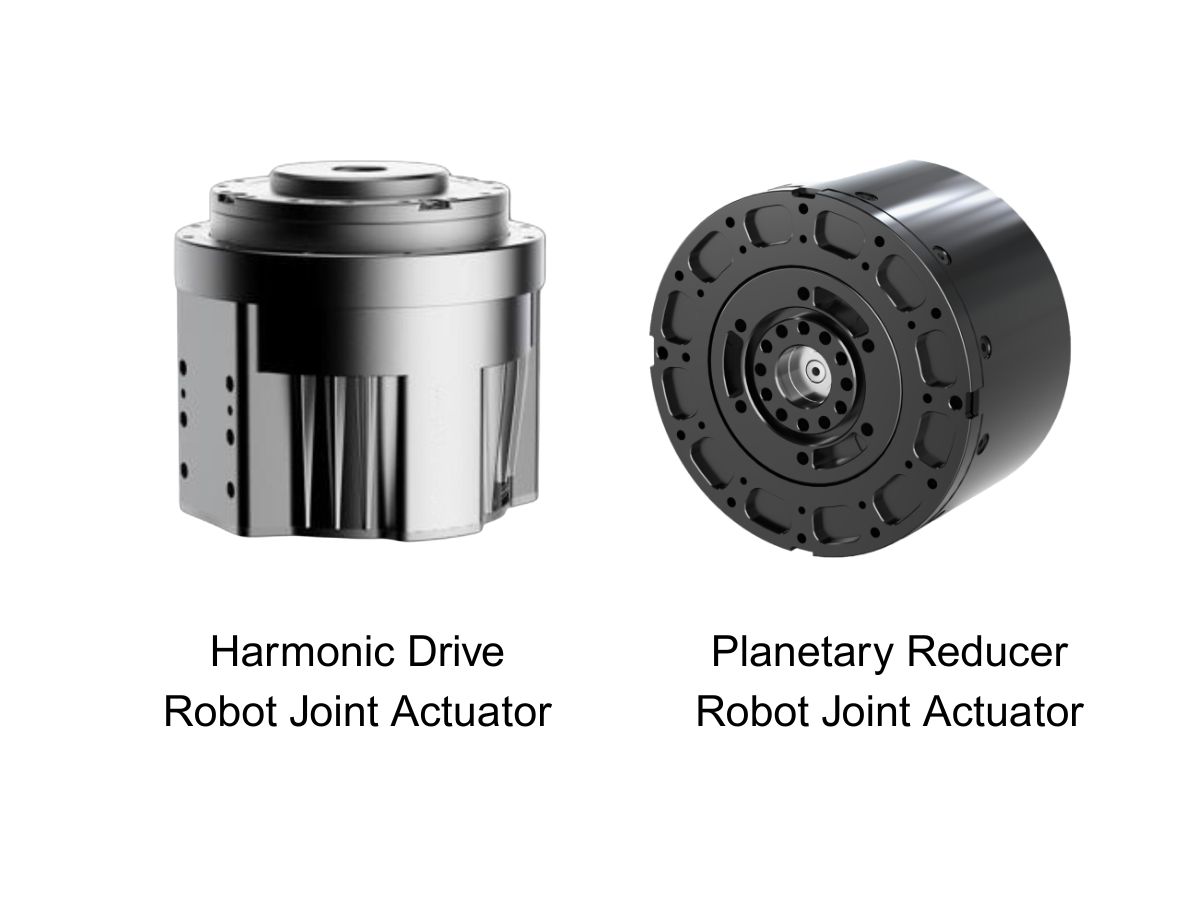
 What is robot joint actuator?How to Choose the Best Robot Rotary Joint Actuator?In core robot joint transmission solutions, planetary and harmonic rotary actuators each have their own strengths. Choosing the right type based on application requirements is essential to achieve the optimal balance between performance and cost.
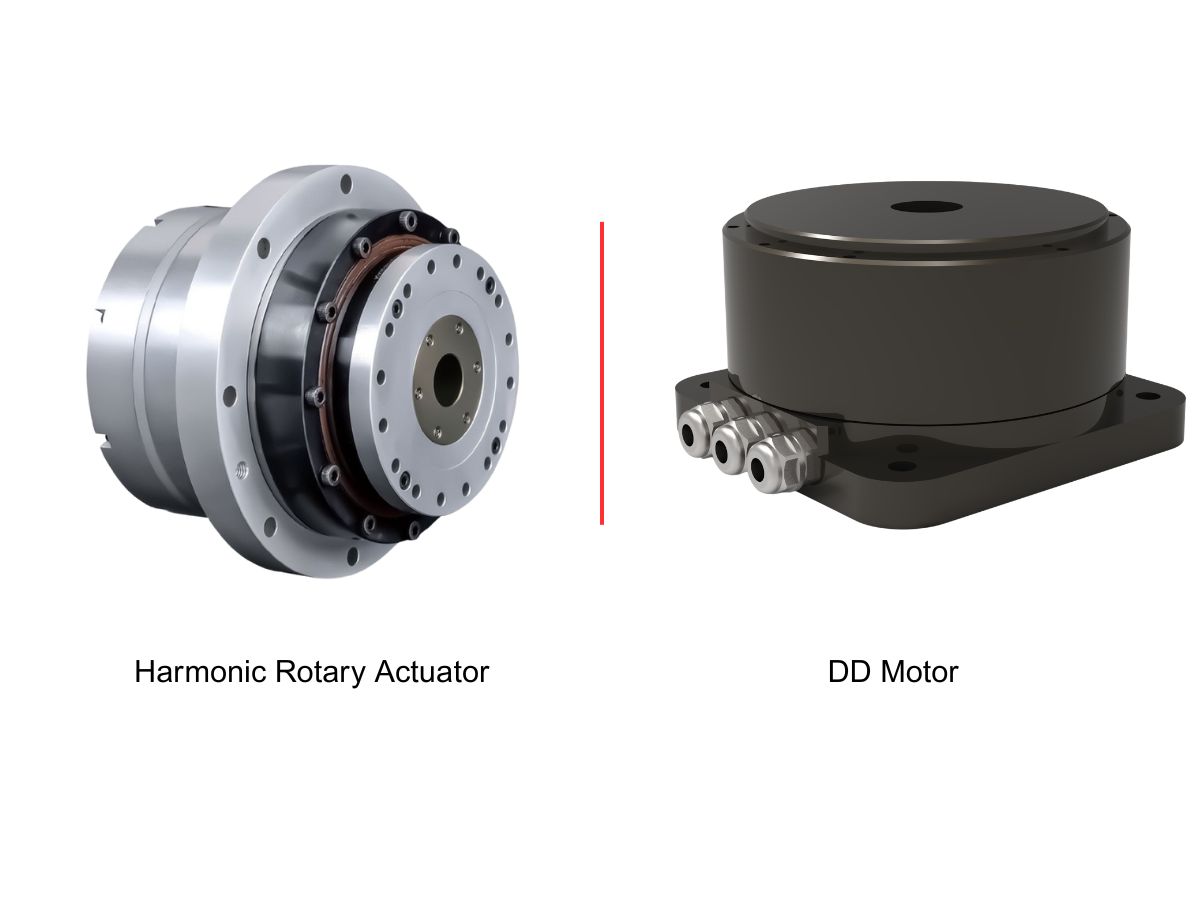
 DD Motors VS Harmonic Rotary ActuatorsThis article provides an in-depth comparison between Direct Drive (DD) motors and harmonic rotary actuators, covering their transmission principles, advantages and disadvantages, and typical application fields.
 OMG Ultra Compact Harmonic Drive Joint Module with Built-in Torque SensorHONPINE TCHL series harmonic drive joint module is a game-changing product that achieves disruptive improvements in multiple aspects such as lightweight design, integration level, and connection convenience. This article will analyze its revolutionary enhancements with you.
 The Role of Harmonic Drive Gears in Achieving 5–10 μm Accuracy in Dental Milling MachinesA dental milling machine is a CNC machining system used to directly process digital dental models into restorations such as crowns, bridges, veneers, inlays, and implant abutments. Dental milling machines require far higher operational accuracy and motion stability than ordinary equipment. This article explains how harmonic drive gear help dental milling machines achieve stable, continuous, and controllable operation.
 Why Are Harmonic Rotary Actuators Perfect for Medical Equipment?Harmonic rotary actuators (typically integrated systems consisting of a harmonic drive reducer, frameless torque motor, encoder, and optional brake) are regarded as key components in medical equipment. The core reason is that they simultaneously meet the most stringent medical requirements for precision, compact size, safety, and controllability. The following explanation is structured from three perspectives: technical characteristics, application scenarios, and medical value.
 High-Precision RV Reducers Perfectly Matched for Walking RobotsThe walking axis of a robot is a core component for power transmission and support. RV reducers provide extremely high rigidity, precision, and torque while maintaining a compact size and exceptional reliability, making them an ideal match for the demanding requirements of walking robot joints in terms of load capacity, impact resistance, and precision.
 Why Does an RV Reducer Need Profile Modification? How to Further Reduce Backlash and Transmission Error?An RV Reducer is designed to deliver high torque, high stiffness, and precise motion for demanding applications such as robotic joints, industrial rotary tables, and precision machinery. However, achieving low backlash and stable transmission accuracy requires more than high-precision machining. Cycloidal profile modification must also account for manufacturing tolerances, assembly errors, load-induced deformation, thermal expansion, and lubrication conditions. In this article, we examine why RV reducers require profile modification, how different modification methods affect meshing, and how engineers can further control backlash and transmission error through profile design, error budgeting, structural analysis, precision manufacturing, and validation testing.
 Hollow Robot Joint Module: Why Cable Routing Matters in Robotic Joints?A hollow robot joint module provides an internal passage for power cables, signal lines, pneumatic tubes, and other end-effector connections. Compared with external cable routing, a hollow joint module can help reduce cable exposure, improve system integration, and create a cleaner motion path for robotic arms. This article explains why internal cable routing matters in robotic joints and what to consider when selecting a hollow joint module for robotic applications.
 Robot Joint Actuator Selection: From Inertia Matching to System-Level OptimizationSelecting a robot joint actuator is not simply a matter of matching motor torque or achieving a suitable inertia ratio. In a real robotic system, reduction ratio, load spectrum, thermal performance, mechanical stiffness, transmission nonlinearity, encoder architecture, control bandwidth, and service life all interact to determine the final result. A joint may meet its peak torque requirement and still experience vibration, overheating, positioning errors, or premature wear in real operation. This article examines the engineering logic behind robot joint actuator selection and explains why moving from single-parameter matching to system-level optimization can lead to more reliable and predictable robotic joint performance.
 HONPINE HAG Robot Joint Module Undergoing Pre-Shipment InspectionThe HONPINE HAG Robot Joint Module is currently undergoing pre-shipment inspection before delivery.
 How to Choose a Small Harmonic Actuator?HONPINE Series 11 small harmonic actuators provide a compact, high-performance rotary motion solution for precision automation applications. Available with hollow or solid shafts, 48V or 220V options, optional brakes, absolute encoders, and different reduction ratios, the Series 11 is designed for applications requiring compact dimensions, controlled torque, and precise positioning.
 How to Choose a Wheel Motor for a Heavy-Duty AGV? Key Challenges from Dynamic Loads to 120-Ton AGV Drive Wheel SystemsSelecting a Heavy-Duty AGV Wheel Motor is more than matching motor power or rated torque to the vehicle's payload. As AGVs move from conventional material handling to multi-ton and even 120-ton-class applications, the drive wheel system must handle dynamic loads, acceleration, braking, turning forces, traction, and long-term mechanical stress. The actual challenge lies in matching wheel load capacity, wheel-end torque, gearbox performance, steering architecture, suspension, and chassis design under real operating conditions. This article examines the key challenges of Heavy-Duty AGV Wheel Motor selection and explains how Steering Drive Wheels and Differential Drive Wheels can be evaluated for different heavy-duty AGV applications.


Double Click
We provide harmonic drive reducer,planetary reducer,robot joint motor,robot rotary actuators,RV gear reducer,robot end effector,dexterous robot hand
 China Tightens Export Filing for CNC Machine ToolsCNC machine tools exporters and buyers should prepare now: China tightens export filing for lathes, milling and grinding machines from June 30, 2026, raising compliance and customs demands.
 Japan Tightens Export Review for High-End Five-Axis Machine ToolsFive-axis CNC machine tools face stricter Japan export review from August 16, 2026. Learn how longer approvals may disrupt supply, procurement, and sourcing strategy.
 Japan Tightens Approvals for High-End Five-Axis ExportsFive-axis CNC machine tool exports from Japan face tighter approvals, longer lead times, and higher risk. Learn how this shift impacts buyers, distributors, and supply chains.
 China Curbs Dual-Use Exports to 14 EU EntitiesChina curbs dual-use exports to 14 EU entities, disrupting CNC machine tool supply chains, servo motor sourcing, and compliance planning. Learn the immediate risks and actions now.
 UL 1604:2026 Tightens Dust Rules for Robot Joint MotorsUL 1604:2026 Tightens Dust Rules for Robot Joint Motors with new dust-environment, temperature-group, and IP6X checks. Learn how this impacts OEM exports, sourcing, and certification planning.
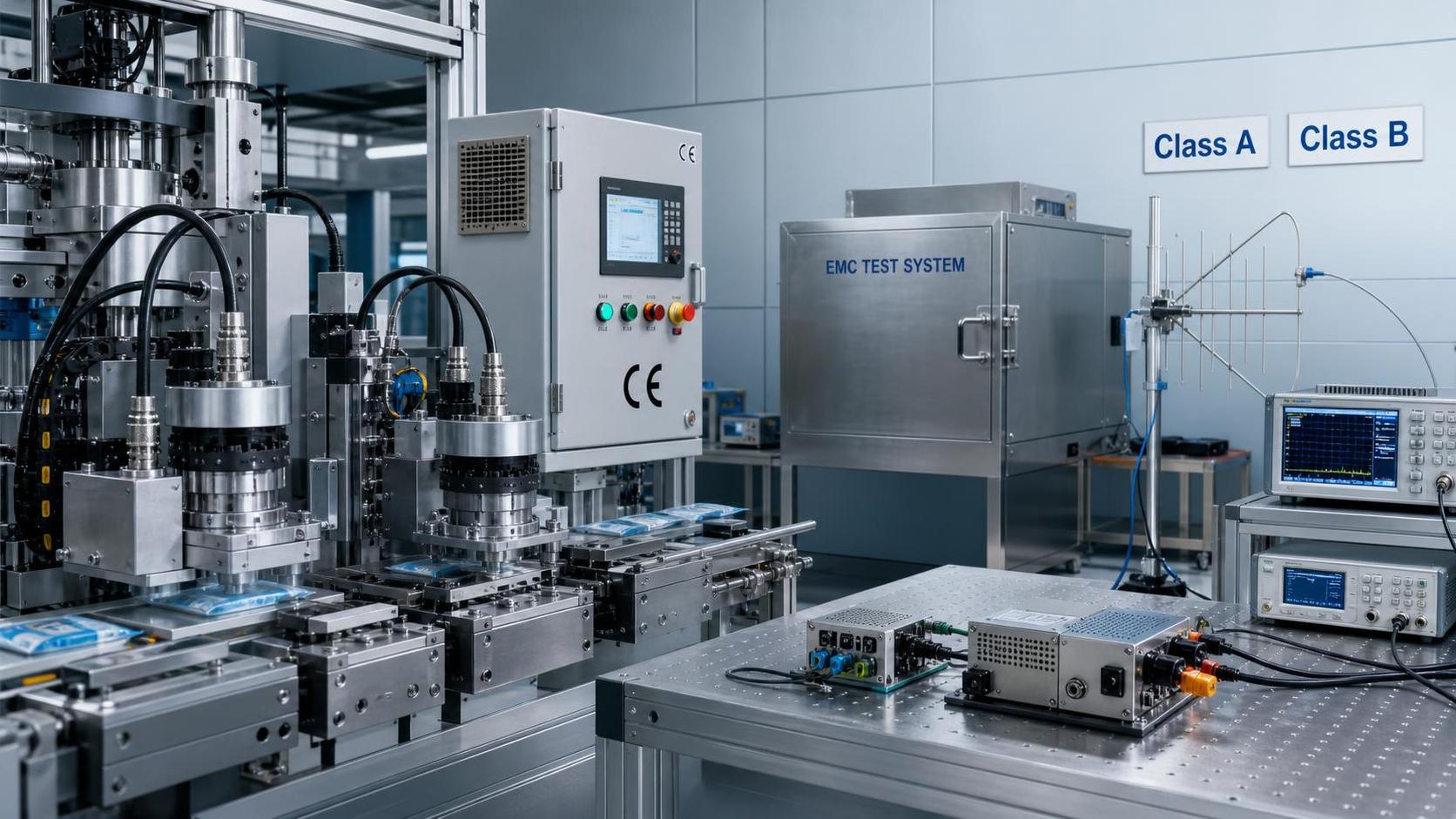
 EU EN IEC 61800-3:2025 Takes Effect for Harmonic DrivesEN IEC 61800-3:2025 reshapes EU EMC compliance for harmonic drives. Learn how CE marking, Class A/B testing, certification, and delivery timelines may impact exporters and buyers.
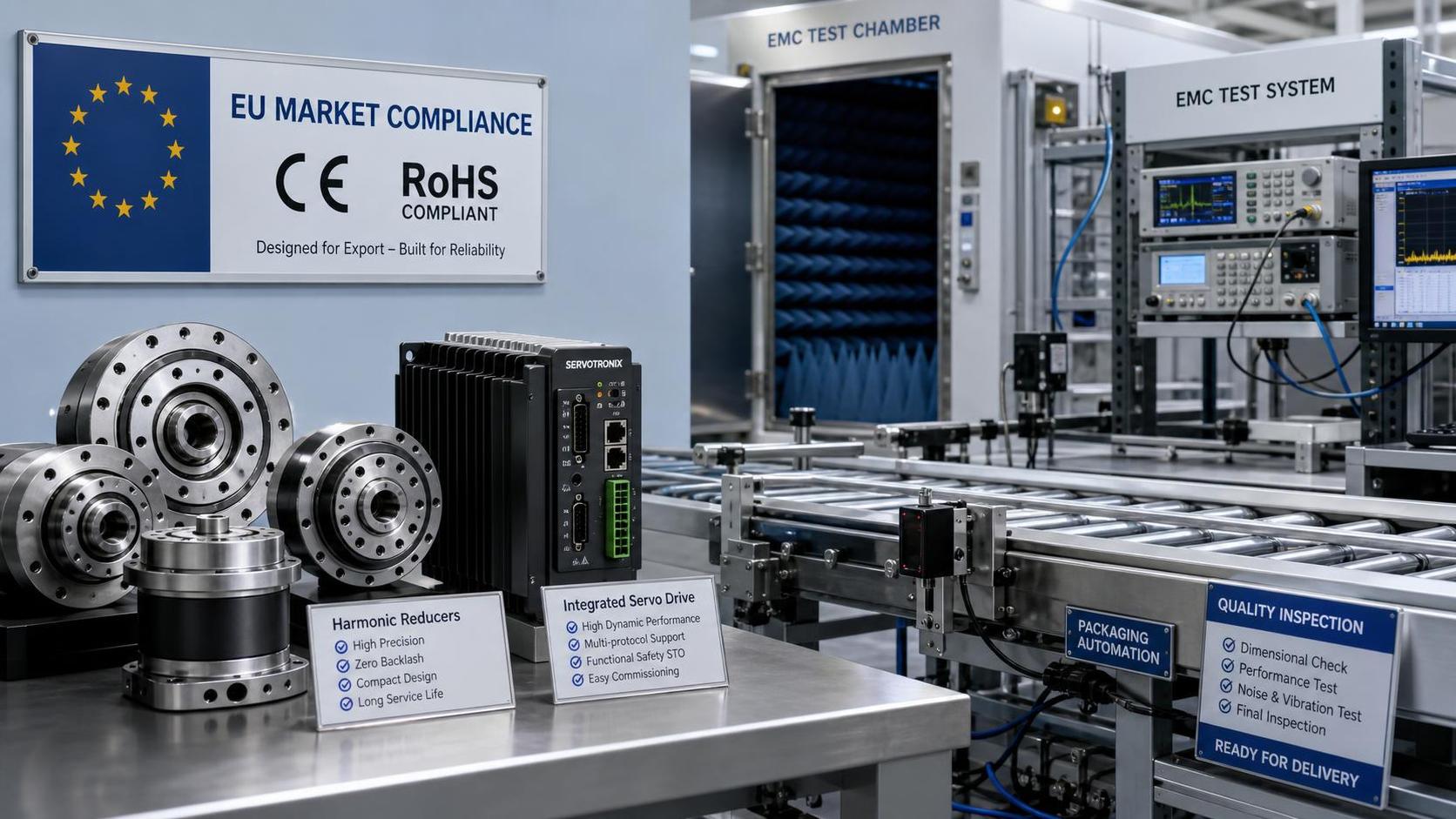
 EU Mandates EMC Testing for Harmonic Drive ReducersHarmonic drive reducers face new EU EMC testing rules from Aug 1, 2026. Learn how the mandate impacts packaging machinery exports, compliance, customs clearance and market access.
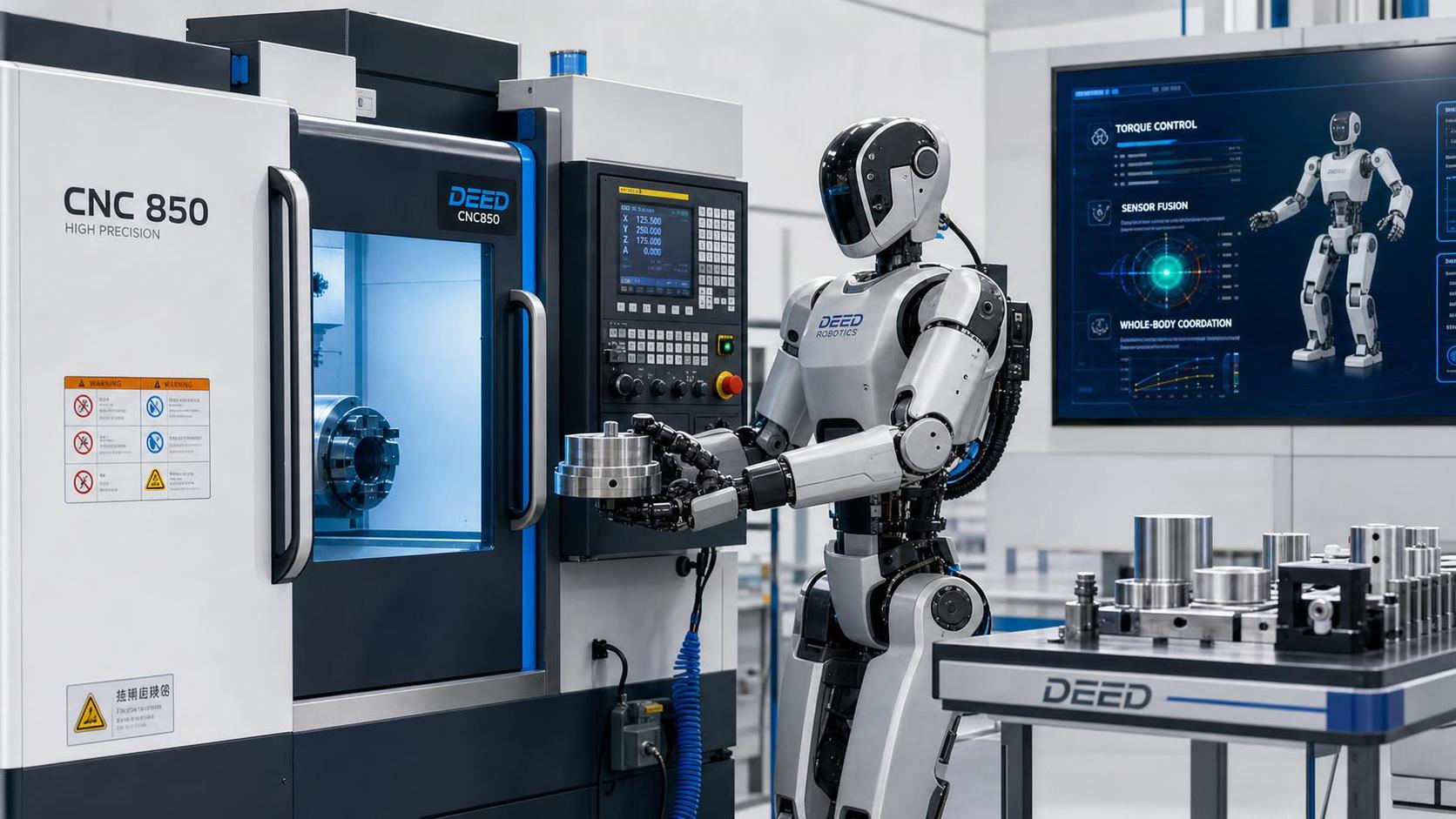
 Top Motion Control Technologies for Humanoid Robots in 2026Top motion control technologies for humanoid robots in 2026: discover how MPC, torque control, sensor fusion, and real-time coordination improve machine tool automation, safety, and uptime.
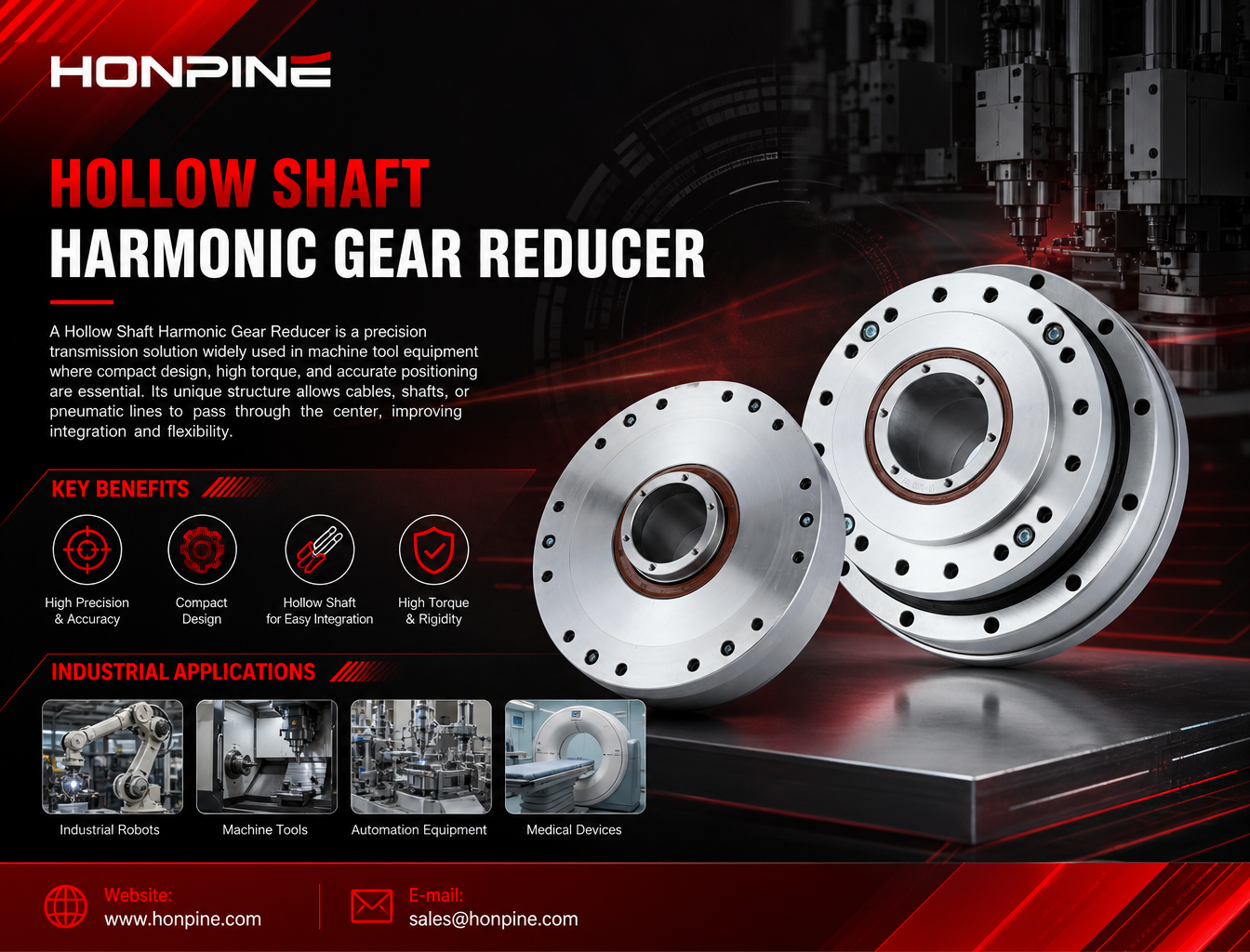
 Hollow Shaft Harmonic Gear Reducer Explained: Structure, Benefits & ApplicationsHollow Shaft Harmonic Gear Reducer explained for machine tool equipment—discover its structure, precision benefits, compact design advantages, and key applications for smarter motion control.
 How to Choose a Joint Motor for High-Speed ApplicationsJoint motor for high-speed applications: learn how to choose the right solution for machine tools with better precision, cooling, torque, and stability to boost performance.
 Why Harmonic Drive Actuators Improve the Performance of Microscope Optical PlatformsHarmonic Drive Actuators improve microscope optical platforms with near-zero backlash, high precision, low vibration, and compact design—ideal for stable imaging and repeatable motion.
 METI Adds HAG Harmonic Drives to Export License ListHAG harmonic drives now face METI export license controls. Learn how the July 8 update affects OEM delivery, procurement timing, and shipments to China, Vietnam, and Mexico.