




Japanese CNC Systems Lead Times Extended to 6 Months; Domestic Alternatives Accelerate Global Adoption
Starting in early April 2026, lead times for major Japanese CNC systems—including those from FANUC—and associated servo motors have extended to over six months in the China market, with some models effectively out of stock. This supply disruption is prompting mid-to-high-end machine tool users worldwide—including importers in Southeast Asia, the Middle East, and Eastern Europe—to accelerate evaluation and bulk adoption of AI-enabled domestic CNC systems such as those from Huazhong Numerical Control. The shift offers a potential 3–4 month reduction in equipment delivery timelines but introduces new considerations around system compatibility certification and local technical support coverage—making this development especially relevant for global machine tool integrators, OEMs, and industrial procurement professionals.
Event Overview
As of April 10, 2026, mainstream Japanese CNC systems and servo motors—including offerings from FANUC—have experienced severe supply shortages in China. Confirmed reports indicate that average lead times have stretched to six months or longer, and certain model variants are no longer available for immediate order fulfillment. This constraint is now driving overseas buyers—particularly in Southeast Asia, the Middle East, and Eastern Europe—to evaluate and adopt domestically produced AI-integrated CNC systems at scale.
Industries Affected by Segment
Machine Tool Original Equipment Manufacturers (OEMs)
OEMs integrating Japanese CNC systems into their machines face delayed production schedules and increased inventory holding costs due to extended component lead times. Impact manifests primarily in longer time-to-delivery for finished machines and tighter capacity planning windows.
Industrial Equipment Importers & Distributors
Importers serving markets in Southeast Asia, the Middle East, and Eastern Europe are encountering extended customer wait times and rising pressure to source alternative control solutions. Their ability to maintain service-level agreements and competitive pricing hinges on rapid validation of substitute systems.
Contract Manufacturing & Precision Machining Firms
Firms reliant on imported CNC-equipped machinery for high-precision parts face scheduling uncertainty during machine upgrades or replacements. Delays directly affect throughput commitments, especially where tight-tolerance or multi-axis capabilities are required.
Aftermarket & Retrofit Service Providers
Providers supporting legacy Japanese CNC installations may experience reduced availability of replacement modules and firmware updates. Demand for cross-platform integration services—e.g., adapting domestic controls to existing mechanical platforms—is likely to rise.
Key Considerations and Recommended Actions for Stakeholders
Monitor official supplier communications and regional allocation policies
Japanese manufacturers have not yet published formal statements on global reallocation strategies. Stakeholders should track official channels for updates on regional priority frameworks and any tiered allocation mechanisms that may emerge.
Evaluate compatibility certification status for target export markets
Domestic AI CNC systems may meet CE, UL, or other regional safety standards—but formal certification for specific configurations (e.g., integrated AI motion control logic) remains uneven across markets. Prioritize verification for top-three target countries before committing to volume orders.
Assess local technical support infrastructure before deployment
While domestic vendors are expanding overseas support networks, response times and spare-part logistics vary significantly by region. Conduct site-specific readiness assessments—including engineer availability, language capability, and documented SLA terms—before finalizing integration plans.
Adjust procurement timelines and buffer stock levels for critical subsystems
Procurement teams should revise lead-time assumptions for Japanese-sourced CNC components—not only for new builds but also for spares and upgrades. Introduce minimum buffer thresholds for servo drives and I/O modules currently facing longest delays.
Editorial Perspective / Industry Observation
Observably, this supply constraint is less an isolated shortage and more a structural inflection point: it reflects growing exposure of global manufacturing supply chains to concentrated sourcing in a single geography. Analysis shows that the current shift toward domestic alternatives is being driven primarily by delivery-cycle urgency—not performance parity—meaning adoption decisions are being made under time pressure rather than full technical due diligence. From an industry perspective, this event functions more as a stress-test signal than a completed transition; sustained uptake will depend on demonstrable reliability, certification breadth, and post-deployment support consistency—not just lead-time advantage. Continued monitoring of field failure rates, firmware update cadence, and third-party integration case studies will be essential in distinguishing short-term substitution from long-term platform migration.
This development underscores a broader recalibration in how global industrial buyers weigh trade-offs between proven ecosystem maturity and operational agility. It does not signify an immediate, wholesale displacement of Japanese systems—but rather highlights an accelerating threshold where delivery certainty begins to outweigh historical preference in procurement decision hierarchies.
Conclusion
The extension of Japanese CNC system lead times to six months marks a tangible inflection in global industrial automation procurement dynamics. Its significance lies not in replacing one technology with another, but in revealing how delivery predictability has become a decisive factor in system selection—especially among cost- and schedule-sensitive international buyers. Current evidence supports understanding this as an early-stage supply-driven adaptation, not a technology-led paradigm shift. Stakeholders are advised to treat it as a catalyst for structured contingency planning—not as a definitive endorsement of any single alternative platform.
Source Attribution
Main source: Confirmed supply chain intelligence reported on April 10, 2026, regarding FANUC and other Japanese CNC system suppliers in the China market. Ongoing observation is warranted for updates on global allocation policies, certification progress for domestic systems in key export regions, and field performance data from early overseas deployments.
Read More
Learn more about the story of HONPINE and industry trends related to precision transmission.
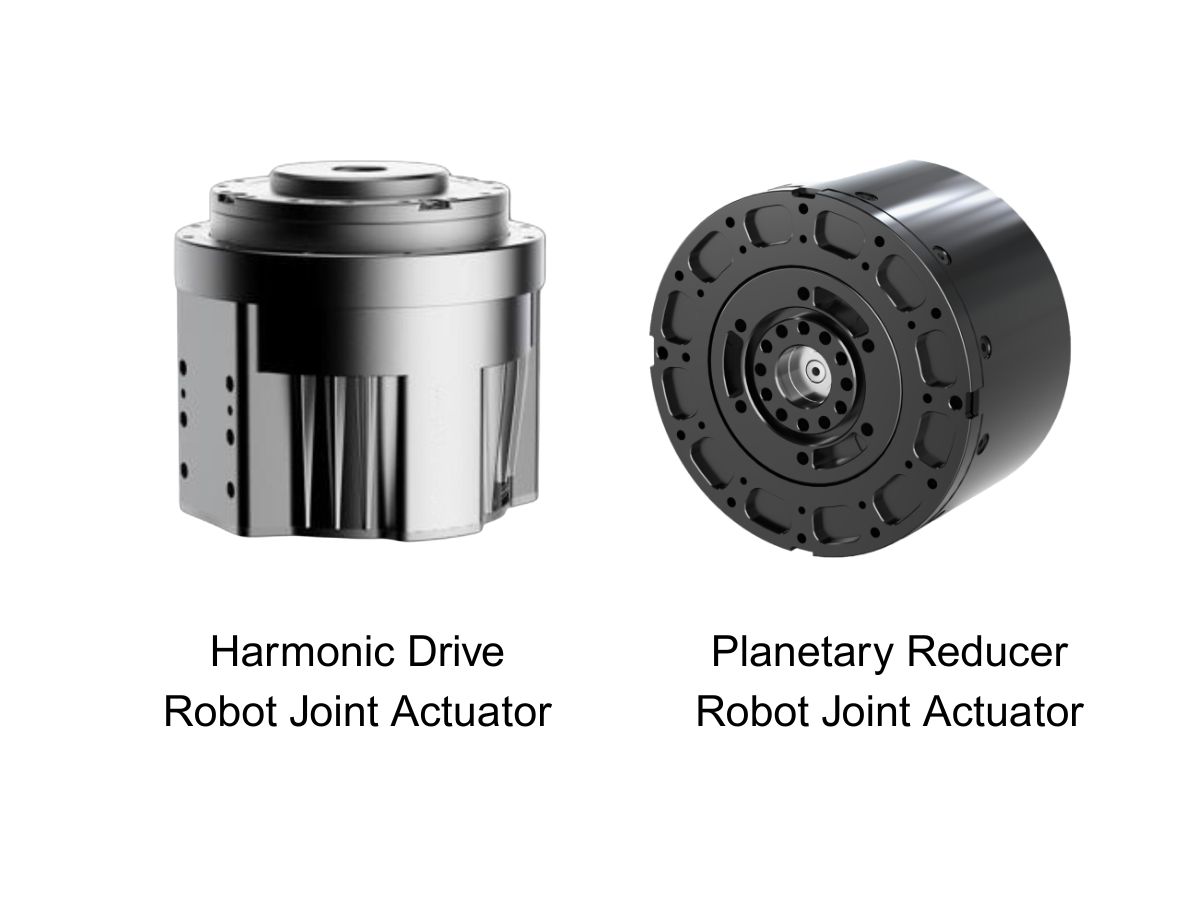
 What is robot joint actuator?How to Choose the Best Robot Rotary Joint Actuator?In core robot joint transmission solutions, planetary and harmonic rotary actuators each have their own strengths. Choosing the right type based on application requirements is essential to achieve the optimal balance between performance and cost.
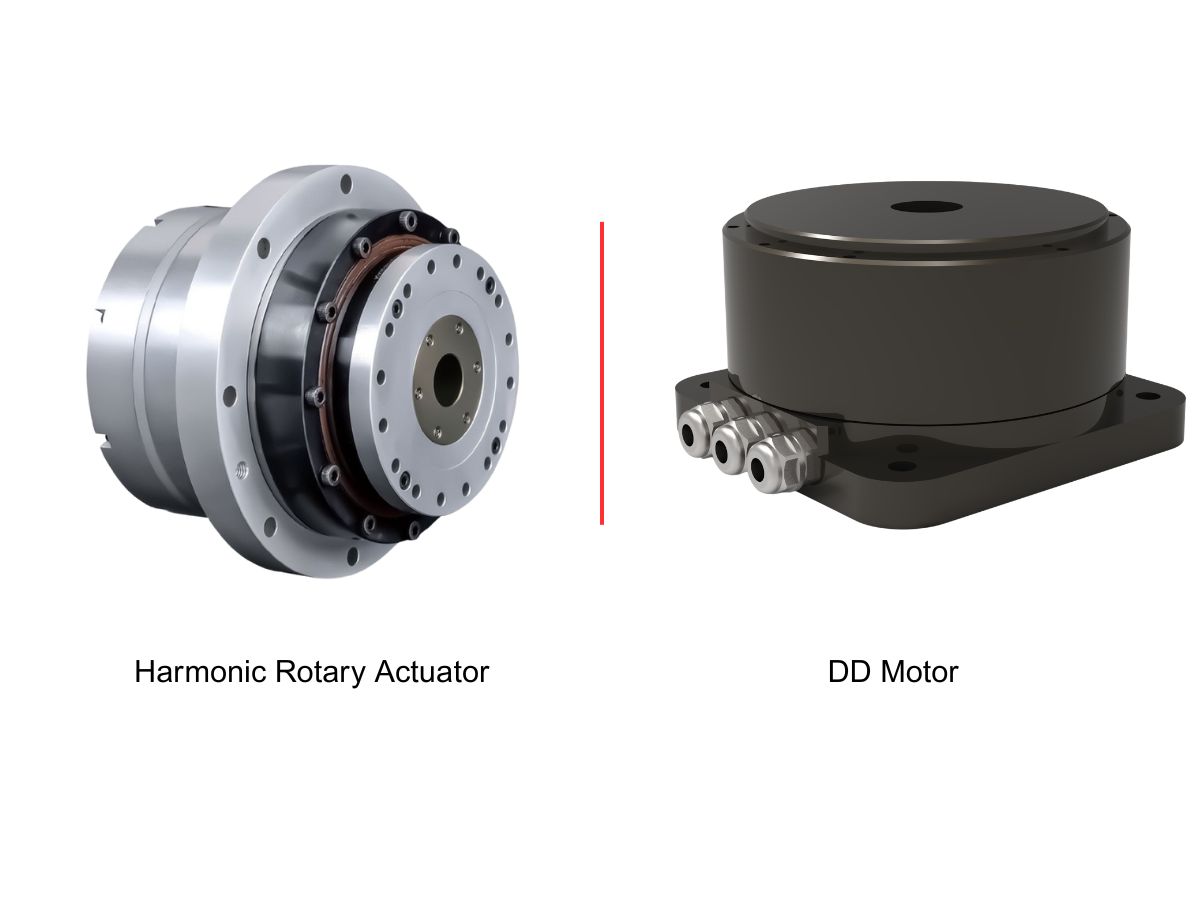
 DD Motors VS Harmonic Rotary ActuatorsThis article provides an in-depth comparison between Direct Drive (DD) motors and harmonic rotary actuators, covering their transmission principles, advantages and disadvantages, and typical application fields.
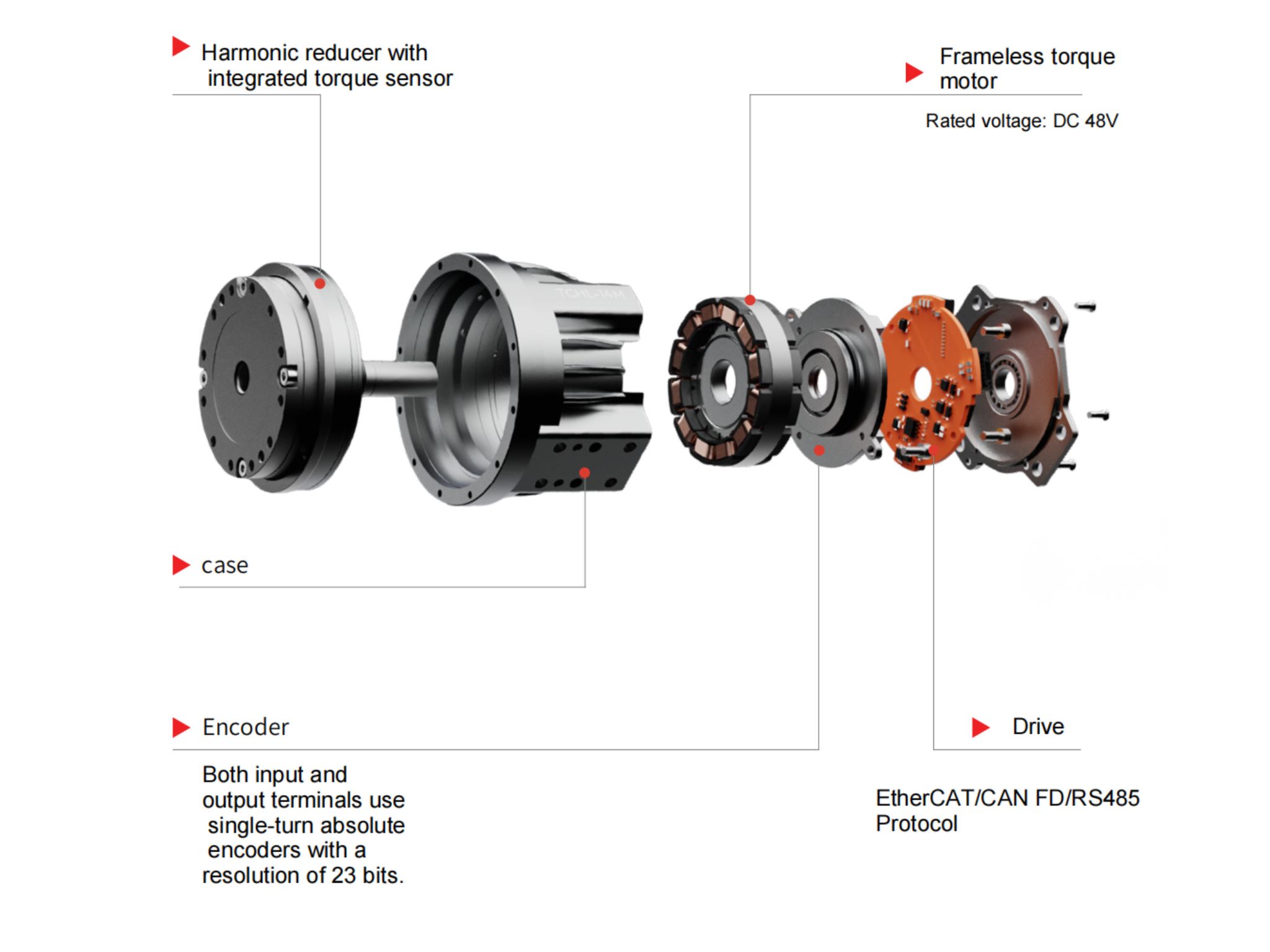
 OMG Ultra Compact Harmonic Drive Joint Module with Built-in Torque SensorHONPINE TCHL series harmonic drive joint module is a game-changing product that achieves disruptive improvements in multiple aspects such as lightweight design, integration level, and connection convenience. This article will analyze its revolutionary enhancements with you.
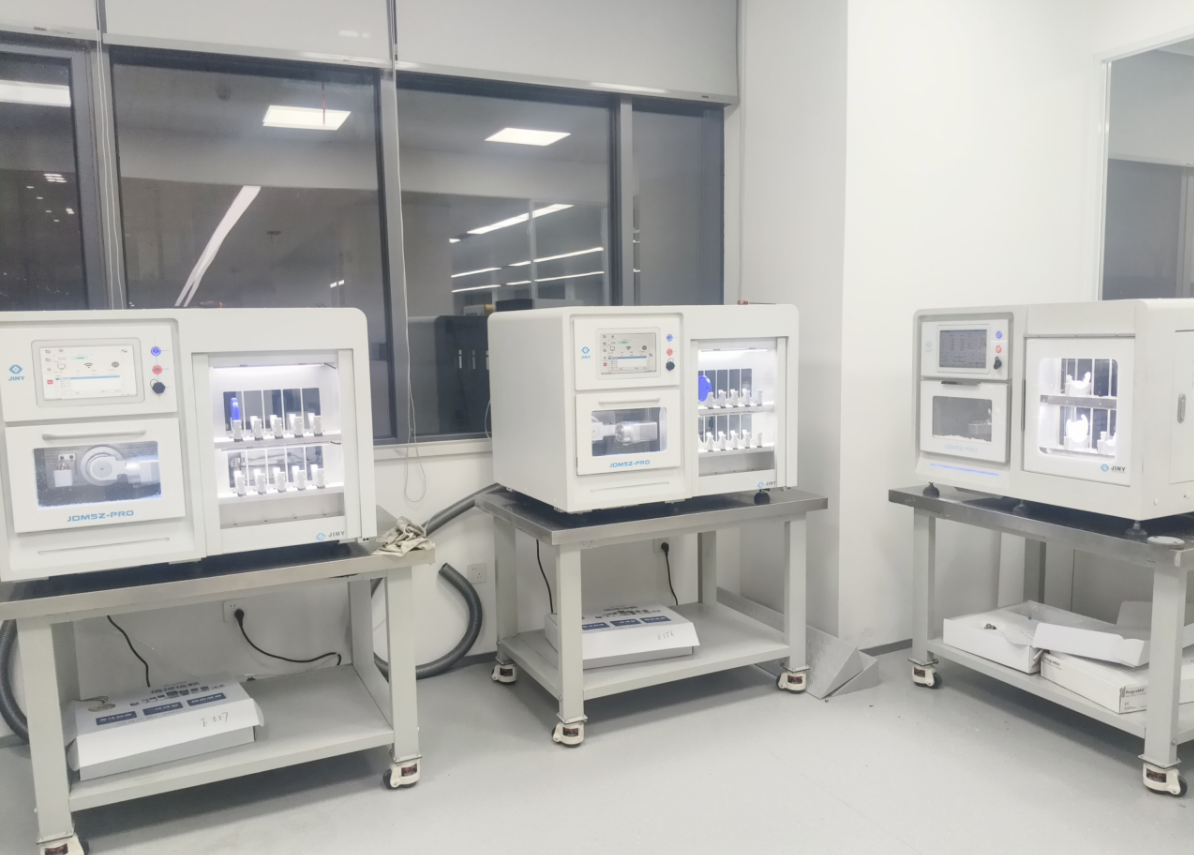
 The Role of Harmonic Drive Gears in Achieving 5–10 μm Accuracy in Dental Milling MachinesA dental milling machine is a CNC machining system used to directly process digital dental models into restorations such as crowns, bridges, veneers, inlays, and implant abutments. Dental milling machines require far higher operational accuracy and motion stability than ordinary equipment. This article explains how harmonic drive gear help dental milling machines achieve stable, continuous, and controllable operation.
 Why Are Harmonic Rotary Actuators Perfect for Medical Equipment?Harmonic rotary actuators (typically integrated systems consisting of a harmonic drive reducer, frameless torque motor, encoder, and optional brake) are regarded as key components in medical equipment. The core reason is that they simultaneously meet the most stringent medical requirements for precision, compact size, safety, and controllability. The following explanation is structured from three perspectives: technical characteristics, application scenarios, and medical value.
 High-Precision RV Reducers Perfectly Matched for Walking RobotsThe walking axis of a robot is a core component for power transmission and support. RV reducers provide extremely high rigidity, precision, and torque while maintaining a compact size and exceptional reliability, making them an ideal match for the demanding requirements of walking robot joints in terms of load capacity, impact resistance, and precision.
![]() Japanese CNC Systems Lead Times Extended to 6 Months; Domestic Alternatives Accelerate Global AdoptionJapanese CNC systems lead times now 6 months—global buyers pivot to AI-enabled domestic alternatives like Huazhong for faster delivery, reliability, and smart manufacturing agility.
Japanese CNC Systems Lead Times Extended to 6 Months; Domestic Alternatives Accelerate Global AdoptionJapanese CNC systems lead times now 6 months—global buyers pivot to AI-enabled domestic alternatives like Huazhong for faster delivery, reliability, and smart manufacturing agility.![]() China Implements Zero Tariffs on Machinery Exports to AfricaChina's zero tariffs on machinery exports to Africa boost CNC machine tool competitiveness—5–15% duty savings unlock pricing power, faster tenders & stronger market entry for exporters.
China Implements Zero Tariffs on Machinery Exports to AfricaChina's zero tariffs on machinery exports to Africa boost CNC machine tool competitiveness—5–15% duty savings unlock pricing power, faster tenders & stronger market entry for exporters. What Is the Revolving Joint of a Robot?Structure, Components, and Working Principles Explained?This article will provide you with a comprehensive analysis of a robot's rotary joint, including its integrated components, the role of each component, and how precise control is achieved.
 Which Manufacturers Are Capable of Providing Integrated Frameless Torque Motor and Hollow Rotary Servo Actuator Solutions?A traditional servo rotary actuator consists of a rotor, stator, housing, bearings, end caps, and feedback components. A frameless motor removes all redundant mechanical structures and retains only the electromagnetic conversion core. The rotor becomes a direct part of the load shaft, while the stator is integrated into the machine structure through bonding, locking, or potting.
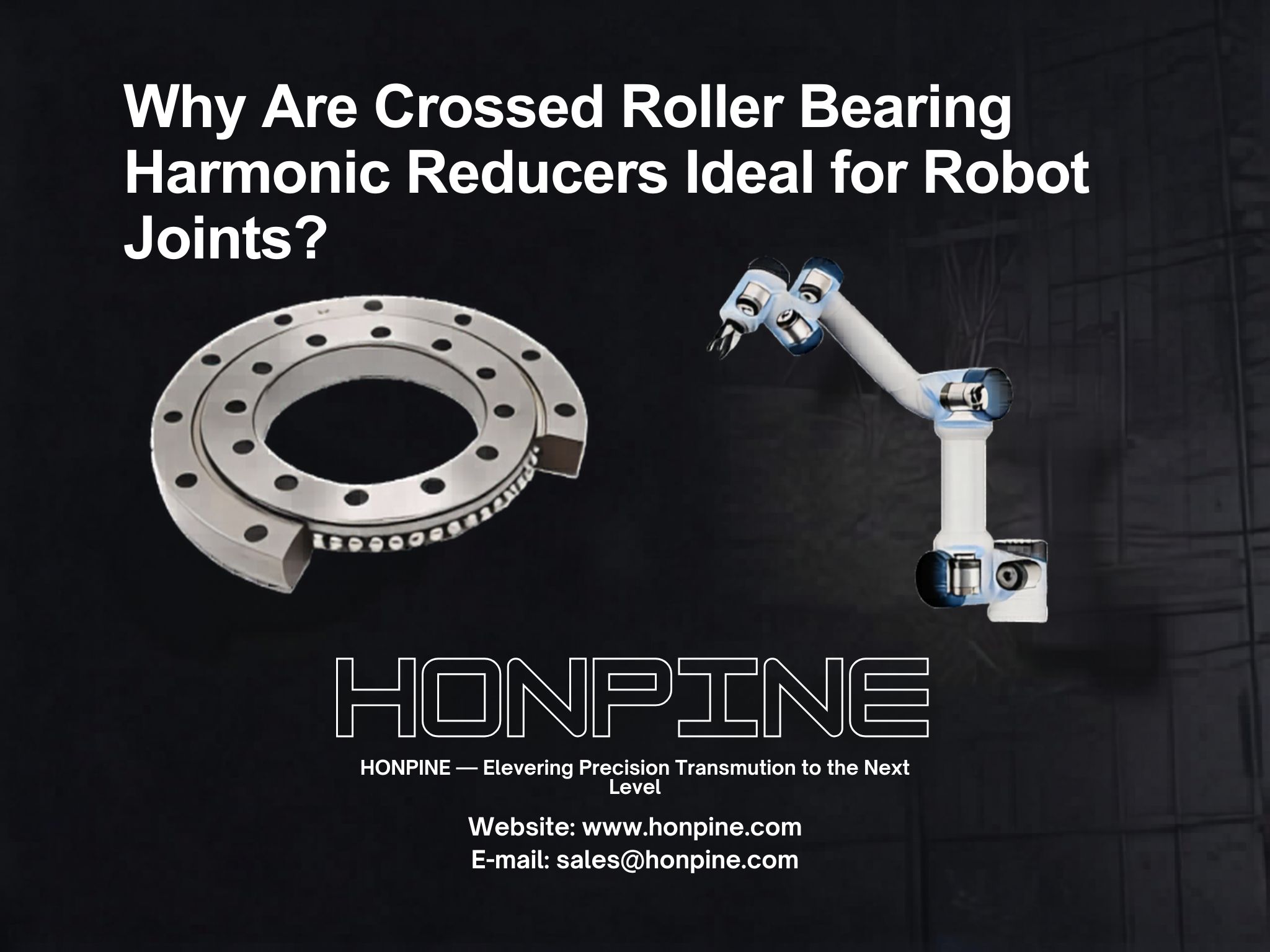
 Why Are Crossed Roller Bearing Harmonic Reducers Ideal for Robot Joints?In robotic harmonic reducers, crossed roller bearings are the key components that ensure motion accuracy and structural rigidity. Their performance directly affects the robot’s repeat positioning accuracy, load capacity, and service life.
 How HONPINE HAG Harmonic Drive Robot Joint Modules Improve Precision, Torque Control, and ReliabilityHONPINE HAG robot joint module is a game-changing innovation developed to meet the emerging demands of the robotics industry. It is a fully closed-loop harmonic robotic joint module.

Double Click
We provide harmonic drive reducer,planetary reducer,robot joint motor,robot rotary actuators,RV gear reducer,robot end effector,dexterous robot hand
![]() Japanese CNC Systems Lead Times Extended to 6 Months; Domestic Alternatives Accelerate Global AdoptionJapanese CNC systems lead times now 6 months—global buyers pivot to AI-enabled domestic alternatives like Huazhong for faster delivery, reliability, and smart manufacturing agility.
Japanese CNC Systems Lead Times Extended to 6 Months; Domestic Alternatives Accelerate Global AdoptionJapanese CNC systems lead times now 6 months—global buyers pivot to AI-enabled domestic alternatives like Huazhong for faster delivery, reliability, and smart manufacturing agility.![]() China Implements Zero Tariffs on Machinery Exports to AfricaChina's zero tariffs on machinery exports to Africa boost CNC machine tool competitiveness—5–15% duty savings unlock pricing power, faster tenders & stronger market entry for exporters.
China Implements Zero Tariffs on Machinery Exports to AfricaChina's zero tariffs on machinery exports to Africa boost CNC machine tool competitiveness—5–15% duty savings unlock pricing power, faster tenders & stronger market entry for exporters. Embedded vs. External Torque Sensors in Robotic Joints Module: Engineering Trade-offs and Future TrendsIn recent years, with the rapid growth of humanoid robots and collaborative robots, high-precision force control has become a core capability for achieving compliant and safe interaction. At the heart of this capability lies a critical component inside the robotic joint module: the torque sensor, responsible for perceiving force.
However, the installation method of torque sensors directly determines joint performance, reliability, and cost. Today, two main technical approaches dominate the market: embedded (integrated) and external (add-on) torque sensors.
This distinction goes beyond simply “built-in” versus “attached.” The fundamental difference lies in whether the torque sensing structure is an intrinsic part of the mechanical transmission chain and integrated within the joint itself. A Complete Guide to Choosing Single-Encoder vs. Dual-Encoder Robot Joint ActuatorsIn a robot joint, encoders play a role similar to human vision and proprioception. They continuously measure the position and speed of both the motor rotor and the output shaft, feeding this information back to the controller to form a precise closed-loop control system.
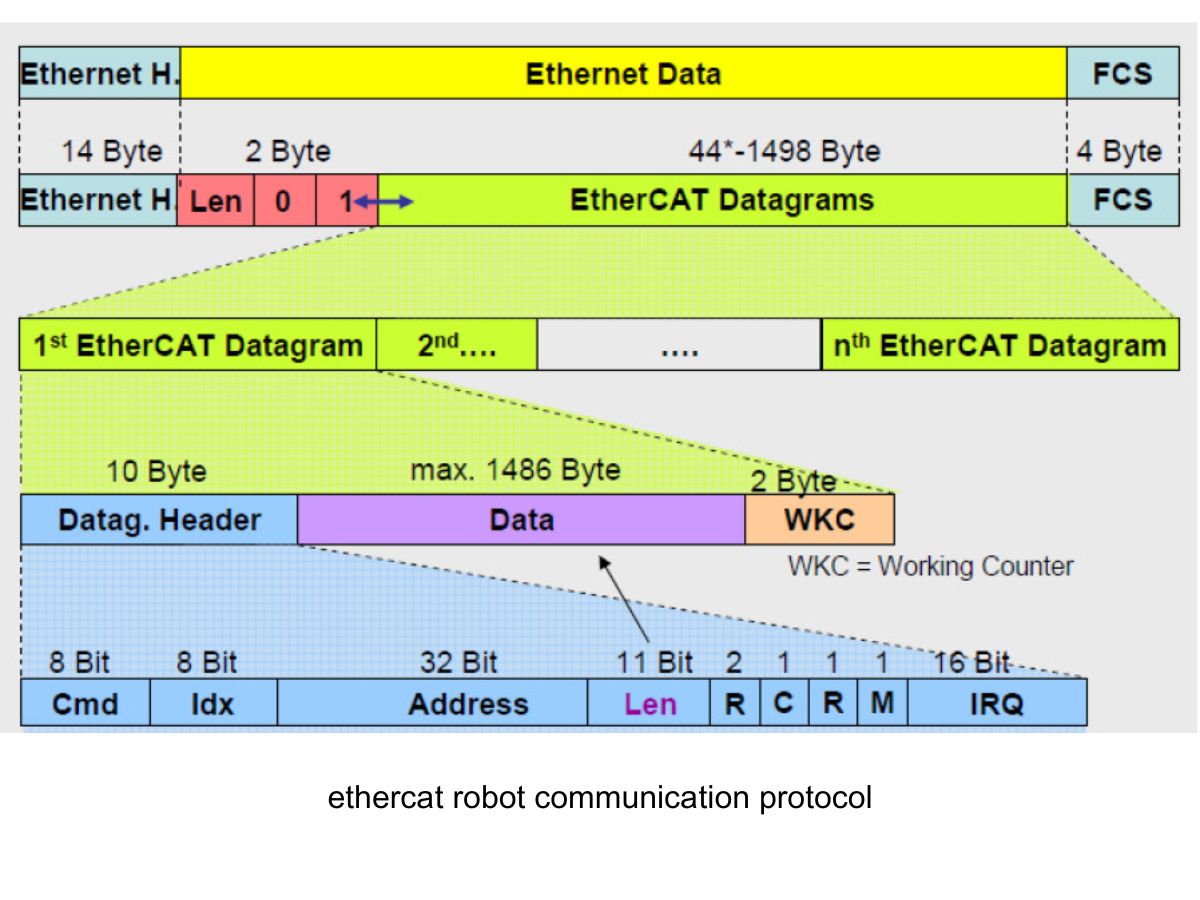
Encoders are also one of the core components of HONPINE joint actuators, directly determining motion accuracy, stability, and safety. Robot Communication Protocols: Why EtherCAT and CAN Are the FutureAccording to statistics released by the EtherCAT Technology Group (ETG) in 2024, EtherCAT has captured 39.2% of the global industrial robot communication protocol market, with an annual growth rate of 12.7%, significantly outperforming other competing protocols. Its advantages are particularly evident in key application scenarios: from multi-joint real-time coordinated control in humanoid robots, to multi-sensor fusion in autonomous driving, and human–machine collaboration in Industry 4.0. EtherCAT is redefining how intelligent systems interact with the physical world.
 Why Is It So Difficult for the Price of High-Performance Humanoid Robots to Decrease?And Why Are Harmonic Joint Modules Still Irreplaceable?The core reason lies in one unavoidable requirement: high degrees of freedom.
High DOF is essential for humanoid robots, and this directly leads to harmonic joint modules accounting for a consistently high proportion of total system value. Harmonic Drive Systems VS Nabtesco VS HONPINE Harmonic Drive MotorThe integrated harmonic joint motor is a highly integrated, high-performance robotic joint solution that combines the motor, reducer, encoder, sensors, and other key components into one unit. It provides powerful drive capability and precise motion control for robots. Regarded as the “heart” of humanoid robot motion, it is installed at various joints to control their movement and directly determines the robot’s overall performance. Therefore, choosing a reliable harmonic joint motor is crucial for humanoid robot development.
 How to Find a Reliable Supplier Amid Soaring Demand for Harmonic Drives and Harmonic Actuators?Under the driving forces of AI, embodied intelligence, and other key technologies, the humanoid robot industry is experiencing explosive growth. The demand for harmonic drives and harmonic actuators has surged accordingly, making it increasingly difficult for machinery companies to find reliable suppliers. So, how is HONPINE responding to this surge in demand?
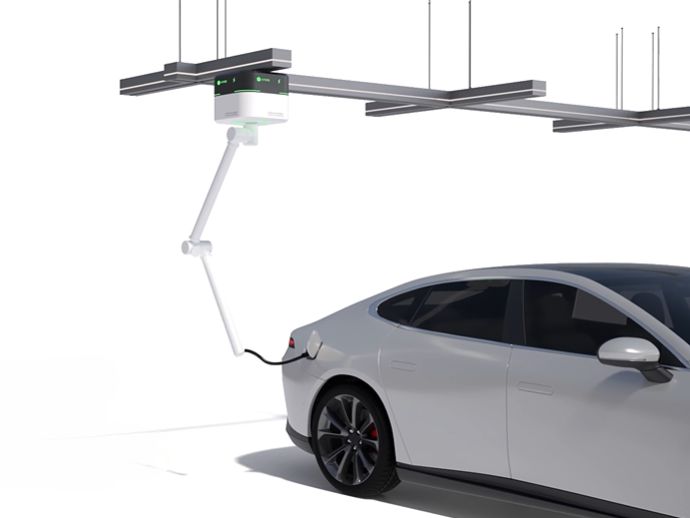
 Harmonic Rotary Actuator Helps Implement the World’s First Track-Changing Aerial Mobile Smart EV DC Charging StationChina’s first track-changing aerial mobile smart EV DC charging station has begun trial operations in over 10 cities. This project utilizes three major technologies: aerial track free lane switching, AI robotic automatic charging, and suspended installation design. The high precision, high torque, and lightweight characteristics of the harmonic rotary actuator have been crucial to the successful implementation of this project.
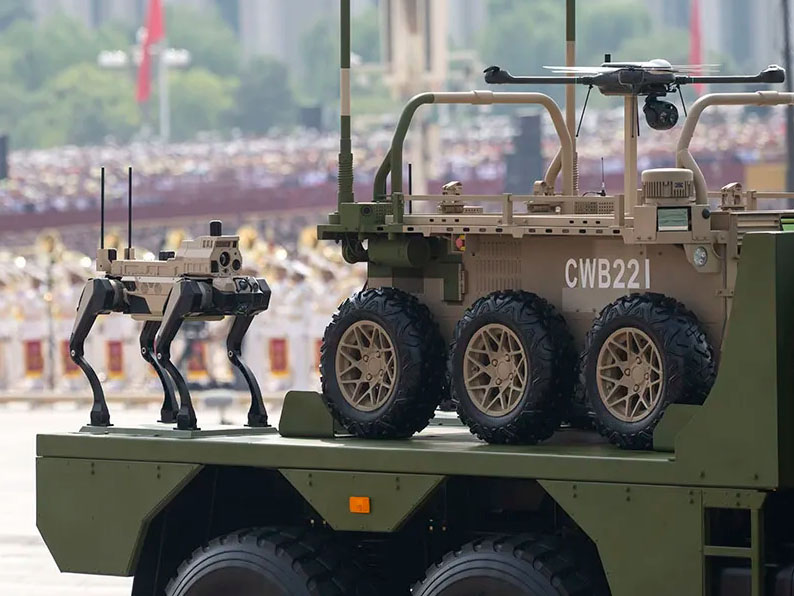
 Robot Dogs with Planetary Joint Motors Performed Well in China's 93rd Victory DayOn September 3, 2025, China held a large-scale military parade for 93rd victory day, during which it showcased the "Mechanical Wolf," a robotic dog belonging to the Army's unmanned combat unit. The HONPINE planetary joint motor perfectly matches the joint requirements of robot dogs.
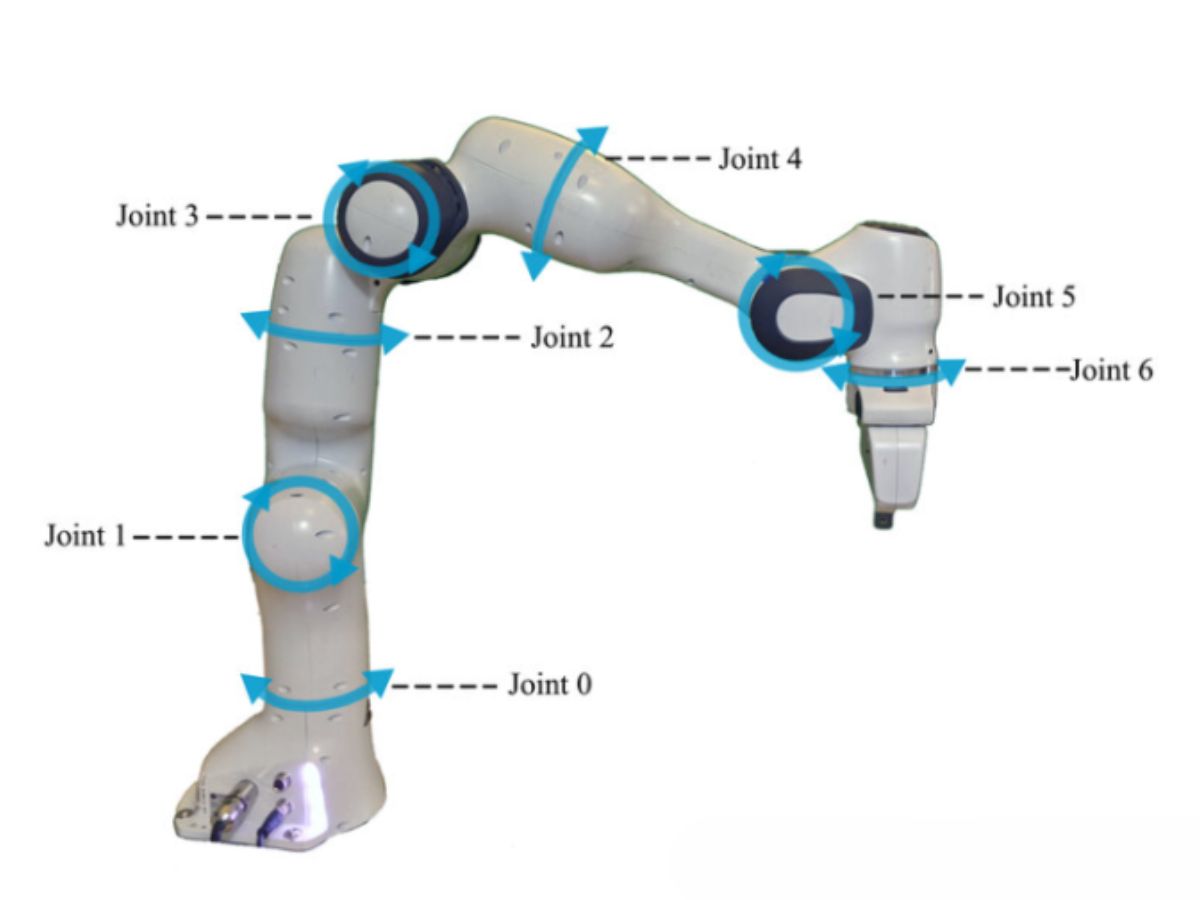
 Robot Joint Motors Empower Robots with Flexible Movement in Multiple Degrees of FreedomRobot Joint motors can be freely combined to form multi-degree-of-freedom (DOF) robotic arms and serve as the internal framework for service robots, breaking the industry's conventional product design paradigms. They not only meet performance requirements but also foster innovation within the sector. For instance, the smallest models can be applied in gimbals and drones, while the largest models are suitable for humanoid robots and robotic arms. Applications span industrial robots, civilian service robots, specialized robots, machining industries, precision instruments, transportation vehicles, and medical equipment.
 How High-Precision Reducers Drive the Development of Intelligent Manufacturing TechnologyPrecision reducers are key enablers in intelligent manufacturing, providing the critical link between digital algorithms and physical motion. They ensure high-accuracy positioning in laser/visual navigation systems, enable precise wheel control in mobile robots, and guarantee repeatable motion in robotic arms. Their near-zero backlash characteristics allow manufacturers to achieve unprecedented levels of automation precision and reliability.