








High Torque Motion Systems in Modern Robotics
High torque motion systems are transforming modern robotics by delivering the precision, stability, and force required for complex automated tasks. In the machine tool equipment industry, these systems play a critical role in improving positioning accuracy, load handling, and overall production efficiency. This article explores how advanced motion solutions support smarter robotic performance and help manufacturers meet growing demands for speed, reliability, and control.
Why do high torque motion systems matter in machine tool robotics?
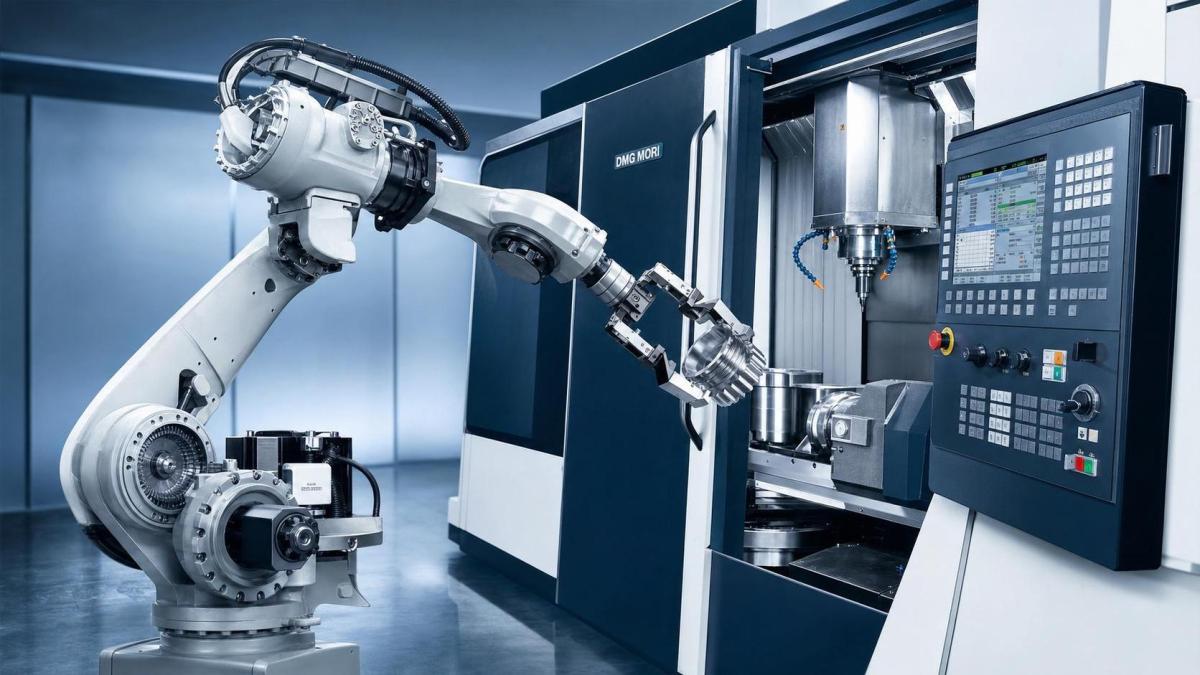
Modern robotics in machine tool equipment is no longer limited to simple pick-and-place movement. Robots now load heavy workpieces, change tools, position parts for milling, support grinding cells, and coordinate with CNC systems under strict cycle-time targets.
In these environments, high torque motion systems determine whether a robot can maintain stiffness, repeatability, and smooth acceleration while carrying variable loads. If torque delivery is unstable, the result is often vibration, overshoot, poor surface quality, and unexpected downtime.
For procurement teams, the challenge is practical. Many systems look similar on paper, but differ in torque density, thermal behavior, backlash control, servo tuning range, and gearbox durability. These differences directly affect machining consistency and maintenance cost.
- Higher torque helps robotic axes resist deflection during fast starts, stops, and orientation changes around machine tools.
- Stable motion improves part positioning at loading stations, inspection points, and automated pallet exchange interfaces.
- Better force control supports demanding tasks such as deburring, polishing, and robotic machining assistance.
- Reduced backlash and better stiffness lower the risk of cumulative positioning errors across repeated cycles.
What problems do manufacturers usually face?
The first issue is underestimating peak torque demand. A robot may carry a modest nominal load, yet require much higher torque during sudden acceleration, off-center gripping, or spindle-side alignment. Selecting only by rated load often creates a mismatch.
The second issue is system integration. Torque output alone is not enough. Servo motor characteristics, reducer precision, encoder resolution, mechanical compliance, and control loop tuning must work as one motion chain.
Which machine tool applications benefit most from high torque motion systems?
High torque motion systems are especially valuable where robots interact closely with cutting forces, heavy parts, or short takt times. The application context changes the selection logic, so buyers should compare the motion profile before finalizing any robotic axis design.
This comparison shows that high torque motion systems are not only for large robots. Even medium-payload robotic cells in machine tool equipment can require high torque when inertia, reach, and precision stack together.
Scenario-specific selection logic
- For loading robots, focus on peak torque, repeatability, and safe braking under asymmetric loads.
- For finishing robots, prioritize low backlash, smooth low-speed control, and torsional rigidity.
- For transfer systems, evaluate cycle frequency, thermal rise, and reducer fatigue life over long shifts.
What technical parameters should buyers evaluate first?
When comparing high torque motion systems, many buyers start with rated torque only. That is rarely enough for robotics in machine tool equipment. A better method is to evaluate the motion chain through torque, precision, control, and durability together.
These parameters should be reviewed against real operating conditions, not catalog assumptions. Buyers often gain better results by submitting payload drawings, arm length, cycle targets, and inertia data during early selection discussions.
Why transmission components deserve special attention
In robotic motion systems, gears and reducers strongly influence torque transfer quality. Even a well-sized servo can perform poorly if transmission accuracy or tooth quality is inconsistent. For CNC robot machinery, custom gear geometry often helps align torque, noise, backlash, and life requirements.
For projects that need motion accuracy and transmission reliability in one package, buyers often review components such as Custom Manufacturing High Precision Gears for CNC Robots Machinery as part of a broader drivetrain evaluation rather than as an isolated spare part.
High torque servo systems vs standard motion systems: what is the real difference?
The difference is not only output force. In machine tool robotics, high torque motion systems usually combine better overload capacity, improved structural stiffness, stronger thermal control, and tighter transmission behavior. These factors shape long-term production stability.
The table highlights a practical point: if a robotic cell works near its dynamic limits, a standard system may meet initial startup needs but create higher maintenance and tuning costs later. That is why long-term torque margin often matters more than initial component price alone.
How should procurement teams choose the right configuration?
Selecting high torque motion systems for machine tool equipment should follow a structured process. The best purchasing decisions usually come from combining mechanical data, production goals, integration constraints, and service expectations before confirming the final specification.
- Define the payload, center of gravity, arm reach, and orientation changes over one full cycle.
- Calculate rated torque and peak torque based on acceleration, braking, and emergency stop conditions.
- Match backlash and stiffness to the tolerance requirement of the machine loading or finishing task.
- Confirm compatibility with servo drives, encoders, reducers, lubrication strategy, and control interfaces.
- Review lead time, spare parts planning, and whether custom transmission parts are needed.
Common selection mistakes
- Choosing by rated load alone without checking inertia ratio and peak torque spikes.
- Ignoring the effect of gripper mass and eccentric workpiece positioning on joint torque.
- Focusing on reducer ratio but not backlash growth over long-term wear.
- Overlooking installation space, heat dissipation, and maintenance access inside compact cells.
Cost, maintenance, and alternatives: what should decision-makers compare?
A lower purchase price can be misleading if the motion system causes slower cycles, more frequent tuning, or shorter service intervals. In machine tool robotics, total cost should include production impact, not just component invoices.
Alternatives do exist. Some manufacturers enlarge the robot size instead of upgrading the motion system. Others reduce cycle speed to stay within torque limits. Both approaches may work, but they can increase footprint, energy use, or takt time. A well-matched high torque solution is often the cleaner compromise.
What standards, integration checks, and quality controls should not be overlooked?
High torque motion systems used in machine tool equipment should be reviewed through standard industrial engineering practices. While exact certification needs depend on the market and machine design, buyers should still verify practical control points before release.
Recommended review checklist
- Confirm motion compatibility with the robot controller, CNC interface, and safety logic used in the production cell.
- Check allowable backlash, stiffness, lubrication method, and temperature limits against the actual process window.
- Review material, heat treatment, and machining consistency for transmission components where torque transfer accuracy is critical.
- Plan inspection points for installation alignment, servo tuning, and periodic wear monitoring after commissioning.
If the project involves customized robotic gearing, early communication on drawing tolerances, tooth profile expectations, and mating part conditions can prevent rework during integration. In these cases, components such as Custom Manufacturing High Precision Gears for CNC Robots Machinery are typically evaluated alongside the full motion architecture.
FAQ: what do buyers ask most about high torque motion systems?
How do I know if my robot really needs a high torque motion system?
Check more than payload. If your application includes long arm reach, off-center gripping, frequent acceleration, heavy fixture handling, or force-controlled finishing, high torque motion systems are often justified. The turning point is usually dynamic demand, not static weight alone.
Which matters more, torque or backlash?
They matter together. Torque supports load movement and process force, while backlash affects how accurately that force and position are delivered. For machine loading, torque margin may dominate. For deburring and precision placement, backlash and stiffness become equally important.
What information should I prepare before requesting a quotation?
Prepare payload data, center-of-gravity location, robot arm dimensions, target cycle time, duty cycle, installation direction, and required positioning accuracy. If possible, add inertia estimates, ambient temperature, and available control platform details. This shortens the selection cycle and improves quotation accuracy.
Can high torque motion systems help reduce scrap or rework?
Yes, especially where robotic positioning influences chuck loading, fixture seating, edge finishing, or handoff accuracy between stations. More stable torque and better transmission precision can reduce part misalignment, inconsistent contact force, and small repeatability errors that accumulate over many cycles.
Why choose us for motion-related component planning and next-step support?
In machine tool equipment projects, good results depend on matching torque demand, transmission precision, and production rhythm from the start. We support practical discussions around robotic drivetrain selection, custom gear suitability, and integration checkpoints that affect uptime and repeatability.
You can contact us to discuss key details such as torque and backlash targets, product selection for robotic axes, drawing review for custom transmission parts, expected delivery timing, sample support, and quotation planning for CNC robot machinery applications.
If your team is comparing alternatives, we can also help organize the decision around parameters, application load conditions, and cost-risk tradeoffs so you can move from general interest to a workable motion solution with fewer revisions.
Read More
Learn more about the story of HONPINE and industry trends related to precision transmission.
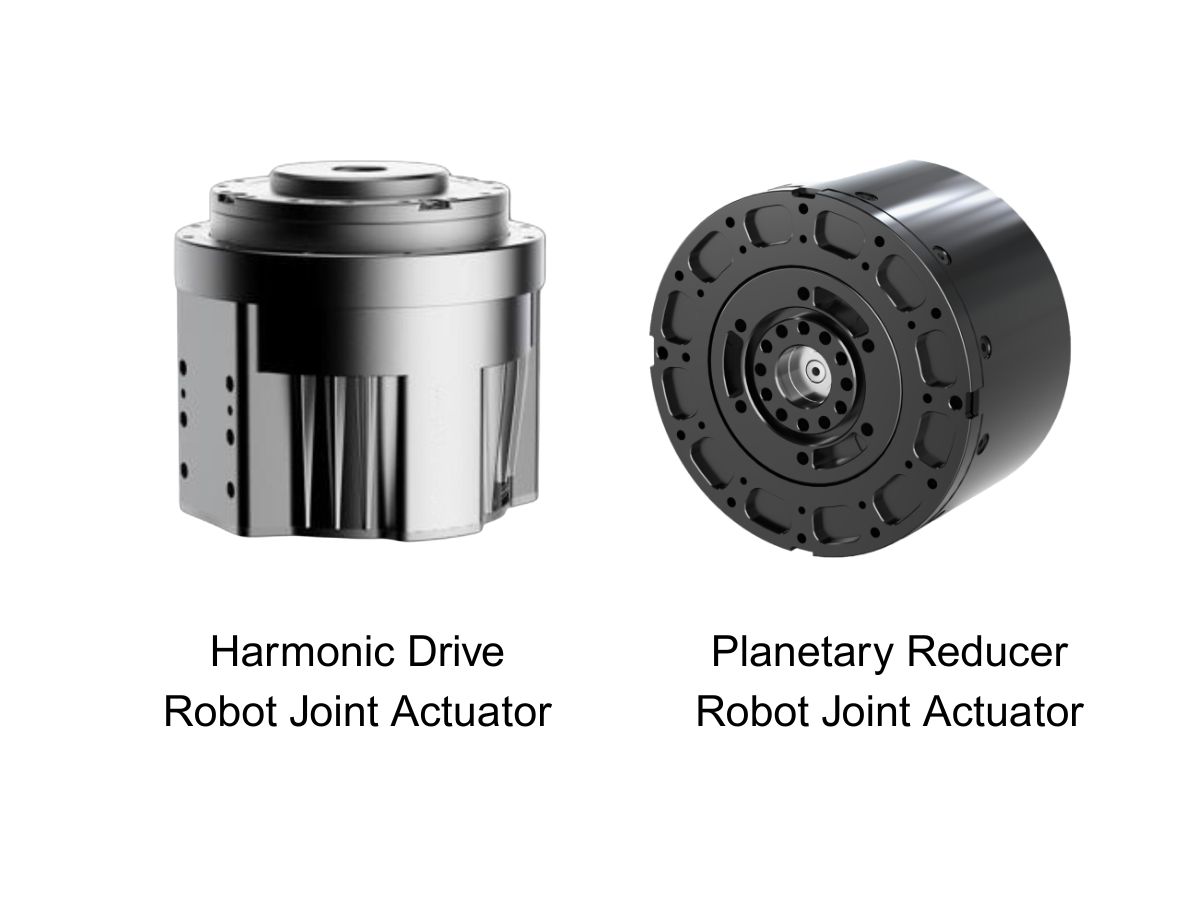
 What is robot joint actuator?How to Choose the Best Robot Rotary Joint Actuator?In core robot joint transmission solutions, planetary and harmonic rotary actuators each have their own strengths. Choosing the right type based on application requirements is essential to achieve the optimal balance between performance and cost.
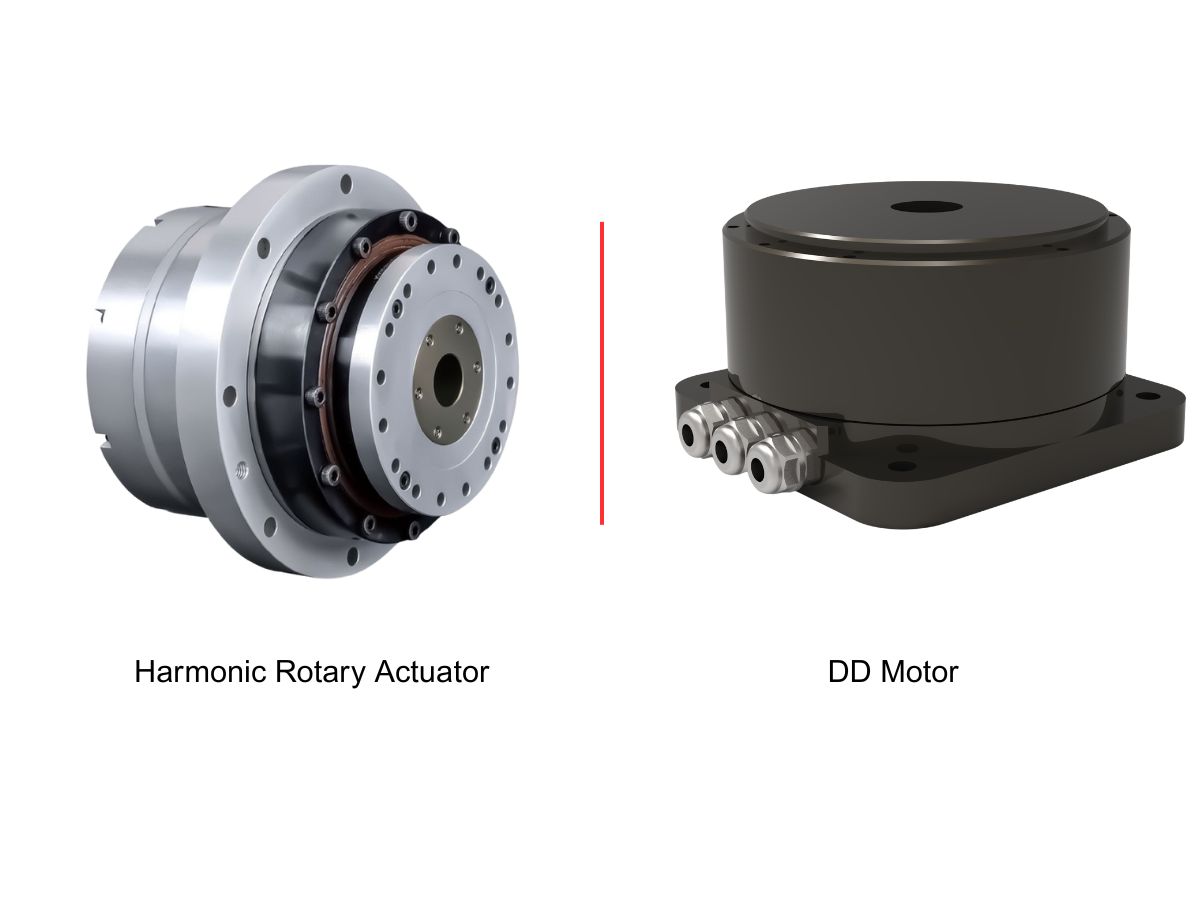
 DD Motors VS Harmonic Rotary ActuatorsThis article provides an in-depth comparison between Direct Drive (DD) motors and harmonic rotary actuators, covering their transmission principles, advantages and disadvantages, and typical application fields.
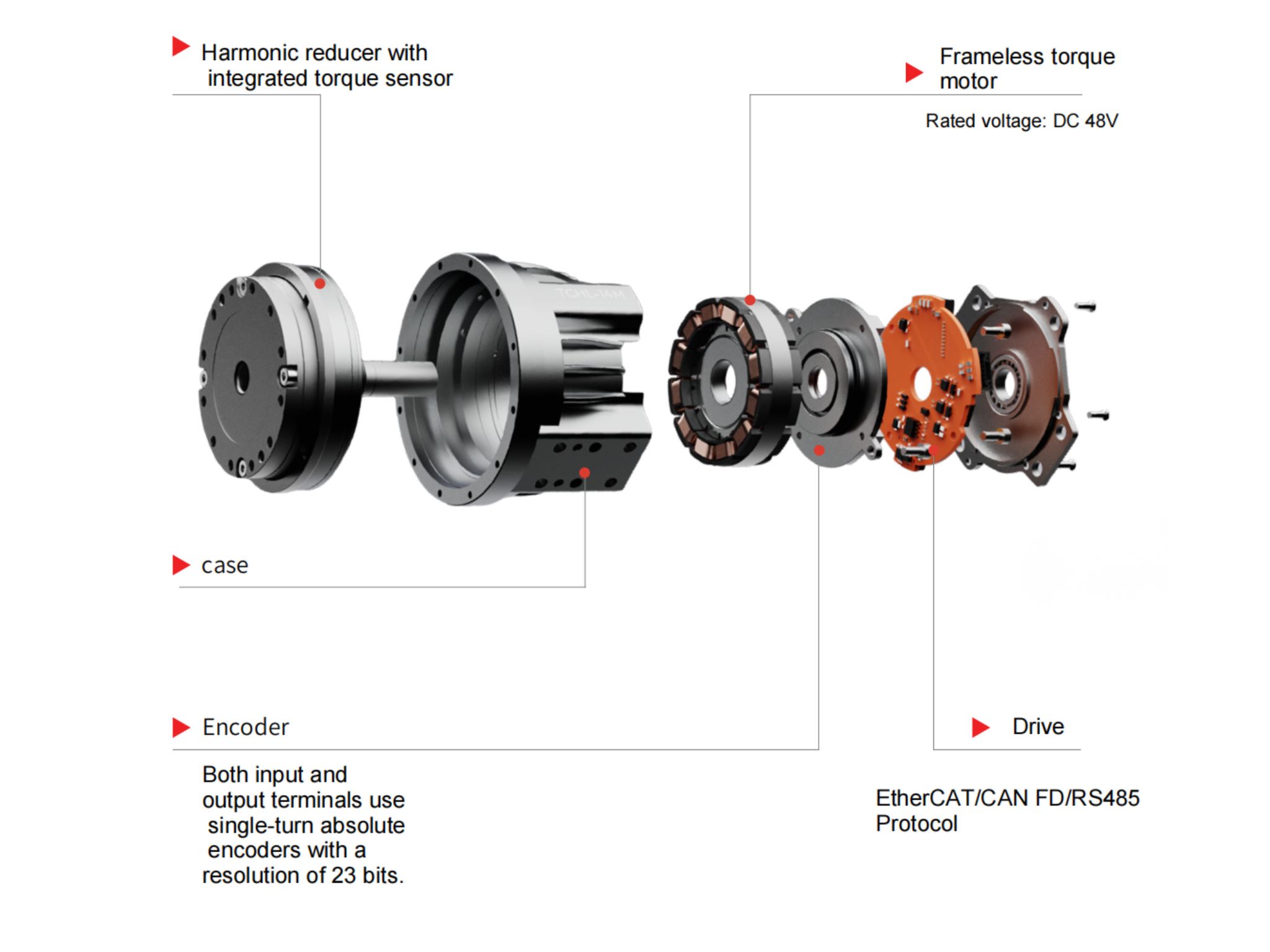
 OMG Ultra Compact Harmonic Drive Joint Module with Built-in Torque SensorHONPINE TCHL series harmonic drive joint module is a game-changing product that achieves disruptive improvements in multiple aspects such as lightweight design, integration level, and connection convenience. This article will analyze its revolutionary enhancements with you.
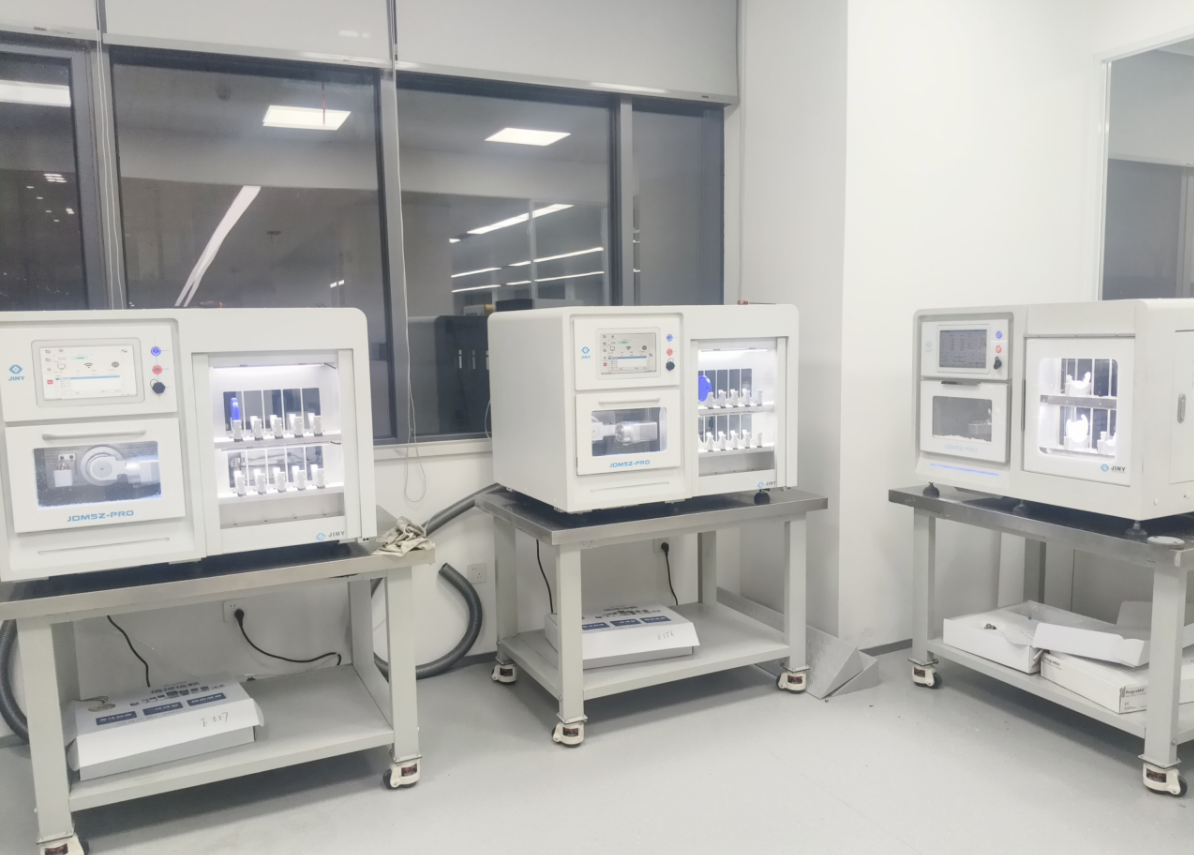
 The Role of Harmonic Drive Gears in Achieving 5–10 μm Accuracy in Dental Milling MachinesA dental milling machine is a CNC machining system used to directly process digital dental models into restorations such as crowns, bridges, veneers, inlays, and implant abutments. Dental milling machines require far higher operational accuracy and motion stability than ordinary equipment. This article explains how harmonic drive gear help dental milling machines achieve stable, continuous, and controllable operation.
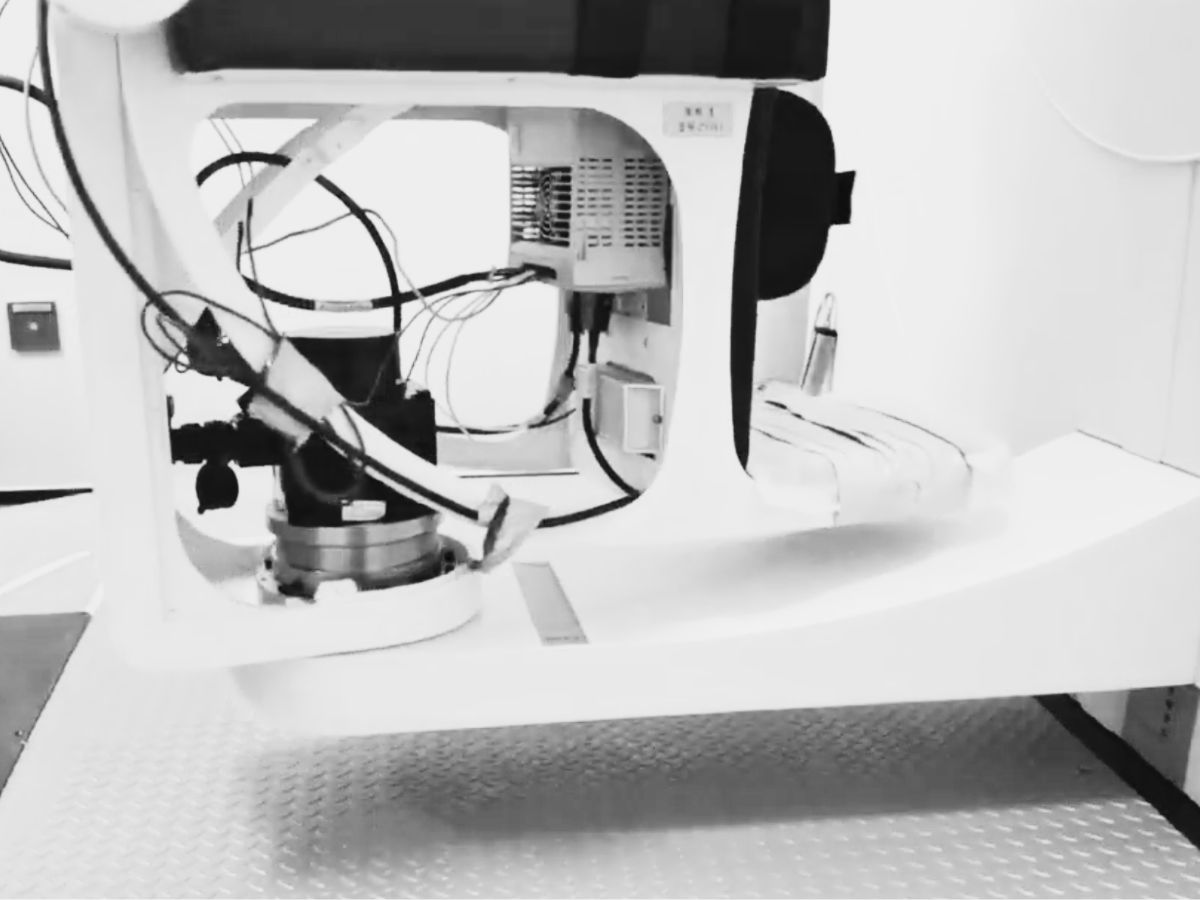
 Why Are Harmonic Rotary Actuators Perfect for Medical Equipment?Harmonic rotary actuators (typically integrated systems consisting of a harmonic drive reducer, frameless torque motor, encoder, and optional brake) are regarded as key components in medical equipment. The core reason is that they simultaneously meet the most stringent medical requirements for precision, compact size, safety, and controllability. The following explanation is structured from three perspectives: technical characteristics, application scenarios, and medical value.
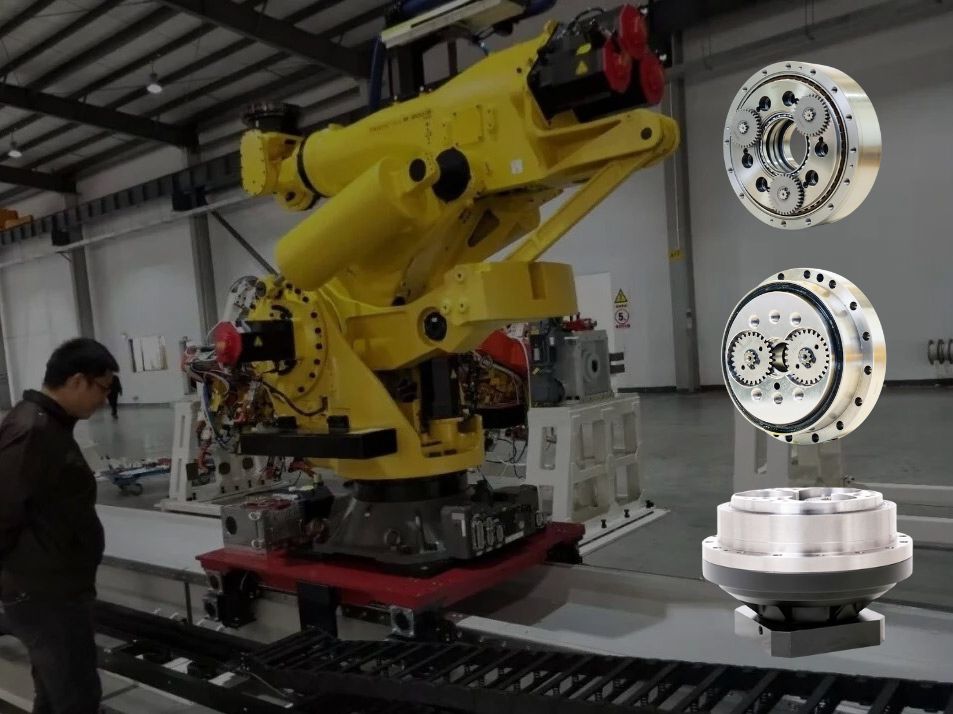
 High-Precision RV Reducers Perfectly Matched for Walking RobotsThe walking axis of a robot is a core component for power transmission and support. RV reducers provide extremely high rigidity, precision, and torque while maintaining a compact size and exceptional reliability, making them an ideal match for the demanding requirements of walking robot joints in terms of load capacity, impact resistance, and precision.
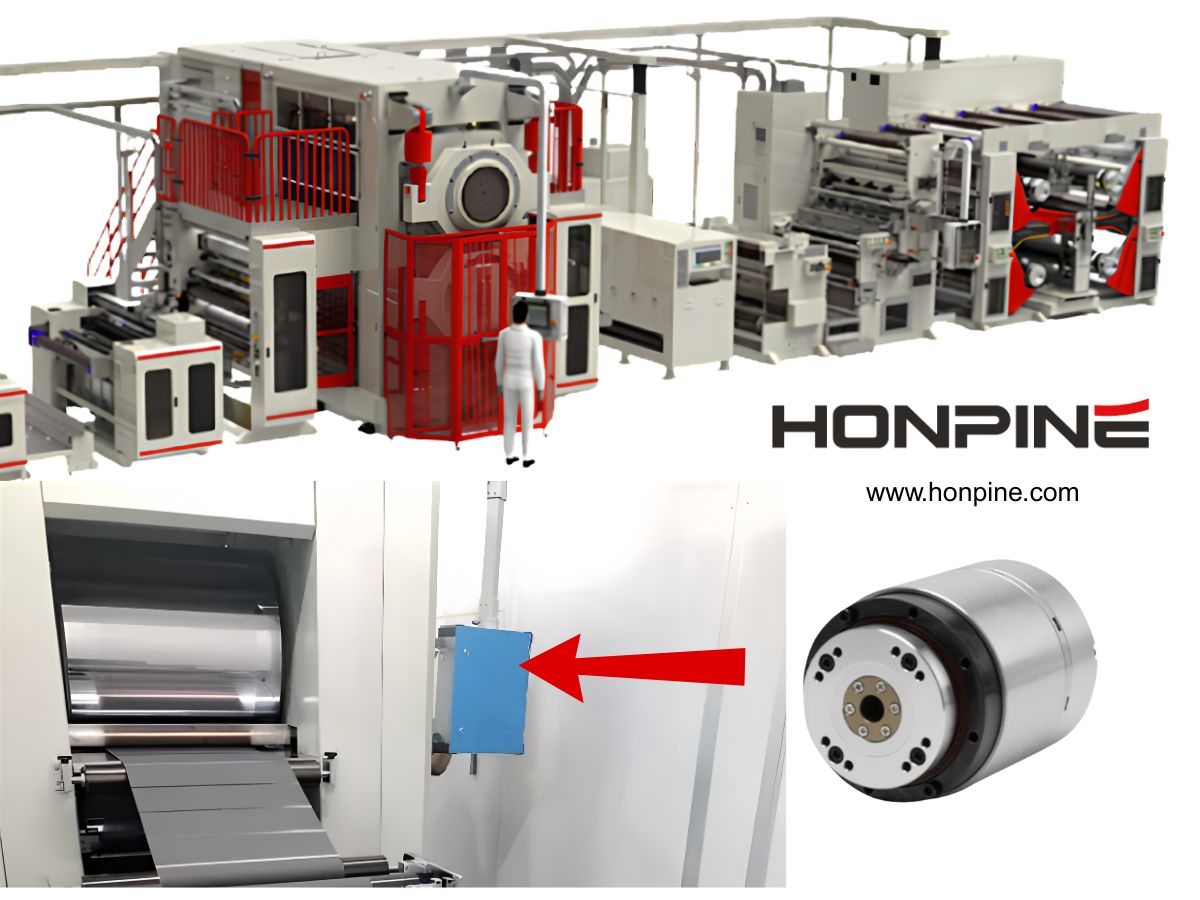
 Harmonic Rotary Actuator for Lithium Battery Roller Press EquipmentLithium battery manufacturing equipment requires higher precision, stability, and integration efficiency as production processes continue to evolve. In roller press equipment, accurate roller positioning, pressure control, and dynamic response are critical for ensuring electrode quality and consistency.
HONPINE harmonic rotary actuators provide high precision, high rigidity, fast response, and compact integration for lithium battery roller press equipment. With near-zero backlash, high torque density, and reliable motion control performance, they help improve equipment accuracy and production stability. How Integrated Robot Joint Modules Are Reshaping Robot Wiring and Control Architecture?Integrated robot joint modules are changing how robots are designed by combining the motor, reducer, drive, encoder, and sensing components into a compact motion unit. Compared with traditional distributed architectures, this integrated approach can reduce cable complexity, simplify power and communication connections, and support more compact robot structures. As humanoid robots demand higher levels of motion coordination, response speed, precision, and integration, robot joint modules are becoming an increasingly important interface between intelligent control systems and physical movement. This article explains how integrated robot joint modules reshape robot wiring and control architecture, using the HONPINE TCHL harmonic drive robot joint module as an example.
 Force-Controlled Harmonic Joint Modules: A Key Solution for Robot CommercializationAs robots move from precise positioning toward physical interaction, joint-level torque feedback is becoming increasingly important. A force-controlled robot joint module allows the robot to sense changes in output torque and respond more appropriately to external loads, supporting compliant motion, contact detection, and force-controlled applications. HONPINE HAG and HAU harmonic joint modules integrate torque sensing directly into the joint, enabling torque closed-loop control, 360° continuous output rotation, less than 1% torque control accuracy, and a 50 Hz torque bandwidth. This integrated design also maintains consistent dimensions between force-controlled and non-force-controlled configurations, providing a flexible joint platform for robot manufacturers.
 6 Key Advantages of the HONPINE JRM Planetary Joint ModuleHigh-performance quadruped robots require joint modules that can respond quickly, maintain precise positioning, withstand repeated impacts, and deliver stable torque under demanding operating conditions. The HONPINE JRM planetary joint module combines high positioning accuracy, low backlash, fast three-loop response, high static rigidity, strong overload capability, and a wide operating temperature range. With clearly defined continuous and overload operating limits, the JRM is designed to balance dynamic performance with long-term reliability. This article introduces six key advantages of the HONPINE JRM planetary joint module and explains why it is suitable for industrial inspection quadrupeds, specialized inspection robots, explosion-proof quadruped robots, and other high-performance robotic platforms.
 Robot Joint Module Solutions for Humanoid Robot Arms and LegsHumanoid robots require different joint characteristics across the shoulder, elbow, wrist, hip, knee, and ankle. Smaller joints prioritize low weight and fast response, while larger joints require higher torque density, load capacity, and reliability. A suitable robot joint module should therefore be matched to the specific torque, weight, range of motion, and control requirements of each joint. In this article, HONPINE uses the HPJM harmonic joint module series as an example to present a joint configuration solution for humanoid robot upper and lower limbs, covering torque requirements from small wrist and finger joints to high-load hip joints.
 Why Does an RV Reducer Need Profile Modification? How to Further Reduce Backlash and Transmission Error?An RV Reducer is designed to deliver high torque, high stiffness, and precise motion for demanding applications such as robotic joints, industrial rotary tables, and precision machinery. However, achieving low backlash and stable transmission accuracy requires more than high-precision machining. Cycloidal profile modification must also account for manufacturing tolerances, assembly errors, load-induced deformation, thermal expansion, and lubrication conditions. In this article, we examine why RV reducers require profile modification, how different modification methods affect meshing, and how engineers can further control backlash and transmission error through profile design, error budgeting, structural analysis, precision manufacturing, and validation testing.
Double Click
We provide harmonic drive reducer,planetary reducer,robot joint motor,robot rotary actuators,RV gear reducer,robot end effector,dexterous robot hand
 China Tightens Export Filing for CNC Machine ToolsCNC machine tools exporters and buyers should prepare now: China tightens export filing for lathes, milling and grinding machines from June 30, 2026, raising compliance and customs demands.
 Japan Tightens Export Review for High-End Five-Axis Machine ToolsFive-axis CNC machine tools face stricter Japan export review from August 16, 2026. Learn how longer approvals may disrupt supply, procurement, and sourcing strategy.
 Japan Tightens Approvals for High-End Five-Axis ExportsFive-axis CNC machine tool exports from Japan face tighter approvals, longer lead times, and higher risk. Learn how this shift impacts buyers, distributors, and supply chains.
 China Curbs Dual-Use Exports to 14 EU EntitiesChina curbs dual-use exports to 14 EU entities, disrupting CNC machine tool supply chains, servo motor sourcing, and compliance planning. Learn the immediate risks and actions now.
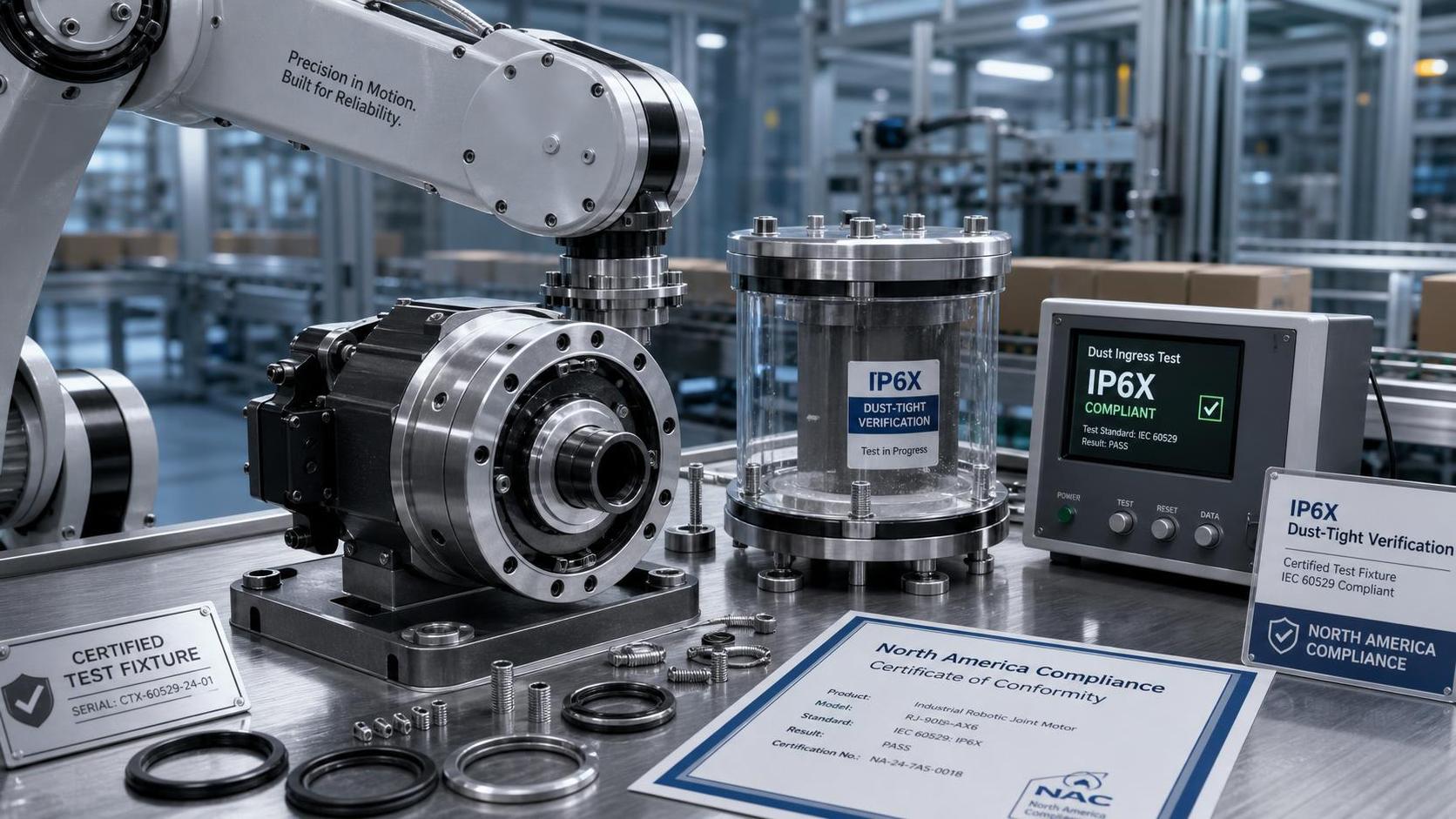
 UL 1604:2026 Tightens Dust Rules for Robot Joint MotorsUL 1604:2026 Tightens Dust Rules for Robot Joint Motors with new dust-environment, temperature-group, and IP6X checks. Learn how this impacts OEM exports, sourcing, and certification planning.
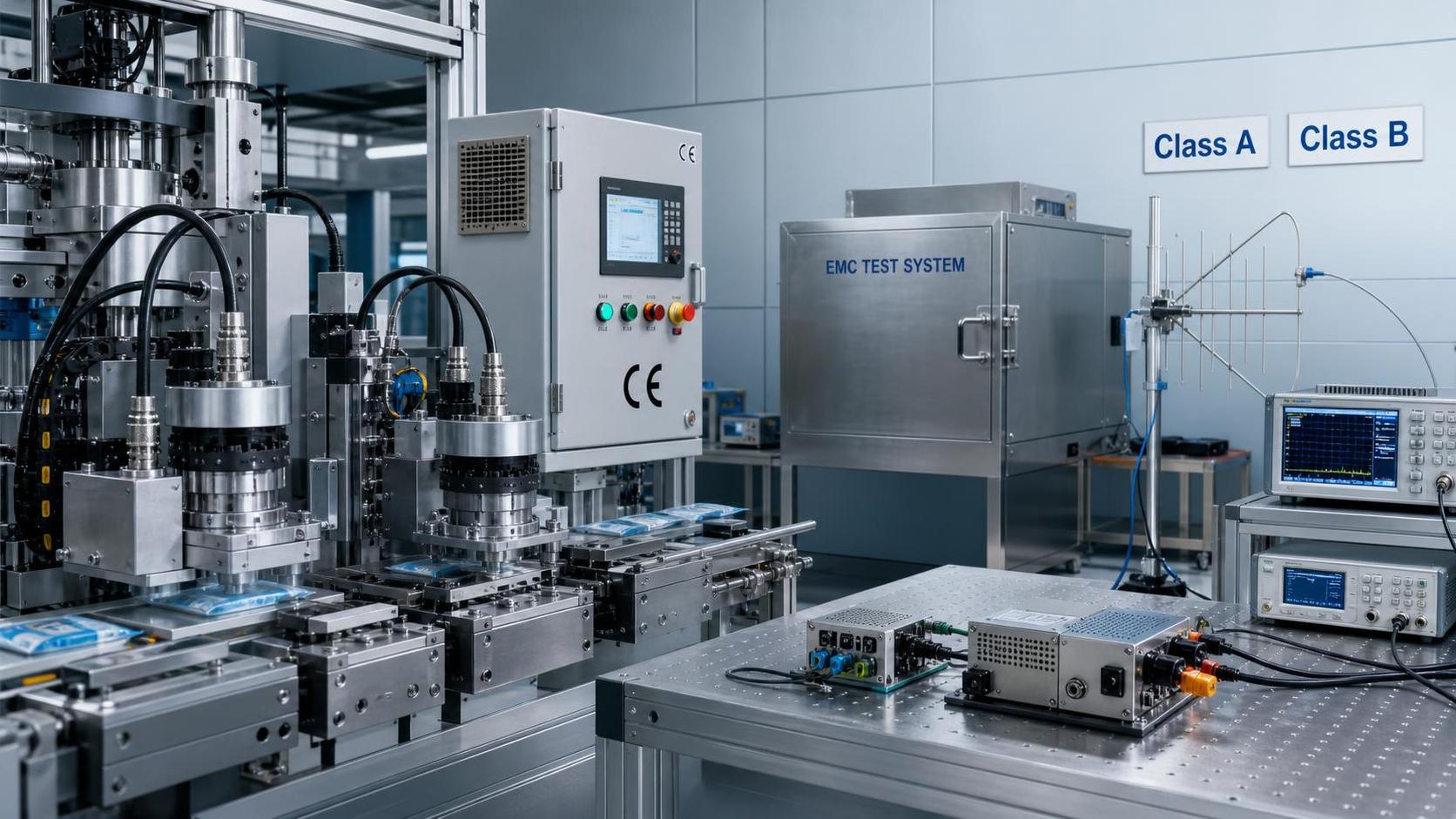
 EU EN IEC 61800-3:2025 Takes Effect for Harmonic DrivesEN IEC 61800-3:2025 reshapes EU EMC compliance for harmonic drives. Learn how CE marking, Class A/B testing, certification, and delivery timelines may impact exporters and buyers.
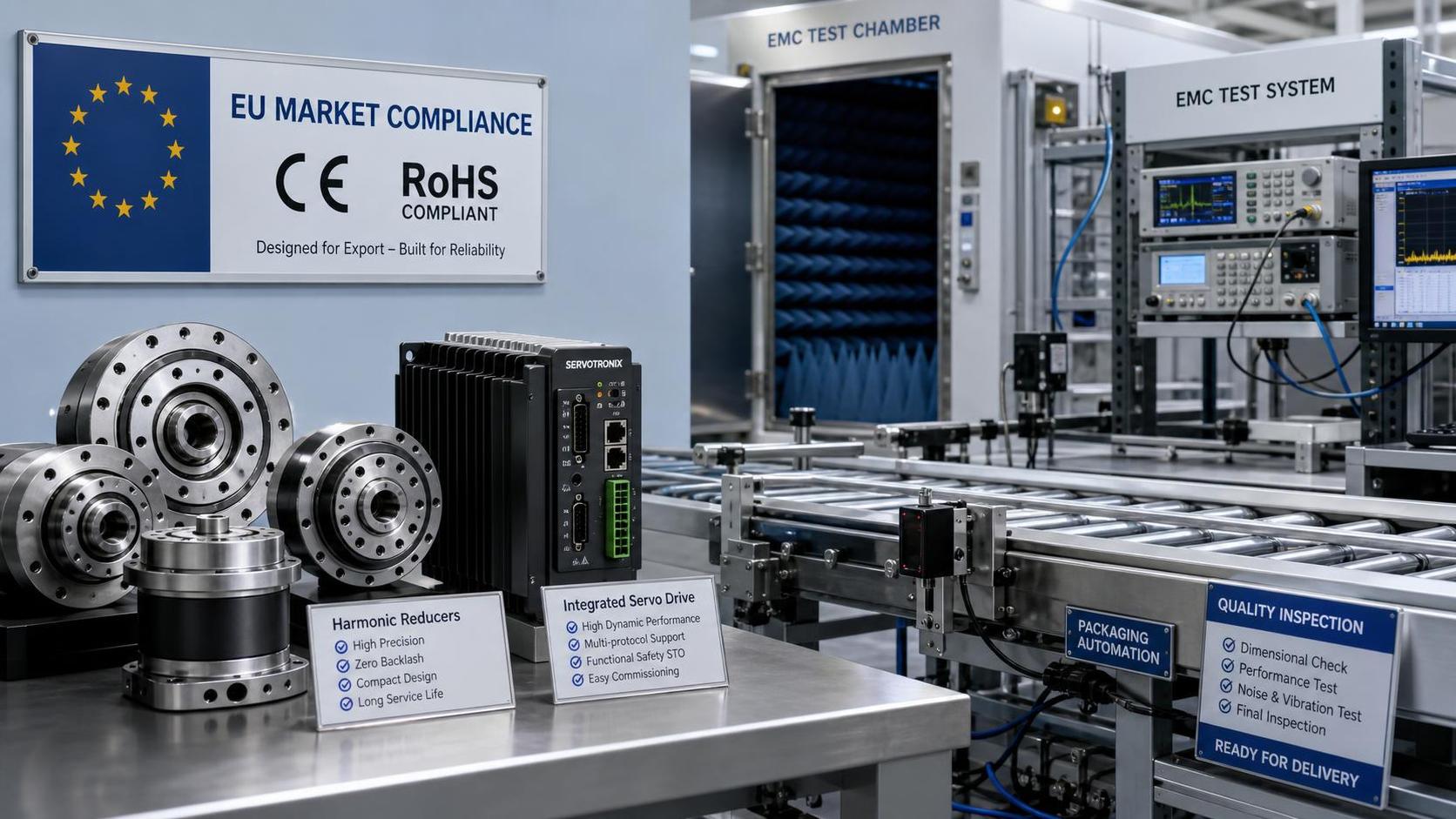
 EU Mandates EMC Testing for Harmonic Drive ReducersHarmonic drive reducers face new EU EMC testing rules from Aug 1, 2026. Learn how the mandate impacts packaging machinery exports, compliance, customs clearance and market access.
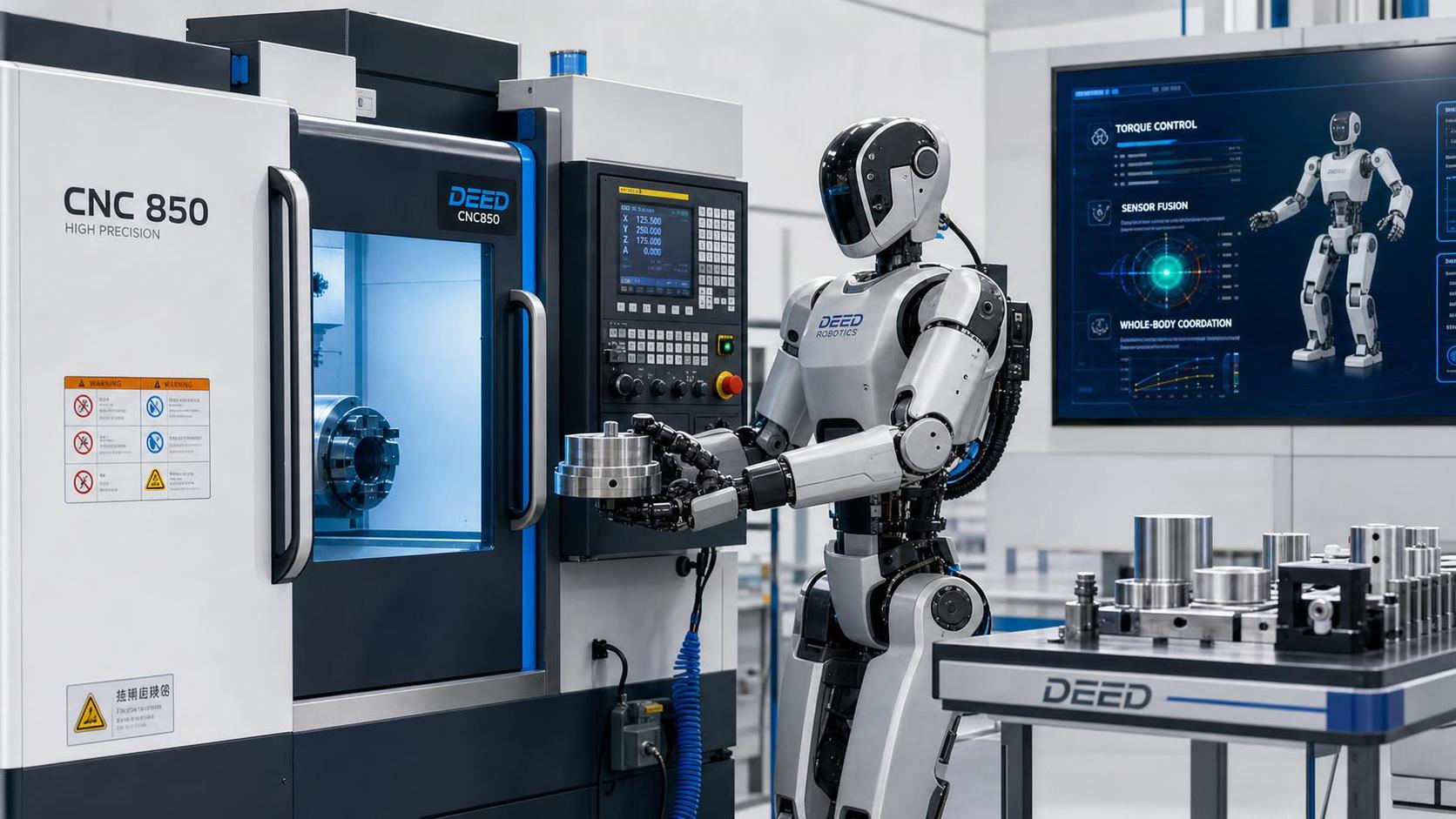
 Top Motion Control Technologies for Humanoid Robots in 2026Top motion control technologies for humanoid robots in 2026: discover how MPC, torque control, sensor fusion, and real-time coordination improve machine tool automation, safety, and uptime.
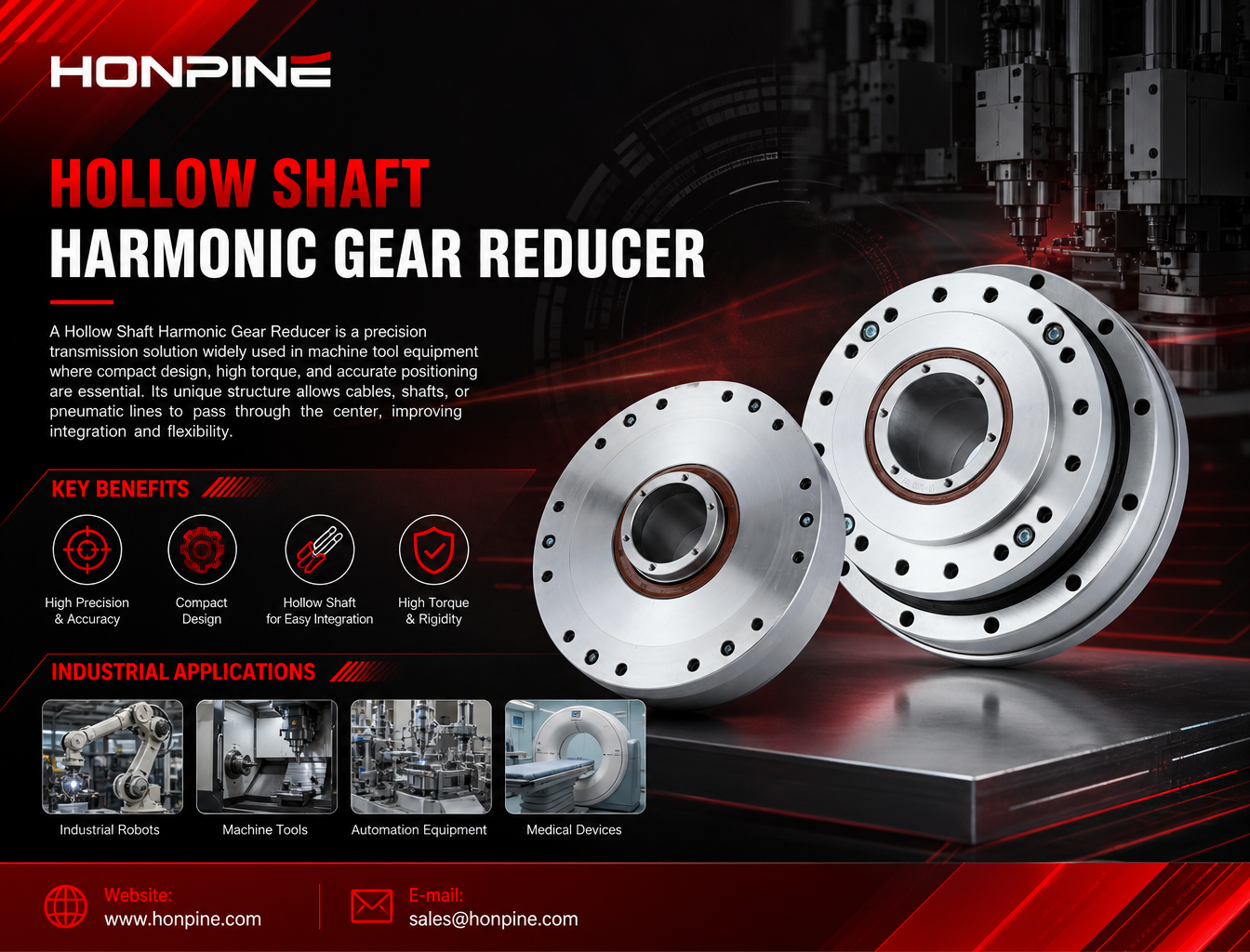
 Hollow Shaft Harmonic Gear Reducer Explained: Structure, Benefits & ApplicationsHollow Shaft Harmonic Gear Reducer explained for machine tool equipment—discover its structure, precision benefits, compact design advantages, and key applications for smarter motion control.
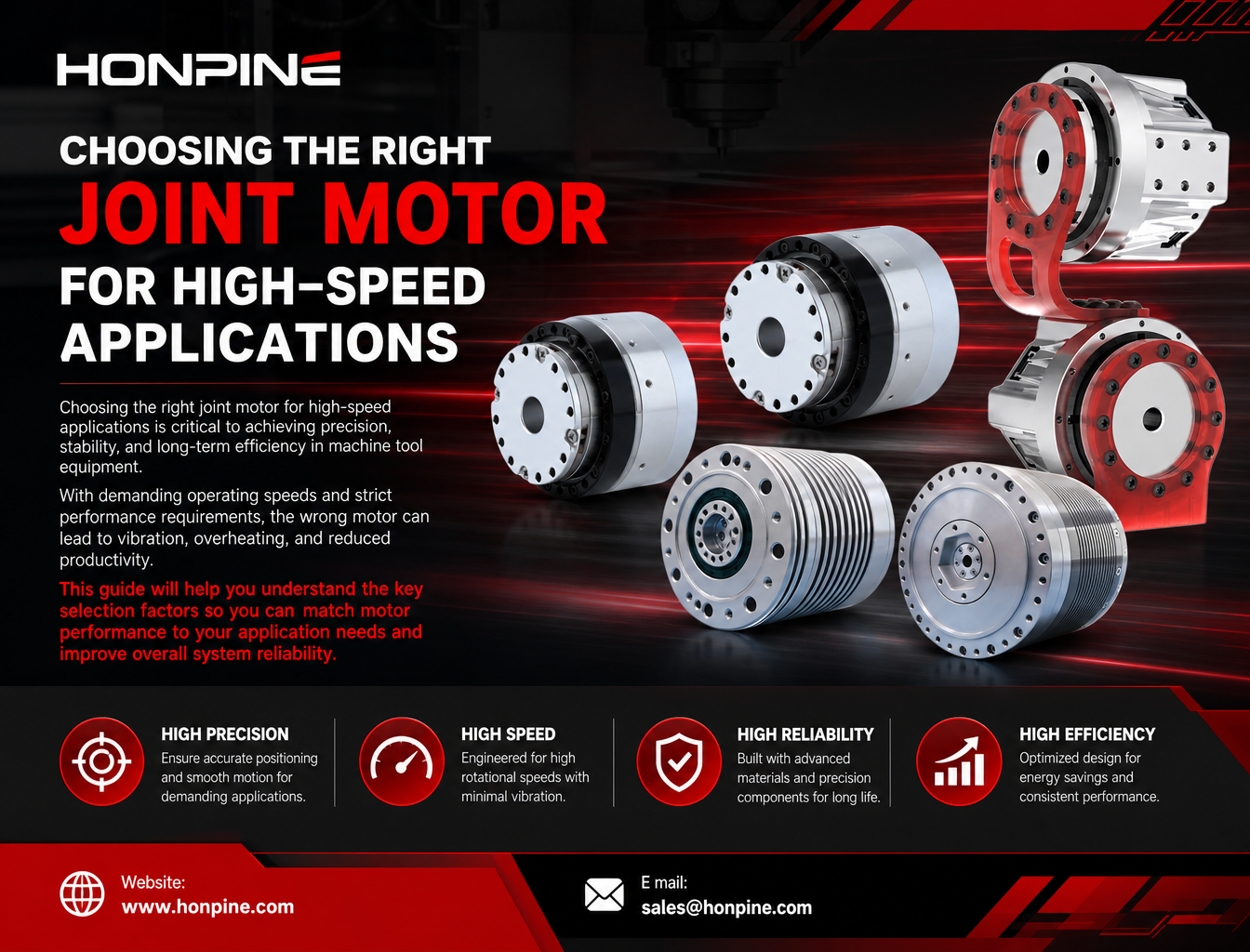
 How to Choose a Joint Motor for High-Speed ApplicationsJoint motor for high-speed applications: learn how to choose the right solution for machine tools with better precision, cooling, torque, and stability to boost performance.
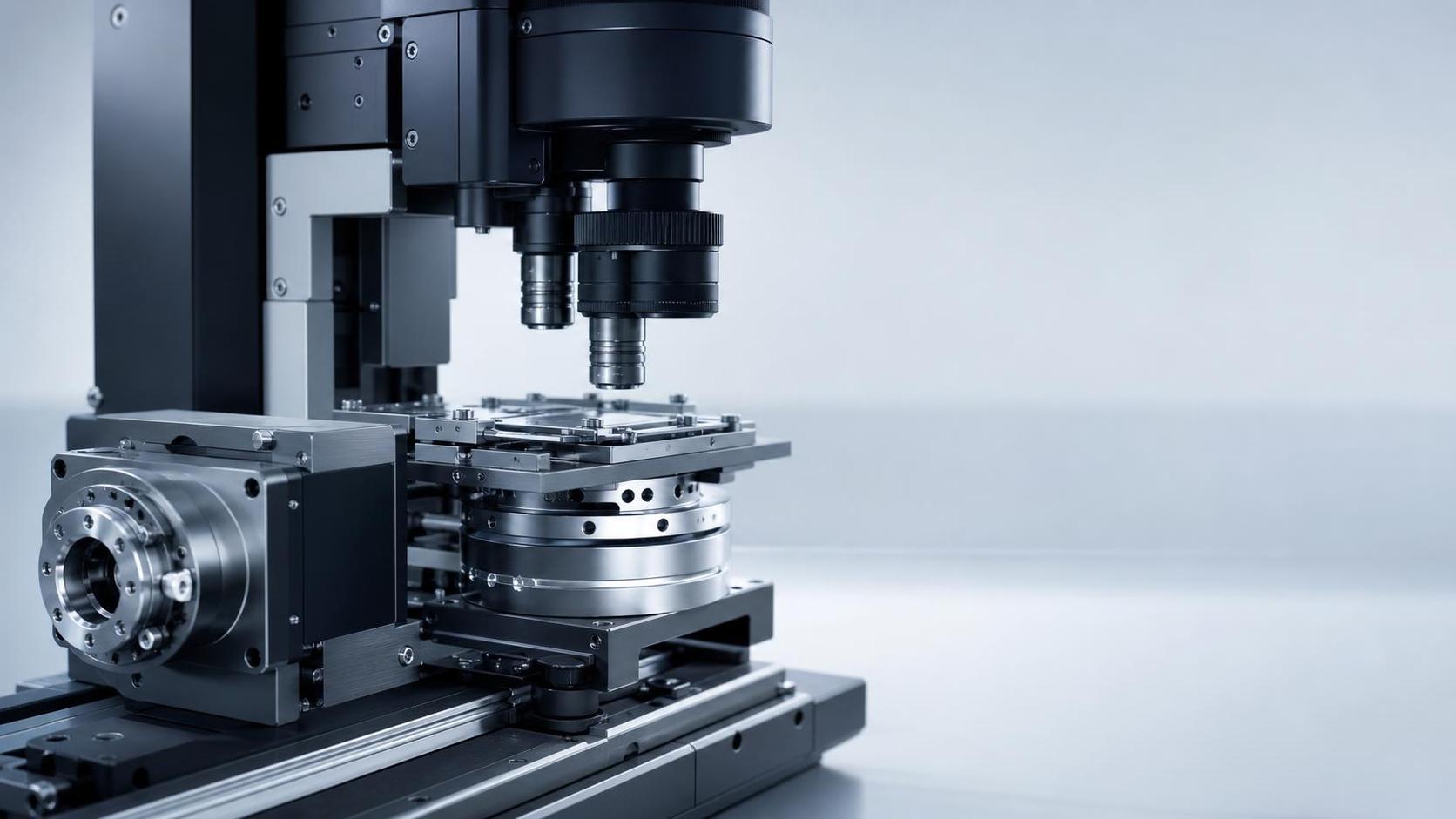
 Why Harmonic Drive Actuators Improve the Performance of Microscope Optical PlatformsHarmonic Drive Actuators improve microscope optical platforms with near-zero backlash, high precision, low vibration, and compact design—ideal for stable imaging and repeatable motion.
 METI Adds HAG Harmonic Drives to Export License ListHAG harmonic drives now face METI export license controls. Learn how the July 8 update affects OEM delivery, procurement timing, and shipments to China, Vietnam, and Mexico.