








What is the Difference Between RV Reducer and Harmonic Reducer?
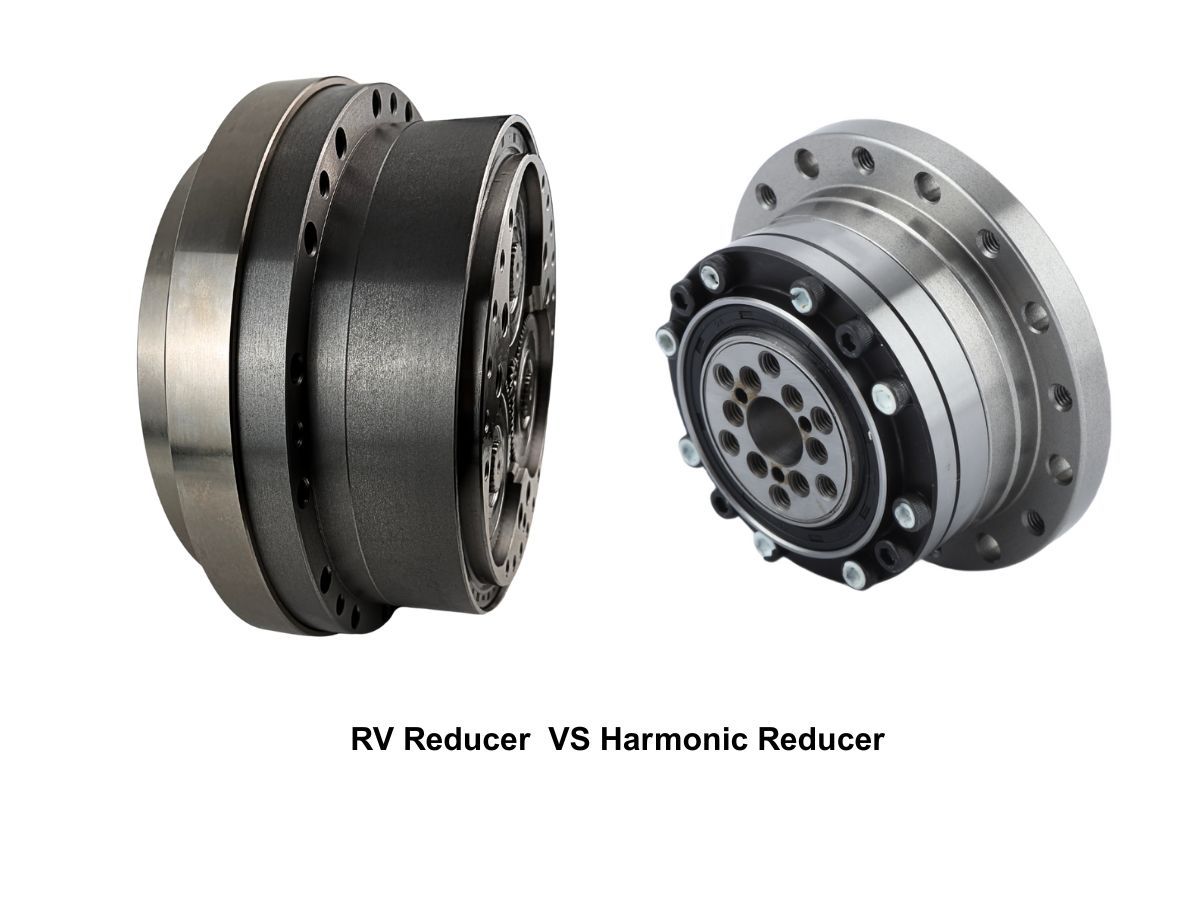
This article provides an in-depth comparison between RV reducers and harmonic reducers, analyzing their differences from multiple perspectives, including working principles, performance characteristics, application fields, installation methods, and long-term maintenance.
Differences in Working Principles Between RV Reducers and Harmonic Reducers
RV reducers operate based on rigid multi-tooth meshing transmission, while harmonic reducers rely on elastic deformation differential transmission.
Working Principle of an RV Reducer
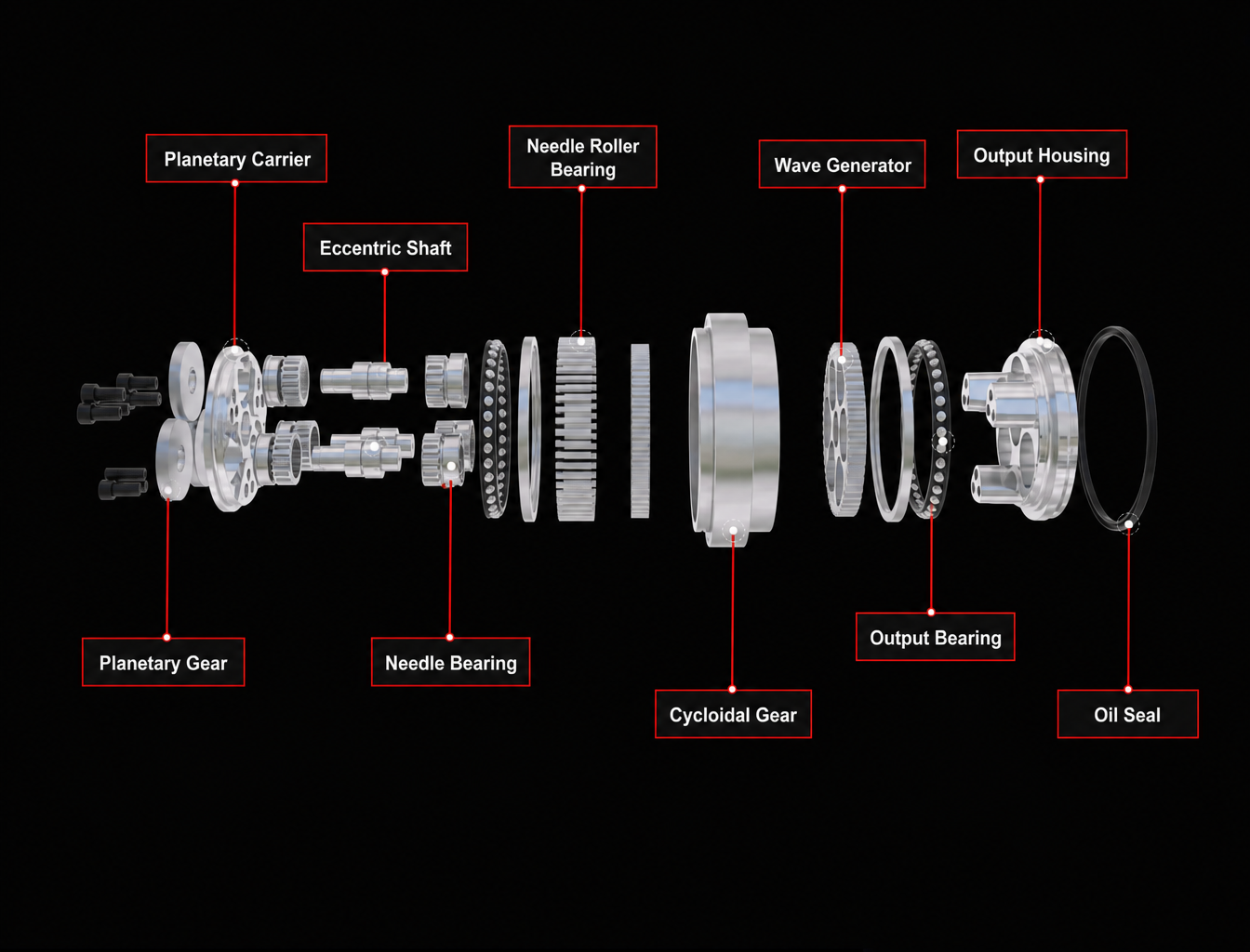
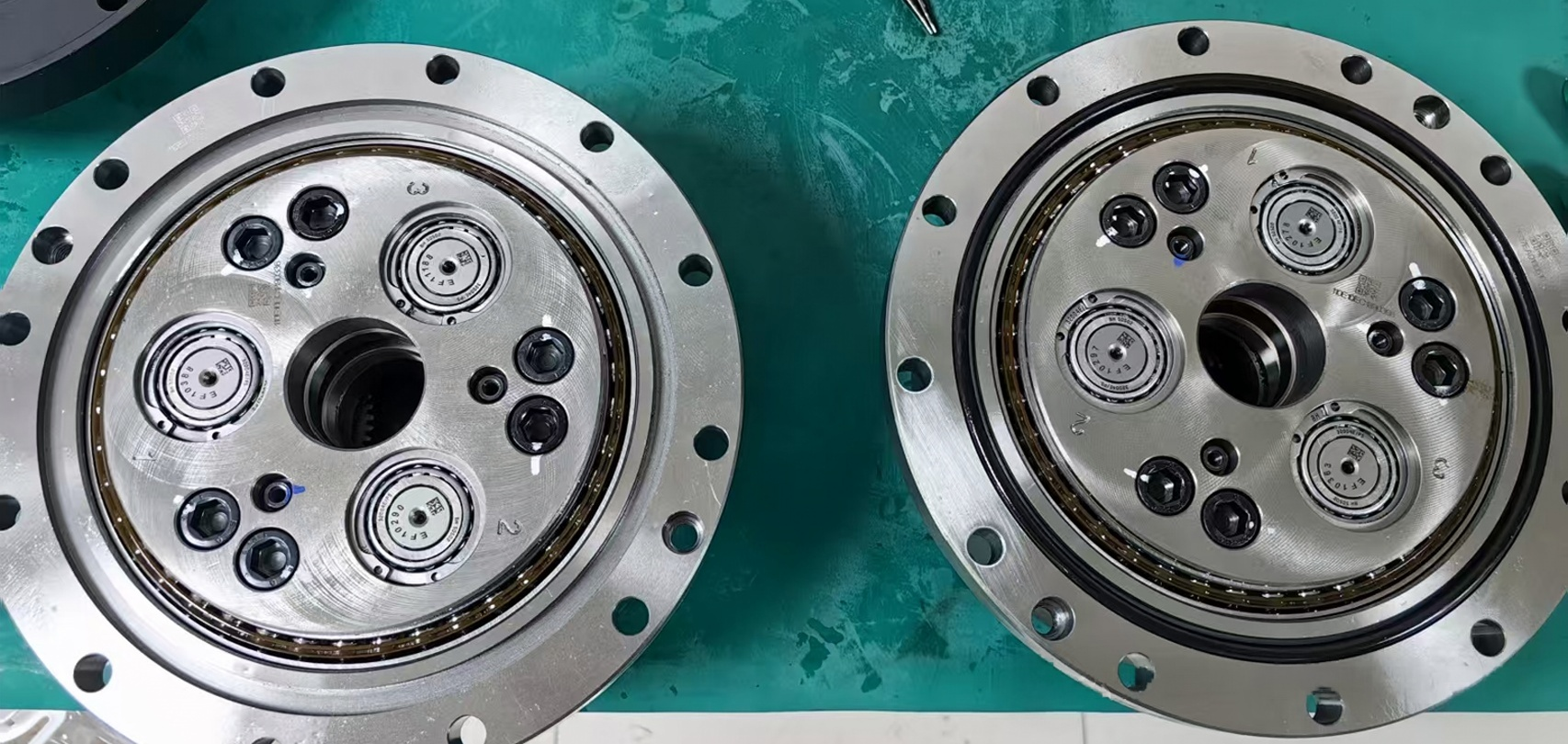
An RV reducer adopts a two-stage differential transmission structure composed of a planetary gear stage and a cycloidal pinwheel stage.The input shaft drives the planetary gear, which in turn rotates an eccentric shaft. This eccentric motion causes the cycloidal disc to perform an orbital movement. The cycloidal disc meshes simultaneously with multiple pins in the pin gear housing, achieving speed reduction and torque output.Because the transmission mainly depends on rigid contact, RV reducers feature high rigidity, high load capacity, strong impact resistance, and excellent torque transmission capability.
Working Principle of a Harmonic Reducer
A harmonic reducer consists of three main components: a wave generator, a flexspline, and a circular spline.The input shaft drives the wave generator, causing the flexspline to undergo periodic elastic deformation. The flexspline only meshes with the circular spline at two symmetrical regions, and the difference in tooth count between the two components produces a large reduction ratio.Since power transmission depends on material elastic deformation, harmonic reducers are compact and capable of very high reduction ratios, but their rigidity and load capacity are relatively lower compared to RV reducers.
Performance Differences Between RV Reducers and Harmonic Reducers
RV Reducers
RV reducers are characterized by:
High transmission efficiency
Large torque capacity
High positioning accuracy
Strong rigidity
Excellent impact resistance
Long service life
However, they are relatively larger and heavier in size and weight.
Harmonic Reducers
Harmonic reducers offer:
Very large reduction ratios
Compact and lightweight structure
High precision
High power density
Fast dynamic response
Low noise
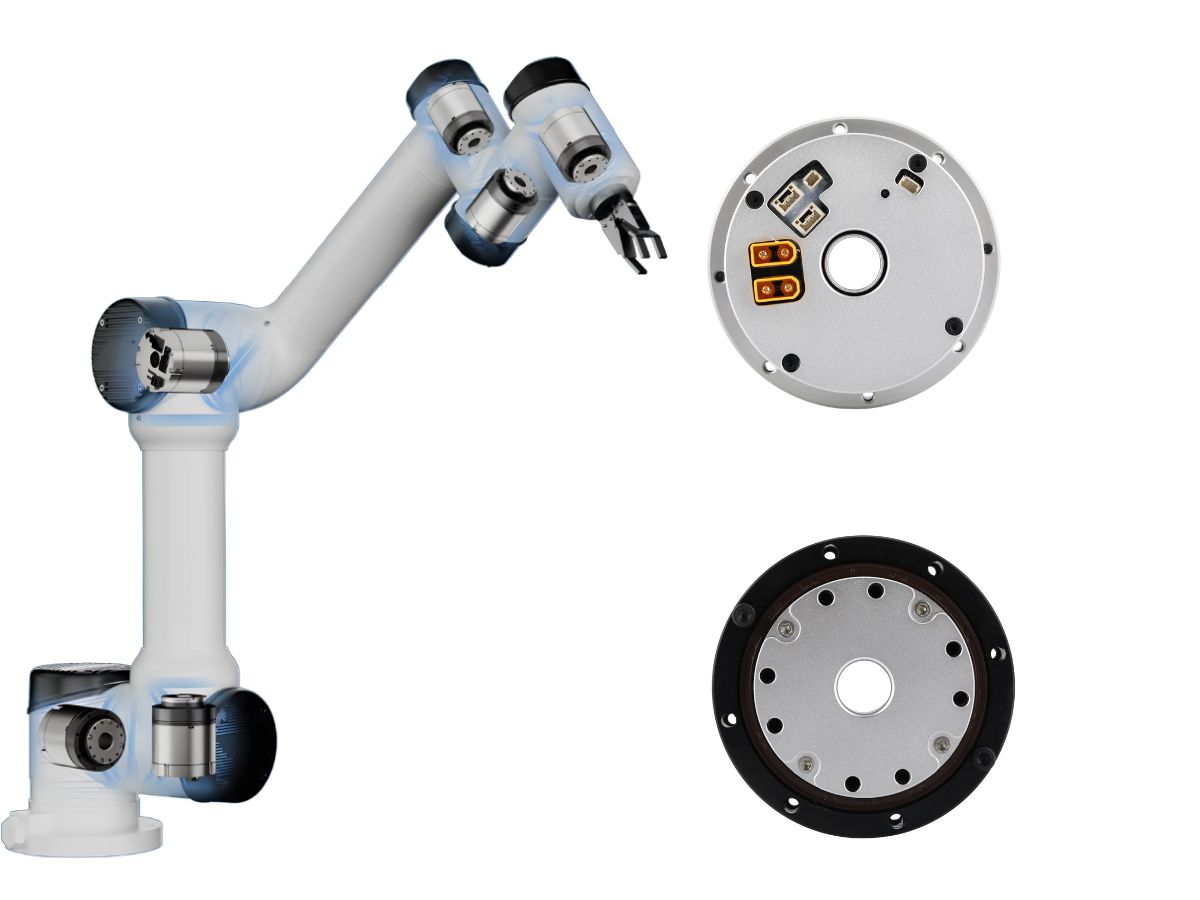
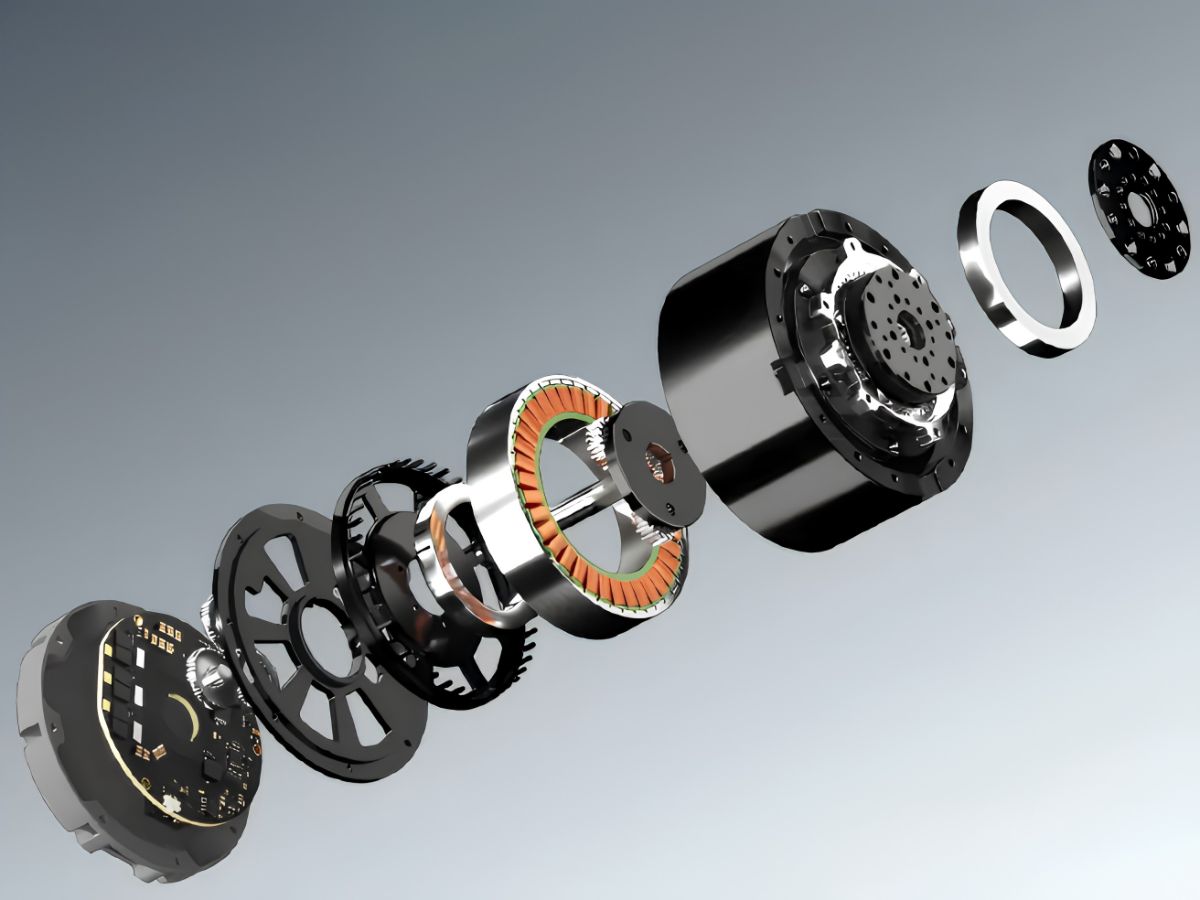
Their torque capacity and transmission efficiency are relatively lower. To address this limitation, HONPINE’s harmonic AC motors and harmonic DC motors adopt an integrated design, successfully mitigating these disadvantages.
Differences in Application Fields
Applications of RV Reducers
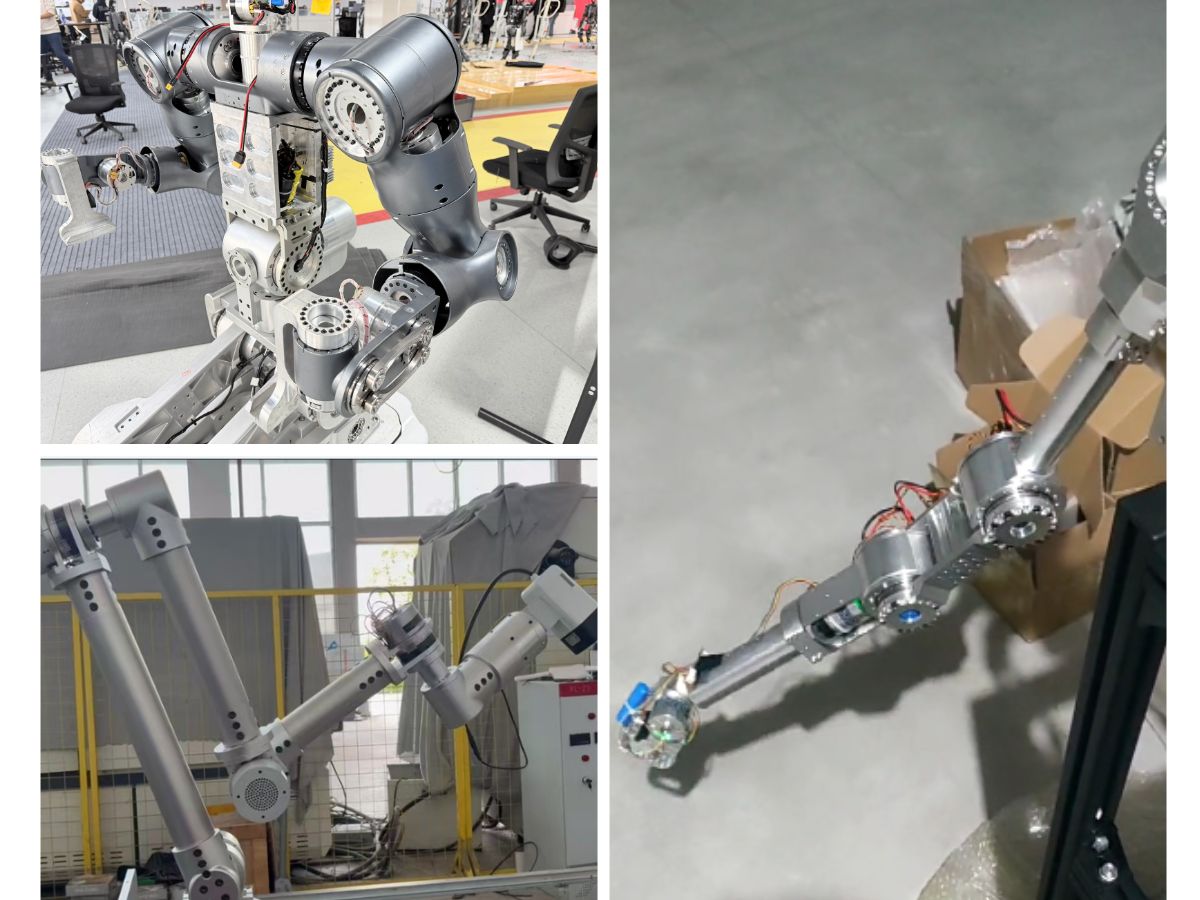
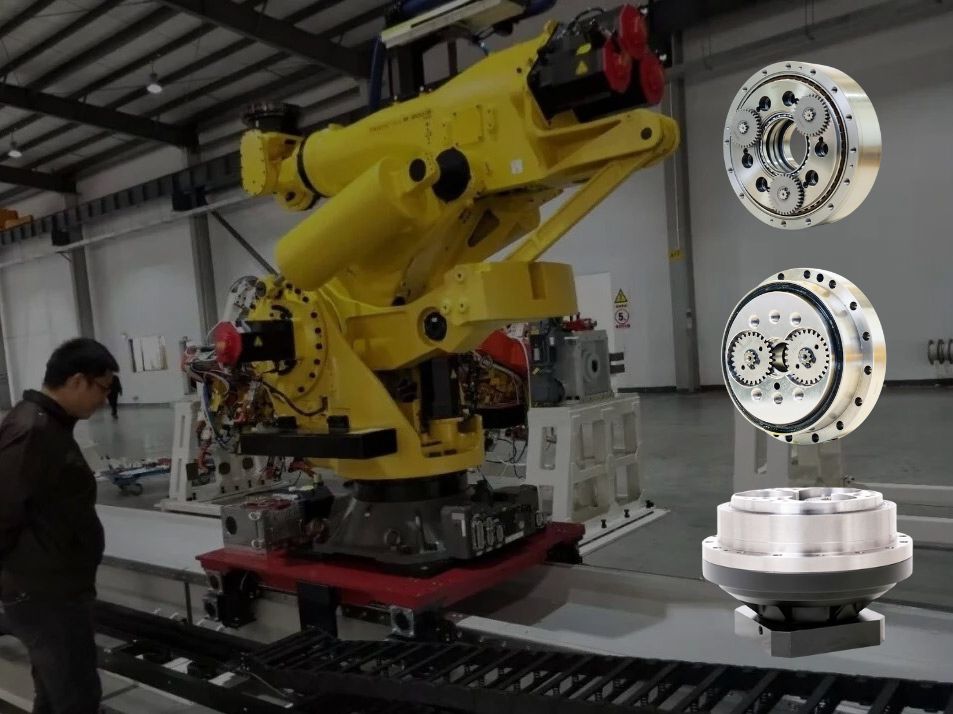
RV reducers are commonly used in high-load joints of industrial robots, such as the base, shoulder, and upper arm, typically on axes 1–4.
When the robot’s end payload exceeds approximately 20 kg, all six joints often use RV reducers to ensure overall rigidity and long-term accuracy stability.
Beyond robotics, RV reducers are widely applied in:
Heavy-duty robotic arms
CNC rotary tables
Precision indexing tables
Automated production line positioning mechanisms
Engineering and construction equipment
They are especially suitable for applications involving impact loads and continuous operation.
Applications of Harmonic Reducers
Harmonic reducers are mainly used in light-load robot joints, such as the wrist and end-effector, typically on axes 5–6.
They are widely applied in:
Collaborative robots
Medical robots
Service robots
Semiconductor manufacturing equipment
Optical positioning platforms
Aerospace and radar systems
Due to their low inertia, low noise, and high precision, harmonic reducers are highly favored. However, under long-term heavy load or high-impact conditions, the flexspline is prone to fatigue, limiting service life and long-term accuracy retention.
Installation and Mounting Differences
RV Reducers
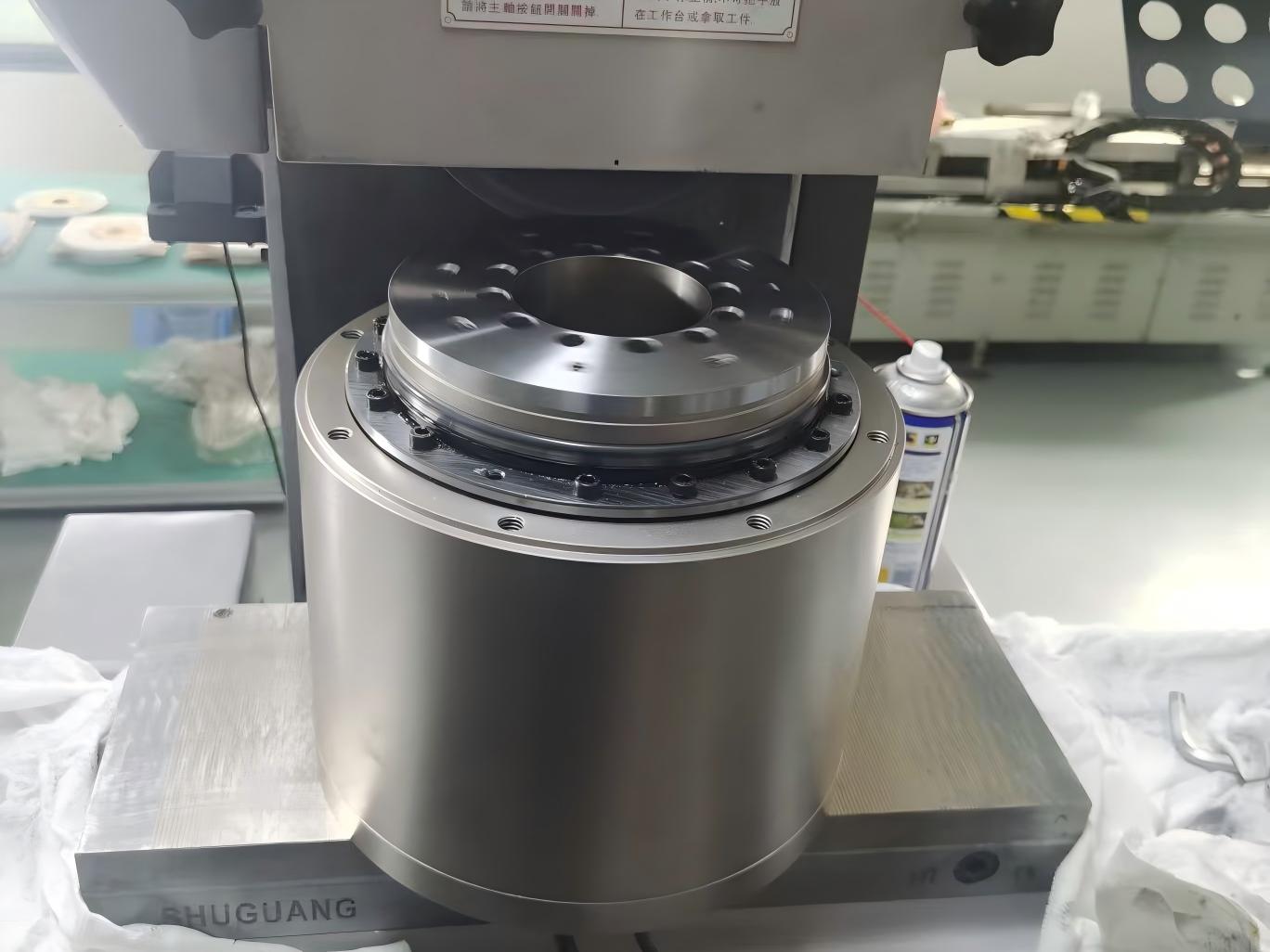
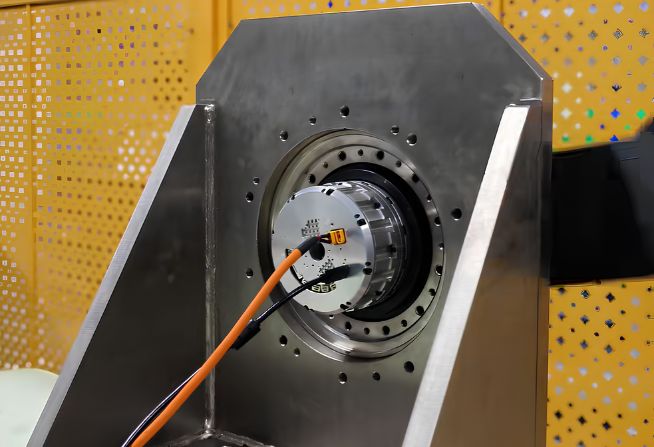
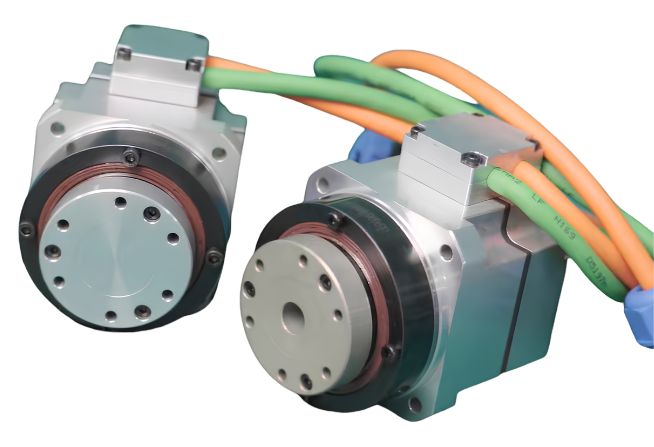
RV reducers are typically mounted using flange connections with locating pilots. The output side usually features a flange plate, requiring high coaxiality and mounting surface flatness.HONPINE’s flange-integrated RV reducers simplify installation and provide higher overall system rigidity after mounting. Custom motor shafts are supported based on application requirements—please contact HONPINE for selection guidance.
Harmonic Reducers
Harmonic reducers are usually fixed using flexspline and circular spline flanges and often require external bearings to handle radial and axial loads. They are highly sensitive to installation stress, and improper mounting can significantly affect performance and lifespan.
Long-Term Maintenance and Durability
RV Reducers
RV reducers use cycloidal pinwheel and planetary gear rigid multi-tooth meshing. Loads are distributed across multiple teeth simultaneously, resulting in low unit tooth surface stress. Wear mainly occurs as gear surface fatigue and rolling contact wear, leading to slow, predictable performance degradation.They are well suited for continuous operation and heavy-load applications.
Harmonic Reducers
Harmonic reducers rely on repeated elastic deformation of the flexspline. The flexspline is the core wear component and is subject to material fatigue and micro-crack formation over long-term operation. Performance degradation is cumulative and may occur suddenly.
RV reducers and harmonic reducers are complementary technologies, though advances in structural design and manufacturing processes may lead to localized competition in certain applications.If your priority is heavy load capacity, high rigidity, and strong impact resistance, an RV reducer is the preferred choice.If your priority is lightweight design, high precision, and high reduction ratio, a harmonic reducer is more suitable.Choosing the appropriate reducer should always be based on specific application requirements and operating conditions.
Read More
Learn more about the story of HONPINE and industry trends related to precision transmission.
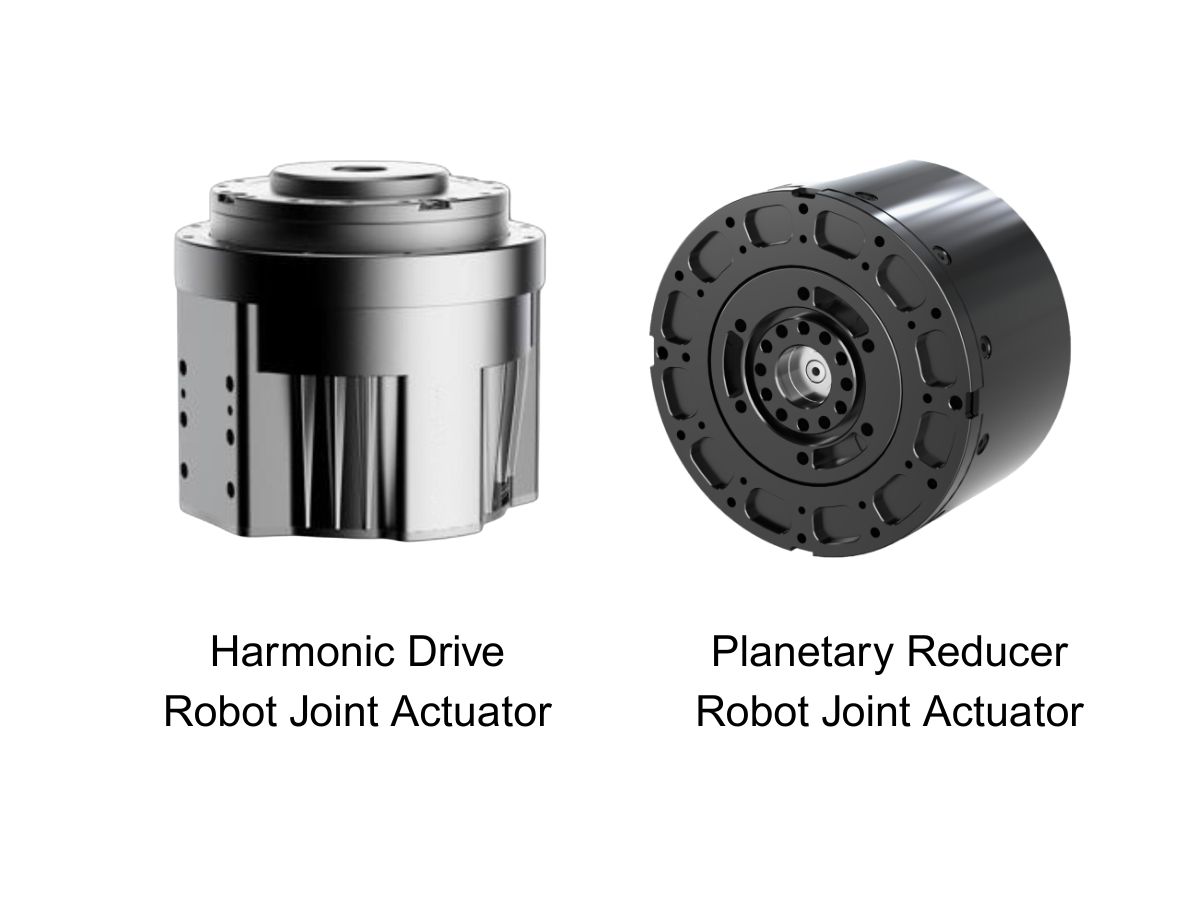
 What is robot joint actuator?How to Choose the Best Robot Rotary Joint Actuator?In core robot joint transmission solutions, planetary and harmonic rotary actuators each have their own strengths. Choosing the right type based on application requirements is essential to achieve the optimal balance between performance and cost.
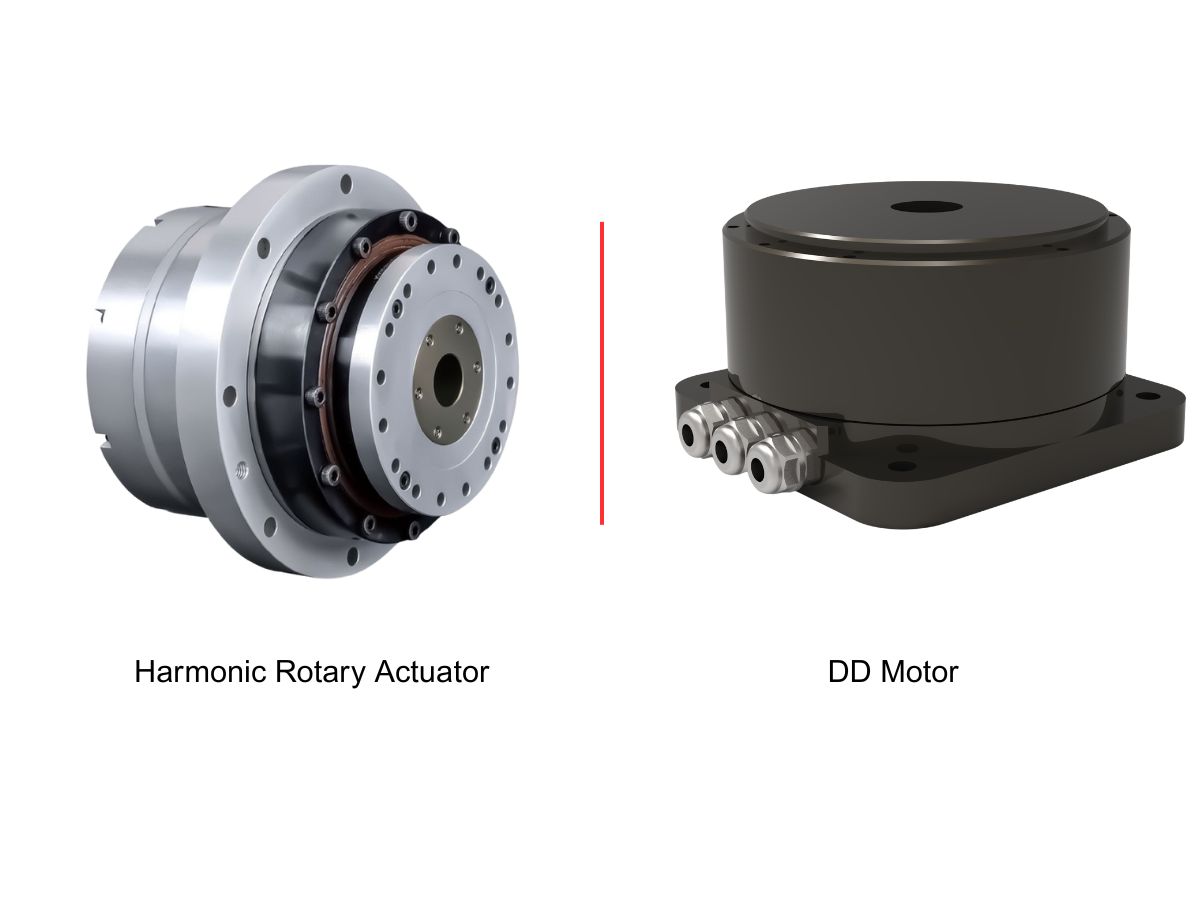
 DD Motors VS Harmonic Rotary ActuatorsThis article provides an in-depth comparison between Direct Drive (DD) motors and harmonic rotary actuators, covering their transmission principles, advantages and disadvantages, and typical application fields.
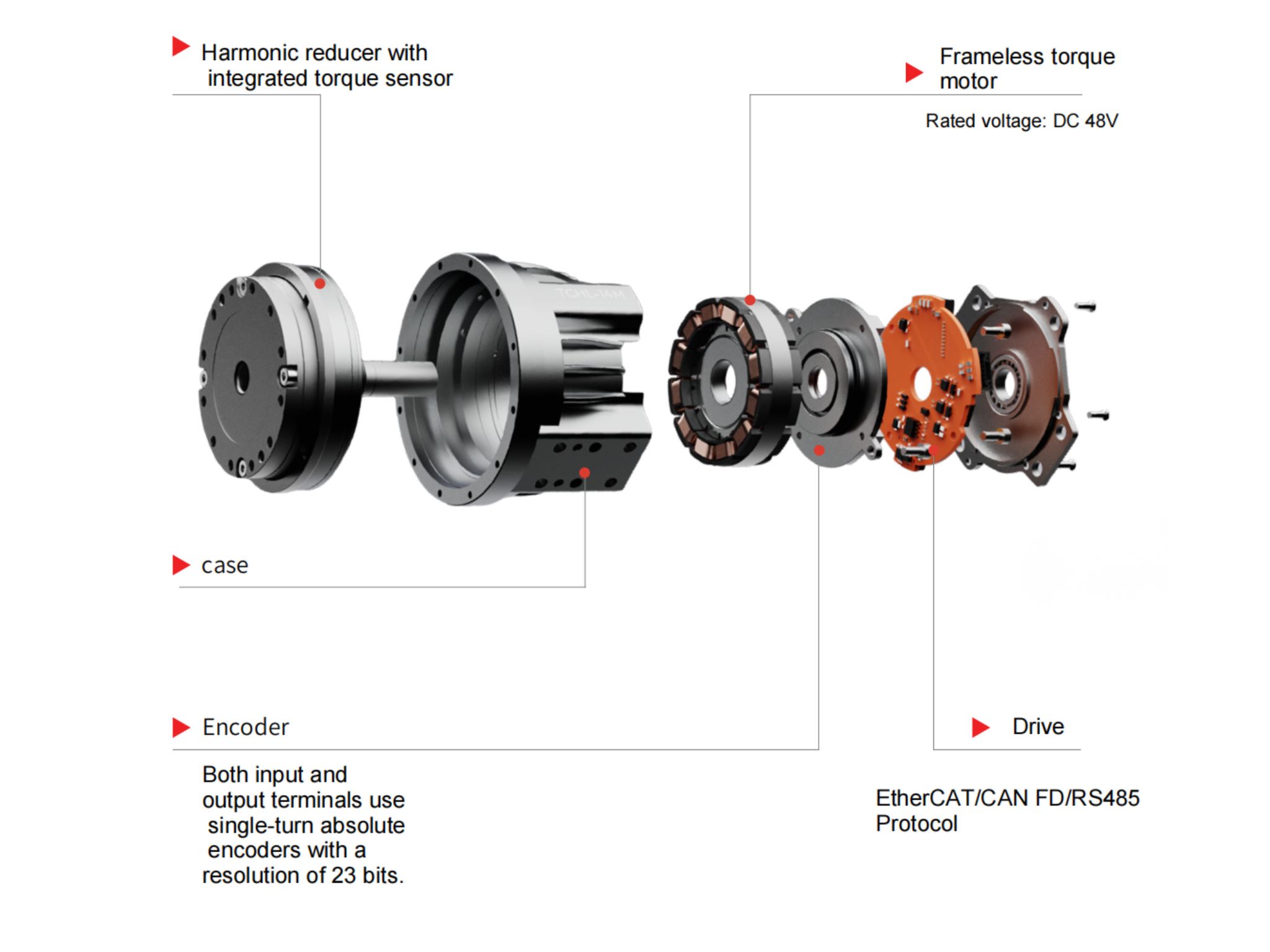
 OMG Ultra Compact Harmonic Drive Joint Module with Built-in Torque SensorHONPINE TCHL series harmonic drive joint module is a game-changing product that achieves disruptive improvements in multiple aspects such as lightweight design, integration level, and connection convenience. This article will analyze its revolutionary enhancements with you.
 The Role of Harmonic Drive Gears in Achieving 5–10 μm Accuracy in Dental Milling MachinesA dental milling machine is a CNC machining system used to directly process digital dental models into restorations such as crowns, bridges, veneers, inlays, and implant abutments. Dental milling machines require far higher operational accuracy and motion stability than ordinary equipment. This article explains how harmonic drive gear help dental milling machines achieve stable, continuous, and controllable operation.
 Why Are Harmonic Rotary Actuators Perfect for Medical Equipment?Harmonic rotary actuators (typically integrated systems consisting of a harmonic drive reducer, frameless torque motor, encoder, and optional brake) are regarded as key components in medical equipment. The core reason is that they simultaneously meet the most stringent medical requirements for precision, compact size, safety, and controllability. The following explanation is structured from three perspectives: technical characteristics, application scenarios, and medical value.
 High-Precision RV Reducers Perfectly Matched for Walking RobotsThe walking axis of a robot is a core component for power transmission and support. RV reducers provide extremely high rigidity, precision, and torque while maintaining a compact size and exceptional reliability, making them an ideal match for the demanding requirements of walking robot joints in terms of load capacity, impact resistance, and precision.
 Why Does an RV Reducer Need Profile Modification? How to Further Reduce Backlash and Transmission Error?An RV Reducer is designed to deliver high torque, high stiffness, and precise motion for demanding applications such as robotic joints, industrial rotary tables, and precision machinery. However, achieving low backlash and stable transmission accuracy requires more than high-precision machining. Cycloidal profile modification must also account for manufacturing tolerances, assembly errors, load-induced deformation, thermal expansion, and lubrication conditions. In this article, we examine why RV reducers require profile modification, how different modification methods affect meshing, and how engineers can further control backlash and transmission error through profile design, error budgeting, structural analysis, precision manufacturing, and validation testing.
 Hollow Robot Joint Module: Why Cable Routing Matters in Robotic Joints?A hollow robot joint module provides an internal passage for power cables, signal lines, pneumatic tubes, and other end-effector connections. Compared with external cable routing, a hollow joint module can help reduce cable exposure, improve system integration, and create a cleaner motion path for robotic arms. This article explains why internal cable routing matters in robotic joints and what to consider when selecting a hollow joint module for robotic applications.
 Robot Joint Actuator Selection: From Inertia Matching to System-Level OptimizationSelecting a robot joint actuator is not simply a matter of matching motor torque or achieving a suitable inertia ratio. In a real robotic system, reduction ratio, load spectrum, thermal performance, mechanical stiffness, transmission nonlinearity, encoder architecture, control bandwidth, and service life all interact to determine the final result. A joint may meet its peak torque requirement and still experience vibration, overheating, positioning errors, or premature wear in real operation. This article examines the engineering logic behind robot joint actuator selection and explains why moving from single-parameter matching to system-level optimization can lead to more reliable and predictable robotic joint performance.
 HONPINE HAG Robot Joint Module Undergoing Pre-Shipment InspectionThe HONPINE HAG Robot Joint Module is currently undergoing pre-shipment inspection before delivery.
 How to Choose a Small Harmonic Actuator?HONPINE Series 11 small harmonic actuators provide a compact, high-performance rotary motion solution for precision automation applications. Available with hollow or solid shafts, 48V or 220V options, optional brakes, absolute encoders, and different reduction ratios, the Series 11 is designed for applications requiring compact dimensions, controlled torque, and precise positioning.
 How to Choose a Wheel Motor for a Heavy-Duty AGV? Key Challenges from Dynamic Loads to 120-Ton AGV Drive Wheel SystemsSelecting a Heavy-Duty AGV Wheel Motor is more than matching motor power or rated torque to the vehicle's payload. As AGVs move from conventional material handling to multi-ton and even 120-ton-class applications, the drive wheel system must handle dynamic loads, acceleration, braking, turning forces, traction, and long-term mechanical stress. The actual challenge lies in matching wheel load capacity, wheel-end torque, gearbox performance, steering architecture, suspension, and chassis design under real operating conditions. This article examines the key challenges of Heavy-Duty AGV Wheel Motor selection and explains how Steering Drive Wheels and Differential Drive Wheels can be evaluated for different heavy-duty AGV applications.
Double Click
We provide harmonic drive reducer,planetary reducer,robot joint motor,robot rotary actuators,RV gear reducer,robot end effector,dexterous robot hand
 What is robot joint actuator?How to Choose the Best Robot Rotary Joint Actuator?In core robot joint transmission solutions, planetary and harmonic rotary actuators each have their own strengths. Choosing the right type based on application requirements is essential to achieve the optimal balance between performance and cost.
 DD Motors VS Harmonic Rotary ActuatorsThis article provides an in-depth comparison between Direct Drive (DD) motors and harmonic rotary actuators, covering their transmission principles, advantages and disadvantages, and typical application fields.
 OMG Ultra Compact Harmonic Drive Joint Module with Built-in Torque SensorHONPINE TCHL series harmonic drive joint module is a game-changing product that achieves disruptive improvements in multiple aspects such as lightweight design, integration level, and connection convenience. This article will analyze its revolutionary enhancements with you.
 Why Does an RV Reducer Need Profile Modification? How to Further Reduce Backlash and Transmission Error?An RV Reducer is designed to deliver high torque, high stiffness, and precise motion for demanding applications such as robotic joints, industrial rotary tables, and precision machinery. However, achieving low backlash and stable transmission accuracy requires more than high-precision machining. Cycloidal profile modification must also account for manufacturing tolerances, assembly errors, load-induced deformation, thermal expansion, and lubrication conditions. In this article, we examine why RV reducers require profile modification, how different modification methods affect meshing, and how engineers can further control backlash and transmission error through profile design, error budgeting, structural analysis, precision manufacturing, and validation testing.
 Hollow Robot Joint Module: Why Cable Routing Matters in Robotic Joints?A hollow robot joint module provides an internal passage for power cables, signal lines, pneumatic tubes, and other end-effector connections. Compared with external cable routing, a hollow joint module can help reduce cable exposure, improve system integration, and create a cleaner motion path for robotic arms. This article explains why internal cable routing matters in robotic joints and what to consider when selecting a hollow joint module for robotic applications.
 Robot Joint Actuator Selection: From Inertia Matching to System-Level OptimizationSelecting a robot joint actuator is not simply a matter of matching motor torque or achieving a suitable inertia ratio. In a real robotic system, reduction ratio, load spectrum, thermal performance, mechanical stiffness, transmission nonlinearity, encoder architecture, control bandwidth, and service life all interact to determine the final result. A joint may meet its peak torque requirement and still experience vibration, overheating, positioning errors, or premature wear in real operation. This article examines the engineering logic behind robot joint actuator selection and explains why moving from single-parameter matching to system-level optimization can lead to more reliable and predictable robotic joint performance.
 How to Choose a Small Harmonic Actuator?HONPINE Series 11 small harmonic actuators provide a compact, high-performance rotary motion solution for precision automation applications. Available with hollow or solid shafts, 48V or 220V options, optional brakes, absolute encoders, and different reduction ratios, the Series 11 is designed for applications requiring compact dimensions, controlled torque, and precise positioning.
 How to Choose a Wheel Motor for a Heavy-Duty AGV? Key Challenges from Dynamic Loads to 120-Ton AGV Drive Wheel SystemsSelecting a Heavy-Duty AGV Wheel Motor is more than matching motor power or rated torque to the vehicle's payload. As AGVs move from conventional material handling to multi-ton and even 120-ton-class applications, the drive wheel system must handle dynamic loads, acceleration, braking, turning forces, traction, and long-term mechanical stress. The actual challenge lies in matching wheel load capacity, wheel-end torque, gearbox performance, steering architecture, suspension, and chassis design under real operating conditions. This article examines the key challenges of Heavy-Duty AGV Wheel Motor selection and explains how Steering Drive Wheels and Differential Drive Wheels can be evaluated for different heavy-duty AGV applications.
 DD Motor Servo System: How to Understand Mechanical Resonance and Solve Machine Vibration?This article explains the relationship between DD motor servo tuning, mechanical resonance, and servo bandwidth in direct drive motion systems. It examines why vibration and instability can occur even after repeated servo parameter adjustments, and explains how mechanical stiffness, moving mass, bearing conditions, load distribution, and structural geometry affect resonance frequency. The article also compares approaches for high- and low-frequency resonance, explains when digital notch filtering can be effective, and provides a practical tuning strategy for engineers working with DD motors, direct drive torque motors, and linear motors.
 Why Do Industrial Robots and Heavy-Duty Equipment Prefer Dual-Disc RV Reducers?Many engineers have the same question when they first look inside an RV reducer: if a single cycloidal disc can already achieve speed reduction, why do industrial robot RV reducers almost always use two discs? The additional disc increases the number of components, assembly complexity, and manufacturing cost, so its purpose deserves a closer look. The answer is not simply a higher reduction ratio. A dual-disc RV reducer is designed to improve the overall mechanical behavior of the transmission through better force balance, load sharing, backlash control, torsional stiffness, and long-term reliability. In this article, we use an RV reducer assembly model and motion simulation to examine these mechanisms and explain why the dual-disc architecture is widely used in industrial robots, machine tools, rotary tables, and other heavy-duty precision transmission systems.
 Small Size Harmonic Drive Reducer: Advantages, Applications and Selection GuideSmall size harmonic drive reducer for compact precision motion systems, offering high reduction ratio, near-zero backlash, low weight and accurate transmission.
 High Precision Harmonic Drive Robot Joint Actuator Solution for Robotic ElbowsThe robotic elbow joint plays a critical role in arm flexion, posture adjustment, and end-effector positioning. As humanoid robots, collaborative robots, and robotic arms become more capable, elbow actuators need to deliver high torque and precise motion within increasingly limited installation spaces. A high precision harmonic drive robot joint actuator integrates the harmonic reducer, motor, encoder, brake, and drive system into a compact unit, providing low backlash, high stiffness, high torque density, and accurate motion control. In this article, HONPINE introduces three joint actuator series suitable for robotic elbow applications, covering different requirements for size, torque, speed, precision, and integration.