








10 Robot Joint Module Challenges and Solutions for Lightweight and Special-Purpose Robots
The development of robotics is moving beyond conventional industrial robot architectures. Humanoid robots, collaborative robots, lightweight robotic arms, medical robots, mobile manipulators, and special-purpose robotic systems are creating increasingly demanding requirements for robot joints.
In these applications, choosing a robot joint module is not simply a matter of comparing rated torque or reduction ratio. Engineers must consider how the joint will affect the entire robot, including overall weight, mechanical structure, dynamic response, cable routing, sensing, control, safety, and installation space.
A lightweight robot wrist may require extremely low mass and inertia, while a shoulder joint may need high torque and stiffness. A force-controlled robot may require integrated torque sensing, whereas a vertical joint may require a brake. A special-purpose robotic arm may have a unique mechanical structure that requires flexible mounting and internal cable routing.
These requirements can make conventional motor-and-reducer combinations difficult to integrate.
The challenge is therefore not simply finding a motor or harmonic reducer with suitable specifications. The real challenge is finding a robot joint architecture that solves the mechanical, sensing, control, and integration requirements of the complete robotic system.
This article discusses 10 common robot joint module challenges and the engineering solutions that can help developers build lighter, more compact, precise, and application-specific robots.
1. How Can Robot Joints Be Made Lighter Without Sacrificing Torque?
Weight is one of the most important factors in lightweight robot design. This is particularly true for humanoid robots, collaborative robots, lightweight robotic arms, and mobile manipulators.
The effect of joint weight extends far beyond the joint itself. When a wrist becomes heavier, the elbow must generate more torque to move it. The increased elbow load can then affect the shoulder. As a result, a small increase in joint weight can create a larger increase in the required torque of the robot's upstream joints.
This is why joint weight should be considered at the system level rather than simply as an individual component specification.
At the same time, reducing weight cannot come at the expense of torque, stiffness, precision, or reliability. Simply selecting a smaller motor may reduce weight but can also reduce the robot's load capacity and dynamic performance.
Solution: Improve Joint Integration and Torque Density
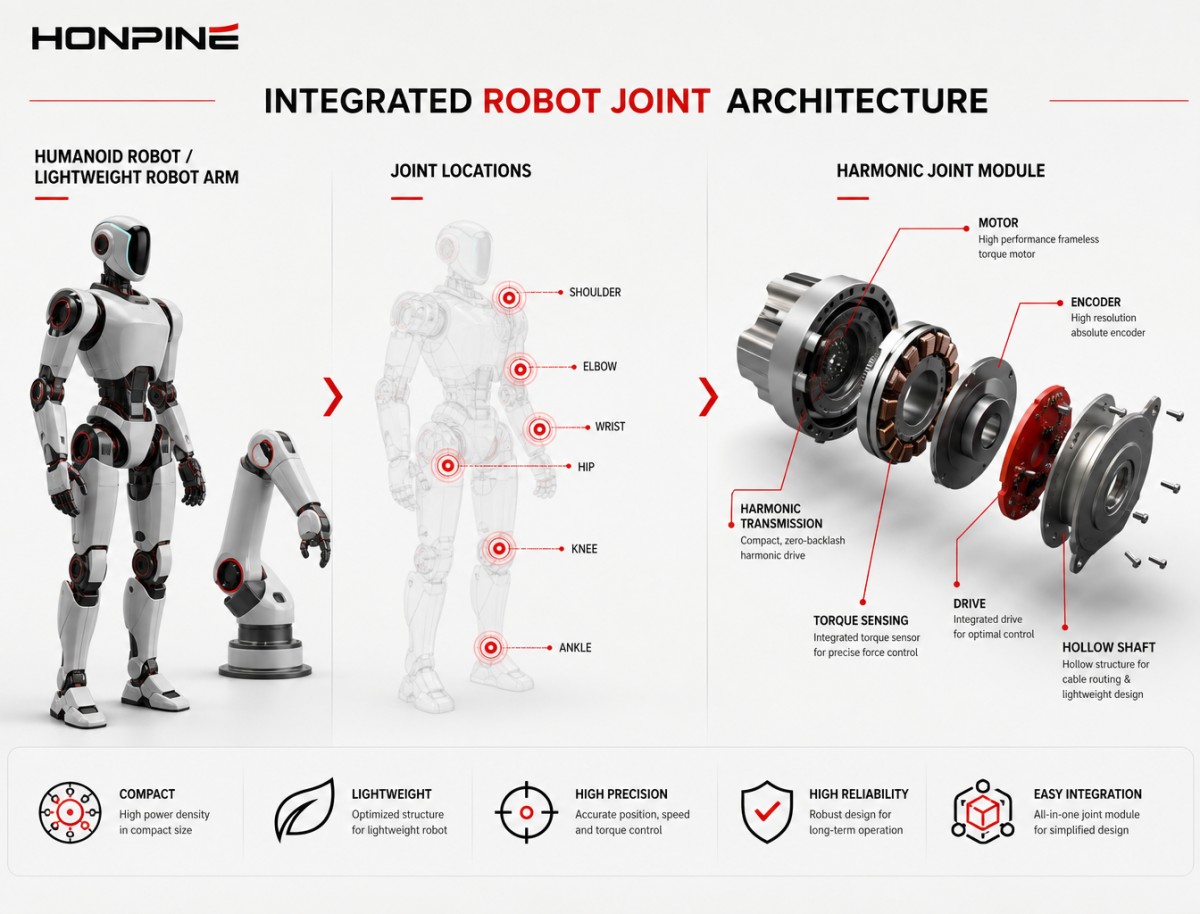
A conventional robotic joint may require a motor, harmonic reducer, encoder, drive, brake, sensor, connector, and supporting mechanical structure. When these components are designed independently, the additional housings, brackets, couplings, and interfaces can increase both weight and installation space.
An integrated robot joint module takes a different approach by combining key functions into a single optimized assembly. This can reduce unnecessary mechanical interfaces while increasing the effective torque density of the joint.
For lightweight robotic systems, this approach can be more effective than simply reducing the size of individual components.
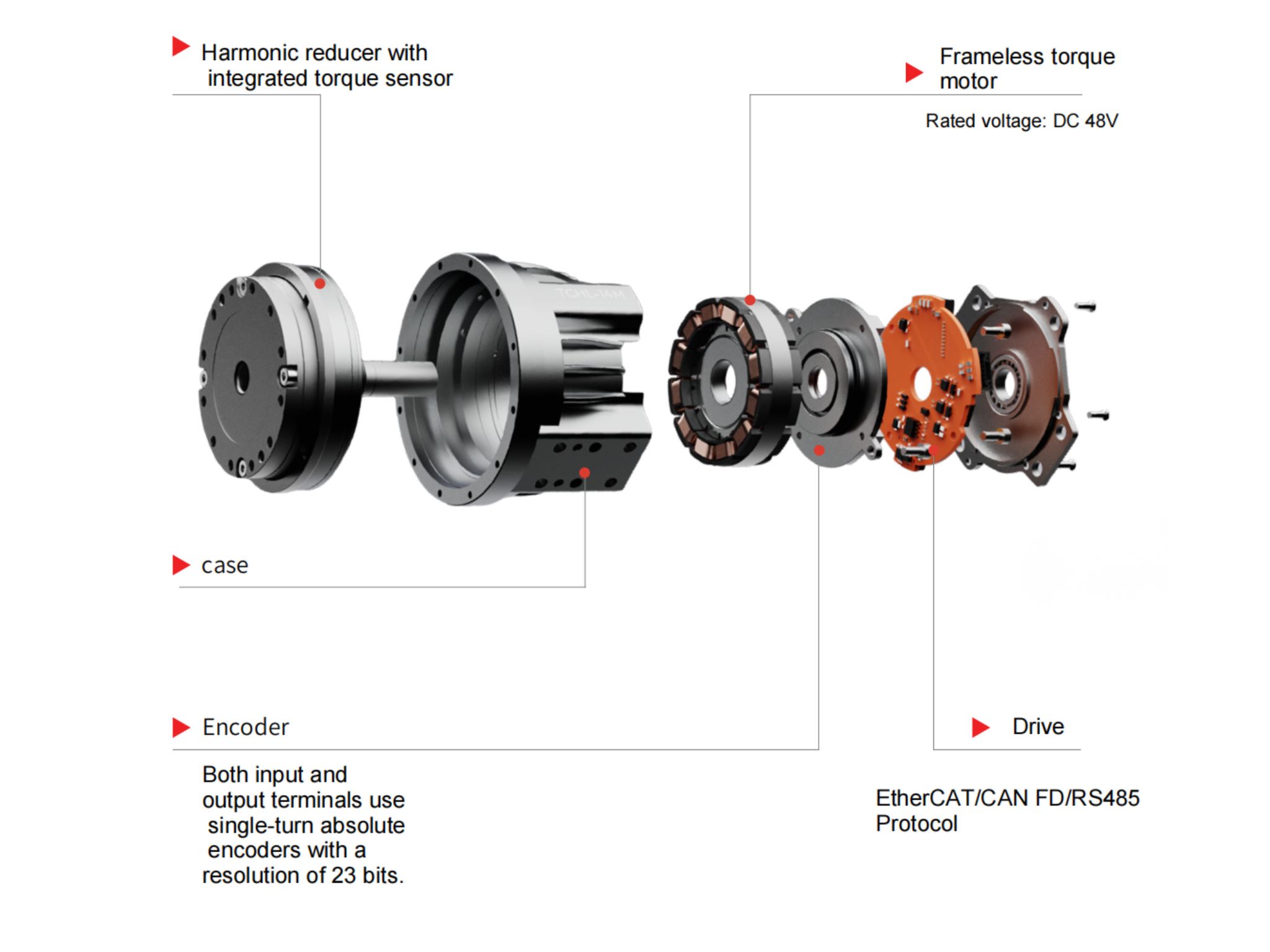
The TCHL Harmonic Joint Module is designed for applications where low weight and compact dimensions are important. Its integrated architecture combines harmonic transmission, motor, feedback, and other functional elements within a compact joint structure, helping engineers reduce the mechanical burden placed on the rest of the robot.
2. How Can More Functions Be Integrated Into Limited Joint Space?
Modern robot joints increasingly need to perform multiple functions within a very small space. In addition to generating motion, a joint may need position feedback, torque sensing, drive electronics, communication interfaces, braking, and electrical connections.
This becomes particularly challenging in humanoid wrists, compact robotic arms, dexterous robotic systems, medical robots, and other special-purpose machines. The available installation space may already be occupied by structural components, bearings, cables, sensors, or other mechanisms.
Adding each function as an independent component can increase the diameter or axial length of the joint. It can also create more mechanical and electrical interfaces that need to be designed and tested.
Solution: Treat the Joint as a Complete Functional Subsystem
Instead of designing the motor, reducer, encoder, drive, and sensing system independently, engineers can treat the complete joint as a functional subsystem.
This allows multiple functions to be considered together during mechanical and electrical design. The goal is not simply to make every individual component smaller. The goal is to reduce the total footprint of the complete joint while maintaining the performance required by the robot.
This approach can also reduce development complexity. Robot manufacturers can focus more of their engineering resources on their own competitive technologies, such as robot mechanics, motion planning, perception, AI, end-effectors, and application software.
For a company developing a new robotic platform, an integrated joint can therefore become an engineering shortcut without becoming a compromise in functionality.
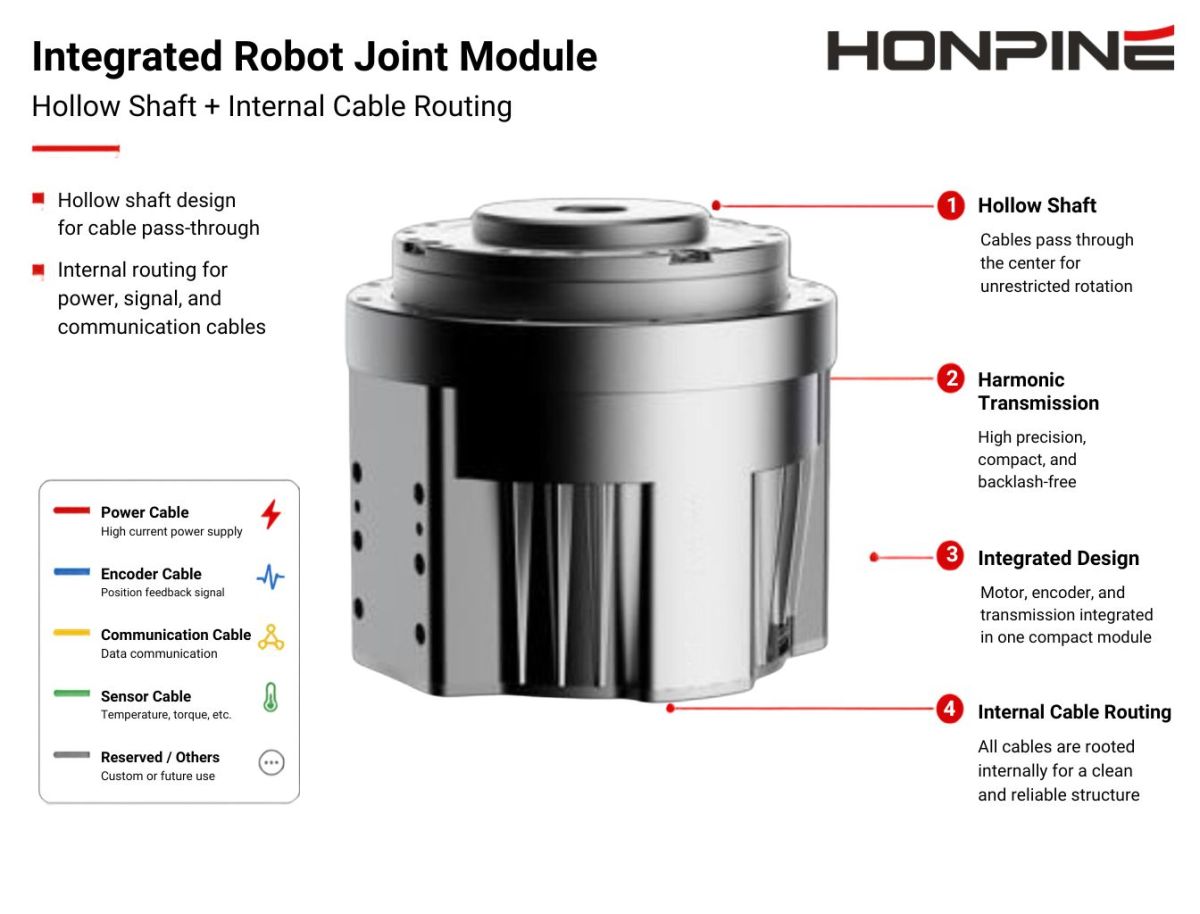
3. How Can Internal Cable Routing Be Achieved in Compact Robots?
Cable management becomes increasingly difficult as robotic systems become smaller and more articulated.
A multi-axis robot may require power cables, encoder wiring, communication lines, sensor connections, and pneumatic tubes. If these cables are routed externally, they can interfere with joint movement, increase the size of the mechanical structure, and create additional maintenance requirements.
The problem becomes even more important in humanoid robots and special-purpose robotic arms, where joints may need to rotate through a large range while maintaining a clean and compact mechanical structure.
Solution: Use Hollow-Shaft Joint Architecture
A hollow-shaft robot joint provides internal space for cables, tubes, and other functional connections. Instead of routing these components around the outside of the joint, engineers can integrate them into the mechanical architecture.
This can simplify the surrounding robot structure and reduce cable exposure. It can also help engineers create cleaner routing paths between adjacent joints.
For compact robot wrists, medical manipulators, lightweight robotic arms, and specialized automation equipment, hollow-shaft architecture can therefore be an important design consideration when selecting a joint module.
The key question is not only whether the actuator can generate the required torque. Engineers should also ask whether the joint can be physically integrated into the robot without creating additional cable-management problems.
4. How Can Robots Obtain Accurate Torque Feedback?
Position feedback is sufficient for many conventional motion-control applications. However, robots are increasingly required to physically interact with their environment.
A robot performing precision insertion needs to detect contact. A polishing robot needs to control contact force. A collaborative robot may need to detect unexpected external loads. A dexterous robot may need to regulate the force applied to an object.
In these applications, knowing the joint position is not enough. The control system also needs information about the torque being generated at the joint.
Solution: Integrate Torque Sensing Into the Joint
An integrated torque sensor can provide information about the actual loading condition of the joint and support closed-loop force and position control.
This can be valuable for force-controlled assembly, collision detection, contact detection, compliance control, grinding, polishing, and human-robot interaction.
However, adding a torque sensor as an independent external component can create another design challenge. The sensor itself requires space, adds weight, and introduces additional mechanical and electrical interfaces.
This is where an integrated solution becomes particularly valuable.
The TCHL Harmonic Joint Module integrates an output-side force/torque sensing function into the joint architecture. For compact robots that require both low weight and force feedback, this can eliminate the need to add a separate large sensing assembly around the joint.
The result is not simply additional sensing capability. It is a more compact path toward force-aware robot motion.
5. How Can Torque Sensing Be Added Without Significantly Increasing Joint Size?
Torque sensing can improve robot interaction, but it can also introduce a difficult trade-off between sensing capability and mechanical compactness.
A separate torque sensor may require additional mounting space between the reducer and the robot's output structure. It can also increase the joint's weight and introduce additional connectors and wiring.
For large industrial robots, these factors may be manageable. For a lightweight wrist, humanoid hand, or compact robotic arm, they can have a much greater impact.
Solution: Combine Transmission and Torque Measurement
Integrating torque sensing into the joint architecture allows the sensing function to become part of the actuator rather than another external component.
This is particularly useful when the robot needs a combination of low weight, compact dimensions, and force feedback.
The TCHL Harmonic Joint Module is an example of this approach. By combining harmonic transmission with integrated torque sensing, it allows engineers to consider actuation, transmission, and force feedback as a single joint-level solution.
This can be especially valuable for lightweight humanoid robots, collaborative robots, medical manipulators, and special-purpose robotic arms where adding another component could compromise the original mechanical design.
6. Should Every Joint on a Robot Use the Same Actuator?
Using the same actuator configuration across an entire robot can simplify procurement and mechanical development. However, it does not necessarily produce the best-performing robot.
Different joints perform different functions.
A shoulder joint may require high torque and stiffness. An elbow may need a balance between torque and dynamic response. A wrist may prioritize low weight and low inertia. A vertical joint may require a brake, while a force-sensitive joint may require integrated torque feedback.
Trying to use one actuator for every joint can therefore create unnecessary compromises.
Solution: Match the Joint Architecture to the Joint's Function
A better approach is to classify joints according to their actual operating requirements.
High-load joints should prioritize torque capacity, stiffness, thermal performance, and reliability. Lightweight joints should prioritize mass, inertia, compactness, and dynamic response. Precision joints require accurate transmission and high-quality feedback. Force-controlled joints require reliable torque measurement and control integration. Safety-critical vertical joints may require braking and additional protection functions.
This is why robot manufacturers may need more than one type of joint module within the same robotic platform.
HONPINE's HPJM-PRO, TCHL, and HAG platforms can be evaluated according to different combinations of torque, size, weight, feedback, control, and safety requirements rather than treating one joint as a universal solution.
7. How Can Special-Purpose Robotic Arms Adapt to Non-Standard Installation Requirements?
Not every robotic system follows the mechanical architecture of a conventional six-axis industrial robot.
Special-purpose robotic arms, medical manipulators, research platforms, humanoid robots, and customized automation equipment can have very different mechanical structures. The actuator may need to be installed from a particular direction or integrated into an unusually shaped joint.
A conventional actuator with only one mounting configuration can force engineers to add brackets or redesign the surrounding structure. This may increase weight, reduce stiffness, consume valuable installation space, and complicate assembly.
Solution: Select a Joint With Flexible Mechanical Interfaces
A robot joint should adapt to the robot architecture rather than forcing the robot to adapt to the actuator.
Multiple mounting configurations can provide greater freedom during mechanical design. This is particularly useful when the robot has limited installation space or an unconventional joint structure.
The TCHL Harmonic Joint Module supports multiple connection configurations, allowing engineers to evaluate the actuator as part of the complete mechanical structure. For special-purpose robots, this flexibility can be just as important as torque and precision because it can reduce the amount of additional mechanical structure required around the joint.
8. How Can Robot Manufacturers Reduce Joint Integration Complexity?
Developing a robotic joint from individual components requires significant engineering work.
The motor needs to be matched with the harmonic reducer. The encoder needs to be integrated with the control system. The drive needs to communicate with the robot controller. Cables and connectors need to be routed through the mechanical structure. Brakes and sensors may also need separate control and power interfaces.
Every additional component creates another interface.
Every interface needs to be tested.
For companies developing a new robot platform, this can consume considerable engineering resources before the actual robot application has even been validated.
Solution: Use an Integrated Robot Joint Module
An integrated joint module combines multiple functions into a standardized subsystem.
This can simplify mechanical integration, electrical wiring, communication, debugging, maintenance, and system validation.
More importantly, it allows robot manufacturers to concentrate on their own areas of expertise.
A humanoid robot developer can focus on AI, perception, motion planning, and dexterous manipulation. An industrial automation company can focus on the production process and machine architecture. A medical robotics company can focus on precision movement and clinical requirements.
The joint module becomes an enabling technology rather than another subsystem that the robot manufacturer has to develop from the ground up.
9. How Can a Robot Joint Work With Different Control Architectures?
A robot joint is not an independent component. It is part of the robot's complete motion-control system.
The communication protocol, encoder feedback, control modes, digital interfaces, and safety functions all need to work with the robot controller.
Depending on the application, a robot may use CAN, CANopen, EtherCAT, CAN-FD, or other communication architectures. The right choice depends on the control system, synchronization requirements, and overall robot architecture.
Solution: Evaluate the Joint and Control System Together
Before selecting a joint module, engineers should define the required control architecture.
Important considerations include communication protocol, encoder feedback, position and velocity control, torque control, synchronization, digital I/O, safety functions, and controller compatibility.
An integrated robot joint with the appropriate communication and feedback architecture can reduce interface development and simplify multi-axis synchronization.
For robot manufacturers, this can be especially important when dozens of joints need to communicate reliably with the central controller.
The objective should not be to choose a joint with the largest number of communication options. Instead, the joint should provide the interfaces and control capabilities required by the actual robot.
10. What Should Engineers Do When Standard Motors and Reducers Cannot Meet the Complete Requirement?
Many robotic development projects eventually reach a point where individual components appear suitable but the complete combination does not work.
A motor may provide sufficient torque but occupy too much space. A harmonic reducer may provide the required precision but require additional components to become a complete joint. A separate torque sensor may provide the required feedback but make the joint too heavy. An actuator may fit mechanically but lack the communication architecture required by the robot controller.
In these cases, the problem is not necessarily the performance of an individual component.
The problem is that the complete actuator architecture does not match the robot.
Solution: Start With the Application, Not the Product Catalog
Before selecting a robot joint module, engineers should define what the joint actually needs to accomplish.
Torque and speed determine the basic actuation requirements, while weight and installation dimensions determine whether the joint can physically fit into the robot. Accuracy and stiffness affect motion performance, while encoder and torque feedback determine what information the controller can obtain.
Communication architecture determines how the joint integrates with the robot controller. Mounting configuration and hollow-shaft design affect mechanical integration and cable routing. Brake and safety functions become particularly important for vertical or collaborative applications.
Environmental conditions should also be considered, especially for robots operating in demanding industrial environments or specialized applications.
Once these requirements are defined, the joint can be selected based on the complete application rather than a single specification such as rated torque.
A Practical Robot Joint Module Selection Process
The selection of a robot joint module should ideally begin during the early mechanical architecture stage.
First, calculate the actual joint load. Static payload alone is not sufficient. Acceleration, deceleration, robot posture, inertia, external forces, emergency stops, and potential impact loads can all influence the required continuous and peak torque.
Next, determine the available installation space. Maximum diameter, axial length, joint weight, hollow-shaft requirements, and mounting configuration should be defined before comparing different actuator solutions.
Feedback requirements should then be established. A conventional positioning axis may only require high-resolution position feedback, while a robot performing physical interaction may require integrated torque sensing.
The control architecture should also be considered early. Communication protocols, controller compatibility, encoder feedback, control modes, and safety functions can directly influence the suitability of the joint.
Finally, evaluate the selected joint at the system level. A joint that looks excellent in a specification sheet may still be unsuitable if it increases the overall robot weight, complicates cable routing, reduces available space, or requires major mechanical redesign.
Which Robotic Applications Benefit Most From Integrated Joint Solutions?
Integrated robot joint modules are particularly valuable when several engineering constraints exist at the same time.
Humanoid Robots
Humanoid robots require a difficult combination of low weight, high torque density, compact dimensions, dynamic response, precise feedback, and increasingly sophisticated physical interaction. Different joints can also have very different requirements, making a flexible joint platform important during robot architecture development.
Lightweight Collaborative Robots
Collaborative robots need to balance payload, weight, safety, precision, and dynamic response. An integrated joint can reduce mechanical and electrical complexity while providing the feedback and communication capabilities needed by the control system.
Special-Purpose Robotic Arms
Special-purpose robotic arms often have mechanical structures that differ significantly from conventional industrial robots. They may require unusual mounting configurations, internal cable routing, integrated torque sensing, compact dimensions, or customized interfaces.
For these systems, mechanical flexibility and system integration can be more important than simply selecting the actuator with the highest torque.
Medical and Precision Robots
Medical robots and precision automation equipment often require compact dimensions, smooth movement, accurate feedback, and high mechanical precision. In these applications, the joint must be considered as part of the complete precision motion system rather than as an isolated motor-reducer combination.
Industrial Automation and Specialized Equipment
Robot joint technology is also relevant outside traditional robotic arms. Semiconductor equipment, optical equipment, automated inspection systems, precision positioning mechanisms, and other specialized machines may require compact rotary actuation with high precision, controlled motion, and flexible integration.
How HONPINE Approaches Robot Joint Solutions?
Different robotic systems require different combinations of performance.
A lightweight wrist does not necessarily require the same actuator as a heavy shoulder joint. A force-controlled joint does not necessarily need the same configuration as a conventional positioning axis. A vertical joint may require a brake, while a compact robot may prioritize low weight and internal cable routing.
For this reason, HONPINE approaches robot joint selection from the application rather than simply recommending one standard actuator.
The TCHL Harmonic Joint Module is particularly suitable when the project places strong emphasis on lightweight construction, compact integration, flexible mounting, internal cable routing, and integrated torque sensing.
For applications requiring broader torque coverage, high dynamic performance, and a highly integrated configuration, HPJM-PRO provides another platform for evaluating the required combination of harmonic transmission, motor, encoder, drive, and optional safety functions.
For industrial robots, collaborative robots, humanoid robots, and precision automation equipment requiring different combinations of torque, stiffness, feedback, braking, and communication, the HAG series provides another option for application-specific joint selection.
The purpose is not to select the product with the highest specification.
The purpose is to find the joint architecture that best fits the robot.
From Robot Joint Components to Complete Engineering Solutions
Robot joint technology is moving beyond the traditional combination of a motor and reducer.
Modern robotic systems increasingly require the joint to integrate actuation, transmission, feedback, sensing, control, communication, cable management, and safety functions within a compact mechanical structure.
This trend is particularly important for humanoid robots, lightweight robotic arms, collaborative robots, medical robots, special-purpose manipulators, and compact automation systems.
For these applications, engineers should not ask only:
“Which robot joint has the highest torque?”
A better question is:
“Which robot joint architecture can solve the mechanical, sensing, control, and integration requirements of our robot?”
This change in perspective can make joint selection more effective. It allows engineers to evaluate the actuator as part of the complete robotic system and reduce the risk of expensive mechanical redesign later in the development process.
Looking for the Right Robot Joint Module for Your Application?
Every robotic system has different engineering requirements.
The appropriate joint depends on the relationship between torque, speed, weight, size, stiffness, accuracy, sensing, communication, installation, safety, and operating environment.
HONPINE provides multiple harmonic robot joint platforms and can evaluate these requirements together when selecting a suitable solution.
For lightweight and compact robotic systems that require integrated torque sensing, flexible installation, and internal cable routing, TCHL can be considered as a compact harmonic joint solution.
For applications requiring higher performance and broader torque coverage, HPJM-PRO provides another integrated robot joint platform.
For industrial robots, collaborative robots, humanoid robots, and precision automation applications with different torque, stiffness, feedback, and safety requirements, HAG can also be evaluated as part of the overall joint architecture.
The key is to select the joint according to what the robot needs to achieve, rather than forcing the robot design to adapt to a standard actuator.
The right robot joint module is not simply a component with the highest specifications. It is a solution that fits the complete robot.
Read More
Learn more about the story of HONPINE and industry trends related to precision transmission.
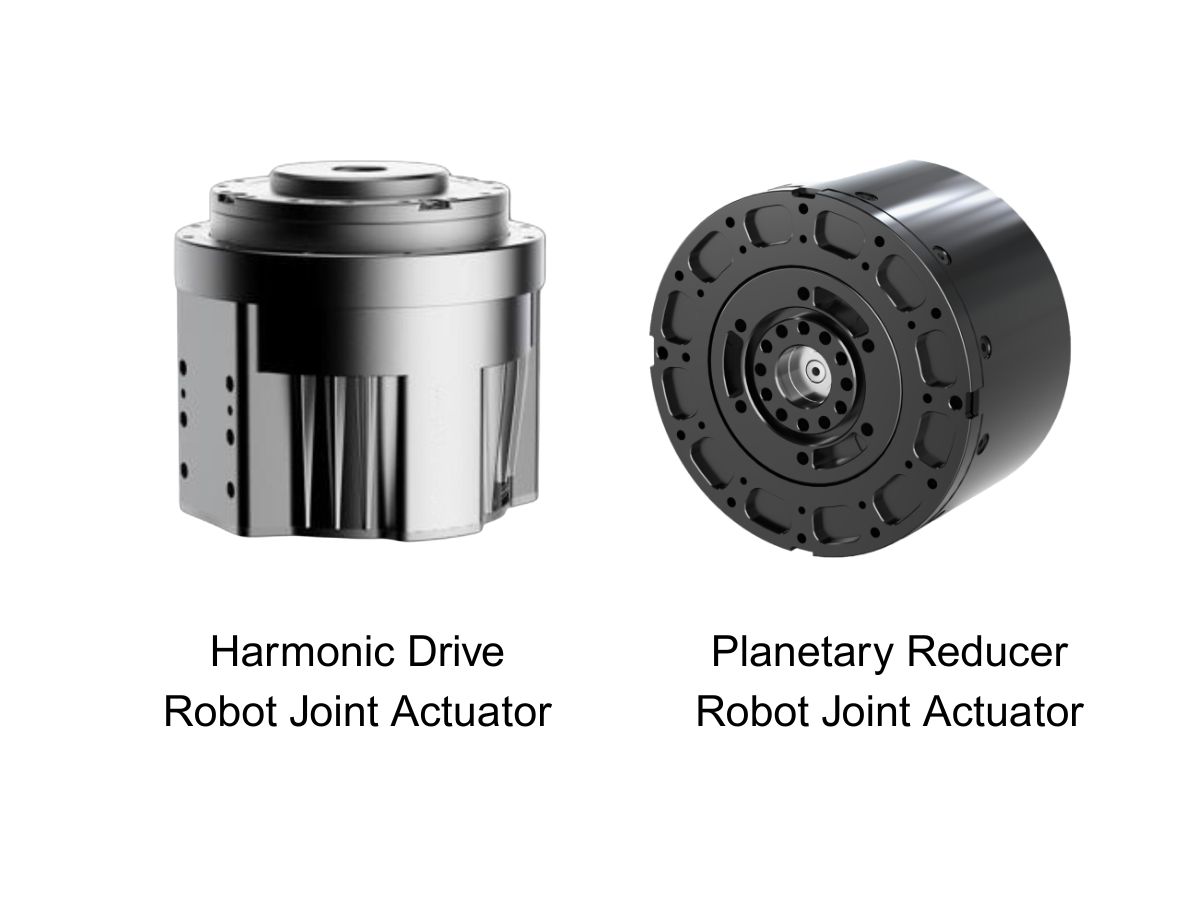
 What is robot joint actuator?How to Choose the Best Robot Rotary Joint Actuator?In core robot joint transmission solutions, planetary and harmonic rotary actuators each have their own strengths. Choosing the right type based on application requirements is essential to achieve the optimal balance between performance and cost.
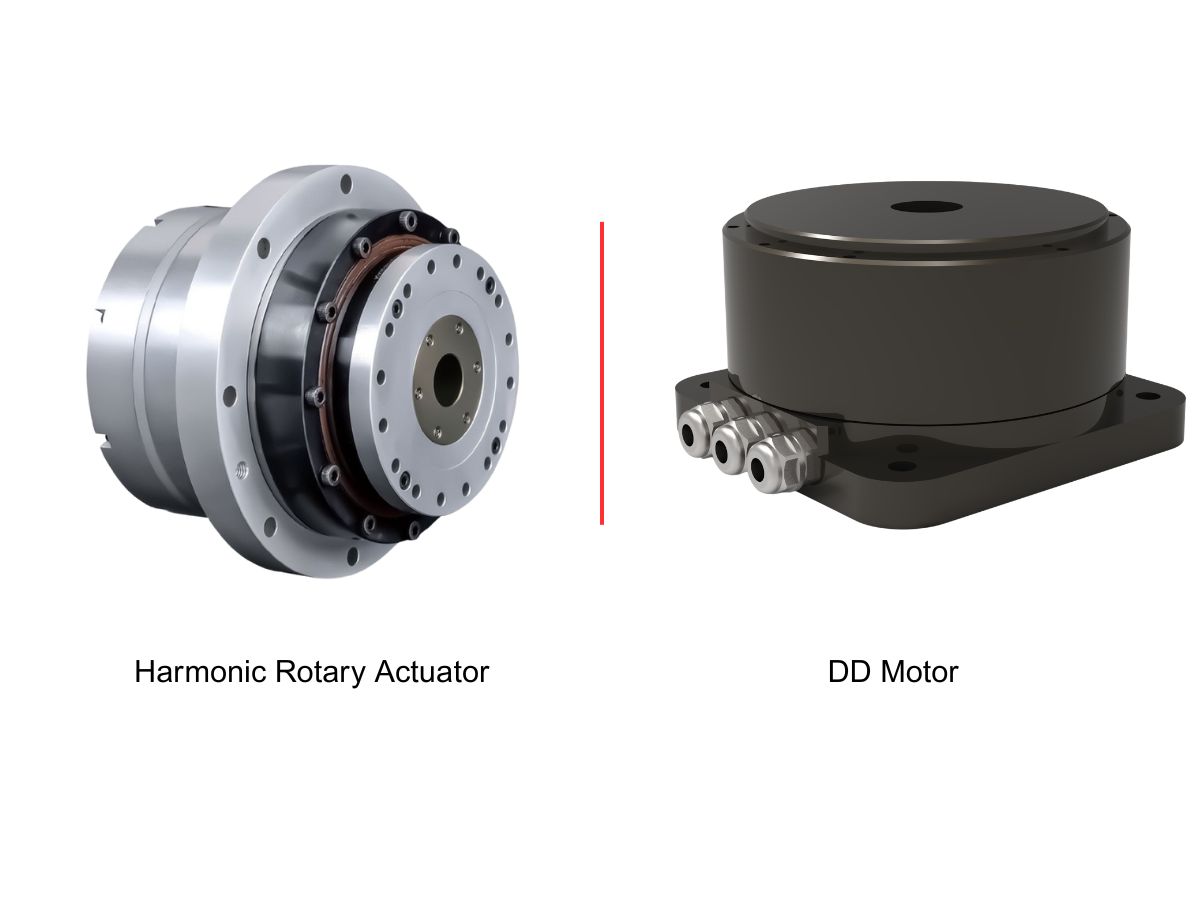
 DD Motors VS Harmonic Rotary ActuatorsThis article provides an in-depth comparison between Direct Drive (DD) motors and harmonic rotary actuators, covering their transmission principles, advantages and disadvantages, and typical application fields.
 OMG Ultra Compact Harmonic Drive Joint Module with Built-in Torque SensorHONPINE TCHL series harmonic drive joint module is a game-changing product that achieves disruptive improvements in multiple aspects such as lightweight design, integration level, and connection convenience. This article will analyze its revolutionary enhancements with you.
 The Role of Harmonic Drive Gears in Achieving 5–10 μm Accuracy in Dental Milling MachinesA dental milling machine is a CNC machining system used to directly process digital dental models into restorations such as crowns, bridges, veneers, inlays, and implant abutments. Dental milling machines require far higher operational accuracy and motion stability than ordinary equipment. This article explains how harmonic drive gear help dental milling machines achieve stable, continuous, and controllable operation.
 Why Are Harmonic Rotary Actuators Perfect for Medical Equipment?Harmonic rotary actuators (typically integrated systems consisting of a harmonic drive reducer, frameless torque motor, encoder, and optional brake) are regarded as key components in medical equipment. The core reason is that they simultaneously meet the most stringent medical requirements for precision, compact size, safety, and controllability. The following explanation is structured from three perspectives: technical characteristics, application scenarios, and medical value.
 High-Precision RV Reducers Perfectly Matched for Walking RobotsThe walking axis of a robot is a core component for power transmission and support. RV reducers provide extremely high rigidity, precision, and torque while maintaining a compact size and exceptional reliability, making them an ideal match for the demanding requirements of walking robot joints in terms of load capacity, impact resistance, and precision.
 Why Are Servo Motors and Gear Reducers an Ideal Match?Servo motors provide fast, precise motion control, while gear reducers adapt their speed and torque to the load. This guide explains how servo motors and gear reducers work together through torque multiplication, reflected inertia reduction and finer theoretical position resolution. Learn how inertia matching, backlash, torsional stiffness and reduction ratio influence performance in robotics and industrial automation.
 How to Select and Use Robotic Joint Modules?How do you take robotic joint modules from selection to controlled motion? Using the HONPINE HPJM harmonic joint module as an example, Technical Director Theodore Li explains the key steps in mechanical installation, electrical wiring, CAN and EtherCAT configuration, and control commissioning. Learn what to confirm before integration and how to approach setup so each joint can respond correctly to your controller.
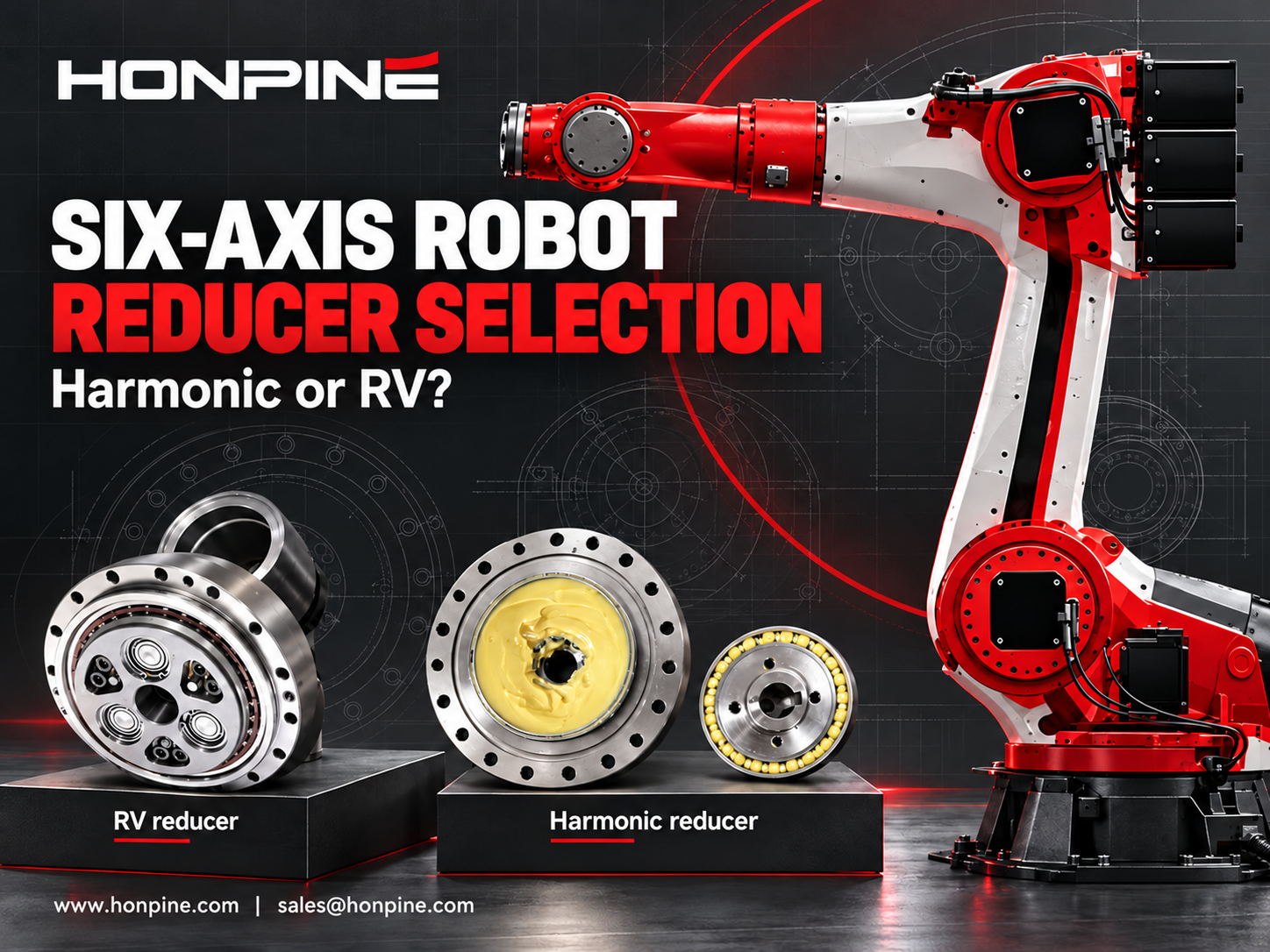
 How to Select Harmonic and RV Reducers for Each Axis of a Six-Axis Robot?What determines whether a six-axis robot joint needs a harmonic reducer or an RV reducer? The answer depends on torque, inertia, impact loads, bearing loads and installation space. This guide explains how to evaluate harmonic and RV reducers for the base, shoulder, elbow and wrist, with practical checks for stiffness, backlash and service life. Use the requirements of each axis to select a suitable reducer configuration.
 Top 7 RV Reducer Gearbox Manufacturers: Why Does Nabtesco Still Dominate?What sets RV reducer gearbox manufacturers apart, and why does Nabtesco remain a benchmark in this market? RV reducer production demands precise component machining, careful assembly and extensive engineering know-how. This article introduces seven manufacturers across RV reducers and related transmission technologies, examines the strengths behind Nabtesco's position, and explores HONPINE's development capabilities to help you understand the supplier landscape.
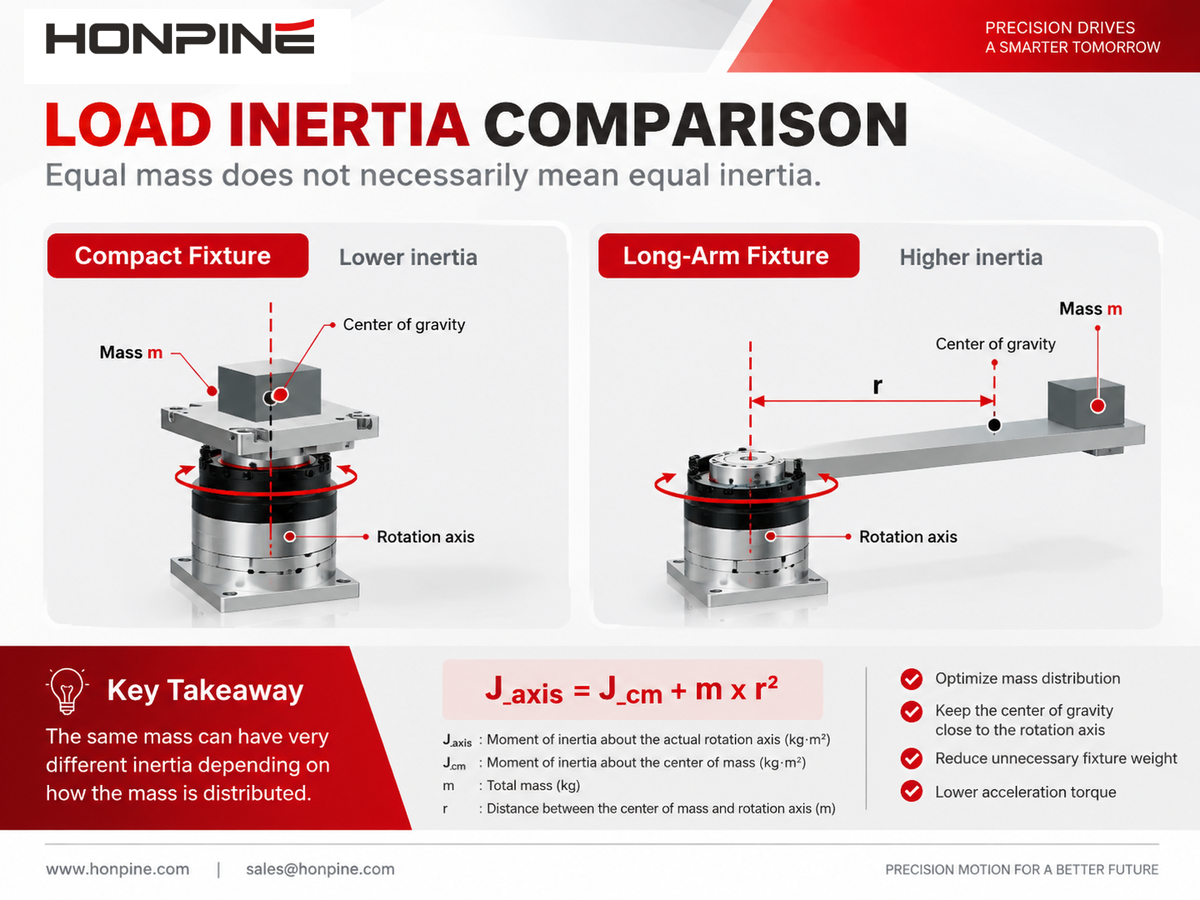
 How to Calculate Torque for a Harmonic Rotary Actuator in a Flipping Mechanism?How much torque does a harmonic rotary actuator need to flip a 10 kg load through 180 degrees? The answer depends on more than weight. Center-of-gravity offset, load inertia, acceleration and operating frequency all affect actuator selection. In this guide, Theodore Li, Technical Director at HONPINE, explains the calculation process using a horizontal-axis flipping example and outlines the checks needed for peak torque, continuous operation, output speed and bearing loads.
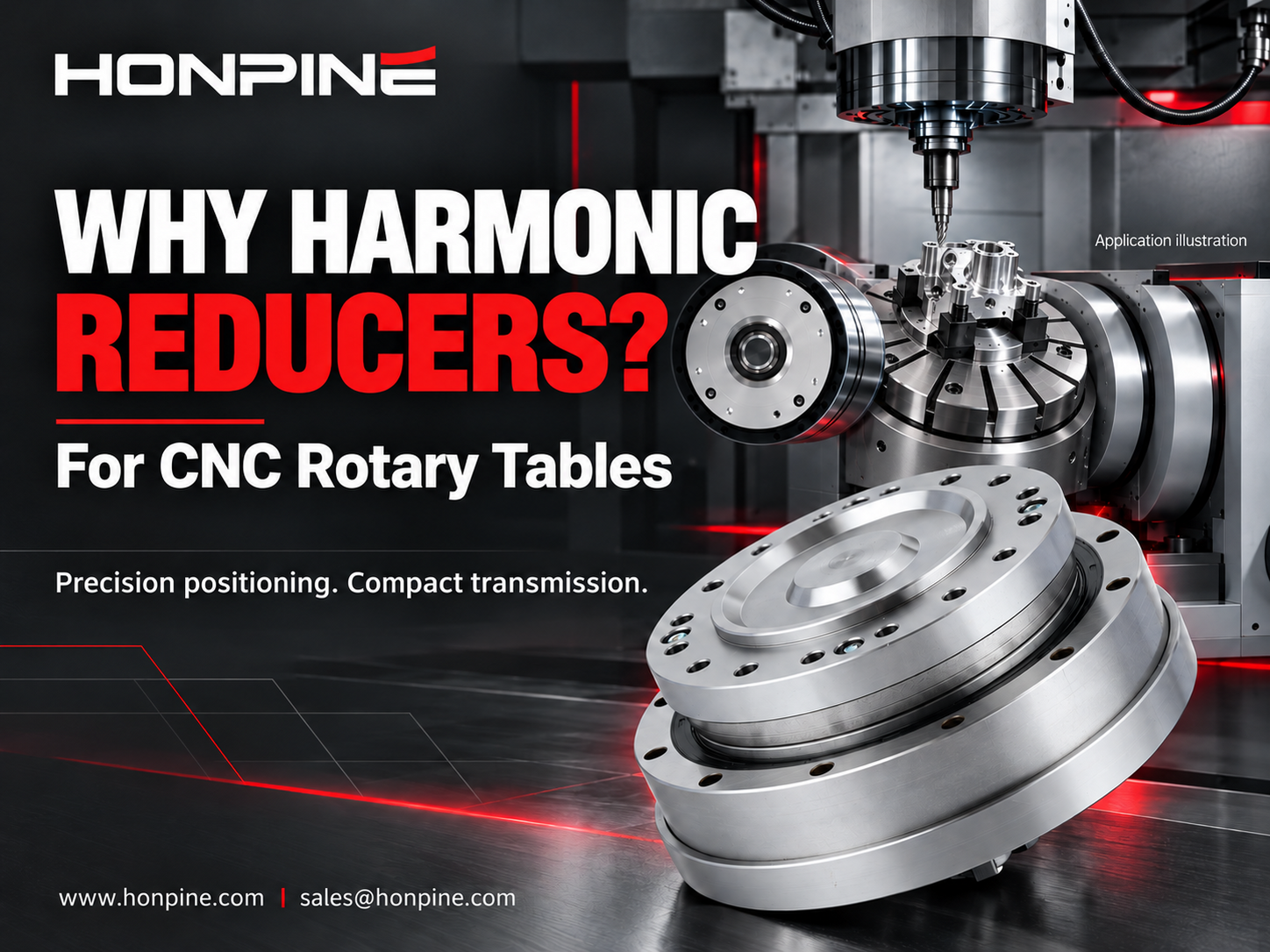
 Why Are Harmonic Reducers Suitable for CNC Machine Tool Rotary Tables?Why choose harmonic reducers for CNC rotary tables? Accurate indexing depends on more than the motor: backlash, torsional stiffness and torque capacity all affect how reliably a rotary table holds its position during machining. This guide explains the key transmission requirements of fourth and fifth axis rotary tables, explores common machine tool applications, and introduces HONPINE harmonic reducer configurations for different installation and load requirements.
Double Click
We provide harmonic drive reducer,planetary reducer,robot joint motor,robot rotary actuators,RV gear reducer,robot end effector,dexterous robot hand
 What is robot joint actuator?How to Choose the Best Robot Rotary Joint Actuator?In core robot joint transmission solutions, planetary and harmonic rotary actuators each have their own strengths. Choosing the right type based on application requirements is essential to achieve the optimal balance between performance and cost.
 DD Motors VS Harmonic Rotary ActuatorsThis article provides an in-depth comparison between Direct Drive (DD) motors and harmonic rotary actuators, covering their transmission principles, advantages and disadvantages, and typical application fields.
 OMG Ultra Compact Harmonic Drive Joint Module with Built-in Torque SensorHONPINE TCHL series harmonic drive joint module is a game-changing product that achieves disruptive improvements in multiple aspects such as lightweight design, integration level, and connection convenience. This article will analyze its revolutionary enhancements with you.
 Why Are Servo Motors and Gear Reducers an Ideal Match?Servo motors provide fast, precise motion control, while gear reducers adapt their speed and torque to the load. This guide explains how servo motors and gear reducers work together through torque multiplication, reflected inertia reduction and finer theoretical position resolution. Learn how inertia matching, backlash, torsional stiffness and reduction ratio influence performance in robotics and industrial automation.
 How to Select and Use Robotic Joint Modules?How do you take robotic joint modules from selection to controlled motion? Using the HONPINE HPJM harmonic joint module as an example, Technical Director Theodore Li explains the key steps in mechanical installation, electrical wiring, CAN and EtherCAT configuration, and control commissioning. Learn what to confirm before integration and how to approach setup so each joint can respond correctly to your controller.
 How to Select Harmonic and RV Reducers for Each Axis of a Six-Axis Robot?What determines whether a six-axis robot joint needs a harmonic reducer or an RV reducer? The answer depends on torque, inertia, impact loads, bearing loads and installation space. This guide explains how to evaluate harmonic and RV reducers for the base, shoulder, elbow and wrist, with practical checks for stiffness, backlash and service life. Use the requirements of each axis to select a suitable reducer configuration.
 Top 7 RV Reducer Gearbox Manufacturers: Why Does Nabtesco Still Dominate?What sets RV reducer gearbox manufacturers apart, and why does Nabtesco remain a benchmark in this market? RV reducer production demands precise component machining, careful assembly and extensive engineering know-how. This article introduces seven manufacturers across RV reducers and related transmission technologies, examines the strengths behind Nabtesco's position, and explores HONPINE's development capabilities to help you understand the supplier landscape.
 How to Calculate Torque for a Harmonic Rotary Actuator in a Flipping Mechanism?How much torque does a harmonic rotary actuator need to flip a 10 kg load through 180 degrees? The answer depends on more than weight. Center-of-gravity offset, load inertia, acceleration and operating frequency all affect actuator selection. In this guide, Theodore Li, Technical Director at HONPINE, explains the calculation process using a horizontal-axis flipping example and outlines the checks needed for peak torque, continuous operation, output speed and bearing loads.
 Why Are Harmonic Reducers Suitable for CNC Machine Tool Rotary Tables?Why choose harmonic reducers for CNC rotary tables? Accurate indexing depends on more than the motor: backlash, torsional stiffness and torque capacity all affect how reliably a rotary table holds its position during machining. This guide explains the key transmission requirements of fourth and fifth axis rotary tables, explores common machine tool applications, and introduces HONPINE harmonic reducer configurations for different installation and load requirements.
 What’s the Difference Between Single and Dual Encoder Robot Joint Modules?Does your robot need a dual encoder joint module, or is a single encoder enough? The answer depends on positioning requirements, transmission behavior, force control strategy and budget. This guide compares motor-side and output-side feedback, explains where dual encoders can improve control, and examines their costs and limitations. Learn when a single encoder can meet your needs and when additional output feedback is worth considering.
 RV vs Harmonic Reducer: How to Choose the Right Gearbox for Robot Joints?RV vs harmonic reducer: which gearbox is right for your robot joint? The answer depends on torque, rigidity, accuracy, installation space and operating conditions. This guide compares their working principles and five key performance factors, then explains how to evaluate joint loads, reducer life, temperature and lubrication. Whether you are designing a robot base, shoulder, elbow or wrist, use these considerations to match the reducer to the requirements of each joint.
 How to Find a Reliable Robotic Joint Actuator Supplier?Choosing the right robotic joint actuator supplier is essential for reliable performance, smooth integration and long-term project success. Beyond product specifications, you need to understand a supplier’s technical expertise, production capacity and after-sales support. In this guide, Allen Li, Founder of HONPINE, explains how to assess these three factors when sourcing harmonic and planetary joint actuators for robotics and industrial automation.