








RV vs Harmonic Reducer: How to Choose the Right Gearbox for Robot Joints?
The performance of a precision reducer plays a critical role in determining a robot's positioning accuracy, rigidity, and service life.
By converting the high-speed, low-torque output of a servo motor into the low-speed, high-torque motion required by robotic joints, precision reducers allow industrial robots to perform controlled and repeatable movements.
Among the various precision transmission solutions available today, RV reducers and harmonic reducers are two widely used technologies in industrial robotics.
Although both are designed to provide high reduction ratios and precise motion transmission, they differ significantly in mechanical structure, torsional rigidity, load capacity, weight, and application suitability.
Understanding these differences is essential when selecting gearboxes for robot bases, shoulder joints, elbow joints, and wrist axes.
In this article, we will compare RV reducers and harmonic reducers from a technical perspective and explain how engineers can select the appropriate solution for different robotic joints.
1. RV Reducer vs Harmonic Reducer: How Do Their Structures Differ?
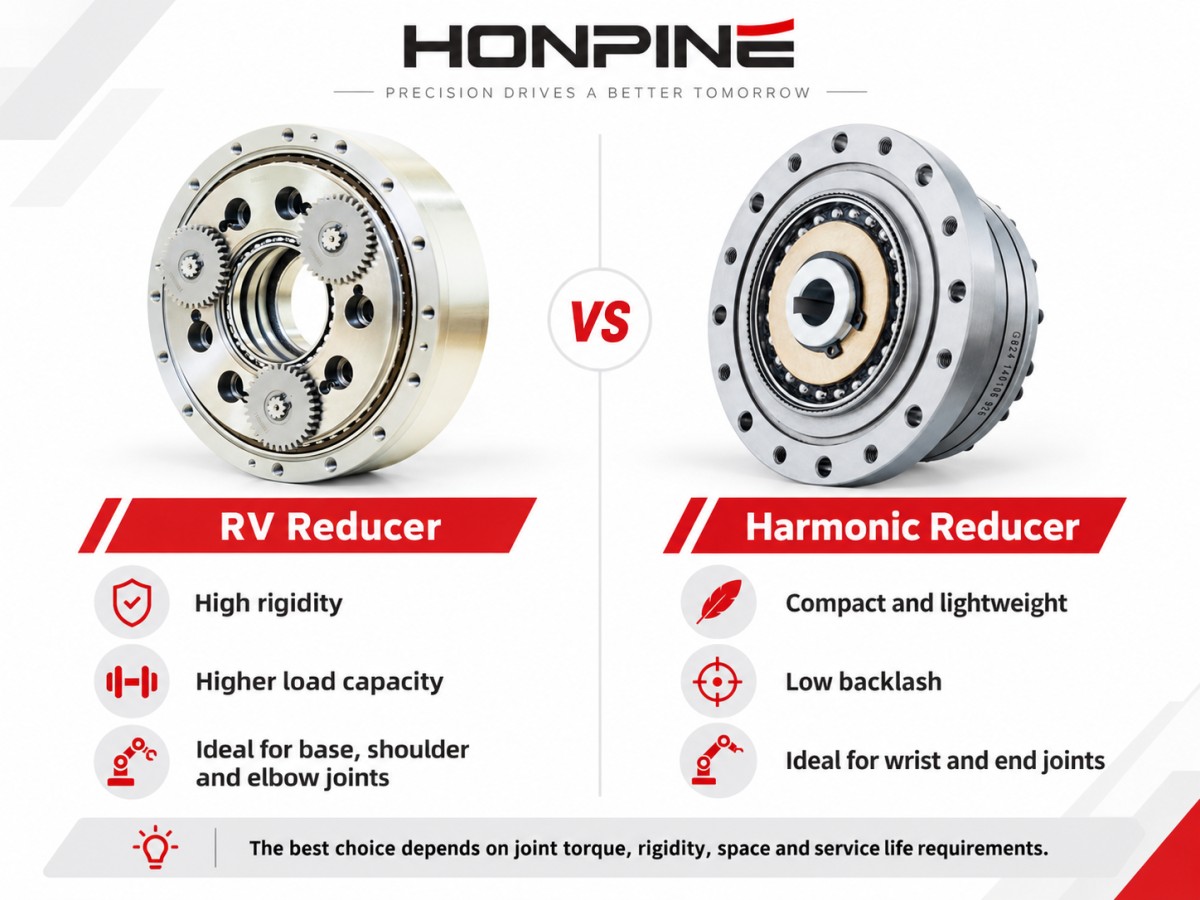
The fundamental differences between RV reducers and harmonic reducers begin with their mechanical structures.
RV reducers typically use a rigid cycloidal transmission mechanism, while harmonic reducers rely on controlled elastic deformation to achieve precision speed reduction.
These different operating principles directly influence their mechanical performance and application characteristics.
How Does an RV Reducer Work?
An RV reducer typically uses a two-stage reduction mechanism.
The first stage consists of involute planetary gear transmission, while the second stage uses a cycloidal pin-wheel mechanism.
During operation, the input gear drives the planetary gears, which transfer rotational motion to the crankshafts.
The eccentric motion of the crankshafts drives the cycloidal discs, allowing them to engage with the surrounding pins.
This mechanism produces a high reduction ratio while transmitting substantial output torque.
One of the key characteristics of an RV reducer is its rigid mechanical structure.
Multiple contact points within the cycloidal transmission system help distribute loads and improve resistance to deformation under high torque.
However, RV reducers also require precise manufacturing and assembly.
Their performance depends on the accuracy of the cycloidal tooth profiles, crankshafts, bearings, pins, and other transmission components.
For applications involving heavy-duty industrial robots, these characteristics make RV reducers a common choice for joints requiring high rigidity and substantial load capacity.
How Does a Harmonic Reducer Work?
A harmonic reducer, also known as a harmonic drive or strain wave gear, uses a different transmission principle.
A typical harmonic reducer consists of three main components:
Wave Generator
Flexspline
Circular Spline
The wave generator generally includes an elliptical cam and a flexible bearing assembly.
When the wave generator rotates, it forces the thin-walled flexspline to deform elastically.
The flexspline engages with the circular spline near the major axis of the ellipse and disengages near the minor axis.
Because the flexspline and circular spline have slightly different numbers of teeth, their relative movement produces a high reduction ratio.
In a common fixed-circular-spline configuration, the flexspline rotates slowly in the opposite direction from the wave generator.
This operating principle allows harmonic reducers to achieve high reduction ratios within a compact, lightweight structure.
Another important advantage is their very low backlash, which makes them attractive for precision robotic motion applications.
However, the flexspline experiences repeated elastic deformation during operation.
Its fatigue strength, material properties, lubrication conditions, operating temperature, and applied torque therefore influence the reducer's service life.
Unlike rigid cycloidal transmission systems, harmonic reducers must also account for elastic torsional deformation when evaluating positioning performance under load.
2. RV Reducer vs Harmonic Reducer: Five Key Performance Differences
When selecting a precision reducer for robotic joints, engineers should compare more than reduction ratio and nominal torque.
Five important factors deserve particular attention:
Positioning accuracy and accuracy retention
Torsional rigidity
Torque capacity
Service life
Transmission efficiency
Positioning Accuracy and Long-Term Accuracy Retention
Harmonic reducers are widely recognized for their low-backlash transmission characteristics.
Depending on the product series, manufacturing precision, and measurement conditions, some harmonic reducers can achieve very high transmission accuracy.
Their compact design and low lost motion make them particularly suitable for precision positioning applications.
However, low backlash does not necessarily mean zero positioning error.
Torsional deformation, transmission error, hysteresis, and external loading can all influence the actual output position.
Over time, fatigue, wear, and changes in transmission characteristics may also affect performance.
RV reducers likewise offer high positioning accuracy and low backlash.
Their rigid cycloidal transmission structure can provide advantages in maintaining stable performance under substantial loads.
However, long-term accuracy retention depends on the specific reducer design, lubrication, loading conditions, manufacturing quality, and maintenance.
It would therefore be inaccurate to assume that every RV reducer will retain its original accuracy indefinitely or that every harmonic reducer will experience rapid accuracy degradation.
For industrial robot applications, engineers should compare the manufacturer's measured transmission accuracy, lost motion, hysteresis, and service-life data under representative operating conditions.
Torsional Rigidity
Torsional rigidity describes a transmission system's resistance to angular deformation when torque is applied.
It is particularly important for robotic joints that must maintain positioning accuracy while resisting external forces.
RV reducers generally provide high torsional rigidity because their rigid mechanical components and cycloidal engagement structure can distribute torque through multiple contact regions.
This makes them attractive for robot bases, shoulders, and other heavily loaded joints.
Harmonic reducers use a flexible transmission element.
Consequently, elastic deformation is an inherent part of their operating principle.
Under substantial external torque, this deformation can contribute to angular displacement at the output.
However, the actual torsional rigidity of either reducer depends on product size, design, operating torque, and manufacturer specifications.
Engineers should therefore compare published torque-deflection curves rather than applying a universal rigidity ratio to all RV and harmonic reducers.
Torque Capacity and Load-Bearing Performance
Torque capacity is another major consideration in robot joint reducer selection.
RV reducers are commonly used in medium- and heavy-duty robotic applications requiring substantial output torque.
Their mechanical structure makes them particularly suitable for high-load joints and applications involving significant external forces.
Harmonic reducers are often selected for compact and lightweight joints where space efficiency is important.
Although many harmonic reducers are used in relatively low- and medium-torque applications, larger models can also deliver substantial torque.
Therefore, a fixed torque range should not be used to define the limits of either technology.
When evaluating a reducer, engineers should distinguish between:
Rated torque
Repeated peak torque
Maximum momentary torque
Allowable moment load
Radial and axial load capacity
These parameters describe different aspects of reducer performance and must be checked separately.
Service Life and Durability
Service life depends on more than the reducer's transmission principle.
For RV reducers, important factors include gear and bearing fatigue, lubrication conditions, contact stresses, shock loads, and operating temperature.
For harmonic reducers, flexspline fatigue is an additional critical consideration because the flexible component undergoes repeated deformation during operation.
Both reducer types can offer long service lives when correctly selected and operated within their specified limits.
However, service-life ratings should be interpreted according to the manufacturer's test conditions.
Load spectrum, speed, duty cycle, lubrication, and environmental conditions can substantially influence actual performance.
Consequently, engineers should avoid assuming that one reducer type always lasts longer than the other.
Transmission Efficiency
Both RV reducers and harmonic reducers can provide efficient precision motion transmission.
However, their efficiency varies with reducer size, gear ratio, output torque, speed, lubrication, and temperature.
RV reducers experience losses from their multiple gear meshes, bearings, and seals.
Harmonic reducers experience losses associated with tooth engagement, flexible bearing operation, elastic deformation, and other internal mechanisms.
The relative efficiency of the two technologies can therefore change depending on the operating point.
When energy consumption or thermal performance is important, the most reliable approach is to examine manufacturer efficiency curves at the expected speed and load.
3. How to Select RV and Harmonic Reducers for Industrial Robot Joints
The fundamental principle of robot joint reducer selection is straightforward:
Choose the reducer according to the actual mechanical requirements of the joint rather than selecting a technology based on its reputation alone.
A suitable selection process should begin with torque requirements, followed by rigidity, accuracy, load capacity, installation space, and service-life verification.
Step 1: Calculate the Required Joint Torque
The first step is to determine the torque that the robotic joint must transmit.
During operation, a robot joint may experience three major torque components.
1. Static Torque
Static torque is generated primarily by gravity acting on robot links, end effectors, and payloads.
It depends on mass distribution, joint orientation, and the distance between the center of gravity and the rotation axis.
2. Dynamic Torque
Dynamic torque is required to accelerate or decelerate the rotating components.
For a simplified single-axis model:
T_a = J × α
Where:
T_a = Acceleration torque
J = Equivalent moment of inertia
α = Angular acceleration
3. External Load Torque
External torque may arise from manufacturing processes such as welding, machining, handling, or assembly.
These forces can create additional loading on the joint.
For a simplified rotating system, the required torque can be expressed as:
T_required = T_gravity + T_acceleration + T_external + T_friction
Because the torque components vary with joint angle, motion direction, and operating conditions, engineers should calculate the complete torque profile rather than simply adding maximum values from unrelated operating points.
The equivalent operating torque should then be checked against the reducer's rated torque and permissible duty cycle.
Peak torque must also remain within the manufacturer's specified limits.
Appropriate design margins should be selected based on load uncertainty, operating conditions, shock loading, and the relevant manufacturer recommendations.
Step 2: Match the Reducer Type to the Robot Joint Position
A conventional six-axis industrial robot includes six rotary joints.
These joints experience different mechanical loads and have different requirements for size, weight, and rigidity.
For many conventional articulated industrial robots, a common configuration is:
Joints 1–3: RV Reducers
The first three joints generally include:
J1: Base rotation
J2: Shoulder joint
J3: Elbow joint
These joints often support significant portions of the robot's structure and payload.
They may require substantial output torque and high mechanical rigidity.
For this reason, RV reducers are frequently used in these positions.
Joints 4–6: Harmonic Reducers
The wrist joints generally include:
J4: Wrist rotation
J5: Wrist bending
J6: Tool rotation
These joints are often more sensitive to weight and installation space.
Using a compact harmonic reducer can help reduce the mass of the robot wrist and improve mechanical integration.
Lower wrist mass can also reduce the load transmitted to upstream joints.
However, this configuration is not universal.
Some industrial robots use different transmission arrangements depending on payload, robot size, precision requirements, and manufacturer design.
Larger wrist axes may also employ RV or other reducer technologies, while compact robots may use harmonic reducers in joints closer to the base.
Example: Reducer Selection for a 20 kg Payload Industrial Robot
Consider a six-axis industrial robot designed to handle a 20 kg payload.
The first three joints must support not only the payload but also the robot's own links and downstream joint assemblies.
As a result, their torque requirements can be considerably higher than those of the wrist joints.
For these high-load joints, RV reducers may provide advantages in output torque capacity and structural rigidity.
In contrast, the sixth joint primarily controls the rotational orientation of the end effector.
Depending on the tooling, payload inertia, operating speed, and external process forces, a compact harmonic reducer may be suitable.
However, the reducer requirements cannot be determined from the 20 kg payload alone.
The robot's link dimensions, center-of-gravity locations, acceleration profiles, and duty cycle must also be considered.
This illustrates why robot joint reducer selection should be based on joint-specific loading rather than a single overall payload rating.
Step 3: Verify Harmonic Reducer Fatigue Life
For harmonic reducers, flexspline fatigue is an important consideration during long-term operation.
The flexspline repeatedly deforms as the wave generator rotates.
Over many operating cycles, this deformation creates cyclic stresses in the flexible component.
The service life of the reducer is influenced by:
Applied torque and torque fluctuations
Rotational speed
Number of operating cycles
Lubrication quality
Temperature
Shock loading
Flexspline design and material properties
Some mechanical fatigue and bearing-life models use power-law relationships between load and expected life.
However, there is no universal torque-life equation that can accurately predict the service life of every harmonic reducer.
The actual relationship depends on the manufacturer's product design, test methodology, and failure criteria.
For this reason, engineers should use the reducer manufacturer's published life calculation method whenever available.
Step 4: Evaluate Operating Temperature and Lubrication
Operating temperature can influence both RV and harmonic reducer performance.
For harmonic reducers, elevated temperatures may affect lubrication behavior, material properties, and fatigue performance.
For RV reducers, temperature can influence bearing operation, lubricant viscosity, and contact conditions within the transmission mechanism.
In demanding environments such as welding, casting, and high-temperature manufacturing, engineers should verify:
Permissible operating temperature
Recommended lubricant
Thermal expansion considerations
Sealing and environmental protection
Maintenance requirements
In some applications, additional cooling, protective shielding, or other thermal management measures may be necessary.
4. RV Reducer or Harmonic Reducer: Which Is Better for Your Robot?
There is no universal winner between RV reducers and harmonic reducers.
Each technology provides advantages under different mechanical and operating conditions.
RV reducers are commonly preferred when high torque capacity, mechanical rigidity, and resistance to substantial external loads are major design priorities.
Harmonic reducers are particularly attractive when compact dimensions, lightweight construction, high reduction ratios, and low backlash are important.
For industrial robot manufacturers, the appropriate selection depends on the characteristics of each joint.
A robot base and a wrist joint rarely have identical requirements.
Similarly, a heavy-duty welding robot and a compact precision assembly robot may require very different transmission solutions.
The best engineering approach is to evaluate the joint's complete load profile, motion requirements, accuracy targets, installation constraints, and expected service life.
5. Conclusion: Choosing the Right Precision Reducer for Robot Joint Design
RV reducers and harmonic reducers should not be viewed simply as competing technologies.
In many robotic systems, they serve complementary functions.
RV reducers offer advantages in high-load transmission and structural rigidity.
Harmonic reducers provide compact, lightweight precision transmission with high reduction ratios and low backlash.
For robot manufacturers, the central selection question is not which reducer technology is inherently superior.
Instead, it is:
What does the robot joint require, and which reducer can meet those requirements most effectively?
By analyzing torque, rigidity, positioning accuracy, duty cycle, environmental conditions, and service-life requirements, engineers can select a precision transmission solution that balances performance, reliability, and equipment design constraints.
Explore HONPINE Harmonic Reducer Solutions for Robotics
HONPINE provides harmonic drive solutions for robotic joints, precision automation equipment, and other motion control applications.
For manufacturers developing industrial robots, collaborative robots, or compact robotic joint assemblies, selecting the appropriate harmonic reducer is an important step in achieving reliable motion performance.
If you are evaluating harmonic reducers for your robotic application, contact HONPINE for additional technical information, product specifications, and selection support.
Read More
Learn more about the story of HONPINE and industry trends related to precision transmission.
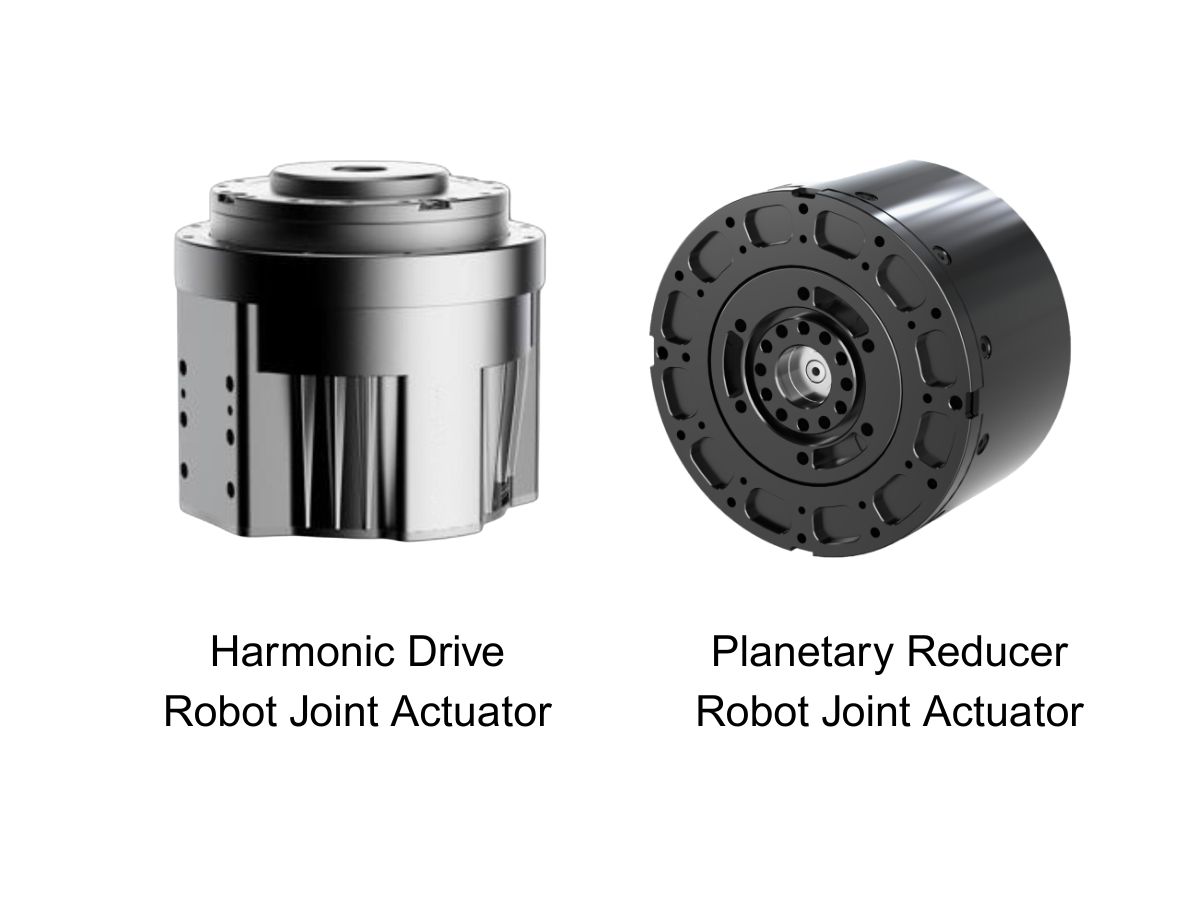
 What is robot joint actuator?How to Choose the Best Robot Rotary Joint Actuator?In core robot joint transmission solutions, planetary and harmonic rotary actuators each have their own strengths. Choosing the right type based on application requirements is essential to achieve the optimal balance between performance and cost.
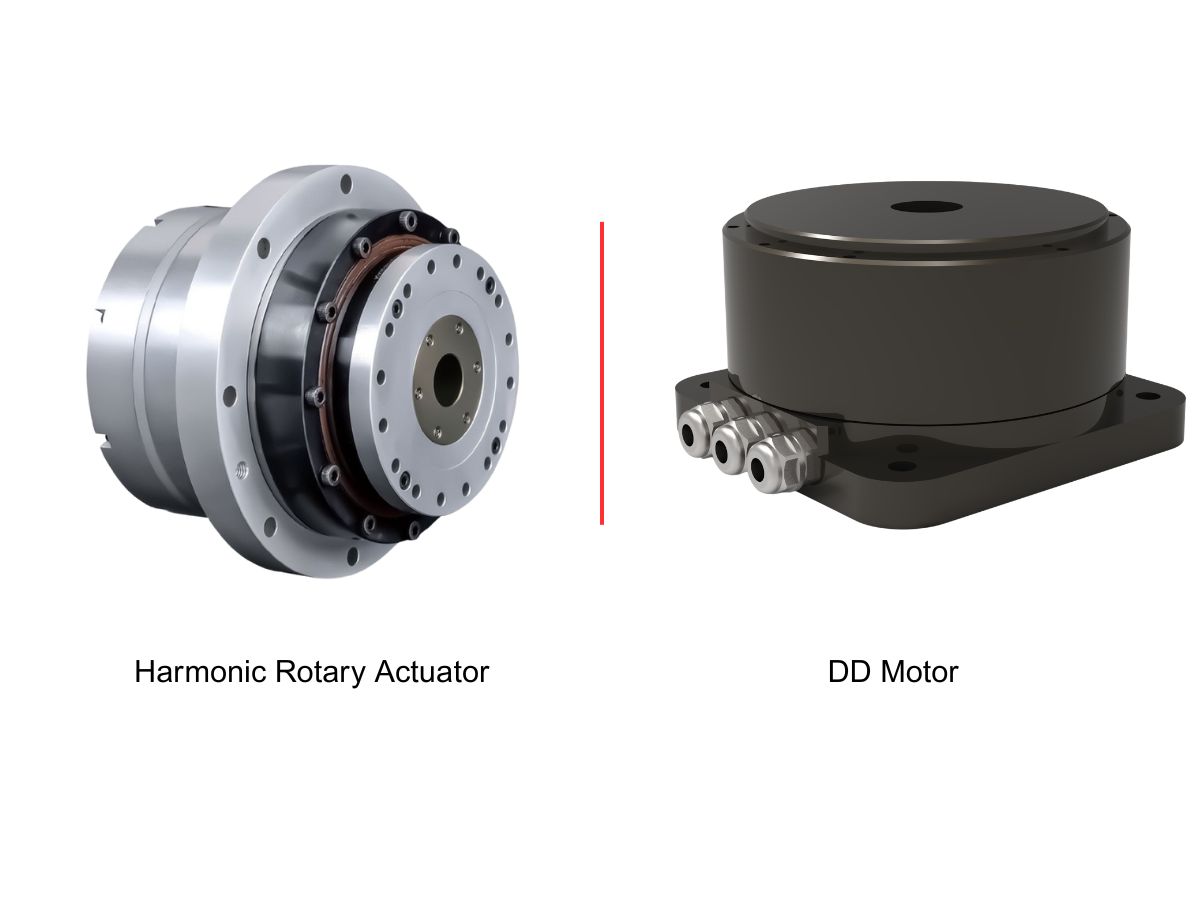
 DD Motors VS Harmonic Rotary ActuatorsThis article provides an in-depth comparison between Direct Drive (DD) motors and harmonic rotary actuators, covering their transmission principles, advantages and disadvantages, and typical application fields.
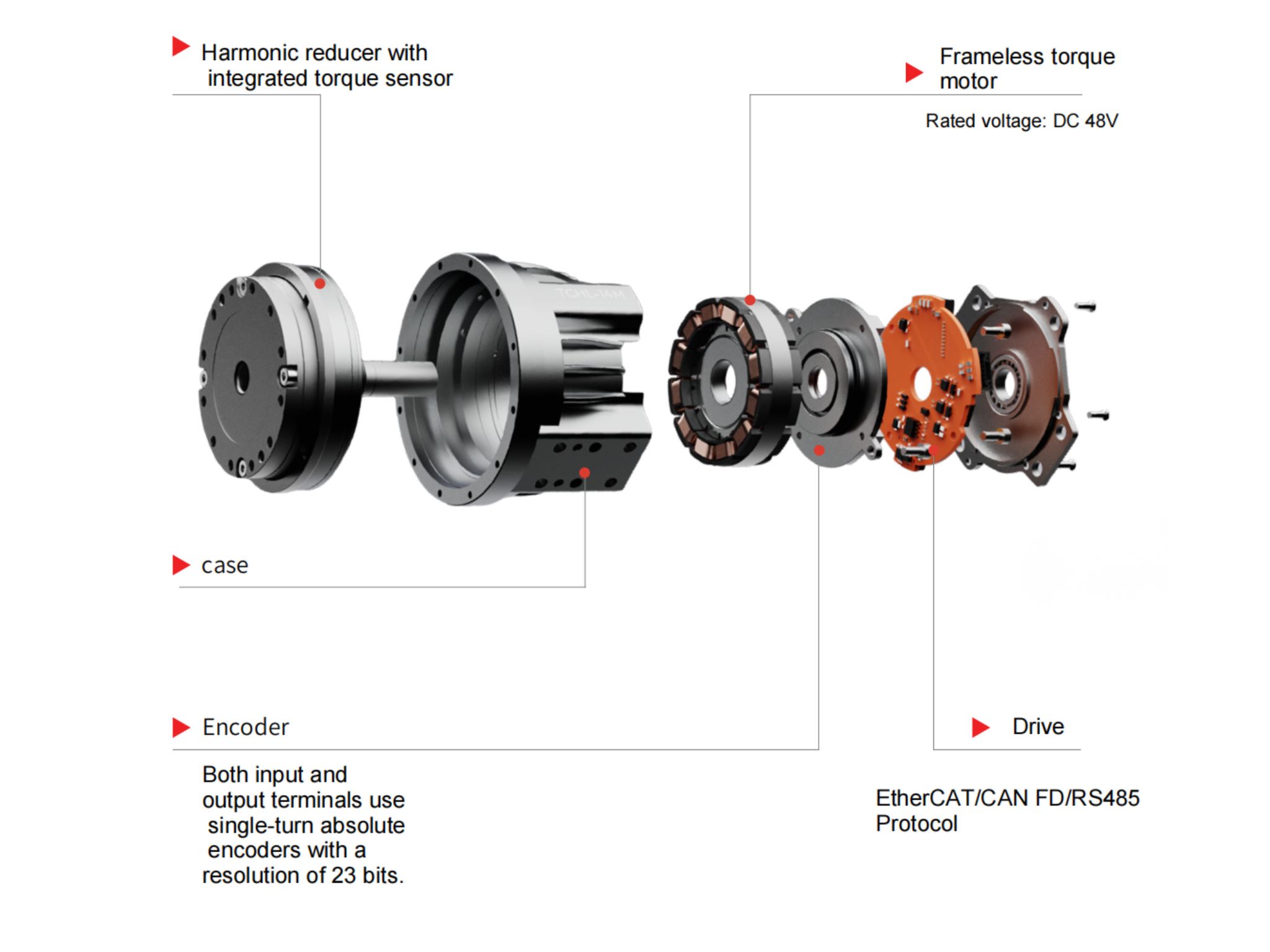
 OMG Ultra Compact Harmonic Drive Joint Module with Built-in Torque SensorHONPINE TCHL series harmonic drive joint module is a game-changing product that achieves disruptive improvements in multiple aspects such as lightweight design, integration level, and connection convenience. This article will analyze its revolutionary enhancements with you.
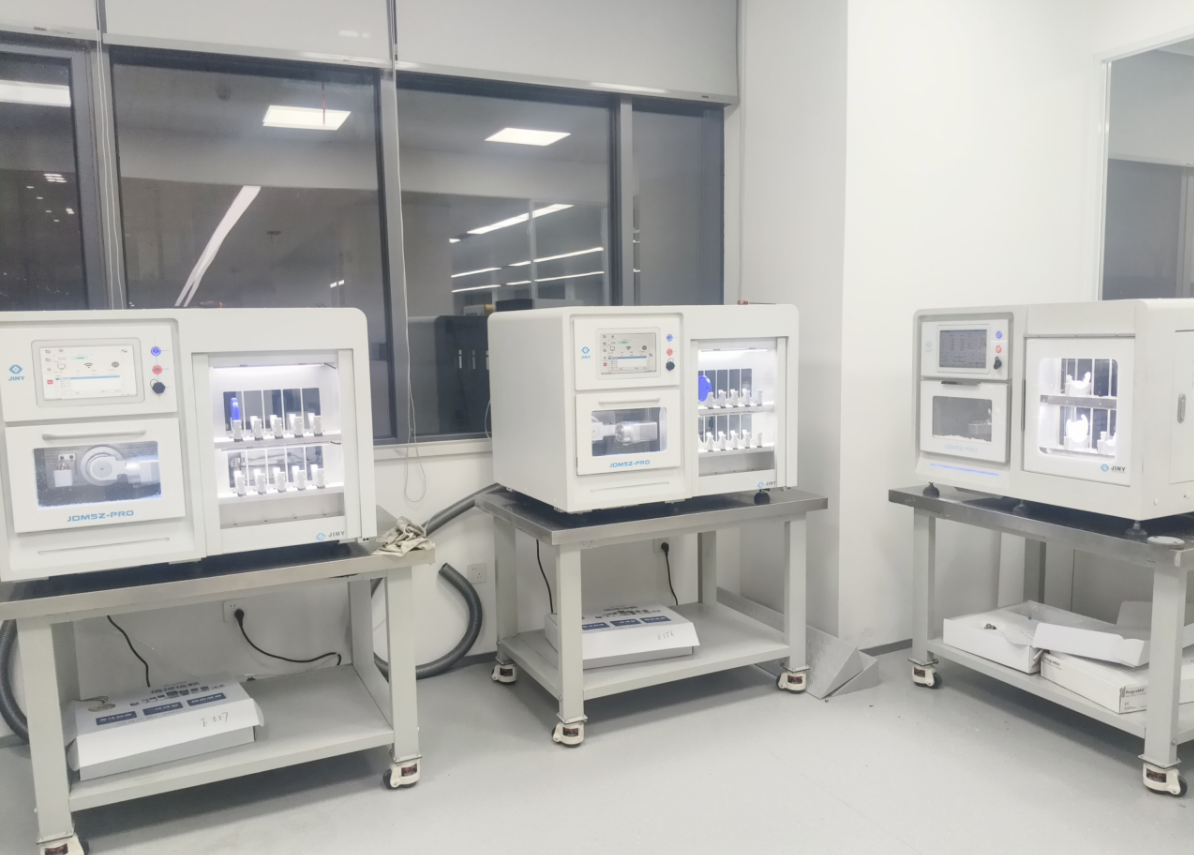
 The Role of Harmonic Drive Gears in Achieving 5–10 μm Accuracy in Dental Milling MachinesA dental milling machine is a CNC machining system used to directly process digital dental models into restorations such as crowns, bridges, veneers, inlays, and implant abutments. Dental milling machines require far higher operational accuracy and motion stability than ordinary equipment. This article explains how harmonic drive gear help dental milling machines achieve stable, continuous, and controllable operation.
 Why Are Harmonic Rotary Actuators Perfect for Medical Equipment?Harmonic rotary actuators (typically integrated systems consisting of a harmonic drive reducer, frameless torque motor, encoder, and optional brake) are regarded as key components in medical equipment. The core reason is that they simultaneously meet the most stringent medical requirements for precision, compact size, safety, and controllability. The following explanation is structured from three perspectives: technical characteristics, application scenarios, and medical value.
 High-Precision RV Reducers Perfectly Matched for Walking RobotsThe walking axis of a robot is a core component for power transmission and support. RV reducers provide extremely high rigidity, precision, and torque while maintaining a compact size and exceptional reliability, making them an ideal match for the demanding requirements of walking robot joints in terms of load capacity, impact resistance, and precision.
 RV vs Harmonic Reducer: How to Choose the Right Gearbox for Robot Joints?RV vs harmonic reducer: which gearbox is right for your robot joint? The answer depends on torque, rigidity, accuracy, installation space and operating conditions. This guide compares their working principles and five key performance factors, then explains how to evaluate joint loads, reducer life, temperature and lubrication. Whether you are designing a robot base, shoulder, elbow or wrist, use these considerations to match the reducer to the requirements of each joint.
 How to Find a Reliable Robotic Joint Actuator Supplier?Choosing the right robotic joint actuator supplier is essential for reliable performance, smooth integration and long-term project success. Beyond product specifications, you need to understand a supplier’s technical expertise, production capacity and after-sales support. In this guide, Allen Li, Founder of HONPINE, explains how to assess these three factors when sourcing harmonic and planetary joint actuators for robotics and industrial automation.
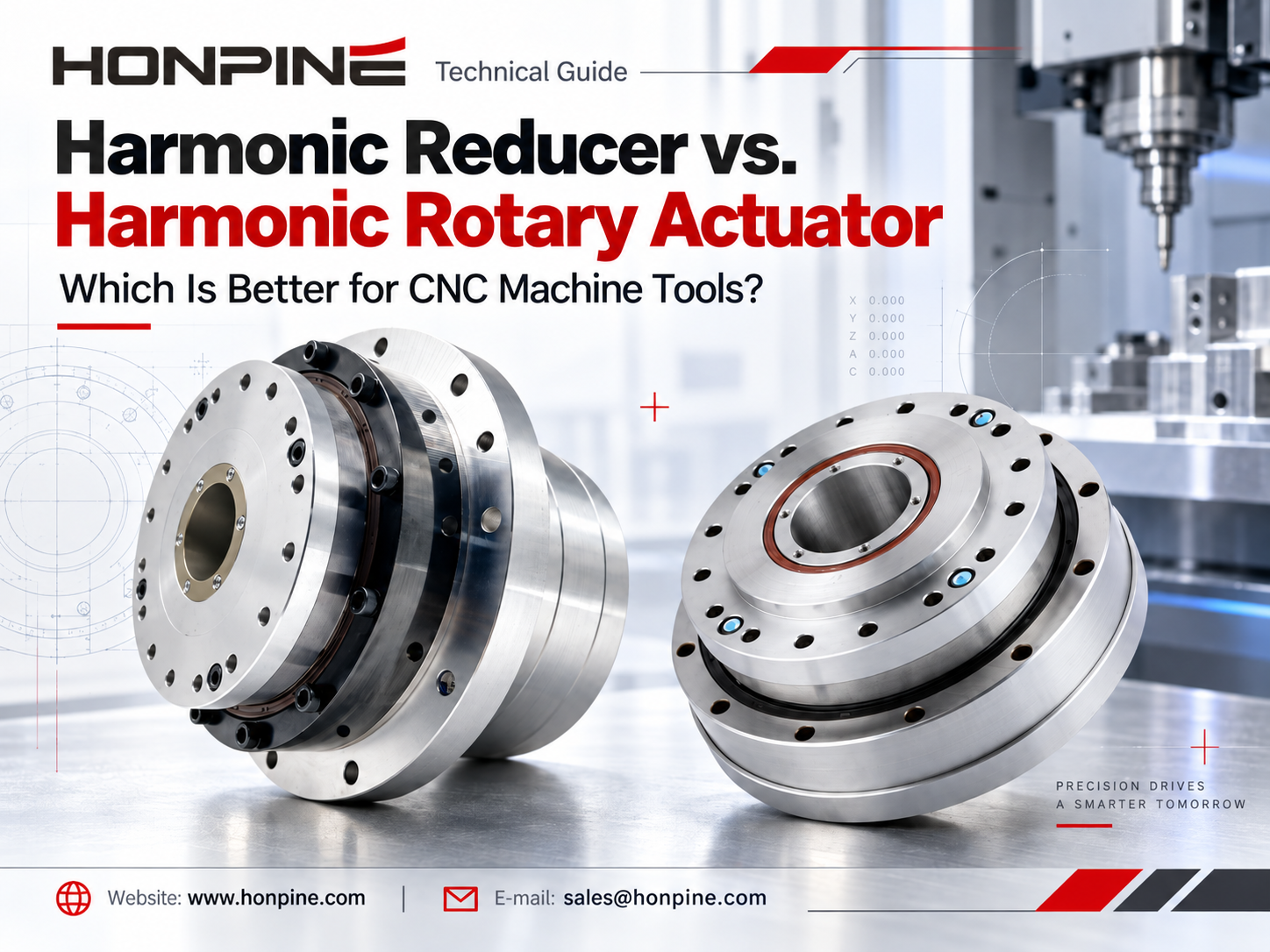
 Harmonic Reducer vs. Harmonic Rotary Actuator: Which Is Better for CNC Machine Tools?Choosing between a harmonic reducer and a harmonic rotary actuator is an important decision in CNC machine tool design. Both solutions offer high-precision motion control, but they differ in integration, installation requirements, rigidity, and system flexibility. For CNC fourth-axis rotary tables and compact five-axis machining systems, selecting the right harmonic drive can significantly influence machine performance. In this article, HONPINE Technical Director Theodore Li compares harmonic reducers and harmonic rotary actuators to help engineers identify the most suitable solution for their CNC applications.
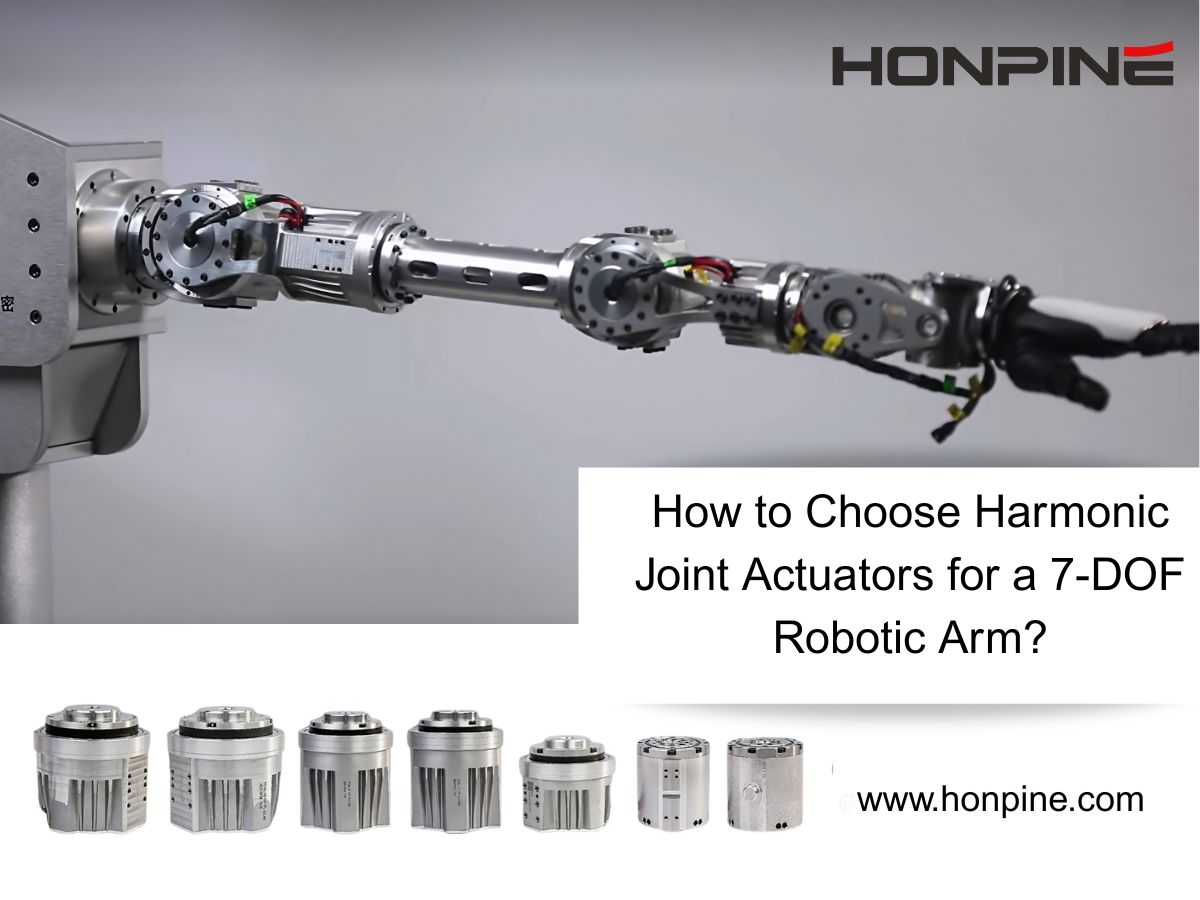
 How to Choose Harmonic Joint Actuators for a 7-DOF Robotic Arm?I'm Theodore Li, Technical Director at HONPINE. Choosing harmonic joint actuators for a 7-DOF robotic arm starts with the torque, weight, and installation needs of each joint. This guide uses a TCHL 20 shoulder and TCHL 14 wrist configuration as an example, then explores torque sensing, compliant control, and HAG Series considerations for demanding robotic applications.
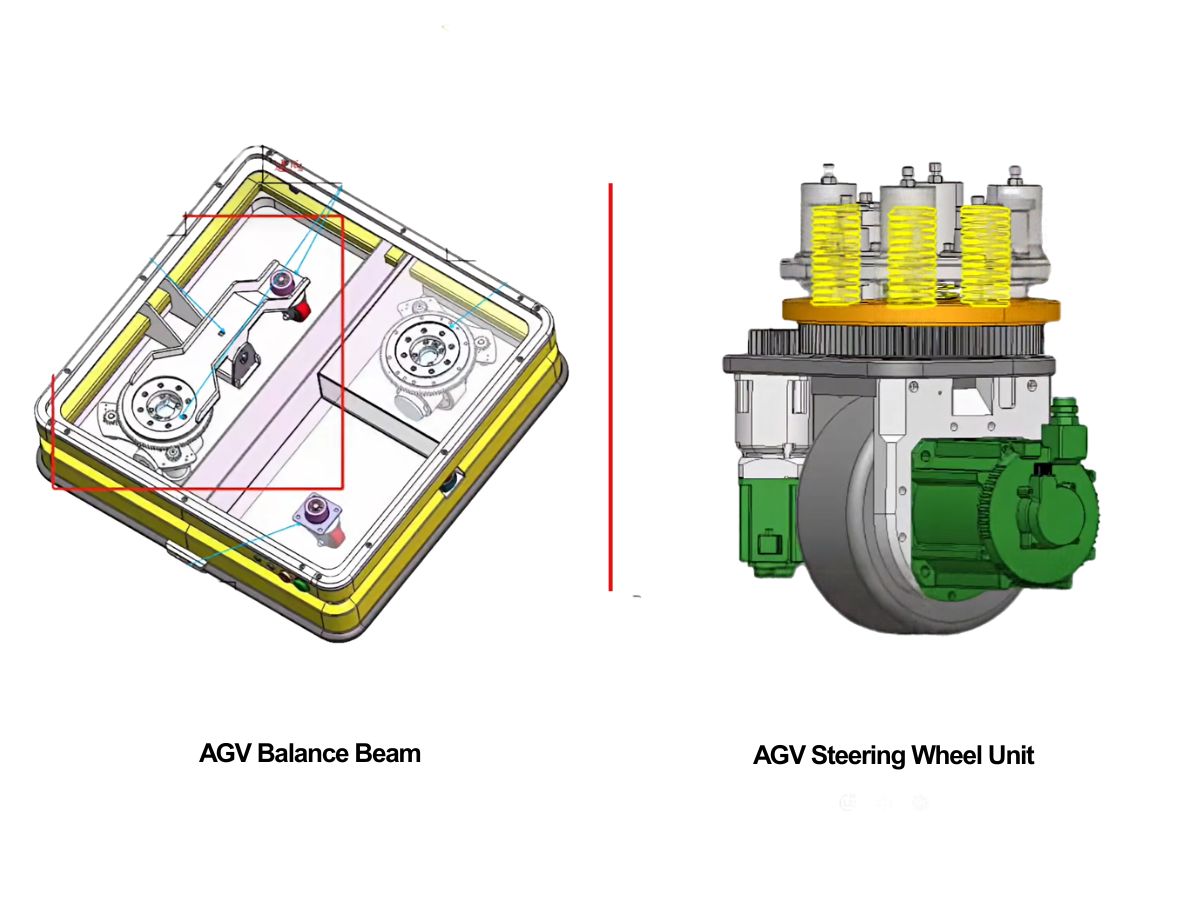
 AGV Suspension: Should You Choose a Balance Beam or a Spring-Loaded Steering Drive Unit?Choosing an AGV suspension system starts with the vehicle’s load range and floor conditions. Balance beams and spring-loaded steering drive units offer different approaches to maintaining wheel contact and managing wheel loads. This HONPINE guide compares both options and explains how to evaluate traction, suspension travel, installation space, and maintenance before choosing a configuration.
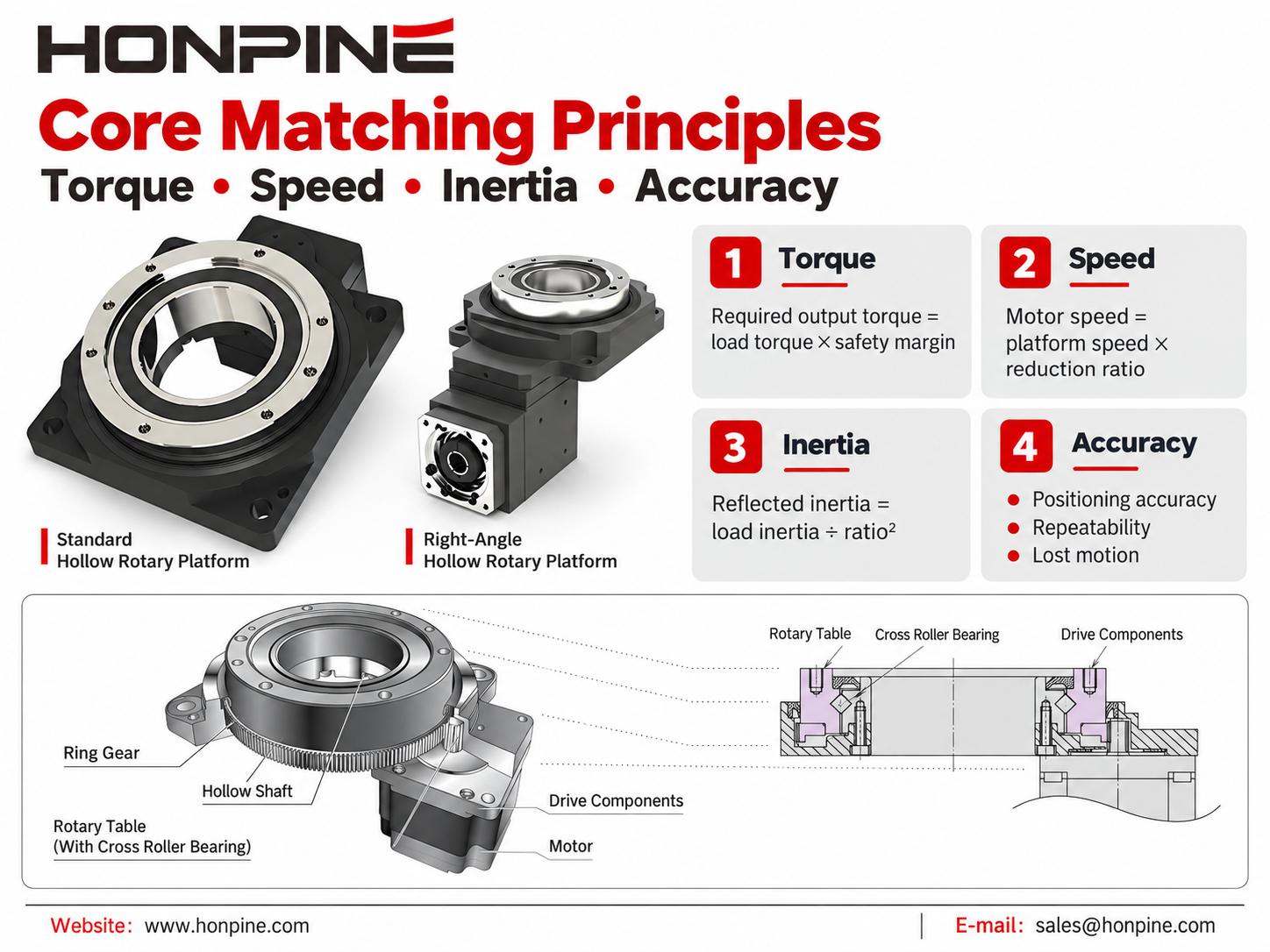
 Hollow Rotary Platform Motor Matching: A Complete GuideSelecting the right motor for a hollow rotary platform is essential for achieving precise positioning, stable operation, and efficient automation. This guide explains how to match servo motors, stepper motors, and brushless DC motors with hollow rotary platforms based on torque, speed, inertia, accuracy, and installation requirements. Explore practical motor selection guidelines, typical application combinations, and space-saving mounting solutions to find the right configuration for your automation project.
Double Click
We provide harmonic drive reducer,planetary reducer,robot joint motor,robot rotary actuators,RV gear reducer,robot end effector,dexterous robot hand
 What is robot joint actuator?How to Choose the Best Robot Rotary Joint Actuator?In core robot joint transmission solutions, planetary and harmonic rotary actuators each have their own strengths. Choosing the right type based on application requirements is essential to achieve the optimal balance between performance and cost.
 DD Motors VS Harmonic Rotary ActuatorsThis article provides an in-depth comparison between Direct Drive (DD) motors and harmonic rotary actuators, covering their transmission principles, advantages and disadvantages, and typical application fields.
 OMG Ultra Compact Harmonic Drive Joint Module with Built-in Torque SensorHONPINE TCHL series harmonic drive joint module is a game-changing product that achieves disruptive improvements in multiple aspects such as lightweight design, integration level, and connection convenience. This article will analyze its revolutionary enhancements with you.
 RV vs Harmonic Reducer: How to Choose the Right Gearbox for Robot Joints?RV vs harmonic reducer: which gearbox is right for your robot joint? The answer depends on torque, rigidity, accuracy, installation space and operating conditions. This guide compares their working principles and five key performance factors, then explains how to evaluate joint loads, reducer life, temperature and lubrication. Whether you are designing a robot base, shoulder, elbow or wrist, use these considerations to match the reducer to the requirements of each joint.
 How to Find a Reliable Robotic Joint Actuator Supplier?Choosing the right robotic joint actuator supplier is essential for reliable performance, smooth integration and long-term project success. Beyond product specifications, you need to understand a supplier’s technical expertise, production capacity and after-sales support. In this guide, Allen Li, Founder of HONPINE, explains how to assess these three factors when sourcing harmonic and planetary joint actuators for robotics and industrial automation.
 Harmonic Reducer vs. Harmonic Rotary Actuator: Which Is Better for CNC Machine Tools?Choosing between a harmonic reducer and a harmonic rotary actuator is an important decision in CNC machine tool design. Both solutions offer high-precision motion control, but they differ in integration, installation requirements, rigidity, and system flexibility. For CNC fourth-axis rotary tables and compact five-axis machining systems, selecting the right harmonic drive can significantly influence machine performance. In this article, HONPINE Technical Director Theodore Li compares harmonic reducers and harmonic rotary actuators to help engineers identify the most suitable solution for their CNC applications.
 How to Choose Harmonic Joint Actuators for a 7-DOF Robotic Arm?I'm Theodore Li, Technical Director at HONPINE. Choosing harmonic joint actuators for a 7-DOF robotic arm starts with the torque, weight, and installation needs of each joint. This guide uses a TCHL 20 shoulder and TCHL 14 wrist configuration as an example, then explores torque sensing, compliant control, and HAG Series considerations for demanding robotic applications.
 AGV Suspension: Should You Choose a Balance Beam or a Spring-Loaded Steering Drive Unit?Choosing an AGV suspension system starts with the vehicle’s load range and floor conditions. Balance beams and spring-loaded steering drive units offer different approaches to maintaining wheel contact and managing wheel loads. This HONPINE guide compares both options and explains how to evaluate traction, suspension travel, installation space, and maintenance before choosing a configuration.
 Hollow Rotary Platform Motor Matching: A Complete GuideSelecting the right motor for a hollow rotary platform is essential for achieving precise positioning, stable operation, and efficient automation. This guide explains how to match servo motors, stepper motors, and brushless DC motors with hollow rotary platforms based on torque, speed, inertia, accuracy, and installation requirements. Explore practical motor selection guidelines, typical application combinations, and space-saving mounting solutions to find the right configuration for your automation project.
 Can Robots Feel Touch? HONPINE HAG Force-Controlled Harmonic Robot Joint MotorsCan robots respond to a gentle touch? The HONPINE HAG robot joint motor with torque sensor combines a harmonic reducer, integrated torque sensing, and closed-loop control to detect external forces and support smooth, compliant motion. In this article, HONPINE founder Allen Li demonstrates the module's response to light contact and hand-guided movement, explains its key force-control technologies, and shares the vision behind joint modules designed for practical industrial robotics.
 Does a Higher Gearbox Ratio Mean More Torque? Planetary, Harmonic, and RV Gearboxes ExplainedDoes a higher gearbox ratio mean more torque? This engineering guide explains the relationship between gearbox ratio, output torque, and output speed, and compares planetary gearboxes, harmonic gearboxes, and RV gearboxes. Learn why reduction ratio alone cannot determine gearbox torque capacity, efficiency, dynamic response, precision, or service life, and what engineers should consider when selecting a gearbox for robotics, CNC machines, servo systems, and industrial motion control.
 High-Precision Hollow Harmonic Rotary Actuator for CNC Machines and Heavy-Duty Rotary AxesHONPINE 58 Series Hollow Harmonic Rotary Actuator is designed for CNC rotary tables, precision rotary axes, laser processing equipment, and heavy-duty rotary positioning applications. With a 50 mm hollow bore, up to 2,722 N·m peak torque, integrated crossed roller bearing, multi-turn absolute encoder options, positioning accuracy below 30 arcsec, and repeat positioning accuracy below 5 arcsec, it combines high torque capacity with precision rotary motion and flexible mechanical integration.