








Why Planetary Gear Reducers Perform Excellently in Integrated Strapping and Stretch Wrapping Machines?
Planetary gear reducers excel in integrated strapping and stretch wrapping machines primarily due to their technical characteristics: compact design, high torque, low backlash, impact resistance, and maintenance-free operation. These features allow them to precisely match the complex, multi-station operational requirements of the equipment, which include strap tightening, film carriage winding, and pallet rotation/lifting. Compared to cycloidal pinwheel reducers or standard gear reducers, planetary reducers effectively address core challenges such as limited space, alternating loads, precise positioning, and continuous operation. They also offer significant advantages in transmission efficiency, operational stability, and maintenance costs, making them well-suited for the automated, integrated strapping and wrapping needs at the end of logistics, warehousing, and production lines.
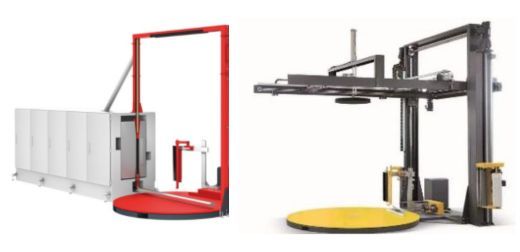
An integrated strapping and stretch wrapping machine is a pallet packaging device that combines steel/plastic strap bundling and film wrapping. Its operation involves the instantaneous tightening impact of the strapping mechanism, constant-tension winding by the film carriage, heavy-duty low-speed rotation of the pallet turntable, and precise positioning of the lifting mechanism. These working conditions demand that transmission components possess specific traits: short-duration high torque output, resistance to frequent start-stop impacts, smooth low-speed operation without jitter, and high integration within small spaces. The technical strengths of planetary reducers align perfectly with these demands, making them the preferred solution for the machine's core transmission system.
1.Adapts to Compact Multi-Mechanism Layout, Small Size Enables High Integration
The body space of an integrated strapping and stretch wrapping machine is limited, as it needs to simultaneously house structures like the strapping chamber, film carriage rails, turntable, and lifting column. The installation space for core transmission points (turntable, film carriage drive, strap tightening mechanism) is narrow and dispersed. Planetary reducers feature a coaxial design where the input and output shafts are in line. This results in significantly smaller axial/radial dimensions compared to cycloidal pinwheel or cylindrical gear reducers of equivalent torque. They can be directly integrated with servo/stepper motors without requiring extra space for transmission linkage. This allows them to be perfectly embedded into the turntable base, the side of the film carriage rails, or the small transmission chamber of the strapping mechanism. This enables a compact and lightweight overall design for the equipment, preventing a bulky or cluttered machine layout caused by an oversized reducer. Furthermore, their wide range of modular specifications (covering micro to medium/large sizes) allows for flexible selection based on the torque requirements of different mechanisms. A single machine can utilize multiple planetary reducers of different specifications to meet the specific needs of each transmission point, enhancing the overall level of integration.
2. High Torque Density + Short-Term Impact Resistance, Matches the Load Characteristics of Strapping/Wrapping
The two core operational stages of the machine place highly specific demands on torque. When the strapping mechanism tightens the pallet load, it requires an instantaneous ultra-high torque output (to overcome material gaps and achieve tight binding), which constitutes a short-duration impact load. The pallet turntable must drive the entire heavy load (weighing tens to hundreds of kilograms) for low-speed rotation, which constitutes a continuous constant-torque heavy load. The torque density of planetary reducers is far higher than that of traditional reducers, enabling high torque output from a small size. This allows them to provide the turntable with sustained heavy-load constant torque for smooth rotation, while also withstanding the instantaneous impact torque during strap tightening. They can cooperate with the motor to achieve short-duration high-power output without needing additional torque amplification mechanisms, thereby simplifying the transmission structure. Their core components (planet carrier, gears, output shaft) are made from high-strength alloy steel forgings, providing strong overall structural rigidity. This effectively absorbs the instantaneous impact loads during strapping, preventing deformation or gear tooth breakage in transmission components. This solves the frequent failure problems associated with traditional reducers due to poor impact resistance.
3. Low Backlash + High Precision, Ensures Wrapping/Positioning Quality
The core of the machine's operational quality lies in accurate strapping position, neat film overlap, and constant film carriage tension. When the film carriage travels along the rails for winding, its travel speed and position must be precisely controlled to ensure even film layer spacing. The strapping mechanism must accurately align with the pallet's binding points to avoid strap deviation. The lifting mechanism must precisely control the film carriage height to adapt to pallet loads of different heights. The precision planetary reducers used in such equipment can achieve backlash as low as under 3 arc-minutes (some micro models reach 1 arc-minute). This ensures no lost motion or hysteresis during transmission, enabling precise closed-loop control with servo motors. It achieves high-precision repeat positioning for film carriage travel, strapping location, and height adjustment. This guarantees neat film stacking and accurate strap placement, preventing quality issues like film carriage deviation, strapping misalignment, or loose wrapping caused by transmission backlash. Furthermore, the hysteresis-free transmission resulting from low backlash makes the film carriage tension adjustment more responsive. Combined with the tension control system, it enables constant tension output during the winding process, preventing film breakage or overly loose wrapping, thereby enhancing the stability of the pallet package.
4. High Stability at Low Speed, No Jitter, No Sticking
Both pallet rotation and low-speed film winding require smooth, jitter-free transmission. If sticking or jitter occurs during the transmission process, it can cause film winding wrinkles or uneven strap binding. The gears in planetary reducers undergo high-precision grinding and profile modification, resulting in uniform meshing clearance. The load-sharing structure of the planet gears allows forces to be distributed more evenly. Even at low rotational speeds, the transmission exhibits no significant impact or jitter. Their running smoothness is far superior to that of standard gear reducers, ensuring fluid film carriage winding and pallet rotation, which improves packaging appearance and quality.
5. Strong Radial/Axial Load Capacity, Adapts to Complex Loading Conditions
The core transmission points in an integrated strapping and stretch wrapping machine are not subject to pure torque loads; they are often accompanied by radial/axial loads. For example, the output shaft of the film carriage travel reducer must withstand radial loads from the carriage's own weight plus the rail friction during travel. The output shaft of the pallet turntable reducer must withstand axial loads from the gravity of the entire pallet load plus radial loads from off-center rotation. The strapping mechanism reducer must withstand alternating axial tension forces during strap tightening. Planetary reducers feature a high-precision, heavy-duty bearing group design at the output end. This enables them to simultaneously withstand high torque, radial loads, and axial loads. This eliminates the need for additional support bearings at the transmission points, simplifying the mechanical design of the equipment. It also prevents issues such as reducer shaft system deformation or seizing due to insufficient load capacity, solving the problems of easy wear and high failure rates associated with traditional reducers designed for single-load types.
6. Maintenance-Free + Long Service Life, Reduces Equipment Operating Costs
Integrated strapping and stretch wrapping machines are often deployed in logistics warehouses or at the end of production lines, where the operating environment may contain dust and oil. Maintenance personnel are typically general workshop operators who lack specialized skills in transmission component repair, placing a high demand on maintenance convenience and sealing for transmission parts. Planetary reducers use lifetime lubricating grease that requires no maintenance. This effectively prevents dust and oil from entering the reducer's interior while also avoiding grease leakage. In harsh workshop environments, they do not require frequent grease changes or disassembly for repair, significantly reducing maintenance workload.
Read More
Learn more about the story of HONPINE and industry trends related to precision transmission.
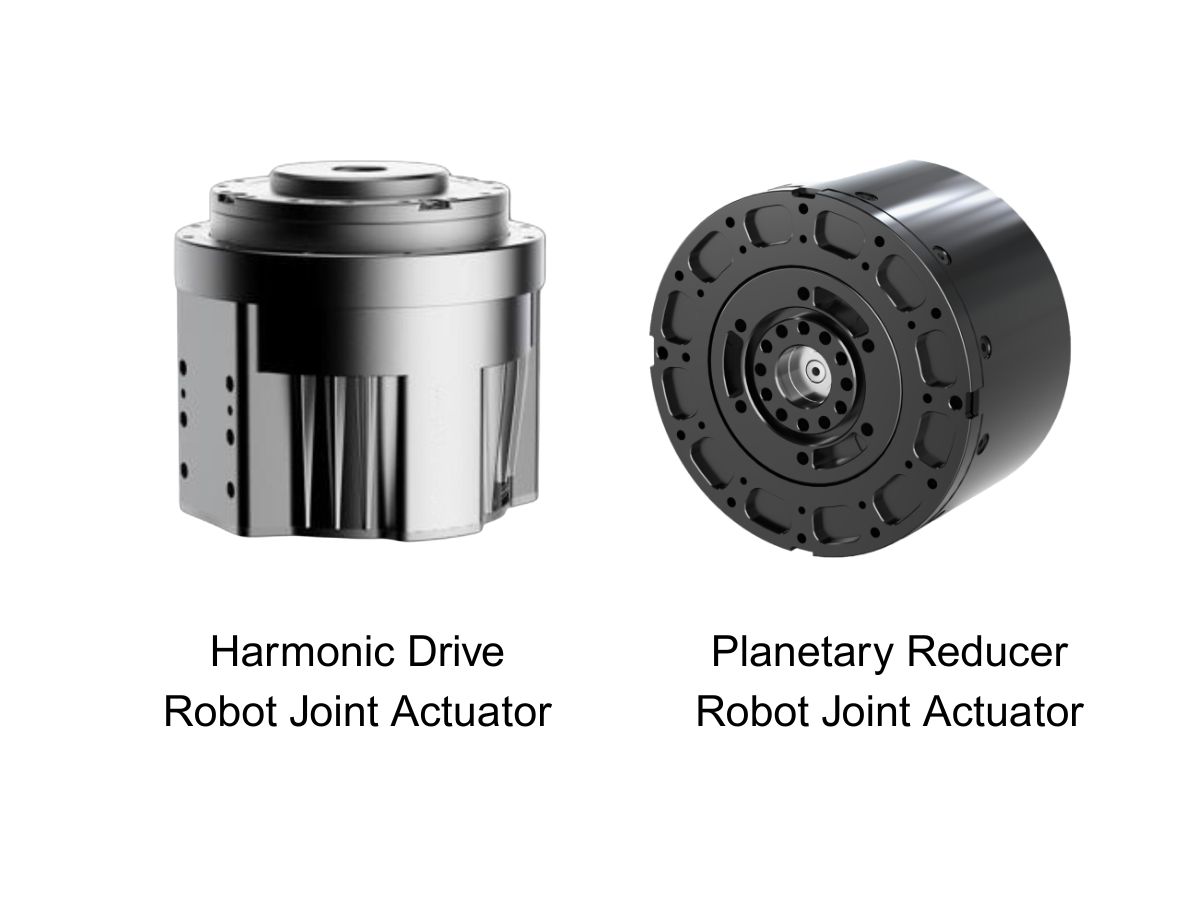
 What is robot joint actuator?How to Choose the Best Robot Rotary Joint Actuator?In core robot joint transmission solutions, planetary and harmonic rotary actuators each have their own strengths. Choosing the right type based on application requirements is essential to achieve the optimal balance between performance and cost.
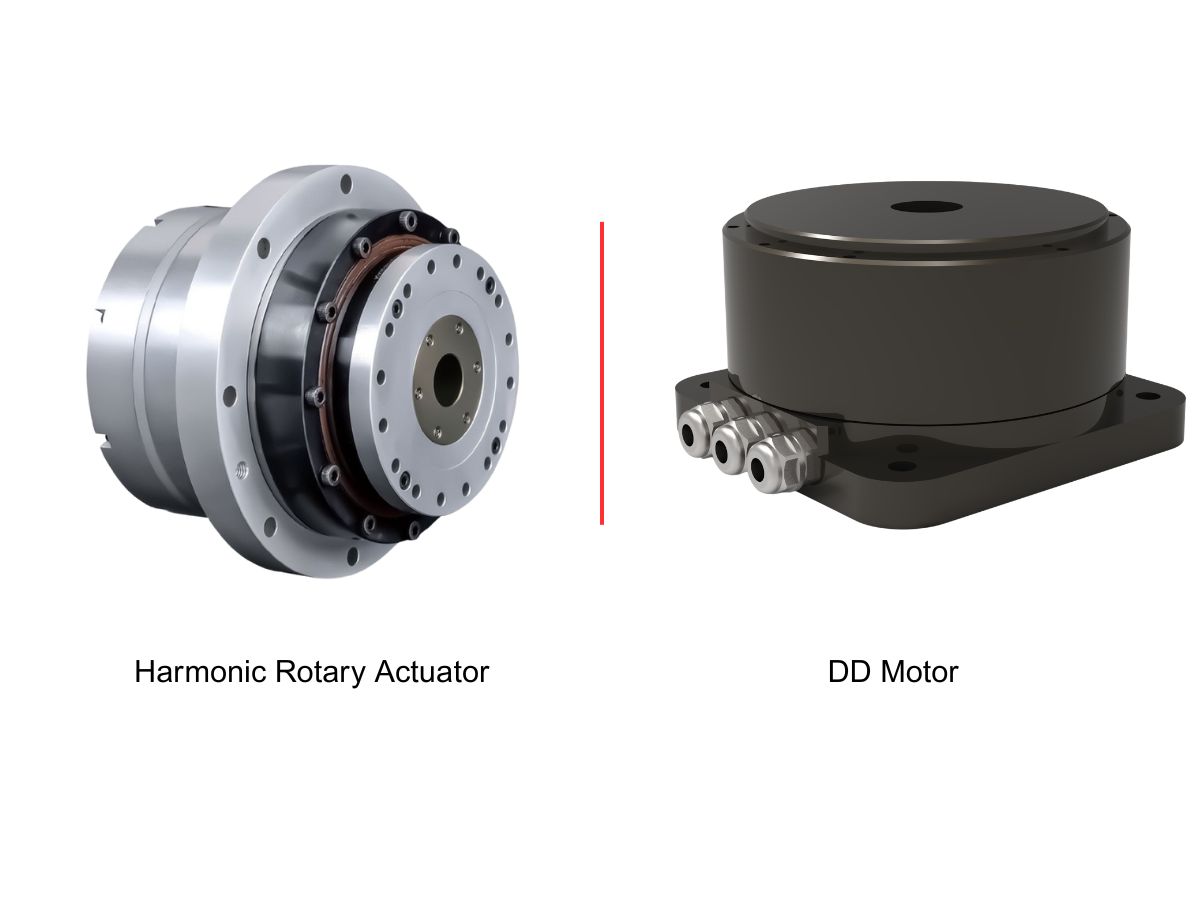
 DD Motors VS Harmonic Rotary ActuatorsThis article provides an in-depth comparison between Direct Drive (DD) motors and harmonic rotary actuators, covering their transmission principles, advantages and disadvantages, and typical application fields.
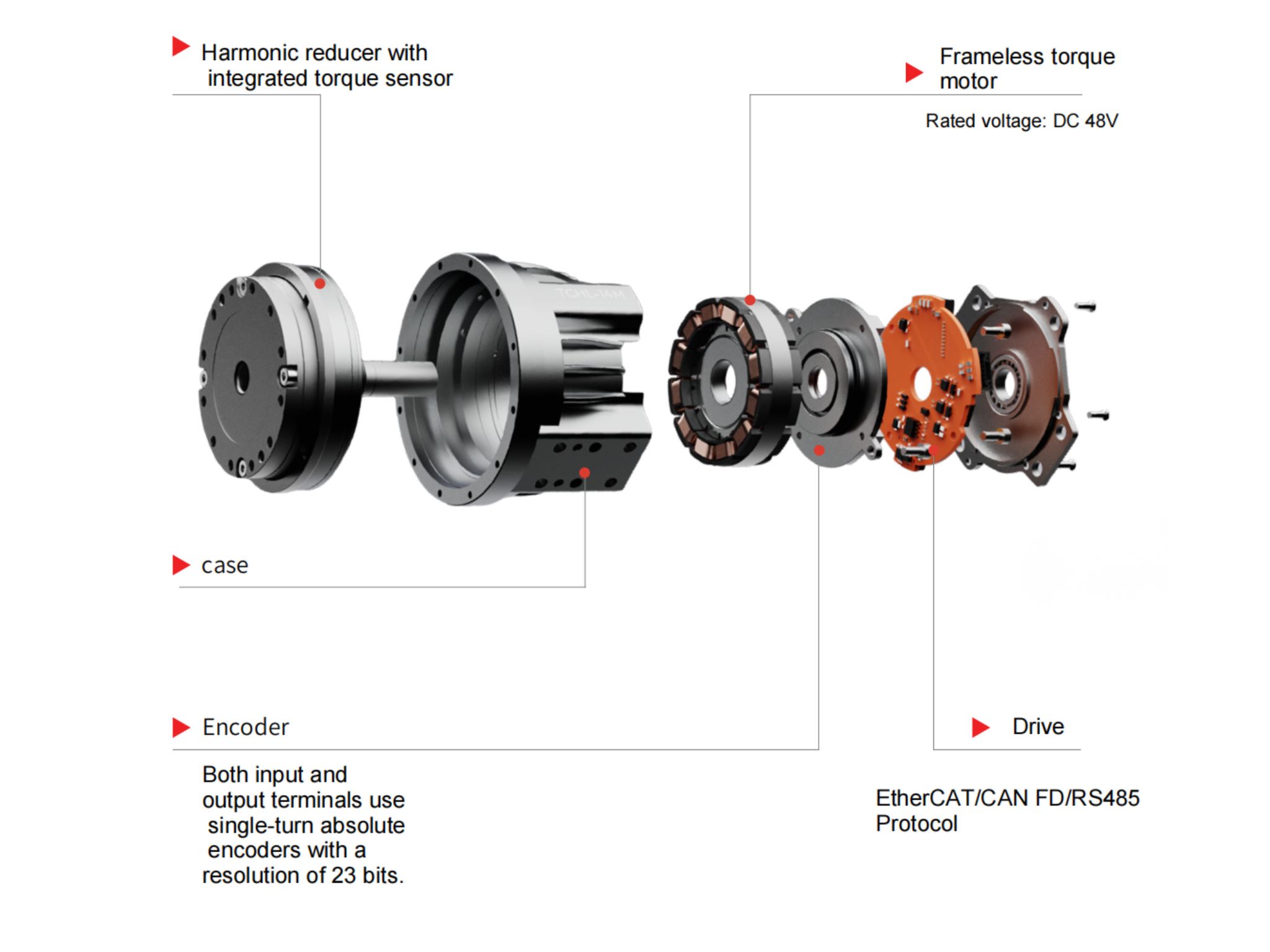
 OMG Ultra Compact Harmonic Drive Joint Module with Built-in Torque SensorHONPINE TCHL series harmonic drive joint module is a game-changing product that achieves disruptive improvements in multiple aspects such as lightweight design, integration level, and connection convenience. This article will analyze its revolutionary enhancements with you.
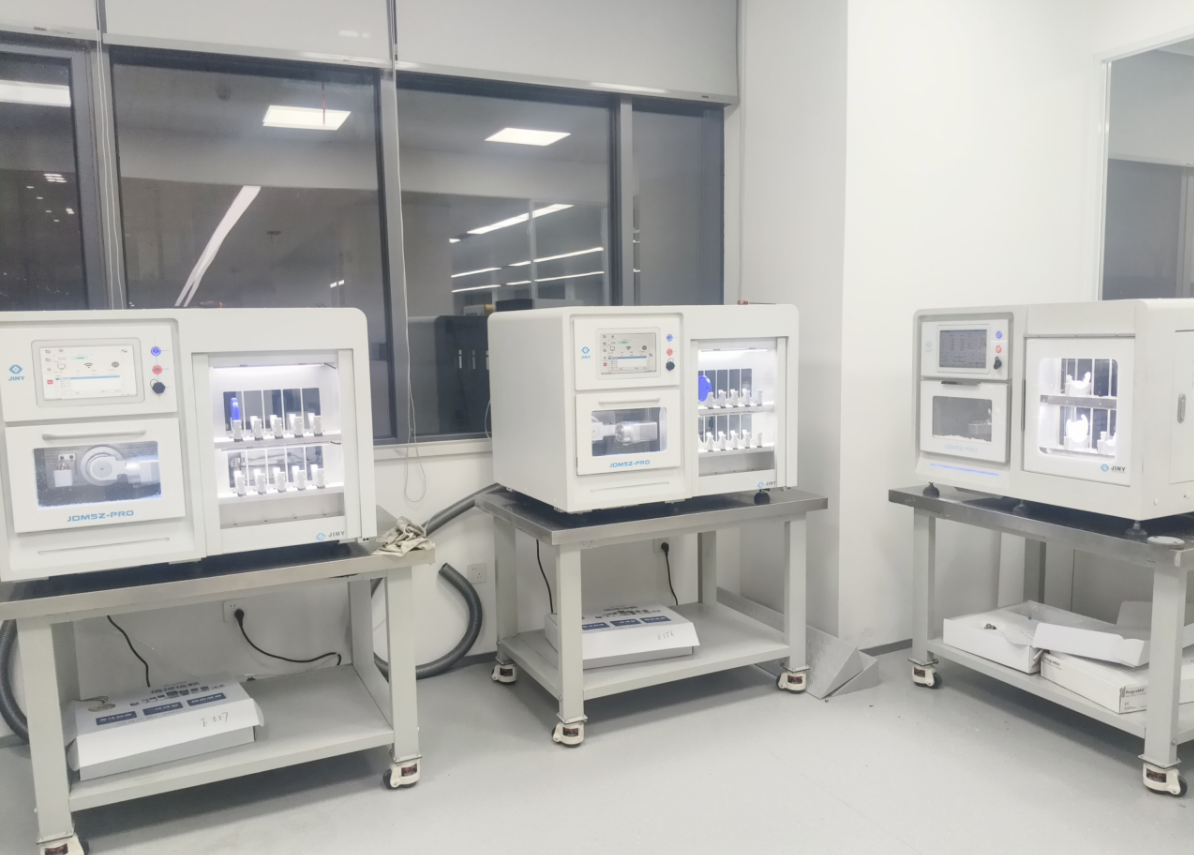
 The Role of Harmonic Drive Gears in Achieving 5–10 μm Accuracy in Dental Milling MachinesA dental milling machine is a CNC machining system used to directly process digital dental models into restorations such as crowns, bridges, veneers, inlays, and implant abutments. Dental milling machines require far higher operational accuracy and motion stability than ordinary equipment. This article explains how harmonic drive gear help dental milling machines achieve stable, continuous, and controllable operation.
 Why Are Harmonic Rotary Actuators Perfect for Medical Equipment?Harmonic rotary actuators (typically integrated systems consisting of a harmonic drive reducer, frameless torque motor, encoder, and optional brake) are regarded as key components in medical equipment. The core reason is that they simultaneously meet the most stringent medical requirements for precision, compact size, safety, and controllability. The following explanation is structured from three perspectives: technical characteristics, application scenarios, and medical value.
 High-Precision RV Reducers Perfectly Matched for Walking RobotsThe walking axis of a robot is a core component for power transmission and support. RV reducers provide extremely high rigidity, precision, and torque while maintaining a compact size and exceptional reliability, making them an ideal match for the demanding requirements of walking robot joints in terms of load capacity, impact resistance, and precision.
 How to Choose a Small Harmonic Actuator?HONPINE Series 11 small harmonic actuators provide a compact, high-performance rotary motion solution for precision automation applications. Available with hollow or solid shafts, 48V or 220V options, optional brakes, absolute encoders, and different reduction ratios, the Series 11 is designed for applications requiring compact dimensions, controlled torque, and precise positioning.
 How to Choose a Wheel Motor for a Heavy-Duty AGV? Key Challenges from Dynamic Loads to 120-Ton AGV Drive Wheel SystemsSelecting a Heavy-Duty AGV Wheel Motor is more than matching motor power or rated torque to the vehicle's payload. As AGVs move from conventional material handling to multi-ton and even 120-ton-class applications, the drive wheel system must handle dynamic loads, acceleration, braking, turning forces, traction, and long-term mechanical stress. The actual challenge lies in matching wheel load capacity, wheel-end torque, gearbox performance, steering architecture, suspension, and chassis design under real operating conditions. This article examines the key challenges of Heavy-Duty AGV Wheel Motor selection and explains how Steering Drive Wheels and Differential Drive Wheels can be evaluated for different heavy-duty AGV applications.
 DD Motor Servo System: How to Understand Mechanical Resonance and Solve Machine Vibration?This article explains the relationship between DD motor servo tuning, mechanical resonance, and servo bandwidth in direct drive motion systems. It examines why vibration and instability can occur even after repeated servo parameter adjustments, and explains how mechanical stiffness, moving mass, bearing conditions, load distribution, and structural geometry affect resonance frequency. The article also compares approaches for high- and low-frequency resonance, explains when digital notch filtering can be effective, and provides a practical tuning strategy for engineers working with DD motors, direct drive torque motors, and linear motors.
 High Precision Harmonic Drive Robot Joint Actuator Solution for Robotic ElbowsThe robotic elbow joint plays a critical role in arm flexion, posture adjustment, and end-effector positioning. As humanoid robots, collaborative robots, and robotic arms become more capable, elbow actuators need to deliver high torque and precise motion within increasingly limited installation spaces. A high precision harmonic drive robot joint actuator integrates the harmonic reducer, motor, encoder, brake, and drive system into a compact unit, providing low backlash, high stiffness, high torque density, and accurate motion control. In this article, HONPINE introduces three joint actuator series suitable for robotic elbow applications, covering different requirements for size, torque, speed, precision, and integration.
 Explosion-Proof Robot Joint Solution for Chemical Inspection Quadruped Robots: Planetary Joint Actuator with Up to 500 N·m Peak TorqueIn petrochemical, mining, power, and other hazardous environments, inspection robots are moving beyond simple monitoring toward practical operations such as tool handling, equipment inspection, and emergency response. This shift places higher demands on robot joint actuators, particularly in explosion protection, torque output, thermal management, environmental resistance, and mobility. HONPINE's explosion-proof robot joint actuator is designed for quadruped inspection robots and other hazardous-environment robotic platforms, integrating high-load planetary transmission with explosion-proof design and reliable motion performance. With up to 500 N·m peak torque per joint, optional IP67 protection, and Ex db IIB T4 Gb certification, the solution is designed to support demanding robotic applications in high-risk industrial environments.
 Planetary Drive Actuator for AGV Wheel Hub Motors: Solving Torque, Turning Radius and Drive Integration ChallengesHello everyone, I’m Theodore Li, Technical Director at HONPINE. Today, I’d like to discuss how a planetary drive actuator can solve practical challenges in AGV wheel hub motor systems. AGVs and AMRs require sufficient wheel torque for heavy-load starting, acceleration, slope climbing, and frequent reversing, while the drive system must remain compact enough for limited chassis space. A planetary drive actuator combines a motor with a planetary reduction mechanism to convert high-speed motor output into the lower-speed, higher-torque motion required at the wheel. In this article, I will examine the relationship between planetary drive actuators and AGV wheel hub motors, including torque, gear ratio, wheel diameter, climbing ability, turning radius, direct-drive systems, and harmonic drive actuators.
Double Click
We provide harmonic drive reducer,planetary reducer,robot joint motor,robot rotary actuators,RV gear reducer,robot end effector,dexterous robot hand
 The Role of Harmonic Drive Gears in Achieving 5–10 μm Accuracy in Dental Milling MachinesA dental milling machine is a CNC machining system used to directly process digital dental models into restorations such as crowns, bridges, veneers, inlays, and implant abutments. Dental milling machines require far higher operational accuracy and motion stability than ordinary equipment. This article explains how harmonic drive gear help dental milling machines achieve stable, continuous, and controllable operation.
 Why Are Harmonic Rotary Actuators Perfect for Medical Equipment?Harmonic rotary actuators (typically integrated systems consisting of a harmonic drive reducer, frameless torque motor, encoder, and optional brake) are regarded as key components in medical equipment. The core reason is that they simultaneously meet the most stringent medical requirements for precision, compact size, safety, and controllability. The following explanation is structured from three perspectives: technical characteristics, application scenarios, and medical value.
 High-Precision RV Reducers Perfectly Matched for Walking RobotsThe walking axis of a robot is a core component for power transmission and support. RV reducers provide extremely high rigidity, precision, and torque while maintaining a compact size and exceptional reliability, making them an ideal match for the demanding requirements of walking robot joints in terms of load capacity, impact resistance, and precision.
 Harmonic Rotary Actuators for Semiconductor Equipment: Precision Motion, Hollow-Shaft Design and FOC ControlHello everyone, I’m Theodore Li, Technical Director at HONPINE. In semiconductor manufacturing equipment, rotary motion is not simply about making a mechanism rotate. Limited installation space, cable and tube routing, low-speed stability, precise positioning and continuously adjustable motion profiles can all influence the performance of the machine. This is why harmonic rotary actuators are becoming an important motion solution for semiconductor equipment. In this article, I will discuss how harmonic transmission, FOC-based motor control, encoder feedback, large hollow-shaft design and flexible mechanical interfaces work together to meet practical semiconductor motion requirements, based on our experience with developing equipment, overhead transport, wafer handling, cleaning and crystal-growth applications.
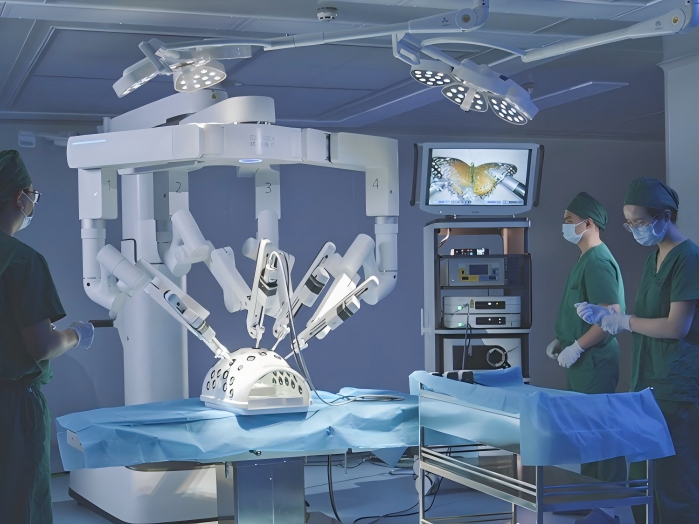
 Miniature Harmonic Drive for Minimally Invasive Surgical RobotsMinimally invasive surgical robots require highly compact transmission systems that can deliver precise motion within extremely limited mechanical spaces. As robotic instruments become smaller and more dexterous, conventional transmission architectures can face challenges related to size, tendon elasticity, friction, hysteresis, and mechanical integration. A miniature harmonic drive offers one potential approach by providing high-ratio precision transmission, low backlash, and compact dimensions in a small mechanical envelope. In this article, I will explain why miniature harmonic transmission is relevant to surgical robotics, compare external tendon-driven and distal transmission architectures, and discuss the key engineering considerations behind HONPINE’s CSF-mini miniature harmonic reducer for compact robotic joints, flexible robotic instruments, and other precision mechanisms.
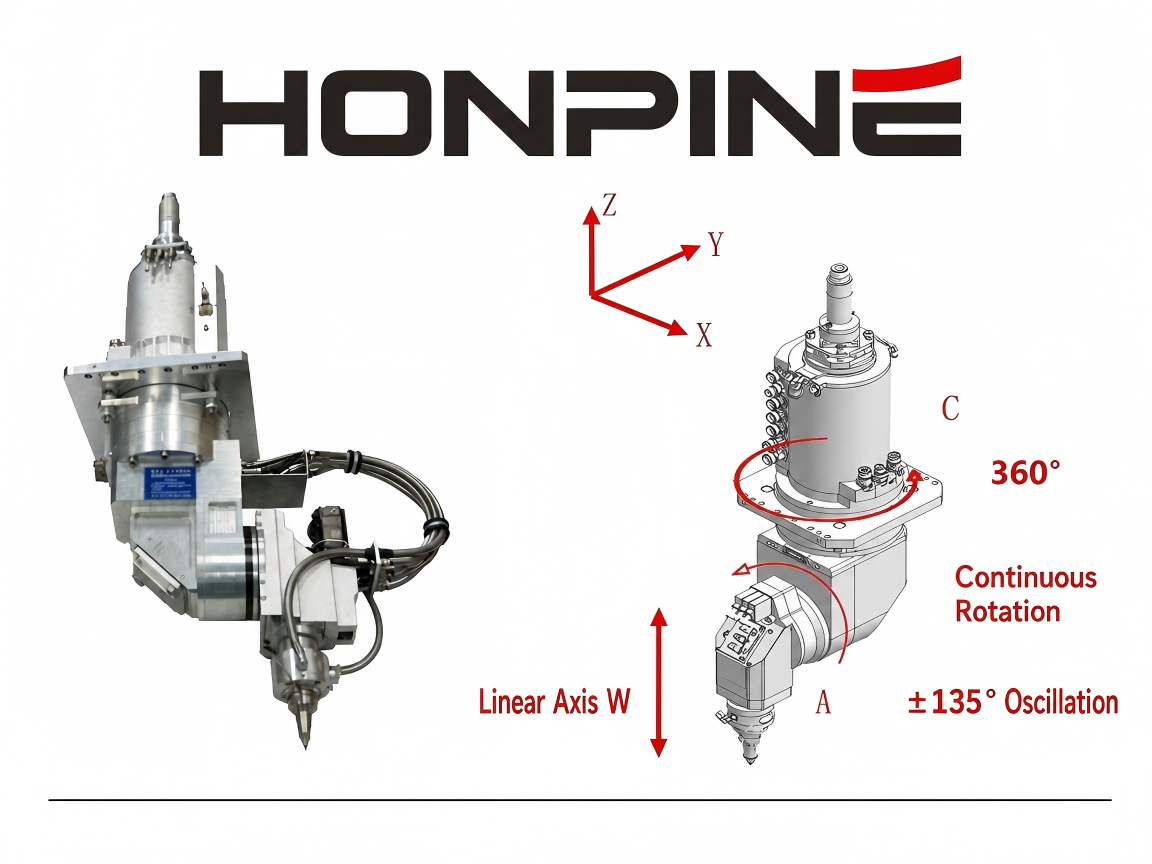
 Why Laser Wobble Welding Systems Need a High-Precision Harmonic Rotary Actuator?Laser wobble welding is increasingly used in battery manufacturing, busbar welding, electronics, medical devices, robotic welding, and other precision manufacturing applications where beam movement must remain accurate and repeatable. In mechanical wobble welding systems, however, weld quality depends not only on laser parameters but also on the precision of the rotary motion mechanism driving the wobble head. Backlash, insufficient torsional rigidity, limited torque density, and positioning errors can directly affect the actual beam trajectory and molten pool stability. This is why a high-precision rotary motion solution is becoming an important part of modern laser wobble welding equipment. A Harmonic Rotary Actuator combines precision transmission, high rigidity, low backlash, and compact integration, making it well suited for mechanical wobble heads that require controlled rotary motion under dynamic loads.
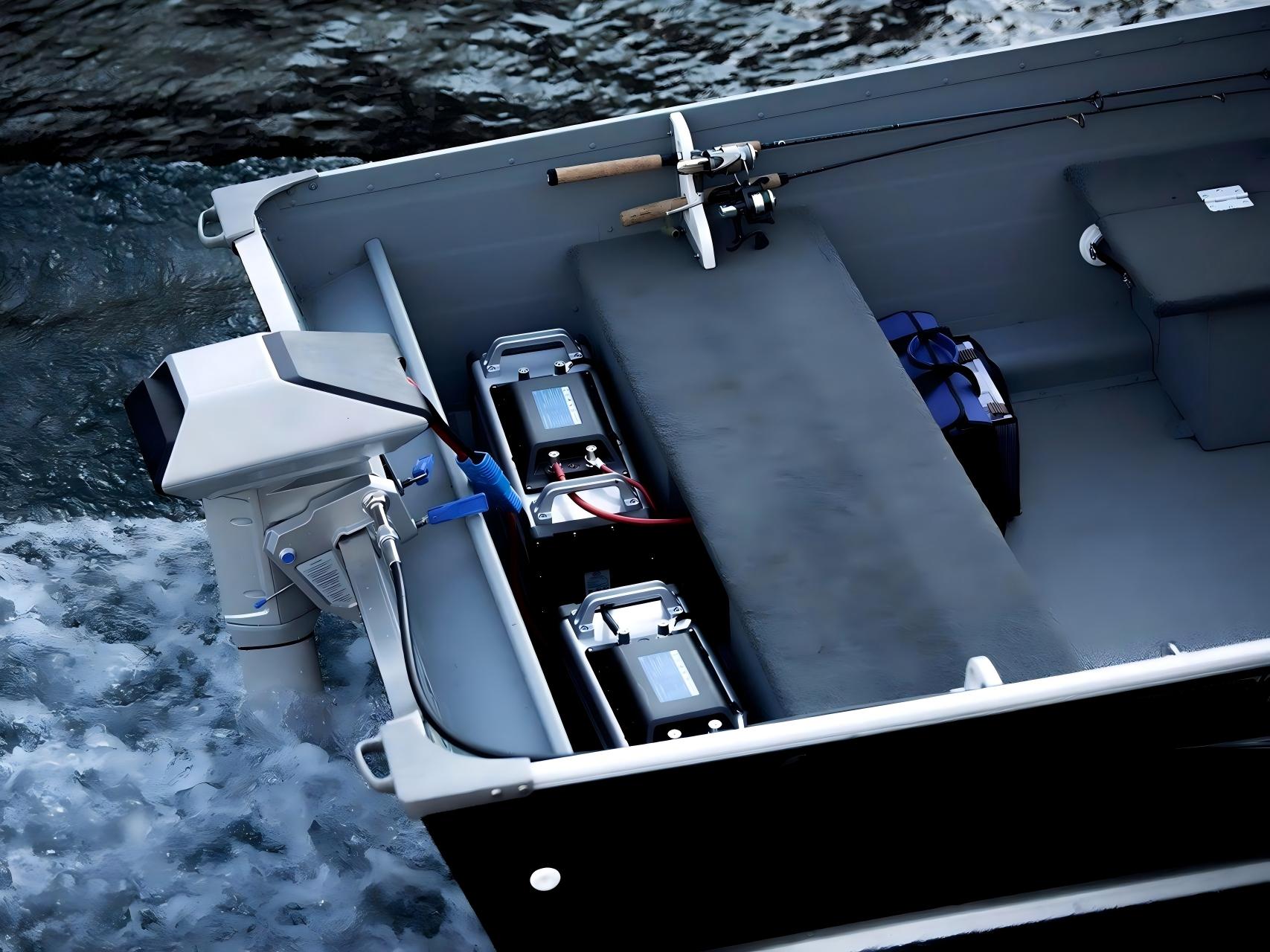
 When Does Outboard Motor Steering Require a Harmonic Rotary Actuator?Electric outboard motor steering is evolving from a simple mechanical function into a precision motion-control application. This article explains when a Harmonic Rotary Actuator becomes a suitable solution and examines the role of precision transmission, low backlash, high torque density, encoder feedback, and compact mechanical integration. It also explores applications in electric boats, autonomous surface vessels, unmanned boats, marine robotics, and electric marine propulsion, helping engineers understand how to select the right rotary actuator according to steering torque, speed, positioning accuracy, operating conditions, and installation requirements.
 How to Choose the Right Robot Joint Actuator for Specialized Robotic Applications?Choosing the right robot joint actuator is no longer simply a matter of comparing torque specifications or selecting a motor and gearbox separately. As humanoid robots, collaborative robots, industrial robotic arms, medical robots, mobile manipulators, and specialized robotic systems become more diverse, robot manufacturers must balance torque, speed, precision, stiffness, weight, installation space, feedback, communication, and safety at the same time. This article explains how engineers can select the right harmonic joint actuator or robot joint motor by starting with the actual application problem and building a joint-level solution that matches the mechanical structure and control requirements of the complete robot.
 Harmonic Rotary Actuator for CNC Rotary Axis: A Precision Solution for Engraving MachinesDiscover how harmonic rotary actuators improve CNC rotary-axis performance for 4-axis and 5-axis engraving machines with precise positioning, low backlash, high rigidity and compact integration.
 12 Tips for Choosing the Right CNC Rotary Table Transmission: Harmonic Reducer, Harmonic Rotary Actuator, DD Motor and Planetary ReducerLearn how to choose the right CNC rotary table transmission based on accuracy, backlash, torque, speed, rigidity, thermal stability and integration. Compare harmonic reducers, harmonic rotary actuators, DD motors, RV reducers and planetary reducers.
 Mini Harmonic Reducer for Small Robot Arms and Desktop 6-Axis Robots
 Inspection Robot Applications: Why Harmonic Gear Motors Are the Preferred Motion Solution?Inspection robots have become essential across modern industries, helping companies automate equipment inspection, improve worker safety, and collect high-quality operational data. From manufacturing plants and power stations to oil & gas facilities, warehouses, railways, and smart cities, autonomous inspection robots are transforming maintenance and asset management.
Every movement of an inspection robot—from rotating a thermal camera to positioning a LiDAR scanner or operating an inspection arm—depends on the accuracy of its motion system. HONPINE Harmonic Gear Motors combine near-zero backlash, compact size, high torque density, and exceptional positioning accuracy, making them an ideal solution for next-generation inspection robots.