








China-Europe Railway Express Surpasses 130,000 Trains
Beijing, May 9, 2026 — The China-Europe Railway Express has officially exceeded 130,000 cumulative departures as of May 9, 2026, with total cargo value surpassing USD 520 billion. This milestone significantly strengthens logistics reliability for second-hand industrial equipment exports—particularly machine tools and injection molding machines—to Central Asia, Eastern Europe, Russia, and the Middle East, reshaping procurement planning and cost management for overseas buyers.
Event Overview
On May 9, 2026, the China-Europe Railway Express reached a cumulative total of over 130,000 train departures. Official data confirms total cargo value exceeding USD 520 billion. Machinery—including second-hand machine tools and second-hand injection molding machines—represents one of the three core commodity categories by volume and value. The ‘Railway Fast Clearance’ customs facilitation model has reduced border clearance time to under 30 minutes at key land ports. Meanwhile, scheduled-time freight trains (‘timetable services’) deliver per-container cargo value 41% higher than conventional services.
Industries Affected
Direct Export Trading Enterprises
These firms—especially those specializing in refurbished industrial machinery—benefit from enhanced delivery certainty and predictable transit windows. Reduced clearance delays and standardized scheduling lower demurrage exposure and improve order-to-delivery cycle predictability. However, increased demand for rail slots may tighten capacity during peak seasons, requiring earlier booking commitments.
Raw Material Procurement Enterprises
While not direct shippers, enterprises sourcing components or consumables for refurbishment (e.g., bearings, control panels, hydraulic units) face indirect impact: rising export volumes signal stronger downstream demand for remanufacturing inputs. This may accelerate inventory replenishment cycles and prompt longer-term supplier engagement to secure consistent component supply amid tightening logistics windows.
Processing & Manufacturing Enterprises
Domestic manufacturers offering integrated refurbishment, retrofitting, or OEM support services gain competitive leverage. With rail-based delivery now more reliable and cost-transparent, they can bundle hardware upgrades with logistics assurance—enhancing contract win rates in emerging markets where port congestion and air freight volatility remain concerns.
Supply Chain Service Providers
Third-party logistics providers, customs brokers, and rail forwarding specialists must adapt to tighter operational tolerances. The 30-minute clearance benchmark and timetable adherence raise service-level expectations. Providers lacking integrated rail-port systems or real-time customs data interfaces risk marginalization in high-value machinery shipments.
Key Considerations and Recommended Actions
Secure Timetable Service Slots Early
Given the 41% higher per-container cargo value on scheduled-time trains—and their growing allocation priority—exporters should engage rail operators at least 21 days pre-shipment to reserve capacity, especially for Q3–Q4 deliveries aligned with regional industrial procurement cycles.
Reassess Documentation Standards for Refurbished Equipment
The ‘Railway Fast Clearance’ model relies heavily on pre-verified documentation. Exporters must ensure conformity certificates, origin declarations, and equipment age/condition reports meet bilateral technical annexes—particularly for EU-aligned standards adopted by Kazakhstan and Belarus customs authorities.
Evaluate Regional Inventory Positioning Strategies
With improved delivery certainty into Central Asia and Eastern Europe, importers may shift from just-in-time cross-border ordering toward strategic regional warehousing. Exporters should explore bonded logistics hubs in Minsk, Almaty, or Tehran to support hybrid distribution models.
Editorial Insight / Industry Observation
Observably, the 130,000-train milestone marks a structural inflection—not merely a volume threshold. Analysis shows that timetabled rail services are increasingly functioning as quasi-maritime liner networks: fixed schedules, published tariffs, and standardized handling protocols. This shift better supports capital goods trade, where predictability matters more than speed alone. From an industry perspective, the convergence of customs digitization, infrastructure investment, and multilateral interoperability agreements suggests sustained scalability—though geopolitical risk diversification remains critical. Current evidence does not yet confirm long-term modal share gains versus maritime routes for bulk commodities; however, for high-value, low-volume industrial assets, rail is becoming a default strategic channel.
Conclusion
This milestone signals more than logistical progress—it reflects deepening institutional coordination across 20+ countries along the Eurasian corridor. For the global secondary machinery market, it introduces a new benchmark for delivery reliability, cost transparency, and regulatory harmonization. A rational conclusion is that rail-enabled trade is no longer a contingency plan but a foundational pillar for equipment lifecycle management in emerging industrial economies.
Source Attribution
Data sourced from the National Development and Reform Commission (NDRC) of China, the China State Railway Group Co., Ltd., and the International Union of Railways (UIC) Eurasian Corridor Report, May 2026. Note: Ongoing monitoring is advised for updates on the expansion of ‘Railway Fast Clearance’ to additional border crossings (e.g., Khorgos East), and for revisions to EU dual-use goods classification rules potentially affecting certain CNC machine tool exports.
Read More
Learn more about the story of HONPINE and industry trends related to precision transmission.
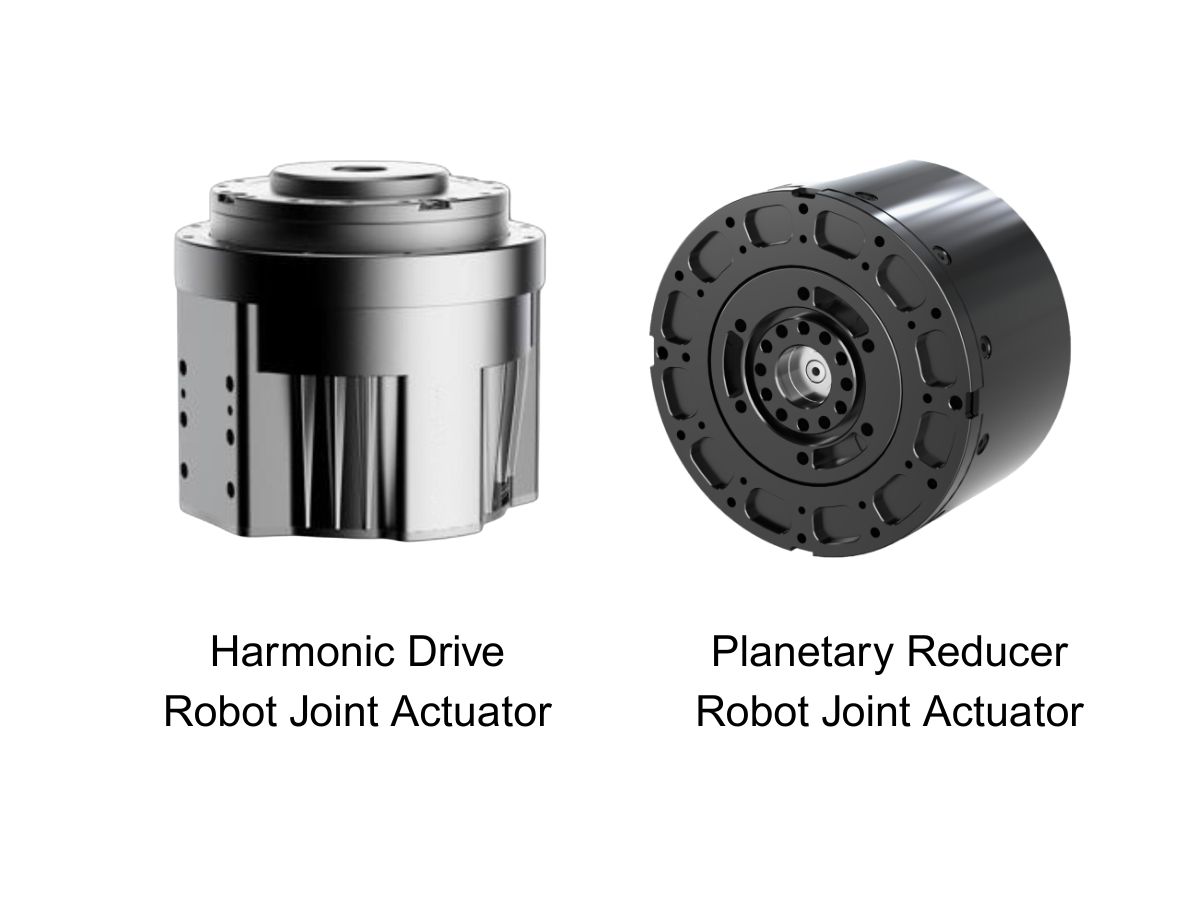
 What is robot joint actuator?How to Choose the Best Robot Rotary Joint Actuator?In core robot joint transmission solutions, planetary and harmonic rotary actuators each have their own strengths. Choosing the right type based on application requirements is essential to achieve the optimal balance between performance and cost.
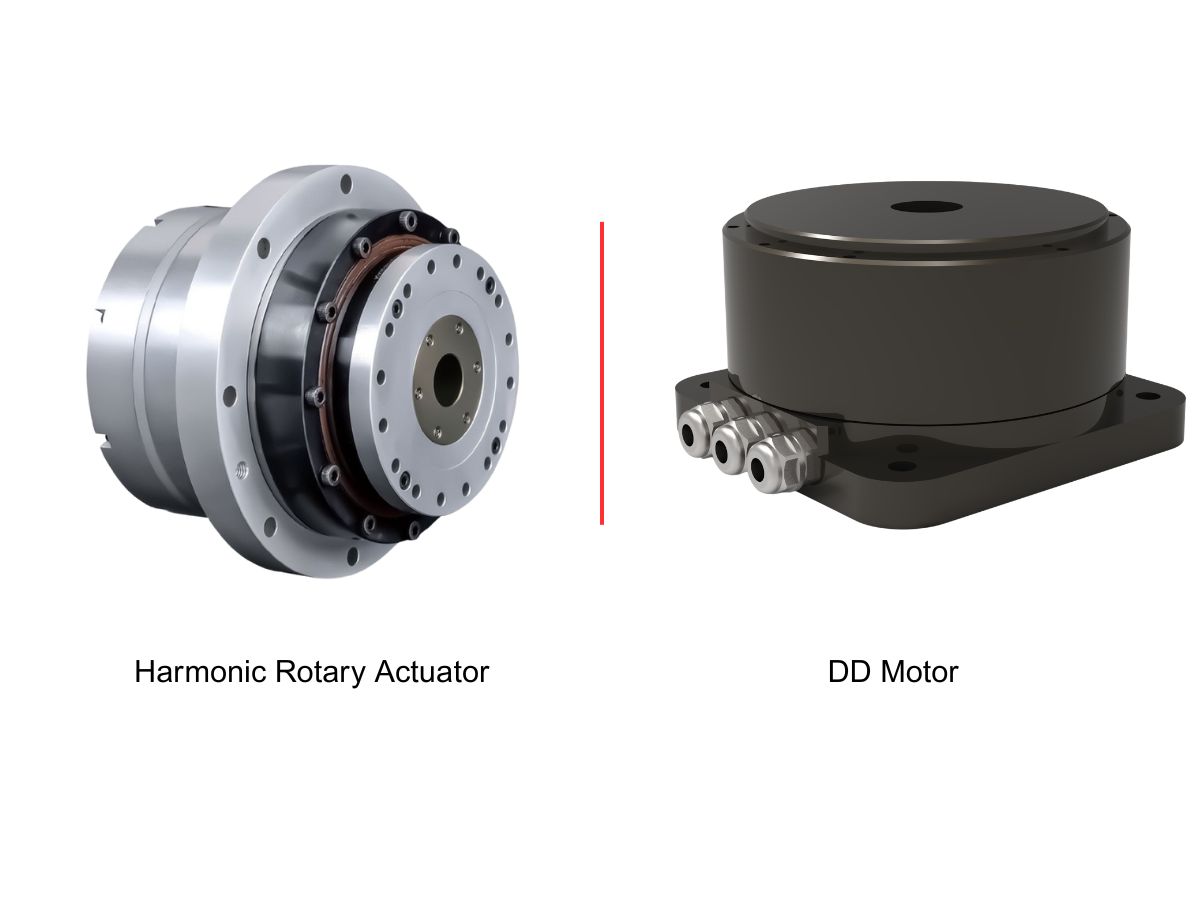
 DD Motors VS Harmonic Rotary ActuatorsThis article provides an in-depth comparison between Direct Drive (DD) motors and harmonic rotary actuators, covering their transmission principles, advantages and disadvantages, and typical application fields.
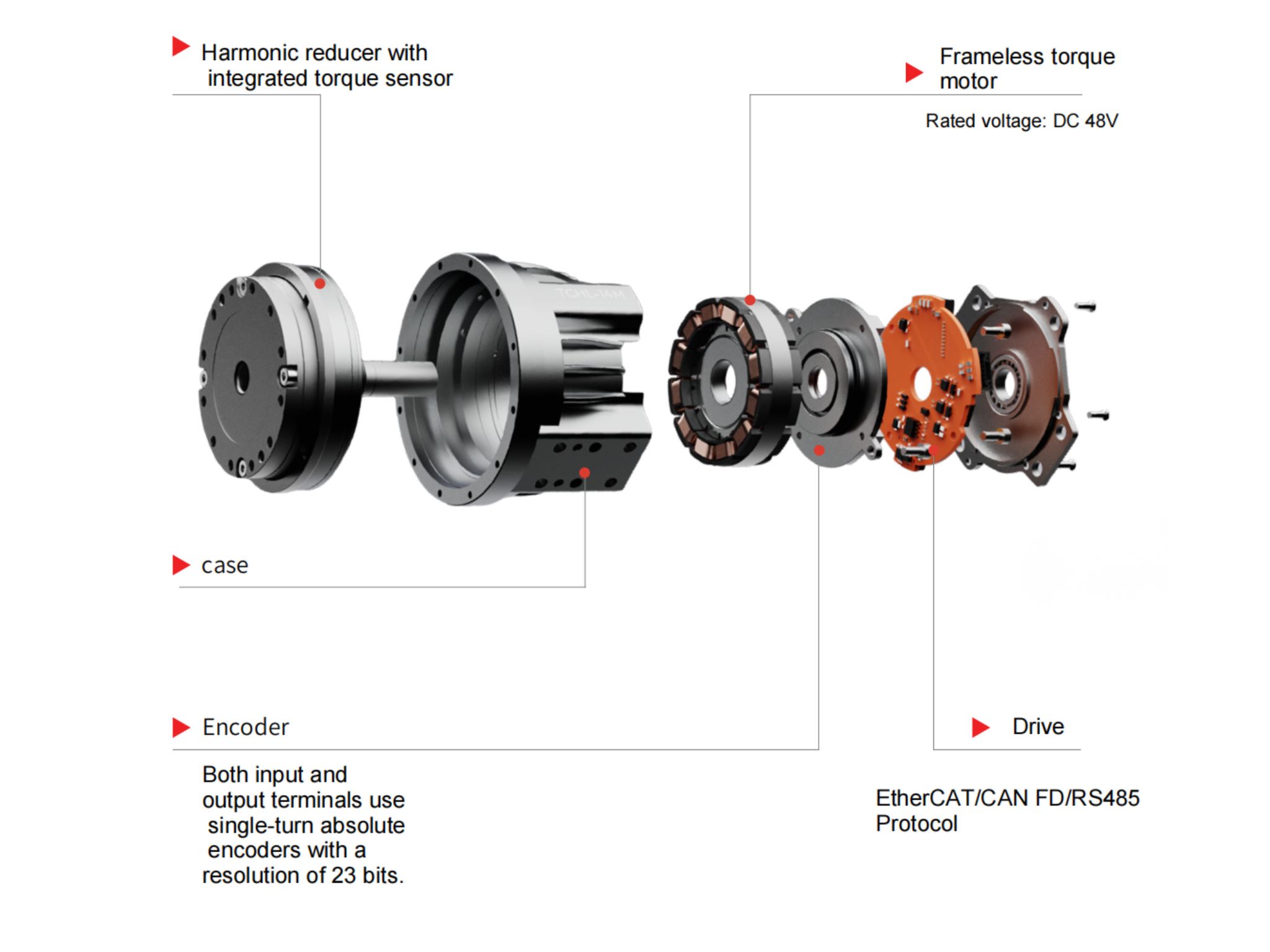
 OMG Ultra Compact Harmonic Drive Joint Module with Built-in Torque SensorHONPINE TCHL series harmonic drive joint module is a game-changing product that achieves disruptive improvements in multiple aspects such as lightweight design, integration level, and connection convenience. This article will analyze its revolutionary enhancements with you.
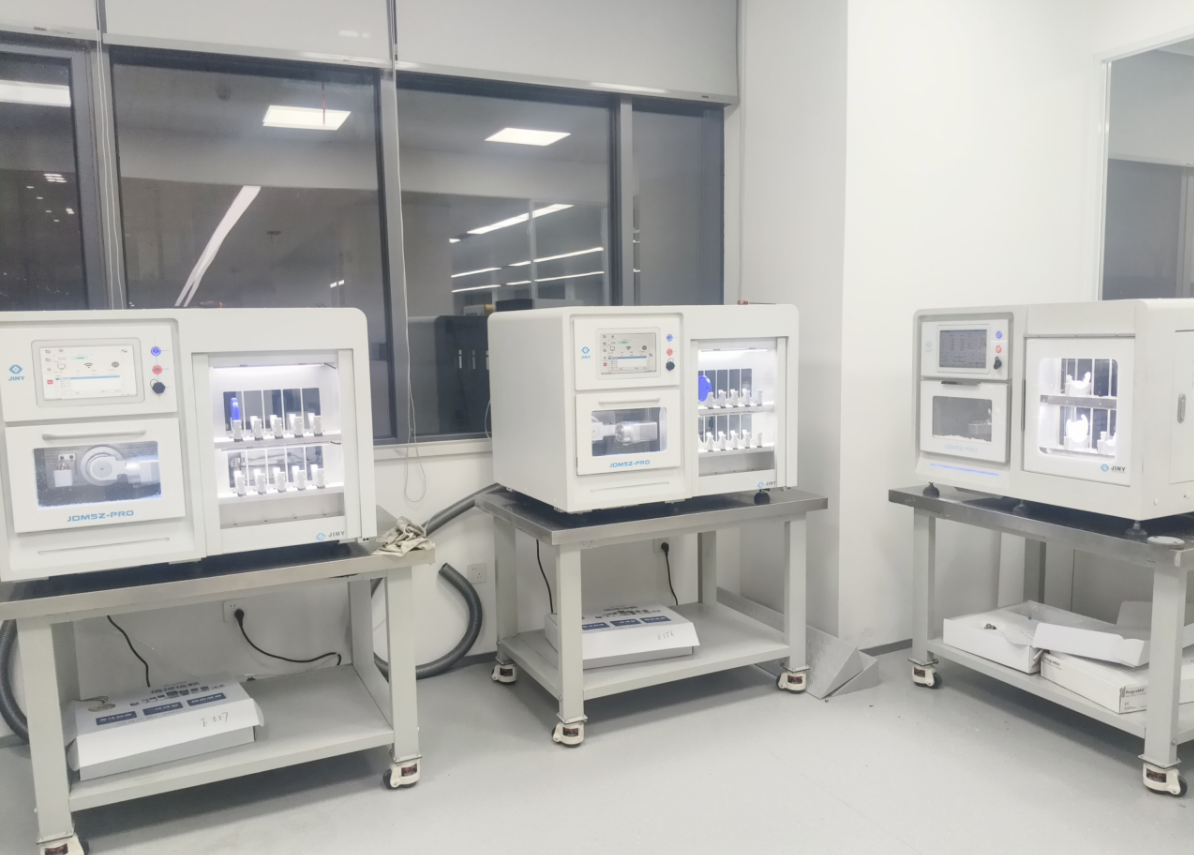
 The Role of Harmonic Drive Gears in Achieving 5–10 μm Accuracy in Dental Milling MachinesA dental milling machine is a CNC machining system used to directly process digital dental models into restorations such as crowns, bridges, veneers, inlays, and implant abutments. Dental milling machines require far higher operational accuracy and motion stability than ordinary equipment. This article explains how harmonic drive gear help dental milling machines achieve stable, continuous, and controllable operation.
 Why Are Harmonic Rotary Actuators Perfect for Medical Equipment?Harmonic rotary actuators (typically integrated systems consisting of a harmonic drive reducer, frameless torque motor, encoder, and optional brake) are regarded as key components in medical equipment. The core reason is that they simultaneously meet the most stringent medical requirements for precision, compact size, safety, and controllability. The following explanation is structured from three perspectives: technical characteristics, application scenarios, and medical value.
 High-Precision RV Reducers Perfectly Matched for Walking RobotsThe walking axis of a robot is a core component for power transmission and support. RV reducers provide extremely high rigidity, precision, and torque while maintaining a compact size and exceptional reliability, making them an ideal match for the demanding requirements of walking robot joints in terms of load capacity, impact resistance, and precision.
 Does a Higher Gearbox Ratio Mean More Torque? Planetary, Harmonic, and RV Gearboxes ExplainedDoes a higher gearbox ratio mean more torque? This engineering guide explains the relationship between gearbox ratio, output torque, and output speed, and compares planetary gearboxes, harmonic gearboxes, and RV gearboxes. Learn why reduction ratio alone cannot determine gearbox torque capacity, efficiency, dynamic response, precision, or service life, and what engineers should consider when selecting a gearbox for robotics, CNC machines, servo systems, and industrial motion control.
 High-Precision Hollow Harmonic Rotary Actuator for CNC Machines and Heavy-Duty Rotary AxesHONPINE 58 Series Hollow Harmonic Rotary Actuator is designed for CNC rotary tables, precision rotary axes, laser processing equipment, and heavy-duty rotary positioning applications. With a 50 mm hollow bore, up to 2,722 N·m peak torque, integrated crossed roller bearing, multi-turn absolute encoder options, positioning accuracy below 30 arcsec, and repeat positioning accuracy below 5 arcsec, it combines high torque capacity with precision rotary motion and flexible mechanical integration.
 How Does the HONPINE JRM Planetary Robot Joint Module Address Temperature Rise in Continuous Operation?HONPINE JRM planetary robot joint modules are designed for long-duration and high-load robotic operation. This article examines how motor electromagnetic optimization, high-efficiency planetary transmission, GaN-based drive technology, and system-level low-loss design help control temperature rise. Using the C6345 planetary robot joint module as a test example, HONPINE also presents full-load thermal validation under continuous operation, including motor efficiency up to 92%, planetary gearbox efficiency up to 97%, and a final equilibrium temperature of 61.42°C at a 25°C ambient temperature.
 Direct Drive Motor Sizing: A Complete Guide to Torque Calculation and SelectionSelecting a direct drive motor for a precision rotary system requires more than matching motor torque to the equipment weight. Engineers need to evaluate gravity torque, inertial torque, wind torque, friction, rotational inertia, speed, acceleration, duty cycle, and positioning requirements. In this guide, Theodore Li, Technical Director at HONPINE, explains a practical approach to direct drive motor sizing and torque calculation using an azimuth and elevation turntable as an engineering example. The article covers continuous and peak torque calculation, motor selection criteria, and the application of frameless direct drive motors in integrated rotary systems.
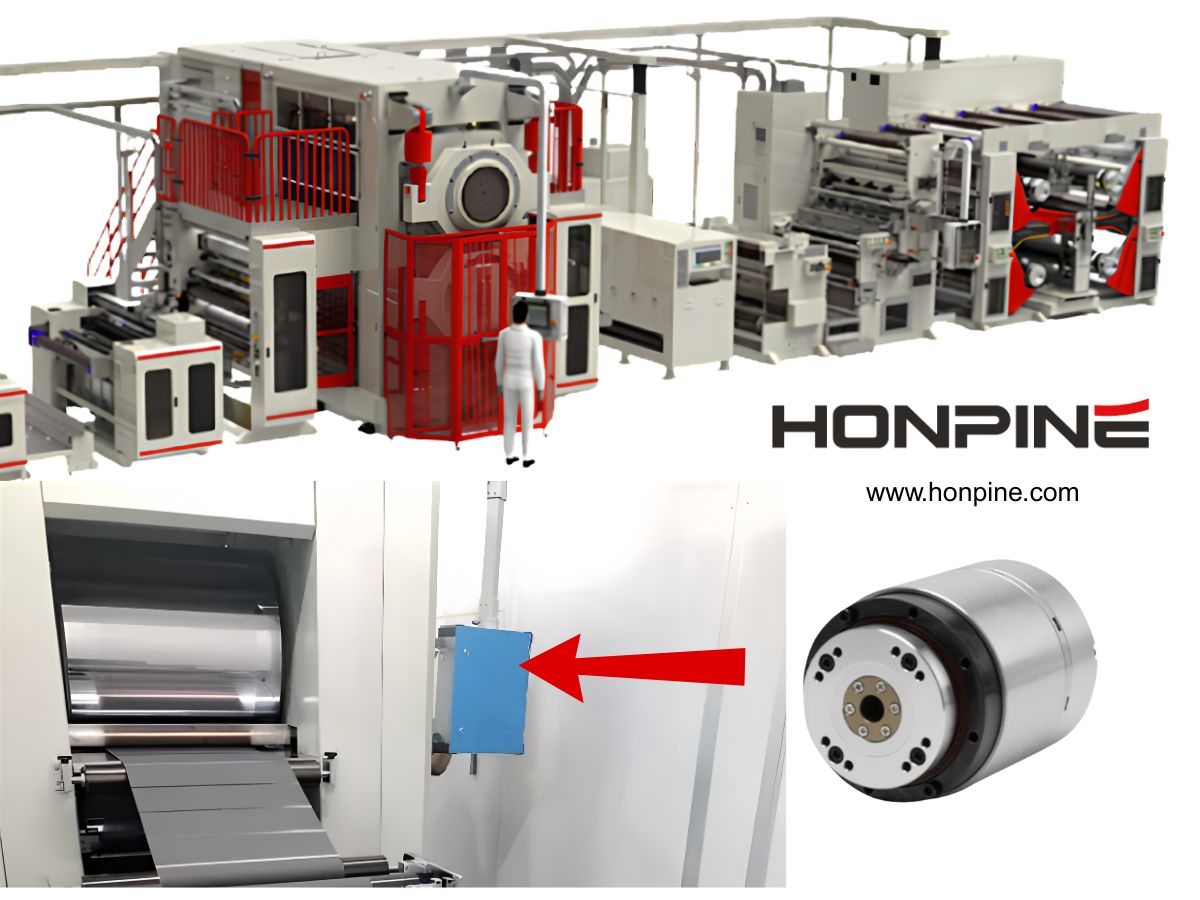
 Harmonic Rotary Actuator for Lithium Battery Roller Press EquipmentLithium battery manufacturing equipment requires higher precision, stability, and integration efficiency as production processes continue to evolve. In roller press equipment, accurate roller positioning, pressure control, and dynamic response are critical for ensuring electrode quality and consistency.
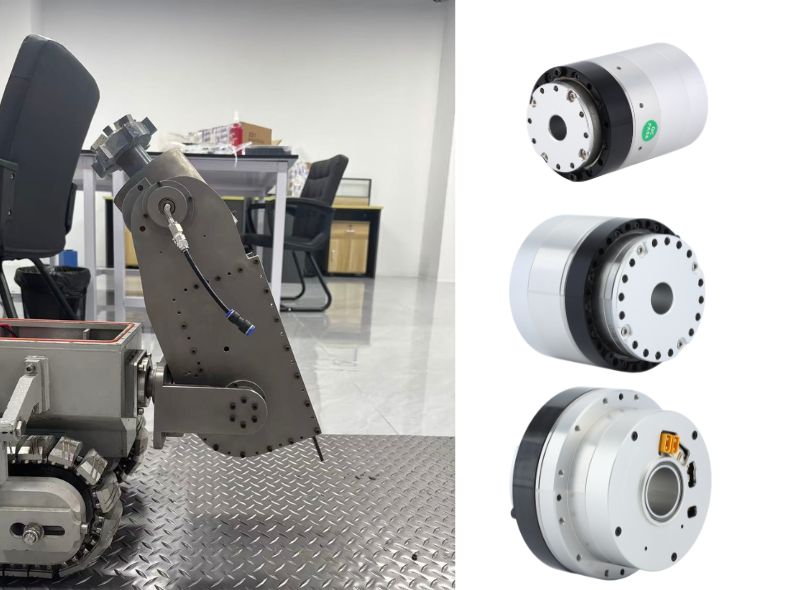
HONPINE harmonic rotary actuators provide high precision, high rigidity, fast response, and compact integration for lithium battery roller press equipment. With near-zero backlash, high torque density, and reliable motion control performance, they help improve equipment accuracy and production stability. Harmonic Robot Joint Actuators for Pipeline Robots and Other Special-Purpose EquipmentPipeline robots operate in narrow and complex environments where limited installation space, high load requirements, cable routing, and precise motion control are critical challenges. A reliable joint actuator must provide high torque output, compact dimensions, and stable performance while adapting to demanding operating conditions. Harmonic robot joint actuators integrate precision transmission, motor drive, and sensing capabilities into a compact motion unit, making them suitable for pipeline robots and other special-purpose robotic systems. This article explores the key design requirements of pipeline robots and explains how HONPINE HPJM harmonic robot joint modules help achieve compact, high-performance, and reliable robotic solutions.
Double Click
We provide harmonic drive reducer,planetary reducer,robot joint motor,robot rotary actuators,RV gear reducer,robot end effector,dexterous robot hand
 China Tightens Export Filing for CNC Machine ToolsCNC machine tools exporters and buyers should prepare now: China tightens export filing for lathes, milling and grinding machines from June 30, 2026, raising compliance and customs demands.
 Japan Tightens Export Review for High-End Five-Axis Machine ToolsFive-axis CNC machine tools face stricter Japan export review from August 16, 2026. Learn how longer approvals may disrupt supply, procurement, and sourcing strategy.
 Japan Tightens Approvals for High-End Five-Axis ExportsFive-axis CNC machine tool exports from Japan face tighter approvals, longer lead times, and higher risk. Learn how this shift impacts buyers, distributors, and supply chains.
 China Curbs Dual-Use Exports to 14 EU EntitiesChina curbs dual-use exports to 14 EU entities, disrupting CNC machine tool supply chains, servo motor sourcing, and compliance planning. Learn the immediate risks and actions now.
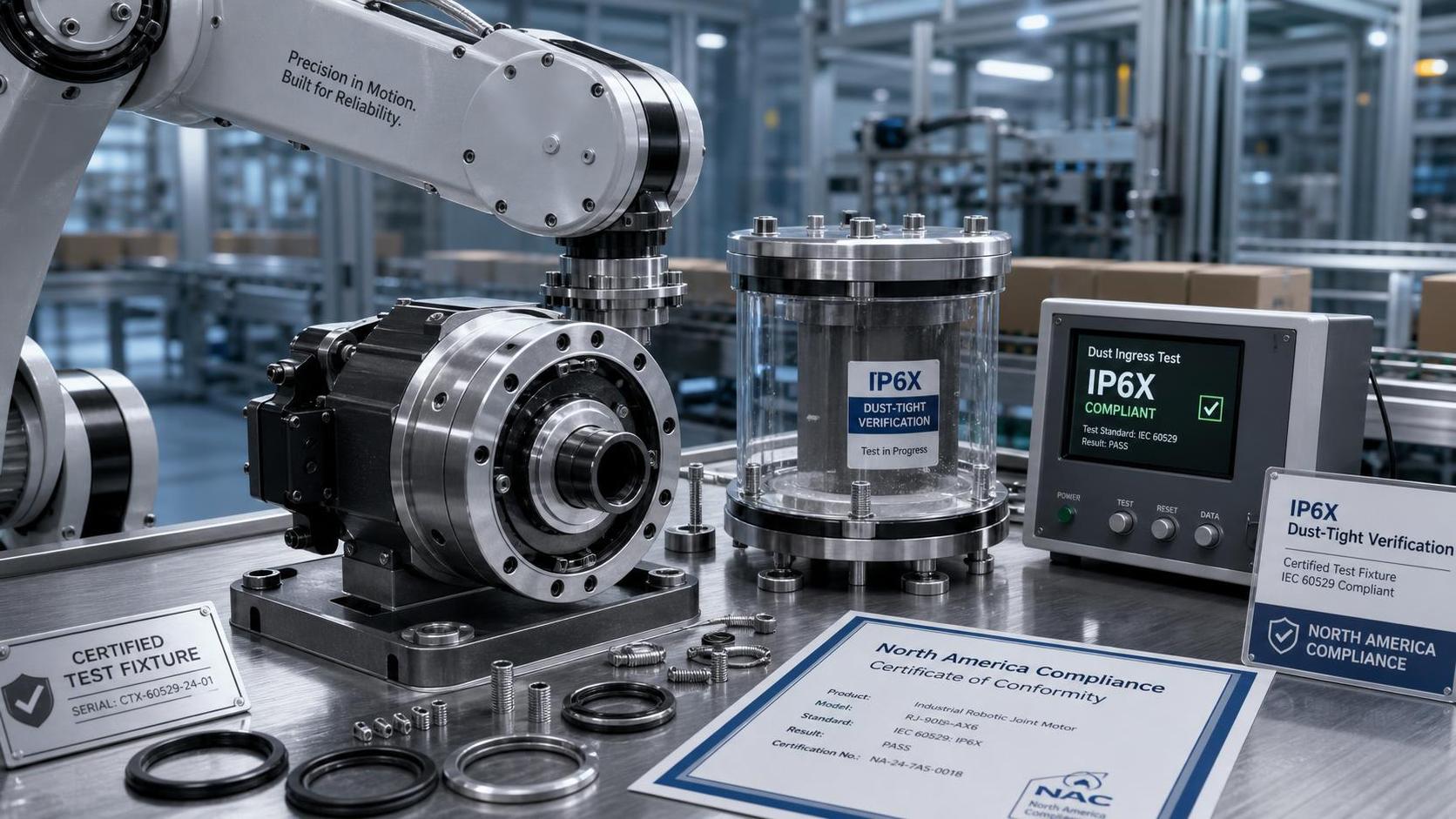
 UL 1604:2026 Tightens Dust Rules for Robot Joint MotorsUL 1604:2026 Tightens Dust Rules for Robot Joint Motors with new dust-environment, temperature-group, and IP6X checks. Learn how this impacts OEM exports, sourcing, and certification planning.
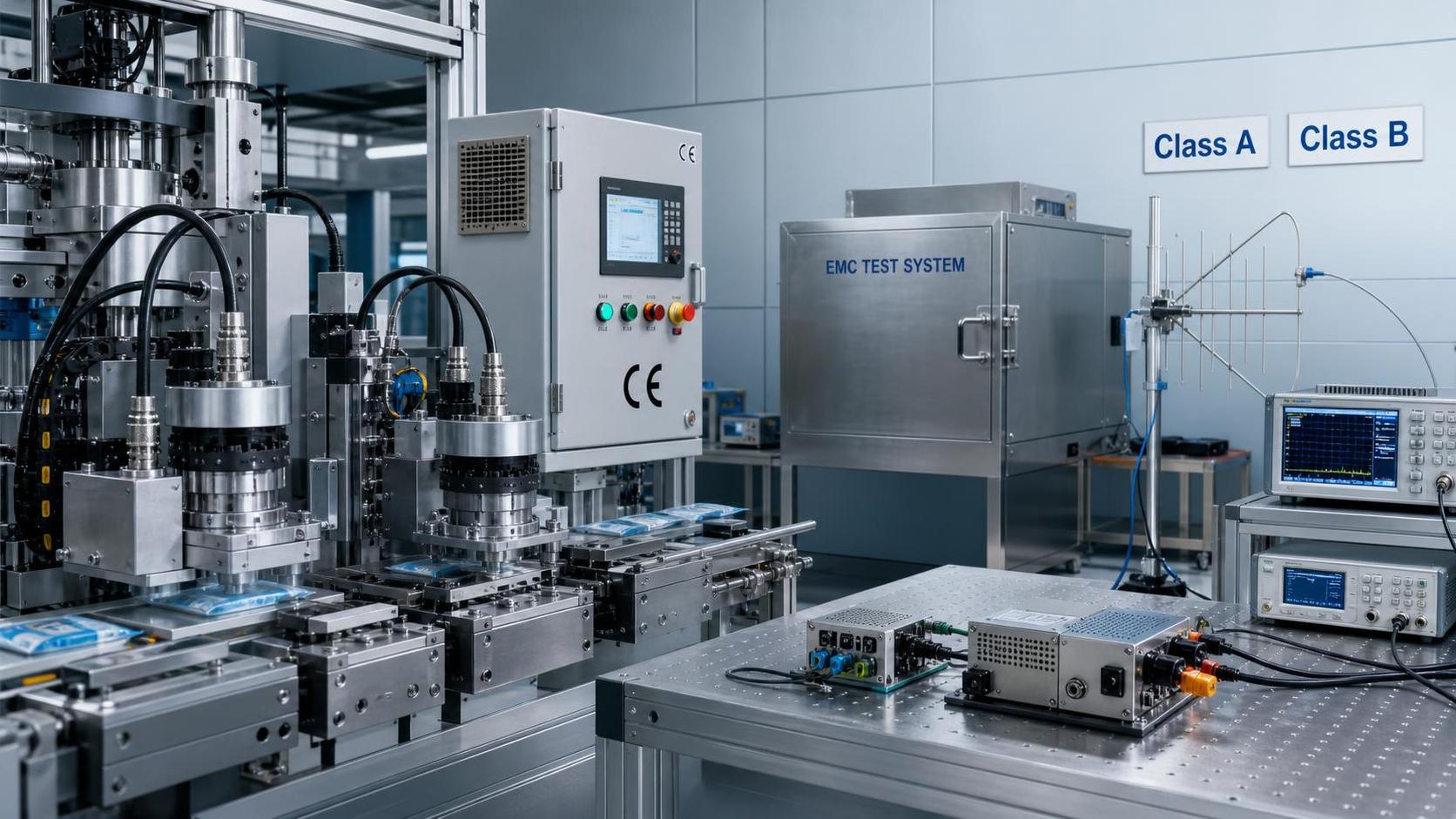
 EU EN IEC 61800-3:2025 Takes Effect for Harmonic DrivesEN IEC 61800-3:2025 reshapes EU EMC compliance for harmonic drives. Learn how CE marking, Class A/B testing, certification, and delivery timelines may impact exporters and buyers.
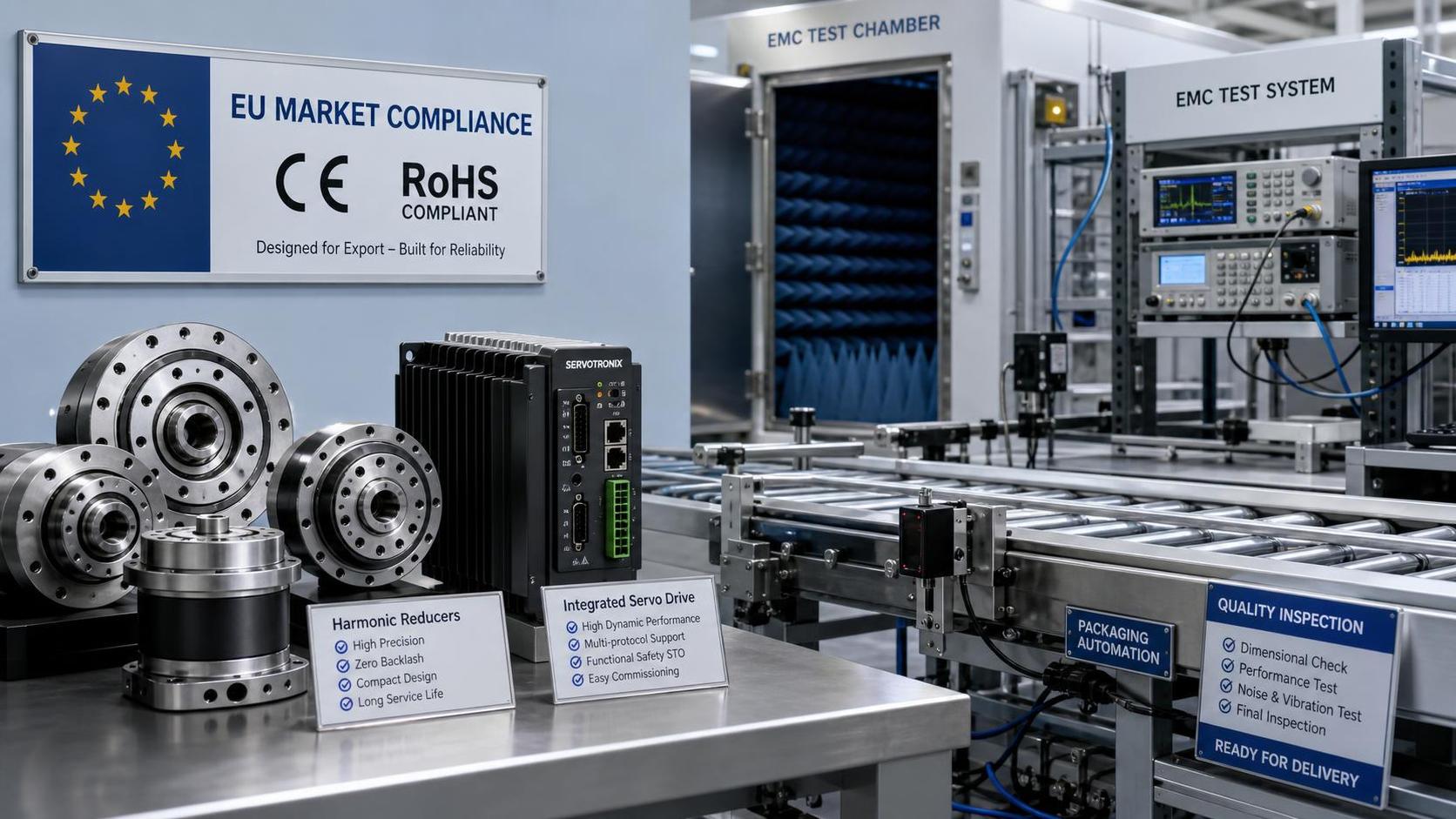
 EU Mandates EMC Testing for Harmonic Drive ReducersHarmonic drive reducers face new EU EMC testing rules from Aug 1, 2026. Learn how the mandate impacts packaging machinery exports, compliance, customs clearance and market access.
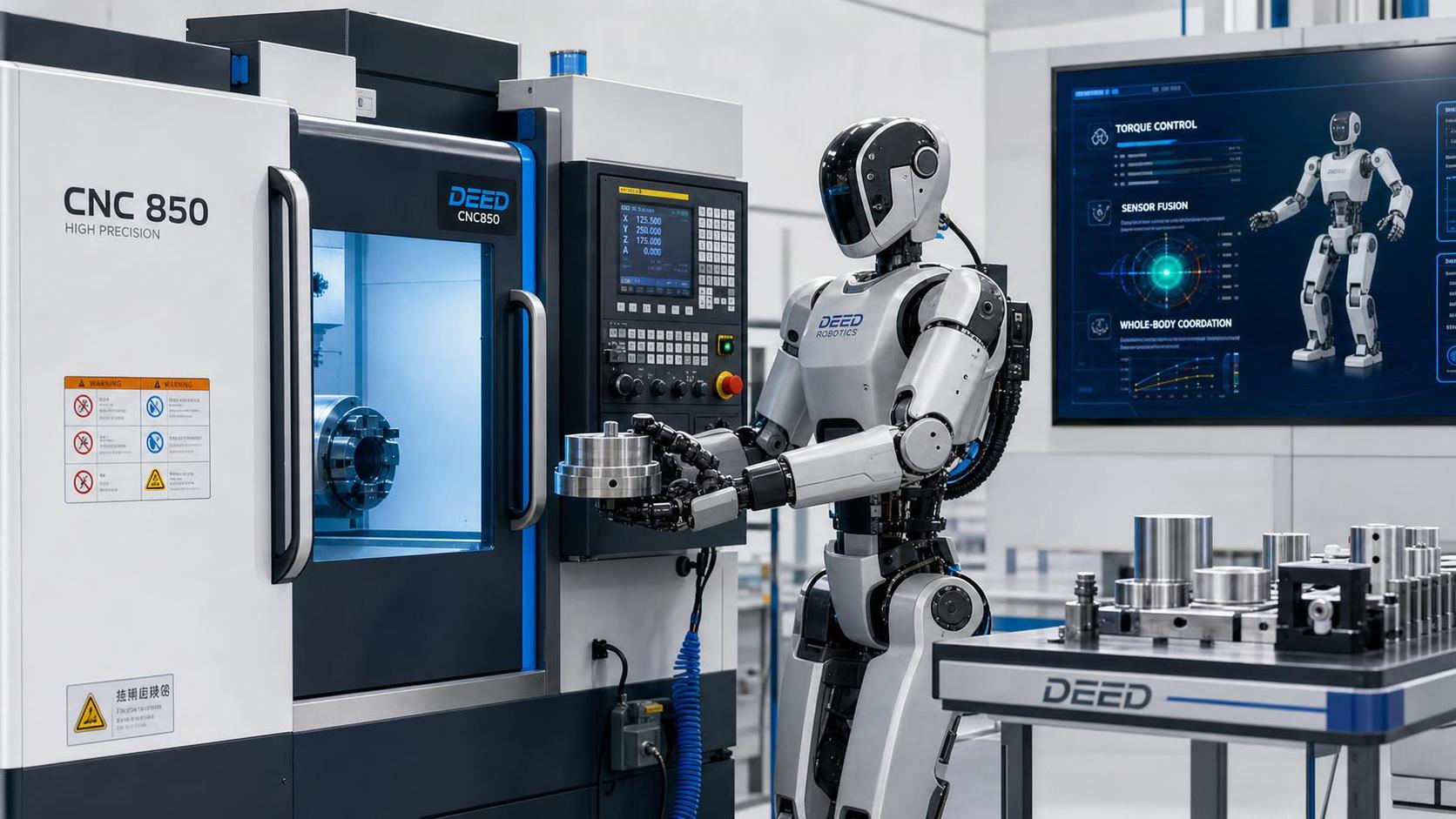
 Top Motion Control Technologies for Humanoid Robots in 2026Top motion control technologies for humanoid robots in 2026: discover how MPC, torque control, sensor fusion, and real-time coordination improve machine tool automation, safety, and uptime.
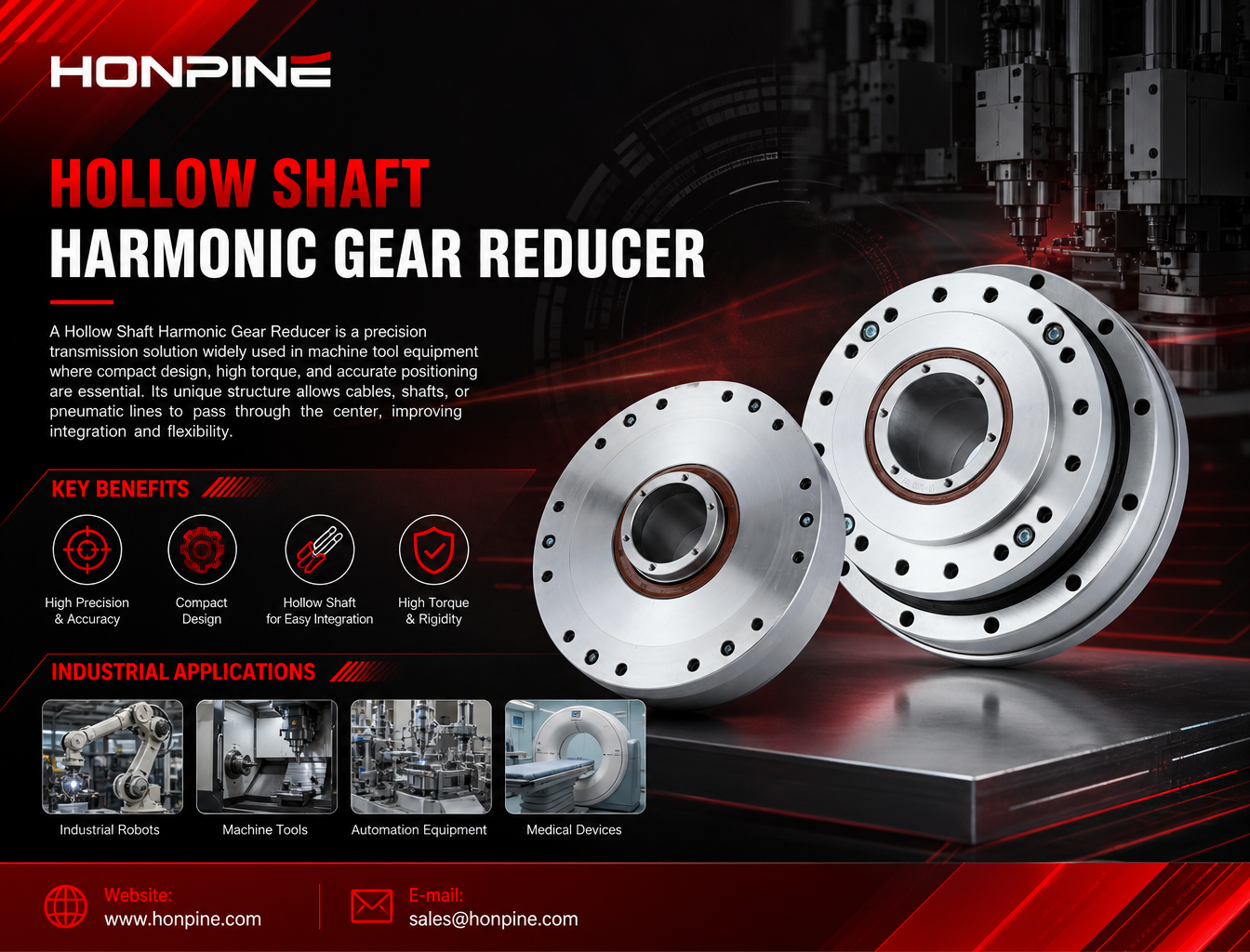
 Hollow Shaft Harmonic Gear Reducer Explained: Structure, Benefits & ApplicationsHollow Shaft Harmonic Gear Reducer explained for machine tool equipment—discover its structure, precision benefits, compact design advantages, and key applications for smarter motion control.
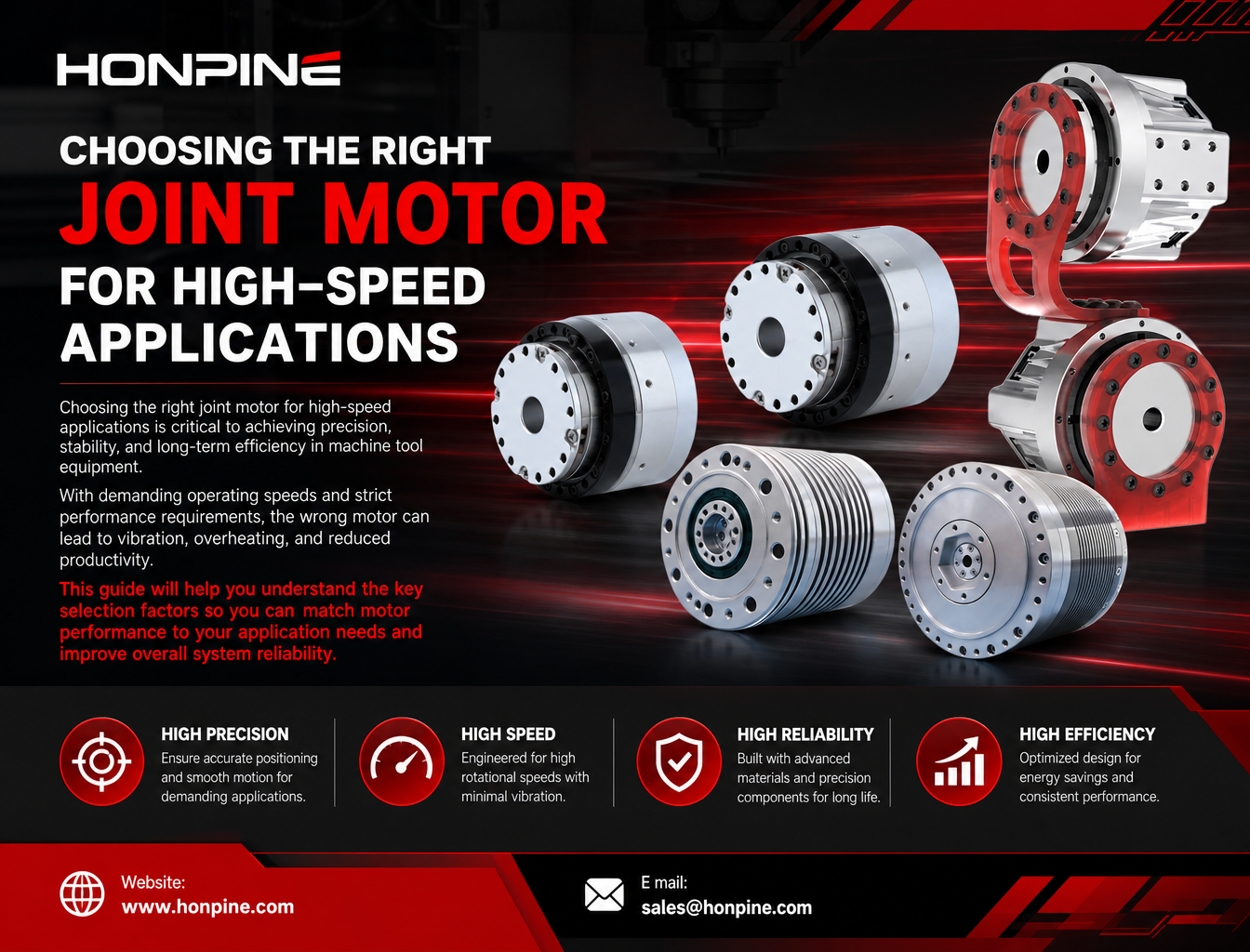
 How to Choose a Joint Motor for High-Speed ApplicationsJoint motor for high-speed applications: learn how to choose the right solution for machine tools with better precision, cooling, torque, and stability to boost performance.
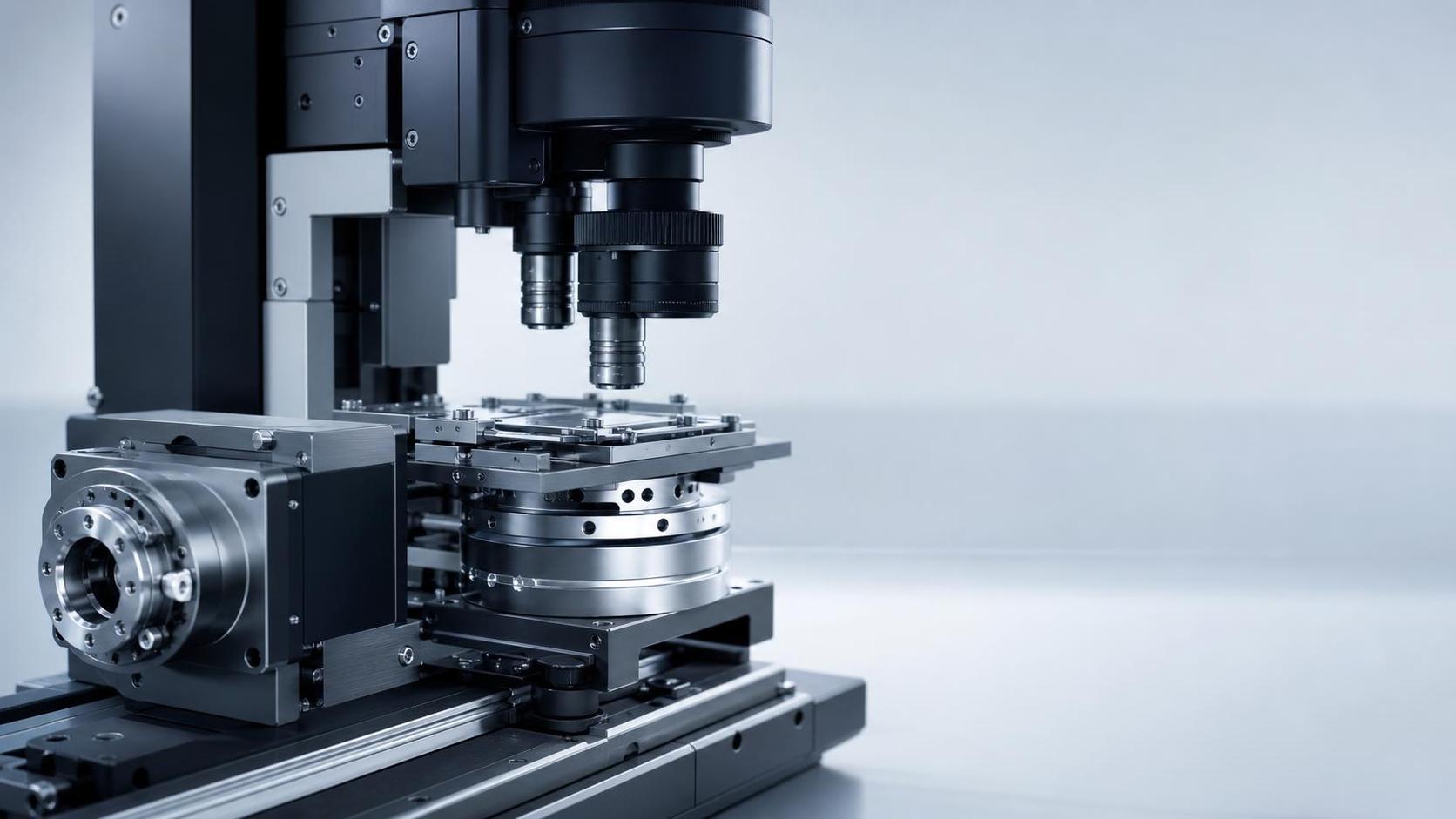
 Why Harmonic Drive Actuators Improve the Performance of Microscope Optical PlatformsHarmonic Drive Actuators improve microscope optical platforms with near-zero backlash, high precision, low vibration, and compact design—ideal for stable imaging and repeatable motion.
 METI Adds HAG Harmonic Drives to Export License ListHAG harmonic drives now face METI export license controls. Learn how the July 8 update affects OEM delivery, procurement timing, and shipments to China, Vietnam, and Mexico.