

Outdoor Robot Joint Solution: Harmonic Joint Module with Built-in Torque Sensor
Hello everyone, I’m Theodore Li, Technical Director at HONPINE.
As robots move beyond controlled factory environments, the requirements for robot joints are changing. Outdoor robots may have to work in rain, dust, changing temperatures, low-temperature conditions, and situations where the external load is difficult to predict. In these applications, a robot joint needs to do more than simply provide rotation. It needs to provide reliable motion, mechanical protection, and useful feedback to the robot control system.
This is why we developed harmonic joint solutions with built-in torque sensing for outdoor robotic applications.
From our experience working with customers, several requirements repeatedly come up: the robot needs to know the actual torque at the joint, the actuator needs suitable environmental protection, the cable outlet needs to be properly protected, and the joint must continue operating reliably when temperatures become very low.
In this article, I would like to focus on these practical engineering requirements and explain how our harmonic joint module addresses them.
What Makes an Outdoor Robot Joint Different?
An industrial robot operating inside a factory usually works in a relatively controlled environment. Temperature, humidity, dust, and mechanical conditions can often be managed.
Outdoor robots are different.
A robot installed outside may experience rain, dust, humidity, temperature fluctuations, and unexpected mechanical contact. The robot may also work on uneven surfaces or interact directly with structures, tools, or other objects.These conditions create several challenges for the robot joint.
The joint needs sufficient output torque and positioning accuracy, but it also needs to withstand the actual environmental conditions around the robot. At the same time, the control system may need information about the mechanical load acting on the joint.
For this reason, I believe an outdoor robot joint should be evaluated from several perspectives at the same time: motion performance, torque feedback, environmental protection, temperature adaptability, and mechanical integration.
Built-in Torque Sensor for Direct Torque Data
One of the important features of our harmonic joint module is the built-in torque sensor.
Instead of relying only on motor-side information, the joint can detect torque at the output side and provide torque-related data to the control system.
This gives the robot a more direct understanding of the mechanical load acting on the joint.
For example, position feedback can tell the robot where the joint is. Torque feedback provides additional information about how much mechanical load the joint is experiencing.
This distinction becomes particularly important for outdoor robots because the external load may change continuously.
The robot may encounter an unexpected object, experience resistance from the working environment, or need to apply a controlled amount of force to a structure. In these situations, knowing the actual output torque can provide additional information to the robot controller.
Why Output-Side Torque Sensing Matters?
For a robotic joint, the actual mechanical load at the output side can be different from the information obtained only from the motor.
This is why output-side torque sensing can be useful when the robot needs to understand its interaction with the surrounding environment.
Position feedback tells the robot where the joint is, while torque feedback provides information about the mechanical load being transmitted through the joint.
For outdoor robotic applications, this additional information can be valuable when the robot is working against changing resistance, contacting external structures, or performing tasks where the applied force needs to be monitored.
Direct Torque Data from the Joint Drive Board
For customers using our torque-sensing joint configuration, torque information can be processed through the integrated drive electronics and made available to the customer's control system.
This means the customer does not necessarily need to build a completely separate external torque-sensing structure around the joint.
The basic concept is straightforward:
Mechanical Load → Output-Side Torque Sensing → Drive Electronics → Torque Data → Robot Controller
The actual interface and data format depend on the selected product configuration and the customer's control architecture.
Torque data can be used as part of a larger robot control strategy, including load monitoring, torque limitation, collision detection, and force-aware motion. The specific control functions depend on how the customer integrates the torque signal into the robot's software and control system.
For outdoor robotic applications, this additional mechanical information can be especially valuable because the operating conditions are often less predictable than those of conventional factory equipment.
IP65 Protection for Outdoor Robot Joint Applications
Environmental protection is another important consideration.
Our harmonic joint module can achieve an IP65 protection level, making it suitable for many outdoor robotic applications where protection against dust and water jets is required.
However, there is an important point that engineers should consider when designing an outdoor robot.
The IP rating of the joint itself does not automatically mean that the complete robot has the same protection level.
The overall protection of the robotic system can also be affected by the connectors, cables, cable outlet, rear cover, mounting interface, and sealing structure.
In other words, achieving reliable outdoor protection requires looking at the complete mechanical installation rather than only the actuator housing.
Rear Cover and Cable Outlet Protection
The rear cable outlet is often one of the areas that requires additional attention during outdoor robot integration.
In many projects, customers design and manufacture the rear cover themselves according to their robot structure, cable-routing requirements, and overall protection strategy. This is often the most practical solution because the rear cover needs to match the customer's mechanical design.
HONPINE can also provide customized rear covers when required.
However, because a customized rear cover involves non-standard mechanical design, machining, and potentially additional validation, the cost is generally higher than a rear cover designed and manufactured directly by the customer.
Therefore, we normally recommend that customers first evaluate whether their existing rear-cover structure can provide the required protection. When a specific interface, cable-routing structure, or protection requirement makes customization necessary, HONPINE can discuss the corresponding customized solution.
This approach gives customers more flexibility without making customization unnecessarily complicated.
Low-Temperature Grease for Cold Outdoor Environments
Temperature is another factor that cannot be ignored when designing an outdoor robot joint.
A joint that works reliably at room temperature may require a different lubrication solution when the robot is exposed to very low temperatures.
For applications operating in cold environments, suitable low-temperature grease can be selected according to the actual ambient temperature, output torque, rotational speed, duty cycle, and lubrication requirements.
The purpose is not simply to specify a grease with a low-temperature rating. The lubricant needs to work together with the complete transmission system under the customer's actual operating conditions.
This is particularly important for outdoor robots that may need to start and operate after being exposed to cold temperatures for extended periods.
Compact Harmonic Transmission for Outdoor Robot Joints
The harmonic transmission itself also brings several advantages to robot joint design.
A harmonic reducer can provide a high reduction ratio within a relatively compact structure. This allows the motor's high-speed rotation to be converted into lower output speed and higher output torque without requiring a large multi-stage transmission system.
For robot joints, this can provide high torque density while keeping the actuator compact.
The low-backlash characteristics of harmonic transmission are also useful in applications where accurate and repeatable joint positioning is required.
However, when selecting a harmonic joint for an outdoor robot, I would not recommend looking only at the reduction ratio.
Engineers should consider the complete operating condition, including output torque, peak torque, output speed, acceleration and deceleration, duty cycle, radial load, axial load, and moment load.
A joint that has a suitable reduction ratio may still be unsuitable if its actual load conditions do not match the actuator's capabilities.
Mechanical Integration Is Just as Important as Joint Performance
In practical robot projects, a technically capable actuator still needs to fit the robot's mechanical structure.
The installation dimensions, flange interface, output structure, cable routing, and rear-cover arrangement can all affect the final design.
This is why we often work with customers on the mechanical integration of the joint rather than treating the actuator as an isolated component.
Depending on the project, the customer may have specific requirements for the output interface, installation dimensions, cable direction, or surrounding mechanical structure.
Some customers prefer to design these interfaces themselves, while others require support from the actuator manufacturer.
Our goal is to make the joint fit the robot instead of forcing the robot structure to be redesigned around a standard actuator.
Torque Sensing and Environmental Protection Work Together
For an outdoor robot, torque sensing and environmental protection solve two different problems.
Torque sensing provides information about what is happening mechanically.
Environmental protection helps the joint continue operating when exposed to external conditions.
These two aspects are independent, but they become more valuable when combined in one joint module.
A robot may need to detect an external load while simultaneously operating in an environment containing dust, moisture, or large temperature variations.
In such a system, the joint is not simply a transmission component. It becomes an important part of the robot's motion and sensing architecture.
This is one reason why an integrated joint module can simplify the overall robot design.
Proven in Outdoor Robotic Applications
We have already supplied harmonic joint modules for several types of outdoor robotic equipment.
Solar Panel Installation Robots
One example is a customer in Canada using HONPINE harmonic joint modules in a robot designed for outdoor solar panel installation.
HONPINE harmonic joint modules used in an outdoor solar panel installation robot in Canada.
Outdoor Construction Robots
We have also worked on requirements related to outdoor construction robots, where the joint may need to operate under changing environmental conditions while handling mechanical loads generated during construction tasks.
Outdoor Cleaning Robotic Arms
Outdoor cleaning robotic arms represent another type of application where compact installation, reliable motion, environmental protection, and load feedback can all be important.
Although these applications are different from each other, they share several common requirements: compact joint installation, reliable torque transmission, environmental protection, and the ability to adapt the actuator to the customer's mechanical structure.
For us, these projects are valuable because practical applications provide direct feedback on what an outdoor robot joint needs to achieve beyond basic motion.
What Engineers Should Consider When Selecting an Outdoor Robot Joint?
When selecting a harmonic joint module for an outdoor robot, I recommend evaluating the application as a complete system rather than selecting the actuator based on one specification.
The first consideration is the required output torque and speed. Both continuous and peak operating conditions should be evaluated, especially when the robot frequently accelerates, decelerates, or changes direction.
The second consideration is the mechanical load. Radial load, axial load, and bending moment can be important depending on how the joint is installed and how the robot mechanism transfers external forces to the actuator.
The third consideration is environmental protection. If the robot operates outdoors, engineers should look at the protection level of not only the actuator housing but also the connectors, cables, cable outlets, rear cover, and mounting interfaces.
Temperature should also be considered from the beginning of the design process. For cold environments, the lubricant and other materials should be selected according to the actual operating conditions.
Finally, if the robot requires force-aware operation or mechanical load monitoring, the availability and interface of torque feedback should be evaluated at the beginning of the project rather than added later.
HONPINE Harmonic Joint Module for Outdoor Robotics
At HONPINE, our approach to outdoor robot joints is not simply to place a harmonic reducer and motor together.
We focus on the requirements that affect the complete robotic application.
Our harmonic joint module can combine precision harmonic transmission with torque sensing, integrated electronics, and an environmentally protected mechanical structure.
For outdoor applications, the key capabilities include:
Built-in torque sensing and direct torque data
IP65-capable joint protection
Options for low-temperature lubrication
Flexible mechanical integration
Customized rear-cover solutions when required
Compact harmonic transmission with high torque density
These features give engineers more options when developing robotic systems that need to operate outside a controlled factory environment.
At the same time, not every outdoor robot requires the same configuration. The appropriate joint should be selected according to the actual torque, speed, mechanical load, temperature, protection, and control requirements of the robot.
Conclusion
Outdoor robotics is becoming more demanding.
As robots move into construction sites, outdoor maintenance, solar installation, cleaning, and other unstructured environments, the robot joint needs to provide more than accurate rotation.
It needs to withstand the environment, provide useful mechanical feedback, and integrate reliably with the robot's structure.
For these applications, a harmonic joint module with built-in torque sensing can provide an effective combination of precision transmission, compact integration, and direct mechanical load information.
At HONPINE, we continue to work with customers on these practical requirements, including torque sensing, environmental protection, low-temperature operation, and mechanical customization.
If you are developing an outdoor robotic arm, construction robot, solar installation robot, or other outdoor robotic system, we can evaluate the required joint configuration based on your torque, speed, mechanical interface, and environmental conditions.
The right robot joint is not simply the one with the highest specification. It is the one that matches the actual requirements of the robot.
What Makes an Outdoor Robot Joint Different?
An industrial robot operating inside a factory usually works in a relatively controlled environment. Temperature, humidity, dust, and mechanical conditions can often be managed.
Outdoor robots are different.
A robot installed outside may experience rain, dust, humidity, temperature fluctuations, and unexpected mechanical contact. The robot may also work on uneven surfaces or interact directly with structures, tools, or other objects.
These conditions create several challenges for the robot joint.
The joint needs sufficient output torque and positioning accuracy, but it also needs to withstand the actual environmental conditions around the robot. At the same time, the control system may need information about the mechanical load acting on the joint.
For this reason, I believe an outdoor robot joint should be evaluated from several perspectives at the same time: motion performance, torque feedback, environmental protection, temperature adaptability, and mechanical integration.
Built-in Torque Sensor for Direct Torque Data
One of the important features of our harmonic joint module is the built-in torque sensor.
Instead of relying only on motor-side information, the joint can detect torque at the output side and provide torque-related data to the control system.
This gives the robot a more direct understanding of the mechanical load acting on the joint.
For example, position feedback can tell the robot where the joint is. Torque feedback provides additional information about how much mechanical load the joint is experiencing.
This distinction becomes particularly important for outdoor robots because the external load may change continuously.
The robot may encounter an unexpected object, experience resistance from the working environment, or need to apply a controlled amount of force to a structure. In these situations, knowing the actual output torque can provide additional information to the robot controller.
Why Output-Side Torque Sensing Matters?
For a robotic joint, the actual mechanical load at the output side can be different from the information obtained only from the motor.
This is why output-side torque sensing can be useful when the robot needs to understand its interaction with the surrounding environment.
Position feedback tells the robot where the joint is, while torque feedback provides information about the mechanical load being transmitted through the joint.
For outdoor robotic applications, this additional information can be valuable when the robot is working against changing resistance, contacting external structures, or performing tasks where the applied force needs to be monitored.
Direct Torque Data from the Joint Drive Board
For customers using our torque-sensing joint configuration, torque information can be processed through the integrated drive electronics and made available to the customer's control system.
This means the customer does not necessarily need to build a completely separate external torque-sensing structure around the joint.
The basic concept is straightforward:
Mechanical Load → Output-Side Torque Sensing → Drive Electronics → Torque Data → Robot Controller
The actual interface and data format depend on the selected product configuration and the customer's control architecture.
Torque data can be used as part of a larger robot control strategy, including load monitoring, torque limitation, collision detection, and force-aware motion. The specific control functions depend on how the customer integrates the torque signal into the robot's software and control system.
For outdoor robotic applications, this additional mechanical information can be especially valuable because the operating conditions are often less predictable than those of conventional factory equipment.
IP65 Protection for Outdoor Robot Joint Applications
Environmental protection is another important consideration.
Our harmonic joint module can achieve an IP65 protection level, making it suitable for many outdoor robotic applications where protection against dust and water jets is required.
However, there is an important point that engineers should consider when designing an outdoor robot.
The IP rating of the joint itself does not automatically mean that the complete robot has the same protection level.
The overall protection of the robotic system can also be affected by the connectors, cables, cable outlet, rear cover, mounting interface, and sealing structure.
In other words, achieving reliable outdoor protection requires looking at the complete mechanical installation rather than only the actuator housing.
Rear Cover and Cable Outlet Protection
The rear cable outlet is often one of the areas that requires additional attention during outdoor robot integration.
In many projects, customers design and manufacture the rear cover themselves according to their robot structure, cable-routing requirements, and overall protection strategy. This is often the most practical solution because the rear cover needs to match the customer's mechanical design.
HONPINE can also provide customized rear covers when required.
However, because a customized rear cover involves non-standard mechanical design, machining, and potentially additional validation, the cost is generally higher than a rear cover designed and manufactured directly by the customer.
Therefore, we normally recommend that customers first evaluate whether their existing rear-cover structure can provide the required protection. When a specific interface, cable-routing structure, or protection requirement makes customization necessary, HONPINE can discuss the corresponding customized solution.
This approach gives customers more flexibility without making customization unnecessarily complicated.
Low-Temperature Grease for Cold Outdoor Environments
Temperature is another factor that cannot be ignored when designing an outdoor robot joint.
A joint that works reliably at room temperature may require a different lubrication solution when the robot is exposed to very low temperatures.
For applications operating in cold environments, suitable low-temperature grease can be selected according to the actual ambient temperature, output torque, rotational speed, duty cycle, and lubrication requirements.
The purpose is not simply to specify a grease with a low-temperature rating. The lubricant needs to work together with the complete transmission system under the customer's actual operating conditions.
This is particularly important for outdoor robots that may need to start and operate after being exposed to cold temperatures for extended periods.
Compact Harmonic Transmission for Outdoor Robot Joints
The harmonic transmission itself also brings several advantages to robot joint design.
A harmonic reducer can provide a high reduction ratio within a relatively compact structure. This allows the motor's high-speed rotation to be converted into lower output speed and higher output torque without requiring a large multi-stage transmission system.
For robot joints, this can provide high torque density while keeping the actuator compact.
The low-backlash characteristics of harmonic transmission are also useful in applications where accurate and repeatable joint positioning is required.
However, when selecting a harmonic joint for an outdoor robot, I would not recommend looking only at the reduction ratio.
Engineers should consider the complete operating condition, including output torque, peak torque, output speed, acceleration and deceleration, duty cycle, radial load, axial load, and moment load.
A joint that has a suitable reduction ratio may still be unsuitable if its actual load conditions do not match the actuator's capabilities.
Mechanical Integration Is Just as Important as Joint Performance
In practical robot projects, a technically capable actuator still needs to fit the robot's mechanical structure.
The installation dimensions, flange interface, output structure, cable routing, and rear-cover arrangement can all affect the final design.
This is why we often work with customers on the mechanical integration of the joint rather than treating the actuator as an isolated component.
Depending on the project, the customer may have specific requirements for the output interface, installation dimensions, cable direction, or surrounding mechanical structure.
Some customers prefer to design these interfaces themselves, while others require support from the actuator manufacturer.
Our goal is to make the joint fit the robot instead of forcing the robot structure to be redesigned around a standard actuator.
Torque Sensing and Environmental Protection Work Together
For an outdoor robot, torque sensing and environmental protection solve two different problems.
Torque sensing provides information about what is happening mechanically.
Environmental protection helps the joint continue operating when exposed to external conditions.
These two aspects are independent, but they become more valuable when combined in one joint module.
A robot may need to detect an external load while simultaneously operating in an environment containing dust, moisture, or large temperature variations.
In such a system, the joint is not simply a transmission component. It becomes an important part of the robot's motion and sensing architecture.
This is one reason why an integrated joint module can simplify the overall robot design.
Proven in Outdoor Robotic Applications
We have already supplied harmonic joint modules for several types of outdoor robotic equipment.
Solar Panel Installation Robots
One example is a customer in Canada using HONPINE harmonic joint modules in a robot designed for outdoor solar panel installation.
HONPINE harmonic joint modules used in an outdoor solar panel installation robot in Canada.
Outdoor Construction Robots
We have also worked on requirements related to outdoor construction robots, where the joint may need to operate under changing environmental conditions while handling mechanical loads generated during construction tasks.
Outdoor Cleaning Robotic Arms
Outdoor cleaning robotic arms represent another type of application where compact installation, reliable motion, environmental protection, and load feedback can all be important.
Although these applications are different from each other, they share several common requirements: compact joint installation, reliable torque transmission, environmental protection, and the ability to adapt the actuator to the customer's mechanical structure.
For us, these projects are valuable because practical applications provide direct feedback on what an outdoor robot joint needs to achieve beyond basic motion.
What Engineers Should Consider When Selecting an Outdoor Robot Joint?
When selecting a harmonic joint module for an outdoor robot, I recommend evaluating the application as a complete system rather than selecting the actuator based on one specification.
The first consideration is the required output torque and speed. Both continuous and peak operating conditions should be evaluated, especially when the robot frequently accelerates, decelerates, or changes direction.
The second consideration is the mechanical load. Radial load, axial load, and bending moment can be important depending on how the joint is installed and how the robot mechanism transfers external forces to the actuator.
The third consideration is environmental protection. If the robot operates outdoors, engineers should look at the protection level of not only the actuator housing but also the connectors, cables, cable outlets, rear cover, and mounting interfaces.
Temperature should also be considered from the beginning of the design process. For cold environments, the lubricant and other materials should be selected according to the actual operating conditions.
Finally, if the robot requires force-aware operation or mechanical load monitoring, the availability and interface of torque feedback should be evaluated at the beginning of the project rather than added later.
HONPINE Harmonic Joint Module for Outdoor Robotics
At HONPINE, our approach to outdoor robot joints is not simply to place a harmonic reducer and motor together.
We focus on the requirements that affect the complete robotic application.
Our harmonic joint module can combine precision harmonic transmission with torque sensing, integrated electronics, and an environmentally protected mechanical structure.
For outdoor applications, the key capabilities include:
Built-in torque sensing and direct torque data
IP65-capable joint protection
Options for low-temperature lubrication
Flexible mechanical integration
Customized rear-cover solutions when required
Compact harmonic transmission with high torque density
These features give engineers more options when developing robotic systems that need to operate outside a controlled factory environment.
At the same time, not every outdoor robot requires the same configuration. The appropriate joint should be selected according to the actual torque, speed, mechanical load, temperature, protection, and control requirements of the robot.
Conclusion
Outdoor robotics is becoming more demanding.
As robots move into construction sites, outdoor maintenance, solar installation, cleaning, and other unstructured environments, the robot joint needs to provide more than accurate rotation.
It needs to withstand the environment, provide useful mechanical feedback, and integrate reliably with the robot's structure.
For these applications, a harmonic joint module with built-in torque sensing can provide an effective combination of precision transmission, compact integration, and direct mechanical load information.
At HONPINE, we continue to work with customers on these practical requirements, including torque sensing, environmental protection, low-temperature operation, and mechanical customization.
If you are developing an outdoor robotic arm, construction robot, solar installation robot, or other outdoor robotic system, we can evaluate the required joint configuration based on your torque, speed, mechanical interface, and environmental conditions.
The right robot joint is not simply the one with the highest specification. It is the one that matches the actual requirements of the robot.

About Author
Theodore Li serves as the Technical Director at HONPINE, overseeing the R&D strategy for replication products, guiding team selection, and managing both pre-sales and after-sales operations.

Read More
Learn more about the story of HONPINE and industry trends related to precision transmission.
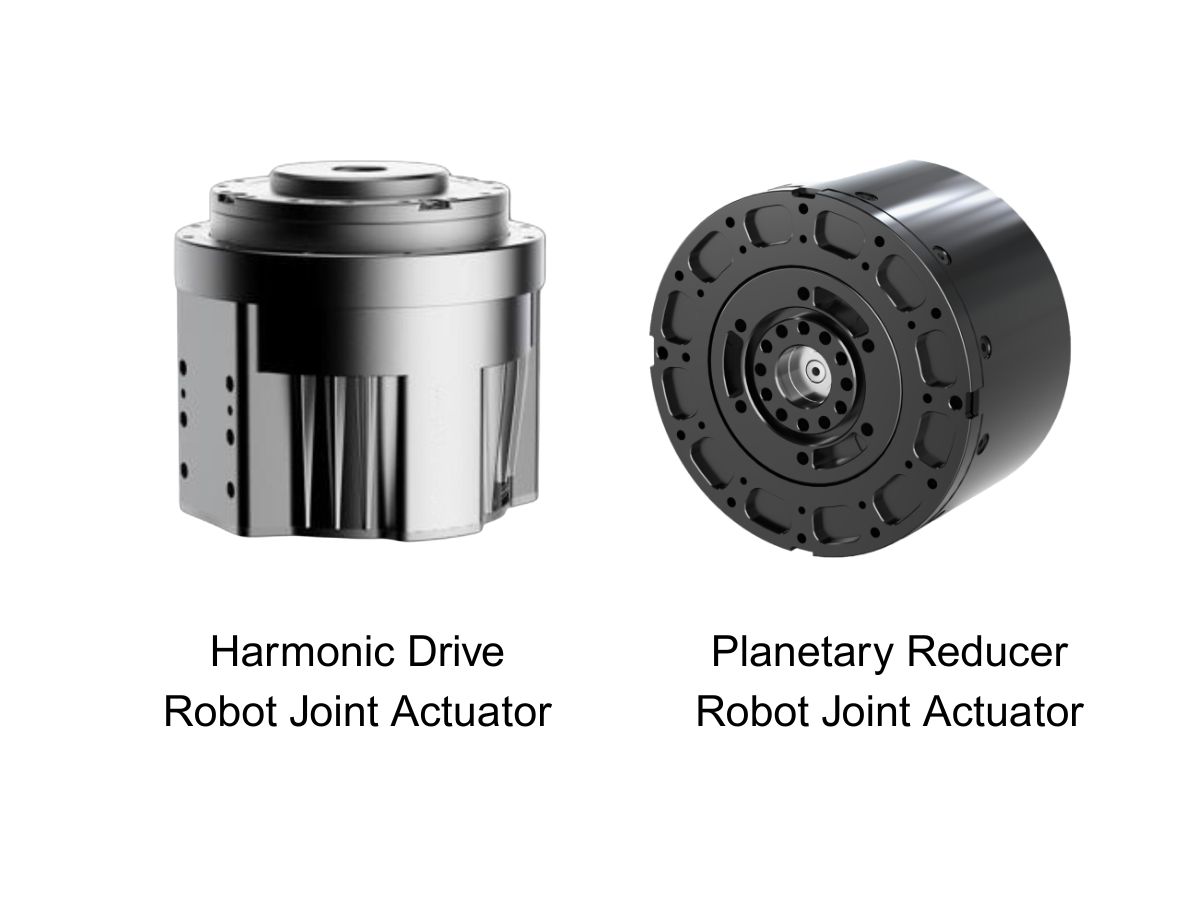
 What is robot joint actuator?How to Choose the Best Robot Rotary Joint Actuator?In core robot joint transmission solutions, planetary and harmonic rotary actuators each have their own strengths. Choosing the right type based on application requirements is essential to achieve the optimal balance between performance and cost.
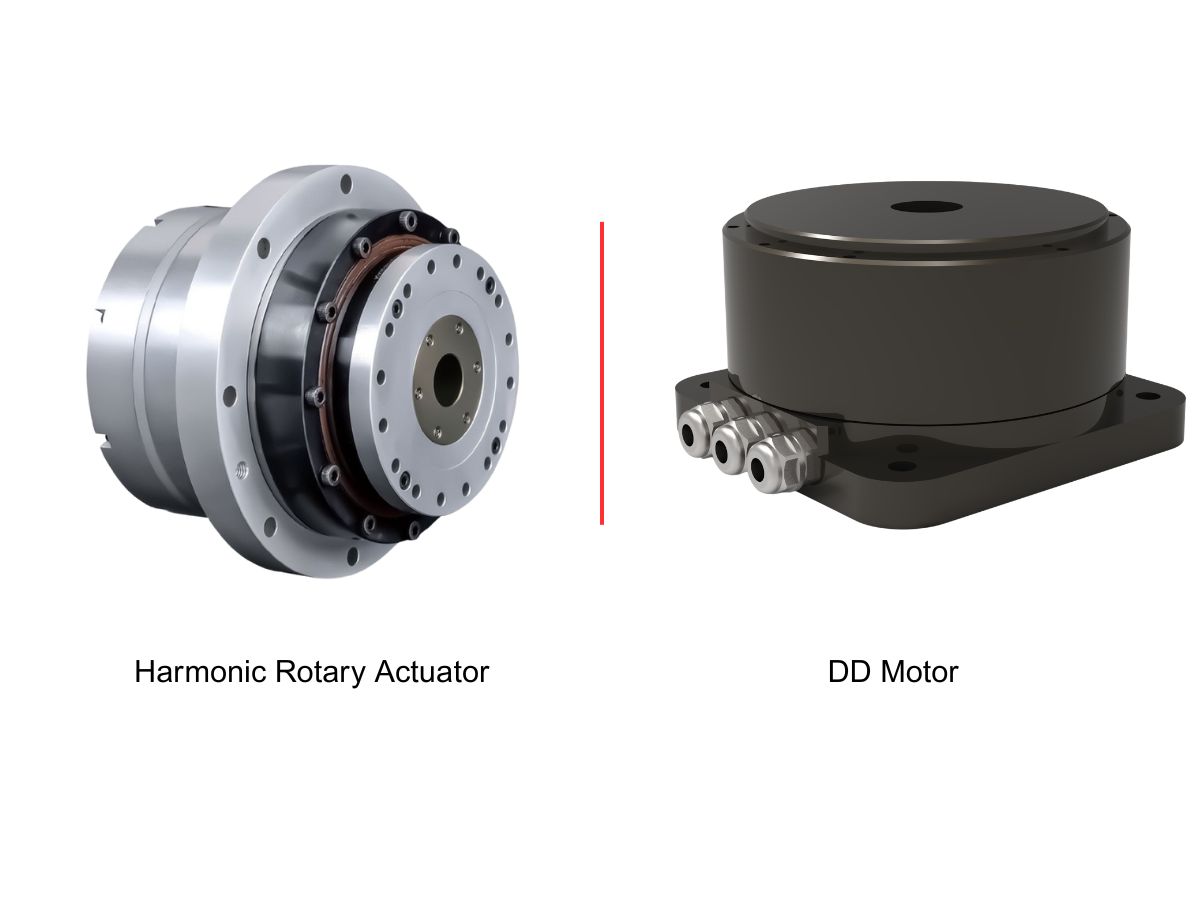
 DD Motors VS Harmonic Rotary ActuatorsThis article provides an in-depth comparison between Direct Drive (DD) motors and harmonic rotary actuators, covering their transmission principles, advantages and disadvantages, and typical application fields.
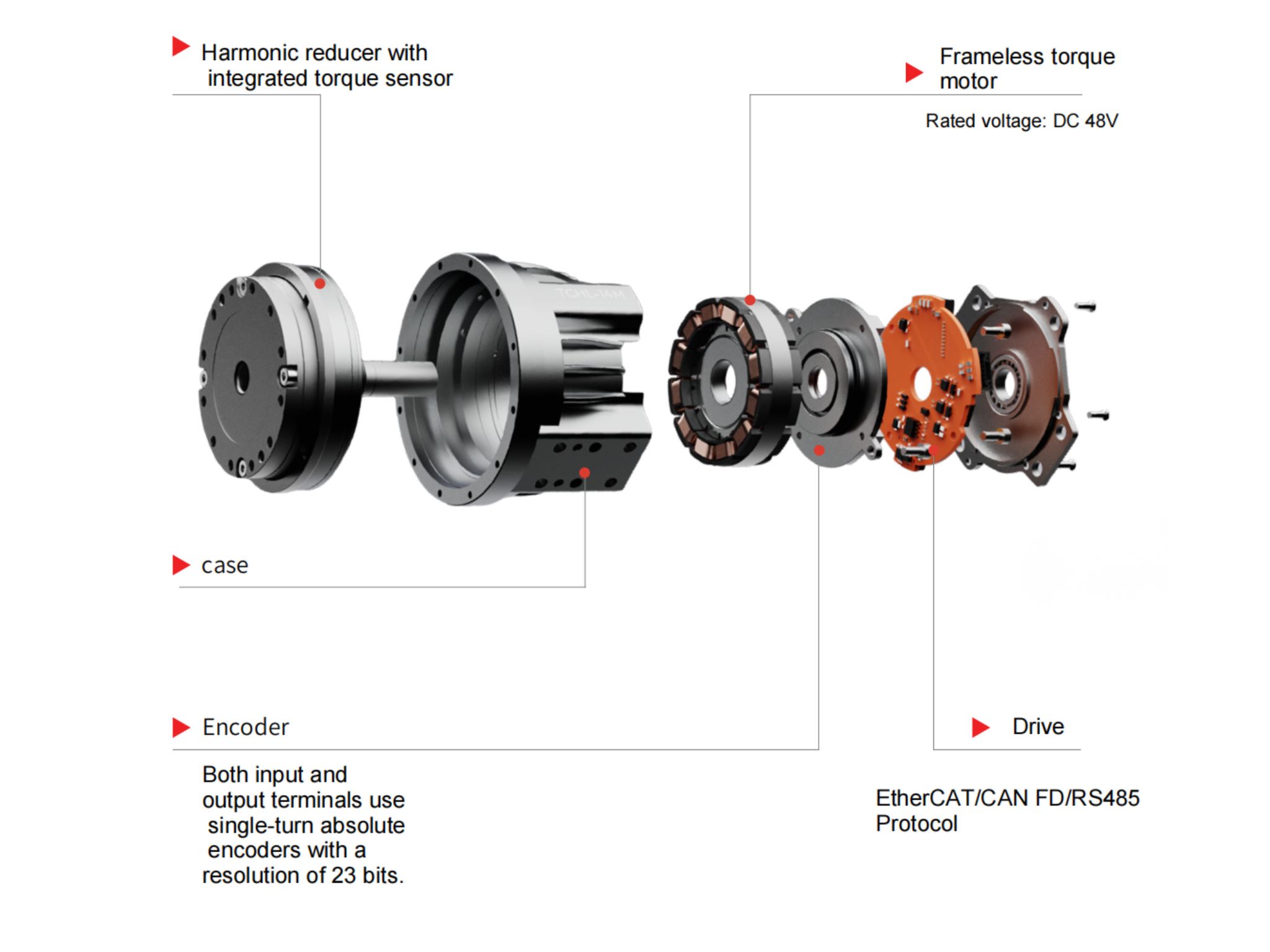
 OMG Ultra Compact Harmonic Drive Joint Module with Built-in Torque SensorHONPINE TCHL series harmonic drive joint module is a game-changing product that achieves disruptive improvements in multiple aspects such as lightweight design, integration level, and connection convenience. This article will analyze its revolutionary enhancements with you.
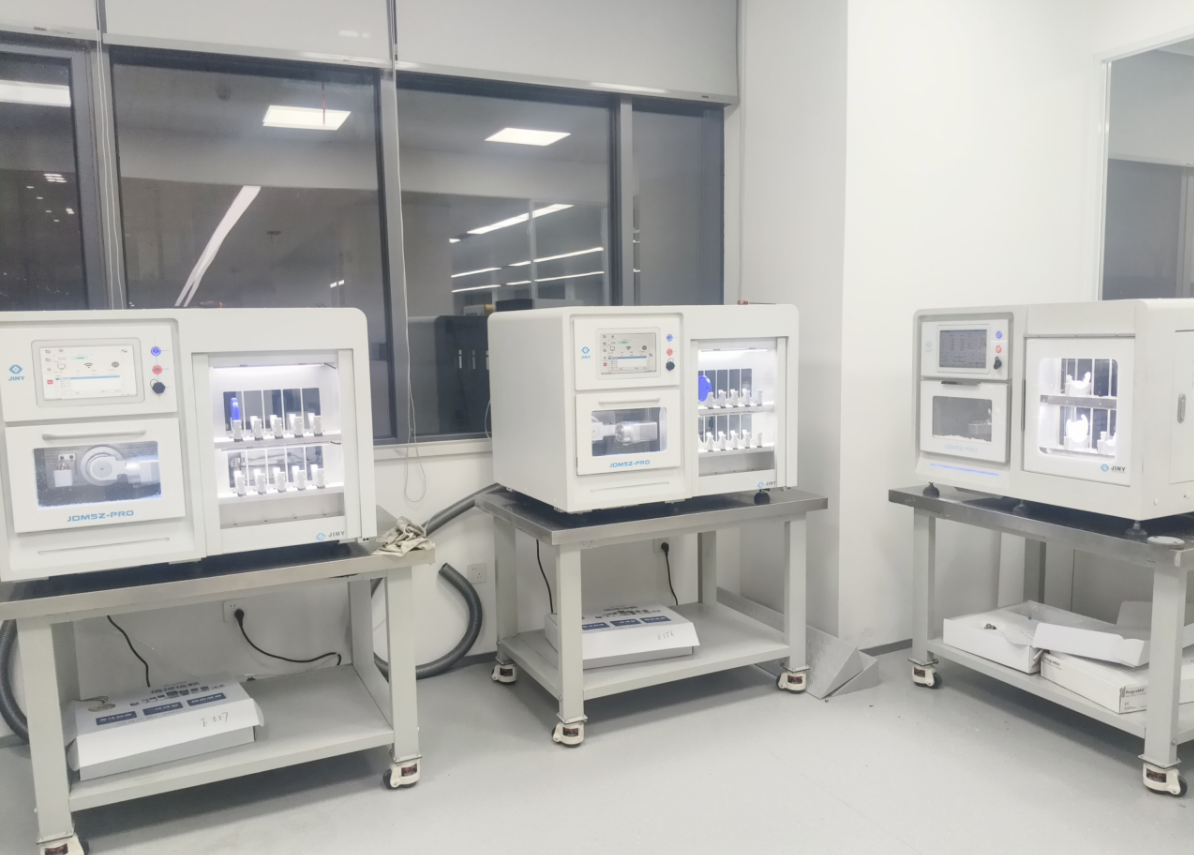
 The Role of Harmonic Drive Gears in Achieving 5–10 μm Accuracy in Dental Milling MachinesA dental milling machine is a CNC machining system used to directly process digital dental models into restorations such as crowns, bridges, veneers, inlays, and implant abutments. Dental milling machines require far higher operational accuracy and motion stability than ordinary equipment. This article explains how harmonic drive gear help dental milling machines achieve stable, continuous, and controllable operation.
 Why Are Harmonic Rotary Actuators Perfect for Medical Equipment?Harmonic rotary actuators (typically integrated systems consisting of a harmonic drive reducer, frameless torque motor, encoder, and optional brake) are regarded as key components in medical equipment. The core reason is that they simultaneously meet the most stringent medical requirements for precision, compact size, safety, and controllability. The following explanation is structured from three perspectives: technical characteristics, application scenarios, and medical value.
 High-Precision RV Reducers Perfectly Matched for Walking RobotsThe walking axis of a robot is a core component for power transmission and support. RV reducers provide extremely high rigidity, precision, and torque while maintaining a compact size and exceptional reliability, making them an ideal match for the demanding requirements of walking robot joints in terms of load capacity, impact resistance, and precision.
 How Does a Harmonic Joint Actuator with a Torque Sensor Improve Robot Force Control?Learn how the HONPINE TCHL harmonic joint actuator uses an integrated output torque sensor to support force feedback, collision detection, compliant assembly, rehabilitation robotics, and teleoperation.
 Ultra-Compact Harmonic Joint Module with a 6 mm Hollow ShaftAs humanoid robots and compact robotic systems evolve, joint modules must deliver high torque density, precise motion control, and flexible cable routing within increasingly limited installation space. The HONPINE HPJM-RE30-40-PRO harmonic joint module addresses these challenges with a compact design, a 6 mm hollow shaft, dual-encoder feedback, and an integrated motor and FOC drive. In this article, we explore its key design features and explain how its hollow-shaft structure, EtherCAT connectivity, and flexible mounting options support the development of humanoid robots, drones, optical platforms, and precision automation equipment.
 How Does the HONPINE HPG Backlash-Free Planetary Rotary Actuator Balance CNC Accuracy and Rigidity?Discover the HONPINE HPG precision backlash-free planetary rotary actuator for CNC rotary tables. Explore positioning accuracy, torsional rigidity, low backlash, and drive selection.
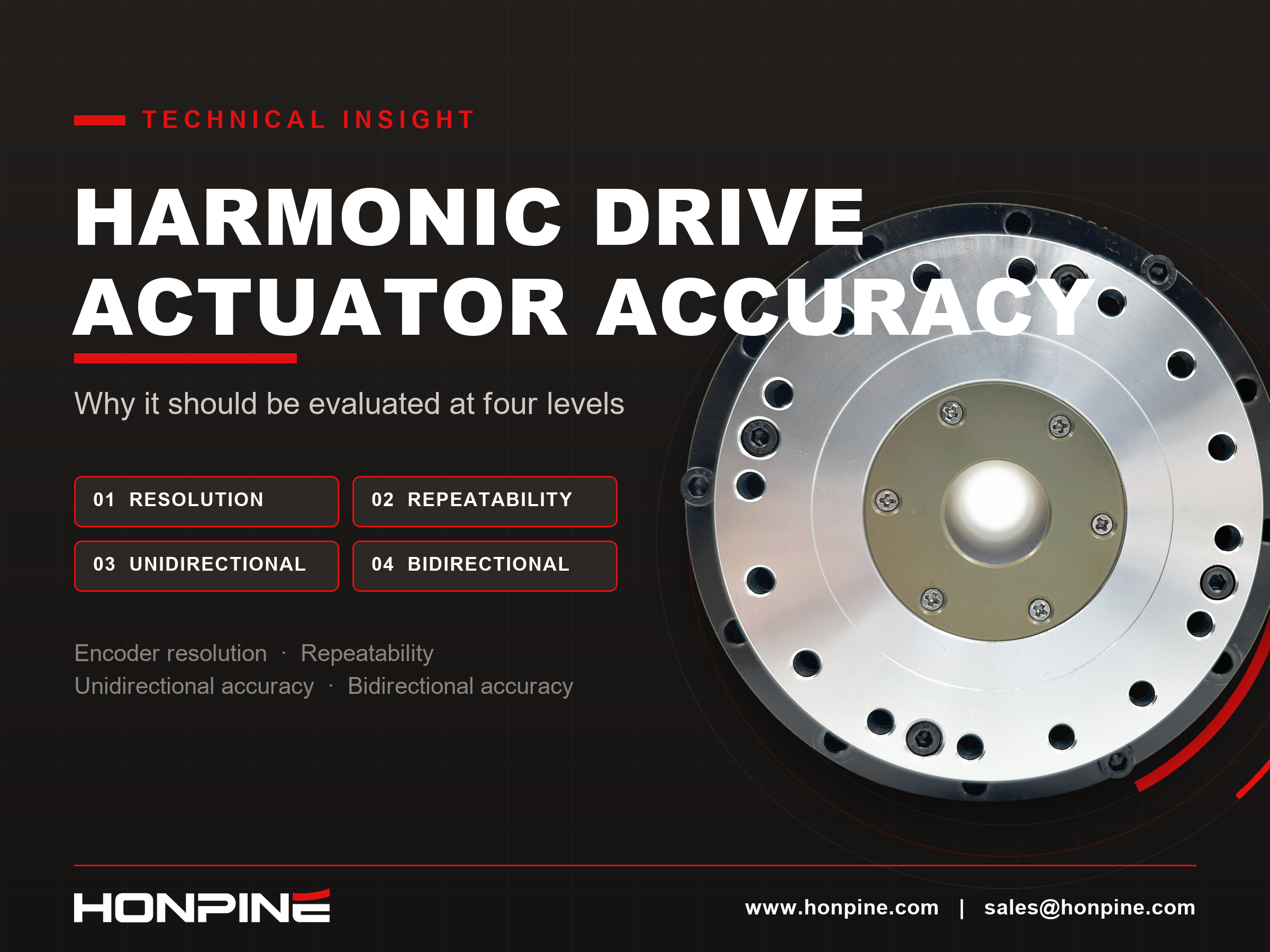
 Harmonic Drive Actuator Accuracy: Why It Should Be Evaluated at Four LevelsHarmonic drive actuator accuracy involves more than encoder resolution. Why should engineers evaluate it at four levels? Resolution, repeatability, unidirectional positioning accuracy, and bidirectional positioning accuracy describe different aspects of motion performance. Understanding these differences helps engineers select harmonic rotary actuators for semiconductor equipment, EFEM systems, and 3C automation without confusing theoretical encoder increments with actual positioning performance.
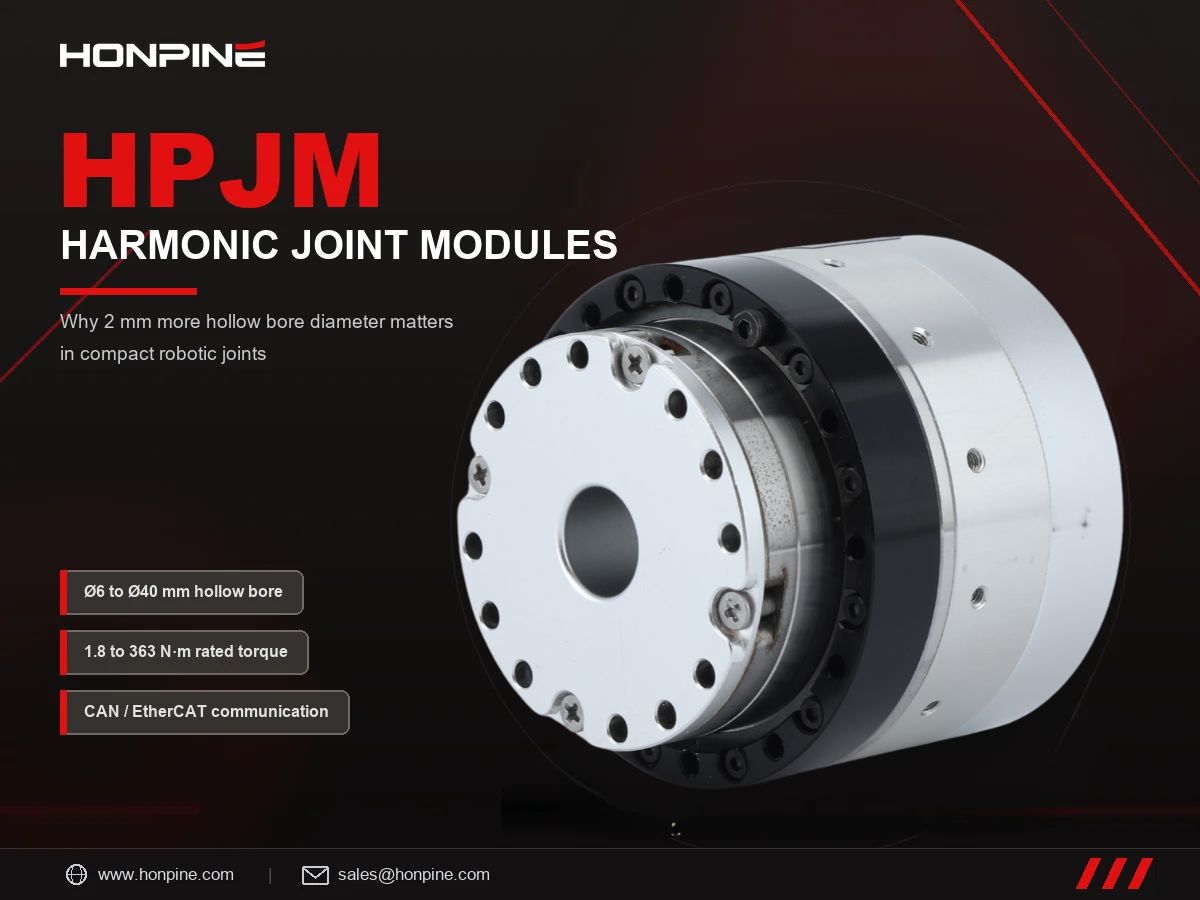
 Why Do Many Customers Choose HONPINE HPJM Harmonic Joint Modules for Just 2 mm More Hollow Bore Diameter?Why do many customers choose HONPINE HPJM harmonic joint modules for just 2 mm more hollow bore diameter? In compact robotic joints, this small dimensional difference can create a surprisingly large increase in available space. Because the cross-sectional area of a circular bore increases with the square of its diameter, an extra 2 mm can significantly improve internal cable routing and simplify system integration. This article examines the impact of hollow bore diameter, compares selected HONPINE HPJM models with comparable harmonic joint modules, and explains why bore size matters in humanoid robots, collaborative robots, and industrial automation.
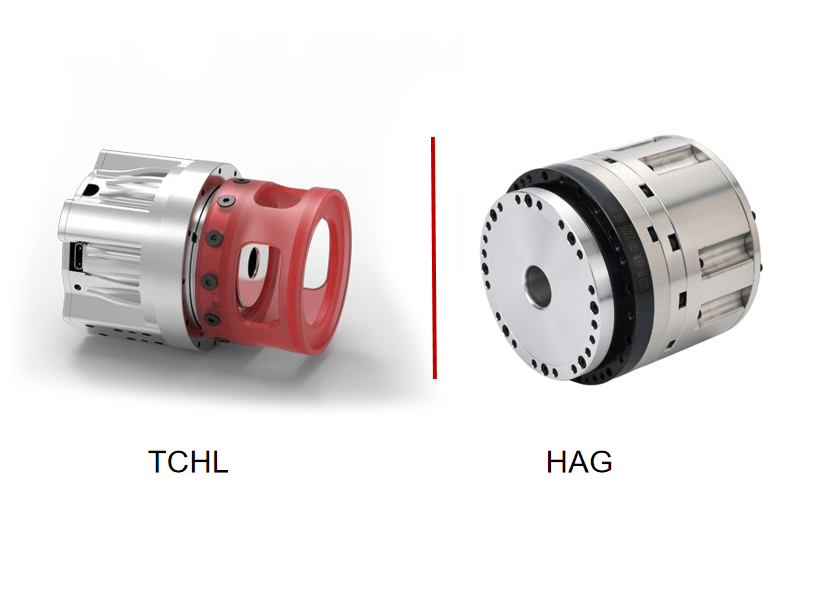
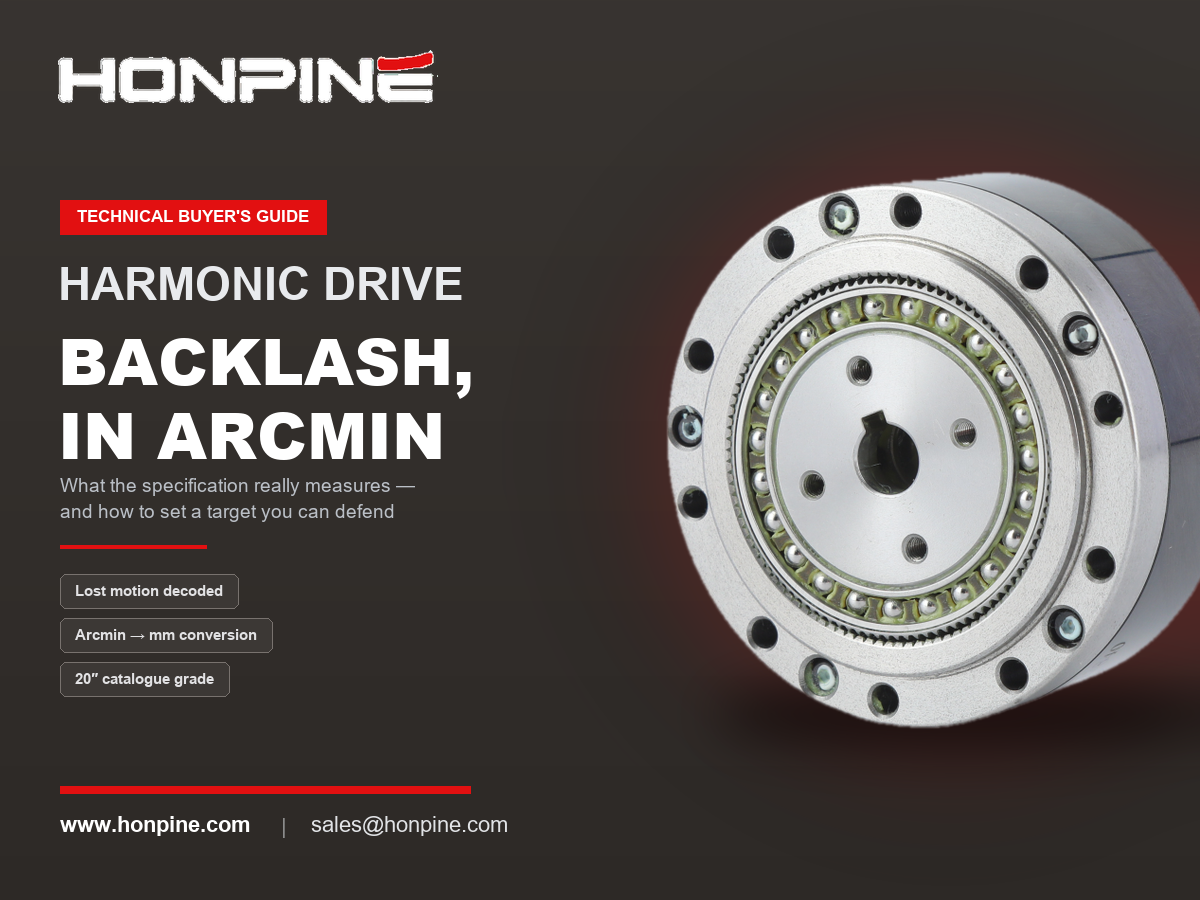
 Harmonic Drive Backlash in Arcmin: What the Specification Really Tells YouChoosing the right force control harmonic joint actuator involves more than comparing torque and dimensions. Torque sensor specifications, encoder feedback, communication protocols, functional safety, and hollow-shaft size can all affect system integration and control performance. In this guide, HONPINE Technical Director compares the TCHL and HAG harmonic joint actuator series, explaining their key differences and providing a practical selection framework for humanoid robots, collaborative manipulators, precision assembly, polishing, and other force-controlled applications.
Double Click
We provide harmonic drive reducer,planetary reducer,robot joint motor,robot rotary actuators,RV gear reducer,robot end effector,dexterous robot hand
 What is robot joint actuator?How to Choose the Best Robot Rotary Joint Actuator?In core robot joint transmission solutions, planetary and harmonic rotary actuators each have their own strengths. Choosing the right type based on application requirements is essential to achieve the optimal balance between performance and cost.
 DD Motors VS Harmonic Rotary ActuatorsThis article provides an in-depth comparison between Direct Drive (DD) motors and harmonic rotary actuators, covering their transmission principles, advantages and disadvantages, and typical application fields.
 OMG Ultra Compact Harmonic Drive Joint Module with Built-in Torque SensorHONPINE TCHL series harmonic drive joint module is a game-changing product that achieves disruptive improvements in multiple aspects such as lightweight design, integration level, and connection convenience. This article will analyze its revolutionary enhancements with you.
 How Does a Harmonic Joint Actuator with a Torque Sensor Improve Robot Force Control?Learn how the HONPINE TCHL harmonic joint actuator uses an integrated output torque sensor to support force feedback, collision detection, compliant assembly, rehabilitation robotics, and teleoperation.
 Ultra-Compact Harmonic Joint Module with a 6 mm Hollow ShaftAs humanoid robots and compact robotic systems evolve, joint modules must deliver high torque density, precise motion control, and flexible cable routing within increasingly limited installation space. The HONPINE HPJM-RE30-40-PRO harmonic joint module addresses these challenges with a compact design, a 6 mm hollow shaft, dual-encoder feedback, and an integrated motor and FOC drive. In this article, we explore its key design features and explain how its hollow-shaft structure, EtherCAT connectivity, and flexible mounting options support the development of humanoid robots, drones, optical platforms, and precision automation equipment.
 How Does the HONPINE HPG Backlash-Free Planetary Rotary Actuator Balance CNC Accuracy and Rigidity?Discover the HONPINE HPG precision backlash-free planetary rotary actuator for CNC rotary tables. Explore positioning accuracy, torsional rigidity, low backlash, and drive selection.
 Harmonic Drive Actuator Accuracy: Why It Should Be Evaluated at Four LevelsHarmonic drive actuator accuracy involves more than encoder resolution. Why should engineers evaluate it at four levels? Resolution, repeatability, unidirectional positioning accuracy, and bidirectional positioning accuracy describe different aspects of motion performance. Understanding these differences helps engineers select harmonic rotary actuators for semiconductor equipment, EFEM systems, and 3C automation without confusing theoretical encoder increments with actual positioning performance.
 Why Do Many Customers Choose HONPINE HPJM Harmonic Joint Modules for Just 2 mm More Hollow Bore Diameter?Why do many customers choose HONPINE HPJM harmonic joint modules for just 2 mm more hollow bore diameter? In compact robotic joints, this small dimensional difference can create a surprisingly large increase in available space. Because the cross-sectional area of a circular bore increases with the square of its diameter, an extra 2 mm can significantly improve internal cable routing and simplify system integration. This article examines the impact of hollow bore diameter, compares selected HONPINE HPJM models with comparable harmonic joint modules, and explains why bore size matters in humanoid robots, collaborative robots, and industrial automation.
 Harmonic Drive Backlash in Arcmin: What the Specification Really Tells YouChoosing the right force control harmonic joint actuator involves more than comparing torque and dimensions. Torque sensor specifications, encoder feedback, communication protocols, functional safety, and hollow-shaft size can all affect system integration and control performance. In this guide, HONPINE Technical Director compares the TCHL and HAG harmonic joint actuator series, explaining their key differences and providing a practical selection framework for humanoid robots, collaborative manipulators, precision assembly, polishing, and other force-controlled applications.
 How to Choose a Force Control Harmonic Joint Actuator? An In-Depth Comparison of HONPINE TCHL and HAGChoosing the right force control harmonic joint actuator involves more than comparing torque and dimensions. Torque sensor specifications, encoder feedback, communication protocols, functional safety, and hollow-shaft size can all affect system integration and control performance. In this guide, HONPINE Technical Director compares the TCHL and HAG harmonic joint actuator series, explaining their key differences and providing a practical selection framework for humanoid robots, collaborative manipulators, precision assembly, polishing, and other force-controlled applications.
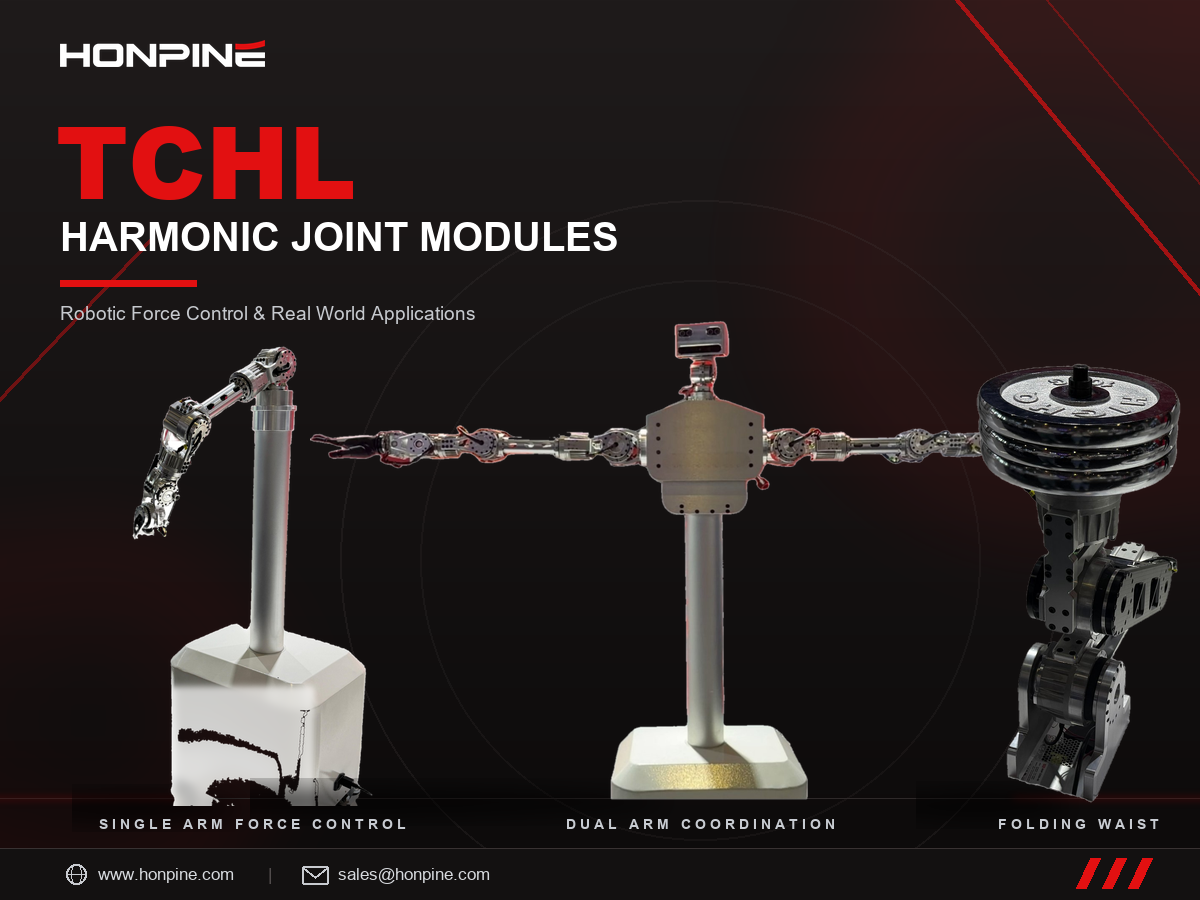
 HONPINE TCHL Harmonic Joint Modules: Robotic Force Control and Real-World ApplicationsHello everyone, I’m Theodore Li, Technical Director at HONPINE.
HONPINE TCHL harmonic joint modules have been deployed in a range of robotic motion-control applications, including dual-arm humanoid robots, single-arm compliant force control, and folding waist mechanisms for wheeled humanoid robots. As integrated motion components, they support a wide range of applications in robotics, intelligent manufacturing, and industrial automation.
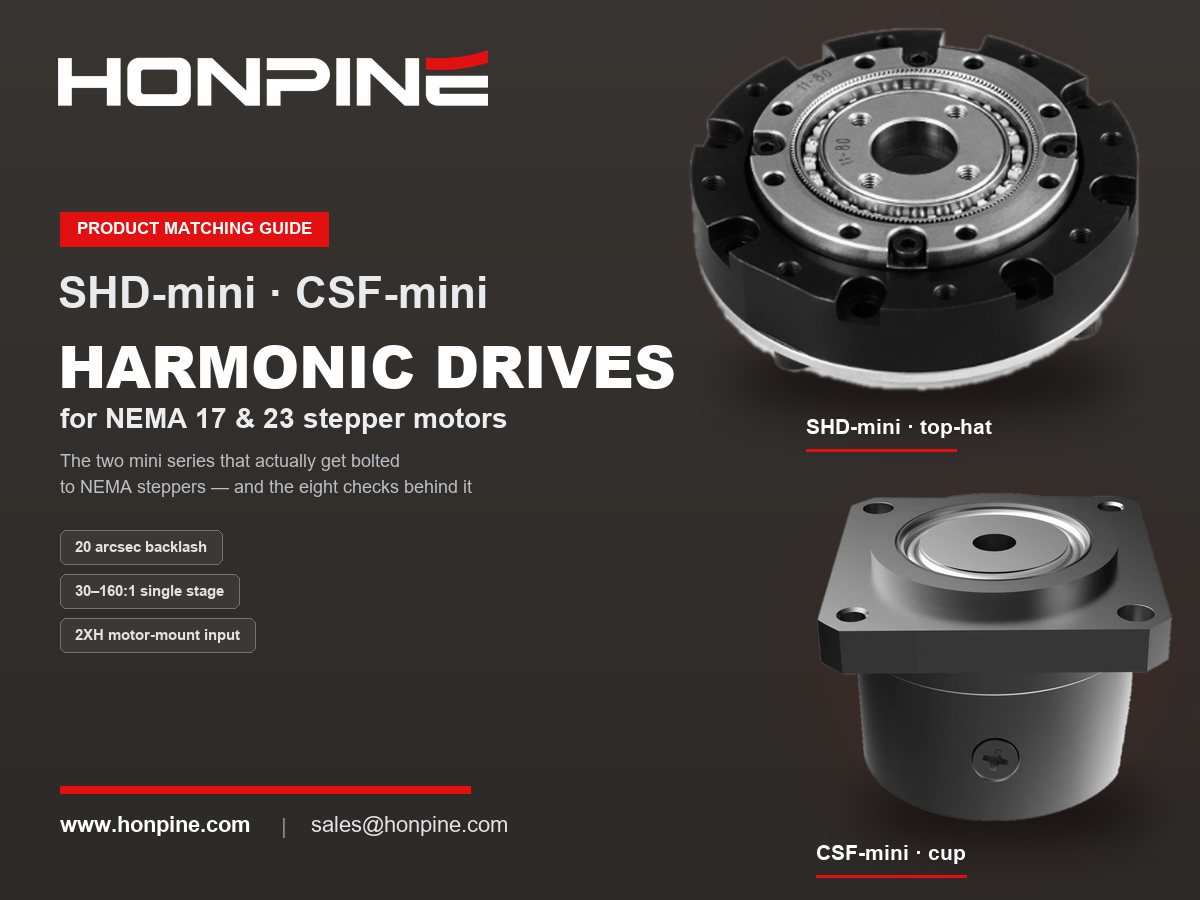
From core components to integrated motion units, HONPINE showcases the possibilities of precision transmission technology across different robotic applications through a diverse product portfolio and practical motion demonstrations. NEMA 17 & NEMA 23 Harmonic Drive Matching Guide: Pairing Stepper Motors with Harmonic ReducersPairing a stepper motor with a harmonic drive is not a budget compromise. A stepper's weak points — the coarse step angle, torque collapse above roughly 400 rpm, and the lack of a precision transmission — are exactly what a harmonic drive fixes: it pulls the operating point into the low-speed, high-torque sweet spot, refines a 1.8° step angle into arc-second resolution, and delivers near-zero backlash. This guide explains what NEMA frame sizes mean at the mounting interface, which harmonic frames match NEMA 17 and NEMA 23, the eight checks to run in order — including the input-side no-load starting torque most often missed — and the pairing's real weakness: silent failure. Includes HONPINE SHD and CSF specifications.