

How Does the HONPINE TCHL Harmonic Joint Module Achieve an 83% Payload-to-Weight Ratio?
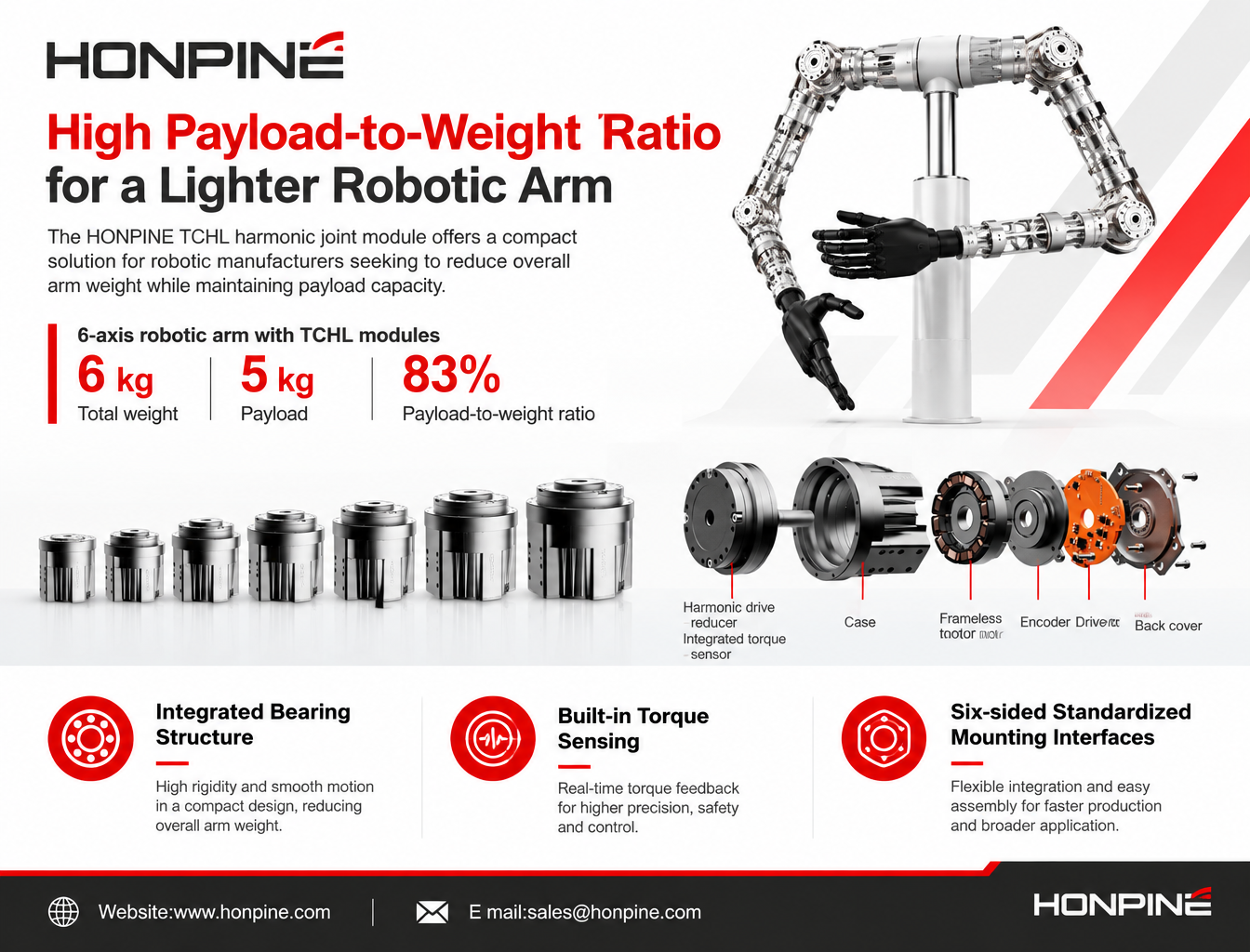
A 6-axis robotic arm built with HONPINE TCHL harmonic joint modules weighs just 6 kg while handling a 5 kg payload, achieving an impressive payload-to-weight ratio of 83%. This is significantly higher than the typical 30%–50% range often seen in conventional collaborative robots. For comparison, a well-known collaborative robot with a 6 kg payload capacity may weigh approximately 18–20 kg. The difference between a 6 kg robotic arm and an 18 kg system highlights the potential of lightweight joint integration in robotic arm design.
HONPINE TCHL Harmonic Joint Module Specifications
The TCHL series integrates a harmonic drive reducer with a torque sensor, providing a compact joint solution for robotic applications that require both lightweight construction and precise force control.
Parameter
Three Key Design Features Behind the High Payload-to-Weight Ratio
How does the HONPINE TCHL harmonic joint module help achieve such a high payload-to-weight ratio? Three structural and integration features play an important role.
1. Integrated Cross-Roller Bearing and Flexspline Structure
By integrating the bearing structure with the rigid wheel (circular spline), the TCHL design eliminates additional connecting flanges and unnecessary mechanical components. This reduces the number of parts while helping minimize overall joint dimensions and weight.
The integrated structure also simplifies mechanical assembly, making it easier to develop compact robotic joints.
2. Built-In Torque Sensor for Compact Force Control
Unlike conventional solutions that use externally mounted torque sensors, the HONPINE TCHL integrates the torque sensor directly into the joint module.
This embedded design reduces the need for additional external components and mounting structures, helping save installation space and overall system weight.
More importantly, the integrated torque sensor provides real-time torque feedback, supporting more precise force control in collaborative robots, humanoid robots, and other robotic applications requiring compliant interaction.
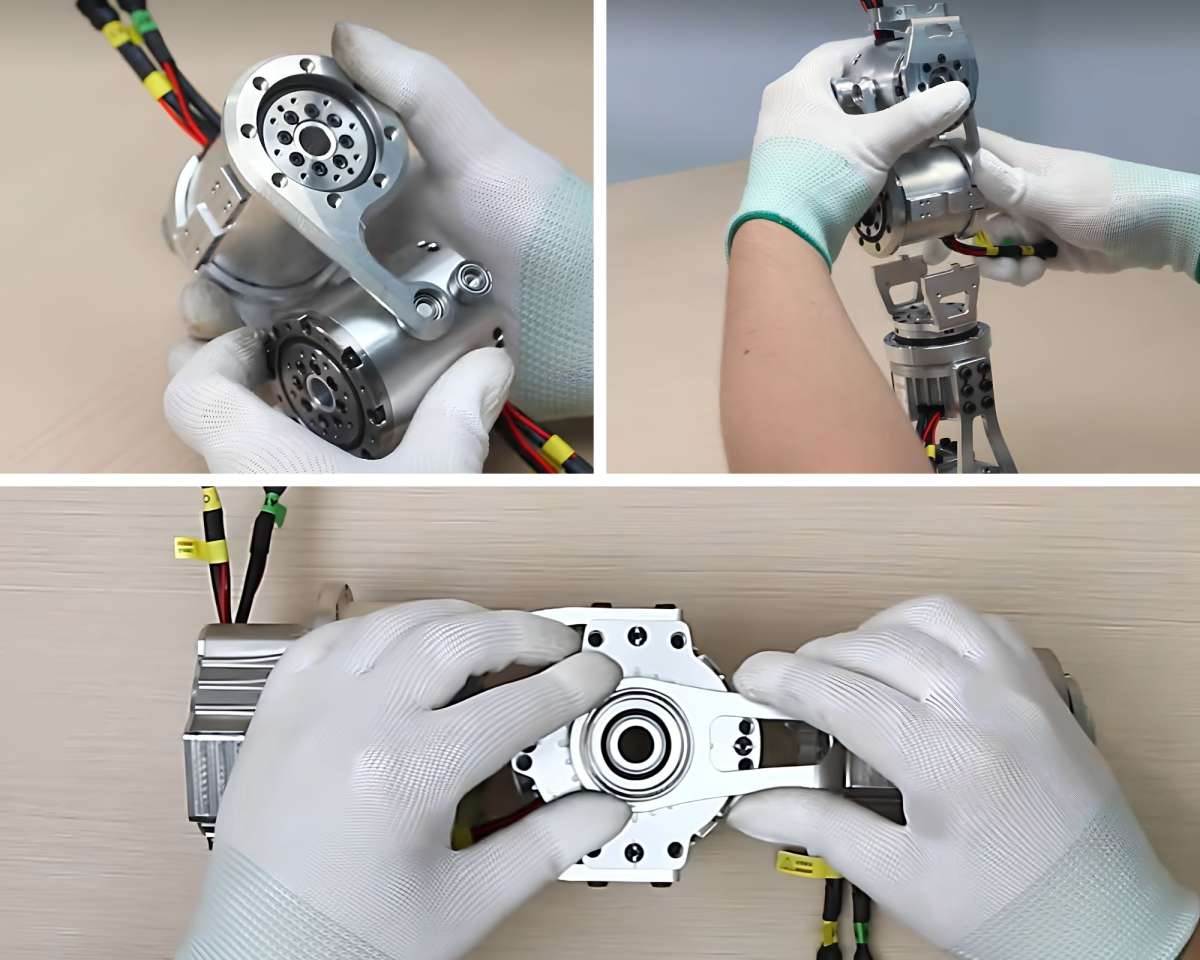
3. Six-Sided Standardized Mounting Interfaces
The TCHL joint housing features standardized mounting interfaces on six sides, giving robot designers greater flexibility when arranging and installing joint modules.
This design reduces the need for additional adapter flanges and custom connecting structures. It also allows different joints to be installed in multiple configurations, helping simplify mechanical integration and reduce the overall weight of the robotic arm.
Lightweight Design Is Not the Only Advantage of the TCHL Series
Although lightweight construction is an important advantage, the HONPINE TCHL harmonic joint module is not necessarily the lightest option in the industry.
For applications where minimum weight and a high hollow-bore ratio are the primary requirements, HONPINE also offers the HPJM harmonic robot joint module series, which provides lighter-weight options.
The TCHL series, however, focuses on a different combination of performance characteristics.
Its key advantage is the integration of a torque sensor into the harmonic joint module, enabling more accurate torque feedback and force control without requiring a separate external sensing assembly.
In addition, the TCHL series offers several practical advantages:
Integrated torque sensing: Supports precise force feedback and compliant motion control.
Cost-effective mass production: Offers a competitive balance between functionality, integration, and manufacturing cost for volume applications.
Multiple cable routing options: Provides different wiring configurations to accommodate the installation requirements of different robot joint positions.
Flexible mechanical integration: Multiple mounting interfaces support diverse installation arrangements and help reduce the complexity of complete robot joint integration.
Is the HONPINE TCHL Harmonic Joint Module Right for Your Robot?
For robotic manufacturers developing lightweight collaborative robots, humanoid robots, and other compact robotic systems, the TCHL series provides an integrated solution combining harmonic transmission, torque sensing, and flexible mechanical installation.
Rather than focusing solely on reducing the weight of an individual joint, the TCHL design helps engineers optimize the overall mechanical structure, reduce additional components, and simplify robot assembly.
Contact HONPINE to learn more about the TCHL harmonic joint module series, request detailed technical specifications, and discuss joint configurations for your robotic application.
Read More
Learn more about the story of HONPINE and industry trends related to precision transmission.
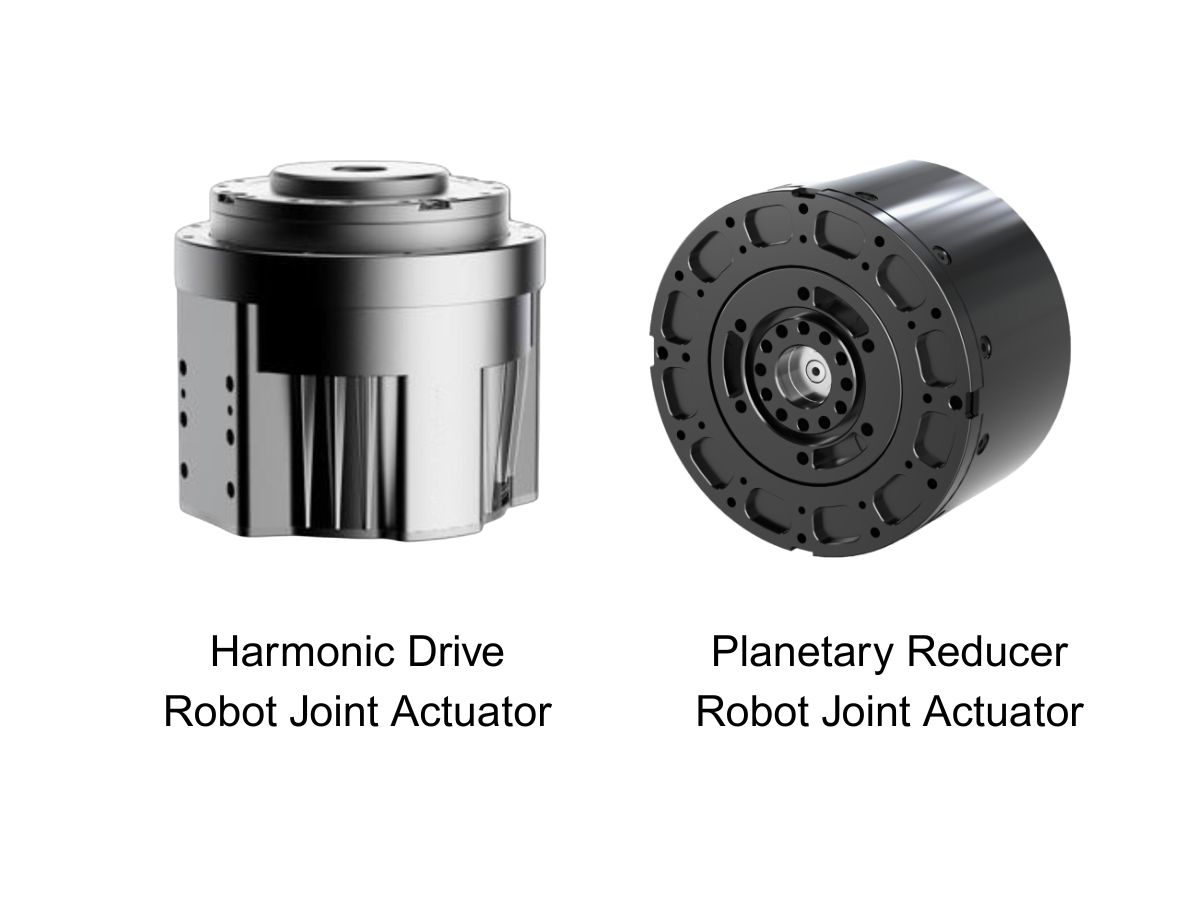
 What is robot joint actuator?How to Choose the Best Robot Rotary Joint Actuator?In core robot joint transmission solutions, planetary and harmonic rotary actuators each have their own strengths. Choosing the right type based on application requirements is essential to achieve the optimal balance between performance and cost.
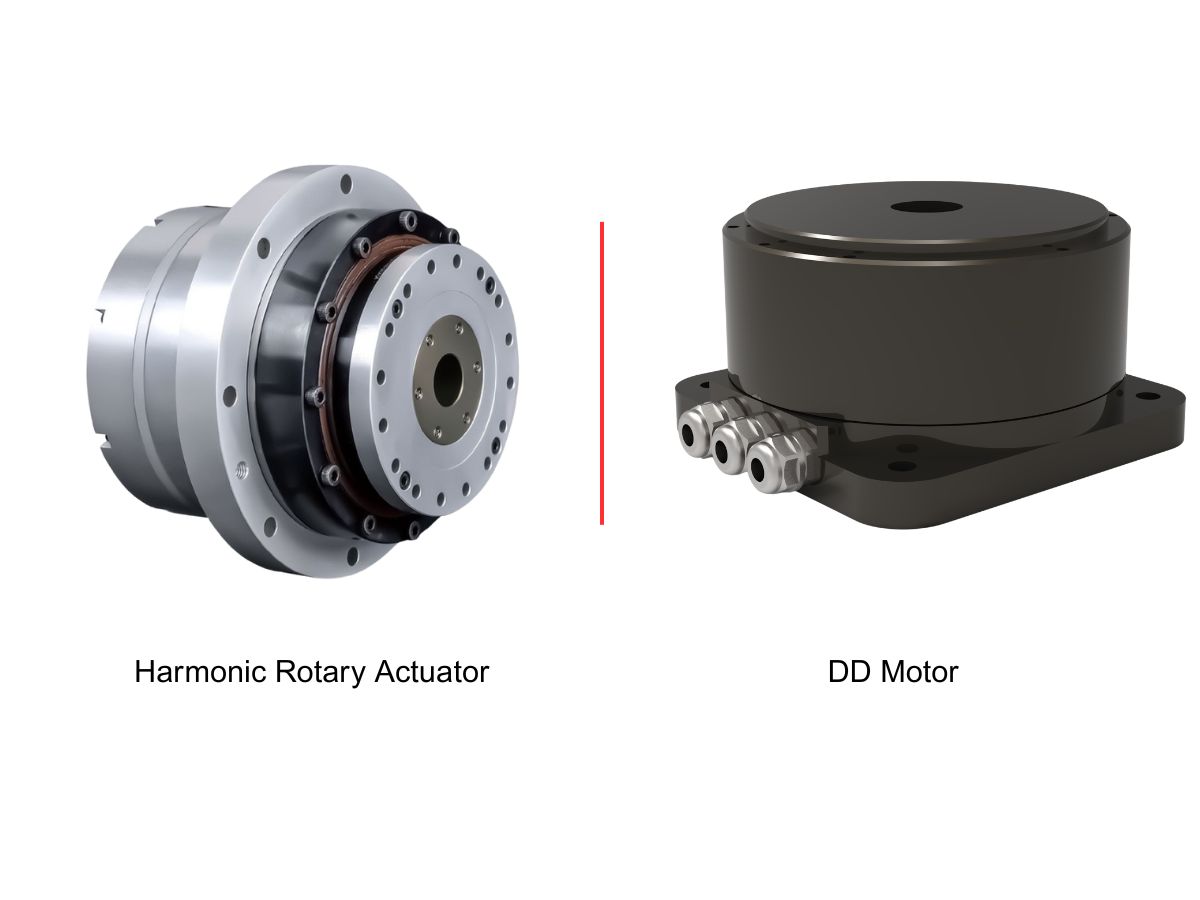
 DD Motors VS Harmonic Rotary ActuatorsThis article provides an in-depth comparison between Direct Drive (DD) motors and harmonic rotary actuators, covering their transmission principles, advantages and disadvantages, and typical application fields.
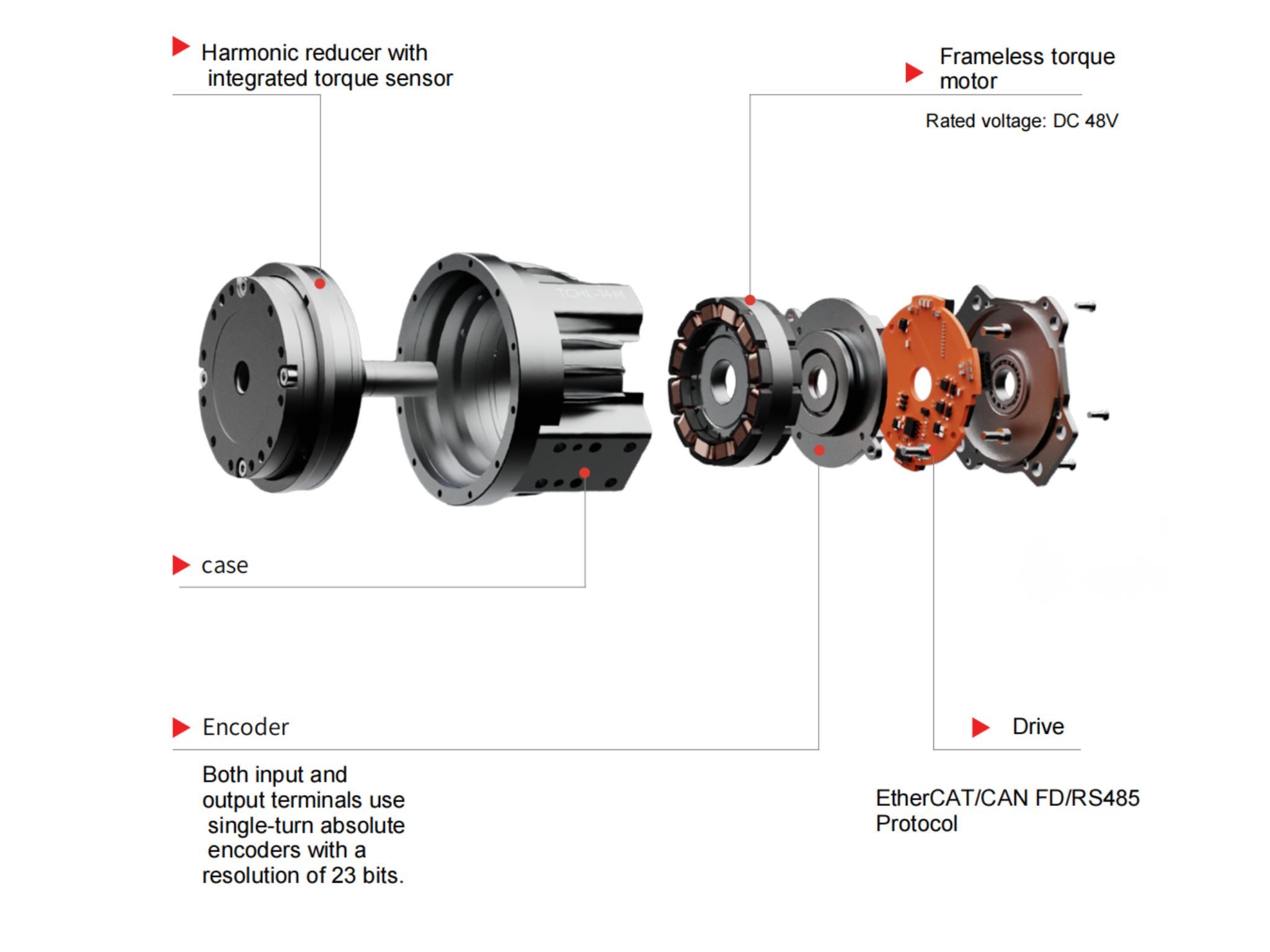
 OMG Ultra Compact Harmonic Drive Joint Module with Built-in Torque SensorHONPINE TCHL series harmonic drive joint module is a game-changing product that achieves disruptive improvements in multiple aspects such as lightweight design, integration level, and connection convenience. This article will analyze its revolutionary enhancements with you.
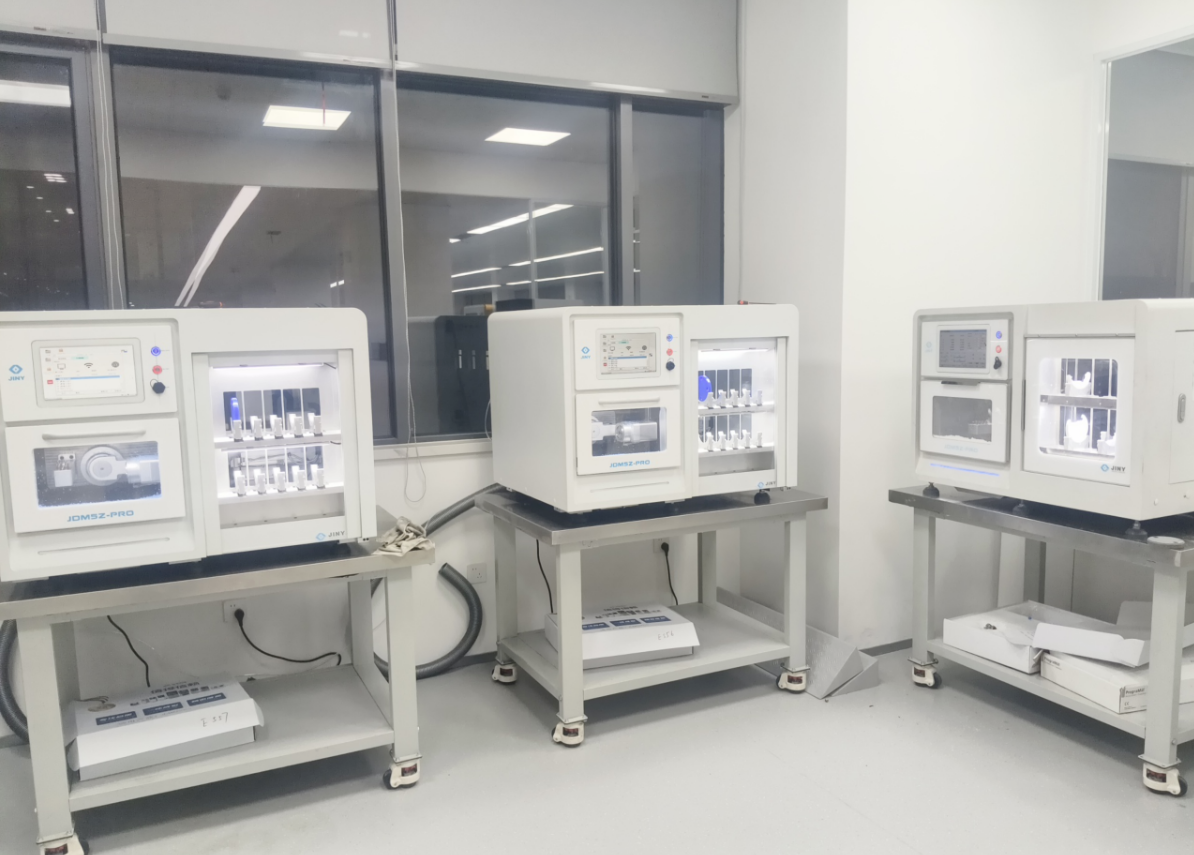
 The Role of Harmonic Drive Gears in Achieving 5–10 μm Accuracy in Dental Milling MachinesA dental milling machine is a CNC machining system used to directly process digital dental models into restorations such as crowns, bridges, veneers, inlays, and implant abutments. Dental milling machines require far higher operational accuracy and motion stability than ordinary equipment. This article explains how harmonic drive gear help dental milling machines achieve stable, continuous, and controllable operation.
 Why Are Harmonic Rotary Actuators Perfect for Medical Equipment?Harmonic rotary actuators (typically integrated systems consisting of a harmonic drive reducer, frameless torque motor, encoder, and optional brake) are regarded as key components in medical equipment. The core reason is that they simultaneously meet the most stringent medical requirements for precision, compact size, safety, and controllability. The following explanation is structured from three perspectives: technical characteristics, application scenarios, and medical value.
 High-Precision RV Reducers Perfectly Matched for Walking RobotsThe walking axis of a robot is a core component for power transmission and support. RV reducers provide extremely high rigidity, precision, and torque while maintaining a compact size and exceptional reliability, making them an ideal match for the demanding requirements of walking robot joints in terms of load capacity, impact resistance, and precision.
 How Does the HONPINE TCHL Harmonic Joint Module Achieve an 83% Payload-to-Weight Ratio?Discover how the HONPINE TCHL harmonic joint module helps a 6 kg robotic arm achieve an 83% payload-to-weight ratio through integrated bearing design, built-in torque sensing, and six-sided mounting interfaces.
 What Limits the Maximum Speed of a Harmonic Drive Reducer?Learn what limits the maximum speed of a harmonic drive reducer. This guide explains the relationship between input and output speed, and examines how flexspline fatigue, flexible bearing performance, heat generation, and lubrication affect operating speed. Discover how to evaluate speed, torque, and duty cycle when selecting a harmonic drive for high-speed applications.
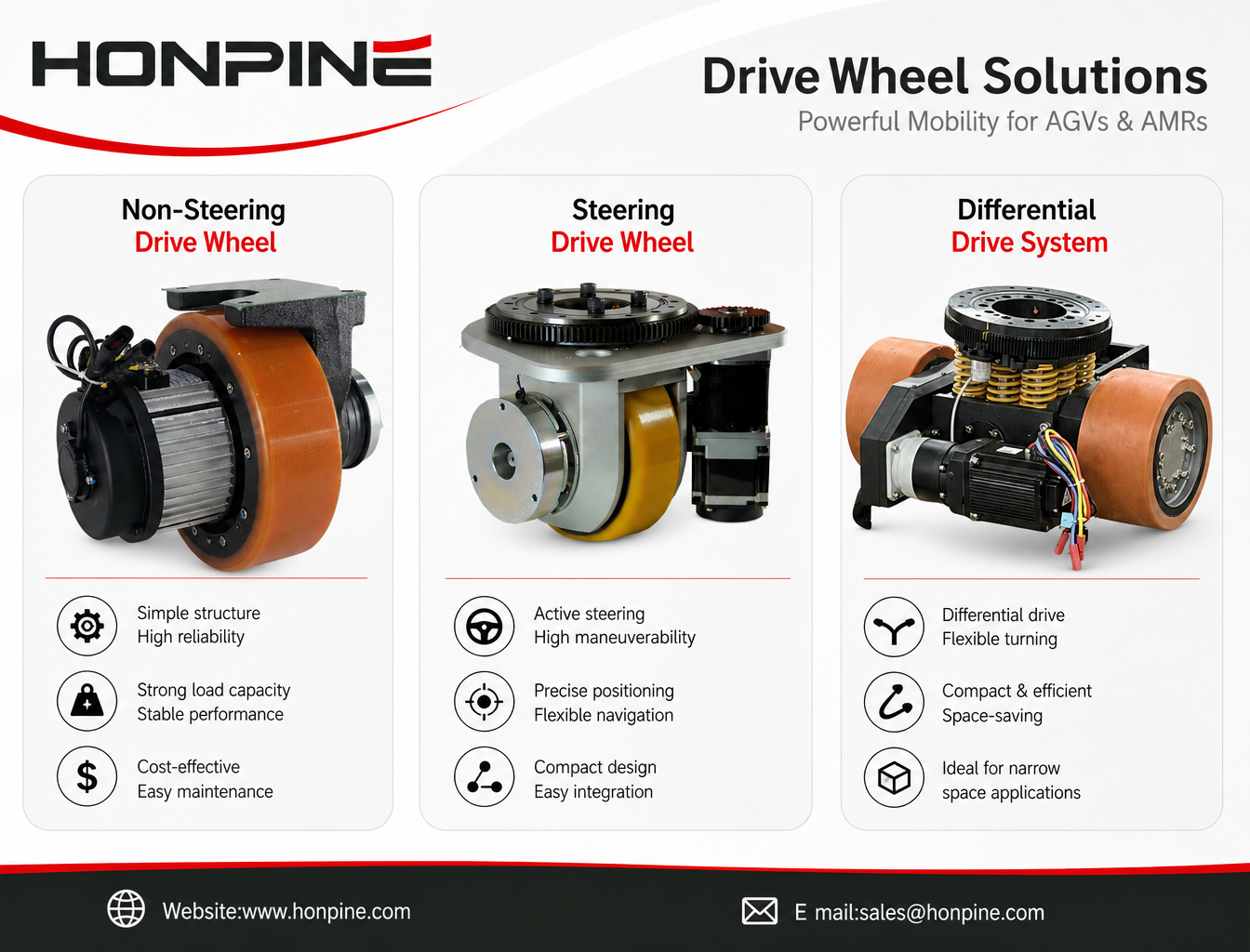
 AGV Drive Wheel Selection Guide: Non-Steering Drive Wheels vs. Differential Drive vs. Steering Drive WheelsChoosing the right AGV drive wheels is essential for achieving the required mobility, load capacity, and positioning performance in mobile robots. Different drive configurations offer different advantages in terms of maneuverability, mechanical complexity, control requirements, and overall cost. This guide compares three common AGV drive wheel types: non-steering drive wheels, differential drive systems, and steering drive wheels. By understanding how each configuration works and where it performs best, AGV and AMR manufacturers can make more informed decisions when designing their mobile robot platforms.
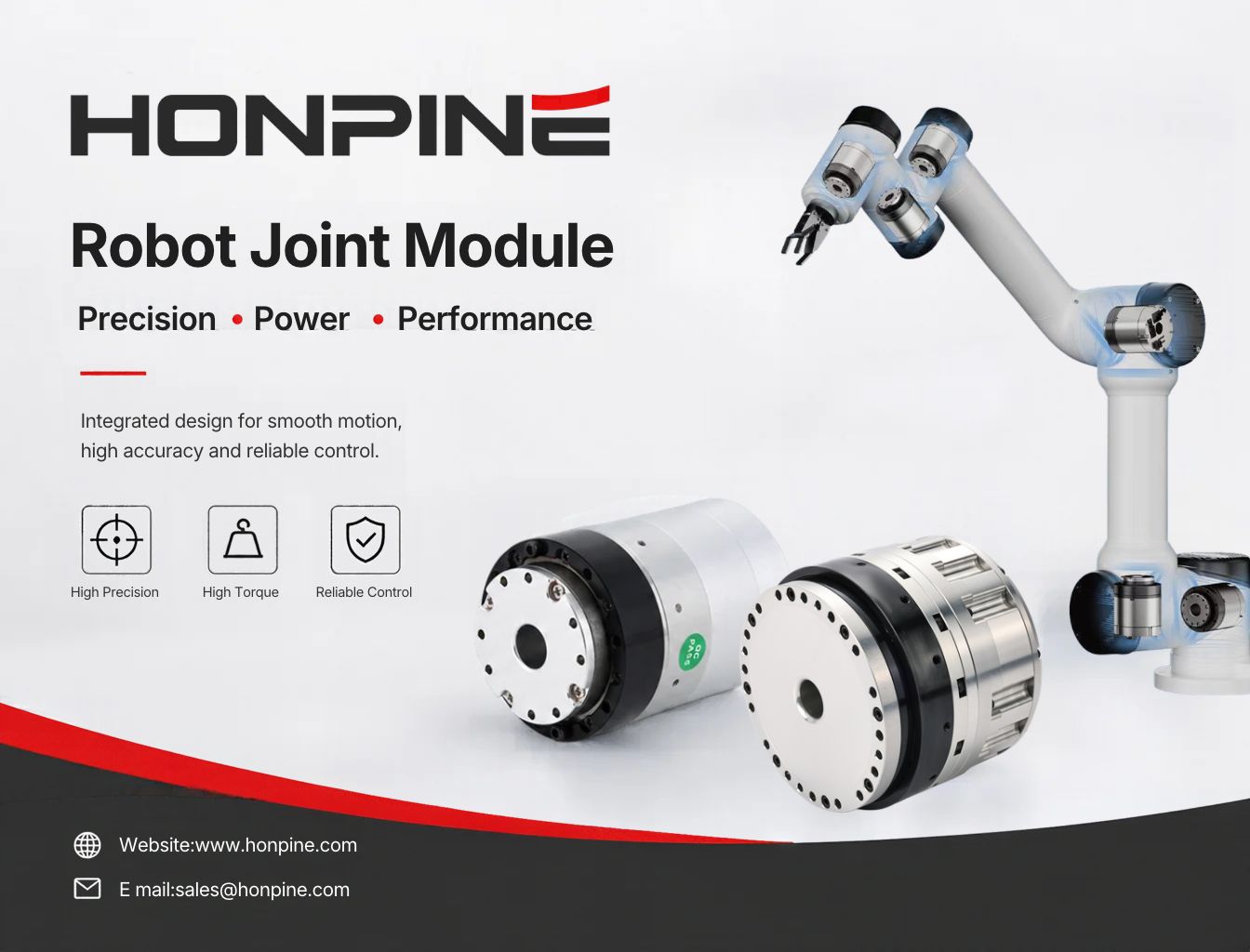
 How Does a Robot Joint Module Affect Motion Control in Humanoid Robots and Collaborative Arms?Robot motion performance depends on more than the motor or reducer alone. The robot joint module integrates key transmission and control components, directly influencing torque output, positioning accuracy, dynamic response, and force control capability. For humanoid robots and collaborative robot arms, these factors determine how smoothly, accurately, and reliably each joint operates under different working conditions. This article explores how robot joint modules affect overall motion control, why integrated designs are becoming increasingly important, and how different joint module architectures support the development of advanced robotic systems.
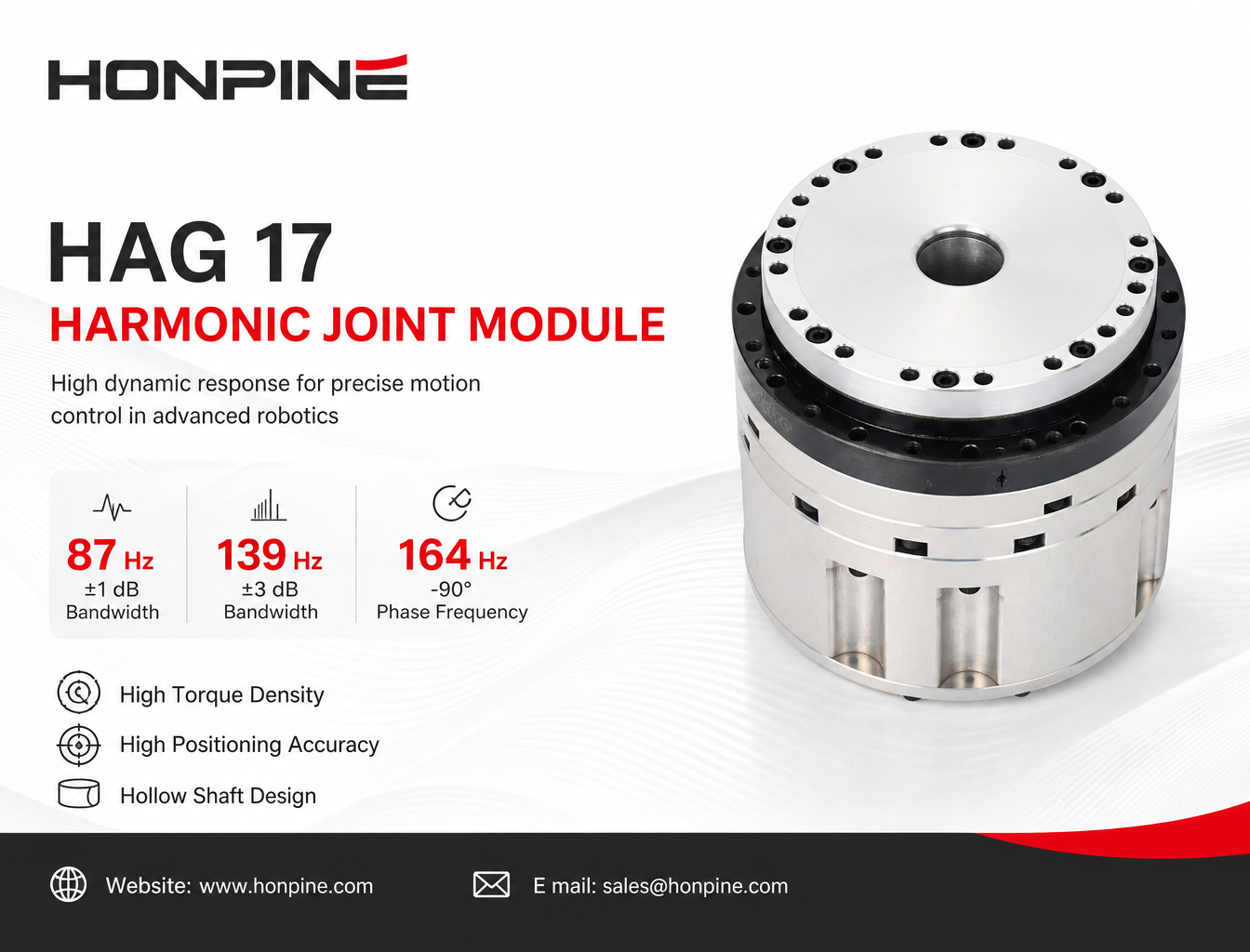
 HONPINE HAG Harmonic Joint Module: Redefining Robotic Motion Control with Wide Bandwidth, Low Phase Lag, and High CoherenceWhen a robot experiences joint vibration, inaccurate trajectory tracking, or delayed force feedback, the problem may lie in the dynamic response of its joint actuator. Bandwidth, phase lag, and signal coherence are critical indicators of robotic motion performance. In this article, we examine the actual sine-sweep test results of the HONPINE HAG 17 harmonic joint module, including its 87 Hz ±1 dB bandwidth, 139 Hz ±3 dB bandwidth, and 164 Hz -90° phase frequency. We also explore how its torque density, positioning accuracy, and hollow-shaft design support advanced humanoid robots and collaborative robotic applications.
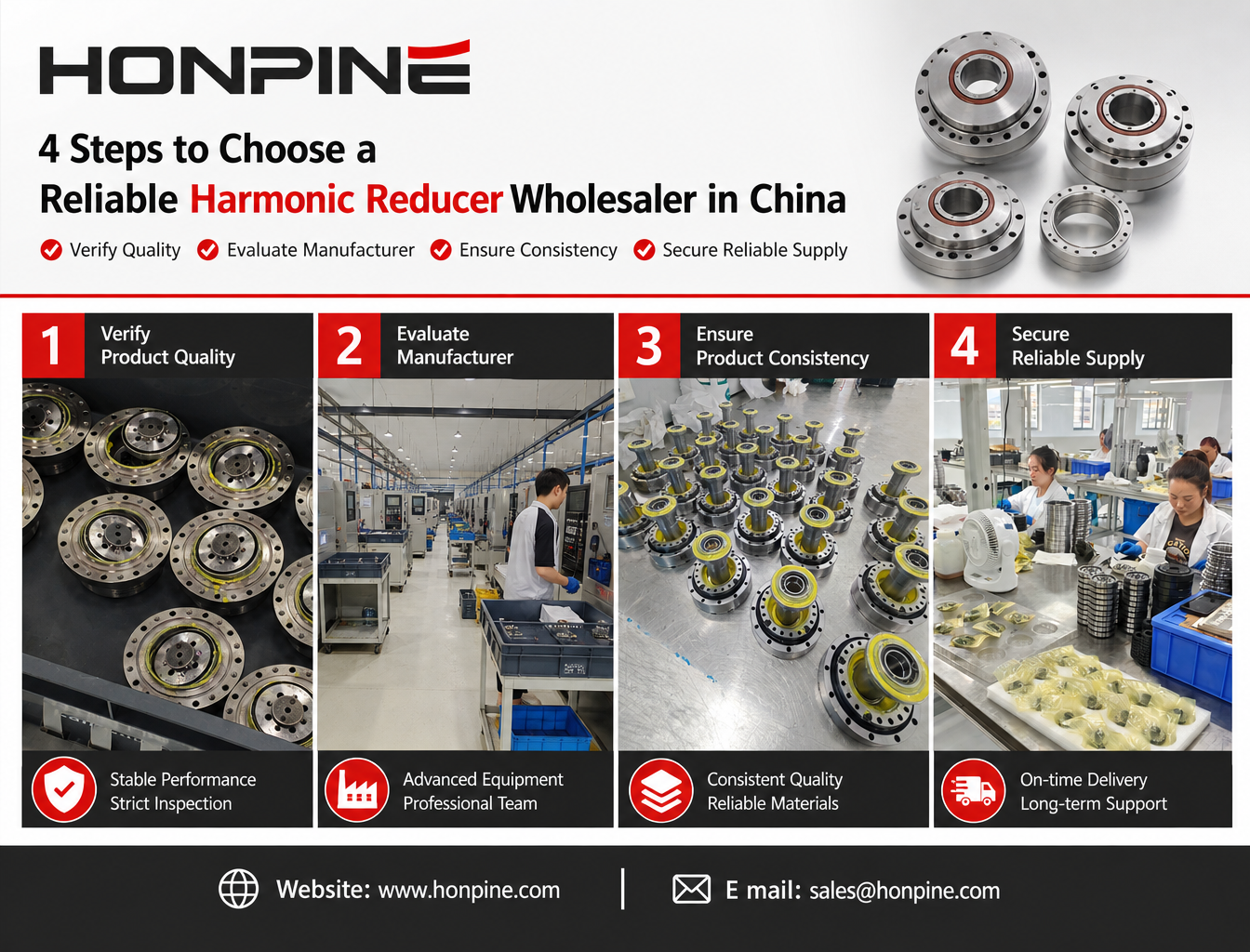
 How to Find a Reliable Harmonic Reducer Wholesaler in China?Choosing a reliable harmonic reducer wholesaler in China involves more than comparing prices and product specifications. Buyers need to evaluate technical capabilities, manufacturing quality, product consistency, and long-term supply reliability. Whether you are sourcing harmonic reducers for robotics, semiconductor equipment, CNC machinery, or industrial automation, understanding how to assess suppliers is essential. This guide outlines four practical steps to help you verify product performance, evaluate manufacturers, and make informed bulk purchasing decisions.
Double Click
We provide harmonic drive reducer,planetary reducer,robot joint motor,robot rotary actuators,RV gear reducer,robot end effector,dexterous robot hand
 What is robot joint actuator?How to Choose the Best Robot Rotary Joint Actuator?In core robot joint transmission solutions, planetary and harmonic rotary actuators each have their own strengths. Choosing the right type based on application requirements is essential to achieve the optimal balance between performance and cost.
 DD Motors VS Harmonic Rotary ActuatorsThis article provides an in-depth comparison between Direct Drive (DD) motors and harmonic rotary actuators, covering their transmission principles, advantages and disadvantages, and typical application fields.
 OMG Ultra Compact Harmonic Drive Joint Module with Built-in Torque SensorHONPINE TCHL series harmonic drive joint module is a game-changing product that achieves disruptive improvements in multiple aspects such as lightweight design, integration level, and connection convenience. This article will analyze its revolutionary enhancements with you.
 How Does the HONPINE TCHL Harmonic Joint Module Achieve an 83% Payload-to-Weight Ratio?Discover how the HONPINE TCHL harmonic joint module helps a 6 kg robotic arm achieve an 83% payload-to-weight ratio through integrated bearing design, built-in torque sensing, and six-sided mounting interfaces.
 What Limits the Maximum Speed of a Harmonic Drive Reducer?Learn what limits the maximum speed of a harmonic drive reducer. This guide explains the relationship between input and output speed, and examines how flexspline fatigue, flexible bearing performance, heat generation, and lubrication affect operating speed. Discover how to evaluate speed, torque, and duty cycle when selecting a harmonic drive for high-speed applications.
 AGV Drive Wheel Selection Guide: Non-Steering Drive Wheels vs. Differential Drive vs. Steering Drive WheelsChoosing the right AGV drive wheels is essential for achieving the required mobility, load capacity, and positioning performance in mobile robots. Different drive configurations offer different advantages in terms of maneuverability, mechanical complexity, control requirements, and overall cost. This guide compares three common AGV drive wheel types: non-steering drive wheels, differential drive systems, and steering drive wheels. By understanding how each configuration works and where it performs best, AGV and AMR manufacturers can make more informed decisions when designing their mobile robot platforms.
 How Does a Robot Joint Module Affect Motion Control in Humanoid Robots and Collaborative Arms?Robot motion performance depends on more than the motor or reducer alone. The robot joint module integrates key transmission and control components, directly influencing torque output, positioning accuracy, dynamic response, and force control capability. For humanoid robots and collaborative robot arms, these factors determine how smoothly, accurately, and reliably each joint operates under different working conditions. This article explores how robot joint modules affect overall motion control, why integrated designs are becoming increasingly important, and how different joint module architectures support the development of advanced robotic systems.
 HONPINE HAG Harmonic Joint Module: Redefining Robotic Motion Control with Wide Bandwidth, Low Phase Lag, and High CoherenceWhen a robot experiences joint vibration, inaccurate trajectory tracking, or delayed force feedback, the problem may lie in the dynamic response of its joint actuator. Bandwidth, phase lag, and signal coherence are critical indicators of robotic motion performance. In this article, we examine the actual sine-sweep test results of the HONPINE HAG 17 harmonic joint module, including its 87 Hz ±1 dB bandwidth, 139 Hz ±3 dB bandwidth, and 164 Hz -90° phase frequency. We also explore how its torque density, positioning accuracy, and hollow-shaft design support advanced humanoid robots and collaborative robotic applications.
 How to Find a Reliable Harmonic Reducer Wholesaler in China?Choosing a reliable harmonic reducer wholesaler in China involves more than comparing prices and product specifications. Buyers need to evaluate technical capabilities, manufacturing quality, product consistency, and long-term supply reliability. Whether you are sourcing harmonic reducers for robotics, semiconductor equipment, CNC machinery, or industrial automation, understanding how to assess suppliers is essential. This guide outlines four practical steps to help you verify product performance, evaluate manufacturers, and make informed bulk purchasing decisions.
 Top 10 Harmonic Drive Reducer Manufacturers in ChinaChina has become an important manufacturing base for harmonic drive reducers, supplying precision transmission components to industrial robots, collaborative robots, humanoid robots, and high-end automation equipment. As more international buyers explore Chinese suppliers, understanding the differences between manufacturers is essential. In this article, we introduce 10 harmonic drive reducer manufacturers in China, examining their company backgrounds, product portfolios, technical capabilities, and typical applications to help engineers and procurement professionals identify potential suppliers.
 How to Select a Servo Drive for HONPINE Harmonic Rotary Actuators with External Drives?Selecting a suitable servo drive for a harmonic rotary actuator involves more than matching motor power ratings. Power supply voltage, continuous and peak current, encoder communication protocols, brake control, and fieldbus compatibility all affect system performance. For HONPINE harmonic rotary actuators with external servo drives, proper electrical and functional matching is essential for achieving precise positioning, stable operation, and reliable motion control. In this guide, Theodore Li, Technical Director at HONPINE, explains the key factors engineers should consider when selecting and integrating an external servo drive.
 Repeatability vs. Absolute Positioning Accuracy in Harmonic Joint Modules: Differences and Industrial ApplicationsWhen evaluating the positioning performance of a harmonic joint module, repeatability and absolute positioning accuracy are two important but often misunderstood specifications. A module may repeatedly reach the same position with high consistency while still having a noticeable deviation from the commanded position. Understanding this distinction is essential when selecting motion components for robotics, semiconductor equipment, precision machining, and medical devices. This article explains how the two specifications differ, what factors affect them, and which positioning performance should take priority in different industrial applications.