








Why Planetary Gearboxes Are Well-Suited for PV Mounting Systems?
Planetary gearboxes, with their high torque density, precise positioning, outdoor durability, low backlash, maintenance-free operation, and high transmission efficiency, perfectly match the core requirements of the PV industry: all-weather outdoor operation, high-precision sun tracking, smooth heavy-load drive, low maintenance cost, and energy efficiency. Compared with cycloidal pinwheel reducers and conventional gear reducers, planetary gearboxes offer significant advantages in adaptability, reliability, and cost-effectiveness.
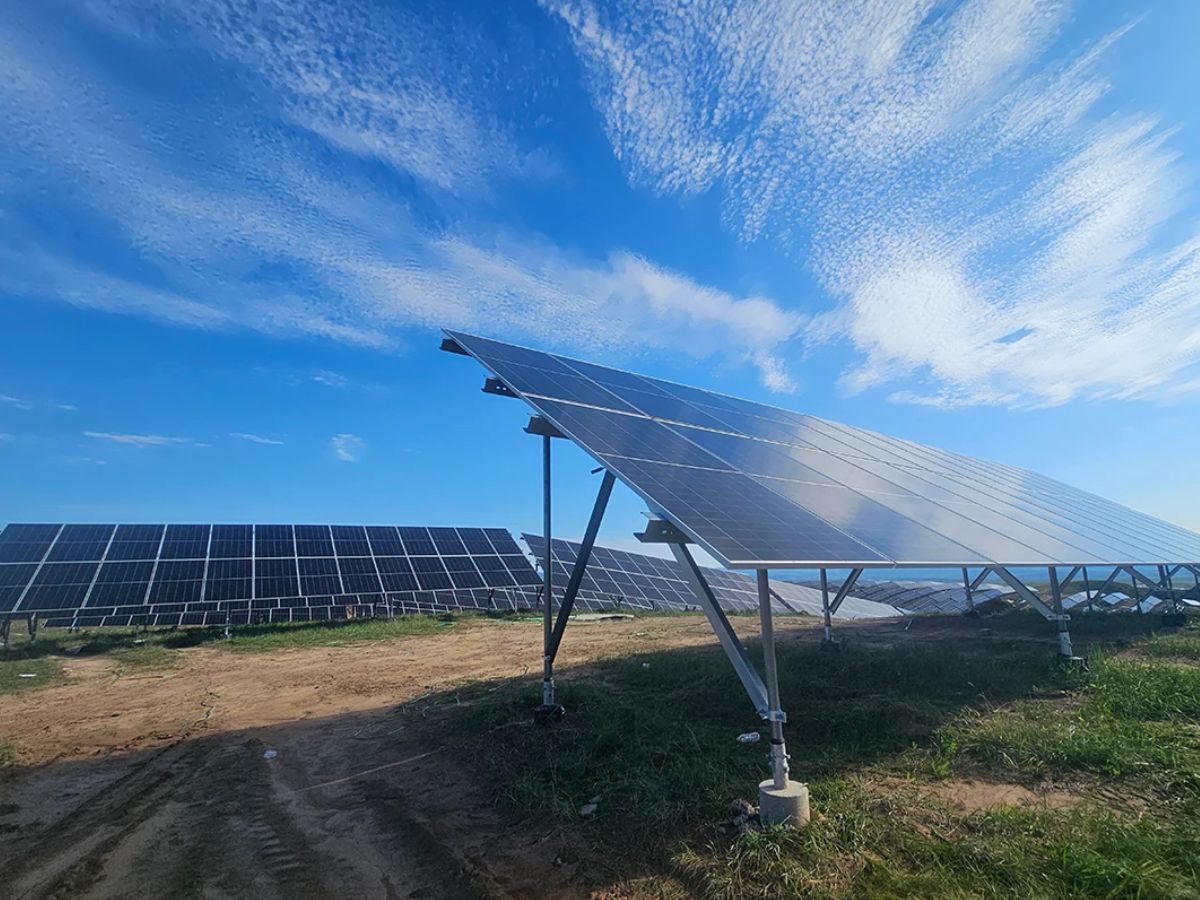
The most critical application of planetary gearboxes in the PV field is in solar tracking systems—including single-axis horizontal, single-axis tilted, and dual-axis trackers. These systems rotate PV modules to follow the sun, increasing power generation by 20%–30%. Deployed outdoors in deserts, mountains, or coastal areas, trackers must withstand extreme temperatures, wind, sand, rain, and snow, while ensuring high-precision sun tracking, low-fault continuous operation, and smooth heavy-load rotation. Planetary gearboxes meet all these stringent requirements perfectly.
High Precision and Low Backlash
Ensures Accurate Sun Tracking and Maximizes Power Generation
The core requirement of a solar tracking system is precise tracking of solar azimuth and elevation angles. Even slight positioning errors reduce PV module light capture efficiency, directly impacting energy output. Precision planetary gearboxes for trackers achieve backlash as low as 1–3 arcmin, with some high-precision models reaching sub-arcminute levels.
With zero transmission dead zone or delay, planetary gearboxes form a highly accurate closed-loop system when paired with servo/stepper motors and encoders, enabling sun tracking accuracy within ±0.1°. Low backlash also ensures responsive transmission, allowing the system to quickly adjust to cloud cover or changing solar positions. Compared with cycloidal pinwheel reducers (backlash >10 arcmin), planetary gearboxes deliver multiple times higher positioning accuracy, directly improving tracker efficiency and PV energy yield.
High Torque Density and Strong Impact Resistance
Handles Heavy-Load Panels and Outdoor Wind Forces
PV trackers must support dozens to hundreds of PV modules (each ~20 kg, with full-frame loads reaching several tons) and withstand alternating wind loads (gusts, typhoons causing radial and axial offset loads). The gearbox must provide continuous heavy-load torque while withstanding short-term impact loads.
Planetary gearboxes offer much higher torque density than conventional reducers. Their compact size allows super high torque output (single-stage ratio 3–10, multi-stage >100) with a coaxial design capable of driving the tracker shaft directly, without additional torque amplification. Core components—including planetary carriers, gears, and output shafts—are made of high-strength alloy steel, carburized and hardened, providing high structural rigidity. This effectively absorbs wind-induced shocks and alternating torques, preventing deformation or gear tooth failure and avoiding tracker jamming or rotation loss common with conventional reducers.
Outdoor Durability and Maintenance-Free Operation
Ensures Low O&M in Remote PV Plants
PV plants are often located in remote deserts, steppes, coastal regions, or mountains, where maintenance personnel are scarce, operational costs are high, and equipment must run 24/7 with minimal faults. Outdoor conditions include sand, dust, extreme temperatures (-40°C to 60°C), rain, snow, humidity, and salt spray (coastal), demanding excellent sealing, weather resistance, and maintenance-free operation.
PV-specific planetary gearboxes feature fully sealed designs: dual-lip oil seals, dust protection rings, and labyrinth seals prevent sand, water, and dust ingress and avoid lubricant leakage. Internally, they are filled with long-life grease suitable for -40°C to 120°C, resistant to low-temperature solidification, high-temperature breakdown, and wear—enabling lifetime maintenance-free operation. The housing is made of aluminum alloy die-cast with surface coating or anodizing, providing corrosion and UV resistance, ideal for salt spray and desert environments, ensuring long-term reliable outdoor operation.
High Transmission Efficiency
Reduces Energy Consumption and Increases Net Power Output
Solar trackers’ motors consume part of a PV plant’s energy, so high efficiency is critical for maximizing net power output. Planetary gearboxes achieve 97%–99% single-stage efficiency, with multi-stage configurations exceeding 90%, far higher than cycloidal pinwheel reducers (70%–85%) or conventional gear reducers (85%–90%).
High transmission efficiency reduces motor power loss, lowering tracker energy self-consumption, minimizing motor heat and stress, and preventing long-term high-load failures. Over a 25-year plant lifespan, the efficiency of planetary gearboxes can save significant electricity, directly improving net PV energy yield and reducing operational costs.
Smooth Low-Speed Operation
Prevents Tracker Vibration and Protects PV Modules
PV modules are fragile glass components. Tracker vibrations or jamming can cause cracks or micro-fractures, leading to high repair costs. Planetary gearboxes feature precision-ground and profile-modified gears, and planetary gears with load-sharing design, ensuring evenly distributed forces.
Even at ultra-low tracking speeds (0.1 r/min), the transmission remains smooth, vibration-free, and impact-free, allowing the tracker to follow the sun gently and continuously. This smooth motion protects PV modules, safeguarding the plant’s core assets.
Read More
Learn more about the story of HONPINE and industry trends related to precision transmission.
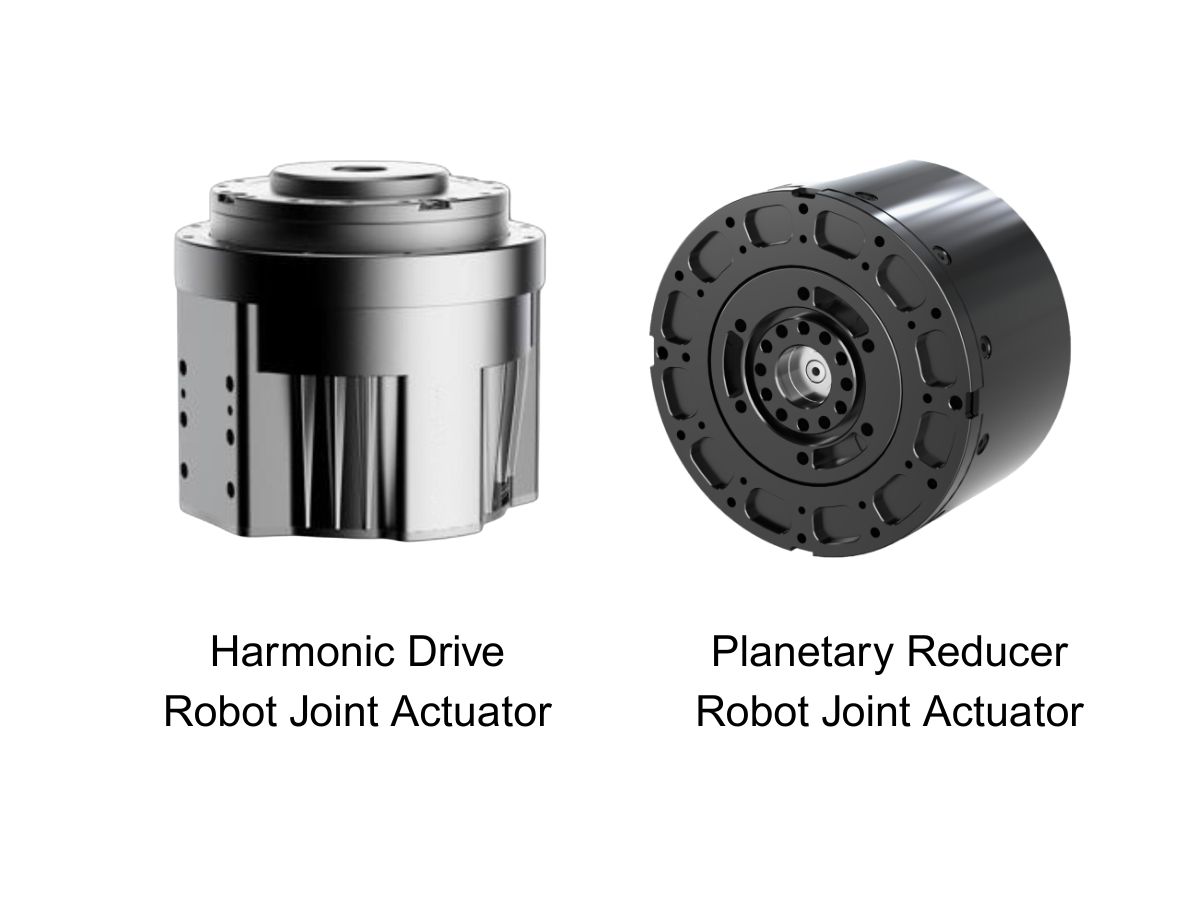
 What is robot joint actuator?How to Choose the Best Robot Rotary Joint Actuator?In core robot joint transmission solutions, planetary and harmonic rotary actuators each have their own strengths. Choosing the right type based on application requirements is essential to achieve the optimal balance between performance and cost.
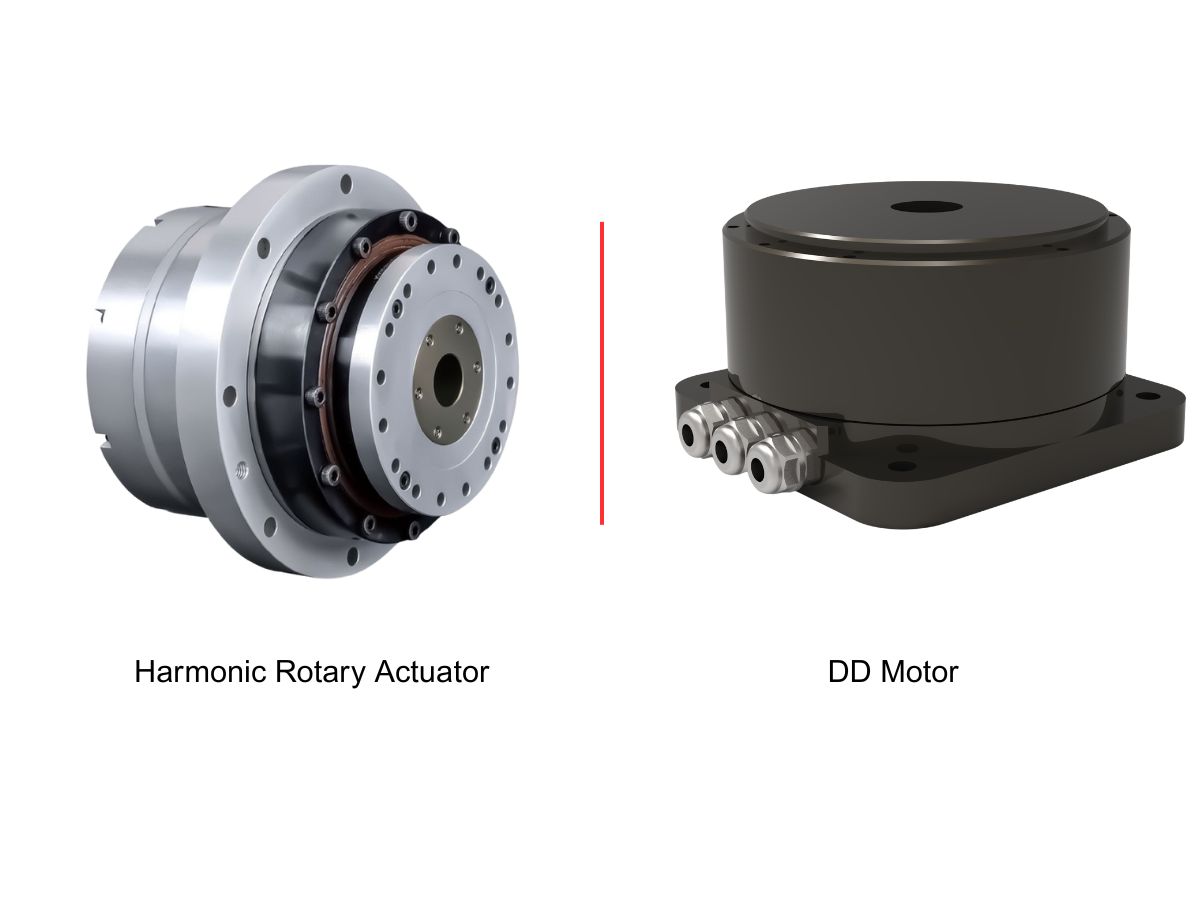
 DD Motors VS Harmonic Rotary ActuatorsThis article provides an in-depth comparison between Direct Drive (DD) motors and harmonic rotary actuators, covering their transmission principles, advantages and disadvantages, and typical application fields.
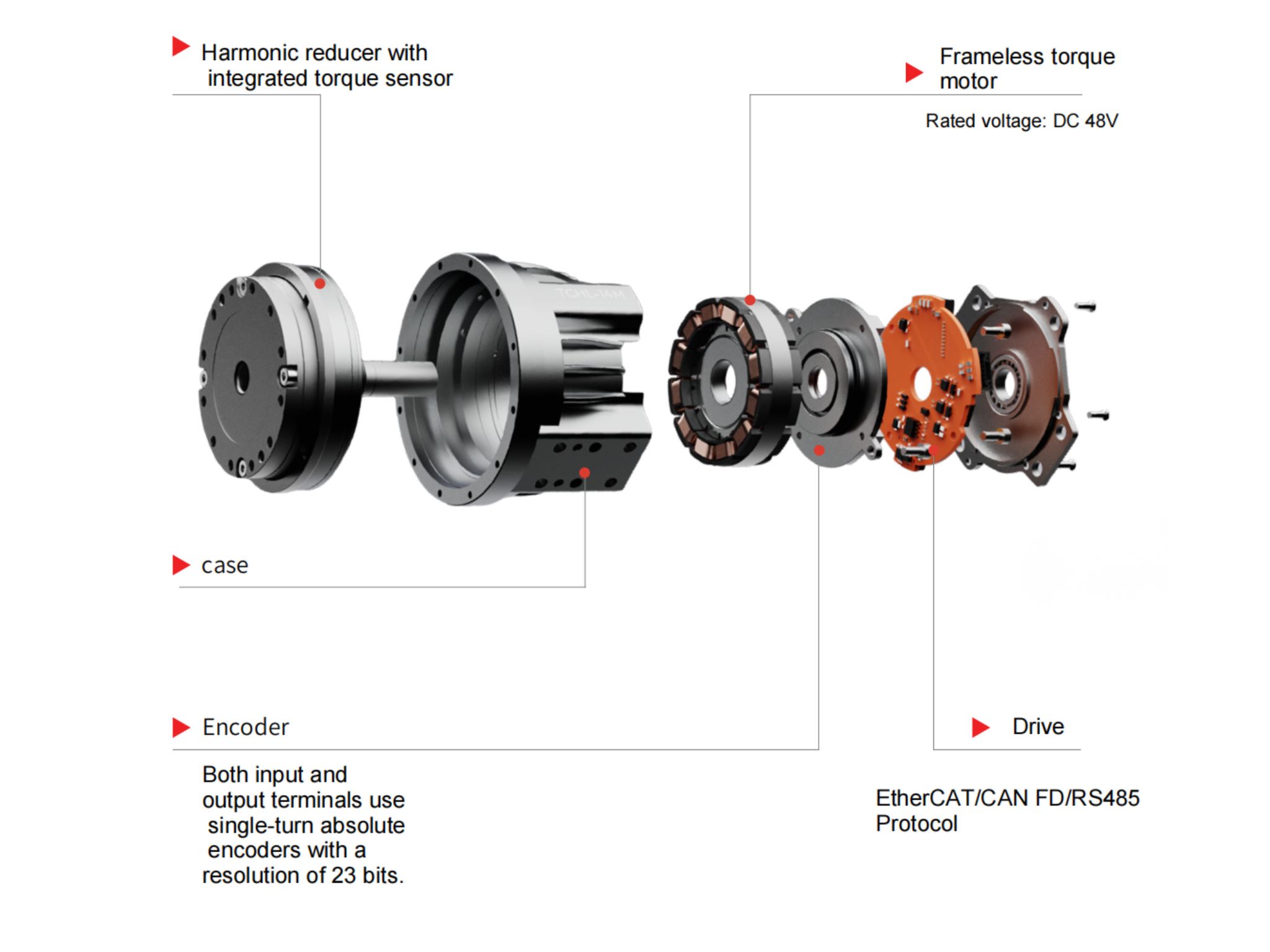
 OMG Ultra Compact Harmonic Drive Joint Module with Built-in Torque SensorHONPINE TCHL series harmonic drive joint module is a game-changing product that achieves disruptive improvements in multiple aspects such as lightweight design, integration level, and connection convenience. This article will analyze its revolutionary enhancements with you.
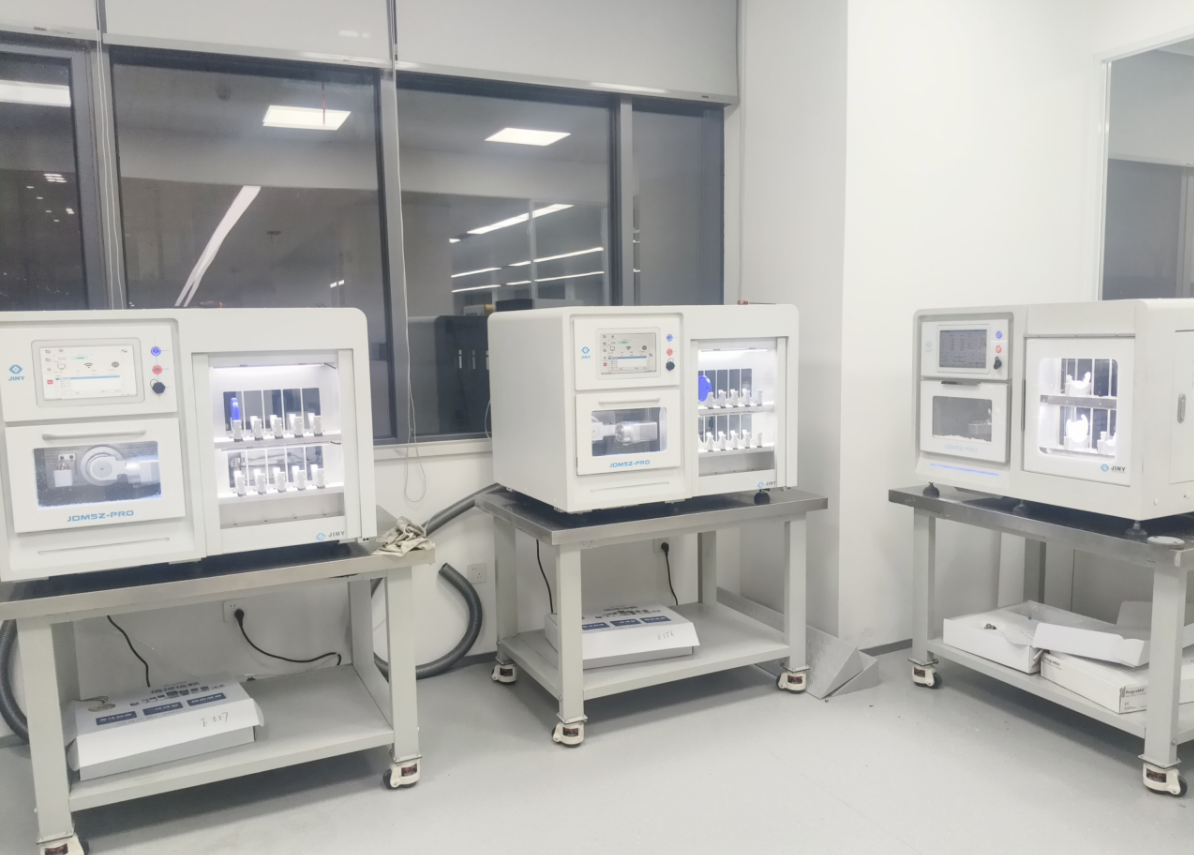
 The Role of Harmonic Drive Gears in Achieving 5–10 μm Accuracy in Dental Milling MachinesA dental milling machine is a CNC machining system used to directly process digital dental models into restorations such as crowns, bridges, veneers, inlays, and implant abutments. Dental milling machines require far higher operational accuracy and motion stability than ordinary equipment. This article explains how harmonic drive gear help dental milling machines achieve stable, continuous, and controllable operation.
 Why Are Harmonic Rotary Actuators Perfect for Medical Equipment?Harmonic rotary actuators (typically integrated systems consisting of a harmonic drive reducer, frameless torque motor, encoder, and optional brake) are regarded as key components in medical equipment. The core reason is that they simultaneously meet the most stringent medical requirements for precision, compact size, safety, and controllability. The following explanation is structured from three perspectives: technical characteristics, application scenarios, and medical value.
 High-Precision RV Reducers Perfectly Matched for Walking RobotsThe walking axis of a robot is a core component for power transmission and support. RV reducers provide extremely high rigidity, precision, and torque while maintaining a compact size and exceptional reliability, making them an ideal match for the demanding requirements of walking robot joints in terms of load capacity, impact resistance, and precision.
 Does a Higher Gearbox Ratio Mean More Torque? Planetary, Harmonic, and RV Gearboxes ExplainedDoes a higher gearbox ratio mean more torque? This engineering guide explains the relationship between gearbox ratio, output torque, and output speed, and compares planetary gearboxes, harmonic gearboxes, and RV gearboxes. Learn why reduction ratio alone cannot determine gearbox torque capacity, efficiency, dynamic response, precision, or service life, and what engineers should consider when selecting a gearbox for robotics, CNC machines, servo systems, and industrial motion control.
 High-Precision Hollow Harmonic Rotary Actuator for CNC Machines and Heavy-Duty Rotary AxesHONPINE 58 Series Hollow Harmonic Rotary Actuator is designed for CNC rotary tables, precision rotary axes, laser processing equipment, and heavy-duty rotary positioning applications. With a 50 mm hollow bore, up to 2,722 N·m peak torque, integrated crossed roller bearing, multi-turn absolute encoder options, positioning accuracy below 30 arcsec, and repeat positioning accuracy below 5 arcsec, it combines high torque capacity with precision rotary motion and flexible mechanical integration.
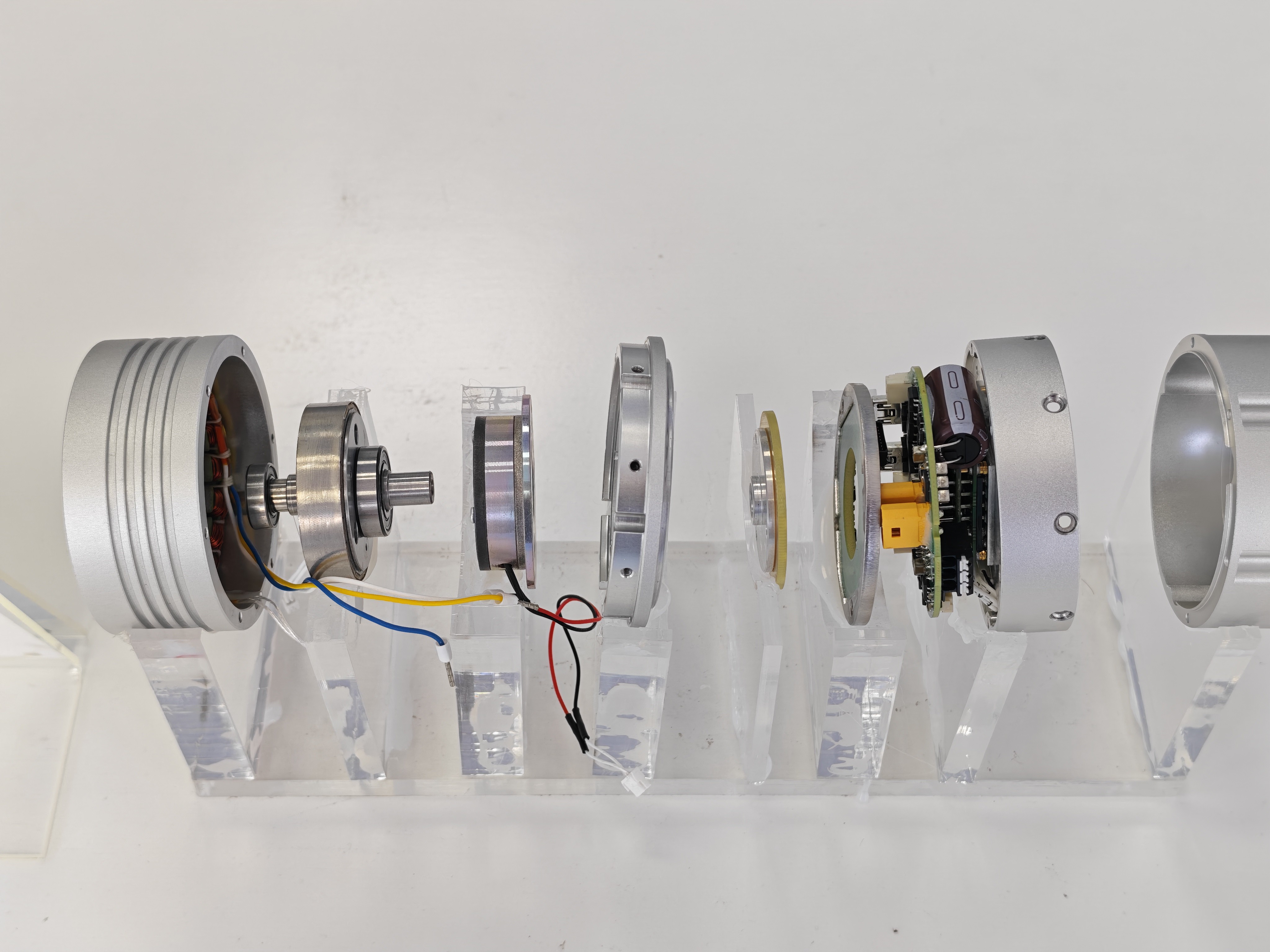
 How Does the HONPINE JRM Planetary Robot Joint Module Address Temperature Rise in Continuous Operation?HONPINE JRM planetary robot joint modules are designed for long-duration and high-load robotic operation. This article examines how motor electromagnetic optimization, high-efficiency planetary transmission, GaN-based drive technology, and system-level low-loss design help control temperature rise. Using the C6345 planetary robot joint module as a test example, HONPINE also presents full-load thermal validation under continuous operation, including motor efficiency up to 92%, planetary gearbox efficiency up to 97%, and a final equilibrium temperature of 61.42°C at a 25°C ambient temperature.
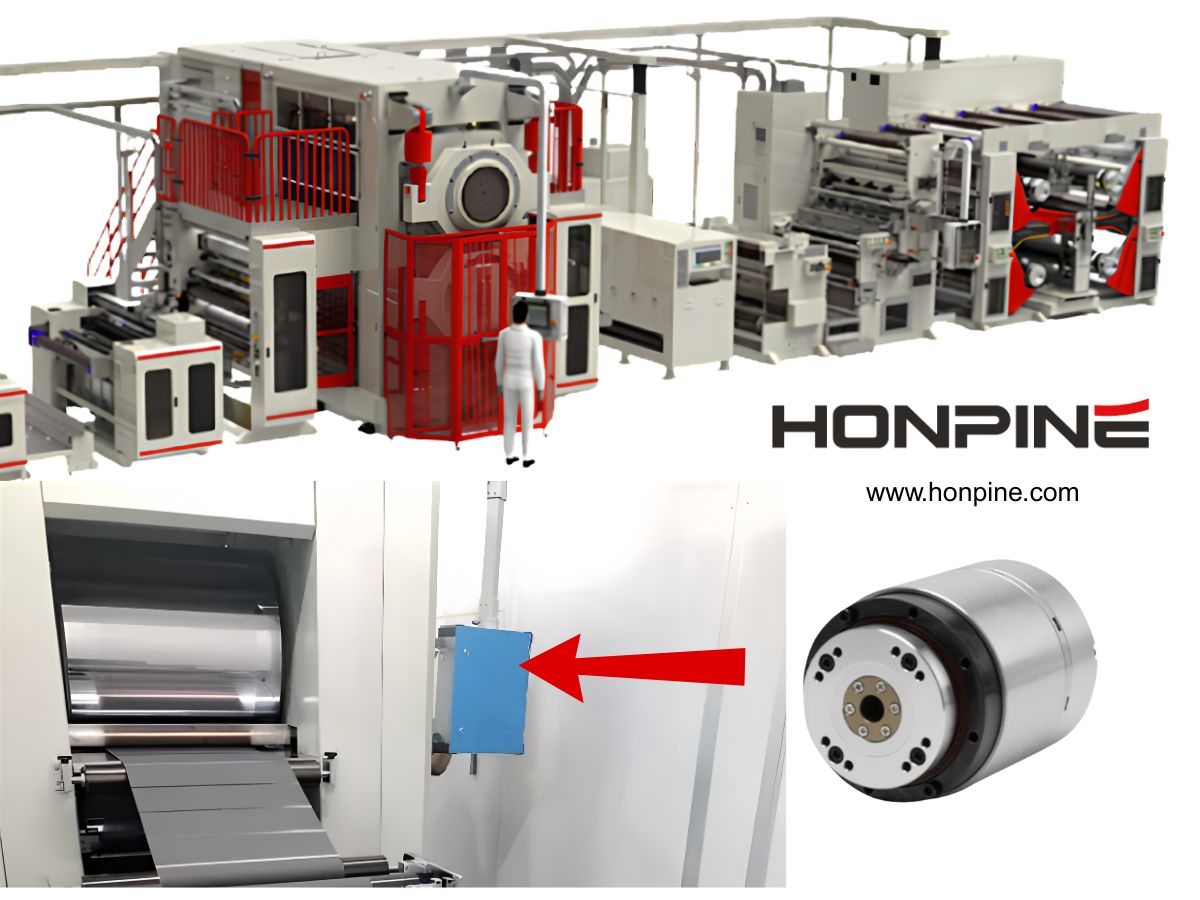
 Harmonic Rotary Actuator for Lithium Battery Roller Press EquipmentLithium battery manufacturing equipment requires higher precision, stability, and integration efficiency as production processes continue to evolve. In roller press equipment, accurate roller positioning, pressure control, and dynamic response are critical for ensuring electrode quality and consistency.
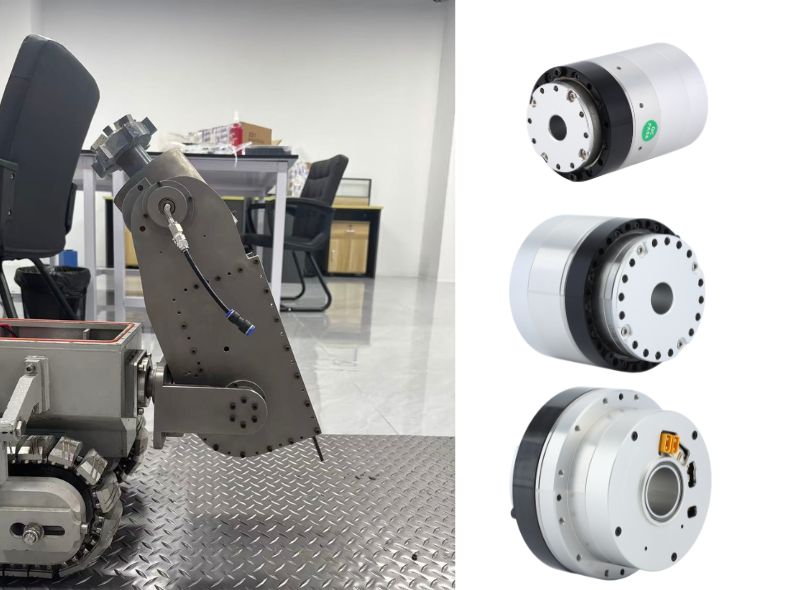
HONPINE harmonic rotary actuators provide high precision, high rigidity, fast response, and compact integration for lithium battery roller press equipment. With near-zero backlash, high torque density, and reliable motion control performance, they help improve equipment accuracy and production stability. Harmonic Robot Joint Actuators for Pipeline Robots and Other Special-Purpose EquipmentPipeline robots operate in narrow and complex environments where limited installation space, high load requirements, cable routing, and precise motion control are critical challenges. A reliable joint actuator must provide high torque output, compact dimensions, and stable performance while adapting to demanding operating conditions. Harmonic robot joint actuators integrate precision transmission, motor drive, and sensing capabilities into a compact motion unit, making them suitable for pipeline robots and other special-purpose robotic systems. This article explores the key design requirements of pipeline robots and explains how HONPINE HPJM harmonic robot joint modules help achieve compact, high-performance, and reliable robotic solutions.
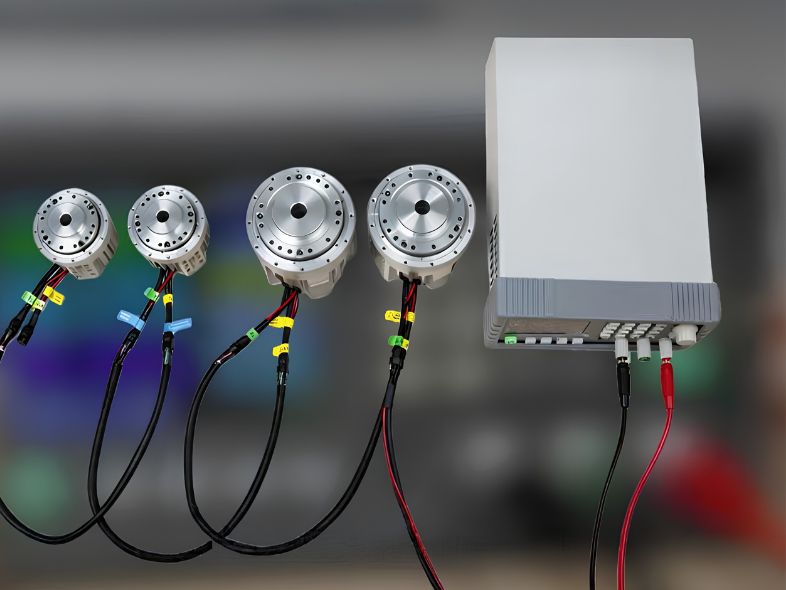
 How Integrated Robot Joint Modules Are Reshaping Robot Wiring and Control Architecture?Integrated robot joint modules are changing how robots are designed by combining the motor, reducer, drive, encoder, and sensing components into a compact motion unit. Compared with traditional distributed architectures, this integrated approach can reduce cable complexity, simplify power and communication connections, and support more compact robot structures. As humanoid robots demand higher levels of motion coordination, response speed, precision, and integration, robot joint modules are becoming an increasingly important interface between intelligent control systems and physical movement. This article explains how integrated robot joint modules reshape robot wiring and control architecture, using the HONPINE TCHL harmonic drive robot joint module as an example.
Double Click
We provide harmonic drive reducer,planetary reducer,robot joint motor,robot rotary actuators,RV gear reducer,robot end effector,dexterous robot hand
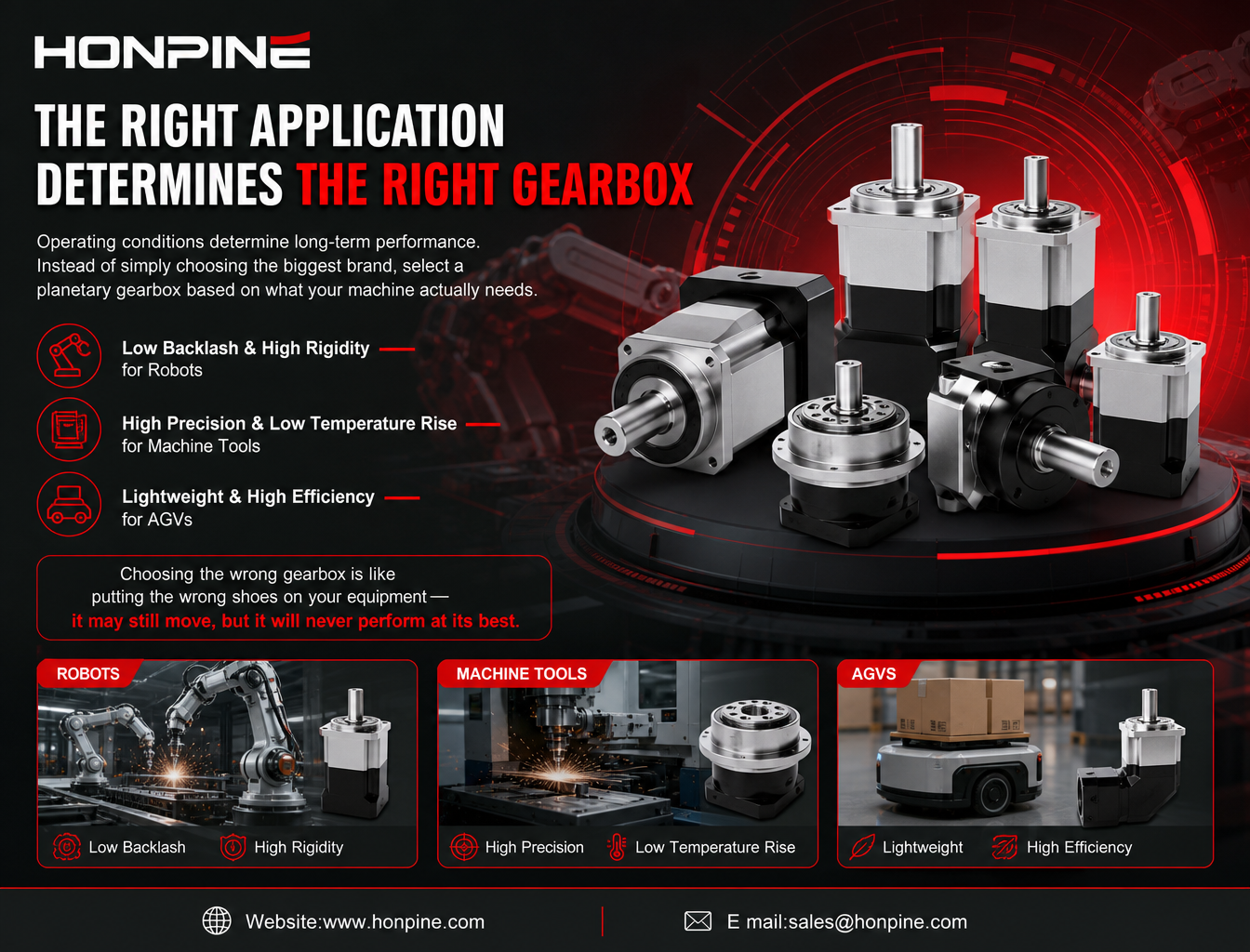
 Honpine Planetary Gearbox Selection Guide: How to Choose the Right Gearbox for Robots, CNC Machines, and AGVsThe right application determines the right gearbox. Operating conditions determine long-term performance. Instead of simply choosing the biggest brand, select a planetary gearbox based on what your machine actually needs: low backlash and high rigidity for robots, high precision and low temperature rise for machine tools, and lightweight, high-efficiency designs for AGVs. Choosing the wrong gearbox is like putting the wrong shoes on your equipment—it may still move, but it will never perform at its best.
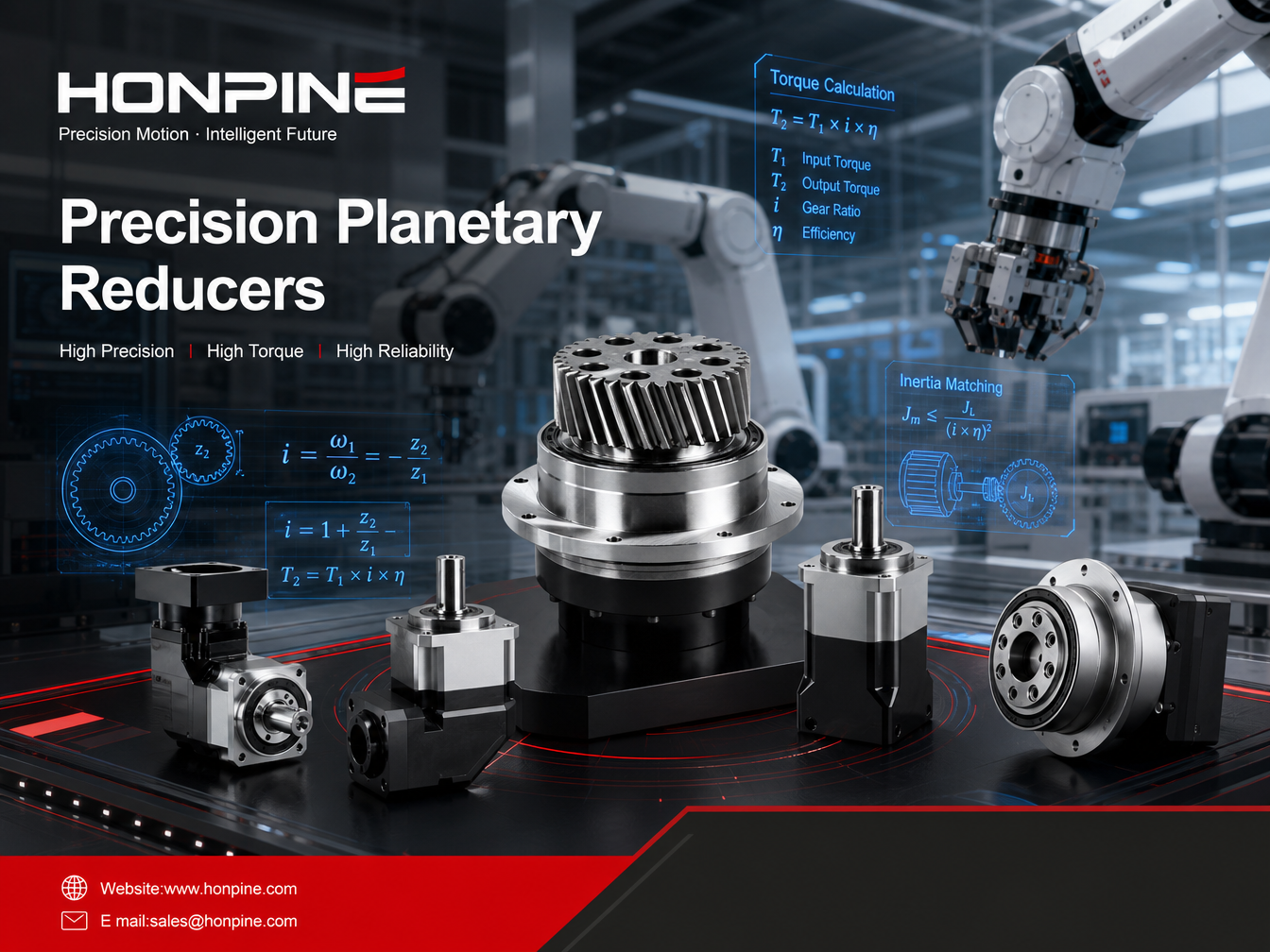
 Precision Planetary Reducer Selection Guide: Practical Methods for Gear Ratio, Torque, and Inertia MatchingSelecting the right precision planetary reducer is one of the most important steps in designing a high-performance motion control system. With numerous technical parameters to consider, the selection process can appear complicated. In practice, however, three core factors determine the optimal solution: gear ratio, output torque, and inertia matching.
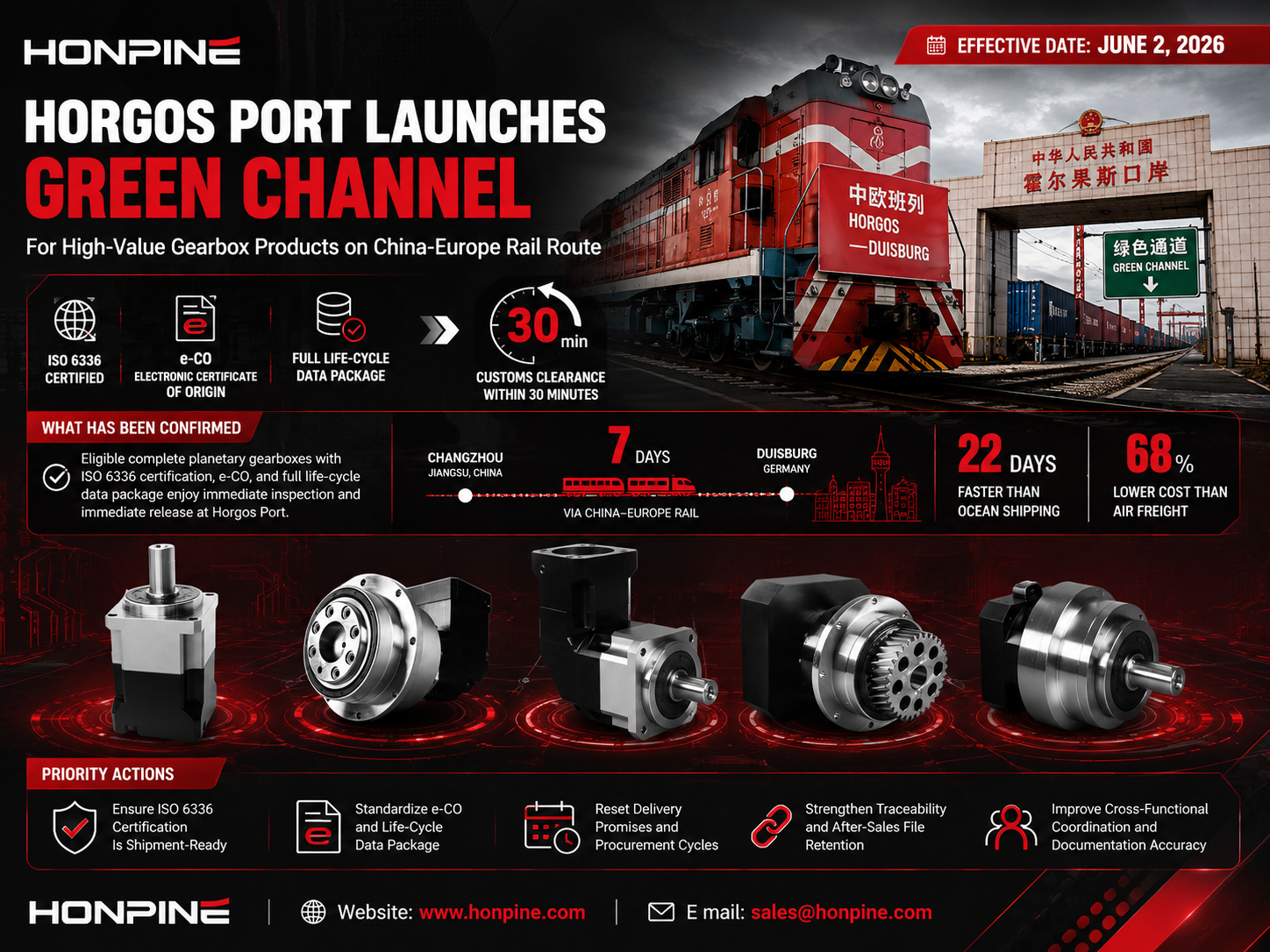
 Horgos Rail Clearance Cut to 30 Minutes Benifit Planetary Gearboxes TransportHorgos Rail Clearance Cut to 30 Minutes: discover how compliant complete planetary gearboxes gain faster China-Europe delivery, lower logistics pressure, and stronger export competitiveness.
 Understanding Backdrive in Planetary Gearboxes for Robotics and AutomationIn modern industrial automation systems, planetary gearboxes are renowned not only for their high efficiency and precision but also for their ability to operate in backdrive mode. This makes them widely used in robotic joints, servo control systems, and automated equipment. This article will provide an in-depth analysis of the backdrive principle of planetary gearboxes, torque transmission logic, and operational considerations, offering valuable reference for engineers.
 How Does HONPINE Ensure the Quality of High Precision Planetary Gearboxes as a Manufacturer?As a precision planetary gearbox manufacturer for high-end machinery, HONPINE adopts high-precision machining technologies during the production process. At the same time, we implement strict quality inspection procedures to ensure the quality of every planetary gearbox. This article introduces the quality inspection process that HONPINE high-precision planetary gearboxes must go through.
 HONPINE vs Apex Planetary Reducer GearboxApex planetary reducer gearboxes are widely recognized for their high precision, low backlash, compact high torque density, and high transmission efficiency, and have long been regarded as a benchmark in the precision transmission industry.
 Neugart Apex WITTENSTEIN Alpha Stober Planetary Reducer Gearboxes Can Be Replaced By HONPINE Based on Their Structural AdvantagesAs a high-end Chinese brand of precision planetary reducer gearboxes, HONPINE planetary reducer gearbox is steadily gaining market recognition thanks to its outstanding structural design advantages and strong manufacturing coordination capabilities.
HONPINE planetary reducer gearbox can serve as a direct replacement for well-known international brands such as Neugart, Apex, WITTENSTEIN alpha, and Stober. Our goal is to deliver the same performance and reliability at a significantly more competitive cost, allowing customers to achieve equivalent application results with better value.
This article explains the key structural advantages of HONPINE planetary reducer gearboxes. Why Planetary Gearboxes Are Well-Suited for PV Mounting Systems?Planetary gearboxes, with their high torque density, precise positioning, outdoor durability, low backlash, maintenance-free operation, and high transmission efficiency, perfectly match the core requirements of the PV industry: all-weather outdoor operation, high-precision sun tracking, smooth heavy-load drive, low maintenance cost, and energy efficiency. Compared with cycloidal pinwheel reducers and conventional gear reducers, planetary gearboxes offer significant advantages in adaptability, reliability, and cost-effectiveness.
 Why Planetary Gear Reducers Perform Excellently in Integrated Strapping and Stretch Wrapping Machines?Planetary gear reducers excel in integrated strapping and stretch wrapping machines primarily due to their technical characteristics: compact design, high torque, low backlash, impact resistance, and maintenance-free operation. These features allow them to precisely match the complex, multi-station operational requirements of the equipment, which include strap tightening, film carriage winding, and pallet rotation/lifting. Compared to cycloidal pinwheel reducers or standard gear reducers, planetary reducers effectively address core challenges such as limited space, alternating loads, precise positioning, and continuous operation. They also offer significant advantages in transmission efficiency, operational stability, and maintenance costs, making them well-suited for the automated, integrated strapping and wrapping needs at the end of logistics, warehousing, and production lines.
 Why Planetary Gearboxes Have Become Core Transmission Components in Palletizing RobotsPlanetary gearboxes have become core transmission components in palletizing robots because their technical characteristics precisely match the robots’ key operating requirements, including heavy payload handling, high-frequency start-stop cycles, precise positioning, 24-hour continuous operation, and limited joint installation space. Compared with traditional reducers such as cycloidal pinwheel reducers and conventional spur gear reducers, planetary gearboxes offer multiple irreplaceable advantages in terms of application adaptability, operating performance, and cost efficiency.
 Why Planetary Gearboxes Are Well Suited for Industrial Packaging Machines?Planetary gearboxes are ideally suited to the core requirements of industrial packaging machines, including high-frequency operation, variable load conditions, and compact installation space. Compared with conventional gear reducers and worm gear reducers, planetary gearboxes demonstrate clear advantages throughout the entire packaging process—such as strapping, compression, and strap feeding—in four key aspects: strong application adaptability, high durability, low operating cost, and compatibility with automation upgrades. All of these advantages directly address the real operational pain points of industrial packaging machines.
 Why Planetary Gearboxes Are Perfectly Suited for AGV Drive Wheels?When applied to drive wheel transmission systems, planetary gearboxes perfectly match the core operating requirements of drive wheels, including limited installation space, high starting torque demand, stable speed regulation and positioning, and frequent start-stop and forward/reverse operation. Compared with traditional reducers such as worm gear reducers or helical gear reducers, planetary gearboxes offer multiple dedicated advantages in drive wheel applications, including strong adaptability, high transmission efficiency, stable operation, and flexible installation. Moreover, drive wheels in different application scenarios can be matched with corresponding planetary gearbox specifications.