






India Becomes China’s Top Machine Tool Export Market in Q1 2026
China’s machine tool exports to India reached USD 1.97 billion in Q1 2026 — up 41.2% year-on-year — making India the largest single export destination for Chinese machine tool and cutting tool products, surpassing Vietnam and the United States for the first time, according to data released by China’s General Administration of Customs on April 1, 2026. This shift signals accelerating demand from India’s domestic manufacturing sector and warrants close attention from exporters, distributors, certification service providers, and supply chain stakeholders operating across the global metalworking equipment value chain.
Event Overview
According to official statistics published by China’s General Administration of Customs on April 1, 2026, China’s exports of machine tool and related tools to India totaled USD 1.97 billion in the first quarter of 2026. This marked a 41.2% increase compared to the same period in 2025 and exceeded exports to both Vietnam and the United States, establishing India as China’s top export market for such goods in that quarter. The growth is attributed to accelerated domestic manufacturing initiatives in India and the implementation of the ‘Make in India 2.0’ subsidy program, which has spurred strong demand for mid-range CNC lathes and vertical machining centers. Separately, the Bureau of Indian Standards (BIS) certification timeline has extended to 6–8 weeks, prompting recommendations for exporters to build in additional lead time for compliance.
Industries Affected
Direct Exporters (OEMs & Trading Companies)
Exporters supplying CNC lathes and vertical machining centers to India face increased order volume but also heightened regulatory scrutiny. The BIS certification delay directly impacts shipment scheduling and cash flow planning, especially for time-sensitive project deliveries.
Supply Chain & Certification Service Providers
Firms offering BIS application support, technical documentation preparation, or conformity assessment services are experiencing rising demand — yet the extended processing window introduces capacity constraints and requires tighter coordination with clients’ production timelines.
Domestic Component Suppliers (to Chinese Machine Tool Makers)
Increased export orders for mid-tier CNC equipment may drive higher demand for domestically sourced servo motors, ball screws, and control systems — though this effect remains indirect and dependent on actual production ramp-up by Chinese manufacturers.
Distribution & Aftermarket Service Networks
Indian distributors and service partners handling installation, commissioning, and spare parts logistics must scale technical staffing and inventory depth — particularly for models newly entering the Indian market under Make in India 2.0 incentives.
Key Considerations and Recommended Actions
Monitor official updates on BIS procedural guidance
The current 6–8 week BIS certification cycle is cited as an operational constraint; however, no formal policy change has been announced. Exporters should track communications from India’s Ministry of Consumer Affairs and BIS for potential process optimizations or temporary fast-track provisions.
Prioritize certification for high-demand product categories
Given the observed surge in demand for mid-range CNC lathes and vertical machining centers, exporters should allocate certification resources first to these specific models — rather than applying broadly across full portfolios — to maximize market responsiveness.
Distinguish between policy rollout and actual procurement momentum
‘Make in India 2.0’ subsidies are a stated driver, but their disbursement mechanisms and eligibility criteria remain subject to state-level interpretation. Exporters should verify end-user subsidy approval status before committing to large-volume shipments.
Build buffer time into order-to-delivery planning
With BIS certification now requiring 6–8 weeks, forward-looking delivery schedules should incorporate at least 10-week lead times for new model entries — including documentation review, testing, and certificate issuance — to avoid contractual penalties or reputational risk.
Editorial Perspective / Industry Observation
Observably, this milestone reflects not just a statistical shift in trade flows, but an early indicator of structural realignment in Asia’s industrial equipment supply chain. Analysis shows that India’s rise as the top destination is less about long-term market saturation in traditional markets (e.g., the U.S. or EU), and more about near-term policy-driven demand concentration. It is better understood as a signal — one tied closely to the timing and execution fidelity of Make in India 2.0 — rather than an established, self-sustaining trend. Continued monitoring is warranted because sustained growth depends on consistent subsidy disbursement, local after-sales infrastructure development, and stability in India’s import classification and tariff treatment for machine tools.
Conclusion
This development underscores how national industrial policies can rapidly reshape cross-border equipment trade patterns — even within a single quarter. For industry participants, it is neither a broad-based market opportunity nor a passing anomaly, but a context-specific inflection point demanding calibrated, category- and timeline-aware responses. Current conditions suggest a need for disciplined execution over expansive assumptions: success hinges less on market size alone and more on navigating certification, subsidy alignment, and localized service readiness.
Source Attribution
Main source: China’s General Administration of Customs (data release dated April 1, 2026).
Note: The BIS certification timeline and ‘Make in India 2.0’ subsidy implementation status are reported as current operational observations and remain subject to verification through official Indian government channels.
Read More
Learn more about the story of HONPINE and industry trends related to precision transmission.
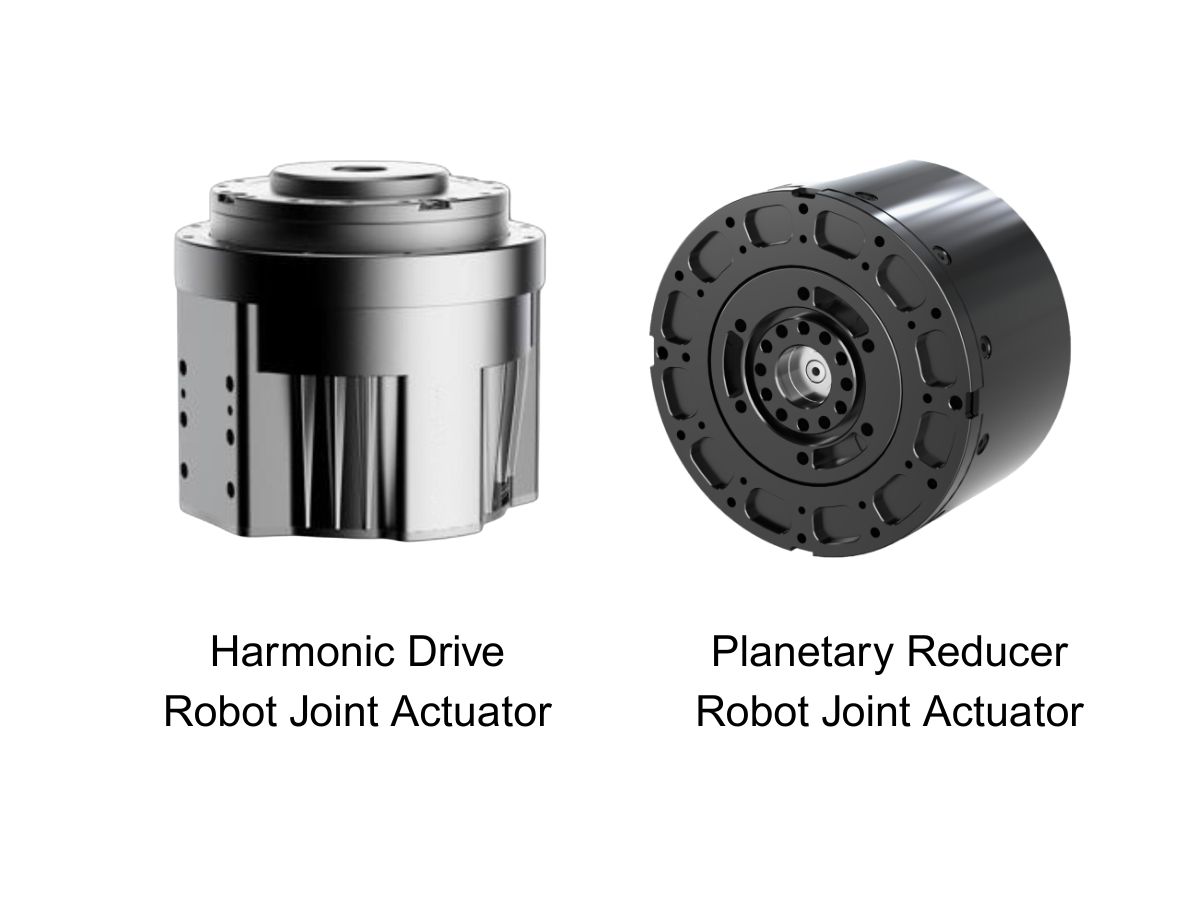
 What is robot joint actuator?How to Choose the Best Robot Rotary Joint Actuator?In core robot joint transmission solutions, planetary and harmonic rotary actuators each have their own strengths. Choosing the right type based on application requirements is essential to achieve the optimal balance between performance and cost.
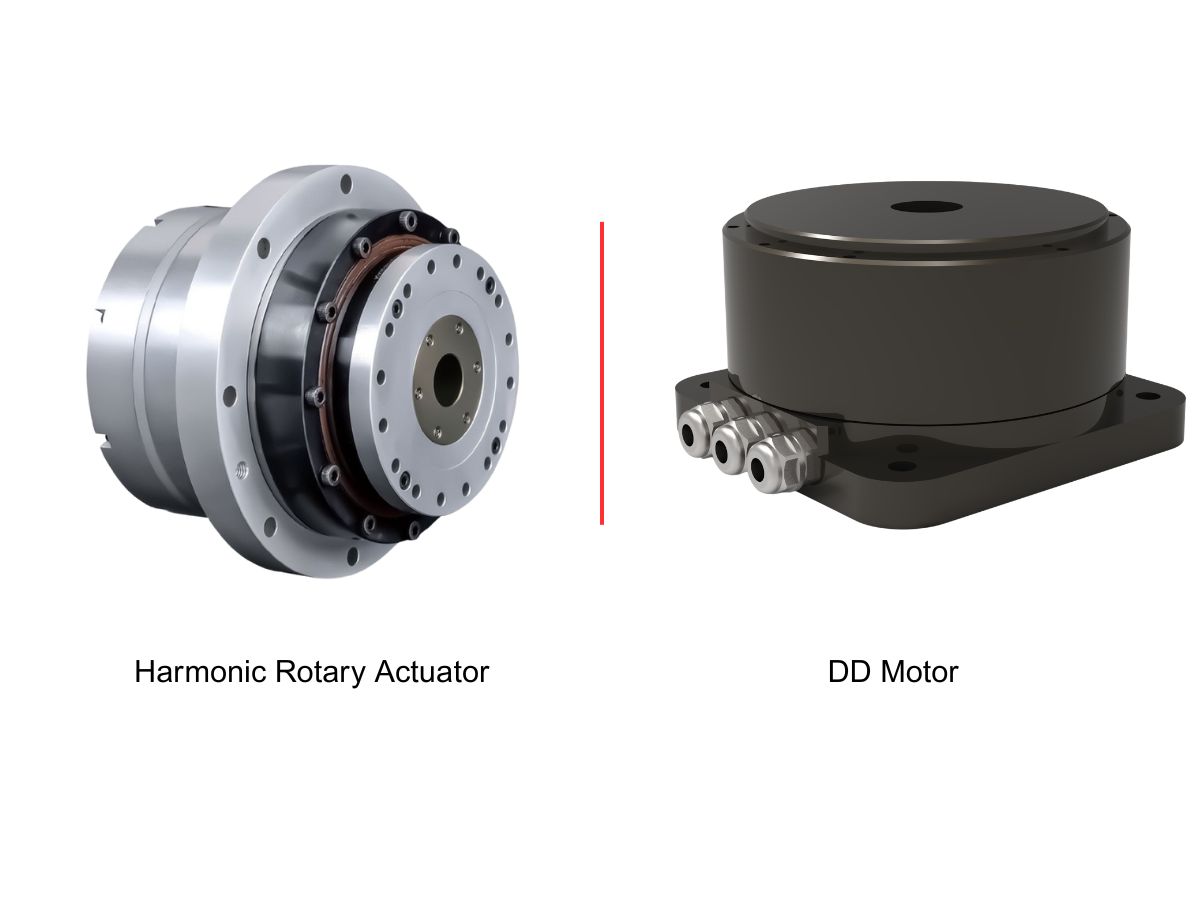
 DD Motors VS Harmonic Rotary ActuatorsThis article provides an in-depth comparison between Direct Drive (DD) motors and harmonic rotary actuators, covering their transmission principles, advantages and disadvantages, and typical application fields.
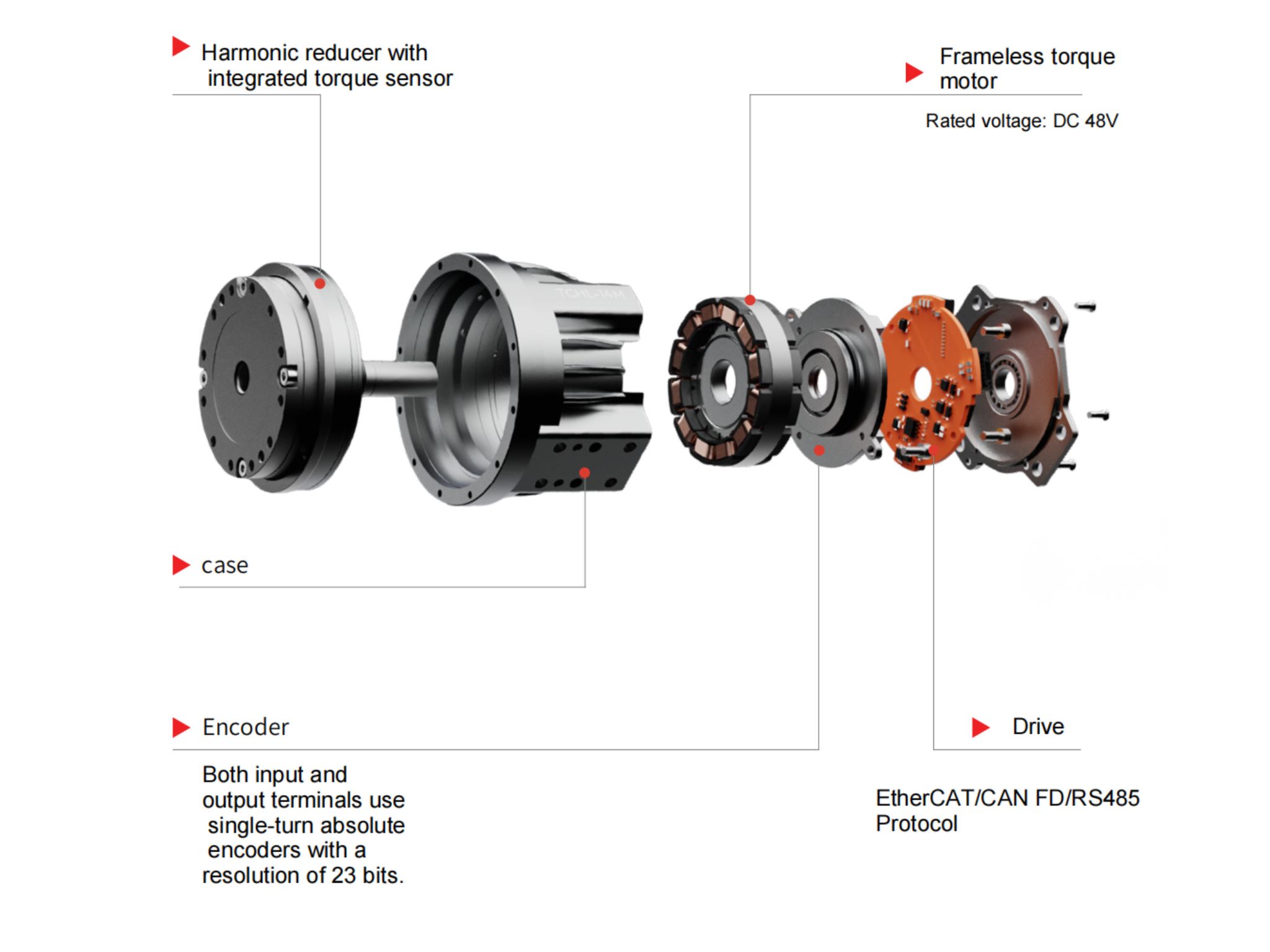
 OMG Ultra Compact Harmonic Drive Joint Module with Built-in Torque SensorHONPINE TCHL series harmonic drive joint module is a game-changing product that achieves disruptive improvements in multiple aspects such as lightweight design, integration level, and connection convenience. This article will analyze its revolutionary enhancements with you.
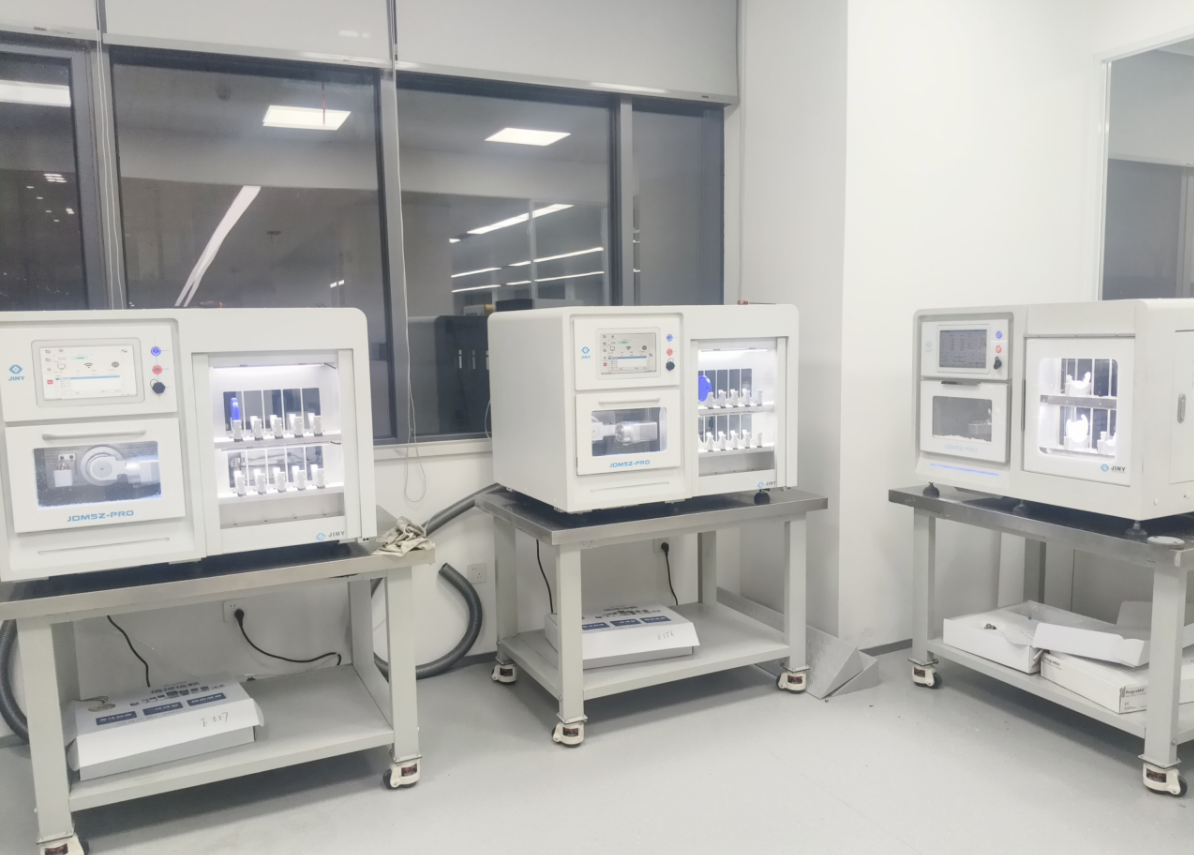
 The Role of Harmonic Drive Gears in Achieving 5–10 μm Accuracy in Dental Milling MachinesA dental milling machine is a CNC machining system used to directly process digital dental models into restorations such as crowns, bridges, veneers, inlays, and implant abutments. Dental milling machines require far higher operational accuracy and motion stability than ordinary equipment. This article explains how harmonic drive gear help dental milling machines achieve stable, continuous, and controllable operation.
 Why Are Harmonic Rotary Actuators Perfect for Medical Equipment?Harmonic rotary actuators (typically integrated systems consisting of a harmonic drive reducer, frameless torque motor, encoder, and optional brake) are regarded as key components in medical equipment. The core reason is that they simultaneously meet the most stringent medical requirements for precision, compact size, safety, and controllability. The following explanation is structured from three perspectives: technical characteristics, application scenarios, and medical value.
 High-Precision RV Reducers Perfectly Matched for Walking RobotsThe walking axis of a robot is a core component for power transmission and support. RV reducers provide extremely high rigidity, precision, and torque while maintaining a compact size and exceptional reliability, making them an ideal match for the demanding requirements of walking robot joints in terms of load capacity, impact resistance, and precision.
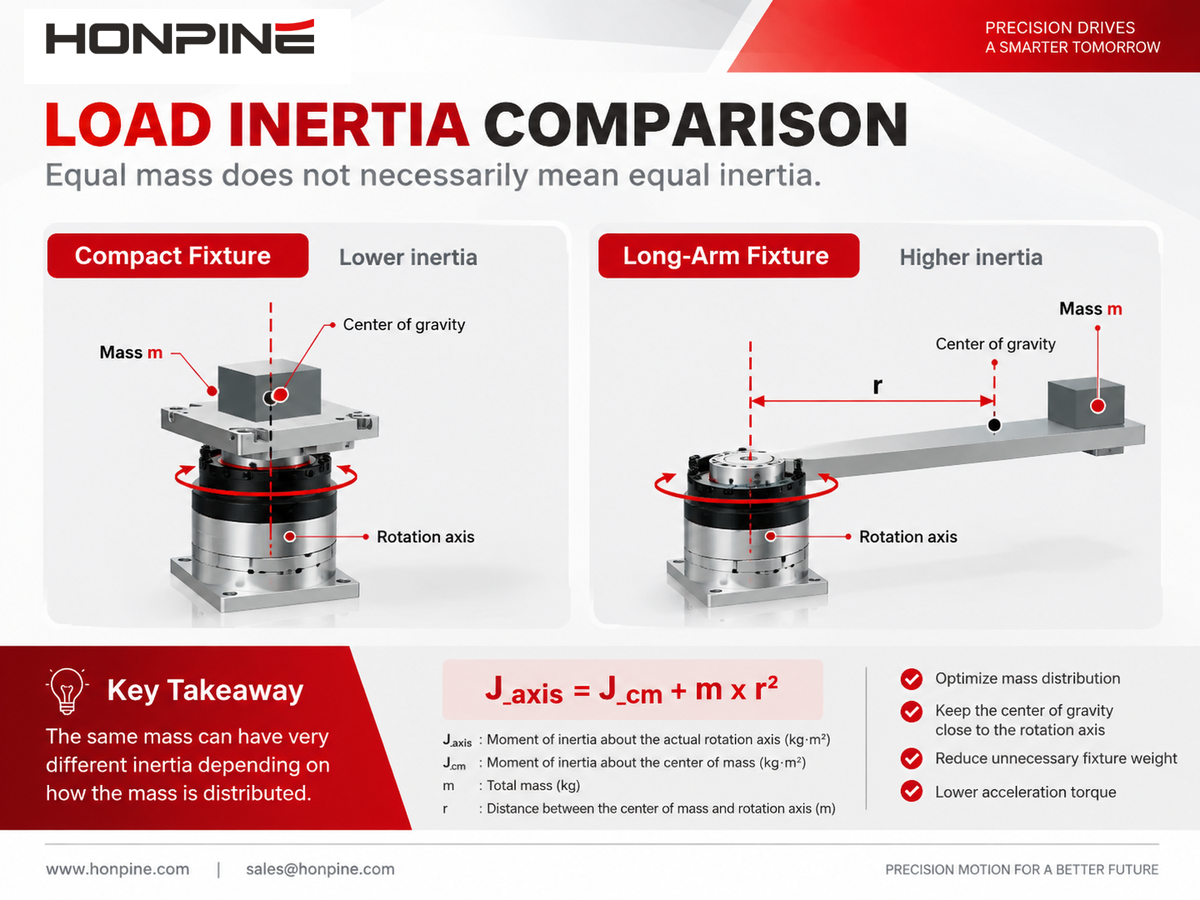
 Why Are Servo Motors and Gear Reducers an Ideal Match?Servo motors provide fast, precise motion control, while gear reducers adapt their speed and torque to the load. This guide explains how servo motors and gear reducers work together through torque multiplication, reflected inertia reduction and finer theoretical position resolution. Learn how inertia matching, backlash, torsional stiffness and reduction ratio influence performance in robotics and industrial automation.
 How to Select and Use Robotic Joint Modules?How do you take robotic joint modules from selection to controlled motion? Using the HONPINE HPJM harmonic joint module as an example, Technical Director Theodore Li explains the key steps in mechanical installation, electrical wiring, CAN and EtherCAT configuration, and control commissioning. Learn what to confirm before integration and how to approach setup so each joint can respond correctly to your controller.
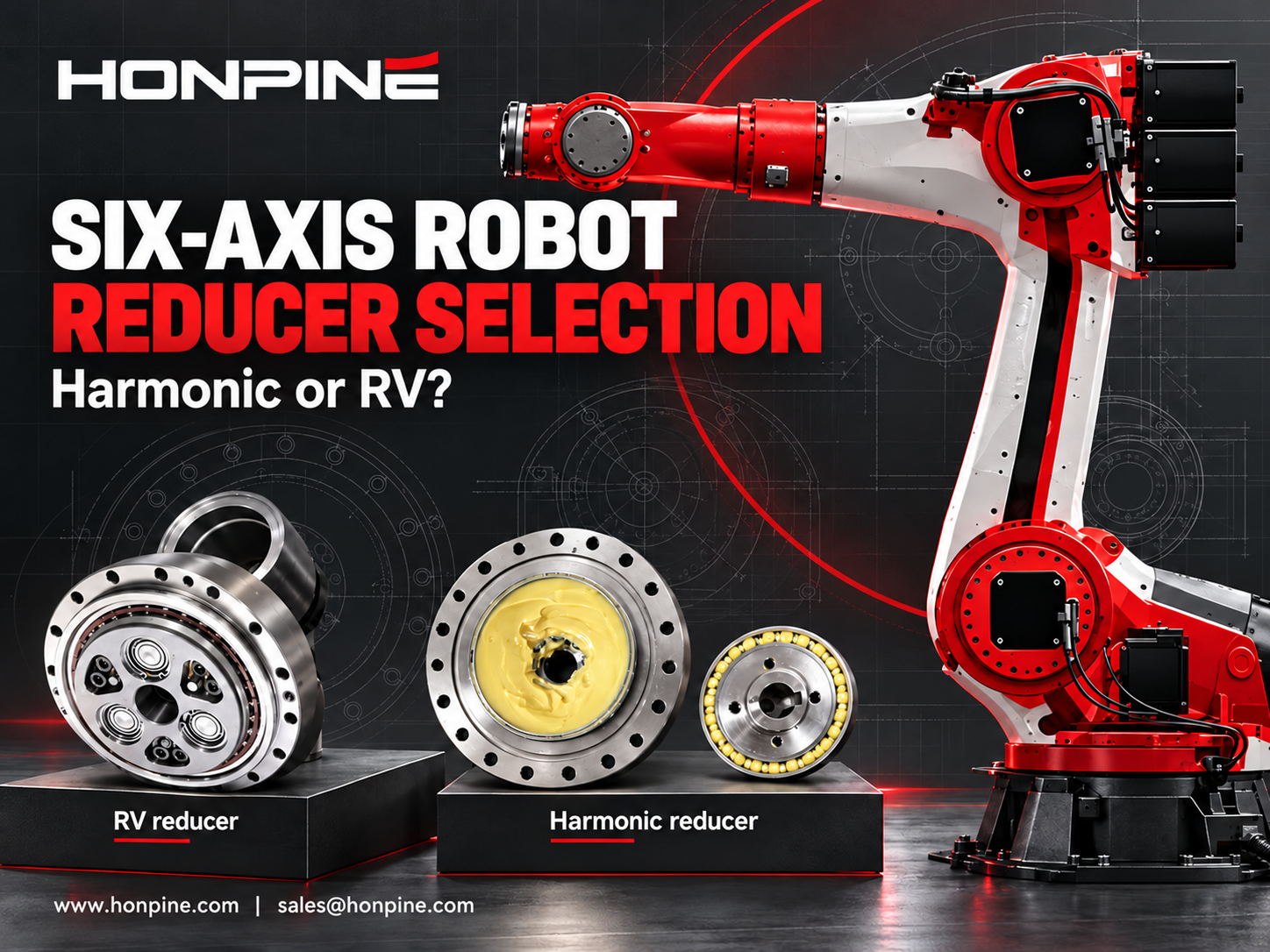
 How to Select Harmonic and RV Reducers for Each Axis of a Six-Axis Robot?What determines whether a six-axis robot joint needs a harmonic reducer or an RV reducer? The answer depends on torque, inertia, impact loads, bearing loads and installation space. This guide explains how to evaluate harmonic and RV reducers for the base, shoulder, elbow and wrist, with practical checks for stiffness, backlash and service life. Use the requirements of each axis to select a suitable reducer configuration.
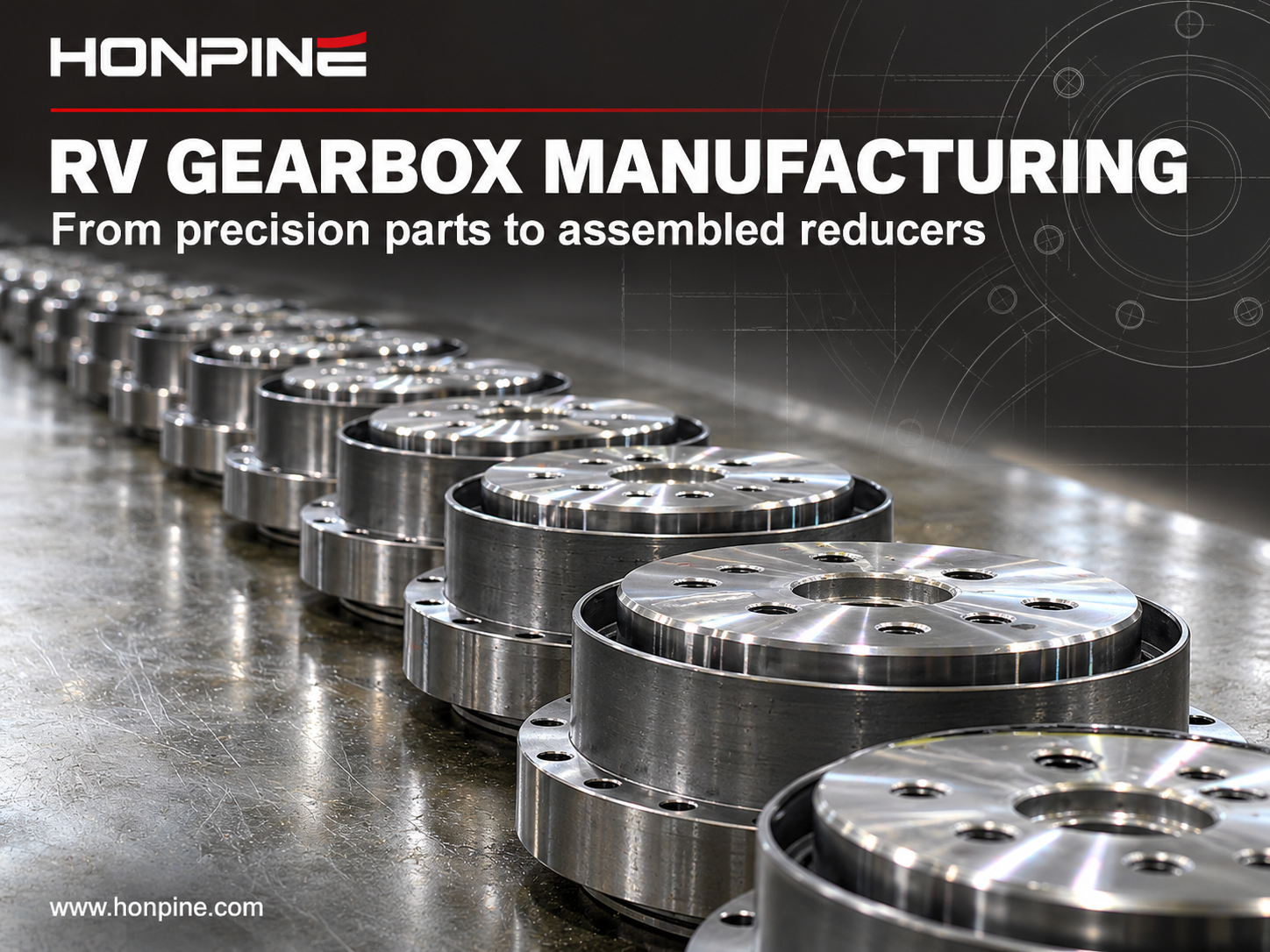
 Top 7 RV Reducer Gearbox Manufacturers: Why Does Nabtesco Still Dominate?What sets RV reducer gearbox manufacturers apart, and why does Nabtesco remain a benchmark in this market? RV reducer production demands precise component machining, careful assembly and extensive engineering know-how. This article introduces seven manufacturers across RV reducers and related transmission technologies, examines the strengths behind Nabtesco's position, and explores HONPINE's development capabilities to help you understand the supplier landscape.
 How to Calculate Torque for a Harmonic Rotary Actuator in a Flipping Mechanism?How much torque does a harmonic rotary actuator need to flip a 10 kg load through 180 degrees? The answer depends on more than weight. Center-of-gravity offset, load inertia, acceleration and operating frequency all affect actuator selection. In this guide, Theodore Li, Technical Director at HONPINE, explains the calculation process using a horizontal-axis flipping example and outlines the checks needed for peak torque, continuous operation, output speed and bearing loads.
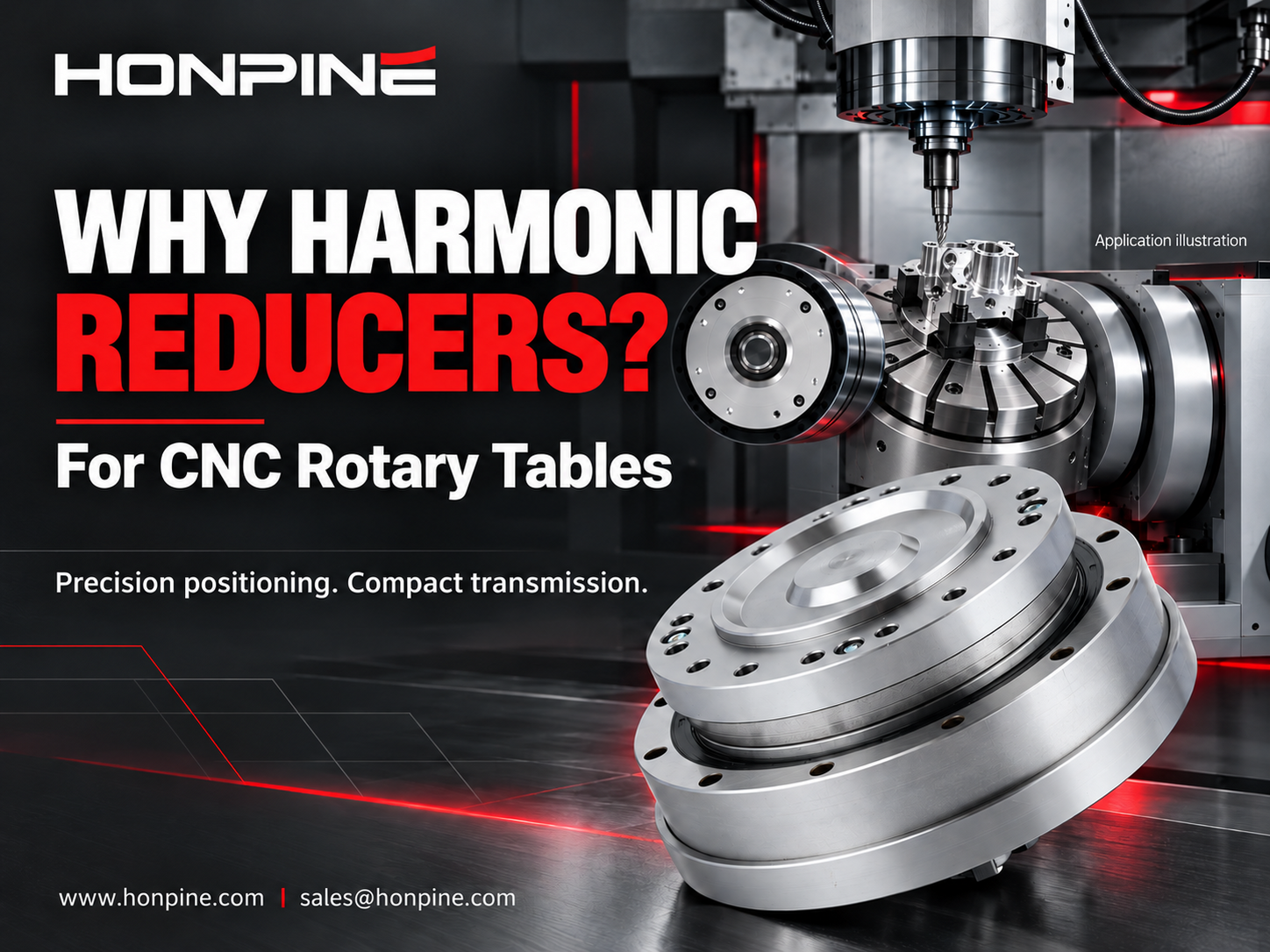
 Why Are Harmonic Reducers Suitable for CNC Machine Tool Rotary Tables?Why choose harmonic reducers for CNC rotary tables? Accurate indexing depends on more than the motor: backlash, torsional stiffness and torque capacity all affect how reliably a rotary table holds its position during machining. This guide explains the key transmission requirements of fourth and fifth axis rotary tables, explores common machine tool applications, and introduces HONPINE harmonic reducer configurations for different installation and load requirements.

Double Click
We provide harmonic drive reducer,planetary reducer,robot joint motor,robot rotary actuators,RV gear reducer,robot end effector,dexterous robot hand
 What is robot joint actuator?How to Choose the Best Robot Rotary Joint Actuator?In core robot joint transmission solutions, planetary and harmonic rotary actuators each have their own strengths. Choosing the right type based on application requirements is essential to achieve the optimal balance between performance and cost.
 DD Motors VS Harmonic Rotary ActuatorsThis article provides an in-depth comparison between Direct Drive (DD) motors and harmonic rotary actuators, covering their transmission principles, advantages and disadvantages, and typical application fields.
 OMG Ultra Compact Harmonic Drive Joint Module with Built-in Torque SensorHONPINE TCHL series harmonic drive joint module is a game-changing product that achieves disruptive improvements in multiple aspects such as lightweight design, integration level, and connection convenience. This article will analyze its revolutionary enhancements with you.
 The Role of Harmonic Drive Gears in Achieving 5–10 μm Accuracy in Dental Milling MachinesA dental milling machine is a CNC machining system used to directly process digital dental models into restorations such as crowns, bridges, veneers, inlays, and implant abutments. Dental milling machines require far higher operational accuracy and motion stability than ordinary equipment. This article explains how harmonic drive gear help dental milling machines achieve stable, continuous, and controllable operation.
 Why Are Harmonic Rotary Actuators Perfect for Medical Equipment?Harmonic rotary actuators (typically integrated systems consisting of a harmonic drive reducer, frameless torque motor, encoder, and optional brake) are regarded as key components in medical equipment. The core reason is that they simultaneously meet the most stringent medical requirements for precision, compact size, safety, and controllability. The following explanation is structured from three perspectives: technical characteristics, application scenarios, and medical value.
 High-Precision RV Reducers Perfectly Matched for Walking RobotsThe walking axis of a robot is a core component for power transmission and support. RV reducers provide extremely high rigidity, precision, and torque while maintaining a compact size and exceptional reliability, making them an ideal match for the demanding requirements of walking robot joints in terms of load capacity, impact resistance, and precision.
 Why Are Servo Motors and Gear Reducers an Ideal Match?Servo motors provide fast, precise motion control, while gear reducers adapt their speed and torque to the load. This guide explains how servo motors and gear reducers work together through torque multiplication, reflected inertia reduction and finer theoretical position resolution. Learn how inertia matching, backlash, torsional stiffness and reduction ratio influence performance in robotics and industrial automation.
 How to Select and Use Robotic Joint Modules?How do you take robotic joint modules from selection to controlled motion? Using the HONPINE HPJM harmonic joint module as an example, Technical Director Theodore Li explains the key steps in mechanical installation, electrical wiring, CAN and EtherCAT configuration, and control commissioning. Learn what to confirm before integration and how to approach setup so each joint can respond correctly to your controller.
 How to Select Harmonic and RV Reducers for Each Axis of a Six-Axis Robot?What determines whether a six-axis robot joint needs a harmonic reducer or an RV reducer? The answer depends on torque, inertia, impact loads, bearing loads and installation space. This guide explains how to evaluate harmonic and RV reducers for the base, shoulder, elbow and wrist, with practical checks for stiffness, backlash and service life. Use the requirements of each axis to select a suitable reducer configuration.
 Top 7 RV Reducer Gearbox Manufacturers: Why Does Nabtesco Still Dominate?What sets RV reducer gearbox manufacturers apart, and why does Nabtesco remain a benchmark in this market? RV reducer production demands precise component machining, careful assembly and extensive engineering know-how. This article introduces seven manufacturers across RV reducers and related transmission technologies, examines the strengths behind Nabtesco's position, and explores HONPINE's development capabilities to help you understand the supplier landscape.
 How to Calculate Torque for a Harmonic Rotary Actuator in a Flipping Mechanism?How much torque does a harmonic rotary actuator need to flip a 10 kg load through 180 degrees? The answer depends on more than weight. Center-of-gravity offset, load inertia, acceleration and operating frequency all affect actuator selection. In this guide, Theodore Li, Technical Director at HONPINE, explains the calculation process using a horizontal-axis flipping example and outlines the checks needed for peak torque, continuous operation, output speed and bearing loads.
 Why Are Harmonic Reducers Suitable for CNC Machine Tool Rotary Tables?Why choose harmonic reducers for CNC rotary tables? Accurate indexing depends on more than the motor: backlash, torsional stiffness and torque capacity all affect how reliably a rotary table holds its position during machining. This guide explains the key transmission requirements of fourth and fifth axis rotary tables, explores common machine tool applications, and introduces HONPINE harmonic reducer configurations for different installation and load requirements.