





METI Adds HAG Harmonic Drives to Export License List
Japan’s Ministry of Economy, Trade and Industry (METI) updated its export control list on July 8, 2026, bringing the full HAG range of harmonic drive servo rotary actuators under license management in the high-precision reduction technology category. For companies shipping to manufacturing markets such as China, Vietnam, and Mexico, the immediate issue is not only compliance but also timing: the added licensing step and a stated 15-22 working day review period can affect procurement planning, production scheduling, and OEM delivery coordination.
What the July 8 update formally changed
According to the information provided, METI revised the export control list under Japan’s Foreign Exchange and Foreign Trade Act on July 8, 2026. The update places all HAG-branded harmonic drive servo rotary actuators, including the HAG-HR series and HAG-SJ series, into a license-controlled item category described as high-precision reduction technology.
The same information states that exports of these products to manufacturing countries including China, Vietnam, and Mexico now require a METI export license in advance. The approval cycle is described as extending to 15-22 working days. The direct operational effect identified in the source material is pressure on OEM supply chain delivery rhythms.
Where the pressure is likely to appear first
Export and trading operations will face a timing constraint
From an industry perspective, direct exporters and trading companies are the first to feel the change because the new requirement adds a formal approval step before shipment. The main impact is likely to appear in order confirmation, shipping preparation, and document readiness. What deserves closer attention is whether current delivery commitments assumed a shorter administrative lead time.
OEM manufacturing schedules may become less flexible
For OEM manufacturers using HAG harmonic drive servo rotary actuators in ongoing production plans, the issue is likely to be schedule reliability rather than a simple cost change. If a component can only move after a license review, the effect may show up in assembly sequencing, delivery promises to downstream customers, and internal buffer planning. Observably, this matters most where production timing is tightly linked to incoming component availability.
Procurement teams will need to watch market-specific exposure
Procurement functions and sourcing managers should pay attention to whether planned shipments involve China, Vietnam, Mexico, or other manufacturing destinations covered by the updated licensing practice described in the input. The practical concern is not just product selection but whether a purchase timeline still aligns with the revised export process. Analysis shows that category coverage and destination market exposure now need to be reviewed together rather than separately.
Supply chain service providers may see more coordination work
Logistics coordinators, contract managers, and other supply chain service providers may also be affected because a longer approval window can create knock-on changes in shipping dates, handover timing, and customer communication. The operational burden is likely to sit in status tracking and exception handling, especially when delivery schedules were set before the rule update.
What companies should monitor now
Track official wording and any follow-on clarification
Companies dealing with HAG-HR and HAG-SJ products should closely monitor how METI’s updated list is described in official materials and whether any additional interpretation emerges. Analysis shows that the exact scope of controlled items and the practical handling of applications are often as important as the headline rule change itself.
Check whether current orders already require timeline resets
Businesses with active quotations, pending orders, or shipment plans involving the covered HAG product range should review whether existing delivery dates remain realistic under a 15-22 working day approval period. What deserves closer attention is the gap between contractual delivery expectations and the new administrative lead time.
Prepare documentation and customer communication earlier
For teams involved in export processing and fulfillment, earlier preparation of licensing materials, product identification details, and shipment paperwork is likely to become more important. On the customer side, communication may need to shift from confirming shipment dates to confirming review milestones and possible timing contingencies.
Separate policy signal from immediate business impact
Observably, not every policy adjustment produces the same degree of disruption in day-to-day operations. Companies should distinguish between the existence of a new license requirement, which is a confirmed fact in this case, and the scale of business interruption, which will depend on order patterns, destination markets, and how quickly internal compliance processes adapt.
Why this should be read as more than a routine list update
Analysis shows that this development matters because it affects a specific product category at the point where precision motion components intersect with cross-border manufacturing supply chains. The confirmed change is administrative in form, but its practical significance lies in delivery timing and planning discipline. It is more appropriate to understand this as a concrete short-term operational change with a broader policy signal that still requires continued observation, rather than as a fully defined long-term market outcome.
How to interpret the development at this stage
At this stage, the most grounded reading is that the July 8 update creates an immediate compliance and scheduling issue for shipments involving the covered HAG harmonic drive actuator lines and the named manufacturing destinations. From an industry perspective, the news should be treated neither as a temporary formality nor as proof of a settled long-term shift. It is better understood as an active policy-linked change that directly affects delivery cadence now and may require further monitoring as implementation details and market responses become clearer.
Basis of this article and what still needs verification
This article is based on the user-provided news title, event date, and event summary. For this type of development, relevant source categories would typically include official government notices, company statements, industry association updates, authoritative media reporting, and standard or regulatory documents. A specific official source link was not provided in the input, so the exact wording and any subsequent clarification should continue to be verified. Continued attention should focus on any further METI explanation, implementation detail, and changes affecting licensing scope or review timing.
Read More
Learn more about the story of HONPINE and industry trends related to precision transmission.
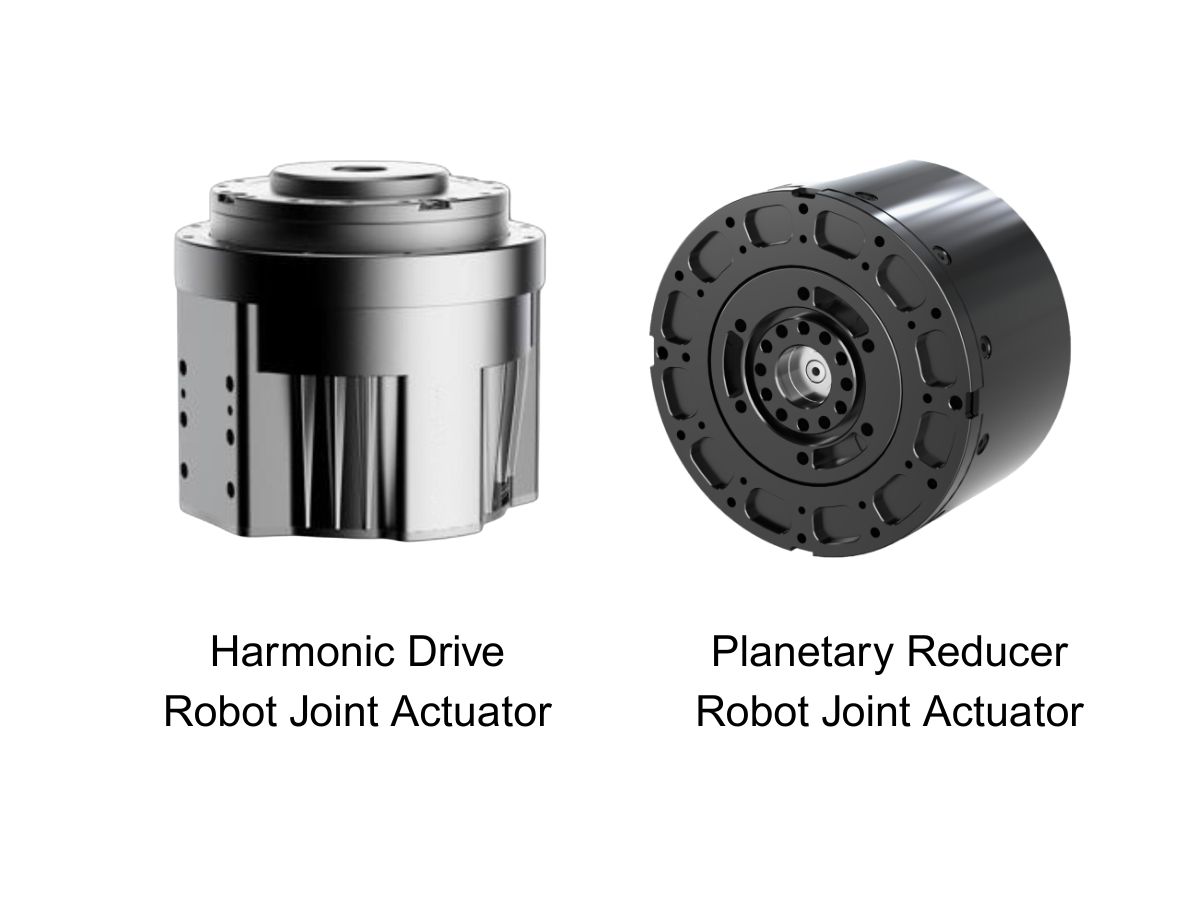
 What is robot joint actuator?How to Choose the Best Robot Rotary Joint Actuator?In core robot joint transmission solutions, planetary and harmonic rotary actuators each have their own strengths. Choosing the right type based on application requirements is essential to achieve the optimal balance between performance and cost.
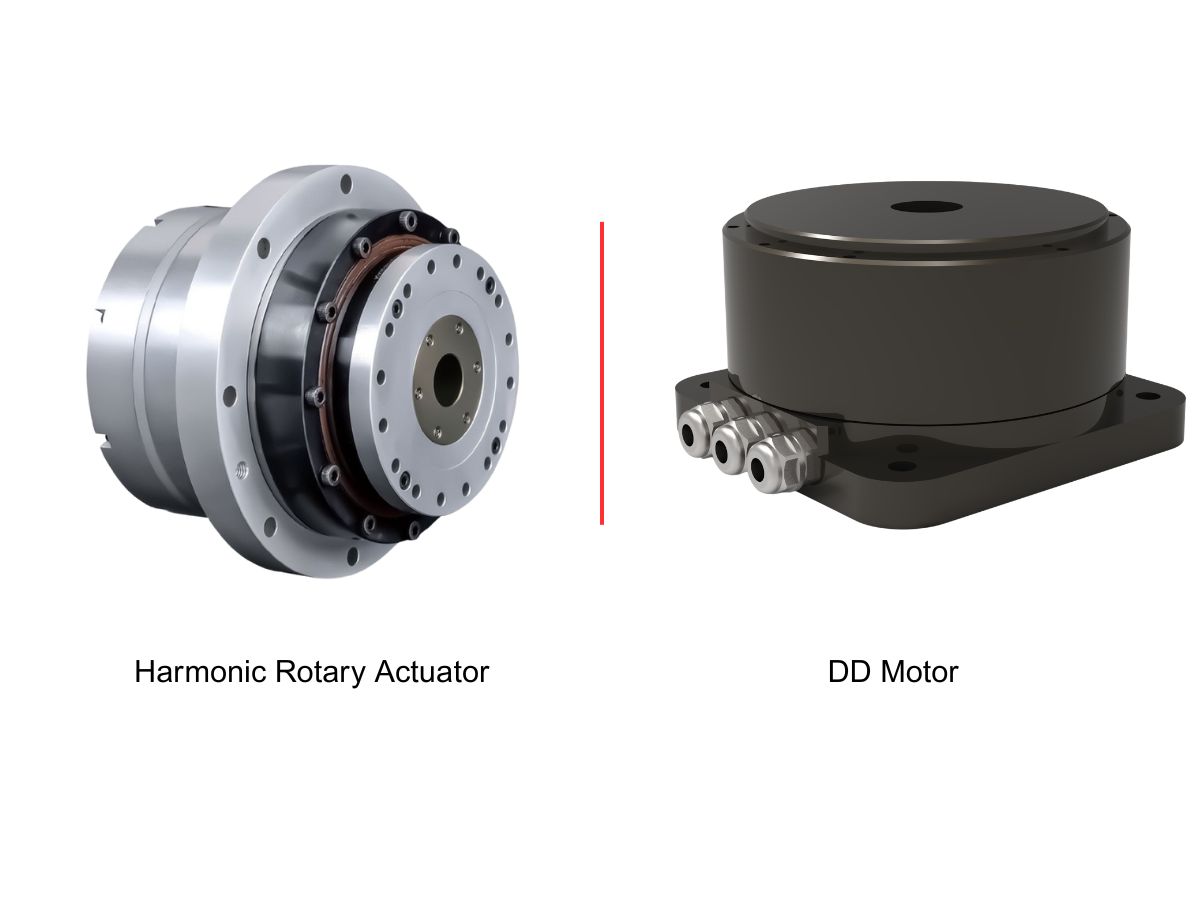
 DD Motors VS Harmonic Rotary ActuatorsThis article provides an in-depth comparison between Direct Drive (DD) motors and harmonic rotary actuators, covering their transmission principles, advantages and disadvantages, and typical application fields.
 OMG Ultra Compact Harmonic Drive Joint Module with Built-in Torque SensorHONPINE TCHL series harmonic drive joint module is a game-changing product that achieves disruptive improvements in multiple aspects such as lightweight design, integration level, and connection convenience. This article will analyze its revolutionary enhancements with you.
 The Role of Harmonic Drive Gears in Achieving 5–10 μm Accuracy in Dental Milling MachinesA dental milling machine is a CNC machining system used to directly process digital dental models into restorations such as crowns, bridges, veneers, inlays, and implant abutments. Dental milling machines require far higher operational accuracy and motion stability than ordinary equipment. This article explains how harmonic drive gear help dental milling machines achieve stable, continuous, and controllable operation.
 Why Are Harmonic Rotary Actuators Perfect for Medical Equipment?Harmonic rotary actuators (typically integrated systems consisting of a harmonic drive reducer, frameless torque motor, encoder, and optional brake) are regarded as key components in medical equipment. The core reason is that they simultaneously meet the most stringent medical requirements for precision, compact size, safety, and controllability. The following explanation is structured from three perspectives: technical characteristics, application scenarios, and medical value.
 High-Precision RV Reducers Perfectly Matched for Walking RobotsThe walking axis of a robot is a core component for power transmission and support. RV reducers provide extremely high rigidity, precision, and torque while maintaining a compact size and exceptional reliability, making them an ideal match for the demanding requirements of walking robot joints in terms of load capacity, impact resistance, and precision.
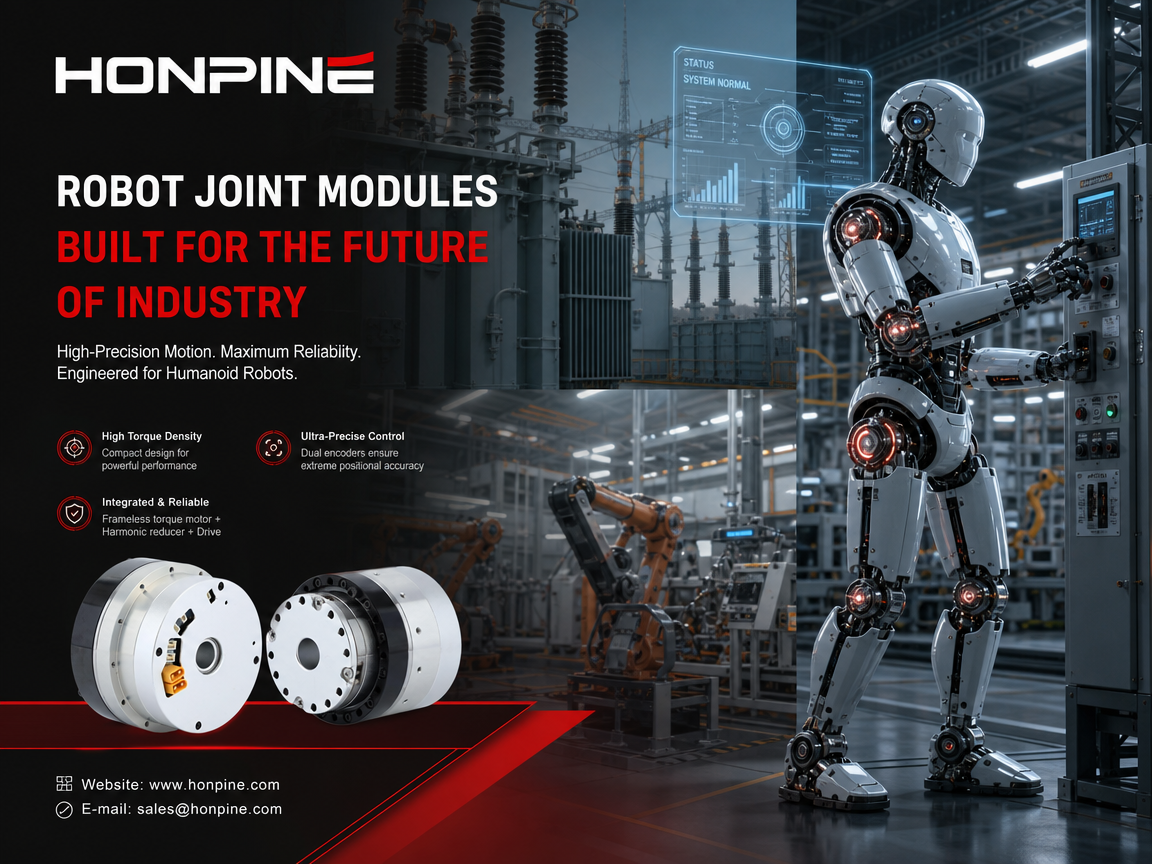
 Humanoid Robots Move into Substations and Manufacturing: Why Robot Joint Module Reliability Is Becoming the Foundation of Industrial DeploymentAs humanoid robots transition from laboratory demonstrations to real industrial environments, the industry's focus is shifting from motion capability to long-term operational reliability. Recent developments in industry standards for humanoid robots used in substations and home appliance manufacturing indicate that future evaluation will emphasize continuous operation, repeatable performance, and system reliability rather than isolated demonstrations.For robot OEMs and automation equipment manufacturers, the Robot Joint Module is becoming one of the most critical technologies enabling large-scale industrial deployment.
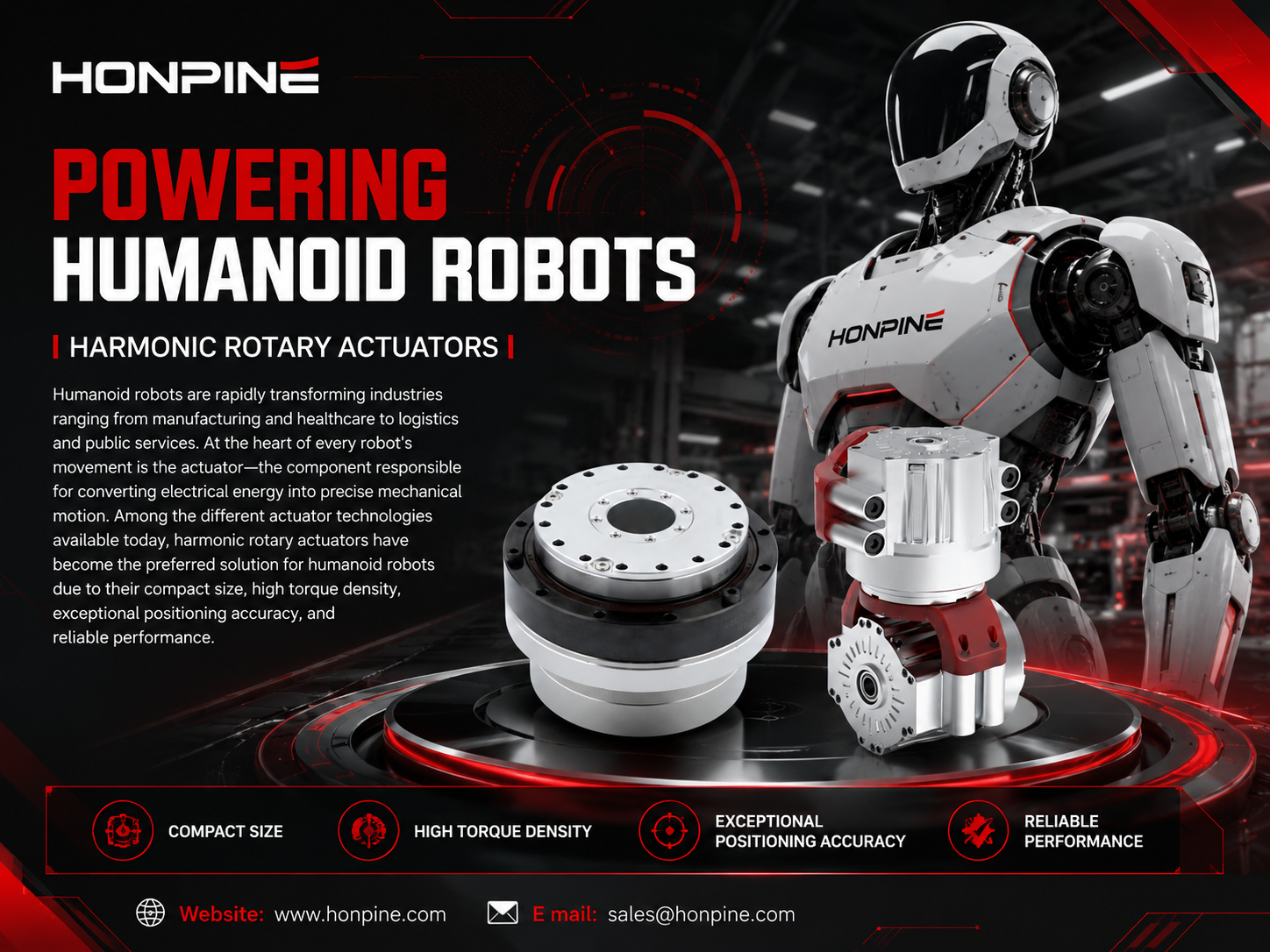
 Harmonic Rotary Actuators for Humanoid Robots: Technology, Applications, and Future DevelopmentHumanoid robots are rapidly transforming industries ranging from manufacturing and healthcare to logistics and public services. At the heart of every robot's movement is the actuator—the component responsible for converting electrical energy into precise mechanical motion. Among the different actuator technologies available today, harmonic rotary actuators have become the preferred solution for humanoid robots due to their compact size, high torque density, exceptional positioning accuracy, and reliable performance.
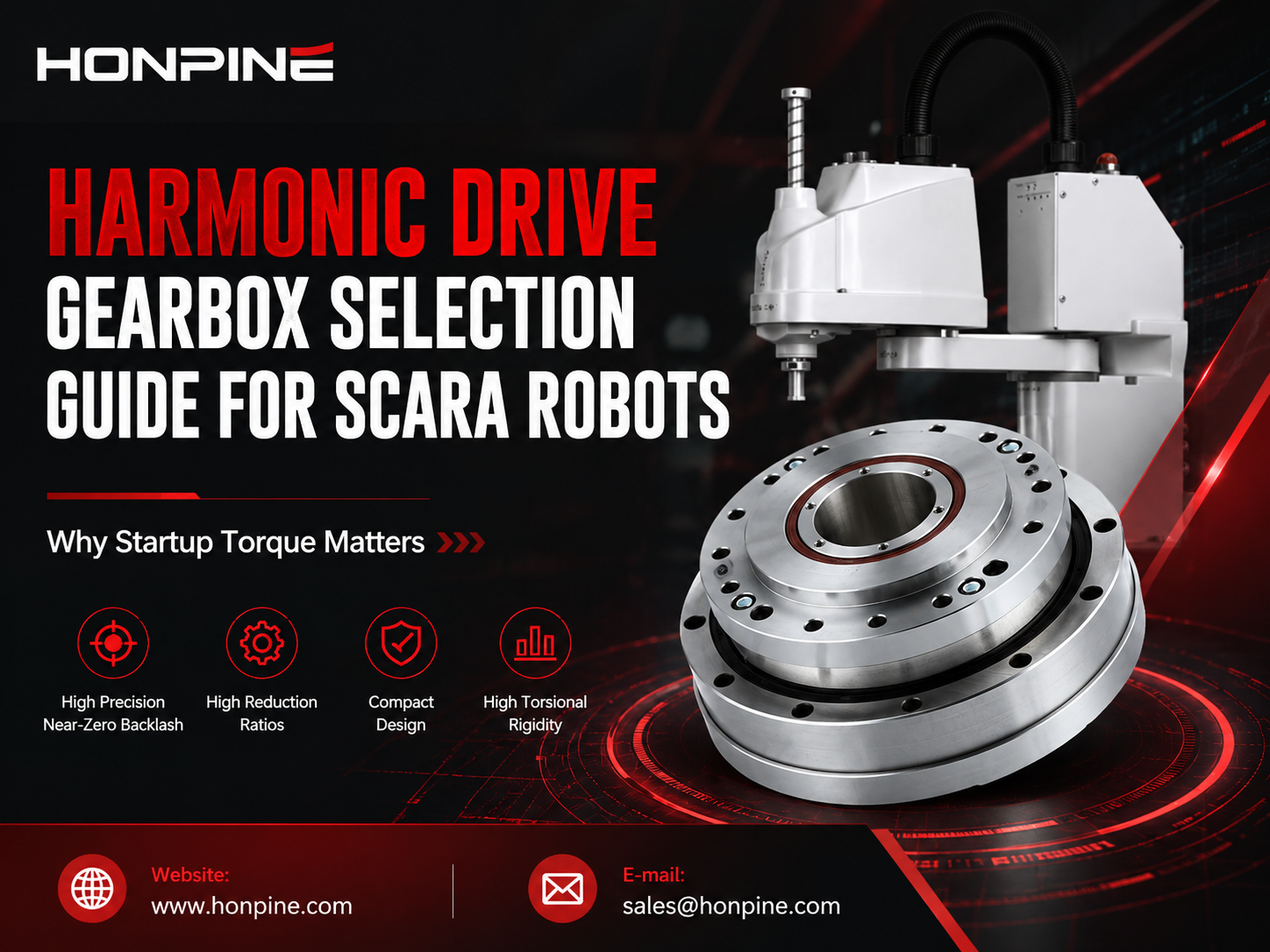
 Startup Torque in Harmonic Drive Gearboxes for SCARA Robots: Definition, Key Factors, and Selection GuideIn SCARA robots, 3C automation equipment, and precision assembly systems, harmonic drive gearboxes have become the preferred transmission solution thanks to their high precision, near-zero backlash, high reduction ratios, and compact design. When selecting a gearbox, engineers typically focus on parameters such as rated torque, reduction ratio, backlash, and torsional rigidity. However, one critical specification that is often overlooked is startup torque.
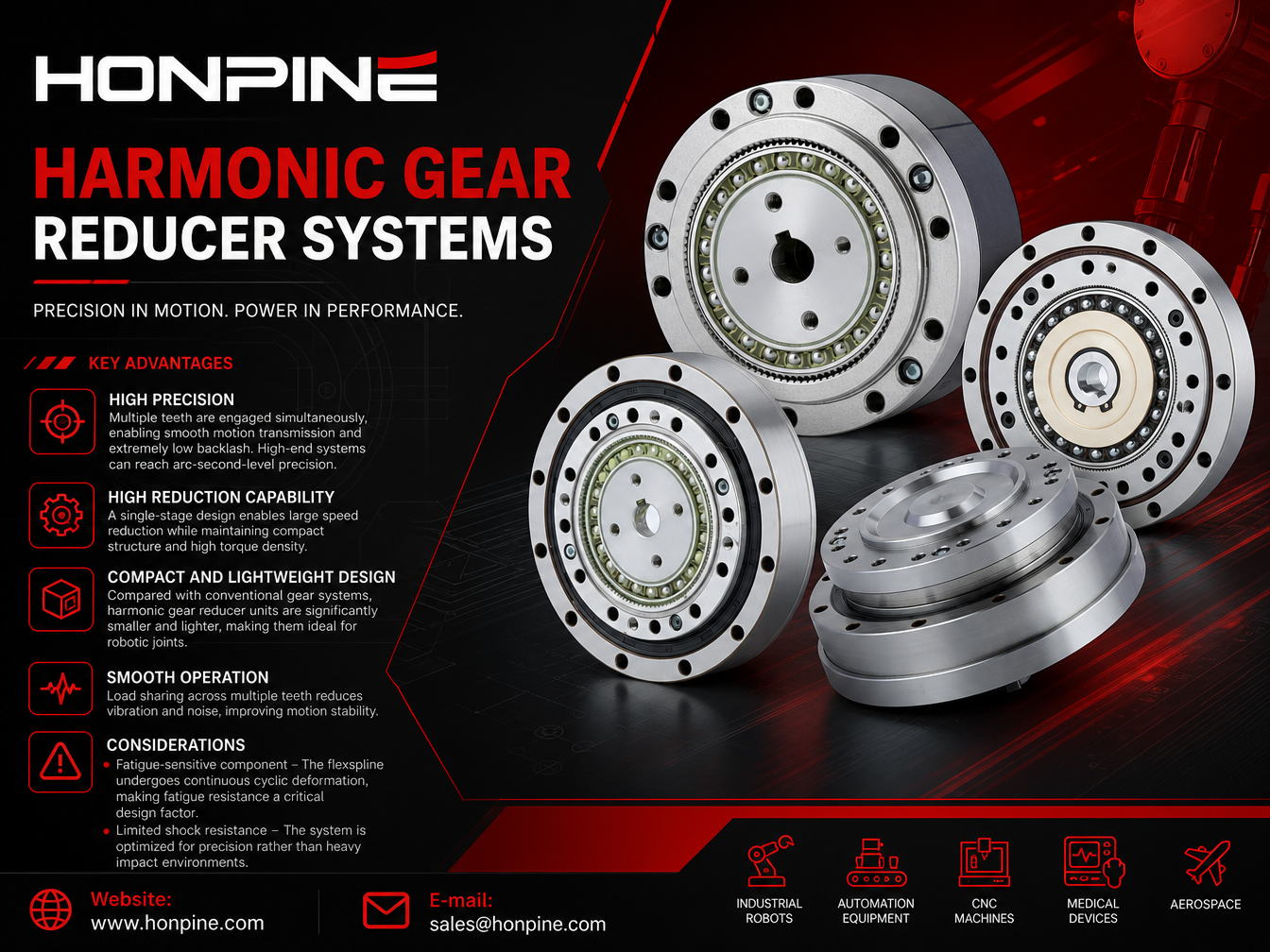
 Harmonic Gear Reducer Technology: Working Principle, Manufacturing Barriers, and Industry InsightsGlobally, only a limited number of manufacturers are capable of producing high-precision harmonic gear reducer systems. This article explains how these precision transmission systems work, why they are difficult to manufacture, and HONPINE’s perspective on the global supply chain.
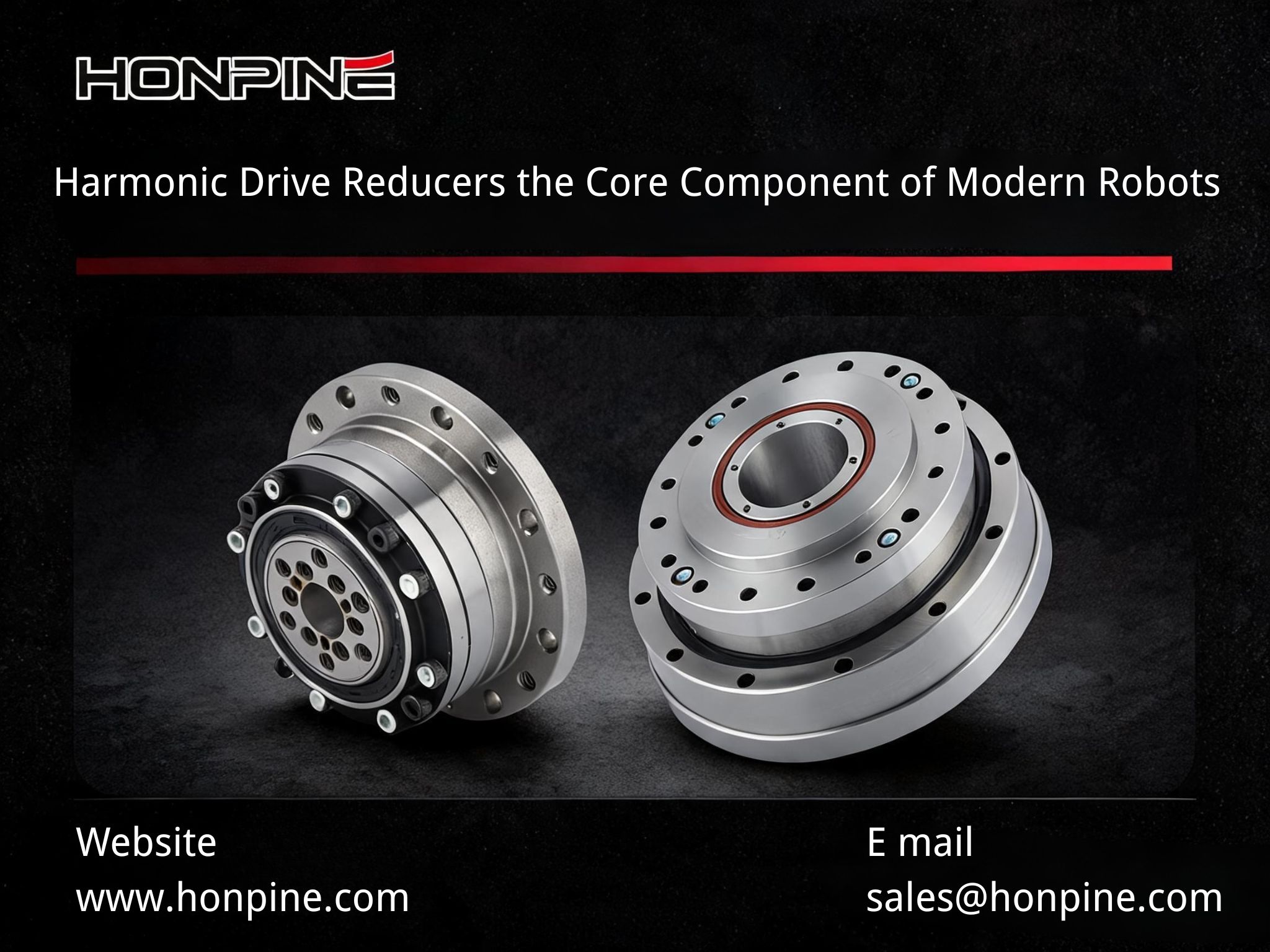
 Why Are Harmonic Drive Reducers the Core Component of Modern Robots?As the core transmission component inside robotic joints, the design, manufacturing quality, and selection of a harmonic drive reducer directly determine a robot's motion accuracy, reliability, and service life. Whether in industrial robots, collaborative robots, or next-generation humanoid robots, harmonic drives have become one of the most critical enabling technologies for high-performance motion control.
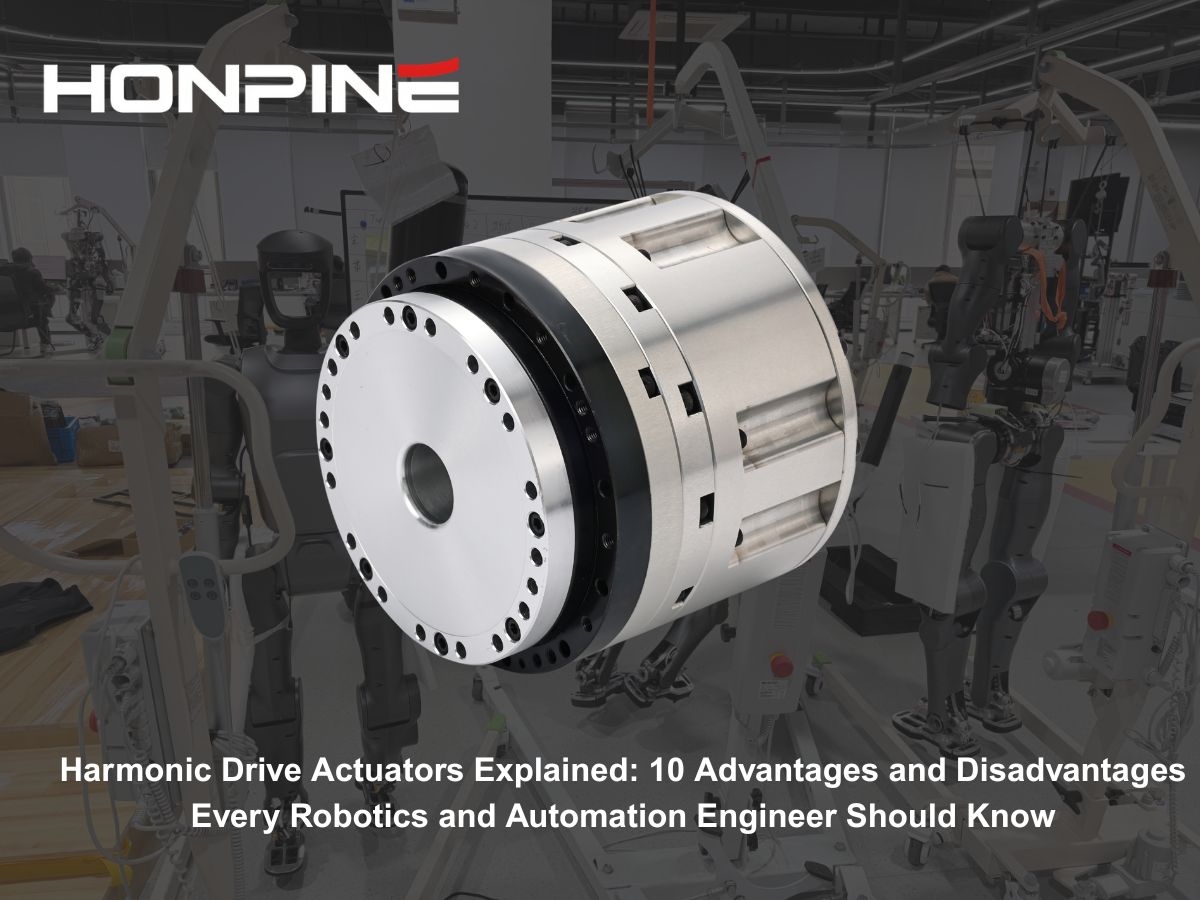
 Harmonic Drive Actuators Explained: 10 Advantages and Disadvantages Every Robotics and Automation Engineer Should KnowWhen selecting a motion control solution, understanding the strengths and limitations of a harmonic rotary actuator is essential. While these actuators are widely recognized for their exceptional precision and compact design, they also have inherent limitations that make them unsuitable for certain heavy-duty applications.
This guide provides a comprehensive overview of the advantages and disadvantages of harmonic actuators, helping engineers choose the right transmission solution based on their specific application requirements.
Double Click
We provide harmonic drive reducer,planetary reducer,robot joint motor,robot rotary actuators,RV gear reducer,robot end effector,dexterous robot hand
 METI Adds HAG Harmonic Drives to Export License ListHAG harmonic drives now face METI export license controls. Learn how the July 8 update affects OEM delivery, procurement timing, and shipments to China, Vietnam, and Mexico.
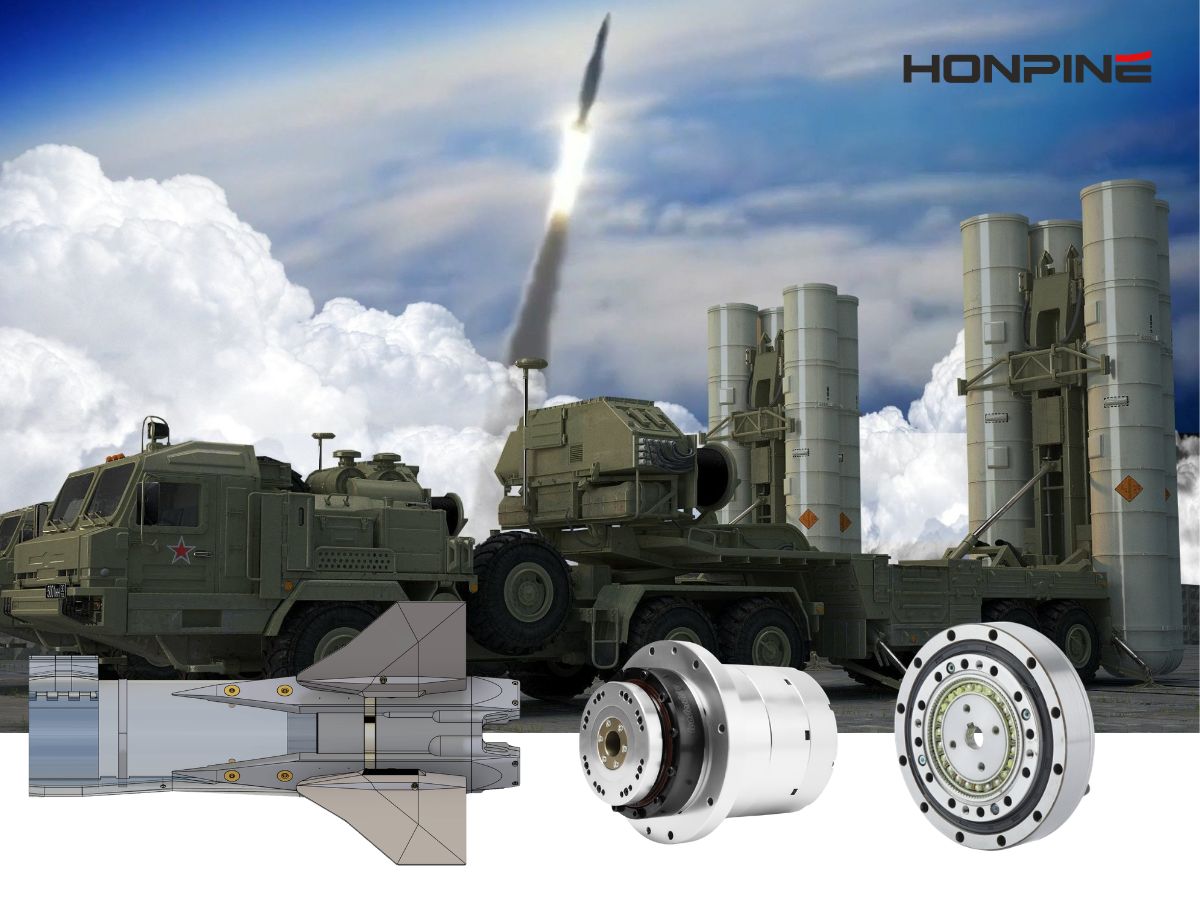
 Why Harmonic Drive Gear Systems Are Ideal for Missile Guidance and Precision Control Applications?Harmonic drive gear systems and harmonic drive actuator systems are highly suitable for applications such as turret rotation, missile fin control, and stabilized sensor gimbal systems.
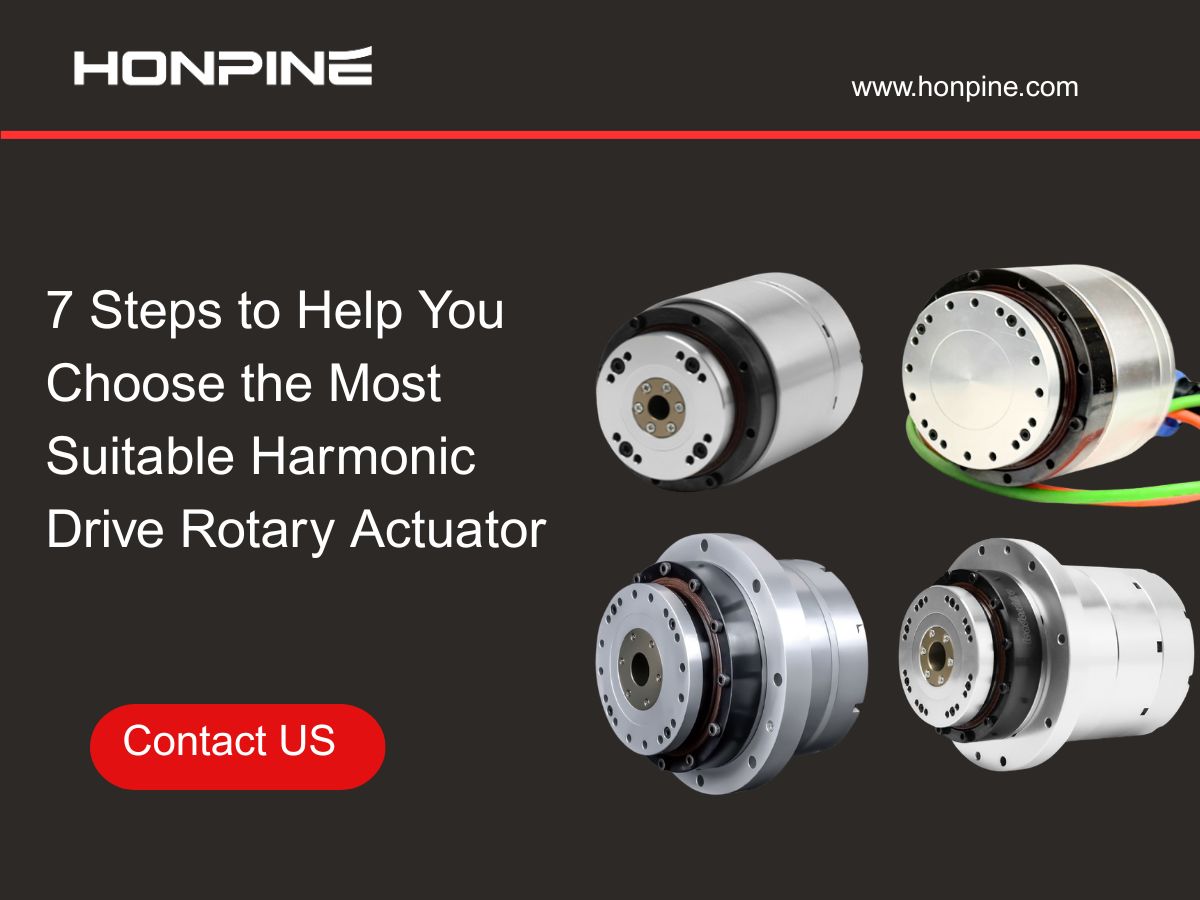
This is mainly because they offer unique advantages in precision, compact size, fast response, and reliability, making them ideal for high-precision electromechanical systems. 7 Steps to Help You Choose the Most Suitable Harmonic Gear Rotary ActuatorHow do you choose the harmonic gear rotary actuator that best suits your needs?
This article introduces the selection and calculation process from the perspectives of confirming the reduction ratio, torque calculation, bearing load calculation, load inertia confirmation, and driver matching. 2026 Is the Time to Start Using Smart Harmonic ActuatorsEven in 2026, many systems are still built using the traditional combination of motor + gearbox + encoder + drive.
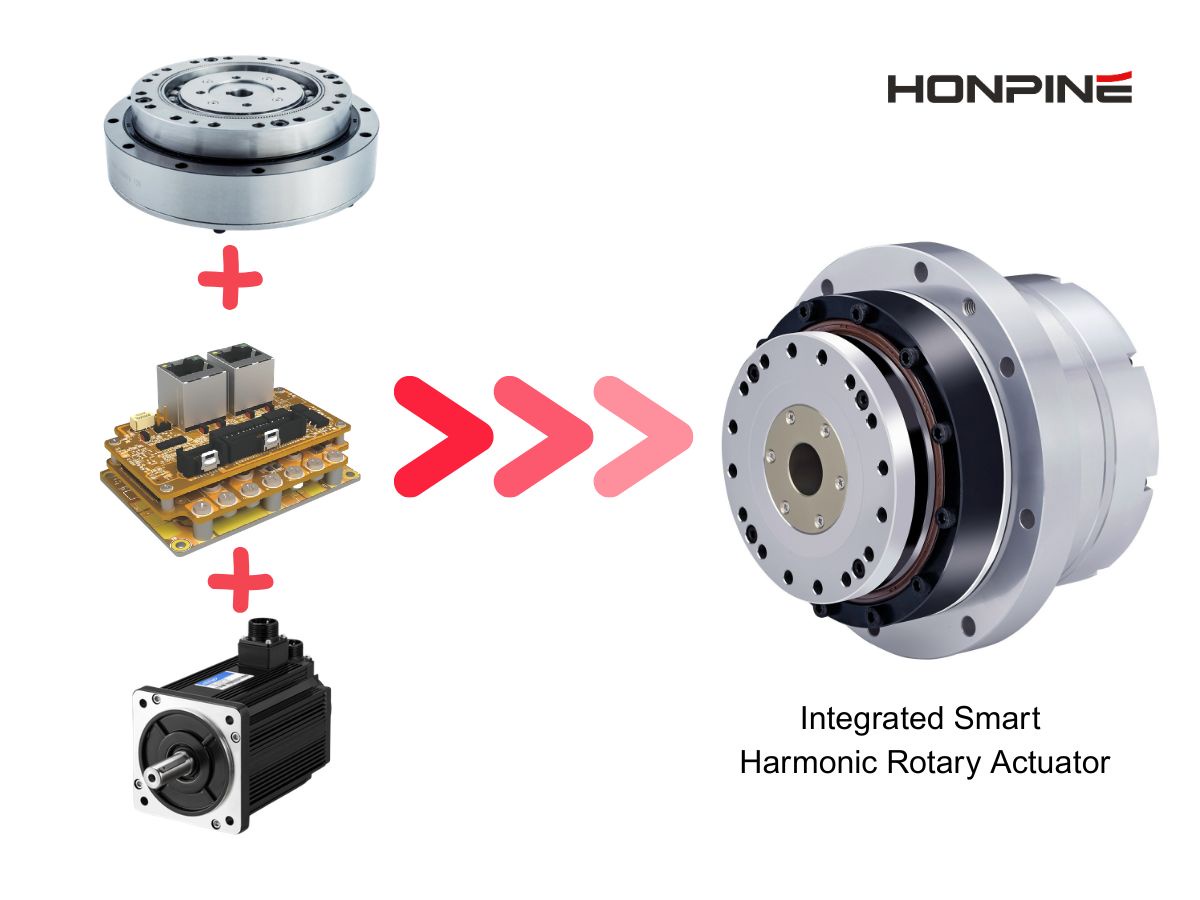
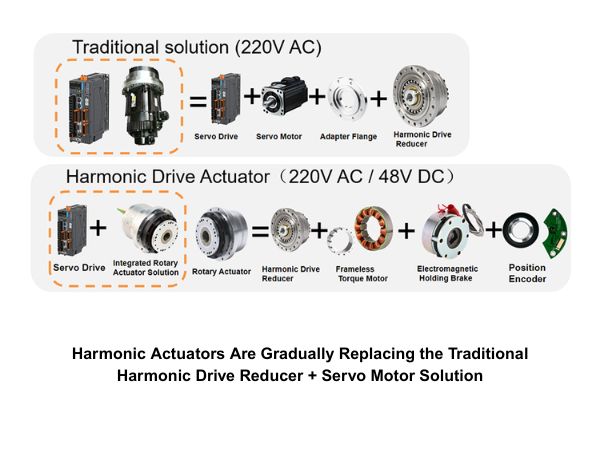
However, in recent years, smart harmonic drive servo actuators have been rapidly replacing this conventional architecture.
By significantly simplifying mechanical design, shortening R&D cycles, and delivering clear performance advantages, smart actuators are becoming the new standard for modern intelligent equipment. Integrated Harmonic Actuators Are Gradually Replacing the Traditional Harmonic Drive Reducer + Servo Motor Solution and It Is Developing FastlyIn recent years, with the introduction of integrated harmonic actuators, an increasing number of automation equipment manufacturers have begun to replace the traditional configuration of harmonic drive reducers combined with servo motors. Through continuous practical application, harmonic actuators have evolved into a wide variety of forms.