








Japan Approves 3% Duty Rebate for Chinese Harmonic Rotary Actuators
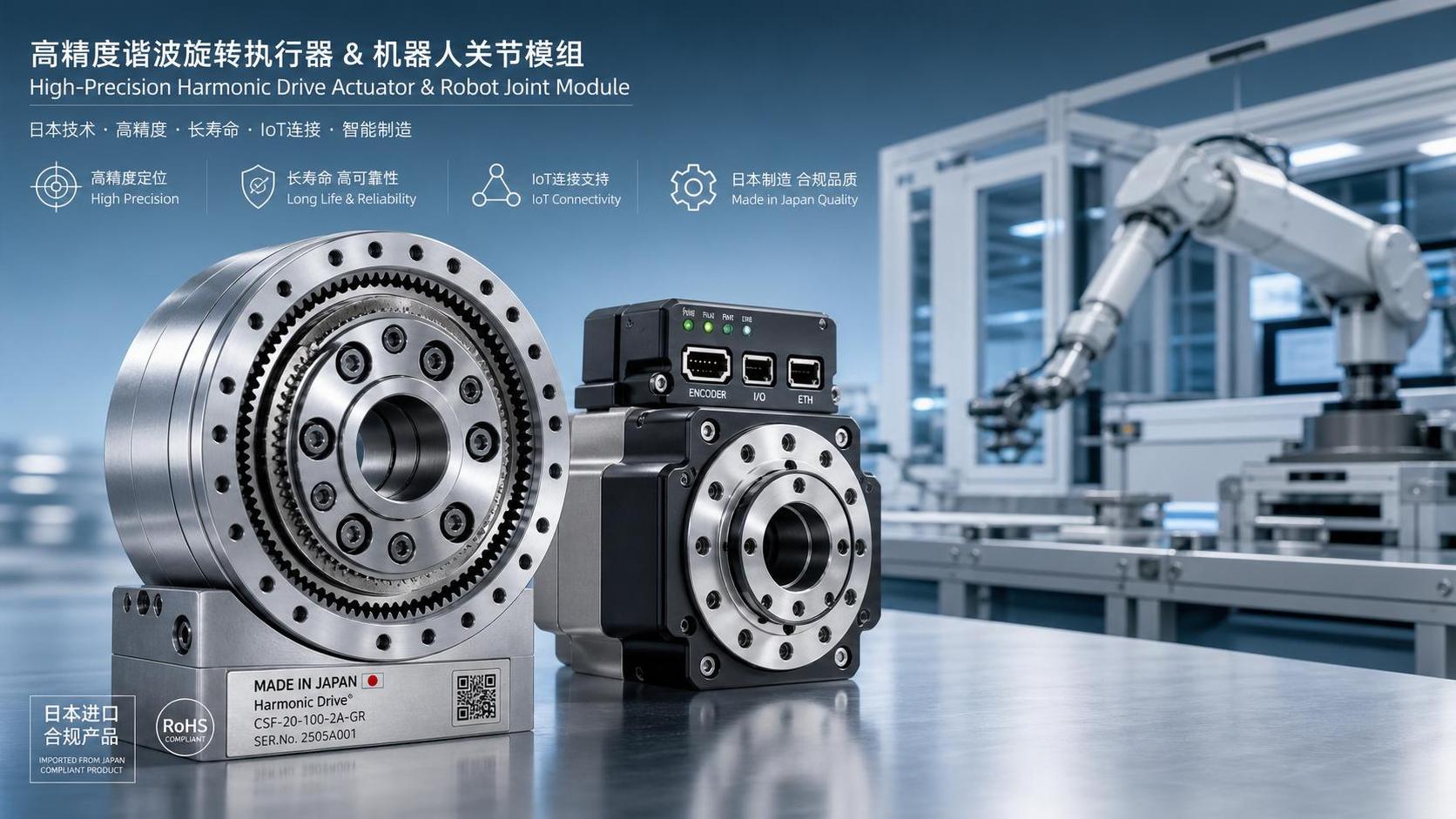
Effective August 1, 2026, Japan's Ministry of Economy, Trade and Industry will provide a cash rebate equal to 3 percentage points of import duty for qualifying Chinese harmonic rotary actuators under its Green Smart Manufacturing Equipment Import Promotion Plan. For companies involved in component sourcing, equipment imports, industrial procurement, and compliance handling, the development is worth close attention because eligibility depends not only on product origin but also on conformity with JIS B 1192:2026 and the integration of an IoT communication protocol, with filings to be made through the JETRO platform.
What METI Has Formally Announced
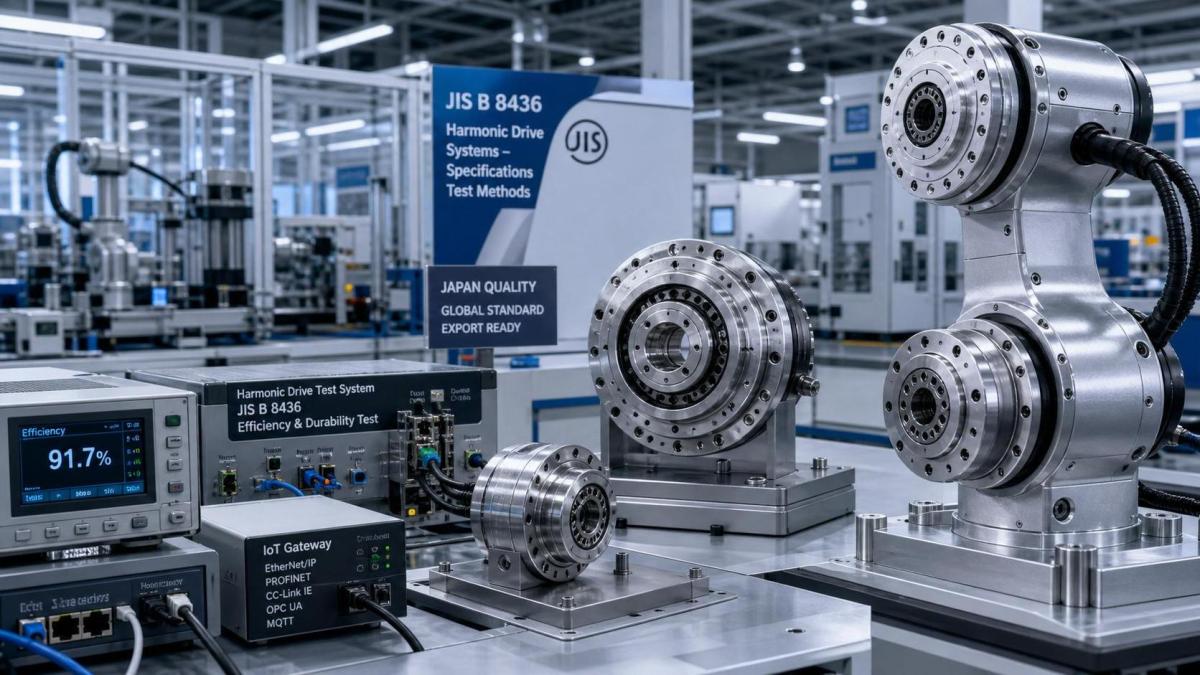
According to the information provided, METI announced the Green Smart Manufacturing Equipment Import Promotion Plan on July 3, 2026. From August 1, 2026, Chinese harmonic rotary actuators that meet JIS B 1192:2026 and include an IoT communication protocol will be eligible for a cash rebate equivalent to 3 percentage points of import tariff.
The application process is to be submitted through the JETRO platform. Required materials include an energy-efficiency test report and proof of protocol compatibility.
Where the Immediate Industry Relevance Sits
Importers and trading operators may see compliance become part of pricing
From an industry perspective, import-focused businesses may be affected first because the rebate is tied to customs treatment and application eligibility. The practical impact is likely to appear in quotation structures, landed-cost calculations, and document preparation. What deserves closer attention is whether a given actuator model can clearly demonstrate both standard compliance and IoT protocol integration before shipment or filing.
Procurement teams will need to distinguish qualifying and non-qualifying models
For buyers and sourcing teams, the announcement does not apply broadly to every actuator in the category. Analysis shows the commercial difference may emerge at the model-selection stage, especially where procurement decisions depend on whether the imported product can satisfy the stated technical and documentation conditions. The key issue is less the headline rebate itself than the ability to confirm eligibility early enough to support ordering decisions.
Manufacturers and suppliers may face higher documentation expectations
Chinese suppliers and manufacturing-side participants may be affected through customer requests for evidence. Observably, the required energy-efficiency test report and protocol compatibility proof could become central to commercial discussions, technical review, and delivery planning. In practice, this may place more attention on how product specifications and supporting files are prepared for Japanese import procedures.
Service and supply chain support providers may need to track filing readiness
Customs support, compliance, and related supply chain service providers may also be pulled in because the JETRO submission route creates an administrative step beyond the product transaction itself. The business impact is likely to show up in timeline coordination, file completeness checks, and communication between exporter, importer, and end customer.
What Companies Should Watch Now
Check technical eligibility before treating the rebate as usable
The policy language provided is conditional. Companies should therefore separate the existence of the program from the practical ability to claim it. The immediate task is to verify whether specific Chinese harmonic rotary actuators meet JIS B 1192:2026 and whether the IoT communication protocol element can be documented in a form suitable for filing.
Prepare supporting materials around the JETRO submission path
Because the application must go through the JETRO platform, document readiness is not a secondary issue. Businesses involved in export, import, or procurement should pay attention to whether energy-efficiency testing records and protocol compatibility evidence are already available, current, and consistent with the product being declared.
Keep policy signal and transaction execution separate
Analysis shows this announcement should not automatically be treated as a universal cost reduction across all imports in the category. The rebate is linked to defined conditions and an application process. For commercial teams, this means pricing, negotiation, and delivery commitments should reflect verified eligibility rather than assumption.
Monitor whether official wording or implementation detail changes
What deserves closer attention is whether later official explanations add detail on interpretation, documentation format, or review criteria. Until that is clearer, companies may need internal checkpoints for qualification review, supplier communication, and customer-facing representations.
Why This Looks More Like a Policy Signal Than a Finished Market Outcome
Observably, the information points to a targeted incentive rather than a broad market shift. The measure connects tariff relief to standards compliance and connected-device functionality, which suggests that technical qualification and documentation discipline matter as much as the rebate itself. It is more appropriate to understand this as an actionable policy signal with immediate relevance for qualifying transactions, while broader commercial impact still depends on how widely products can meet the stated conditions and how smoothly applications move through the required process.
How to Read the Development at This Stage
At this stage, the announcement is significant mainly because it links import treatment to a specific product category, a defined standard, and document-based verification. For industry participants, the rational reading is neither to overstate the impact nor to dismiss it as symbolic. It is more appropriate to understand the development as a near-term operational change for eligible imports and a longer-term indicator that compliance-ready, connected industrial components may receive closer policy attention.
Basis of This Article and What Still Needs Verification
This article is based on the user-provided news title, event date, and event summary. For developments of this type, relevant source categories typically include official government announcements, agency platform notices, company disclosures, industry association updates, authoritative media coverage, and standards-related documents.
A specific official source link was not provided in the input, so the exact publication page and any later implementation updates still require ongoing verification. Continued attention should be paid to any further official clarification concerning filing requirements, interpretation of eligibility conditions, and operational details on the JETRO submission process.
Read More
Learn more about the story of HONPINE and industry trends related to precision transmission.
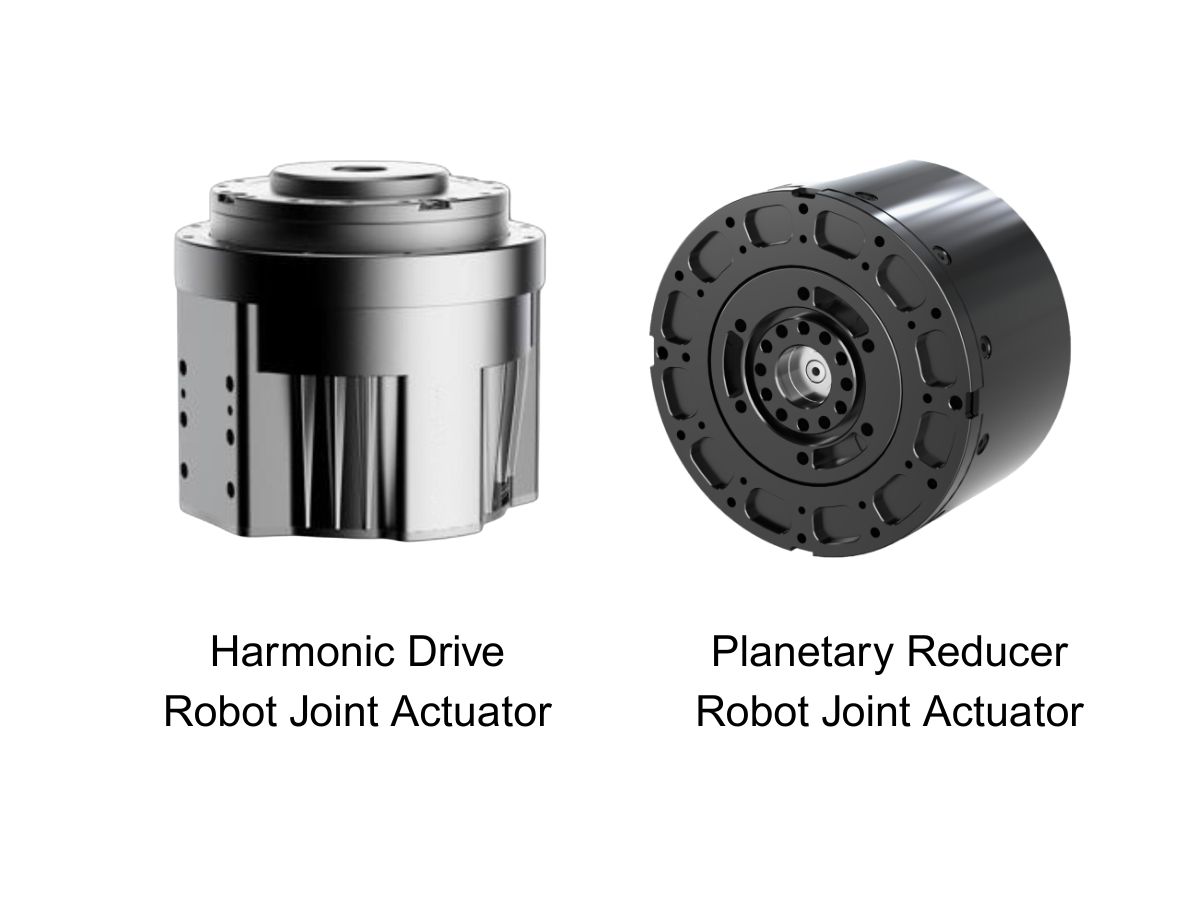
 What is robot joint actuator?How to Choose the Best Robot Rotary Joint Actuator?In core robot joint transmission solutions, planetary and harmonic rotary actuators each have their own strengths. Choosing the right type based on application requirements is essential to achieve the optimal balance between performance and cost.
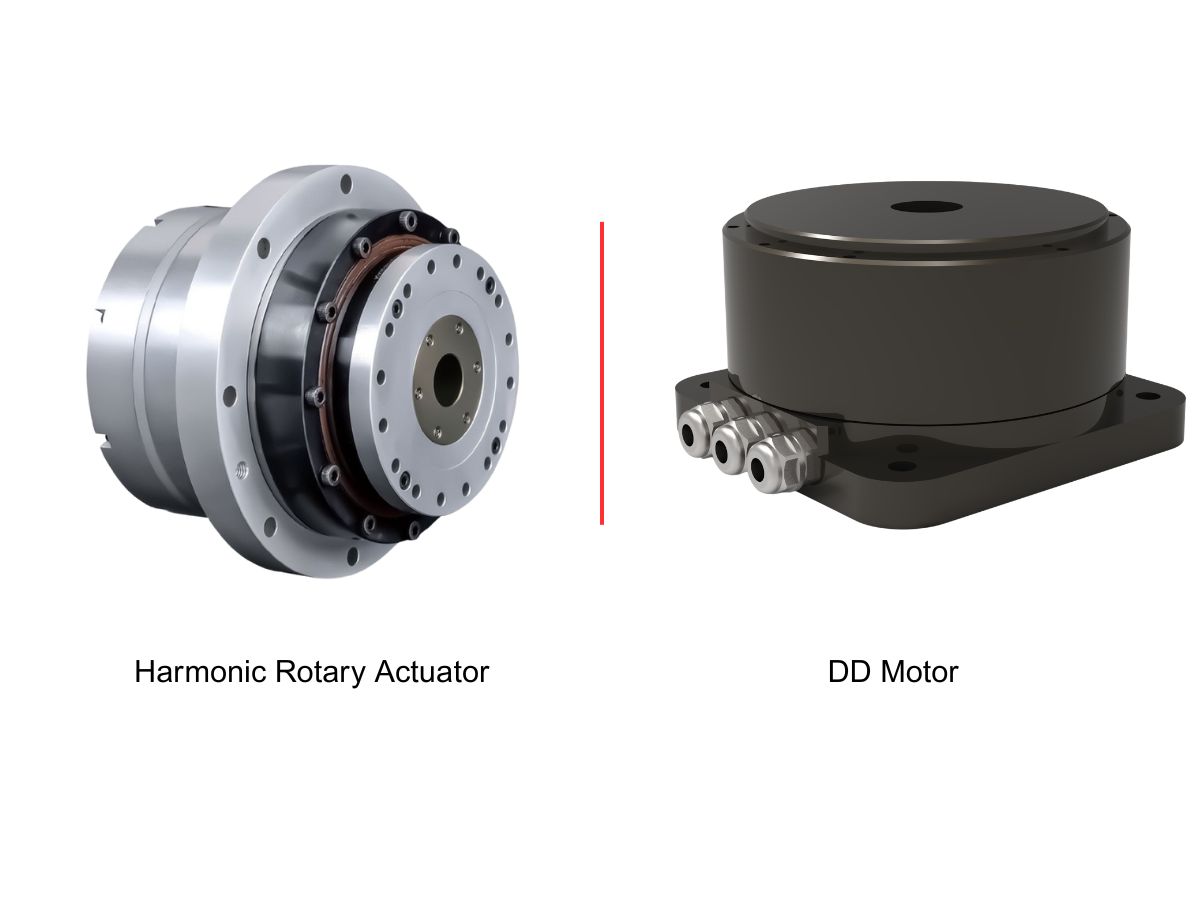
 DD Motors VS Harmonic Rotary ActuatorsThis article provides an in-depth comparison between Direct Drive (DD) motors and harmonic rotary actuators, covering their transmission principles, advantages and disadvantages, and typical application fields.
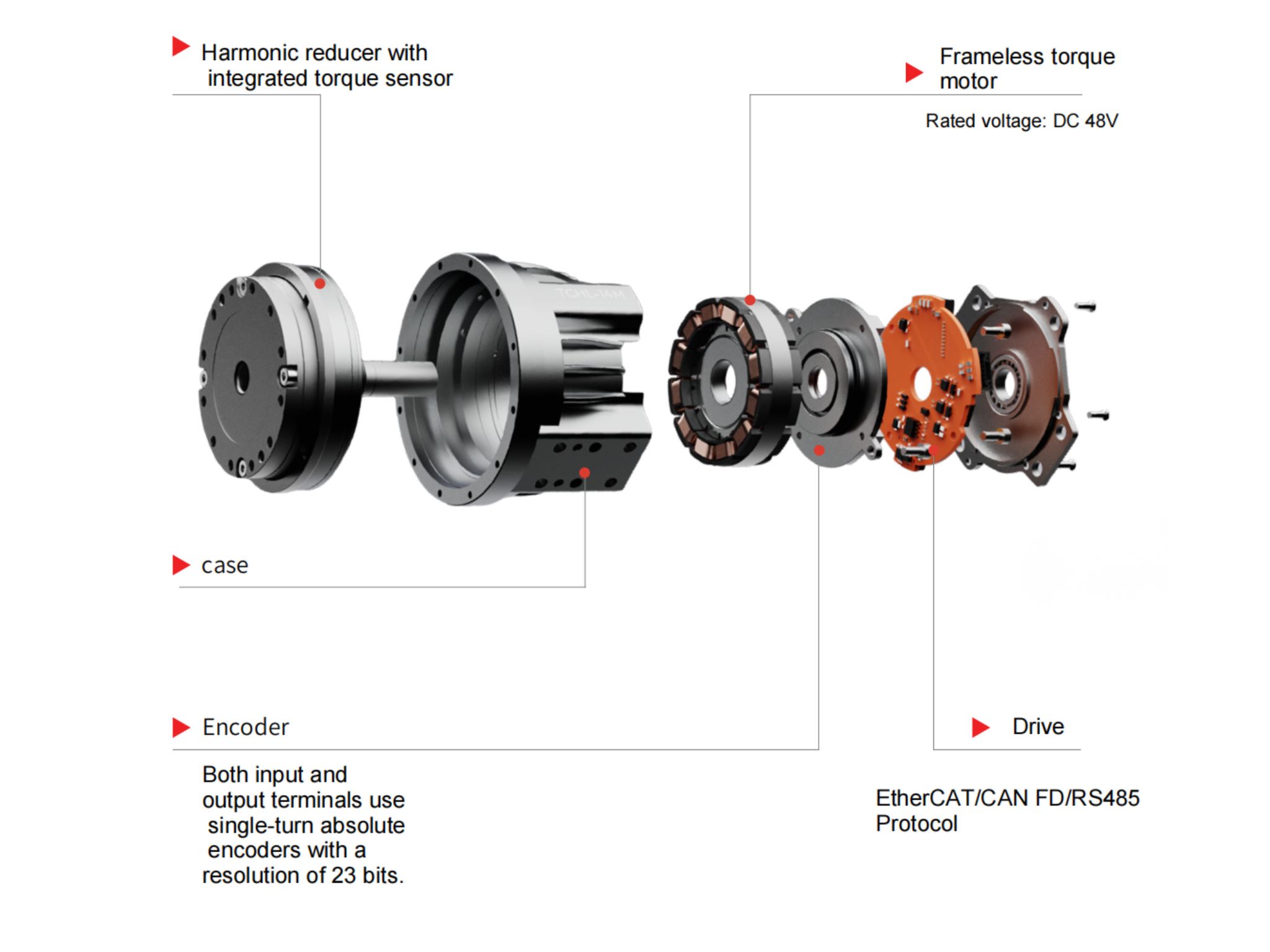
 OMG Ultra Compact Harmonic Drive Joint Module with Built-in Torque SensorHONPINE TCHL series harmonic drive joint module is a game-changing product that achieves disruptive improvements in multiple aspects such as lightweight design, integration level, and connection convenience. This article will analyze its revolutionary enhancements with you.
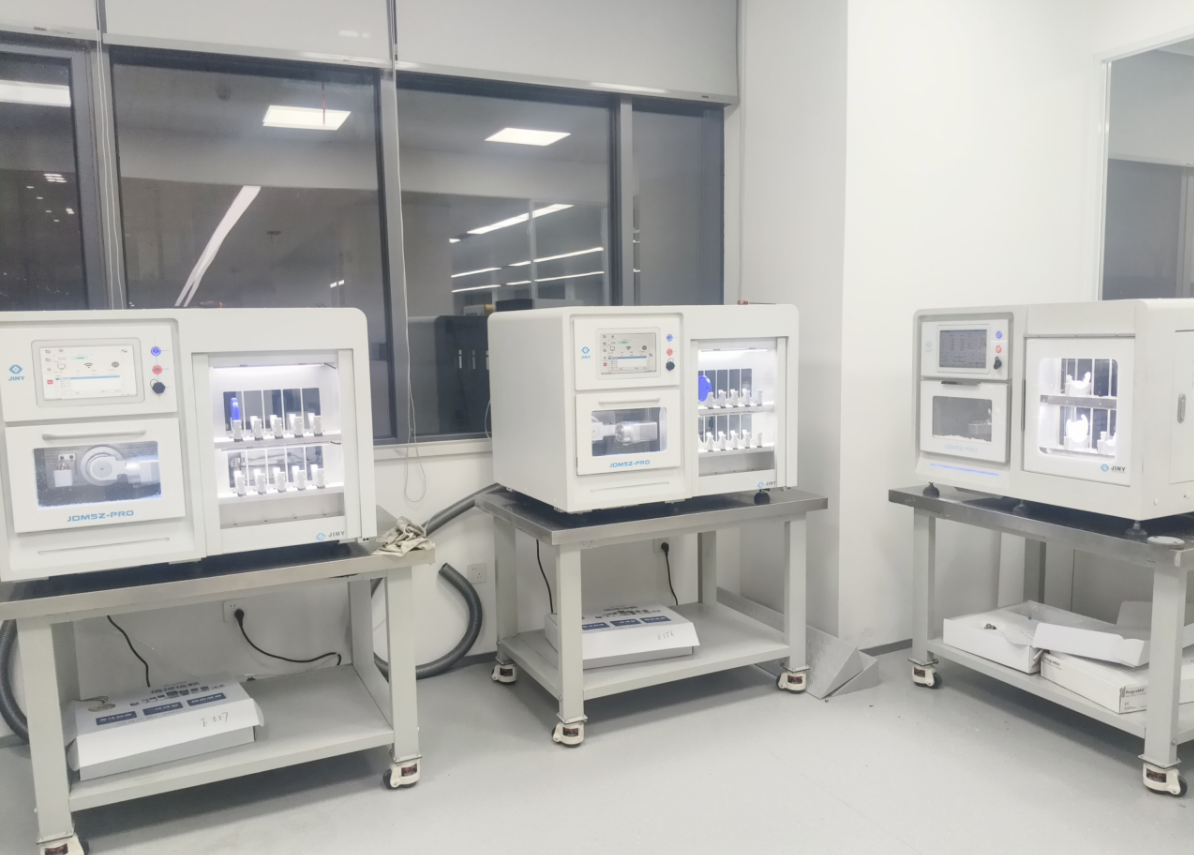
 The Role of Harmonic Drive Gears in Achieving 5–10 μm Accuracy in Dental Milling MachinesA dental milling machine is a CNC machining system used to directly process digital dental models into restorations such as crowns, bridges, veneers, inlays, and implant abutments. Dental milling machines require far higher operational accuracy and motion stability than ordinary equipment. This article explains how harmonic drive gear help dental milling machines achieve stable, continuous, and controllable operation.
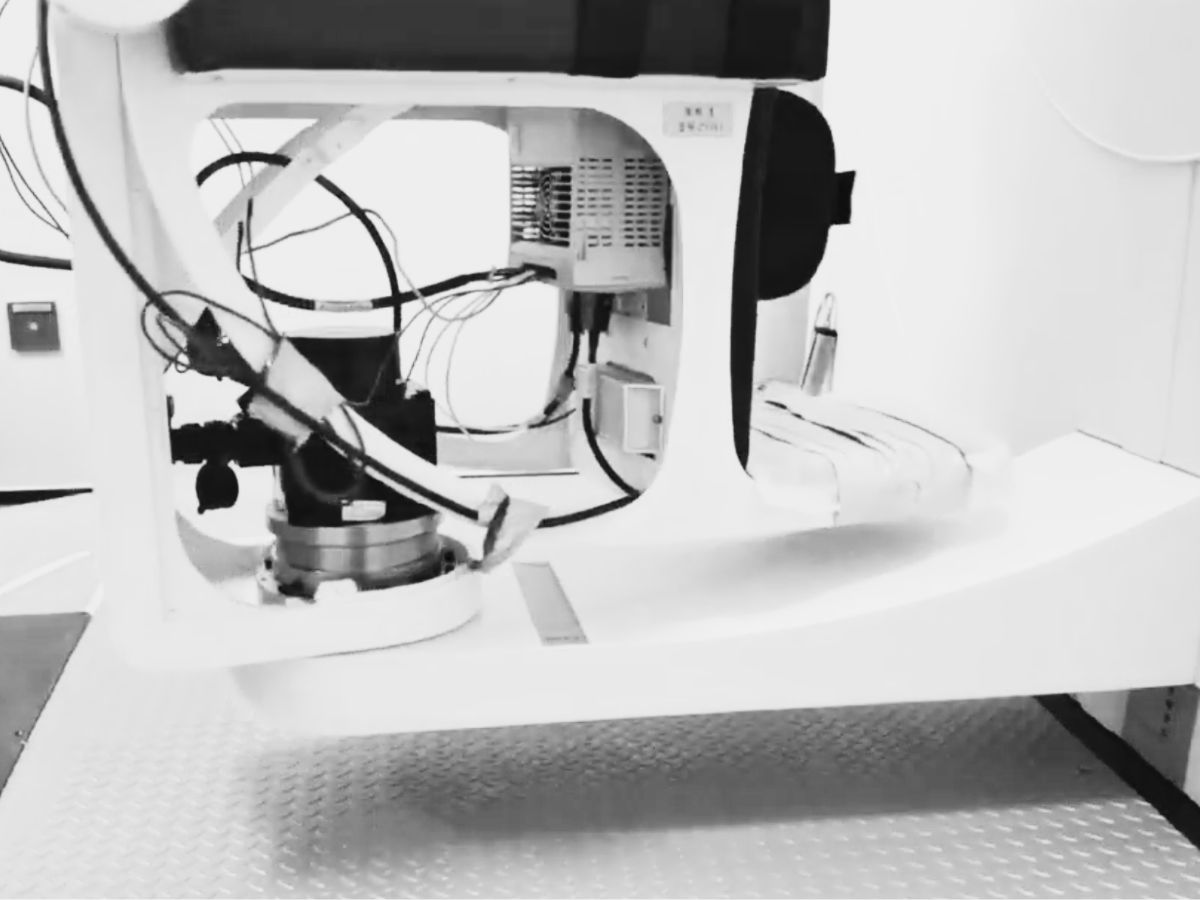
 Why Are Harmonic Rotary Actuators Perfect for Medical Equipment?Harmonic rotary actuators (typically integrated systems consisting of a harmonic drive reducer, frameless torque motor, encoder, and optional brake) are regarded as key components in medical equipment. The core reason is that they simultaneously meet the most stringent medical requirements for precision, compact size, safety, and controllability. The following explanation is structured from three perspectives: technical characteristics, application scenarios, and medical value.
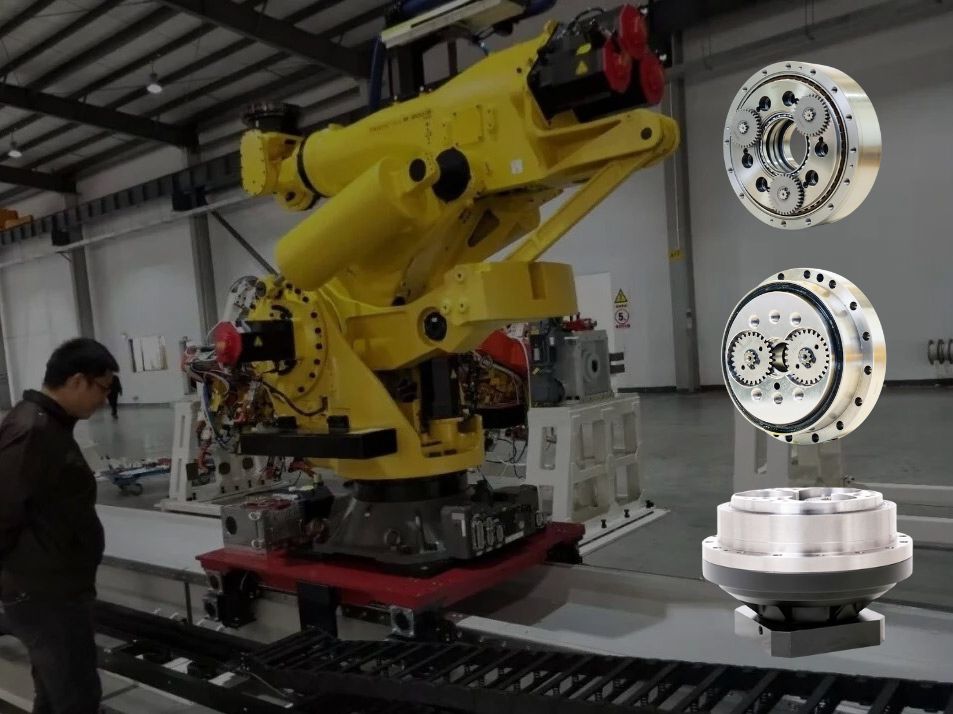
 High-Precision RV Reducers Perfectly Matched for Walking RobotsThe walking axis of a robot is a core component for power transmission and support. RV reducers provide extremely high rigidity, precision, and torque while maintaining a compact size and exceptional reliability, making them an ideal match for the demanding requirements of walking robot joints in terms of load capacity, impact resistance, and precision.
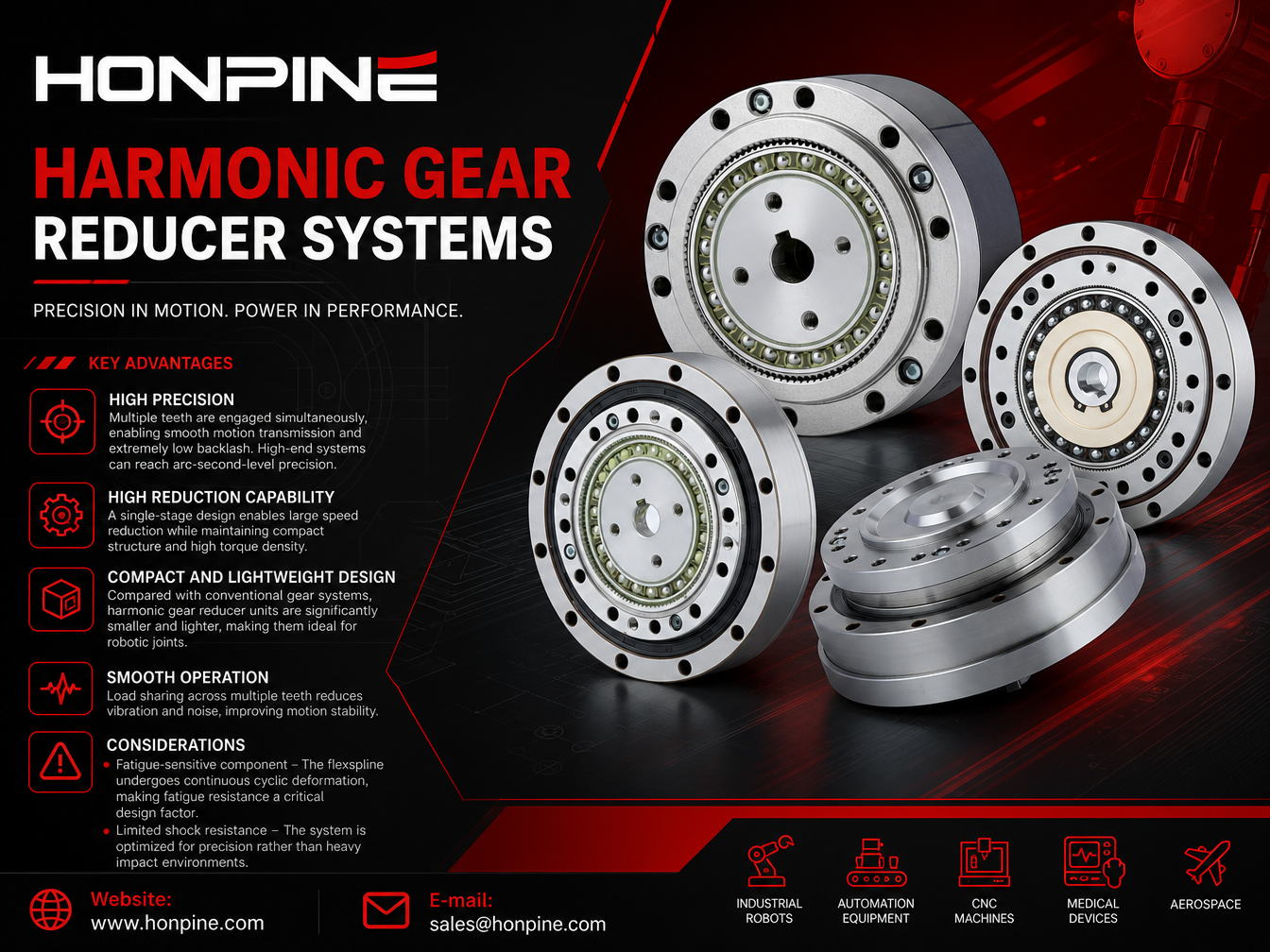
 Harmonic Gear Reducer Technology: Working Principle, Manufacturing Barriers, and Industry InsightsGlobally, only a limited number of manufacturers are capable of producing high-precision harmonic gear reducer systems. This article explains how these precision transmission systems work, why they are difficult to manufacture, and HONPINE’s perspective on the global supply chain.
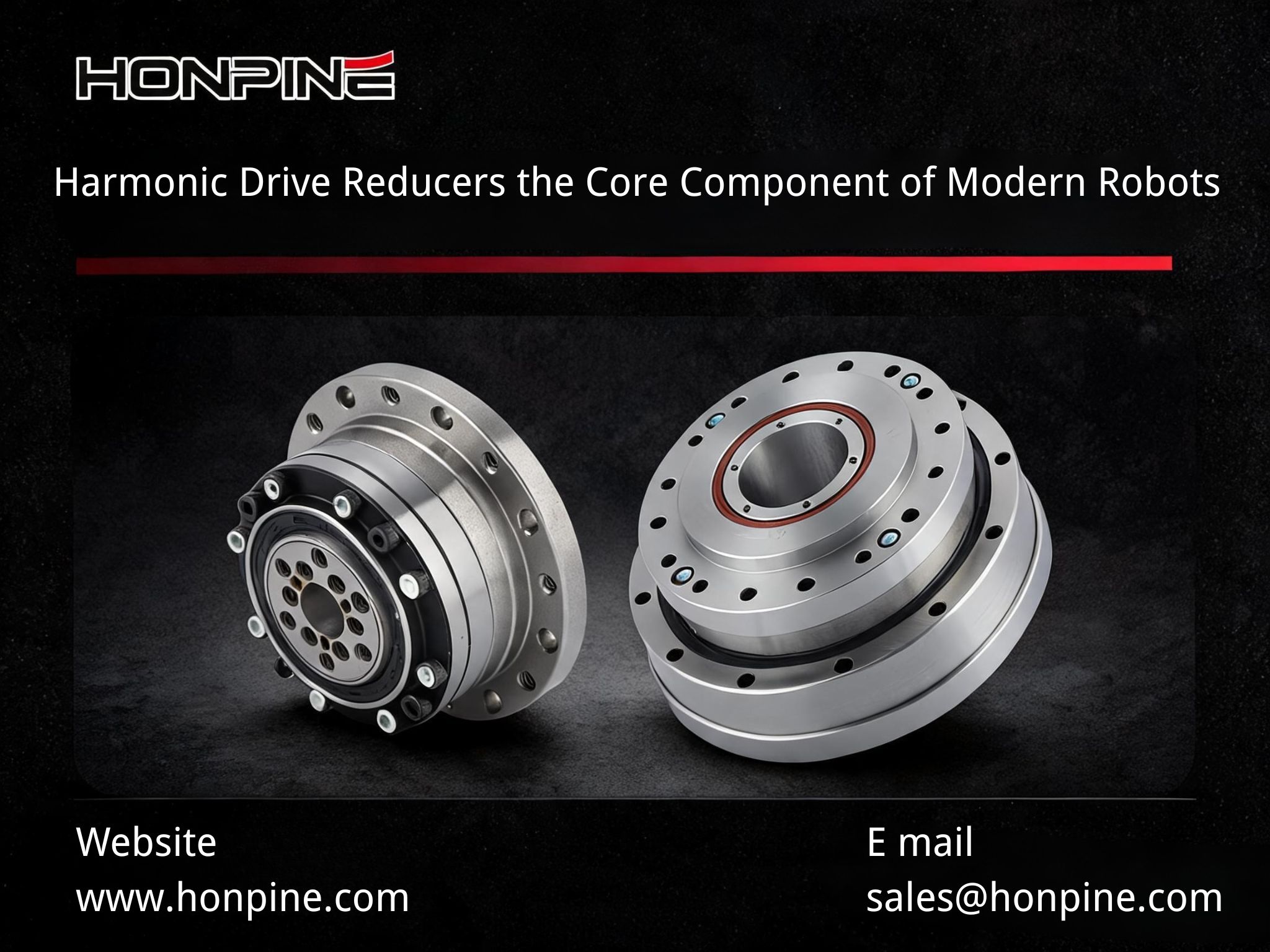
 Why Are Harmonic Drive Reducers the Core Component of Modern Robots?As the core transmission component inside robotic joints, the design, manufacturing quality, and selection of a harmonic drive reducer directly determine a robot's motion accuracy, reliability, and service life. Whether in industrial robots, collaborative robots, or next-generation humanoid robots, harmonic drives have become one of the most critical enabling technologies for high-performance motion control.
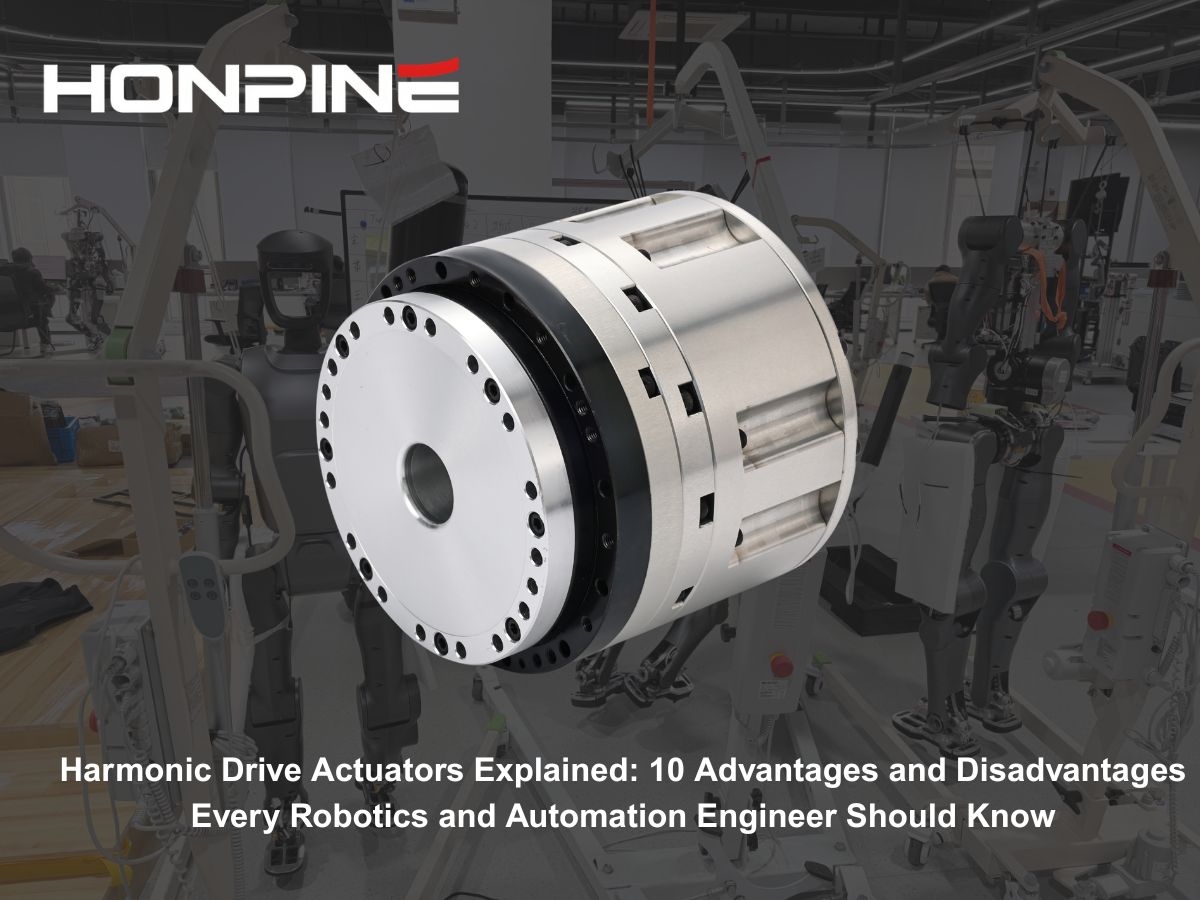
 Harmonic Drive Actuators Explained: 10 Advantages and Disadvantages Every Robotics and Automation Engineer Should KnowWhen selecting a motion control solution, understanding the strengths and limitations of a harmonic rotary actuator is essential. While these actuators are widely recognized for their exceptional precision and compact design, they also have inherent limitations that make them unsuitable for certain heavy-duty applications.
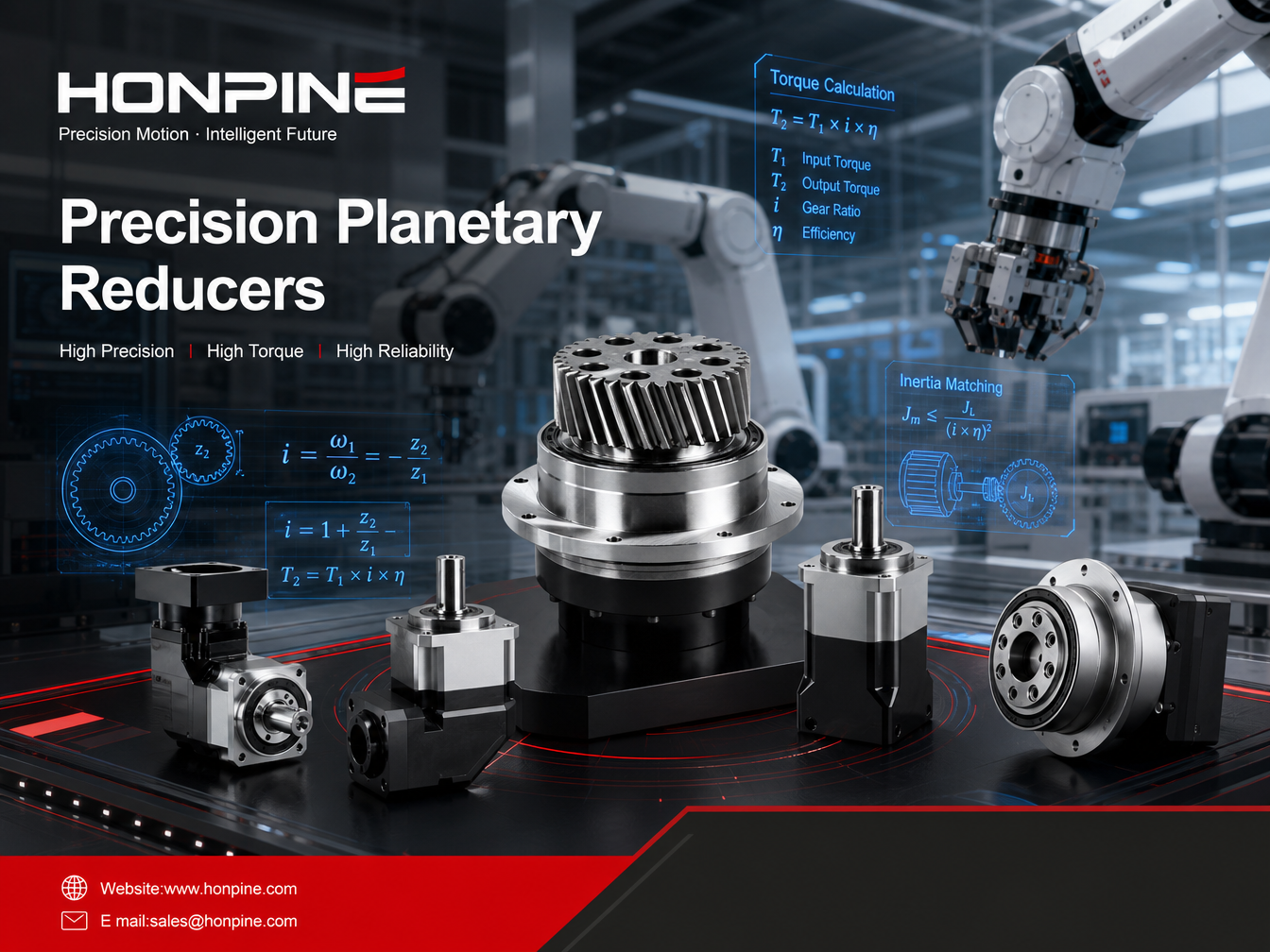
This guide provides a comprehensive overview of the advantages and disadvantages of harmonic actuators, helping engineers choose the right transmission solution based on their specific application requirements. Precision Planetary Reducer Selection Guide: Practical Methods for Gear Ratio, Torque, and Inertia MatchingSelecting the right precision planetary reducer is one of the most important steps in designing a high-performance motion control system. With numerous technical parameters to consider, the selection process can appear complicated. In practice, however, three core factors determine the optimal solution: gear ratio, output torque, and inertia matching.
 Automate 2026 Sends a New Signal: Humanoid Robots Enter the Era of AccountabilityAUTOMATE is the leading industrial automation and robotics exhibition in North America. Organized by the Association for Advancing Automation (A3), it is widely recognized as a global benchmark event in the automation industry.
 Thailand Industrial Show Opens With Smart Manufacturing FocusAutomation production line insights from the Thailand Industrial Show: explore smart manufacturing trends, energy storage EOL testing, and automotive module assembly opportunities in Southeast Asia.

Double Click
We provide harmonic drive reducer,planetary reducer,robot joint motor,robot rotary actuators,RV gear reducer,robot end effector,dexterous robot hand
 Japan Approves 3% Duty Rebate for Chinese Harmonic Rotary ActuatorsJapan approves a 3% duty rebate for Chinese harmonic rotary actuators. Learn eligibility, JIS B 1192:2026 rules, IoT protocol requirements, and JETRO filing steps.
 BIS Adds Precision Planetary Gearboxes to Export ControlsBIS adds precision planetary gearboxes to export controls, reshaping industrial robot actuator sourcing for China. Learn the new license rules, risks, and supply chain impacts.
 Why Harmonic Drive Gear Systems Are Ideal for Missile Guidance and Precision Control Applications?Harmonic drive gear systems and harmonic drive actuator systems are highly suitable for applications such as turret rotation, missile fin control, and stabilized sensor gimbal systems.
This is mainly because they offer unique advantages in precision, compact size, fast response, and reliability, making them ideal for high-precision electromechanical systems. 7 Steps to Help You Choose the Most Suitable Harmonic Gear Rotary ActuatorHow do you choose the harmonic gear rotary actuator that best suits your needs?
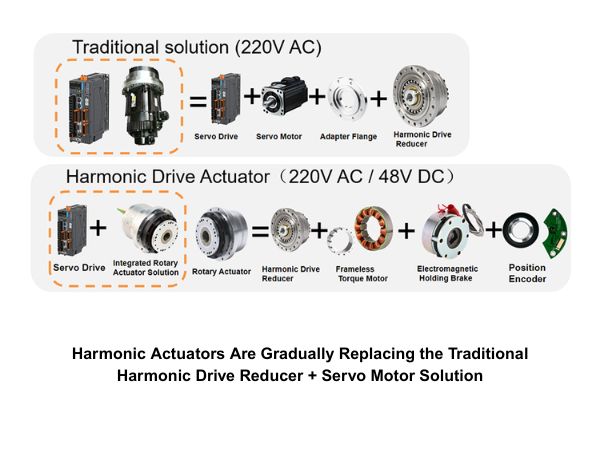
This article introduces the selection and calculation process from the perspectives of confirming the reduction ratio, torque calculation, bearing load calculation, load inertia confirmation, and driver matching. 2026 Is the Time to Start Using Smart Harmonic ActuatorsEven in 2026, many systems are still built using the traditional combination of motor + gearbox + encoder + drive.
However, in recent years, smart harmonic drive servo actuators have been rapidly replacing this conventional architecture.
By significantly simplifying mechanical design, shortening R&D cycles, and delivering clear performance advantages, smart actuators are becoming the new standard for modern intelligent equipment. Integrated Harmonic Actuators Are Gradually Replacing the Traditional Harmonic Drive Reducer + Servo Motor Solution and It Is Developing FastlyIn recent years, with the introduction of integrated harmonic actuators, an increasing number of automation equipment manufacturers have begun to replace the traditional configuration of harmonic drive reducers combined with servo motors. Through continuous practical application, harmonic actuators have evolved into a wide variety of forms.