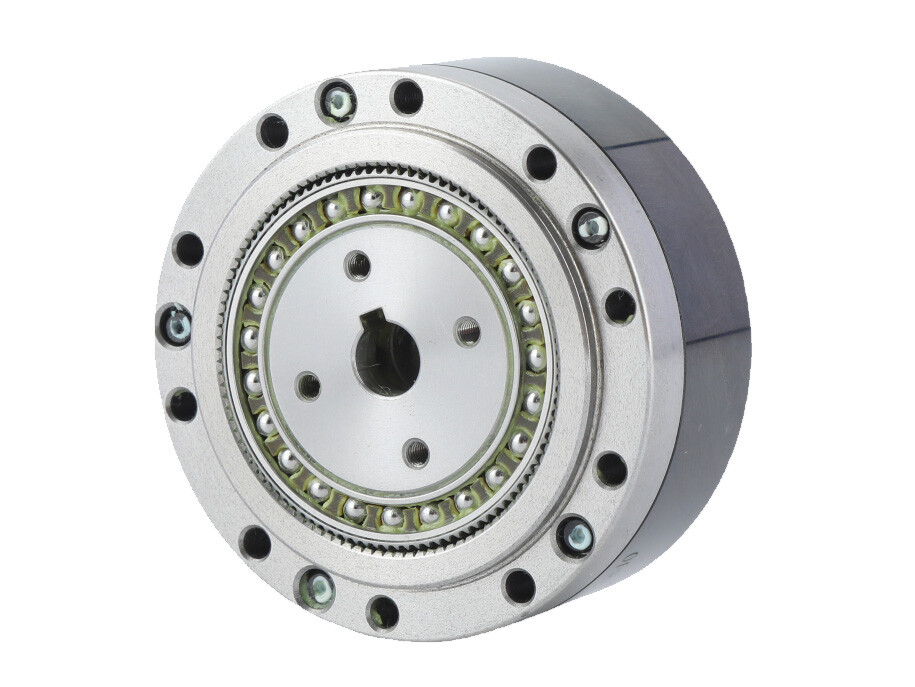






Vietnam, Thailand Impose New Duties on Chinese Harmonic Drives
On July 2, 2026, Vietnam and Thailand both moved to apply anti-dumping duties on Chinese harmonic drives under HS Code 8483.40.90, adding a new compliance and cost layer for cross-border trade in this product category. The immediate attention point is not only the duty rates of 28.3% in Vietnam and 19.7% in Thailand, but also the retroactive scope from January 2026 and the added customs documentation now required for clearance. For importers, exporters, distributors, and downstream buyers, this is worth close attention because it directly affects landed cost, customs processing, and contract execution.
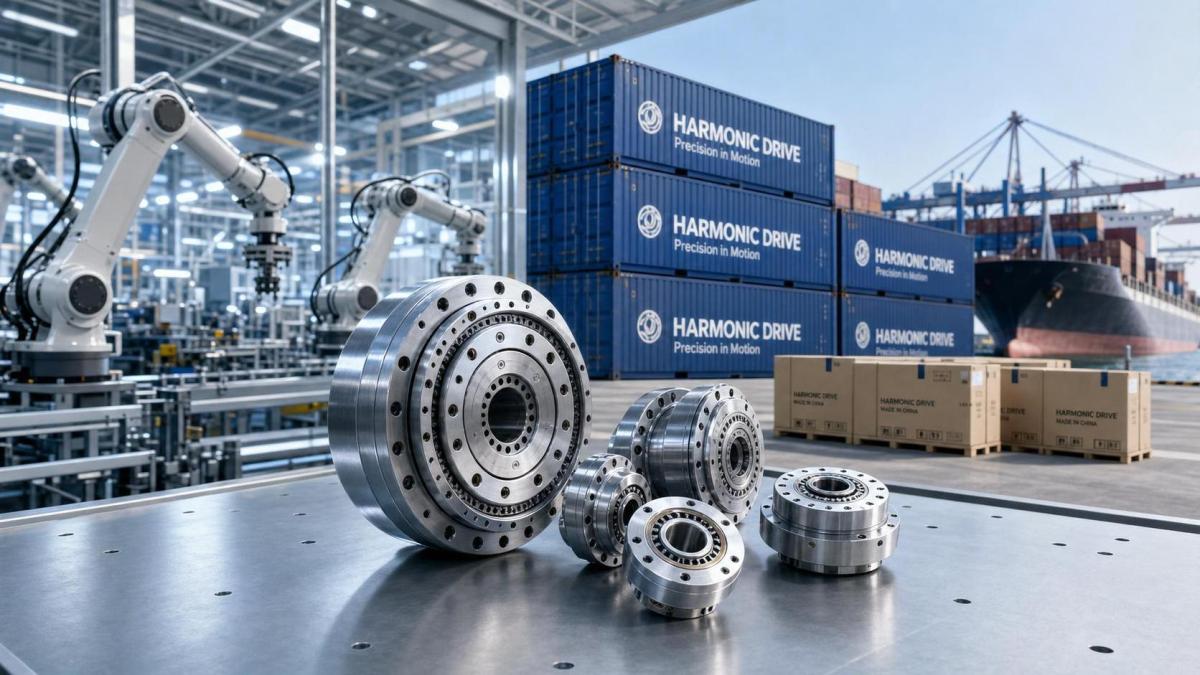
What the July 2 Announcements Confirmed
According to the information provided, Vietnam's Ministry of Industry and Trade and Thailand's Customs Department issued synchronized announcements on July 2, 2026, reaching final determinations on anti-dumping measures covering Chinese harmonic drives classified under HS Code 8483.40.90.
The announced anti-dumping duty rates are 28.3% for Vietnam and 19.7% for Thailand. The measures are stated to apply retroactively from January 2026.
The same information also indicates that importers in both markets now need to submit a declaration of origin and a price undertaking document in order to complete customs clearance. The expected result is an increase of 12% to 18% in end procurement costs.
Where the Pressure Is Likely to Appear First
Trade flows face a direct customs and pricing impact
From an industry perspective, direct trading companies are likely to feel the effect first because the new duties and documentation requirements sit at the import clearance stage. The practical pressure points are customs filing, cost calculation, and shipment release timing. What deserves closer attention is whether existing quotations, delivery terms, and payment arrangements still reflect the new duty burden and retroactive exposure.
Downstream buyers may need to revisit procurement assumptions
For procurement teams and end-use industrial buyers, the issue is less about the policy headline and more about the landed cost change that may flow into purchasing budgets. Analysis shows that when end procurement costs are expected to rise by 12% to 18%, buyers may need to reassess order timing, supplier communication, and the validity period of prior quotes. The impact is likely to concentrate in sourcing decisions and cost control rather than in a single isolated transaction.
Channel and supply chain service providers face execution risk
Distributors, logistics coordinators, and other supply chain service providers may be affected through documentation handling and delivery scheduling. Observably, the added requirement for origin declarations and price undertaking documents creates a higher need for document consistency across exporter, importer, and customs-facing parties. The main concern here is operational: incomplete or mismatched paperwork could become a point of friction in cargo release and customer commitments.
What Companies Should Watch Now
Check how the retroactive period affects open business
Analysis shows that the retroactive application from January 2026 deserves immediate review against shipments already completed, goods in transit, and contracts signed earlier in the year. Companies involved in these transactions should focus on whether existing commercial arrangements and customs records align with the newly announced final measures.
Prepare origin and pricing documents with more discipline
The requirement to submit a declaration of origin and a price undertaking document means document readiness is now part of market access in both countries. What deserves closer attention is not only whether these documents exist, but whether they are internally consistent with invoices, product classification, and shipment records used in customs clearance.
Separate policy language from daily execution
From an industry perspective, the announcement itself is only one part of the issue. The business impact will depend on how the rules are applied in day-to-day customs handling, shipment acceptance, and buyer-seller settlement. Companies should therefore monitor official wording closely while also watching how clearance practice develops in actual transactions.
Reset customer and supplier communication early
Observably, the combination of new duties and expected cost increases makes communication timing important. Exporters, importers, and downstream buyers should review how they address quote revisions, delivery commitments, and responsibility for added costs, especially where contracts or purchase orders were structured before the July 2 announcements.
Why This Looks Like More Than a Short-Term Pricing Issue
This section is an editorial observation. It is more appropriate to understand this development as a confirmed trade measure with immediate commercial consequences, rather than as a market rumor or a purely temporary customs adjustment. At the same time, it should not yet be overstated into a broad regional conclusion beyond the facts provided.
Analysis shows that the strongest signal in this case is the combination of final duty decisions, retroactive application, and added documentary requirements. Together, these elements suggest that affected businesses need to pay attention not only to margin pressure, but also to execution discipline in cross-border shipments. The reason the market should continue watching is that the practical impact will unfold through clearance, pricing, and customer delivery over time.
How This Development Is Best Understood for Now
At this stage, the July 2 action is best read as an immediate operational and cost event for parties dealing in Chinese harmonic drives into Vietnam and Thailand. The confirmed facts already point to a direct effect on import procedures and procurement economics, while the broader commercial response still requires observation. A measured conclusion is that this is neither a routine administrative detail nor a basis for sweeping market claims; it is a concrete policy outcome with near-term business implications that companies should track closely.
Basis of This Article and What Still Needs Verification
This article is based on the user-provided news title, event date, and event summary concerning anti-dumping duties on Chinese harmonic drives in Vietnam and Thailand. For this type of development, commonly relevant source categories may include official government announcements, customs notices, company disclosures, industry association updates, authoritative media reporting, and classification-related regulatory documents.
No specific official source link was provided in the input, so the exact official publication path still needs continued verification. Follow-up attention should focus on any further official wording, implementation details for customs clearance, and whether additional procedural clarification emerges around origin declarations, price undertaking documents, and the retroactive application period.
Read More
Learn more about the story of HONPINE and industry trends related to precision transmission.
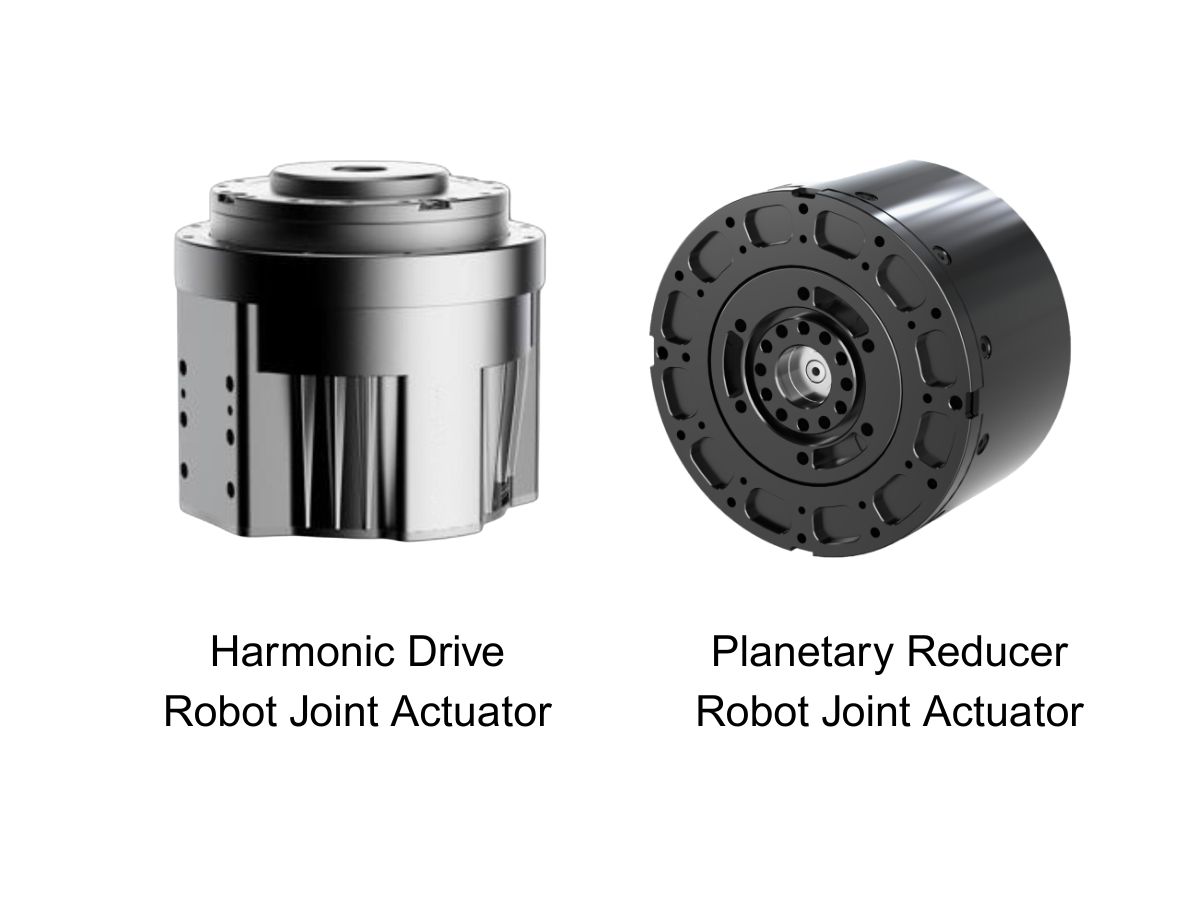
 What is robot joint actuator?How to Choose the Best Robot Rotary Joint Actuator?In core robot joint transmission solutions, planetary and harmonic rotary actuators each have their own strengths. Choosing the right type based on application requirements is essential to achieve the optimal balance between performance and cost.
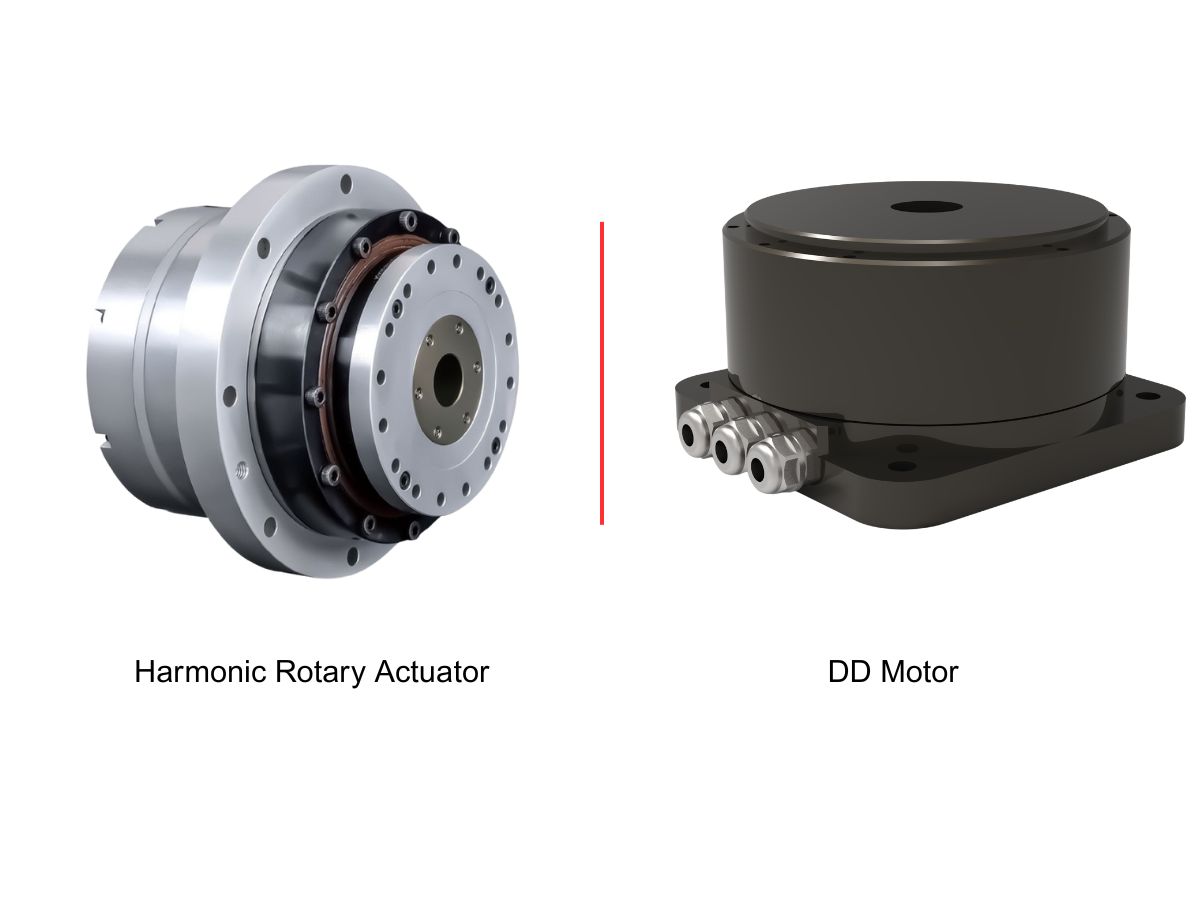
 DD Motors VS Harmonic Rotary ActuatorsThis article provides an in-depth comparison between Direct Drive (DD) motors and harmonic rotary actuators, covering their transmission principles, advantages and disadvantages, and typical application fields.
 OMG Ultra Compact Harmonic Drive Joint Module with Built-in Torque SensorHONPINE TCHL series harmonic drive joint module is a game-changing product that achieves disruptive improvements in multiple aspects such as lightweight design, integration level, and connection convenience. This article will analyze its revolutionary enhancements with you.
 The Role of Harmonic Drive Gears in Achieving 5–10 μm Accuracy in Dental Milling MachinesA dental milling machine is a CNC machining system used to directly process digital dental models into restorations such as crowns, bridges, veneers, inlays, and implant abutments. Dental milling machines require far higher operational accuracy and motion stability than ordinary equipment. This article explains how harmonic drive gear help dental milling machines achieve stable, continuous, and controllable operation.
 Why Are Harmonic Rotary Actuators Perfect for Medical Equipment?Harmonic rotary actuators (typically integrated systems consisting of a harmonic drive reducer, frameless torque motor, encoder, and optional brake) are regarded as key components in medical equipment. The core reason is that they simultaneously meet the most stringent medical requirements for precision, compact size, safety, and controllability. The following explanation is structured from three perspectives: technical characteristics, application scenarios, and medical value.
 High-Precision RV Reducers Perfectly Matched for Walking RobotsThe walking axis of a robot is a core component for power transmission and support. RV reducers provide extremely high rigidity, precision, and torque while maintaining a compact size and exceptional reliability, making them an ideal match for the demanding requirements of walking robot joints in terms of load capacity, impact resistance, and precision.
 Harmonic Gear Reducer Technology: Working Principle, Manufacturing Barriers, and Industry InsightsGlobally, only a limited number of manufacturers are capable of producing high-precision harmonic gear reducer systems. This article explains how these precision transmission systems work, why they are difficult to manufacture, and HONPINE’s perspective on the global supply chain.
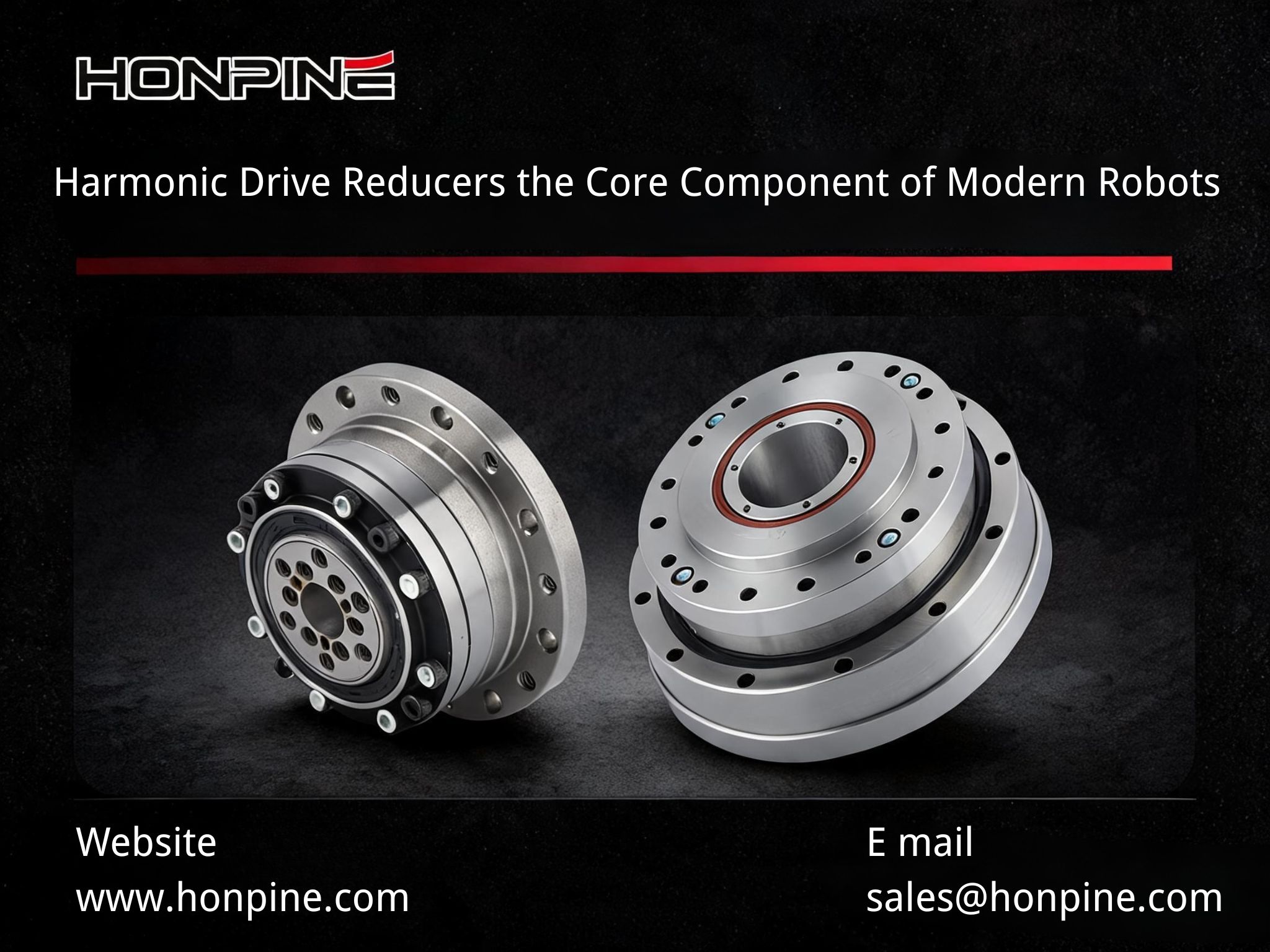
 Why Are Harmonic Drive Reducers the Core Component of Modern Robots?As the core transmission component inside robotic joints, the design, manufacturing quality, and selection of a harmonic drive reducer directly determine a robot's motion accuracy, reliability, and service life. Whether in industrial robots, collaborative robots, or next-generation humanoid robots, harmonic drives have become one of the most critical enabling technologies for high-performance motion control.
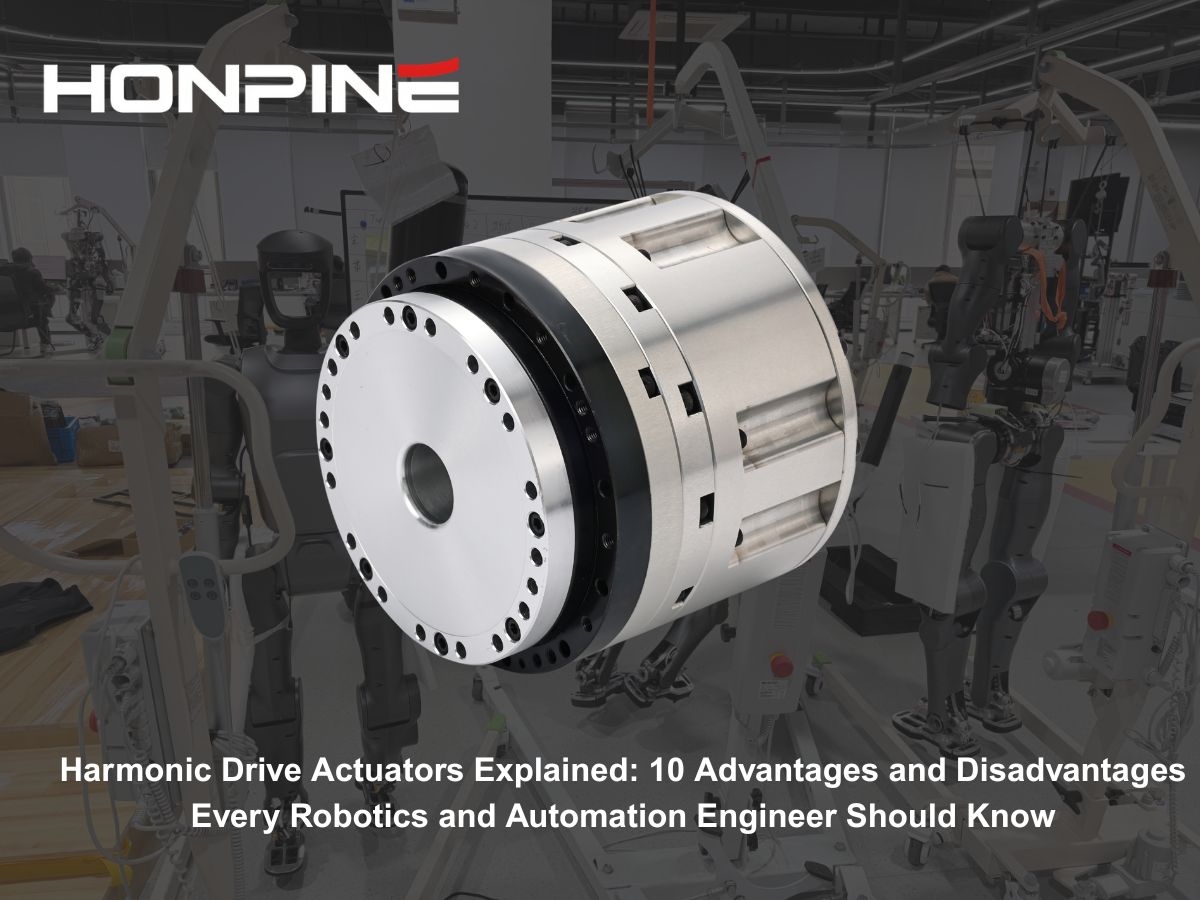
 Harmonic Drive Actuators Explained: 10 Advantages and Disadvantages Every Robotics and Automation Engineer Should KnowWhen selecting a motion control solution, understanding the strengths and limitations of a harmonic rotary actuator is essential. While these actuators are widely recognized for their exceptional precision and compact design, they also have inherent limitations that make them unsuitable for certain heavy-duty applications.
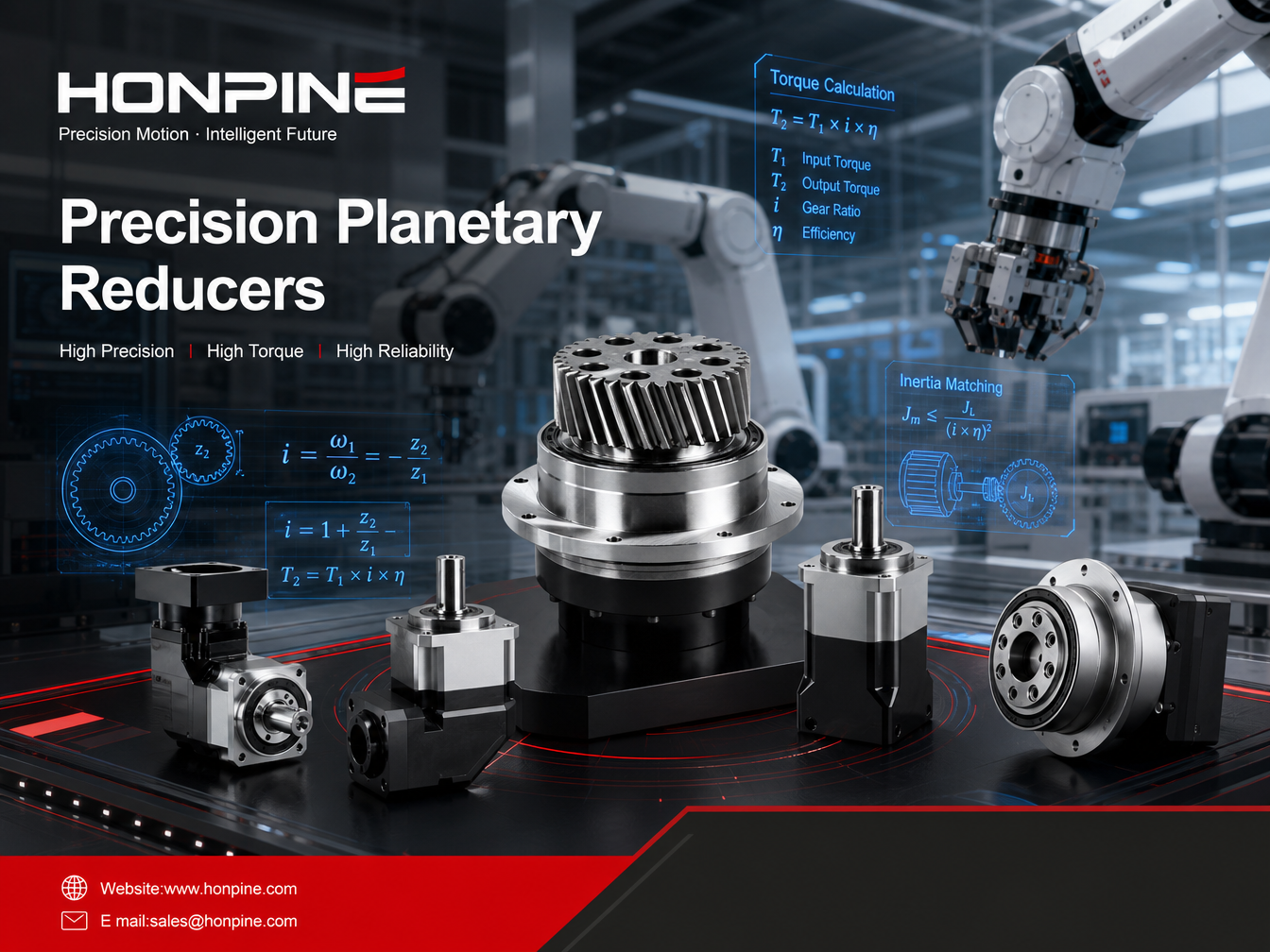
This guide provides a comprehensive overview of the advantages and disadvantages of harmonic actuators, helping engineers choose the right transmission solution based on their specific application requirements. Precision Planetary Reducer Selection Guide: Practical Methods for Gear Ratio, Torque, and Inertia MatchingSelecting the right precision planetary reducer is one of the most important steps in designing a high-performance motion control system. With numerous technical parameters to consider, the selection process can appear complicated. In practice, however, three core factors determine the optimal solution: gear ratio, output torque, and inertia matching.
 Automate 2026 Sends a New Signal: Humanoid Robots Enter the Era of AccountabilityAUTOMATE is the leading industrial automation and robotics exhibition in North America. Organized by the Association for Advancing Automation (A3), it is widely recognized as a global benchmark event in the automation industry.
 Thailand Industrial Show Opens With Smart Manufacturing FocusAutomation production line insights from the Thailand Industrial Show: explore smart manufacturing trends, energy storage EOL testing, and automotive module assembly opportunities in Southeast Asia.

Double Click
We provide harmonic drive reducer,planetary reducer,robot joint motor,robot rotary actuators,RV gear reducer,robot end effector,dexterous robot hand
 Vietnam, Thailand Impose New Duties on Chinese Harmonic DrivesChinese harmonic drives face new anti-dumping duties in Vietnam and Thailand. Learn how retroactive tariffs, customs documents, and rising costs will impact importers and buyers.
 VDI 2862 Revision Sets Harmonic Drive Efficiency Gate for Q3 2026VDI 2862 Revision Sets Harmonic Drive Efficiency Gate for Q3 2026: learn how new ηthermal grades could reshape supplier access, OEM bidding, and delivery planning.
 EU to Require CE-RoHS Marking for Harmonic Drive ReducersHarmonic drive reducers entering the EU will face new CE-RoHS marking rules from August 1, 2026. Learn the compliance impact on certification, exports, costs, and delivery planning.
 EU CE Rule Makes PL Certification MandatoryEU CE Rule Makes PL Certification Mandatory: learn how new EU requirements affect harmonic reducers, ISO 13849-1 PLd compliance, customs clearance, and market access.
 harmonic drive reducer certifications