





VDI 2862 Revision Sets Harmonic Drive Efficiency Gate for Q3 2026
On July 3, 2026, the Association of German Engineers (VDI) released VDI 2862 Blatt 2:2026, a revised method for evaluating and grading the energy efficiency of harmonic drive gear reducers. The update matters because it does more than add a technical metric: although the standard is voluntary, German OEMs including KUKA and Festo have already made it a supplier entry prerequisite for new projects starting in Q3 2026. For component makers, system integrators, procurement teams, testing-related service providers, and exporters serving German industrial customers, this turns a standards update into an immediate market-access and delivery planning issue.
What the revised VDI document formally introduces
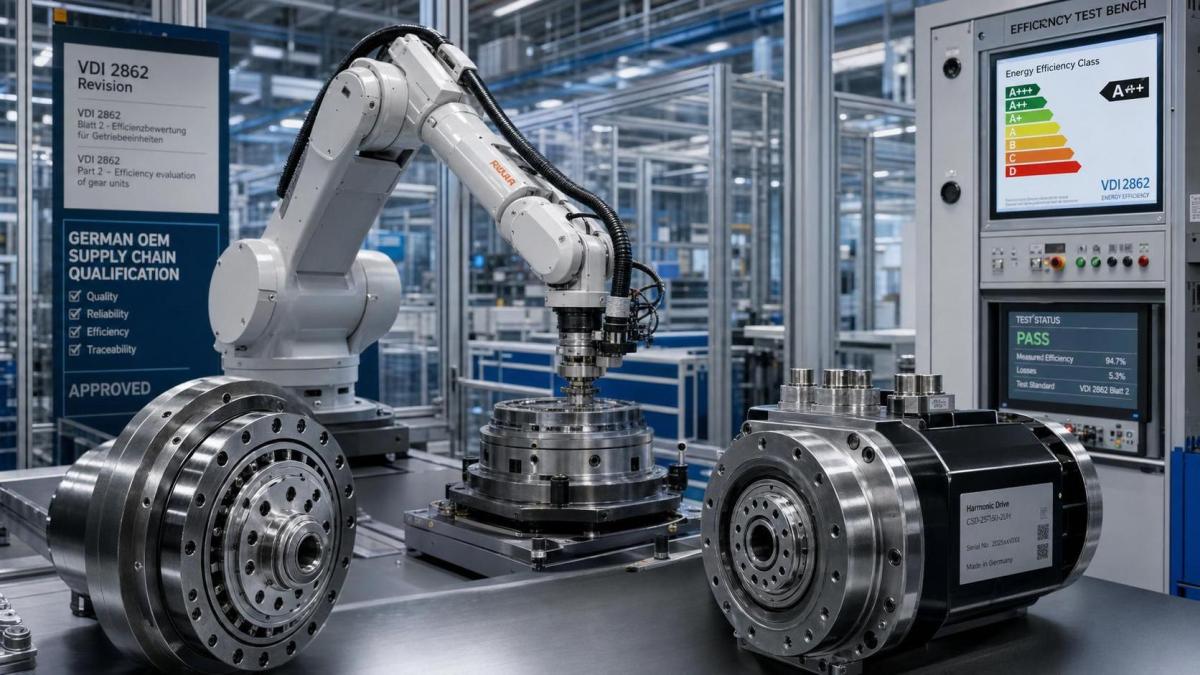
The confirmed facts are limited but commercially significant. VDI published VDI 2862 Blatt 2:2026 on July 3, 2026. The document covers the evaluation and grading method for the energy efficiency of harmonic drive gear reducers. It introduces the ηthermal metric as a new indicator for thermal-state overall efficiency and establishes three efficiency grades: A, B, and C.
Another confirmed point is the change in market use. Even though the standard itself is voluntary, German machinery manufacturers including KUKA and Festo have listed it as a prerequisite for supplier qualification in new projects beginning in Q3 2026. Based on the provided information, no further official enforcement detail, test protocol expansion, or certification pathway has been confirmed here.
Where the commercial impact is likely to appear first
Supplier qualification may tighten before orders are placed
From an industry perspective, harmonic drive reducer manufacturers and upstream component suppliers are among the first groups likely to feel the effect. The reason is straightforward: once an OEM treats a voluntary standard as a bidding or onboarding condition, the impact shifts to pre-sales, technical submission, and approved-vendor qualification. What deserves closer attention is whether existing product documents, performance statements, and technical files are sufficient to show alignment with the revised grading method and the new ηthermal indicator.
Procurement teams may face a documentation and comparison issue
Buyers and sourcing teams for automation equipment may also be affected because supplier screening can no longer rely only on legacy efficiency claims or older product comparisons. Analysis shows that procurement workflows may need to pay closer attention to grade classification, test basis, and consistency between quotation materials and technical bid documents. Even where no legal compliance trigger exists, internal purchasing criteria may start to reference the revised VDI framework if the downstream customer requires it.
Export and delivery planning may be influenced by customer-side entry requirements
For exporters and cross-border supply chain participants, the practical issue is less about customs treatment and more about customer acceptance. If German OEM project requirements begin to specify grade thresholds or require evidence tied to the revised method, the effect may surface at the quotation, sample approval, contract review, or delivery release stage. Observably, this creates a risk of delayed project conversion or resubmission of technical files for suppliers that have not prepared supporting materials in time.
Testing and technical support functions may see new requests
Testing-related service providers, engineering support teams, and after-sales technical functions may also see changes in demand. The introduction of a thermal-state overall efficiency indicator suggests that customers may request clearer explanations of how product performance is characterized under the new method. Since the provided information does not include a confirmed certification route or formal third-party assessment requirement, it is more appropriate to understand this as a likely increase in technical clarification needs rather than a confirmed new certification market.
What companies should review now
Check whether technical files match the revised evaluation logic
Analysis shows that companies supplying harmonic drive reducers or assemblies containing them should review product datasheets, test summaries, technical declarations, and bid attachments to see whether they address the revised VDI method and the ηthermal indicator in a coherent way. The immediate concern is not to assume a broader legal obligation, but to avoid mismatches between what customers ask for and what suppliers can document.
Watch supplier entry language in new project documents
What deserves closer attention is the wording used by OEMs in RFQs, supplier manuals, onboarding forms, and technical bid requirements from Q3 2026 onward. Because the input confirms use as a supplier entry prerequisite for new projects, companies should monitor whether grade thresholds, reporting formats, or supporting evidence are stated explicitly in customer documents. If such language appears, it may affect bid eligibility even before any purchase order is issued.
Review lead-time risk around testing, approval, and project handover
Observably, any new screening criterion can affect delivery timing when documentation must be updated or product claims must be rechecked. Manufacturers and exporters should therefore look at internal approval timing, sample preparation, and project handover milestones. This is especially relevant where customer acceptance depends on technical review before design freeze or supplier nomination. The provided information does not confirm a mandatory external certification step, so companies should focus first on readiness of evidence and communication rather than presume a fixed compliance procedure.
Keep records ready for traceability and customer queries
From an industry perspective, traceable technical records may become more important if customers begin comparing suppliers by grade level or by alignment with the revised method. Companies should be ready to organize version-controlled technical documents, test references, and correspondence that explains how supplied products are represented against the new framework. This does not confirm a formal audit regime, but it is a reasonable preparation step where supplier qualification standards are tightening.
Why this looks like an execution signal, not just a standards update
Analysis shows that the most important point is not simply that VDI revised a document, but that the revised document is already being used by named German OEMs as an entry condition for new projects. That changes the business meaning of a voluntary standard. It is more appropriate to understand this as an execution signal within procurement and supplier management, rather than as a purely technical publication with distant effect.
At the same time, this is not yet a basis for claiming a universal market rule. The provided information does not establish how broadly other buyers will follow, whether testing interpretations will remain uniform, or how quickly technical specifications across the wider market will be updated. For that reason, continued attention should focus on customer documents, qualification criteria, and actual project-level adoption.
How the market should read this stage of the change
The current development should be read as a targeted but meaningful shift in market access conditions around harmonic drive reducer efficiency assessment. The confirmed facts support a clear conclusion: for suppliers involved in new German OEM projects from Q3 2026, the revised VDI 2862 framework may already matter at the commercial gatekeeping stage. Beyond that, broader industry effects still require observation rather than assumption.
A neutral reading is therefore the most useful one. This is neither merely a symbolic standards revision nor a fully settled market-wide rule. It is a practical signal that technical grading language can move quickly into procurement filters, and companies exposed to those customer channels should treat document readiness, qualification status, and bid alignment as immediate areas to watch.
Basis of this article and what still needs verification
This article is based on the user-provided news title, event date, and event summary. For events of this type, relevant source categories commonly include official announcements, industry association publications, standards organization documents, regulatory releases, trade authority information, procurement documents, and reporting by established industry media.
No specific official source link was provided in the input, so the exact official publication link still needs to be verified on an ongoing basis. Observably, the next points worth tracking are any formal explanatory notes around VDI 2862 Blatt 2:2026, customer-side qualification wording, changes in tender or RFQ documents, possible testing or documentation expectations, and market feedback from suppliers and OEM project teams.
Read More
Learn more about the story of HONPINE and industry trends related to precision transmission.
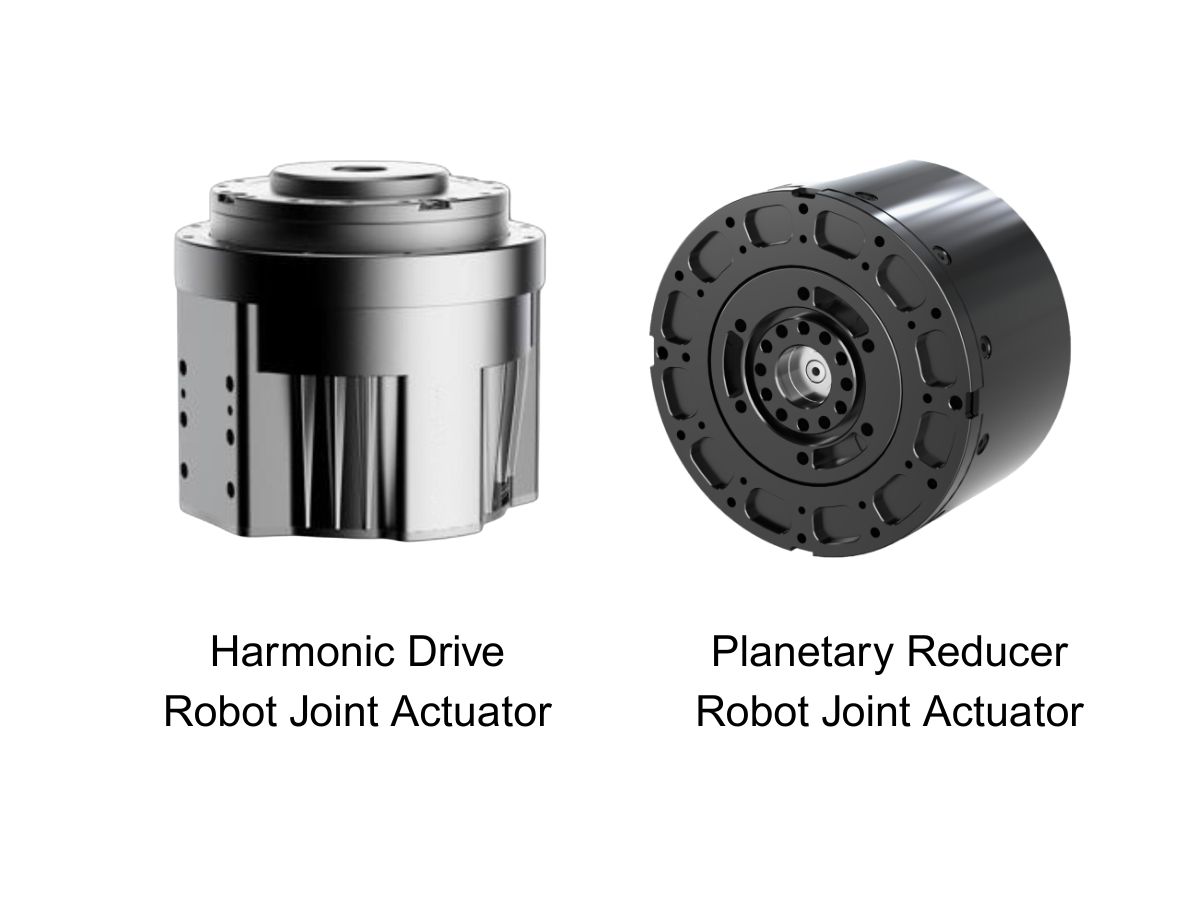
 What is robot joint actuator?How to Choose the Best Robot Rotary Joint Actuator?In core robot joint transmission solutions, planetary and harmonic rotary actuators each have their own strengths. Choosing the right type based on application requirements is essential to achieve the optimal balance between performance and cost.
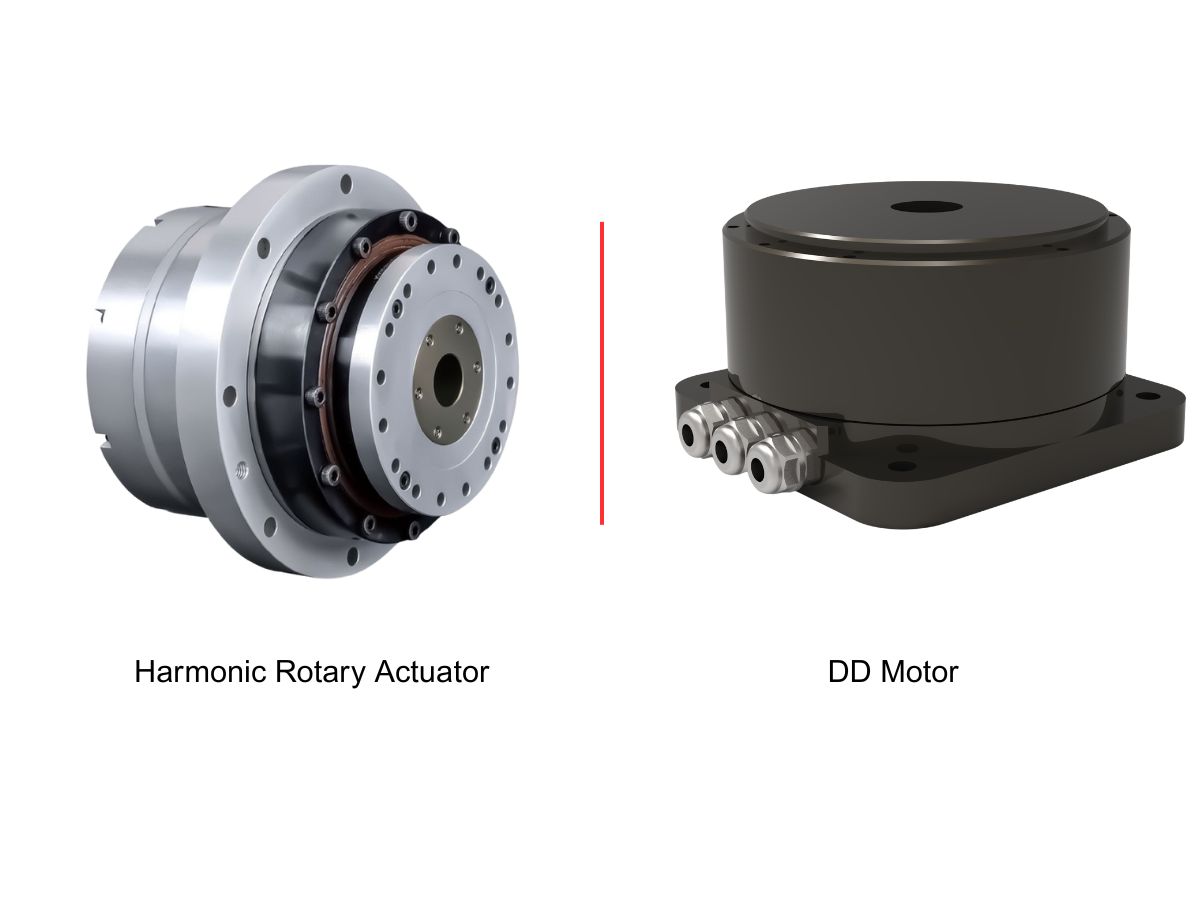
 DD Motors VS Harmonic Rotary ActuatorsThis article provides an in-depth comparison between Direct Drive (DD) motors and harmonic rotary actuators, covering their transmission principles, advantages and disadvantages, and typical application fields.
 OMG Ultra Compact Harmonic Drive Joint Module with Built-in Torque SensorHONPINE TCHL series harmonic drive joint module is a game-changing product that achieves disruptive improvements in multiple aspects such as lightweight design, integration level, and connection convenience. This article will analyze its revolutionary enhancements with you.
 The Role of Harmonic Drive Gears in Achieving 5–10 μm Accuracy in Dental Milling MachinesA dental milling machine is a CNC machining system used to directly process digital dental models into restorations such as crowns, bridges, veneers, inlays, and implant abutments. Dental milling machines require far higher operational accuracy and motion stability than ordinary equipment. This article explains how harmonic drive gear help dental milling machines achieve stable, continuous, and controllable operation.
 Why Are Harmonic Rotary Actuators Perfect for Medical Equipment?Harmonic rotary actuators (typically integrated systems consisting of a harmonic drive reducer, frameless torque motor, encoder, and optional brake) are regarded as key components in medical equipment. The core reason is that they simultaneously meet the most stringent medical requirements for precision, compact size, safety, and controllability. The following explanation is structured from three perspectives: technical characteristics, application scenarios, and medical value.
 High-Precision RV Reducers Perfectly Matched for Walking RobotsThe walking axis of a robot is a core component for power transmission and support. RV reducers provide extremely high rigidity, precision, and torque while maintaining a compact size and exceptional reliability, making them an ideal match for the demanding requirements of walking robot joints in terms of load capacity, impact resistance, and precision.
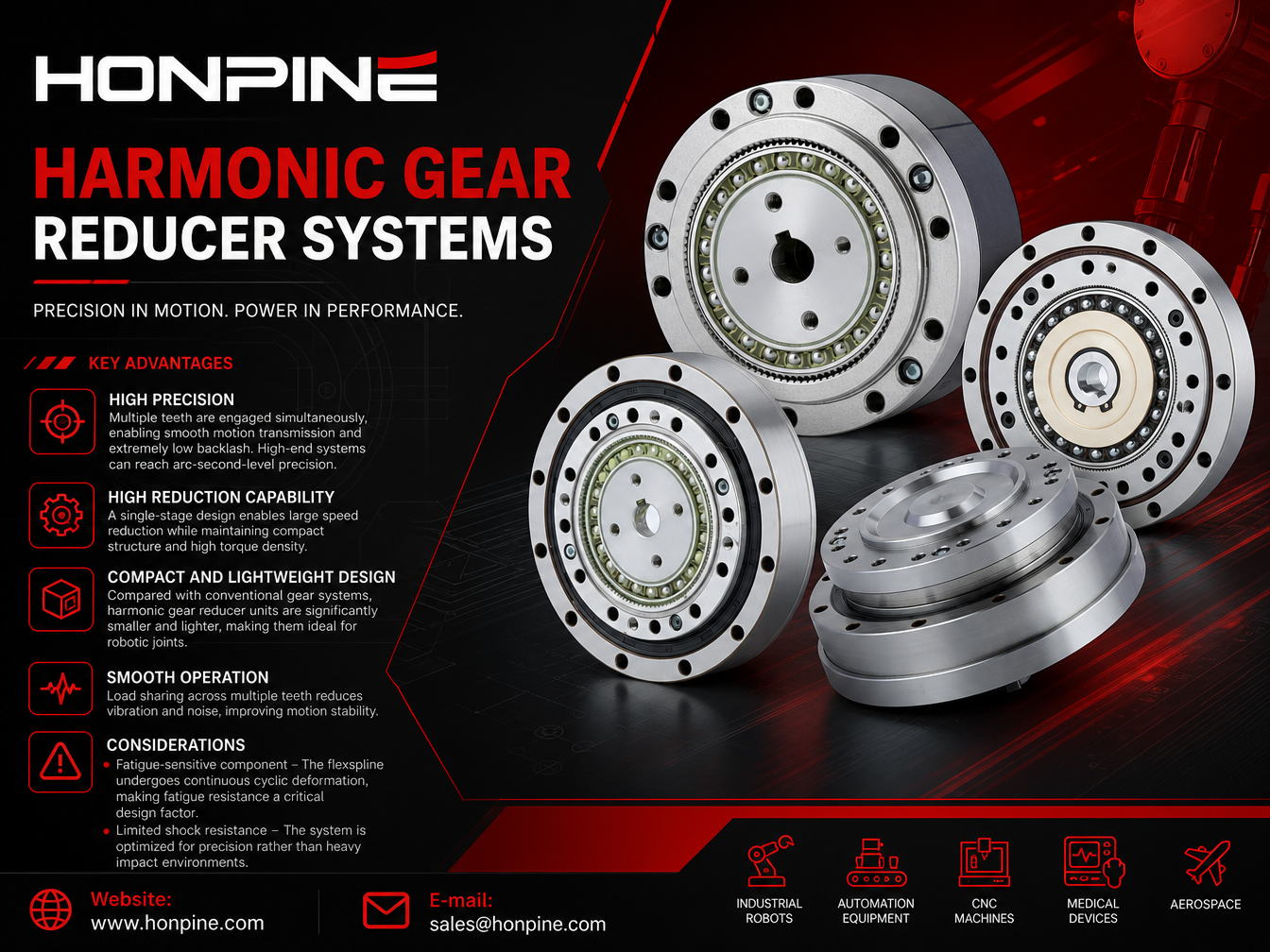
 Harmonic Gear Reducer Technology: Working Principle, Manufacturing Barriers, and Industry InsightsGlobally, only a limited number of manufacturers are capable of producing high-precision harmonic gear reducer systems. This article explains how these precision transmission systems work, why they are difficult to manufacture, and HONPINE’s perspective on the global supply chain.
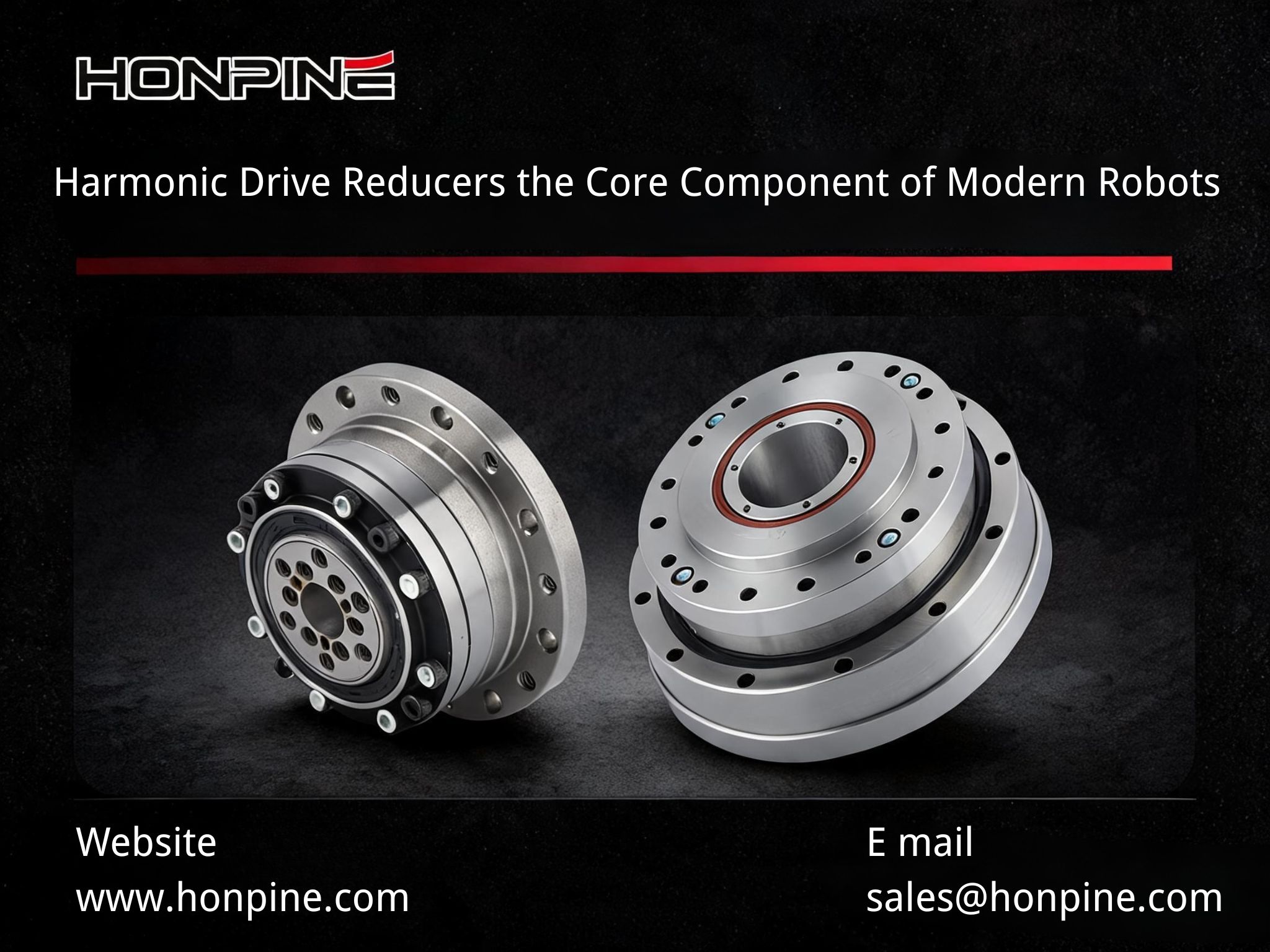
 Why Are Harmonic Drive Reducers the Core Component of Modern Robots?As the core transmission component inside robotic joints, the design, manufacturing quality, and selection of a harmonic drive reducer directly determine a robot's motion accuracy, reliability, and service life. Whether in industrial robots, collaborative robots, or next-generation humanoid robots, harmonic drives have become one of the most critical enabling technologies for high-performance motion control.
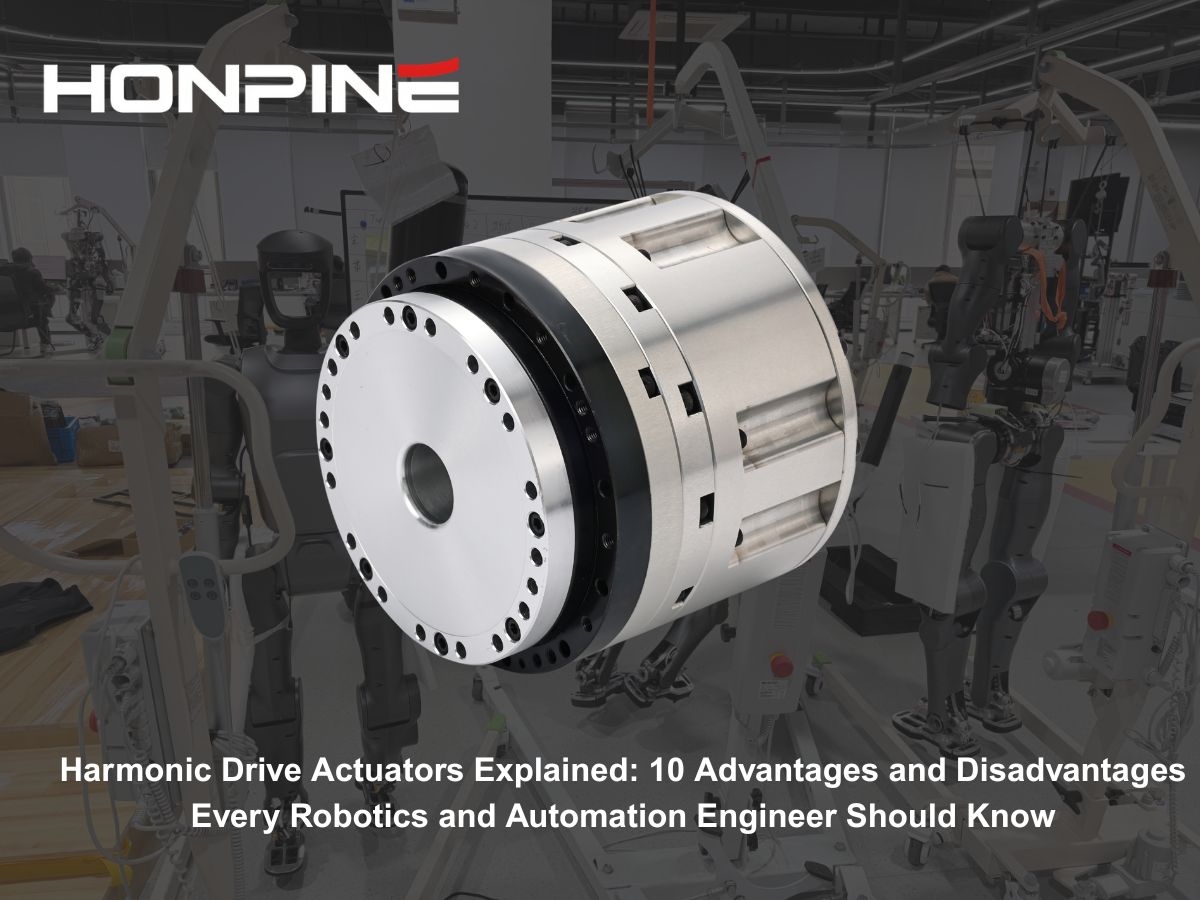
 Harmonic Drive Actuators Explained: 10 Advantages and Disadvantages Every Robotics and Automation Engineer Should KnowWhen selecting a motion control solution, understanding the strengths and limitations of a harmonic rotary actuator is essential. While these actuators are widely recognized for their exceptional precision and compact design, they also have inherent limitations that make them unsuitable for certain heavy-duty applications.
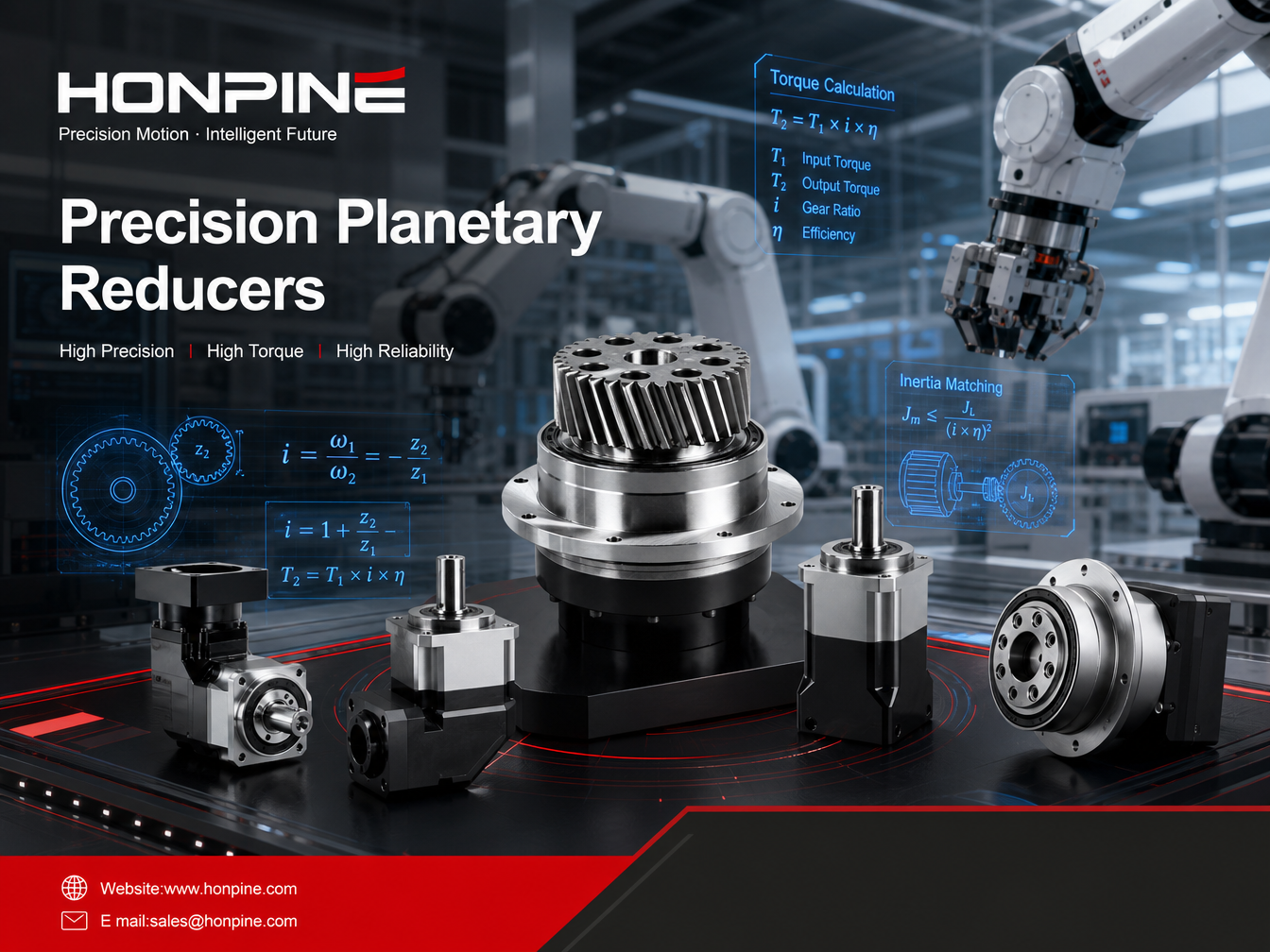
This guide provides a comprehensive overview of the advantages and disadvantages of harmonic actuators, helping engineers choose the right transmission solution based on their specific application requirements. Precision Planetary Reducer Selection Guide: Practical Methods for Gear Ratio, Torque, and Inertia MatchingSelecting the right precision planetary reducer is one of the most important steps in designing a high-performance motion control system. With numerous technical parameters to consider, the selection process can appear complicated. In practice, however, three core factors determine the optimal solution: gear ratio, output torque, and inertia matching.
 Automate 2026 Sends a New Signal: Humanoid Robots Enter the Era of AccountabilityAUTOMATE is the leading industrial automation and robotics exhibition in North America. Organized by the Association for Advancing Automation (A3), it is widely recognized as a global benchmark event in the automation industry.
 Thailand Industrial Show Opens With Smart Manufacturing FocusAutomation production line insights from the Thailand Industrial Show: explore smart manufacturing trends, energy storage EOL testing, and automotive module assembly opportunities in Southeast Asia.

Double Click
We provide harmonic drive reducer,planetary reducer,robot joint motor,robot rotary actuators,RV gear reducer,robot end effector,dexterous robot hand
 Vietnam, Thailand Impose New Duties on Chinese Harmonic DrivesChinese harmonic drives face new anti-dumping duties in Vietnam and Thailand. Learn how retroactive tariffs, customs documents, and rising costs will impact importers and buyers.
 VDI 2862 Revision Sets Harmonic Drive Efficiency Gate for Q3 2026VDI 2862 Revision Sets Harmonic Drive Efficiency Gate for Q3 2026: learn how new ηthermal grades could reshape supplier access, OEM bidding, and delivery planning.
 EU to Require CE-RoHS Marking for Harmonic Drive ReducersHarmonic drive reducers entering the EU will face new CE-RoHS marking rules from August 1, 2026. Learn the compliance impact on certification, exports, costs, and delivery planning.
 EU CE Rule Makes PL Certification MandatoryEU CE Rule Makes PL Certification Mandatory: learn how new EU requirements affect harmonic reducers, ISO 13849-1 PLd compliance, customs clearance, and market access.
 harmonic drive reducer certifications