









Vietnam Enforces New Rules for Used Machine Tool Imports
Starting 1 June 2026, Vietnam’s Ministry of Industry and Trade will require all imported used machine tools—including machining centers and CNC lathes and milling machines—to be accompanied by both a Vietnamese SNI national standard compliance certificate and complete original manufacturer maintenance records. This measure directly affects exporters and importers in the used industrial equipment sector, particularly those engaged in China–Vietnam trade.
Event Overview
Effective 1 June 2026, the Ministry of Industry and Trade of Vietnam implements supplementary regulations under the ‘Hanoi Consensus’. These require that all imported used machine tools must be submitted with two mandatory documents at the port of entry: (1) a valid SNI (Standar Nasional Indonesia? No—note: SNI here refers to Standar Nasional Indonesia is incorrect; per context, this is a typographical misnomer—Vietnam uses TCVN standards; however, the provided input explicitly states ‘Vietnamese SNI’ as a defined term in the notice, so it is reported verbatim as given) compliance certificate issued under Vietnamese national standards, and (2) full original manufacturer service and maintenance history. Shipments lacking either document will be rejected and returned at the border. Importers are required to initiate certification applications at least 30 days prior to shipment.
Industries Affected
Direct Trading Enterprises
Companies exporting used machine tools from China (and other countries) to Vietnam face immediate procedural impact. The requirement introduces a new pre-shipment compliance step—not previously mandated—adding lead time, documentation overhead, and third-party verification dependency. Delays or rejection risks now extend beyond customs classification into technical conformity assessment.
Supply Chain & Distribution Service Providers
Firms offering logistics, customs brokerage, or after-sales support for used industrial equipment must update documentation workflows and client advisories. Verification of maintenance record authenticity and SNI certificate validity becomes a shared responsibility across the import chain—not just the importer’s.
End-User Manufacturing Facilities
Vietnamese manufacturers acquiring second-hand CNC equipment for cost-sensitive capacity expansion may encounter longer procurement cycles and higher total acquisition costs due to certification fees, translation/verification of foreign-language maintenance logs, and potential rework of non-compliant units.
What Enterprises and Practitioners Should Focus On Now
Confirm official SNI certification pathways and issuing bodies
The regulation references ‘Vietnamese SNI compliance certificates’, but the official designation and authorized certifying institutions have not been publicly detailed in the initial announcement. Importers and exporters should monitor updates from Vietnam’s General Department of Vietnam Standards and Quality (TCVN) and the Ministry of Industry and Trade for accredited laboratories or designated conformity assessment bodies.
Verify completeness and format requirements for maintenance records
The notice requires ‘complete original manufacturer maintenance records’, yet does not specify language, level of detail (e.g., parts replaced, calibration logs, firmware updates), or acceptable formats (paper vs. digital, OEM-signed vs. dealer-issued). Current best practice is to collect full service histories—including timestamps, technician IDs, and part serial numbers—and prepare certified translations where needed.
Adjust procurement timelines and contract terms
Since certification must be initiated 30 days before shipment, buyers and sellers should revise delivery schedules, INCOTERMS (e.g., shifting from FOB to CIF with compliance handling), and liability clauses covering document failure or port rejection. Contracts should explicitly allocate responsibility for SNI certification and record validation.
Distinguish between policy issuance and operational rollout
While the rule takes legal effect on 1 June 2026, customs enforcement readiness—including staff training, IT system integration for document verification, and appeals mechanisms—may vary across ports. Early adopters should test submissions at major entry points (e.g., Cat Lai Port, Hai Phong) ahead of volume shipments.
Editorial Perspective / Industry Observation
Observably, this regulation signals Vietnam’s tightening of technical barriers for used capital goods—not merely as a safety or environmental measure, but as part of broader industrial upgrading efforts aligned with the Hanoi Consensus framework. Analysis shows it is less a sudden disruption and more a formalization of existing informal scrutiny; customs authorities have increasingly requested maintenance evidence since 2024, but now codify it into binding procedure. From an industry perspective, it reflects growing emphasis on equipment traceability and lifecycle accountability in ASEAN manufacturing hubs. It is currently better understood as a compliance signal than an already stabilized operational norm—implementation consistency and interpretation across local customs offices remain key variables to track.
For stakeholders, this is not solely a documentation hurdle. It marks a shift toward lifecycle-integrated import governance—where equipment history carries regulatory weight equivalent to technical specifications.
In summary, the new requirement reshapes cross-border trade in used machine tools by embedding technical conformity and service transparency into the import gate. It does not ban imports, but raises the threshold for market access through verifiable, standardized evidence. Currently, it is most accurately understood as a procedural inflection point—one demanding advance coordination, not reactive correction.
Source: Official notice issued by Vietnam’s Ministry of Industry and Trade, effective 1 June 2026. Details derived exclusively from the published regulatory text titled ‘Vietnam Enforces New Rules for Used Machine Tool Imports’. Note: The referenced ‘SNI’ designation appears in the official notice as ‘Vietnamese SNI compliance certificate’; its alignment with Vietnam’s actual national standard nomenclature (TCVN) requires further clarification from competent authorities and is under observation.
Read More
Learn more about the story of HONPINE and industry trends related to precision transmission.
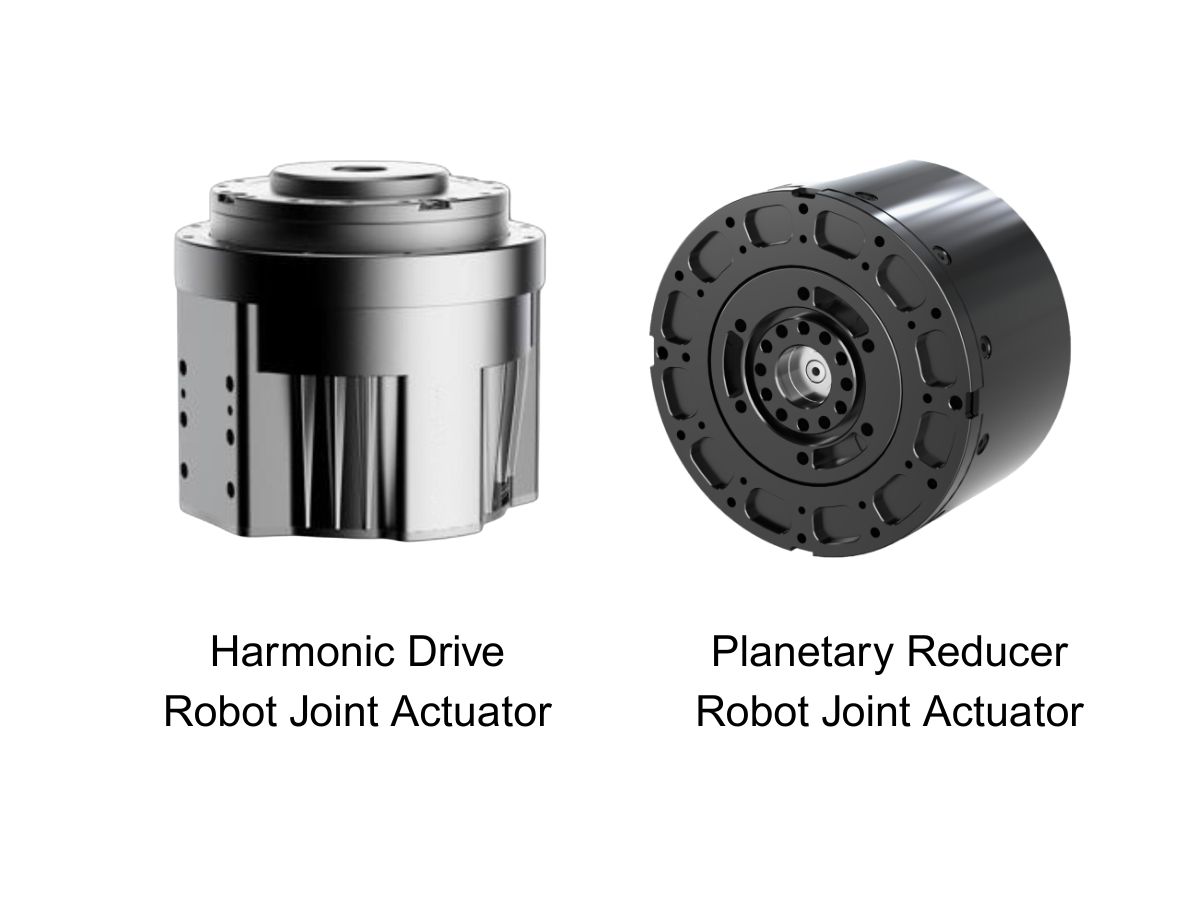
 What is robot joint actuator?How to Choose the Best Robot Rotary Joint Actuator?In core robot joint transmission solutions, planetary and harmonic rotary actuators each have their own strengths. Choosing the right type based on application requirements is essential to achieve the optimal balance between performance and cost.
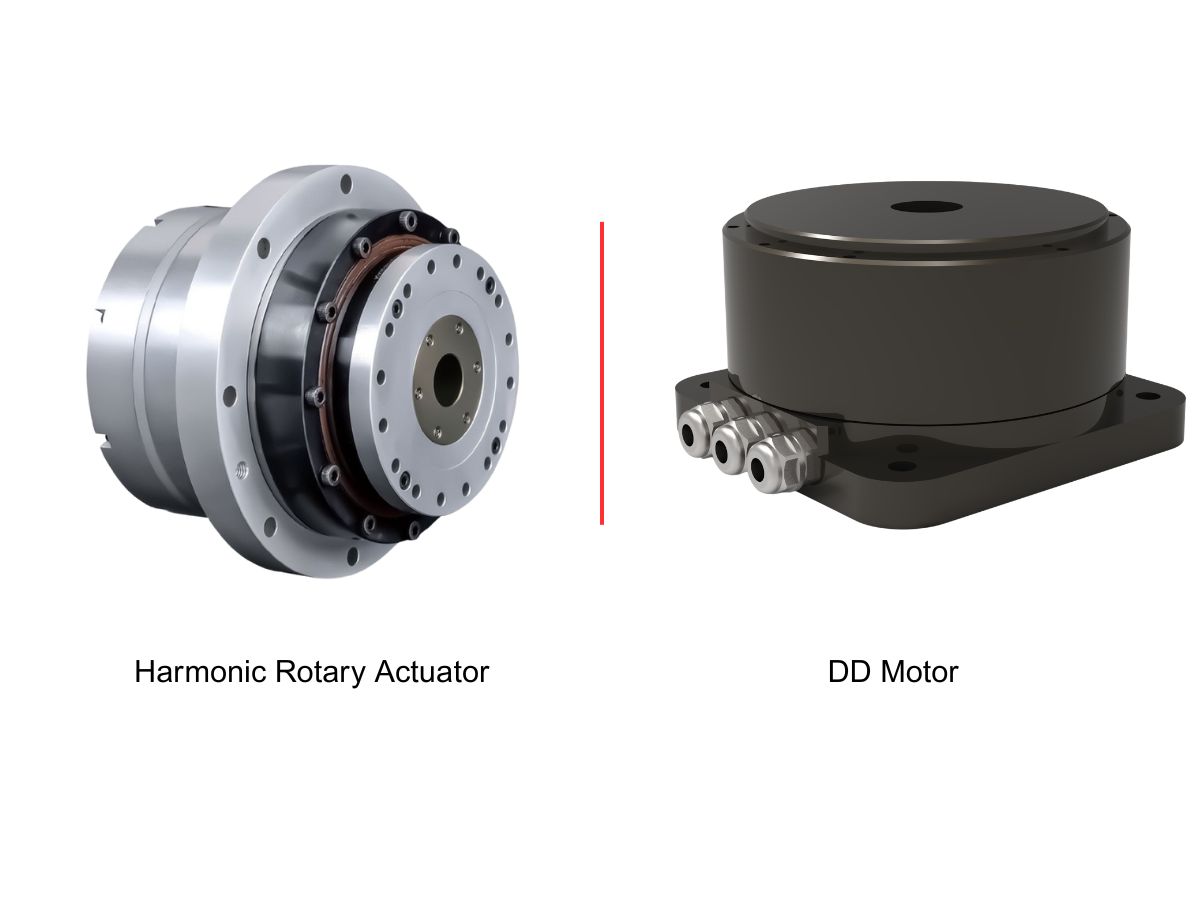
 DD Motors VS Harmonic Rotary ActuatorsThis article provides an in-depth comparison between Direct Drive (DD) motors and harmonic rotary actuators, covering their transmission principles, advantages and disadvantages, and typical application fields.
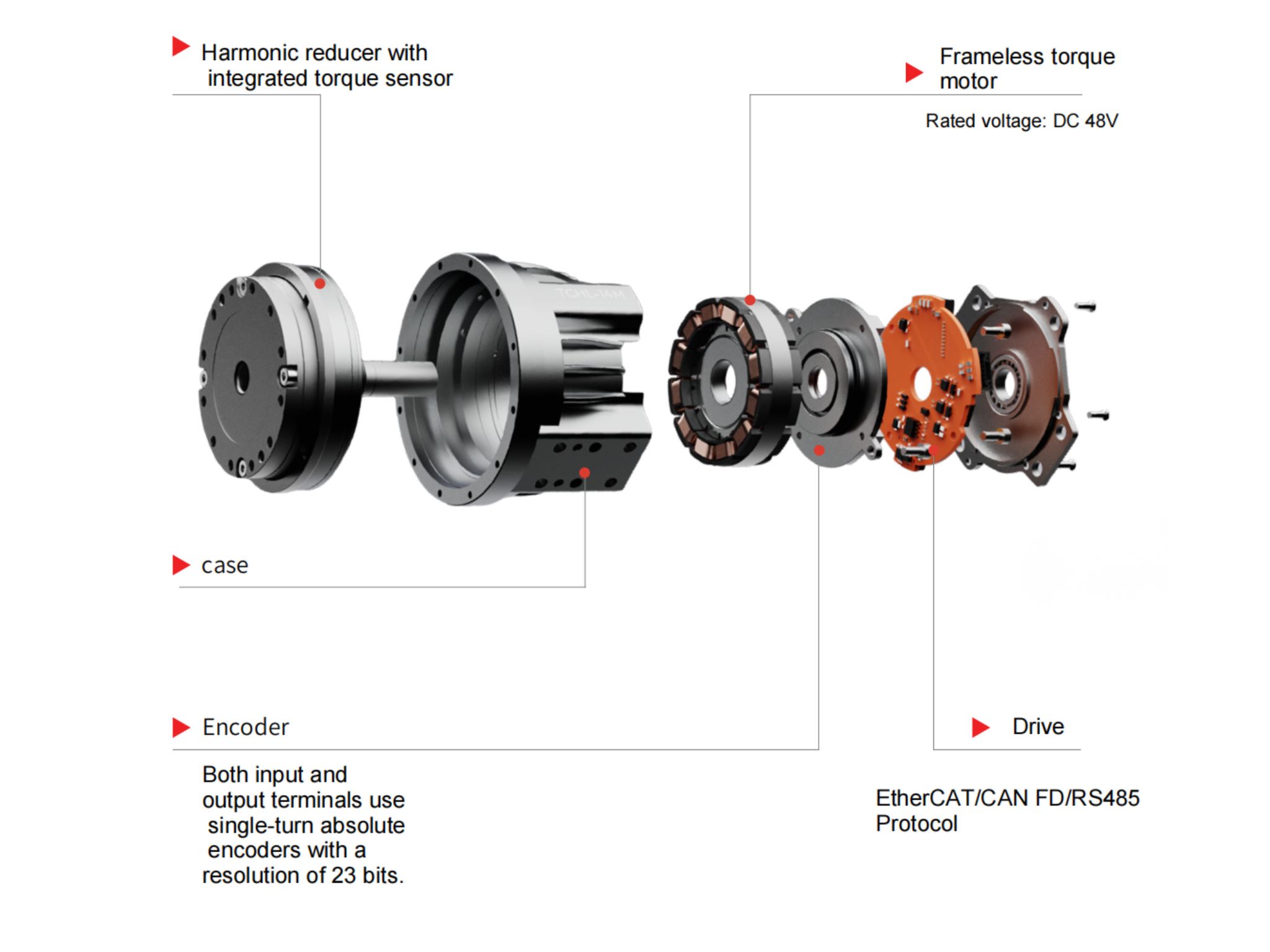
 OMG Ultra Compact Harmonic Drive Joint Module with Built-in Torque SensorHONPINE TCHL series harmonic drive joint module is a game-changing product that achieves disruptive improvements in multiple aspects such as lightweight design, integration level, and connection convenience. This article will analyze its revolutionary enhancements with you.
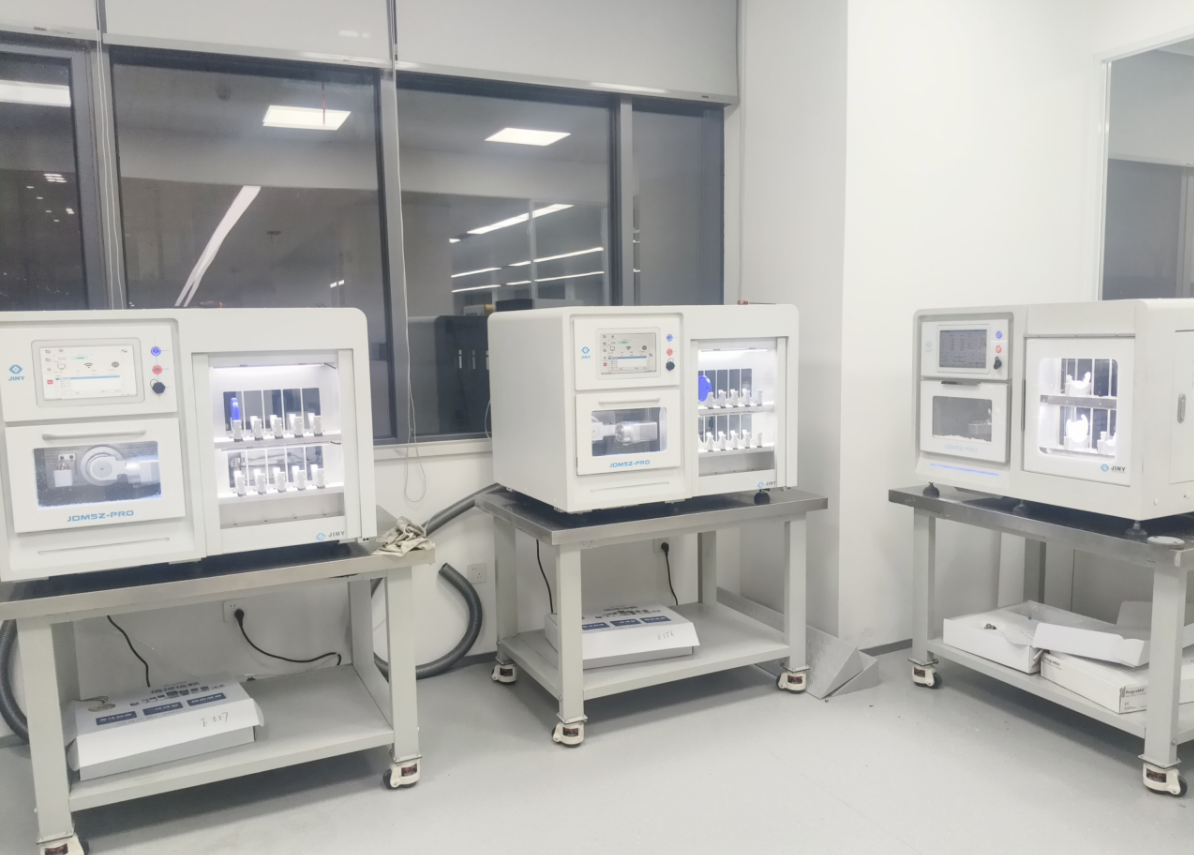
 The Role of Harmonic Drive Gears in Achieving 5–10 μm Accuracy in Dental Milling MachinesA dental milling machine is a CNC machining system used to directly process digital dental models into restorations such as crowns, bridges, veneers, inlays, and implant abutments. Dental milling machines require far higher operational accuracy and motion stability than ordinary equipment. This article explains how harmonic drive gear help dental milling machines achieve stable, continuous, and controllable operation.
 Why Are Harmonic Rotary Actuators Perfect for Medical Equipment?Harmonic rotary actuators (typically integrated systems consisting of a harmonic drive reducer, frameless torque motor, encoder, and optional brake) are regarded as key components in medical equipment. The core reason is that they simultaneously meet the most stringent medical requirements for precision, compact size, safety, and controllability. The following explanation is structured from three perspectives: technical characteristics, application scenarios, and medical value.
 High-Precision RV Reducers Perfectly Matched for Walking RobotsThe walking axis of a robot is a core component for power transmission and support. RV reducers provide extremely high rigidity, precision, and torque while maintaining a compact size and exceptional reliability, making them an ideal match for the demanding requirements of walking robot joints in terms of load capacity, impact resistance, and precision.
 Why Are Servo Motors and Gear Reducers an Ideal Match?Servo motors provide fast, precise motion control, while gear reducers adapt their speed and torque to the load. This guide explains how servo motors and gear reducers work together through torque multiplication, reflected inertia reduction and finer theoretical position resolution. Learn how inertia matching, backlash, torsional stiffness and reduction ratio influence performance in robotics and industrial automation.
 How to Select and Use Robotic Joint Modules?How do you take robotic joint modules from selection to controlled motion? Using the HONPINE HPJM harmonic joint module as an example, Technical Director Theodore Li explains the key steps in mechanical installation, electrical wiring, CAN and EtherCAT configuration, and control commissioning. Learn what to confirm before integration and how to approach setup so each joint can respond correctly to your controller.
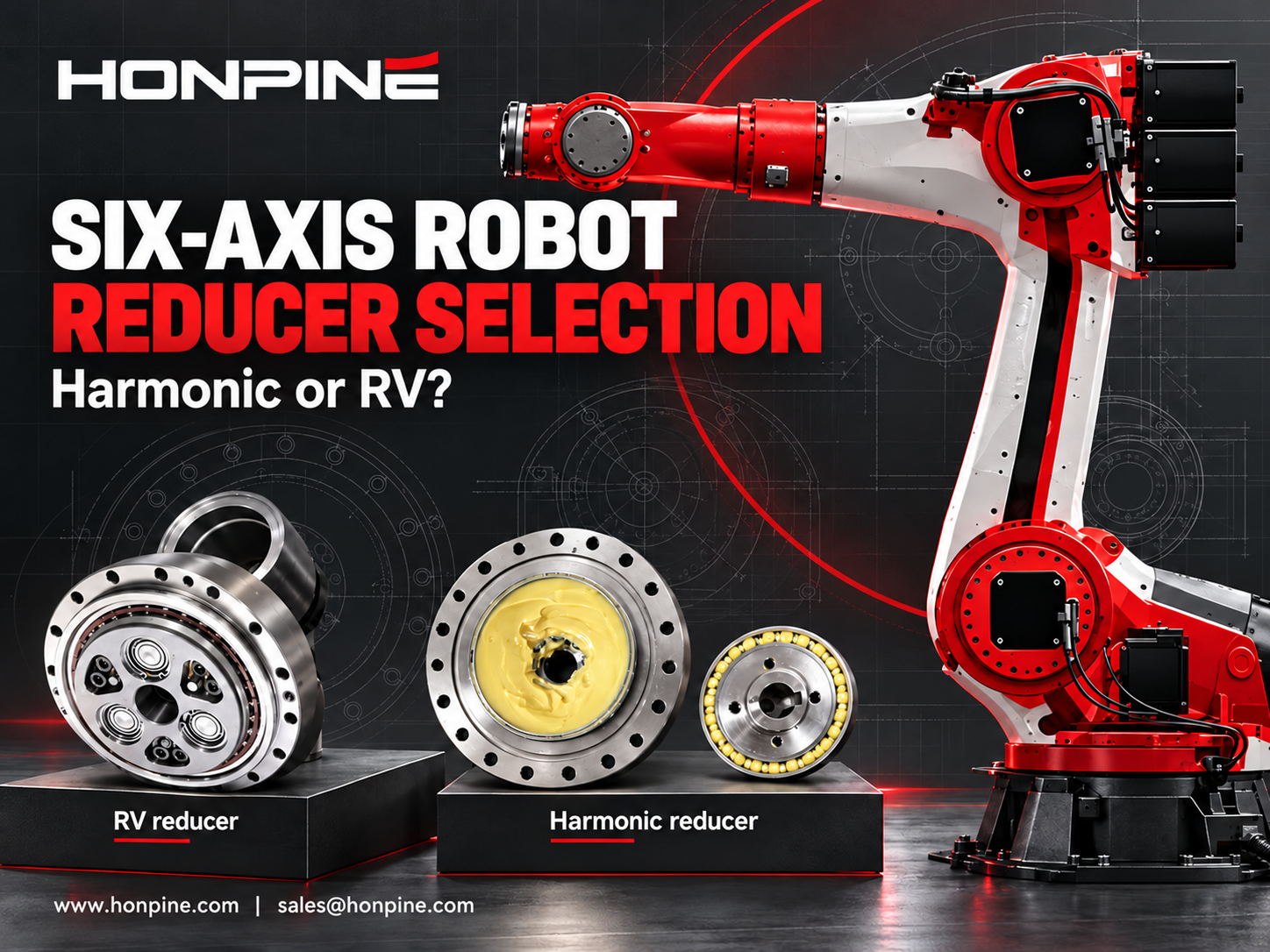
 How to Select Harmonic and RV Reducers for Each Axis of a Six-Axis Robot?What determines whether a six-axis robot joint needs a harmonic reducer or an RV reducer? The answer depends on torque, inertia, impact loads, bearing loads and installation space. This guide explains how to evaluate harmonic and RV reducers for the base, shoulder, elbow and wrist, with practical checks for stiffness, backlash and service life. Use the requirements of each axis to select a suitable reducer configuration.
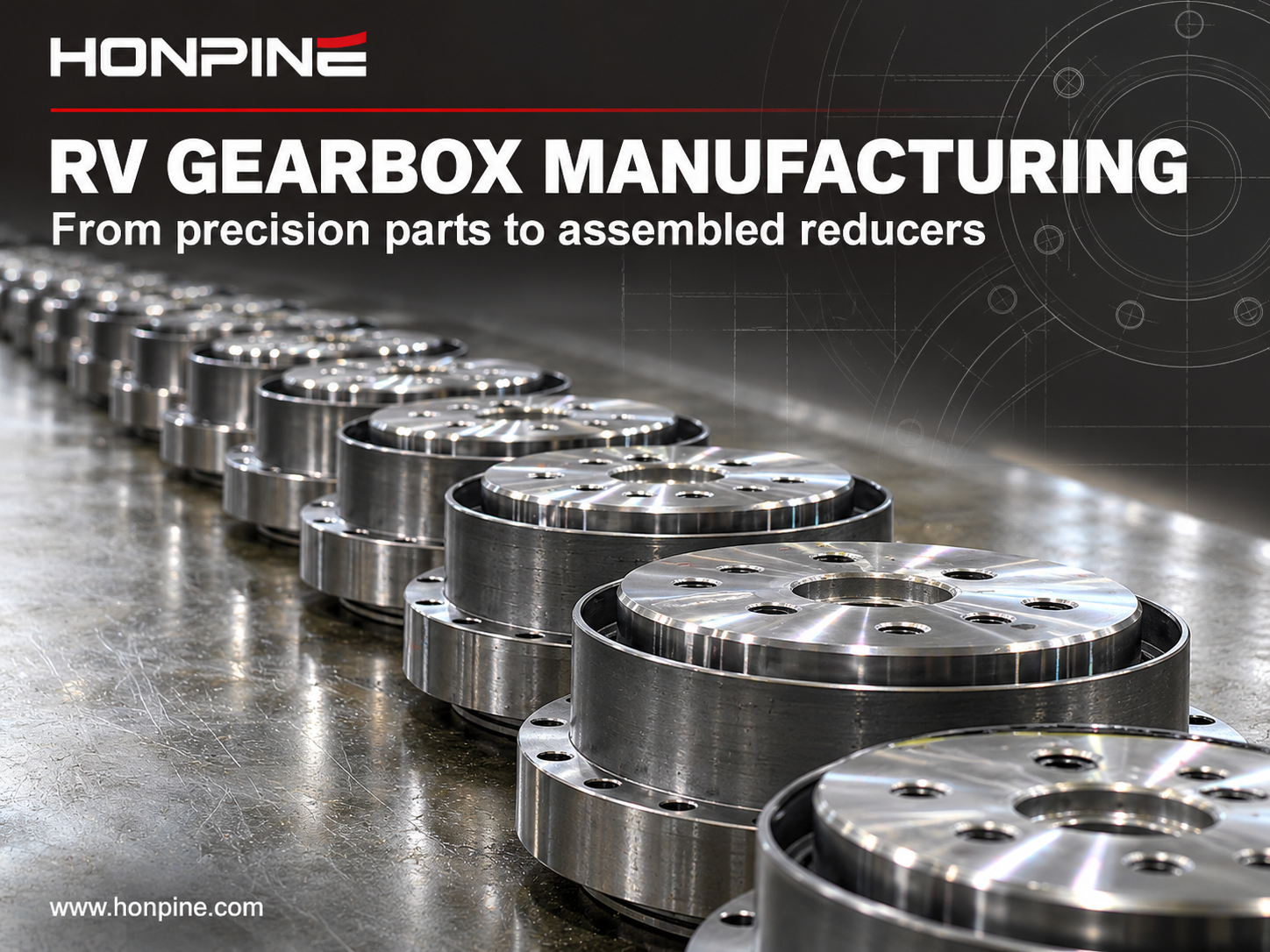
 Top 7 RV Reducer Gearbox Manufacturers: Why Does Nabtesco Still Dominate?What sets RV reducer gearbox manufacturers apart, and why does Nabtesco remain a benchmark in this market? RV reducer production demands precise component machining, careful assembly and extensive engineering know-how. This article introduces seven manufacturers across RV reducers and related transmission technologies, examines the strengths behind Nabtesco's position, and explores HONPINE's development capabilities to help you understand the supplier landscape.
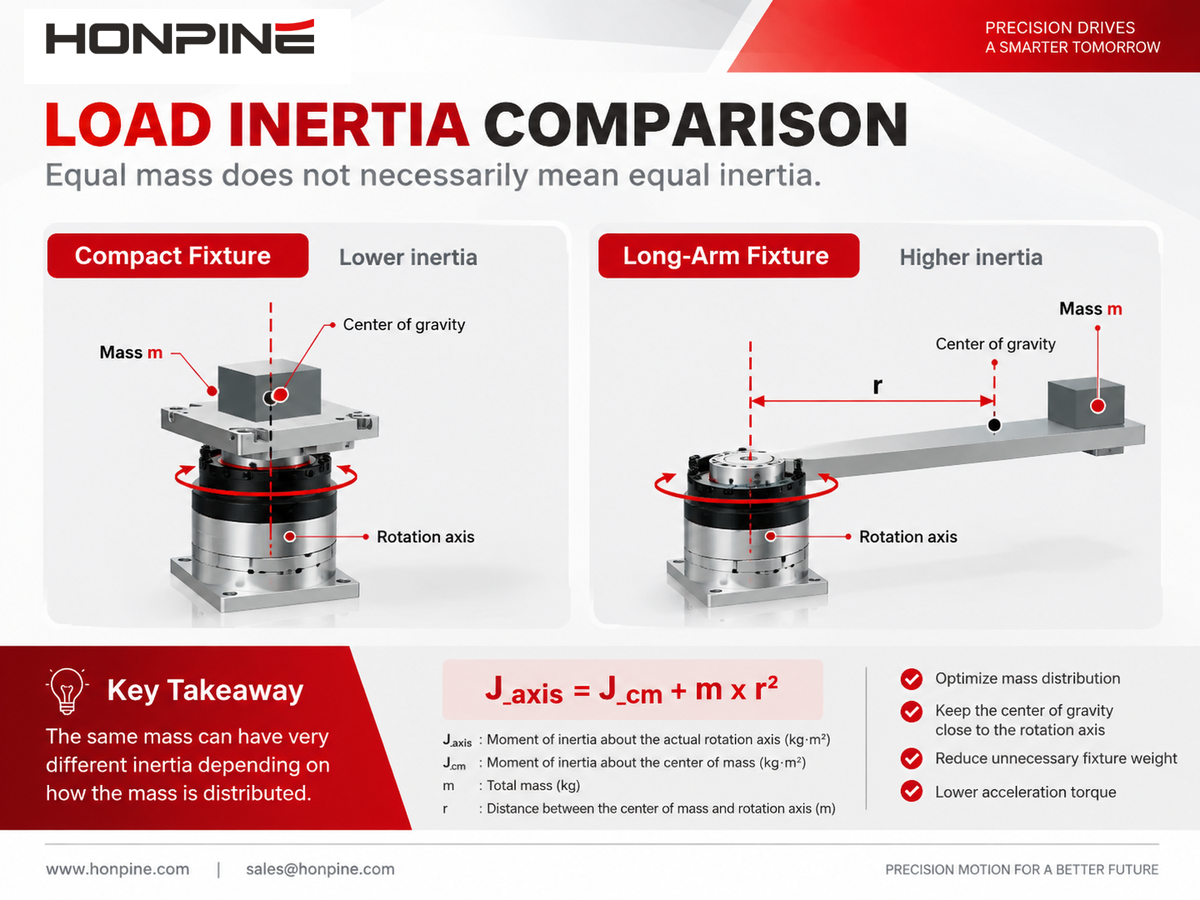
 How to Calculate Torque for a Harmonic Rotary Actuator in a Flipping Mechanism?How much torque does a harmonic rotary actuator need to flip a 10 kg load through 180 degrees? The answer depends on more than weight. Center-of-gravity offset, load inertia, acceleration and operating frequency all affect actuator selection. In this guide, Theodore Li, Technical Director at HONPINE, explains the calculation process using a horizontal-axis flipping example and outlines the checks needed for peak torque, continuous operation, output speed and bearing loads.
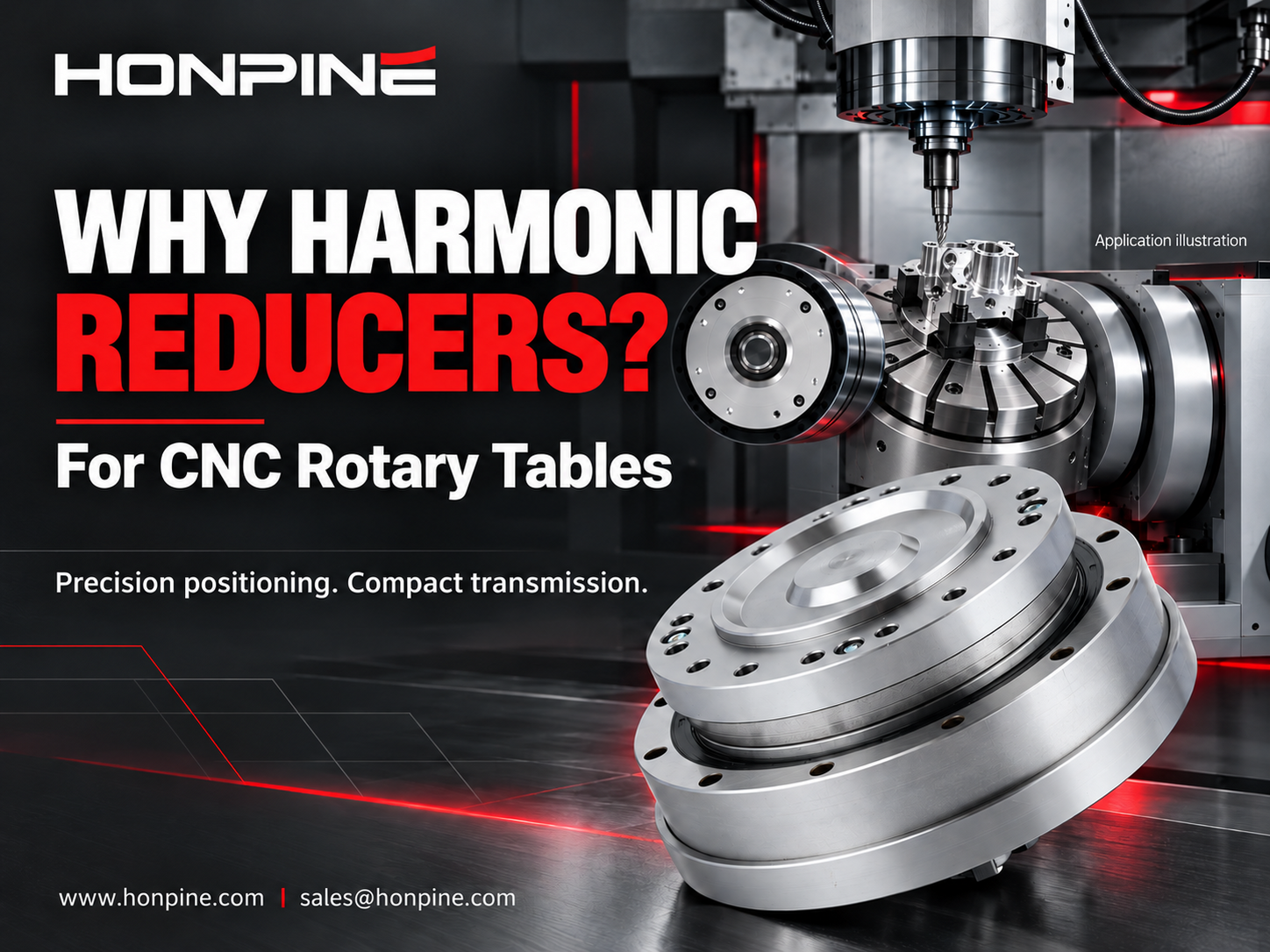
 Why Are Harmonic Reducers Suitable for CNC Machine Tool Rotary Tables?Why choose harmonic reducers for CNC rotary tables? Accurate indexing depends on more than the motor: backlash, torsional stiffness and torque capacity all affect how reliably a rotary table holds its position during machining. This guide explains the key transmission requirements of fourth and fifth axis rotary tables, explores common machine tool applications, and introduces HONPINE harmonic reducer configurations for different installation and load requirements.
Double Click
We provide harmonic drive reducer,planetary reducer,robot joint motor,robot rotary actuators,RV gear reducer,robot end effector,dexterous robot hand
 What is robot joint actuator?How to Choose the Best Robot Rotary Joint Actuator?In core robot joint transmission solutions, planetary and harmonic rotary actuators each have their own strengths. Choosing the right type based on application requirements is essential to achieve the optimal balance between performance and cost.
 DD Motors VS Harmonic Rotary ActuatorsThis article provides an in-depth comparison between Direct Drive (DD) motors and harmonic rotary actuators, covering their transmission principles, advantages and disadvantages, and typical application fields.
 OMG Ultra Compact Harmonic Drive Joint Module with Built-in Torque SensorHONPINE TCHL series harmonic drive joint module is a game-changing product that achieves disruptive improvements in multiple aspects such as lightweight design, integration level, and connection convenience. This article will analyze its revolutionary enhancements with you.
 The Role of Harmonic Drive Gears in Achieving 5–10 μm Accuracy in Dental Milling MachinesA dental milling machine is a CNC machining system used to directly process digital dental models into restorations such as crowns, bridges, veneers, inlays, and implant abutments. Dental milling machines require far higher operational accuracy and motion stability than ordinary equipment. This article explains how harmonic drive gear help dental milling machines achieve stable, continuous, and controllable operation.
 Why Are Harmonic Rotary Actuators Perfect for Medical Equipment?Harmonic rotary actuators (typically integrated systems consisting of a harmonic drive reducer, frameless torque motor, encoder, and optional brake) are regarded as key components in medical equipment. The core reason is that they simultaneously meet the most stringent medical requirements for precision, compact size, safety, and controllability. The following explanation is structured from three perspectives: technical characteristics, application scenarios, and medical value.
 High-Precision RV Reducers Perfectly Matched for Walking RobotsThe walking axis of a robot is a core component for power transmission and support. RV reducers provide extremely high rigidity, precision, and torque while maintaining a compact size and exceptional reliability, making them an ideal match for the demanding requirements of walking robot joints in terms of load capacity, impact resistance, and precision.
 Why Are Servo Motors and Gear Reducers an Ideal Match?Servo motors provide fast, precise motion control, while gear reducers adapt their speed and torque to the load. This guide explains how servo motors and gear reducers work together through torque multiplication, reflected inertia reduction and finer theoretical position resolution. Learn how inertia matching, backlash, torsional stiffness and reduction ratio influence performance in robotics and industrial automation.
 How to Select and Use Robotic Joint Modules?How do you take robotic joint modules from selection to controlled motion? Using the HONPINE HPJM harmonic joint module as an example, Technical Director Theodore Li explains the key steps in mechanical installation, electrical wiring, CAN and EtherCAT configuration, and control commissioning. Learn what to confirm before integration and how to approach setup so each joint can respond correctly to your controller.
 How to Select Harmonic and RV Reducers for Each Axis of a Six-Axis Robot?What determines whether a six-axis robot joint needs a harmonic reducer or an RV reducer? The answer depends on torque, inertia, impact loads, bearing loads and installation space. This guide explains how to evaluate harmonic and RV reducers for the base, shoulder, elbow and wrist, with practical checks for stiffness, backlash and service life. Use the requirements of each axis to select a suitable reducer configuration.
 Top 7 RV Reducer Gearbox Manufacturers: Why Does Nabtesco Still Dominate?What sets RV reducer gearbox manufacturers apart, and why does Nabtesco remain a benchmark in this market? RV reducer production demands precise component machining, careful assembly and extensive engineering know-how. This article introduces seven manufacturers across RV reducers and related transmission technologies, examines the strengths behind Nabtesco's position, and explores HONPINE's development capabilities to help you understand the supplier landscape.
 How to Calculate Torque for a Harmonic Rotary Actuator in a Flipping Mechanism?How much torque does a harmonic rotary actuator need to flip a 10 kg load through 180 degrees? The answer depends on more than weight. Center-of-gravity offset, load inertia, acceleration and operating frequency all affect actuator selection. In this guide, Theodore Li, Technical Director at HONPINE, explains the calculation process using a horizontal-axis flipping example and outlines the checks needed for peak torque, continuous operation, output speed and bearing loads.
 Why Are Harmonic Reducers Suitable for CNC Machine Tool Rotary Tables?Why choose harmonic reducers for CNC rotary tables? Accurate indexing depends on more than the motor: backlash, torsional stiffness and torque capacity all affect how reliably a rotary table holds its position during machining. This guide explains the key transmission requirements of fourth and fifth axis rotary tables, explores common machine tool applications, and introduces HONPINE harmonic reducer configurations for different installation and load requirements.