






Vietnam Bans Import of Used Machine Tools Over 10 Years Old
Vietnam’s new regulation prohibiting the import of used machine tools older than 10 years entered into force on May 25, 2026. The rule directly affects exporters of second-hand machine tools—particularly those based in China—as well as logistics providers, customs agents, and downstream manufacturers relying on imported legacy equipment. This development signals a tightening of technical and environmental compliance requirements for used industrial machinery entering Vietnam’s market.
Event Overview
The Ministry of Industry and Trade of Vietnam issued Circular No. 18/2026/TT-BCT, which took effect on May 25, 2026. Under this circular, the import of used machine tools with a service life exceeding 10 years is fully prohibited. Additionally, all declared imports of used machine tools must be accompanied by a technical condition and environmental compliance assessment report issued by a third-party organization accredited by Vietnamese authorities.
Industries Affected
Direct Exporters (e.g., Chinese Used Machine Tool Traders)
These enterprises face immediate operational impact: shipments scheduled for clearance after May 25, 2026, may be rejected if the equipment exceeds the 10-year age threshold or lacks a valid technical appraisal report. Documentation preparation timelines, pre-shipment verification processes, and eligibility screening of inventory must now align with Vietnam’s updated requirements.
Customs Brokers and Logistics Service Providers
Service providers handling Vietnam-bound used machine tool consignments must verify equipment age documentation and confirm the validity of third-party appraisal reports prior to customs declaration. Non-compliant submissions risk delays, rejections, or requests for supplementary verification—potentially increasing administrative burden and transit time.
Downstream Manufacturing and Maintenance Firms
Firms sourcing refurbished or second-hand machine tools from Vietnam-based suppliers may encounter reduced availability of cost-effective legacy equipment. Procurement lead times may extend due to stricter vetting, and budgeting assumptions tied to lower-cost used assets may require reassessment.
Key Considerations and Recommended Actions
Monitor official guidance on accredited third-party institutions
The list of Vietnamese-recognized technical appraisal bodies remains subject to update. Exporters and brokers should track official announcements from Vietnam’s Ministry of Industry and Trade or General Department of Vietnam Customs to ensure engagement only with currently authorized entities.
Verify equipment age documentation before shipment
Manufacture date, original invoice, or official registration records must be available and verifiable for each unit. Relying solely on seller-provided age claims is no longer sufficient; documentary evidence must withstand customs scrutiny under the new enforcement regime.
Distinguish between policy issuance and practical implementation
While Circular 18/2026/TT-BCT is legally effective as of May 25, 2026, local customs offices may apply transitional interpretation during initial rollout. Companies should treat early clearance outcomes as indicative—not definitive—and maintain records of all submissions for future reference.
Adjust procurement planning for Vietnam-bound used equipment
For buyers reliant on older-generation models, alternative sourcing strategies—including newer surplus units, domestic refurbishment options, or leasing arrangements—may need evaluation. Inventory assessments should prioritize units with clear, traceable manufacture dates within the 10-year window.
Editorial Observation / Industry Perspective
This regulation is best understood not as an isolated trade barrier, but as part of Vietnam’s broader shift toward enforcing technical standards and lifecycle accountability for imported industrial equipment. Observably, it reflects growing alignment with international environmental and safety expectations—particularly for capital goods entering manufacturing supply chains. Analysis shows that while the rule is narrowly scoped to used machine tools, its procedural framework (mandatory third-party appraisal, strict age cutoff) sets a precedent that could extend to other categories of used industrial machinery. From an industry perspective, the measure functions more as a signal of regulatory maturation than as an immediate market closure—yet its operational implications are already concrete for affected stakeholders.
Conclusion
The entry into force of Vietnam’s used machine tool import restriction marks a material change in market access conditions—not a temporary adjustment. It underscores the increasing importance of traceability, technical transparency, and proactive compliance management in cross-border trade of industrial equipment. Current circumstances favor treating this regulation as a structural requirement rather than a short-term hurdle: preparedness hinges less on waiting for exceptions and more on adapting documentation, verification, and sourcing workflows accordingly.
Information Sources
Main source: Vietnam Ministry of Industry and Trade – Circular No. 18/2026/TT-BCT, effective May 25, 2026.
Points requiring ongoing observation: Updates to the official list of accredited third-party technical appraisal organizations; potential clarifications on age calculation methodology (e.g., whether ‘10 years’ refers to calendar age or operational service life); and early implementation patterns across key Vietnamese ports of entry.
Read More
Learn more about the story of HONPINE and industry trends related to precision transmission.
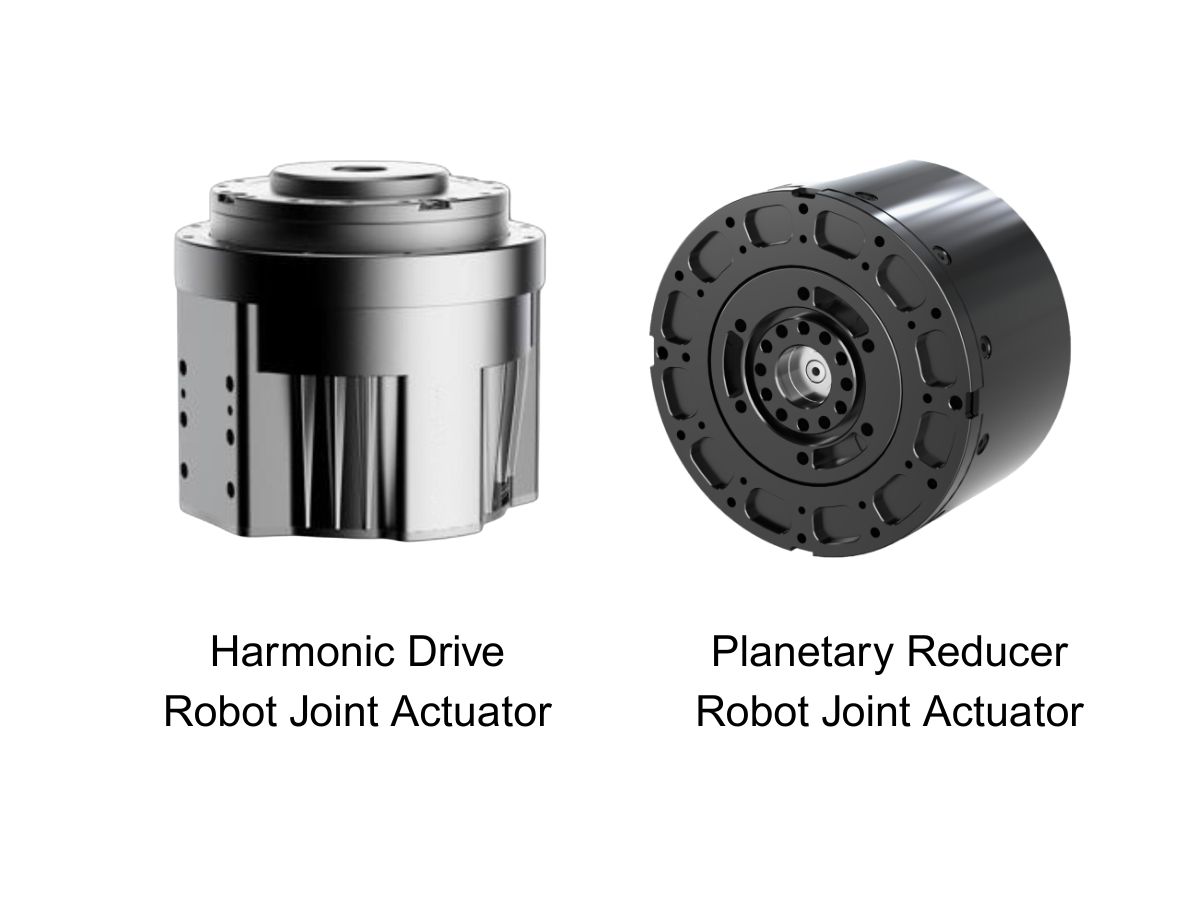
 What is robot joint actuator?How to Choose the Best Robot Rotary Joint Actuator?In core robot joint transmission solutions, planetary and harmonic rotary actuators each have their own strengths. Choosing the right type based on application requirements is essential to achieve the optimal balance between performance and cost.
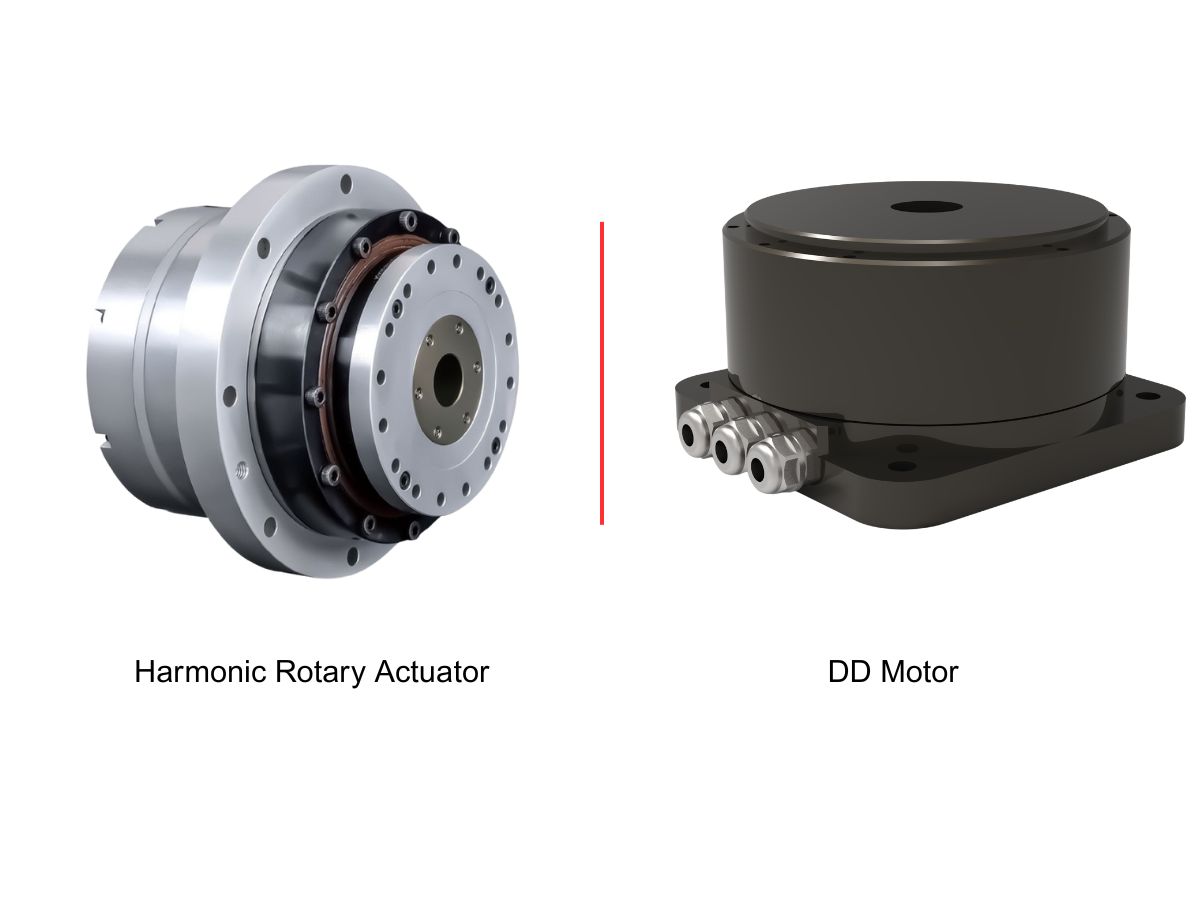
 DD Motors VS Harmonic Rotary ActuatorsThis article provides an in-depth comparison between Direct Drive (DD) motors and harmonic rotary actuators, covering their transmission principles, advantages and disadvantages, and typical application fields.
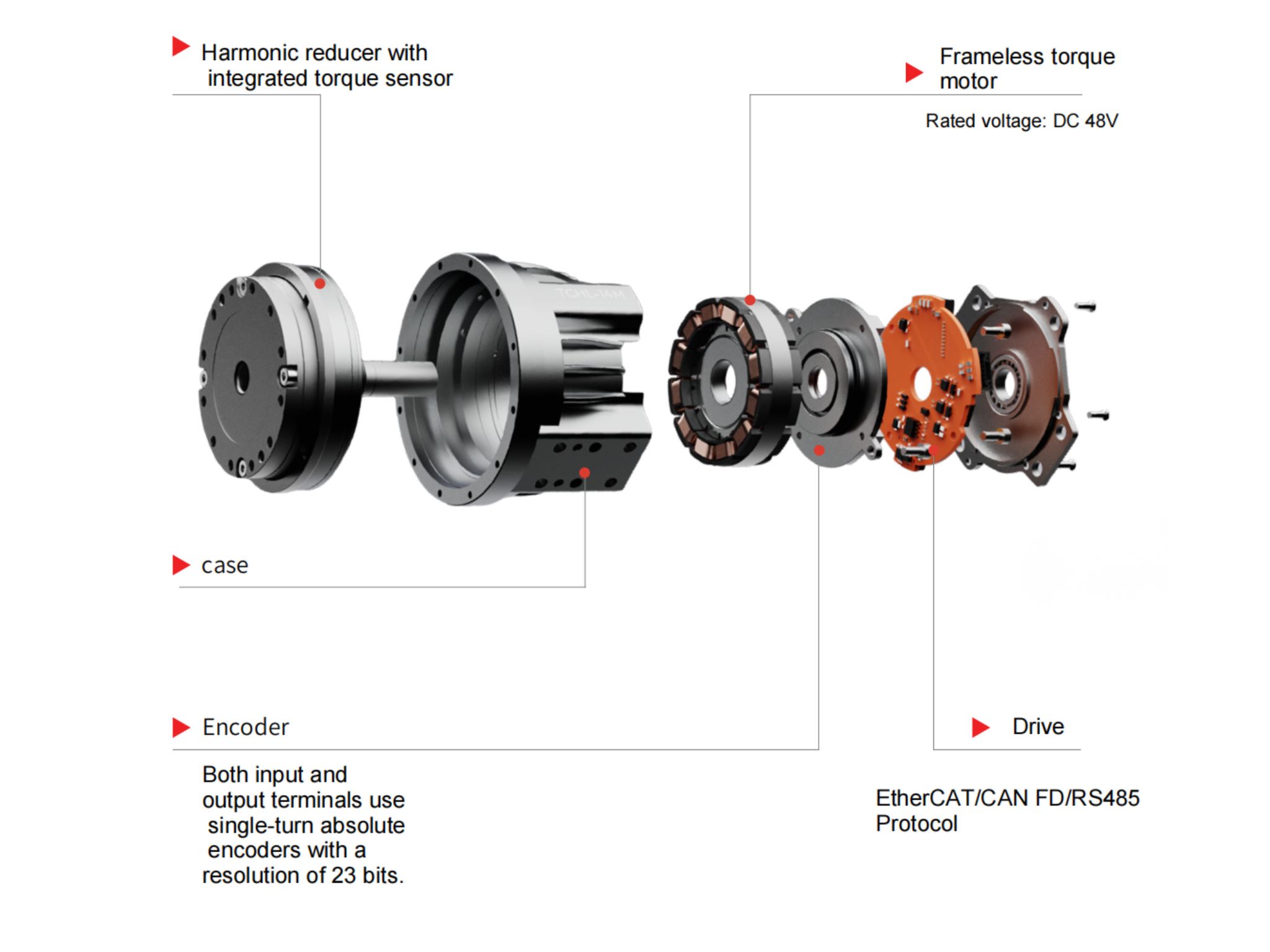
 OMG Ultra Compact Harmonic Drive Joint Module with Built-in Torque SensorHONPINE TCHL series harmonic drive joint module is a game-changing product that achieves disruptive improvements in multiple aspects such as lightweight design, integration level, and connection convenience. This article will analyze its revolutionary enhancements with you.
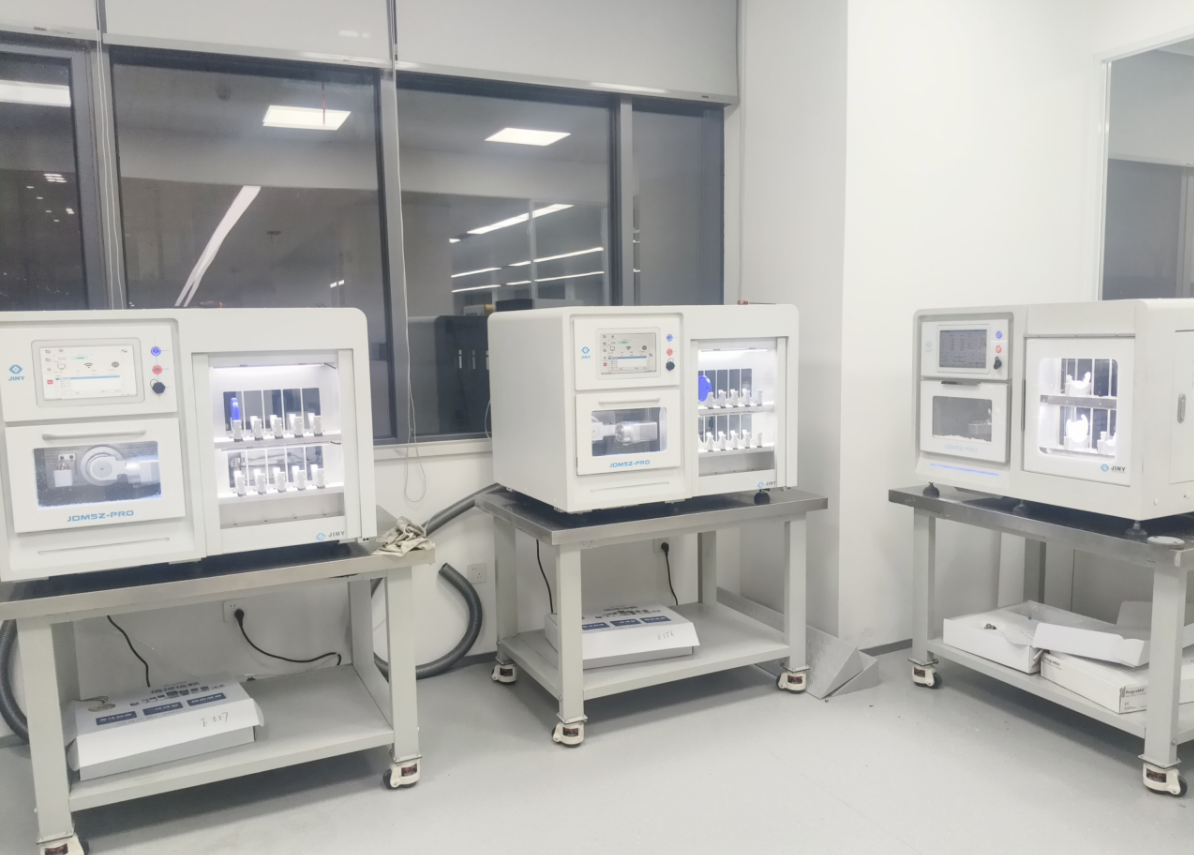
 The Role of Harmonic Drive Gears in Achieving 5–10 μm Accuracy in Dental Milling MachinesA dental milling machine is a CNC machining system used to directly process digital dental models into restorations such as crowns, bridges, veneers, inlays, and implant abutments. Dental milling machines require far higher operational accuracy and motion stability than ordinary equipment. This article explains how harmonic drive gear help dental milling machines achieve stable, continuous, and controllable operation.
 Why Are Harmonic Rotary Actuators Perfect for Medical Equipment?Harmonic rotary actuators (typically integrated systems consisting of a harmonic drive reducer, frameless torque motor, encoder, and optional brake) are regarded as key components in medical equipment. The core reason is that they simultaneously meet the most stringent medical requirements for precision, compact size, safety, and controllability. The following explanation is structured from three perspectives: technical characteristics, application scenarios, and medical value.
 High-Precision RV Reducers Perfectly Matched for Walking RobotsThe walking axis of a robot is a core component for power transmission and support. RV reducers provide extremely high rigidity, precision, and torque while maintaining a compact size and exceptional reliability, making them an ideal match for the demanding requirements of walking robot joints in terms of load capacity, impact resistance, and precision.
 What’s the Difference Between Single and Dual Encoder Robot Joint Modules?Does your robot need a dual encoder joint module, or is a single encoder enough? The answer depends on positioning requirements, transmission behavior, force control strategy and budget. This guide compares motor-side and output-side feedback, explains where dual encoders can improve control, and examines their costs and limitations. Learn when a single encoder can meet your needs and when additional output feedback is worth considering.
 RV vs Harmonic Reducer: How to Choose the Right Gearbox for Robot Joints?RV vs harmonic reducer: which gearbox is right for your robot joint? The answer depends on torque, rigidity, accuracy, installation space and operating conditions. This guide compares their working principles and five key performance factors, then explains how to evaluate joint loads, reducer life, temperature and lubrication. Whether you are designing a robot base, shoulder, elbow or wrist, use these considerations to match the reducer to the requirements of each joint.
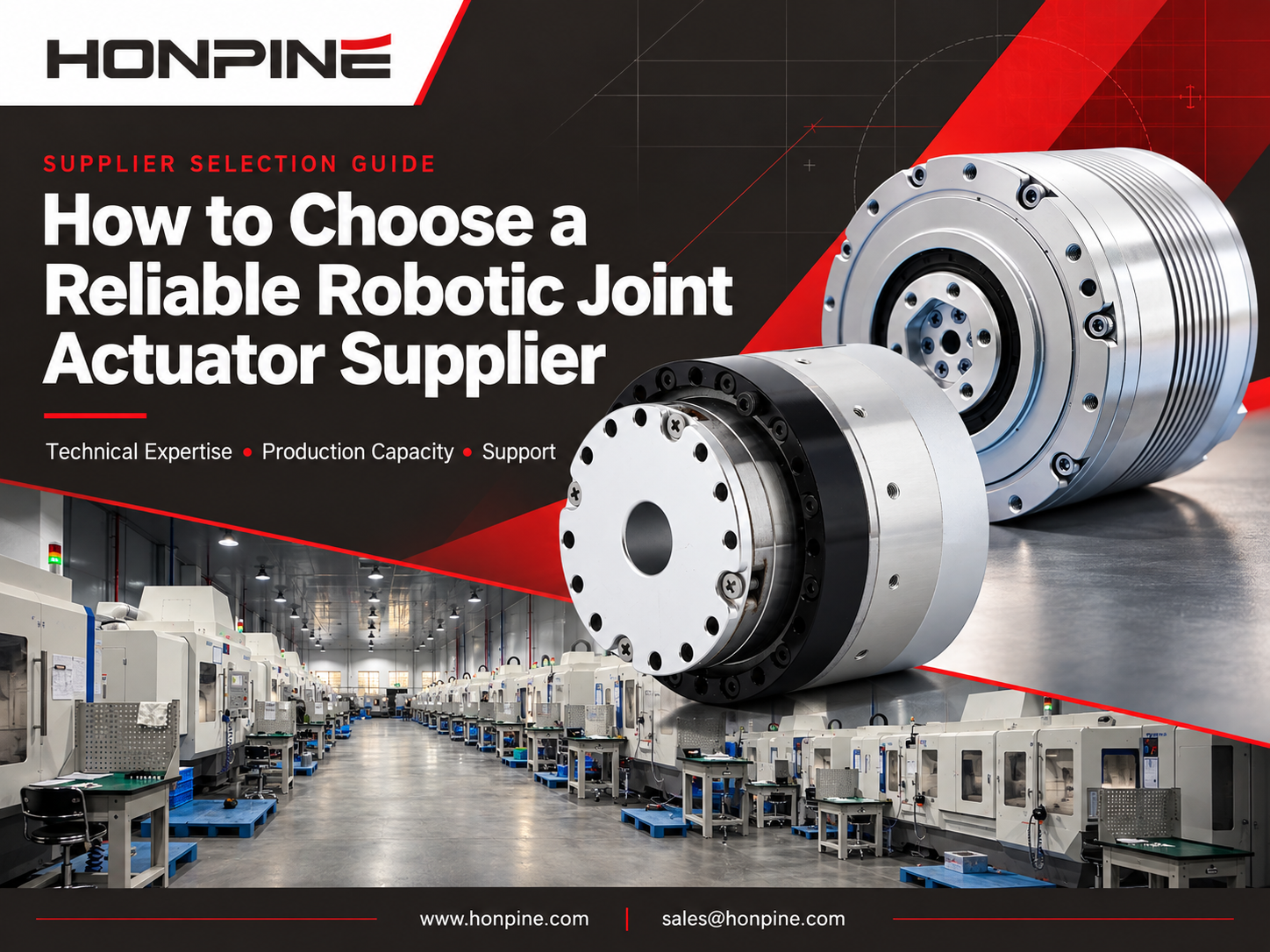
 How to Find a Reliable Robotic Joint Actuator Supplier?Choosing the right robotic joint actuator supplier is essential for reliable performance, smooth integration and long-term project success. Beyond product specifications, you need to understand a supplier’s technical expertise, production capacity and after-sales support. In this guide, Allen Li, Founder of HONPINE, explains how to assess these three factors when sourcing harmonic and planetary joint actuators for robotics and industrial automation.
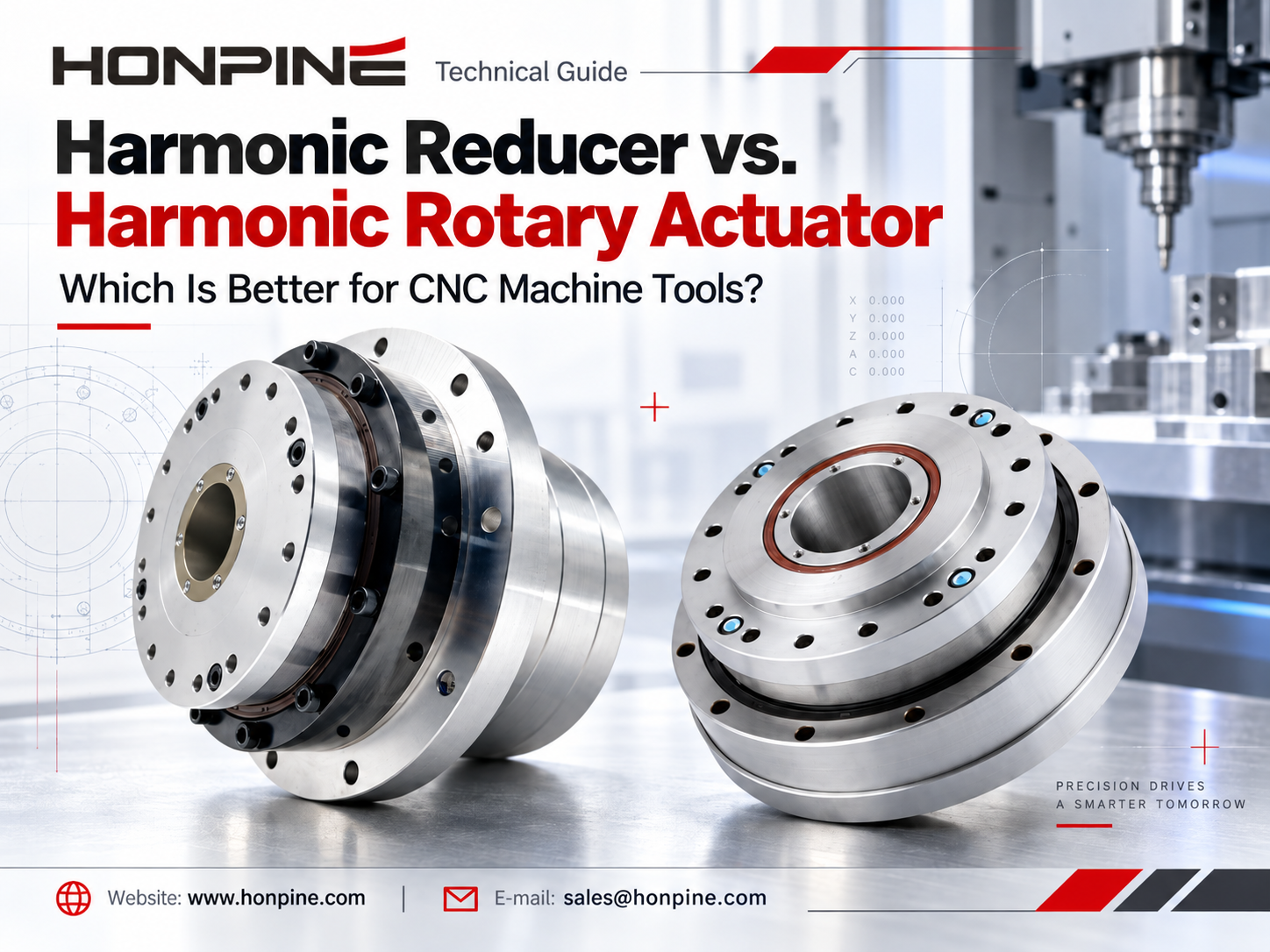
 Harmonic Reducer vs. Harmonic Rotary Actuator: Which Is Better for CNC Machine Tools?Choosing between a harmonic reducer and a harmonic rotary actuator is an important decision in CNC machine tool design. Both solutions offer high-precision motion control, but they differ in integration, installation requirements, rigidity, and system flexibility. For CNC fourth-axis rotary tables and compact five-axis machining systems, selecting the right harmonic drive can significantly influence machine performance. In this article, HONPINE Technical Director Theodore Li compares harmonic reducers and harmonic rotary actuators to help engineers identify the most suitable solution for their CNC applications.
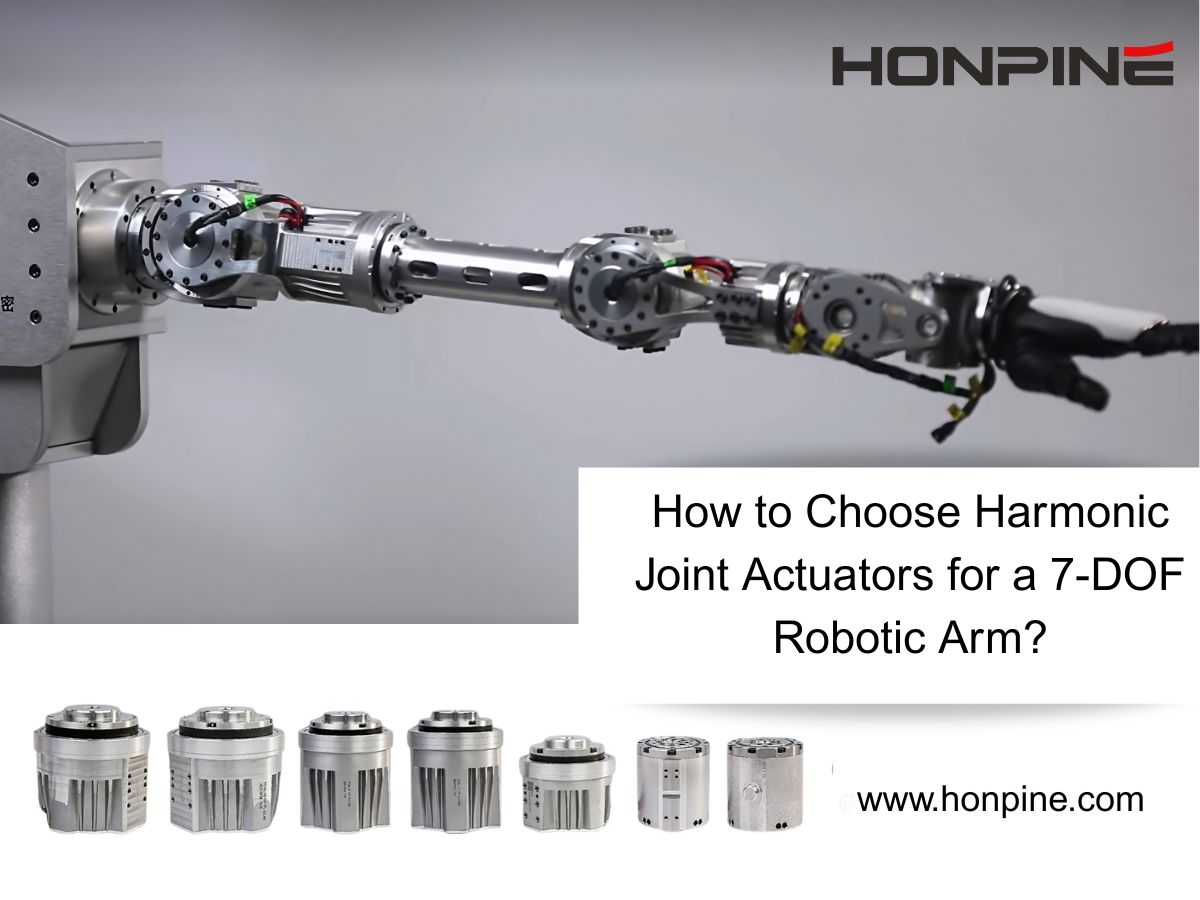
 How to Choose Harmonic Joint Actuators for a 7-DOF Robotic Arm?I'm Theodore Li, Technical Director at HONPINE. Choosing harmonic joint actuators for a 7-DOF robotic arm starts with the torque, weight, and installation needs of each joint. This guide uses a TCHL 20 shoulder and TCHL 14 wrist configuration as an example, then explores torque sensing, compliant control, and HAG Series considerations for demanding robotic applications.
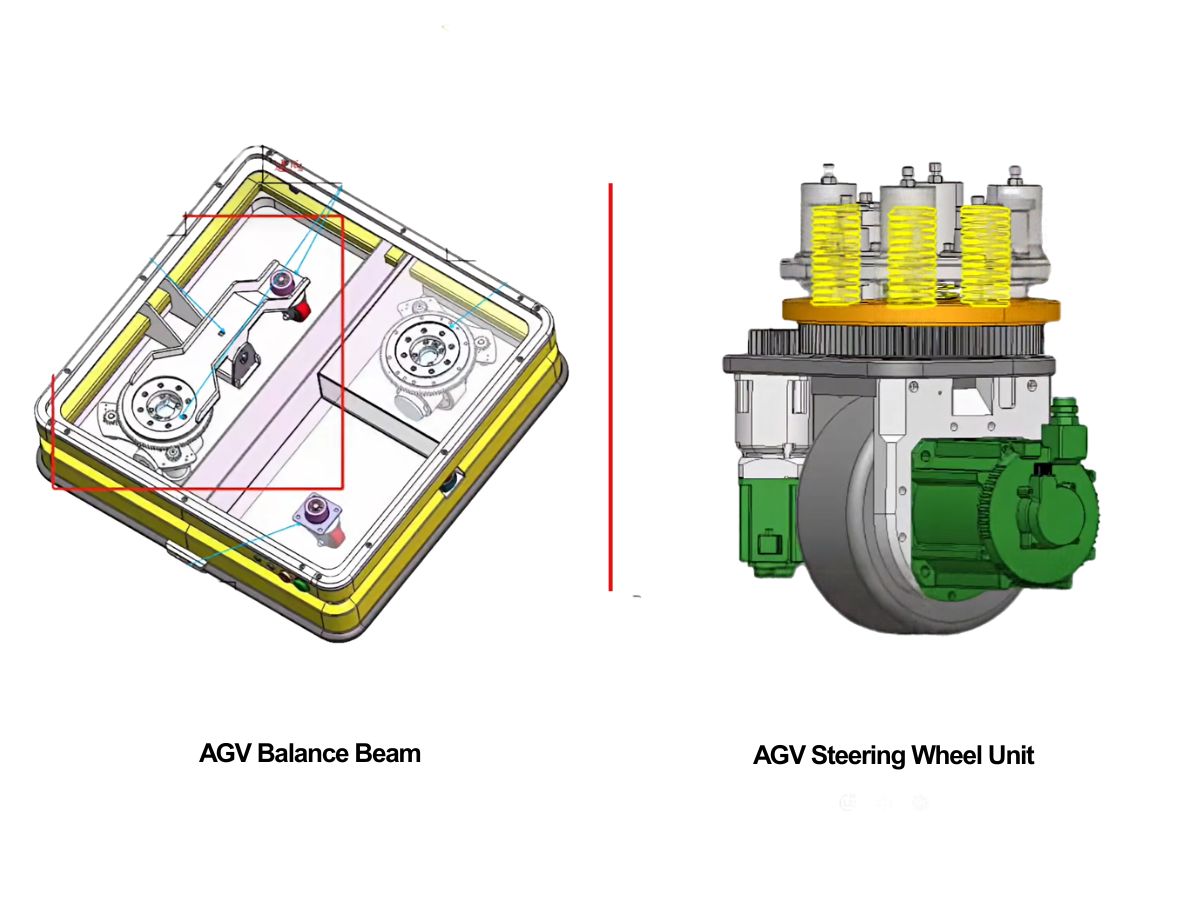
 AGV Suspension: Should You Choose a Balance Beam or a Spring-Loaded Steering Drive Unit?Choosing an AGV suspension system starts with the vehicle’s load range and floor conditions. Balance beams and spring-loaded steering drive units offer different approaches to maintaining wheel contact and managing wheel loads. This HONPINE guide compares both options and explains how to evaluate traction, suspension travel, installation space, and maintenance before choosing a configuration.
Double Click
We provide harmonic drive reducer,planetary reducer,robot joint motor,robot rotary actuators,RV gear reducer,robot end effector,dexterous robot hand
 What is robot joint actuator?How to Choose the Best Robot Rotary Joint Actuator?In core robot joint transmission solutions, planetary and harmonic rotary actuators each have their own strengths. Choosing the right type based on application requirements is essential to achieve the optimal balance between performance and cost.
 DD Motors VS Harmonic Rotary ActuatorsThis article provides an in-depth comparison between Direct Drive (DD) motors and harmonic rotary actuators, covering their transmission principles, advantages and disadvantages, and typical application fields.
 OMG Ultra Compact Harmonic Drive Joint Module with Built-in Torque SensorHONPINE TCHL series harmonic drive joint module is a game-changing product that achieves disruptive improvements in multiple aspects such as lightweight design, integration level, and connection convenience. This article will analyze its revolutionary enhancements with you.
 The Role of Harmonic Drive Gears in Achieving 5–10 μm Accuracy in Dental Milling MachinesA dental milling machine is a CNC machining system used to directly process digital dental models into restorations such as crowns, bridges, veneers, inlays, and implant abutments. Dental milling machines require far higher operational accuracy and motion stability than ordinary equipment. This article explains how harmonic drive gear help dental milling machines achieve stable, continuous, and controllable operation.
 Why Are Harmonic Rotary Actuators Perfect for Medical Equipment?Harmonic rotary actuators (typically integrated systems consisting of a harmonic drive reducer, frameless torque motor, encoder, and optional brake) are regarded as key components in medical equipment. The core reason is that they simultaneously meet the most stringent medical requirements for precision, compact size, safety, and controllability. The following explanation is structured from three perspectives: technical characteristics, application scenarios, and medical value.
 High-Precision RV Reducers Perfectly Matched for Walking RobotsThe walking axis of a robot is a core component for power transmission and support. RV reducers provide extremely high rigidity, precision, and torque while maintaining a compact size and exceptional reliability, making them an ideal match for the demanding requirements of walking robot joints in terms of load capacity, impact resistance, and precision.
 What’s the Difference Between Single and Dual Encoder Robot Joint Modules?Does your robot need a dual encoder joint module, or is a single encoder enough? The answer depends on positioning requirements, transmission behavior, force control strategy and budget. This guide compares motor-side and output-side feedback, explains where dual encoders can improve control, and examines their costs and limitations. Learn when a single encoder can meet your needs and when additional output feedback is worth considering.
 RV vs Harmonic Reducer: How to Choose the Right Gearbox for Robot Joints?RV vs harmonic reducer: which gearbox is right for your robot joint? The answer depends on torque, rigidity, accuracy, installation space and operating conditions. This guide compares their working principles and five key performance factors, then explains how to evaluate joint loads, reducer life, temperature and lubrication. Whether you are designing a robot base, shoulder, elbow or wrist, use these considerations to match the reducer to the requirements of each joint.
 How to Find a Reliable Robotic Joint Actuator Supplier?Choosing the right robotic joint actuator supplier is essential for reliable performance, smooth integration and long-term project success. Beyond product specifications, you need to understand a supplier’s technical expertise, production capacity and after-sales support. In this guide, Allen Li, Founder of HONPINE, explains how to assess these three factors when sourcing harmonic and planetary joint actuators for robotics and industrial automation.
 Harmonic Reducer vs. Harmonic Rotary Actuator: Which Is Better for CNC Machine Tools?Choosing between a harmonic reducer and a harmonic rotary actuator is an important decision in CNC machine tool design. Both solutions offer high-precision motion control, but they differ in integration, installation requirements, rigidity, and system flexibility. For CNC fourth-axis rotary tables and compact five-axis machining systems, selecting the right harmonic drive can significantly influence machine performance. In this article, HONPINE Technical Director Theodore Li compares harmonic reducers and harmonic rotary actuators to help engineers identify the most suitable solution for their CNC applications.
 How to Choose Harmonic Joint Actuators for a 7-DOF Robotic Arm?I'm Theodore Li, Technical Director at HONPINE. Choosing harmonic joint actuators for a 7-DOF robotic arm starts with the torque, weight, and installation needs of each joint. This guide uses a TCHL 20 shoulder and TCHL 14 wrist configuration as an example, then explores torque sensing, compliant control, and HAG Series considerations for demanding robotic applications.
 AGV Suspension: Should You Choose a Balance Beam or a Spring-Loaded Steering Drive Unit?Choosing an AGV suspension system starts with the vehicle’s load range and floor conditions. Balance beams and spring-loaded steering drive units offer different approaches to maintaining wheel contact and managing wheel loads. This HONPINE guide compares both options and explains how to evaluate traction, suspension travel, installation space, and maintenance before choosing a configuration.