









Vietnam Bans Import of Used Machine Tools Over 10 Years Old from May 25, 2026
Vietnam’s Ministry of Industry and Trade and the General Department of Vietnam Customs jointly announced a new regulation taking full effect on May 25, 2026. The measure imposes strict age-based restrictions on imported used machine tools—particularly impacting exporters of second-hand CNC lathes and machining centers from China—and introduces mandatory third-party technical verification for eligible exceptions.
Regulatory Framework Effective May 25, 2026
Starting May 25, 2026, Vietnam will prohibit the import of used machine tools with an operational age exceeding 10 years. Exceptions may be granted for certain industrial sectors, allowing imports of equipment aged 15 to 20 years—but only upon submission of a technical appraisal report issued by a third-party organization officially recognized by Vietnamese authorities. Additionally, all such imported equipment must undergo on-site inspection at the destination port within 15 days of arrival.
Impact Across Key Supply Chain Roles
Direct Exporters
Exporters of second-hand CNC lathes and machining centers—especially those based in China—face immediate adjustments in documentation preparation, pre-shipment verification timelines, and delivery scheduling. The requirement for synchronized technical appraisal prior to shipment adds a non-trivial compliance step that cannot be retroactively fulfilled.
Raw Material and Component Suppliers
Suppliers supporting refurbishment or reconditioning activities must now align their quality records and service documentation with Vietnamese technical appraisal criteria. Evidence of component replacement history, maintenance logs, and performance validation becomes critical for eligibility assessments.
Machinery Manufacturers and Rebuilders
Domestic and overseas manufacturers engaged in equipment remanufacturing must ensure traceability of original build dates and operating histories. Age verification—supported by verifiable documentation—is now a prerequisite for export readiness, not merely a commercial assurance.
Logistics and Compliance Service Providers
Freight forwarders, customs brokers, and technical certification facilitators must integrate Vietnamese third-party appraisal coordination into their standard operating procedures. Delays in report issuance or discrepancies between appraisal scope and customs classification may trigger port-side rejection or extended clearance cycles.
Key Compliance Priorities for Exporters
Pre-shipment Technical Appraisal Coordination
Exporters must proactively engage Vietnam-recognized third-party institutions well before shipment—not after customs declaration—to secure timely appraisal reports covering functional integrity, safety compliance, and measurable service life indicators.
Age Documentation and Traceability
Manufacture date, commissioning records, and cumulative operating hours (where available) must be formally documented and translated into Vietnamese or English, as required. Photographic evidence of nameplates and system logs may be requested during appraisal or port inspection.
Revised Delivery and Contractual Planning
Contract terms must now accommodate the 15-day post-arrival inspection window. Delivery schedules, payment milestones, and warranty clauses should explicitly reflect this regulatory checkpoint to mitigate dispute risk.
Supplier Qualification Review
Exporters sourcing refurbished machines from intermediaries must verify whether upstream suppliers maintain auditable age records and have prior experience meeting Vietnam’s technical appraisal requirements—otherwise, compliance liability remains with the exporting entity.
Industry Perspective: Beyond Age Limits
Analysis shows this policy signals a broader shift in Vietnam’s industrial import strategy—not merely a trade barrier, but a calibrated effort to upgrade domestic manufacturing capabilities through selective technology inflow. From an industry perspective, the 10-year baseline reflects growing emphasis on energy efficiency, automation compatibility, and cybersecurity-readiness in industrial equipment—factors increasingly embedded in modern technical appraisal frameworks. What deserves closer attention is how rapidly appraisal standards evolve beyond mechanical condition to include digital interface documentation, software version traceability, and interoperability testing. Observably, compliance costs are shifting upstream, placing greater weight on pre-export verification rather than post-arrival negotiation.
Strategic Implications for Global Equipment Trade
This regulation marks a structural recalibration in Vietnam’s equipment import governance: age thresholds now serve as proxies for technological relevance and operational sustainability. For international exporters, it underscores that regulatory alignment requires more than document translation—it demands integrated lifecycle data management, cross-border technical coordination, and adaptive contractual design. The move does not signal market closure, but rather a transition toward higher-data, higher-trust trade practices in capital equipment.
Source Information and Verification Notes
This article is generated exclusively from the user-provided title, event date (2026-05-25), and summary text. Specific official source links were not provided in the input and should be verified continuously. Stakeholders are advised to monitor forthcoming implementation guidelines—including the official list of accredited third-party appraisal bodies, detailed appraisal report templates, and clarifications on sector-specific exemptions—as these will determine practical enforcement scope and timeline adherence.
Read More
Learn more about the story of HONPINE and industry trends related to precision transmission.
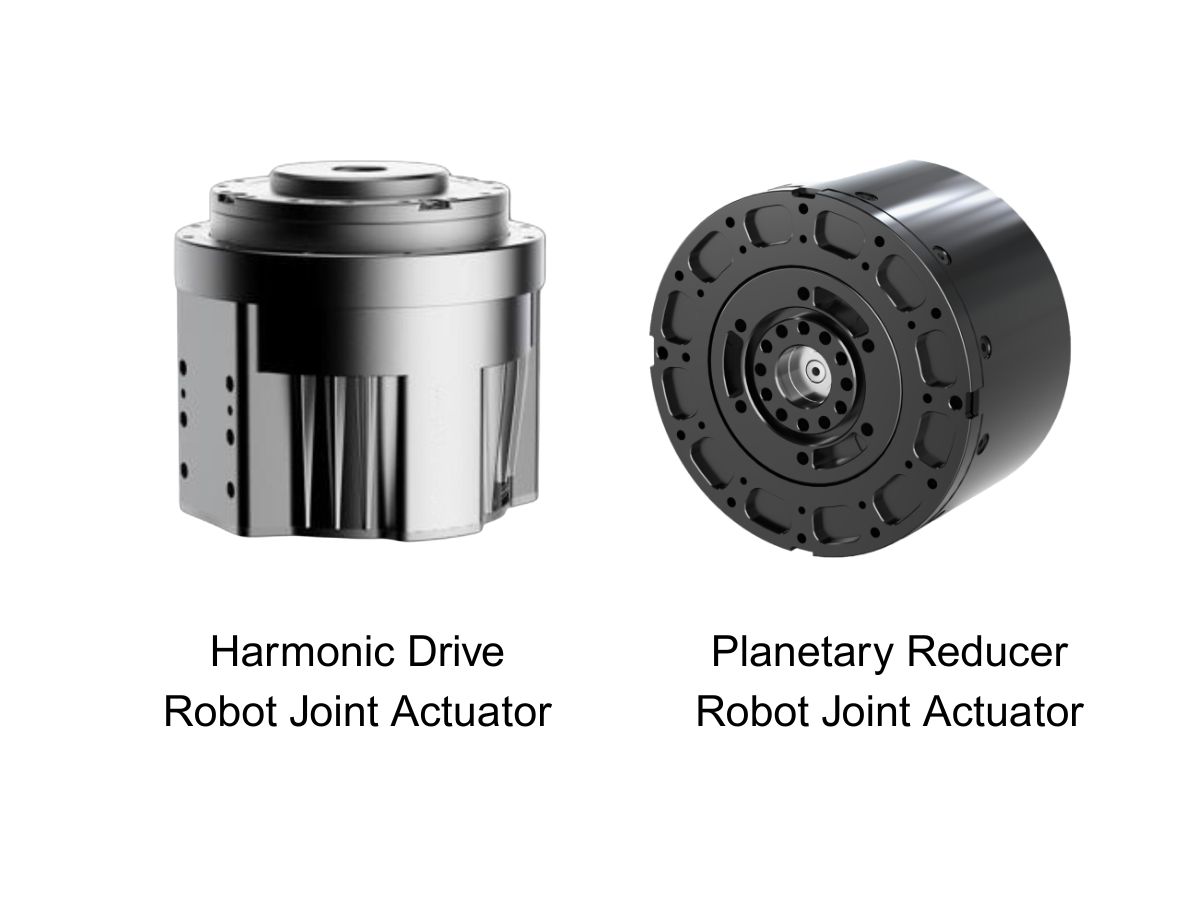
 What is robot joint actuator?How to Choose the Best Robot Rotary Joint Actuator?In core robot joint transmission solutions, planetary and harmonic rotary actuators each have their own strengths. Choosing the right type based on application requirements is essential to achieve the optimal balance between performance and cost.
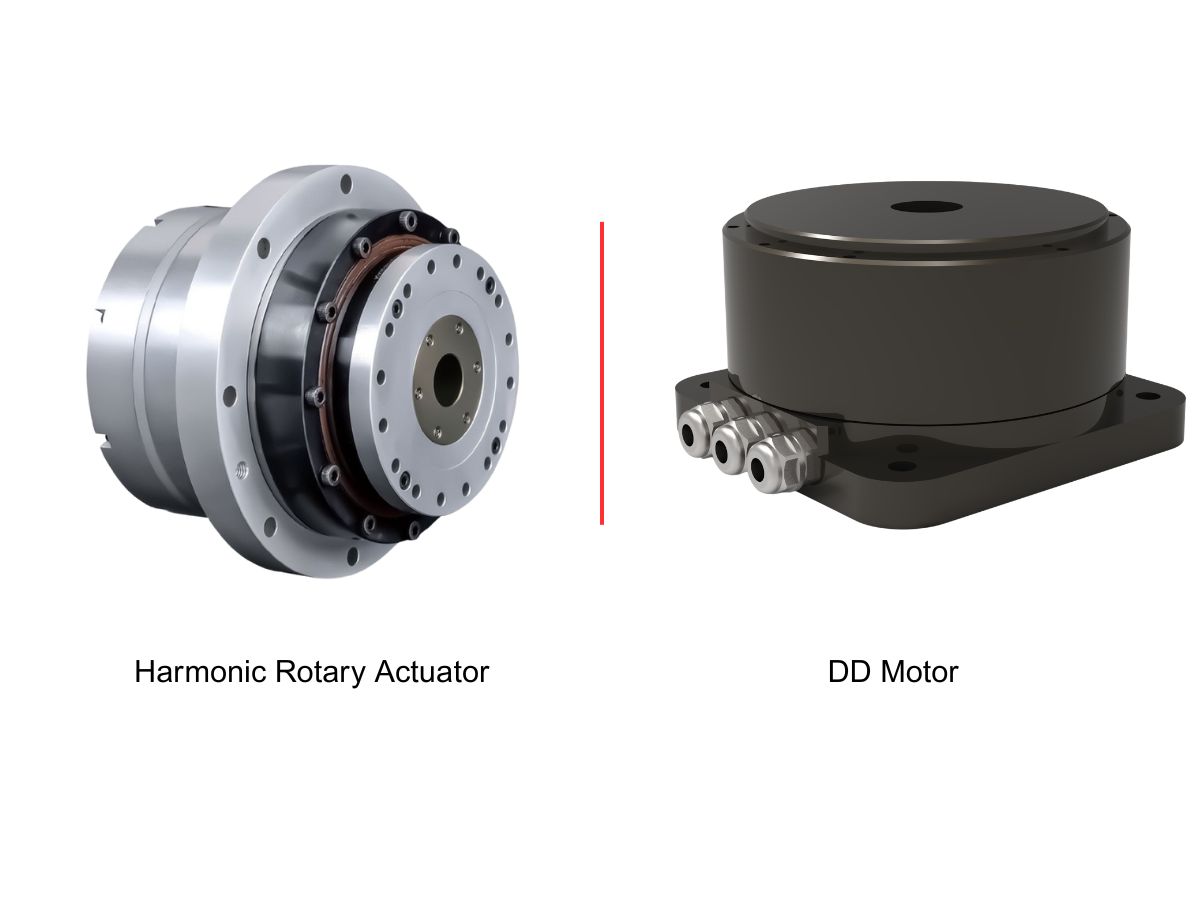
 DD Motors VS Harmonic Rotary ActuatorsThis article provides an in-depth comparison between Direct Drive (DD) motors and harmonic rotary actuators, covering their transmission principles, advantages and disadvantages, and typical application fields.
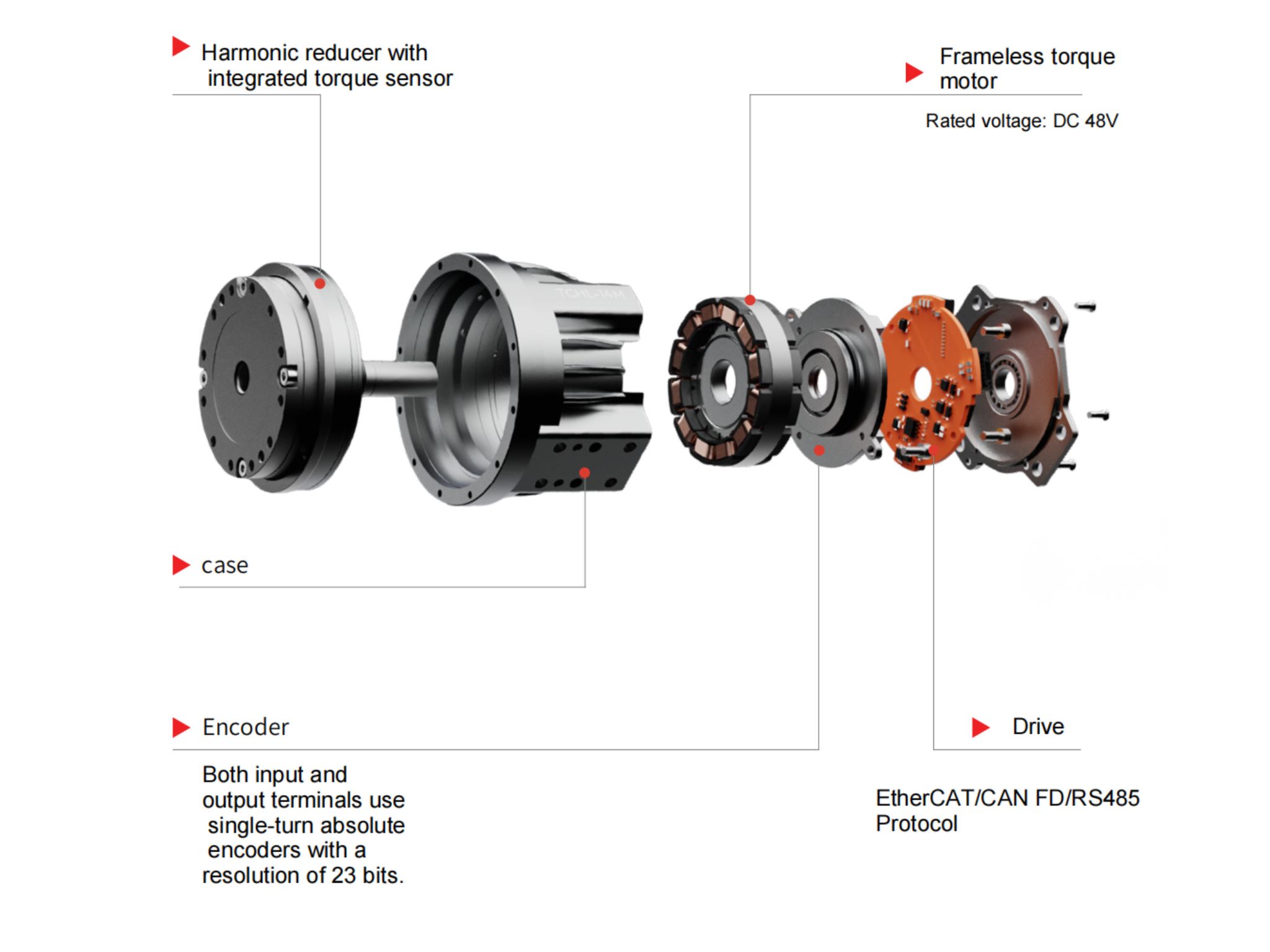
 OMG Ultra Compact Harmonic Drive Joint Module with Built-in Torque SensorHONPINE TCHL series harmonic drive joint module is a game-changing product that achieves disruptive improvements in multiple aspects such as lightweight design, integration level, and connection convenience. This article will analyze its revolutionary enhancements with you.
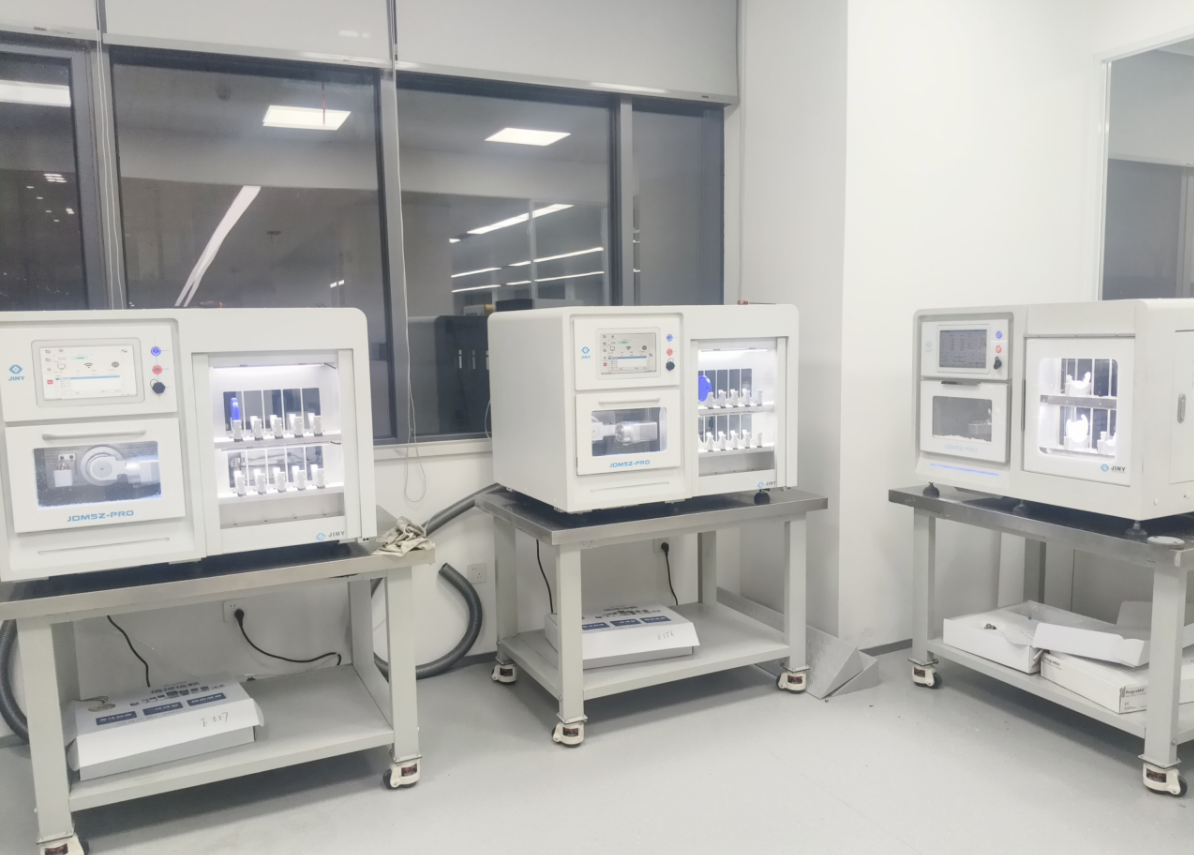
 The Role of Harmonic Drive Gears in Achieving 5–10 μm Accuracy in Dental Milling MachinesA dental milling machine is a CNC machining system used to directly process digital dental models into restorations such as crowns, bridges, veneers, inlays, and implant abutments. Dental milling machines require far higher operational accuracy and motion stability than ordinary equipment. This article explains how harmonic drive gear help dental milling machines achieve stable, continuous, and controllable operation.
 Why Are Harmonic Rotary Actuators Perfect for Medical Equipment?Harmonic rotary actuators (typically integrated systems consisting of a harmonic drive reducer, frameless torque motor, encoder, and optional brake) are regarded as key components in medical equipment. The core reason is that they simultaneously meet the most stringent medical requirements for precision, compact size, safety, and controllability. The following explanation is structured from three perspectives: technical characteristics, application scenarios, and medical value.
 High-Precision RV Reducers Perfectly Matched for Walking RobotsThe walking axis of a robot is a core component for power transmission and support. RV reducers provide extremely high rigidity, precision, and torque while maintaining a compact size and exceptional reliability, making them an ideal match for the demanding requirements of walking robot joints in terms of load capacity, impact resistance, and precision.
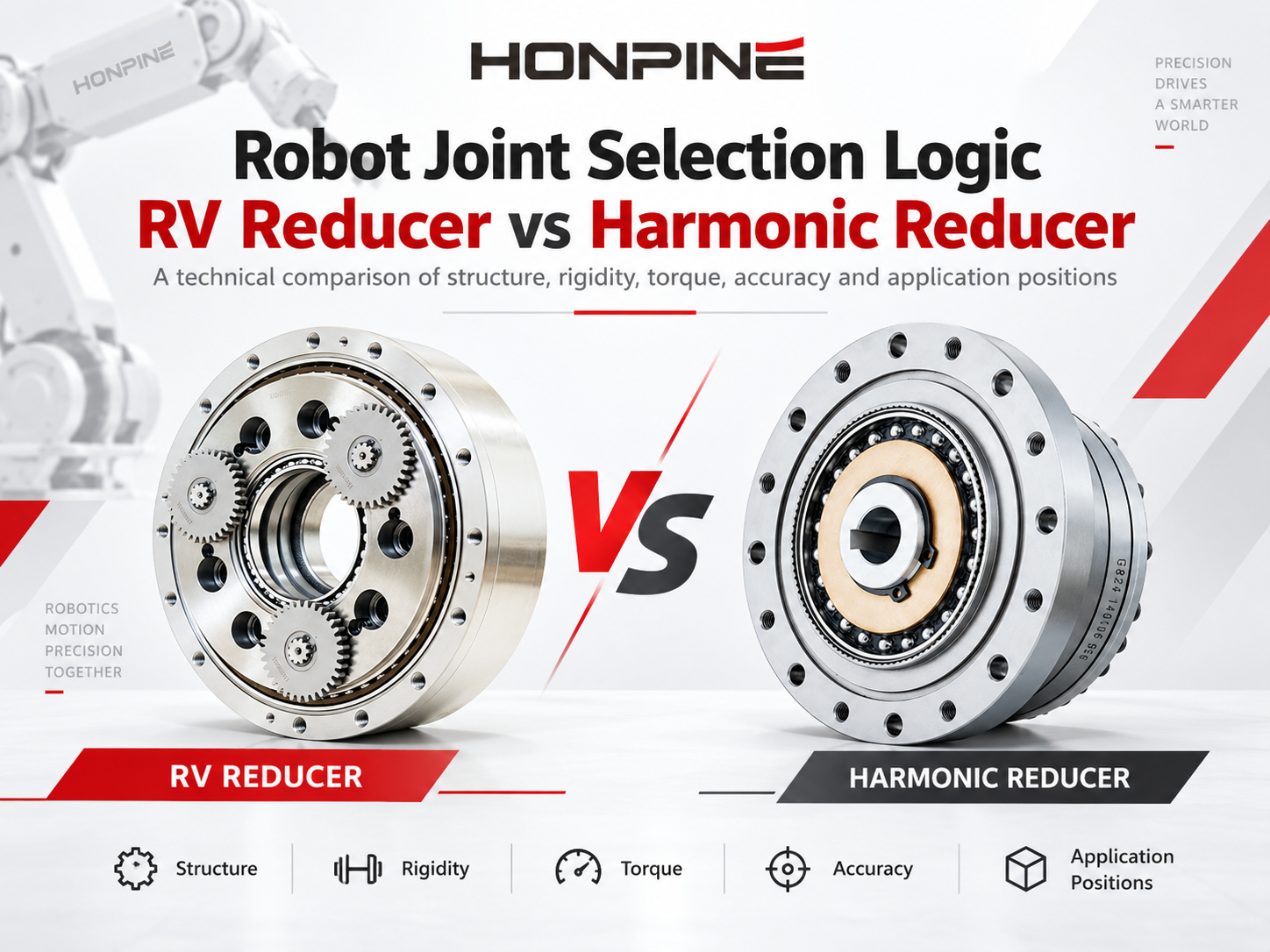
 RV vs Harmonic Reducer: How to Choose the Right Gearbox for Robot Joints?RV vs harmonic reducer: which gearbox is right for your robot joint? The answer depends on torque, rigidity, accuracy, installation space and operating conditions. This guide compares their working principles and five key performance factors, then explains how to evaluate joint loads, reducer life, temperature and lubrication. Whether you are designing a robot base, shoulder, elbow or wrist, use these considerations to match the reducer to the requirements of each joint.
 How to Find a Reliable Robotic Joint Actuator Supplier?Choosing the right robotic joint actuator supplier is essential for reliable performance, smooth integration and long-term project success. Beyond product specifications, you need to understand a supplier’s technical expertise, production capacity and after-sales support. In this guide, Allen Li, Founder of HONPINE, explains how to assess these three factors when sourcing harmonic and planetary joint actuators for robotics and industrial automation.
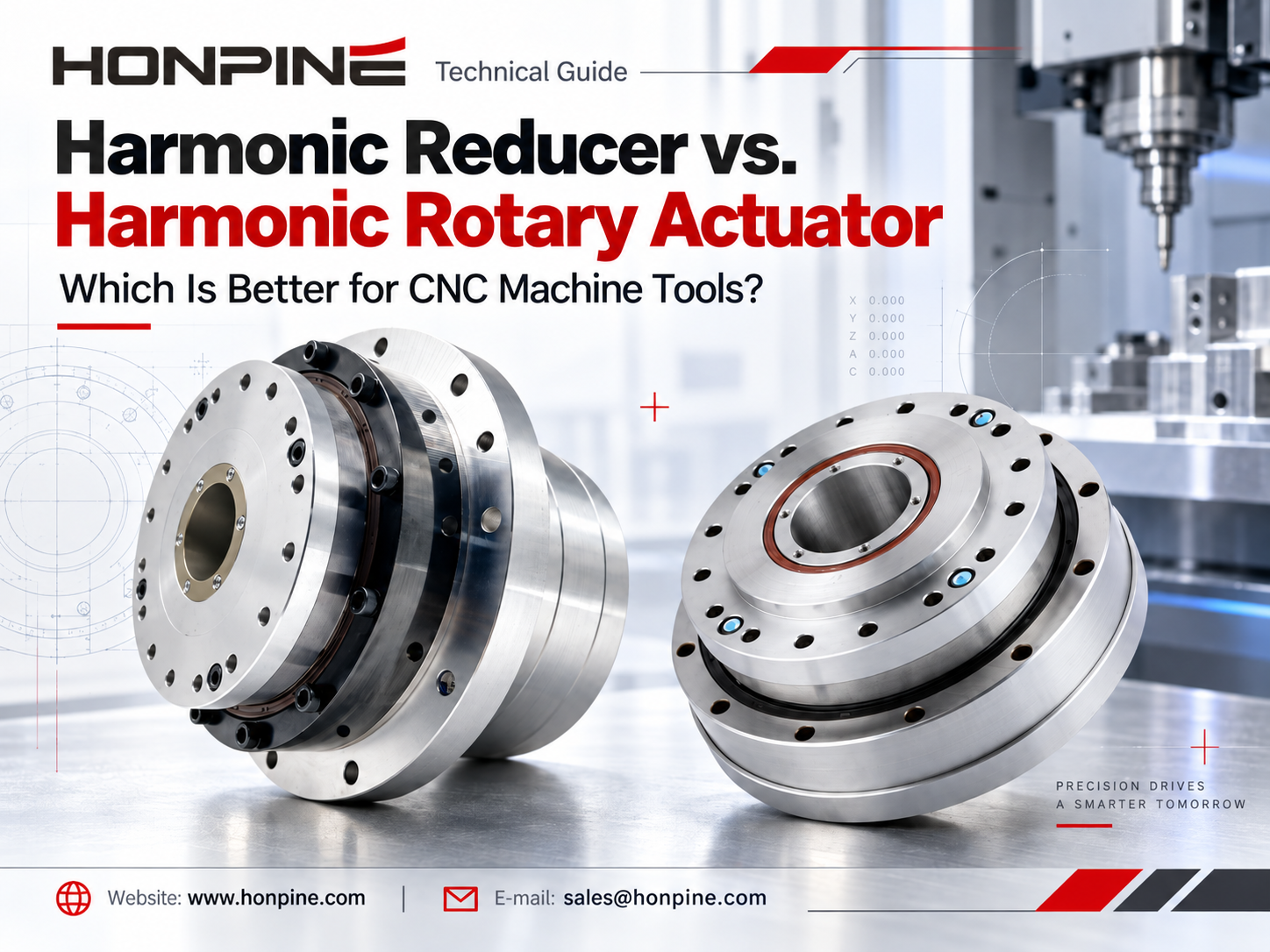
 Harmonic Reducer vs. Harmonic Rotary Actuator: Which Is Better for CNC Machine Tools?Choosing between a harmonic reducer and a harmonic rotary actuator is an important decision in CNC machine tool design. Both solutions offer high-precision motion control, but they differ in integration, installation requirements, rigidity, and system flexibility. For CNC fourth-axis rotary tables and compact five-axis machining systems, selecting the right harmonic drive can significantly influence machine performance. In this article, HONPINE Technical Director Theodore Li compares harmonic reducers and harmonic rotary actuators to help engineers identify the most suitable solution for their CNC applications.
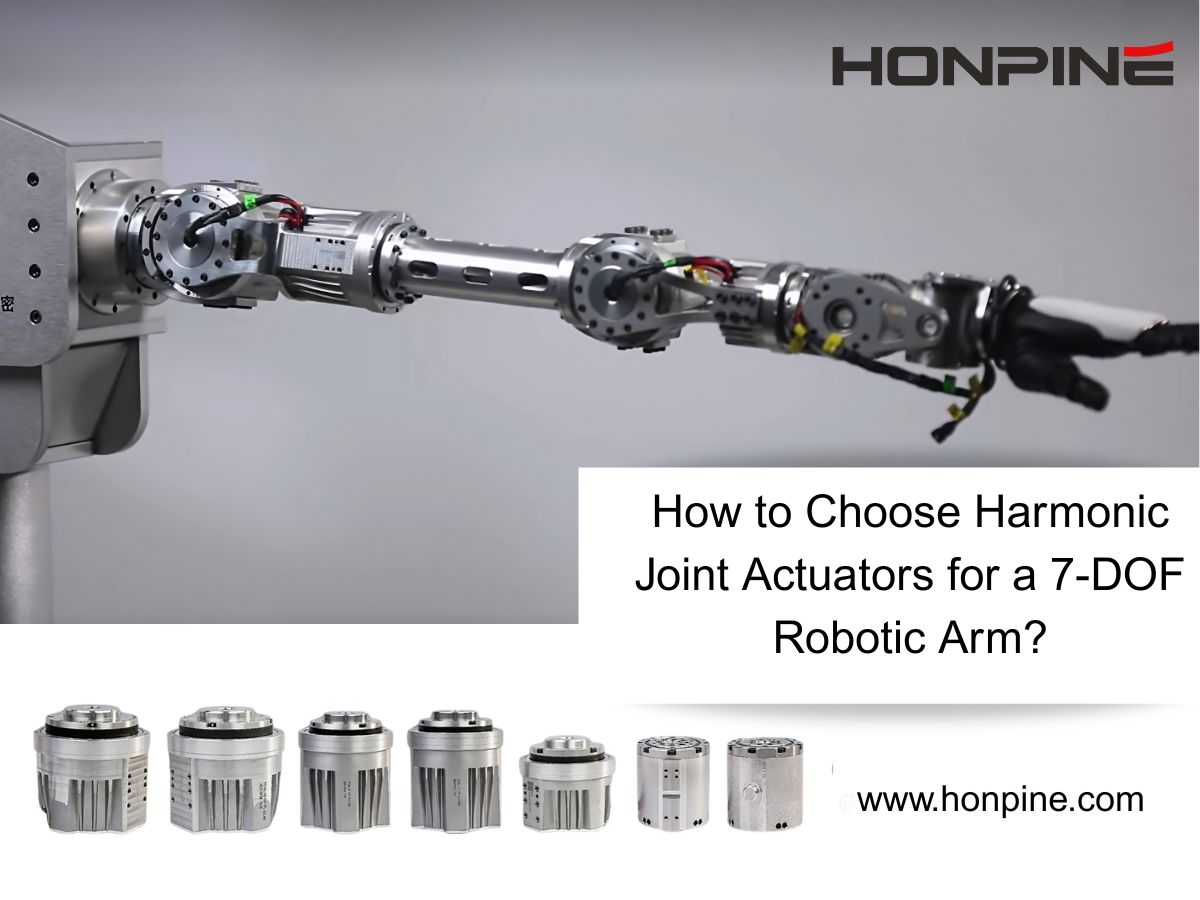
 How to Choose Harmonic Joint Actuators for a 7-DOF Robotic Arm?I'm Theodore Li, Technical Director at HONPINE. Choosing harmonic joint actuators for a 7-DOF robotic arm starts with the torque, weight, and installation needs of each joint. This guide uses a TCHL 20 shoulder and TCHL 14 wrist configuration as an example, then explores torque sensing, compliant control, and HAG Series considerations for demanding robotic applications.
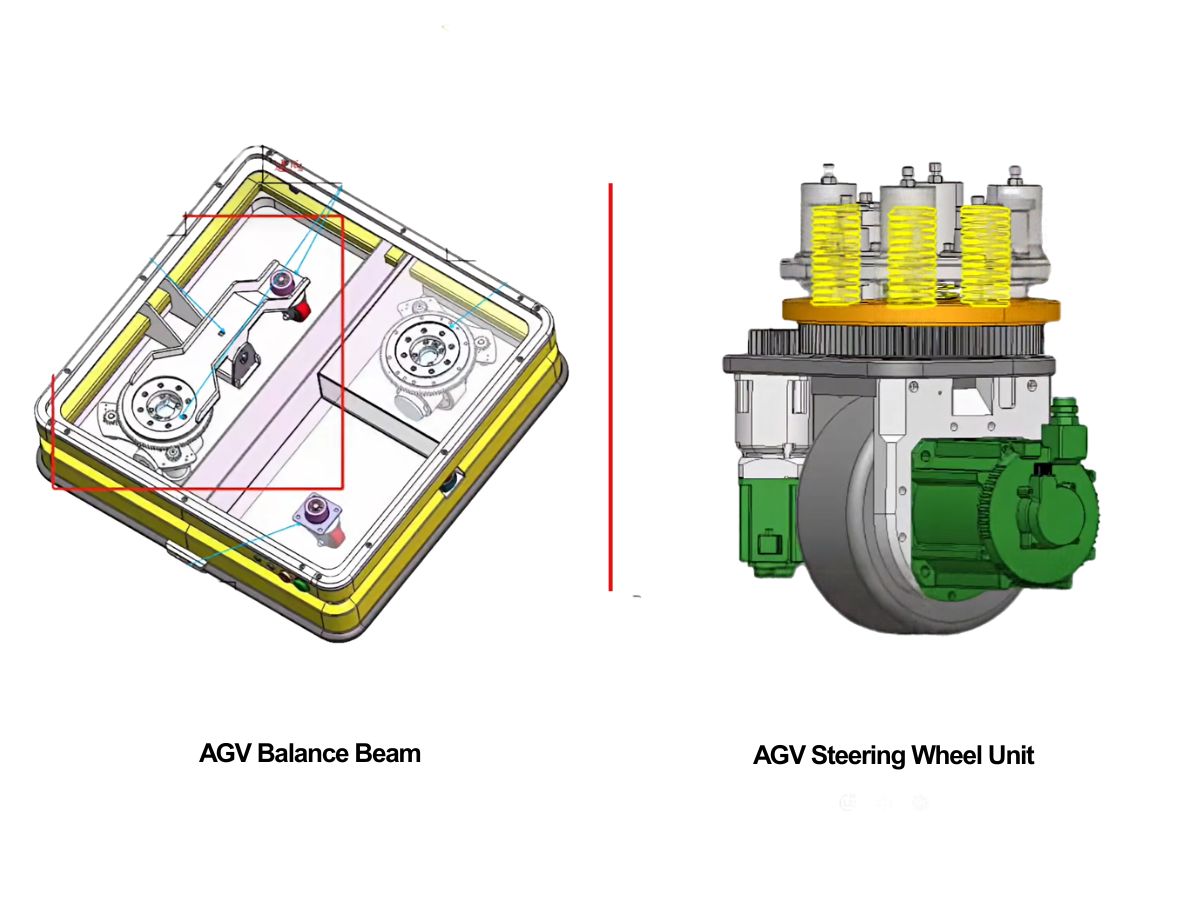
 AGV Suspension: Should You Choose a Balance Beam or a Spring-Loaded Steering Drive Unit?Choosing an AGV suspension system starts with the vehicle’s load range and floor conditions. Balance beams and spring-loaded steering drive units offer different approaches to maintaining wheel contact and managing wheel loads. This HONPINE guide compares both options and explains how to evaluate traction, suspension travel, installation space, and maintenance before choosing a configuration.
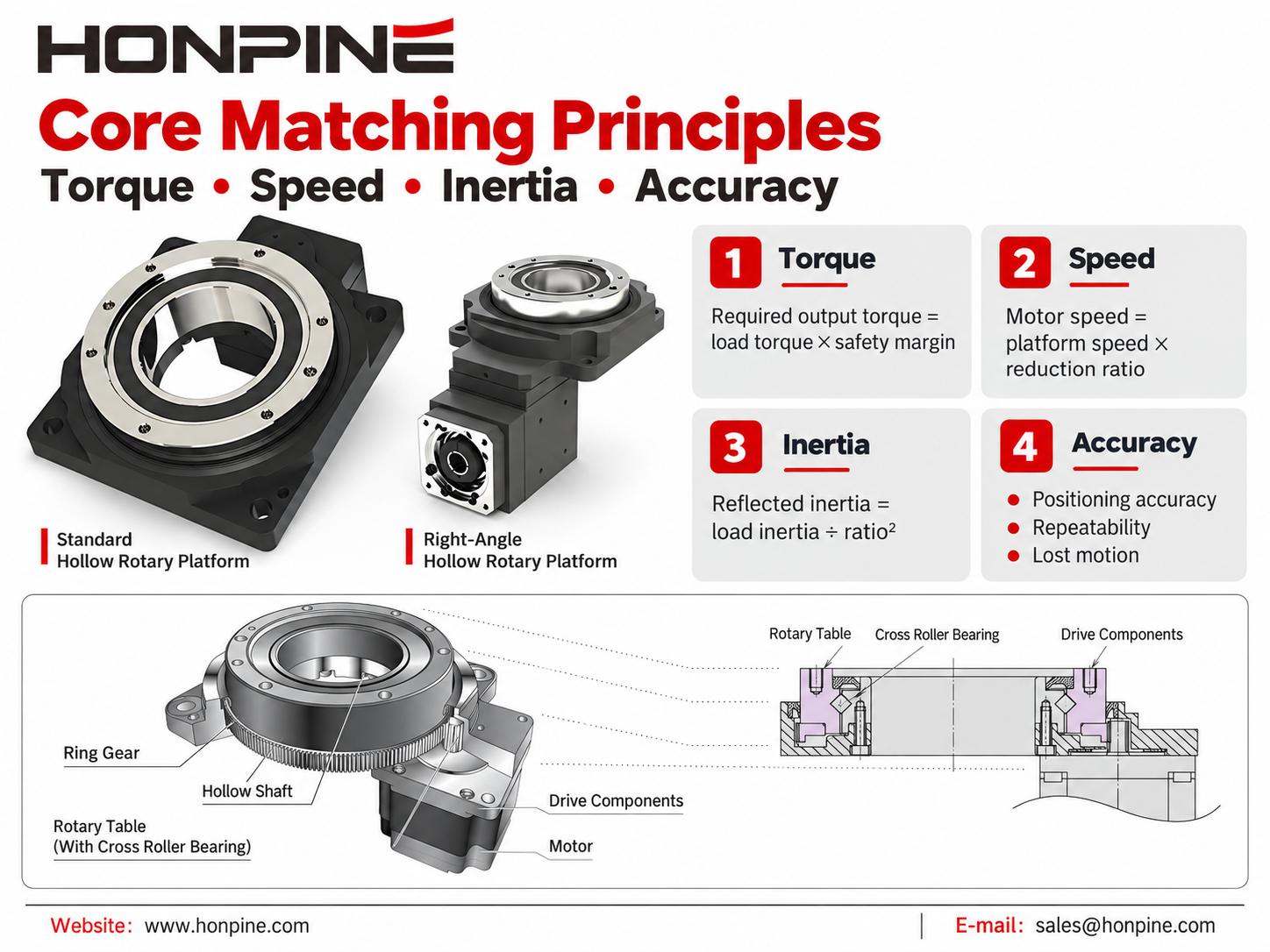
 Hollow Rotary Platform Motor Matching: A Complete GuideSelecting the right motor for a hollow rotary platform is essential for achieving precise positioning, stable operation, and efficient automation. This guide explains how to match servo motors, stepper motors, and brushless DC motors with hollow rotary platforms based on torque, speed, inertia, accuracy, and installation requirements. Explore practical motor selection guidelines, typical application combinations, and space-saving mounting solutions to find the right configuration for your automation project.
Double Click
We provide harmonic drive reducer,planetary reducer,robot joint motor,robot rotary actuators,RV gear reducer,robot end effector,dexterous robot hand
 What is robot joint actuator?How to Choose the Best Robot Rotary Joint Actuator?In core robot joint transmission solutions, planetary and harmonic rotary actuators each have their own strengths. Choosing the right type based on application requirements is essential to achieve the optimal balance between performance and cost.
 DD Motors VS Harmonic Rotary ActuatorsThis article provides an in-depth comparison between Direct Drive (DD) motors and harmonic rotary actuators, covering their transmission principles, advantages and disadvantages, and typical application fields.
 OMG Ultra Compact Harmonic Drive Joint Module with Built-in Torque SensorHONPINE TCHL series harmonic drive joint module is a game-changing product that achieves disruptive improvements in multiple aspects such as lightweight design, integration level, and connection convenience. This article will analyze its revolutionary enhancements with you.
 The Role of Harmonic Drive Gears in Achieving 5–10 μm Accuracy in Dental Milling MachinesA dental milling machine is a CNC machining system used to directly process digital dental models into restorations such as crowns, bridges, veneers, inlays, and implant abutments. Dental milling machines require far higher operational accuracy and motion stability than ordinary equipment. This article explains how harmonic drive gear help dental milling machines achieve stable, continuous, and controllable operation.
 Why Are Harmonic Rotary Actuators Perfect for Medical Equipment?Harmonic rotary actuators (typically integrated systems consisting of a harmonic drive reducer, frameless torque motor, encoder, and optional brake) are regarded as key components in medical equipment. The core reason is that they simultaneously meet the most stringent medical requirements for precision, compact size, safety, and controllability. The following explanation is structured from three perspectives: technical characteristics, application scenarios, and medical value.
 High-Precision RV Reducers Perfectly Matched for Walking RobotsThe walking axis of a robot is a core component for power transmission and support. RV reducers provide extremely high rigidity, precision, and torque while maintaining a compact size and exceptional reliability, making them an ideal match for the demanding requirements of walking robot joints in terms of load capacity, impact resistance, and precision.
 RV vs Harmonic Reducer: How to Choose the Right Gearbox for Robot Joints?RV vs harmonic reducer: which gearbox is right for your robot joint? The answer depends on torque, rigidity, accuracy, installation space and operating conditions. This guide compares their working principles and five key performance factors, then explains how to evaluate joint loads, reducer life, temperature and lubrication. Whether you are designing a robot base, shoulder, elbow or wrist, use these considerations to match the reducer to the requirements of each joint.
 How to Find a Reliable Robotic Joint Actuator Supplier?Choosing the right robotic joint actuator supplier is essential for reliable performance, smooth integration and long-term project success. Beyond product specifications, you need to understand a supplier’s technical expertise, production capacity and after-sales support. In this guide, Allen Li, Founder of HONPINE, explains how to assess these three factors when sourcing harmonic and planetary joint actuators for robotics and industrial automation.
 Harmonic Reducer vs. Harmonic Rotary Actuator: Which Is Better for CNC Machine Tools?Choosing between a harmonic reducer and a harmonic rotary actuator is an important decision in CNC machine tool design. Both solutions offer high-precision motion control, but they differ in integration, installation requirements, rigidity, and system flexibility. For CNC fourth-axis rotary tables and compact five-axis machining systems, selecting the right harmonic drive can significantly influence machine performance. In this article, HONPINE Technical Director Theodore Li compares harmonic reducers and harmonic rotary actuators to help engineers identify the most suitable solution for their CNC applications.
 How to Choose Harmonic Joint Actuators for a 7-DOF Robotic Arm?I'm Theodore Li, Technical Director at HONPINE. Choosing harmonic joint actuators for a 7-DOF robotic arm starts with the torque, weight, and installation needs of each joint. This guide uses a TCHL 20 shoulder and TCHL 14 wrist configuration as an example, then explores torque sensing, compliant control, and HAG Series considerations for demanding robotic applications.
 AGV Suspension: Should You Choose a Balance Beam or a Spring-Loaded Steering Drive Unit?Choosing an AGV suspension system starts with the vehicle’s load range and floor conditions. Balance beams and spring-loaded steering drive units offer different approaches to maintaining wheel contact and managing wheel loads. This HONPINE guide compares both options and explains how to evaluate traction, suspension travel, installation space, and maintenance before choosing a configuration.
 Hollow Rotary Platform Motor Matching: A Complete GuideSelecting the right motor for a hollow rotary platform is essential for achieving precise positioning, stable operation, and efficient automation. This guide explains how to match servo motors, stepper motors, and brushless DC motors with hollow rotary platforms based on torque, speed, inertia, accuracy, and installation requirements. Explore practical motor selection guidelines, typical application combinations, and space-saving mounting solutions to find the right configuration for your automation project.