








Why Is a Planetary Gearbox an Ideal Partner for Servo Motors in CNC, AGV, Solar and Lithium Battery Equipment?
Why Is a Planetary Gearbox an Ideal Partner for a Servo Motor?
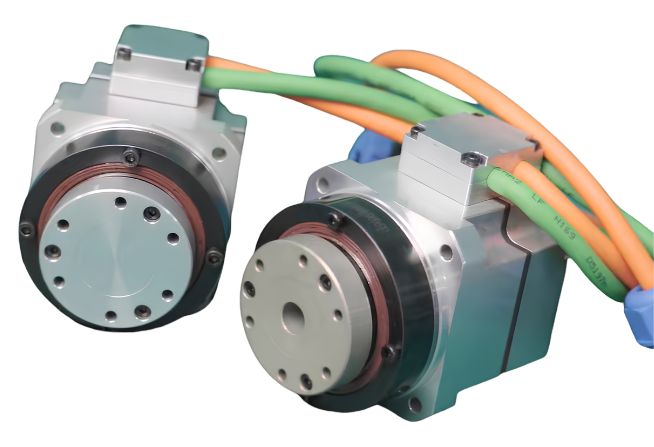
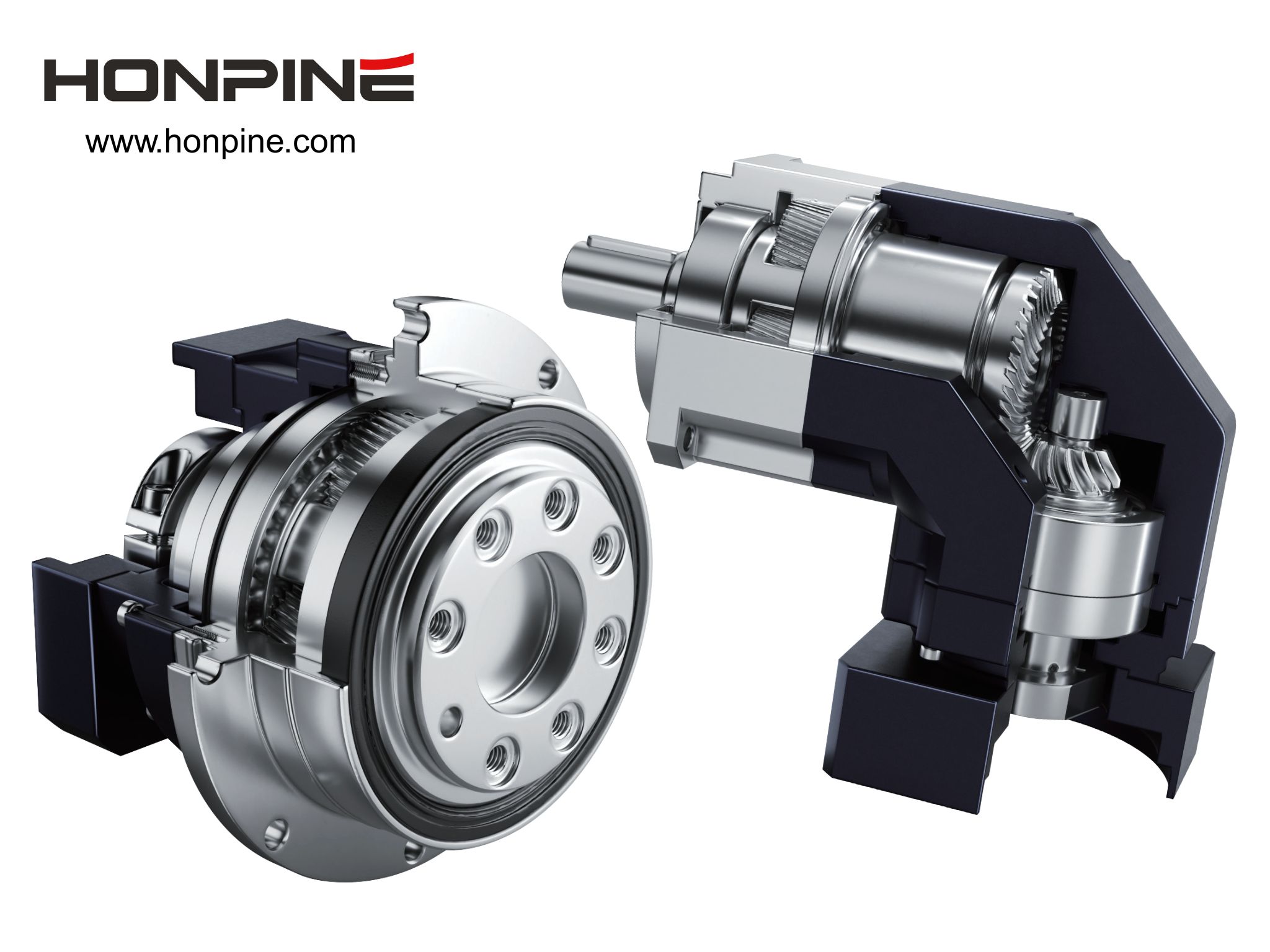
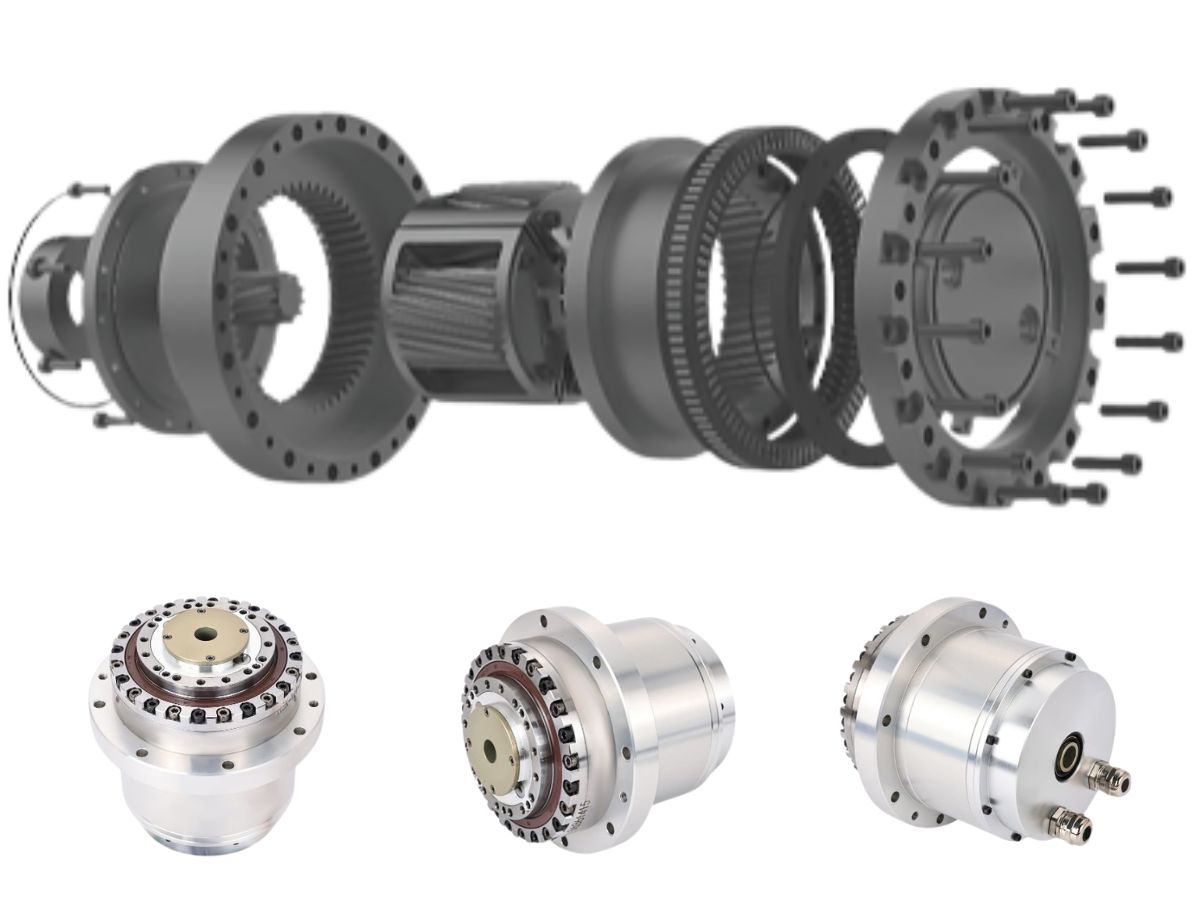
A planetary gearbox uses a sun gear, planetary gears, and an internal ring gear to transmit torque through multiple gear meshes. The load is distributed across multiple planetary gears, giving this transmission architecture several natural advantages:
High efficiency: A precision planetary gearbox can achieve efficiency of ≥95% for a single-stage design and ≥92% for a two-stage design. Compared with worm gearboxes, which typically achieve only around 50%–85%, planetary gearboxes can reduce energy losses during continuous operation.
Low backlash: Precision ground gears can achieve backlash of ≤1–3 arcmin, while standard models are typically around 3–8 arcmin. This helps minimize lost motion during indexing, positioning and repeated start-stop operation.
High rigidity: Multiple planetary gears share the load, providing good resistance to frequent forward/reverse operation and cutting impacts. This helps maintain stable servo following performance without excessive torsional compliance.
Compact coaxial design: The input and output shafts are arranged on the same axis, making the planetary gearbox easy to integrate with servo motors or stepper motors while saving installation space. This makes it suitable for compact machine modules and automation equipment.
Flexible reduction ratios: A single-stage planetary gearbox typically covers ratios from 3:1 to 10:1, while two-stage designs can reach several tens to one, with higher ratios available through three-stage configurations. This covers a wide range of automation applications.
In simple terms: when an application requires medium-to-high precision, high response, good cost efficiency and continuous operation, a planetary gearbox is often worth considering first. When a single-stage application requires a very high reduction ratio, near-zero backlash and low weight, a harmonic drive may be more suitable. For large robotic arms, heavy loads and high shock resistance, an RV gearbox may be a better option.
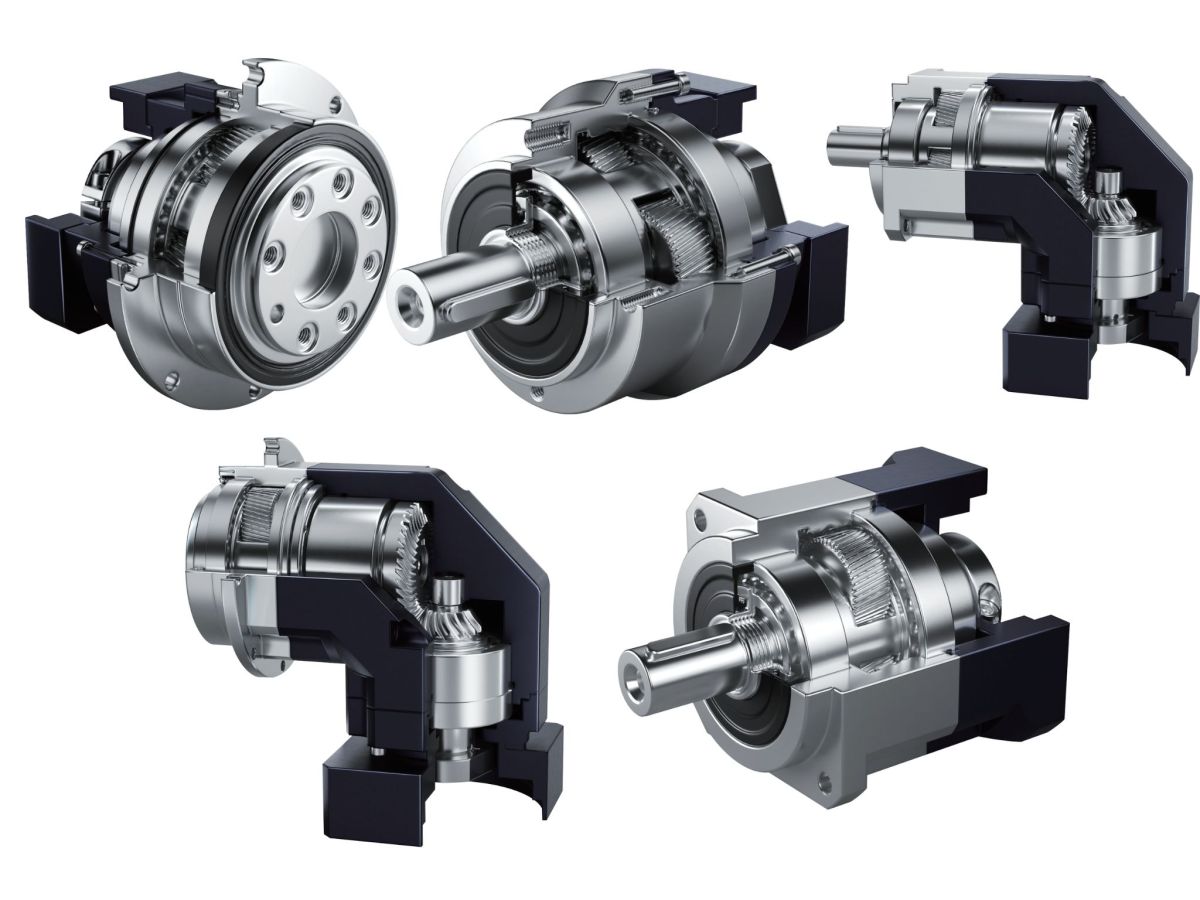
1. CNC Machine Tools and Machining Centers: Feed Axes, Tool Changers and Rotary-Axis Assistance
Typical applications include:
Servo feed axes and compact CNC linear slides
Tool turrets and automatic tool changers
Indexing heads and auxiliary drives for four-axis and five-axis rotary tables
Motion axes for laser cutting, marking and welding systems
What problems does a planetary gearbox solve?
High rigidity helps resist radial and axial loads generated during milling and drilling. Low backlash supports repeatable positioning, while high transmission efficiency helps reduce heat generation during long machining cycles. Precision planetary gearboxes can achieve backlash of ≤3 arcmin or even lower, depending on the configuration.
Where are the limits?
For heavy-duty five-axis swivel heads and large rotary tables exposed to strong overturning moments and repeated reverse impacts, an RV gearbox or a planetary gearbox combined with a worm gear stage may also need to be evaluated.
2. Industrial Automation and Motion Modules: Dispensing, Assembly, Indexing and Inspection
Typical applications include:
Linear modules, gantry robots and loading/unloading systems
Rotary indexing tables and transfer mechanisms
Dispensing, screwdriving, soldering and assembly equipment
Vision alignment platforms and CCD inspection rotary tables
How should the planetary gearbox be selected?
For general positioning applications, a standard planetary gearbox with around 3–8 arcmin backlash is often sufficient. Precision assembly and vision alignment applications may require a precision planetary gearbox with backlash of ≤3–5 arcmin, with some configurations achieving ≤1 arcmin.
For high-frequency forward/reverse motion, torsional stiffness and inertia matching should be evaluated together rather than selecting a gearbox based only on the reduction ratio.
3. Packaging, Printing, Textile and Food Equipment: Efficiency for Continuous Operation
Typical applications include:
Filling, labeling and bag-making synchronization
Printing cylinders and web winding/unwinding
Textile winding and tension control
Food processing and conveying equipment
Why is a planetary gearbox suitable?
For continuous operation, the high transmission efficiency of a planetary gearbox can provide lower energy losses and lower heat generation than a worm gearbox. Its coaxial structure also makes it easy to integrate with rollers, drums and winding shafts.
For food and pharmaceutical equipment where cleanliness and oil resistance are important, sealed configurations and application-specific food-grade lubrication can be considered.
4. Logistics, AGVs and RGVs: Frequent Start-Stop Operation and Cost Efficiency
Typical applications include:
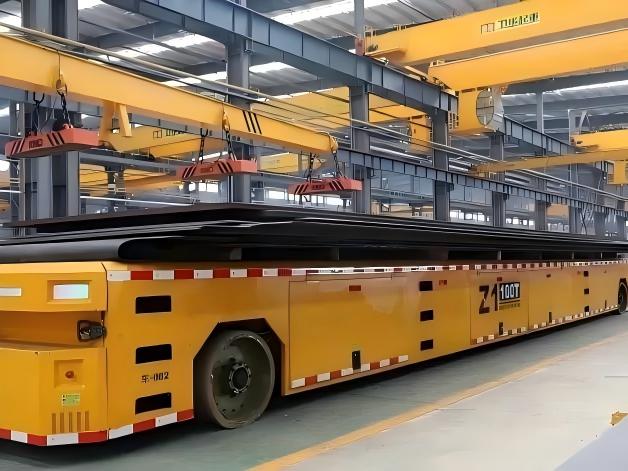
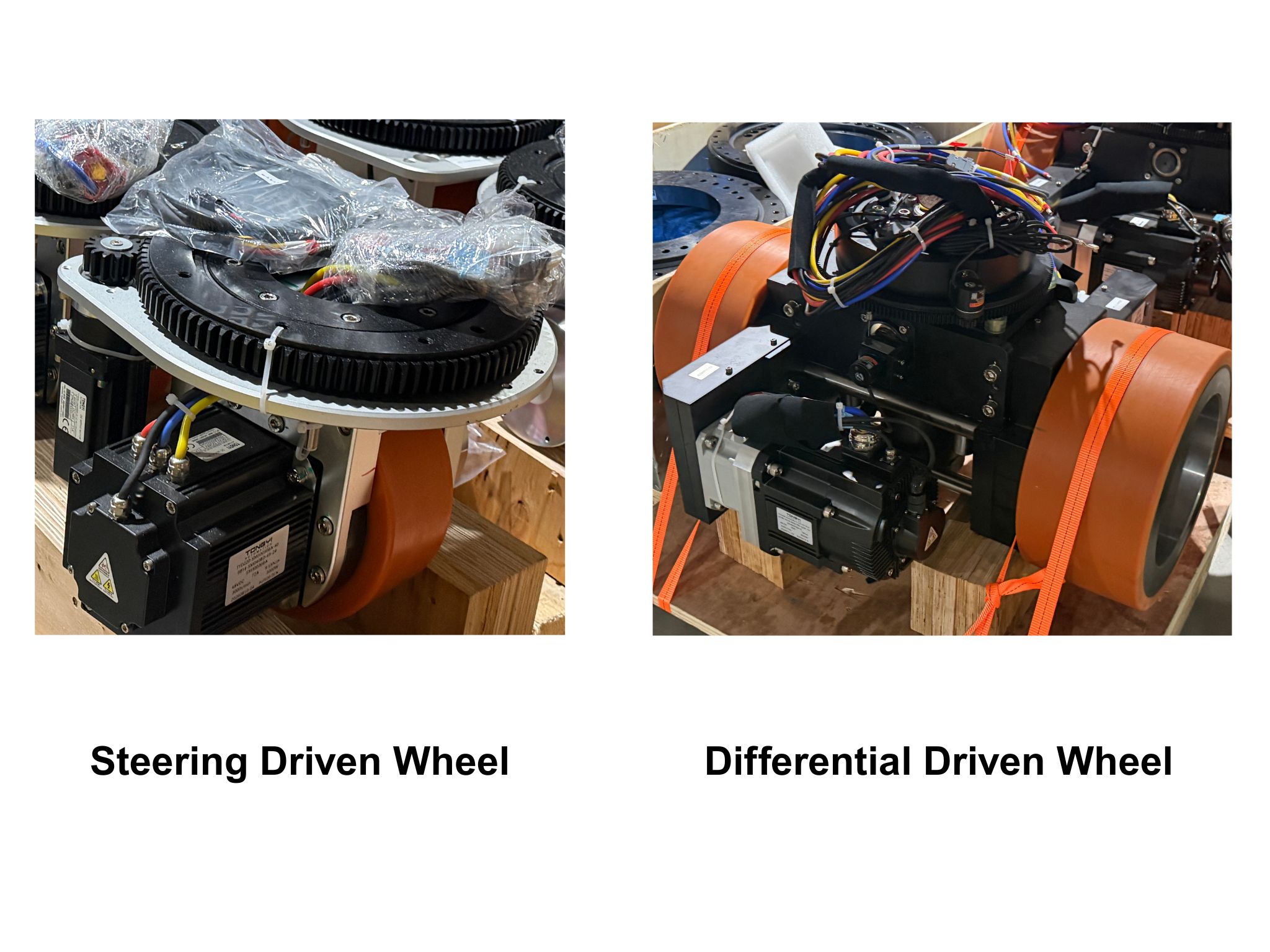
AGV/AMR drive wheels and steering wheels
Stacker crane lifting and traveling mechanisms
Cross-belt sorting systems and rotary transfer mechanisms
RGV reciprocating transfer systems
What is the value of a planetary gearbox?
Frequent start-stop operation benefits from low reflected inertia and high dynamic response. When battery life and energy consumption are important, high transmission efficiency becomes an important consideration. For cost-sensitive applications, a planetary gearbox can provide a practical alternative to more expensive harmonic or RV transmission solutions where their specific performance is not required.
Where are the limits?
For heavy-load stacker cranes, large-tonnage high-precision positioning systems and high-torque rail-mounted mechanisms, a planetary gearbox can be used for auxiliary motion while an RV gearbox may be considered for the primary load-bearing transmission.
5. New Energy: Solar, Lithium Battery and Wind Power
Solar equipment
Planetary gearboxes can be used in string welding machines, auxiliary drives for laminators, silicon wafer cutting feed mechanisms and solar tracking systems, where long service life and low maintenance are important.
Lithium battery equipment
Typical applications include winding, coating, slitting and electrode cutting auxiliary mechanisms. During winding, stable tension control and low backlash are important for maintaining electrode alignment and process consistency.
Wind power
Planetary gearboxes are widely used in applications such as yaw and pitch systems, where the nacelle needs to be aligned with the wind direction or the blade angle needs to be adjusted. Multi-stage planetary gearboxes can provide reduction ratios of several hundred to more than 1,000:1, depending on the design, while requiring long service life and resistance to wind-induced shock loads.
For high-volume new-energy production lines, selection should focus on thermal balance, backlash retention and bearing radial-load capacity rather than looking only at the nominal reduction ratio.
6. Semiconductor and Precision Measurement: Auxiliary Precision Motion Rather Than Nanometer-Level Main Stages
Typical applications include:
Auxiliary axes for die bonding, wire bonding and pick-and-place equipment
Wafer handling and loading/unloading mechanisms
Probe stations, inspection alignment and optical-angle adjustment
Coordinate measuring machine motion axes
These applications may require compact low-backlash transmission, smooth micro-motion, small dimensions and clean lubrication. Helical gear profiles can also be considered where smoother transmission is required.
For primary stages requiring nanometer-level positioning, linear motors and air-bearing systems are generally more appropriate. A planetary gearbox is more commonly used for auxiliary positioning and motion mechanisms.
7. Medical and Aerospace Auxiliary Equipment: Low Noise, Cleanliness and Compact Design
Typical applications include:
CT and MRI gantry rotation, where smooth low-noise motion is important to minimize image disturbance
Rehabilitation equipment, diagnostic instruments and surgical auxiliary mechanisms
Radar and antenna mechanisms
Compact planetary gearboxes for satellite mechanisms
For non-magnetic or clean environments, specialized materials and low-outgassing lubricants may be required.
The key selection criteria are not simply the reduction ratio, but also the required backlash level, temperature rise, noise, protection and service life.
8. When Is a Planetary Gearbox Not the Right Choice?
A planetary gearbox is highly versatile, but it is not the optimal transmission for every application.
A single-stage ratio above 100:1 with near-zero backlash and a compact package: A harmonic drive is usually more suitable.
Large robot arms, robot bases, automotive welding systems and heavy-duty positioners exposed to repeated reverse impacts and high torque: An RV gearbox should be evaluated.
Long cantilever structures with large overturning moments or low-frequency heavy-load oscillation: Radial and overturning load capacity must be checked carefully. If the planetary gearbox is insufficient, an RV gearbox or additional structural support may be required.
Low-speed, light-load conveying equipment with no strict backlash requirements: A standard gear transmission or worm gearbox may be more economical. A precision planetary gearbox is not always necessary.
9. Three Questions to Ask When Selecting a Planetary Gearbox
How much precision and backlash are required?
Standard applications such as conveying may use standard backlash levels. Indexing and positioning applications may require around 3–5 arcmin, while high-precision assembly and semiconductor equipment may require ≤1–3 arcmin depending on the motion system.
How large are the load and shock loads?
For frequent start-stop operation, torsional stiffness should be considered. For long cantilever structures and large overturning moments, the gearbox should not be selected based only on output torque. For heavy loads and high shock conditions, an RV gearbox should also be evaluated.
How important are installation space and efficiency?
Compact automation modules, AGVs and lithium battery production equipment often place a high value on compact dimensions and transmission efficiency. For continuous production, temperature rise, lubrication and service life should also be included in the selection process.
Conclusion
A servo system is not simply a servo motor + any gearbox. If the transmission component is incorrectly selected, excellent motor and controller specifications cannot compensate for an unsuitable mechanical transmission.
The value of a planetary gearbox is that it goes beyond simple speed reduction and torque multiplication. When correctly matched with a servo motor, it can provide high dynamic response, low backlash, high efficiency and compact mechanical integration, helping the overall motion system achieve more stable and efficient operation.
Read More
Learn more about the story of HONPINE and industry trends related to precision transmission.
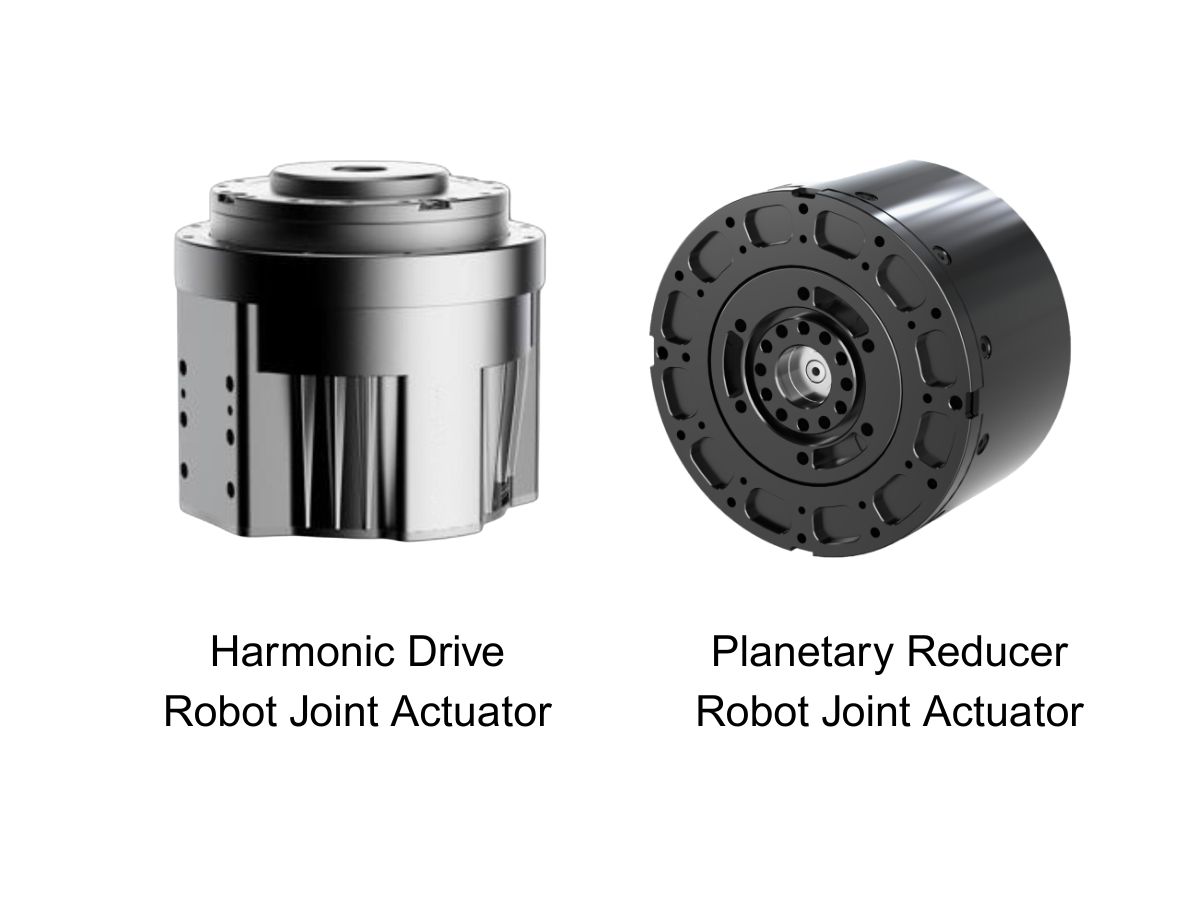
 What is robot joint actuator?How to Choose the Best Robot Rotary Joint Actuator?In core robot joint transmission solutions, planetary and harmonic rotary actuators each have their own strengths. Choosing the right type based on application requirements is essential to achieve the optimal balance between performance and cost.
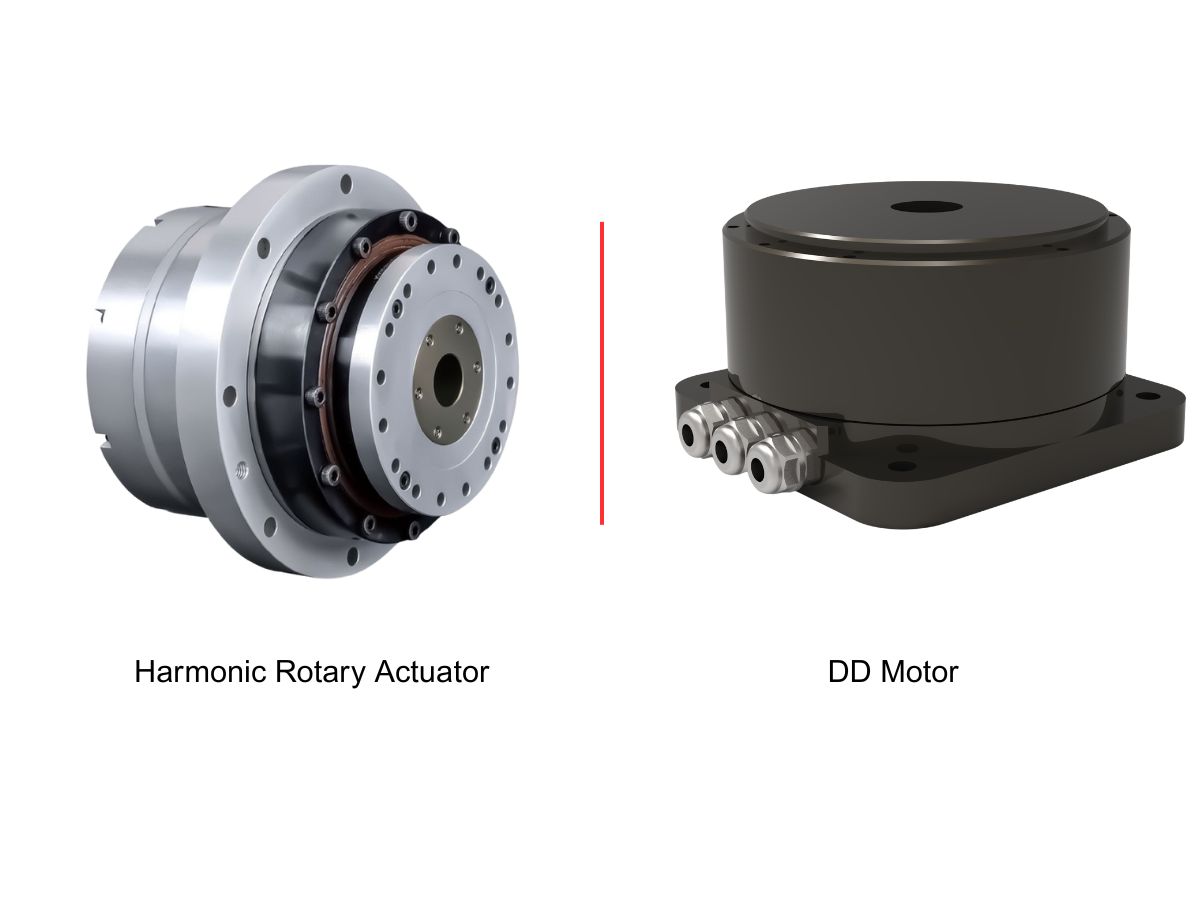
 DD Motors VS Harmonic Rotary ActuatorsThis article provides an in-depth comparison between Direct Drive (DD) motors and harmonic rotary actuators, covering their transmission principles, advantages and disadvantages, and typical application fields.
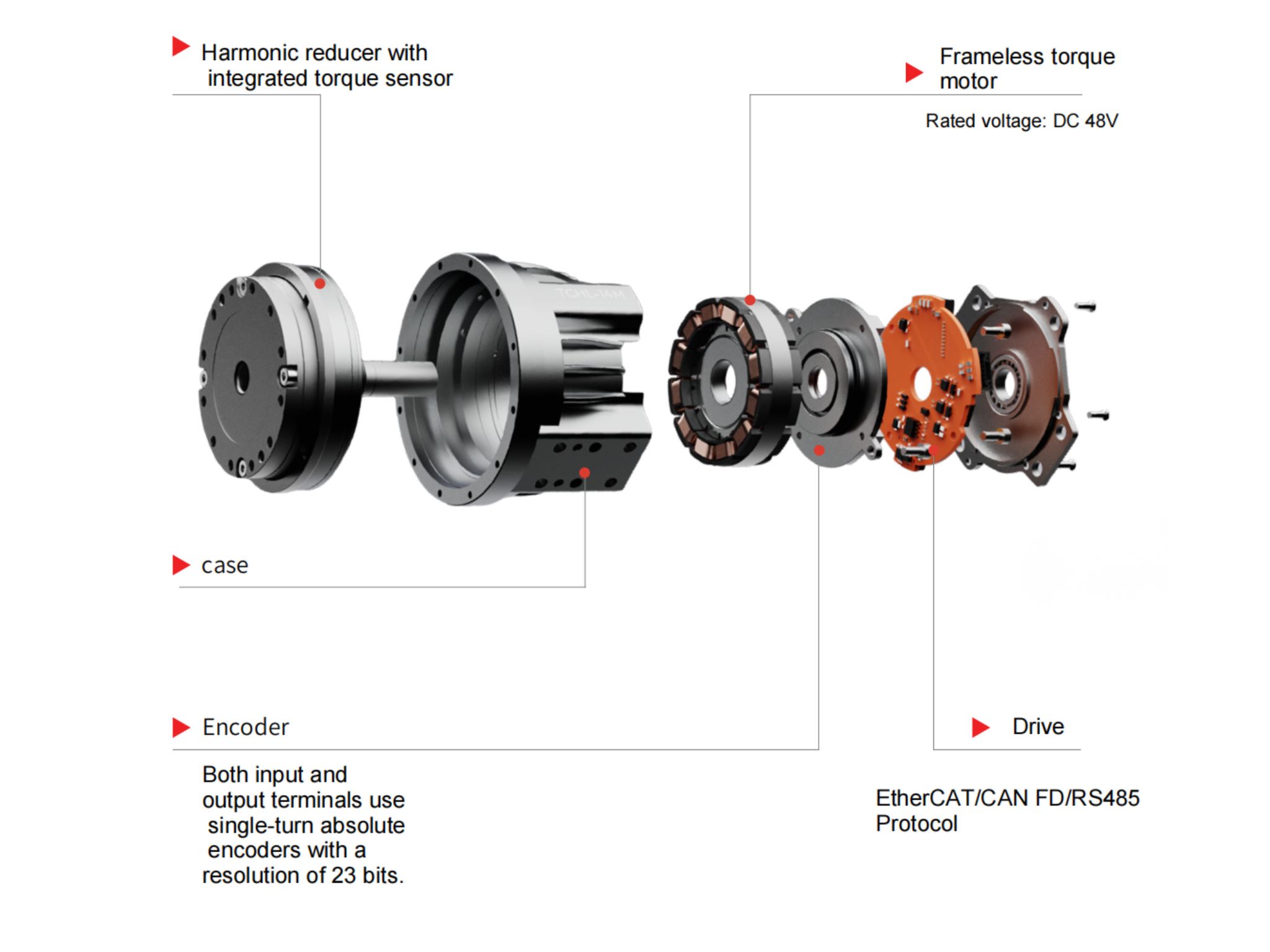
 OMG Ultra Compact Harmonic Drive Joint Module with Built-in Torque SensorHONPINE TCHL series harmonic drive joint module is a game-changing product that achieves disruptive improvements in multiple aspects such as lightweight design, integration level, and connection convenience. This article will analyze its revolutionary enhancements with you.
 The Role of Harmonic Drive Gears in Achieving 5–10 μm Accuracy in Dental Milling MachinesA dental milling machine is a CNC machining system used to directly process digital dental models into restorations such as crowns, bridges, veneers, inlays, and implant abutments. Dental milling machines require far higher operational accuracy and motion stability than ordinary equipment. This article explains how harmonic drive gear help dental milling machines achieve stable, continuous, and controllable operation.
 Why Are Harmonic Rotary Actuators Perfect for Medical Equipment?Harmonic rotary actuators (typically integrated systems consisting of a harmonic drive reducer, frameless torque motor, encoder, and optional brake) are regarded as key components in medical equipment. The core reason is that they simultaneously meet the most stringent medical requirements for precision, compact size, safety, and controllability. The following explanation is structured from three perspectives: technical characteristics, application scenarios, and medical value.
 High-Precision RV Reducers Perfectly Matched for Walking RobotsThe walking axis of a robot is a core component for power transmission and support. RV reducers provide extremely high rigidity, precision, and torque while maintaining a compact size and exceptional reliability, making them an ideal match for the demanding requirements of walking robot joints in terms of load capacity, impact resistance, and precision.
 Why Does an RV Reducer Need Profile Modification? How to Further Reduce Backlash and Transmission Error?An RV Reducer is designed to deliver high torque, high stiffness, and precise motion for demanding applications such as robotic joints, industrial rotary tables, and precision machinery. However, achieving low backlash and stable transmission accuracy requires more than high-precision machining. Cycloidal profile modification must also account for manufacturing tolerances, assembly errors, load-induced deformation, thermal expansion, and lubrication conditions. In this article, we examine why RV reducers require profile modification, how different modification methods affect meshing, and how engineers can further control backlash and transmission error through profile design, error budgeting, structural analysis, precision manufacturing, and validation testing.
 Hollow Robot Joint Module: Why Cable Routing Matters in Robotic Joints?A hollow robot joint module provides an internal passage for power cables, signal lines, pneumatic tubes, and other end-effector connections. Compared with external cable routing, a hollow joint module can help reduce cable exposure, improve system integration, and create a cleaner motion path for robotic arms. This article explains why internal cable routing matters in robotic joints and what to consider when selecting a hollow joint module for robotic applications.
 Large-Bore Harmonic Joint Actuator for Humanoid Robot Waist Joints: A Practical Selection GuideThe humanoid robot waist joint is one of the most demanding motion joints in a humanoid robot. Unlike conventional robotic arm joints, it supports the upper body while handling bending, twisting, posture transitions, and continuously changing dynamic loads. At the same time, the limited internal space must accommodate power cables, signal lines, sensors, and structural components. These requirements make a large-bore harmonic joint actuator an important option for humanoid robot waist joints. This article explains how to select a suitable harmonic joint actuator by considering hollow bore size, dynamic torque, reduction ratio, mechanical rigidity, integration, and service life.
 Nabtesco RV vs Harmonic Drive vs WITTENSTEIN: Why Backlash-Free Planetary Actuators Are EmergingNabtesco RV, Harmonic Drive, and WITTENSTEIN have each established proven transmission solutions for robotics, machine tools, automation, and precision motion control. However, applications requiring both arc-second-level positioning and high mechanical rigidity can expose different trade-offs between backlash, torsional stiffness, load capacity, and transmission accuracy. This has created growing interest in a backlash-free planetary actuator that combines the rigidity and torque density of planetary transmission with advanced backlash compensation. In this article, we compare the characteristics of Nabtesco RV, Harmonic Drive, and WITTENSTEIN precision planetary gearboxes, and examine where a backlash-free planetary actuator can provide an alternative solution.
 Robot Joint Actuator Selection: From Inertia Matching to System-Level OptimizationSelecting a robot joint actuator is not simply a matter of matching motor torque or achieving a suitable inertia ratio. In a real robotic system, reduction ratio, load spectrum, thermal performance, mechanical stiffness, transmission nonlinearity, encoder architecture, control bandwidth, and service life all interact to determine the final result. A joint may meet its peak torque requirement and still experience vibration, overheating, positioning errors, or premature wear in real operation. This article examines the engineering logic behind robot joint actuator selection and explains why moving from single-parameter matching to system-level optimization can lead to more reliable and predictable robotic joint performance.
 HONPINE HAG Robot Joint Module Undergoing Pre-Shipment InspectionThe HONPINE HAG Robot Joint Module is currently undergoing pre-shipment inspection before delivery.
Double Click
We provide harmonic drive reducer,planetary reducer,robot joint motor,robot rotary actuators,RV gear reducer,robot end effector,dexterous robot hand
 What is robot joint actuator?How to Choose the Best Robot Rotary Joint Actuator?In core robot joint transmission solutions, planetary and harmonic rotary actuators each have their own strengths. Choosing the right type based on application requirements is essential to achieve the optimal balance between performance and cost.
 DD Motors VS Harmonic Rotary ActuatorsThis article provides an in-depth comparison between Direct Drive (DD) motors and harmonic rotary actuators, covering their transmission principles, advantages and disadvantages, and typical application fields.
 OMG Ultra Compact Harmonic Drive Joint Module with Built-in Torque SensorHONPINE TCHL series harmonic drive joint module is a game-changing product that achieves disruptive improvements in multiple aspects such as lightweight design, integration level, and connection convenience. This article will analyze its revolutionary enhancements with you.
 Why Does an RV Reducer Need Profile Modification? How to Further Reduce Backlash and Transmission Error?An RV Reducer is designed to deliver high torque, high stiffness, and precise motion for demanding applications such as robotic joints, industrial rotary tables, and precision machinery. However, achieving low backlash and stable transmission accuracy requires more than high-precision machining. Cycloidal profile modification must also account for manufacturing tolerances, assembly errors, load-induced deformation, thermal expansion, and lubrication conditions. In this article, we examine why RV reducers require profile modification, how different modification methods affect meshing, and how engineers can further control backlash and transmission error through profile design, error budgeting, structural analysis, precision manufacturing, and validation testing.
 Hollow Robot Joint Module: Why Cable Routing Matters in Robotic Joints?A hollow robot joint module provides an internal passage for power cables, signal lines, pneumatic tubes, and other end-effector connections. Compared with external cable routing, a hollow joint module can help reduce cable exposure, improve system integration, and create a cleaner motion path for robotic arms. This article explains why internal cable routing matters in robotic joints and what to consider when selecting a hollow joint module for robotic applications.
 Large-Bore Harmonic Joint Actuator for Humanoid Robot Waist Joints: A Practical Selection GuideThe humanoid robot waist joint is one of the most demanding motion joints in a humanoid robot. Unlike conventional robotic arm joints, it supports the upper body while handling bending, twisting, posture transitions, and continuously changing dynamic loads. At the same time, the limited internal space must accommodate power cables, signal lines, sensors, and structural components. These requirements make a large-bore harmonic joint actuator an important option for humanoid robot waist joints. This article explains how to select a suitable harmonic joint actuator by considering hollow bore size, dynamic torque, reduction ratio, mechanical rigidity, integration, and service life.
 Nabtesco RV vs Harmonic Drive vs WITTENSTEIN: Why Backlash-Free Planetary Actuators Are EmergingNabtesco RV, Harmonic Drive, and WITTENSTEIN have each established proven transmission solutions for robotics, machine tools, automation, and precision motion control. However, applications requiring both arc-second-level positioning and high mechanical rigidity can expose different trade-offs between backlash, torsional stiffness, load capacity, and transmission accuracy. This has created growing interest in a backlash-free planetary actuator that combines the rigidity and torque density of planetary transmission with advanced backlash compensation. In this article, we compare the characteristics of Nabtesco RV, Harmonic Drive, and WITTENSTEIN precision planetary gearboxes, and examine where a backlash-free planetary actuator can provide an alternative solution.
 Robot Joint Actuator Selection: From Inertia Matching to System-Level OptimizationSelecting a robot joint actuator is not simply a matter of matching motor torque or achieving a suitable inertia ratio. In a real robotic system, reduction ratio, load spectrum, thermal performance, mechanical stiffness, transmission nonlinearity, encoder architecture, control bandwidth, and service life all interact to determine the final result. A joint may meet its peak torque requirement and still experience vibration, overheating, positioning errors, or premature wear in real operation. This article examines the engineering logic behind robot joint actuator selection and explains why moving from single-parameter matching to system-level optimization can lead to more reliable and predictable robotic joint performance.
 How to Choose a Small Harmonic Actuator?HONPINE Series 11 small harmonic actuators provide a compact, high-performance rotary motion solution for precision automation applications. Available with hollow or solid shafts, 48V or 220V options, optional brakes, absolute encoders, and different reduction ratios, the Series 11 is designed for applications requiring compact dimensions, controlled torque, and precise positioning.
 How to Choose a Wheel Motor for a Heavy-Duty AGV? Key Challenges from Dynamic Loads to 120-Ton AGV Drive Wheel SystemsSelecting a Heavy-Duty AGV Wheel Motor is more than matching motor power or rated torque to the vehicle's payload. As AGVs move from conventional material handling to multi-ton and even 120-ton-class applications, the drive wheel system must handle dynamic loads, acceleration, braking, turning forces, traction, and long-term mechanical stress. The actual challenge lies in matching wheel load capacity, wheel-end torque, gearbox performance, steering architecture, suspension, and chassis design under real operating conditions. This article examines the key challenges of Heavy-Duty AGV Wheel Motor selection and explains how Steering Drive Wheels and Differential Drive Wheels can be evaluated for different heavy-duty AGV applications.
 Why Is a Planetary Gearbox an Ideal Partner for Servo Motors in CNC, AGV, Solar and Lithium Battery Equipment?A servo motor can deliver high speed, precise control and fast dynamic response, but the transmission system between the motor and the machine also determines how effectively these capabilities are transferred to the load. A planetary gearbox is widely paired with servo motors because its coaxial structure, high efficiency, low backlash, high torsional rigidity and flexible reduction ratios make it suitable for a broad range of motion systems. From CNC machine tools and industrial automation to AGVs, photovoltaic equipment and lithium battery production lines, planetary gearboxes can provide a practical balance between precision, performance and cost. This article explains why planetary gearboxes work well with servo motors and how engineers can select the right transmission for different applications.
 AGV Drive System Selection: How to Choose Between Differential Drive, Steer Drive, and Mecanum Hub Motors?As AGVs become more widely used in intralogistics, manufacturing, warehousing and heavy-load material handling, selecting the right drive system is becoming increasingly important. Differential drive, steer drive and Mecanum drive each have different requirements for wheel structure, load distribution, traction, steering and motion control. These differences directly affect AGV positioning accuracy, turning performance, wheel wear and long-term reliability. In this article, we compare the three common AGV drive systems and explain how to select the appropriate AGV hub motor and wheel configuration according to the vehicle structure, operating conditions, load and required mobility.