


Chongqing Xuerui YS3118CNC5 Gear Hobbing Machine Gains SASO Energy Efficiency Certification
Chongqing Xuerui Machinery’s YS3118CNC5 CNC gear hobbing machine passed Saudi Arabia’s SASO energy efficiency certification (SASO 2870:2026) on May 3, 2026 — marking a notable development for manufacturers and exporters of precision metalworking equipment targeting the Middle East, particularly gear production facilities, machine tool distributors, and energy-conscious industrial buyers.
Event Overview
On May 3, 2026, Chongqing Xuerui Machinery’s YS3118CNC5 CNC gear hobbing machine was certified under the updated Saudi Standards, Metrology and Quality Organization (SASO) energy efficiency standard SASO 2870:2026. The certification confirms compliance with two key requirements: total machine energy consumption ≤12.5 kWh per gear part processed, and integrated thermal deformation compensation functionality. This makes it among the first domestically produced gear hobbing machines to meet both low-power and high-precision criteria mandated for market access in Saudi Arabia and other Gulf Cooperation Council (GCC) countries. Publicly confirmed outcomes include inbound inquiries from multiple gear manufacturing plants in Saudi Arabia and the UAE; an estimated export price premium of 8–12% for comparable energy-efficient models has been indicated.
Industries Affected by This Development
Direct Exporters & Trade Enterprises
Exporters of Chinese CNC machine tools face revised technical entry barriers in GCC markets. SASO 2870:2026 now explicitly references process-level energy intensity (kWh/part), not just motor-rated power — shifting compliance focus from component specification to verified operational performance. Affected exporters must verify whether their existing or pipeline models have undergone full-cycle energy testing aligned with SASO 2870:2026 test protocols.
Metal Gear Manufacturing Facilities (Middle East-based)
Gear producers in Saudi Arabia and the UAE are increasingly required to demonstrate energy efficiency across capital equipment procurement — especially where public tenders or industrial subsidy programs apply. The certification signals that energy-intensity benchmarks may soon be embedded into local procurement guidelines beyond SASO-mandated imports. Buyers evaluating new gear hobbing machines may now prioritize units with verified kWh/part data and thermal stability features, rather than relying solely on positional accuracy or surface finish claims.
CNC Machine Tool Component Suppliers
Suppliers of servo motors, spindle drives, and thermal sensors may observe growing demand for components enabling real-time energy monitoring and closed-loop thermal compensation. The YS3118CNC5’s certification highlights system-level integration — not just individual component efficiency — as critical. Component vendors whose offerings support measurable energy-per-part optimization (e.g., adaptive load-sensing drives or embedded thermal calibration modules) may gain competitive relevance in OEM partnerships.
After-Sales & Technical Support Providers
Service providers supporting CNC gear machinery in GCC markets may need to expand capabilities related to energy performance validation and thermal drift diagnostics. Certification requires documented evidence of stable operation under defined ambient and load conditions — implying field verification procedures could become part of commissioning or annual maintenance protocols for certified equipment.
What Relevant Enterprises or Practitioners Should Monitor and Do Now
Track official SASO implementation timelines and enforcement scope
While SASO 2870:2026 is published, its mandatory application date for specific machine tool categories remains pending clarification. Stakeholders should monitor SASO’s official notices and customs circulars — particularly whether enforcement applies retroactively to pending shipments or only to new model registrations after May 2026.
Review current product documentation against SASO 2870:2026 test parameters
Manufacturers and exporters should assess whether existing test reports cover the full processing cycle (including warm-up, multi-part continuous operation, and thermal stabilization phases) as stipulated in SASO 2870:2026 Annex B. Reports based solely on no-load or single-part tests may not satisfy certification requirements.
Distinguish between policy signaling and enforceable compliance
The YS3118CNC5 certification reflects successful alignment with a newly active standard — but does not yet indicate broad regulatory enforcement across all gear hobbing machine imports. Enterprises should treat this as an early signal of tightening technical requirements, not immediate de facto market exclusion for non-certified units — unless SASO publishes binding import control directives.
Prepare for customer-facing energy performance disclosures
Prospective buyers in GCC markets may begin requesting kWh/part performance data, thermal drift test logs, and third-party verification letters during quotation stages. Exporters and distributors should begin compiling standardized technical appendices addressing these metrics — even for models not yet SASO-certified — to support transparent technical dialogue.
Editorial Perspective / Industry Observation
Observably, this certification functions primarily as a regulatory signal — not yet a market-wide threshold. It confirms that SASO 2870:2026 is operationally enforceable for complex CNC machine tools, and that domestic Chinese manufacturers can meet its system-level energy-intensity requirements. Analysis shows that the emphasis on ‘energy per part’ (rather than rated power) shifts evaluation from static hardware specs toward dynamic, process-integrated performance — a trend consistent with broader global industrial decarbonization frameworks. From an industry perspective, this milestone is less about immediate disruption and more about validating a new benchmark for energy-aware machine tool procurement in emerging industrial markets. Continued attention is warranted as GCC nations align national energy efficiency strategies with industrial policy goals.
Chongqing Xuerui Machinery’s achievement underscores how evolving regional standards can accelerate technical convergence — but also highlights the growing operational burden on exporters to deliver verifiable, process-level energy data. For stakeholders, the priority remains contextual awareness: understanding when such certifications transition from voluntary differentiation to mandatory gatekeeping.
Conclusion
This certification represents a procedural validation point within an evolving regulatory landscape — not a finalized market shift. It signals that energy-intensity metrics are becoming operationally embedded in Middle Eastern industrial equipment standards, particularly where precision manufacturing intersects with national energy efficiency targets. Current interpretation should emphasize readiness over urgency: enterprises benefit most by treating SASO 2870:2026 as an emerging technical reference — one requiring internal capability assessment and documentation discipline — rather than an imminent compliance deadline without further official guidance.
Source Attribution
Main source: Official announcement from Chongqing Xuerui Machinery Co., Ltd., dated May 3, 2026. Confirmation of SASO 2870:2026 standard version and certification scope is based on publicly accessible SASO documentation. Note: Ongoing observation is required regarding SASO’s official enforcement timeline, scope expansion to additional machine tool categories, and potential adoption by other GCC standardization bodies.
Read More
Learn more about the story of HONPINE and industry trends related to precision transmission.
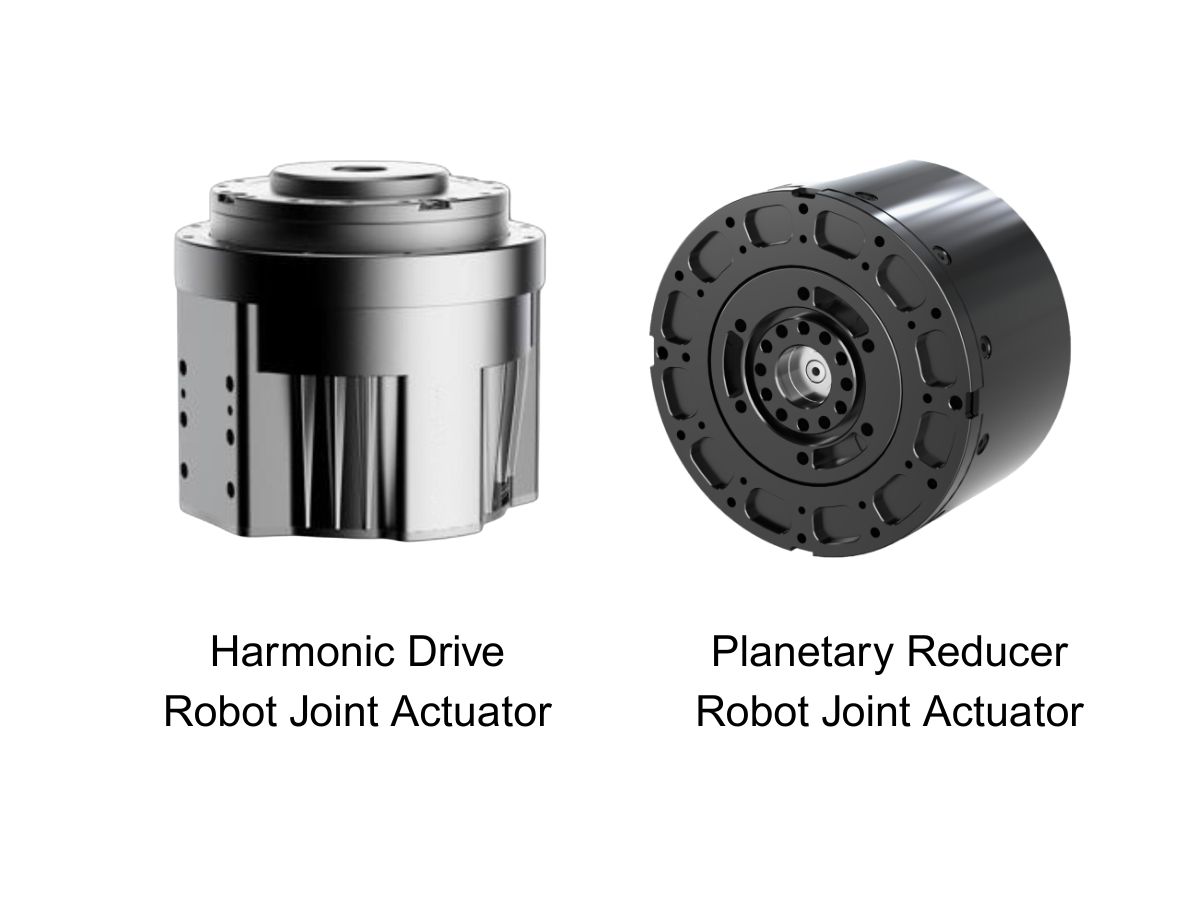
 What is robot joint actuator?How to Choose the Best Robot Rotary Joint Actuator?In core robot joint transmission solutions, planetary and harmonic rotary actuators each have their own strengths. Choosing the right type based on application requirements is essential to achieve the optimal balance between performance and cost.
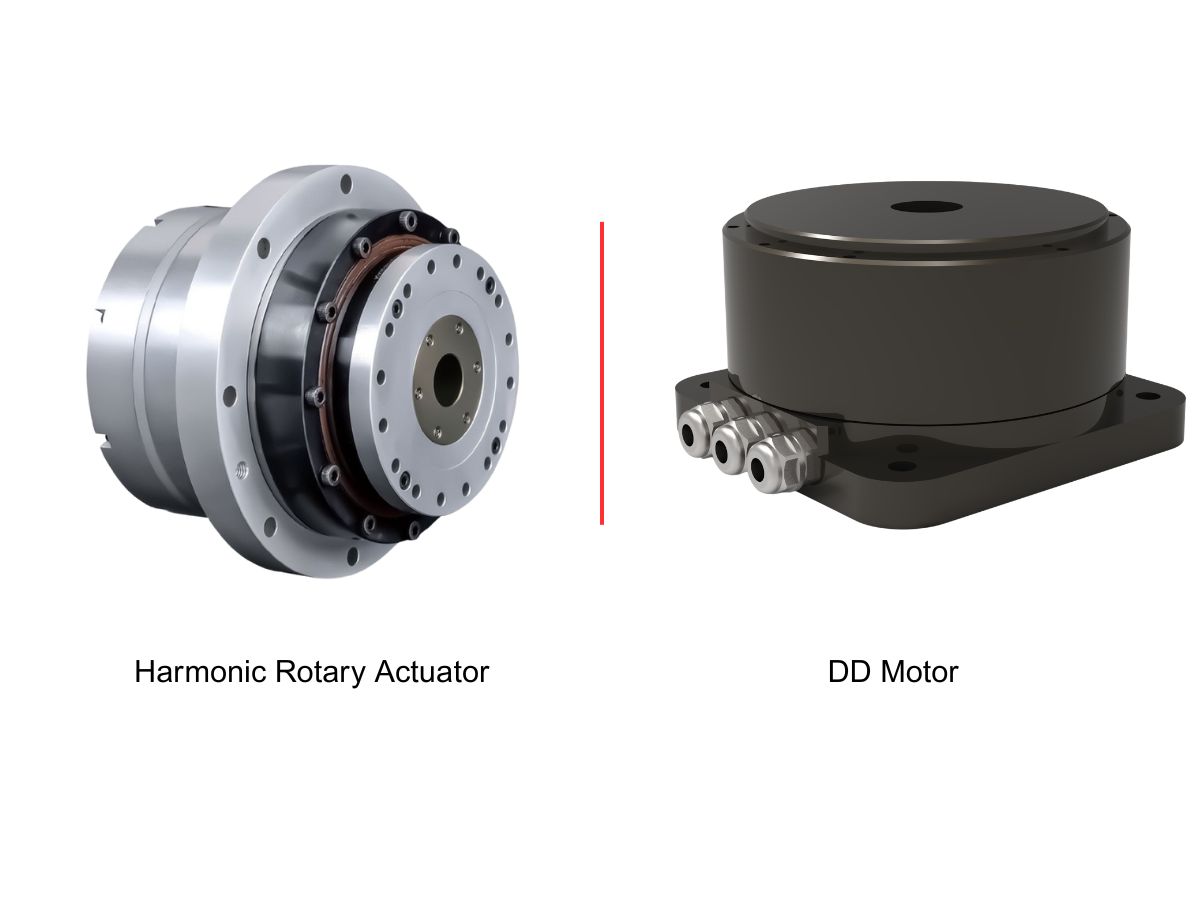
 DD Motors VS Harmonic Rotary ActuatorsThis article provides an in-depth comparison between Direct Drive (DD) motors and harmonic rotary actuators, covering their transmission principles, advantages and disadvantages, and typical application fields.
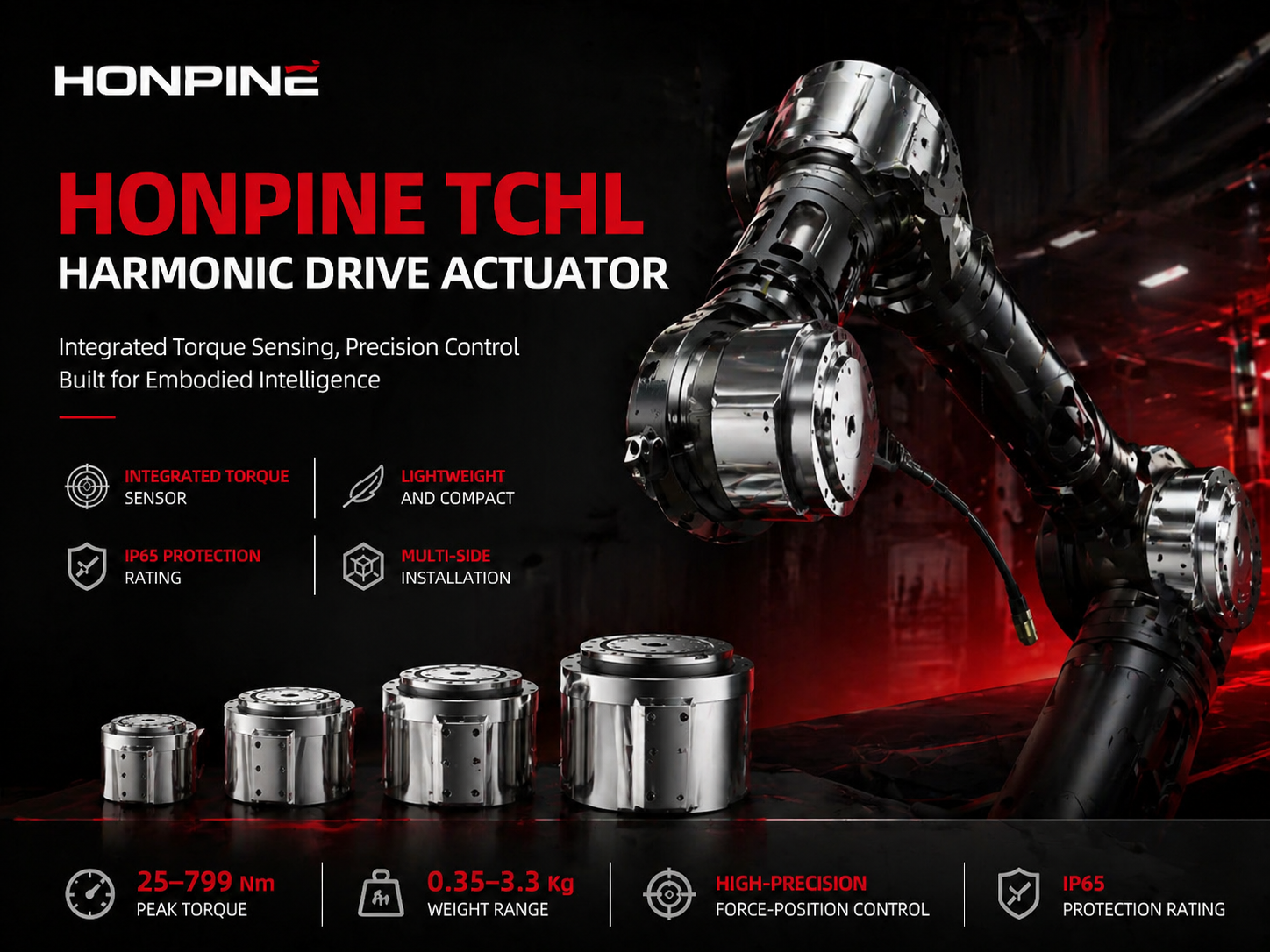
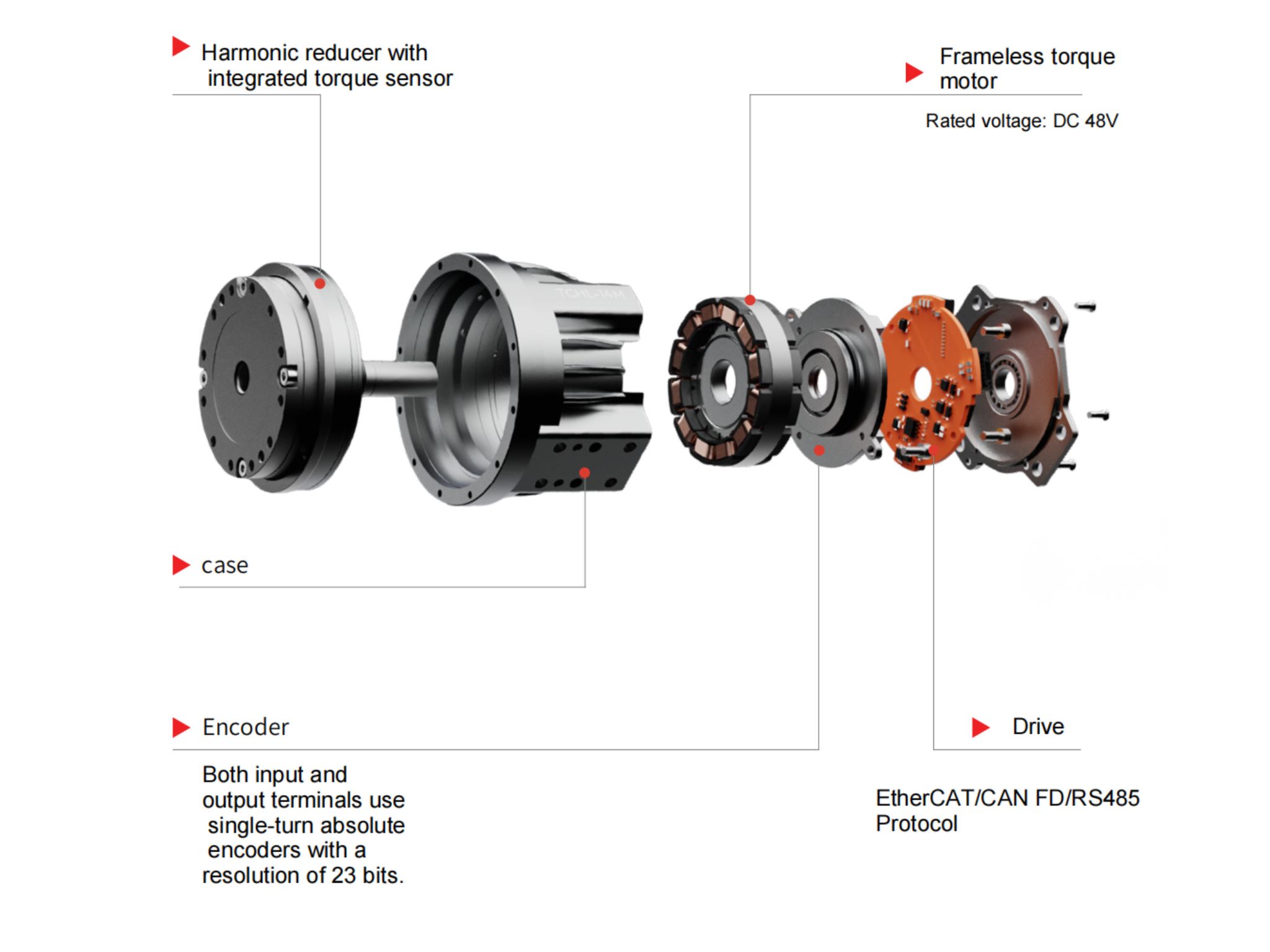
 OMG Ultra Compact Harmonic Drive Joint Module with Built-in Torque SensorHONPINE TCHL series harmonic drive joint module is a game-changing product that achieves disruptive improvements in multiple aspects such as lightweight design, integration level, and connection convenience. This article will analyze its revolutionary enhancements with you.
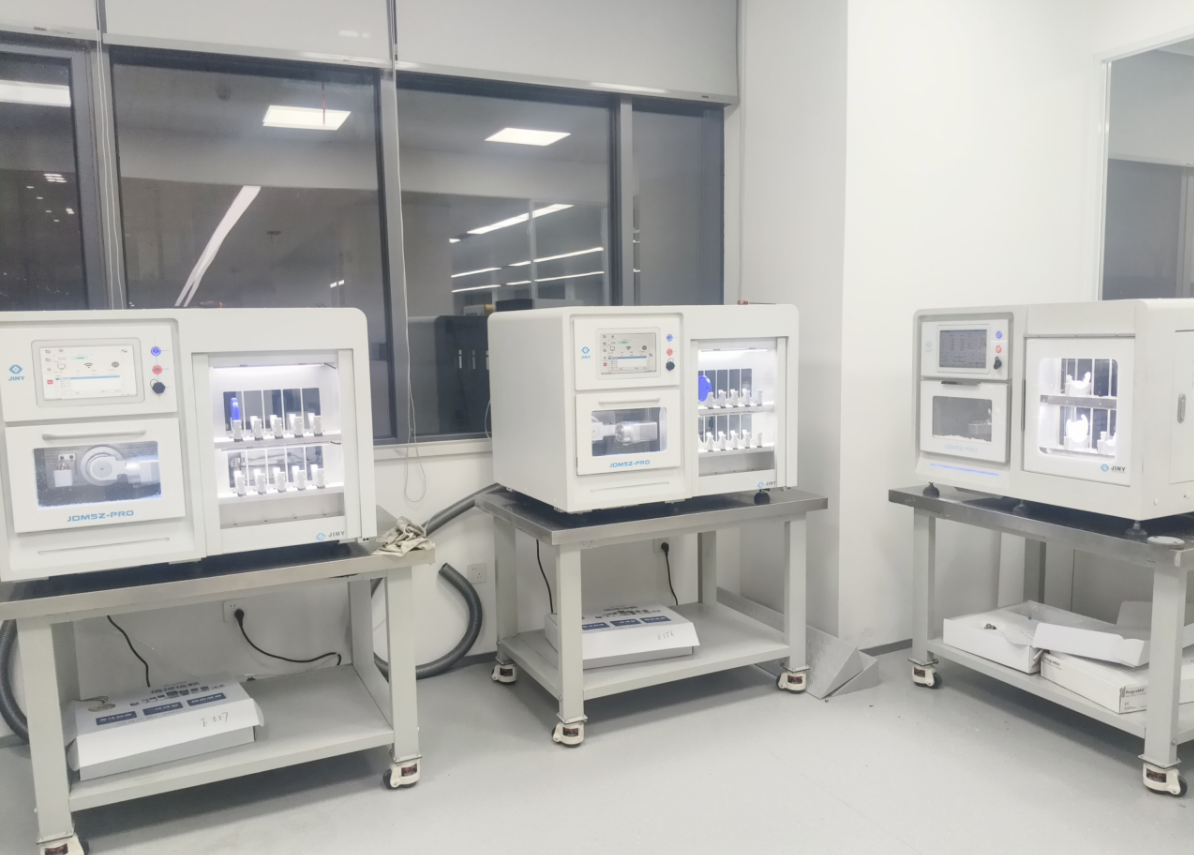
 The Role of Harmonic Drive Gears in Achieving 5–10 μm Accuracy in Dental Milling MachinesA dental milling machine is a CNC machining system used to directly process digital dental models into restorations such as crowns, bridges, veneers, inlays, and implant abutments. Dental milling machines require far higher operational accuracy and motion stability than ordinary equipment. This article explains how harmonic drive gear help dental milling machines achieve stable, continuous, and controllable operation.
 Why Are Harmonic Rotary Actuators Perfect for Medical Equipment?Harmonic rotary actuators (typically integrated systems consisting of a harmonic drive reducer, frameless torque motor, encoder, and optional brake) are regarded as key components in medical equipment. The core reason is that they simultaneously meet the most stringent medical requirements for precision, compact size, safety, and controllability. The following explanation is structured from three perspectives: technical characteristics, application scenarios, and medical value.
 High-Precision RV Reducers Perfectly Matched for Walking RobotsThe walking axis of a robot is a core component for power transmission and support. RV reducers provide extremely high rigidity, precision, and torque while maintaining a compact size and exceptional reliability, making them an ideal match for the demanding requirements of walking robot joints in terms of load capacity, impact resistance, and precision.
![]() Chongqing Xuerui YS3118CNC5 Gear Hobbing Machine Gains SASO Energy Efficiency CertificationYS3118CNC5 gear hobbing machine achieves SASO energy efficiency certification — a key advantage for exporters and Middle East gear manufacturers seeking compliant, high-precision CNC machine tools.
Chongqing Xuerui YS3118CNC5 Gear Hobbing Machine Gains SASO Energy Efficiency CertificationYS3118CNC5 gear hobbing machine achieves SASO energy efficiency certification — a key advantage for exporters and Middle East gear manufacturers seeking compliant, high-precision CNC machine tools.![]() Taizhou Industrial Expo 2026: Laser & Cobots Surge, ODM for Global DistributorsTaizhou Industrial Expo 2026: Laser cutting systems & cobots surge—ODM for global distributors with CE/UKCA + 60-day sea freight.
Taizhou Industrial Expo 2026: Laser & Cobots Surge, ODM for Global DistributorsTaizhou Industrial Expo 2026: Laser cutting systems & cobots surge—ODM for global distributors with CE/UKCA + 60-day sea freight.![]() CIMES 2026 Beijing: 1300+ Global Exhibitors Focus on 5-Axis & 10kW Laser Export ComplianceCIMES 2026 Beijing highlights 5-axis & 10kW laser export compliance — 1300+ global exhibitors showcase certified CNC solutions for EU, GCC & ASEAN markets.
CIMES 2026 Beijing: 1300+ Global Exhibitors Focus on 5-Axis & 10kW Laser Export ComplianceCIMES 2026 Beijing highlights 5-axis & 10kW laser export compliance — 1300+ global exhibitors showcase certified CNC solutions for EU, GCC & ASEAN markets.![]() DMG MORI Halts Five-Axis CNC Supply to Russia & BelarusDMG MORI halts five-axis CNC supply to Russia & Belarus—impact on precision machining, CELOS systems, and alternatives like BYJC GT1200 Pro.
DMG MORI Halts Five-Axis CNC Supply to Russia & BelarusDMG MORI halts five-axis CNC supply to Russia & Belarus—impact on precision machining, CELOS systems, and alternatives like BYJC GT1200 Pro.![]() CCMT2026: Middle East Demand for ATEX/IECEx Five-Axis Machining Centers Surges 370%ATEX/IECEx five-axis machining centers see 370% surge in Middle East demand at CCMT2026 — unlock explosive growth in energy & petrochemical markets.
CCMT2026: Middle East Demand for ATEX/IECEx Five-Axis Machining Centers Surges 370%ATEX/IECEx five-axis machining centers see 370% surge in Middle East demand at CCMT2026 — unlock explosive growth in energy & petrochemical markets.![]() CCMT2026: Middle East Buyers Seek ATEX/IECEx-Certified 5-Axis Machining CentersATEX/IECEx-certified 5-axis machining centers in high demand at CCMT2026—Middle East buyers seek certified solutions for oil & gas infrastructure. Act now!
CCMT2026: Middle East Buyers Seek ATEX/IECEx-Certified 5-Axis Machining CentersATEX/IECEx-certified 5-axis machining centers in high demand at CCMT2026—Middle East buyers seek certified solutions for oil & gas infrastructure. Act now!

Double Click
We provide harmonic drive reducer,planetary reducer,robot joint motor,robot rotary actuators,RV gear reducer,robot end effector,dexterous robot hand
 What is robot joint actuator?How to Choose the Best Robot Rotary Joint Actuator?In core robot joint transmission solutions, planetary and harmonic rotary actuators each have their own strengths. Choosing the right type based on application requirements is essential to achieve the optimal balance between performance and cost.
 DD Motors VS Harmonic Rotary ActuatorsThis article provides an in-depth comparison between Direct Drive (DD) motors and harmonic rotary actuators, covering their transmission principles, advantages and disadvantages, and typical application fields.
 OMG Ultra Compact Harmonic Drive Joint Module with Built-in Torque SensorHONPINE TCHL series harmonic drive joint module is a game-changing product that achieves disruptive improvements in multiple aspects such as lightweight design, integration level, and connection convenience. This article will analyze its revolutionary enhancements with you.
![]() Chongqing Xuerui YS3118CNC5 Gear Hobbing Machine Gains SASO Energy Efficiency CertificationYS3118CNC5 gear hobbing machine achieves SASO energy efficiency certification — a key advantage for exporters and Middle East gear manufacturers seeking compliant, high-precision CNC machine tools.
Chongqing Xuerui YS3118CNC5 Gear Hobbing Machine Gains SASO Energy Efficiency CertificationYS3118CNC5 gear hobbing machine achieves SASO energy efficiency certification — a key advantage for exporters and Middle East gear manufacturers seeking compliant, high-precision CNC machine tools. How HONPINE TCHL Harmonic Drive Actuator Features for Intelligent Robotics Applications?In the era of rapidly advancing embodied intelligence, HONPINE has increased its investment in innovation and launched the new TCHL harmonic drive actuator. This article explores the key performance advantages that enable the HONPINE TCHL harmonic drive actuator to win the trust of robot manufacturers.
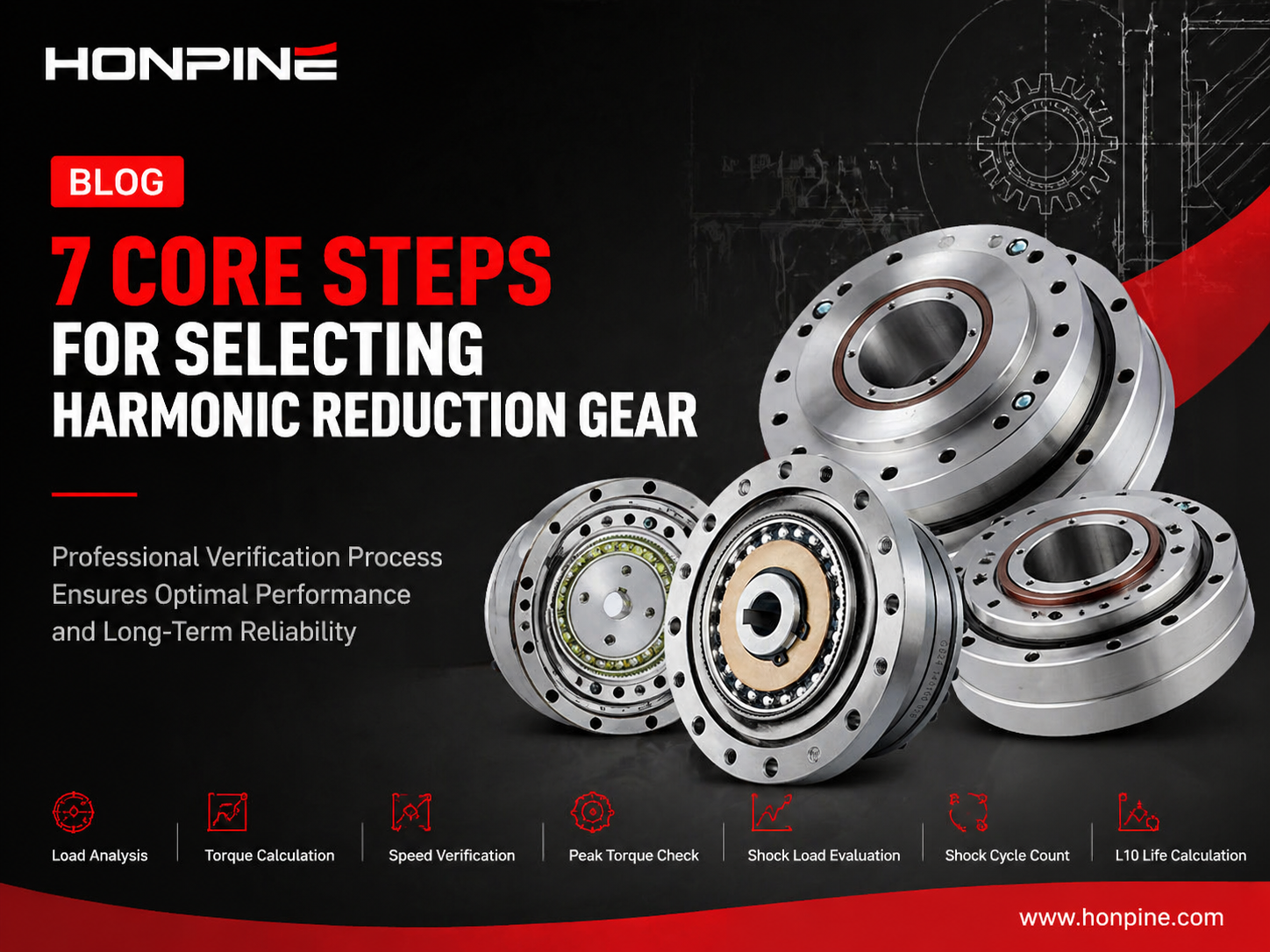
 How to Selection Harmonic Reduction Gear?This article explains how to select harmonic reduction gears based on specific equipment, covering aspects such as average load torque, input speed, start-stop peak torque, comparison of impact torque, permissible number of impact torque cycles, and service life. It concludes with a mention of Honpine's star products, harmonic reduction gears.
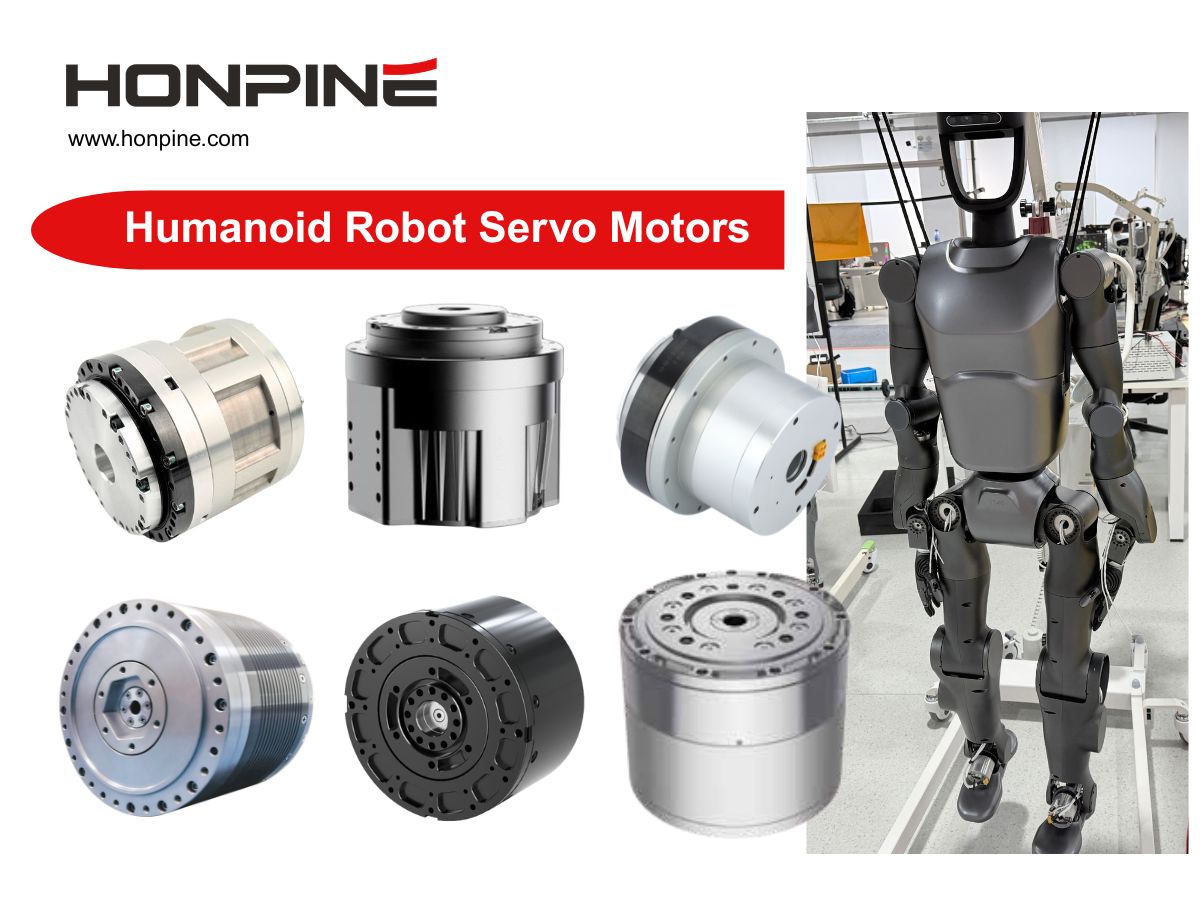
 How to Select Robot Joint Modules for Arms, Torso, Head, and Legs in AGV and Humanoid RobotsRobot AGV platforms, lifting legs, folding legs, torso, head, and dual arms each have different functional requirements. Therefore, different types of harmonic gear joint modules and planetary joint modules should be selected accordingly.
 What is a DD Motor? How to Select a DD Motor?DD motor, full name Direct Drive motor, is a motor that directly drives the load without using reduction devices such as gears, belts or ball screws. Its working principle is based on high torque output, allowing it to be directly connected to the moving equipment, thereby eliminating the need for intermediate connection parts such as fasteners, gearboxes and belts.
 How to choose an RV reducer Gearbox?This article will explain the key selection points, advantages and disadvantages, brands and suppliers, as well as the differences between RV reducer gearboxes and harmonic drives.
 How to Select the New HONPINE HAG Harmonic Drive Robot Joint Actuator?The newly launched HONPINE HAG harmonic drive robot joint actuator has attracted widespread attention since its release in March 2026 due to its outstanding performance parameters. This article will explain how to select the HONPINE HAG harmonic drive robot joint actuator.
 What Are the 9 Hidden Advantages of the HONPINE HAG Harmonic Drive Robot Joint Motor?The HONPINE HAG harmonic drive robot joint motor has quickly attracted strong interest since its launch this year, with many long-term customers already lining up to request samples for testing. Compared to the HPJM series, it features a higher-precision harmonic reducer and offers optional STO (Safe Torque Off) and a torque sensor.
 What Advantages Does the HONPINE 2026 New HAG Harmonic Drive Robot Joint Actuator Offer?The HONPINE HAG harmonic drive robot joint actuator is specially developed for the embodied intelligence field, breaking through the bottlenecks of traditional joint design, achieving both lightweight and high performance; it integrates an internal torque sensor, easily realizing the robot’s force-position hybrid control function, giving the robot better dynamic response and higher transmission accuracy, thereby achieving more flexible grasping capability; comprehensively improving the motion performance and operation quality of embodied intelligent robots.