









ASEAN EMS Orders Lift Harmonic Motor Demand 42%
On July 1, 2026, a concentrated stocking move by major electronics manufacturing clusters in Southeast Asia pointed to a practical shift in procurement and delivery discipline around harmonic joint motors used in precision consumer electronics assembly upgrades. For manufacturers, component suppliers, sourcing teams, and supply chain service providers, the development is worth attention less as a routine demand story and more as a signal that lead-time risk, model-specific sourcing, and documentation readiness may become more important in Q3 execution.

What the reported procurement move confirms
According to Counterpoint Research's ASEAN Electronics Manufacturing Supply Chain Pulse, released on July 4, 2026, electronics manufacturing clusters in Vietnam, Malaysia, and Thailand began concentrated procurement of harmonic joint motors at the end of the second quarter of 2026. The stated application is the upgrade of precision assembly lines for consumer electronics.
The report indicates that third-quarter procurement volume is expected to rise 42% year on year. It also states that demand is strongest for NB/NBR series models and that lead times have broadly extended to 14 weeks.
Where the pressure is likely to show up first
Model-specific sourcing may tighten for assembly-line buyers
From an industry perspective, buyers directly tied to assembly-line upgrades may be affected first because the reported demand concentration is not broad across all categories, but appears strongest in NB/NBR series models. The immediate impact is likely to be felt in supplier allocation, purchase scheduling, and technical file matching for ordered models. What deserves closer attention is whether internal procurement documents, approved vendor lists, and specification alignment are current enough to support ordering within longer lead-time conditions.
Component makers and contract manufacturers face a delivery-control issue
Analysis shows that suppliers and processing manufacturers may see pressure less from a formal regulatory change and more from execution requirements that become stricter when delivery windows stretch. The reported 14-week lead time raises practical issues around production sequencing, order confirmation discipline, and change-control records for model substitutions or revised delivery commitments. Businesses involved in contract manufacturing should pay attention to whether customer purchase terms, quality records, and traceability documents are sufficient if supply timing becomes less flexible.
Trade and supply-chain service providers may need closer document coordination
For logistics coordinators, export-facing service providers, and other supply-chain intermediaries, the impact may appear in scheduling reliability and shipment planning. Observably, when procurement is concentrated across multiple manufacturing clusters at the same time, supporting parties need to watch for tighter coordination around commercial documents, delivery milestones, and receiving requirements. This is particularly relevant where buyers or factories require consistent technical descriptions, part identification, or supporting compliance files before accepting inbound material.
What companies should review now
Check whether technical and compliance files match ordered series
Analysis shows that the strongest reported demand in NB/NBR series makes document accuracy more important. Companies should review whether technical specifications, inspection records, and model references used in procurement and supply documents are aligned with the actual series being ordered. The current information does not confirm any new certification rule, so this should be treated as a compliance-readiness check rather than a confirmed regulatory change.
Revisit purchase timing against extended lead times
What deserves closer attention is the reported extension of lead times to 14 weeks. Buyers, planners, and supplier managers should examine whether Q3 purchase plans, line-upgrade schedules, and delivery commitments still hold under longer replenishment cycles. Where execution depends on tightly timed installation or ramp-up, delayed ordering may create downstream contract or service issues even without any formal rule revision.
Watch for changes in tender language and supplier qualification requests
Observably, concentrated procurement often leads purchasing organizations to tighten how they describe model requirements, supporting materials, and vendor qualification checks. The input information does not provide specific tender or qualification changes, so it would be premature to treat this as an established new rule. Still, companies participating in supply or bidding activity should watch for updated wording in technical requirements, supporting documentation requests, and delivery clauses.
Prepare for after-sales and traceability questions if substitutions emerge
From an industry perspective, longer lead times can increase pressure to consider alternative supply arrangements or model substitutions. If that occurs, businesses should pay closer attention to quality traceability, change records, and after-sales responsibility boundaries. The current report does not state that substitutions are happening, but the delivery extension makes this a practical area to monitor.
Why this looks more like an execution signal than a settled rule change
Analysis shows that the reported procurement wave is better understood at this stage as an execution signal rather than a confirmed new policy framework. The verified facts point to concentrated stocking, stronger demand for certain models, and longer lead times. They do not, on their own, confirm a new regulation, a formal certification revision, or a published trade-rule update.
At the same time, the development still has rule-related relevance. It may influence how procurement teams enforce internal sourcing controls, how suppliers respond to documentation and delivery commitments, and how buyers manage acceptance requirements for incoming material. That is why continued attention to market feedback, purchasing language, and compliance documentation remains warranted.
How the market should read this stage
The reported increase in harmonic joint motor procurement across key Southeast Asian manufacturing clusters carries operational significance because it affects purchasing cadence, model availability, and delivery expectations in a short execution window. A neutral reading is more appropriate than a predictive one: this is a concrete market signal with possible compliance and trade-handling consequences, but not yet proof of a fully defined new external rule regime.
For now, it is more appropriate to understand this as a live supply-chain and procurement development that may shape how companies manage specification alignment, supplier qualification, and delivery control during Q3.
Basis of this article and what still needs verification
This article is generated from the user-provided news title, event date, and event summary. For events of this type, commonly relevant source categories may include official notices, regulator publications, customs or trade authority information, industry association releases, standards organization documents, and reporting by established industry media.
No specific official source link was provided in the input, so any official regulatory basis, certification interpretation, or trade-rule linkage still requires further verification. Observably, the areas that still need continued checking include possible changes in execution guidance, certification expectations, tender documentation, supplier qualification language, industry feedback, and how companies actually implement procurement and delivery adjustments in the market.
Read More
Learn more about the story of HONPINE and industry trends related to precision transmission.
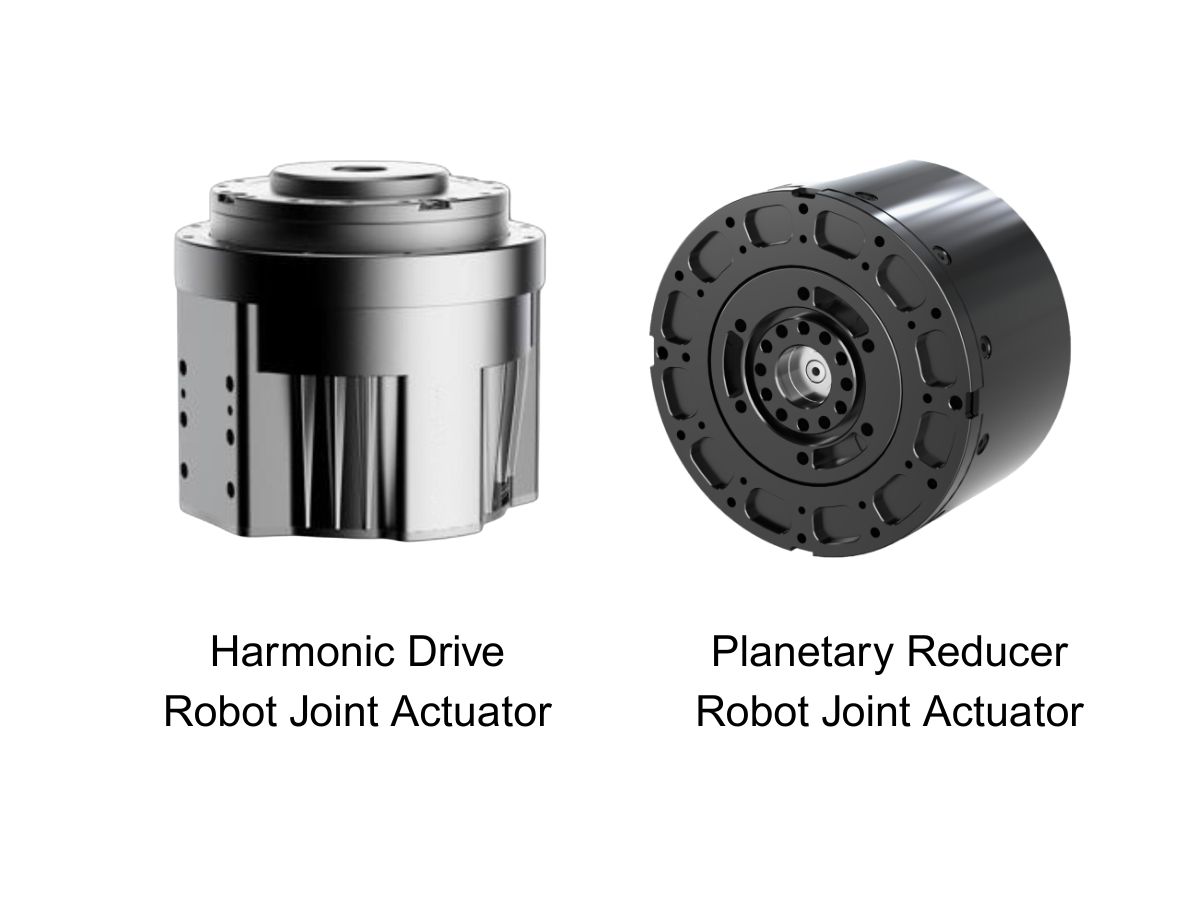
 What is robot joint actuator?How to Choose the Best Robot Rotary Joint Actuator?In core robot joint transmission solutions, planetary and harmonic rotary actuators each have their own strengths. Choosing the right type based on application requirements is essential to achieve the optimal balance between performance and cost.
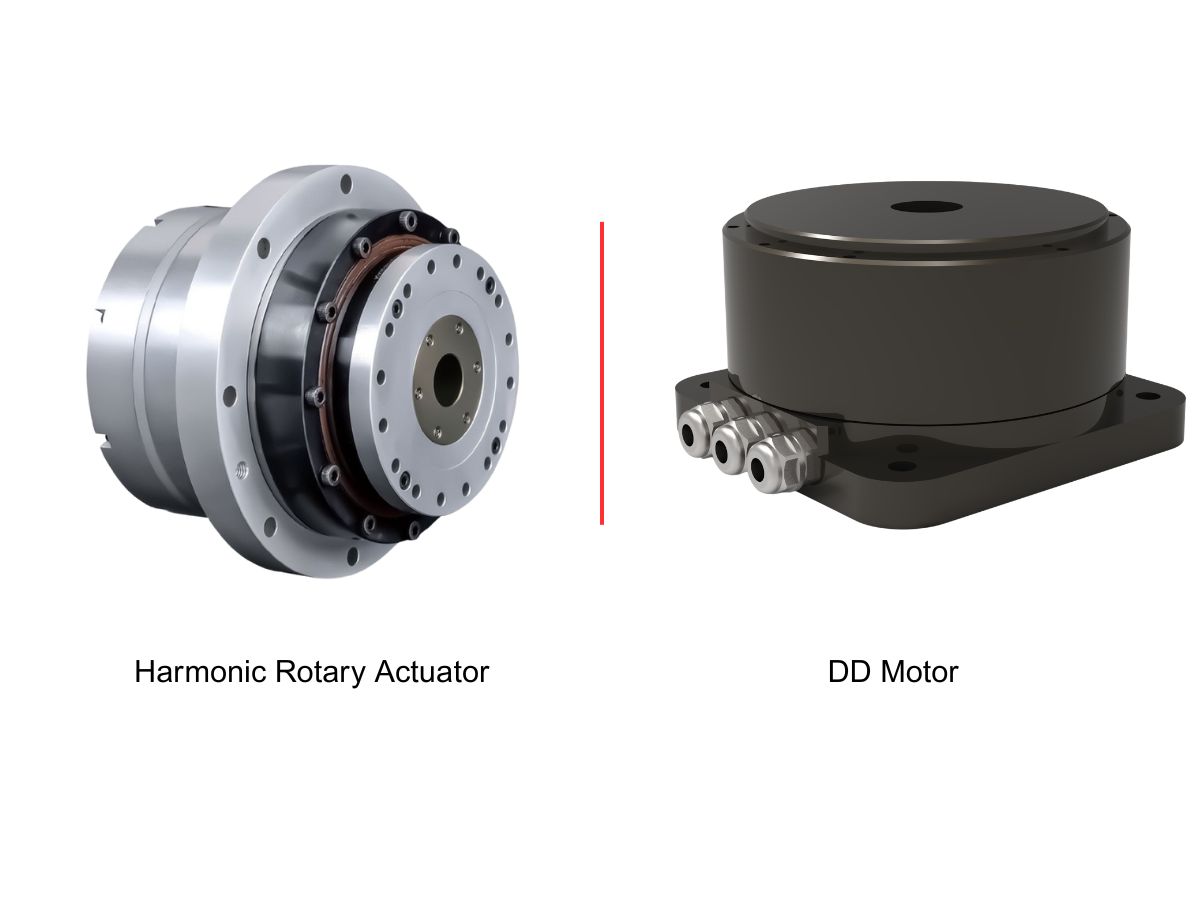
 DD Motors VS Harmonic Rotary ActuatorsThis article provides an in-depth comparison between Direct Drive (DD) motors and harmonic rotary actuators, covering their transmission principles, advantages and disadvantages, and typical application fields.
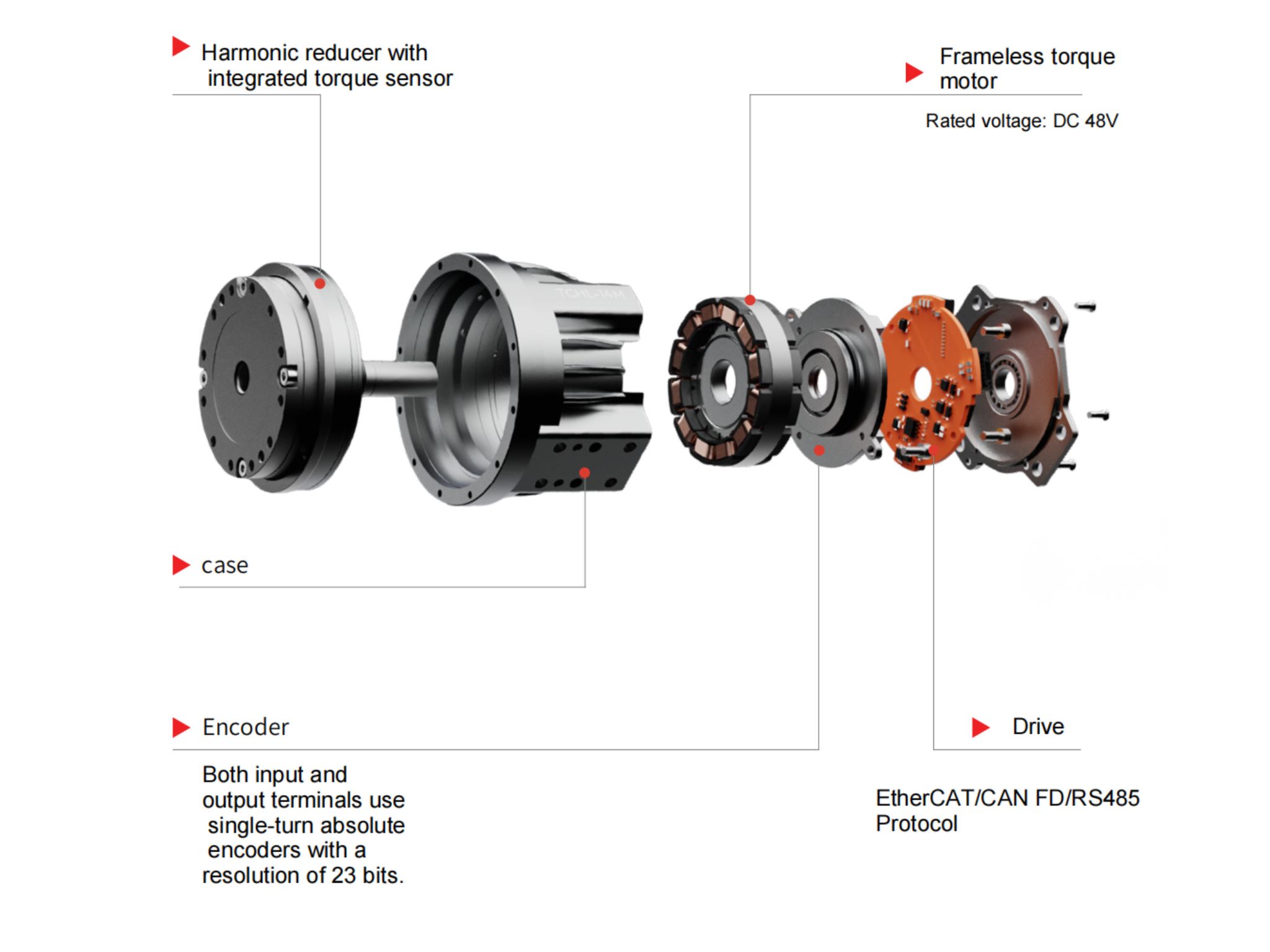
 OMG Ultra Compact Harmonic Drive Joint Module with Built-in Torque SensorHONPINE TCHL series harmonic drive joint module is a game-changing product that achieves disruptive improvements in multiple aspects such as lightweight design, integration level, and connection convenience. This article will analyze its revolutionary enhancements with you.
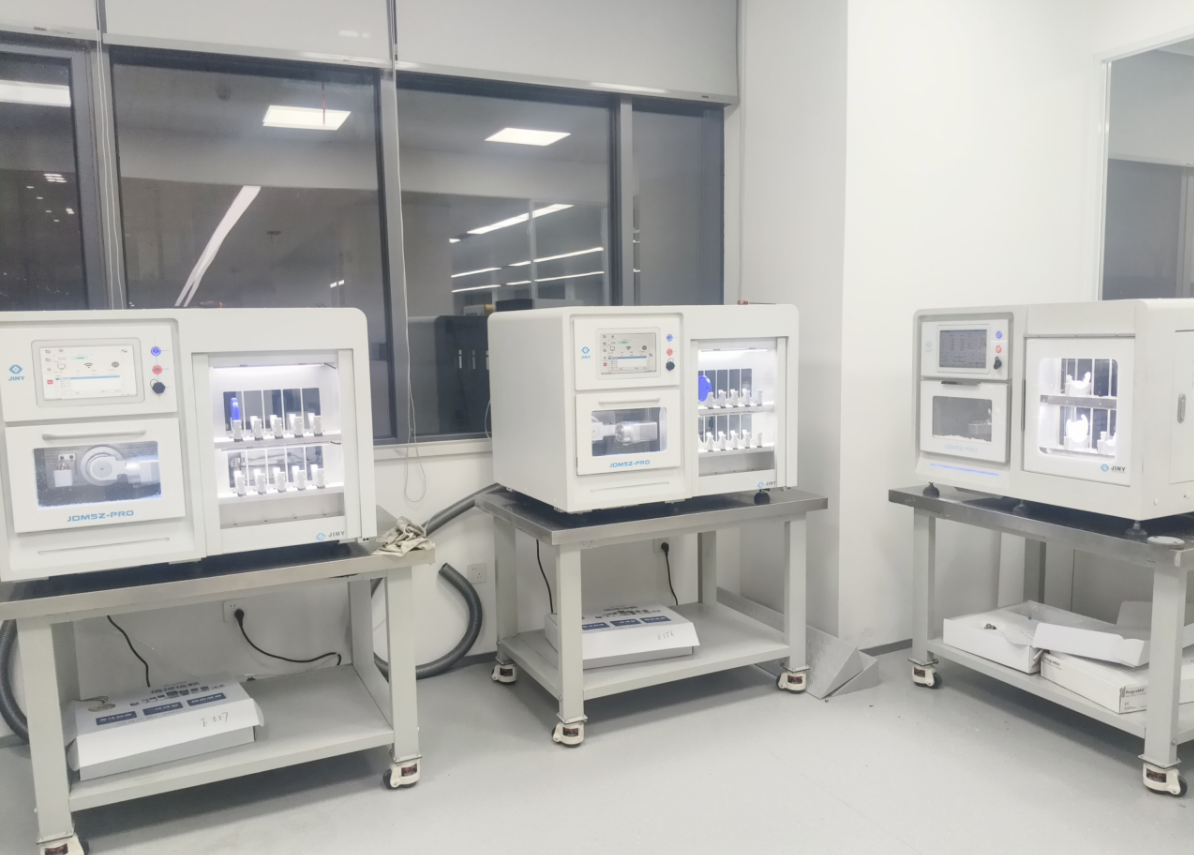
 The Role of Harmonic Drive Gears in Achieving 5–10 μm Accuracy in Dental Milling MachinesA dental milling machine is a CNC machining system used to directly process digital dental models into restorations such as crowns, bridges, veneers, inlays, and implant abutments. Dental milling machines require far higher operational accuracy and motion stability than ordinary equipment. This article explains how harmonic drive gear help dental milling machines achieve stable, continuous, and controllable operation.
 Why Are Harmonic Rotary Actuators Perfect for Medical Equipment?Harmonic rotary actuators (typically integrated systems consisting of a harmonic drive reducer, frameless torque motor, encoder, and optional brake) are regarded as key components in medical equipment. The core reason is that they simultaneously meet the most stringent medical requirements for precision, compact size, safety, and controllability. The following explanation is structured from three perspectives: technical characteristics, application scenarios, and medical value.
 High-Precision RV Reducers Perfectly Matched for Walking RobotsThe walking axis of a robot is a core component for power transmission and support. RV reducers provide extremely high rigidity, precision, and torque while maintaining a compact size and exceptional reliability, making them an ideal match for the demanding requirements of walking robot joints in terms of load capacity, impact resistance, and precision.
 Harmonic Gear Reducer Technology: Working Principle, Manufacturing Barriers, and Industry InsightsGlobally, only a limited number of manufacturers are capable of producing high-precision harmonic gear reducer systems. This article explains how these precision transmission systems work, why they are difficult to manufacture, and HONPINE’s perspective on the global supply chain.
 Why Are Harmonic Drive Reducers the Core Component of Modern Robots?As the core transmission component inside robotic joints, the design, manufacturing quality, and selection of a harmonic drive reducer directly determine a robot's motion accuracy, reliability, and service life. Whether in industrial robots, collaborative robots, or next-generation humanoid robots, harmonic drives have become one of the most critical enabling technologies for high-performance motion control.
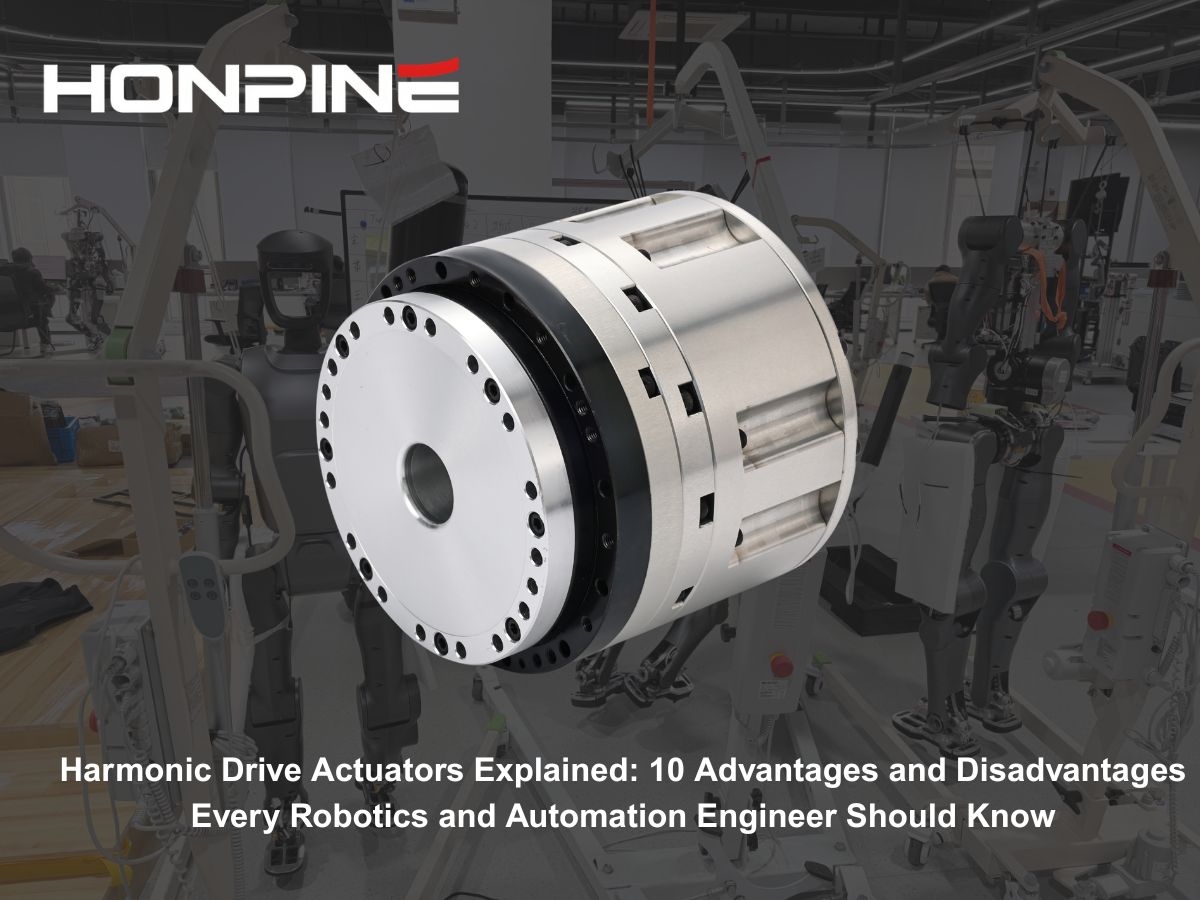
 Harmonic Drive Actuators Explained: 10 Advantages and Disadvantages Every Robotics and Automation Engineer Should KnowWhen selecting a motion control solution, understanding the strengths and limitations of a harmonic rotary actuator is essential. While these actuators are widely recognized for their exceptional precision and compact design, they also have inherent limitations that make them unsuitable for certain heavy-duty applications.
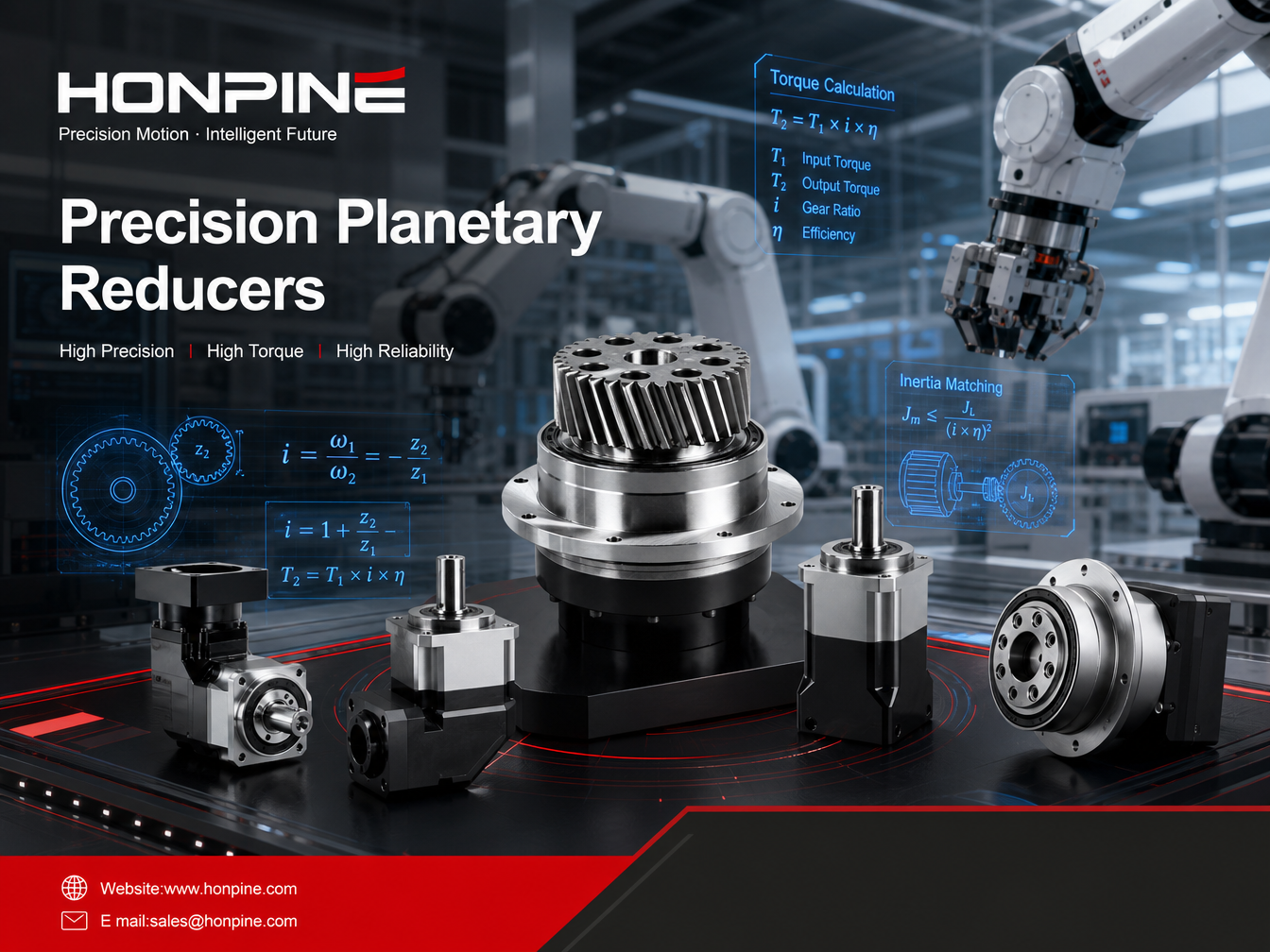
This guide provides a comprehensive overview of the advantages and disadvantages of harmonic actuators, helping engineers choose the right transmission solution based on their specific application requirements. Precision Planetary Reducer Selection Guide: Practical Methods for Gear Ratio, Torque, and Inertia MatchingSelecting the right precision planetary reducer is one of the most important steps in designing a high-performance motion control system. With numerous technical parameters to consider, the selection process can appear complicated. In practice, however, three core factors determine the optimal solution: gear ratio, output torque, and inertia matching.
 Automate 2026 Sends a New Signal: Humanoid Robots Enter the Era of AccountabilityAUTOMATE is the leading industrial automation and robotics exhibition in North America. Organized by the Association for Advancing Automation (A3), it is widely recognized as a global benchmark event in the automation industry.
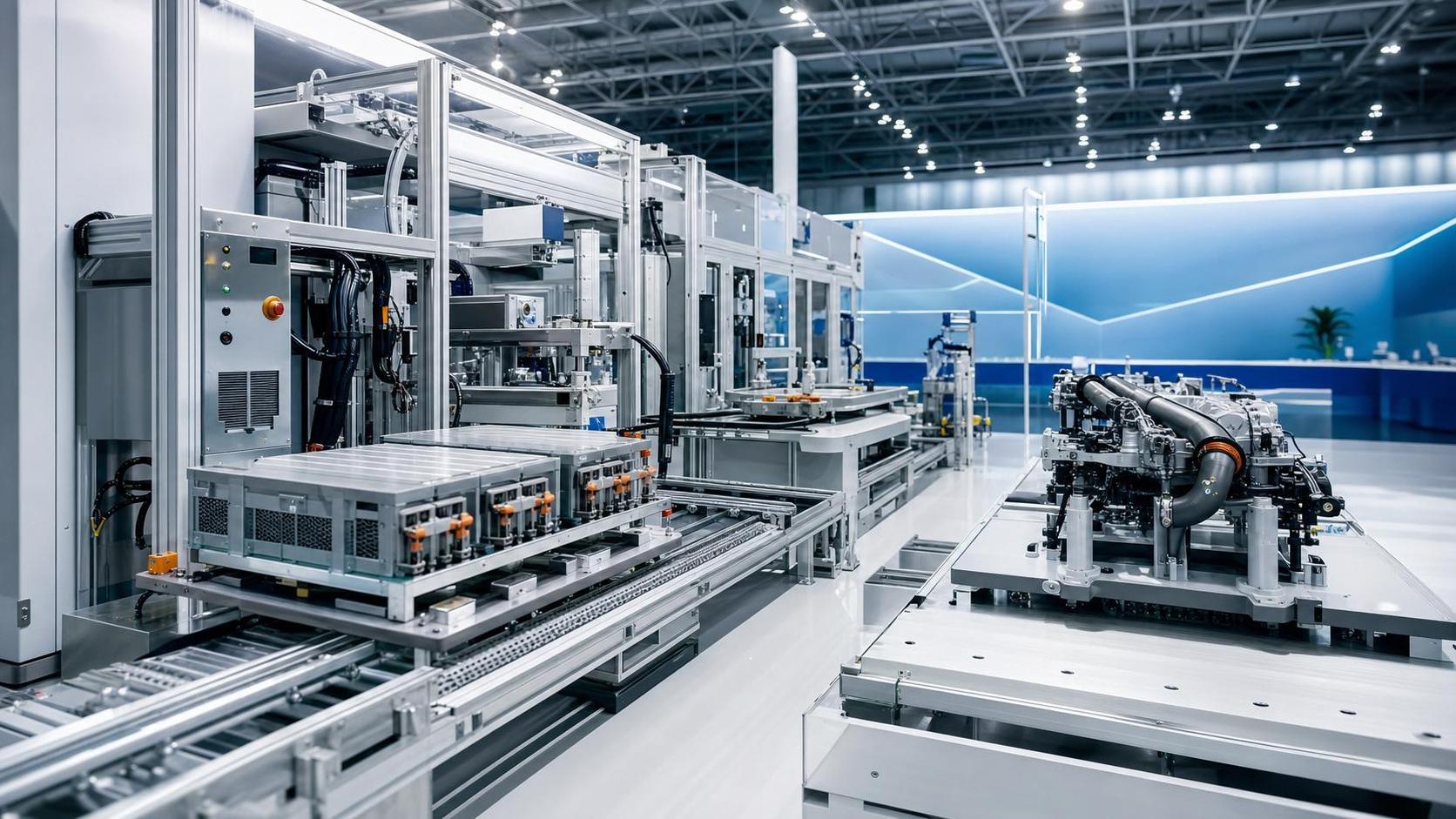
 Thailand Industrial Show Opens With Smart Manufacturing FocusAutomation production line insights from the Thailand Industrial Show: explore smart manufacturing trends, energy storage EOL testing, and automotive module assembly opportunities in Southeast Asia.

Double Click
We provide harmonic drive reducer,planetary reducer,robot joint motor,robot rotary actuators,RV gear reducer,robot end effector,dexterous robot hand
 ASEAN EMS Orders Lift Harmonic Motor Demand 42%Harmonic motor demand jumps 42% as ASEAN EMS orders surge. Discover how longer 14-week lead times and NB/NBR sourcing pressure could reshape Q3 procurement and delivery plans.
 Planetary Gearbox NB180-3~10-S1-P1Industrial planetary gearbox optimized for vertical input-output alignment. Helical and bevel gear design provides superior speed reduction, quiet performance and low maintenance.
 Planetary Gearbox NB142-3~10-S1-P1Reliable planetary gearbox with perpendicular shaft configuration. Supports heavy loads while maintaining high efficiency and consistent accuracy in demanding automation tasks.
 Planetary Gearbox NB115-3~10-S1-P1Square flange planetary gearbox engineered for tight mounting spaces. Multi-stage gearing ensures high torque output, low noise operation, and long service life in industrial machinery.
 Planetary Gearbox NB090A-15~100-S1-P1High-precision planetary gearbox featuring 90-degree shaft layout and low backlash. Ideal for servo motion control, offering smooth power transmission and durable performance.
 Planetary Gearbox NB060-3~10-S1-P1