









Khorgos Rail Clearance Cuts Time for Machinery
Image distribution plan: No image placeholders are required for this article.
On June 1, 2026, China State Railway Group reported that the Khorgos railway port has fully activated an intelligent release system, reducing customs clearance time for complete large machine tools and other high-value cargo to within 30 minutes. The update is especially relevant to high-value equipment exporters, manufacturing plants, exhibition logistics teams, and cross-border supply chain service providers because it links faster port clearance with the China-Europe Railway Express and local consolidation model.
Event Overview
According to information released by China State Railway Group on June 1, 2026, the Khorgos railway port has fully put an intelligent release system into operation. For complete large machine tools and similar high-value goods, the reported customs clearance time has been shortened to within 30 minutes.
The same information states that, when combined with the “China-Europe Railway Express plus local consolidation” model, goods can be collected from factories in the Yangtze River Delta or Pearl River Delta and arrive at the INNOPROM exhibition venue in Yekaterinburg within seven calendar days. The reported transport time is significantly shorter than sea freight, stated as 35 to 45 days, while air freight is described as costing more than three times as much.
Which Segments May Be Affected
High-Value Equipment Exporters
High-value equipment exporters are directly affected because the reported improvement applies to complete large machine tools, a category where delivery certainty and cargo integrity are often important to transaction execution. From an industry perspective, a customs clearance window of within 30 minutes may reduce uncertainty at the port stage for companies arranging cross-border delivery of complete machines.
The main impact is not only faster clearance, but also a potentially tighter link between factory pickup, railway departure, and overseas arrival planning. Analysis shows that exporters handling large equipment may need to reassess how they arrange delivery commitments, exhibition schedules, and client communication when rail-based timing becomes more competitive than traditional alternatives mentioned in the report.
Manufacturing Plants in the Yangtze River Delta and Pearl River Delta
Manufacturing plants in the Yangtze River Delta and Pearl River Delta are specifically relevant because the reported model refers to pickup from factories in these two regions. Observably, this makes the development more connected to production-side shipment planning rather than only port-side operations.
The impact may appear in the timing between final production, packaging, factory handover, and rail loading. For complete large machine tools, the ability to move from factory pickup to overseas exhibition arrival within seven calendar days, as reported, may influence how manufacturers plan delivery windows for overseas display, customer acceptance, or market-facing activities.
Exhibition and Overseas Market Teams
The reference to arrival at the INNOPROM exhibition venue in Yekaterinburg makes exhibition logistics and overseas market teams another affected group. For companies sending complete machinery to overseas events, schedule reliability can determine whether equipment arrives in time for installation, display, or customer demonstrations.
It is more appropriate to understand this as a logistics timing signal for event-linked shipments rather than a general guarantee for all cargo flows. Companies connected to similar exhibition or market-entry projects should pay attention to whether the same operating model, route arrangement, and cargo category conditions are available for their own shipments.
Cross-Border Logistics and Supply Chain Service Providers
Supply chain service providers are affected because the reported improvement combines port clearance efficiency with the “China-Europe Railway Express plus local consolidation” model. The point currently worth greater attention is how service providers coordinate factory pickup, consolidation, rail departure, customs clearance, and destination delivery as one continuous process.
The impact is likely to be reflected in service design and customer communication. Providers may need to explain clearly which cargo categories, origin regions, destination points, and timing assumptions correspond to the reported seven-calendar-day route, and which parts still require case-by-case confirmation.
What Companies and Practitioners Should Watch and How to Respond
Track Follow-Up Official Information
Companies should continue monitoring official statements from railway and port-related authorities on the intelligent release system at Khorgos. The confirmed information already states that the system has been fully enabled and that clearance for complete large machine tools has been shortened to within 30 minutes.
Analysis shows that the practical value for enterprises will depend on how consistently this clearance efficiency applies to specific shipments, documentation conditions, and operating schedules. Businesses should avoid assuming that every cargo category or every rail service will automatically match the reported timing.
Focus on Eligible Cargo Categories and Business Scenarios
The reported cargo focus is complete large machine tools and other high-value goods. Enterprises should first assess whether their products match the shipment characteristics described in the information, especially if they are planning exports of complete equipment rather than ordinary bulk goods or unrelated cargo types.
From an industry perspective, the most relevant business scenarios include time-sensitive equipment delivery, exhibition-related machinery transport, and high-value industrial cargo where air freight cost is difficult to justify and sea freight timing is too long for the project schedule.
Separate Policy Signal from Operational Execution
The announcement indicates a clear improvement in clearance efficiency at the Khorgos railway port, but companies still need to distinguish the reported port-side capability from end-to-end execution in their own supply chains. Factory readiness, documentation, consolidation timing, rail loading, and destination arrangements may all affect the actual delivery result.
Observably, the reported “next-day loading and seven-day arrival” model is most meaningful when upstream factory pickup and downstream event-site delivery are coordinated closely. Companies should verify service scope, timing cutoffs, and handover responsibilities before adjusting delivery promises to overseas customers.
Prepare Shipment Plans Earlier for Exhibition and Client Delivery
For companies considering shipments to Yekaterinburg or event-linked destinations, current preparation should focus on practical scheduling. This includes confirming factory pickup time, packaging readiness for complete machines, documentation requirements, and whether the selected logistics route uses the China-Europe Railway Express plus local consolidation model described in the report.
The point currently worth greater attention is not simply that rail transport may be faster, but that shorter transit time can compress the entire preparation cycle. Enterprises should ensure internal production, quality inspection, customs documentation, and client communication are aligned before relying on the reported transport window.
Editor’s View / Industry Observation
Analysis shows that this development is more than a routine port efficiency update because it connects intelligent customs release with a specific rail logistics model for high-value industrial equipment. For machinery exporters and manufacturing enterprises, the key industry implication is the potential narrowing of the gap between cost-sensitive rail transport and time-sensitive air freight for certain cargo scenarios.
It is more appropriate to understand this as both an operational result and a market signal. The reported clearance time of within 30 minutes and the seven-calendar-day factory-to-venue route are concrete published details. However, broader application across more cargo categories, destinations, and business models still requires continued observation.
From an industry perspective, companies should pay attention because rail-based cross-border logistics may become more relevant for complete equipment shipments that require faster delivery than sea freight but cannot absorb the cost level associated with air freight. The practical significance will depend on route availability, shipment eligibility, and execution stability.
Conclusion
The reported launch of the intelligent release system at the Khorgos railway port gives high-value equipment exporters, machinery manufacturers, exhibition logistics teams, and supply chain service providers a concrete development to monitor. Its industry significance lies in the combination of faster clearance and a rail-plus-consolidation model that may support shorter delivery cycles for complete large machine tools.
A neutral reading is that this information should not be treated as a universal logistics guarantee. Current conditions are better understood as a targeted improvement for specific high-value cargo and specific rail-linked scenarios. Companies should respond by verifying cargo eligibility, route details, documentation readiness, and end-to-end execution requirements before changing commercial commitments.
Information Source Statement
Main source: China State Railway Group, information reported on June 1, 2026.
Items for continued observation: The consistency of the within-30-minute clearance performance, the scope of cargo categories covered, the availability of the China-Europe Railway Express plus local consolidation model for different origins and destinations, and the practical application of the reported seven-calendar-day delivery window.
Read More
Learn more about the story of HONPINE and industry trends related to precision transmission.
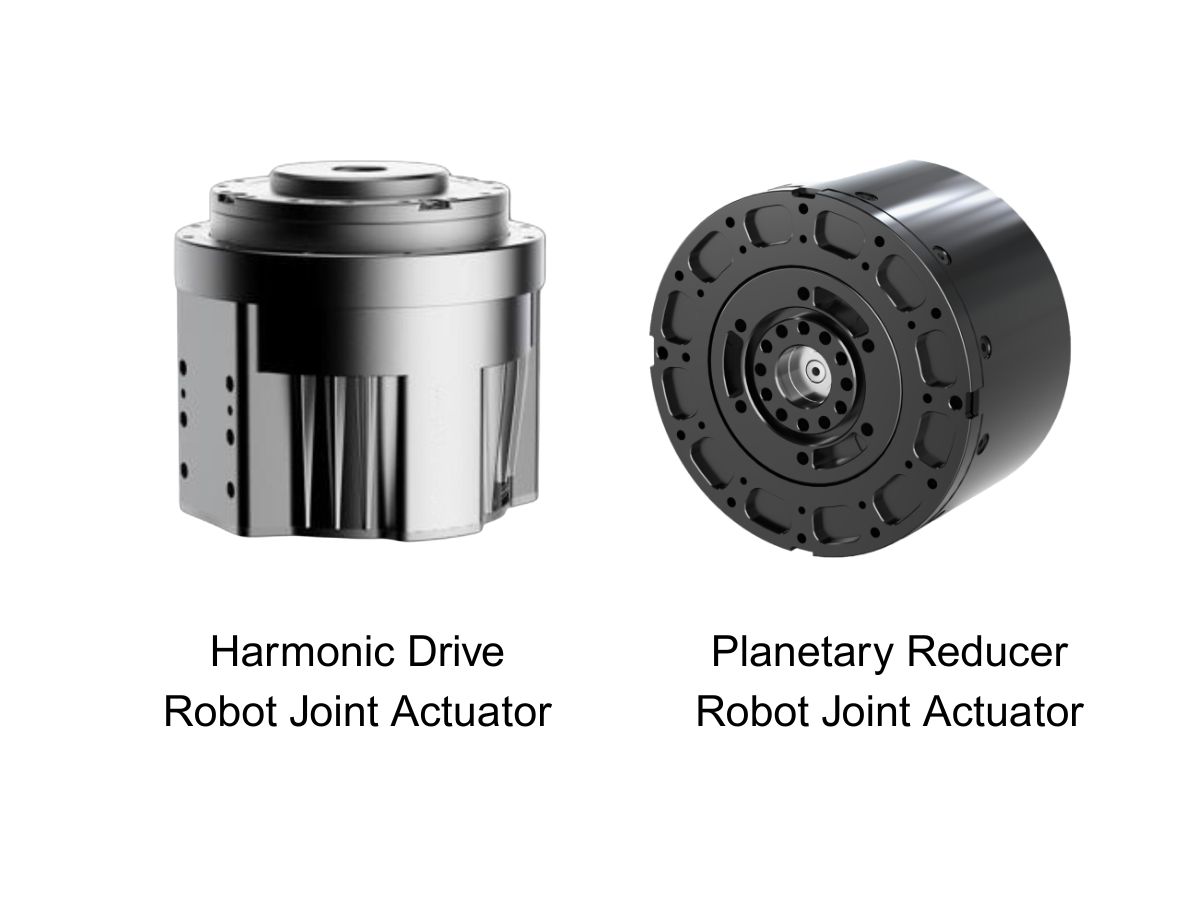
 What is robot joint actuator?How to Choose the Best Robot Rotary Joint Actuator?In core robot joint transmission solutions, planetary and harmonic rotary actuators each have their own strengths. Choosing the right type based on application requirements is essential to achieve the optimal balance between performance and cost.
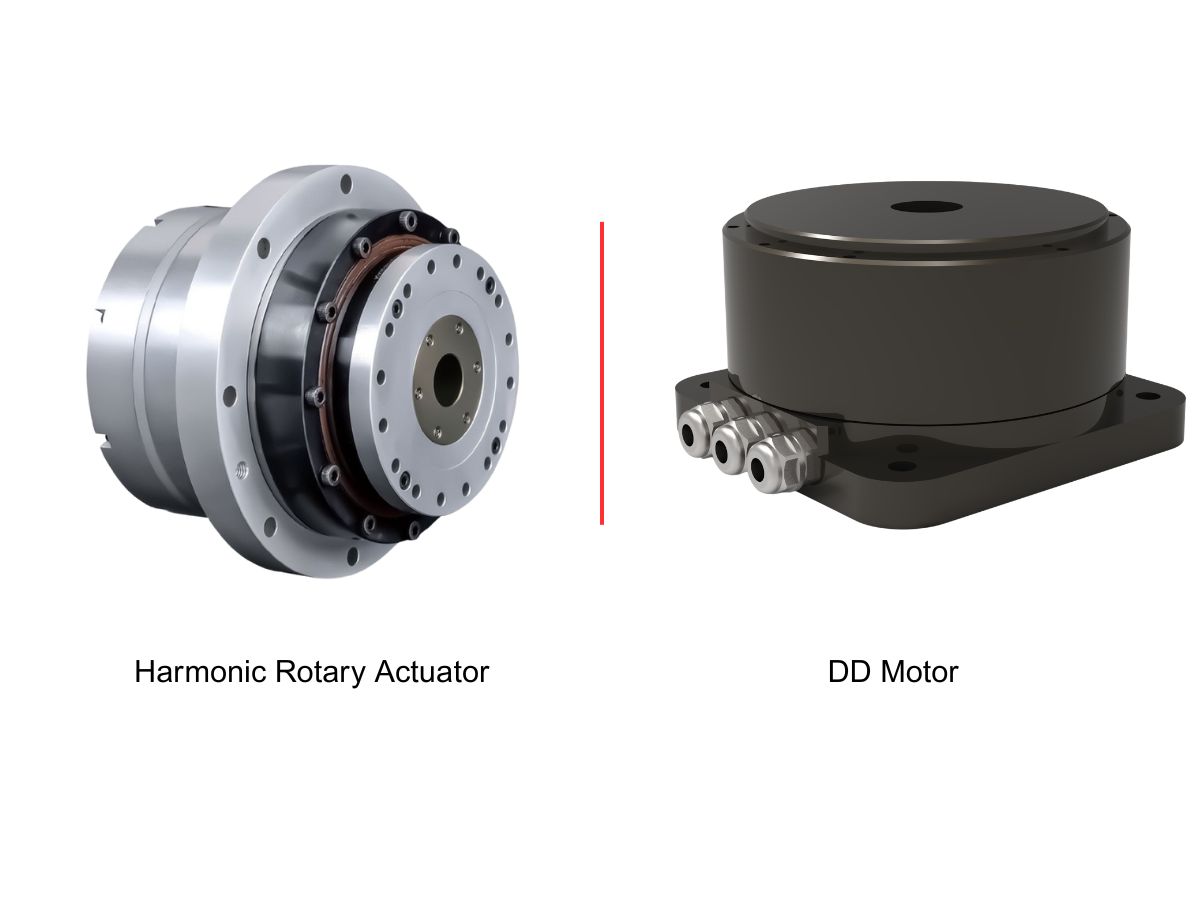
 DD Motors VS Harmonic Rotary ActuatorsThis article provides an in-depth comparison between Direct Drive (DD) motors and harmonic rotary actuators, covering their transmission principles, advantages and disadvantages, and typical application fields.
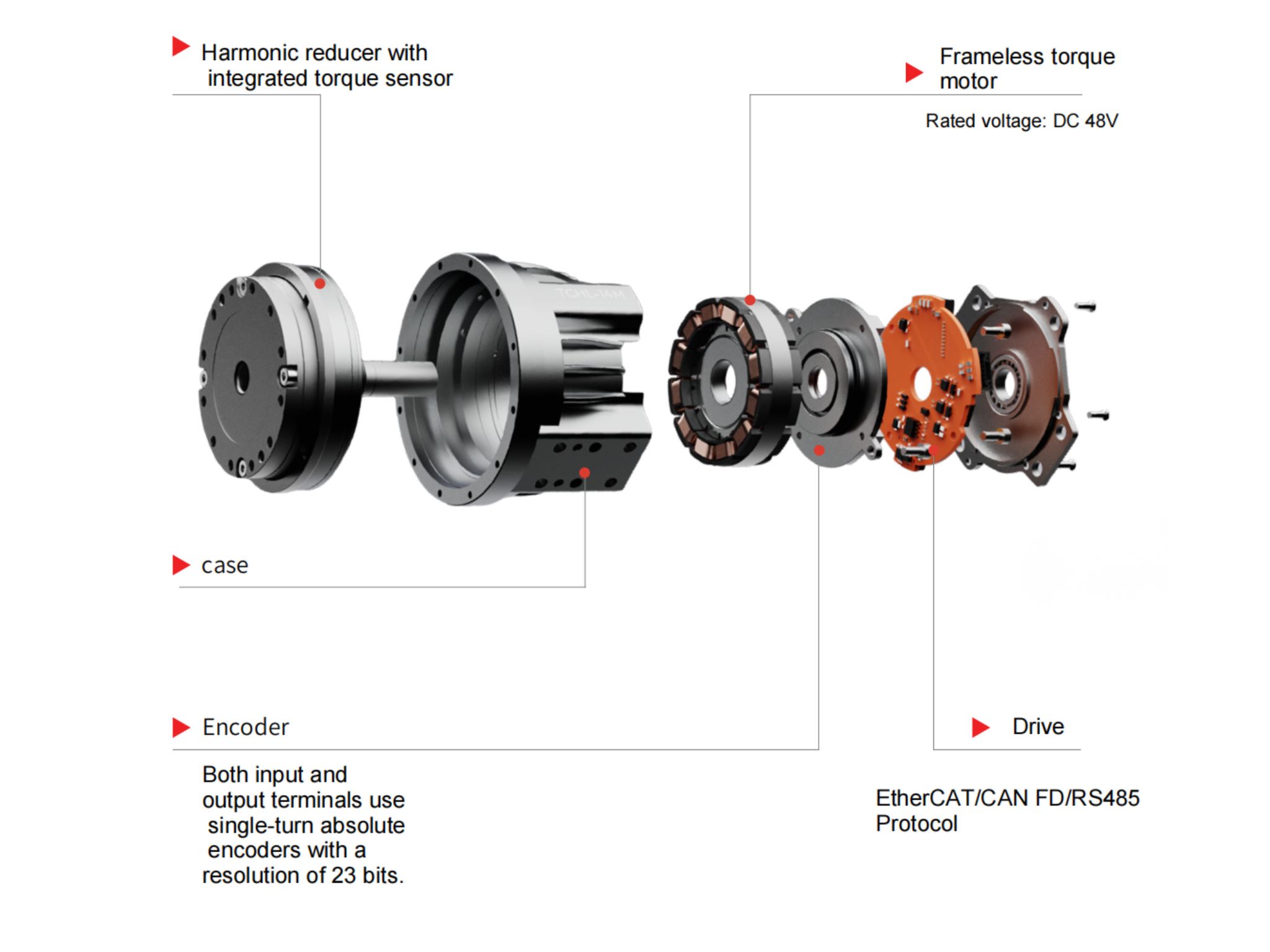
 OMG Ultra Compact Harmonic Drive Joint Module with Built-in Torque SensorHONPINE TCHL series harmonic drive joint module is a game-changing product that achieves disruptive improvements in multiple aspects such as lightweight design, integration level, and connection convenience. This article will analyze its revolutionary enhancements with you.
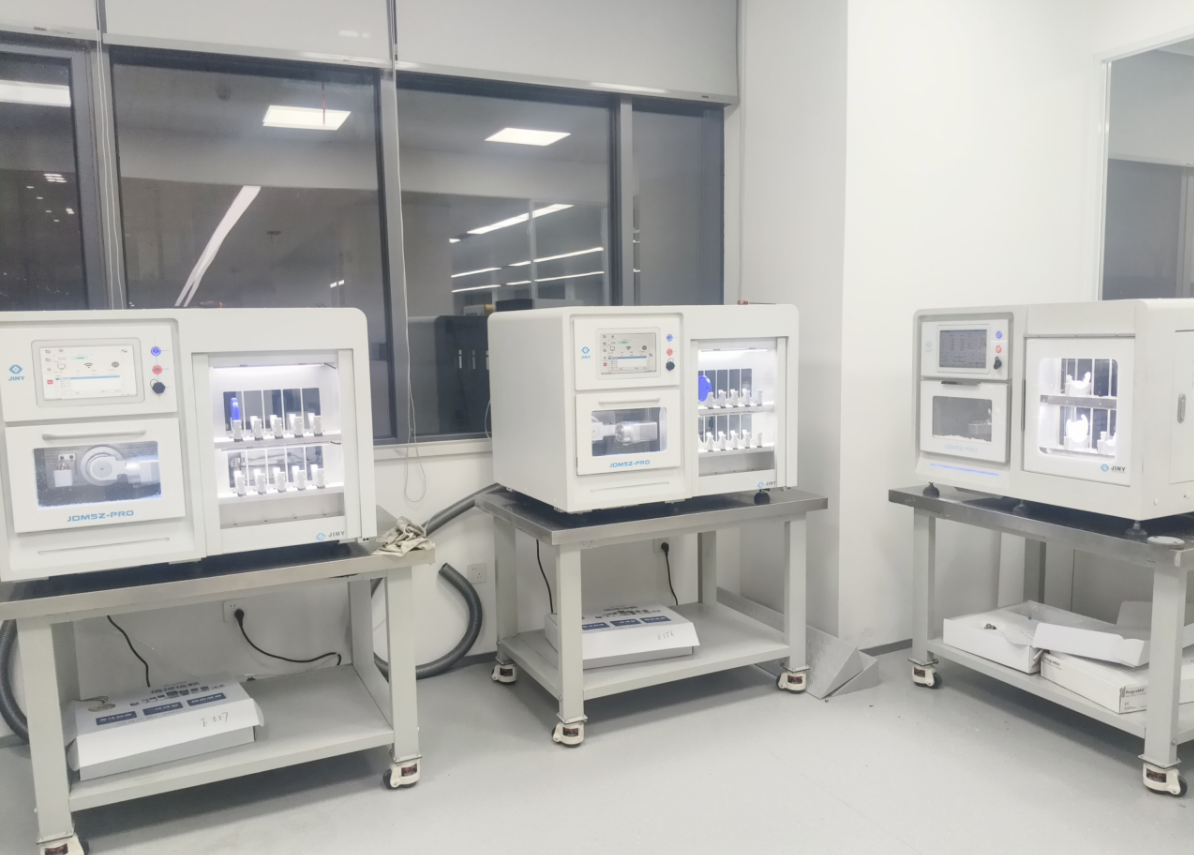
 The Role of Harmonic Drive Gears in Achieving 5–10 μm Accuracy in Dental Milling MachinesA dental milling machine is a CNC machining system used to directly process digital dental models into restorations such as crowns, bridges, veneers, inlays, and implant abutments. Dental milling machines require far higher operational accuracy and motion stability than ordinary equipment. This article explains how harmonic drive gear help dental milling machines achieve stable, continuous, and controllable operation.
 Why Are Harmonic Rotary Actuators Perfect for Medical Equipment?Harmonic rotary actuators (typically integrated systems consisting of a harmonic drive reducer, frameless torque motor, encoder, and optional brake) are regarded as key components in medical equipment. The core reason is that they simultaneously meet the most stringent medical requirements for precision, compact size, safety, and controllability. The following explanation is structured from three perspectives: technical characteristics, application scenarios, and medical value.
 High-Precision RV Reducers Perfectly Matched for Walking RobotsThe walking axis of a robot is a core component for power transmission and support. RV reducers provide extremely high rigidity, precision, and torque while maintaining a compact size and exceptional reliability, making them an ideal match for the demanding requirements of walking robot joints in terms of load capacity, impact resistance, and precision.
 Why Are Harmonic Reducers Suitable for High-Precision Automation Equipment?Precision automation equipment depends on consistent rotary motion, reliable positioning and compact transmission design. From dispensing head orientation and component angular alignment to automated inspection indexing, harmonic reducers offer a practical solution for applications requiring low backlash and high reduction ratios in limited installation space. This article explains how harmonic reducers support repeatable motion, compares key design configurations, and outlines how to select a suitable reduction ratio and reducer structure based on load, speed, accuracy and machine cycle-time requirements.
 Why Are Servo Motors and Gear Reducers an Ideal Match?Servo motors provide fast, precise motion control, while gear reducers adapt their speed and torque to the load. This guide explains how servo motors and gear reducers work together through torque multiplication, reflected inertia reduction and finer theoretical position resolution. Learn how inertia matching, backlash, torsional stiffness and reduction ratio influence performance in robotics and industrial automation.
 How to Select and Use Robotic Joint Modules?How do you take robotic joint modules from selection to controlled motion? Using the HONPINE HPJM harmonic joint module as an example, Technical Director Theodore Li explains the key steps in mechanical installation, electrical wiring, CAN and EtherCAT configuration, and control commissioning. Learn what to confirm before integration and how to approach setup so each joint can respond correctly to your controller.
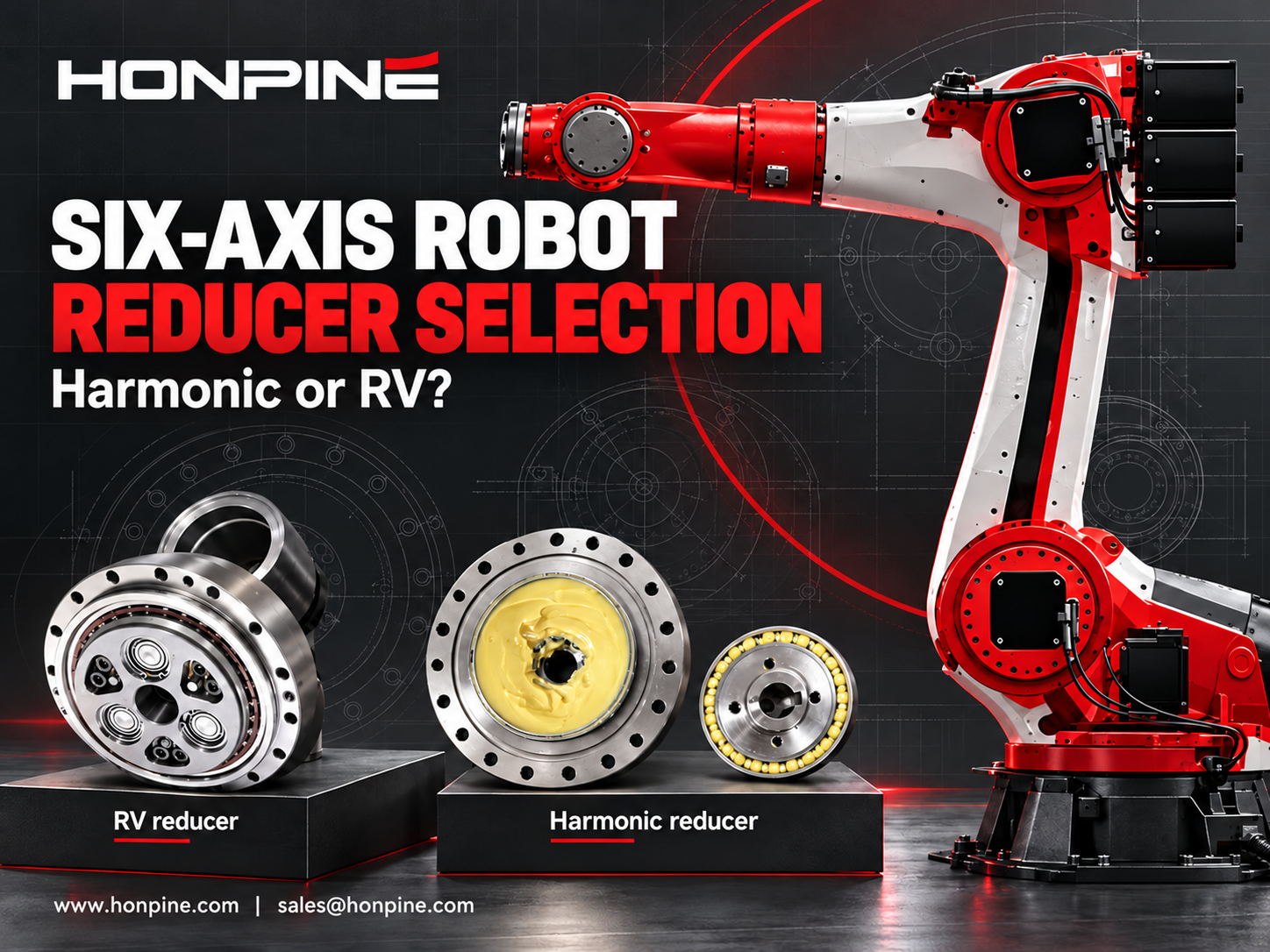
 How to Select Harmonic and RV Reducers for Each Axis of a Six-Axis Robot?What determines whether a six-axis robot joint needs a harmonic reducer or an RV reducer? The answer depends on torque, inertia, impact loads, bearing loads and installation space. This guide explains how to evaluate harmonic and RV reducers for the base, shoulder, elbow and wrist, with practical checks for stiffness, backlash and service life. Use the requirements of each axis to select a suitable reducer configuration.
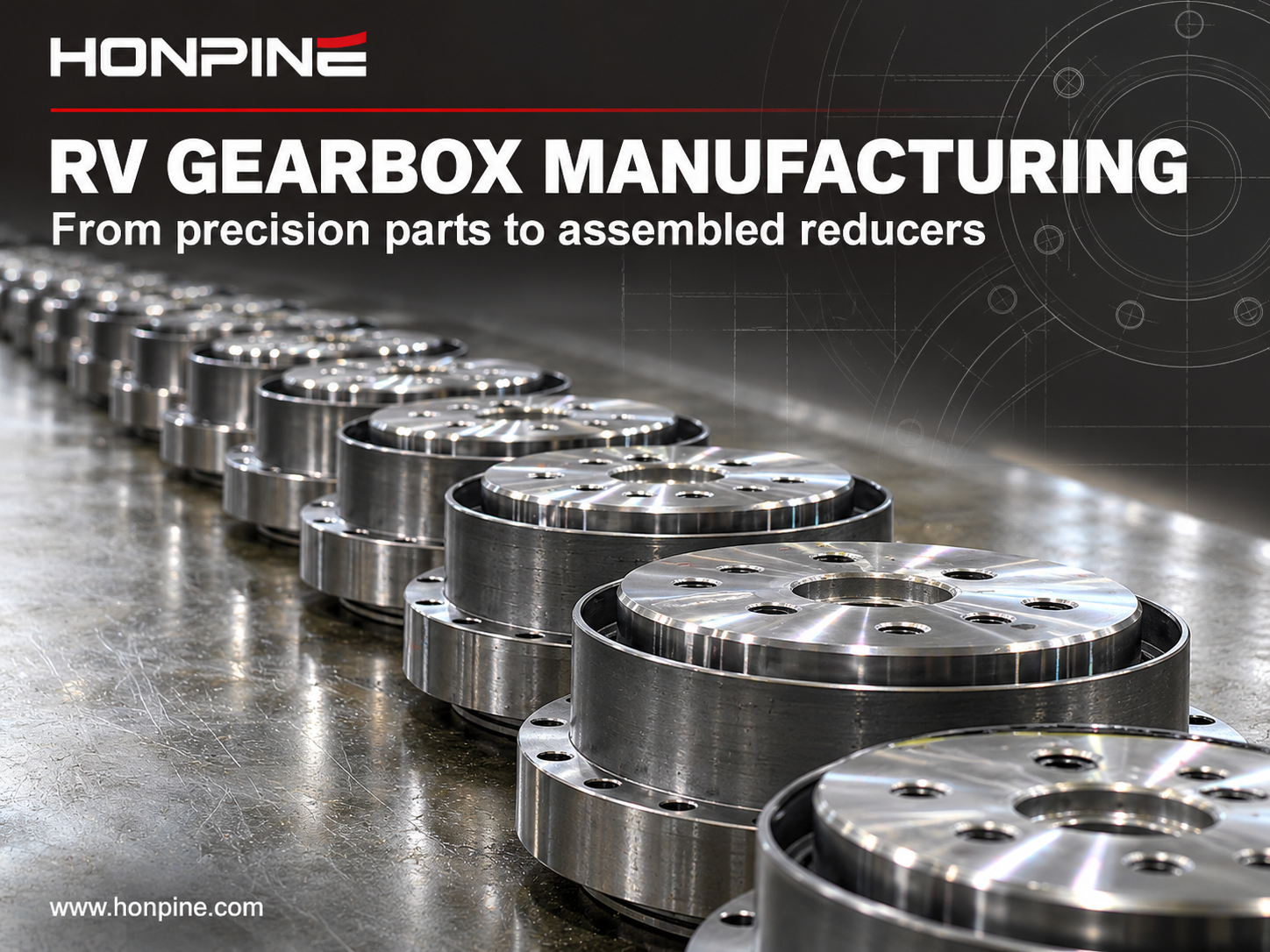
 Top 7 RV Reducer Gearbox Manufacturers: Why Does Nabtesco Still Dominate?What sets RV reducer gearbox manufacturers apart, and why does Nabtesco remain a benchmark in this market? RV reducer production demands precise component machining, careful assembly and extensive engineering know-how. This article introduces seven manufacturers across RV reducers and related transmission technologies, examines the strengths behind Nabtesco's position, and explores HONPINE's development capabilities to help you understand the supplier landscape.
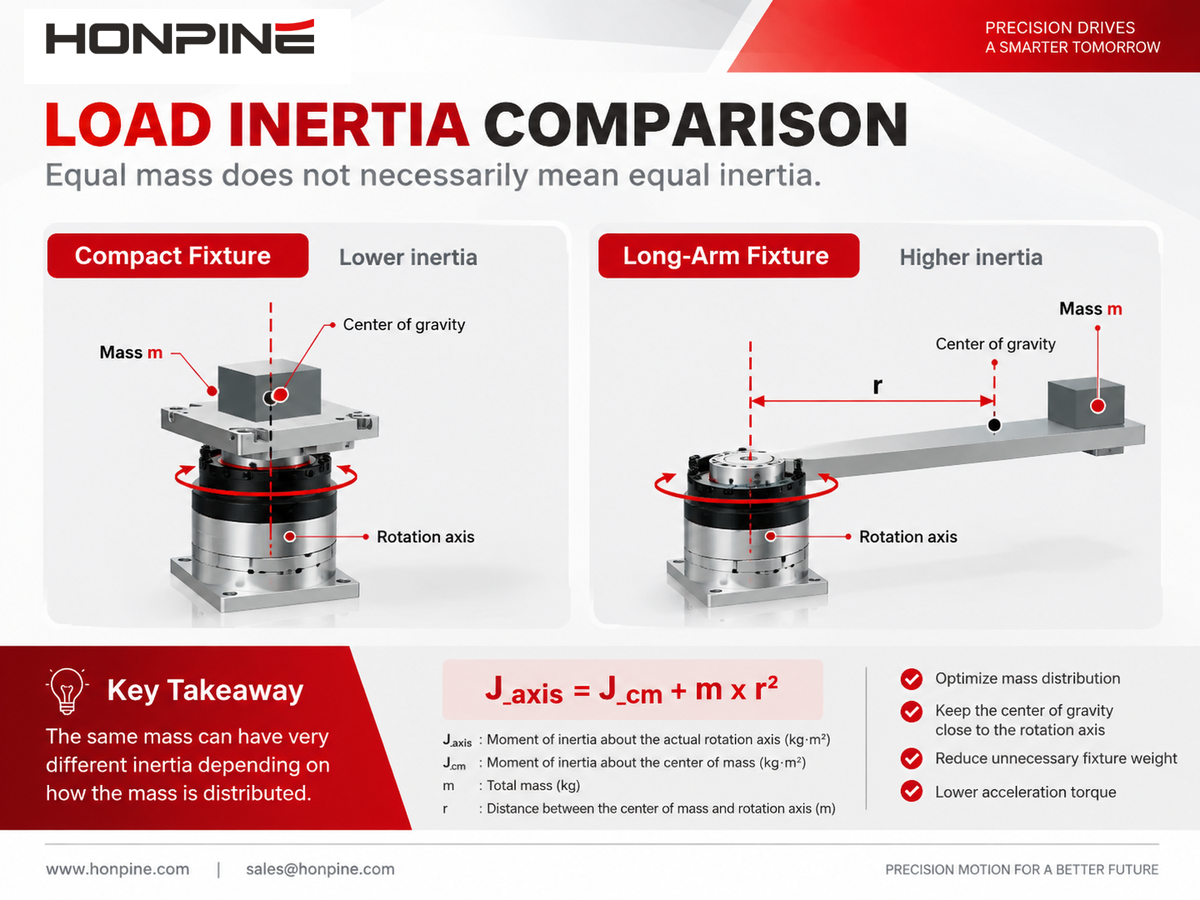
 How to Calculate Torque for a Harmonic Rotary Actuator in a Flipping Mechanism?How much torque does a harmonic rotary actuator need to flip a 10 kg load through 180 degrees? The answer depends on more than weight. Center-of-gravity offset, load inertia, acceleration and operating frequency all affect actuator selection. In this guide, Theodore Li, Technical Director at HONPINE, explains the calculation process using a horizontal-axis flipping example and outlines the checks needed for peak torque, continuous operation, output speed and bearing loads.

Double Click
We provide harmonic drive reducer,planetary reducer,robot joint motor,robot rotary actuators,RV gear reducer,robot end effector,dexterous robot hand
 What is robot joint actuator?How to Choose the Best Robot Rotary Joint Actuator?In core robot joint transmission solutions, planetary and harmonic rotary actuators each have their own strengths. Choosing the right type based on application requirements is essential to achieve the optimal balance between performance and cost.
 DD Motors VS Harmonic Rotary ActuatorsThis article provides an in-depth comparison between Direct Drive (DD) motors and harmonic rotary actuators, covering their transmission principles, advantages and disadvantages, and typical application fields.
 OMG Ultra Compact Harmonic Drive Joint Module with Built-in Torque SensorHONPINE TCHL series harmonic drive joint module is a game-changing product that achieves disruptive improvements in multiple aspects such as lightweight design, integration level, and connection convenience. This article will analyze its revolutionary enhancements with you.
 The Role of Harmonic Drive Gears in Achieving 5–10 μm Accuracy in Dental Milling MachinesA dental milling machine is a CNC machining system used to directly process digital dental models into restorations such as crowns, bridges, veneers, inlays, and implant abutments. Dental milling machines require far higher operational accuracy and motion stability than ordinary equipment. This article explains how harmonic drive gear help dental milling machines achieve stable, continuous, and controllable operation.
 Why Are Harmonic Rotary Actuators Perfect for Medical Equipment?Harmonic rotary actuators (typically integrated systems consisting of a harmonic drive reducer, frameless torque motor, encoder, and optional brake) are regarded as key components in medical equipment. The core reason is that they simultaneously meet the most stringent medical requirements for precision, compact size, safety, and controllability. The following explanation is structured from three perspectives: technical characteristics, application scenarios, and medical value.
 High-Precision RV Reducers Perfectly Matched for Walking RobotsThe walking axis of a robot is a core component for power transmission and support. RV reducers provide extremely high rigidity, precision, and torque while maintaining a compact size and exceptional reliability, making them an ideal match for the demanding requirements of walking robot joints in terms of load capacity, impact resistance, and precision.
 Why Are Harmonic Reducers Suitable for High-Precision Automation Equipment?Precision automation equipment depends on consistent rotary motion, reliable positioning and compact transmission design. From dispensing head orientation and component angular alignment to automated inspection indexing, harmonic reducers offer a practical solution for applications requiring low backlash and high reduction ratios in limited installation space. This article explains how harmonic reducers support repeatable motion, compares key design configurations, and outlines how to select a suitable reduction ratio and reducer structure based on load, speed, accuracy and machine cycle-time requirements.
 Why Are Servo Motors and Gear Reducers an Ideal Match?Servo motors provide fast, precise motion control, while gear reducers adapt their speed and torque to the load. This guide explains how servo motors and gear reducers work together through torque multiplication, reflected inertia reduction and finer theoretical position resolution. Learn how inertia matching, backlash, torsional stiffness and reduction ratio influence performance in robotics and industrial automation.
 How to Select and Use Robotic Joint Modules?How do you take robotic joint modules from selection to controlled motion? Using the HONPINE HPJM harmonic joint module as an example, Technical Director Theodore Li explains the key steps in mechanical installation, electrical wiring, CAN and EtherCAT configuration, and control commissioning. Learn what to confirm before integration and how to approach setup so each joint can respond correctly to your controller.
 How to Select Harmonic and RV Reducers for Each Axis of a Six-Axis Robot?What determines whether a six-axis robot joint needs a harmonic reducer or an RV reducer? The answer depends on torque, inertia, impact loads, bearing loads and installation space. This guide explains how to evaluate harmonic and RV reducers for the base, shoulder, elbow and wrist, with practical checks for stiffness, backlash and service life. Use the requirements of each axis to select a suitable reducer configuration.
 Top 7 RV Reducer Gearbox Manufacturers: Why Does Nabtesco Still Dominate?What sets RV reducer gearbox manufacturers apart, and why does Nabtesco remain a benchmark in this market? RV reducer production demands precise component machining, careful assembly and extensive engineering know-how. This article introduces seven manufacturers across RV reducers and related transmission technologies, examines the strengths behind Nabtesco's position, and explores HONPINE's development capabilities to help you understand the supplier landscape.
 How to Calculate Torque for a Harmonic Rotary Actuator in a Flipping Mechanism?How much torque does a harmonic rotary actuator need to flip a 10 kg load through 180 degrees? The answer depends on more than weight. Center-of-gravity offset, load inertia, acceleration and operating frequency all affect actuator selection. In this guide, Theodore Li, Technical Director at HONPINE, explains the calculation process using a horizontal-axis flipping example and outlines the checks needed for peak torque, continuous operation, output speed and bearing loads.