








Smart Transport Event Puts Optical Testing in Focus
On June 24, 2026, the Greater Bay Area Smart Transport Technology Innovation Conference opened in Guangzhou under the theme of digital and intelligent integration for the future of transport. The event drew transport groups from more than ten provincial-level markets including Guangdong, Hunan, and Guangxi, along with institutions from Hong Kong and Macao. For companies involved in optical sensing, vehicle-grade testing, smart road systems, and cross-border project delivery, the stronger visibility of lidar optical inspection systems, road vision module calibration equipment, and automotive optical sensor calibration platforms is worth close attention because it points to a more practical discussion around equipment standardization for smart transport deployment and overseas-facing applications.
What the conference clearly put on the table
The conference opened in Guangzhou on June 24, 2026 and focused on the theme of integrating digital and intelligent technologies to guide the future of transport. According to the provided event summary, participating organizations included transport groups from Guangdong, Hunan, Guangxi, and more than ten provinces overall, as well as institutions from Hong Kong and Macao.
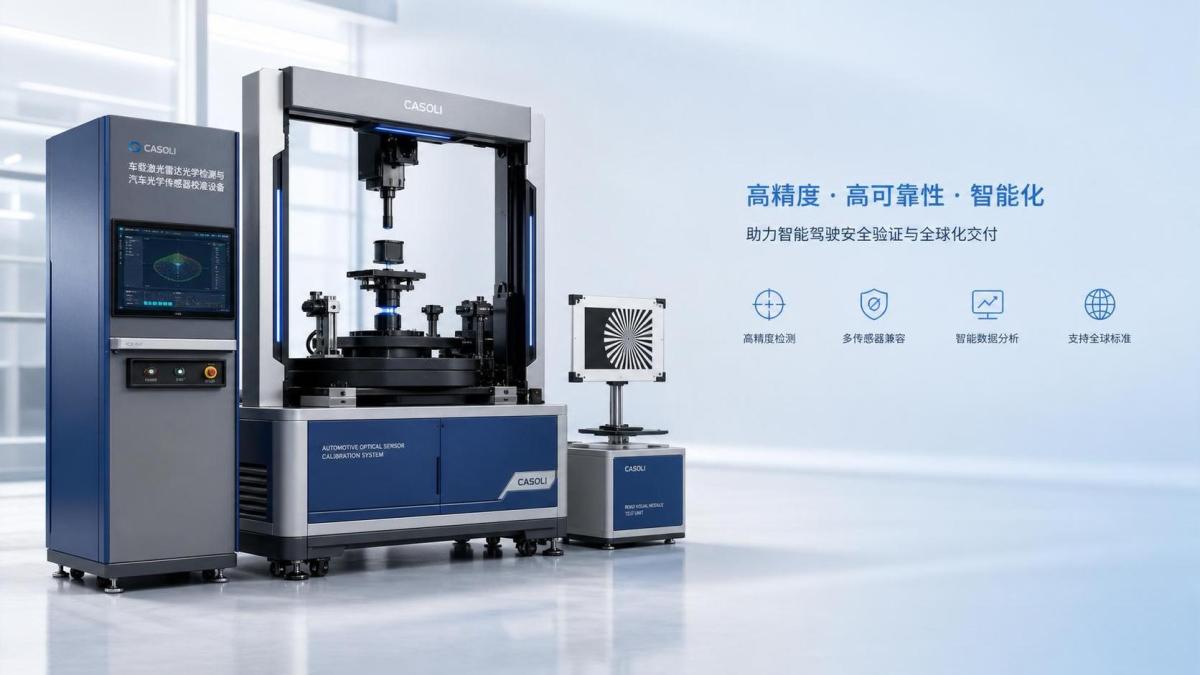
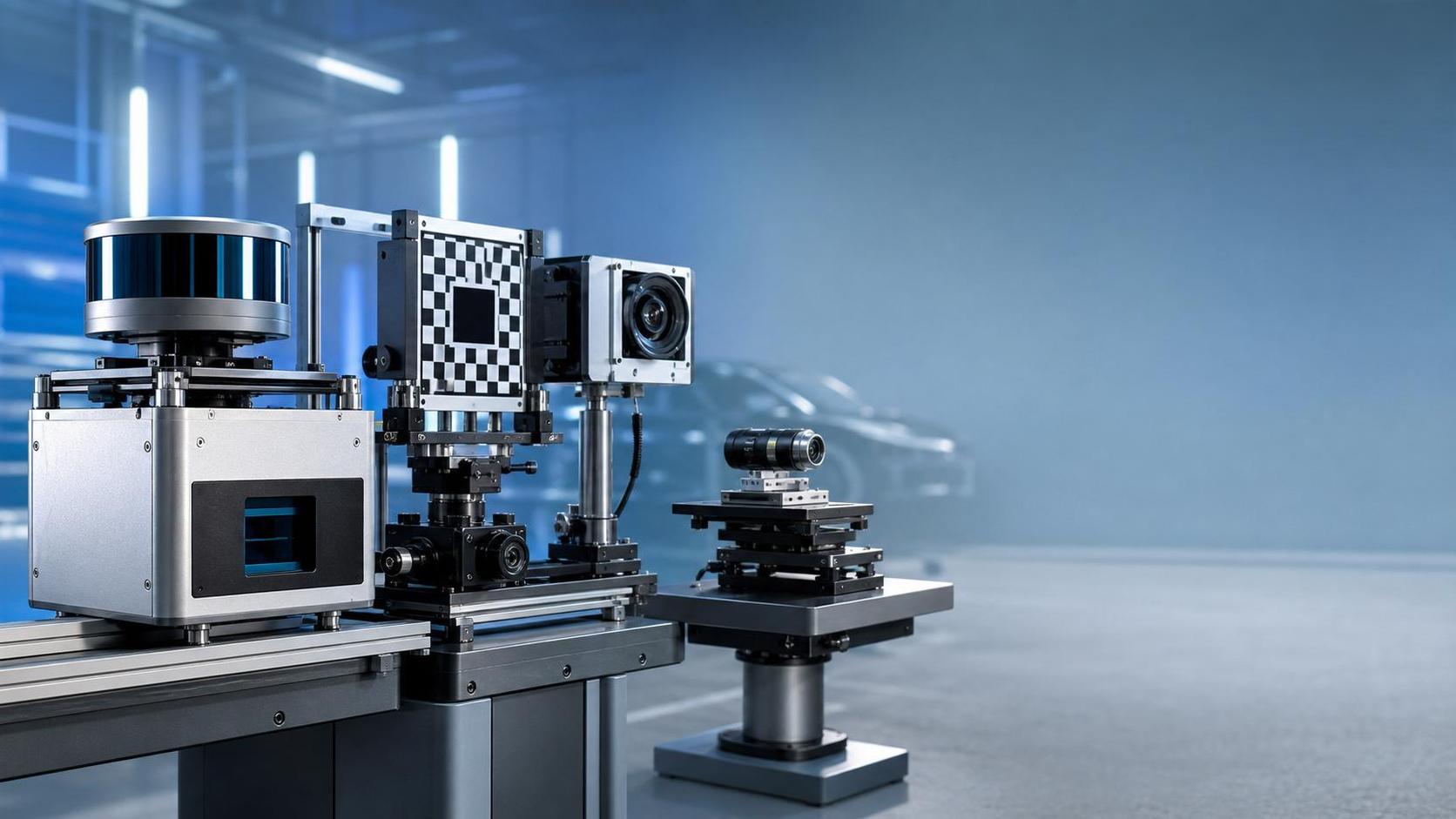
The products highlighted on site as key display and procurement categories were vehicle-mounted lidar optical inspection systems, calibration equipment for road visual recognition modules, and calibration platforms for automotive-grade optical sensors. The event summary also indicates that these categories reflected improving standardization and adaptation capabilities of China-made optical manufacturing equipment in smart transport export-oriented scenarios.
Why different parts of the chain may pay attention
Equipment makers are seeing demand framed around verification, not only components
From an industry perspective, the immediate implication for equipment manufacturers is that procurement interest is not limited to sensing components themselves. It also extends to inspection, calibration, and validation tools that support deployment readiness. That can affect product planning, technical communication, and how suppliers position their equipment in projects linked to smart transport systems.
Project buyers may focus more on repeatability and compatibility
For transport groups and institutional buyers, the prominence of calibration and optical testing equipment suggests attention is moving toward whether sensing systems can be checked, aligned, and maintained in a more standardized way. The practical impact may appear in procurement specifications, acceptance criteria, and supplier discussions around equipment compatibility across application scenarios.
Service and delivery partners may face stricter coordination needs
Service providers and supply chain participants may also be affected because testing and calibration equipment often sit between manufacturing, system integration, and final deployment. Analysis shows that if standardization becomes a stronger purchasing concern, coordination over technical documents, delivery sequencing, and on-site verification could become more important in project execution.
What companies should watch next
Watch how official language evolves after the event
What deserves closer attention is whether subsequent official communications continue to emphasize standardization, calibration capability, and export-oriented smart transport adaptation. Companies should distinguish between conference-level signaling and later operational language that may shape actual procurement behavior.
Track whether the highlighted categories remain procurement priorities
The highlighted categories in this event were specific: lidar optical inspection systems, road vision module calibration equipment, and automotive-grade optical sensor calibration platforms. Businesses tied to these lines should monitor whether follow-up demand remains concentrated in these tools or broadens into adjacent testing and validation links.
Prepare supplier documentation and delivery discussions earlier
Observably, when procurement attention centers on calibration and testing capability, supplier qualification materials, technical documentation, and delivery-cycle explanations can become more sensitive in buyer communication. Companies should be ready to support discussions around capability boundaries, deployment conditions, and fulfillment timing without assuming that conference attention automatically converts into orders.
Separate policy-style signaling from commercial implementation
The event theme points to a broad direction for smart transport, but companies should not treat thematic language as a direct substitute for confirmed project rules. A practical response is to keep internal teams aligned on what has been publicly highlighted versus what has been formally specified in later procurement or project documents.
How this development is best understood for now
Analysis shows that this update is more meaningful as an industry signal than as proof of a completed market shift. The concentration on optical sensing inspection and vehicle-grade calibration equipment suggests that smart transport discussions are paying closer attention to deployment quality and standardized adaptation, especially in scenarios linked to overseas-facing applications. At the same time, the available information does not establish how broad or durable this procurement focus will be across regions or projects, so continued observation remains necessary.
A measured takeaway from the Guangzhou event
At this stage, it is more appropriate to understand the conference as a sign that testing, calibration, and standard-fit equipment are gaining visibility within smart transport procurement conversations. For the industry, the value of this development lies less in headline momentum and more in what it may reveal about buyer priorities, technical validation requirements, and the role of standardized optical equipment in future project delivery. The stronger conclusion still depends on follow-up disclosures, procurement activity, and how these priorities appear in real business implementation.
Basis of this article and what still needs checking
This article is based on the user-provided news title, event date, and event summary. For this type of industry update, relevant source categories typically include official event announcements, company statements, industry association releases, authoritative media coverage, and standard-setting documents. A specific official source link was not provided in the input, so further verification is still needed. Areas for continued monitoring include later official wording, any follow-up procurement disclosures, and whether the highlighted optical testing and calibration categories remain central in subsequent smart transport discussions.
Read More
Learn more about the story of HONPINE and industry trends related to precision transmission.
 What is robot joint actuator?How to Choose the Best Robot Rotary Joint Actuator?In core robot joint transmission solutions, planetary and harmonic rotary actuators each have their own strengths. Choosing the right type based on application requirements is essential to achieve the optimal balance between performance and cost.
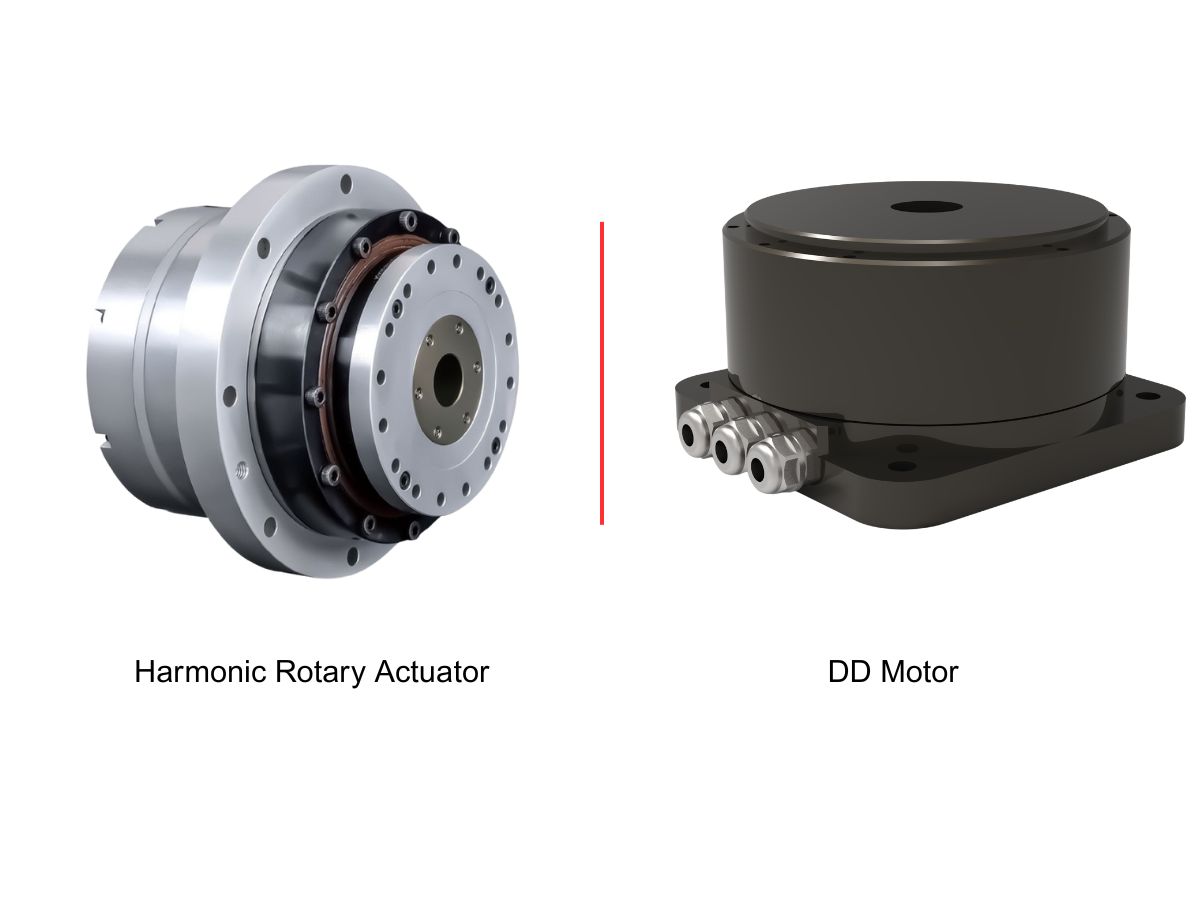
 DD Motors VS Harmonic Rotary ActuatorsThis article provides an in-depth comparison between Direct Drive (DD) motors and harmonic rotary actuators, covering their transmission principles, advantages and disadvantages, and typical application fields.
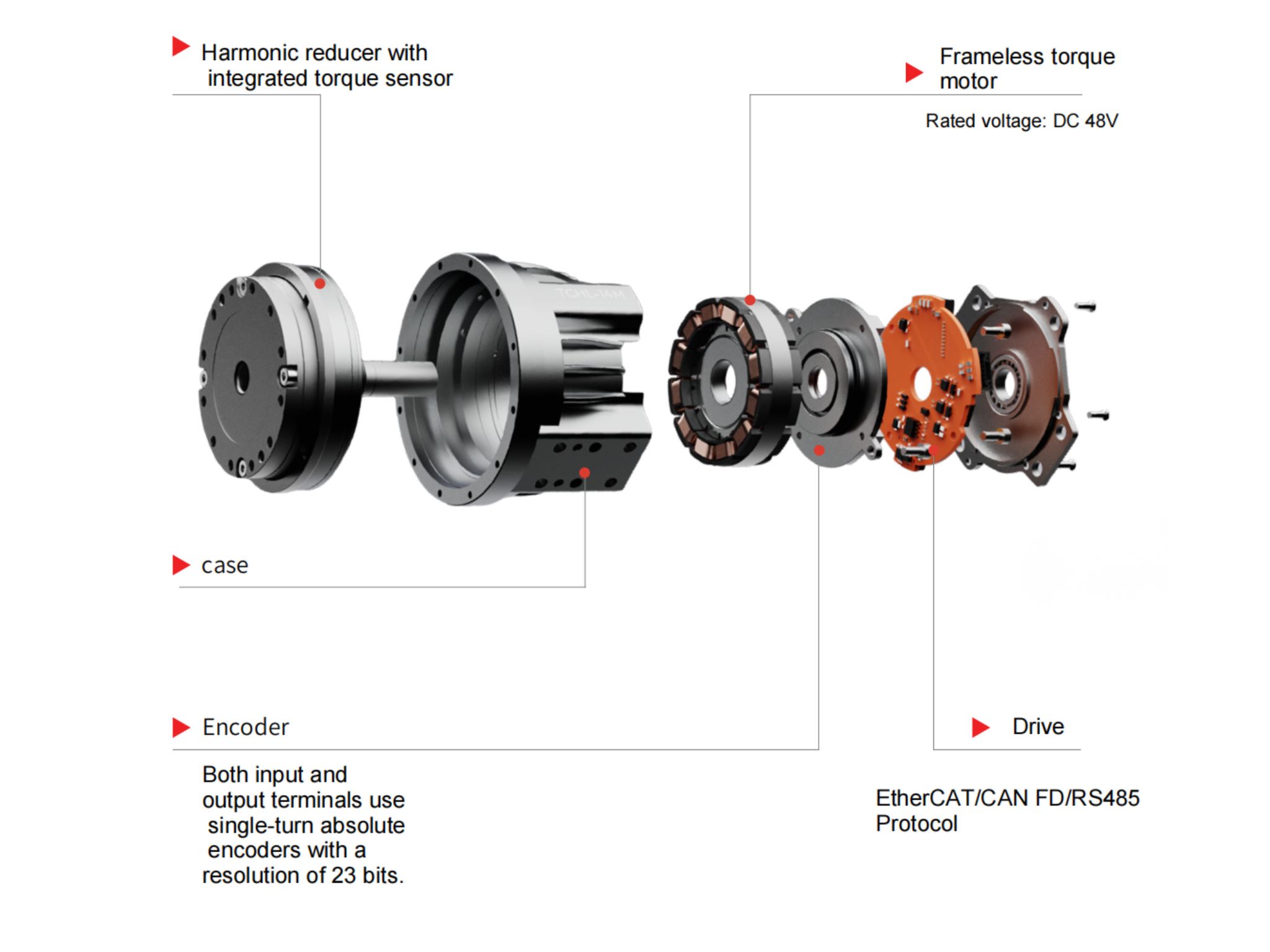
 OMG Ultra Compact Harmonic Drive Joint Module with Built-in Torque SensorHONPINE TCHL series harmonic drive joint module is a game-changing product that achieves disruptive improvements in multiple aspects such as lightweight design, integration level, and connection convenience. This article will analyze its revolutionary enhancements with you.
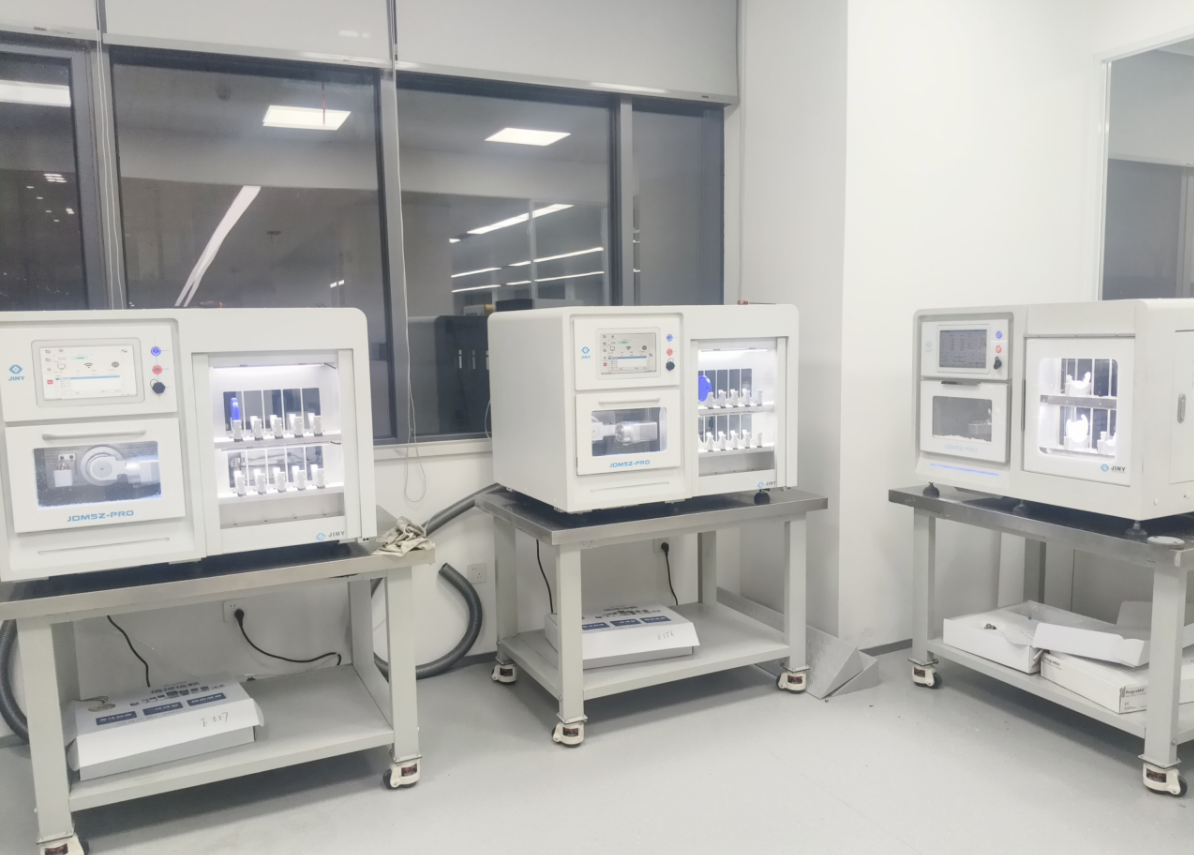
 The Role of Harmonic Drive Gears in Achieving 5–10 μm Accuracy in Dental Milling MachinesA dental milling machine is a CNC machining system used to directly process digital dental models into restorations such as crowns, bridges, veneers, inlays, and implant abutments. Dental milling machines require far higher operational accuracy and motion stability than ordinary equipment. This article explains how harmonic drive gear help dental milling machines achieve stable, continuous, and controllable operation.
 Why Are Harmonic Rotary Actuators Perfect for Medical Equipment?Harmonic rotary actuators (typically integrated systems consisting of a harmonic drive reducer, frameless torque motor, encoder, and optional brake) are regarded as key components in medical equipment. The core reason is that they simultaneously meet the most stringent medical requirements for precision, compact size, safety, and controllability. The following explanation is structured from three perspectives: technical characteristics, application scenarios, and medical value.
 High-Precision RV Reducers Perfectly Matched for Walking RobotsThe walking axis of a robot is a core component for power transmission and support. RV reducers provide extremely high rigidity, precision, and torque while maintaining a compact size and exceptional reliability, making them an ideal match for the demanding requirements of walking robot joints in terms of load capacity, impact resistance, and precision.
 Aokang Halts Trading Amid Possible Optical M&AAokang halts trading amid a possible optical M&A, signaling new shifts in optical inspection equipment, compliance, procurement, and global service for AIoT manufacturing.
 Smart Transport Event Puts Optical Testing in FocusOptical testing takes center stage at a smart transport event, highlighting lidar inspection systems, sensor calibration platforms, and new opportunities for optical manufacturing equipment.
 天津百万片级体全息光波导产线投产,AR-HUD供给链迎来新变量AR-HUD and AR glasses supply chain gains a new variable as Tianjin’s million-unit volume holographic waveguide line begins production, boosting capacity, delivery certainty and export readiness.
 China-Made Nanoimprint Tool Delivered for Optical ChipsChina-made nanoimprint tool delivered for optical chips marks a key milestone in optical manufacturing equipment, highlighting DUV-free process potential, lower costs, and supply chain alternatives worth watching.
 Thailand Industrial Show Opens With Smart Manufacturing FocusAutomation production line insights from the Thailand Industrial Show: explore smart manufacturing trends, energy storage EOL testing, and automotive module assembly opportunities in Southeast Asia.
 Transmission Accuracy Analysis of Integrated Robot Joint Modules: Key Error Factors and Optimization Methods for High-Precision RoboticsThis article focuses on the transmission accuracy of integrated robot joint modules, which are core actuators in industrial robots and humanoid robotic systems. The module integrates a servo motor, precision reducer, and control system into a compact structure, significantly improving motion efficiency, stiffness, and positioning accuracy.

Double Click
We provide harmonic drive reducer,planetary reducer,robot joint motor,robot rotary actuators,RV gear reducer,robot end effector,dexterous robot hand
 Smart Transport Event Puts Optical Testing in FocusOptical testing takes center stage at a smart transport event, highlighting lidar inspection systems, sensor calibration platforms, and new opportunities for optical manufacturing equipment.
 Thailand Industrial Show Opens With Smart Manufacturing FocusAutomation production line insights from the Thailand Industrial Show: explore smart manufacturing trends, energy storage EOL testing, and automotive module assembly opportunities in Southeast Asia.
 EU CE Rule Makes PL Certification MandatoryEU CE Rule Makes PL Certification Mandatory: learn how new EU requirements affect harmonic reducers, ISO 13849-1 PLd compliance, customs clearance, and market access.
 China Pavilion at INNOPROM 2026 Expands by 50%China Pavilion at INNOPROM 2026 expands by 50%, spotlighting AI smart factory solutions, CNC machine tools, robotics, and new opportunities for Russia-CIS industrial markets.
 India Tops China Machine Tool Exports, Up 41.2%India tops China machine tool exports as Q1 shipments rise 41.2%. See what this shift means for CNC suppliers, tenders, delivery risks, and after-sales strategy.
 Embedded vs. External Torque Sensors in Robotic Joints Module: Engineering Trade-offs and Future TrendsIn recent years, with the rapid growth of humanoid robots and collaborative robots, high-precision force control has become a core capability for achieving compliant and safe interaction. At the heart of this capability lies a critical component inside the robotic joint module: the torque sensor, responsible for perceiving force.
However, the installation method of torque sensors directly determines joint performance, reliability, and cost. Today, two main technical approaches dominate the market: embedded (integrated) and external (add-on) torque sensors.
This distinction goes beyond simply “built-in” versus “attached.” The fundamental difference lies in whether the torque sensing structure is an intrinsic part of the mechanical transmission chain and integrated within the joint itself. A Complete Guide to Choosing Single-Encoder vs. Dual-Encoder Robot Joint ActuatorsIn a robot joint, encoders play a role similar to human vision and proprioception. They continuously measure the position and speed of both the motor rotor and the output shaft, feeding this information back to the controller to form a precise closed-loop control system.
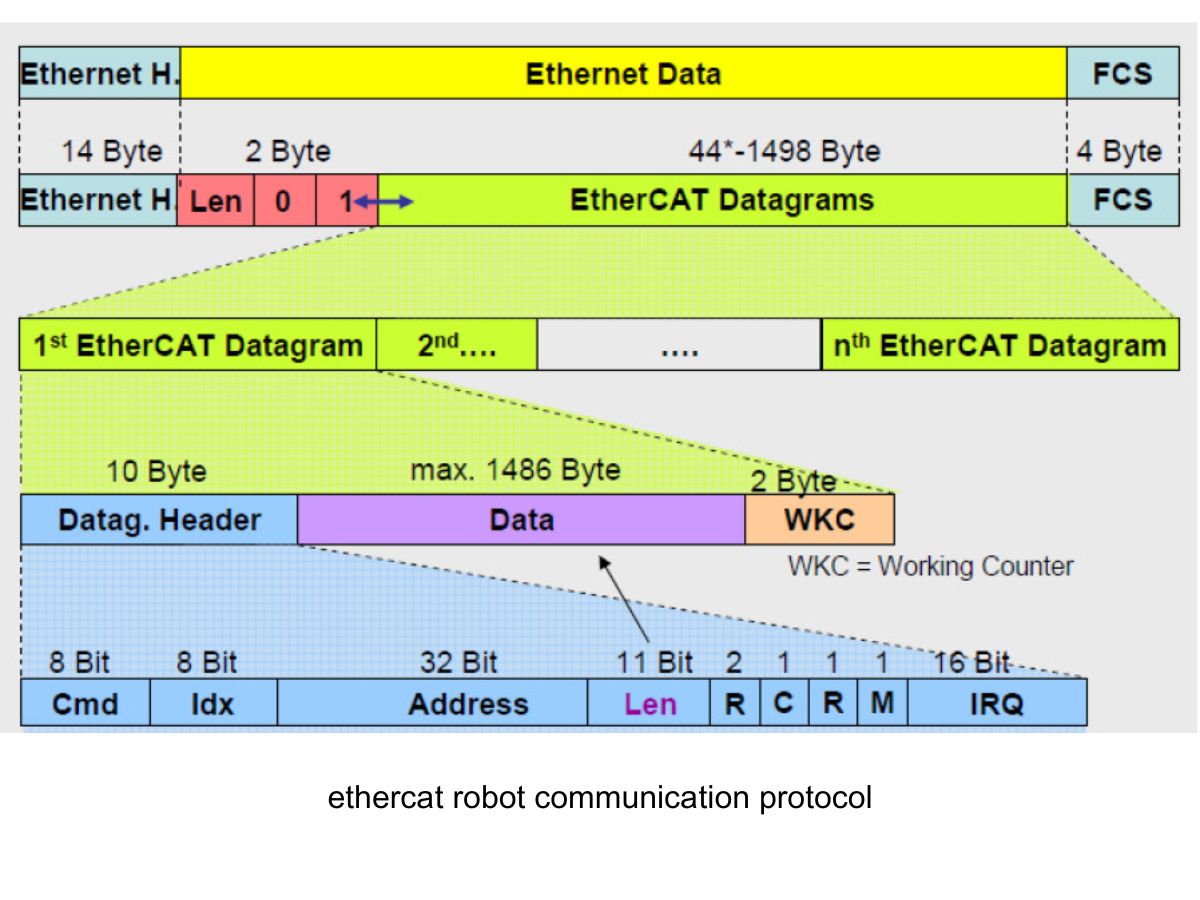
Encoders are also one of the core components of HONPINE joint actuators, directly determining motion accuracy, stability, and safety. Robot Communication Protocols: Why EtherCAT and CAN Are the FutureAccording to statistics released by the EtherCAT Technology Group (ETG) in 2024, EtherCAT has captured 39.2% of the global industrial robot communication protocol market, with an annual growth rate of 12.7%, significantly outperforming other competing protocols. Its advantages are particularly evident in key application scenarios: from multi-joint real-time coordinated control in humanoid robots, to multi-sensor fusion in autonomous driving, and human–machine collaboration in Industry 4.0. EtherCAT is redefining how intelligent systems interact with the physical world.
 Why Is It So Difficult for the Price of High-Performance Humanoid Robots to Decrease?And Why Are Harmonic Joint Modules Still Irreplaceable?The core reason lies in one unavoidable requirement: high degrees of freedom.
High DOF is essential for humanoid robots, and this directly leads to harmonic joint modules accounting for a consistently high proportion of total system value. Harmonic Drive Systems VS Nabtesco VS HONPINE Harmonic Drive MotorThe integrated harmonic joint motor is a highly integrated, high-performance robotic joint solution that combines the motor, reducer, encoder, sensors, and other key components into one unit. It provides powerful drive capability and precise motion control for robots. Regarded as the “heart” of humanoid robot motion, it is installed at various joints to control their movement and directly determines the robot’s overall performance. Therefore, choosing a reliable harmonic joint motor is crucial for humanoid robot development.
 How to Find a Reliable Supplier Amid Soaring Demand for Harmonic Drives and Harmonic Actuators?Under the driving forces of AI, embodied intelligence, and other key technologies, the humanoid robot industry is experiencing explosive growth. The demand for harmonic drives and harmonic actuators has surged accordingly, making it increasingly difficult for machinery companies to find reliable suppliers. So, how is HONPINE responding to this surge in demand?
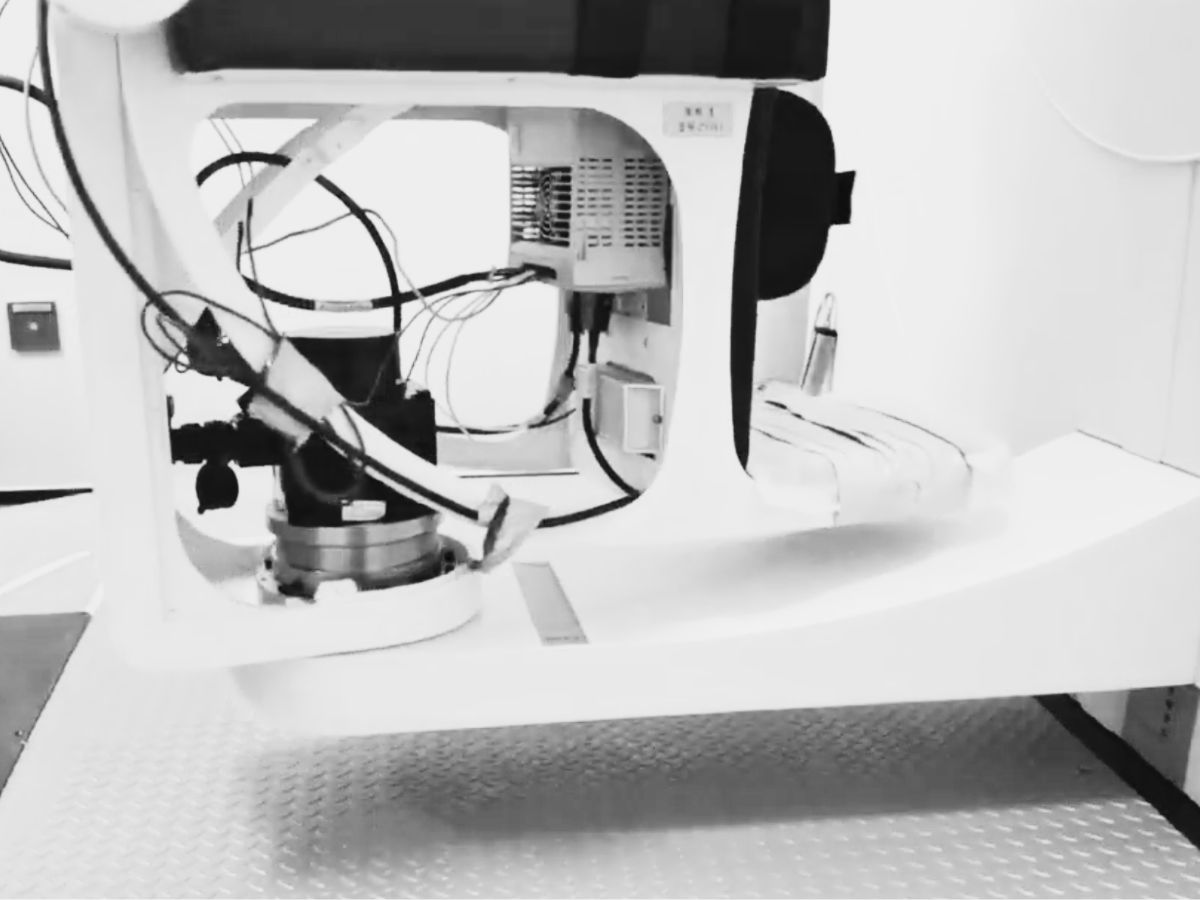
 Harmonic Rotary Actuator Helps Implement the World’s First Track-Changing Aerial Mobile Smart EV DC Charging StationChina’s first track-changing aerial mobile smart EV DC charging station has begun trial operations in over 10 cities. This project utilizes three major technologies: aerial track free lane switching, AI robotic automatic charging, and suspended installation design. The high precision, high torque, and lightweight characteristics of the harmonic rotary actuator have been crucial to the successful implementation of this project.