









Indonesia Enforces Stricter SNI Rules for Used Machine Tool Imports
Effective May 28, 2026, Indonesia’s National Standardization Agency (BSN) has implemented the revised SNI 7193:2026 standard—titled Safety and Energy Efficiency Requirements for Used Industrial Machinery—introducing mandatory compliance certification and strict physical-document alignment for all imported used machine tools.
New Certification and Documentation Mandates Take Effect
The BSN officially enacted SNI 7193:2026 on May 28, 2026. Under this revision, all imported used machine tools must hold a valid SNI conformity certificate prior to customs clearance. Furthermore, key technical identifiers—including model number, serial number, year of manufacture, and rated power—listed on import documentation must match the markings on the equipment’s physical nameplate with 100% accuracy. The standard also introduces a formal definition of ‘high-pollution equipment’, explicitly including machine tools posing hydraulic oil leakage risks; such units are now subject to priority inspection upon entry.
Impact Across Supply Chain Roles
Direct Trading Enterprises
Exporters and importers handling used machine tools face heightened pre-shipment compliance verification requirements. Discrepancies between documentation and nameplate data—previously tolerated in some cases—now trigger automatic customs rejection or detention. This increases lead time uncertainty and raises the risk of demurrage or re-export costs.
Raw Material Procurement Enterprises
While not directly importing machinery, firms sourcing components from used-machine-based remanufacturing operations may encounter tighter traceability demands. Suppliers must now provide verifiable SNI certification and full nameplate documentation—not just functional specifications—to support procurement due diligence.
Manufacturing and Processing Enterprises
Local manufacturers acquiring used CNC lathes, milling machines, or grinders for capacity expansion or line redundancy must now validate SNI eligibility before purchase. Equipment acquired without prior certification cannot be legally commissioned, delaying production ramp-up and requiring retroactive compliance assessment—often impractical for older units.
Supply Chain Service Providers
Logistics operators, customs brokers, and conformity assessment consultants must update internal checklists to include nameplate-to-document reconciliation as a mandatory pre-clearance step. Verification now extends beyond model-level classification to granular parameter matching—requiring trained personnel and documented audit trails.
Key Compliance Priorities for Exporters and Importers
Pre-Certification and Nameplate Verification
Obtain SNI conformity certification before shipment—not after arrival. Conduct on-site physical audits to confirm that all nameplate parameters (model, serial number, manufacturing year, power rating) are legible, unaltered, and fully consistent with commercial invoices, packing lists, and technical declarations.
Classification of High-Pollution Equipment
Identify whether hydraulic systems on used machine tools meet BSN’s new ‘high-pollution’ criteria—especially those with visible seal degradation, past leakage history, or non-standard fluid containment designs. Such units require enhanced documentation and may undergo extended customs examination.
Supplier Documentation Management
Require original nameplate photos, factory service records, and third-party technical verification reports from suppliers. Maintain version-controlled archives linking each unit’s SNI certificate to its exact nameplate image and specification sheet.
Lead Time Adjustment for Certification Cycle
Factor in a minimum 4–6 week window for SNI certification processing—including laboratory testing, document review, and on-site verification—when planning procurement timelines. Rush applications are not accepted under the revised framework.
Industry Observation: A Shift Toward Technical Traceability
Analysis shows that SNI 7193:2026 reflects a broader regulatory pivot—from outcome-based safety assessments toward rigorous technical traceability. What deserves closer attention is how this elevates documentation integrity to the same level of importance as mechanical performance. From an industry perspective, it signals growing convergence between environmental risk governance (e.g., hydraulic oil leakage) and industrial product regulation—a trend increasingly evident across ASEAN markets. Observably, manufacturers exporting to Indonesia will need to institutionalize nameplate data management as part of their quality system, not merely as a customs formality.
Toward Sustainable and Verifiable Equipment Trade
This update does not prohibit used machine tool imports—but redefines eligibility around verifiability, transparency, and environmental accountability. It underscores that regulatory maturity in emerging markets is increasingly expressed through granular technical enforcement, not just broader policy statements. For stakeholders, the core implication is clear: compliance is no longer about securing a certificate—it is about sustaining end-to-end data fidelity from factory floor to customs gate.
Source Attribution and Ongoing Monitoring
This article was generated exclusively from the user-provided title, event date (May 28, 2026), and summary description. Specific official source links were not provided in the input and should be verified continuously. Stakeholders are advised to monitor forthcoming BSN circulars on certification pathways, clarification of ‘hydraulic oil leakage risk’ thresholds, implementation guidance for legacy equipment, and updates to the priority inspection list for high-pollution units.
Read More
Learn more about the story of HONPINE and industry trends related to precision transmission.
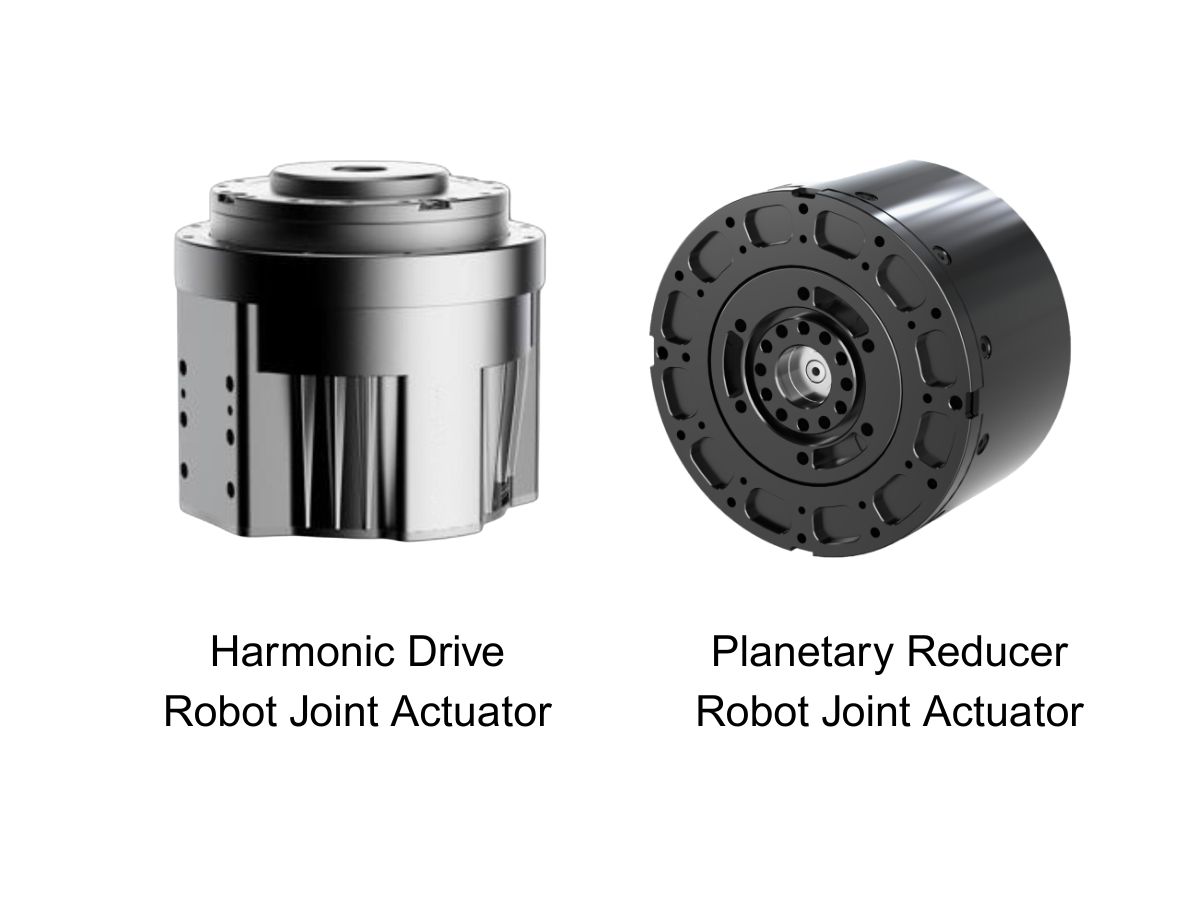
 What is robot joint actuator?How to Choose the Best Robot Rotary Joint Actuator?In core robot joint transmission solutions, planetary and harmonic rotary actuators each have their own strengths. Choosing the right type based on application requirements is essential to achieve the optimal balance between performance and cost.
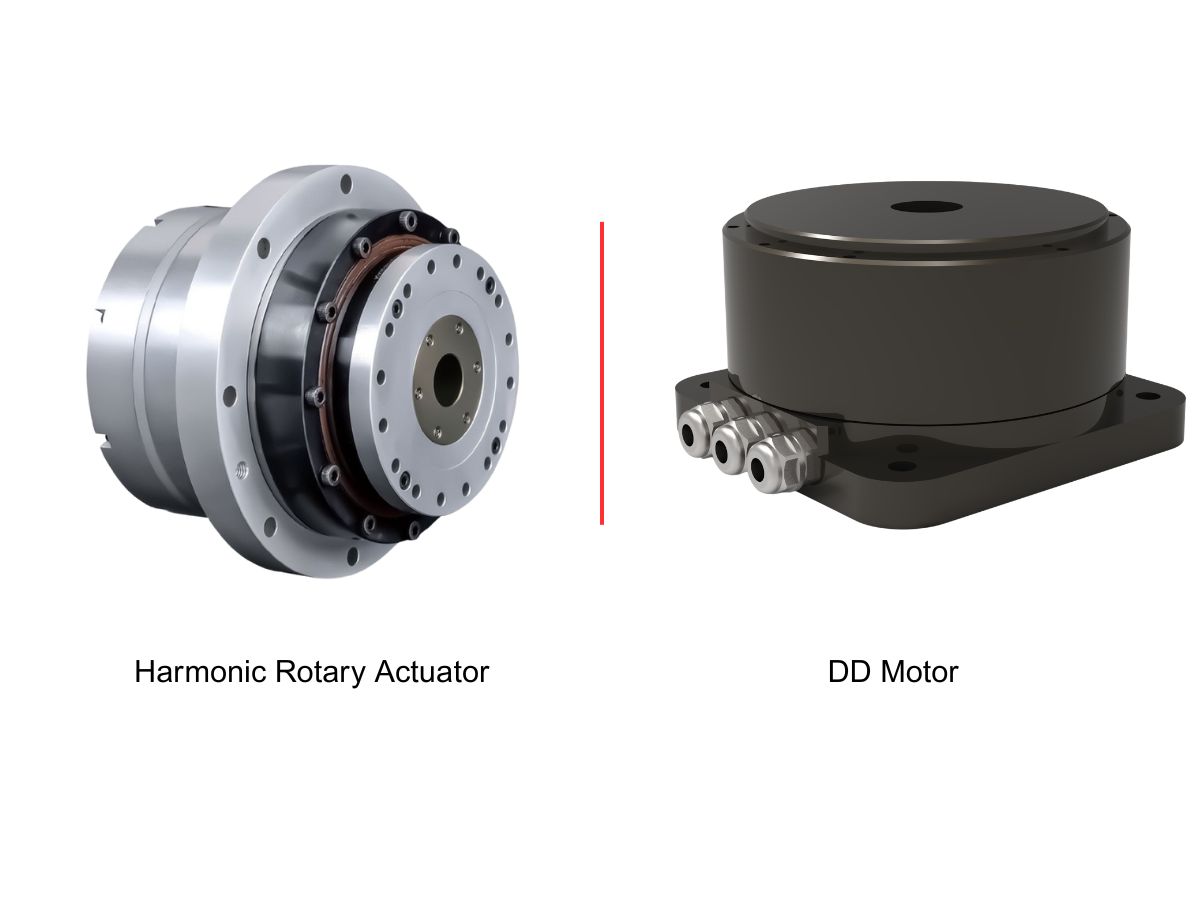
 DD Motors VS Harmonic Rotary ActuatorsThis article provides an in-depth comparison between Direct Drive (DD) motors and harmonic rotary actuators, covering their transmission principles, advantages and disadvantages, and typical application fields.
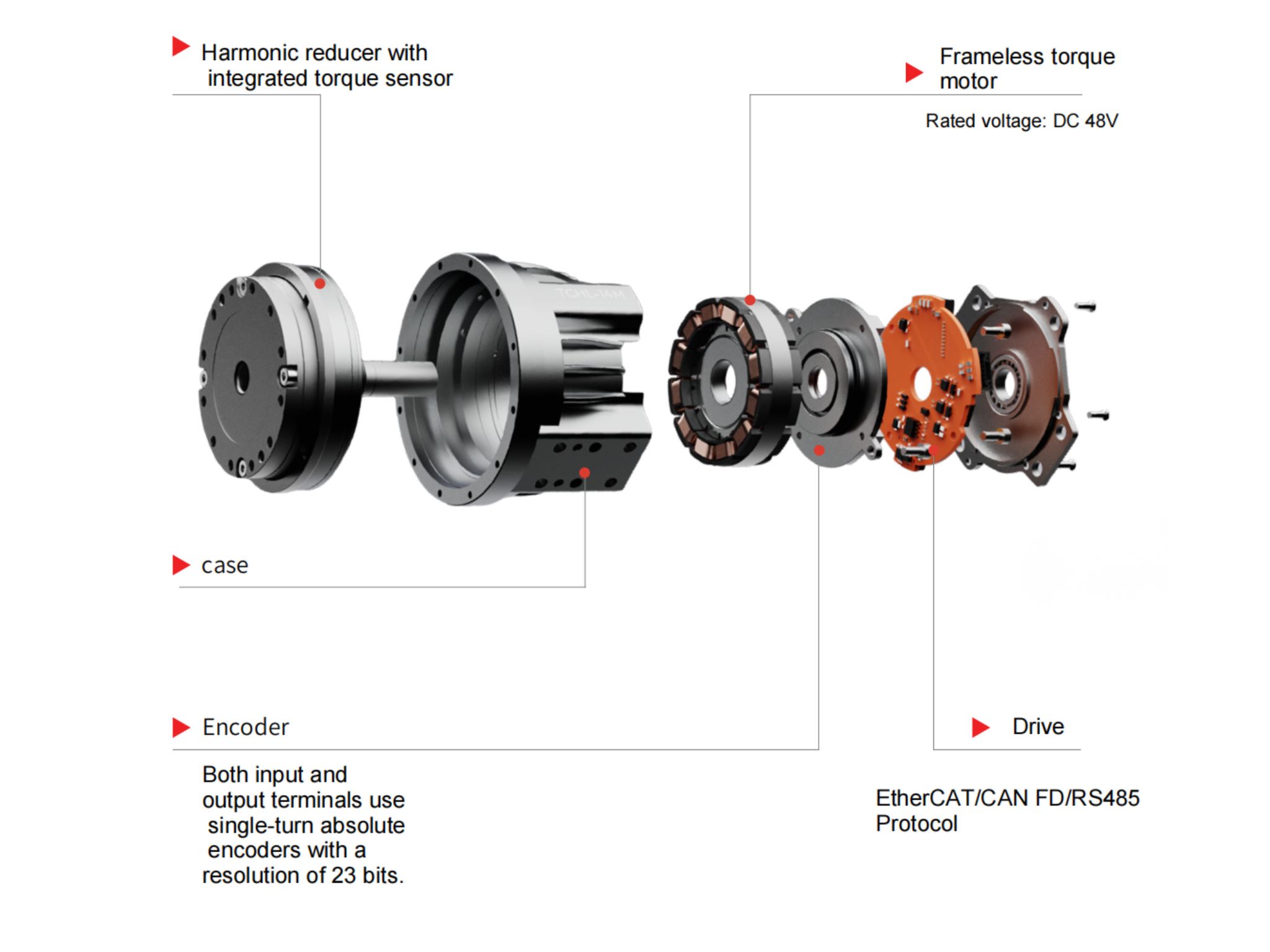
 OMG Ultra Compact Harmonic Drive Joint Module with Built-in Torque SensorHONPINE TCHL series harmonic drive joint module is a game-changing product that achieves disruptive improvements in multiple aspects such as lightweight design, integration level, and connection convenience. This article will analyze its revolutionary enhancements with you.
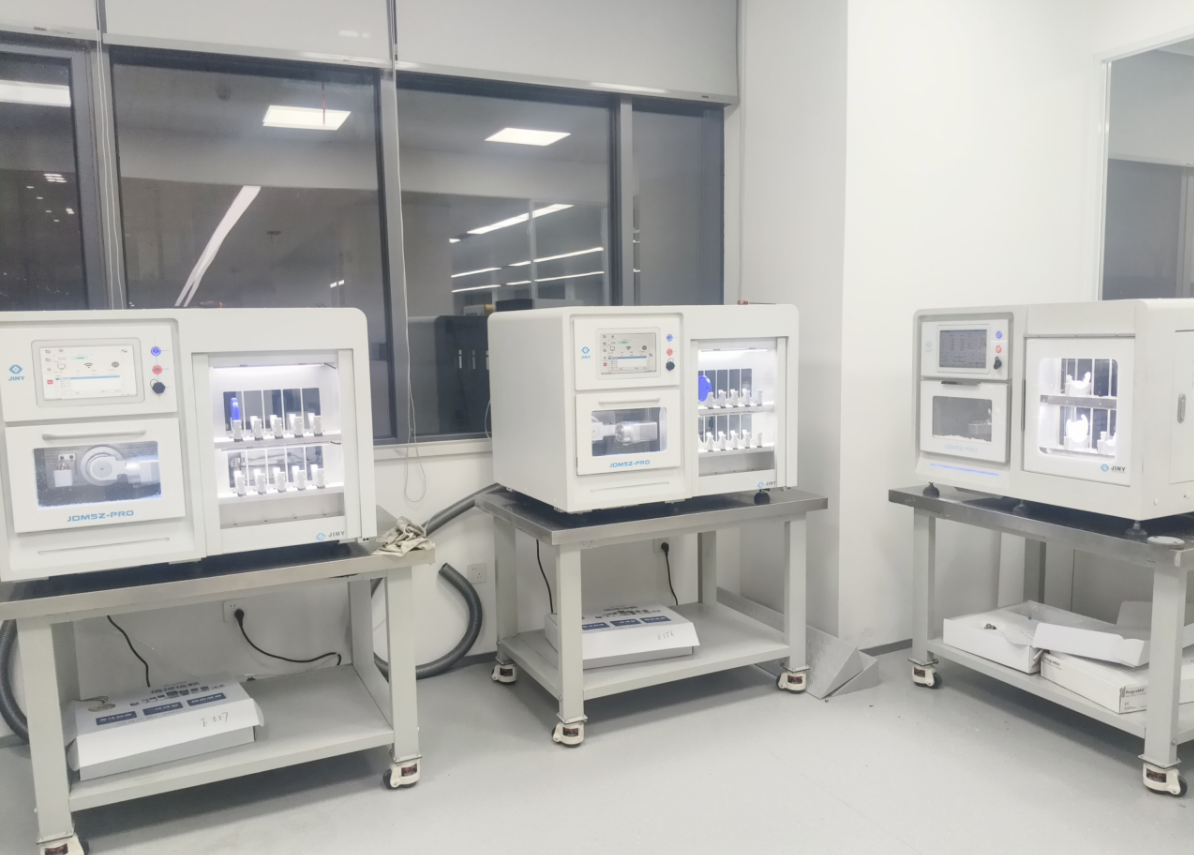
 The Role of Harmonic Drive Gears in Achieving 5–10 μm Accuracy in Dental Milling MachinesA dental milling machine is a CNC machining system used to directly process digital dental models into restorations such as crowns, bridges, veneers, inlays, and implant abutments. Dental milling machines require far higher operational accuracy and motion stability than ordinary equipment. This article explains how harmonic drive gear help dental milling machines achieve stable, continuous, and controllable operation.
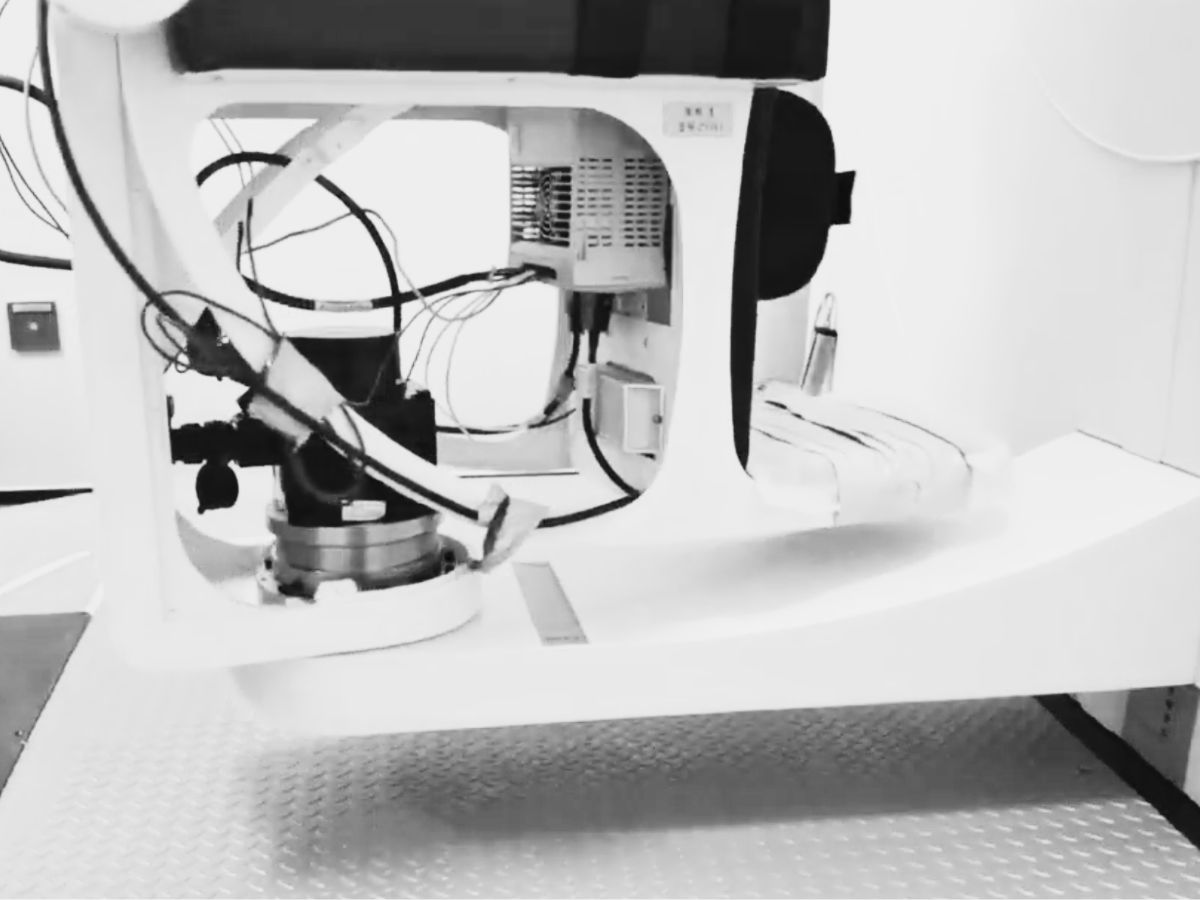
 Why Are Harmonic Rotary Actuators Perfect for Medical Equipment?Harmonic rotary actuators (typically integrated systems consisting of a harmonic drive reducer, frameless torque motor, encoder, and optional brake) are regarded as key components in medical equipment. The core reason is that they simultaneously meet the most stringent medical requirements for precision, compact size, safety, and controllability. The following explanation is structured from three perspectives: technical characteristics, application scenarios, and medical value.
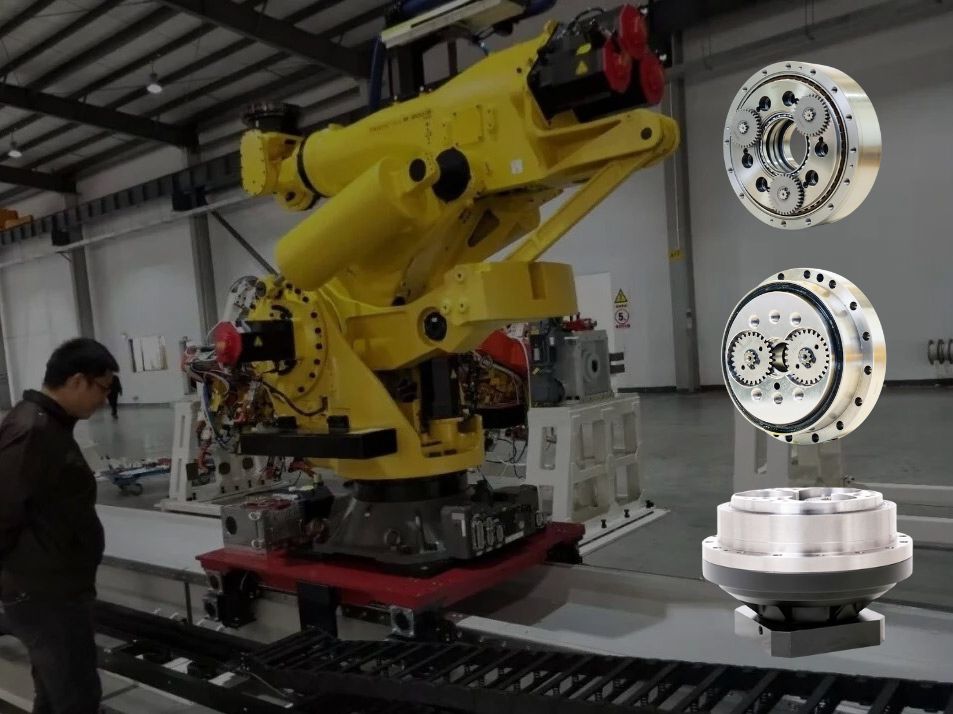
 High-Precision RV Reducers Perfectly Matched for Walking RobotsThe walking axis of a robot is a core component for power transmission and support. RV reducers provide extremely high rigidity, precision, and torque while maintaining a compact size and exceptional reliability, making them an ideal match for the demanding requirements of walking robot joints in terms of load capacity, impact resistance, and precision.
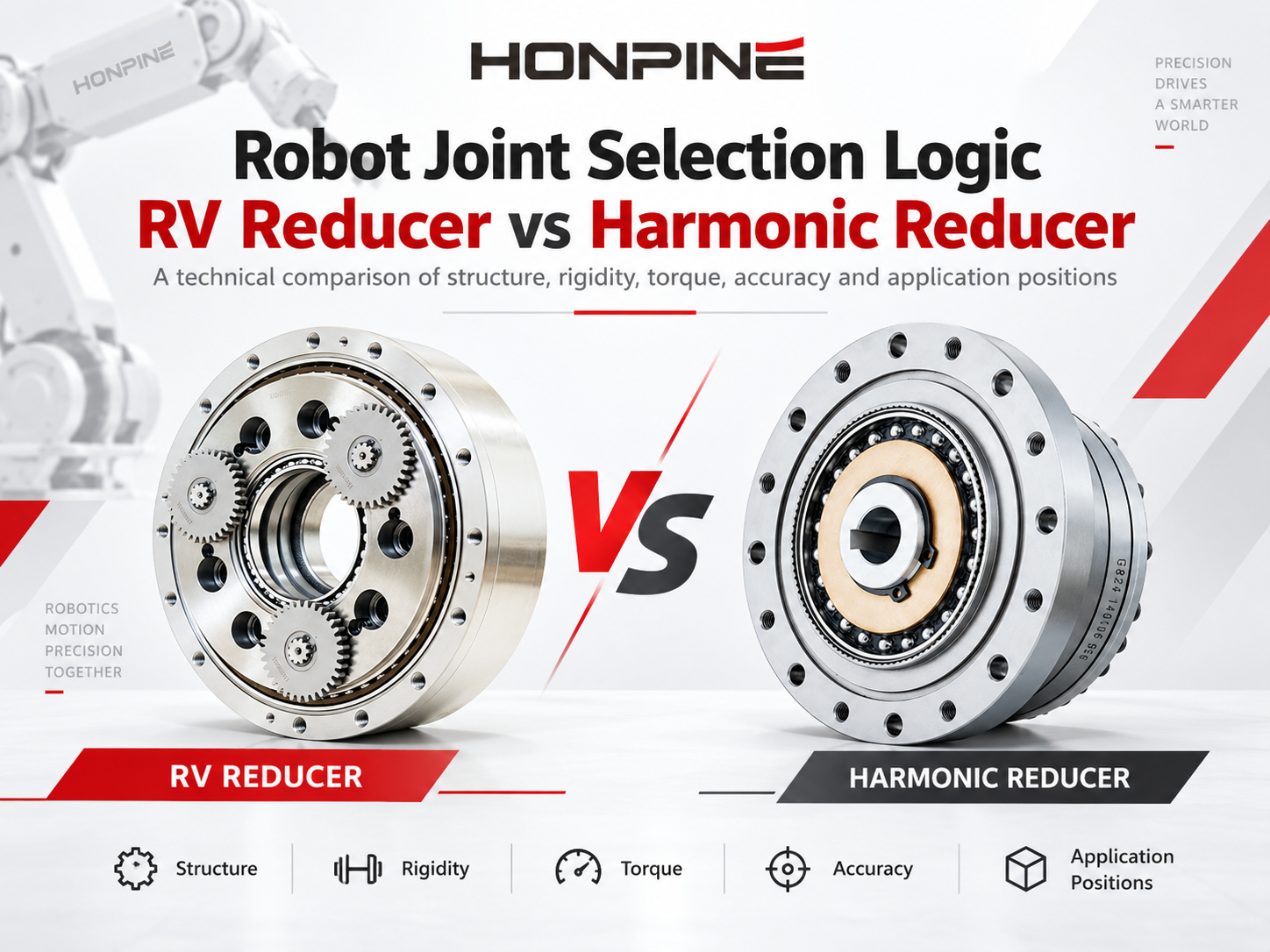
 RV vs Harmonic Reducer: How to Choose the Right Gearbox for Robot Joints?RV vs harmonic reducer: which gearbox is right for your robot joint? The answer depends on torque, rigidity, accuracy, installation space and operating conditions. This guide compares their working principles and five key performance factors, then explains how to evaluate joint loads, reducer life, temperature and lubrication. Whether you are designing a robot base, shoulder, elbow or wrist, use these considerations to match the reducer to the requirements of each joint.
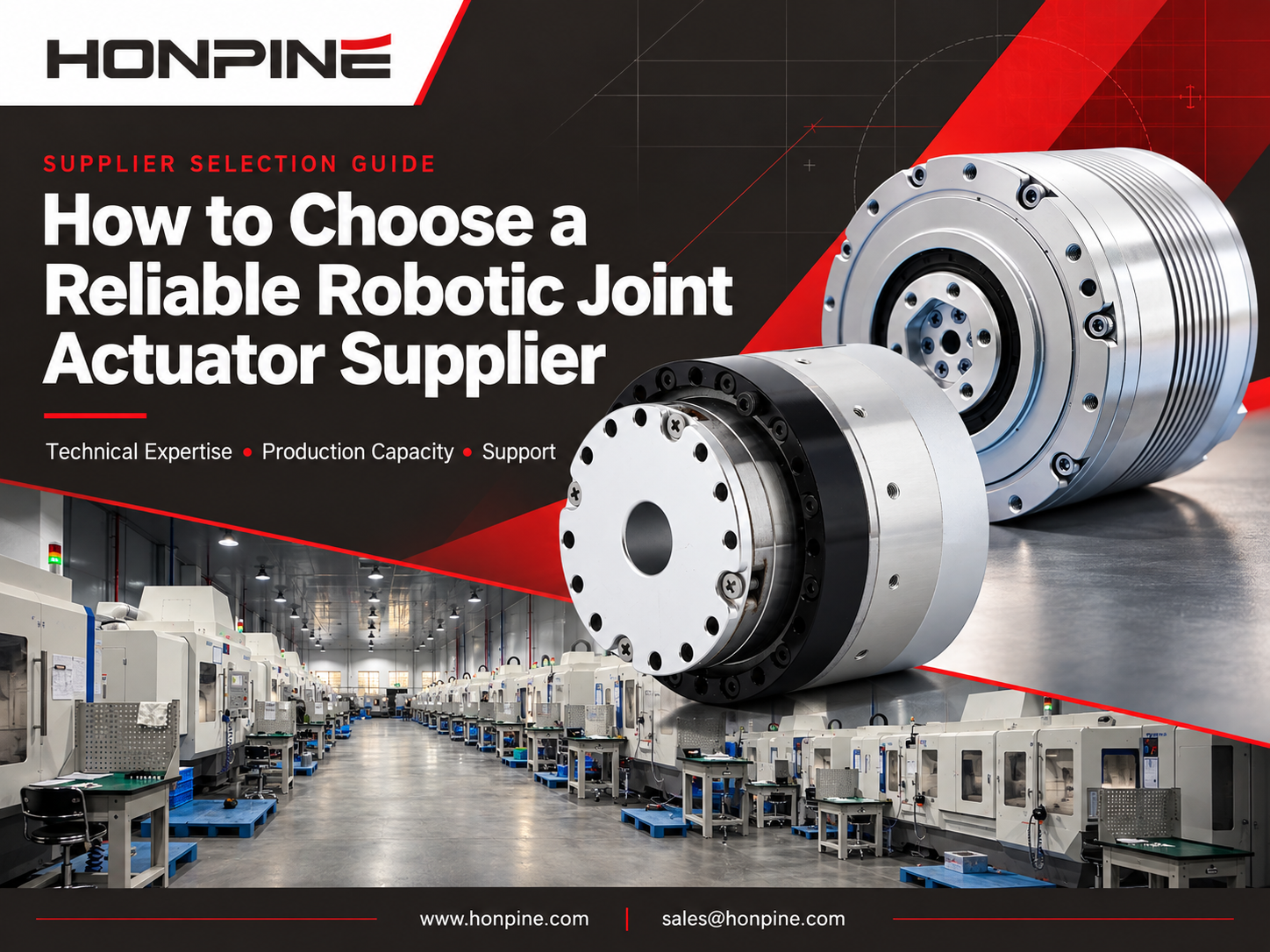
 How to Find a Reliable Robotic Joint Actuator Supplier?Choosing the right robotic joint actuator supplier is essential for reliable performance, smooth integration and long-term project success. Beyond product specifications, you need to understand a supplier’s technical expertise, production capacity and after-sales support. In this guide, Allen Li, Founder of HONPINE, explains how to assess these three factors when sourcing harmonic and planetary joint actuators for robotics and industrial automation.
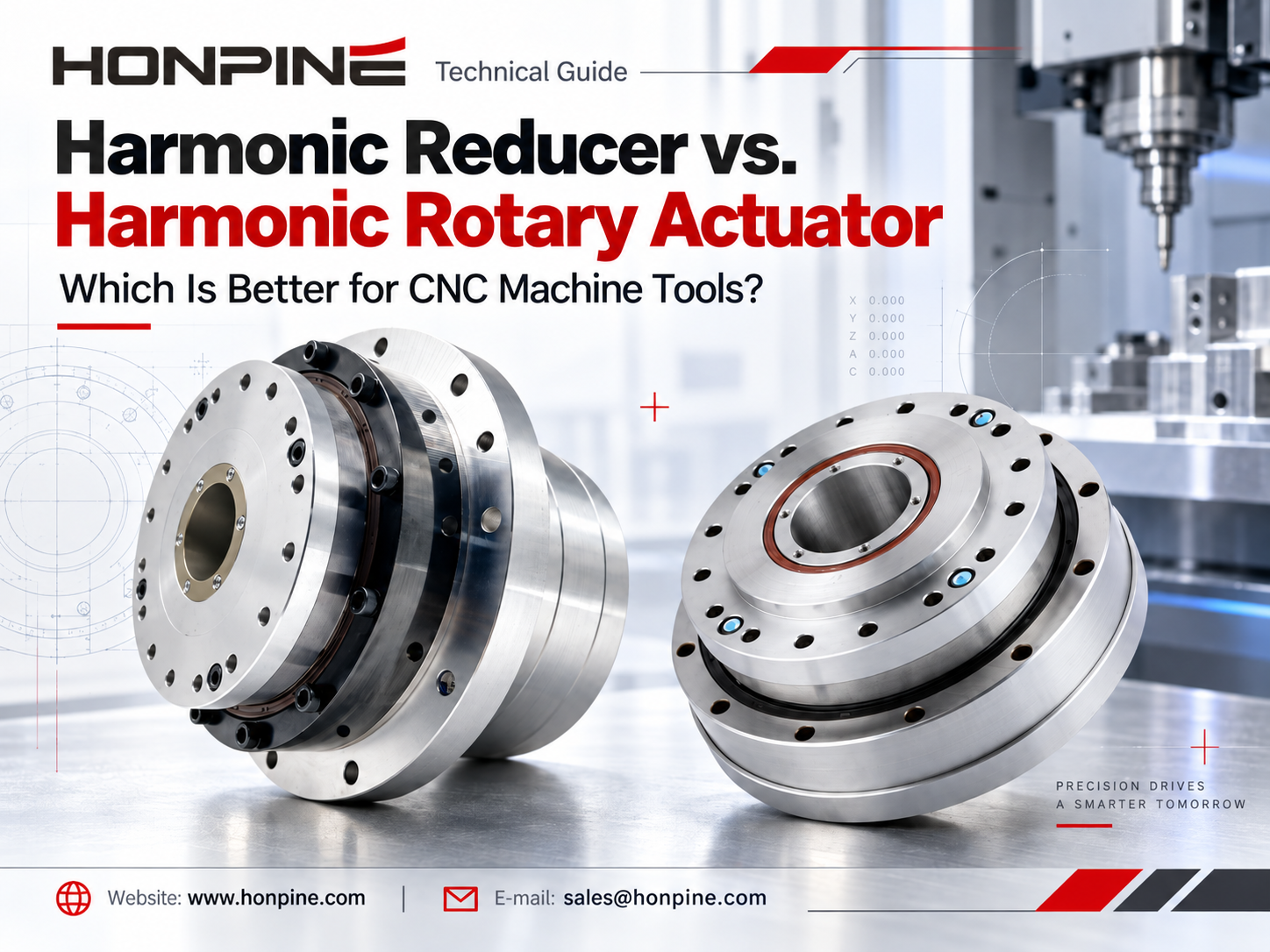
 Harmonic Reducer vs. Harmonic Rotary Actuator: Which Is Better for CNC Machine Tools?Choosing between a harmonic reducer and a harmonic rotary actuator is an important decision in CNC machine tool design. Both solutions offer high-precision motion control, but they differ in integration, installation requirements, rigidity, and system flexibility. For CNC fourth-axis rotary tables and compact five-axis machining systems, selecting the right harmonic drive can significantly influence machine performance. In this article, HONPINE Technical Director Theodore Li compares harmonic reducers and harmonic rotary actuators to help engineers identify the most suitable solution for their CNC applications.
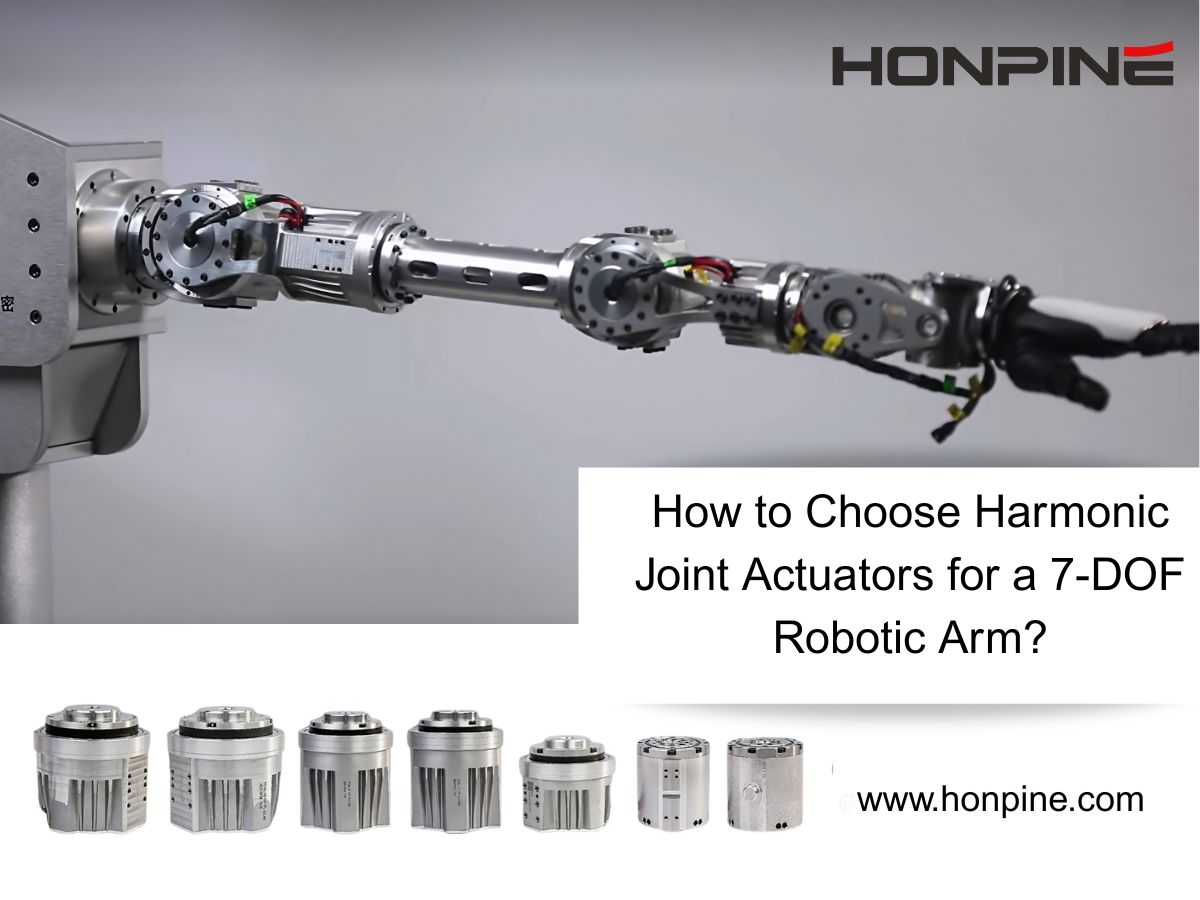
 How to Choose Harmonic Joint Actuators for a 7-DOF Robotic Arm?I'm Theodore Li, Technical Director at HONPINE. Choosing harmonic joint actuators for a 7-DOF robotic arm starts with the torque, weight, and installation needs of each joint. This guide uses a TCHL 20 shoulder and TCHL 14 wrist configuration as an example, then explores torque sensing, compliant control, and HAG Series considerations for demanding robotic applications.
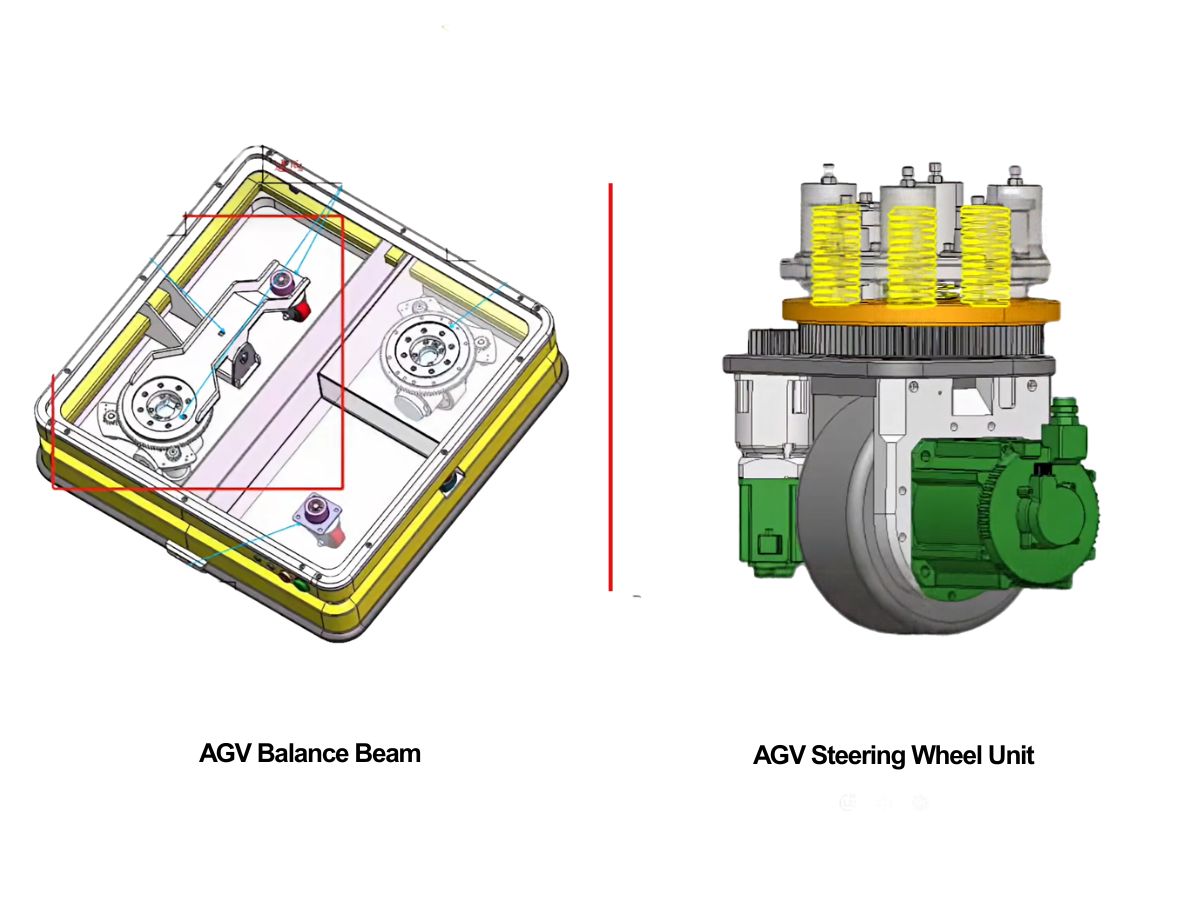
 AGV Suspension: Should You Choose a Balance Beam or a Spring-Loaded Steering Drive Unit?Choosing an AGV suspension system starts with the vehicle’s load range and floor conditions. Balance beams and spring-loaded steering drive units offer different approaches to maintaining wheel contact and managing wheel loads. This HONPINE guide compares both options and explains how to evaluate traction, suspension travel, installation space, and maintenance before choosing a configuration.
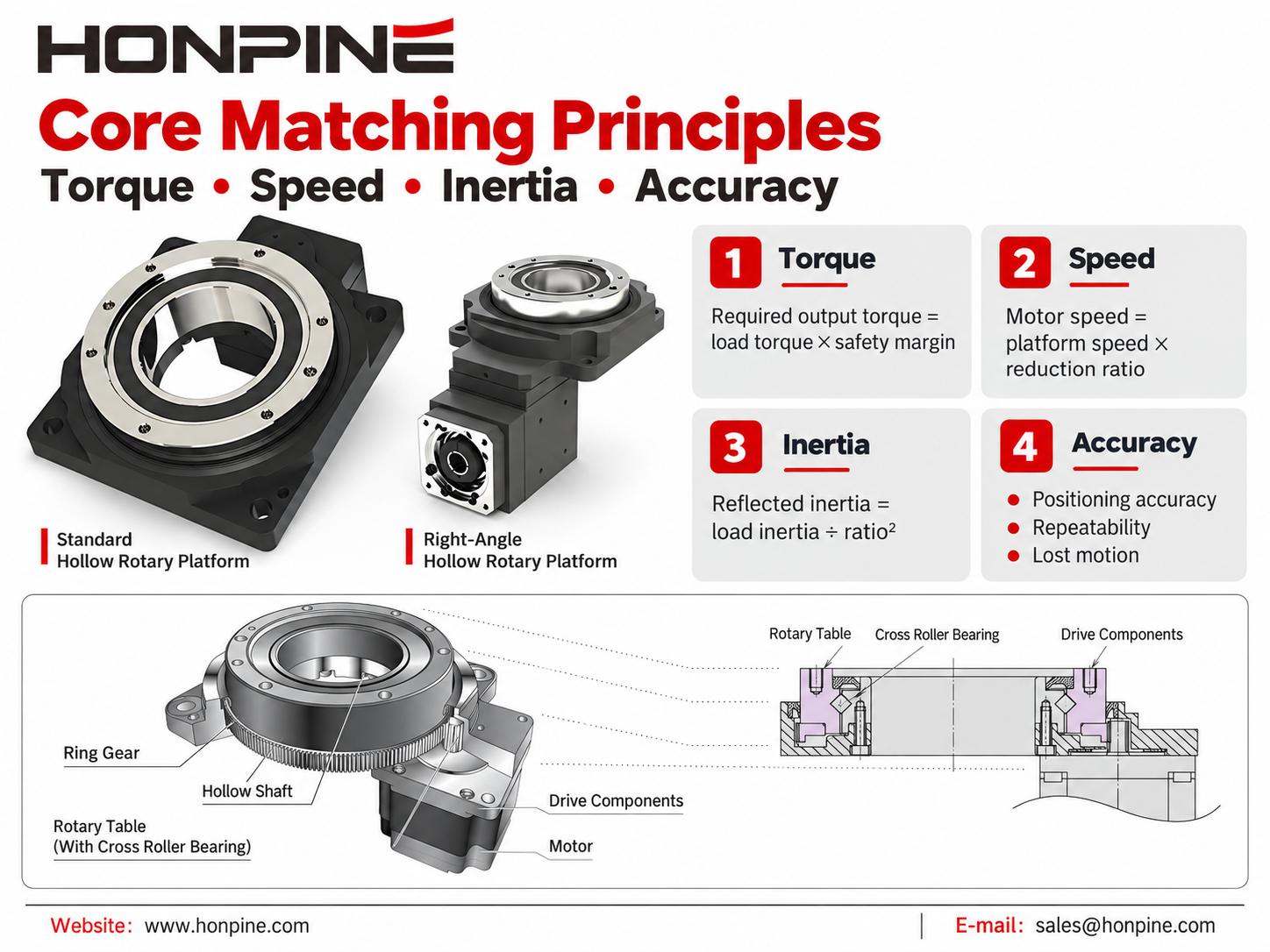
 Hollow Rotary Platform Motor Matching: A Complete GuideSelecting the right motor for a hollow rotary platform is essential for achieving precise positioning, stable operation, and efficient automation. This guide explains how to match servo motors, stepper motors, and brushless DC motors with hollow rotary platforms based on torque, speed, inertia, accuracy, and installation requirements. Explore practical motor selection guidelines, typical application combinations, and space-saving mounting solutions to find the right configuration for your automation project.
Double Click
We provide harmonic drive reducer,planetary reducer,robot joint motor,robot rotary actuators,RV gear reducer,robot end effector,dexterous robot hand
 What is robot joint actuator?How to Choose the Best Robot Rotary Joint Actuator?In core robot joint transmission solutions, planetary and harmonic rotary actuators each have their own strengths. Choosing the right type based on application requirements is essential to achieve the optimal balance between performance and cost.
 DD Motors VS Harmonic Rotary ActuatorsThis article provides an in-depth comparison between Direct Drive (DD) motors and harmonic rotary actuators, covering their transmission principles, advantages and disadvantages, and typical application fields.
 OMG Ultra Compact Harmonic Drive Joint Module with Built-in Torque SensorHONPINE TCHL series harmonic drive joint module is a game-changing product that achieves disruptive improvements in multiple aspects such as lightweight design, integration level, and connection convenience. This article will analyze its revolutionary enhancements with you.
 The Role of Harmonic Drive Gears in Achieving 5–10 μm Accuracy in Dental Milling MachinesA dental milling machine is a CNC machining system used to directly process digital dental models into restorations such as crowns, bridges, veneers, inlays, and implant abutments. Dental milling machines require far higher operational accuracy and motion stability than ordinary equipment. This article explains how harmonic drive gear help dental milling machines achieve stable, continuous, and controllable operation.
 Why Are Harmonic Rotary Actuators Perfect for Medical Equipment?Harmonic rotary actuators (typically integrated systems consisting of a harmonic drive reducer, frameless torque motor, encoder, and optional brake) are regarded as key components in medical equipment. The core reason is that they simultaneously meet the most stringent medical requirements for precision, compact size, safety, and controllability. The following explanation is structured from three perspectives: technical characteristics, application scenarios, and medical value.
 High-Precision RV Reducers Perfectly Matched for Walking RobotsThe walking axis of a robot is a core component for power transmission and support. RV reducers provide extremely high rigidity, precision, and torque while maintaining a compact size and exceptional reliability, making them an ideal match for the demanding requirements of walking robot joints in terms of load capacity, impact resistance, and precision.
 RV vs Harmonic Reducer: How to Choose the Right Gearbox for Robot Joints?RV vs harmonic reducer: which gearbox is right for your robot joint? The answer depends on torque, rigidity, accuracy, installation space and operating conditions. This guide compares their working principles and five key performance factors, then explains how to evaluate joint loads, reducer life, temperature and lubrication. Whether you are designing a robot base, shoulder, elbow or wrist, use these considerations to match the reducer to the requirements of each joint.
 How to Find a Reliable Robotic Joint Actuator Supplier?Choosing the right robotic joint actuator supplier is essential for reliable performance, smooth integration and long-term project success. Beyond product specifications, you need to understand a supplier’s technical expertise, production capacity and after-sales support. In this guide, Allen Li, Founder of HONPINE, explains how to assess these three factors when sourcing harmonic and planetary joint actuators for robotics and industrial automation.
 Harmonic Reducer vs. Harmonic Rotary Actuator: Which Is Better for CNC Machine Tools?Choosing between a harmonic reducer and a harmonic rotary actuator is an important decision in CNC machine tool design. Both solutions offer high-precision motion control, but they differ in integration, installation requirements, rigidity, and system flexibility. For CNC fourth-axis rotary tables and compact five-axis machining systems, selecting the right harmonic drive can significantly influence machine performance. In this article, HONPINE Technical Director Theodore Li compares harmonic reducers and harmonic rotary actuators to help engineers identify the most suitable solution for their CNC applications.
 How to Choose Harmonic Joint Actuators for a 7-DOF Robotic Arm?I'm Theodore Li, Technical Director at HONPINE. Choosing harmonic joint actuators for a 7-DOF robotic arm starts with the torque, weight, and installation needs of each joint. This guide uses a TCHL 20 shoulder and TCHL 14 wrist configuration as an example, then explores torque sensing, compliant control, and HAG Series considerations for demanding robotic applications.
 AGV Suspension: Should You Choose a Balance Beam or a Spring-Loaded Steering Drive Unit?Choosing an AGV suspension system starts with the vehicle’s load range and floor conditions. Balance beams and spring-loaded steering drive units offer different approaches to maintaining wheel contact and managing wheel loads. This HONPINE guide compares both options and explains how to evaluate traction, suspension travel, installation space, and maintenance before choosing a configuration.
 Hollow Rotary Platform Motor Matching: A Complete GuideSelecting the right motor for a hollow rotary platform is essential for achieving precise positioning, stable operation, and efficient automation. This guide explains how to match servo motors, stepper motors, and brushless DC motors with hollow rotary platforms based on torque, speed, inertia, accuracy, and installation requirements. Explore practical motor selection guidelines, typical application combinations, and space-saving mounting solutions to find the right configuration for your automation project.