









Indonesia Enforces Strict SNI Rules for Used Machine Tool Imports
On May 26, 2026, Indonesia’s National Standardization Agency (BSN) implemented new requirements mandating that all imported used machine tools—including CNC lathes, milling centers, grinding machines, and drilling/tapping centers—must hold a valid, current SNI certification certificate. Crucially, the physical nameplate information on each unit (manufacturer, model, year of manufacture, and serial number) must match the SNI certificate and customs declaration documents with 100% consistency. Non-compliant shipments will be rejected and returned. This rule applies across all products classified under HS codes 8456–8465—and directly affects international traders, distributors, and manufacturers exporting to Indonesia’s industrial equipment market.
Event Overview
On May 26, 2026, the Indonesian National Standardization Agency (BSN) issued an official announcement stating that, effective immediately, all imports of used machine tools falling under HS codes 8456–8465 must be accompanied by a valid SNI certification certificate. In addition, the equipment’s physical nameplate data—including manufacturer name, model designation, year of manufacture, and serial number—must be fully identical to the information recorded in both the SNI certificate and the customs declaration form. Any discrepancy results in mandatory re-exportation of the shipment.
Which Subsectors Are Affected
Direct Trading Enterprises
Companies engaged in cross-border export of used machine tools to Indonesia are now required to verify SNI compliance prior to shipment. Since SNI certificates are product- and unit-specific—and not transferable between units—even identical models from the same seller may require individual certification if previously uncertified. This increases pre-shipment verification time and documentation overhead.
Supply Chain & Distribution Firms
Distributors and consolidators handling used machinery inventories for the Indonesian market face heightened risk of inventory obsolescence. Units acquired without verifiable SNI certificates—or with mismatched nameplate data—can no longer be cleared through Indonesian customs. This restricts flexibility in sourcing, bundling, or remarketing second-hand assets within the supply chain.
Manufacturing & Maintenance Service Providers
Domestic Indonesian manufacturers and maintenance workshops relying on imported used equipment for capacity expansion or replacement parts procurement must now coordinate closely with foreign suppliers to ensure full traceability and documentation alignment. Delays in customs clearance may disrupt production planning or scheduled maintenance cycles.
What Relevant Enterprises or Practitioners Should Focus On and How to Respond Now
Verify SNI Certificate Validity and Unit-Level Traceability Before Shipment
Confirm that each unit has a currently valid SNI certificate issued by an accredited body—and that the certificate explicitly lists the exact nameplate details appearing on the physical machine. Cross-check serial numbers against factory records where possible; do not rely solely on broker-provided documentation.
Review Inventory and Procurement Contracts for Nameplate Consistency
Audit existing stock or pending purchase orders for used machine tools destined for Indonesia. Identify units lacking SNI certification or exhibiting inconsistencies (e.g., repainted nameplates, aftermarket labels, missing year-of-manufacture data). Adjust procurement terms to require full nameplate transparency and SNI eligibility as a contractual condition.
Monitor BSN Updates and Customs Implementation Guidance
While the rule took effect on May 26, 2026, detailed enforcement protocols—including accepted SNI issuing bodies, certificate renewal pathways for older units, and appeal procedures for borderline cases—are still being clarified by Indonesian customs authorities. Track official BSN circulars and Directorate General of Customs and Excise (DJBC) notices for operational guidance.
Prepare Documentation Packages Early in the Export Workflow
Integrate SNI certificate verification and nameplate validation into the initial quotation and order confirmation stage—not at the time of shipping. Assign responsibility for documentation reconciliation to a dedicated compliance officer or third-party verification partner familiar with Indonesian technical regulations.
Editorial Perspective / Industry Observation
Observably, this regulation signals a tightening of technical conformity enforcement—not just for new equipment, but specifically for the used industrial machinery segment, which historically operated with more flexible documentation standards in Indonesia. Analysis shows the requirement goes beyond basic safety or performance testing: it introduces strict identity linkage between physical asset, certification record, and customs filing. This reflects a broader regional trend toward traceability-driven import controls in ASEAN markets. From an industry perspective, the rule is less a one-off compliance hurdle and more a structural shift indicating that asset-level documentation integrity is now a prerequisite—not an afterthought—for market access.
It is currently more appropriate to understand this development as an enforcement signal rather than a finalized regulatory framework, given the absence of publicly available implementation guidelines on certificate grandfathering, third-party verification acceptance, or transitional arrangements for units already en route prior to May 26, 2026.
Industry stakeholders should therefore treat this as a trigger for internal process review—not merely a checklist item—and prioritize traceability infrastructure over isolated certificate acquisition.
Concluding, this SNI enforcement action underscores the growing importance of documentation fidelity in cross-border trade of industrial capital goods. It does not represent a ban on used machine tool imports, but rather establishes a new baseline for evidentiary alignment across certification, physical identification, and customs reporting. For affected businesses, the most rational interpretation is that documentation rigor—especially at the individual unit level—is now a non-negotiable component of market entry into Indonesia.
Source: Indonesian National Standardization Agency (BSN), Official Announcement dated May 26, 2026.
Note: Implementation details—including list of authorized SNI certification bodies, validity periods for legacy certificates, and procedural guidance from Indonesian customs—are still pending formal publication and remain under observation.
Read More
Learn more about the story of HONPINE and industry trends related to precision transmission.
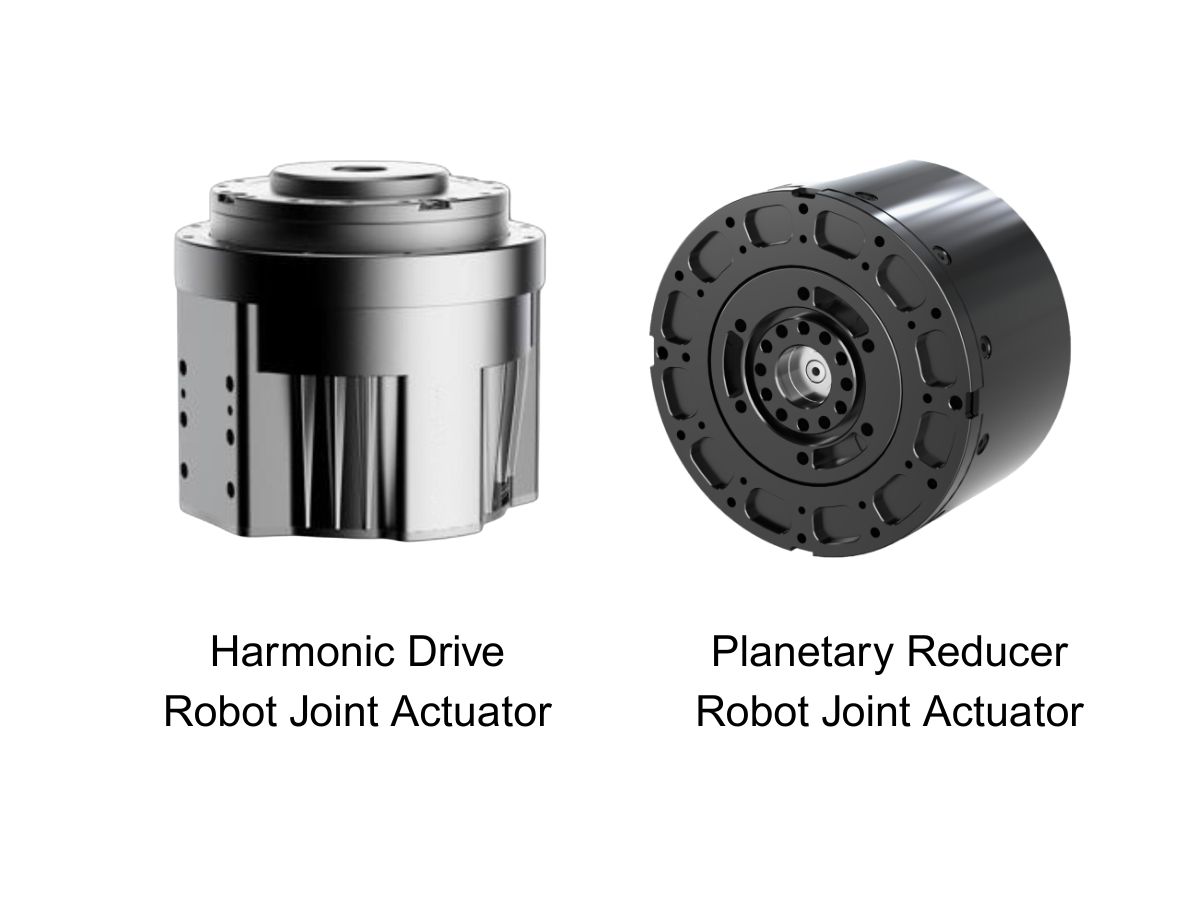
 What is robot joint actuator?How to Choose the Best Robot Rotary Joint Actuator?In core robot joint transmission solutions, planetary and harmonic rotary actuators each have their own strengths. Choosing the right type based on application requirements is essential to achieve the optimal balance between performance and cost.
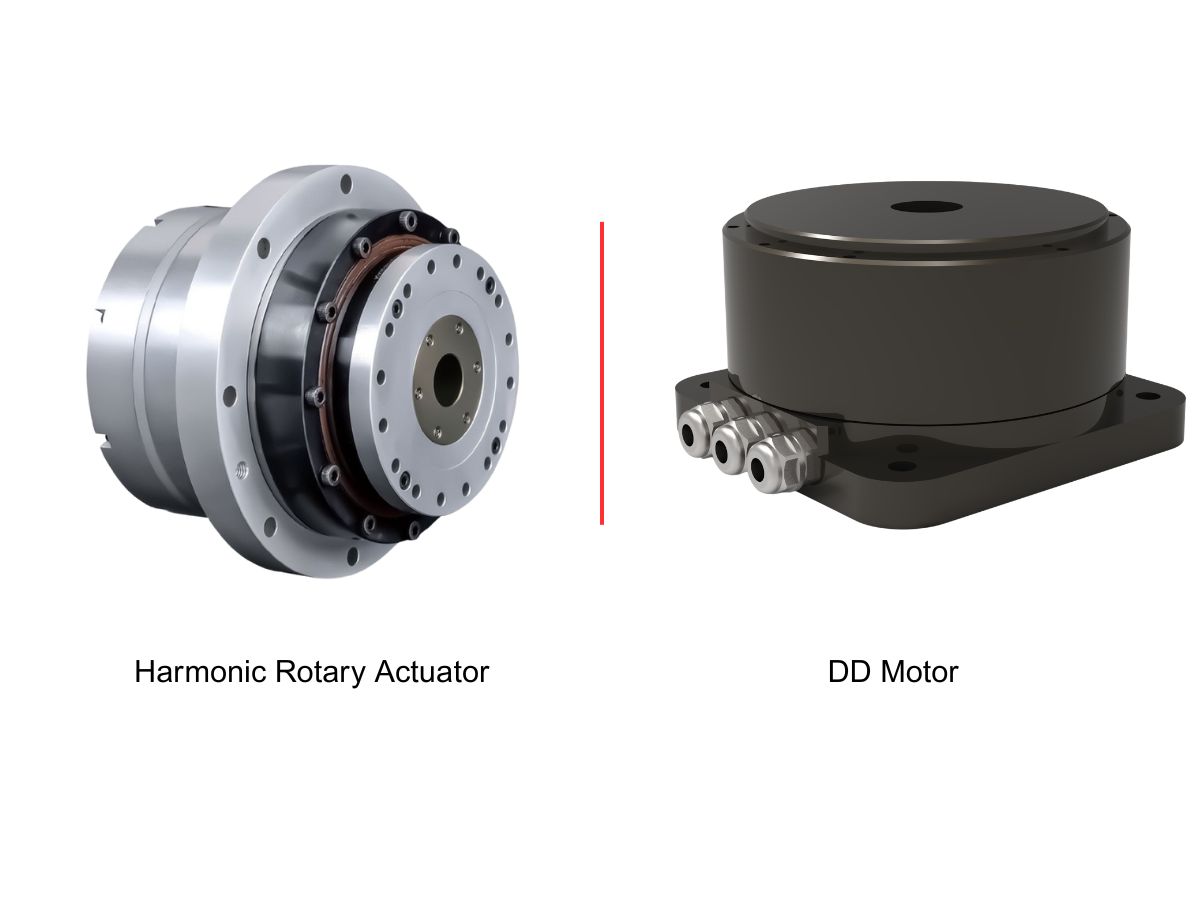
 DD Motors VS Harmonic Rotary ActuatorsThis article provides an in-depth comparison between Direct Drive (DD) motors and harmonic rotary actuators, covering their transmission principles, advantages and disadvantages, and typical application fields.
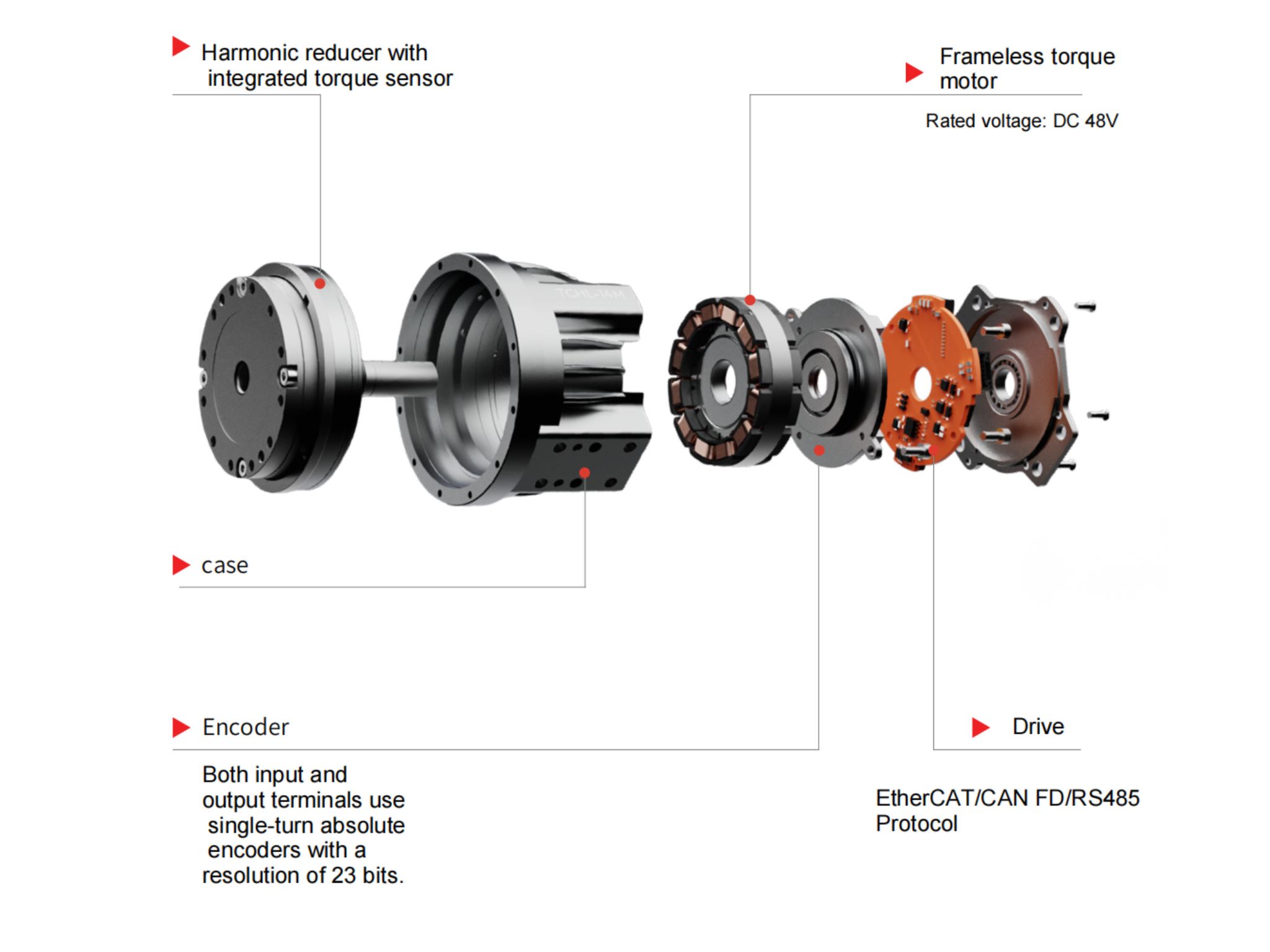
 OMG Ultra Compact Harmonic Drive Joint Module with Built-in Torque SensorHONPINE TCHL series harmonic drive joint module is a game-changing product that achieves disruptive improvements in multiple aspects such as lightweight design, integration level, and connection convenience. This article will analyze its revolutionary enhancements with you.
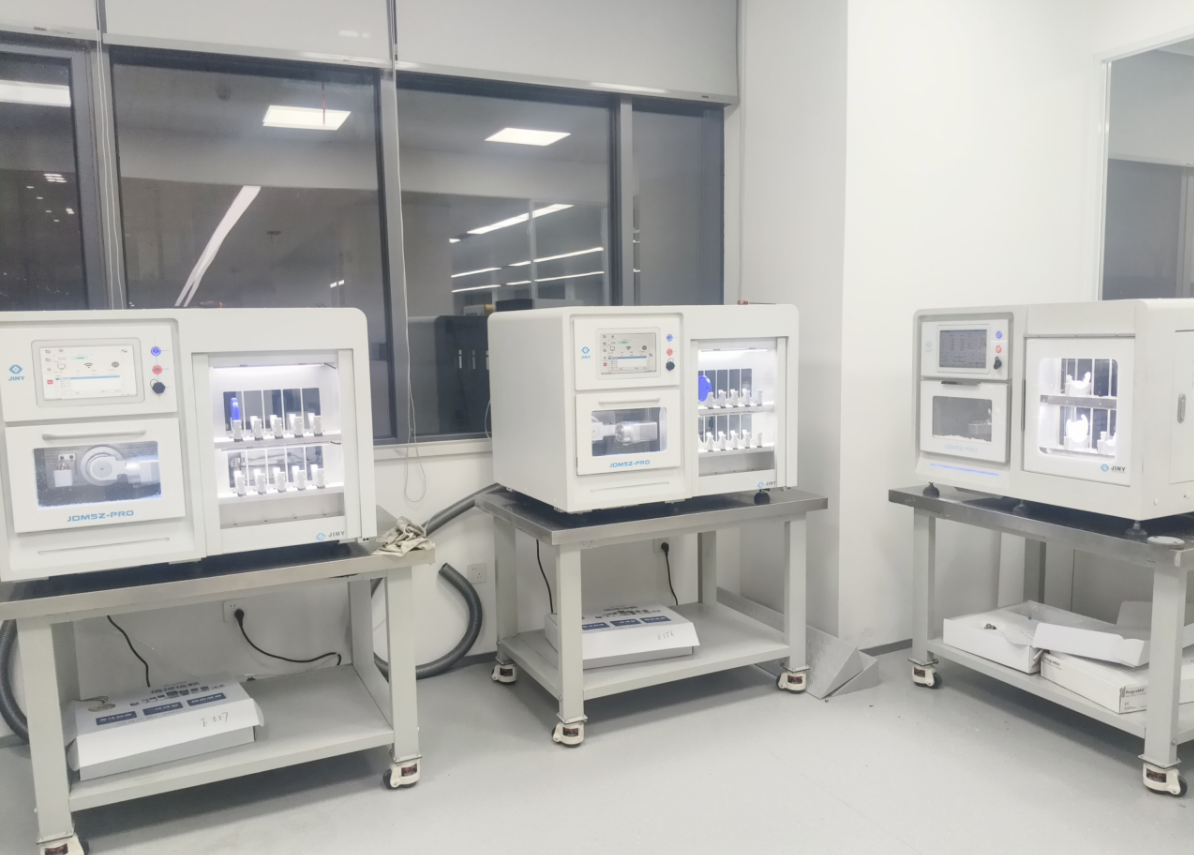
 The Role of Harmonic Drive Gears in Achieving 5–10 μm Accuracy in Dental Milling MachinesA dental milling machine is a CNC machining system used to directly process digital dental models into restorations such as crowns, bridges, veneers, inlays, and implant abutments. Dental milling machines require far higher operational accuracy and motion stability than ordinary equipment. This article explains how harmonic drive gear help dental milling machines achieve stable, continuous, and controllable operation.
 Why Are Harmonic Rotary Actuators Perfect for Medical Equipment?Harmonic rotary actuators (typically integrated systems consisting of a harmonic drive reducer, frameless torque motor, encoder, and optional brake) are regarded as key components in medical equipment. The core reason is that they simultaneously meet the most stringent medical requirements for precision, compact size, safety, and controllability. The following explanation is structured from three perspectives: technical characteristics, application scenarios, and medical value.
 High-Precision RV Reducers Perfectly Matched for Walking RobotsThe walking axis of a robot is a core component for power transmission and support. RV reducers provide extremely high rigidity, precision, and torque while maintaining a compact size and exceptional reliability, making them an ideal match for the demanding requirements of walking robot joints in terms of load capacity, impact resistance, and precision.
 How to Select Harmonic and RV Reducers for Each Axis of a Six-Axis Robot?What determines whether a six-axis robot joint needs a harmonic reducer or an RV reducer? The answer depends on torque, inertia, impact loads, bearing loads and installation space. This guide explains how to evaluate harmonic and RV reducers for the base, shoulder, elbow and wrist, with practical checks for stiffness, backlash and service life. Use the requirements of each axis to select a suitable reducer configuration.
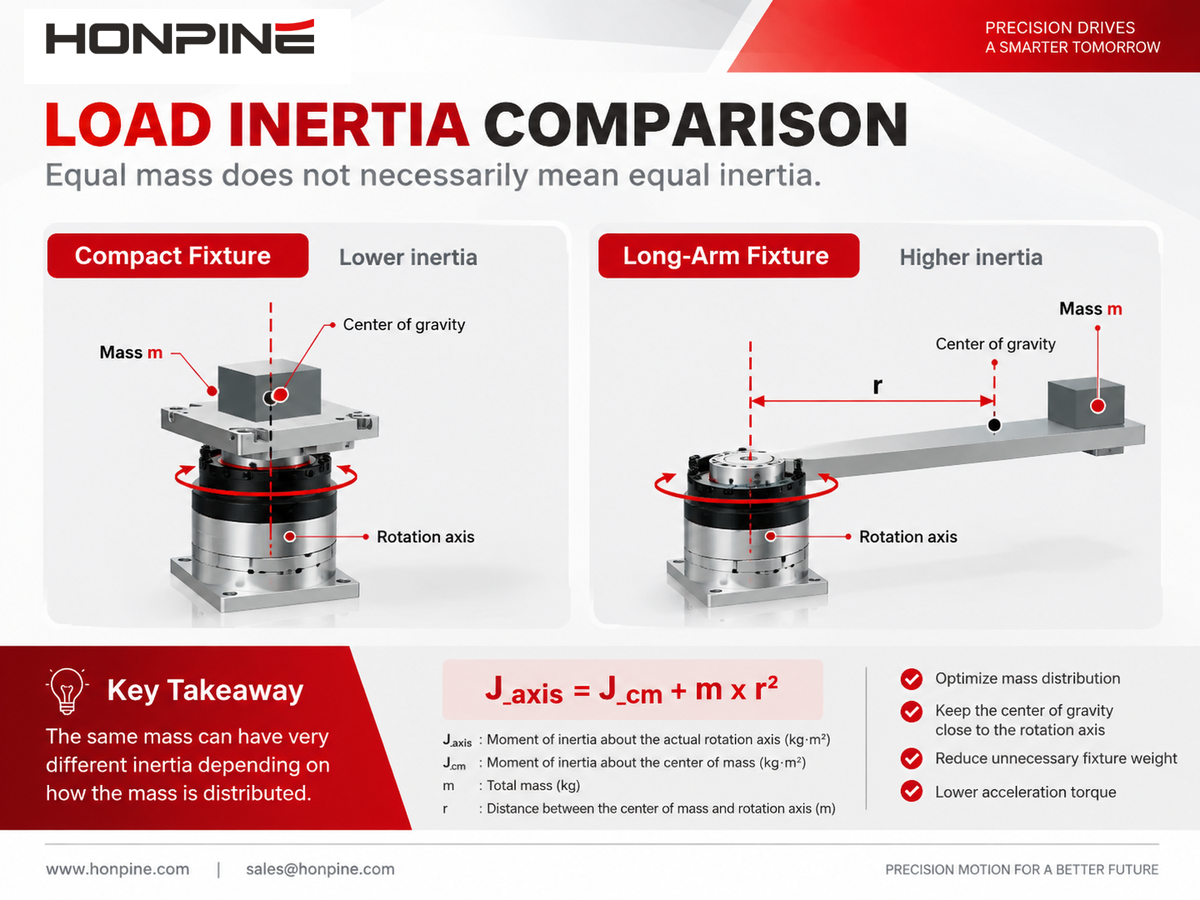
 How to Calculate Torque for a Harmonic Rotary Actuator in a Flipping Mechanism?How much torque does a harmonic rotary actuator need to flip a 10 kg load through 180 degrees? The answer depends on more than weight. Center-of-gravity offset, load inertia, acceleration and operating frequency all affect actuator selection. In this guide, Theodore Li, Technical Director at HONPINE, explains the calculation process using a horizontal-axis flipping example and outlines the checks needed for peak torque, continuous operation, output speed and bearing loads.
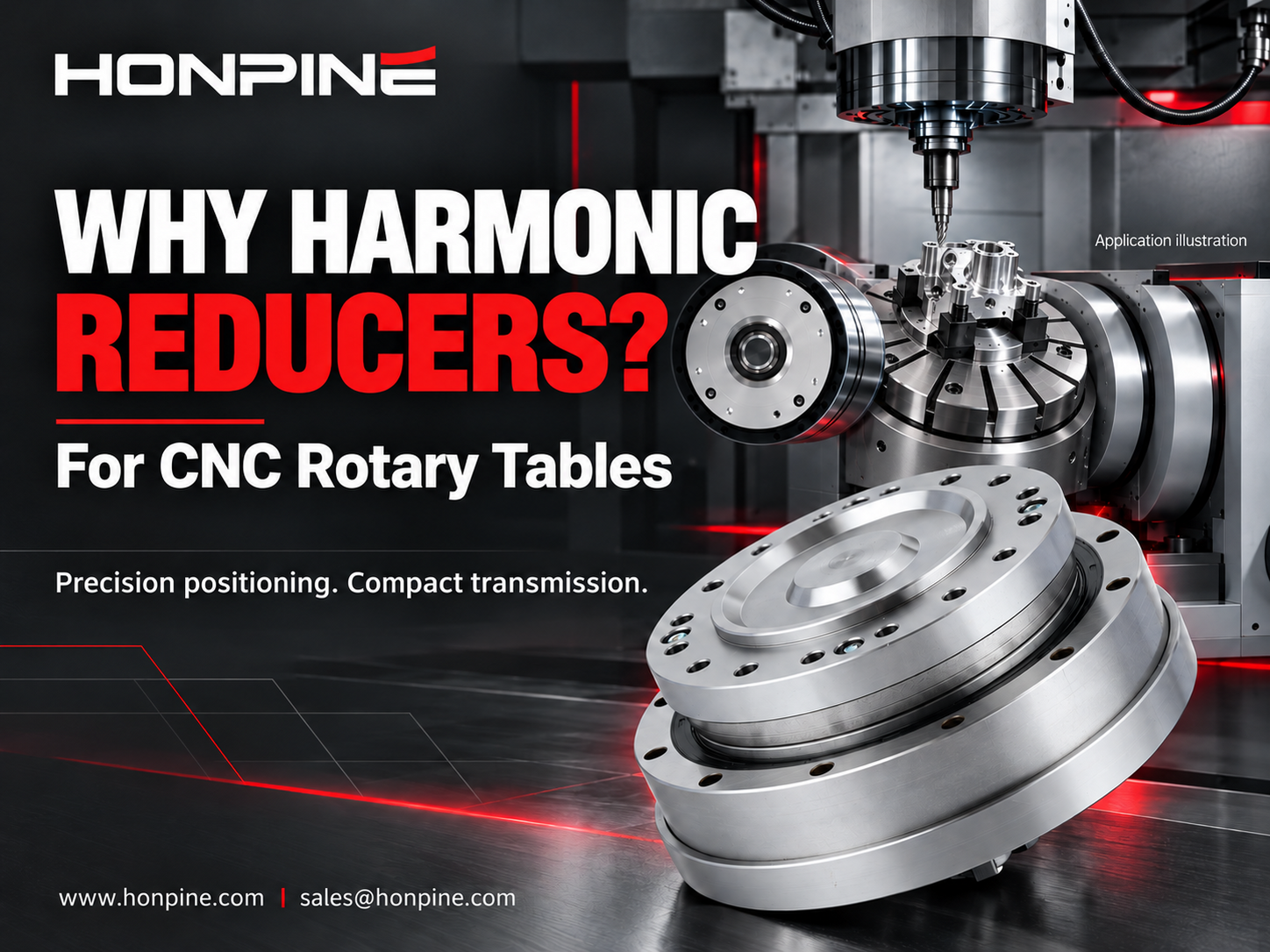
 Why Are Harmonic Reducers Suitable for CNC Machine Tool Rotary Tables?Why choose harmonic reducers for CNC rotary tables? Accurate indexing depends on more than the motor: backlash, torsional stiffness and torque capacity all affect how reliably a rotary table holds its position during machining. This guide explains the key transmission requirements of fourth and fifth axis rotary tables, explores common machine tool applications, and introduces HONPINE harmonic reducer configurations for different installation and load requirements.
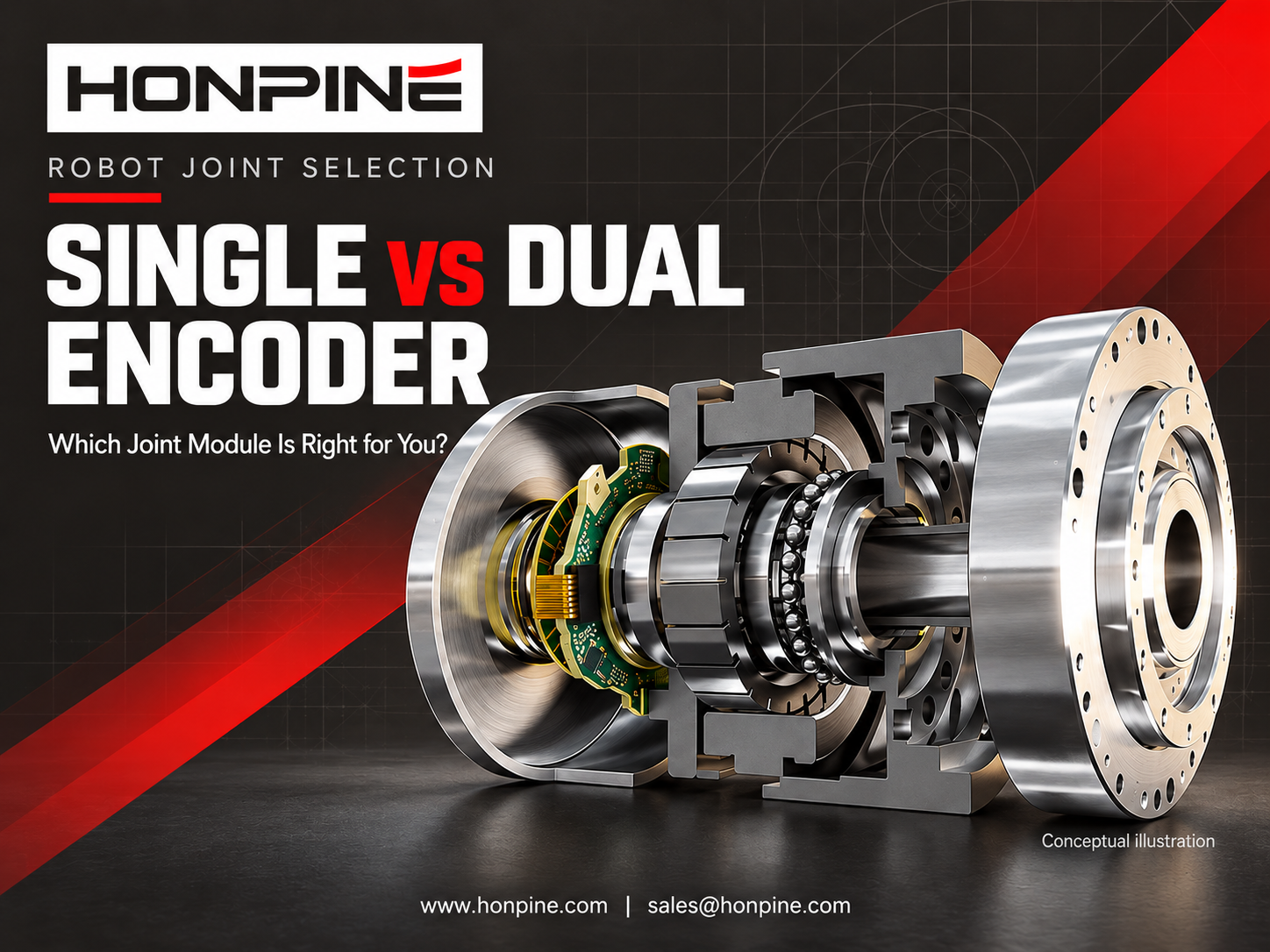
 What’s the Difference Between Single and Dual Encoder Robot Joint Modules?Does your robot need a dual encoder joint module, or is a single encoder enough? The answer depends on positioning requirements, transmission behavior, force control strategy and budget. This guide compares motor-side and output-side feedback, explains where dual encoders can improve control, and examines their costs and limitations. Learn when a single encoder can meet your needs and when additional output feedback is worth considering.
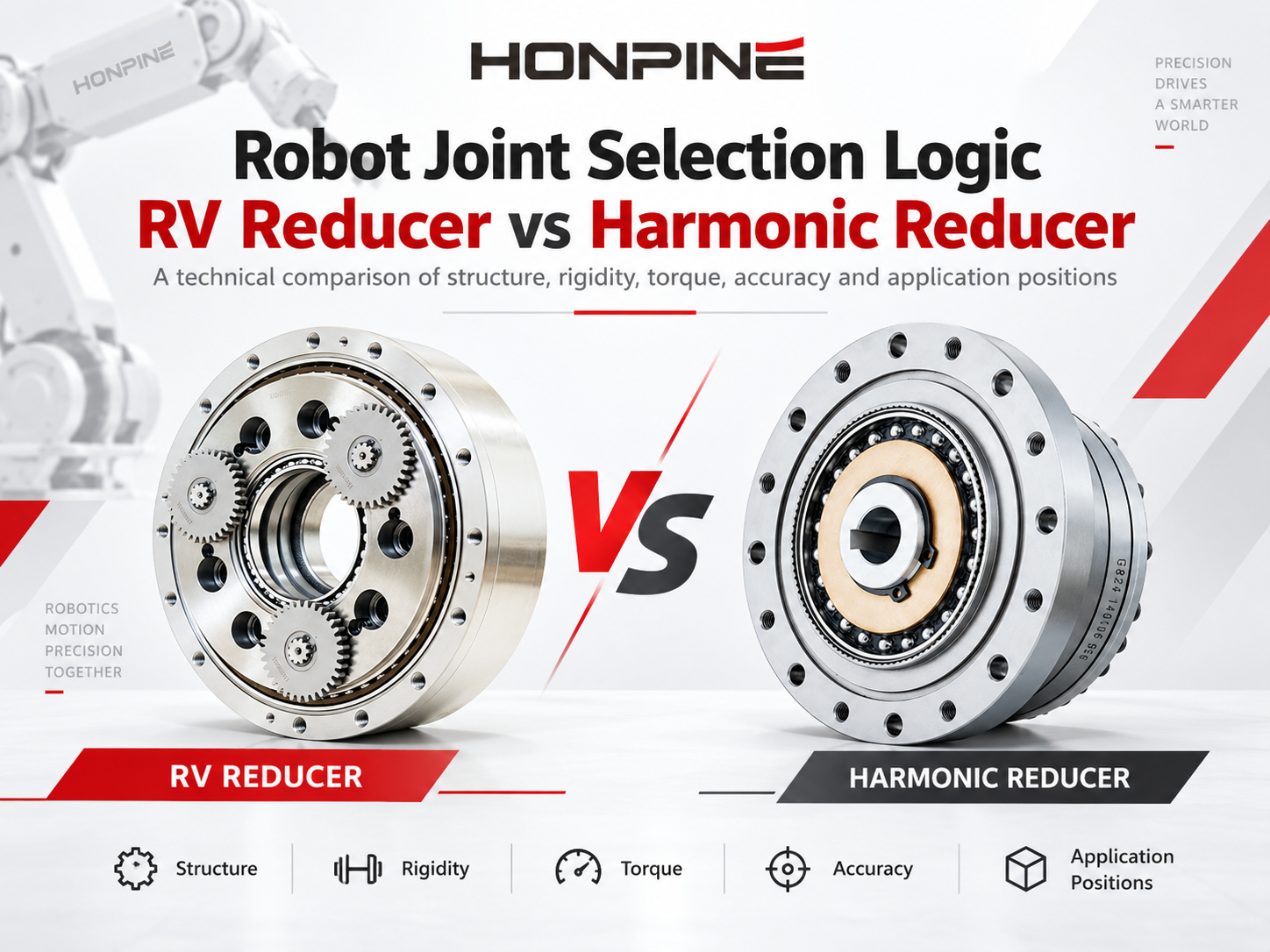
 RV vs Harmonic Reducer: How to Choose the Right Gearbox for Robot Joints?RV vs harmonic reducer: which gearbox is right for your robot joint? The answer depends on torque, rigidity, accuracy, installation space and operating conditions. This guide compares their working principles and five key performance factors, then explains how to evaluate joint loads, reducer life, temperature and lubrication. Whether you are designing a robot base, shoulder, elbow or wrist, use these considerations to match the reducer to the requirements of each joint.
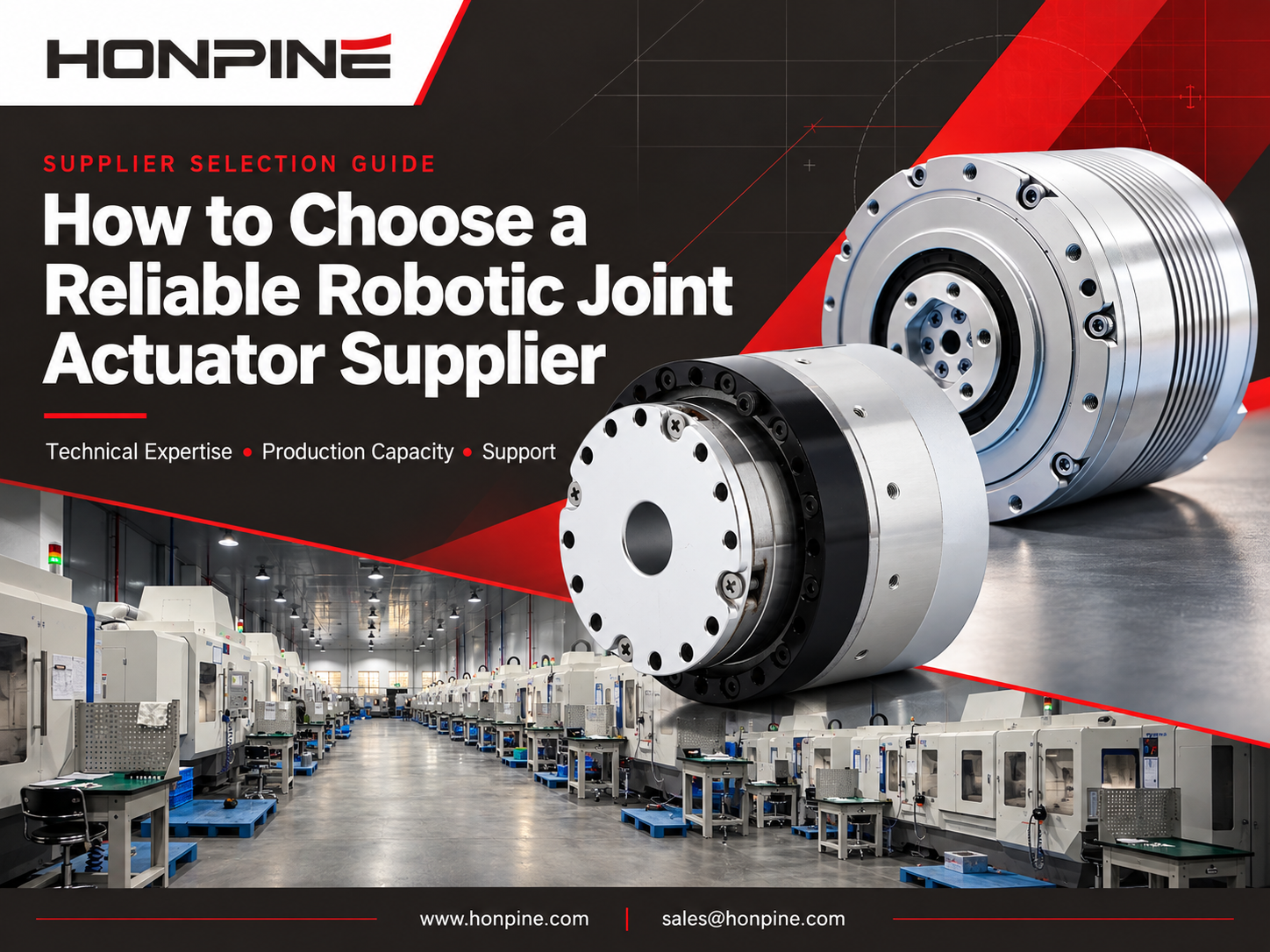
 How to Find a Reliable Robotic Joint Actuator Supplier?Choosing the right robotic joint actuator supplier is essential for reliable performance, smooth integration and long-term project success. Beyond product specifications, you need to understand a supplier’s technical expertise, production capacity and after-sales support. In this guide, Allen Li, Founder of HONPINE, explains how to assess these three factors when sourcing harmonic and planetary joint actuators for robotics and industrial automation.
Double Click
We provide harmonic drive reducer,planetary reducer,robot joint motor,robot rotary actuators,RV gear reducer,robot end effector,dexterous robot hand
 What is robot joint actuator?How to Choose the Best Robot Rotary Joint Actuator?In core robot joint transmission solutions, planetary and harmonic rotary actuators each have their own strengths. Choosing the right type based on application requirements is essential to achieve the optimal balance between performance and cost.
 DD Motors VS Harmonic Rotary ActuatorsThis article provides an in-depth comparison between Direct Drive (DD) motors and harmonic rotary actuators, covering their transmission principles, advantages and disadvantages, and typical application fields.
 OMG Ultra Compact Harmonic Drive Joint Module with Built-in Torque SensorHONPINE TCHL series harmonic drive joint module is a game-changing product that achieves disruptive improvements in multiple aspects such as lightweight design, integration level, and connection convenience. This article will analyze its revolutionary enhancements with you.
 The Role of Harmonic Drive Gears in Achieving 5–10 μm Accuracy in Dental Milling MachinesA dental milling machine is a CNC machining system used to directly process digital dental models into restorations such as crowns, bridges, veneers, inlays, and implant abutments. Dental milling machines require far higher operational accuracy and motion stability than ordinary equipment. This article explains how harmonic drive gear help dental milling machines achieve stable, continuous, and controllable operation.
 Why Are Harmonic Rotary Actuators Perfect for Medical Equipment?Harmonic rotary actuators (typically integrated systems consisting of a harmonic drive reducer, frameless torque motor, encoder, and optional brake) are regarded as key components in medical equipment. The core reason is that they simultaneously meet the most stringent medical requirements for precision, compact size, safety, and controllability. The following explanation is structured from three perspectives: technical characteristics, application scenarios, and medical value.
 High-Precision RV Reducers Perfectly Matched for Walking RobotsThe walking axis of a robot is a core component for power transmission and support. RV reducers provide extremely high rigidity, precision, and torque while maintaining a compact size and exceptional reliability, making them an ideal match for the demanding requirements of walking robot joints in terms of load capacity, impact resistance, and precision.
 How to Select Harmonic and RV Reducers for Each Axis of a Six-Axis Robot?What determines whether a six-axis robot joint needs a harmonic reducer or an RV reducer? The answer depends on torque, inertia, impact loads, bearing loads and installation space. This guide explains how to evaluate harmonic and RV reducers for the base, shoulder, elbow and wrist, with practical checks for stiffness, backlash and service life. Use the requirements of each axis to select a suitable reducer configuration.
 How to Calculate Torque for a Harmonic Rotary Actuator in a Flipping Mechanism?How much torque does a harmonic rotary actuator need to flip a 10 kg load through 180 degrees? The answer depends on more than weight. Center-of-gravity offset, load inertia, acceleration and operating frequency all affect actuator selection. In this guide, Theodore Li, Technical Director at HONPINE, explains the calculation process using a horizontal-axis flipping example and outlines the checks needed for peak torque, continuous operation, output speed and bearing loads.
 Why Are Harmonic Reducers Suitable for CNC Machine Tool Rotary Tables?Why choose harmonic reducers for CNC rotary tables? Accurate indexing depends on more than the motor: backlash, torsional stiffness and torque capacity all affect how reliably a rotary table holds its position during machining. This guide explains the key transmission requirements of fourth and fifth axis rotary tables, explores common machine tool applications, and introduces HONPINE harmonic reducer configurations for different installation and load requirements.
 What’s the Difference Between Single and Dual Encoder Robot Joint Modules?Does your robot need a dual encoder joint module, or is a single encoder enough? The answer depends on positioning requirements, transmission behavior, force control strategy and budget. This guide compares motor-side and output-side feedback, explains where dual encoders can improve control, and examines their costs and limitations. Learn when a single encoder can meet your needs and when additional output feedback is worth considering.
 RV vs Harmonic Reducer: How to Choose the Right Gearbox for Robot Joints?RV vs harmonic reducer: which gearbox is right for your robot joint? The answer depends on torque, rigidity, accuracy, installation space and operating conditions. This guide compares their working principles and five key performance factors, then explains how to evaluate joint loads, reducer life, temperature and lubrication. Whether you are designing a robot base, shoulder, elbow or wrist, use these considerations to match the reducer to the requirements of each joint.
 How to Find a Reliable Robotic Joint Actuator Supplier?Choosing the right robotic joint actuator supplier is essential for reliable performance, smooth integration and long-term project success. Beyond product specifications, you need to understand a supplier’s technical expertise, production capacity and after-sales support. In this guide, Allen Li, Founder of HONPINE, explains how to assess these three factors when sourcing harmonic and planetary joint actuators for robotics and industrial automation.