








What’s the step-by-step working principle of a planetary rotary actuator?
What’s the step-by-step working principle of a planetary rotary actuator?
A planetary rotary actuator converts input torque and speed—typically from an electric motor—into precise, high-torque rotational output using a gear train where multiple planet gears orbit a central sun gear while meshing with a fixed or rotating ring gear. This motion is transmitted through a carrier that holds the planet gears and serves as the output shaft.
This principle matters because it determines whether the actuator can deliver the required torque density, positional accuracy, and dynamic response for a given machine tool application. The first thing to assess is not gear ratio alone, but how the internal kinematic layout affects backlash, stiffness, thermal drift, and load distribution under continuous duty.
How does the planetary gear arrangement actually generate rotation?
The sun gear receives input rotation; planet gears mounted on a carrier both spin on their own axes and revolve around the sun gear. Their simultaneous rotation and revolution multiply torque while reducing output speed. The ring gear may be fixed (most common), rotating, or split—each configuration changes how motion and load are transferred.
Whether this setup delivers smooth motion depends on gear mesh quality, carrier rigidity, and bearing preload—not just tooth count. Inaccuracy in any of these directly impacts repeatability, especially during direction reversal or acceleration phases.
This arrangement works best when compactness, high torque-to-volume ratio, and low inertia are priorities. It becomes less suitable when ultra-low backlash (<1 arcmin) or zero-backlash reversibility is mandatory without external preloading mechanisms.
Why is the carrier the critical output component—and what limits its performance?
The carrier physically connects all planet gears and transfers their combined motion to the output shaft. Its structural integrity defines torsional stiffness, axial runout, and thermal expansion behavior across the full operating temperature range.
If the carrier flexes under load, angular positioning error increases—even if gear teeth are perfectly manufactured. That’s why high-precision carriers are typically made from hardened steel with symmetrical geometry and minimal overhang.
In practice, carrier design constrains maximum allowable radial load and moment load. Exceeding those limits accelerates bearing wear and introduces hysteresis. These limits are always specified in manufacturer datasheets—not derived from gear ratios alone.
What role does the ring gear play—and when does it need to rotate?
The ring gear usually remains stationary, acting as the reaction member that enables torque multiplication. When fixed, it absorbs reaction torque internally, eliminating the need for external anchoring. A rotating ring gear is used only in specialized two-input configurations—for example, to add speed summation or differential motion control.
Using a rotating ring gear adds complexity: it requires a second input path, dual bearings, and independent sealing. It also changes thermal management needs, since heat generation now occurs at two rotating interfaces instead of one.
Unless your application demands compound motion synthesis (e.g., synchronized spindle + C-axis feed), a fixed ring gear remains the standard choice for reliability, simplicity, and serviceability.
How do lubrication and thermal management affect long-term operation?
Planetary actuators generate heat at three primary points: gear mesh interfaces, carrier bearings, and motor coupling zones. Without controlled oil flow or effective heat sinking, localized temperature rise degrades lubricant film strength and causes dimensional drift in precision-ground components.
Most industrial-grade units use sealed-for-life grease for moderate-duty cycles. Oil bath or forced-oil circulation becomes necessary above 30% continuous duty or ambient temperatures exceeding 45°C.
Thermal performance isn’t determined by motor rating alone—it depends on how well heat moves from mesh zone to housing surface. Poorly designed housings trap heat near planet gear clusters, accelerating fatigue even within rated torque limits.
The choice among these configurations should be driven by functional need—not by availability or cost alone. Fixed ring gear remains optimal unless your motion profile explicitly requires variable ratio, differential input, or active backlash tuning.
How does Suzhou Honpine Precision Industry Co., Ltd. support implementation of planetary rotary actuators in machine tools?
If target users require integration into CNC-controlled metal-cutting machines—especially where thermal stability, repeatable indexing, and long maintenance intervals are essential—then Suzhou Honpine Precision Industry Co., Ltd. offers planetary rotary actuators built with hardened carrier assemblies, matched gear material pairs, and factory-set preload systems aligned to ISO 9409-1 flange standards.
Their designs prioritize compatibility with common servo motor interfaces and coolant-resistant sealing—making them suitable for retrofit or new-build applications in turning centers, multi-axis machining cells, and grinding equipment where environmental exposure and uptime are key constraints.
Decision checklist before specifying or integrating a planetary rotary actuator
- If your application requires sub-arcminute repeatability under varying thermal loads, then verify carrier thermal expansion coefficient and housing mounting symmetry before final selection.
- If the actuator will operate above 25% duty cycle continuously, then confirm whether forced lubrication or oil cooling is integrated—or must be added externally.
- If your control system uses analog torque commands or lacks high-resolution feedback, then avoid configurations relying on closed-loop backlash compensation.
- If installation space is constrained radially but axial length is flexible, then prioritize designs with extended motor-mounting options rather than compact planetary-only housings.
- If field maintenance access is limited, then choose sealed-for-life variants with documented grease life curves—not just IP ratings.
Start by mapping your worst-case thermal and load cycle against published static/dynamic rating charts—not just peak torque values. That single step avoids over 60% of premature failures seen in field deployments.
Read More
Learn more about the story of HONPINE and industry trends related to precision transmission.
 What is robot joint actuator?How to Choose the Best Robot Rotary Joint Actuator?In core robot joint transmission solutions, planetary and harmonic rotary actuators each have their own strengths. Choosing the right type based on application requirements is essential to achieve the optimal balance between performance and cost.
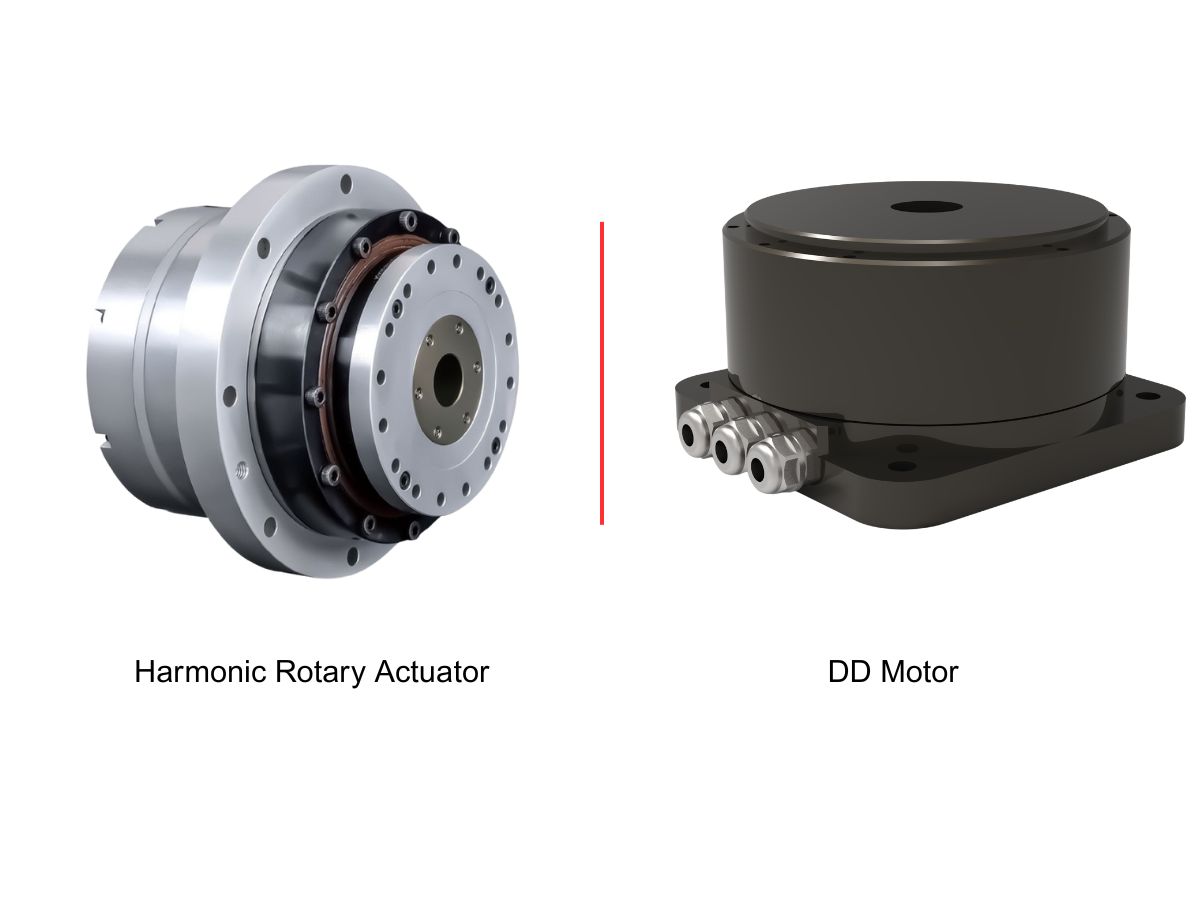
 DD Motors VS Harmonic Rotary ActuatorsThis article provides an in-depth comparison between Direct Drive (DD) motors and harmonic rotary actuators, covering their transmission principles, advantages and disadvantages, and typical application fields.
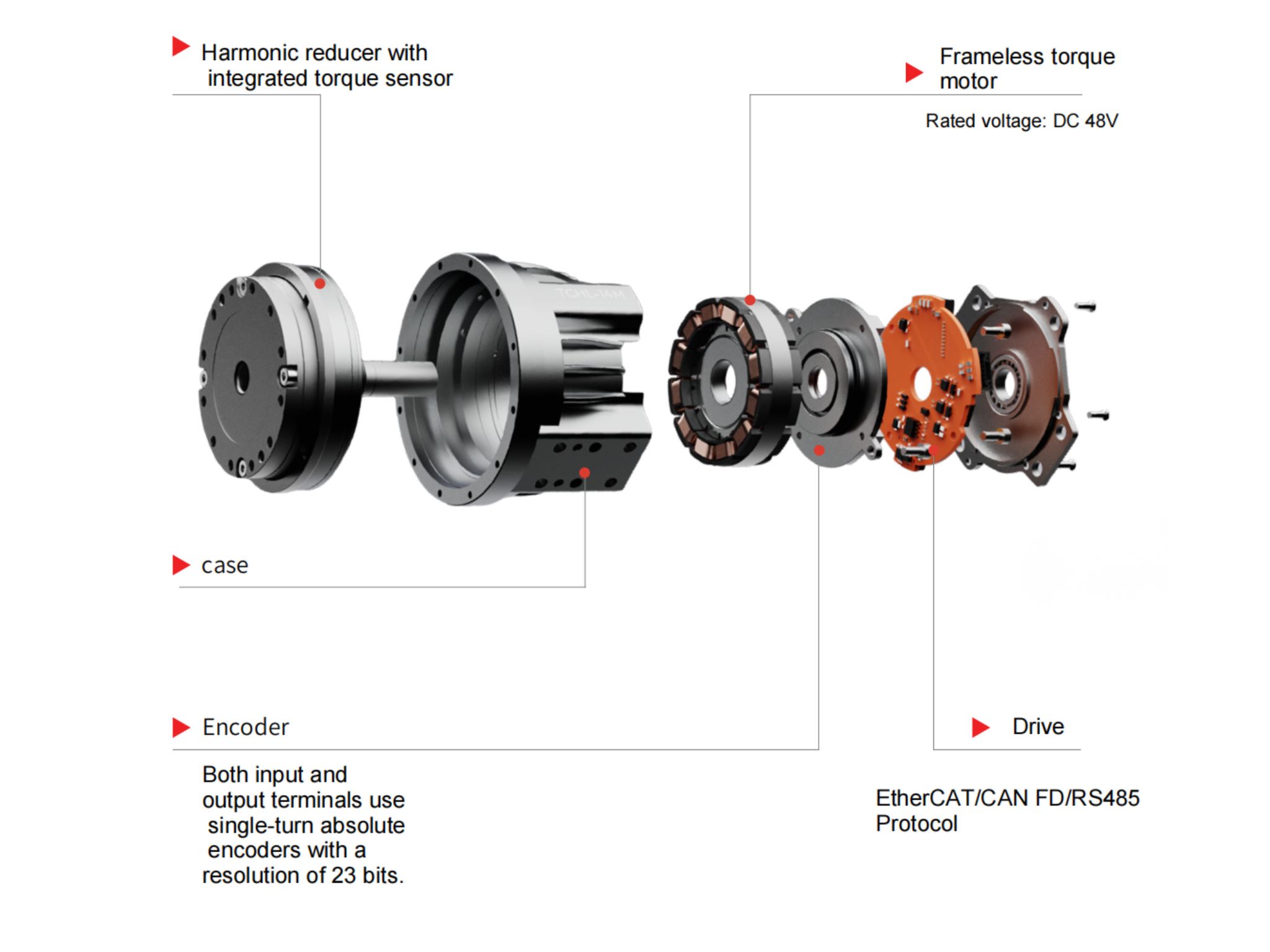
 OMG Ultra Compact Harmonic Drive Joint Module with Built-in Torque SensorHONPINE TCHL series harmonic drive joint module is a game-changing product that achieves disruptive improvements in multiple aspects such as lightweight design, integration level, and connection convenience. This article will analyze its revolutionary enhancements with you.
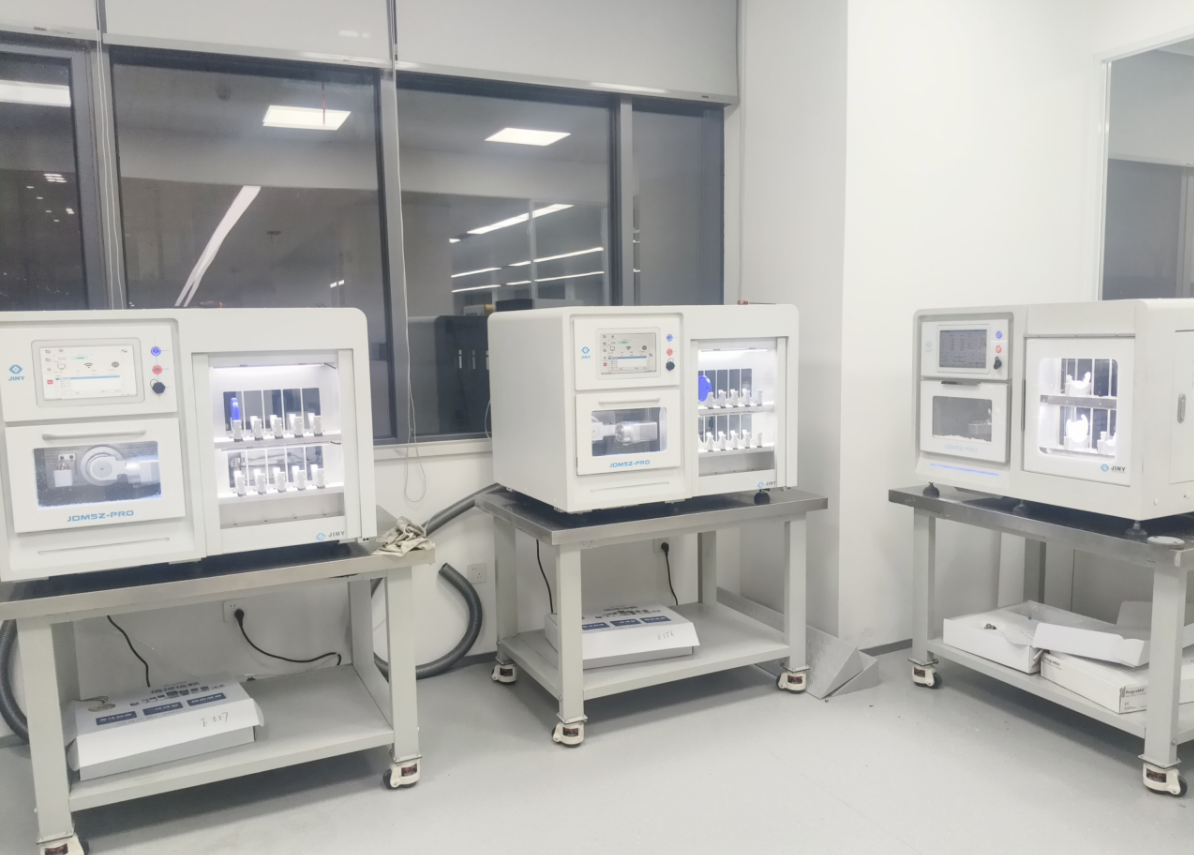
 The Role of Harmonic Drive Gears in Achieving 5–10 μm Accuracy in Dental Milling MachinesA dental milling machine is a CNC machining system used to directly process digital dental models into restorations such as crowns, bridges, veneers, inlays, and implant abutments. Dental milling machines require far higher operational accuracy and motion stability than ordinary equipment. This article explains how harmonic drive gear help dental milling machines achieve stable, continuous, and controllable operation.
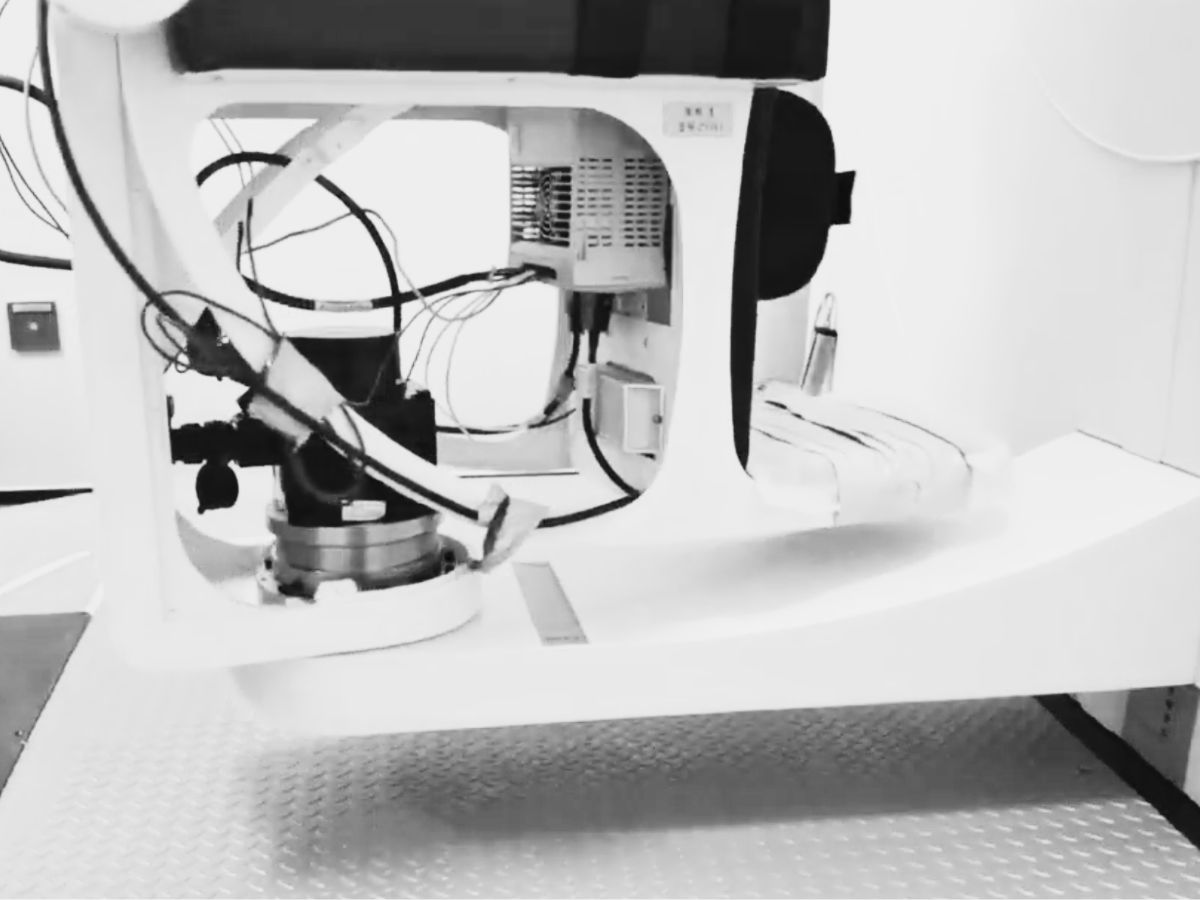
 Why Are Harmonic Rotary Actuators Perfect for Medical Equipment?Harmonic rotary actuators (typically integrated systems consisting of a harmonic drive reducer, frameless torque motor, encoder, and optional brake) are regarded as key components in medical equipment. The core reason is that they simultaneously meet the most stringent medical requirements for precision, compact size, safety, and controllability. The following explanation is structured from three perspectives: technical characteristics, application scenarios, and medical value.
 High-Precision RV Reducers Perfectly Matched for Walking RobotsThe walking axis of a robot is a core component for power transmission and support. RV reducers provide extremely high rigidity, precision, and torque while maintaining a compact size and exceptional reliability, making them an ideal match for the demanding requirements of walking robot joints in terms of load capacity, impact resistance, and precision.
 How to Choose a Reliable Robot Joint Motor Manufacturer for Humanoid Robots?Choosing a reliable robot joint motor manufacturer is a critical step when developing humanoid robots and other advanced robotic systems. A robotic joint must balance torque, speed, precision, torque density, thermal performance, feedback, mechanical stiffness, and long-term reliability within a compact structure. For B2B robotics companies, supplier evaluation should therefore go beyond a product datasheet and consider engineering capability, manufacturing capacity, joint integration, testing, and production scalability. In this article, Allen Li, Founder of HONPINE, explains the key factors to consider when selecting a robot joint motor manufacturer and how integrated harmonic robot joint technology can support humanoid robot development.
 Lightweight Humanoid Robots Start with Precision TransmissionAs humanoid robots move from experimental prototypes toward practical applications, lightweight design, energy efficiency, motion performance, and long-term reliability are becoming increasingly important. At the center of these challenges is precision transmission. From harmonic reducers and lightweight robot joints to integrated development kits, the design of each core component directly affects the overall performance of a humanoid robot. In this article, Allen Li, Founder of HONPINE, shares his perspective on how precision transmission technology can support the development of lightweight humanoid robots and how HONPINE is extending its expertise from harmonic reducers toward lightweight robot joints and integrated robotics solutions.
 Harmonic Rotary Actuators for Semiconductor Equipment: Precision Motion, Hollow-Shaft Design and FOC ControlHello everyone, I’m Theodore Li, Technical Director at HONPINE. In semiconductor manufacturing equipment, rotary motion is not simply about making a mechanism rotate. Limited installation space, cable and tube routing, low-speed stability, precise positioning and continuously adjustable motion profiles can all influence the performance of the machine. This is why harmonic rotary actuators are becoming an important motion solution for semiconductor equipment. In this article, I will discuss how harmonic transmission, FOC-based motor control, encoder feedback, large hollow-shaft design and flexible mechanical interfaces work together to meet practical semiconductor motion requirements, based on our experience with developing equipment, overhead transport, wafer handling, cleaning and crystal-growth applications.
 Miniature Harmonic Drive for Minimally Invasive Surgical RobotsMinimally invasive surgical robots require highly compact transmission systems that can deliver precise motion within extremely limited mechanical spaces. As robotic instruments become smaller and more dexterous, conventional transmission architectures can face challenges related to size, tendon elasticity, friction, hysteresis, and mechanical integration. A miniature harmonic drive offers one potential approach by providing high-ratio precision transmission, low backlash, and compact dimensions in a small mechanical envelope. In this article, I will explain why miniature harmonic transmission is relevant to surgical robotics, compare external tendon-driven and distal transmission architectures, and discuss the key engineering considerations behind HONPINE’s CSF-mini miniature harmonic reducer for compact robotic joints, flexible robotic instruments, and other precision mechanisms.
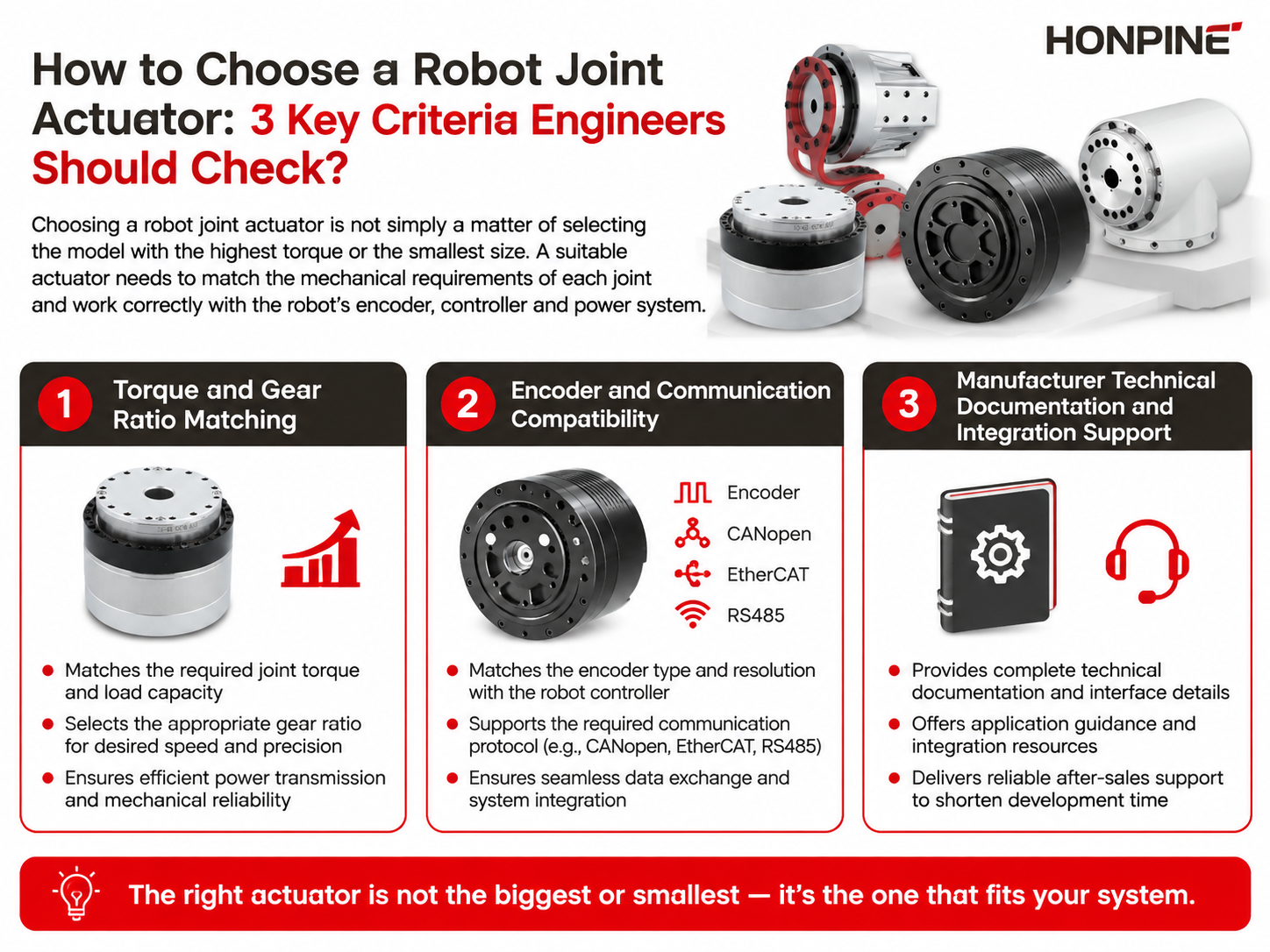
 How to Choose a Robot Joint Actuator: 3 Key Criteria Engineers Should Check?Choosing a robot joint actuator is an engineering decision that affects not only torque and motion performance, but also control stability, mechanical integration, and development time. For industrial robots, collaborative robots, humanoid robots, and other robotic systems, the right actuator must match the actual requirements of each joint while remaining compatible with the robot’s motor, encoder, controller, communication network, and power architecture. In this article, I will explain three key criteria engineers should evaluate when selecting a robot joint actuator: torque and gear ratio matching, encoder and communication compatibility, and the manufacturer’s technical documentation and engineering support.
 Outdoor Robot Joint Solution: Harmonic Joint Module with Built-in Torque SensorHello everyone, I’m Theodore Li, Technical Director at HONPINE. As robots move beyond controlled factory environments, outdoor robotic applications are creating new requirements for robot joint design. Rain, dust, humidity, temperature fluctuations, low-temperature conditions, and unpredictable external loads can all affect how a robotic joint performs in the field. In these environments, a joint needs to provide more than precise rotation. It also needs reliable torque feedback, suitable environmental protection, stable operation under changing temperatures, and practical mechanical integration. In this article, I will explain the key engineering considerations behind our outdoor robot joint solution, including the harmonic joint module, built-in torque sensor, IP65 protection, low-temperature lubrication, cable outlet protection, and mechanical integration, based on our experience with outdoor robotic applications such as solar panel installation, construction, and cleaning robots.


Double Click
We provide harmonic drive reducer,planetary reducer,robot joint motor,robot rotary actuators,RV gear reducer,robot end effector,dexterous robot hand
 DD Motors VS Harmonic Rotary ActuatorsThis article provides an in-depth comparison between Direct Drive (DD) motors and harmonic rotary actuators, covering their transmission principles, advantages and disadvantages, and typical application fields.
 How to Select Robot Joint Modules for Arms, Torso, Head, and Legs in AGV and Humanoid RobotsRobot AGV platforms, lifting legs, folding legs, torso, head, and dual arms each have different functional requirements. Therefore, different types of harmonic gear joint modules and planetary joint modules should be selected accordingly.
 What’s the step-by-step working principle of a planetary rotary actuator?How does Planetary Rotary Actuator work? Discover the step-by-step kinematic principle—sun, planet, and ring gear interaction—that delivers high torque density and precision for machine tools.
 Harmonic rotary actuators are an ideal drive solution for high-end AGV systemsAGVs can adopt various drive solutions, such as planetary gear reducers or reducers with specialized mechanical structures. However, for AMRs and precision-handling AGVs that demand extremely high motion smoothness and positioning accuracy, harmonic rotary actuators are one of the ideal drive solutions. Their high positioning accuracy and smooth operation enable AGVs to achieve precise path tracking and docking, while their compact and lightweight design frees up valuable space inside the AGV chassis for integrating additional sensors or batteries.