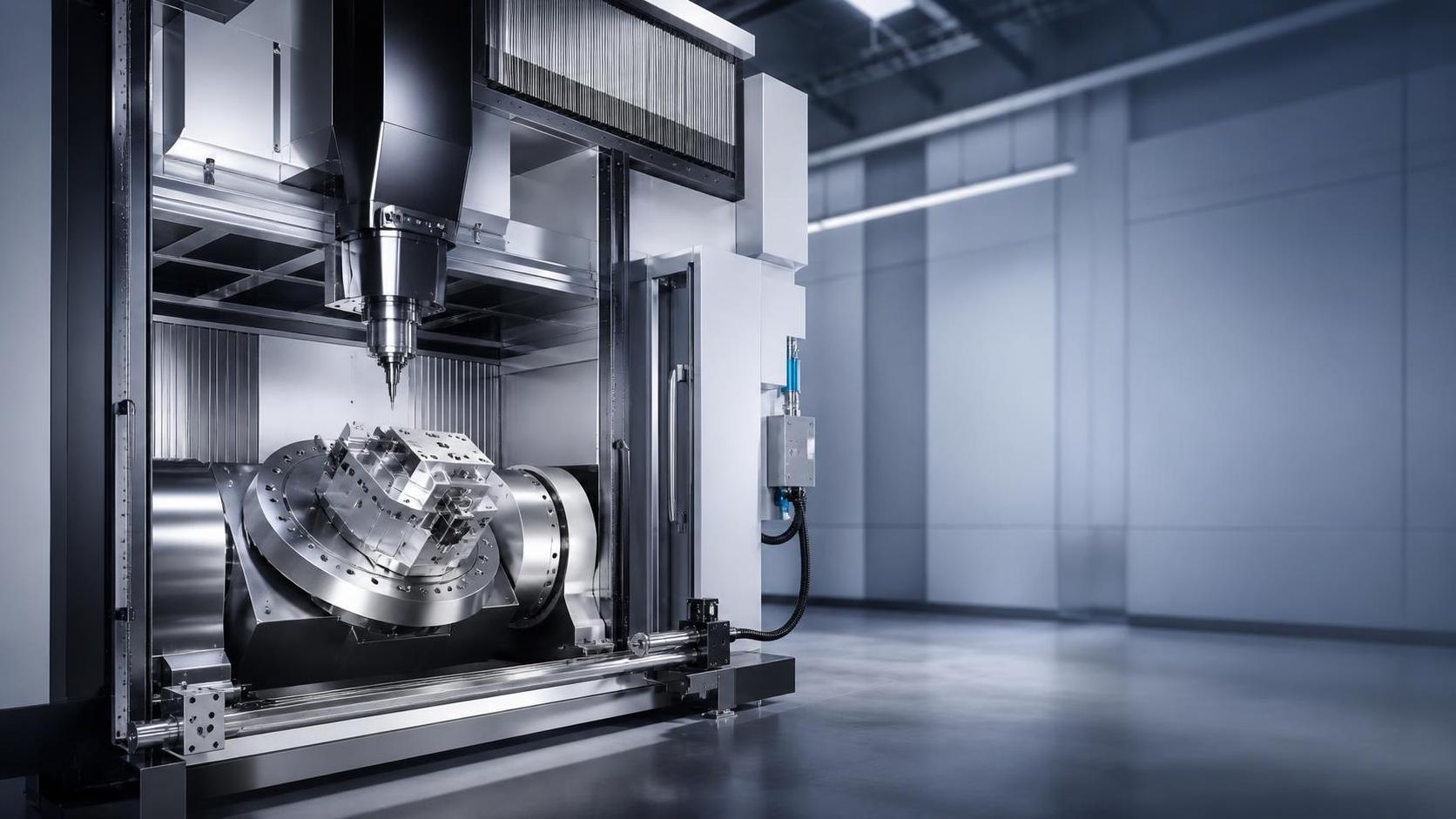









Japan Tightens Approvals for High-End Five-Axis Exports
On August 1, 2026, market attention turned to a sharper approval environment for Japan-to-China exports of high-end five-axis machine tool technology. Although no formal control list for general-purpose five-axis CNC machine tools has been publicly released, approval timelines for related high-end equipment have reportedly stretched to three to six months since August 2026, with especially high rejection rates for equipment and core components tied to AI training chip manufacturing and advanced packaging lines. For equipment buyers, manufacturers, distributors, and supply-chain service providers, this matters because it affects not only access to complete machines, but also delivery visibility, component matching, and after-sales readiness.
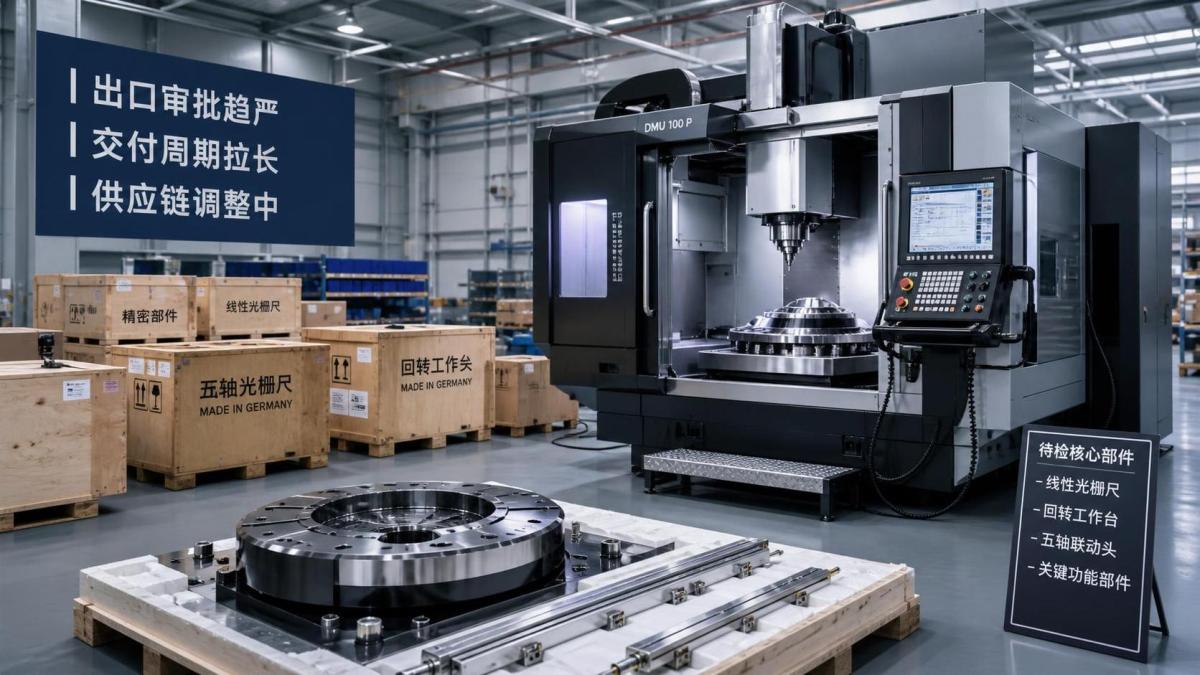
What Has Changed in Actual Export Processing
Based on the information provided, Japan has not officially published a formal control list aimed at general-purpose five-axis CNC machine tools. However, since August 2026, approval periods for exports of high-end equipment to China have lengthened to roughly three to six months.
The tighter review is particularly affecting five-axis linkage equipment and core parts associated with AI training chip manufacturing and advanced packaging production lines. The components specifically mentioned include linear scales and high-precision rotary tables.
The same information indicates that, in practical terms, rejection rates for these AI-computing-related equipment categories have reached 70% to 80%. It also states that this implicit form of control is pushing global customers to accelerate validation of domestic alternatives and forcing overseas channel partners to reassess delivery schedules, technical compatibility, and local service support capabilities.
Where the Pressure Is Likely to Be Felt First
Procurement teams face longer decision cycles
From an industry perspective, buyers of high-end five-axis equipment and related precision components may be affected first because the approval cycle itself has become a planning variable. The immediate impact is likely to show up in procurement timing, project sequencing, and supplier comparison. What deserves closer attention is whether a quoted delivery date still reflects only manufacturing lead time, or already includes export review uncertainty.
Manufacturing operations may need to revisit equipment matching
For processing and manufacturing companies, the issue is not limited to whether a machine can be shipped. It also extends to whether key supporting parts such as linear scales and high-precision rotary tables remain obtainable within the required window. Analysis shows that any disruption in these matching components could affect installation planning, line integration, and acceptance scheduling, especially where five-axis systems are intended for AI-chip-related production or advanced packaging support.
Distributors and overseas channels are under commercial pressure
Channel partners are directly exposed because they sit between regulatory processing and customer delivery commitments. Observably, the reported rejection rate changes the commercial risk profile: quotation validity, delivery promises, and technical solution discussions all become more difficult when approval outcomes are uncertain. The information provided also points to a second pressure point, namely the need to strengthen localized service capability rather than relying only on imported product availability.
Supply-chain service providers must handle more uncertainty in execution
For supply-chain and delivery support firms, the key exposure lies in coordination. Extended approval periods can affect document preparation, shipping windows, and customer communication rhythms. From an industry perspective, these companies need to watch for differences between nominal order progress and actual export clearance progress, because that gap can reshape downstream delivery expectations.
What Companies Should Watch Now
Separate formal policy language from actual approval outcomes
A practical point is that no formal public control list for general-purpose five-axis CNC machine tools has been cited in the provided information, while actual review conditions have clearly tightened. Companies should therefore monitor both dimensions at the same time: any future official wording, and the real approval behavior being seen in ongoing business.
Review exposure in AI-related equipment categories
Businesses with orders linked to AI training chip manufacturing or advanced packaging support should examine whether their equipment scope includes the categories mentioned in the provided summary, especially five-axis linkage equipment, linear scales, and high-precision rotary tables. Analysis shows that identifying exposure at the product and component level is more useful than treating all five-axis equipment as equally affected.
Recheck lead-time commitments and contract communication
Because the approval cycle has reportedly extended to three to six months, companies should revisit how delivery schedules are presented to customers and internal teams. What deserves closer attention is whether commitments, milestones, and customer updates are still based on pre-August assumptions. This is particularly relevant for distributors and service providers that carry responsibility for timeline communication.
Prepare for deeper validation of alternative supply options
The provided information indicates that global customers are accelerating validation of domestic substitutes. Observably, this does not automatically mean immediate replacement, but it does mean technical adaptation, qualification pace, and local support capacity are becoming more central in supplier discussions. Companies should therefore pay attention to how validation work, compatibility assessment, and service readiness are being prioritized in current projects.
Why This Looks More Like a Structural Signal Than a One-Off Delay
Analysis shows that the most important point is not simply that approvals now take longer. The sharper signal is that practical rejection rates for AI-computing-related equipment are reportedly very high even without a publicly confirmed broad control list for general-purpose five-axis CNC machines. That combination suggests the industry should pay attention to real transaction friction, not only to formal policy labels.
It is more appropriate to understand this as a developing industry signal rather than a fully settled long-term outcome. On one side, the approval pattern described in the input is already affecting business behavior by accelerating domestic substitution validation and forcing overseas channels to reassess service and delivery models. On the other side, because the provided information does not include a published formal list or official rule text for general-purpose five-axis machines, the scope and persistence of the change still require continued observation.
How the Market Is Likely to Read This for Now
At this stage, the development is best understood as a meaningful tightening in practical export review for a sensitive segment of high-end equipment, especially where five-axis systems and precision components intersect with AI training chip manufacturing and advanced packaging applications. The immediate significance lies in longer timelines, higher approval risk, and stronger pressure on localization and substitute validation. A cautious reading is more appropriate than a definitive one: the business impact is already visible in workflow and supplier assessment, but the full policy boundary still needs further confirmation.
Basis of This Article and What Still Needs Verification
This article is based on the user-provided news title, event date, and event summary. For developments of this kind, relevant source categories often include official notices, company disclosures, industry association updates, authoritative media reporting, and standard-setting or trade-related documents.
No specific official source link was provided in the input, so the exact public documentation behind the reported approval changes still needs ongoing verification. Further observation should focus on whether any formal control wording is later published, whether the affected scope remains concentrated in AI-related and advanced-packaging-linked equipment, and how approval timing and rejection patterns evolve in actual business execution.
Read More
Learn more about the story of HONPINE and industry trends related to precision transmission.
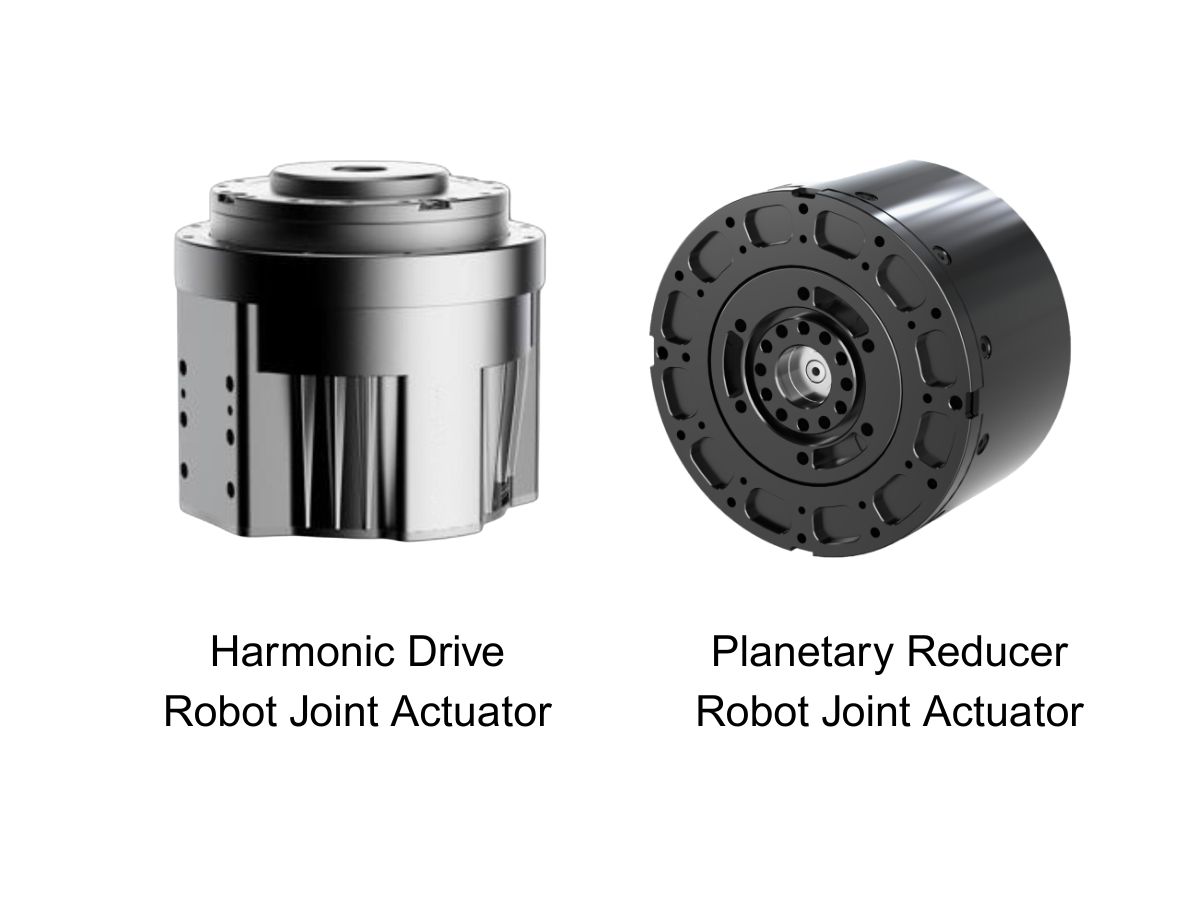
 What is robot joint actuator?How to Choose the Best Robot Rotary Joint Actuator?In core robot joint transmission solutions, planetary and harmonic rotary actuators each have their own strengths. Choosing the right type based on application requirements is essential to achieve the optimal balance between performance and cost.
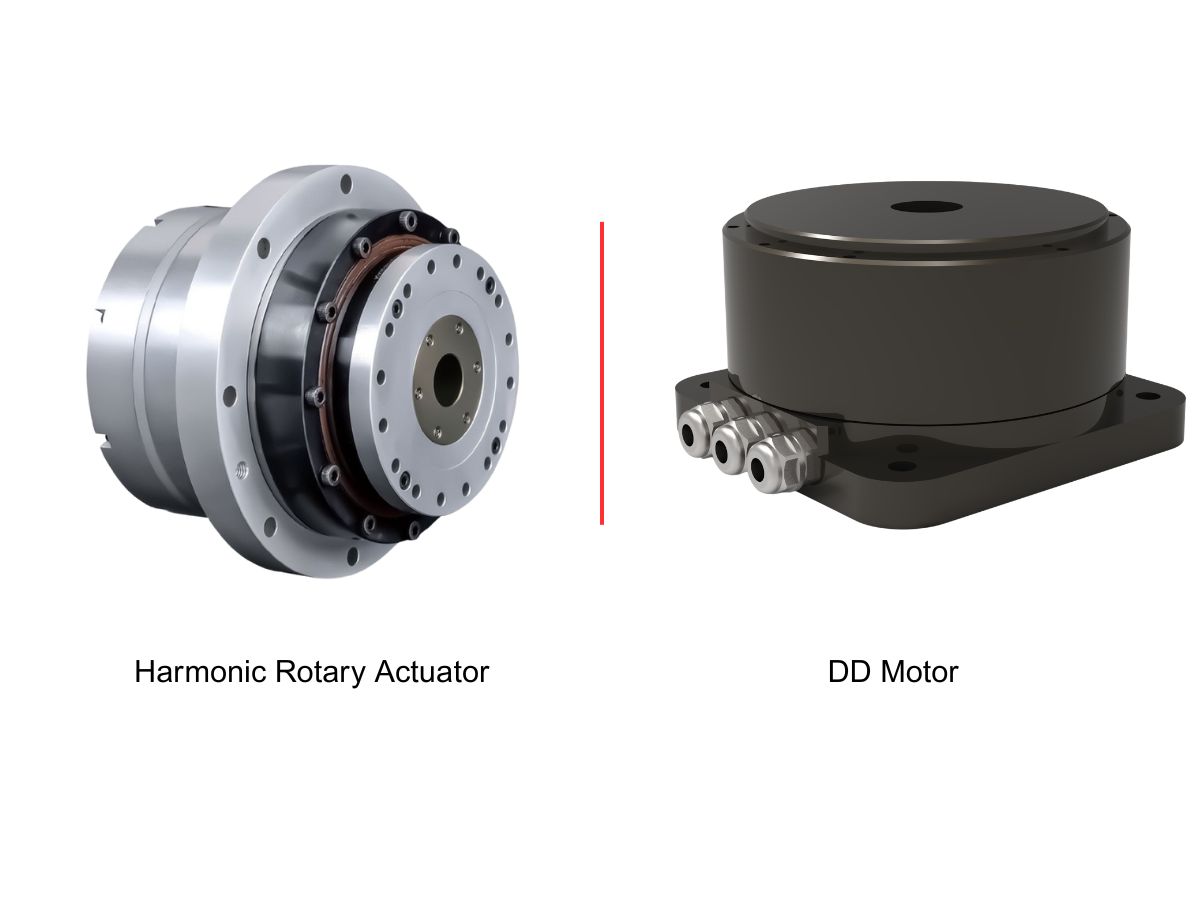
 DD Motors VS Harmonic Rotary ActuatorsThis article provides an in-depth comparison between Direct Drive (DD) motors and harmonic rotary actuators, covering their transmission principles, advantages and disadvantages, and typical application fields.
 OMG Ultra Compact Harmonic Drive Joint Module with Built-in Torque SensorHONPINE TCHL series harmonic drive joint module is a game-changing product that achieves disruptive improvements in multiple aspects such as lightweight design, integration level, and connection convenience. This article will analyze its revolutionary enhancements with you.
 The Role of Harmonic Drive Gears in Achieving 5–10 μm Accuracy in Dental Milling MachinesA dental milling machine is a CNC machining system used to directly process digital dental models into restorations such as crowns, bridges, veneers, inlays, and implant abutments. Dental milling machines require far higher operational accuracy and motion stability than ordinary equipment. This article explains how harmonic drive gear help dental milling machines achieve stable, continuous, and controllable operation.
 Why Are Harmonic Rotary Actuators Perfect for Medical Equipment?Harmonic rotary actuators (typically integrated systems consisting of a harmonic drive reducer, frameless torque motor, encoder, and optional brake) are regarded as key components in medical equipment. The core reason is that they simultaneously meet the most stringent medical requirements for precision, compact size, safety, and controllability. The following explanation is structured from three perspectives: technical characteristics, application scenarios, and medical value.
 High-Precision RV Reducers Perfectly Matched for Walking RobotsThe walking axis of a robot is a core component for power transmission and support. RV reducers provide extremely high rigidity, precision, and torque while maintaining a compact size and exceptional reliability, making them an ideal match for the demanding requirements of walking robot joints in terms of load capacity, impact resistance, and precision.
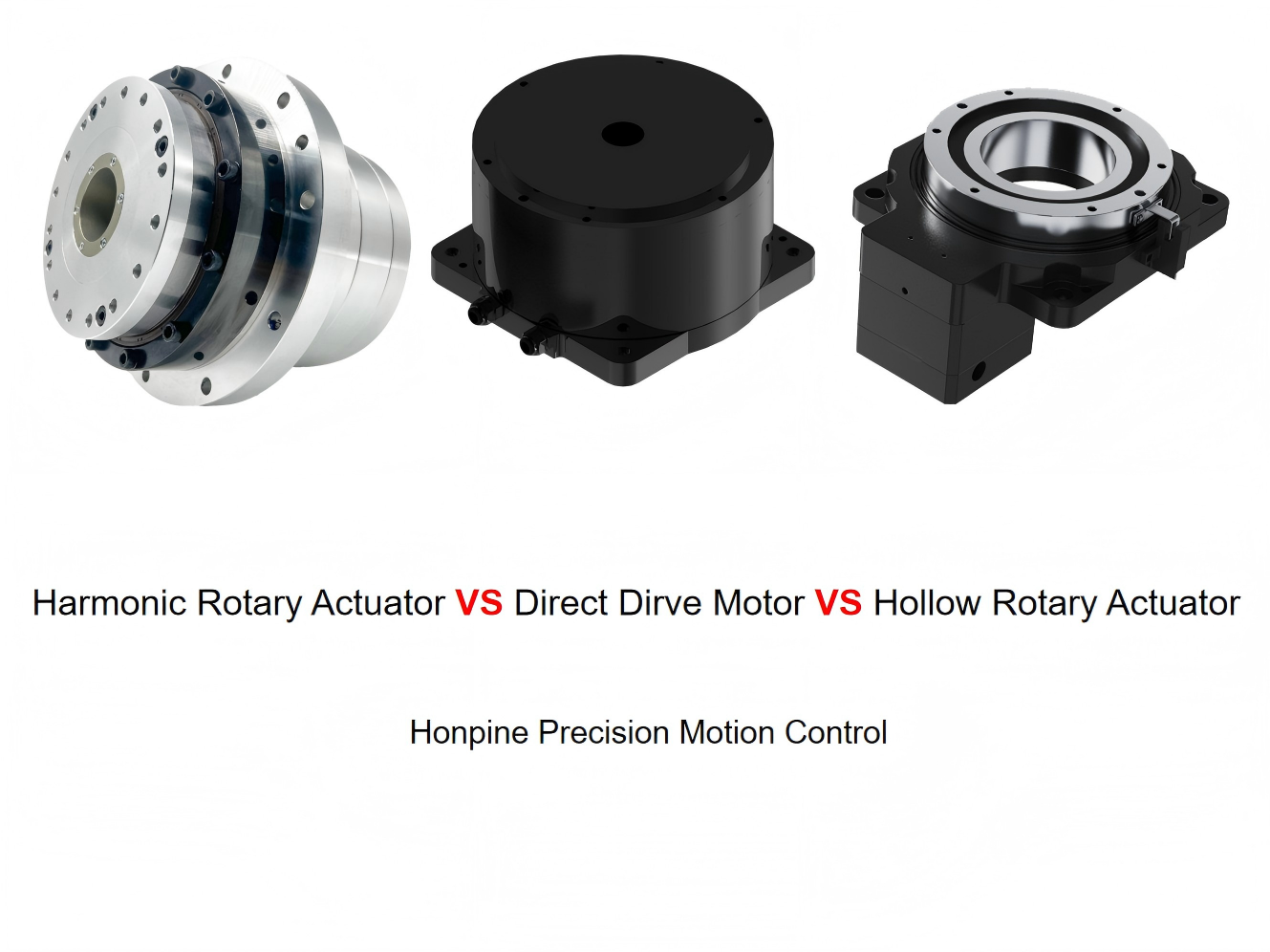
 Harmonic Rotary Actuator vs Direct Drive Rotary Actuator vs Hollow Rotary Table: Which Rotary Motion Solution Is Right for Automation?Compare Harmonic Rotary Actuator, Direct Drive Rotary Actuator and Hollow Rotary Table for automation. Learn the differences in torque, speed, precision, integration and applications.
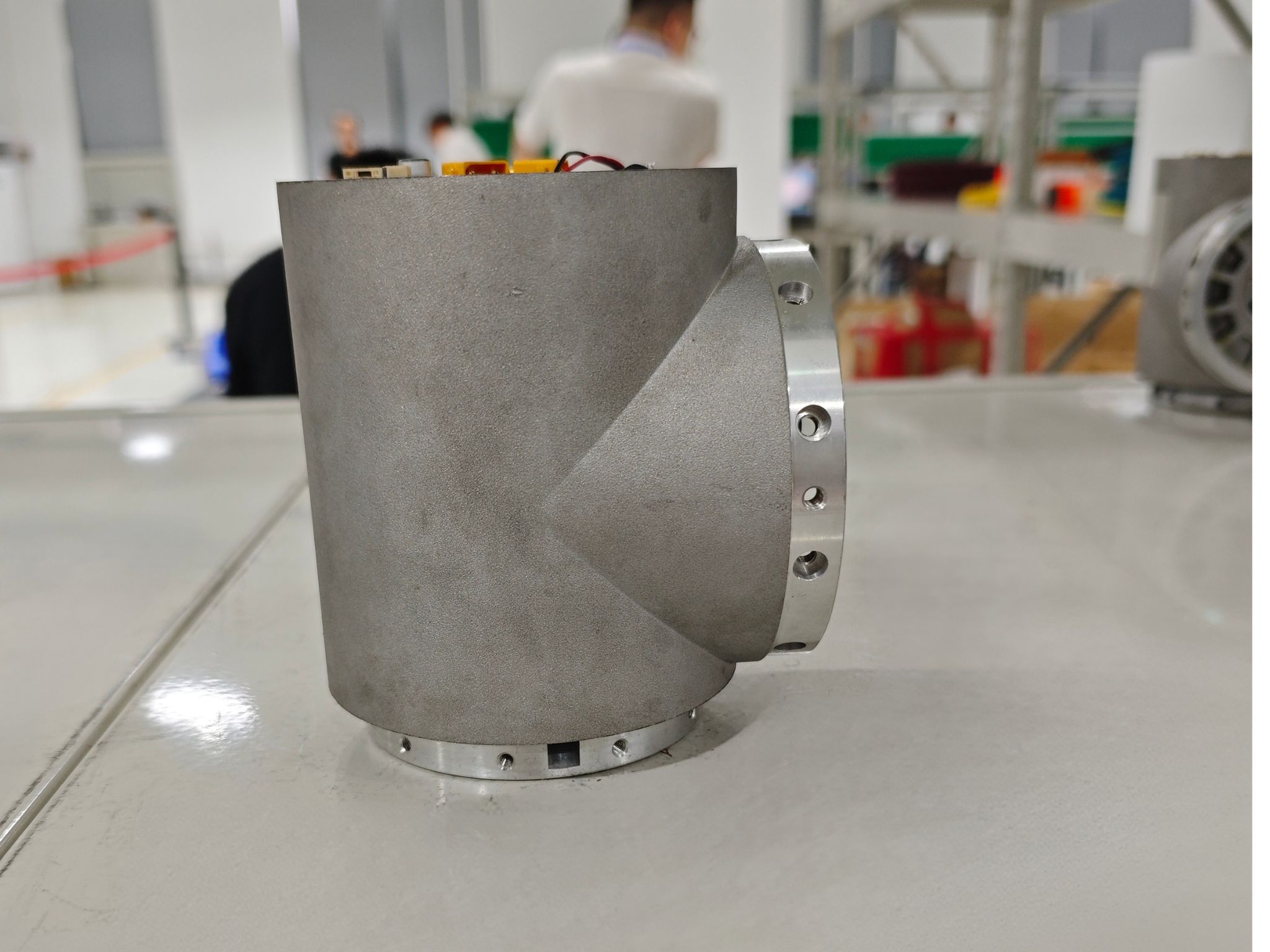
 Why T-Type Harmonic Rotary Joint Modules Are Ideal for Collaborative Robot ArmsAs collaborative robot arms become more compact and capable, the design of each robotic joint has become increasingly important. Motors, harmonic reducers, encoders, brakes, and drivers all need to work together within a limited space while maintaining precise and responsive motion. A T-Type Harmonic Rotary Joint Module integrates these key components into a compact rotary unit, providing a practical solution for collaborative robot arms that require high torque density, accurate positioning, flexible mechanical integration, and simplified cable management.
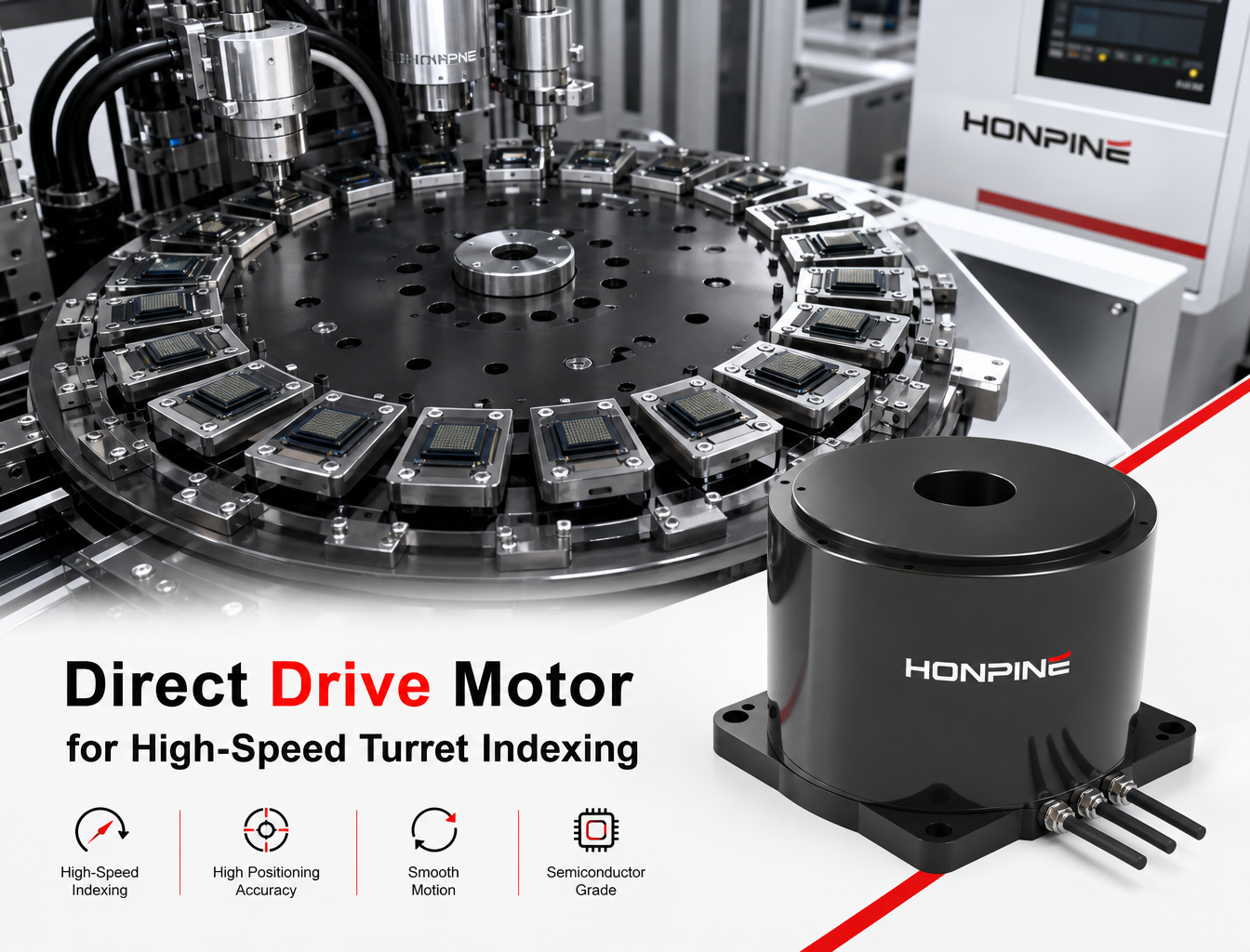
 How Does a Direct Drive Motor Improve Turret Indexing Speed and Precision?In high-speed semiconductor sorting and packaging equipment, turret indexing must achieve two goals at the same time: short cycle time and repeatable positioning accuracy.
Many engineers initially assume that the key to faster turret indexing is simply using a higher-power motor. In practice, however, the performance of the complete transmission system is often more important than motor power alone.
A conventional turret drive may use a servo motor combined with a gearbox, coupling, belt or other mechanical transmission components. These components can introduce backlash, elastic deformation, friction, transmission error and additional inertia.
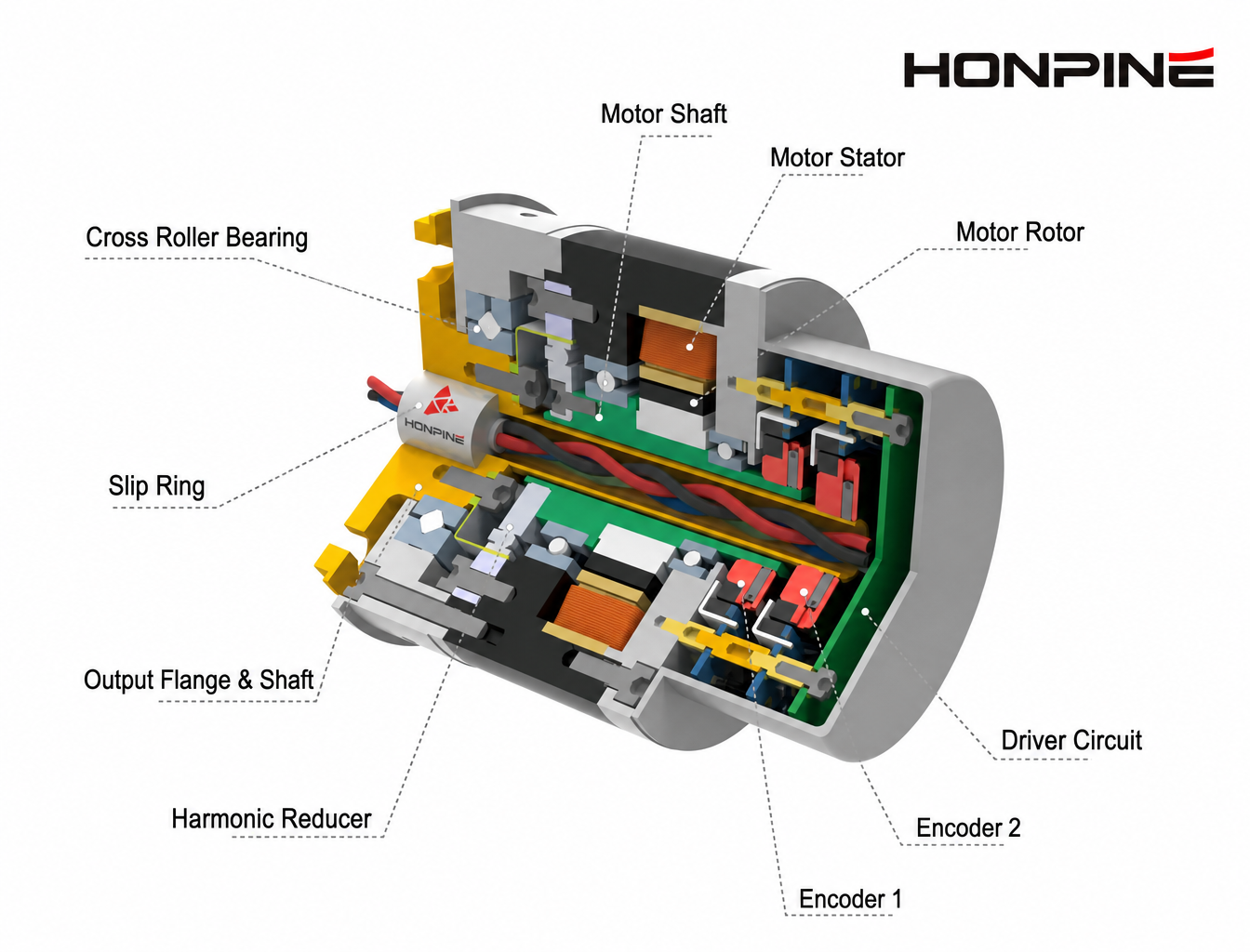
A Direct Drive Motor takes a different approach. By directly connecting the motor to the turret, the system can eliminate the need for a conventional reduction gearbox and reduce the number of mechanical transmission components between the motor and the rotating load. Why Do Robot Joint Modules Use Dual Encoders?Dual encoder robot joints are becoming increasingly important in high-performance robotics. But adding a second encoder is not simply a matter of installing another sensor.
The real purpose is to answer two different questions:
How much has the motor moved? and How much has the robot joint actually moved?
In a robot joint module consisting of a frameless torque motor, precision reducer, encoder and output flange, the motor-side encoder can accurately measure motor position and speed. However, the actual joint output can still be affected by transmission error, torsional deformation, friction, thermal drift, assembly tolerances and changes in external load.
This is why a dual encoder robot joint can provide a more complete feedback architecture. One encoder monitors the motor side, while the other measures the joint output side. Together, they allow the controller to observe both the motor dynamics and the actual joint position. How to Select a Precision Planetary Gearbox: A Complete Guide to Gear Ratio, Torque and Servo Motor MatchingLearn how to select a precision planetary gearbox based on gear ratio, output torque, backlash, efficiency, inertia, operating conditions, and servo motor compatibility.
 The Hidden Engineering Challenges Behind High-Performance Robot Joint MotorsModern robotics demands more from motion systems than simply high motor power. Robot Joint Motor and Robot Joint Actuator designs must balance torque density, compact size, thermal performance, motion accuracy, dynamic response, and system integration. This article explores the key engineering challenges behind high-performance robotic joints and explains how Harmonic Joint Actuator solutions can help robot manufacturers build more precise, efficient, and reliable motion systems.
Double Click
We provide harmonic drive reducer,planetary reducer,robot joint motor,robot rotary actuators,RV gear reducer,robot end effector,dexterous robot hand
 Japan Tightens Approvals for High-End Five-Axis ExportsFive-axis CNC machine tool exports from Japan face tighter approvals, longer lead times, and higher risk. Learn how this shift impacts buyers, distributors, and supply chains.
 FHD-8-XX-U-I
 FHD-11-XX-U-I
 FHD-14-XX-U-I
 FHD-17-XX-U-I
 FHD-20-XX-U-I
 FHD-25-XX-U-I
 FHD-32-XX-U-I
 FHD-32-XX-U-I
 FHD-25-XX-U-I
 FHD-20-XX-U-I
 FHD-17-XX-U-I