

Shanghai Port CNC Machine Export Rules Take Effect May 1
Starting May 1, 2026, new regulatory requirements for exporting numerical control (CNC) machine tools via Shanghai Port have taken effect—mandating submission of a Technical Parameter Compliance Statement with every export declaration. Within the first week, customs system data showed a 12% document rejection rate, primarily due to incomplete parameter entries or misalignment with target-market technical standards (e.g., EU CE, US FCC Class A). Exporters in precision manufacturing, industrial equipment trade, and global supply chain services should monitor implications closely—as compliance timing and accuracy now directly impact shipment readiness and delivery reliability.
Event Overview
Effective May 1, 2026, Shanghai Port introduced a mandatory requirement for all CNC machine tool exports to include a Technical Parameter Compliance Statement at the time of customs declaration. Publicly reported data from the first week indicates a 12% rejection rate for submitted declarations. The primary reasons cited were incomplete technical parameter填报 (e.g., missing spindle speed ranges, positional accuracy tolerances) or failure to map declared parameters to applicable foreign regulatory benchmarks—including EU CE directives and US FCC Class A electromagnetic compatibility requirements.
Industries Affected by Segment
Direct Export Trading Companies
These firms act as legal exporters of record and bear direct responsibility for customs declaration accuracy. They are affected because the new rule shifts technical compliance verification from post-shipment audits to pre-declaration validation. Impact manifests as increased administrative burden, higher risk of customs delays, and potential contractual penalties if delivery timelines slip due to rejected filings.
Original Equipment Manufacturers (OEMs) & CNC Machine Builders
OEMs supplying machines for export must now ensure product documentation—including datasheets, test reports, and configuration-specific parameter sets—is structured to support rapid generation of the required statement. Impact includes tighter coordination between engineering, quality, and export operations teams, and possible need to revise internal product release checklists to embed compliance-ready parameter templates.
Global Distributors & Channel Partners
Distributors placing orders with Chinese suppliers face revised lead-time expectations. Since the regulation requires submission prior to cargo release, distributors must now factor in additional pre-shipment review time—not just for their own internal approvals, but also to allow supplier-side preparation of compliant documentation. Impact includes adjustments to order-to-shipment cycle planning and updated communication protocols with end customers regarding delivery windows.
What Relevant Enterprises or Practitioners Should Focus On
Confirm alignment between internal technical documentation and target-market regulatory references
Verify that product specifications used internally (e.g., in quotations, invoices, or factory test reports) explicitly reference applicable external standards—such as EN ISO 13849-1 for safety or FCC Part 15B for emissions—and that those references appear verifiably in the Compliance Statement format accepted by Shanghai Customs.
Implement pre-submission validation at least 72 hours before customs filing
Given that leading exporters have adopted AI-assisted pre-review tools to compress preparation cycles to 72 hours, enterprises should treat this timeframe not as optional but as a minimum operational buffer. This means integrating compliance checks into the final stage of order fulfillment—not as a last-minute customs step.
Require explicit compliance readiness confirmation from suppliers before purchase order issuance
For buyers sourcing CNC machines through intermediaries or contract manufacturers, it is now necessary to stipulate—contractually or operationally—that suppliers confirm technical parameter completeness and market-standard mapping *before* PO acceptance. Delaying this verification until post-PO risks non-compliant submissions and shipment hold-ups.
Monitor official guidance on acceptable parameter formats and standard mappings
While the rule mandates the Technical Parameter Compliance Statement, Shanghai Customs has not yet published a standardized template or exhaustive list of required fields per destination market. Enterprises should track updates issued via the General Administration of Customs of China (GACC) portal and Shanghai Customs’ official notices for clarifications on field definitions, unit conventions, and acceptable evidence formats.
Editorial Perspective / Industry Observation
Observably, this development signals a shift toward upstream technical due diligence in China’s export control framework—not merely for dual-use or high-risk items, but for widely traded industrial capital goods. Analysis shows the 12% initial rejection rate reflects procedural friction rather than intentional noncompliance; most cases involved omissions or formatting inconsistencies, not deliberate misrepresentation. From an industry perspective, the regulation is better understood as an enforcement calibration than a substantive policy expansion—yet its operational impact is immediate and tangible. Continued attention is warranted because early implementation patterns often inform broader rollout to other ports or product categories.
Current evidence suggests this is both a signal and an operational reality: the requirement is enforceable today, and its execution is already affecting real-world shipment timelines. However, the absence of a published compliance template or granular field guidance means the current phase remains one of active interpretation—and therefore one where consistent monitoring of official channels is essential.
Conclusion
This regulation marks a material change in the procedural baseline for exporting CNC machine tools from Shanghai Port—not a temporary pilot or advisory measure, but an enforced requirement with measurable impact on declaration success rates and shipment scheduling. It does not alter technical standards themselves, but elevates documentation rigor and cross-border regulatory alignment to a mandatory pre-clearance checkpoint. For stakeholders, the most appropriate understanding is that this represents a structural tightening of export process discipline—one requiring integration into routine order management, not treated as an isolated compliance event.
Information Sources
Primary source: Publicly reported customs system data released by Shanghai Customs for the period May 1–7, 2026. Additional context drawn from verified statements by multiple CNC export enterprises confirming adoption of AI pre-review tools and internal 72-hour pre-filing workflows. Ongoing developments—including official templates or expanded scope announcements—remain under observation and will be updated as confirmed by GACC or Shanghai Customs publications.
Read More
Learn more about the story of HONPINE and industry trends related to precision transmission.
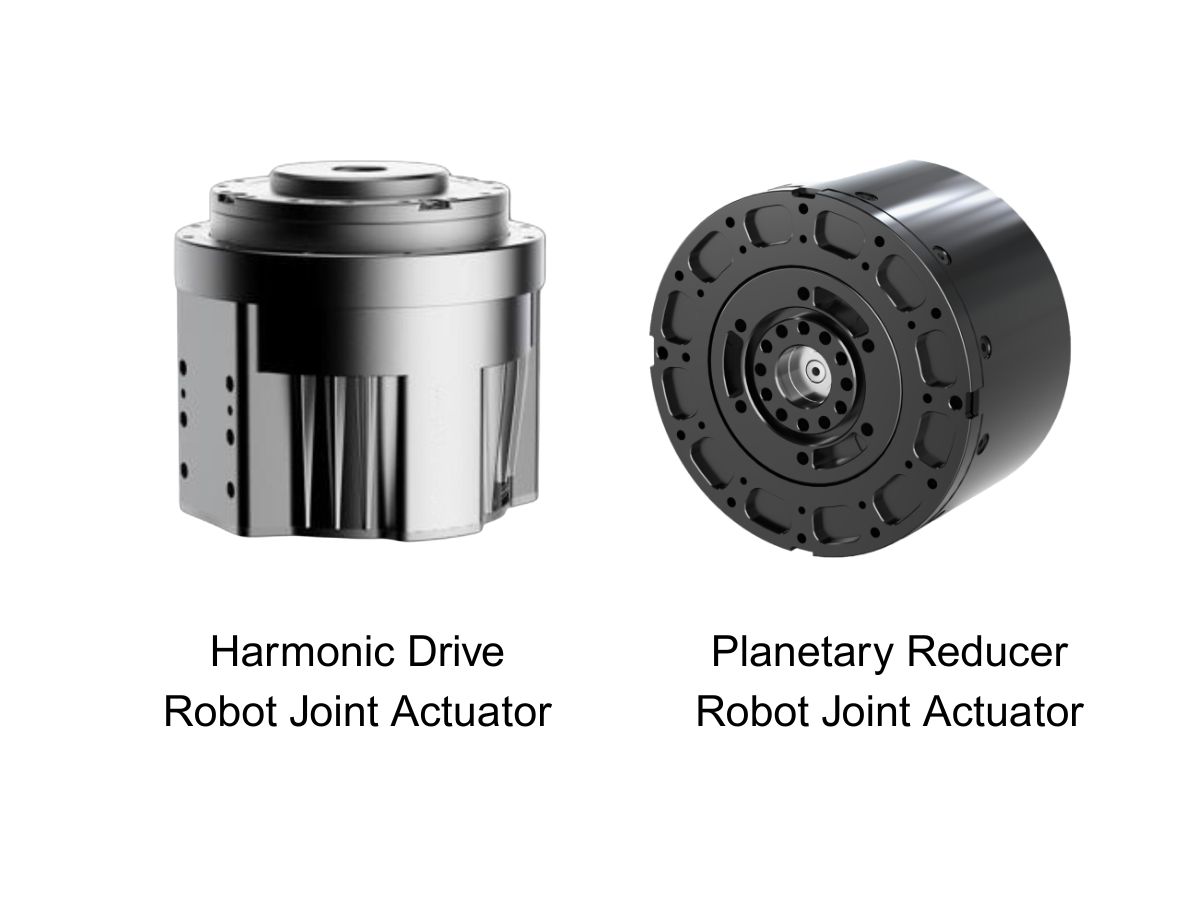
 What is robot joint actuator?How to Choose the Best Robot Rotary Joint Actuator?In core robot joint transmission solutions, planetary and harmonic rotary actuators each have their own strengths. Choosing the right type based on application requirements is essential to achieve the optimal balance between performance and cost.
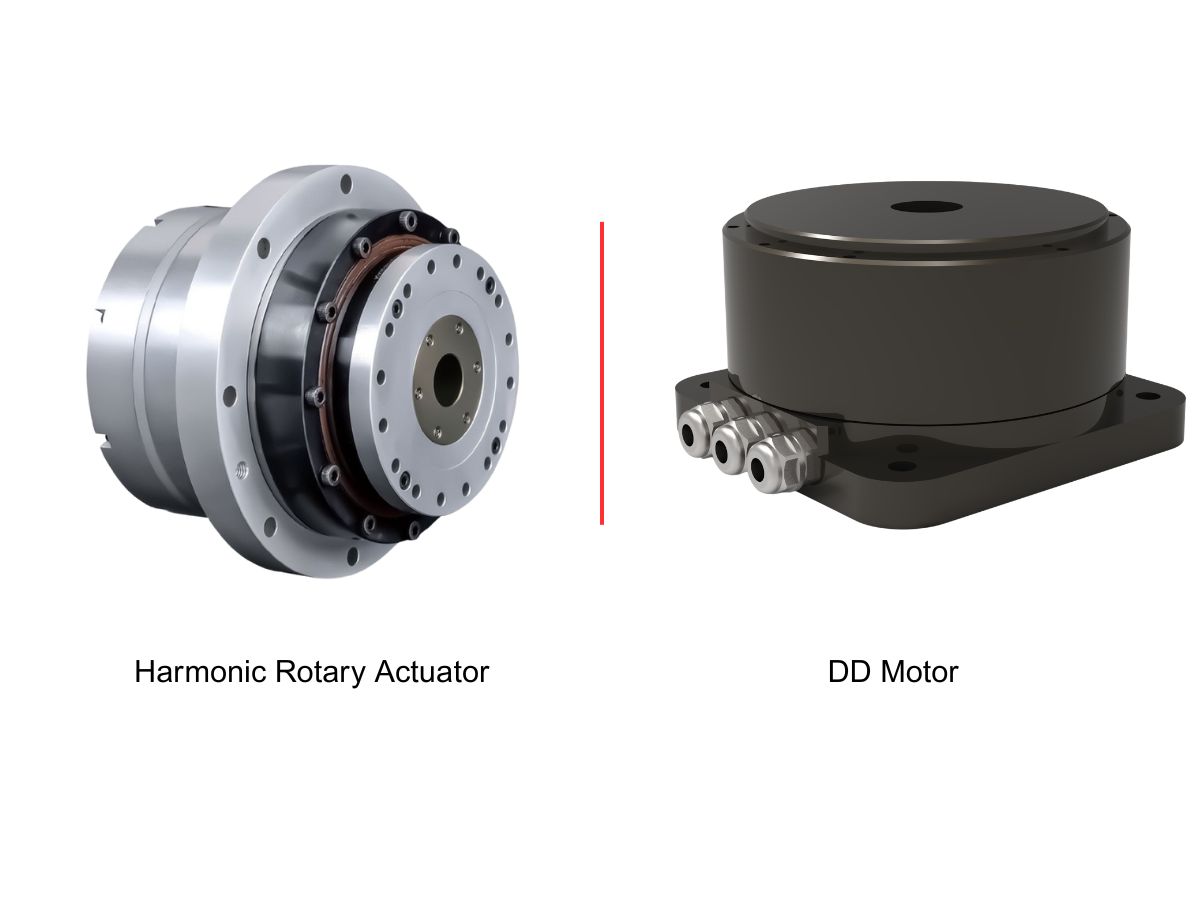
 DD Motors VS Harmonic Rotary ActuatorsThis article provides an in-depth comparison between Direct Drive (DD) motors and harmonic rotary actuators, covering their transmission principles, advantages and disadvantages, and typical application fields.
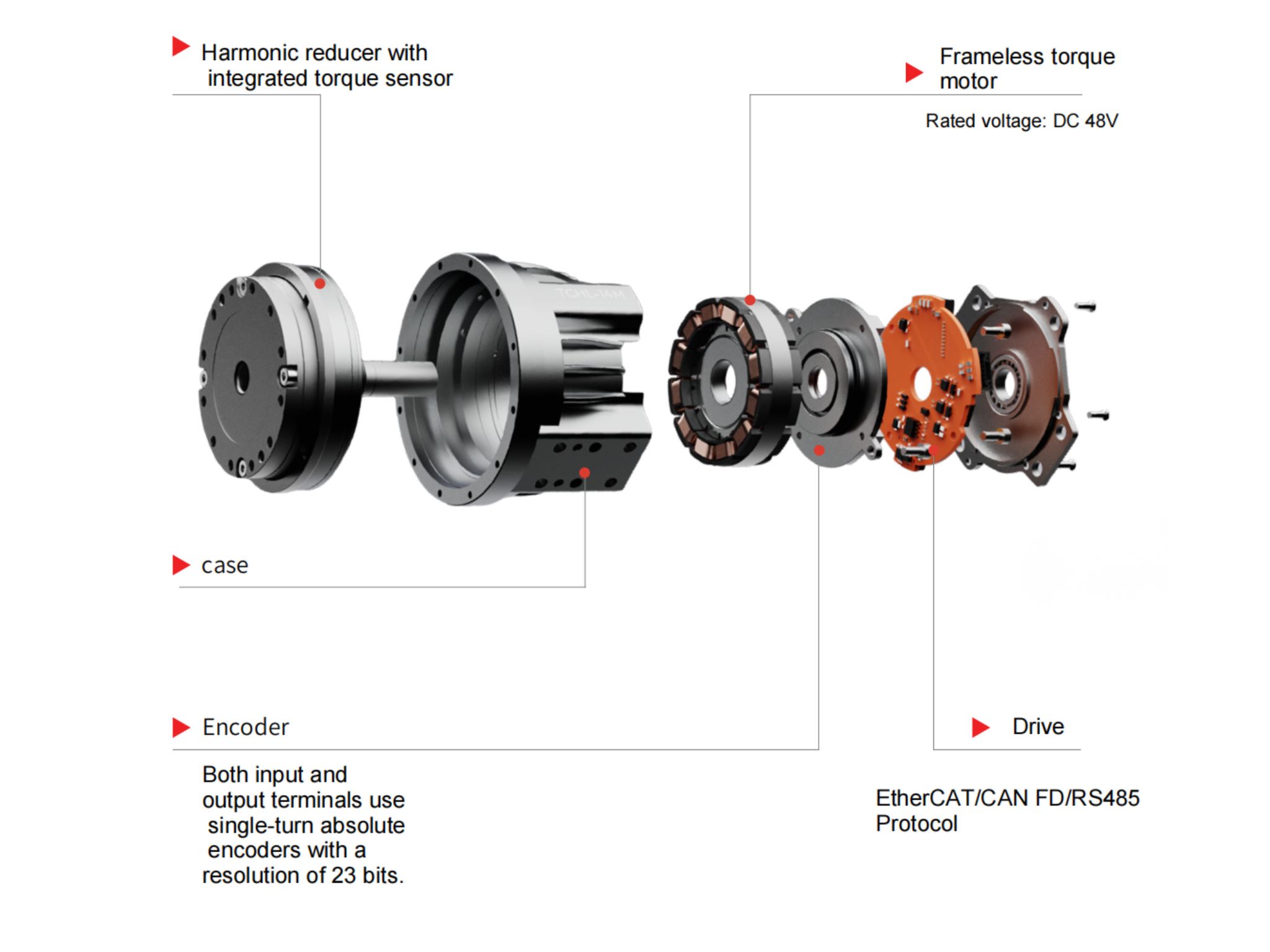
 OMG Ultra Compact Harmonic Drive Joint Module with Built-in Torque SensorHONPINE TCHL series harmonic drive joint module is a game-changing product that achieves disruptive improvements in multiple aspects such as lightweight design, integration level, and connection convenience. This article will analyze its revolutionary enhancements with you.
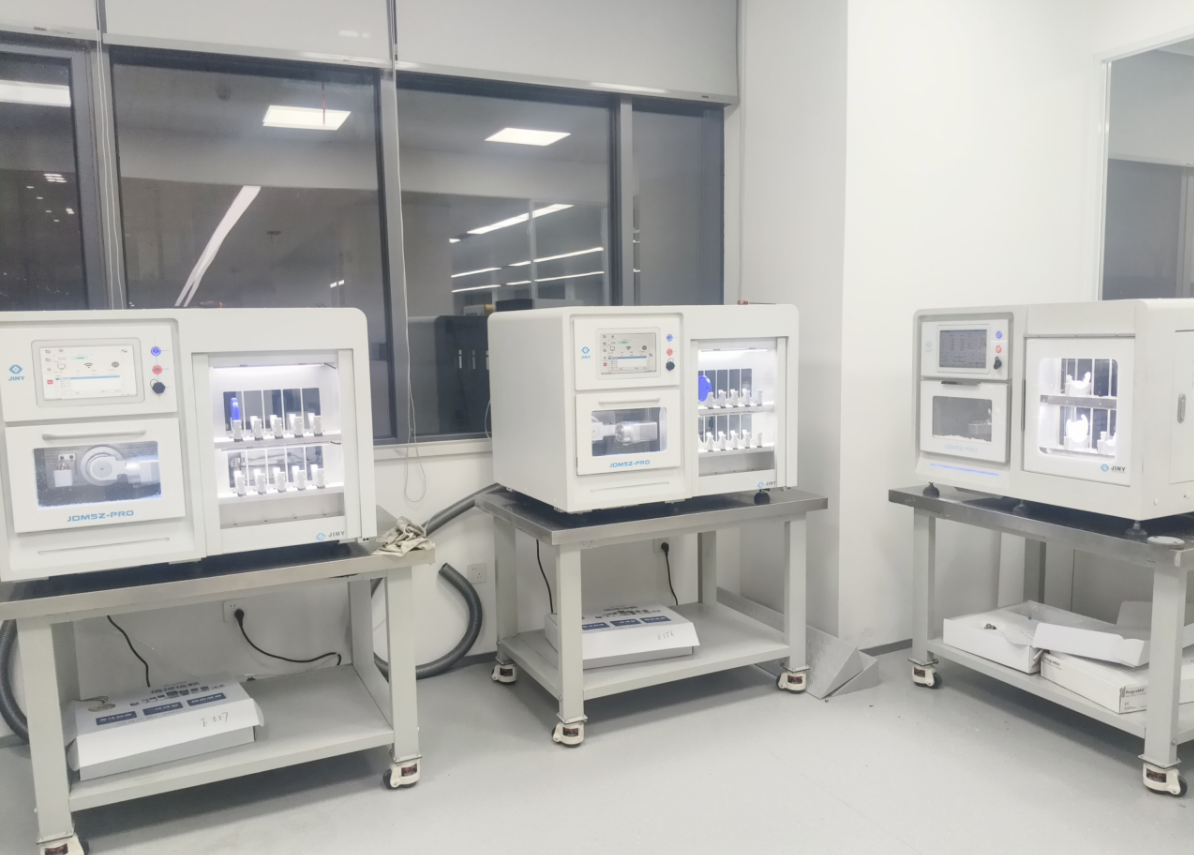
 The Role of Harmonic Drive Gears in Achieving 5–10 μm Accuracy in Dental Milling MachinesA dental milling machine is a CNC machining system used to directly process digital dental models into restorations such as crowns, bridges, veneers, inlays, and implant abutments. Dental milling machines require far higher operational accuracy and motion stability than ordinary equipment. This article explains how harmonic drive gear help dental milling machines achieve stable, continuous, and controllable operation.
 Why Are Harmonic Rotary Actuators Perfect for Medical Equipment?Harmonic rotary actuators (typically integrated systems consisting of a harmonic drive reducer, frameless torque motor, encoder, and optional brake) are regarded as key components in medical equipment. The core reason is that they simultaneously meet the most stringent medical requirements for precision, compact size, safety, and controllability. The following explanation is structured from three perspectives: technical characteristics, application scenarios, and medical value.
 High-Precision RV Reducers Perfectly Matched for Walking RobotsThe walking axis of a robot is a core component for power transmission and support. RV reducers provide extremely high rigidity, precision, and torque while maintaining a compact size and exceptional reliability, making them an ideal match for the demanding requirements of walking robot joints in terms of load capacity, impact resistance, and precision.
![]() Chongqing Xuerui YS3118CNC5 Gear Hobbing Machine Gains SASO Energy Efficiency CertificationYS3118CNC5 gear hobbing machine achieves SASO energy efficiency certification — a key advantage for exporters and Middle East gear manufacturers seeking compliant, high-precision CNC machine tools.
Chongqing Xuerui YS3118CNC5 Gear Hobbing Machine Gains SASO Energy Efficiency CertificationYS3118CNC5 gear hobbing machine achieves SASO energy efficiency certification — a key advantage for exporters and Middle East gear manufacturers seeking compliant, high-precision CNC machine tools.![]() Taizhou Industrial Expo 2026: Laser & Cobots Surge, ODM for Global DistributorsTaizhou Industrial Expo 2026: Laser cutting systems & cobots surge—ODM for global distributors with CE/UKCA + 60-day sea freight.
Taizhou Industrial Expo 2026: Laser & Cobots Surge, ODM for Global DistributorsTaizhou Industrial Expo 2026: Laser cutting systems & cobots surge—ODM for global distributors with CE/UKCA + 60-day sea freight.![]() CIMES 2026 Beijing: 1300+ Global Exhibitors Focus on 5-Axis & 10kW Laser Export ComplianceCIMES 2026 Beijing highlights 5-axis & 10kW laser export compliance — 1300+ global exhibitors showcase certified CNC solutions for EU, GCC & ASEAN markets.
CIMES 2026 Beijing: 1300+ Global Exhibitors Focus on 5-Axis & 10kW Laser Export ComplianceCIMES 2026 Beijing highlights 5-axis & 10kW laser export compliance — 1300+ global exhibitors showcase certified CNC solutions for EU, GCC & ASEAN markets.![]() DMG MORI Halts Five-Axis CNC Supply to Russia & BelarusDMG MORI halts five-axis CNC supply to Russia & Belarus—impact on precision machining, CELOS systems, and alternatives like BYJC GT1200 Pro.
DMG MORI Halts Five-Axis CNC Supply to Russia & BelarusDMG MORI halts five-axis CNC supply to Russia & Belarus—impact on precision machining, CELOS systems, and alternatives like BYJC GT1200 Pro.![]() CCMT2026: Middle East Demand for ATEX/IECEx Five-Axis Machining Centers Surges 370%ATEX/IECEx five-axis machining centers see 370% surge in Middle East demand at CCMT2026 — unlock explosive growth in energy & petrochemical markets.
CCMT2026: Middle East Demand for ATEX/IECEx Five-Axis Machining Centers Surges 370%ATEX/IECEx five-axis machining centers see 370% surge in Middle East demand at CCMT2026 — unlock explosive growth in energy & petrochemical markets.![]() CCMT2026: Middle East Buyers Seek ATEX/IECEx-Certified 5-Axis Machining CentersATEX/IECEx-certified 5-axis machining centers in high demand at CCMT2026—Middle East buyers seek certified solutions for oil & gas infrastructure. Act now!
CCMT2026: Middle East Buyers Seek ATEX/IECEx-Certified 5-Axis Machining CentersATEX/IECEx-certified 5-axis machining centers in high demand at CCMT2026—Middle East buyers seek certified solutions for oil & gas infrastructure. Act now!

Double Click
We provide harmonic drive reducer,planetary reducer,robot joint motor,robot rotary actuators,RV gear reducer,robot end effector,dexterous robot hand
![]() Shanghai Port CNC Machine Export Rules Take Effect May 1CNC machine export rules from Shanghai Port take effect May 1, 2026—mandating Technical Parameter Compliance Statements. Avoid 12% rejection risk: ensure EU CE/US FCC alignment now.
Shanghai Port CNC Machine Export Rules Take Effect May 1CNC machine export rules from Shanghai Port take effect May 1, 2026—mandating Technical Parameter Compliance Statements. Avoid 12% rejection risk: ensure EU CE/US FCC alignment now.![]() Shanghai Port Enforces CNC Machine Export Compliance from May 2026CNC machine export compliance from Shanghai Port starts May 2026—mandatory Technical Parameter Compliance Statement & CNAS test report required. Act now to avoid shipment delays!
Shanghai Port Enforces CNC Machine Export Compliance from May 2026CNC machine export compliance from Shanghai Port starts May 2026—mandatory Technical Parameter Compliance Statement & CNAS test report required. Act now to avoid shipment delays!![]() US BIS Extends Anti-Circumvention Probe to Chinese HMI+PLC KitsUS BIS extends anti-circumvention probe to Chinese HMI+PLC kits—critical for CNC machine tool exporters. Stay compliant, avoid delays & protect supply chains.
US BIS Extends Anti-Circumvention Probe to Chinese HMI+PLC KitsUS BIS extends anti-circumvention probe to Chinese HMI+PLC kits—critical for CNC machine tool exporters. Stay compliant, avoid delays & protect supply chains.![]() US BIS Launches Anti-Circumvention Probe on Chinese CNC G-Code ModulesUS BIS anti-circumvention probe targets Chinese CNC G-code modules—impacting servo drives, HMIs & motion control firmware. Stay compliant & ahead of regulatory shifts.
US BIS Launches Anti-Circumvention Probe on Chinese CNC G-Code ModulesUS BIS anti-circumvention probe targets Chinese CNC G-code modules—impacting servo drives, HMIs & motion control firmware. Stay compliant & ahead of regulatory shifts.![]() US Proposes 25% Tariff on Chinese CNC System ComponentsCNC system components face 25% US tariff proposal—key for machine tool OEMs, automation suppliers & global procurement teams. Act now.
US Proposes 25% Tariff on Chinese CNC System ComponentsCNC system components face 25% US tariff proposal—key for machine tool OEMs, automation suppliers & global procurement teams. Act now. FDS-100-XXX-CJ
 FDS-100-XXX-CJ
 FDS-80-XXX-CJ
 FDS-65-XXX-CJ
 FDS-50-XXX-CJ
 FDS-40-XXX-CJ
 FDS-32-XXX-CJ