



US BIS Extends Anti-Circumvention Probe to Chinese HMI+PLC Kits
On May 2, 2026, the U.S. Department of Commerce’s Bureau of Industry and Security (BIS) issued a supplemental notice expanding its ongoing anti-circumvention investigation—originally focused on G-code parsing modules for CNC systems—to include integrated hardware-software kits featuring domestically developed Human-Machine Interface (HMI) panels, localized PLC logic units, and motion control firmware. This development directly affects manufacturers and exporters of mid-to-high-end machining centers and turning-milling composite machine tools in China, with several U.S.-based distributors already pausing new order reviews.
Event Overview
On May 2, 2026, the U.S. Bureau of Industry and Security (BIS) published a supplemental notice formally extending its existing anti-circumvention investigation concerning G-code parsing modules to cover integrated HMI+PLC+motion control firmware kits produced in China. The notice confirms that such kits—defined as whole-unit-level software-hardware combinations—are now subject to the same regulatory scrutiny previously applied only to discrete G-code interpretation components. No enforcement actions or licensing determinations have been announced at this stage; the notice constitutes an expansion of the investigative scope only.
Industries Affected by Segment
Direct Exporters of Integrated Machine Tool Control Systems
These companies supply complete control-layer solutions—including HMI, PLC, and motion firmware—as bundled offerings for machining centers or turning-milling machines. They are affected because the expanded probe may trigger re-evaluation of export classification (e.g., EAR99 vs. controlled items), delay shipment approvals, or require additional documentation for U.S. customs or end-user verification.
OEMs Integrating Domestic Control Kits into Final Machine Tools
Machine tool builders embedding Chinese-sourced HMI+PLC kits into their final products face potential downstream compliance risks. Even if the final machine is not itself listed under U.S. controls, inclusion of a newly scoped component may prompt U.S. partners to reassess eligibility for resale, warranty support, or after-sales service in regulated markets.
Distributors and Channel Partners Serving U.S. End Users
U.S.-based resellers and system integrators distributing machines equipped with these integrated kits have begun suspending new order evaluations. Their exposure stems from potential liability under U.S. re-export rules and uncertainty over whether end-use assurances or traceability documentation will meet heightened BIS expectations post-expansion.
What Relevant Companies or Practitioners Should Monitor and Do Now
Track official updates to the BIS Federal Register docket
The current notice is part of Docket No. 240517-0122. Stakeholders should monitor for any follow-up notices—such as proposed rulemaking, public comment periods, or preliminary findings—which may clarify technical thresholds (e.g., firmware modularity, interface boundaries) defining what qualifies as a covered kit.
Map current product configurations against the notice’s functional scope
Companies should audit whether their HMI+PLC+motion control implementations involve tightly coupled firmware, shared memory spaces, or unified bootloaders—features that increase likelihood of being interpreted as ‘integrated’ under the expanded definition. Standalone, interoperable modules using standard protocols (e.g., OPC UA, Modbus TCP) may fall outside immediate risk.
Distinguish between policy signal and operational impact
As of May 2, 2026, no new license requirements, export bans, or enforcement penalties have taken effect. The notice signals heightened scrutiny—not automatic restriction. Business continuity planning should focus on documentation readiness (e.g., bill-of-materials traceability, firmware version logs) rather than assuming imminent shipment halts.
Prepare technical and contractual documentation for U.S. partners
Proactively compile evidence demonstrating design independence (e.g., separate development lifecycles, distinct firmware signing keys, modular update mechanisms) to support assertions of non-integration—if applicable. Where contracts with U.S. distributors include compliance warranties, review obligations related to component-level provenance and control architecture.
Editorial Perspective / Industry Observation
Observably, this expansion reflects a methodological shift: BIS is moving from component-specific controls toward functional-system assessments—focusing on how technologies operate *in practice*, rather than how they are classified *on paper*. Analysis shows this does not yet constitute a de facto ban, but it elevates due diligence expectations across the value chain. From an industry perspective, the notice functions less as an immediate operational constraint and more as a forward-looking signal about U.S. regulatory tolerance for vertically integrated, functionally consolidated control architectures originating from China. Continued monitoring is warranted—not because enforcement has begun, but because definitional clarity remains pending, and future interpretations could narrow permissible integration models.
This notice underscores how export control frameworks increasingly intersect with product architecture decisions. Its significance lies not in imposing new restrictions today, but in signaling that system-level functionality—not just individual parts—may determine regulatory treatment tomorrow. For now, it is best understood as a procedural escalation in an ongoing review process, not a finalized policy outcome.
Source: U.S. Department of Commerce, Bureau of Industry and Security (BIS), Supplemental Notice published May 2, 2026, under Docket No. 240517-0122. Note: Further developments—including potential rulemaking or enforcement guidance—are pending and require continued observation.
Read More
Learn more about the story of HONPINE and industry trends related to precision transmission.
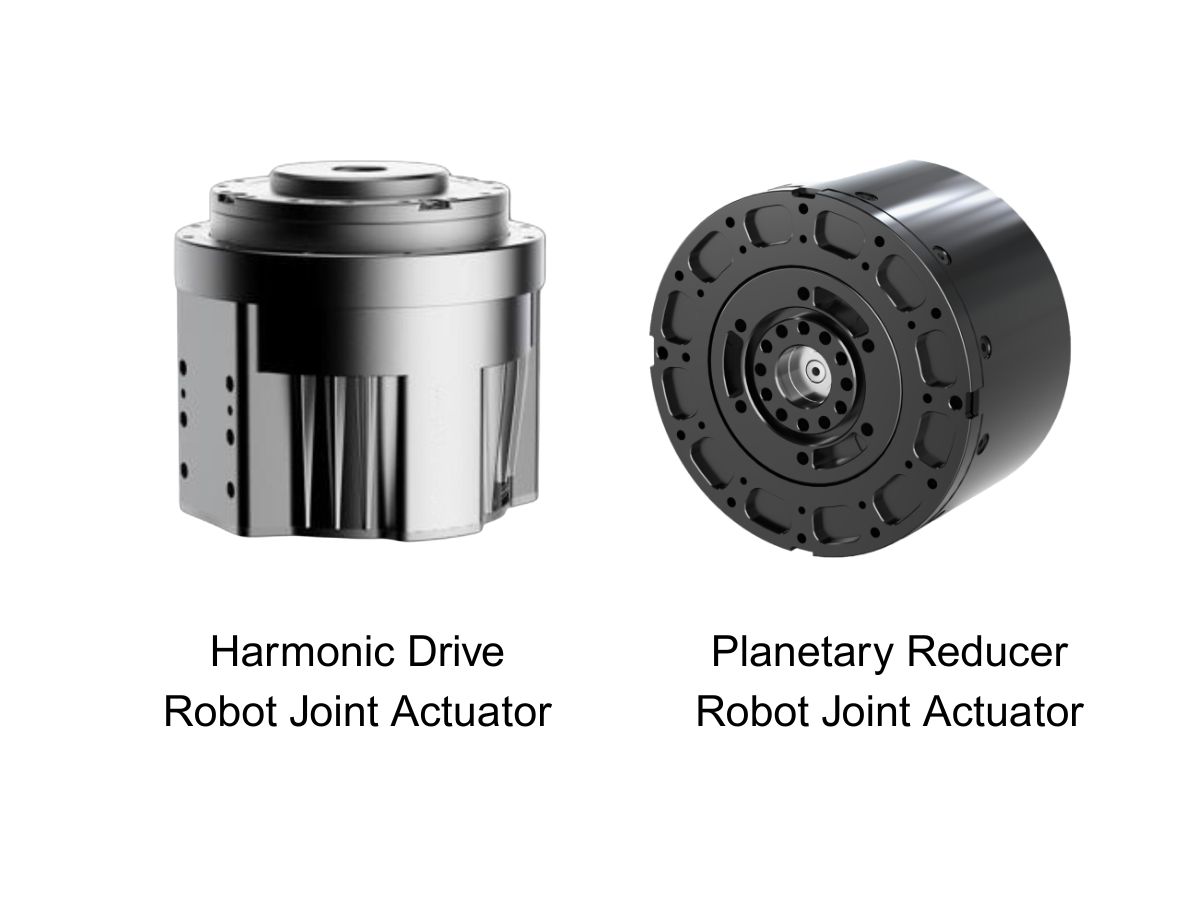
 What is robot joint actuator?How to Choose the Best Robot Rotary Joint Actuator?In core robot joint transmission solutions, planetary and harmonic rotary actuators each have their own strengths. Choosing the right type based on application requirements is essential to achieve the optimal balance between performance and cost.
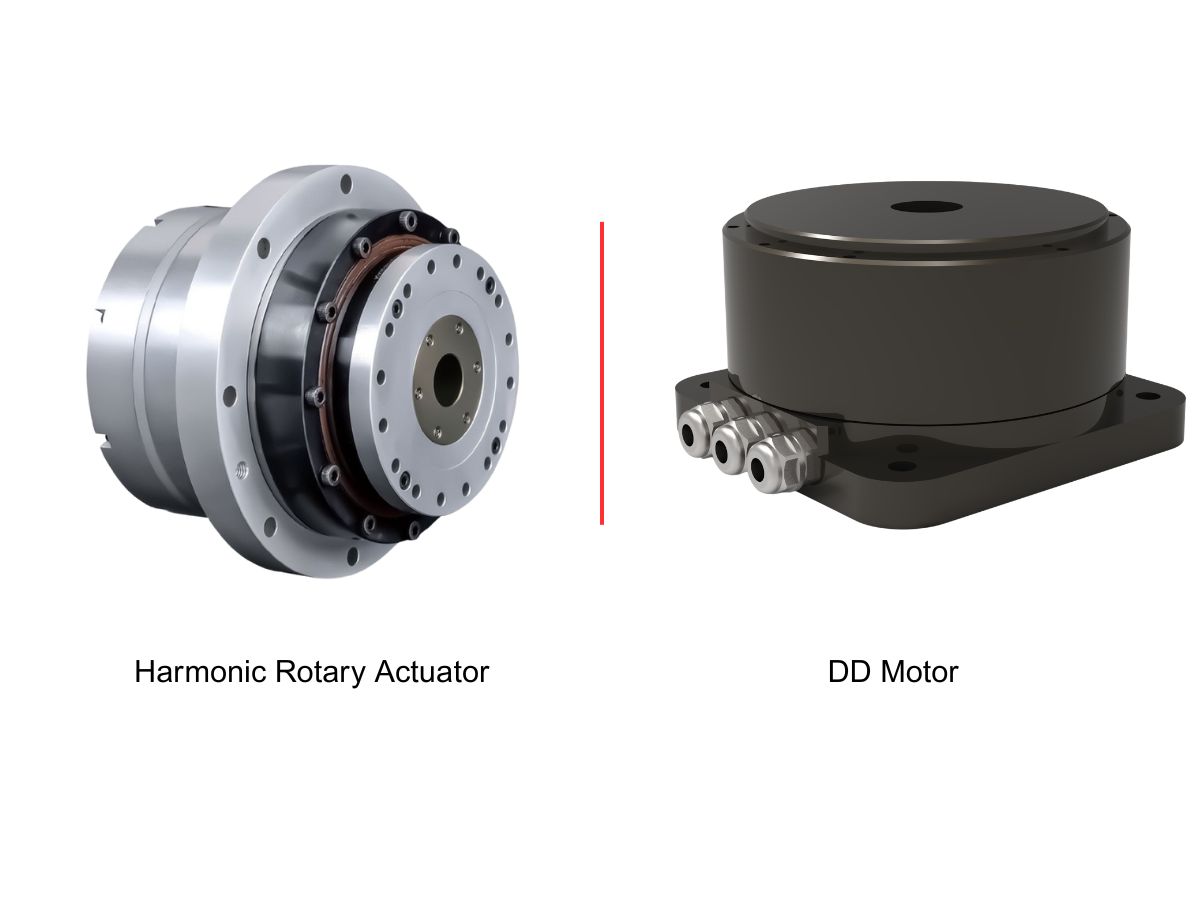
 DD Motors VS Harmonic Rotary ActuatorsThis article provides an in-depth comparison between Direct Drive (DD) motors and harmonic rotary actuators, covering their transmission principles, advantages and disadvantages, and typical application fields.
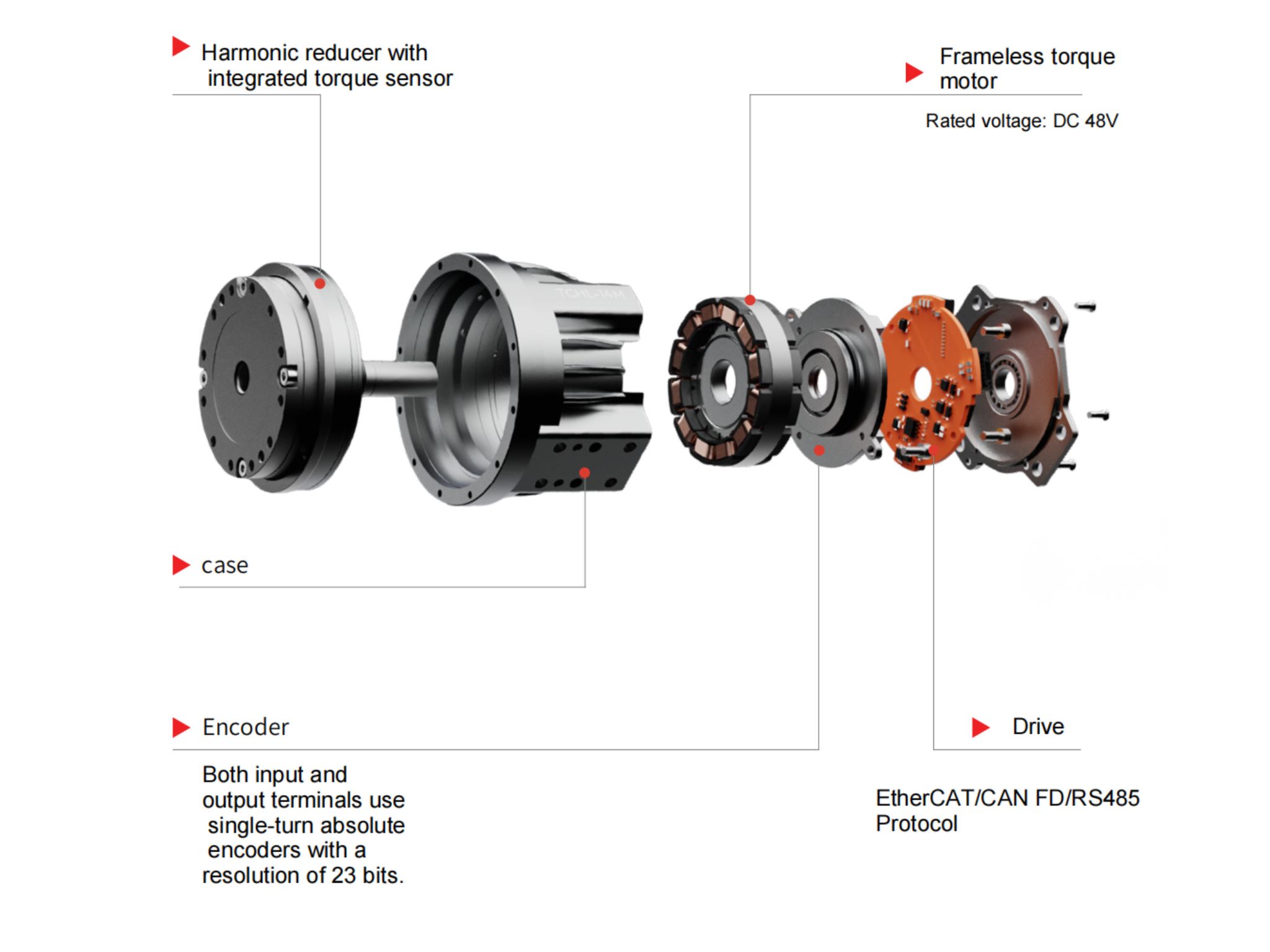
 OMG Ultra Compact Harmonic Drive Joint Module with Built-in Torque SensorHONPINE TCHL series harmonic drive joint module is a game-changing product that achieves disruptive improvements in multiple aspects such as lightweight design, integration level, and connection convenience. This article will analyze its revolutionary enhancements with you.
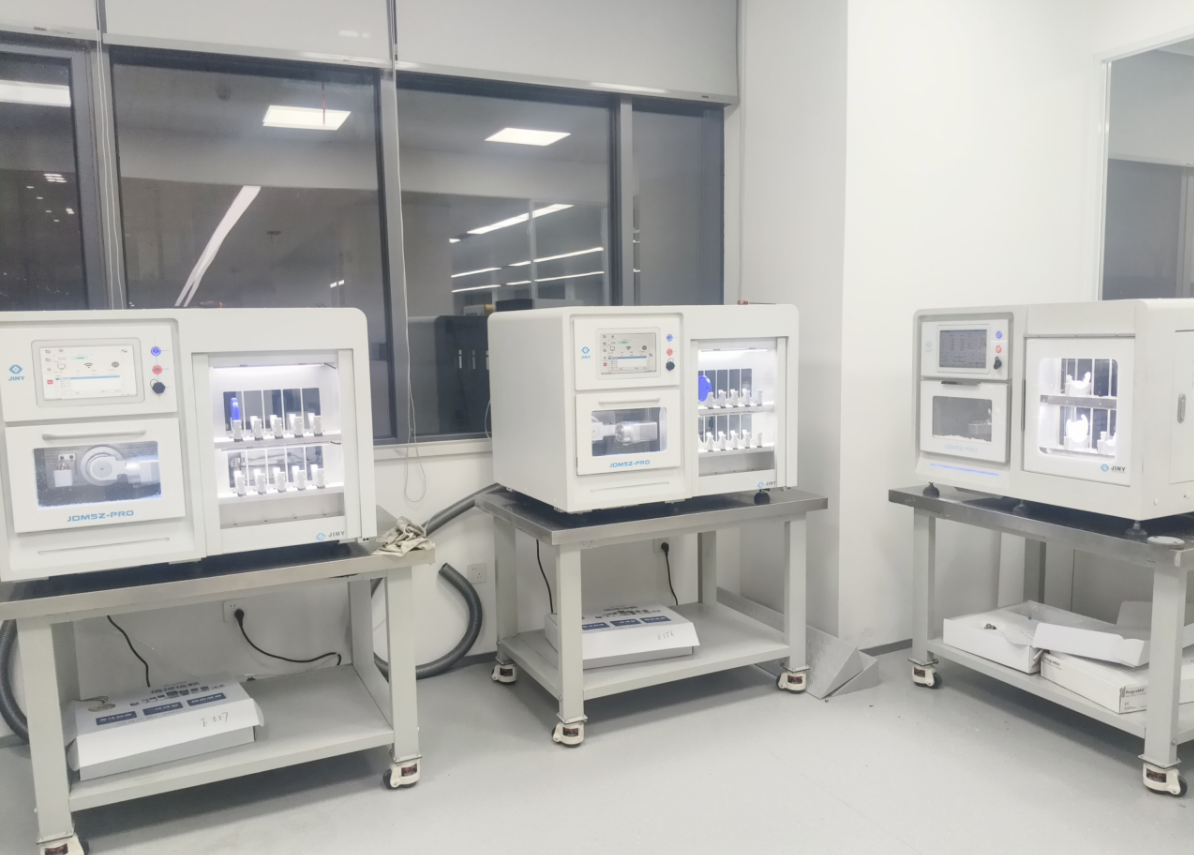
 The Role of Harmonic Drive Gears in Achieving 5–10 μm Accuracy in Dental Milling MachinesA dental milling machine is a CNC machining system used to directly process digital dental models into restorations such as crowns, bridges, veneers, inlays, and implant abutments. Dental milling machines require far higher operational accuracy and motion stability than ordinary equipment. This article explains how harmonic drive gear help dental milling machines achieve stable, continuous, and controllable operation.
 Why Are Harmonic Rotary Actuators Perfect for Medical Equipment?Harmonic rotary actuators (typically integrated systems consisting of a harmonic drive reducer, frameless torque motor, encoder, and optional brake) are regarded as key components in medical equipment. The core reason is that they simultaneously meet the most stringent medical requirements for precision, compact size, safety, and controllability. The following explanation is structured from three perspectives: technical characteristics, application scenarios, and medical value.
 High-Precision RV Reducers Perfectly Matched for Walking RobotsThe walking axis of a robot is a core component for power transmission and support. RV reducers provide extremely high rigidity, precision, and torque while maintaining a compact size and exceptional reliability, making them an ideal match for the demanding requirements of walking robot joints in terms of load capacity, impact resistance, and precision.
![]() CCMT2026: Middle East Buyers Seek ATEX/IECEx-Certified 5-Axis Machining CentersATEX/IECEx-certified 5-axis machining centers in high demand at CCMT2026—Middle East buyers seek certified solutions for oil & gas infrastructure. Act now!
CCMT2026: Middle East Buyers Seek ATEX/IECEx-Certified 5-Axis Machining CentersATEX/IECEx-certified 5-axis machining centers in high demand at CCMT2026—Middle East buyers seek certified solutions for oil & gas infrastructure. Act now!![]() CCMT2026: 37% Order Intent Rise from MENA & LatAm, Local After-sales Consortium Demand SurgesCCMT2026 reveals 37% order intent surge from MENA & LatAm — with 62.3% of buyers demanding Local After-sales Consortium models. Discover strategic implications for machine tool exporters and service providers.
CCMT2026: 37% Order Intent Rise from MENA & LatAm, Local After-sales Consortium Demand SurgesCCMT2026 reveals 37% order intent surge from MENA & LatAm — with 62.3% of buyers demanding Local After-sales Consortium models. Discover strategic implications for machine tool exporters and service providers.![]() CCMT2026 Closes with 37% Rise in Overseas Order IntentionsCCMT2026 drives 37% surge in overseas order intentions — discover how CNC machine tool exporters can leverage localization-based after-sales joint entities for competitive advantage.
CCMT2026 Closes with 37% Rise in Overseas Order IntentionsCCMT2026 drives 37% surge in overseas order intentions — discover how CNC machine tool exporters can leverage localization-based after-sales joint entities for competitive advantage.![]() CCMT2026 Attendance Up 22.7%, Overseas Buyers Rise SharplyCCMT2026 attendance up 22.7% — overseas buyers surge 35%+ from Germany, Mexico & Vietnam. Discover key trends in five-axis machining, harmonic drives & smart tooling.
CCMT2026 Attendance Up 22.7%, Overseas Buyers Rise SharplyCCMT2026 attendance up 22.7% — overseas buyers surge 35%+ from Germany, Mexico & Vietnam. Discover key trends in five-axis machining, harmonic drives & smart tooling. How to Select Robot Joint Modules for Arms, Torso, Head, and Legs in AGV and Humanoid RobotsRobot AGV platforms, lifting legs, folding legs, torso, head, and dual arms each have different functional requirements. Therefore, different types of harmonic gear joint modules and planetary joint modules should be selected accordingly.
 What is a DD Motor? How to Select a DD Motor?DD motor, full name Direct Drive motor, is a motor that directly drives the load without using reduction devices such as gears, belts or ball screws. Its working principle is based on high torque output, allowing it to be directly connected to the moving equipment, thereby eliminating the need for intermediate connection parts such as fasteners, gearboxes and belts.

Double Click
We provide harmonic drive reducer,planetary reducer,robot joint motor,robot rotary actuators,RV gear reducer,robot end effector,dexterous robot hand
![]() US BIS Extends Anti-Circumvention Probe to Chinese HMI+PLC KitsUS BIS extends anti-circumvention probe to Chinese HMI+PLC kits—critical for CNC machine tool exporters. Stay compliant, avoid delays & protect supply chains.
US BIS Extends Anti-Circumvention Probe to Chinese HMI+PLC KitsUS BIS extends anti-circumvention probe to Chinese HMI+PLC kits—critical for CNC machine tool exporters. Stay compliant, avoid delays & protect supply chains.![]() US BIS Launches Anti-Circumvention Probe on Chinese CNC G-Code ModulesUS BIS anti-circumvention probe targets Chinese CNC G-code modules—impacting servo drives, HMIs & motion control firmware. Stay compliant & ahead of regulatory shifts.
US BIS Launches Anti-Circumvention Probe on Chinese CNC G-Code ModulesUS BIS anti-circumvention probe targets Chinese CNC G-code modules—impacting servo drives, HMIs & motion control firmware. Stay compliant & ahead of regulatory shifts.![]() US Proposes 25% Tariff on Chinese CNC System ComponentsCNC system components face 25% US tariff proposal—key for machine tool OEMs, automation suppliers & global procurement teams. Act now.
US Proposes 25% Tariff on Chinese CNC System ComponentsCNC system components face 25% US tariff proposal—key for machine tool OEMs, automation suppliers & global procurement teams. Act now. FDS-100-XXX-CJ
 FDS-100-XXX-CJ
 FDS-80-XXX-CJ
 FDS-65-XXX-CJ
 FDS-50-XXX-CJ
 FDS-40-XXX-CJ
 FDS-32-XXX-CJ
 FDS-25-XXX-CJ
 FDS-20-XXX-CJ